Geography: Blog items
Year 5 - Rivers Come to Life in Our Final Geography Lesson
Date: 7th Oct 2026 @ 1:47pm
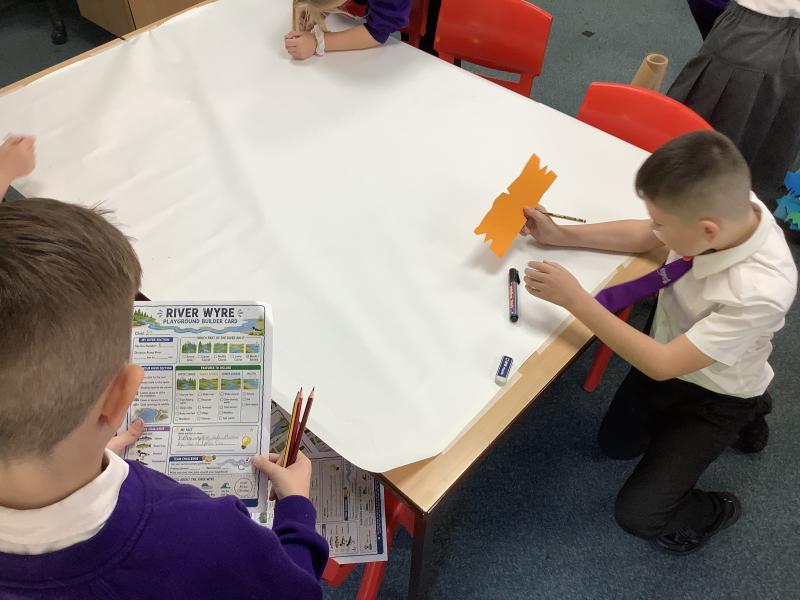
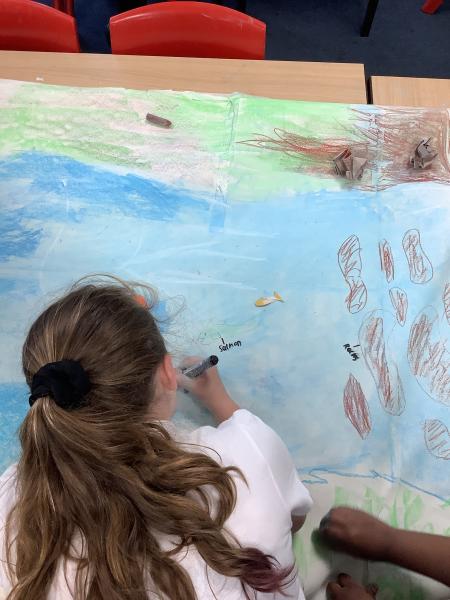
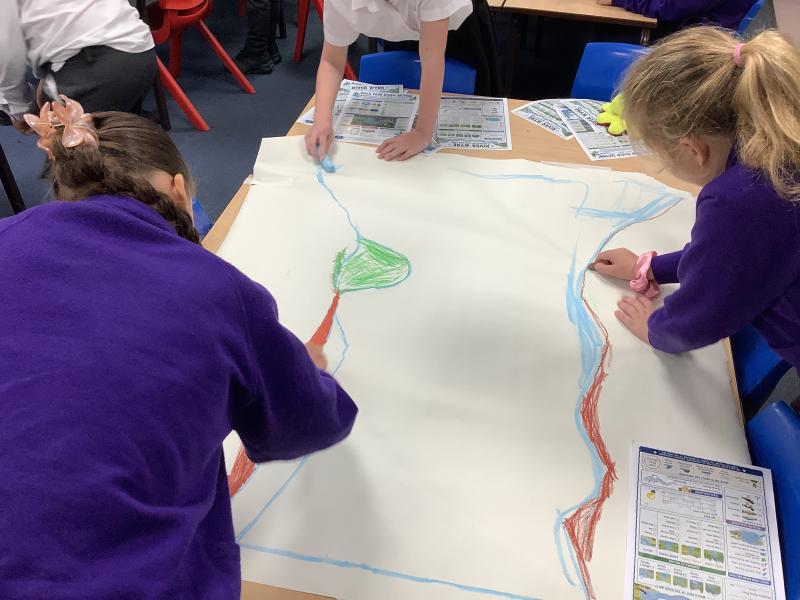
To celebrate the end of our Rivers unit, Year 5 pupils took part in an exciting hands-on lesson to consolidate everything they have learned about rivers and their features.
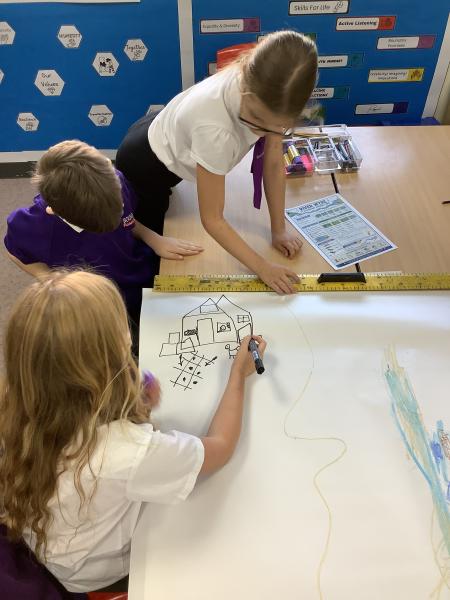
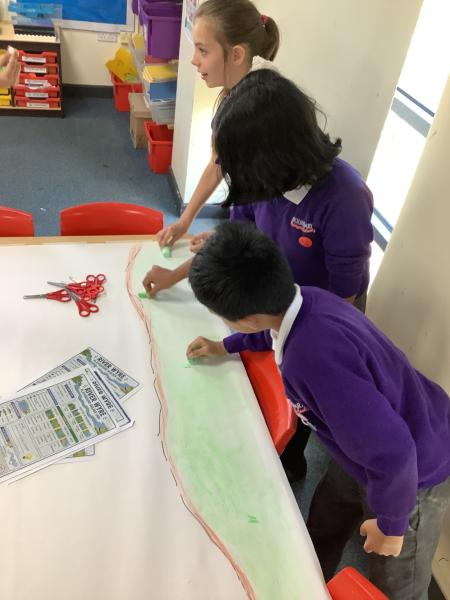
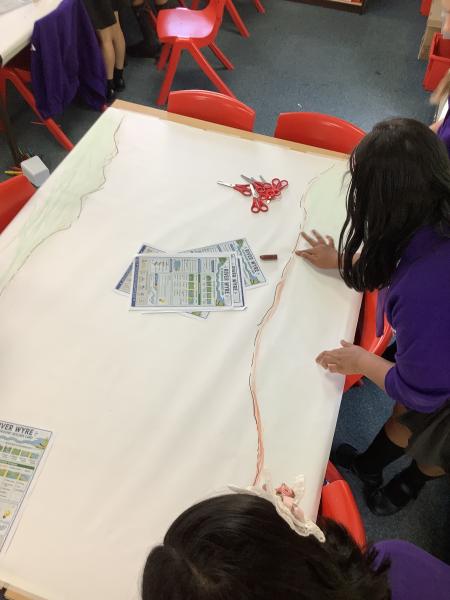
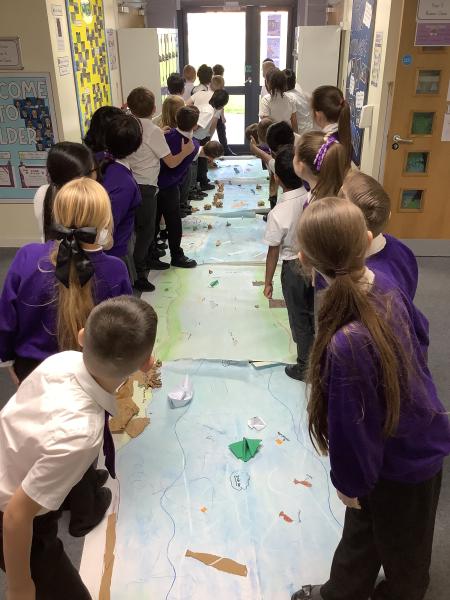
Using the fieldwork data they collected throughout the unit, children worked collaboratively to recreate the River Wyre along our school corridor using chalk, paper, recycled materials and a variety of arts and crafts resources. The impressive model included key river features that pupils had studied, such as the source, meanders, tributaries and mouth, demonstrating their growing understanding of how rivers change from source to sea.
As part of the project, children also reflected on their learning by comparing the River Wyre with the River Trent, identifying similarities and differences in their size, course and surrounding environments. This helped pupils develop their geographical enquiry skills and deepen their understanding of how rivers can vary across the United Kingdom.
The corridor was transformed into a colourful and informative river landscape, showcasing the children's creativity, teamwork and excellent geographical knowledge. It was a fantastic way to conclude the unit and celebrate all the learning that has taken place over the past few weeks.
Eco at Boundary- Awarded The Green Flag!
Date: 23rd Sep 2026 @ 1:55pm
🌿 Boundary Achieves Green Flag Award for the 7th Time! 🌿
We are absolutely delighted to announce that Boundary Primary School has once again been awarded the prestigious Green Flag Eco-Schools Award, making this our seventh Green Flag achievement. What an incredible accomplishment!
The Green Flag Eco-Schools Award recognises schools for their outstanding commitment to environmental education, sustainability and taking positive action to protect our planet. Achieving this award is a testament to the hard work, dedication and enthusiasm shown by our entire school community.
At Boundary, environmental responsibility is embedded throughout school life. Our dedicated Eco Warriors lead the way, encouraging everyone to think carefully about the impact our actions have on the environment. Through a range of cross-curricular learning opportunities in subjects such as Science and Geography, children develop their understanding of important environmental issues and consider how they can make a difference both locally and globally.
The Eco-Schools programme is a pupil-led initiative that empowers young people to take action on environmental issues within their school, local community and beyond. Following the Eco-Schools framework, our pupils have helped to drive improvements that support sustainability and environmental awareness.
Throughout the year, the children have worked hard to:
Reduce our carbon footprint
Cut down on waste and increase recycling
Save energy wherever possible
Promote biodiversity around our school grounds
Encourage healthy lifestyles that support both physical and mental wellbeing
This award belongs to everyone at Boundary. We would like to say a huge well done to our fantastic Eco Warriors, all of our children, staff and families who have supported our environmental journey throughout the year.
While we are incredibly proud to celebrate this achievement, we know that caring for our planet is an ongoing journey. The challenge now begins again as we set our sights on achieving an eighth Green Flag Award in 2027. Together, we will continue to make positive choices that help protect our environment and create a more sustainable future for all.
Congratulations, Boundary! Seven Green Flags and counting! 🌎💚🏳️🌿
Year 5 - Geography: My Region and the Western United States
Date: 13th Jul 2026 @ 2:16pm
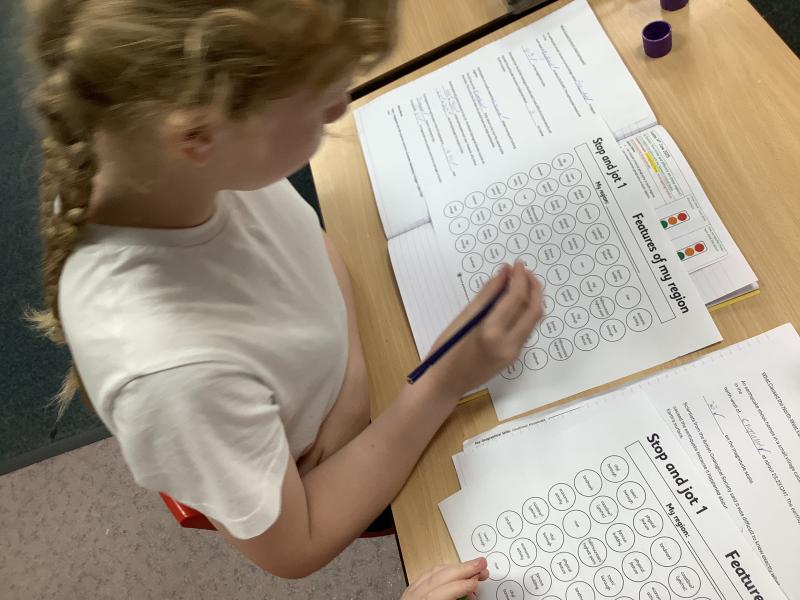
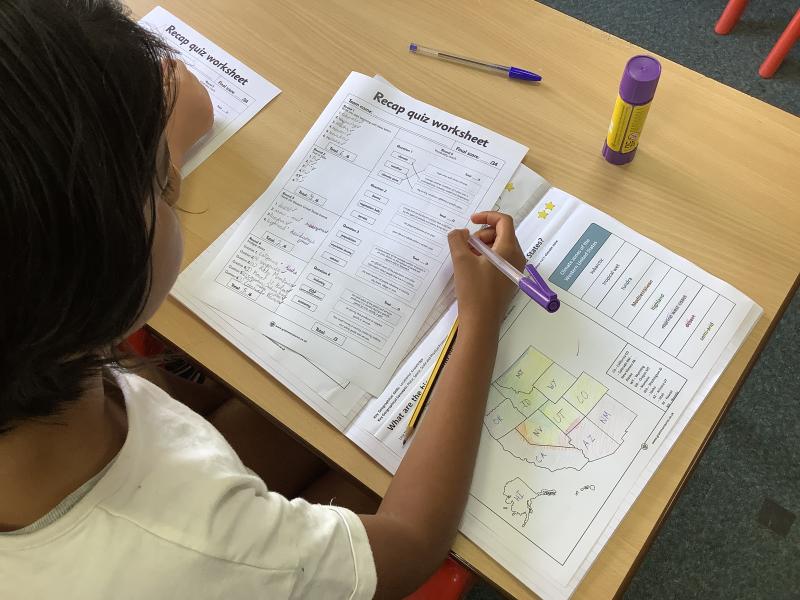
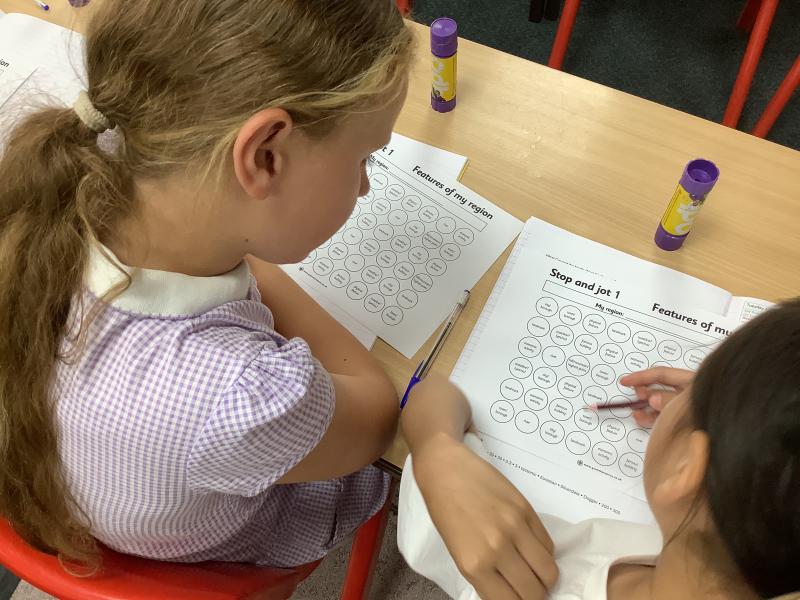
Geography Recap – My Region (North West) and the Western United States
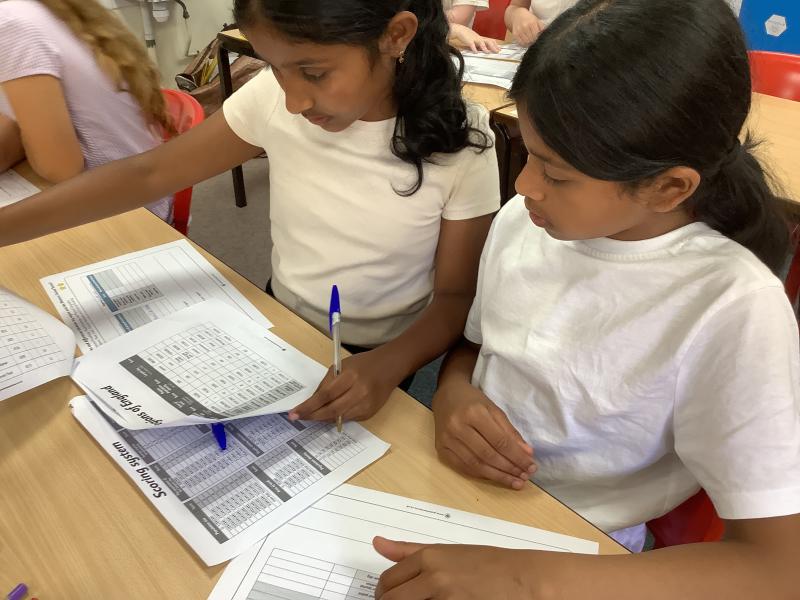
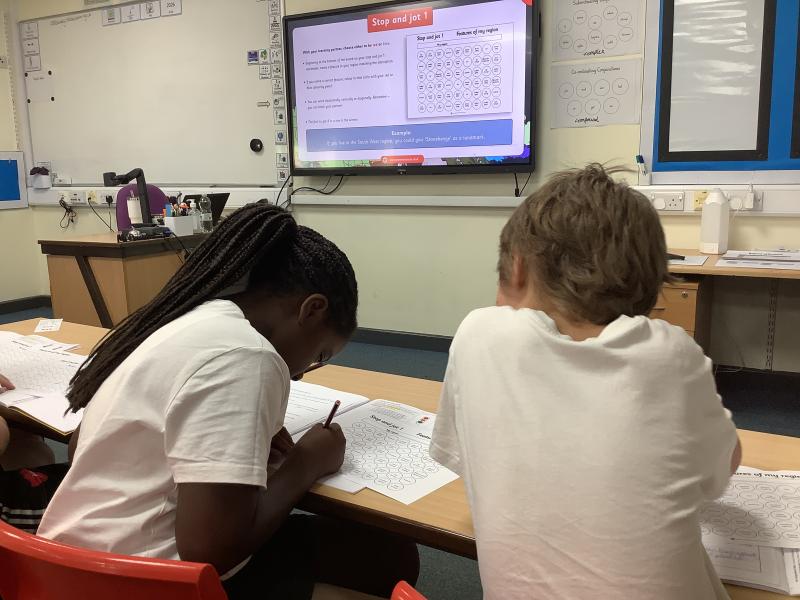
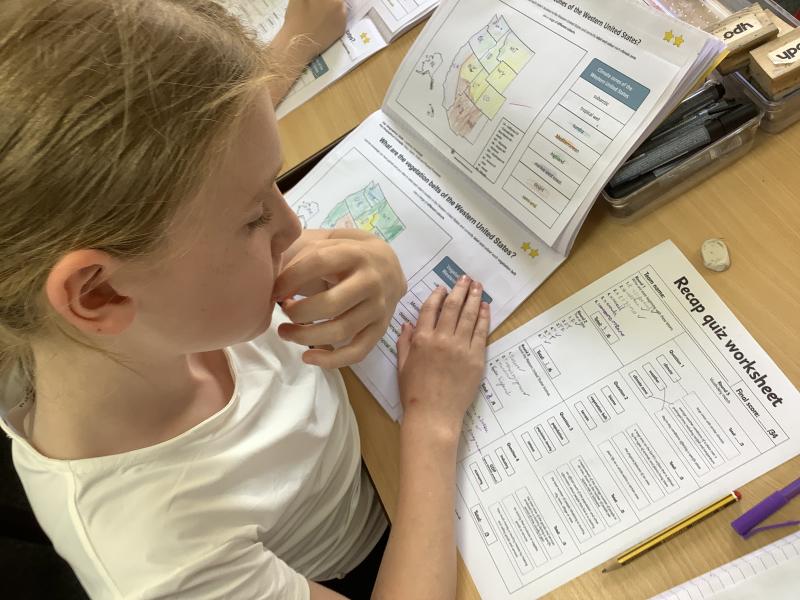
This week, Year 5 completed the penultimate lesson of our Geography unit, My Region and the Western United States. We spent the lesson revisiting everything we have learned and taking part in a fun recap quiz to test our knowledge. Throughout this topic, we have explored the fascinating geography of the Western United States and compared it with our own region, the North West of England. We learned that the Western United States is made up of 13 states and is much larger than the UK. Because of its enormous size, it contains a wide range of landscapes, climates and biomes, including deserts, rainforests, tundra and forests.
We also discovered that the Western United States has some incredible physical features, such as the Rocky Mountains, the Colorado River and famous volcanoes like Mount Saint Helens. Unlike the UK, some parts of the Western United States experience earthquakes and volcanic activity due to the San Andreas Fault. During our recap, we revised important geographical vocabulary, including population, population density, climate, biome, vegetation belt, industry and GDP. We used these terms to help us compare places accurately and explain similarities and differences between regions.
One of the most interesting things we learned is that although the Western United States has some very large and busy cities, much of the land is sparsely populated. In contrast, the UK has a much higher population density. We also explored how differences in climate and physical geography affect the way people live and work in different places. Next, we will use all of this knowledge to make detailed comparisons between our North West region and different states in the Western United States. We are looking forward to finding out which places are most similar to where we live and which are the most different!
Well done, Year 5, for all your hard work throughout this exciting geography unit! 🌍✨
Reception- Our Trip To The Beach
Date: 10th Jul 2026 @ 10:55am
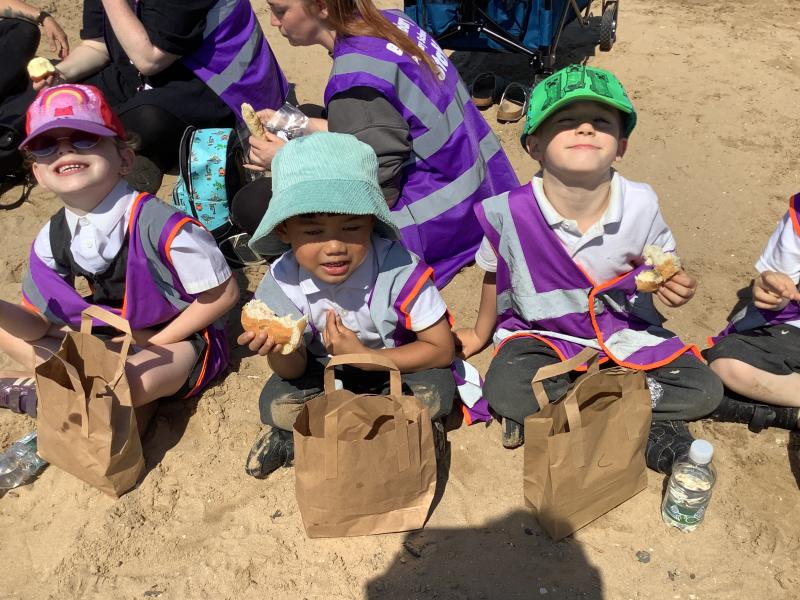
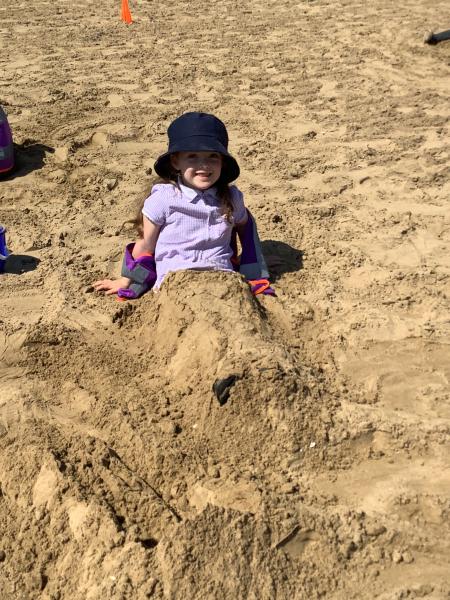
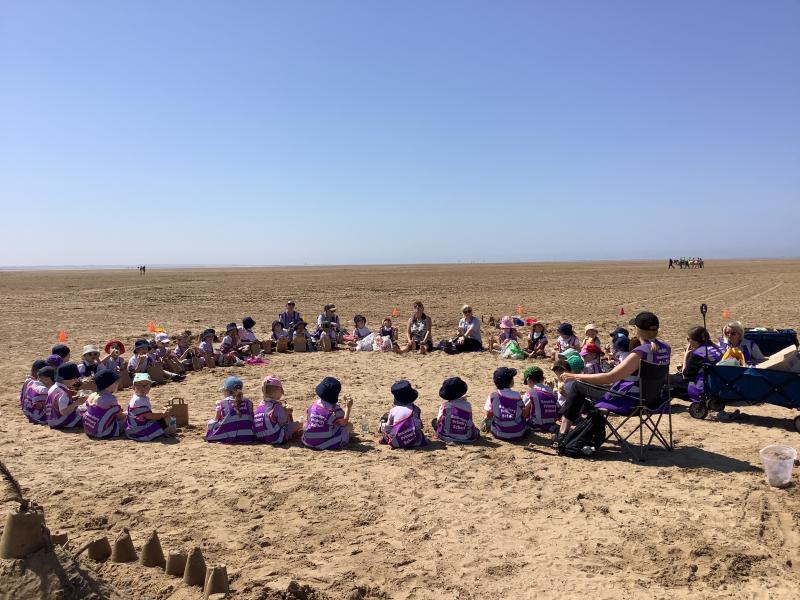
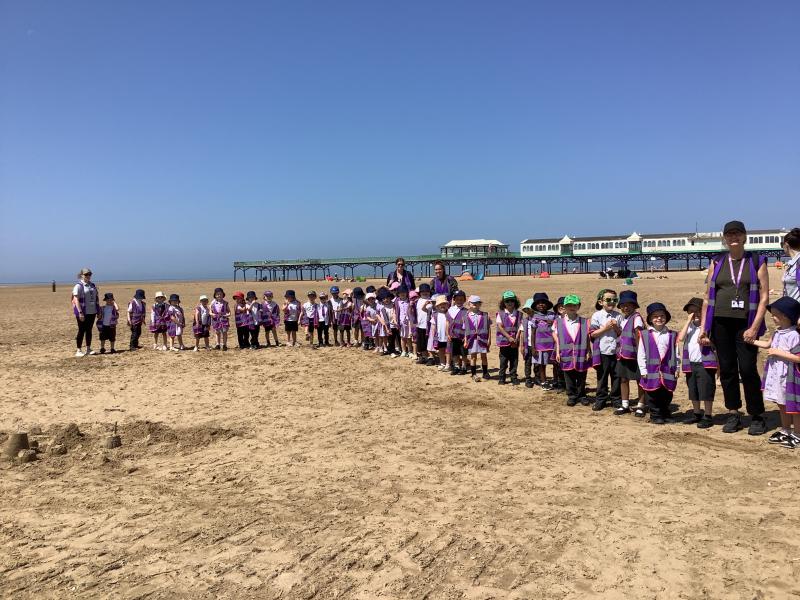
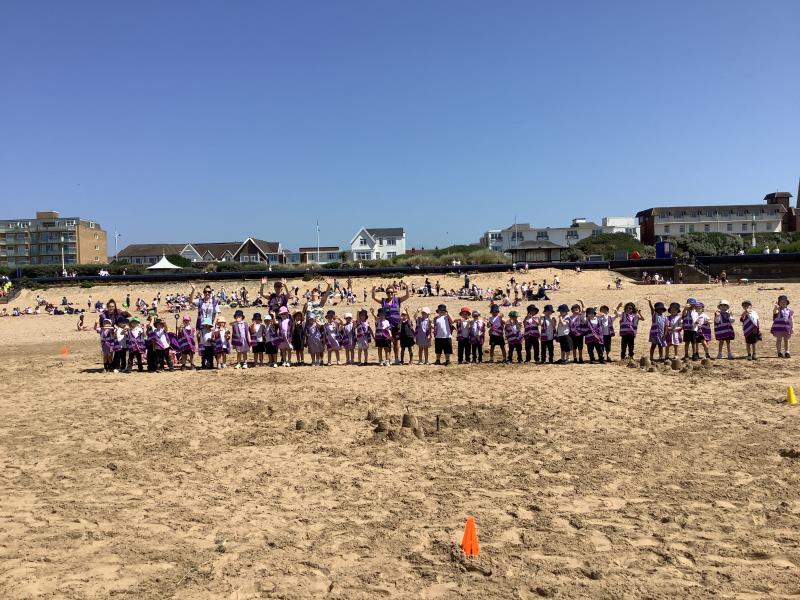
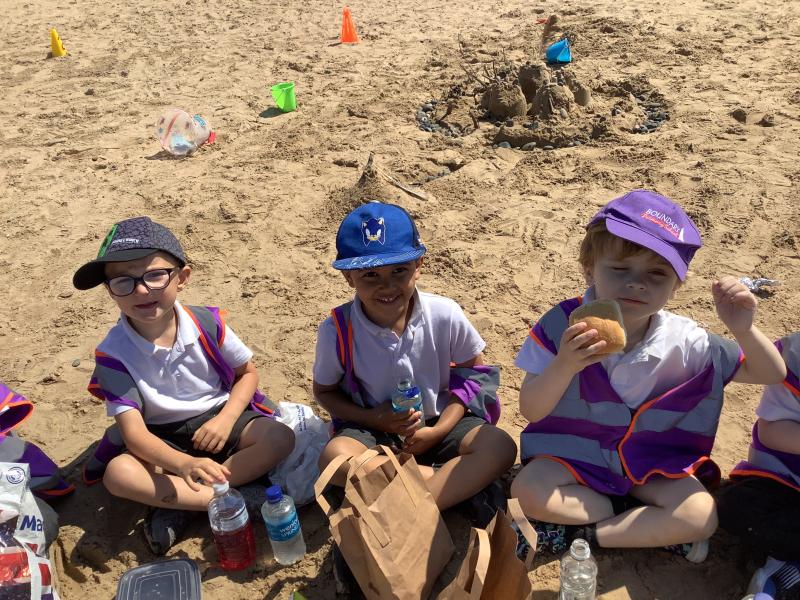
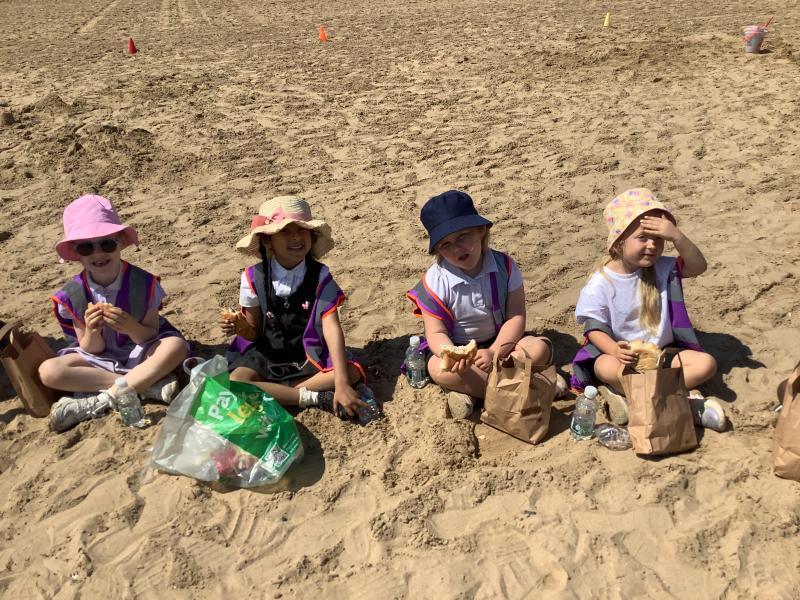
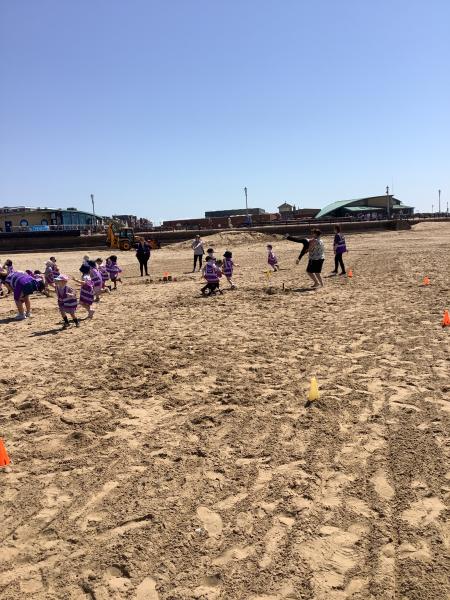
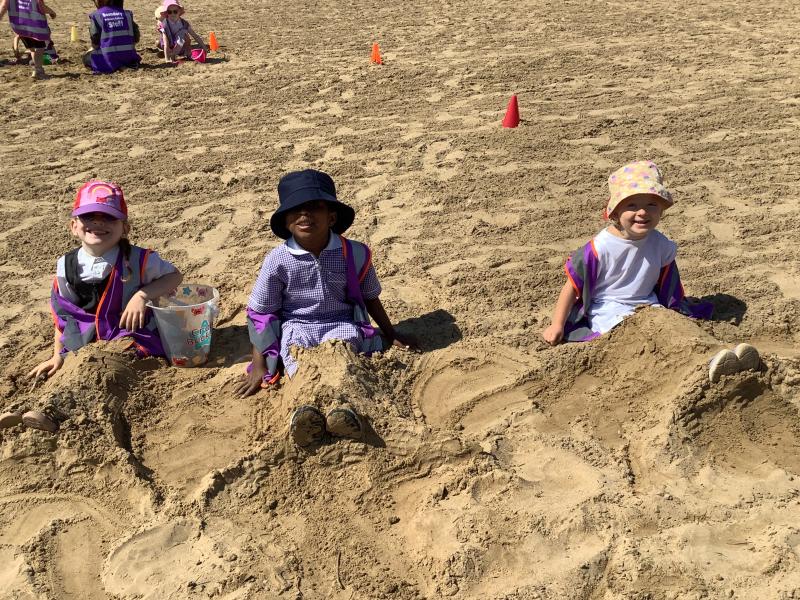
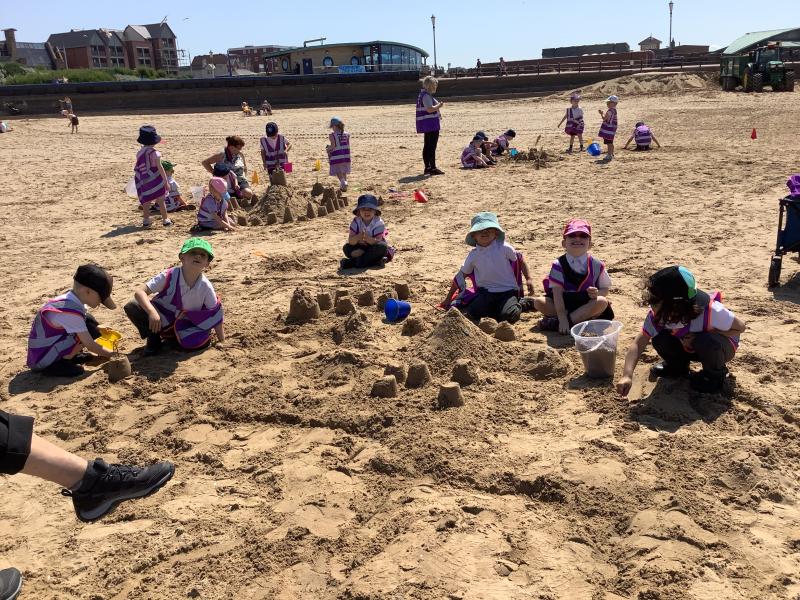
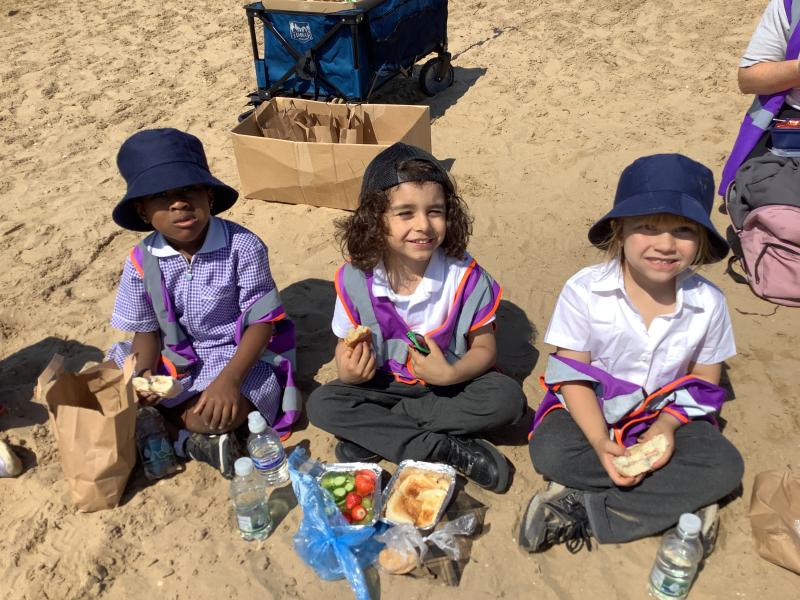
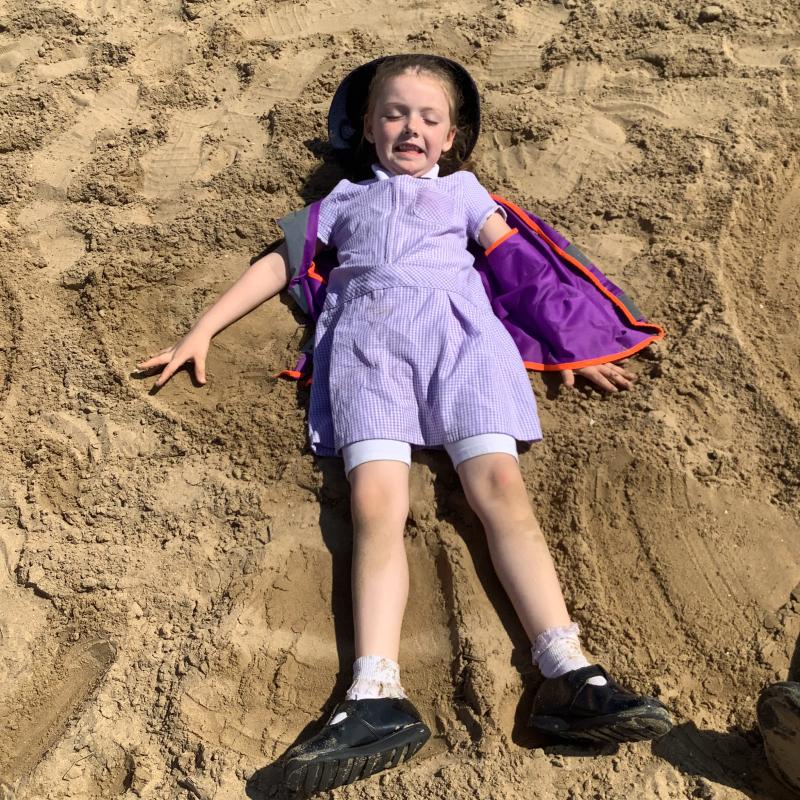
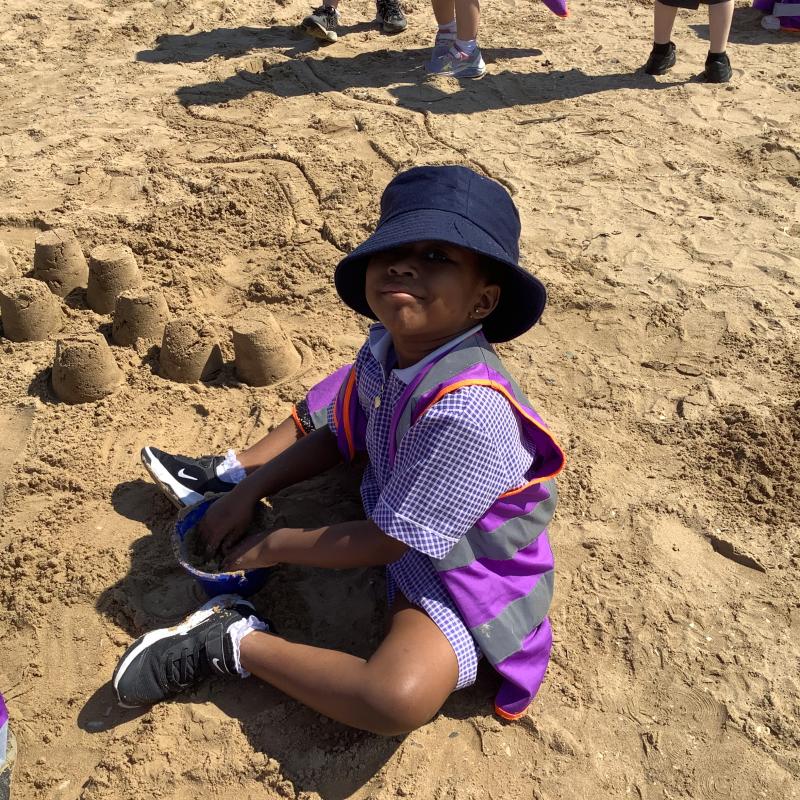
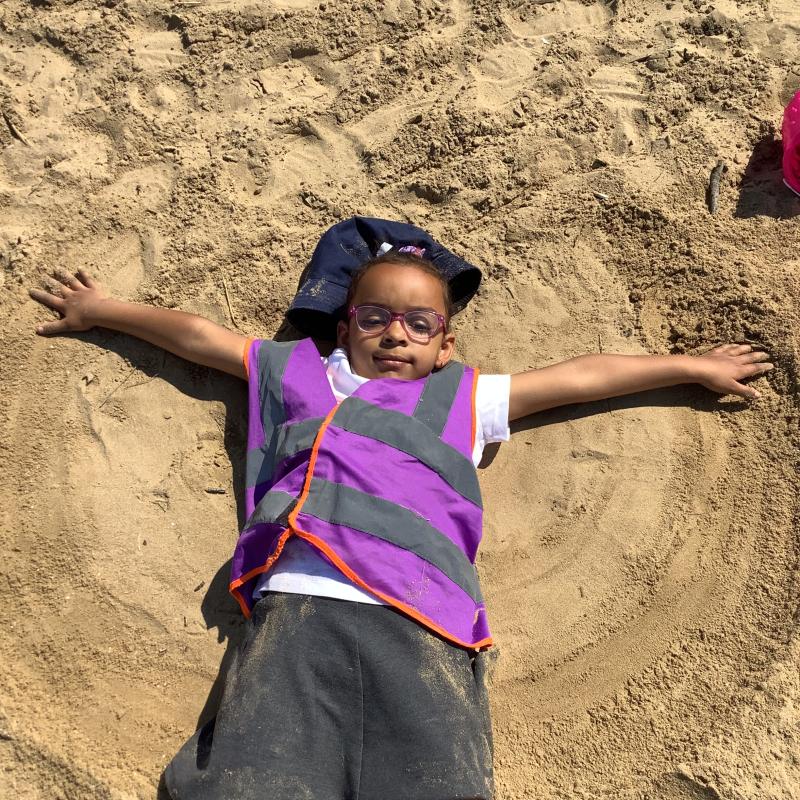
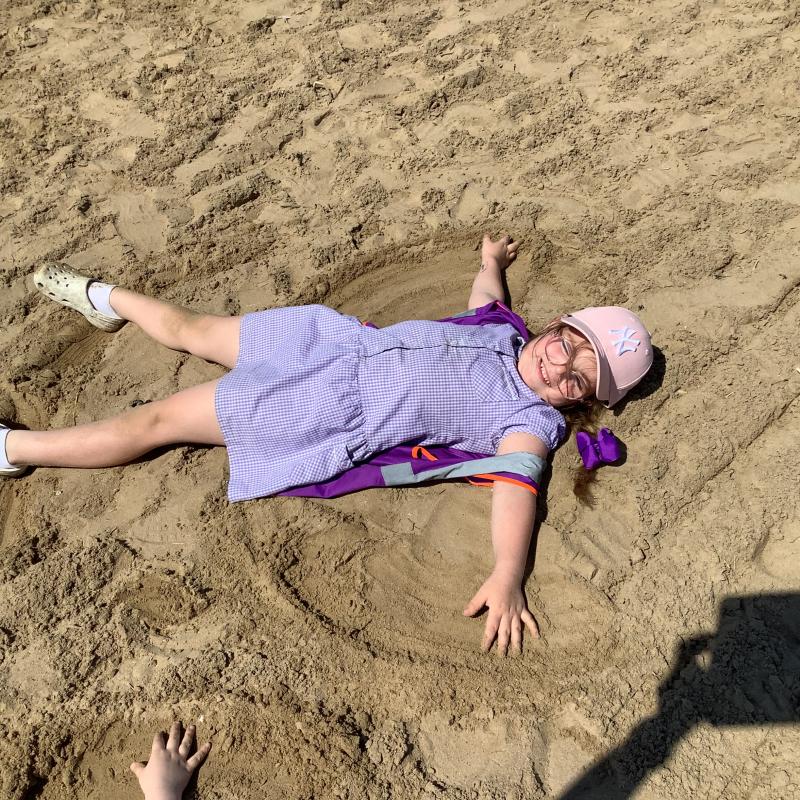
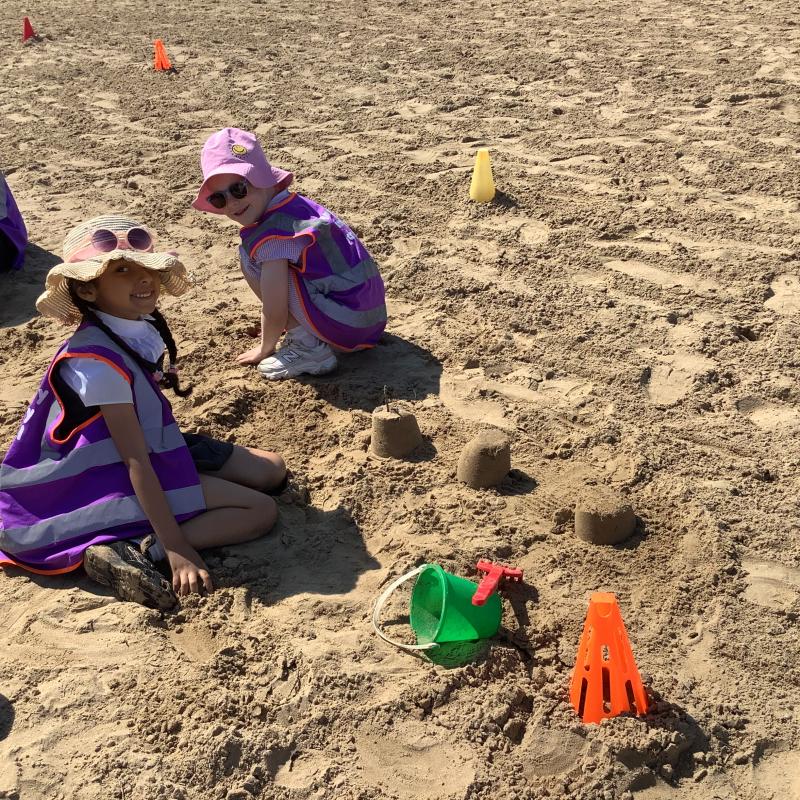
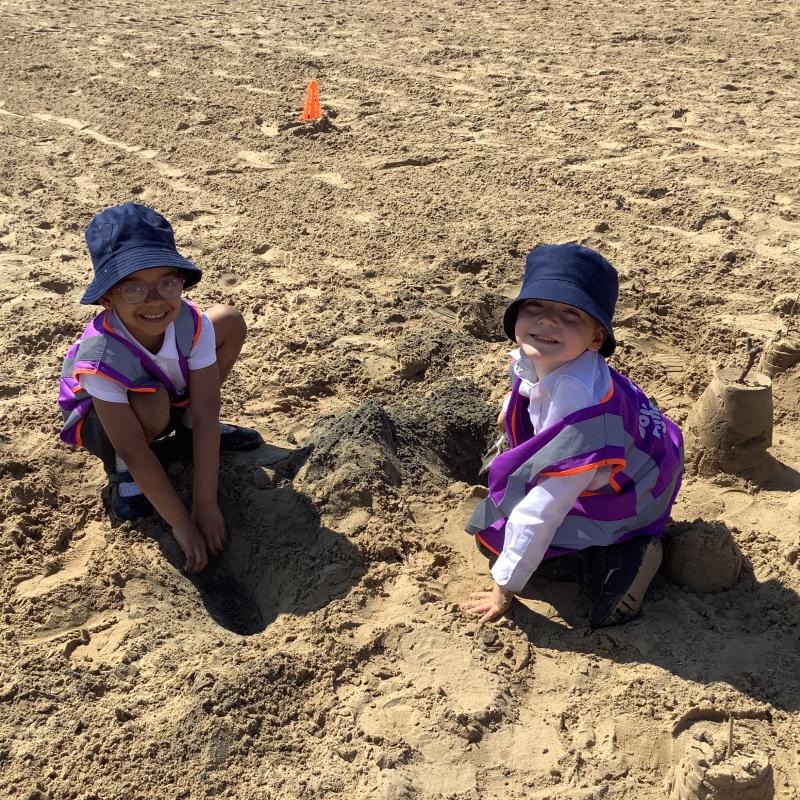
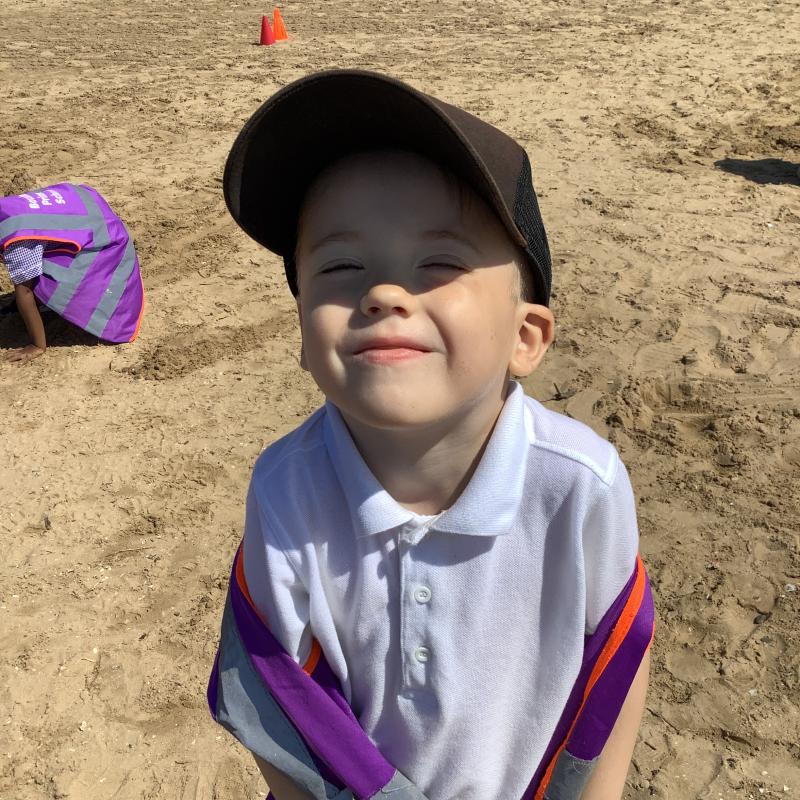
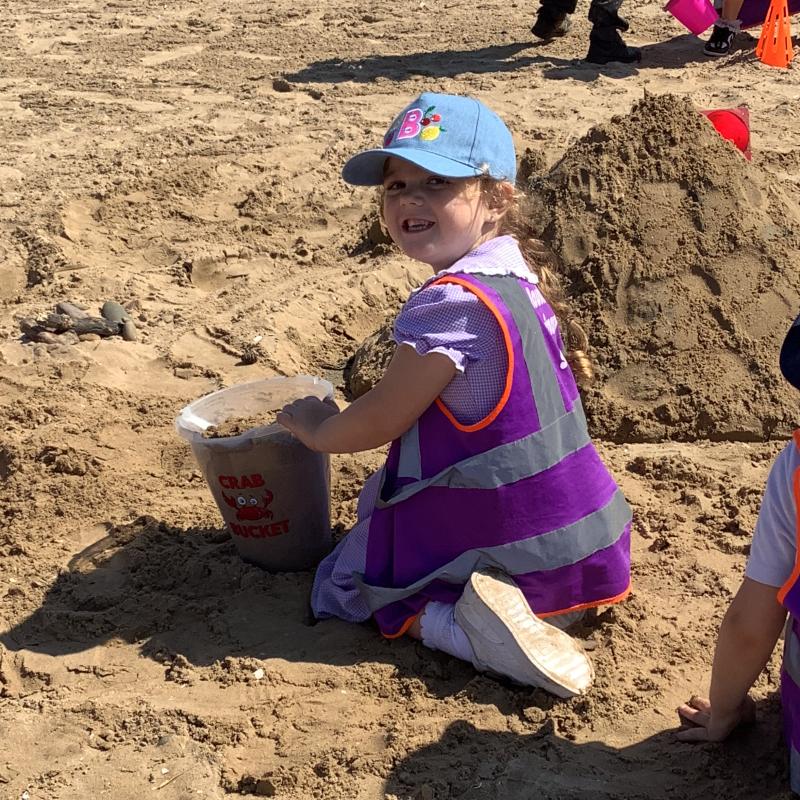
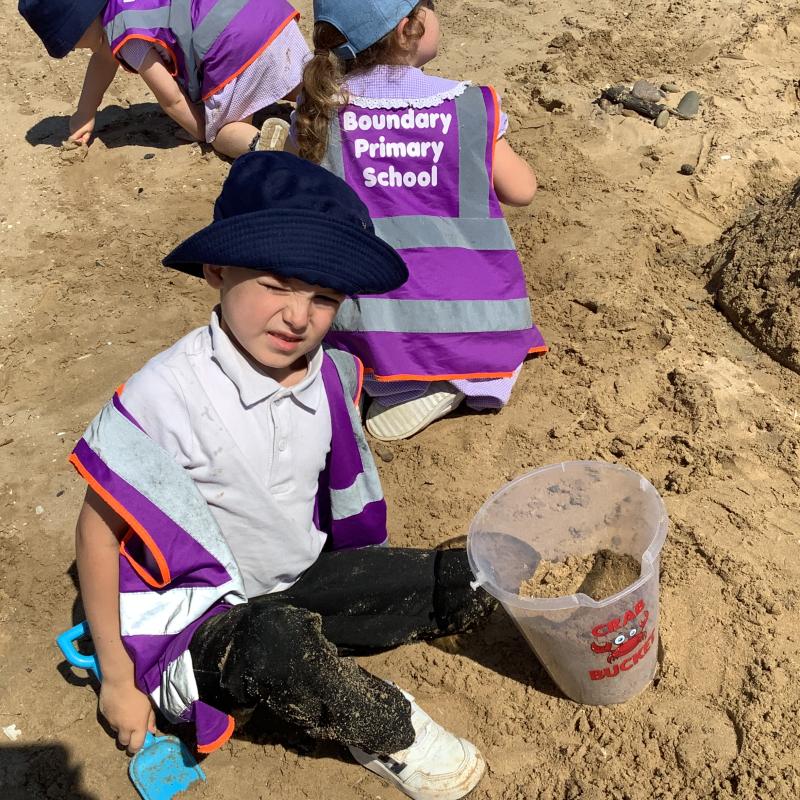
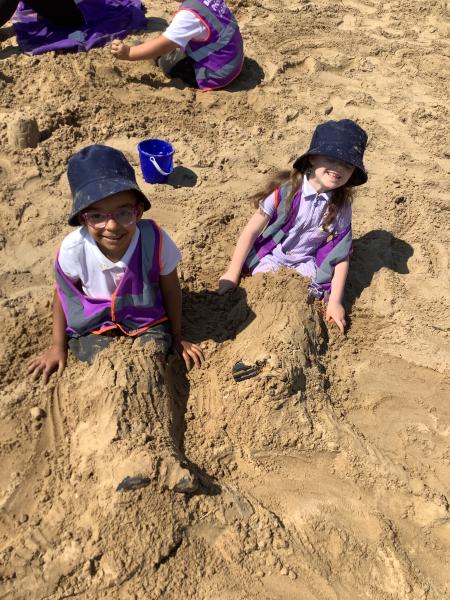
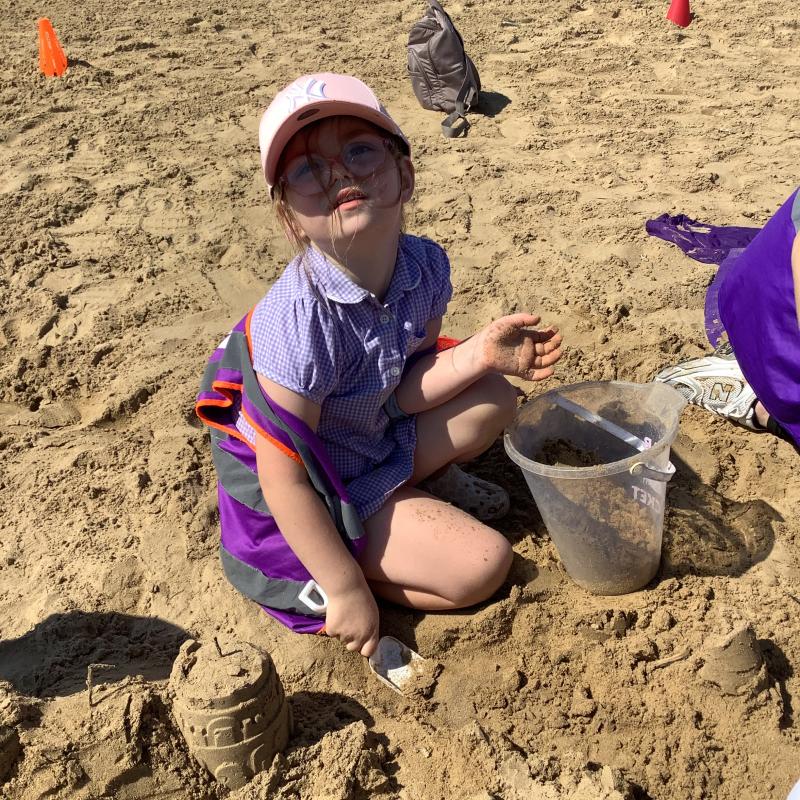
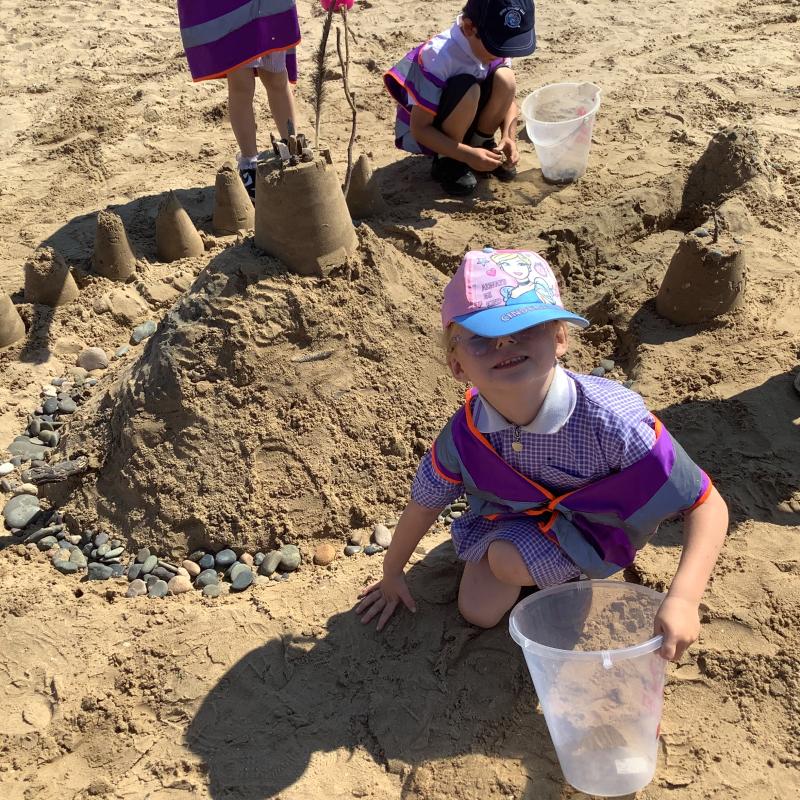
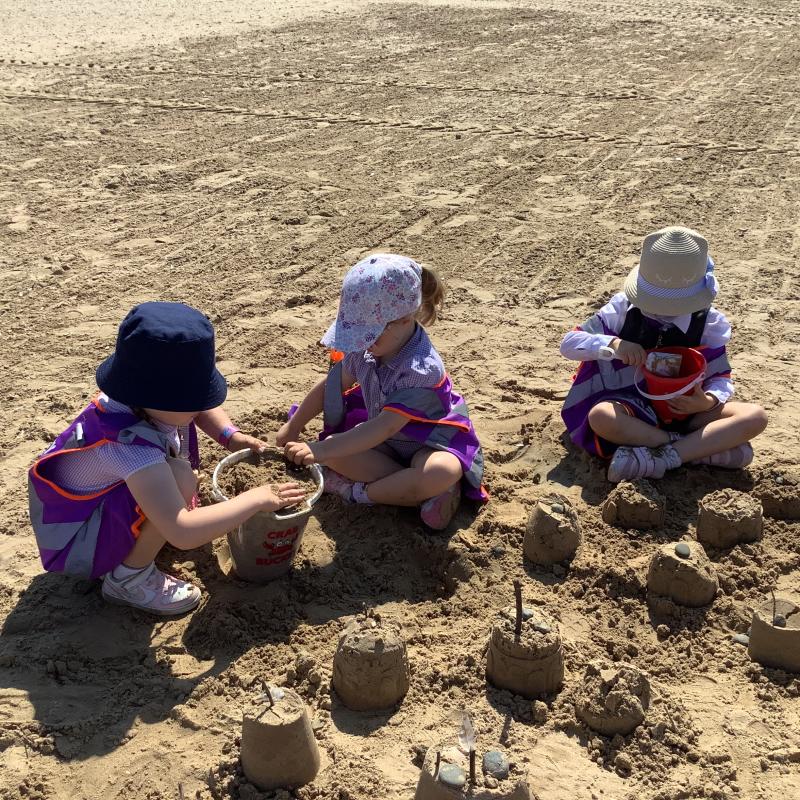
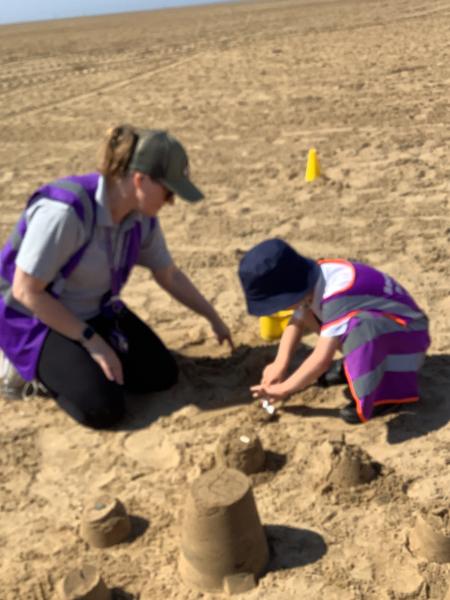
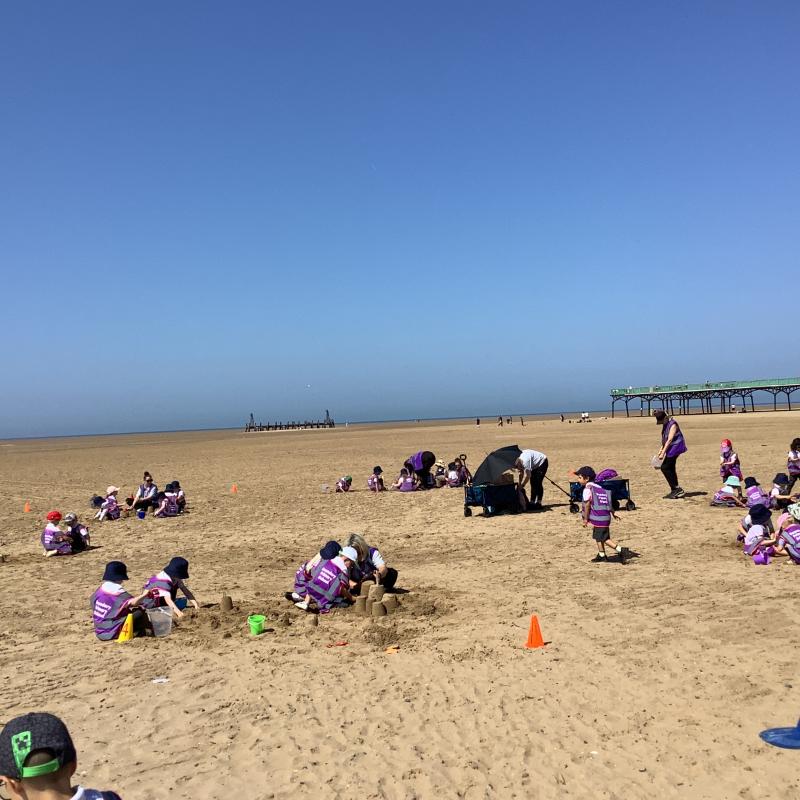
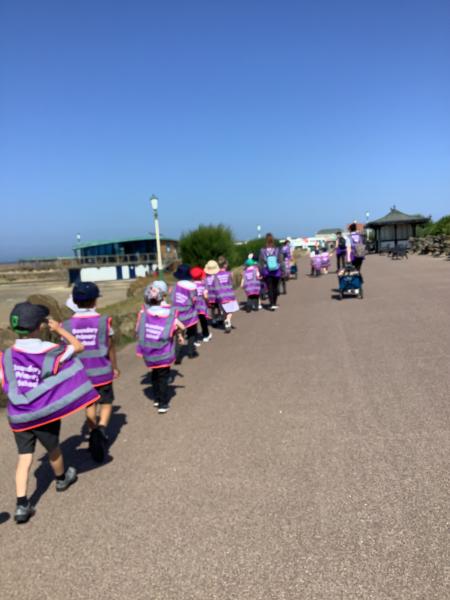
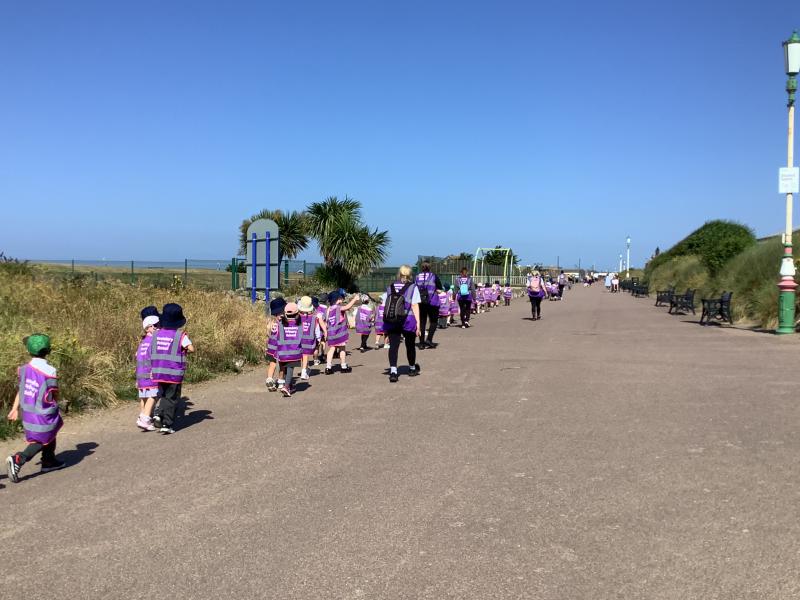
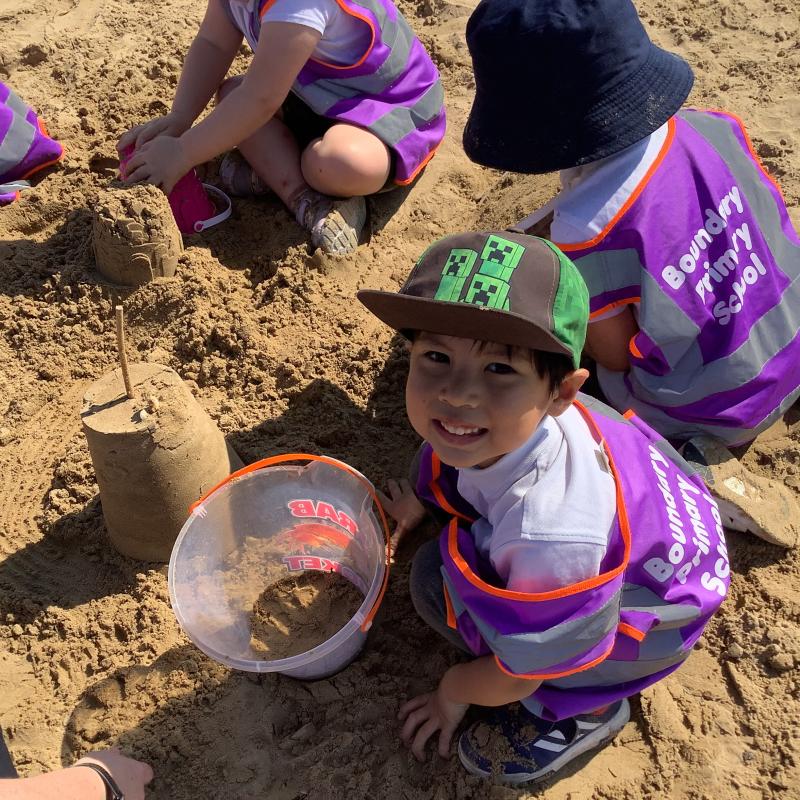
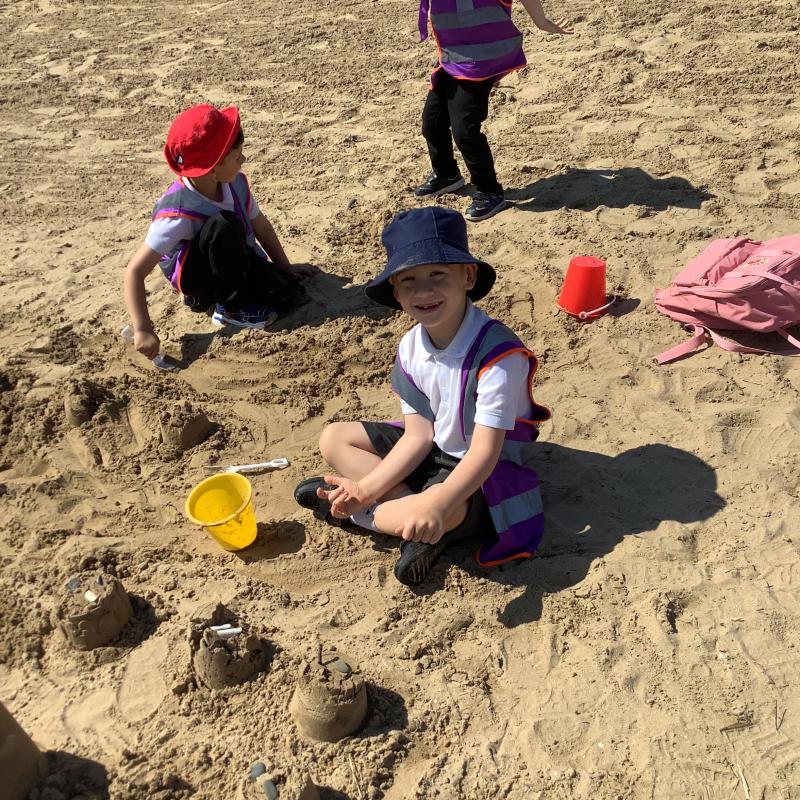
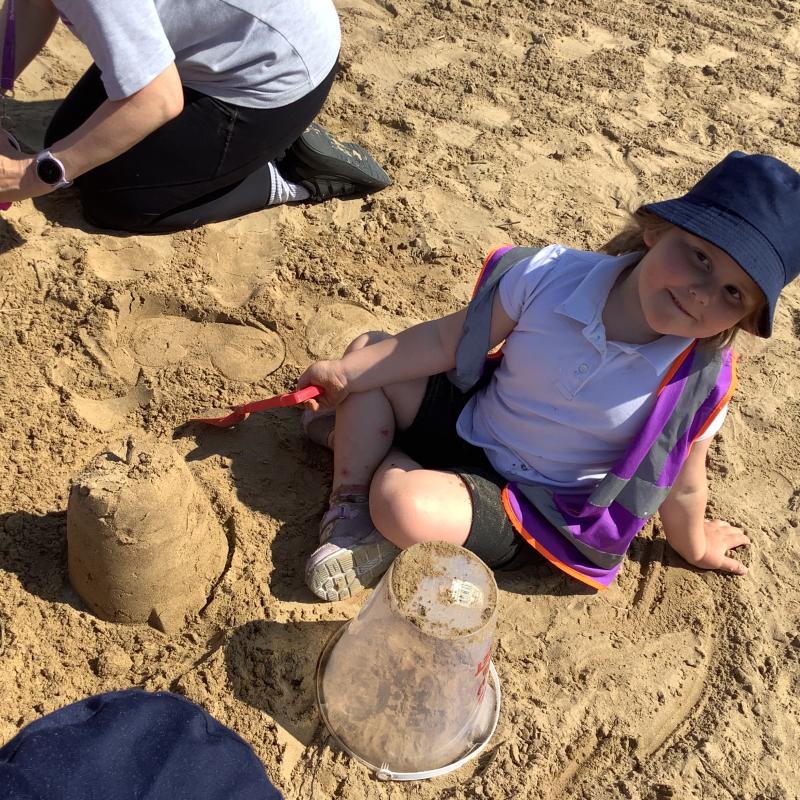
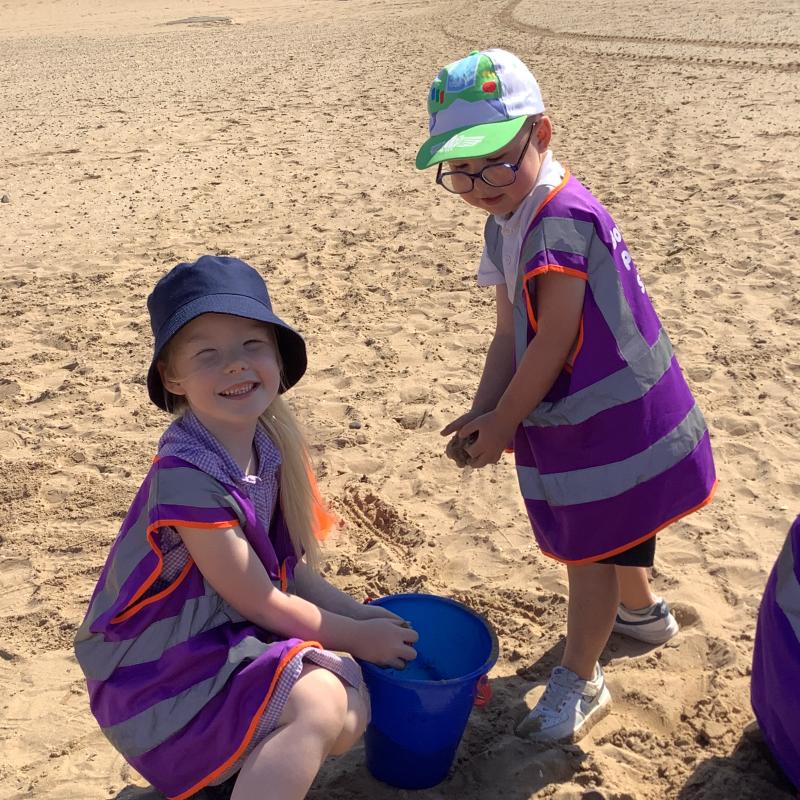
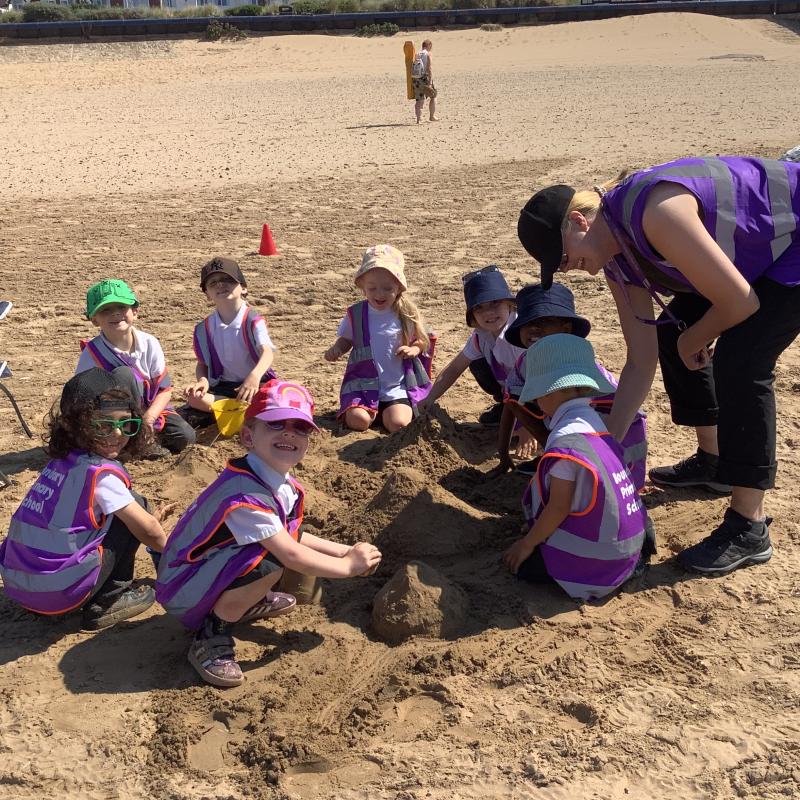
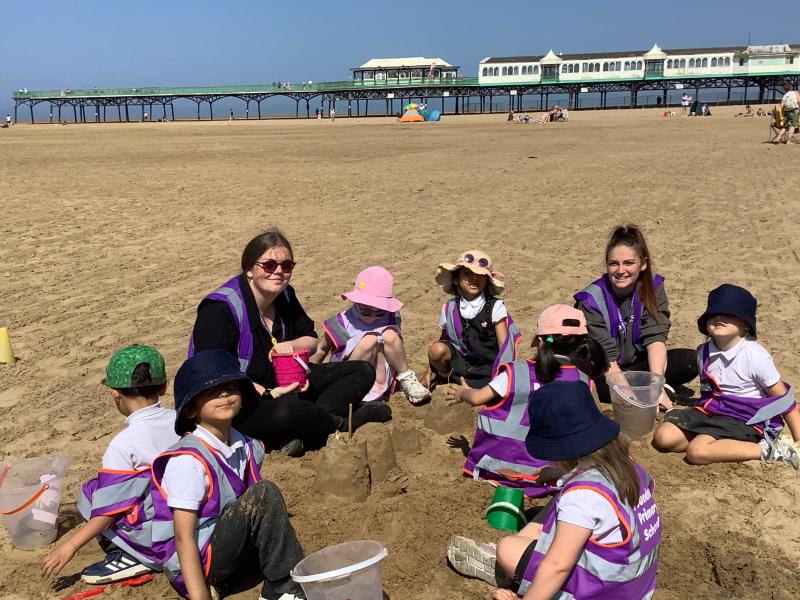
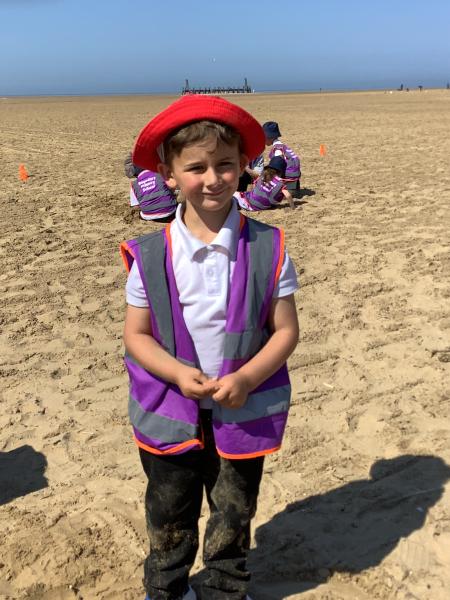
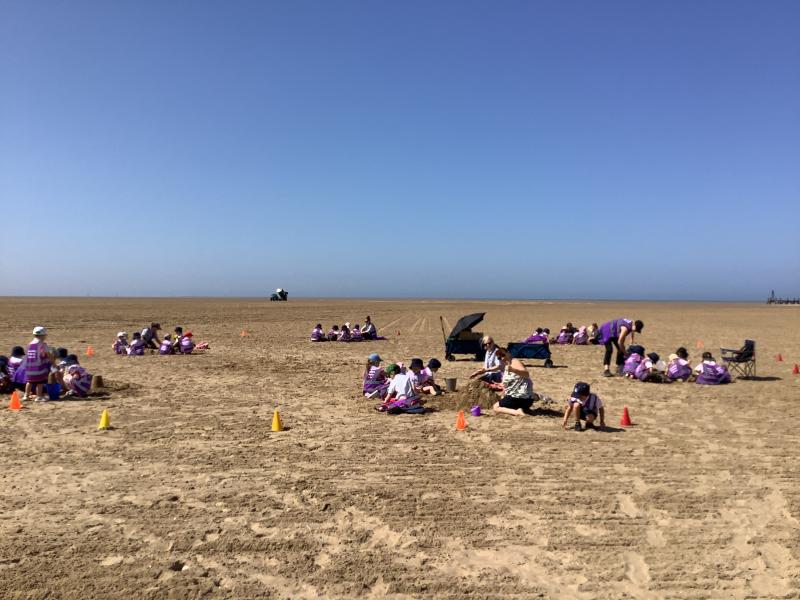
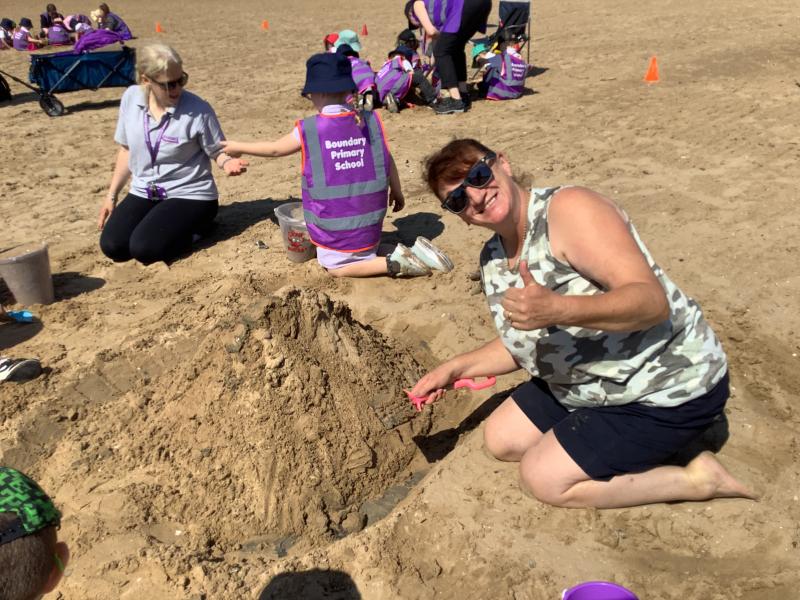
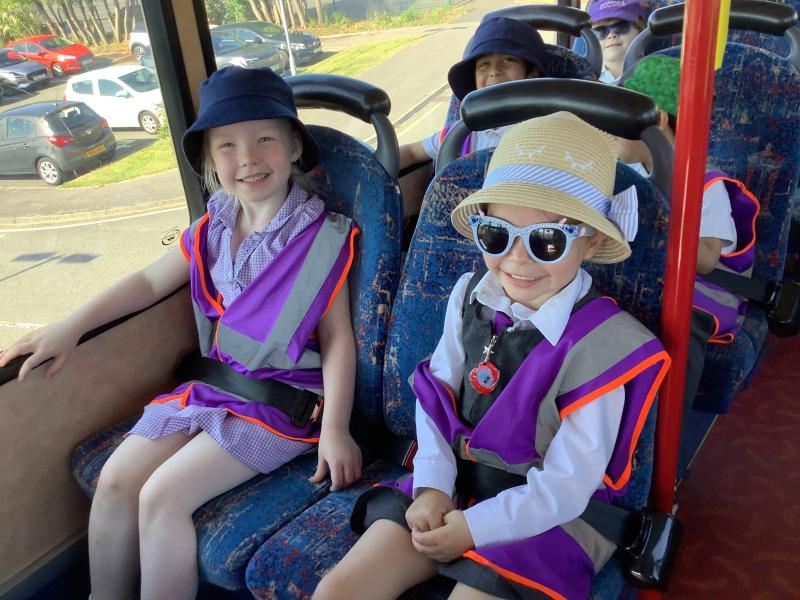
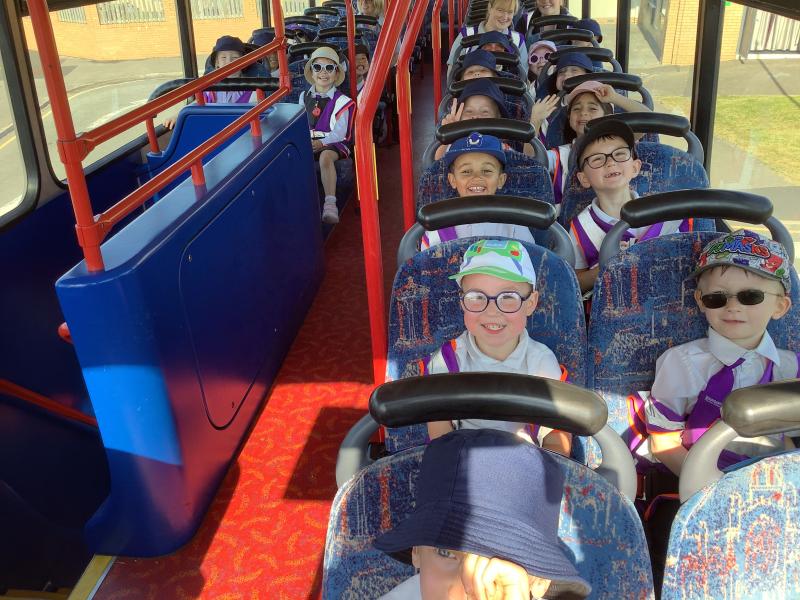
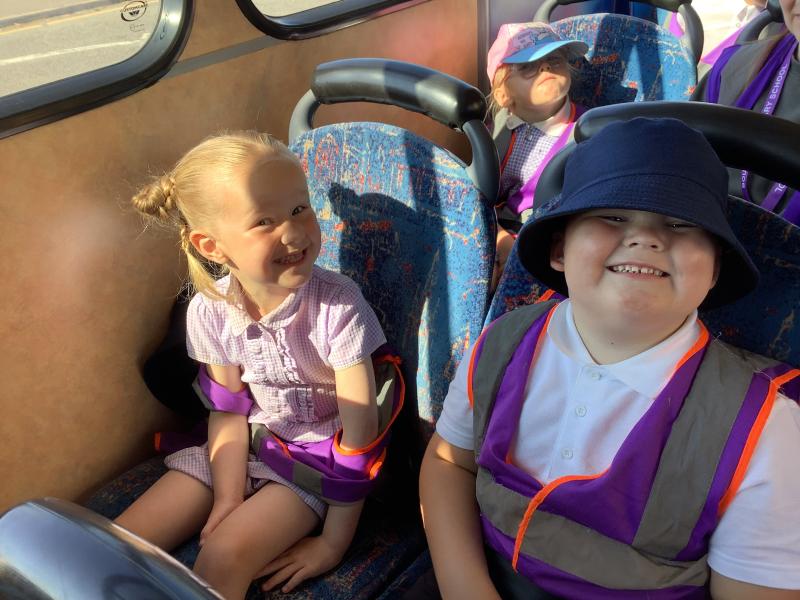
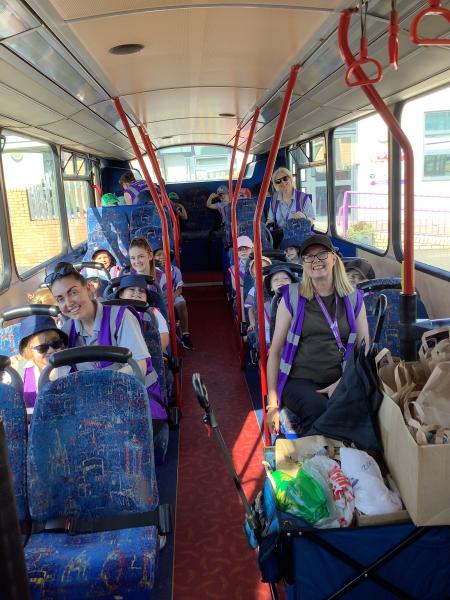
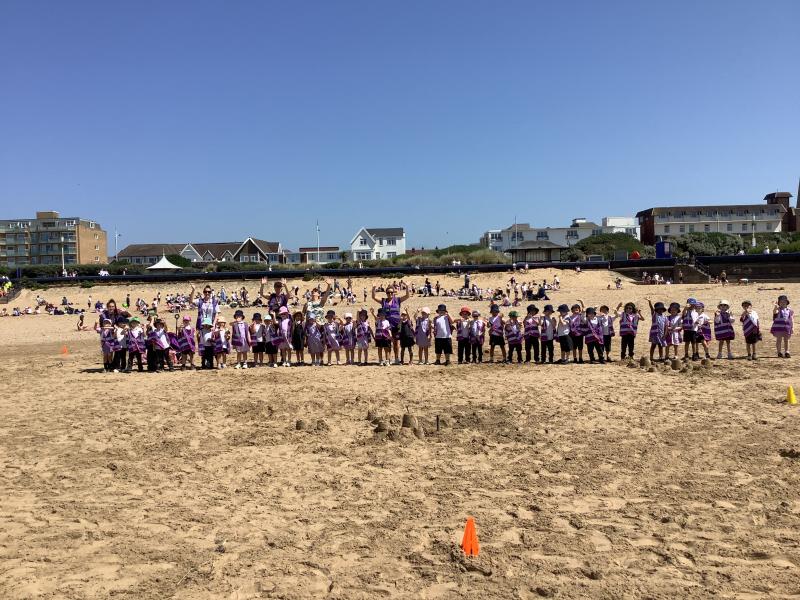
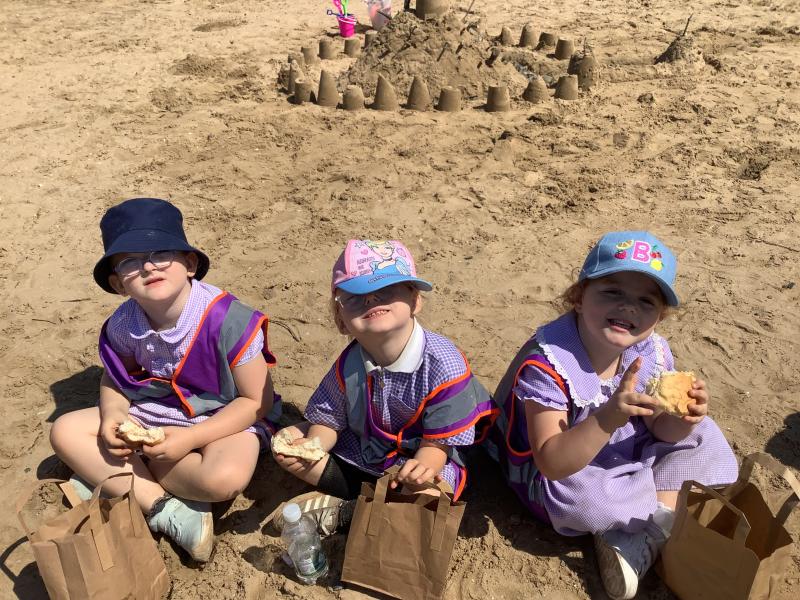
We had a very exciting trip to St Anne's-on-the-Sea. We travelled through Blackpool town centre and along the promenade before arriving at the beach.
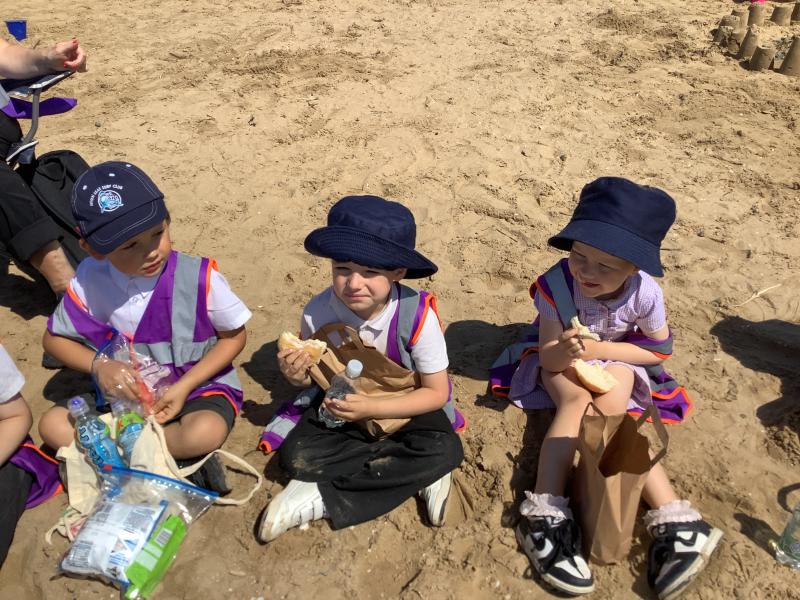
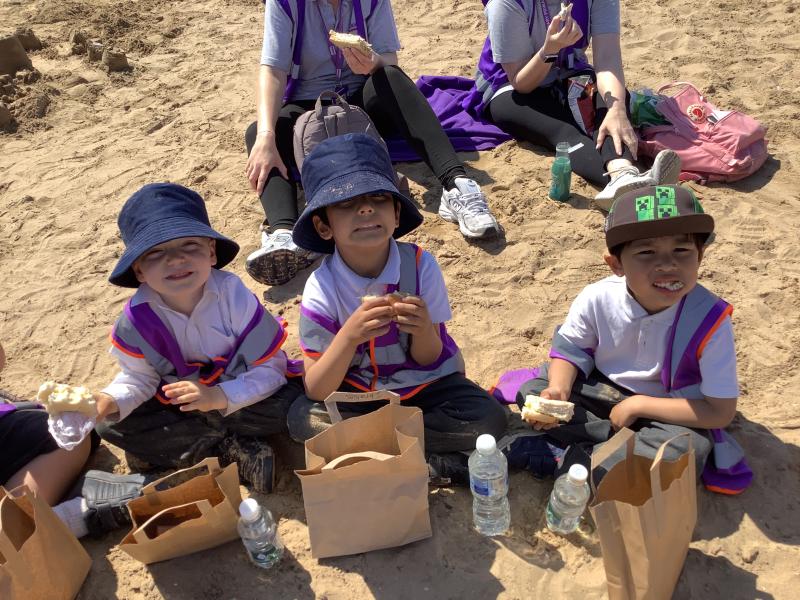
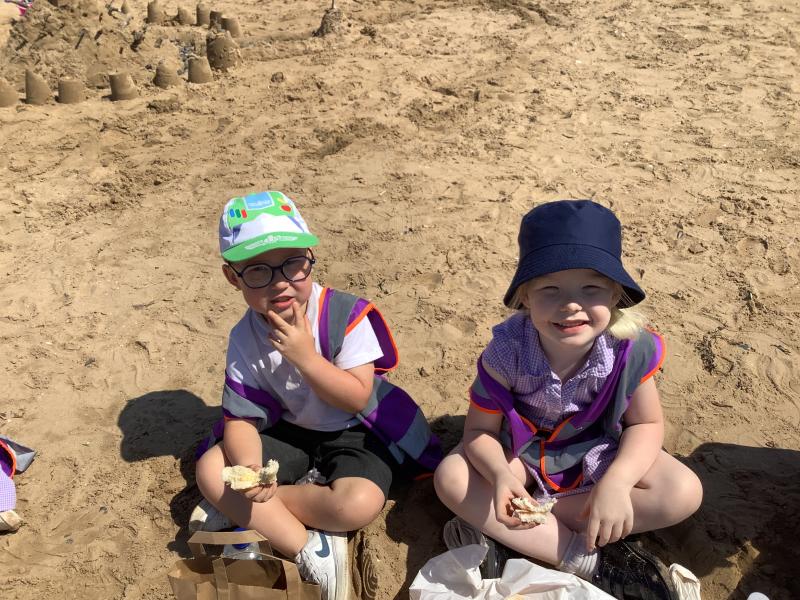
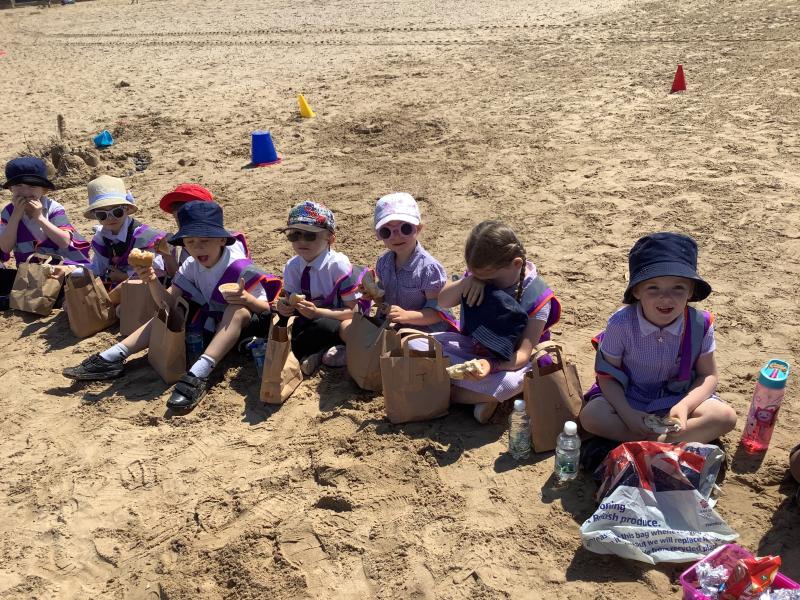
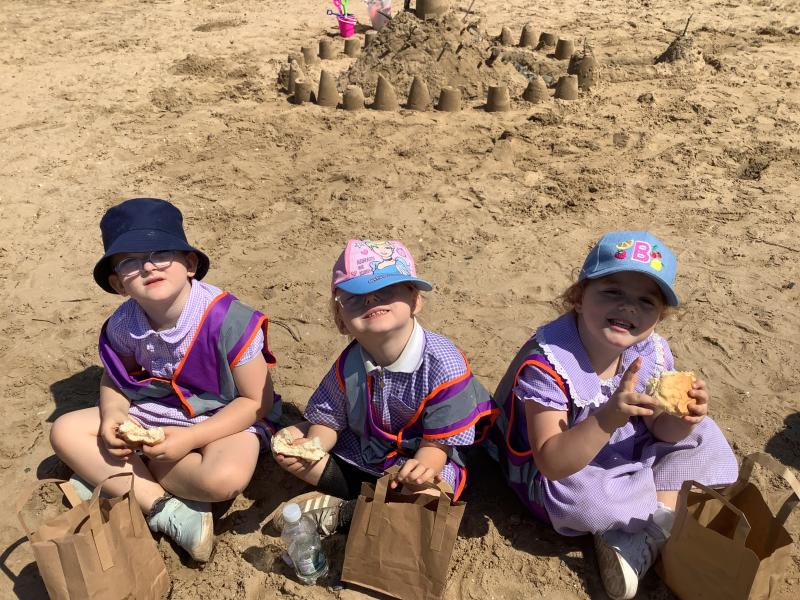
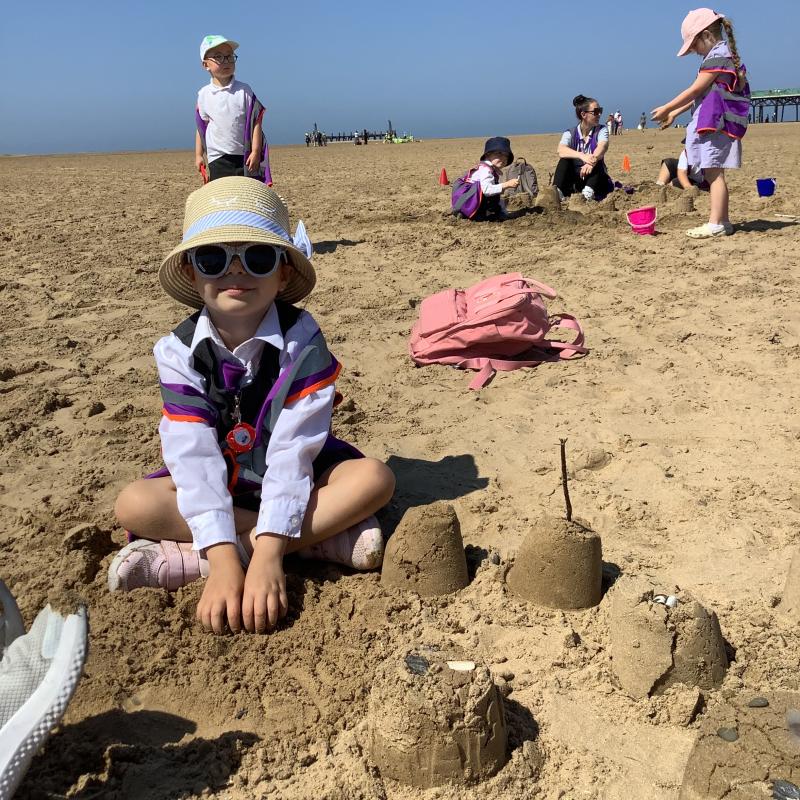
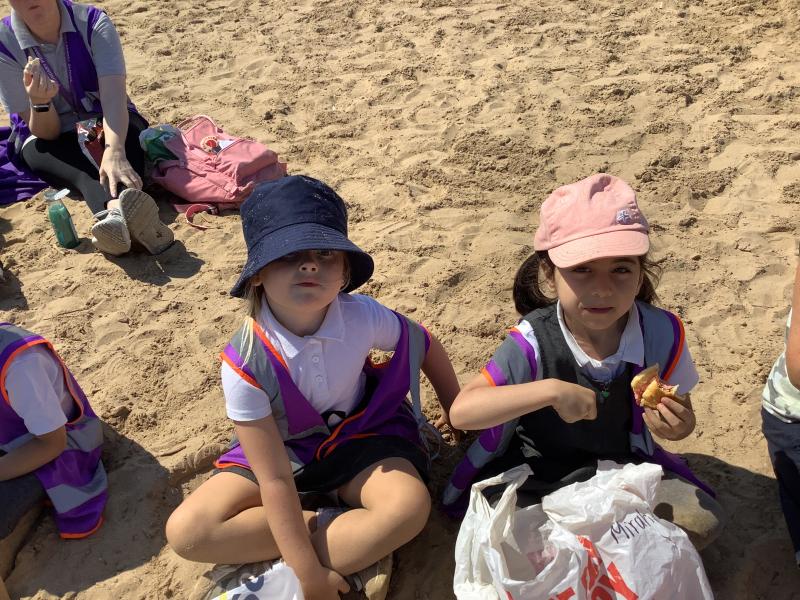
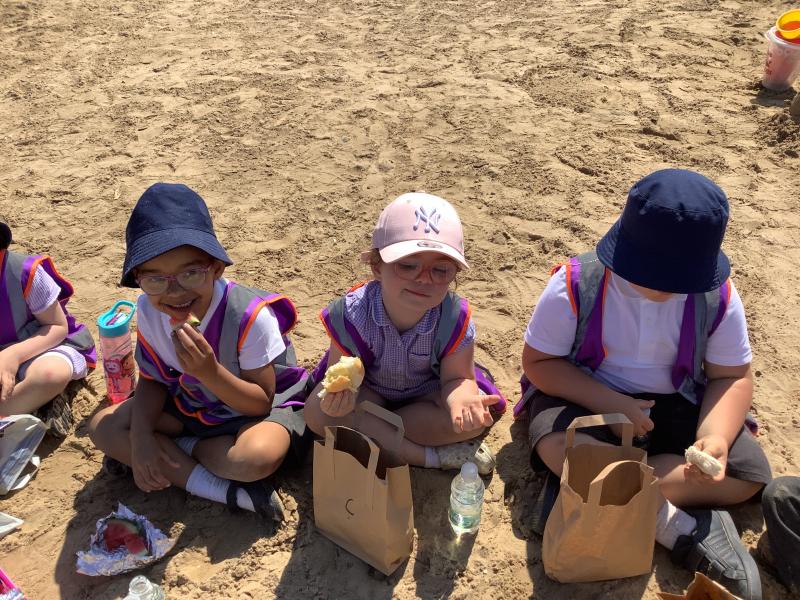
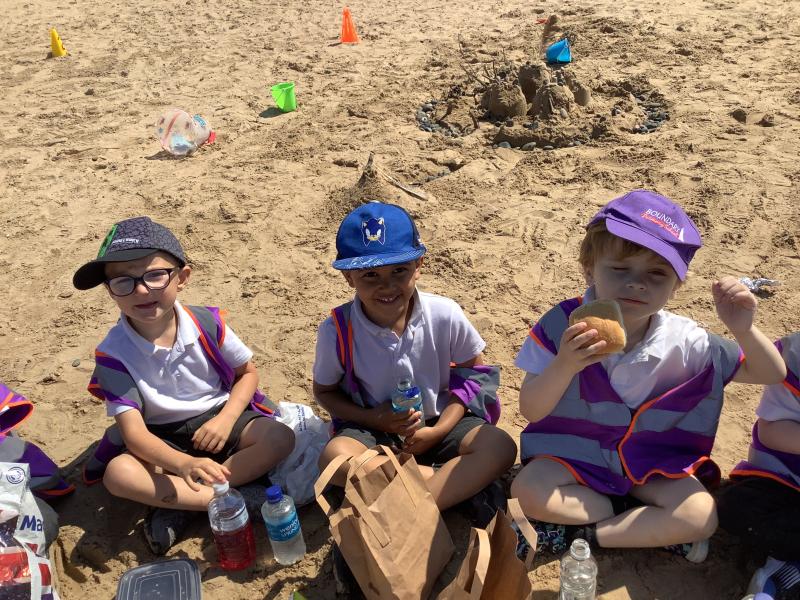
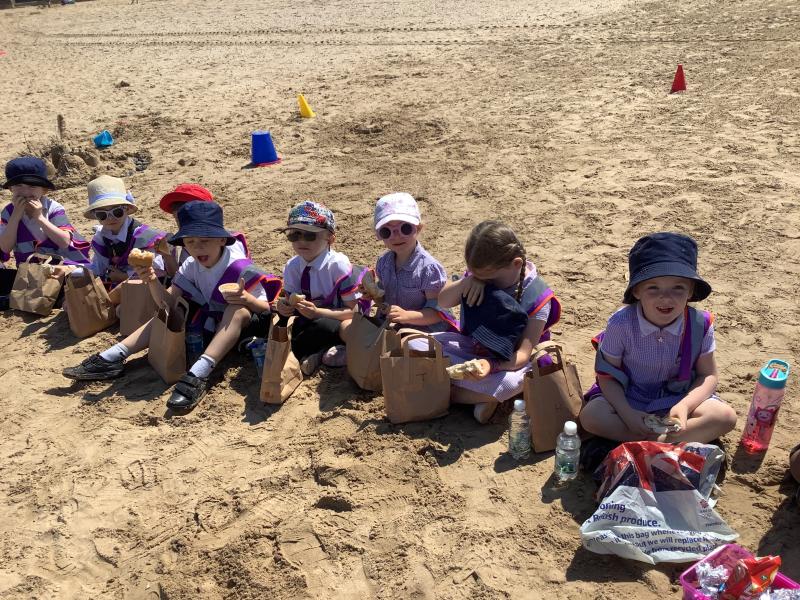
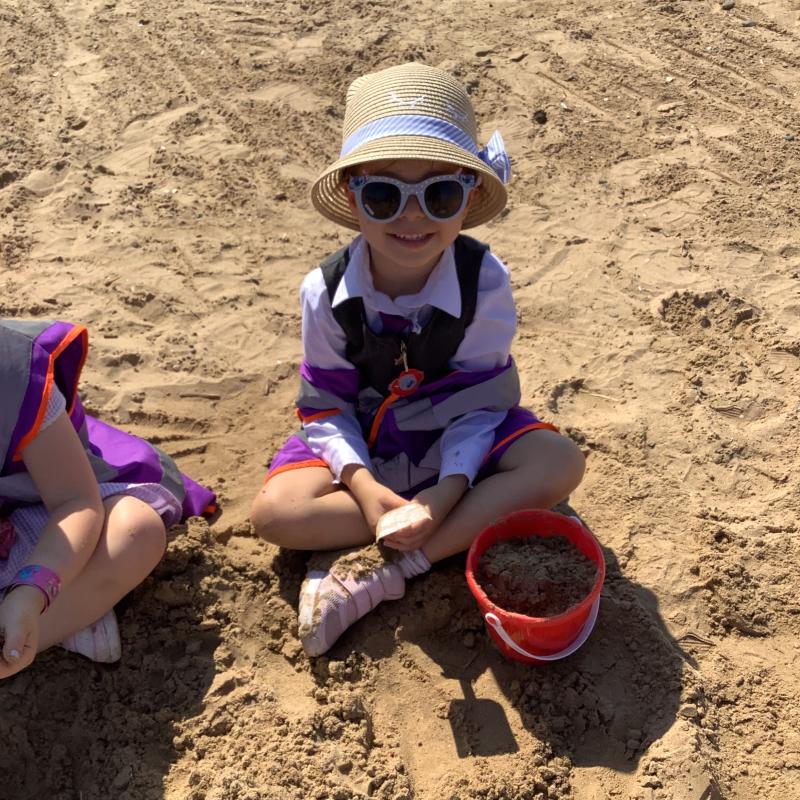
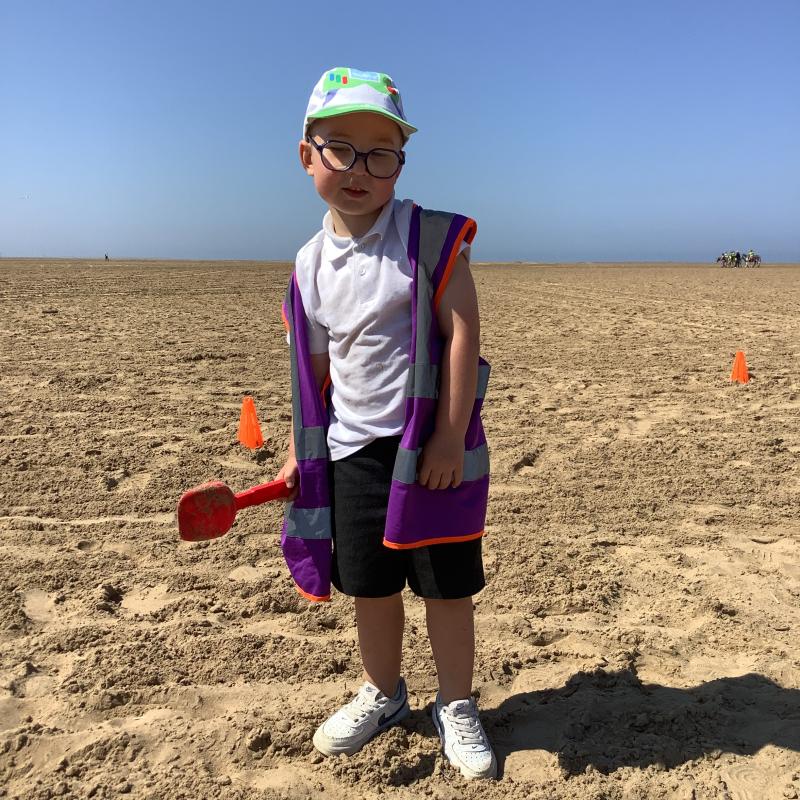
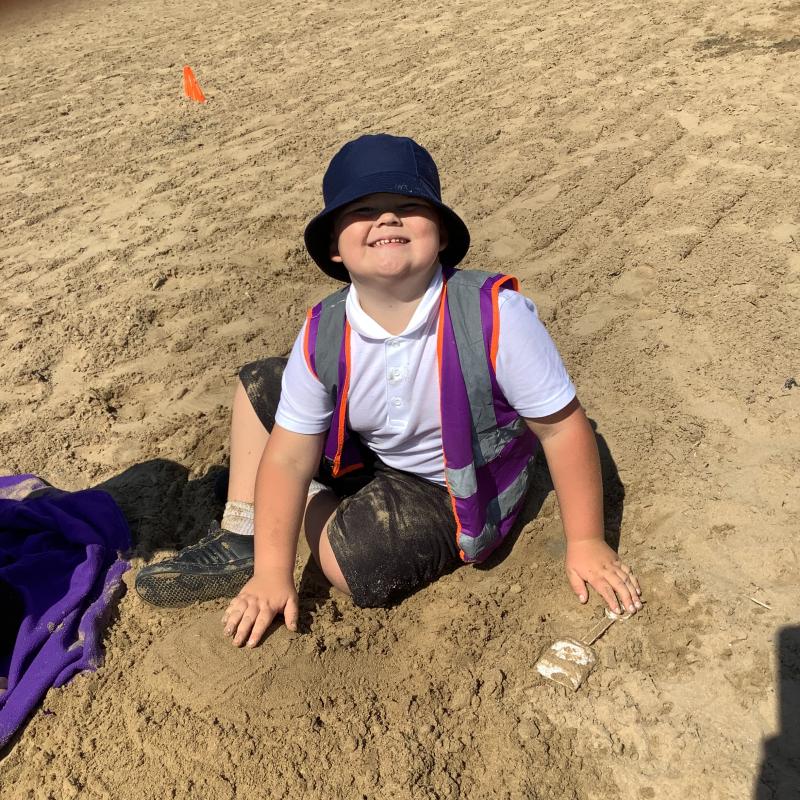
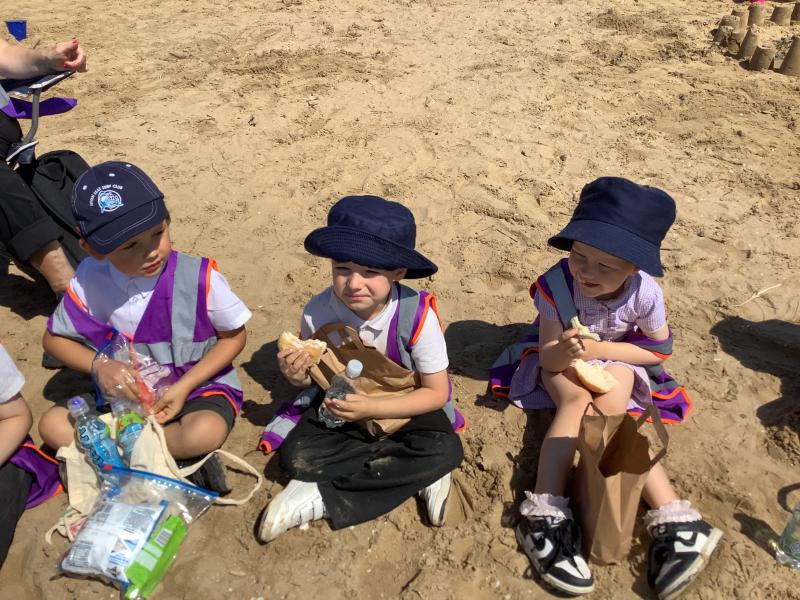
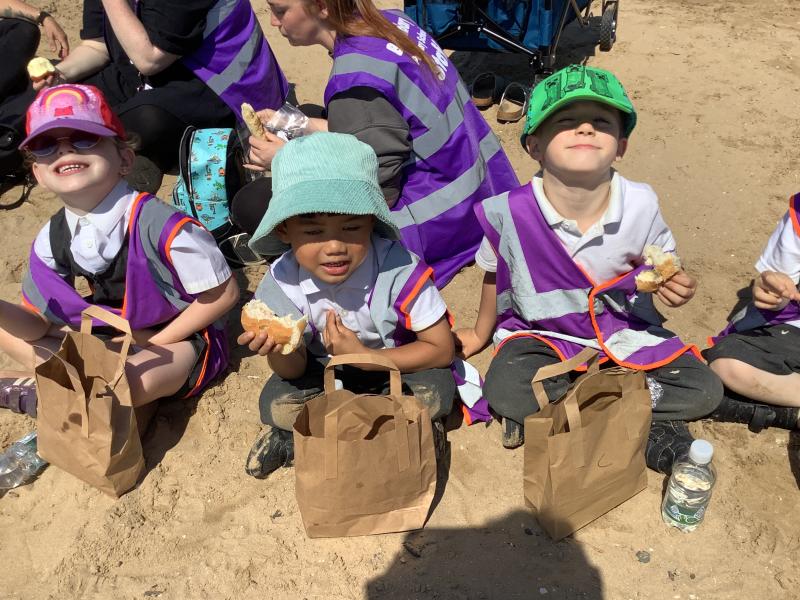
The sun was shining, the sky was a beautiful clear blue, and a gentle breeze helped to keep us cool. We were all well prepared to stay safe in the sun, wearing hats and sunglasses, applying sun cream, and drinking plenty of water to stay hydrated. We also enjoyed a lovely picnic lunch together.
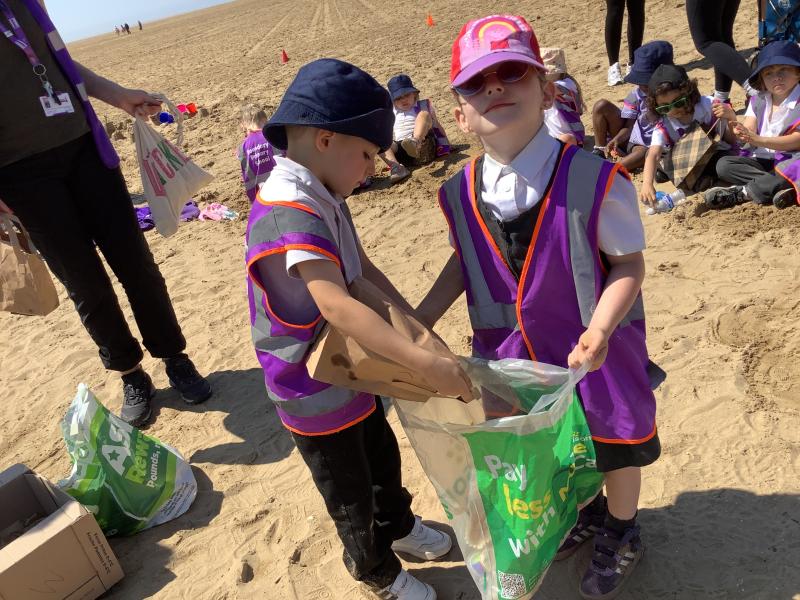
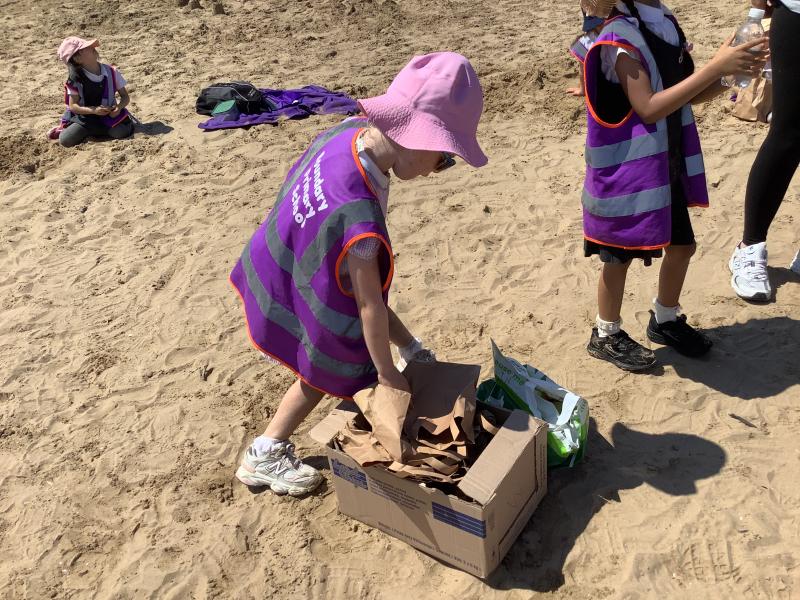
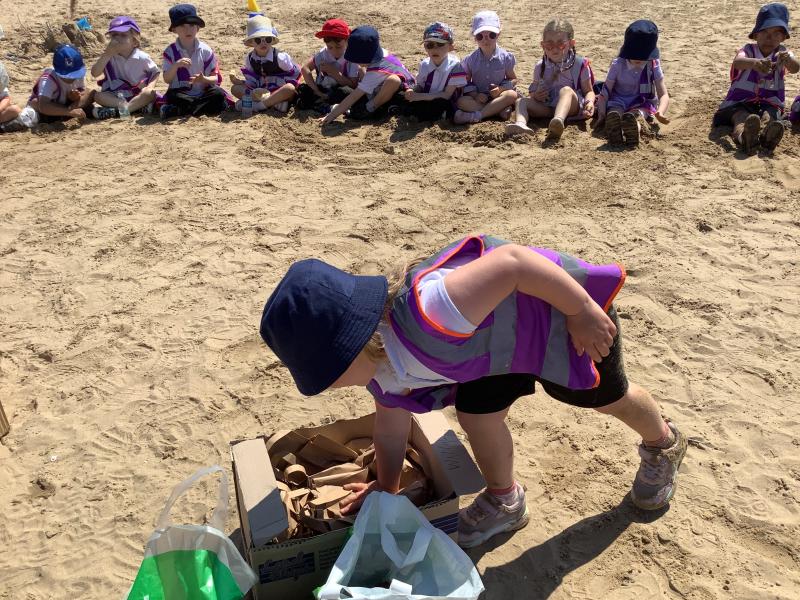
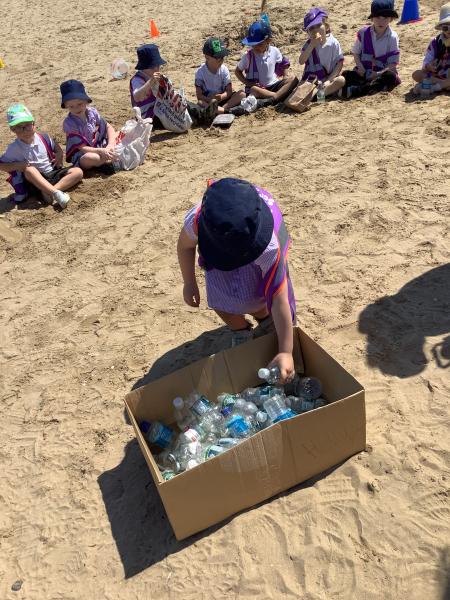
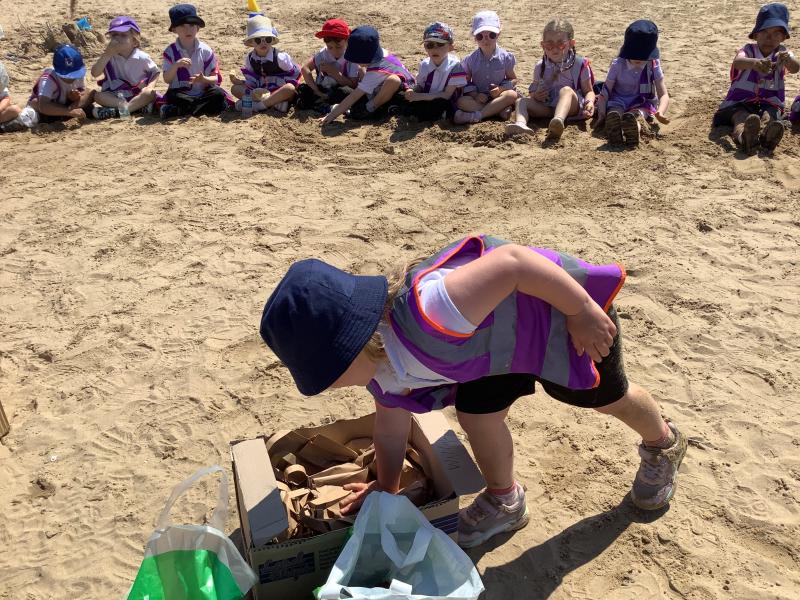
After lunch, we showed how responsible we are by recycling our rubbish. We carefully sorted it into food waste, brown paper, and plastic, helping to look after our environment.
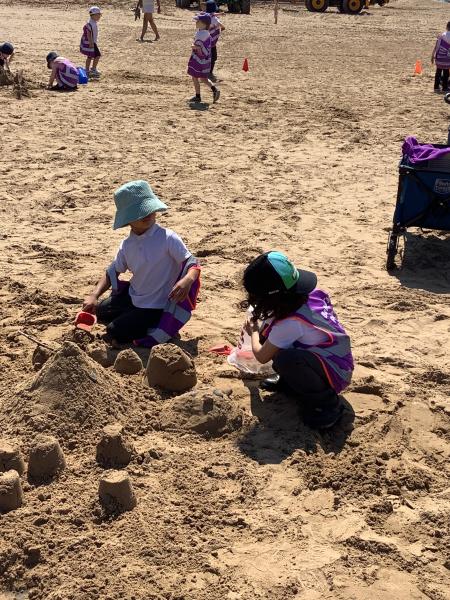
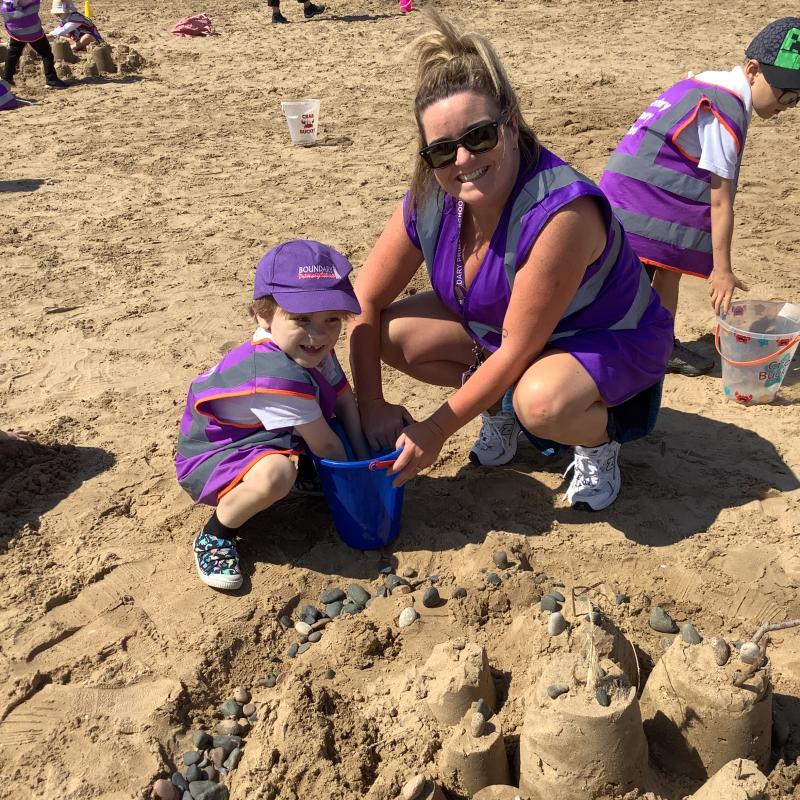
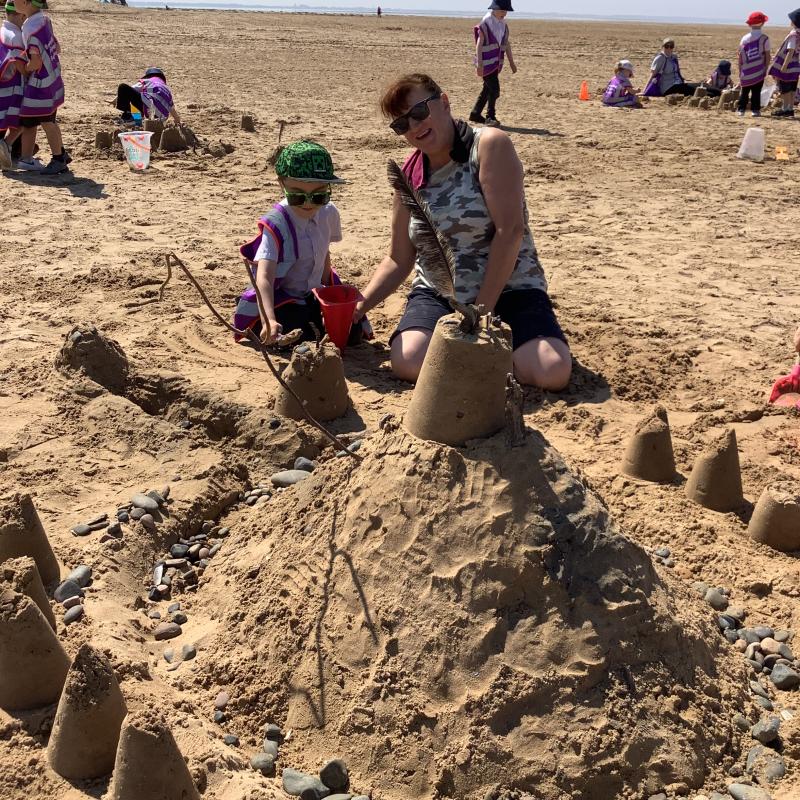
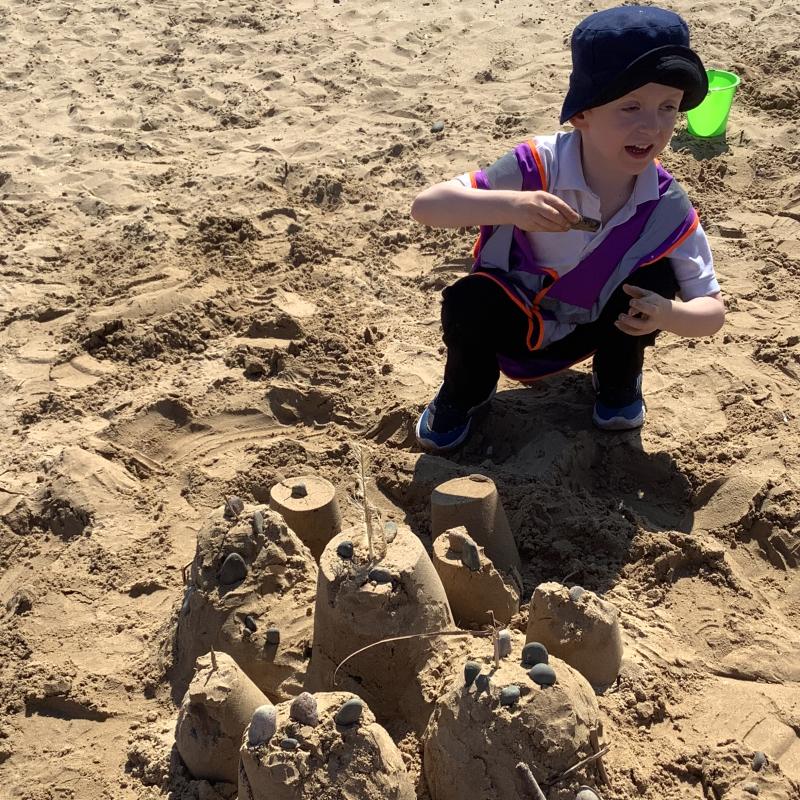
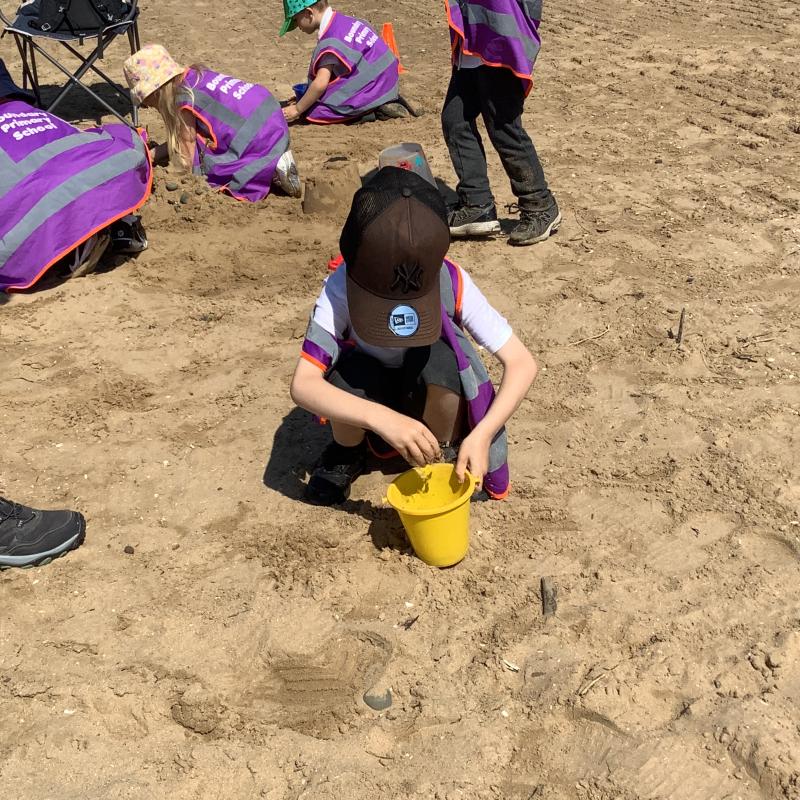
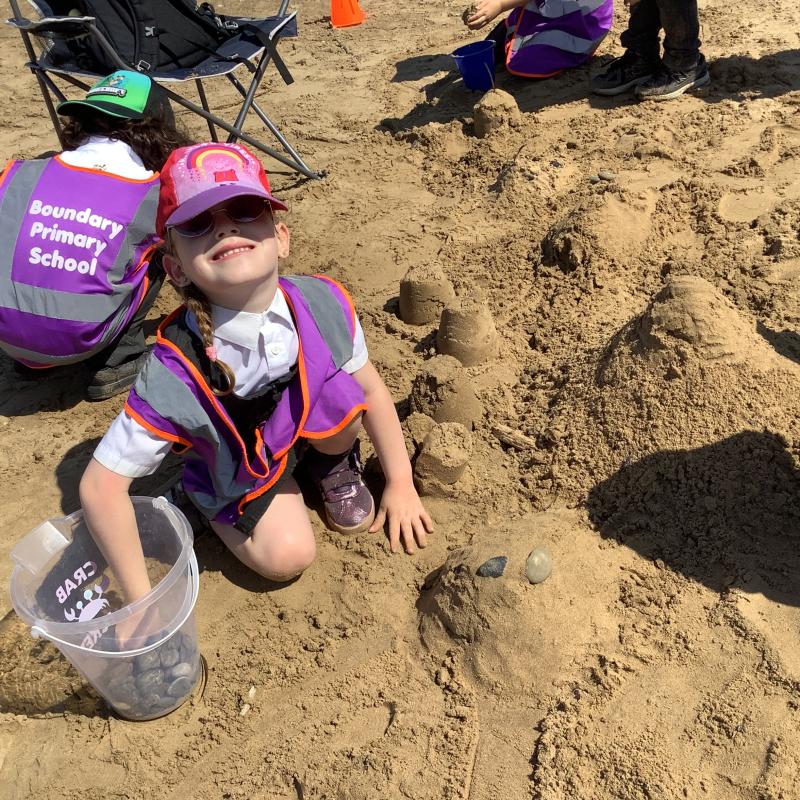
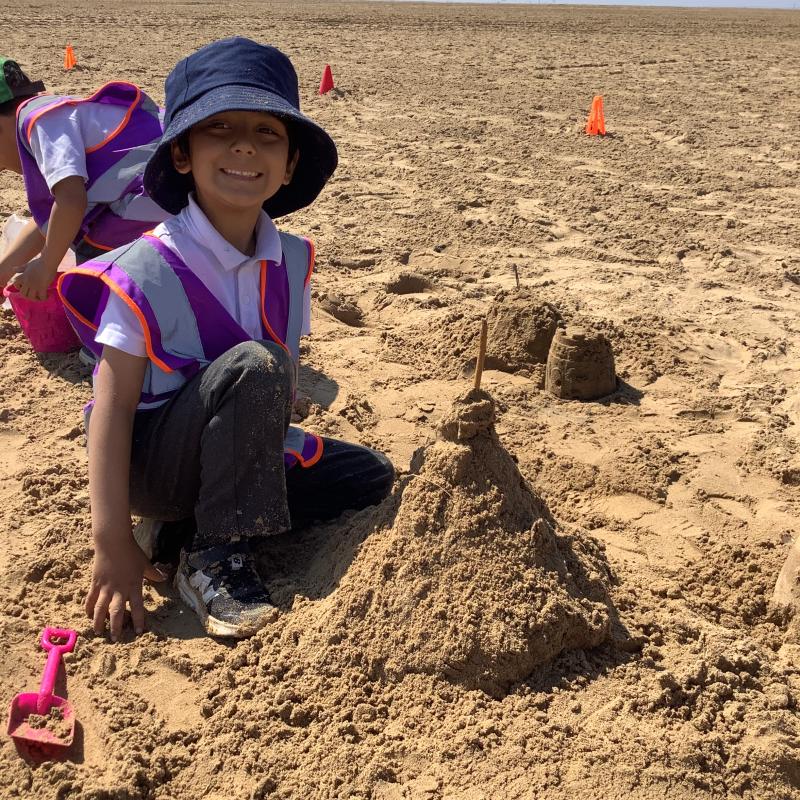
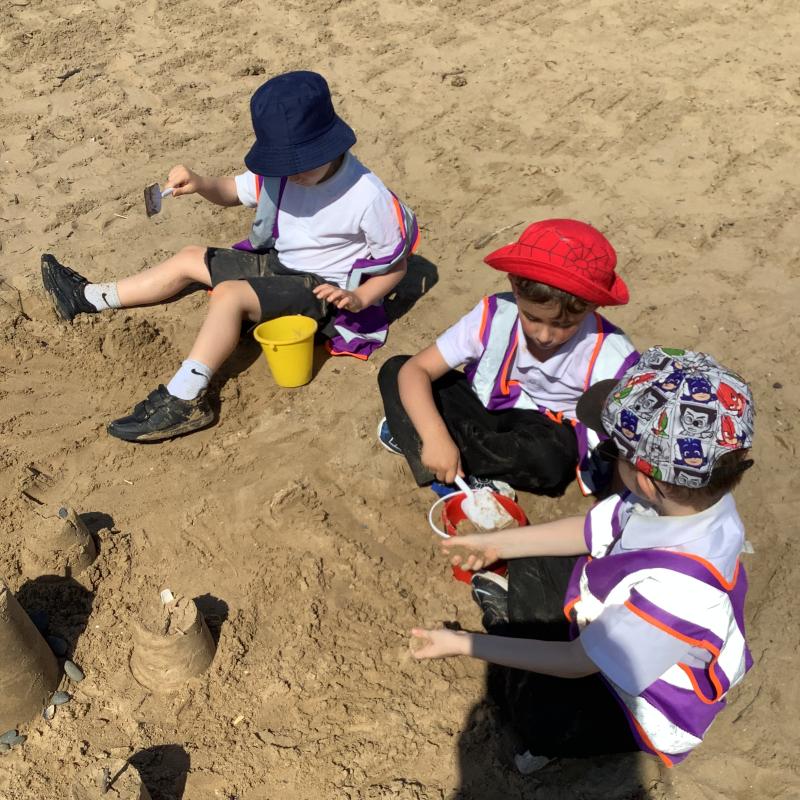
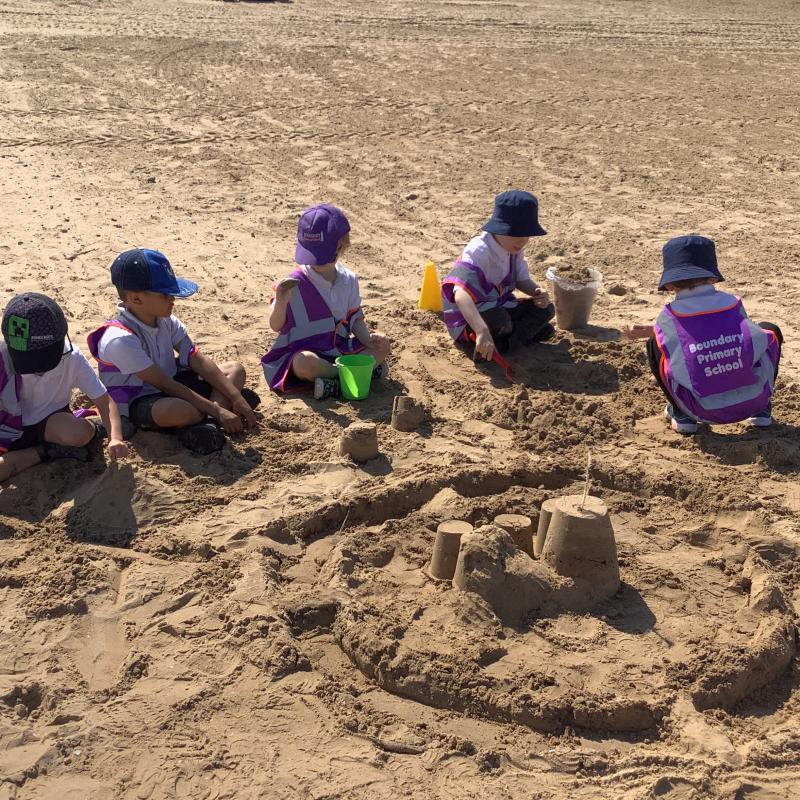
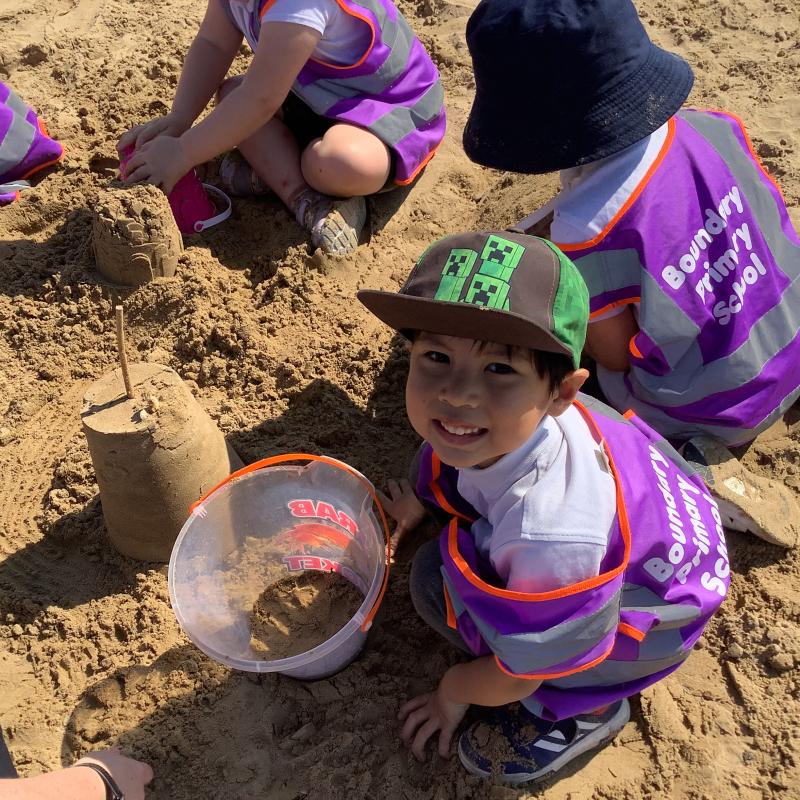
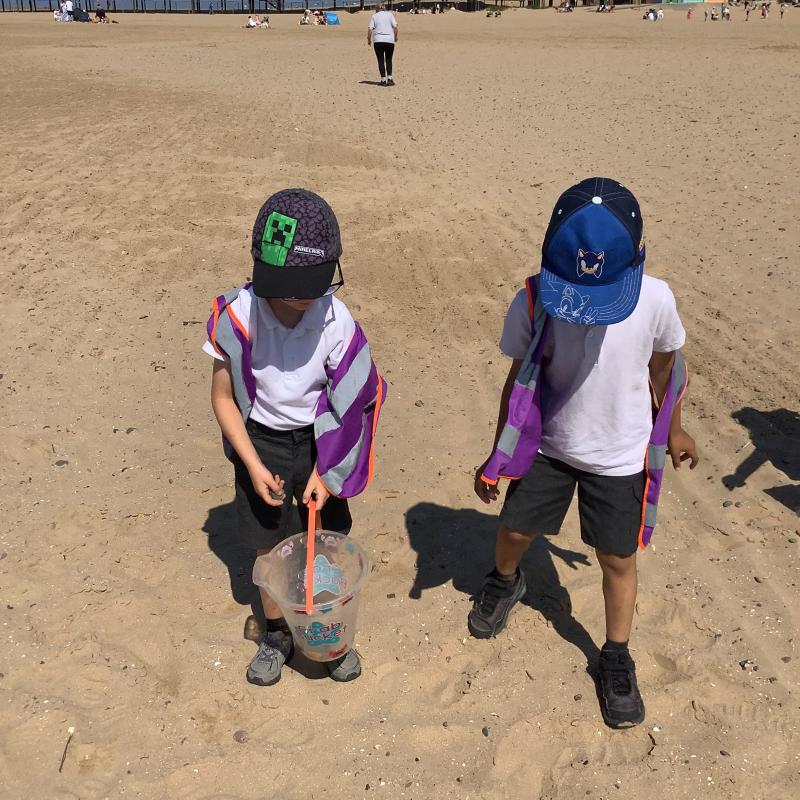
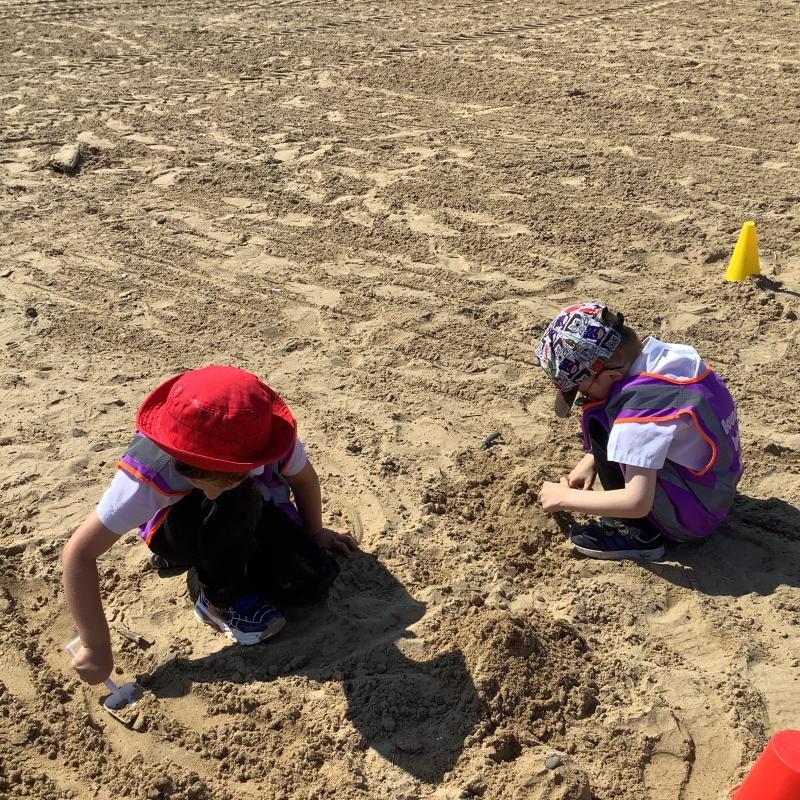
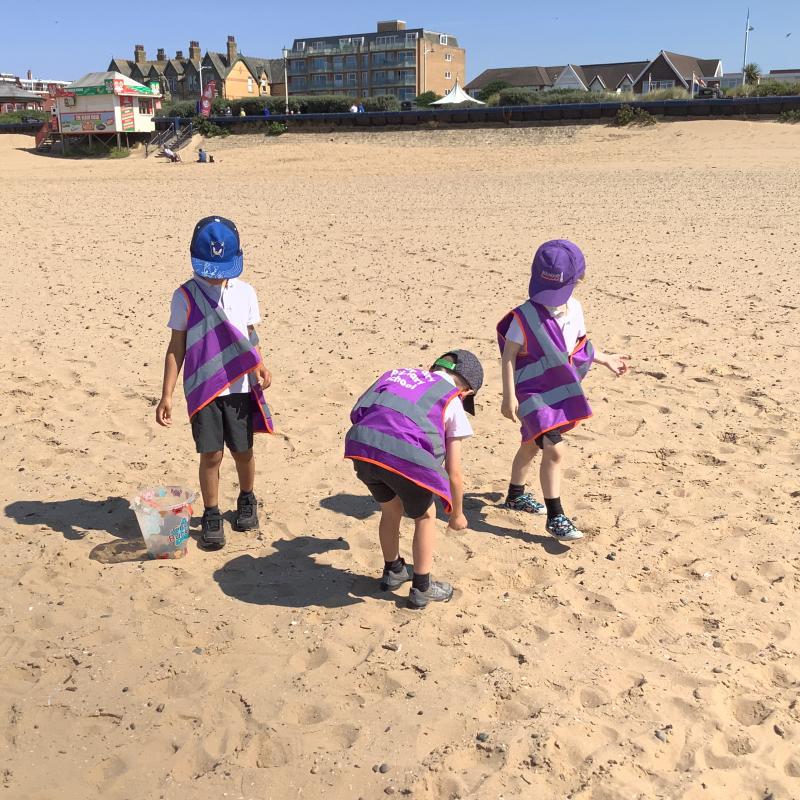
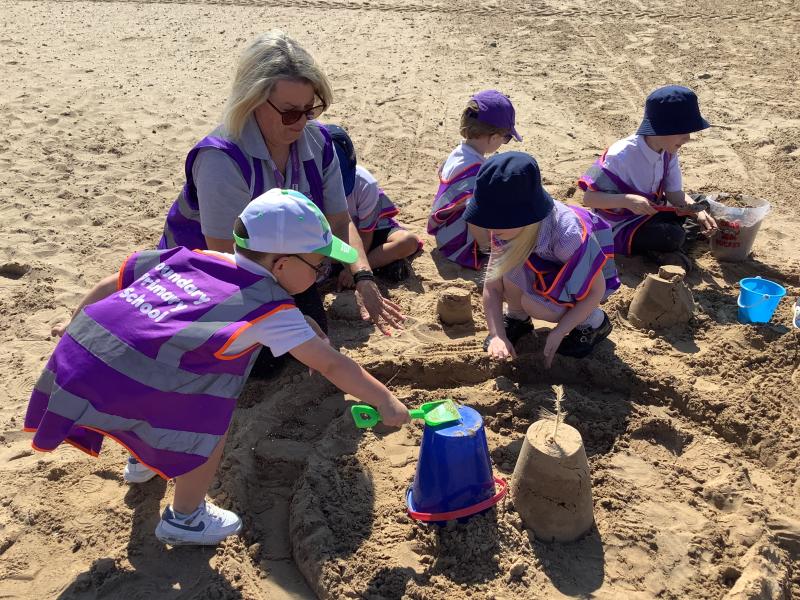
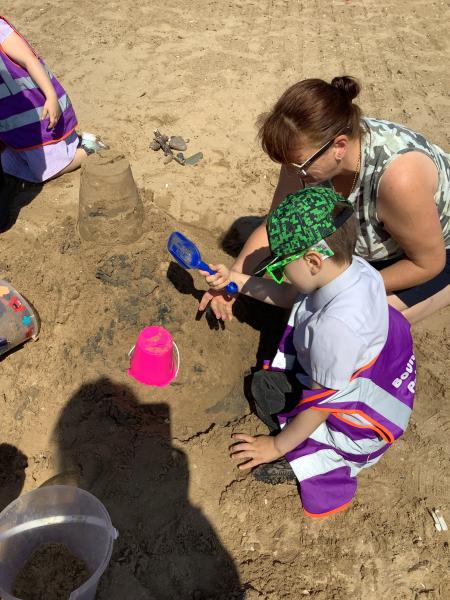
We worked as teams to build sandcastles, collect shells and pebbles to decorate them, and create roads around our castles. The winning team was Mrs McAllister's group, who did a fantastic job of building the biggest sandcastle on the beach!
After lunch, we had lots of fun playing What Time Is It, Mr Wolf? Before long, it was time to pack up our belongings and walk back to the bus. We were all tired but happy, and looking forward to enjoying an ice cream when we returned to school.
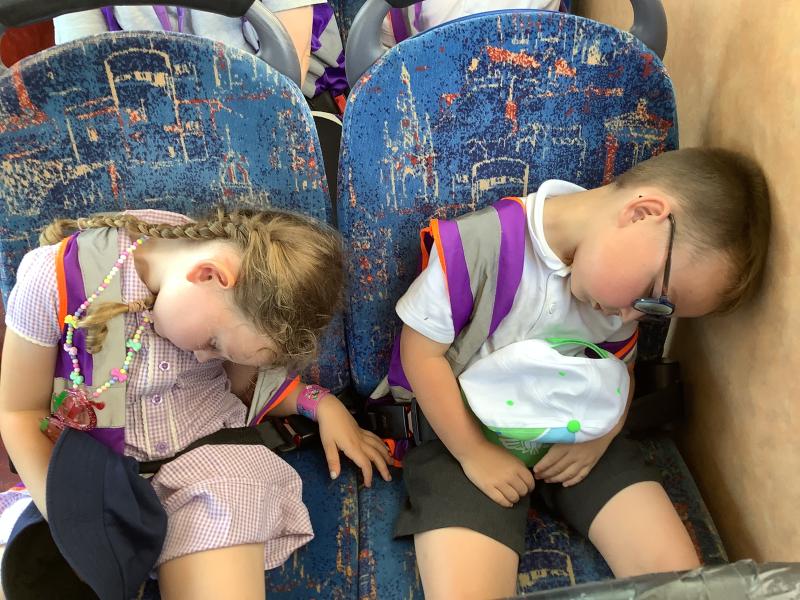
We were so tired after our busy day at the beach that some of us even fell asleep on the bus on the way home!
It was a wonderful day at the seaside and everyone had a fantastic time. 🌞🏖️🍦
Date: 7th Jul 2026 @ 9:58am
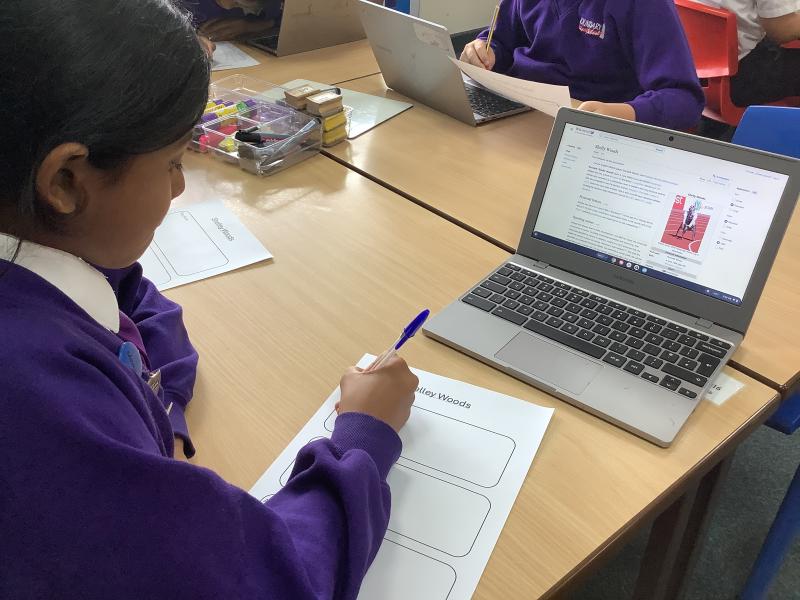
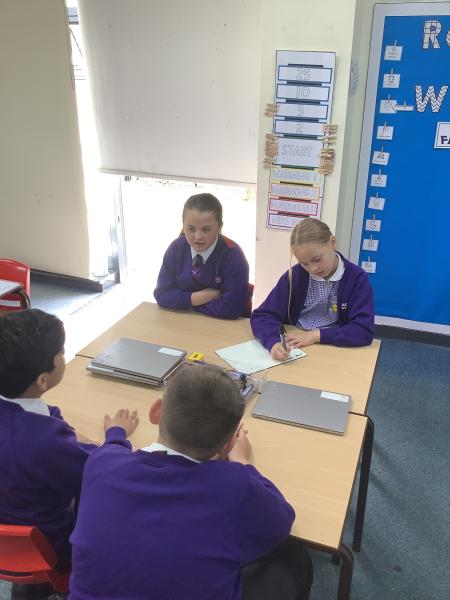
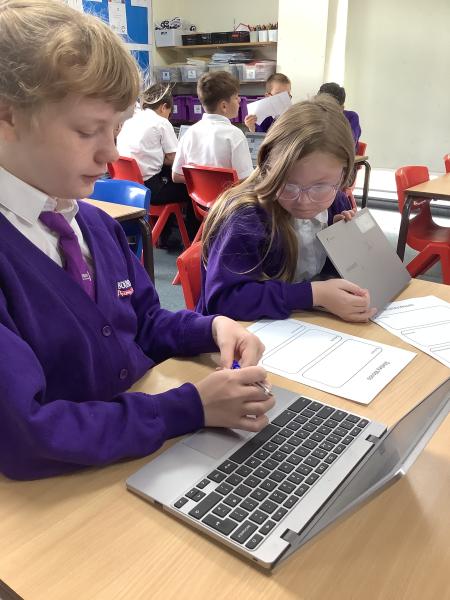
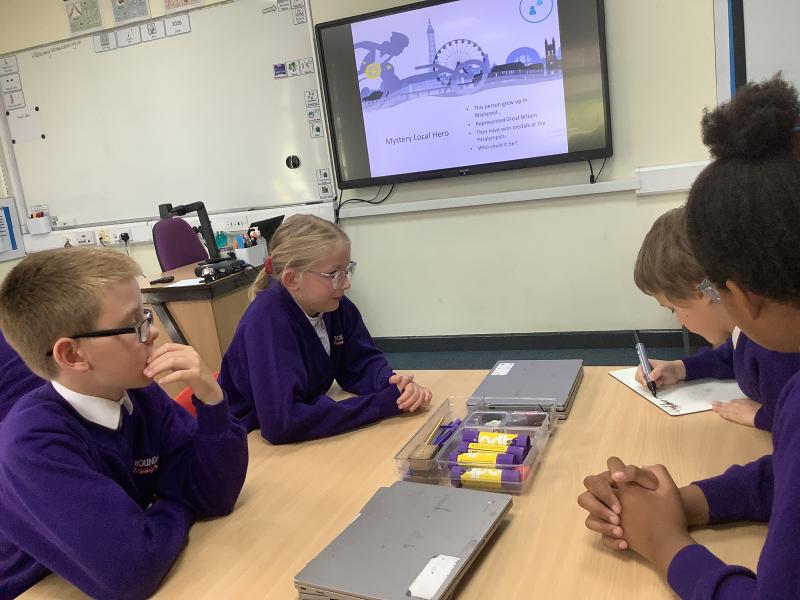
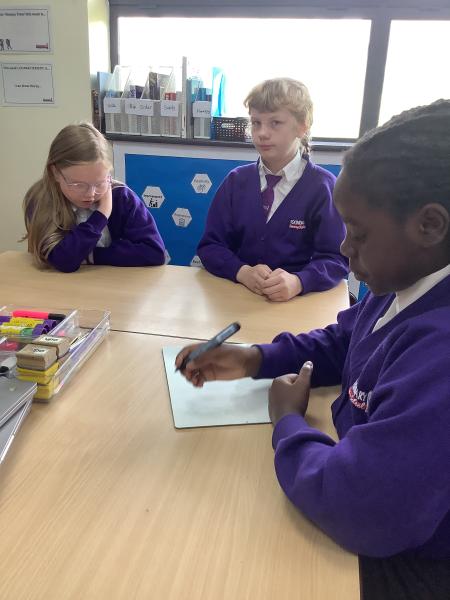
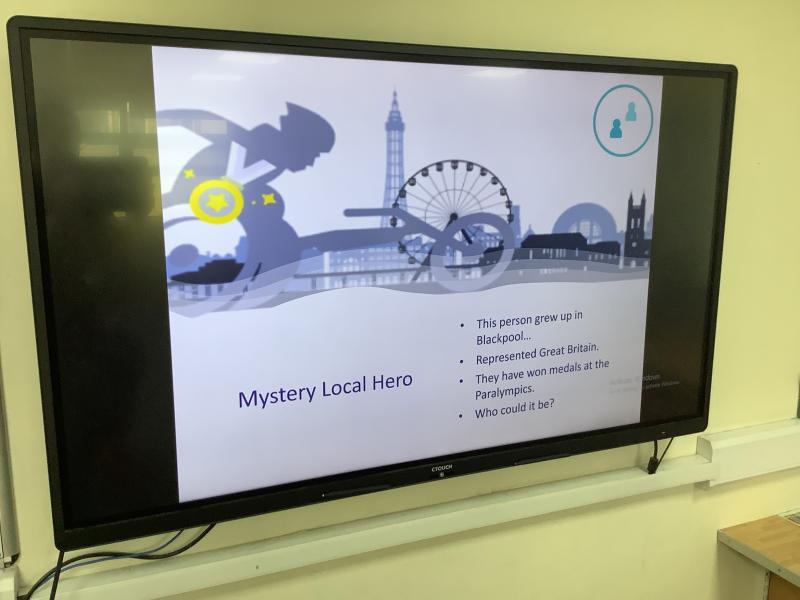
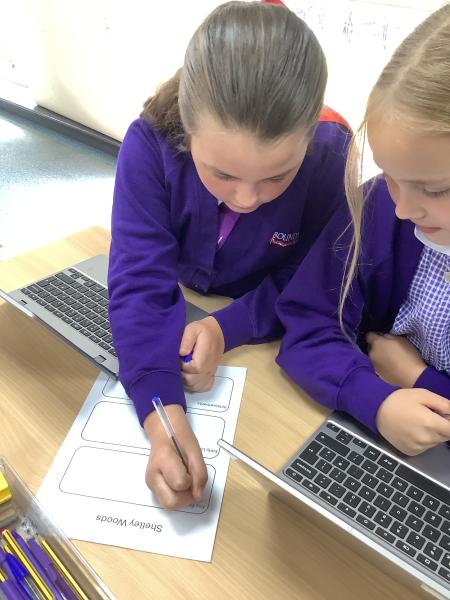
As part of our annual whole-school Heritage Day, Year 5 explored the history of our local area by investigating the key question: Who is Shelly Woods and why is she important to our local area? The children learned about Shelly Woods, a Paralympic wheelchair racer from Layton, Blackpool, who has represented Great Britain and won medals on the world stage. We discussed the challenges she has overcome, including living with a disability, and explored the qualities of perseverance, resilience and determination that helped her achieve success. Through discussions, fact-file writing and inspirational speeches, the children reflected on why Shelly is an important local role model and how her achievements have created a positive legacy for Blackpool.
Year 2 Outdoor Learning: Teamwork in Nature 🌳🌿✨
Date: 1st Jul 2026 @ 3:05pm
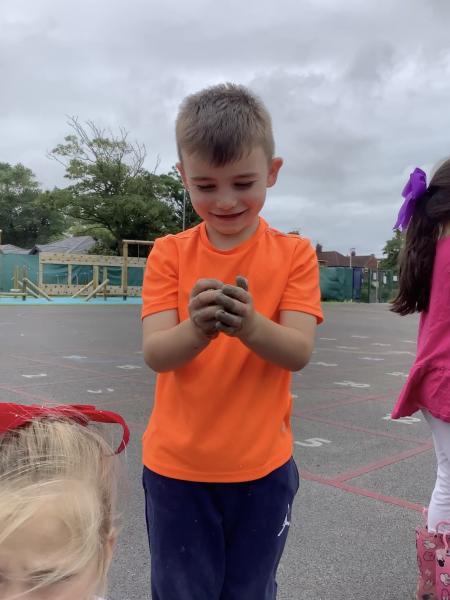
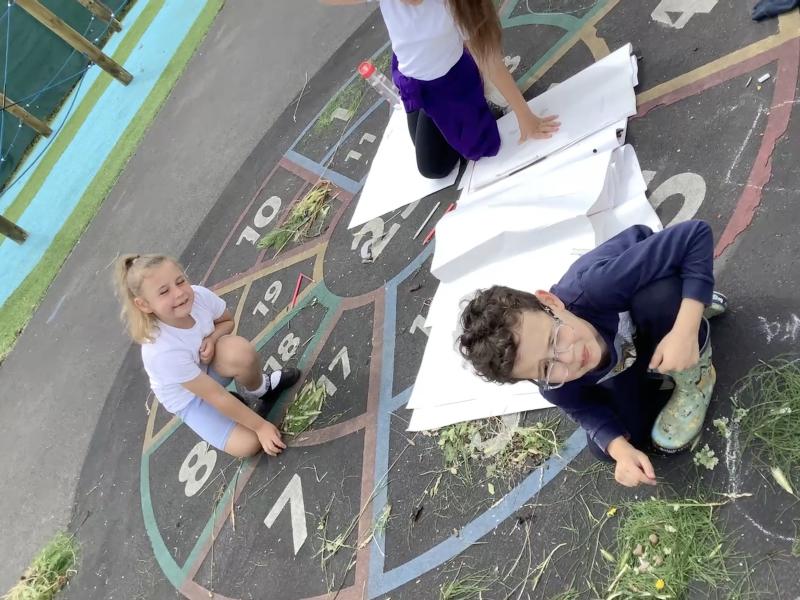
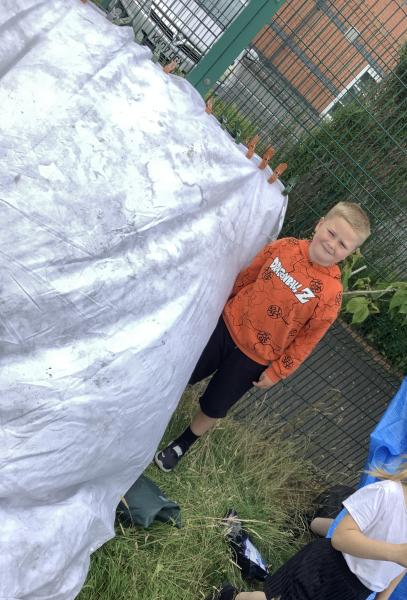
Year 2 had a fantastic time during our Outdoor Learning session, showing excellent teamwork, creativity and enthusiasm throughout the day 😊.
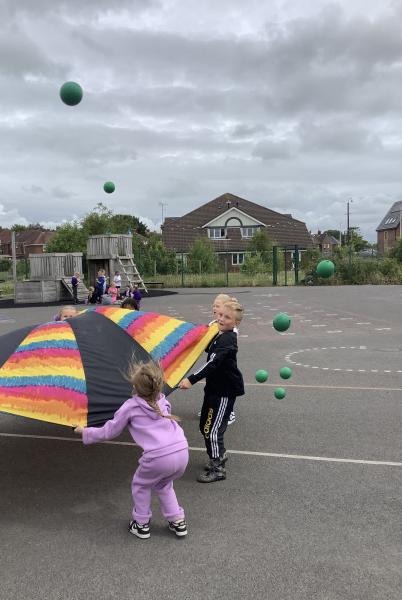
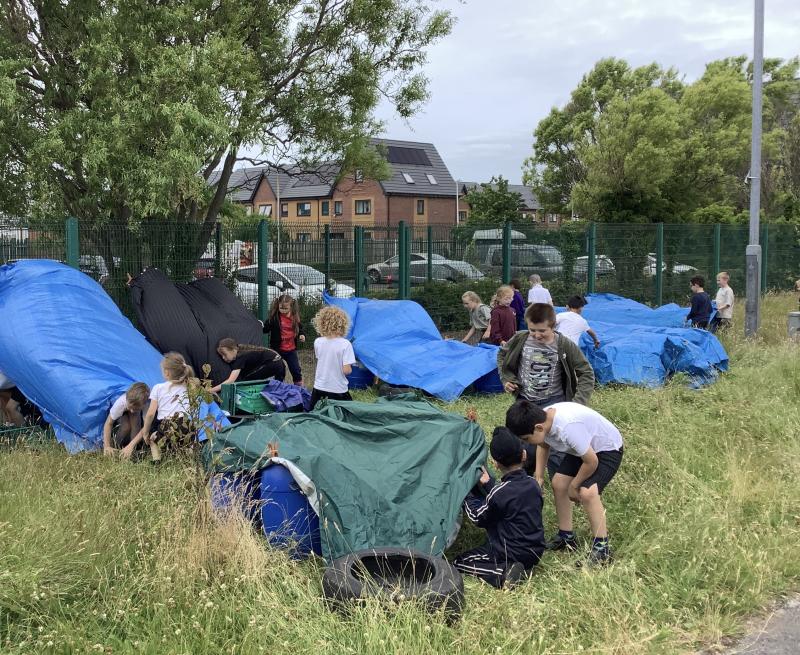
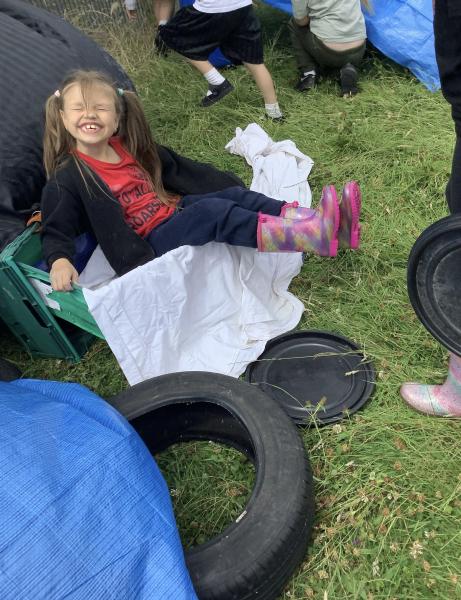
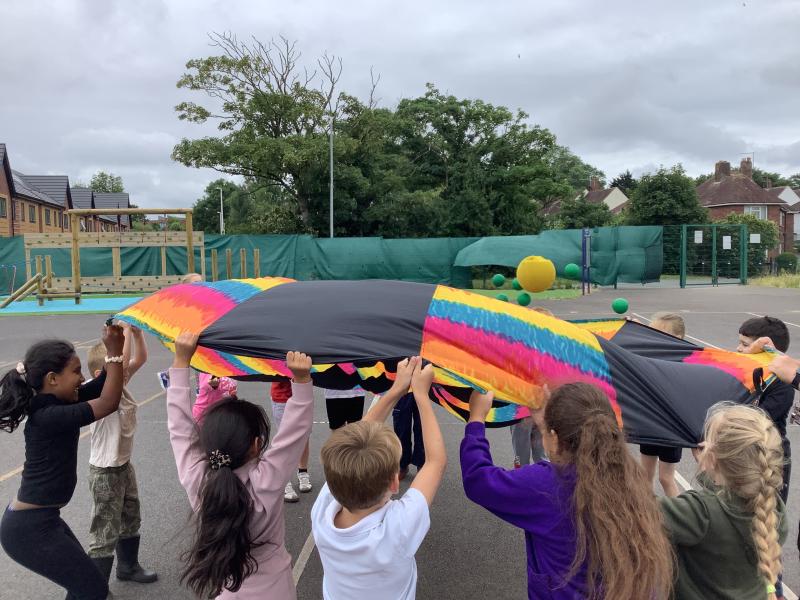
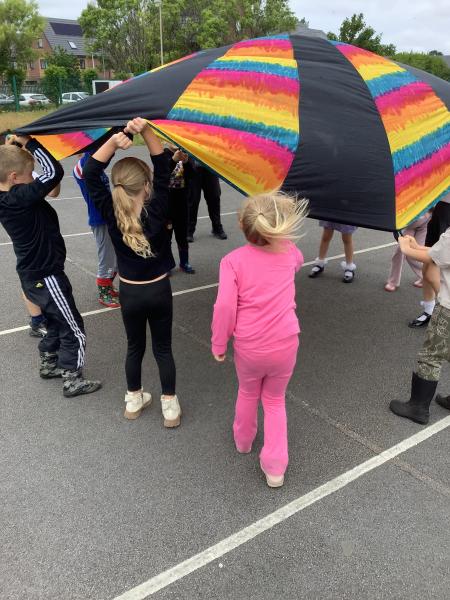
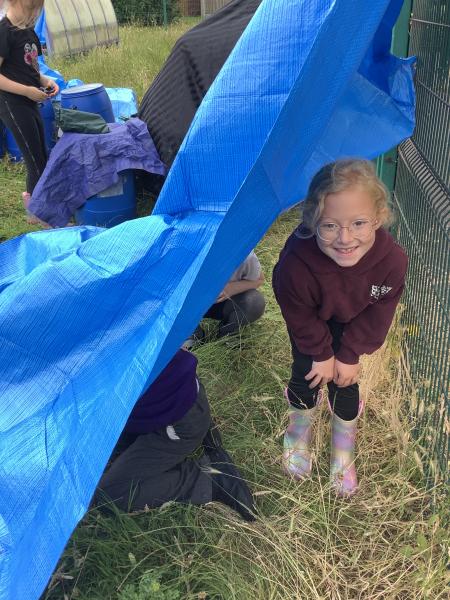
The children worked together to build dens 🏕️, sharing ideas and solving problems as a team to create strong and sturdy shelters. They also had lots of fun taking part in parachute games 🌈, developing their communication skills and working together to complete different challenges.
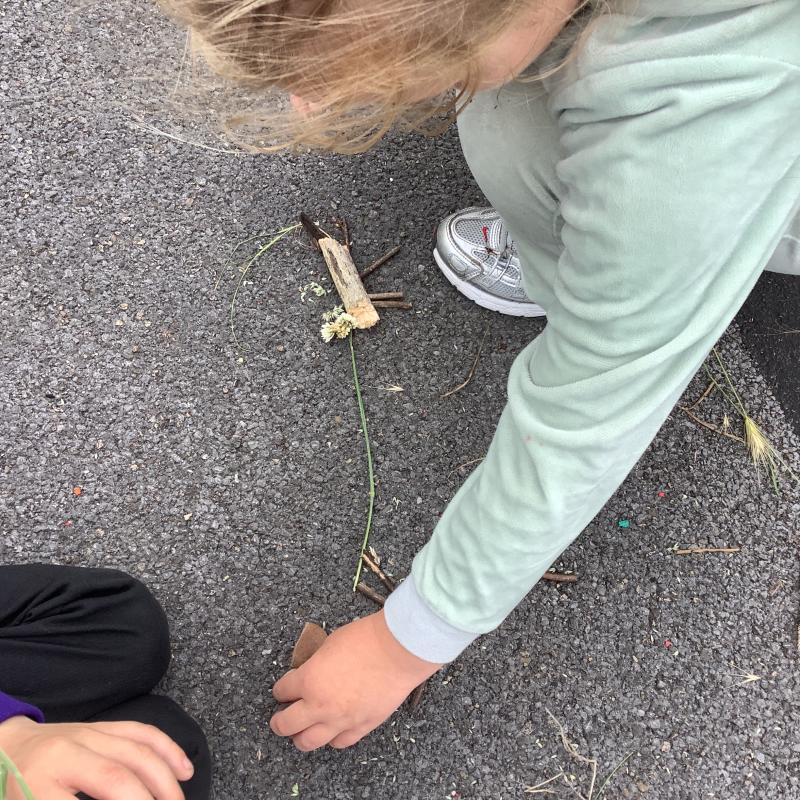
Using natural materials, the children created some wonderful nature art pieces 🍂🎨. They carefully collected leaves, sticks and other treasures from the outdoor environment to make their own unique creations.
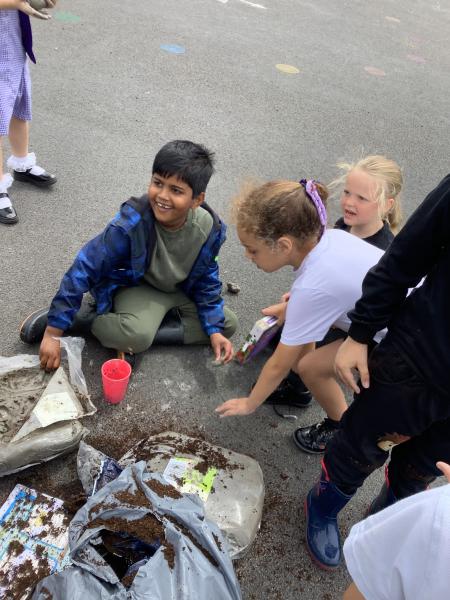
We also linked our learning to Year 3's Geography unit on bee conservation 🐝🌼 by creating our own seed bombs. The children learned how these can help produce beautiful wildflowers, creating important habitats and food sources for bees. It was wonderful to see the children thinking about how they can help care for the environment and support local wildlife 🌍💛.
A brilliant day of exploring, creating and learning outdoors! 🌟👏🌱
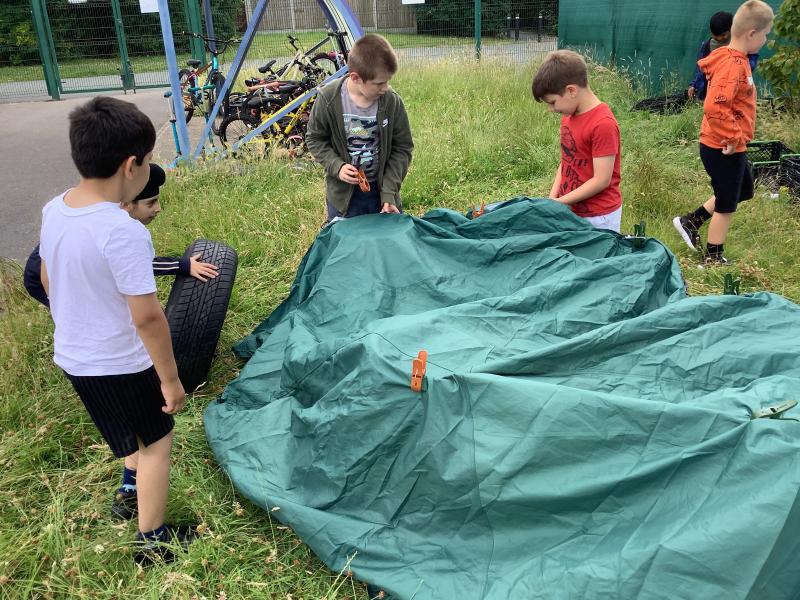
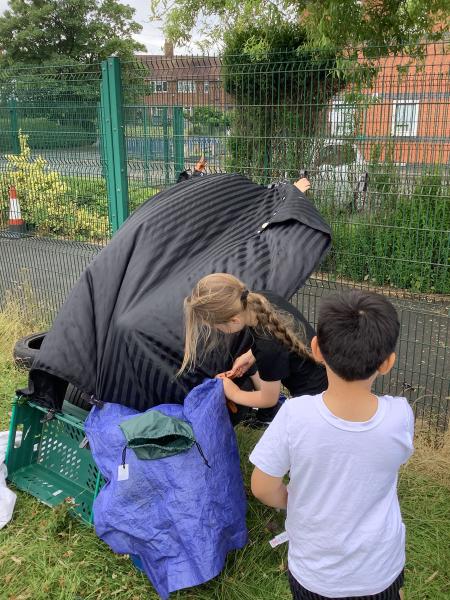
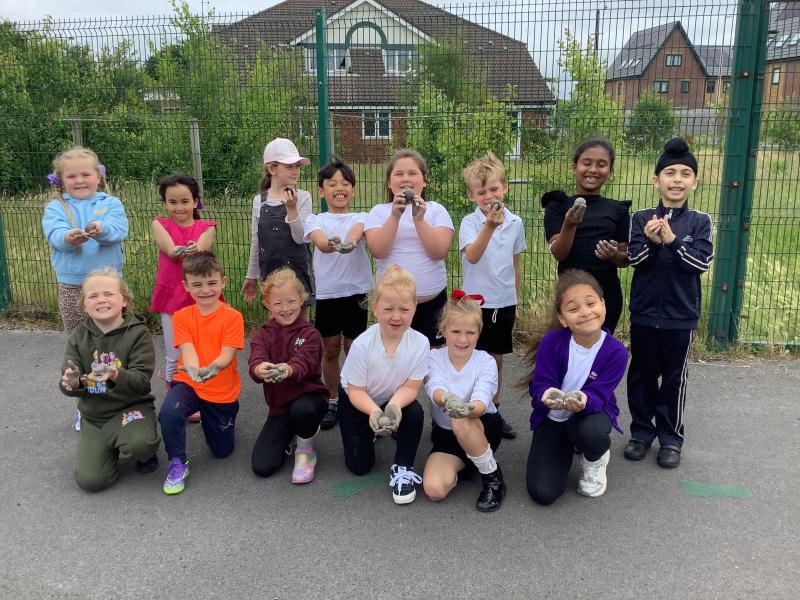
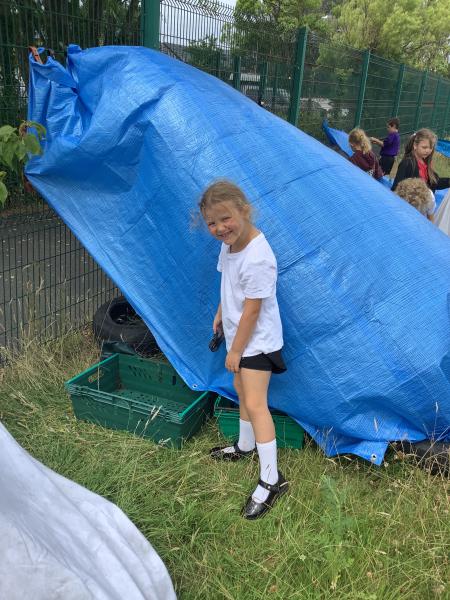
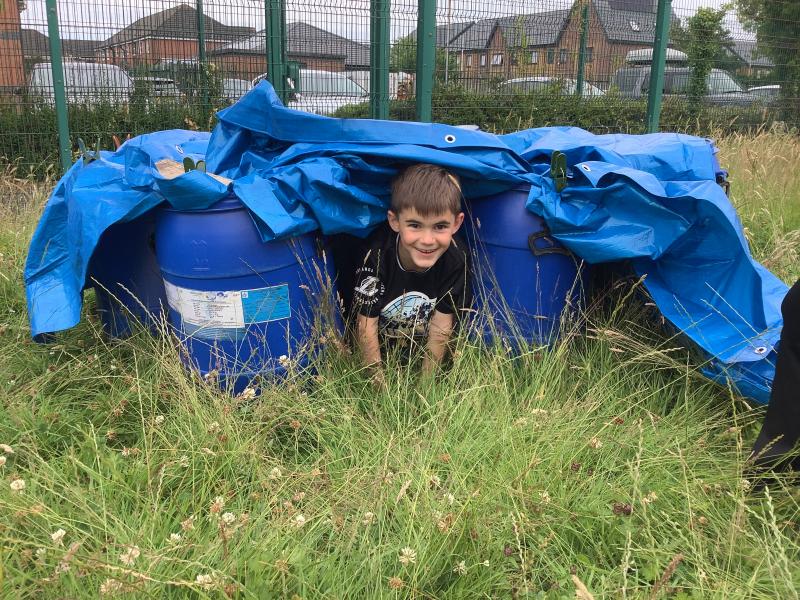
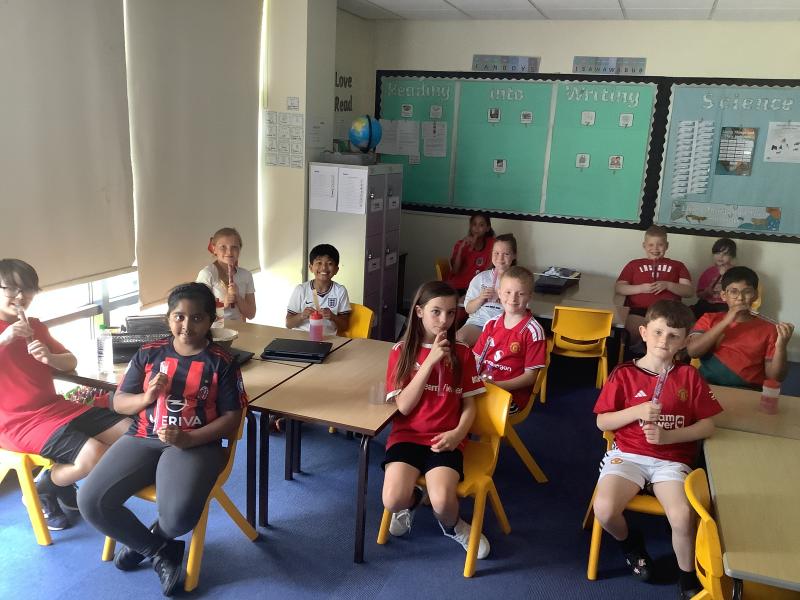
Year 4 - Fieldwork and ice pops!
Date: 26th Jun 2026 @ 1:59pm
Year 2 Geography: Mapping Blackpool 🗺️🌊
Date: 22nd Jun 2026 @ 3:57pm
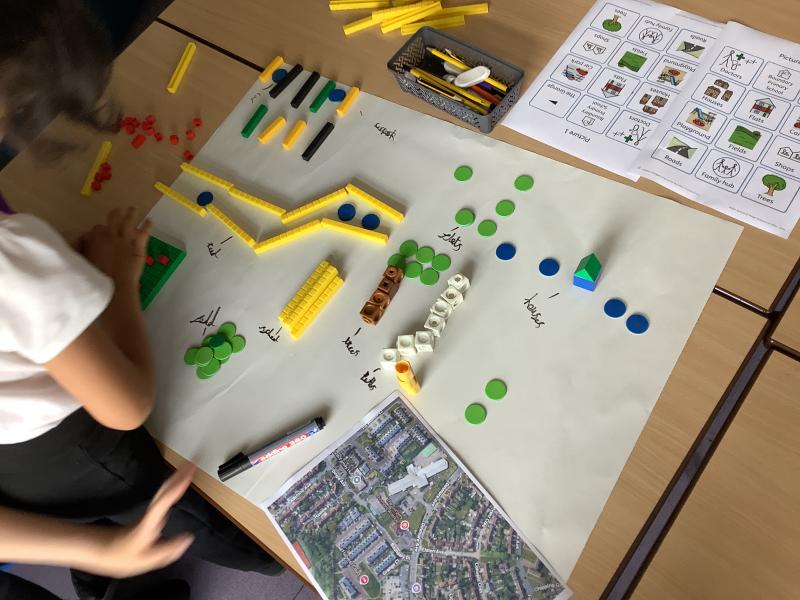
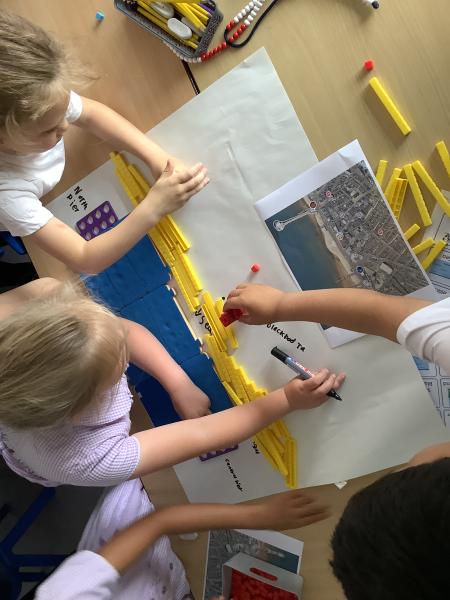
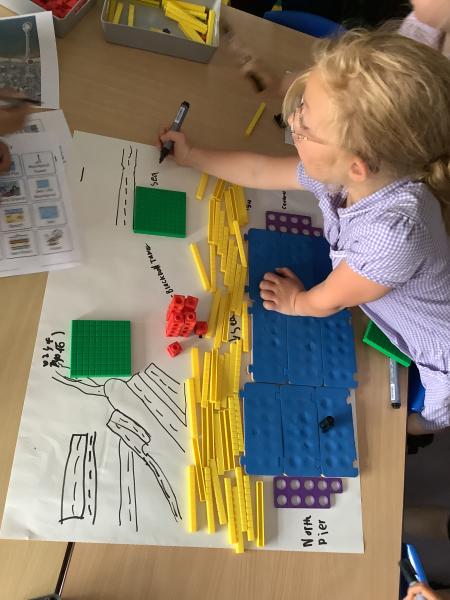
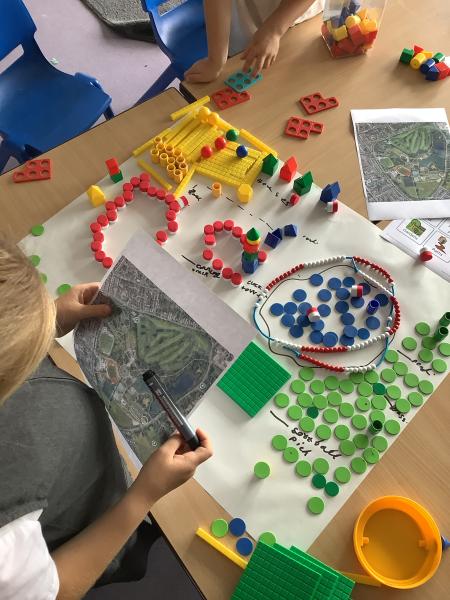
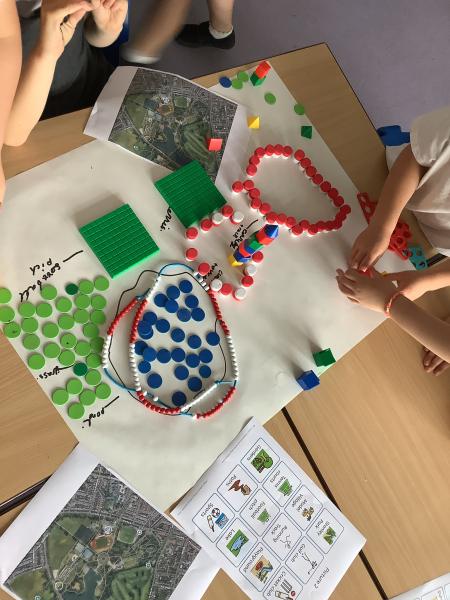
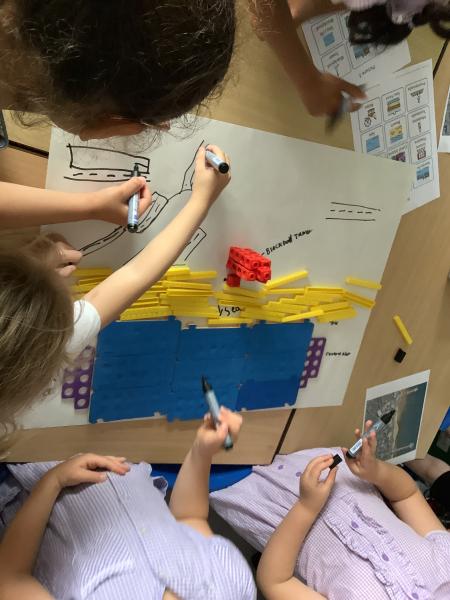
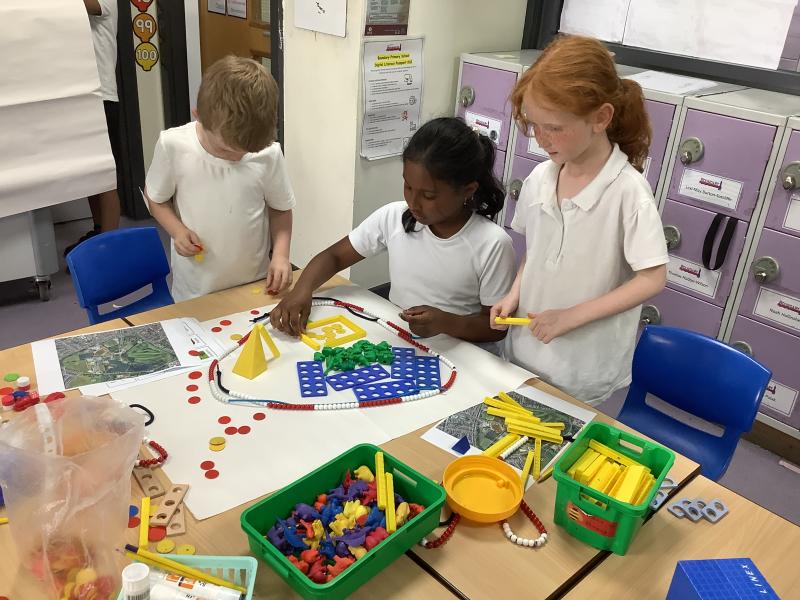
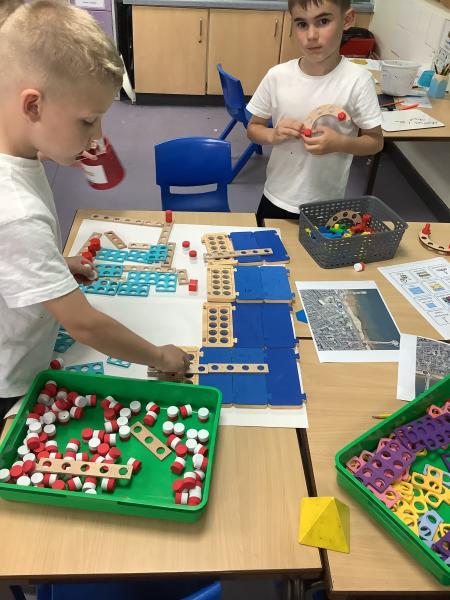
In Year 2, we have been continuing our Geography learning by exploring different areas of Blackpool 😊.
The children looked at four different locations and created their own messy maps to represent each area 🖍️🗺️. They thought carefully about the landmarks they could see and included these in their drawings, showing great attention to detail.
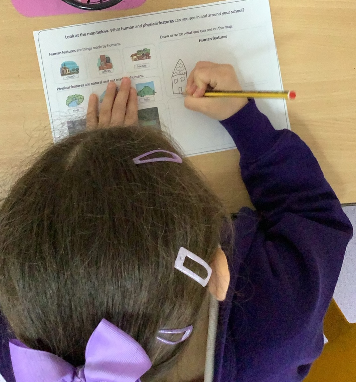
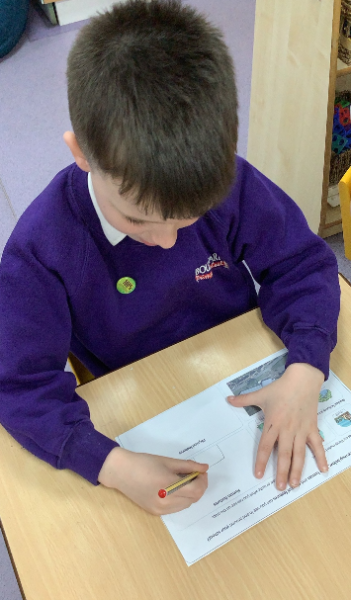
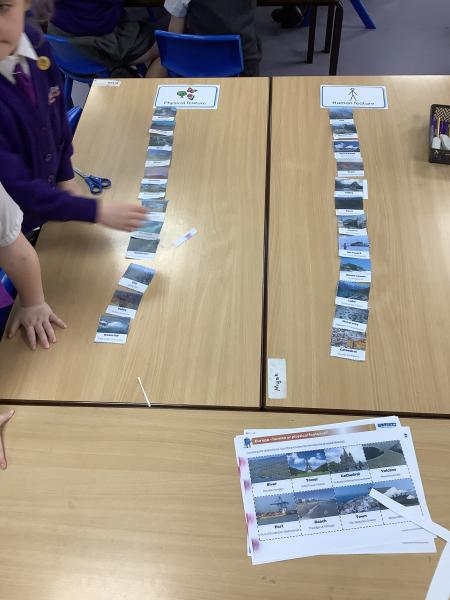
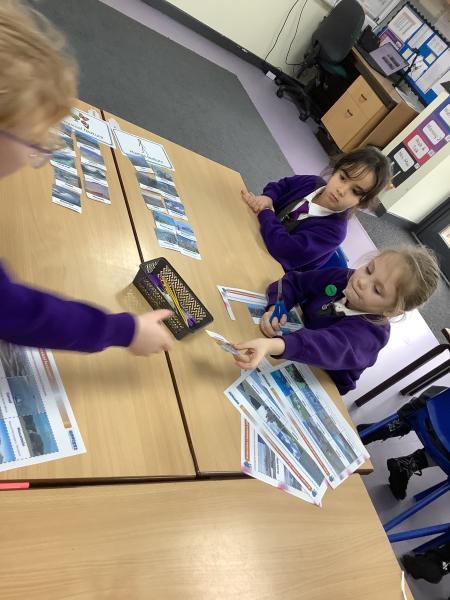
We also discussed the difference between human and physical features 🏖️🏢, identifying what was natural and what was man-made on our maps. The children showed great understanding as they spotted beaches, roads, buildings and more!
Finally, we thought about where places are in relation to each other, using positional language to describe locations 📍. It was fantastic to see the children developing their map skills and geographical understanding 🌟👏
Date: 18th Jun 2026 @ 9:09am
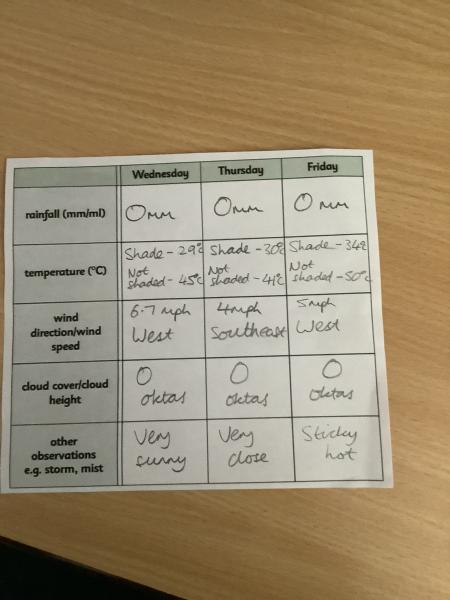
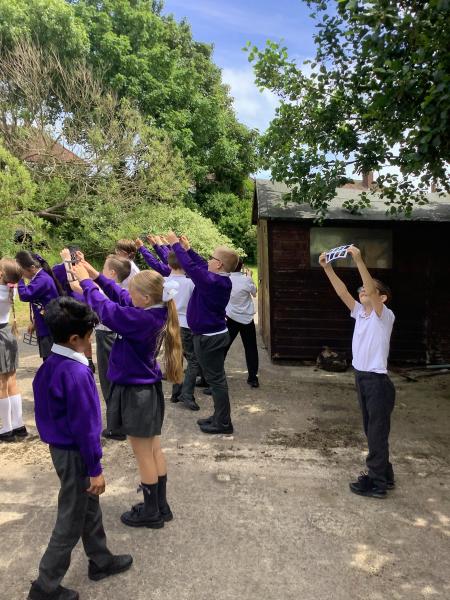
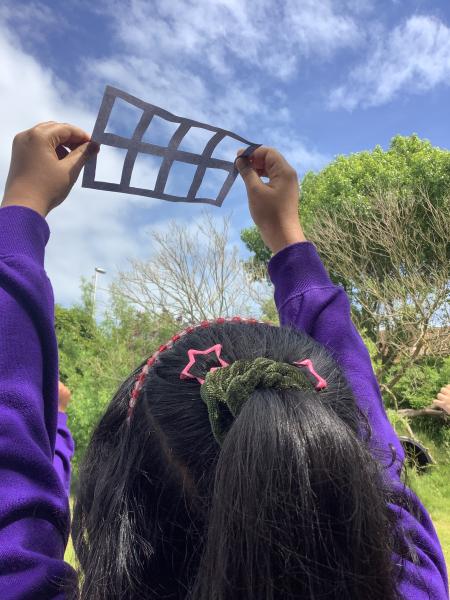
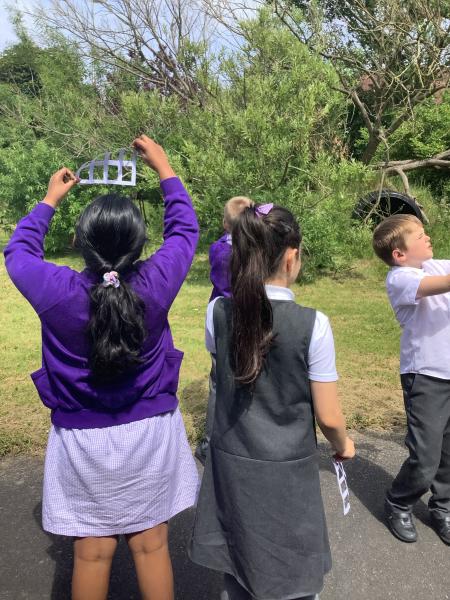
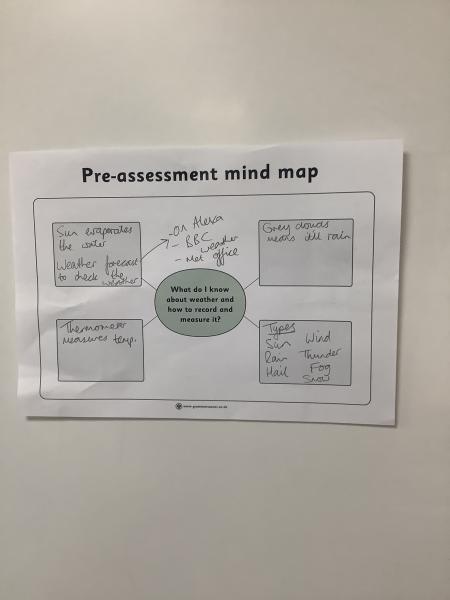
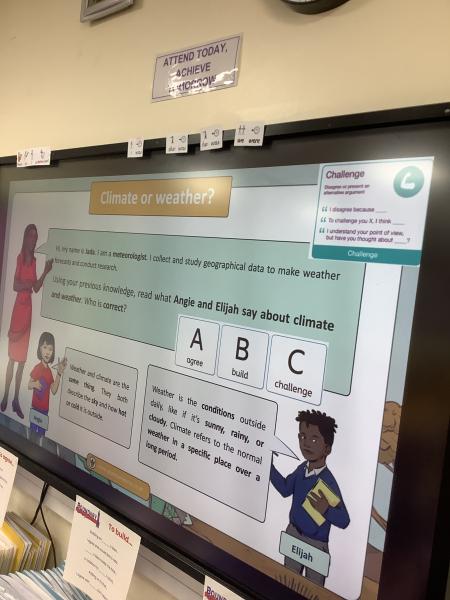
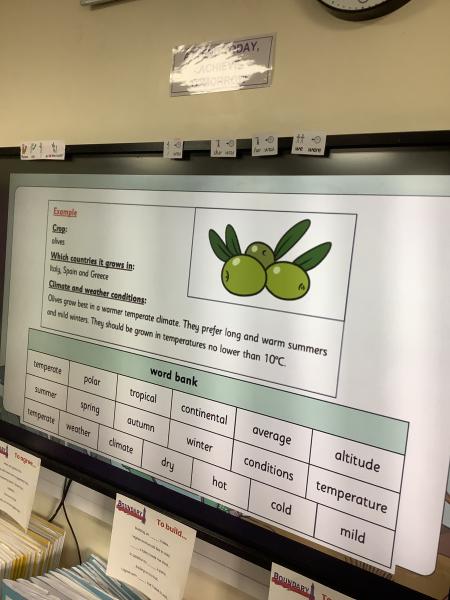
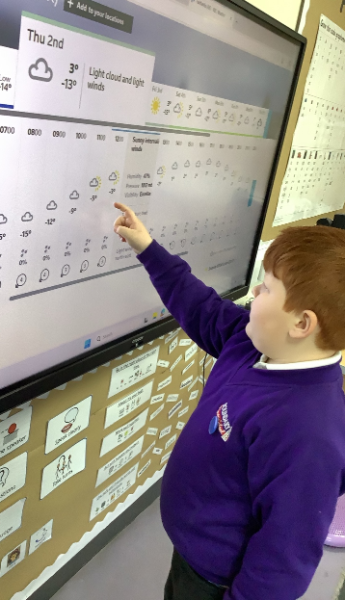
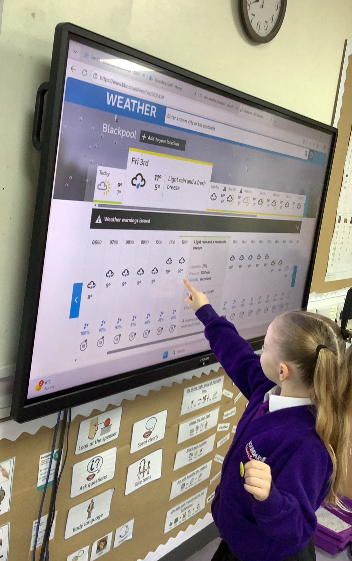
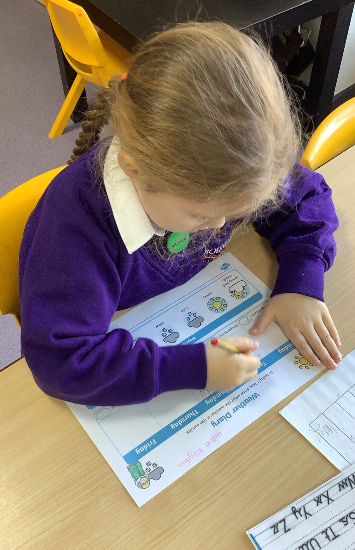
In Geography, we learned about different types of clouds and their names, like cumulus and stratus, and how they look in the sky. We also found out that clouds can give us useful information about the weather and how conditions might change. We used a grid to measure oktas, which helps us tell how much of the sky is covered by clouds.
Year 2 Geography: Exploring Our World 🌍✨
Date: 11th Jun 2026 @ 4:13pm
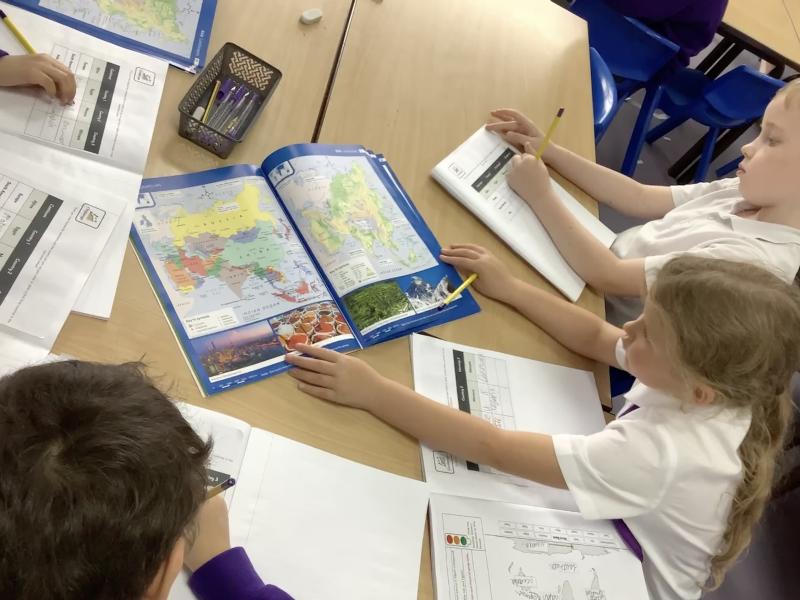
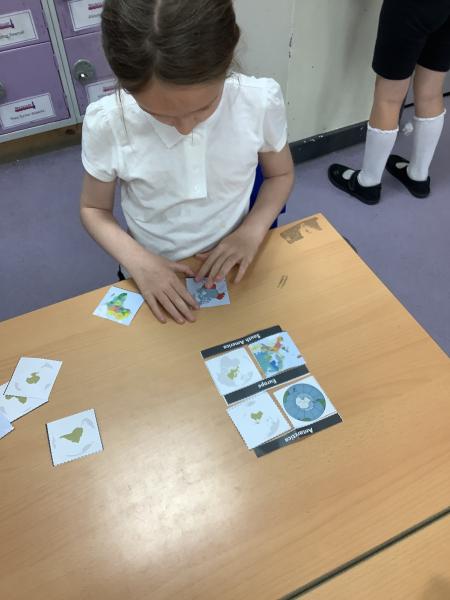
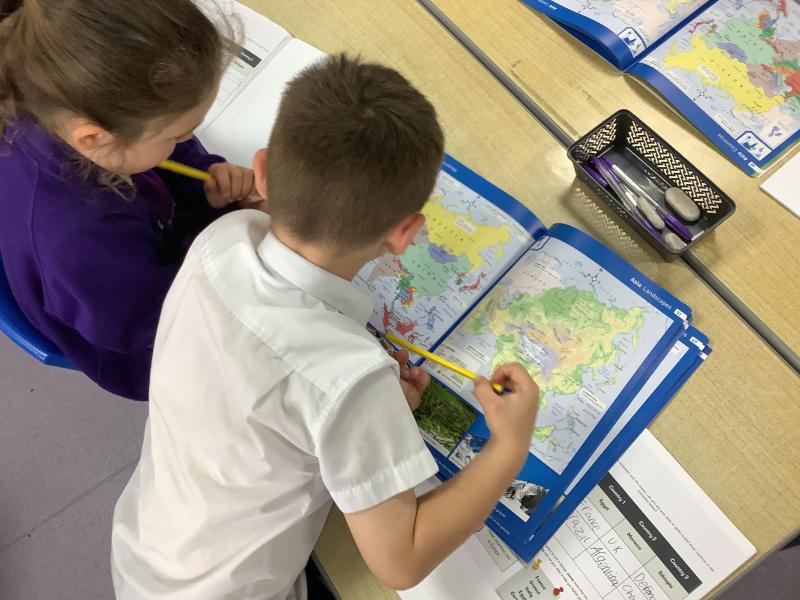
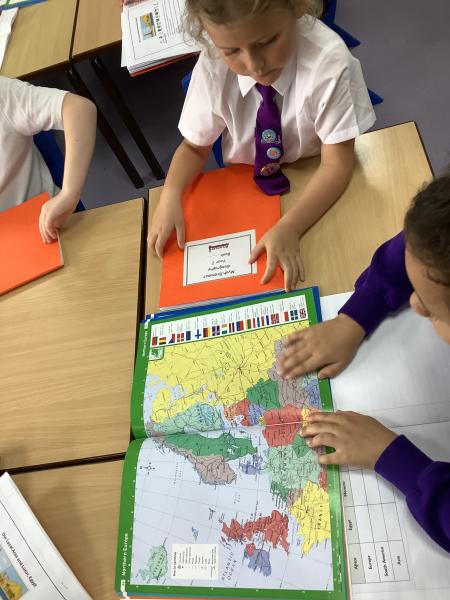
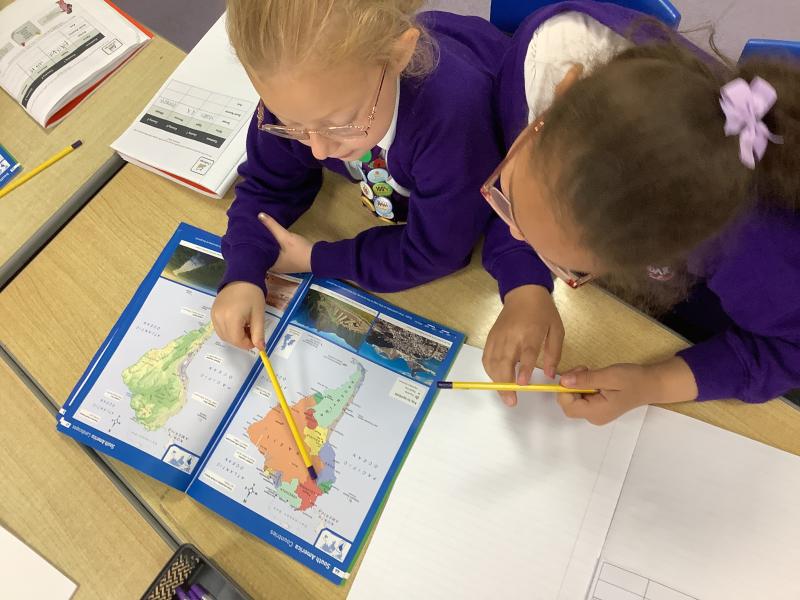
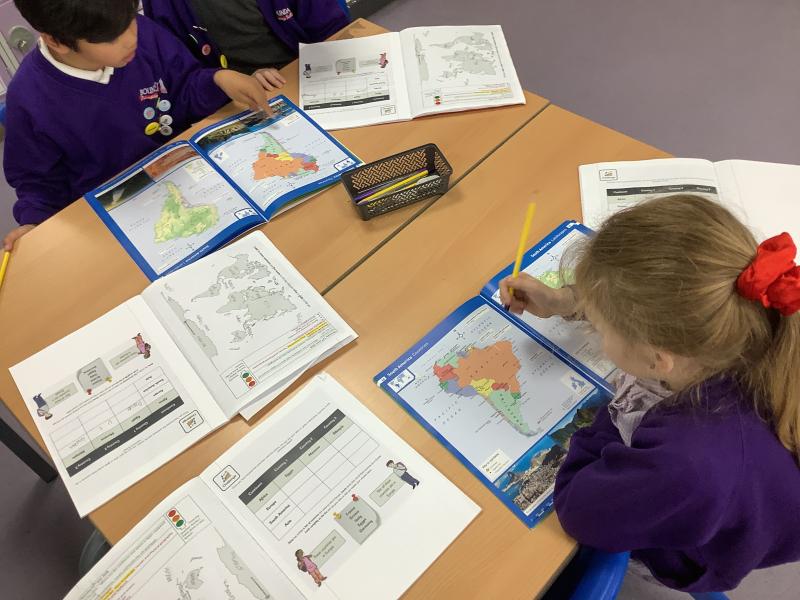
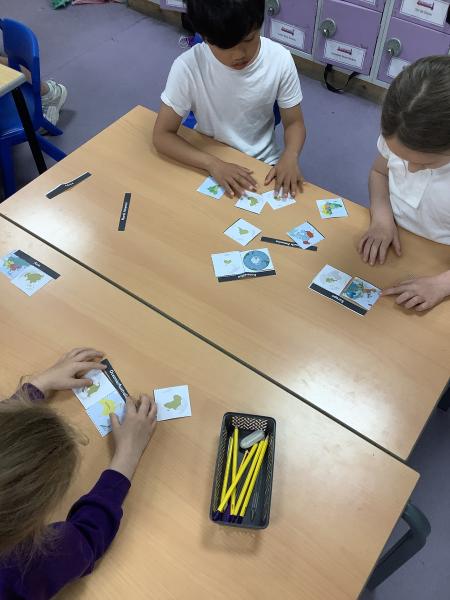
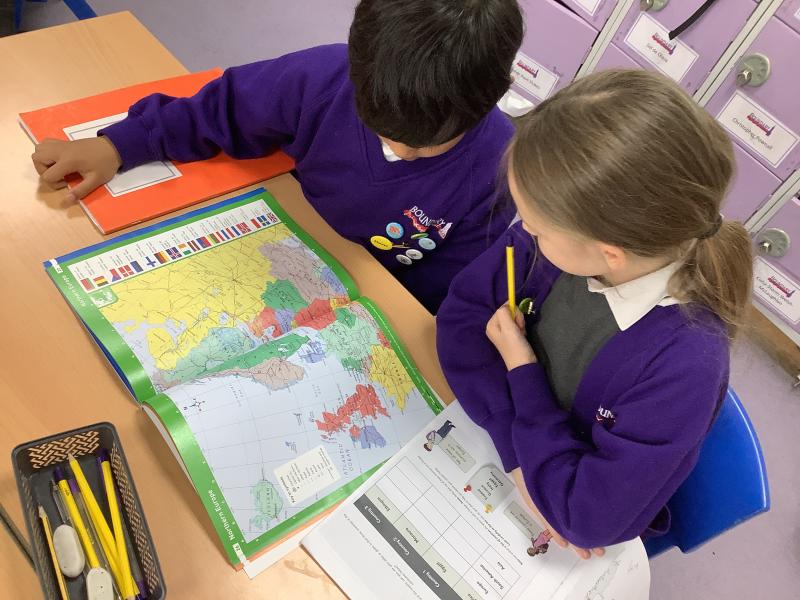
Year 2 have begun an exciting new Geography unit where we will be comparing our local area, Blackpool, with Luxor in Egypt. The children are already full of curiosity and eager to learn more about different places around the world!
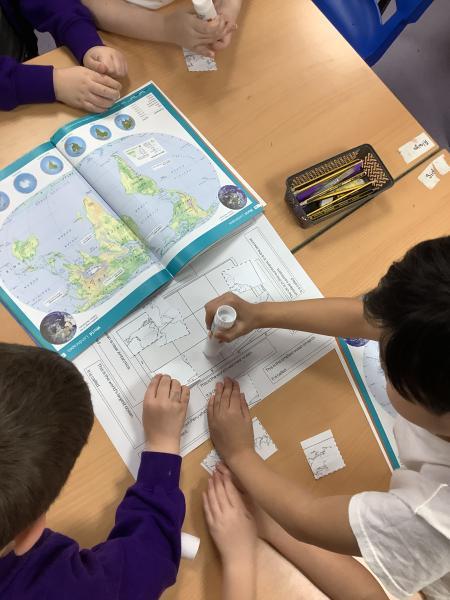
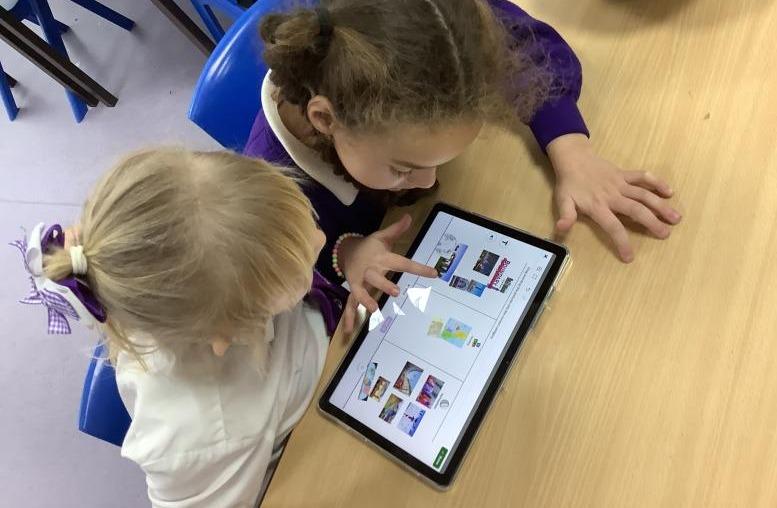
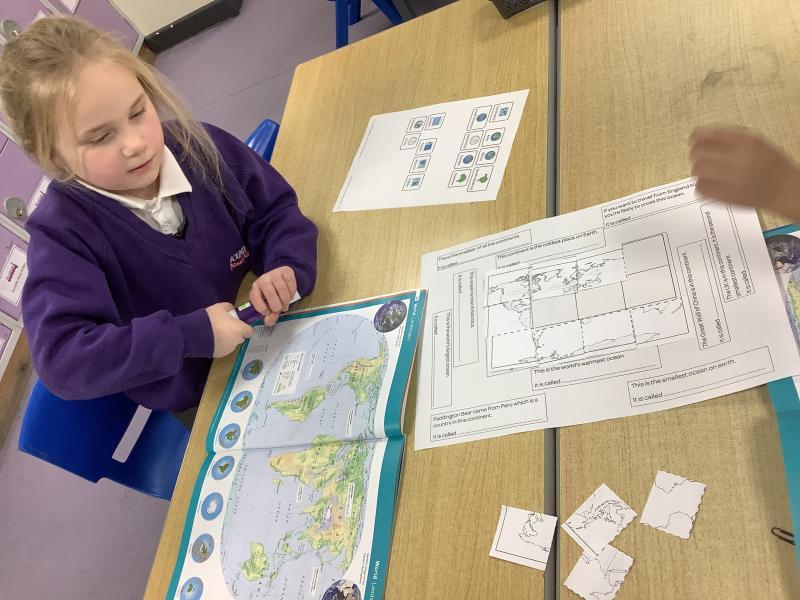
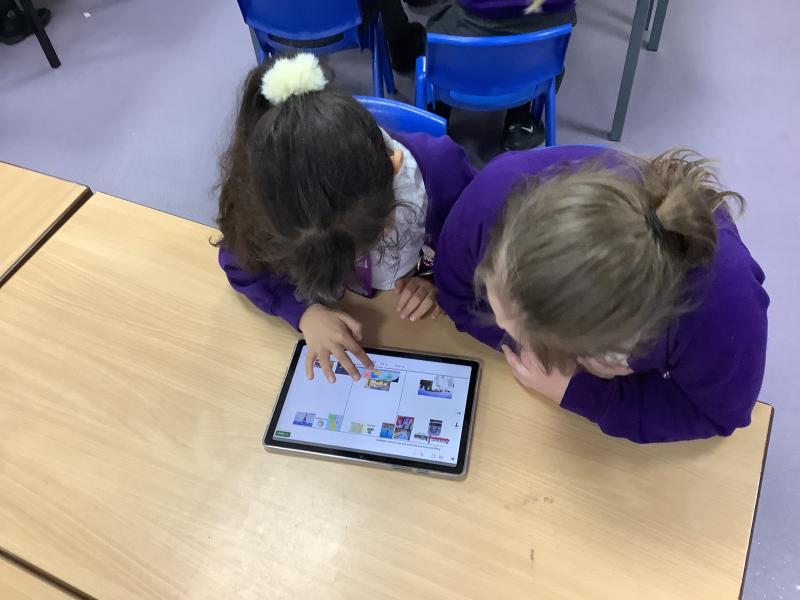
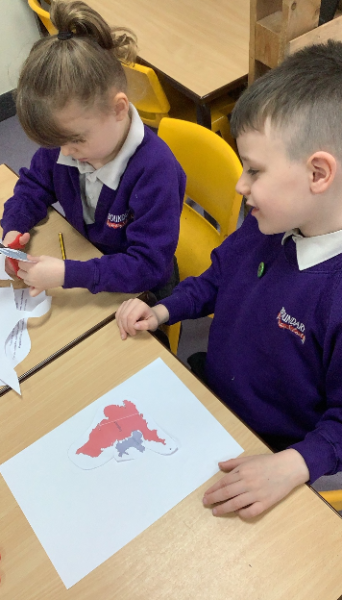
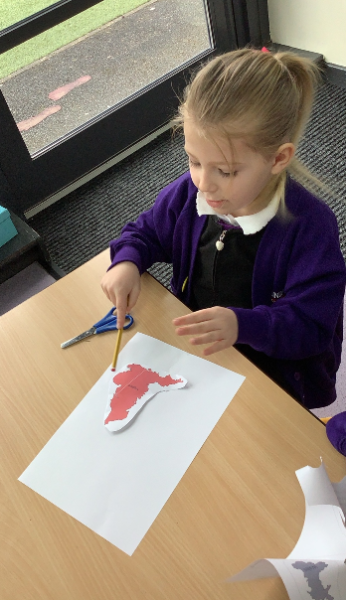
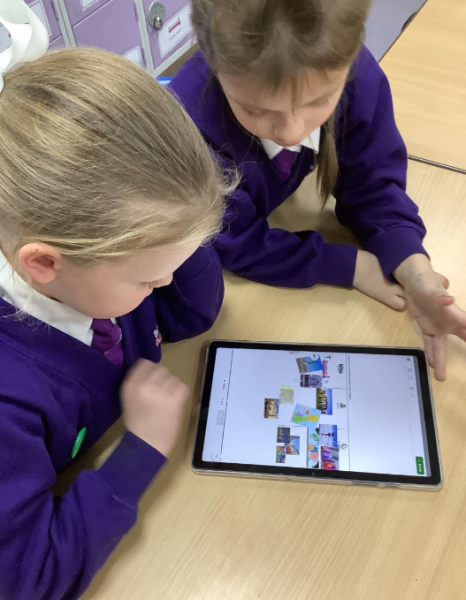
To start our learning, we recapped what we already knew about continents and oceans 🌎💡. The children worked together to create a fun ‘jigsaw’ activity, carefully matching the continents to the correct maps 🧩. This helped us to refresh our understanding in an interactive way.
We then used atlases to support our learning, locating and labelling the continents and oceans on a world map 🗺️. The children showed great teamwork and problem-solving skills as they explored where different places are in the world.
A fantastic start to our new topic—we can’t wait to learn more about how Blackpool and Luxor compare! 🌟
Date: 9th Jun 2026 @ 3:43pm
Date: 14th May 2026 @ 3:37pm
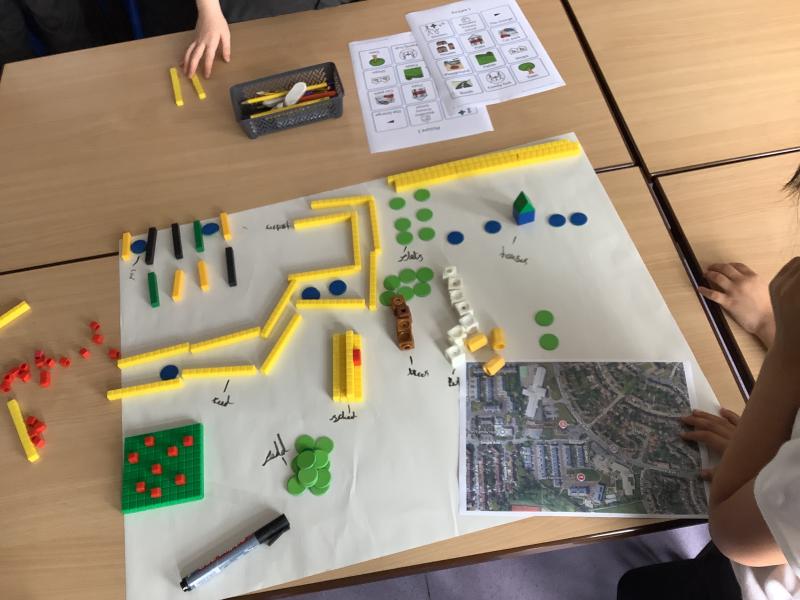
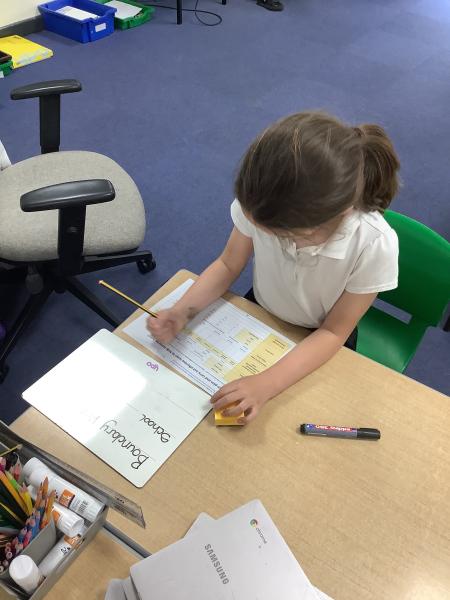
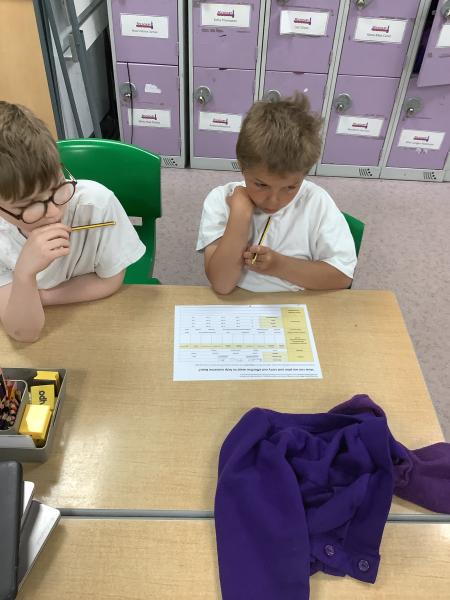
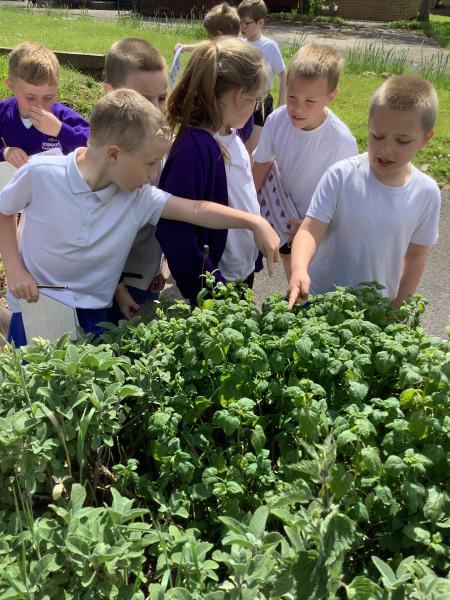
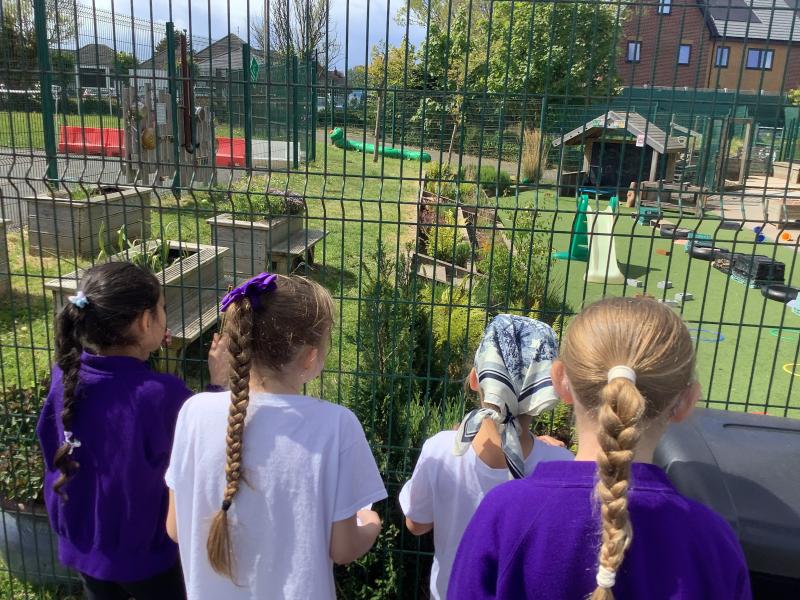
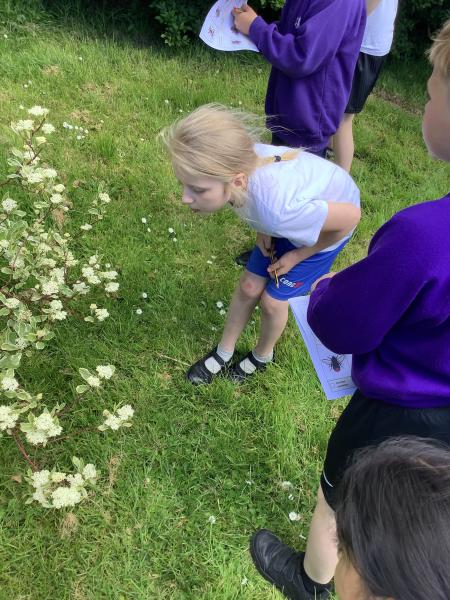
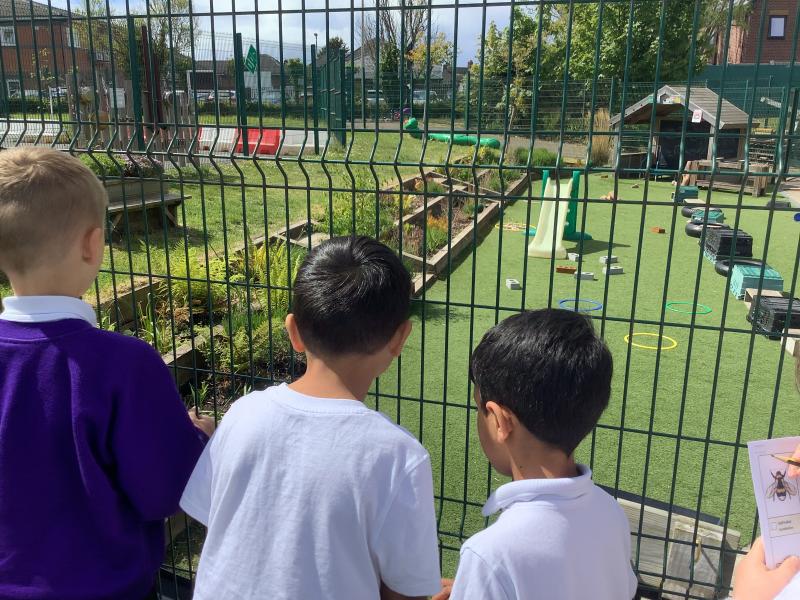
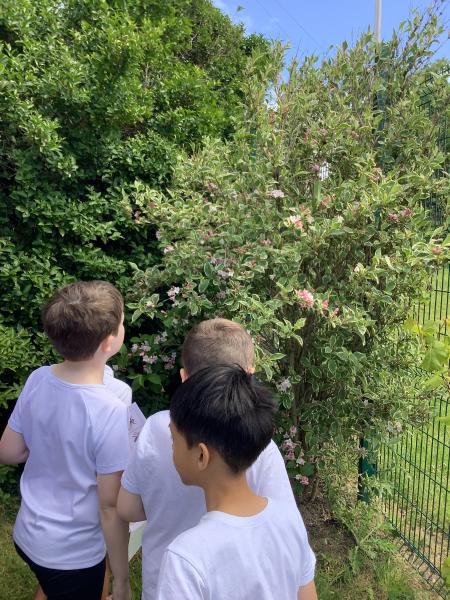
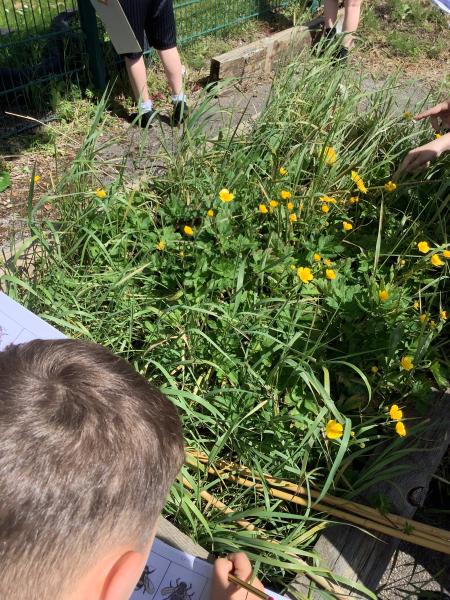
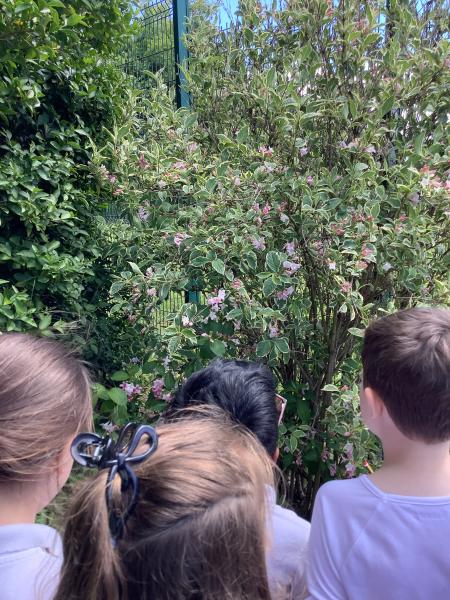
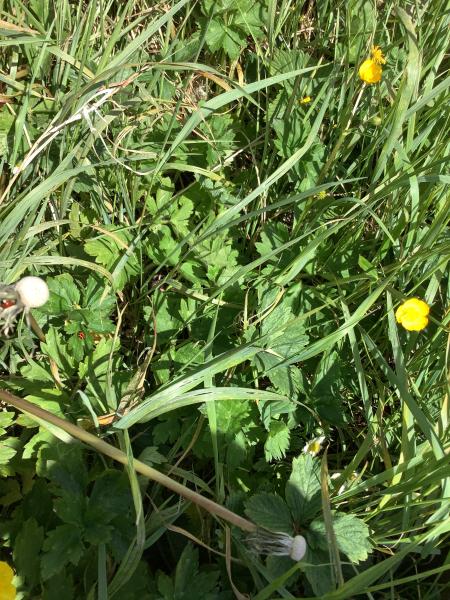
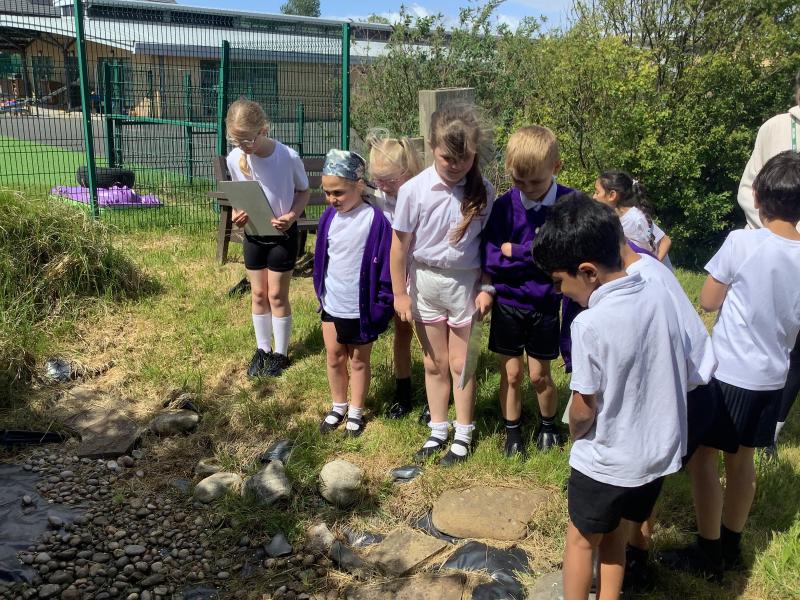
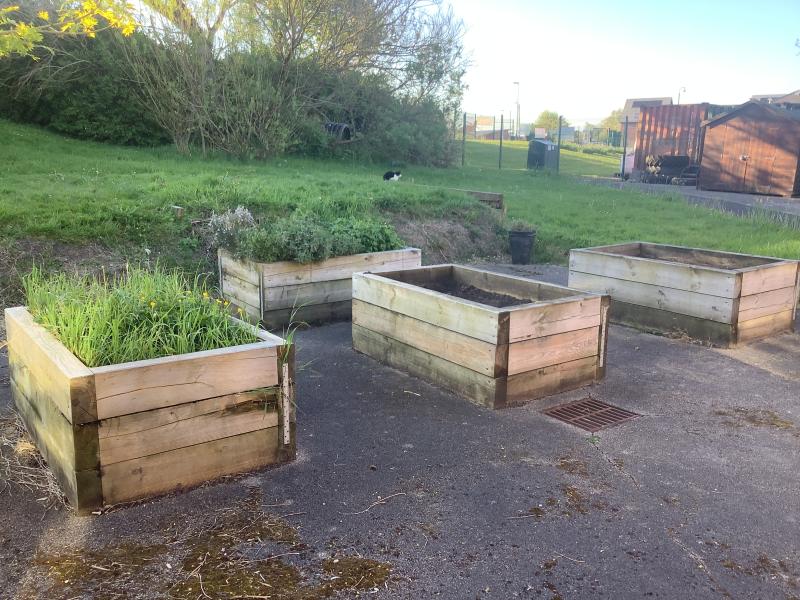
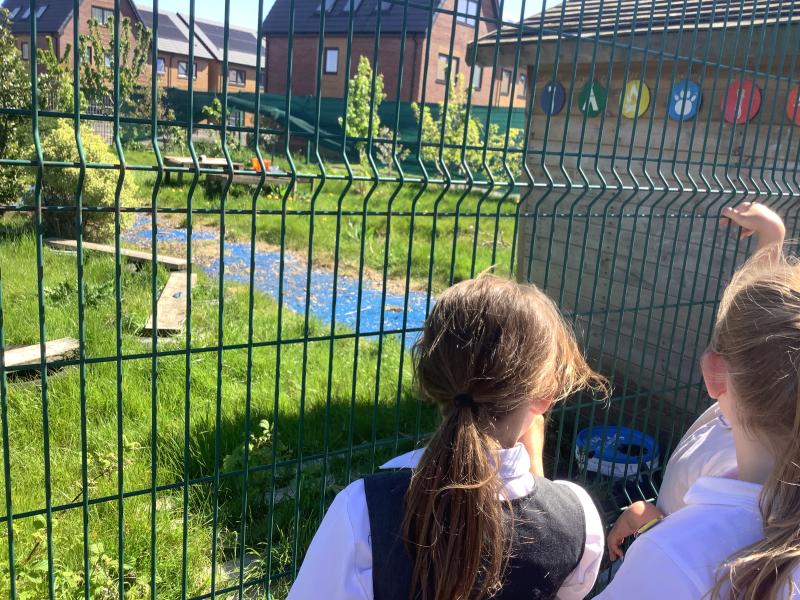
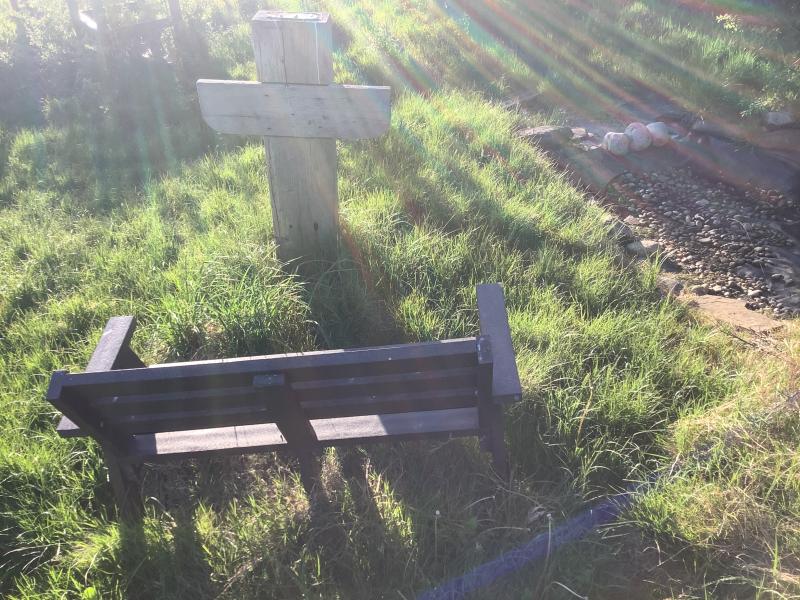
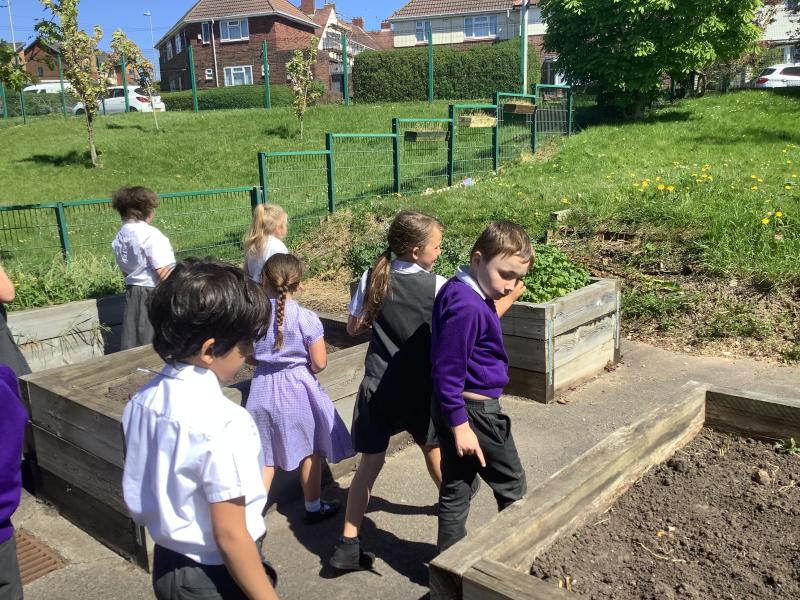
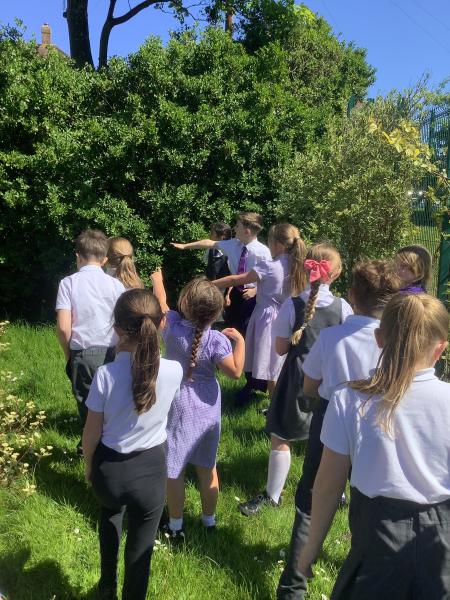
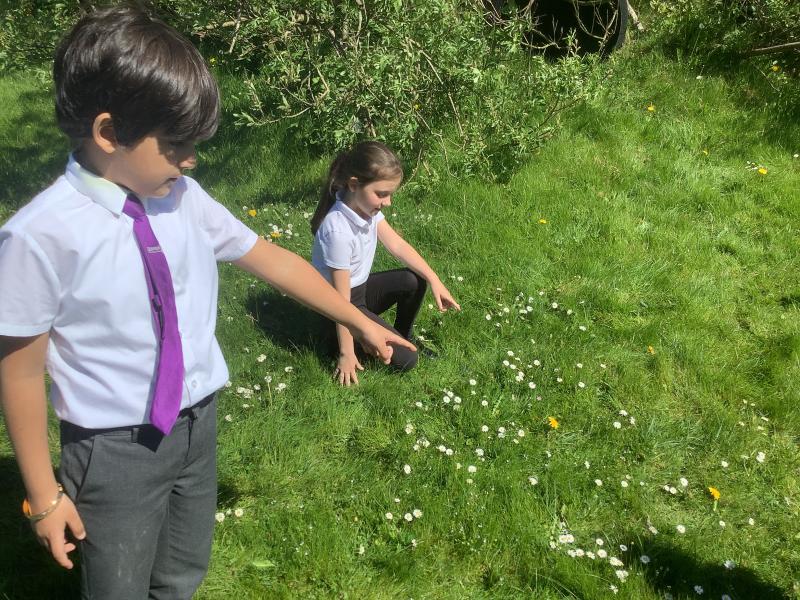
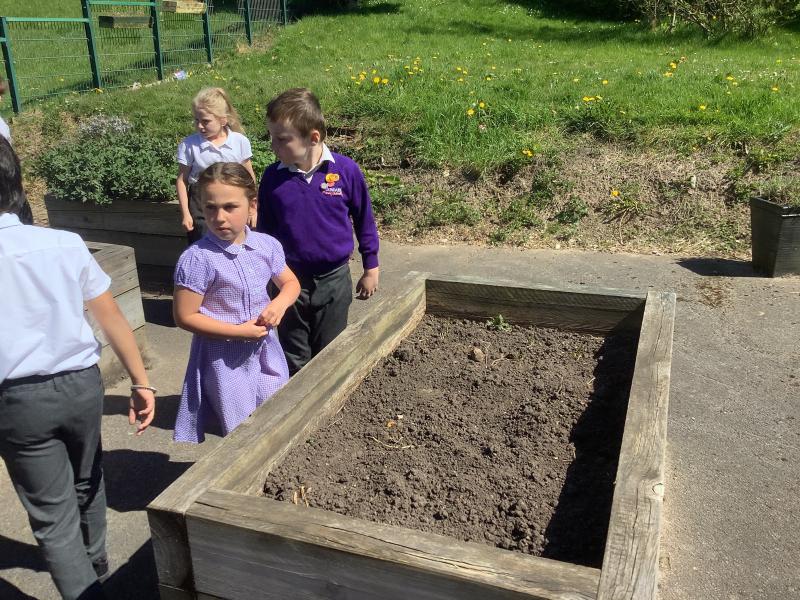
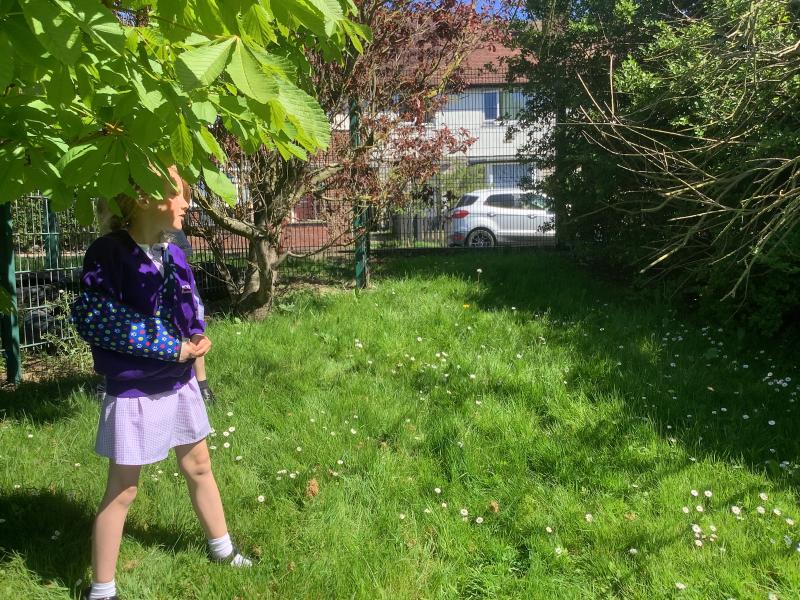
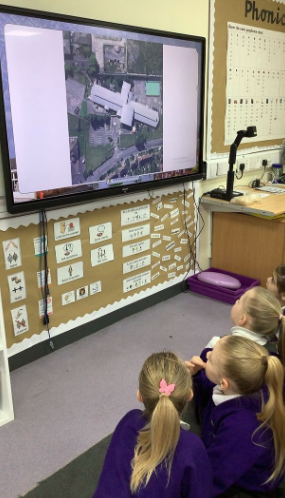
In this lesson, we explored how bee-friendly our school grounds are and thought about ways we could improve them. As a class, we worked together to draw a blueprint of our school, helping us understand the different areas and where bees might live. In the afternoon, we went outside to look for bees in places we thought would be best, such as areas with long grass, shrubs and trees. Although we didn’t spot any bees, we noticed that our grounds are already quite suitable. We also discussed how planting more bee‑friendly flowers could make our school even better for bees.
Date: 13th May 2026 @ 9:08pm
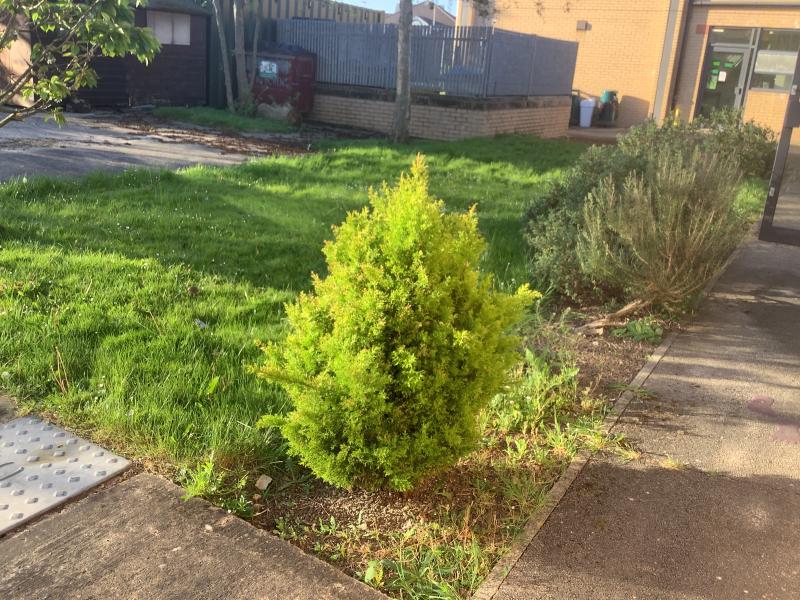
In this lesson, we explored our school grounds using a Google Earth image to help us decide where bees would thrive best. We discussed what makes an area bee-friendly, such as having plants, shelter and quiet spaces. As a class, we agreed that the Forest School area and the space outside the Year 4 classrooms were the most suitable locations. We then designed our own plans, drawing and labelling what we would plant to create the perfect bee-friendly environment. This helped us to think carefully about how we can improve our school grounds for wildlife.
Date: 5th May 2026 @ 11:42am
🌍 Geography Learning Across School 🌍
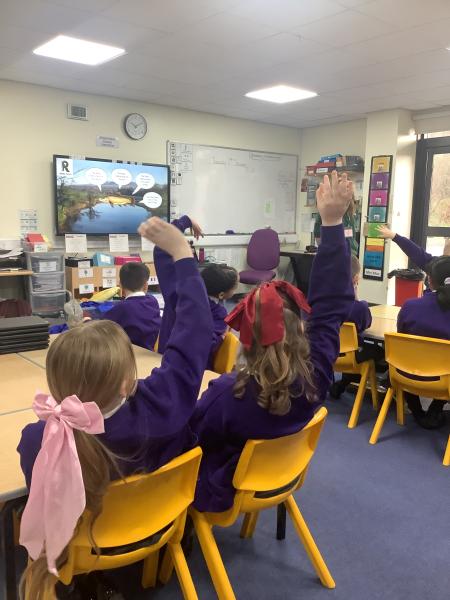
Our children have been busy exploring the world around them through Geography!
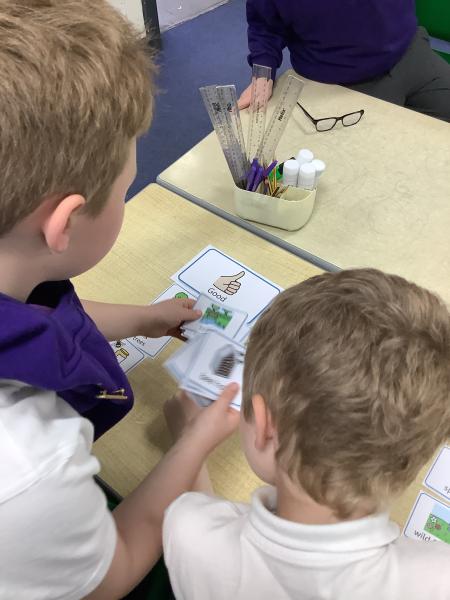
🧭 KS1 learned about their local area, the UK, continents and oceans, and began developing early map skills.
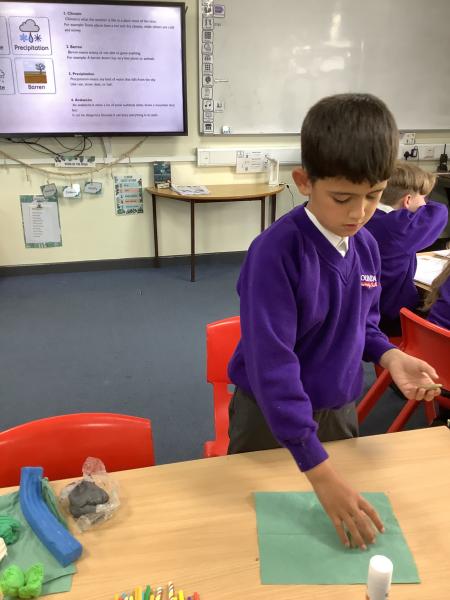
🐝 Year 3 explored the importance of bees and how we can protect them.
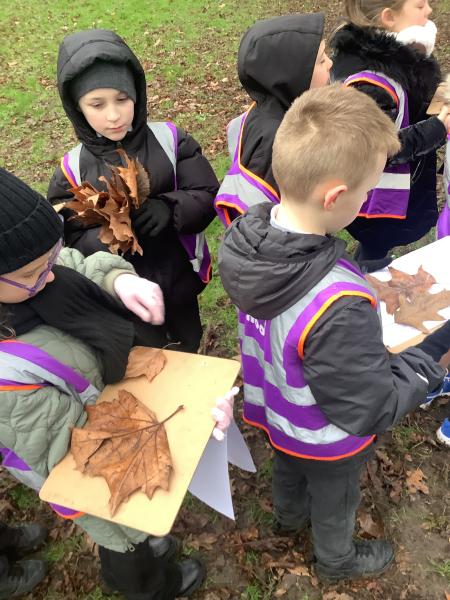
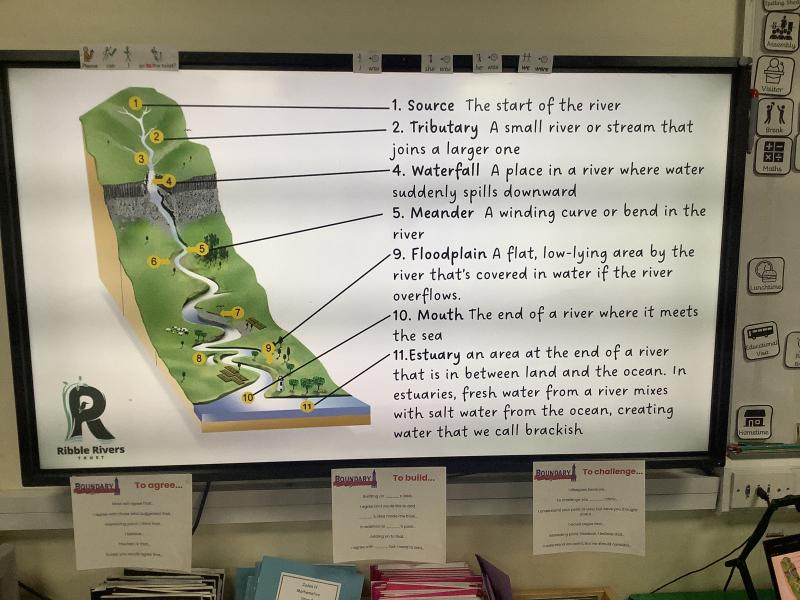
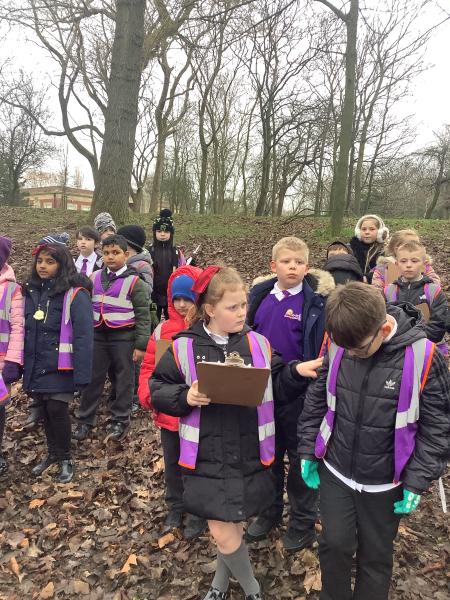
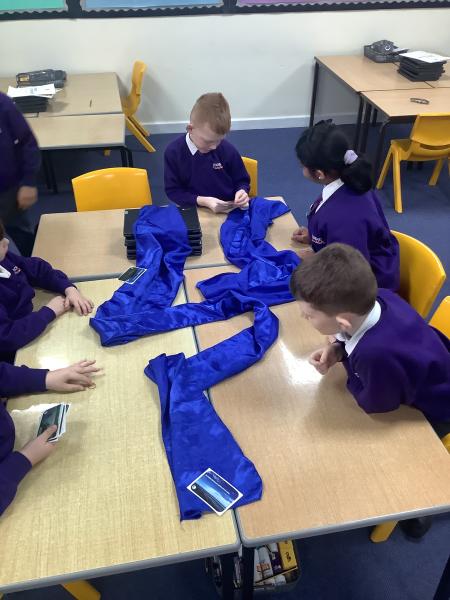
🌊 Year 4 learned about rivers, including a visit and outdoor learning at Stanley Park.
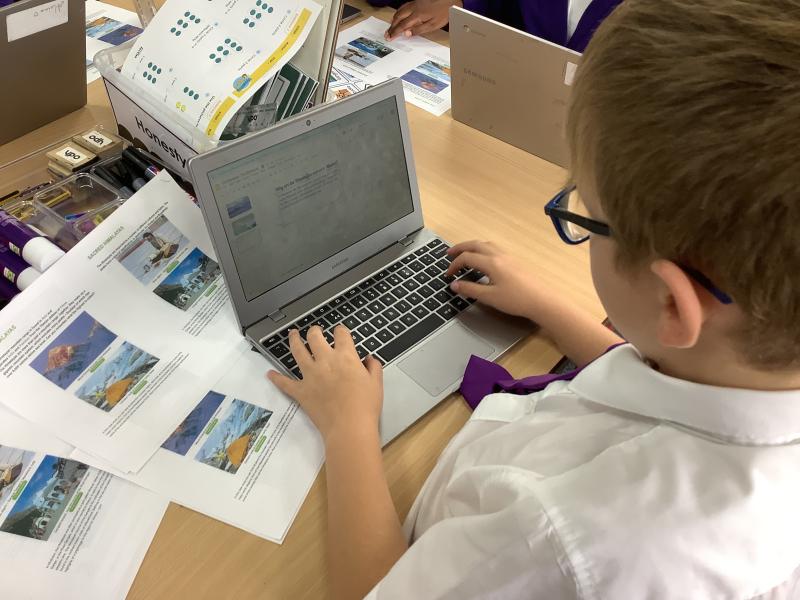
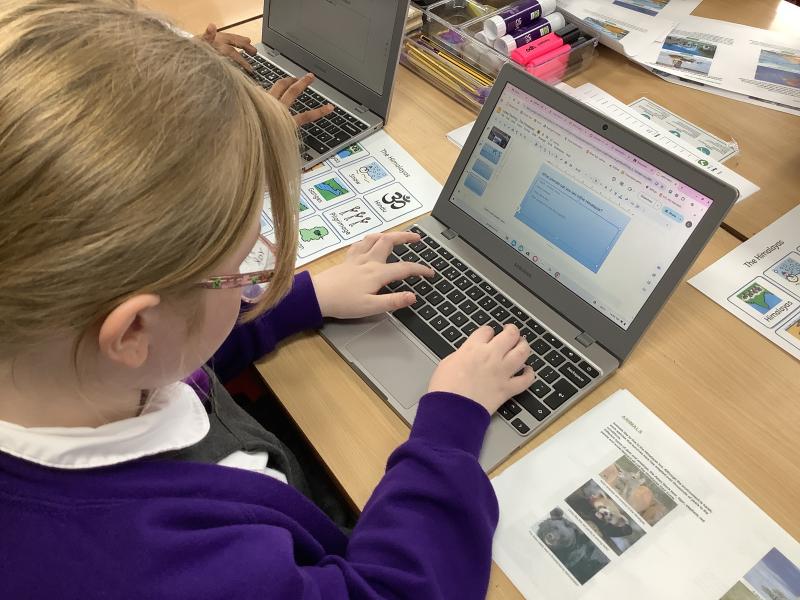
⛰️ Year 5 discovered mountains around the world, including the UK and the Himalayas.
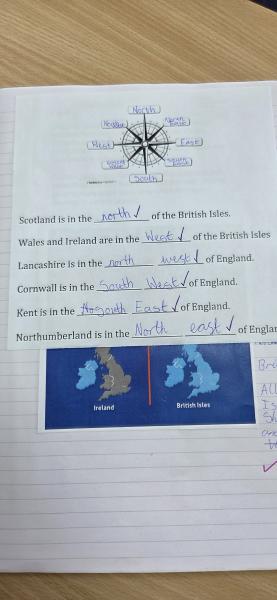
🇬🇧 Year 6 studied the UK, using maps to explore settlements, land use and tourism.
Fantastic geographical learning from all year groups! 👏🌟
Date: 24th Apr 2026 @ 7:30am
|
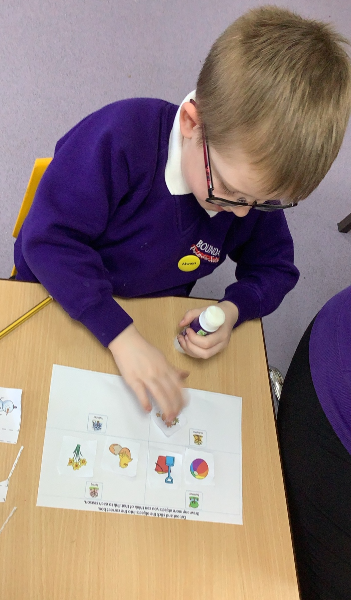
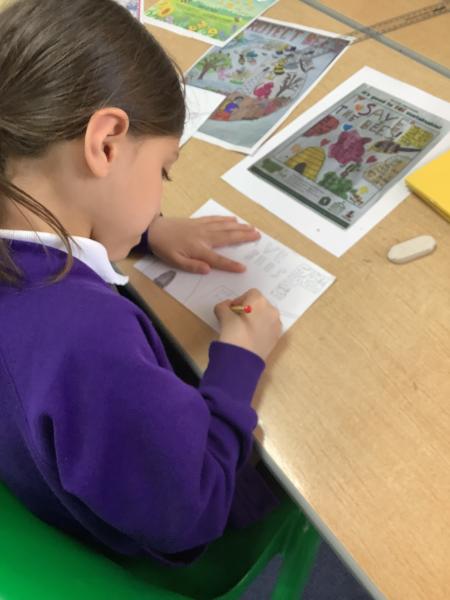
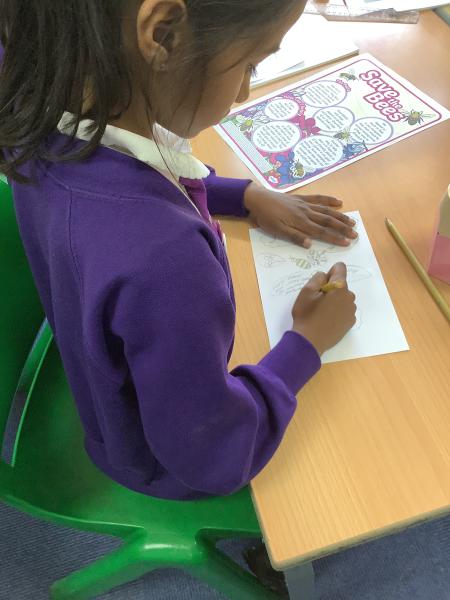
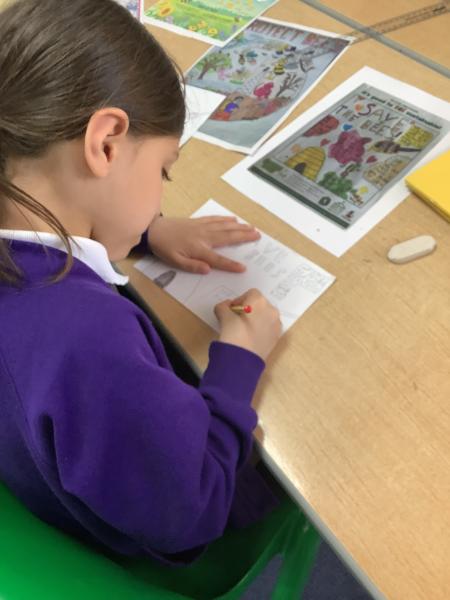
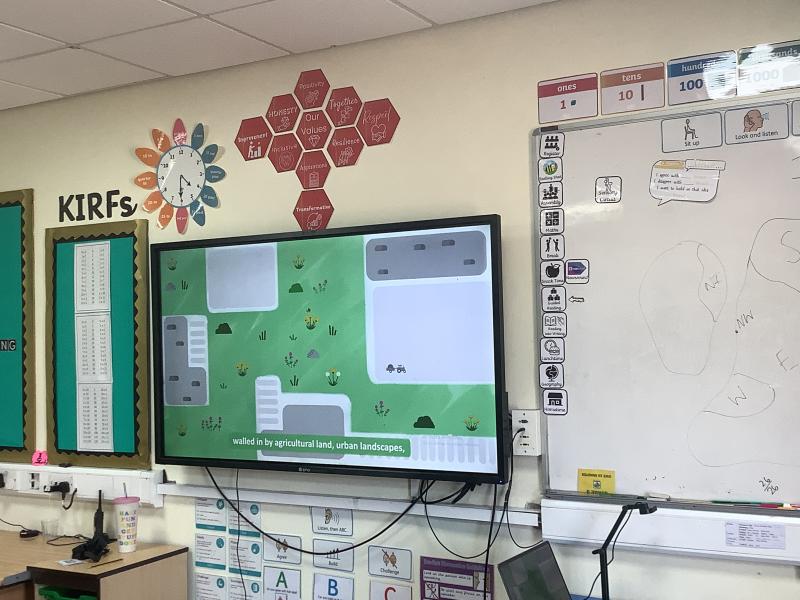
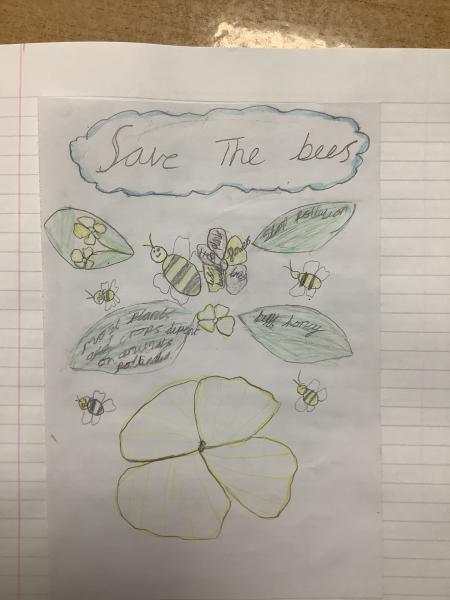
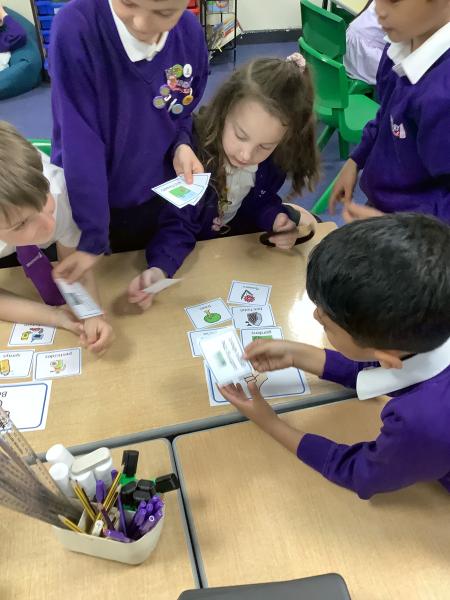
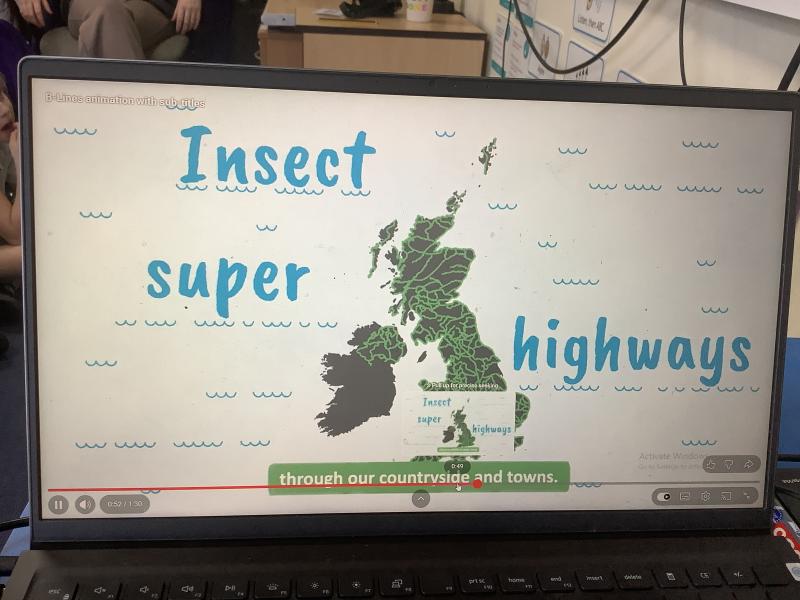
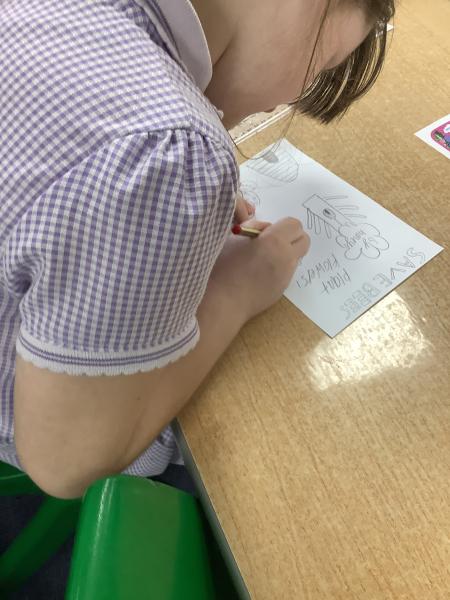
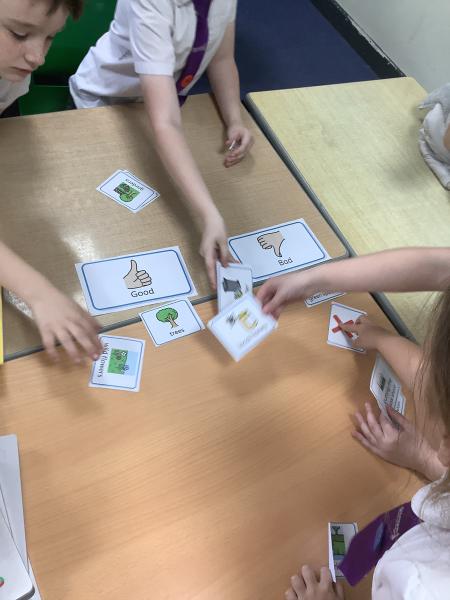
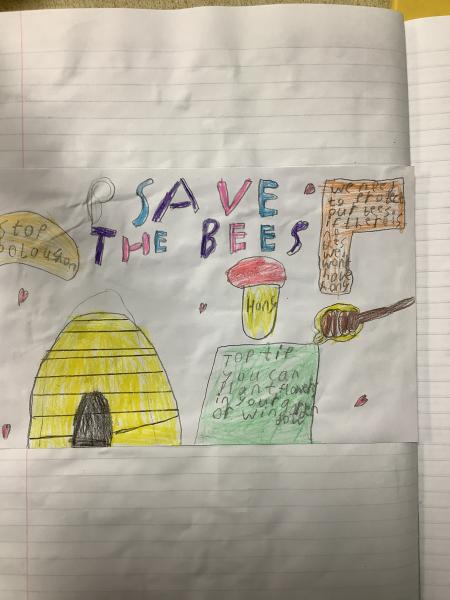
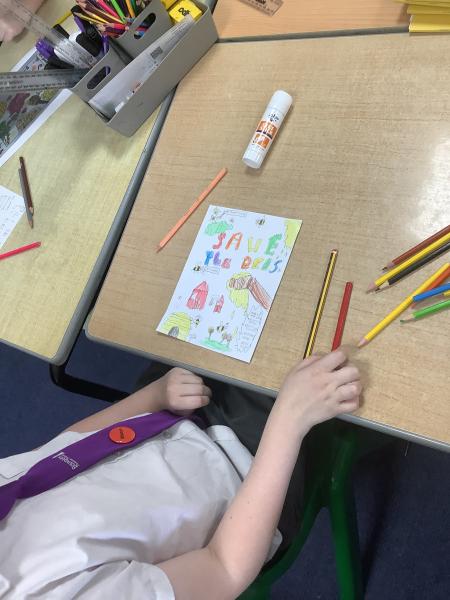
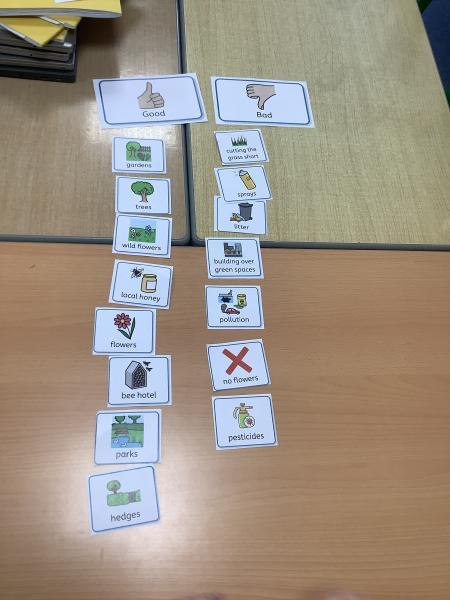
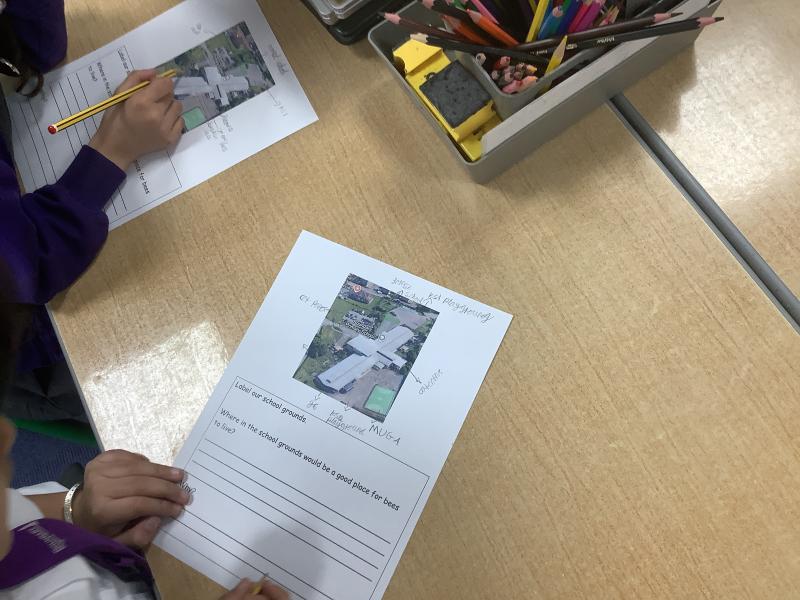
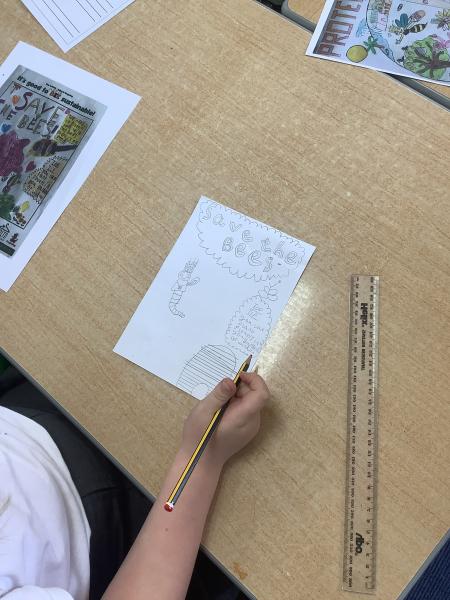
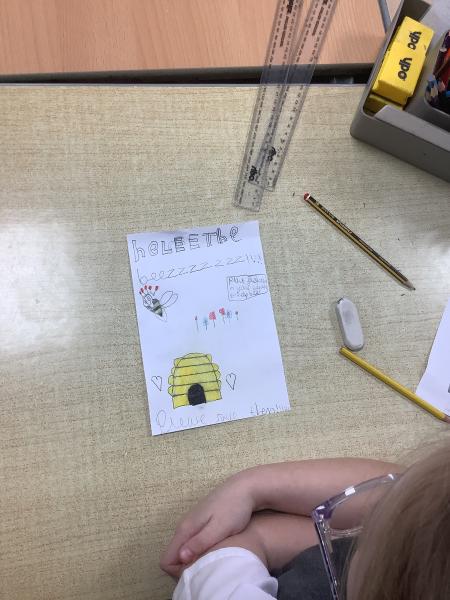
🐝 Busy Bees: Learning How to Protect Our Pollinators! 🌼 This week in Year 3 Geography, we have been learning all about bees and why they are so important to our world. We started by discovering the challenges bees are facing in the UK. The children were fantastic at identifying threats such as pollution, pesticides used on plants, and new houses being built on green spaces where bees used to live and find food. We discussed how these problems make it harder for bees to survive and why this matters to humans too. Then, we looked at a picture of our school grounds and considered where would be good places for bees to live, here at Boundary. Next, we explored a wonderful charity called Buglife, which works hard to protect insects and their habitats. One of the most exciting things we learned about was B‑Lines – a special project designed to help bees travel safely across England. We imagined B‑Lines like a train network for bees, creating connected pathways of wildflowers so bees can move from place to place to find food and new homes. Finally, the children put their learning into action by creating beautiful and informative posters. Using all the knowledge they had discovered, they designed posters to encourage others to help save our bees. The posters were colourful, thoughtful, and full of important messages about how we can all make a difference – from planting flowers to protecting green spaces. We are incredibly proud of the curiosity, creativity, and care Year 3 showed during this lesson. It’s wonderful to see our pupils becoming geography champions and environmental heroes! 🌍💛 |
Year 1- Our School and the World
Date: 1st Apr 2026 @ 7:55am
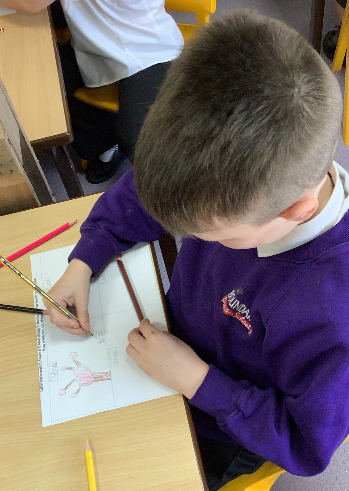
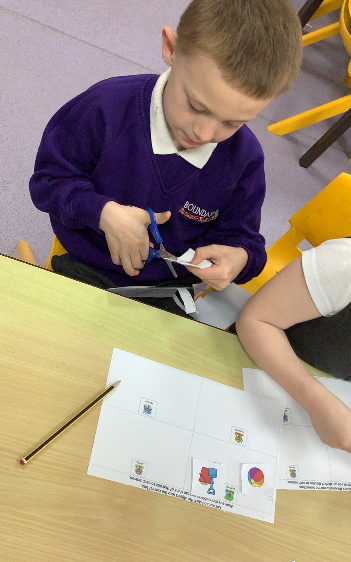
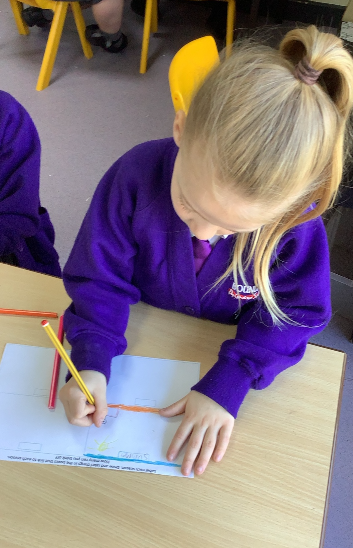
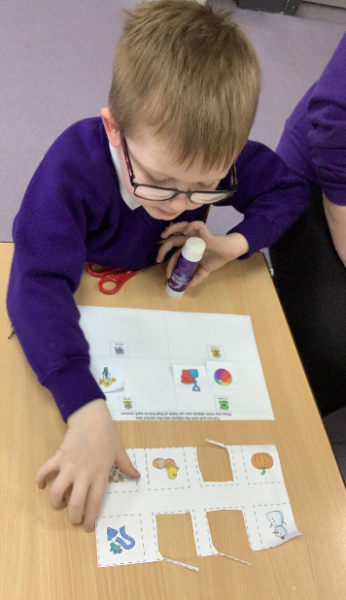
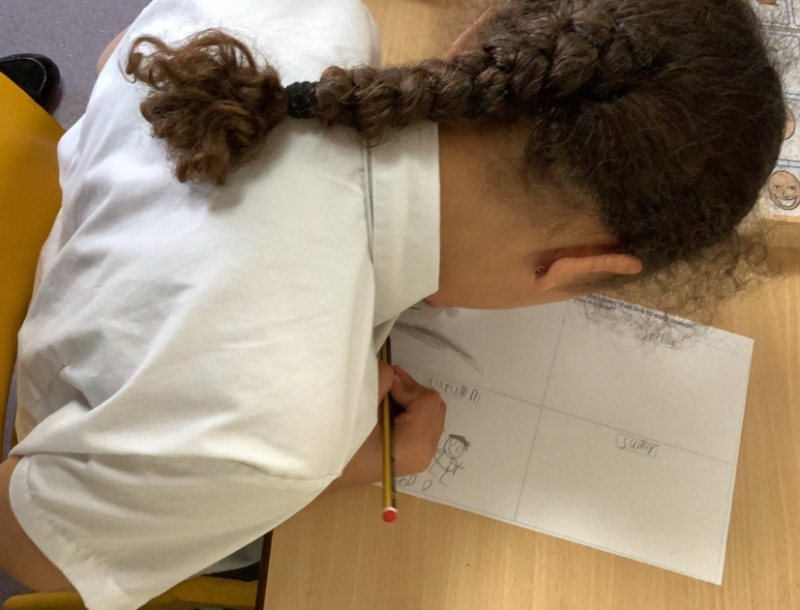
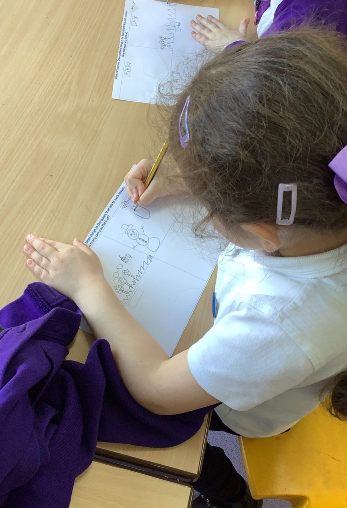
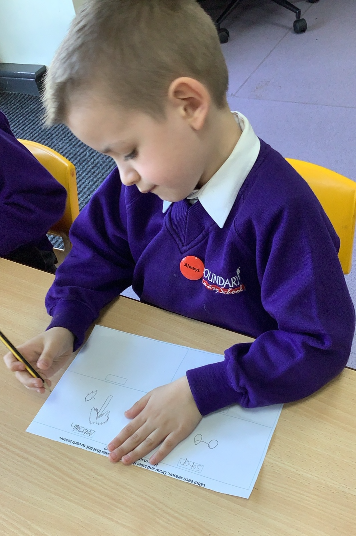
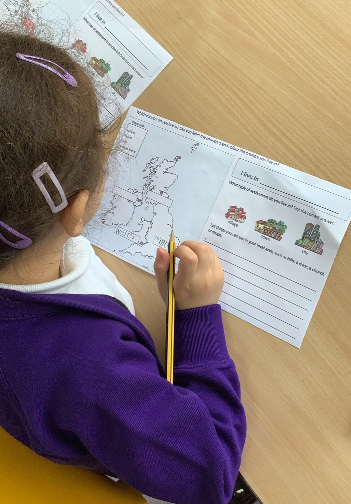
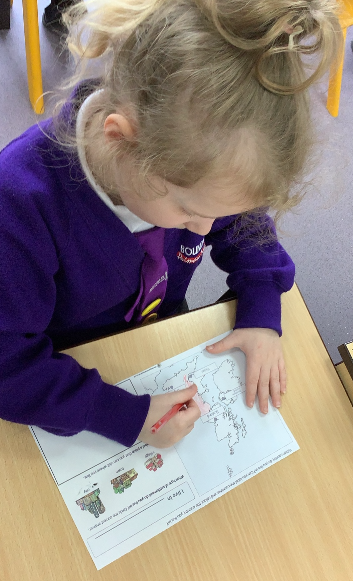
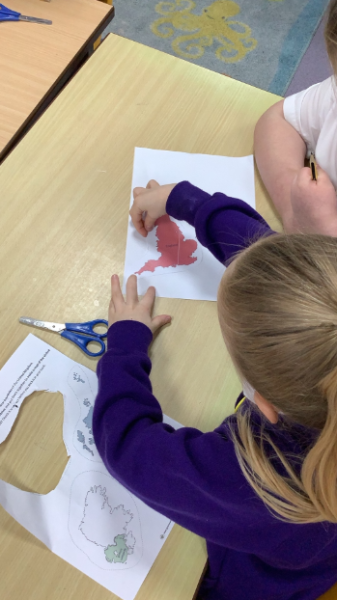
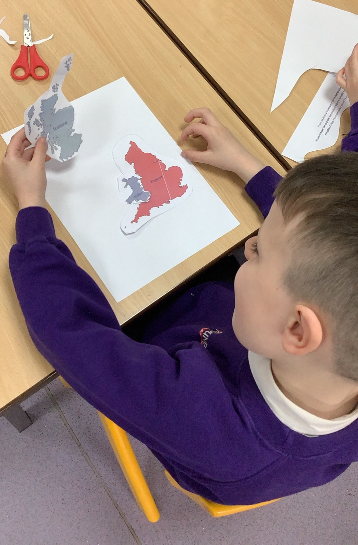
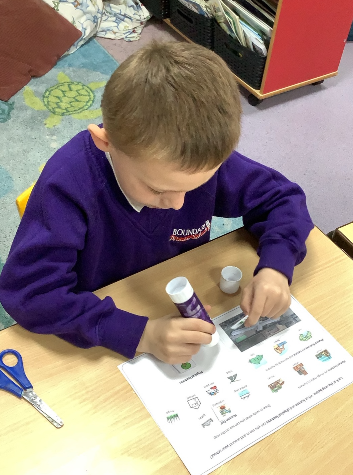
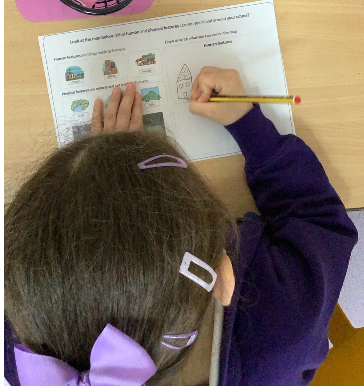
Today in Year 1, we set off on an exciting Geography adventure, beginning right here in our school grounds! We explored the physical features—like trees, grass and the playground equipment—and the human features, such as buildings, fences and paths. The children used great observation skills to spot the differences.
We then learnt that Blackpool is a town, and using aerial views, we thought carefully about the human and physical features we might find in our own local area. The children enjoyed identifying what makes our town special from above.
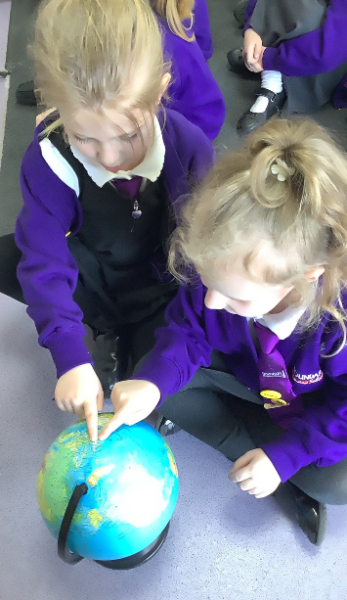
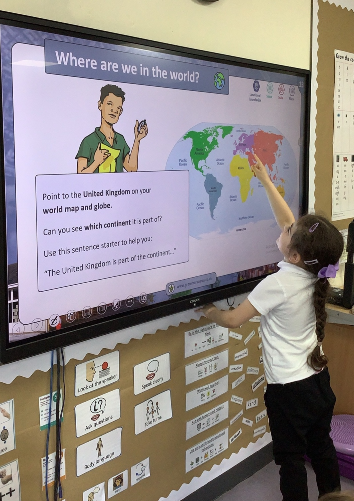
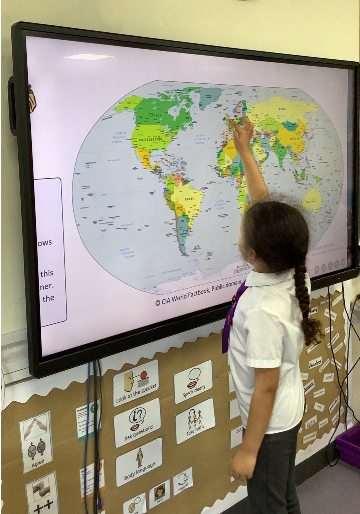
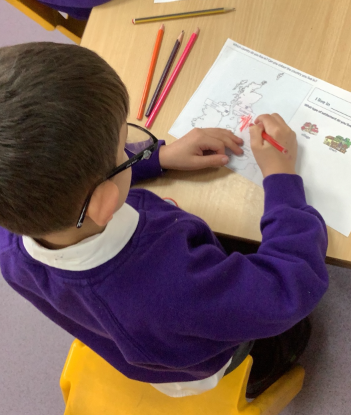
Next, we zoomed out to look at the four countries of the United Kingdom—England, Scotland, Wales and Northern Ireland—and located where Blackpool sits within the UK. After that, we travelled even further out, exploring the seven continents of the world and gaining a sense of how Blackpool fits into the wider world.
To finish our learning, we explored the four seasons we experience in the UK: spring, summer, autumn and winter. We talked about the signs of each season and how the weather, plants and what we wear can all change throughout the year.
It was a fun-filled day of exploring, discovering and thinking about the world around us—starting small and ending with the whole globe!
Date: 31st Mar 2026 @ 2:32pm
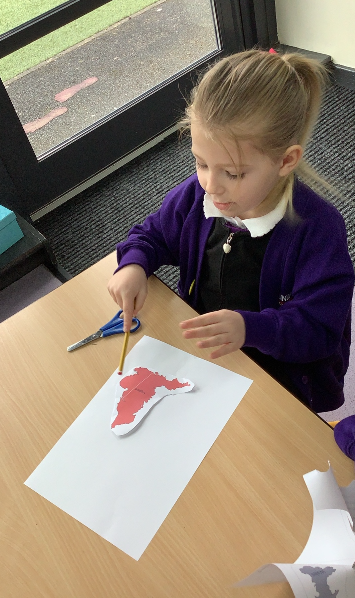
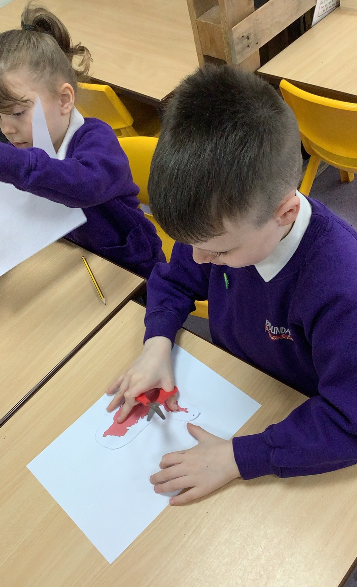
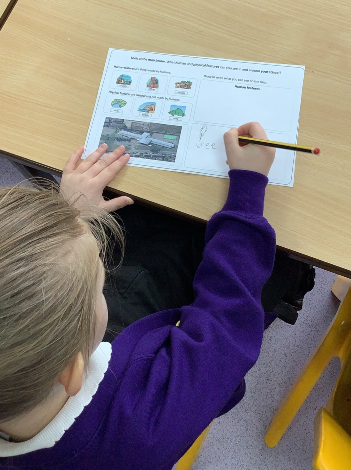
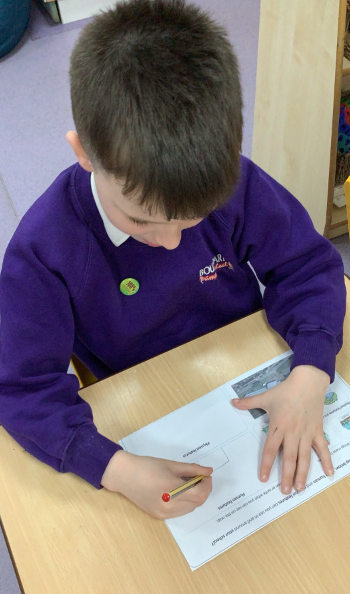
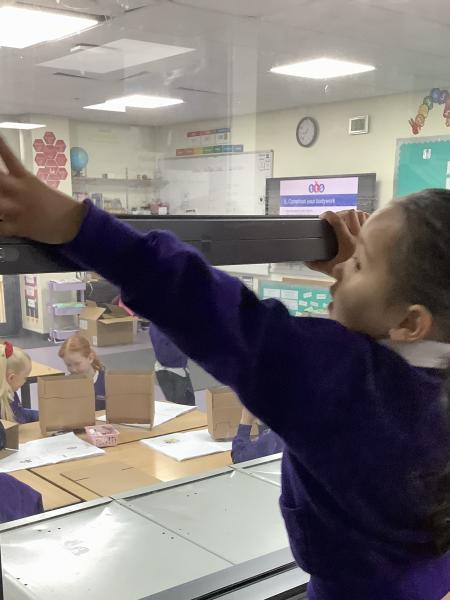
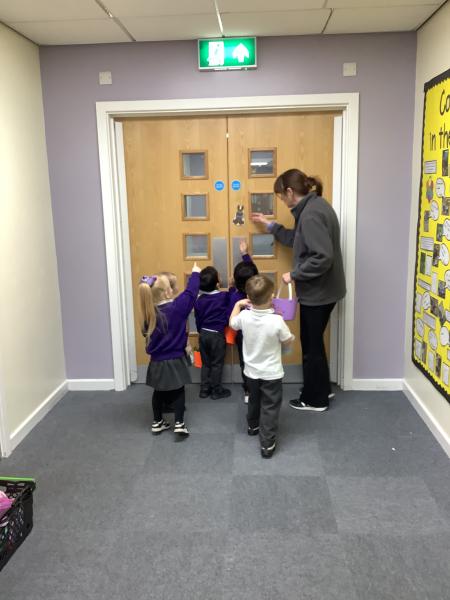
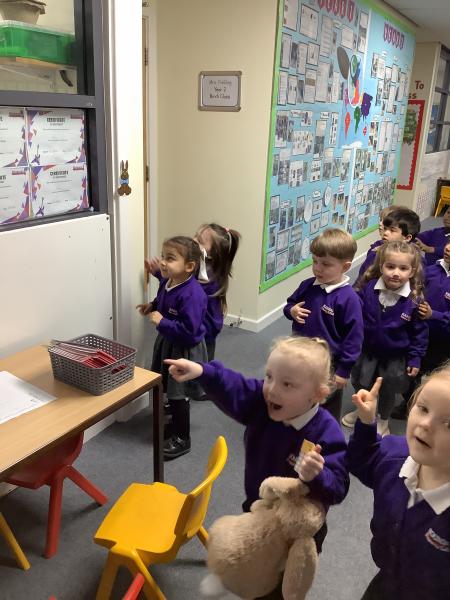
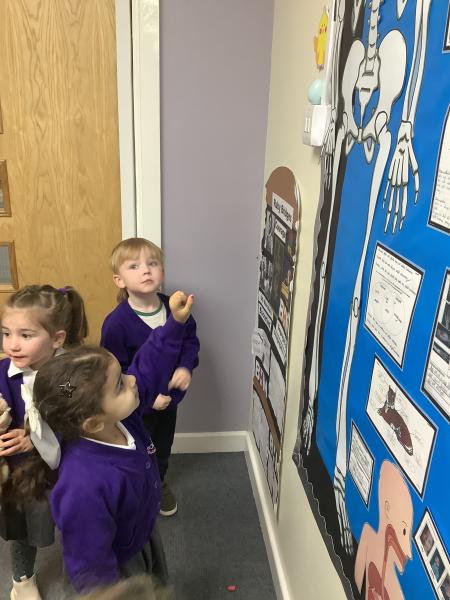
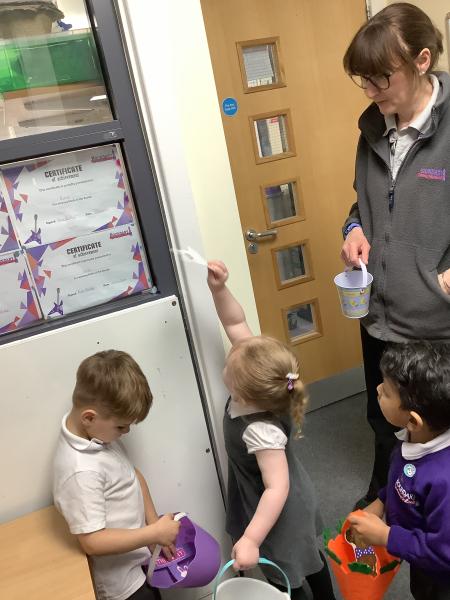
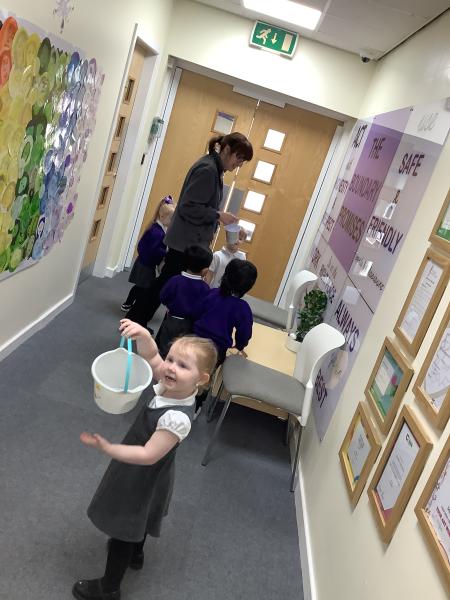
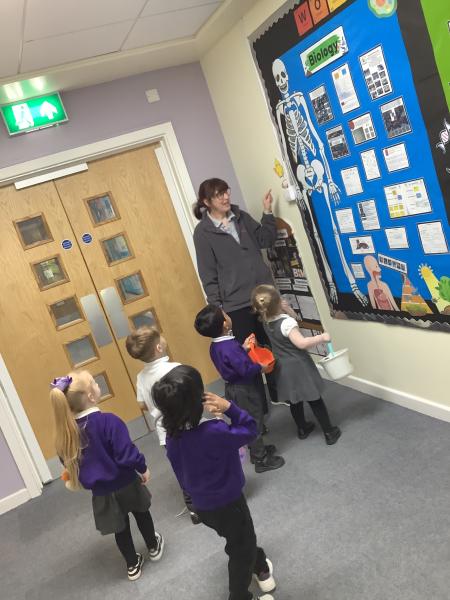
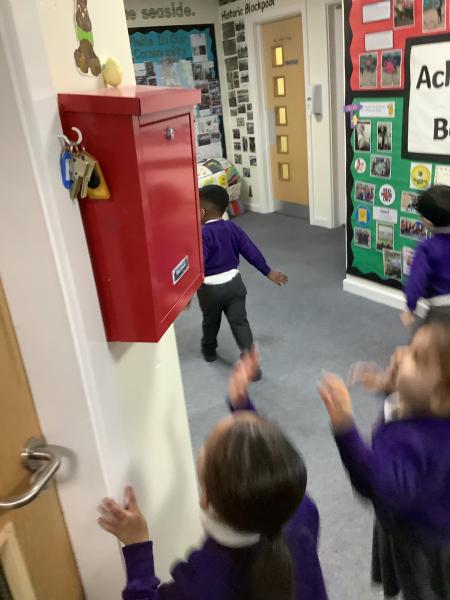
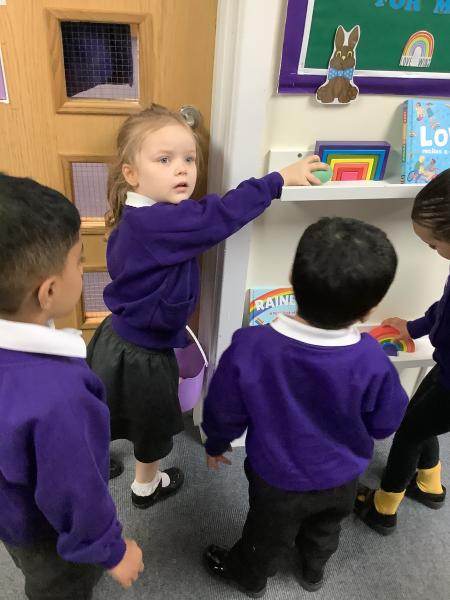
Today our preschoolers set off on a super exciting egg hunt around the school! The children were challenged to find 10 eggs, but this wasn’t just any hunt. They used their maths skills to count how many eggs they had found and how many were still missing.
Along the way, the children also became brilliant little geographers! They followed simple directions such as “behind,” “next to,” “under,” and “around,” using positional language to describe exactly where each egg was discovered.
By the end of the hunt, all ten eggs were safely found—and the children were proud, excited, and full of smiles. What a fun way to learn!
Date: 12th Mar 2026 @ 12:15pm
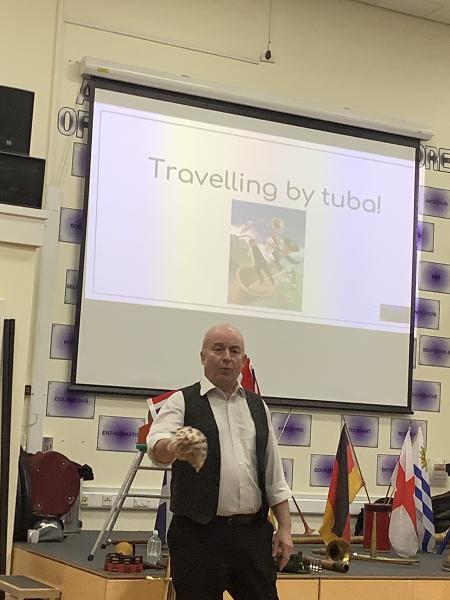
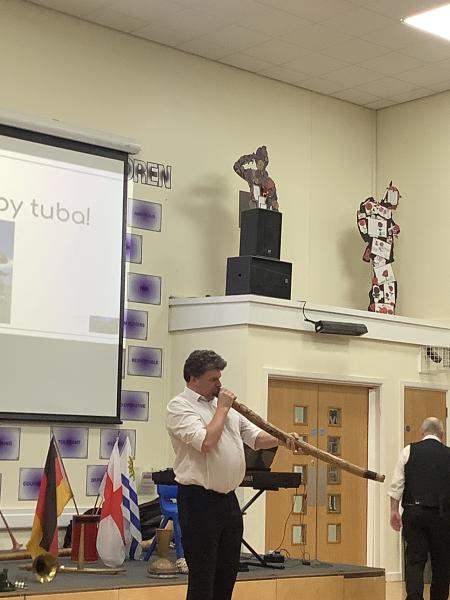
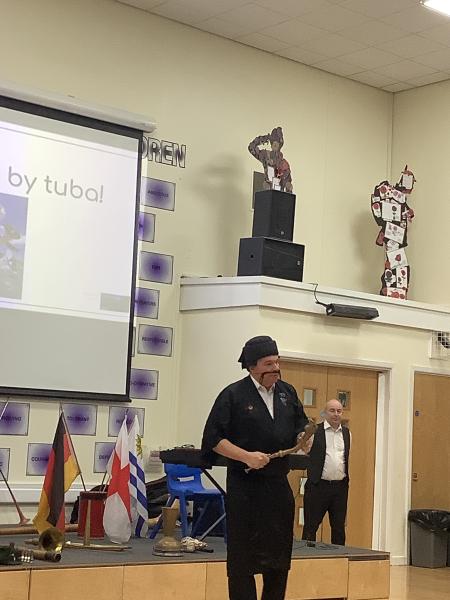
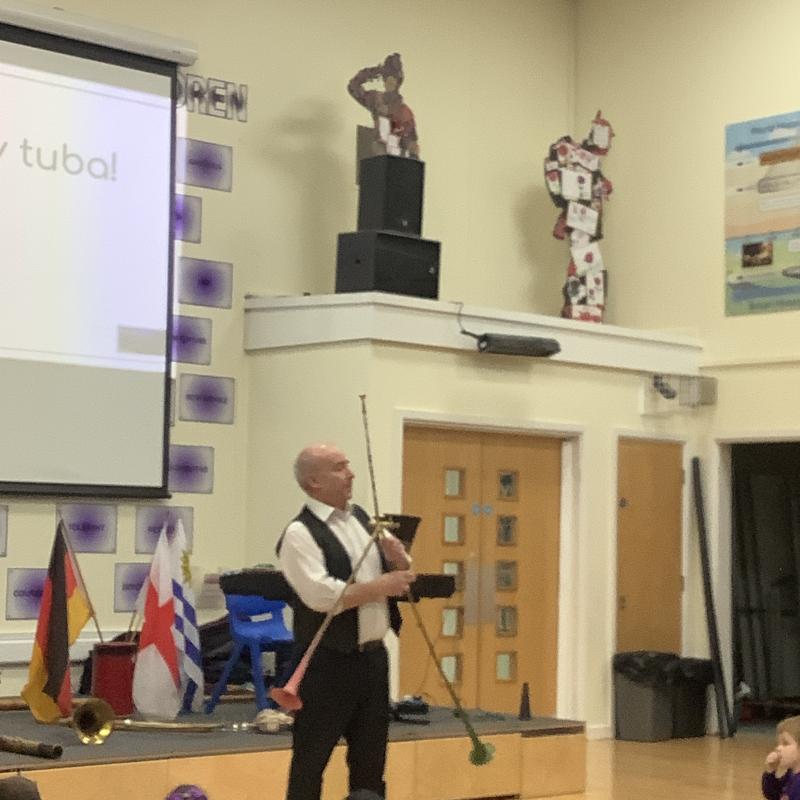
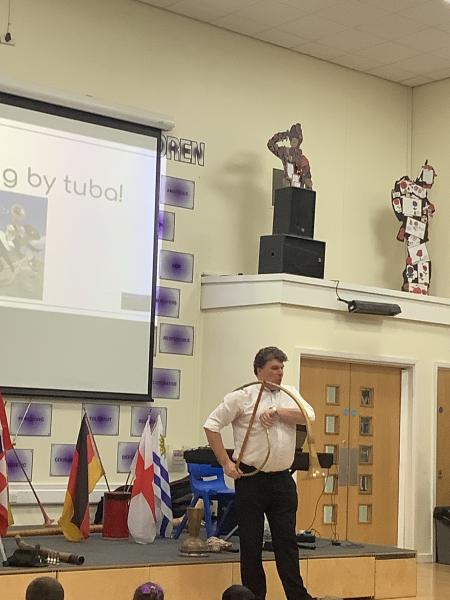
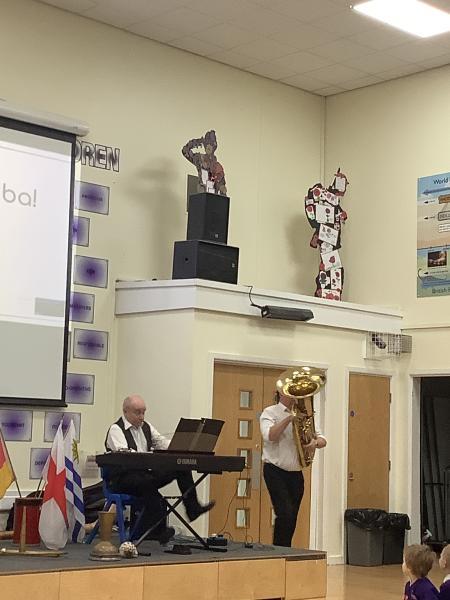
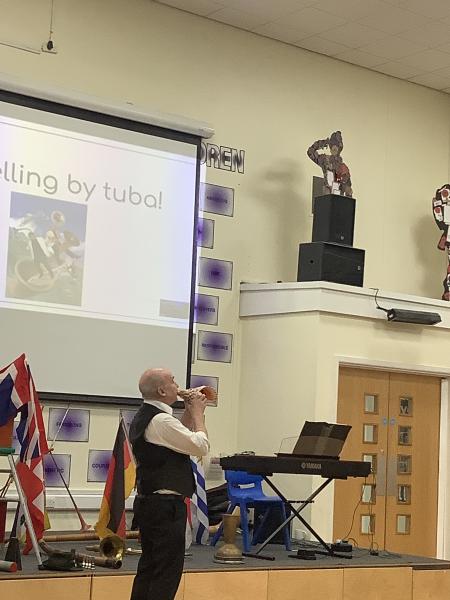
This morning, Year 3 enjoyed an energetic and engaging musical assembly from the Travelling by Tuba duo. Designed to inspire pupils across the primary range, the session delivered exactly that. The performers introduced a fascinating collection of unusual wind and brass instruments—many completely new to the children—and filled the hall with humour and captivating storytelling.
Pupils were taken on a musical journey around the world, encountering remarkable instruments such as the Chinese dragon‑headed trumpet, the Swiss alpine horn and giant Tibetan dungs. The children were amazed by their size and unique sounds, and the duo’s lively delivery kept everyone thoroughly entertained.
Year 3 especially enjoyed joining in with rhythms, actions and musical challenges. The performance also reinforced learning across music, history, geography and science, creating a rich cross‑curricular experience. The children left the hall buzzing with excitement and eager to share their favourite moments from this memorable musical adventure.

Year 3 - Geography Weather Forecast
Date: 23rd Feb 2026 @ 4:04pm
Date: 10th Feb 2026 @ 9:15am
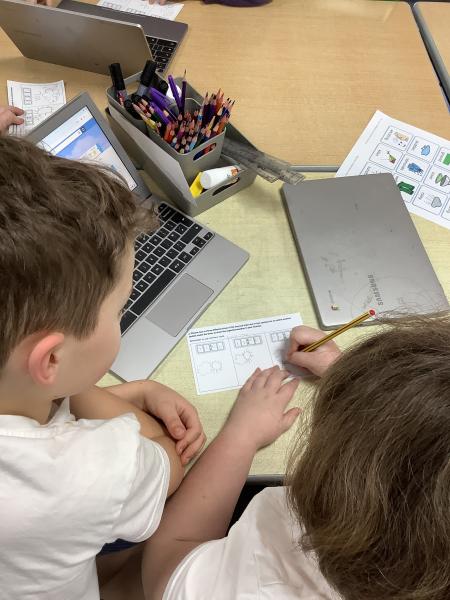
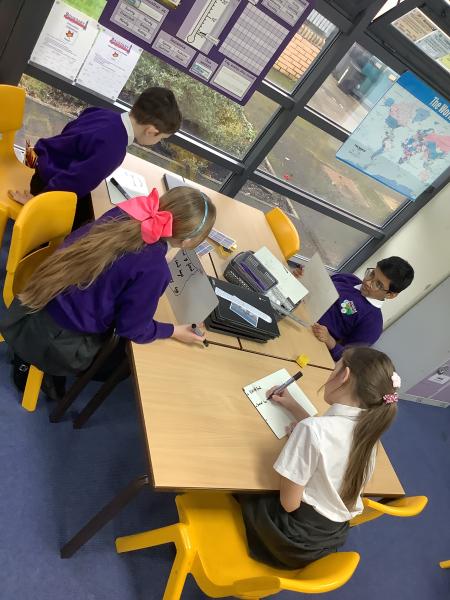
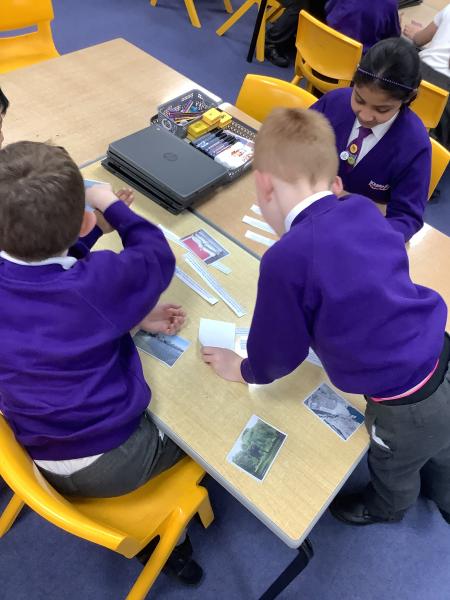
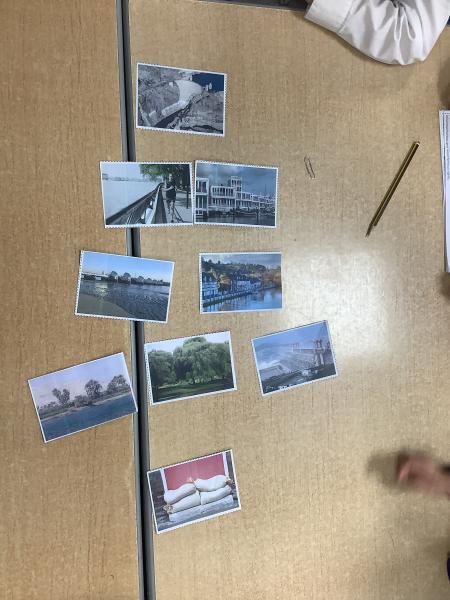
This week, we looked at what flooding is and how it can affect people's lives. We were shown some examples of flood defences and we had to decide which ones we thought were the most effective. We used our brilliant oracy skills throughout this lesson to explain our reasons for our opinions.
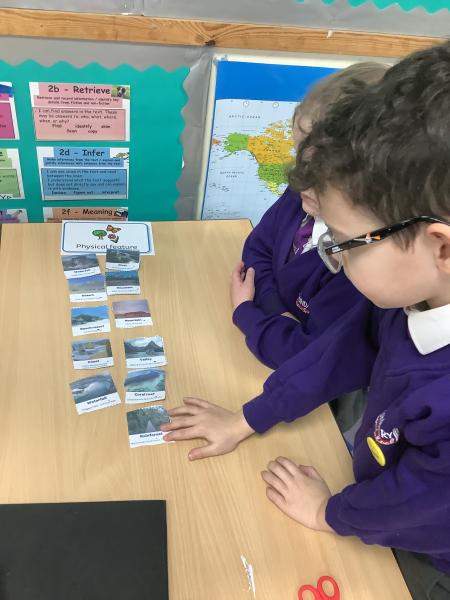
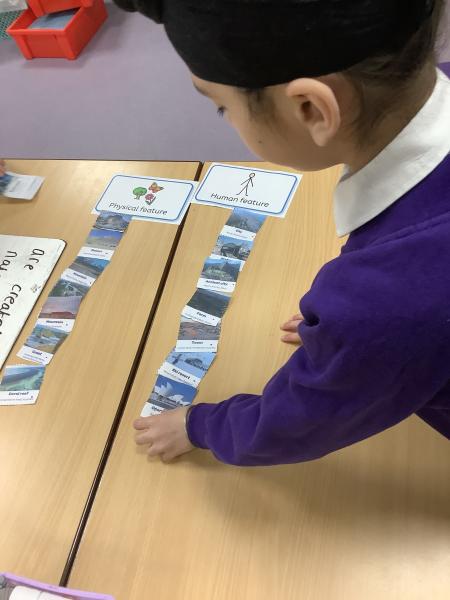
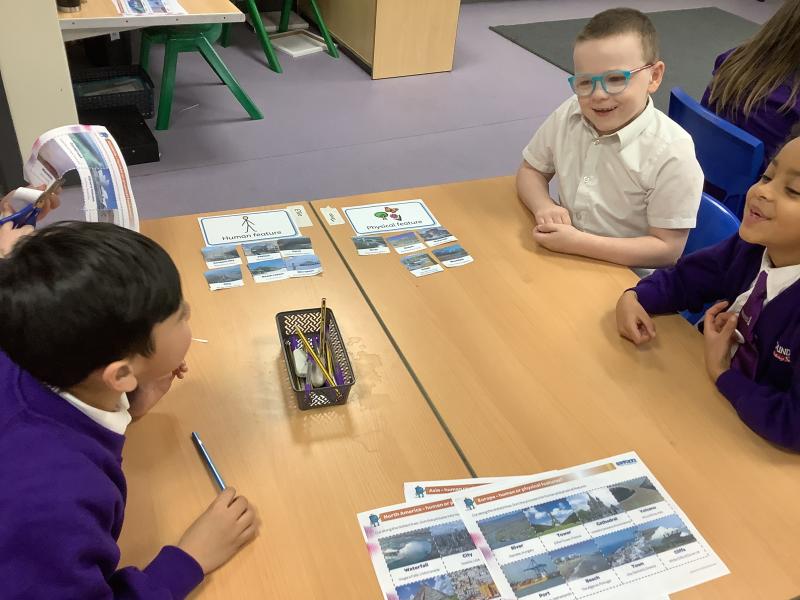
Year 2- Exploring human and physical features!
Date: 9th Feb 2026 @ 9:12am
Reception learn about Antarctica
Date: 5th Feb 2026 @ 9:49pm
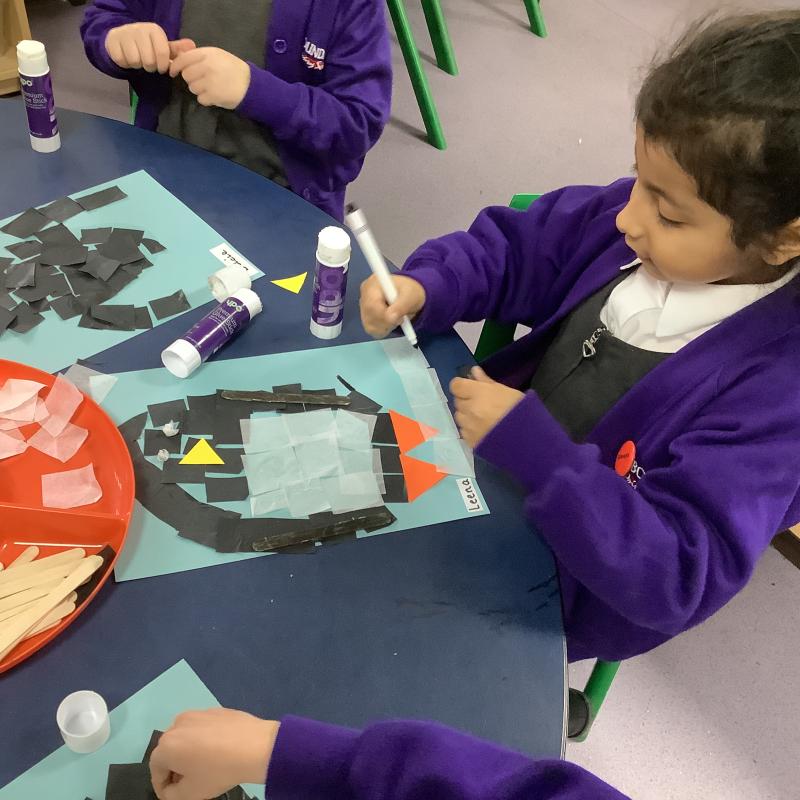
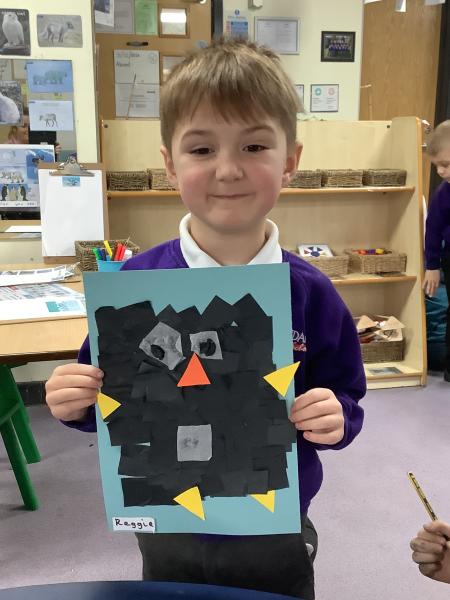
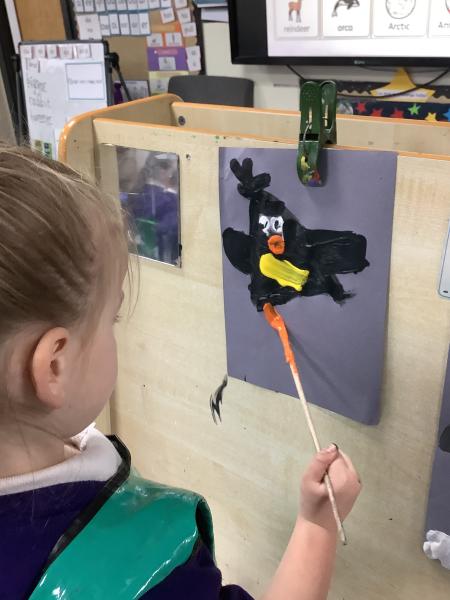
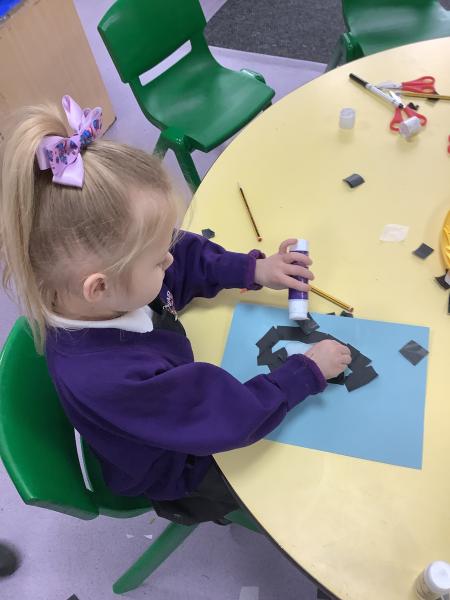
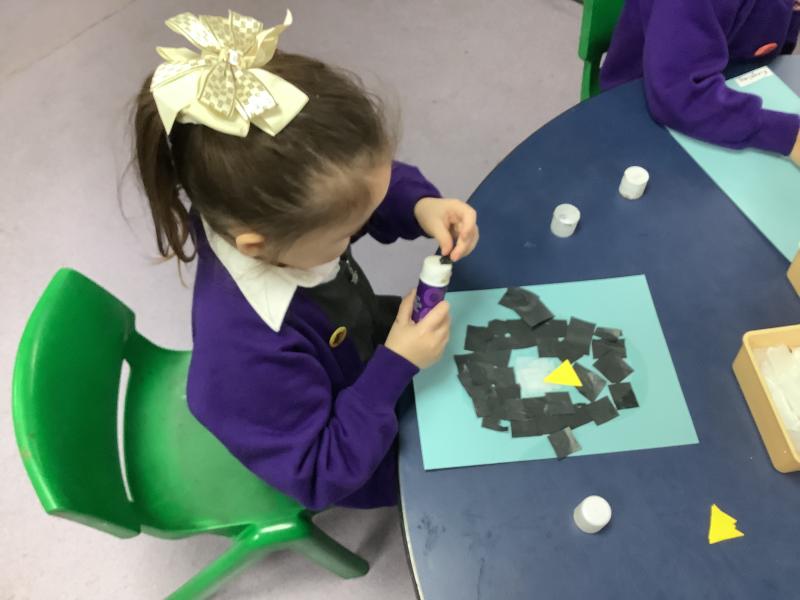
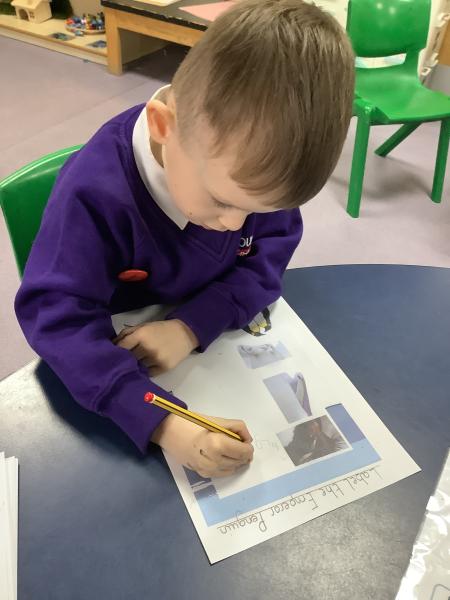
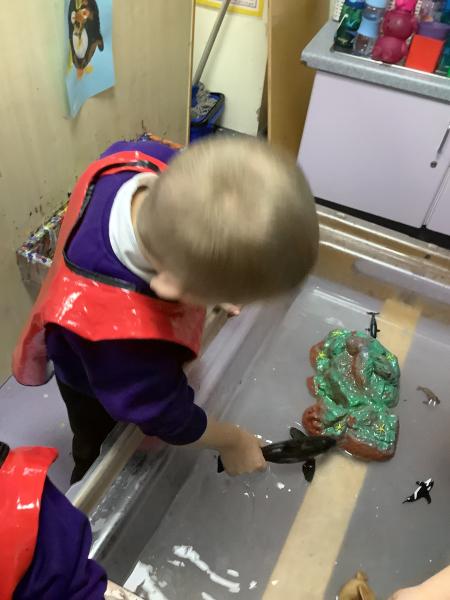
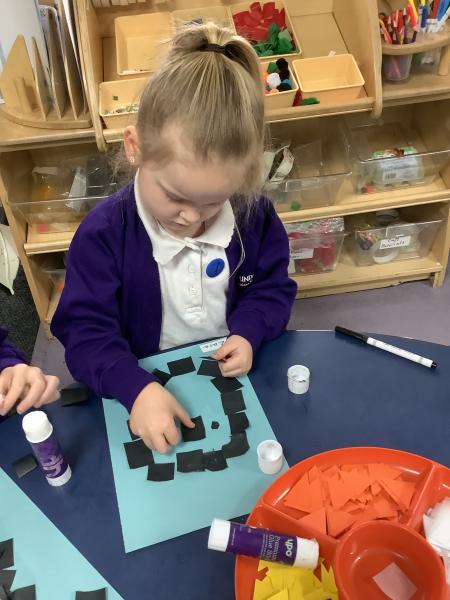
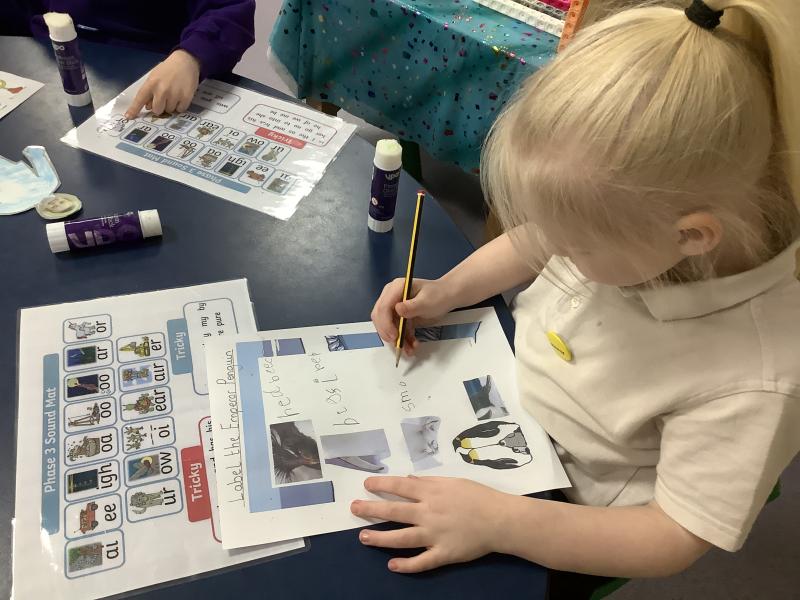
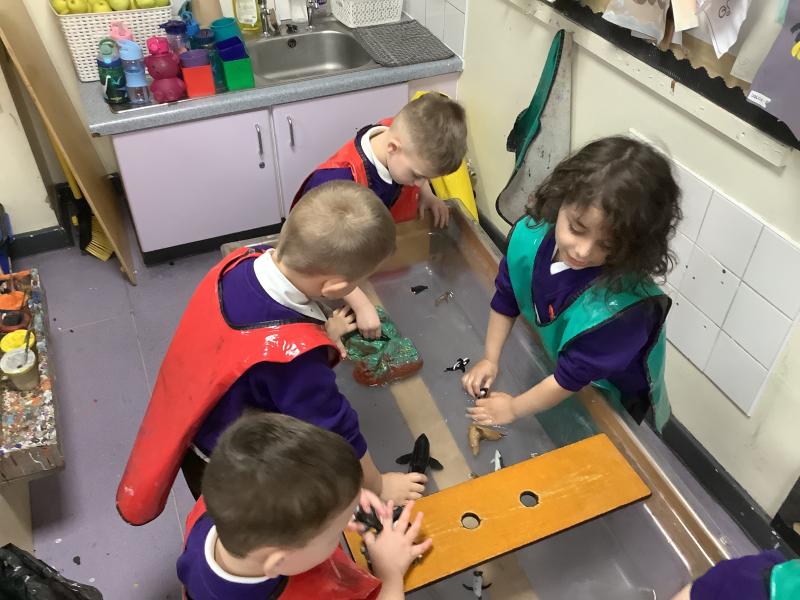
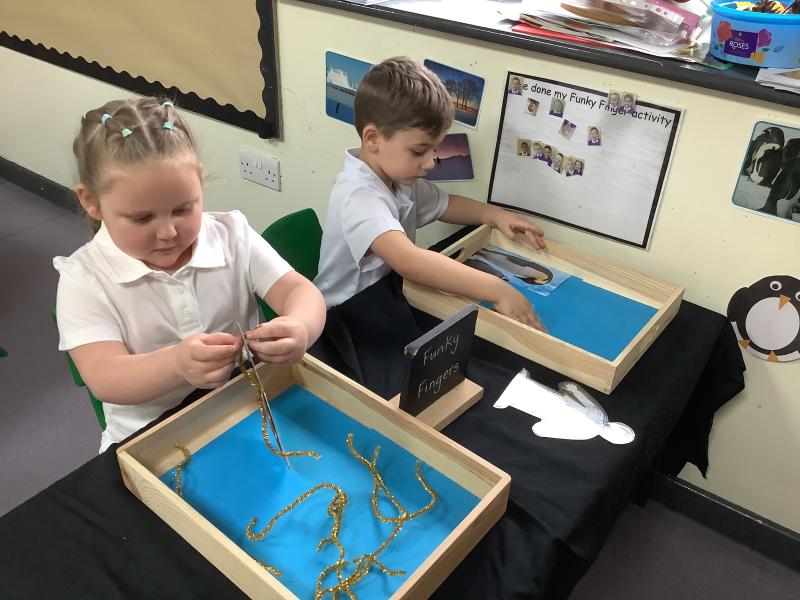
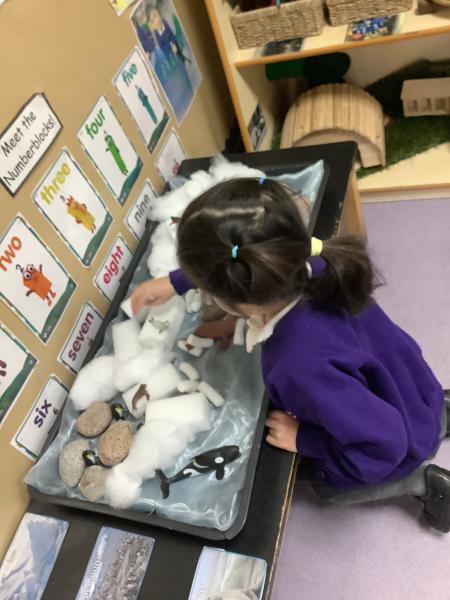
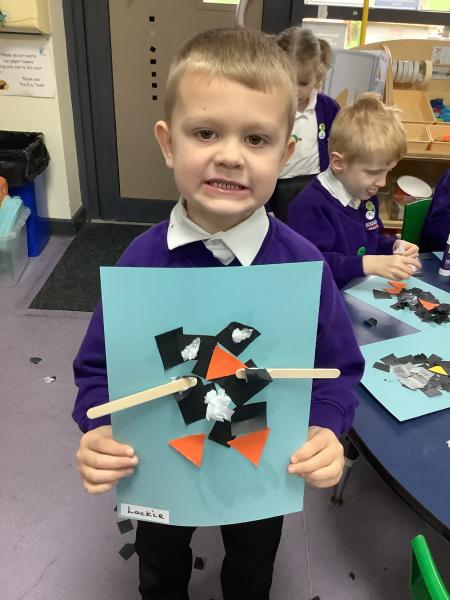
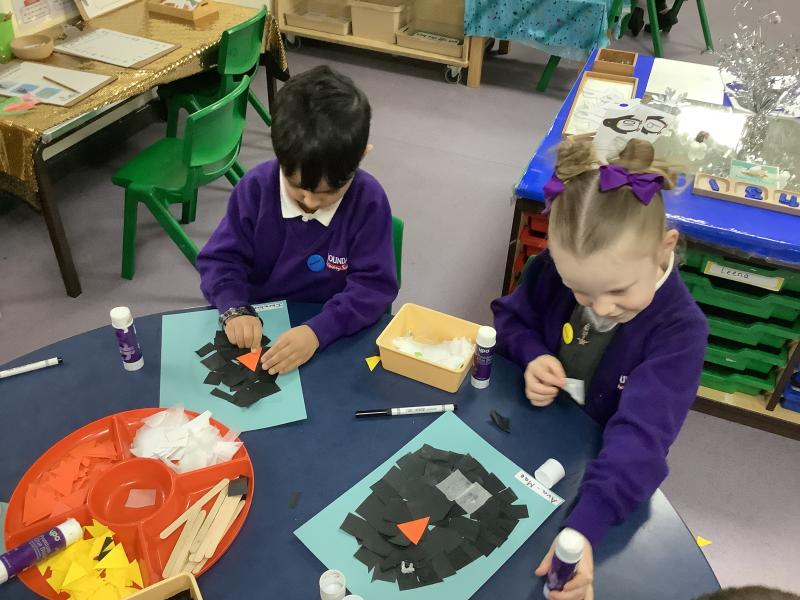
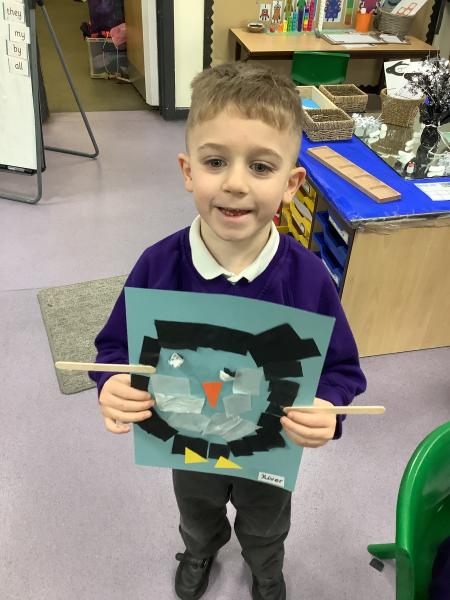
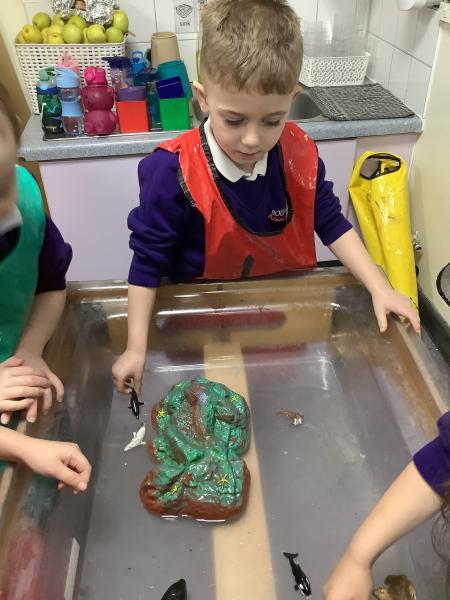
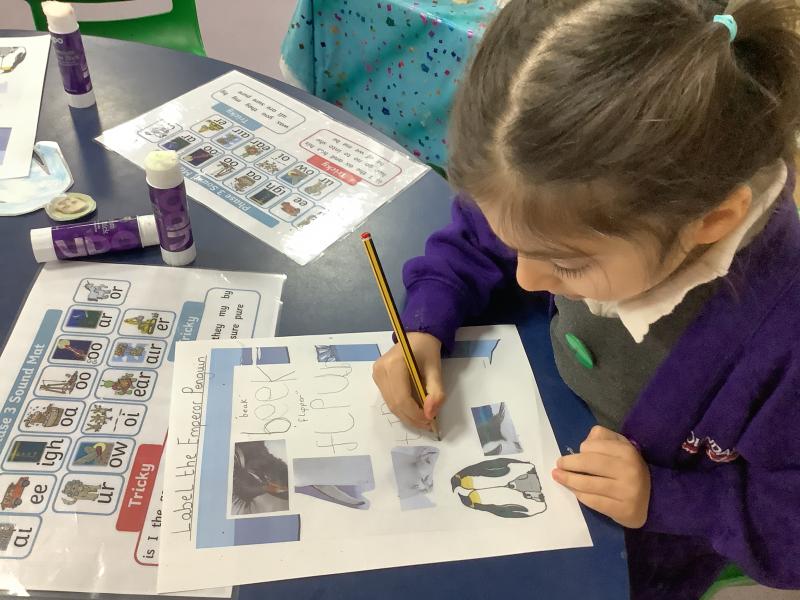
This week we have been learning about the continent Antarctica. We looked it on the world map, identifying the surrounding ocean and why it is white. We introduced a range of new vocabularly exploring its meaning and using stem sentences to put it into context. We discussed the different animals that like in cold climates and how they have adapted to survive. We focused on the Emperor penguin describing is features and what it looks like. To support our learning in provsion the children enjoyed painting and collaging penguins, playing with the smal world figures in the water tray and creating their own narratives in the tough tray. The children produced some lovely writing labelling the different parts of the penguins using their phonic knowledge.
Nursery Give the Animals a Wash
Date: 5th Feb 2026 @ 7:58pm
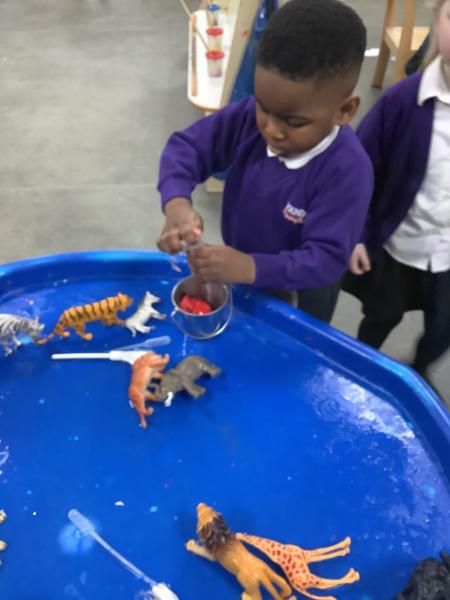
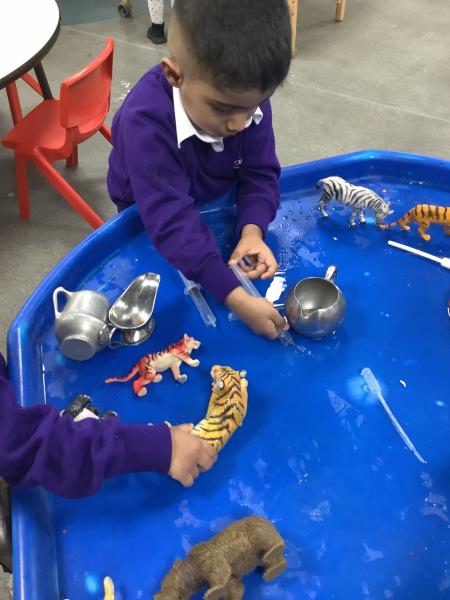
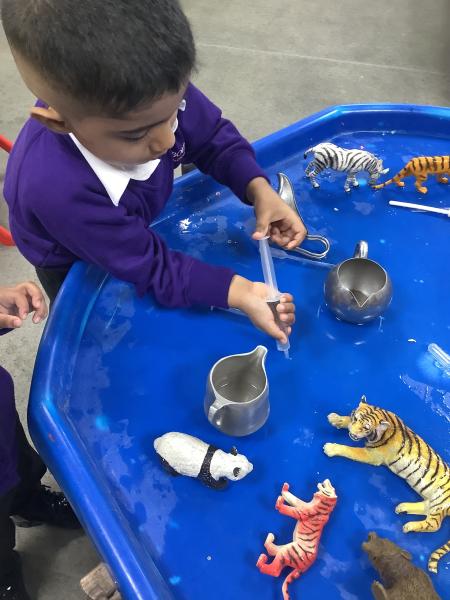
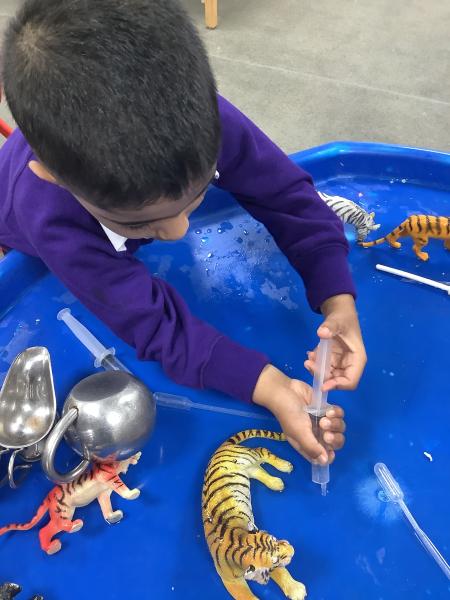
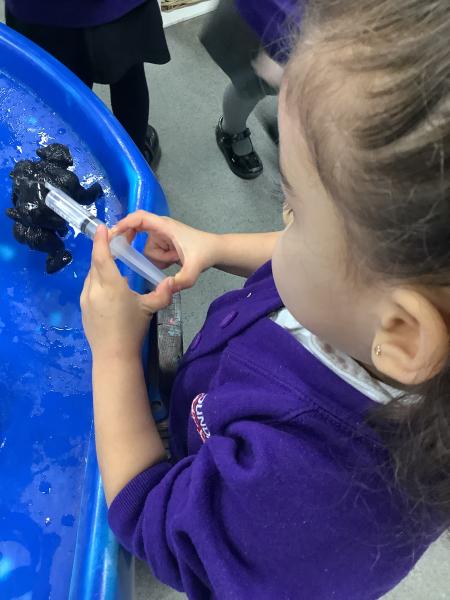
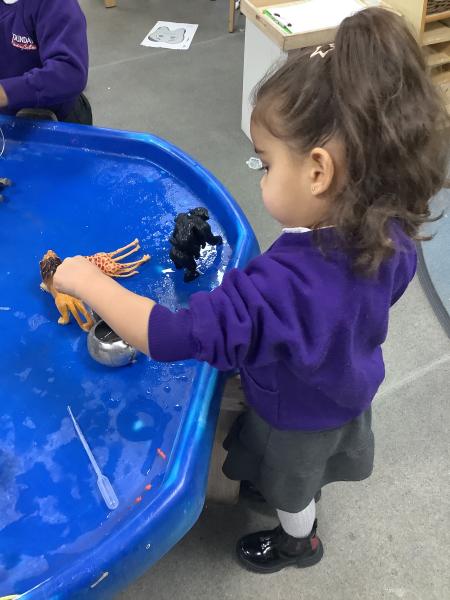
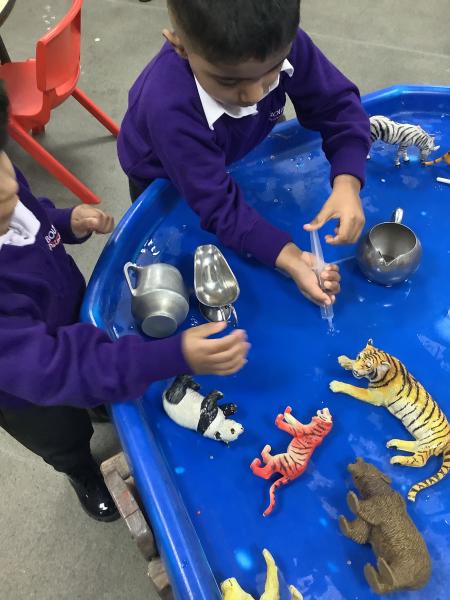
After reading the story "Alan's Big Scary Teeth" we talked about different animals and where they live. We found out about lions, tigers and elephants and how they live in hot countries. We then looked on the globe to see where the countries are. The children then decided the animals needed a good wash! They used pipettes and small brushes to scrub them clean!
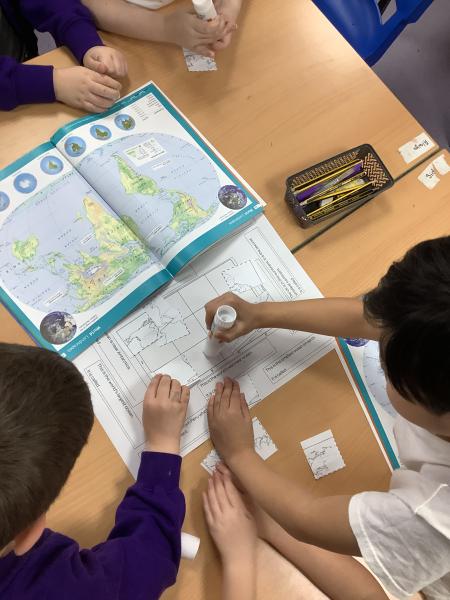
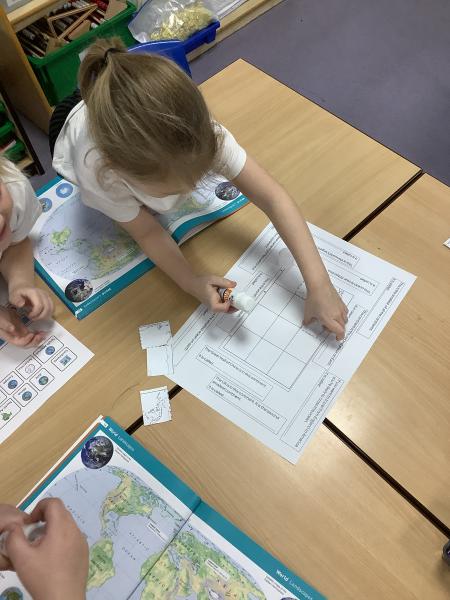
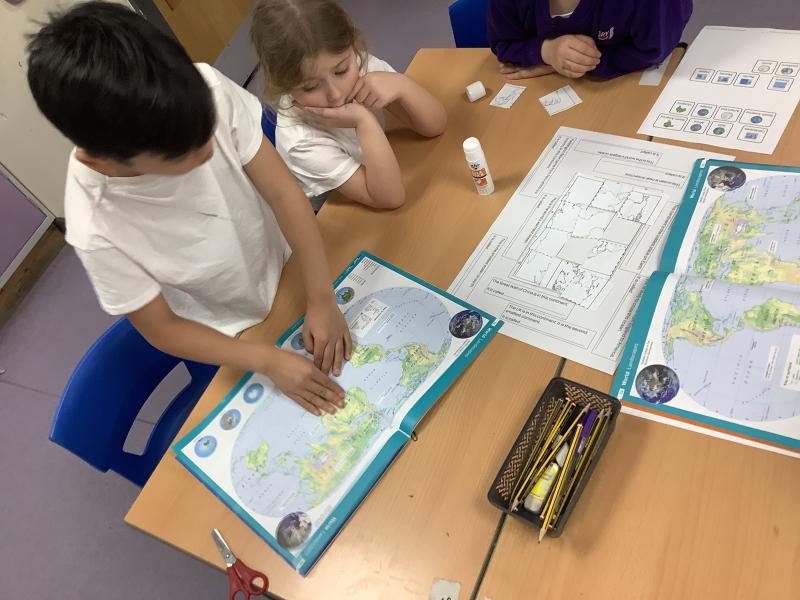
Year 2 - Using an atlas to explore the world !
Date: 29th Jan 2026 @ 1:03pm
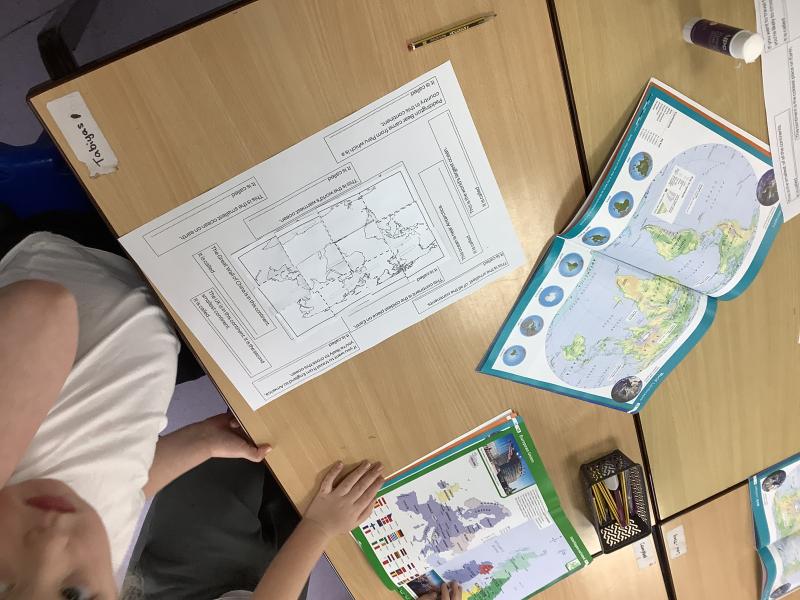
In this lesson we looked at recapping our knowledge of the world’s continents and oceans. The children had to use an atlas to put a jigsaw of the world together and they labelled the continents and oceans. We then went on to answer key questions about size of oceans and where different countries were located.

Year 3 - Geography Climate Zones
Date: 29th Jan 2026 @ 8:01am
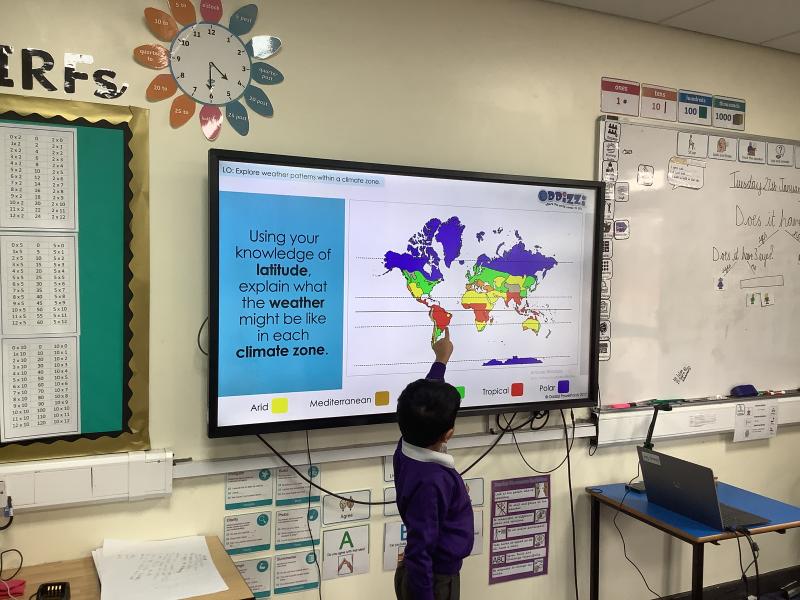
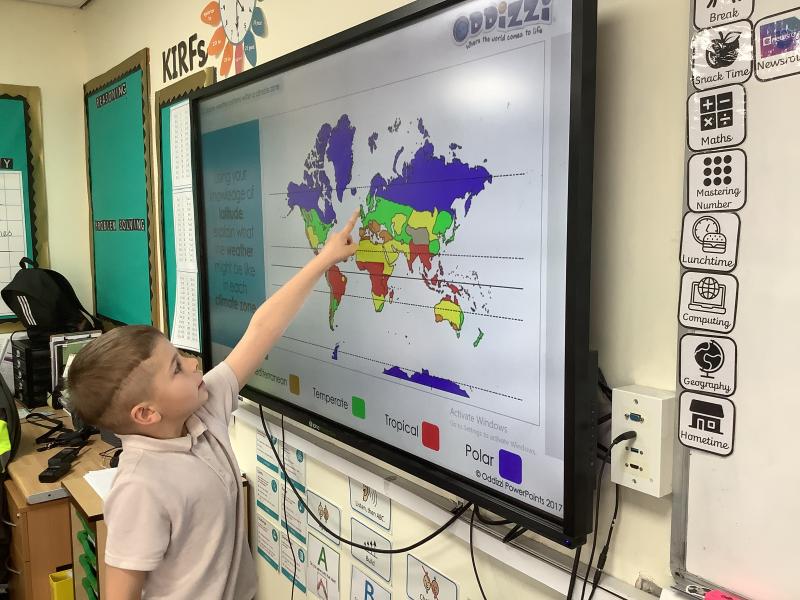
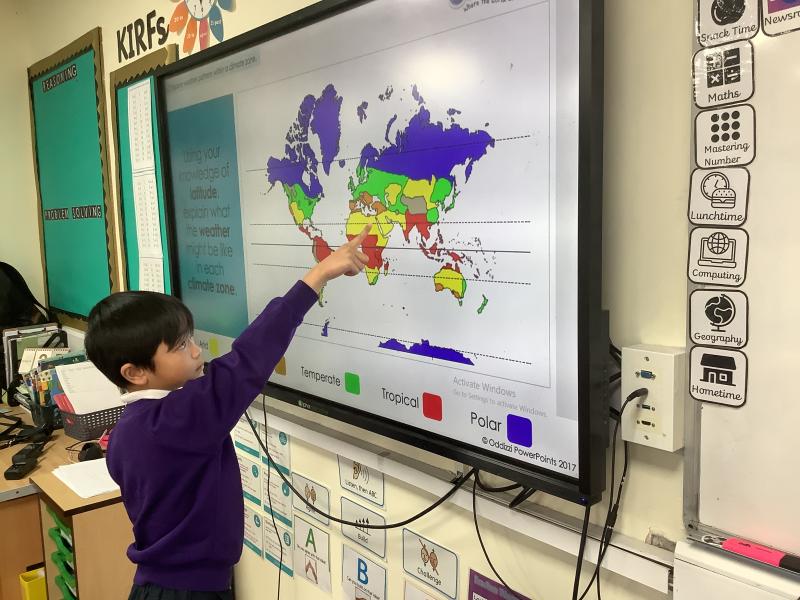
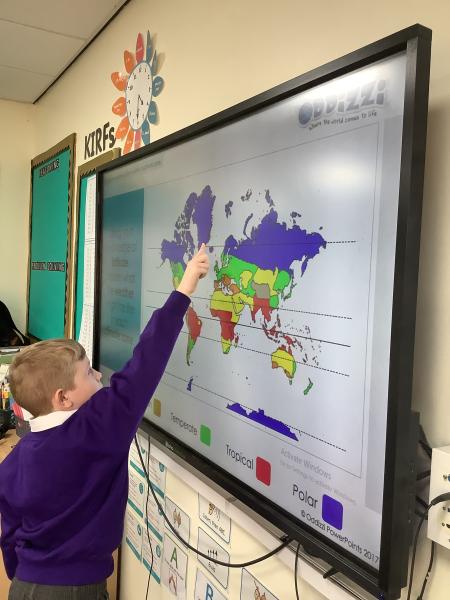
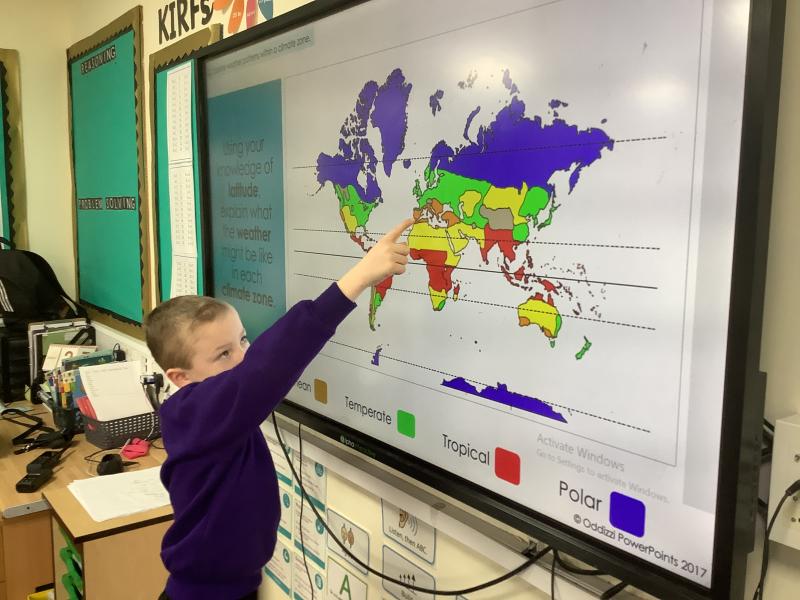
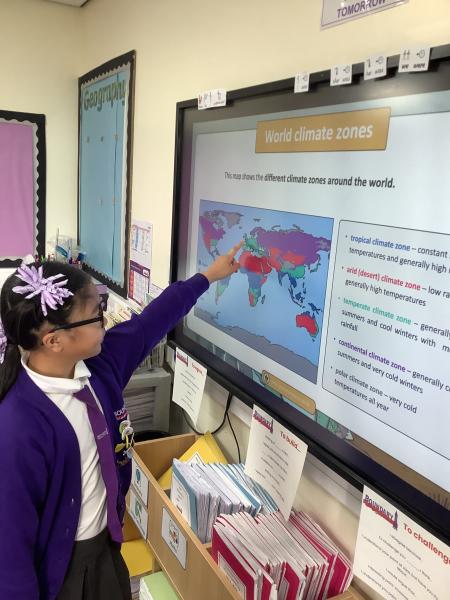
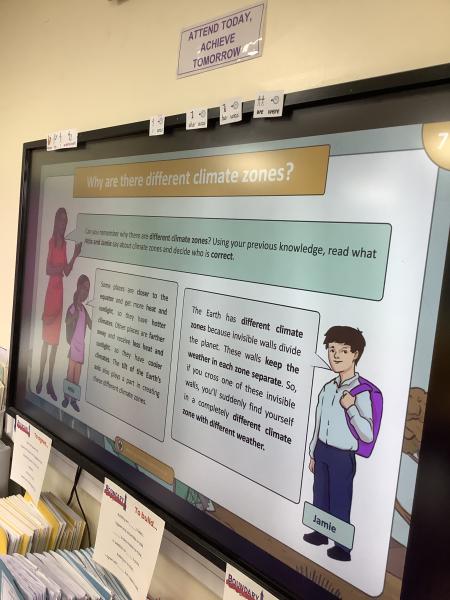
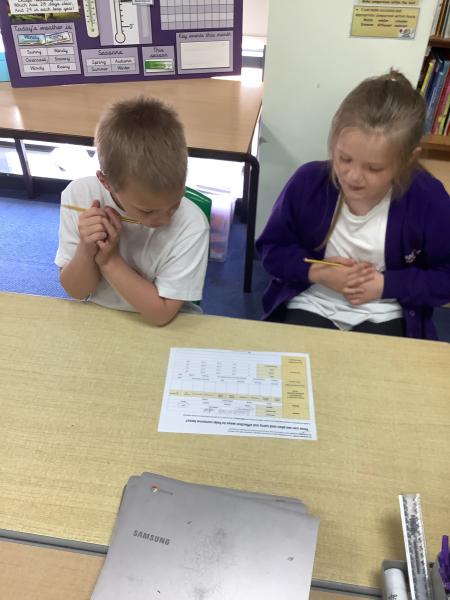
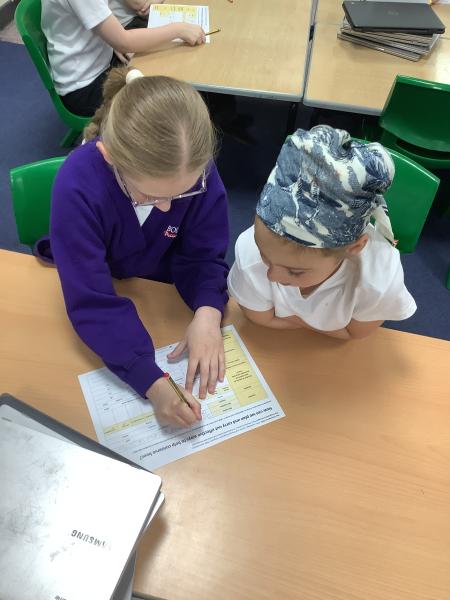
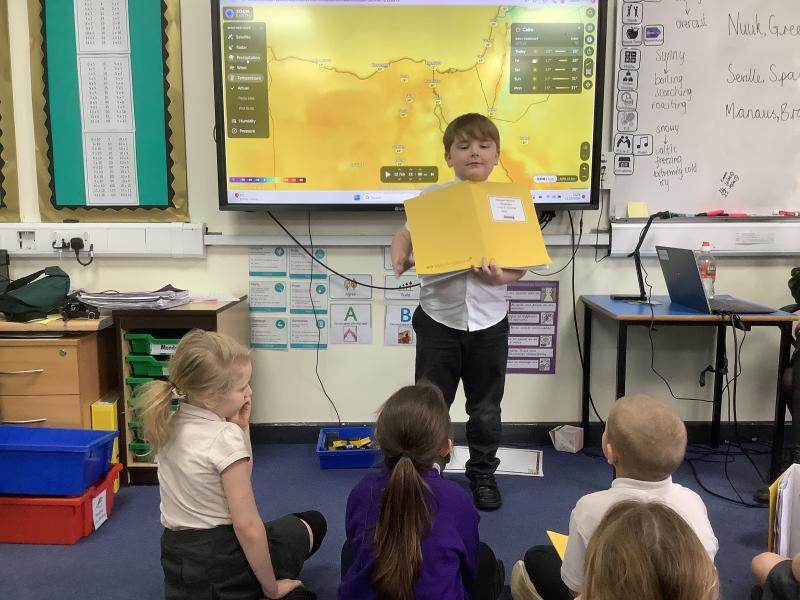
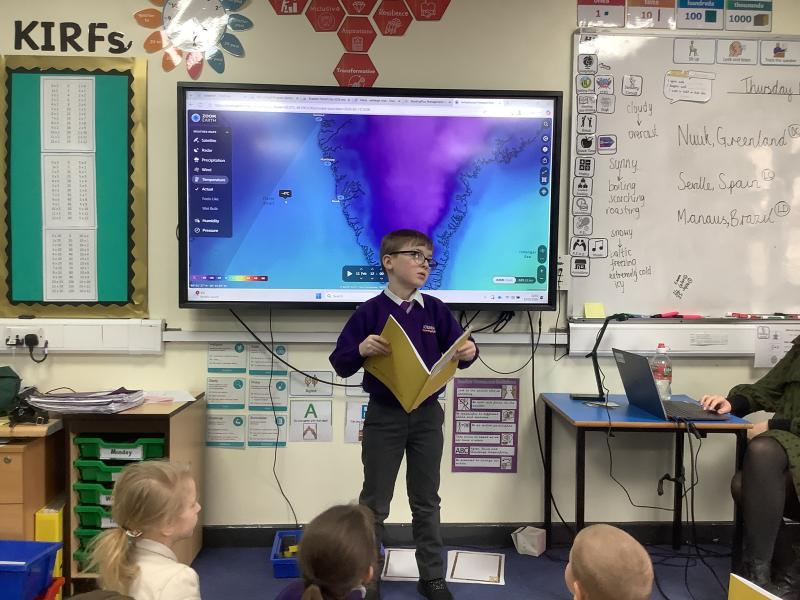
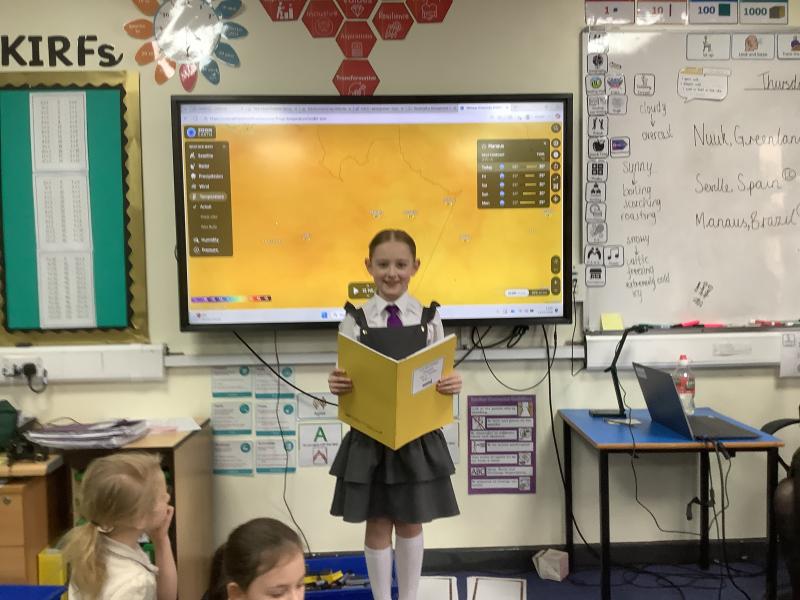
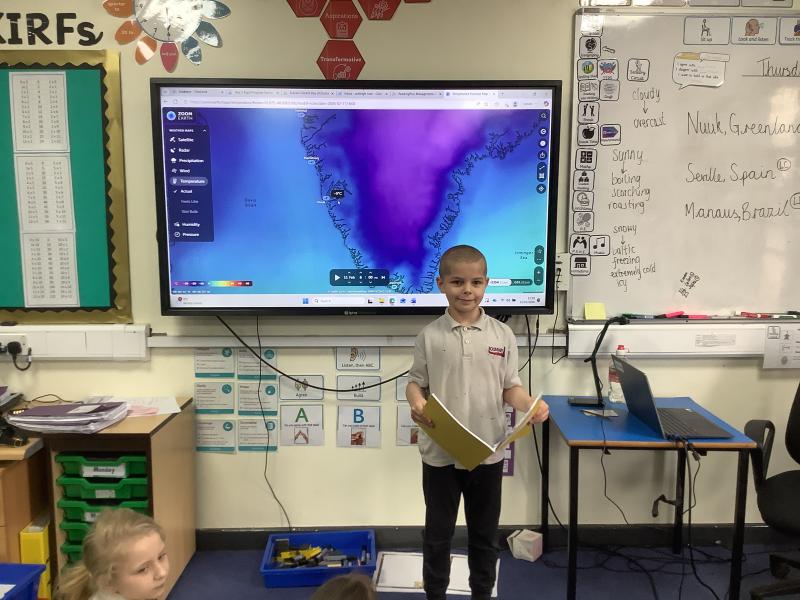
This week, Year 3 have been learning all about climate zones and how temperature and precipitation vary across the globe. To help us understand these differences, we located Manaus (Brazil), Nuuk (Greenland), London (United Kingdom), Seville (Spain) and Cairo (Egypt) on a world map. The children enjoyed spotting which places were close to the equator and which were nearer the poles.
We discovered that Manaus, in northern Brazil, has a hot, tropical climate with high temperatures and lots of rainfall. In contrast, Nuuk, in Greenland, is extremely cold with very low temperatures throughout the year. London has a mild and changeable climate, while Seville, in southern Spain, is warm and sunny with very hot summers. Finally, Cairo, in Egypt, has a desert climate, meaning it is very hot and receives very little rain.
Year 3 loved comparing these places and spotting global weather patterns. 🌦️🌍