Year 6 - Science
Date: 27th Jan 2026 @ 1:41pm
Year 6 Science Blog – Our Fair Test on Hand Cleaning Products!
This week in Science, Year 6 have been busy carrying out a fair test to investigate a very interesting question:
Which hand-cleaning product works the best?
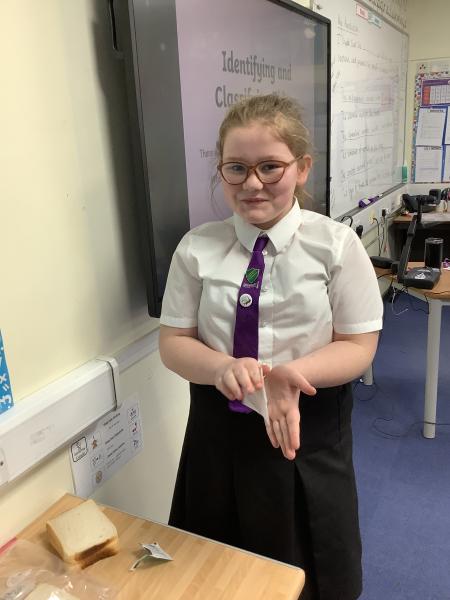
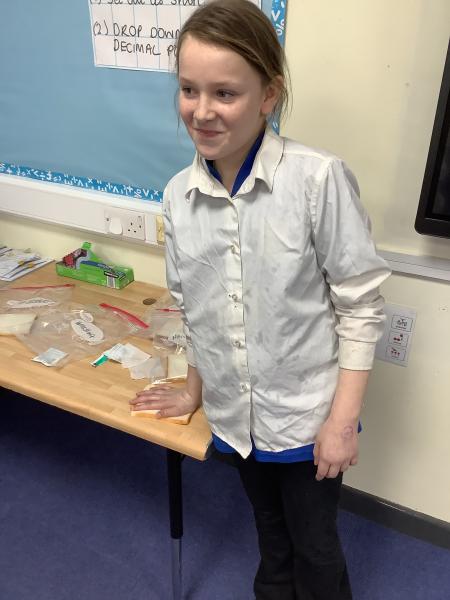
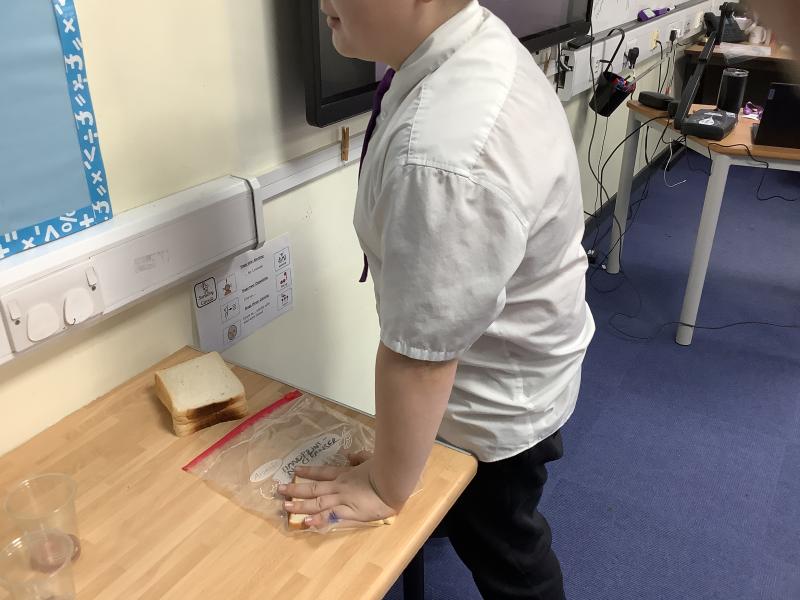
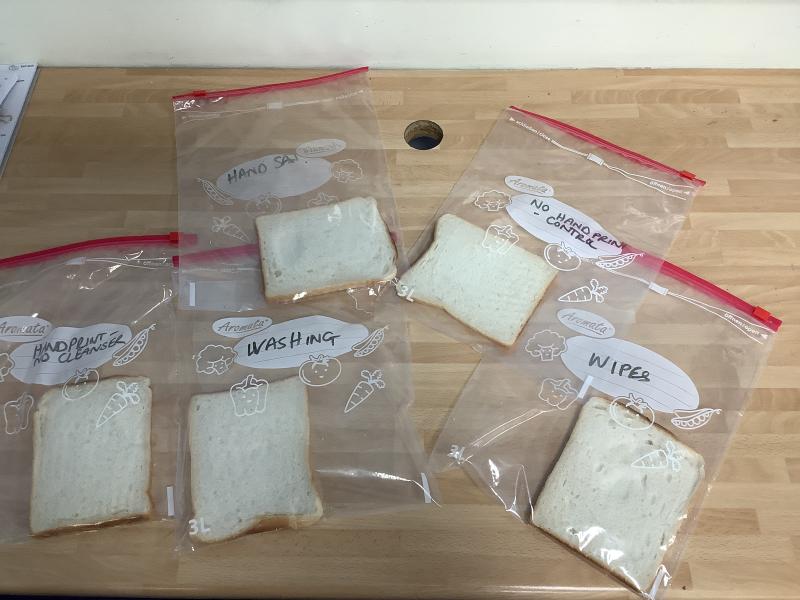
To test this, we used slices of bread and different hand-cleaning methods. After applying a different cleaning product to our hands—such as soap, hand sanitiser, wipes, or even no cleaning at all—we each pressed our hand onto a slice of fresh bread. Over the next week, we’ll observe how much mould grows on each piece and compare the results.
How We Made It a Fair Test
We learned that a fair test means only changing one thing at a time, while keeping everything else the same. Here are some examples of what we controlled:
- Same type of bread: We all used slices from the same loaf so the bread’s freshness and ingredients wouldn't affect the results.
- Same size handprint: We used one full handprint on each slice to keep the amount of contact equal.
- Same storage conditions: All slices are being kept in sealed bags in the same place so they grow mould under the same temperature and light conditions.
- Same time of contact: Each person pressed their hand on the bread for the same amount of time.
- Only one variable changed: The only thing different about each slice is the cleaning method used.
We talked about how these factors help make the experiment fair, so our results will be more reliable.
Our Predictions
Before starting, we made our own predictions about which bread would grow the least mould.
Some of our ideas included:
- Bread touched after using soap and warm water might grow the least mould because soap removes dirt, oils, and most bacteria.
- Bread touched after using hand sanitiser might also stay cleaner because sanitiser kills many germs quickly.
- The bread touched with no cleaning at all would probably grow the most mould, because more germs would transfer from our hands to the bread.
- Wipes might work, but some of us thought they may not be as effective as washing with soap.
We also explained why we thought these things would happen, linking back to what we’ve learned about microbes and how they spread.
What’s Next?
Over the next few weeks, we’ll be checking our bread samples to see how the mould grows. We’ll record our observations and compare the results to our predictions.
Stay tuned—our findings might surprise you!