Year 6: Blog items
Date: 27th Mar 2026 @ 3:40pm
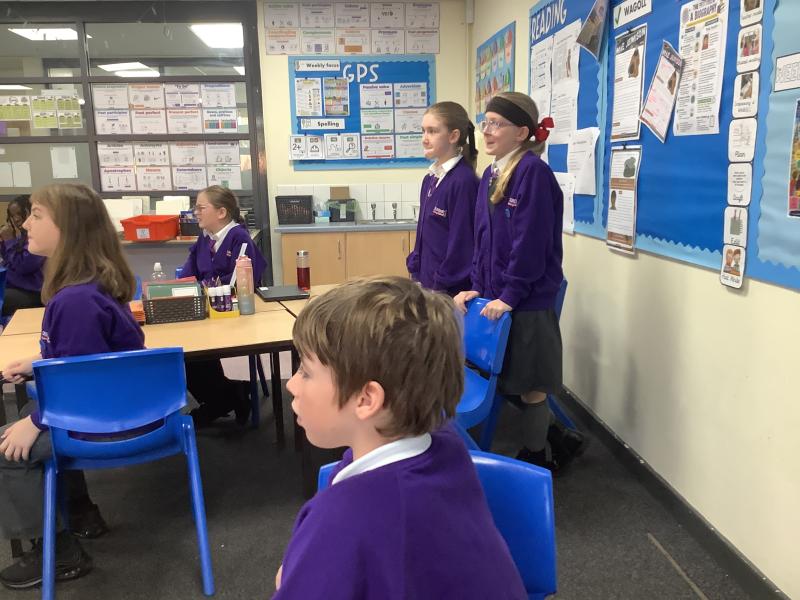
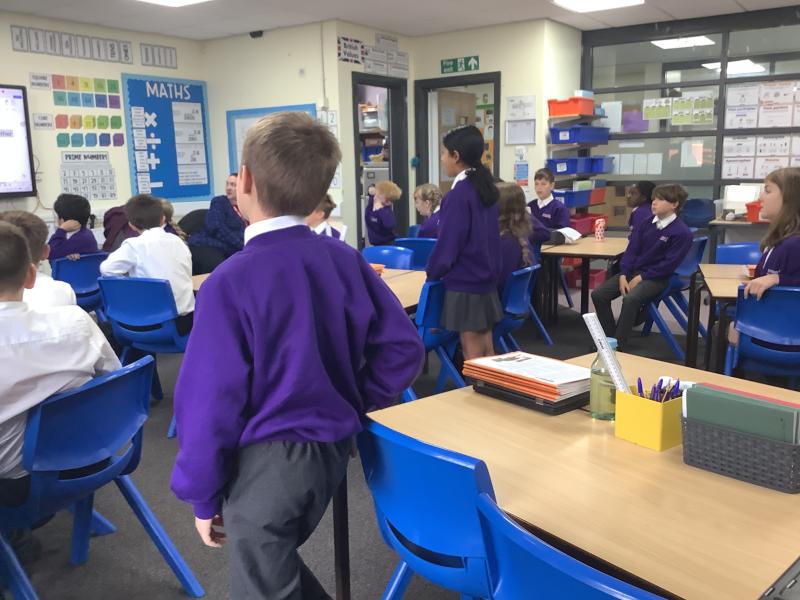
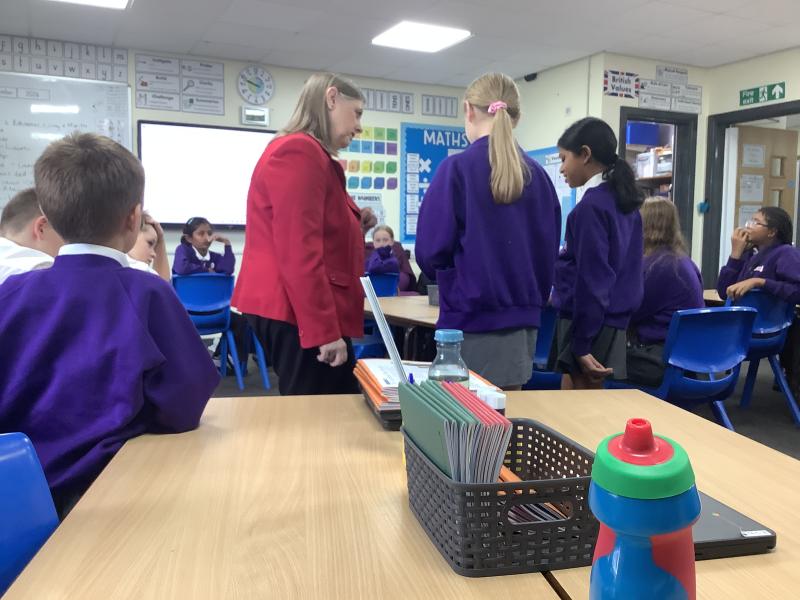
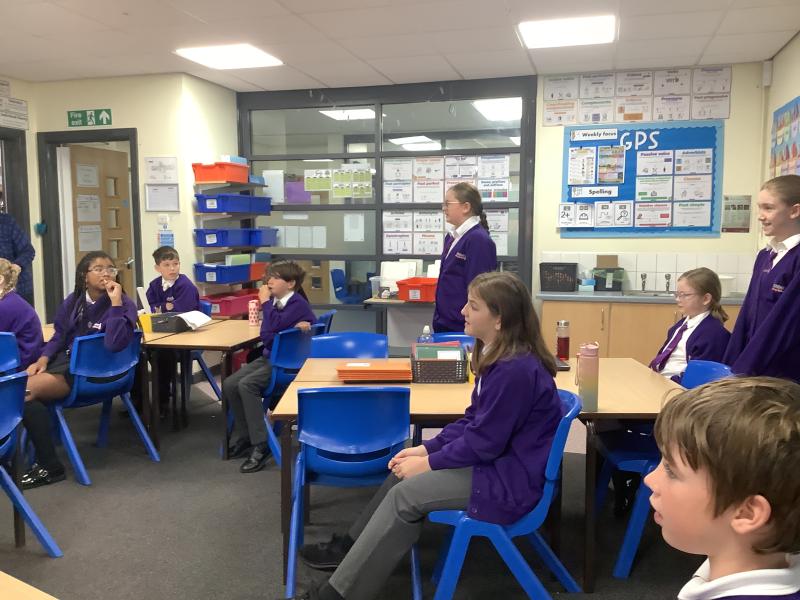
π Spelling Bee Success! ππ
Today, our school was buzzing with excitement as children from Year 2 to Year 6 took part in our annual Spelling Bee! πβ¨
Over the past few weeks, pupils have been working incredibly hard to learn their spellings. From tricky letter blends to confident articulation, they have shown real dedication. πͺπ§
When the moment arrived, each participant demonstrated remarkable resilience and courage. Taking the stage in front of the whole school is no small task, yet our spellers stood tall, spoke clearly, and gave it their very best. π€π
We are incredibly proud of every child who took part. Their effort, determination, and enthusiasm made today a wonderful celebration of learning. ππ
A huge well done to all our super spellers! πβ
Date: 26th Mar 2026 @ 11:15am
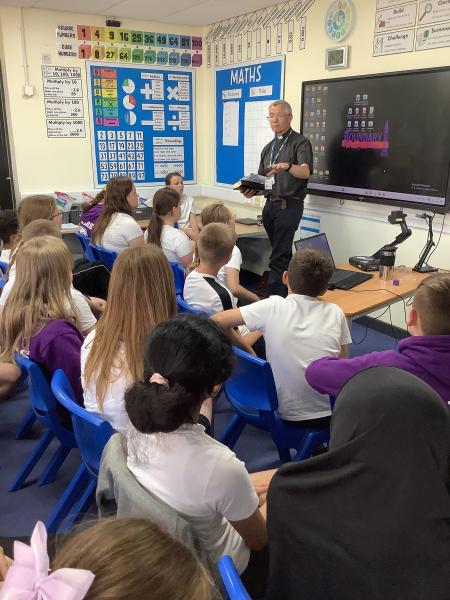
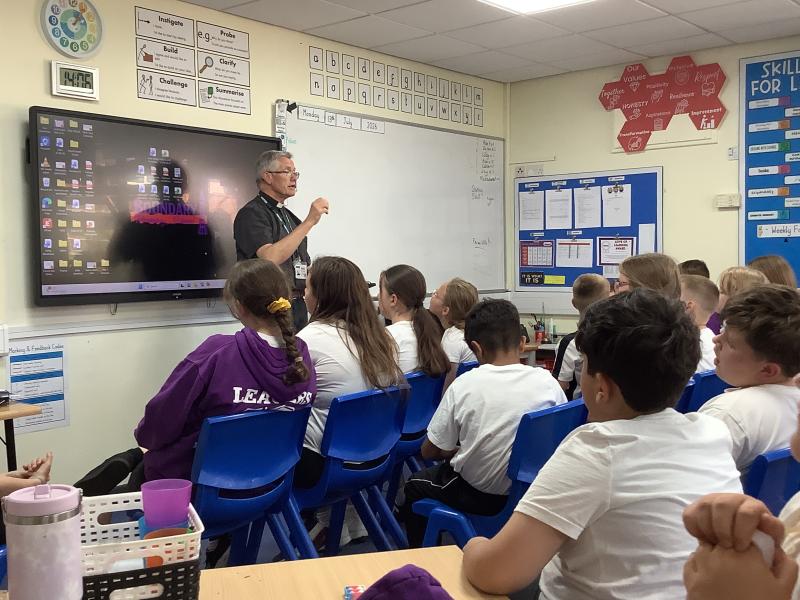
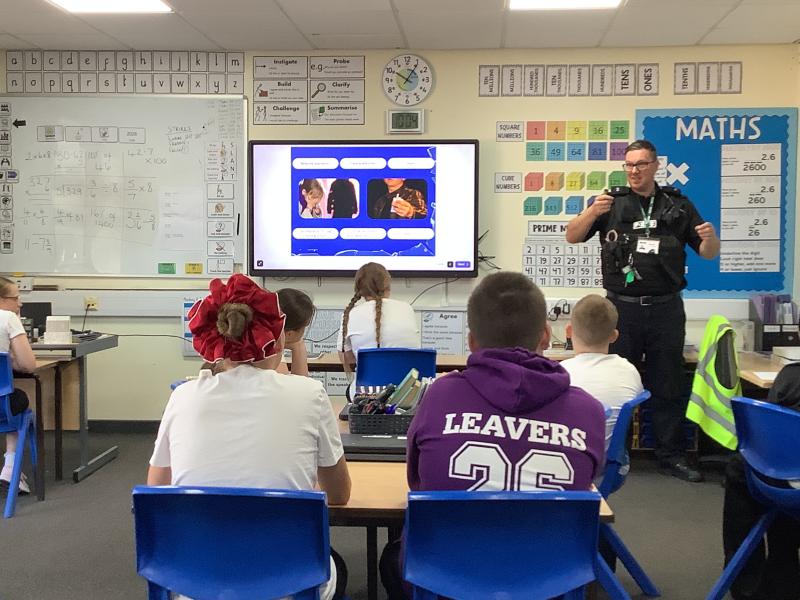
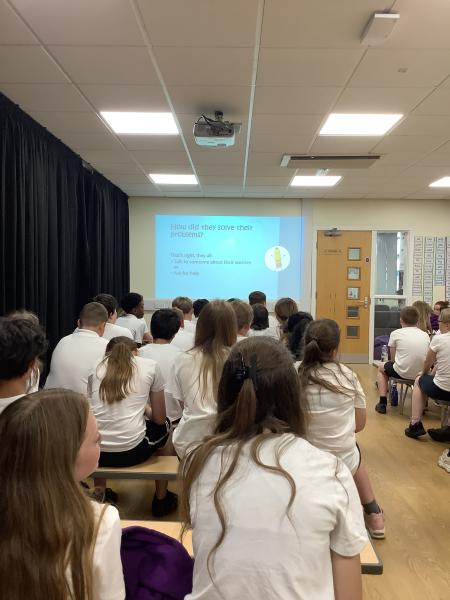
π Our NSPCC Speak Out Stay Safe Workshop
This week, Year 6 took part in a very important workshop run by the NSPCC called Speak Out Stay Safe. It helped us learn how to keep ourselves safe and what to do if something doesn’t feel right.
π§ What We Learned
The workshop taught us:
-
We all have the right to feel safe
-
There are trusted adults we can talk to if we ever feel worried or unsure
-
Speaking out is brave, and it helps keep us and others safe
-
Childline is always there to listen if we need support
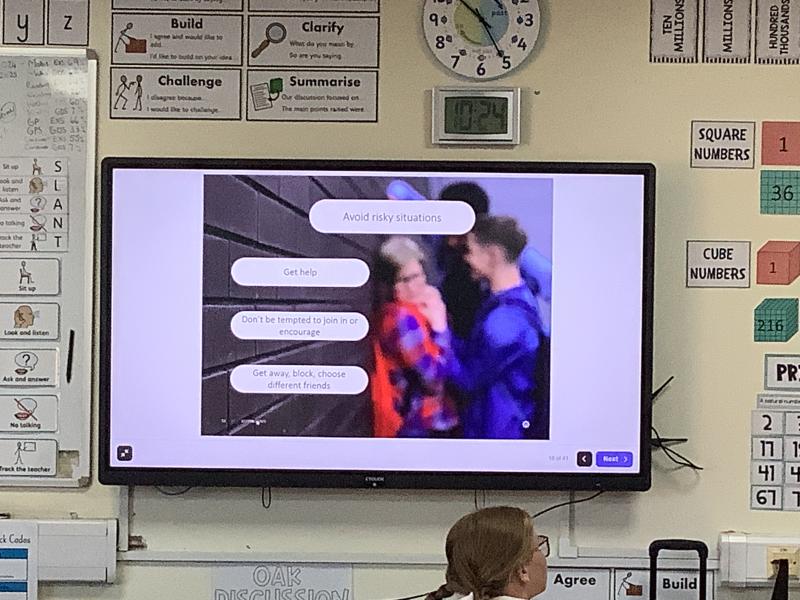
The NSPCC team explained these ideas in a clear, friendly way, using videos, discussions, and activities that helped us understand how to recognise unsafe situations and what steps we can take.
π¬ Our Thoughts
Many of us said we now feel more confident about knowing who to talk to and what to do if we ever feel worried. We also learned that it’s never our fault if something makes us feel unsafe, and there are always people who want to help.
π€ Why It Matters
The workshop reminded us that our voices matter. Whether it’s a small worry or a big one, speaking out can make a huge difference. Staying safe isn’t just about rules — it’s about knowing our rights and feeling empowered to ask for help.
π A Big Thank You
We’d like to thank the NSPCC team for visiting our school and helping us understand how to stay safe and speak out with confidence. Their message is one we’ll carry with us as we move on to secondary school.
Date: 18th Mar 2026 @ 4:54pm
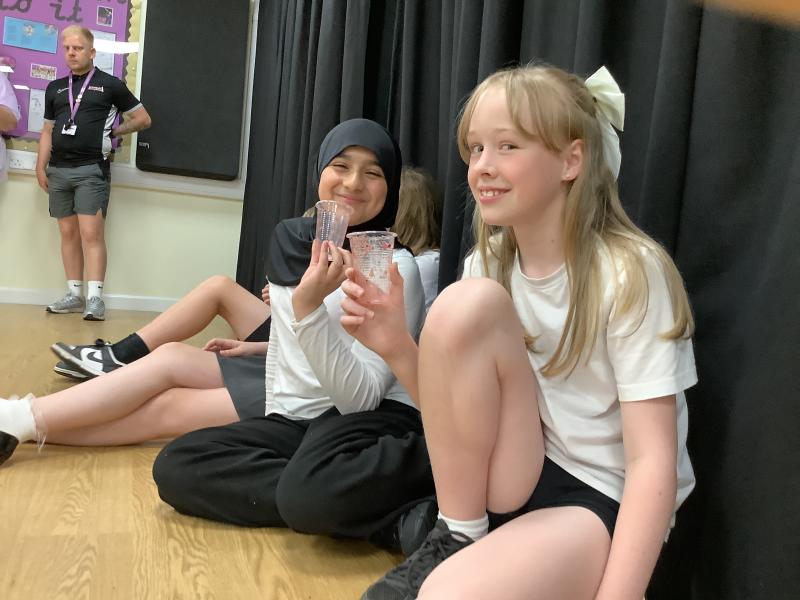
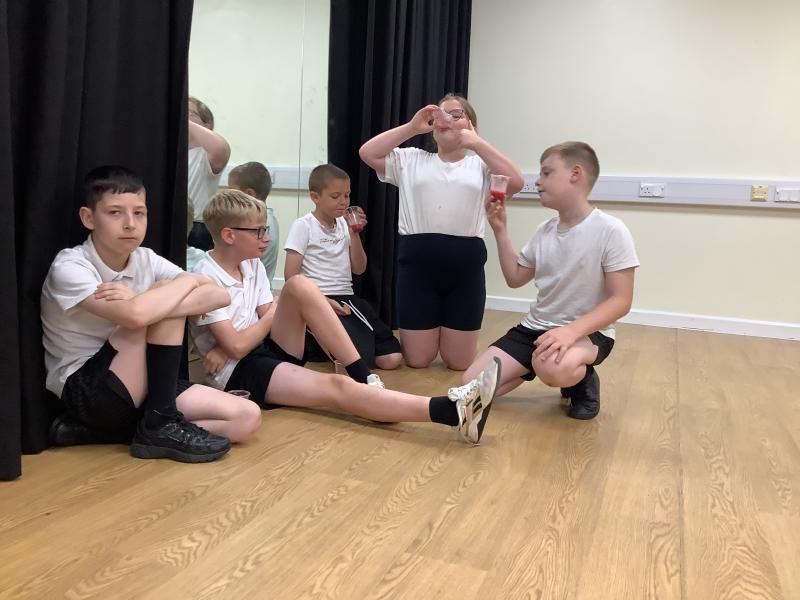
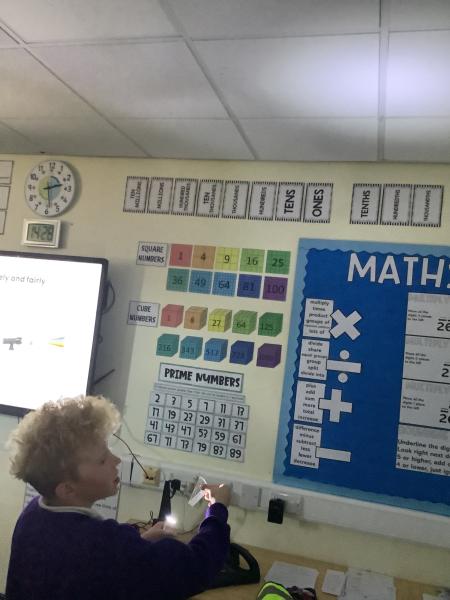
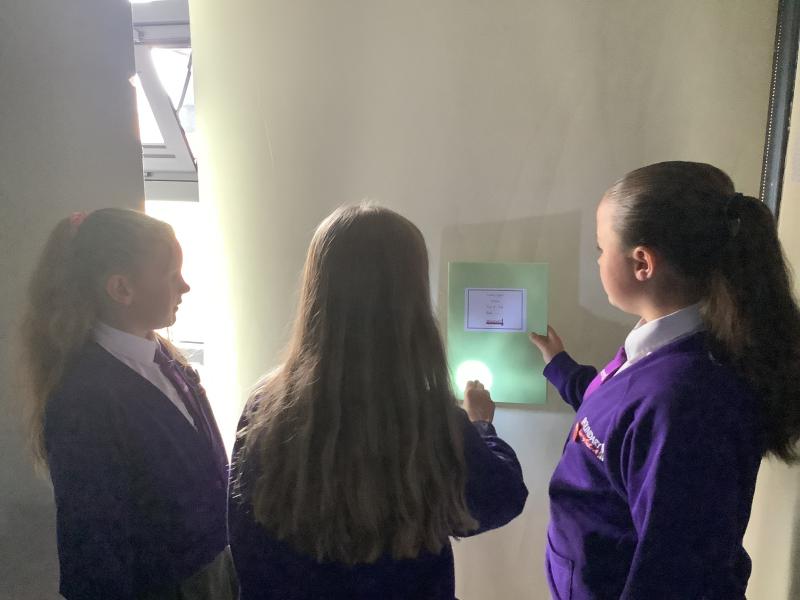
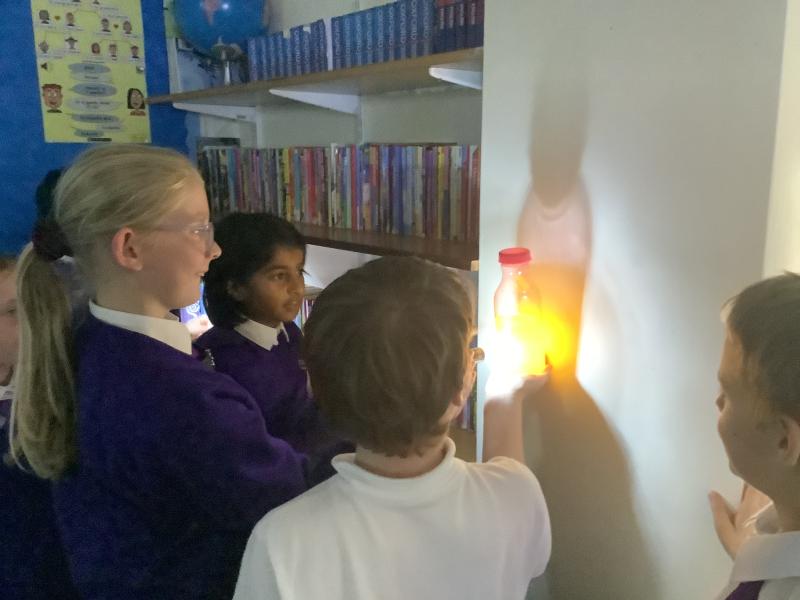
We had an amazing Science Day today! π¬β¨
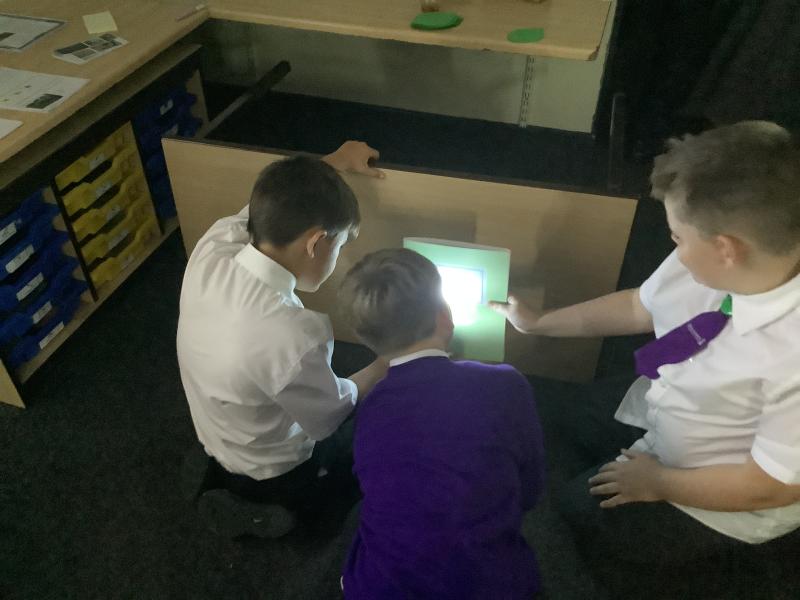
Our investigation question was “Does the amount of sugar in a biscuit affect how many times it can be dunked?” πͺπ« We planned our experiment carefully and then carried it out—managing to sneak in a biscuit tasting too! π We discovered that biscuits with more sugar tended to soften and break more quickly, while biscuits with less sugar held their structure for longer and survived more dunks. βοΈ
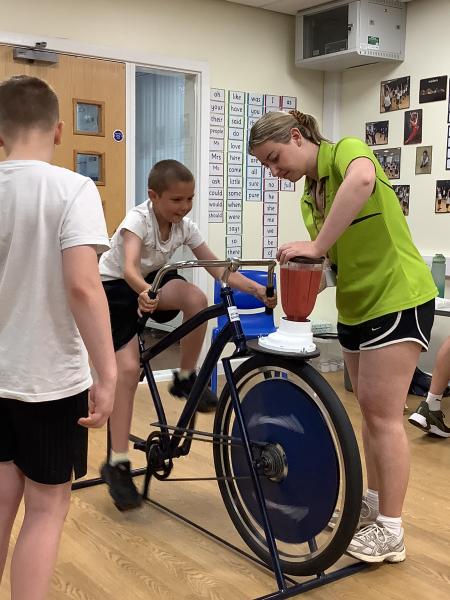
After our investigation, we headed to a workshop in the hall with Rebecca.
First, we explored circuits π‘π and learned that if a circuit is broken, the lights or buzzers won’t work. Then we took on a physics challenge, using only our breath to blow a cup out of a stacked tower. ππ₯€ Finally, we used physics again to create a mini tornado effect to lift a sunken satsuma from the bottom of a water jug all the way to the top. ππ§
Date: 17th Mar 2026 @ 3:40pm
Date: 10th Mar 2026 @ 4:54pm
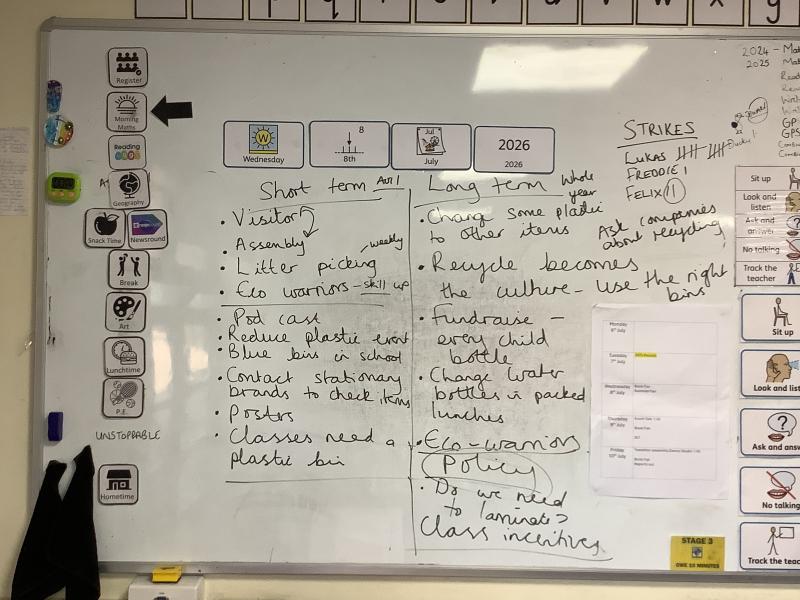
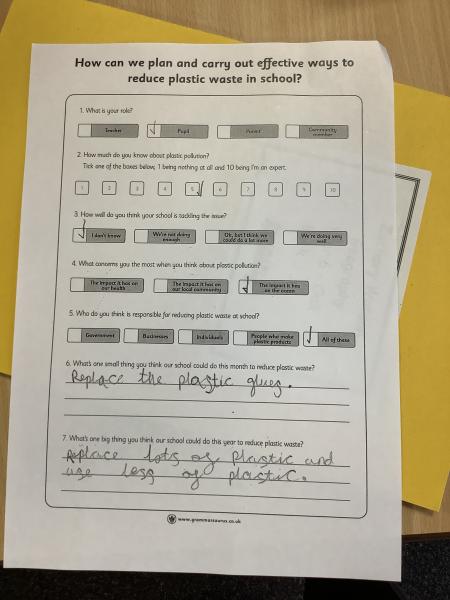
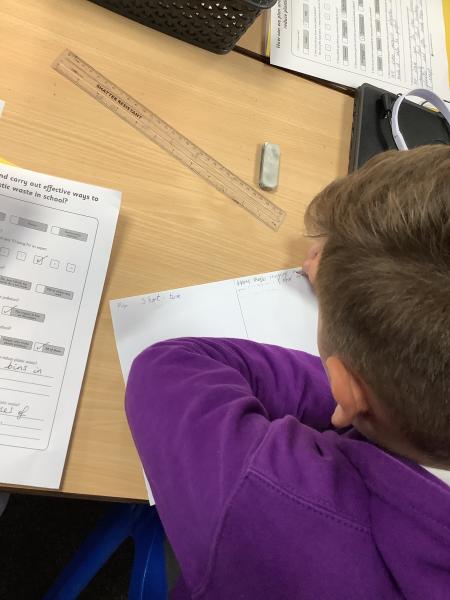
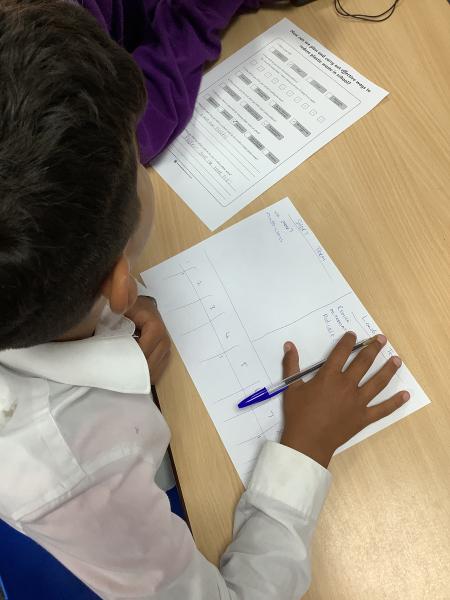
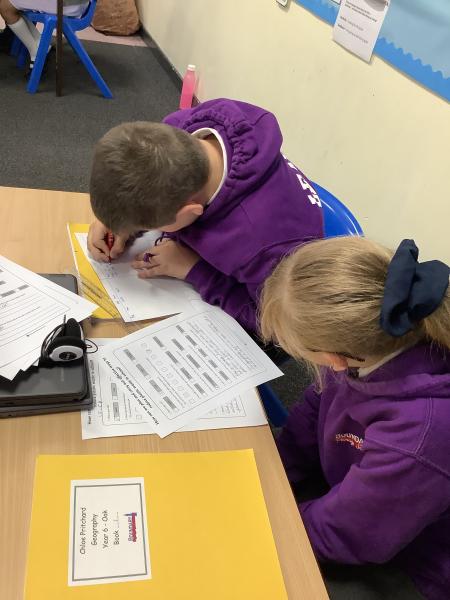
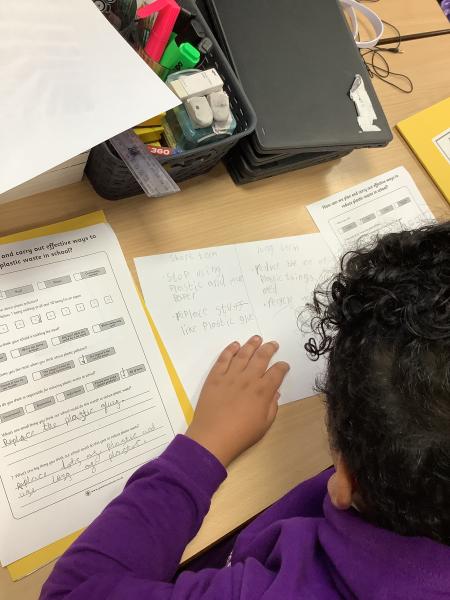
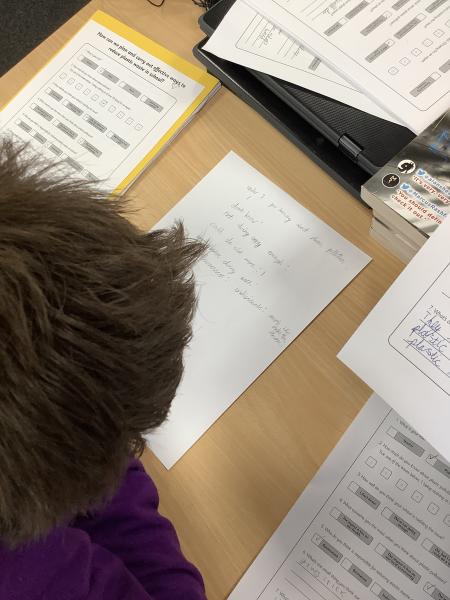
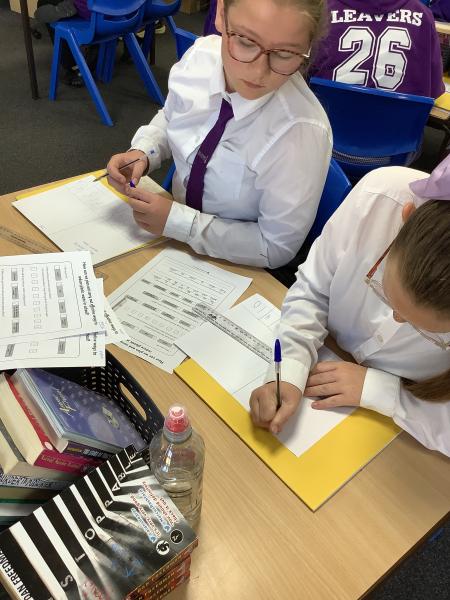
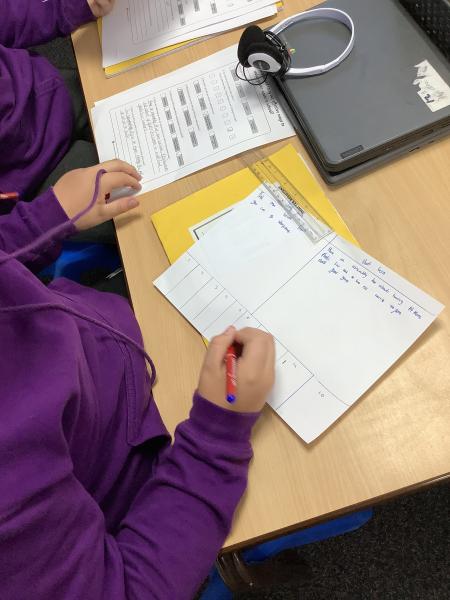
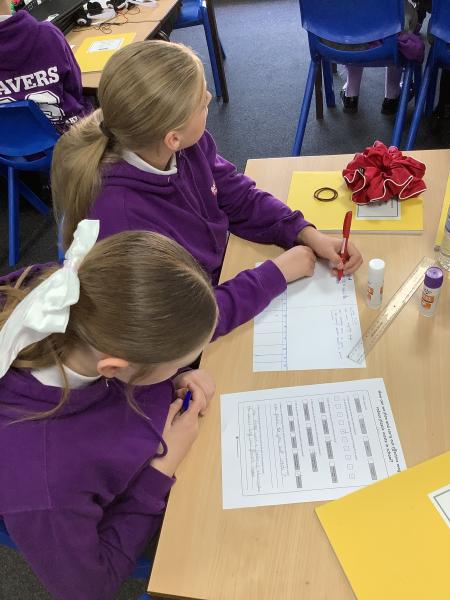
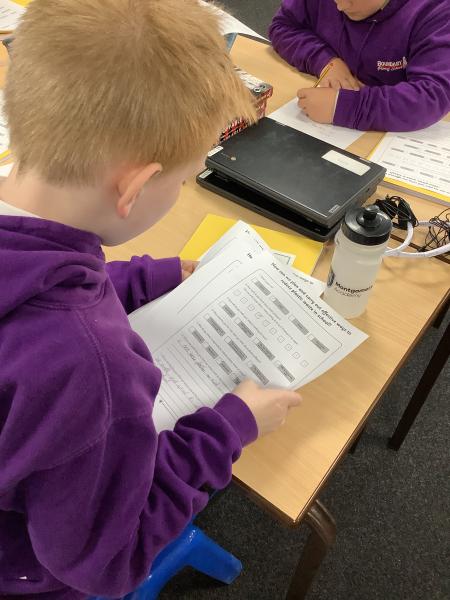
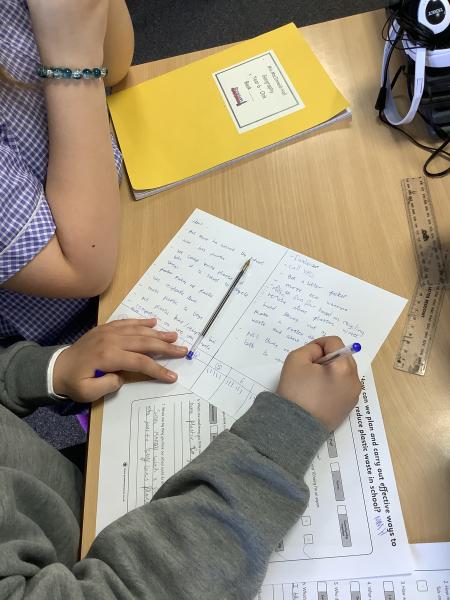
Waste Week is a national campaign aimed at helping schools reduce food and plastic waste while engaging students in sustainability education.
This year we are focusing on reducing food waste in school and also at home.
Over 10 million tonnes of food βare wasted in the UK every year!β Wasting food wastes βmoney, water, energy, and time.
When we waste food, βwe also waste all the resources used to grow, transport, and store it.
The law says: schools cannot mix food waste with other waste. Schools must recycle food properly.β Schools must sort all recyclablesβ (paper, glass, metal, food etc.).
Our Eco Warriors will be ensuring everything gets recycled correctly and less food is wasted at lunchtime.
"Don't take too much from the salad bar if you can't eat it" Darcy.
"Use leftovers to make another meal" Albie
"If you have to leave food put it in the new compast bin" Esme.
"Eat food before it goes out of date" Ellie- May
β
β
β
Date: 10th Mar 2026 @ 3:47pm
πβοΈ Parkour Session 3 – Vaulting & Safe Landings!
Today, Year 6 took part in their third exciting Parkour session, building on the skills they’ve already started to master. This week’s focus was all about vaulting and landing safely — two essential Parkour techniques that help us move confidently and in control.
π€Έ Learning to Vault
We used a range of low equipment so everyone could practise safely and try out new movements at their own pace.
Pupils worked together in small groups to learn how to:
- π Keep their eyes looking forward
- β Use their hands to support and guide their movement
- 𦡠Swing their legs smoothly over the equipment
- π¦Ά Stay light on their feet
It was brilliant to see everyone challenging themselves and celebrating each other’s progress!
π¬ Landing Safely
A key part of Parkour is making sure we land with control and care. Today we practised:
- 𦡠Bending our knees to absorb impact
- βοΈ Keeping our balance centred
- π€« Landing softly and quietly
- πͺ Using our arms for extra stability
With each jump, pupils became more confident and more aware of how their bodies move.
Date: 10th Mar 2026 @ 3:42pm
π This half term, we have been developing our narrative writing skills by creating our own stories inspired by Rock, Paper, Scissors.
π¬ To begin, we watched a short silent film that introduced us to the three main characters—Rock, Paper, and Scissors. Without dialogue, we had to pay close attention to their actions, expressions, and interactions to understand the emotions and relationships portrayed in the video.
π§ As a class, we discussed what we thought the characters were feeling, why certain events happened, and how their personalities could be shown through descriptive writing. We also explored how music, movement, and timing in the video helped build tension and atmosphere.
βοΈ Using the film as our inspiration, we planned and wrote our own narrative version of the story. We focused on developing:
- π Strong character descriptions
- π Detailed settings
- β‘ Powerful verbs and figurative language
- π Clear story structure with a beginning, build-up, conflict, and resolution
ποΈ Each pupil then drafted their story, edited it carefully, and created a polished final version. We are extremely proud of the creativity, imagination, and effort shown in every piece.
π Have a read through some of our fantastic stories and see how we brought the characters of Rock, Paper, and Scissors to life!
Date: 10th Mar 2026 @ 3:37pm
Today, our school was filled with excitement, rhythm, and a whole lot of noise as we welcomed Travelling by Tuba for a fantastic day of music-making!
We kicked things off with a lively assembly, where we were introduced to an amazing collection of instruments from all around the world. From deep, booming brass to unusual instruments we’d never even seen before, every demonstration came with a burst of fun facts, sound effects, and plenty of laughs. It was a brilliant way to discover just how diverse—and entertaining—music can be.
What an incredible experience! π΅β¨
Year 6 - Letters of persuasion
Date: 23rd Feb 2026 @ 4:38pm
Year 6 Begin Their Persuasive Writing Journey!
This week, Year 6 have embarked on an exciting new writing adventure: letters of persuasion! Our mission is to learn how to write confidently and convincingly—just like real campaigners, activists, and opinion leaders.
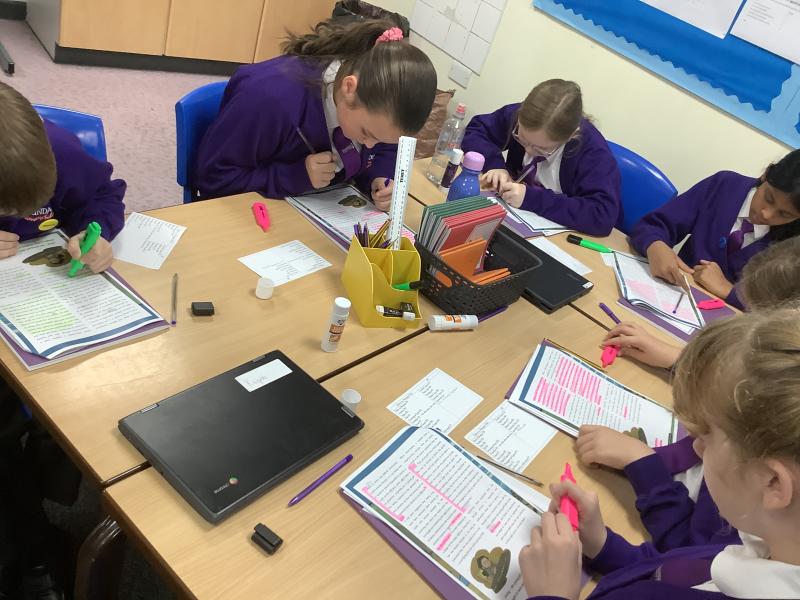
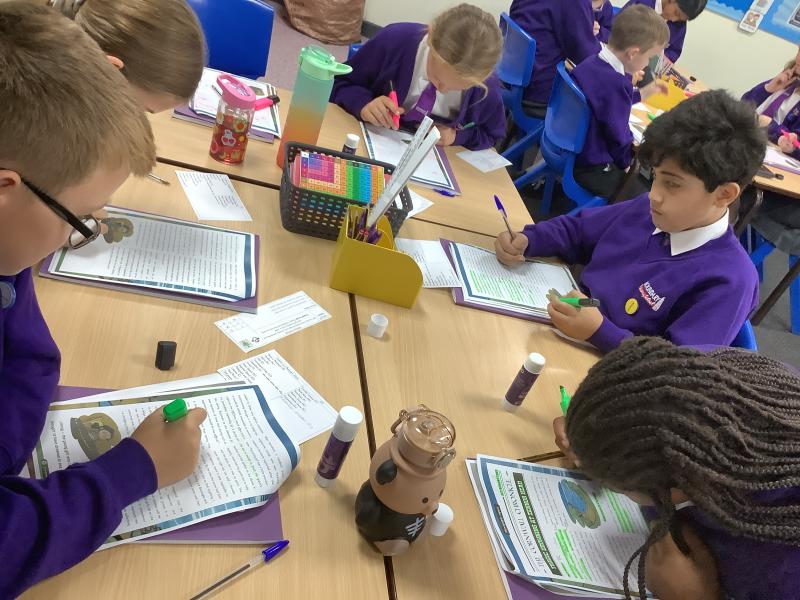
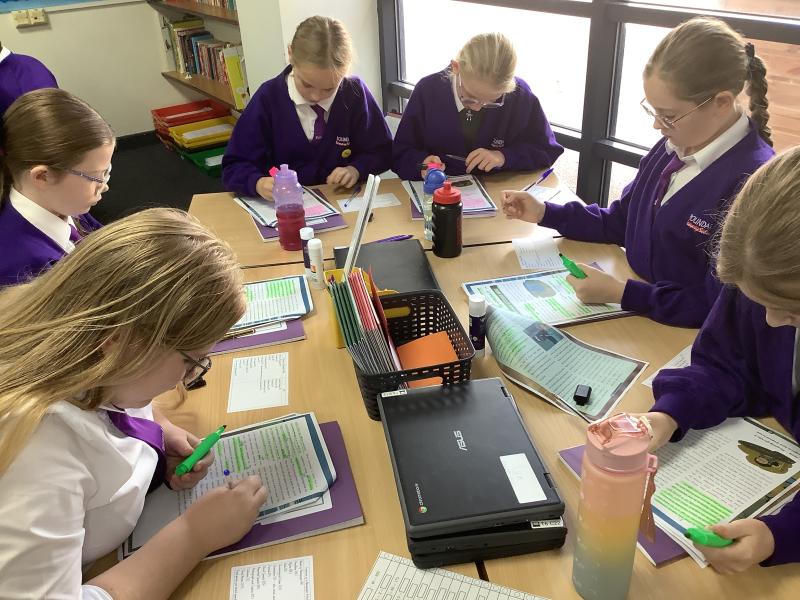
To kick things off, we explored a WAGOLL (What A Good One Looks Like). By reading it carefully, we pulled out all the key features that make persuasive letters so powerful. We spotted things like:
- Strong opening statements
- Clear arguments backed up with evidence
- Emotive language to make the reader care
- Rhetorical questions that make you stop and think
- Powerful conclusions that leave a lasting impression
Once we understood what makes a persuasive letter successful, we moved on to reading a range of other examples. This helped us build a toolkit of useful stock phrases, such as:
- “Surely you agree that…”
- “It is essential that…”
- “Have you ever considered…?”
- “Without immediate action…”
We also learned how important it is to use the right register—that means choosing words and tone that suit the audience. Whether we’re writing to a headteacher, a local councillor, or even a famous figure, we now know how to sound polite, confident, and persuasive.
Year 6 are already showing fantastic promise, and we can’t wait to see the brilliant letters they produce next. Watch this space for updates on our writing journey!
Date: 23rd Feb 2026 @ 4:37pm
Our Amazing Algebra Adventures!
This term in Year 6, we’ve been diving into the exciting world of algebra—and guess what? It’s not as mysterious as it first sounds! Algebra is all about using letters and symbols to represent numbers, and it helps us solve problems in clever new ways.
Forming Expressions
We started by learning how to build algebraic expressions. An expression is like a miniβmaths sentence.
For example:
- Instead of writing “3 × a number,” we can write 3n.
- Instead of saying “a number plus 5,” we write n + 5.
We found out that letters like n, x, or b can stand for any number—and that’s what makes algebra so powerful!
Substituting Values
Next, we practised substitution, which is just a fancy way of saying “swap the letter for a number.”
For example, if n = 4, then:
- 3n = 3 × 4 = 12
- n + 5 = 4 + 5 = 9
We enjoyed trying different values to see how the expression changed.
Finding the Value of Letters and Symbols
Finally, we learned how to work out the value of a letter when we’re given a formula or equation.
For example:
-
If n + 7 = 15, we can work out what n must be.
We simply think: “What number plus 7 makes 15?”
The answer is n = 8! -
If 5m = 20, then m must be 4, because 5 × 4 = 20.
We’ve discovered that solving equations feels a lot like solving puzzles—and we’re becoming fantastic algebra detectives!
Date: 23rd Feb 2026 @ 4:34pm
Date: 10th Feb 2026 @ 3:05pm
Year 6 Write Powerful Lindisfarne Monologues
This week, Year 6 have been learning about the Viking attack on Lindisfarne in 793 AD. To help them understand what it might have felt like, the children wrote monologues from the point of view of a monk living in the monastery.
βοΈ What We Did
The class learned about:
- What life was like for monks
- How the Vikings arrived on longships
- Why the attack was so shocking
- How to show a character’s thoughts and feelings in writing
After this, the children imagined they were monks and wrote their own monologues describing the terrifying moment the Vikings arrived.
π What We’re Proud Of
The monologues were:
- Detailed – with great descriptions of sounds, sights, and emotions
- Creative – many children used strong vocabulary and dramatic language
- Thoughtful – the writing showed real understanding of how the monks might have felt
Year 6 worked extremely hard and produced some fantastic pieces of writing!
Date: 10th Feb 2026 @ 2:58pm
π Year 6 Take Part in Safer Internet Day!
This week, Year 6 celebrated Safer Internet Day. We spent time talking about how to stay safe online and how to make good choices when using the internet.
We shared how we use the internet every day — for games, videos, chatting and learning — and we discussed how to use it responsibly.
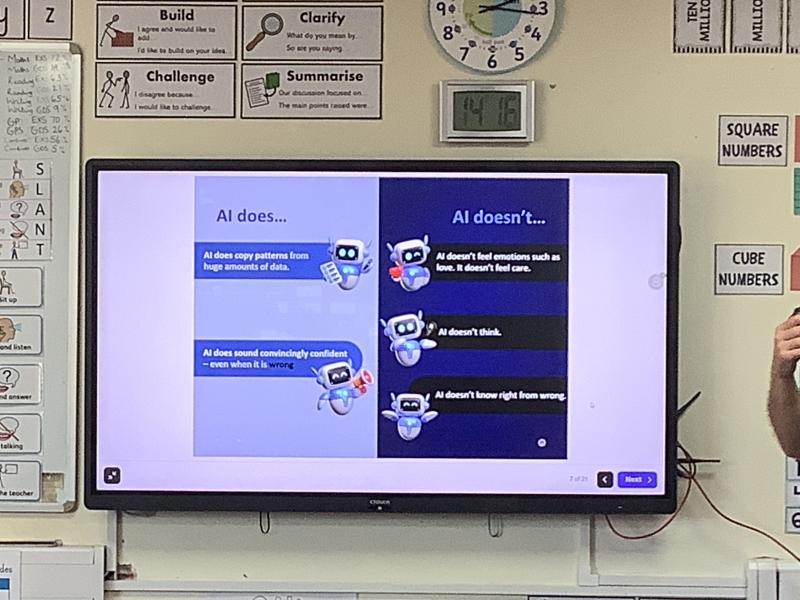
π€ Learning About AI: The Good and the Bad
After Safer Internet Day, we explored Artificial Intelligence (AI).
We found out that AI is all around us — in games, phones, search engines and even spelling tools!
π What We Did:
1. Real or AI?
We looked at pictures and writing to see if they were made by a person or by AI. Some were tricky!
2. Spot the Problem
We talked about how AI can be misused, such as:
- spreading wrong information,
- copying work,
- changing photos,
- making things that could upset someone.
3. Making Good Choices
In groups, we discussed how to use AI safely and fairly.
π‘ What We Learned
Year 6 discovered that:
- AI can be helpful — but it sometimes makes mistakes.
- Not everything online is real.
- We should always think carefully before sharing or believing something.
- If we are unsure, we should ask a trusted adult.
Date: 10th Feb 2026 @ 2:52pm
π Year 6’s Brilliant BuildβYourβOwn Pizza Day!
Today, Year 6 swapped their pens and pencils for aprons and rolling pins as we spent the whole day becoming realβlife pizza chefs! From mixing flour and yeast to tasteβtesting our final creations, it was a day full of teamwork, creativity, and (of course) delicious food.
π©π³ Step 1: Making the Dough
We kicked things off by learning how proper pizza dough is made. Flour everywhere? Yes. Sticky hands? Definitely. Giggles and excitement? Absolutely!
Everyone worked hard to knead their own ball of dough until it was soft, stretchy, and ready to rise. Some students even discovered they had a natural talent for kneading!
πͺ Step 2: Chopping the Toppings
While the dough rested, we moved on to preparing our toppings. The classroom quickly turned into a colourful kitchen full of chopped peppers, onions, mushrooms, sweetcorn, and more.
We practised our safe cutting techniques, and it was amazing to see how confident and careful everyone was.
π¨ Step 3: Designing Our Own Pizzas
This was where the creativity really took off! Once the dough was rolled out, each student designed a pizza that truly showed their personality.
There were smileyβface pizzas, rainbowβtopping pizzas, and even some very cheesy creations. Everyone took great care arranging their toppings just the way they wanted.
π₯ Step 4: Into the Oven They Go!
Next came the moment of truth! One by one, our pizzas went into the oven, filling the room with the mouthβwatering smell of fresh baking dough.
The excitement grew as each pizza came out looking golden, bubbling, and absolutely delicious.
π Step 5: The Best Part – Eating Them!
After all our hard work, we finally got to taste the results. And what a success!
Not only did the pizzas look amazing, but they tasted fantastic too. Many students said this was the best pizza they had ever had—and the secret ingredient? Making it themselves!
Date: 10th Feb 2026 @ 9:10am
KS2 Learns About Hinduism in a Special Assembly
This week, KS2 enjoyed a wonderful assembly led by a British Hindu visitor who came in to share her experiences and teach us all about Hinduism. She explained that Hinduism is one of the world’s oldest religions and that many Hindus believe in one supreme spirit, Brahman, understood through different deities such as Vishnu, Shiva, and Lakshmi.
We learned about puja, a type of worship that can take place at home or in a temple, and how many Hindu families keep a small shrine where they offer flowers, food, or light a lamp. She also told us about colourful festivals like Holi, which celebrates spring and new beginnings, and Diwali, the festival of lights.
The assembly was engaging, informative, and a brilliant way for KS2 to deepen their understanding of Hindu beliefs and traditions.
Date: 9th Feb 2026 @ 9:19am
They worked brilliantly together, using their loud, clear voices and putting real enthusiasm into every line. The recording session gave them a fantastic preview of what it will feel like to perform on the big stage, and their energy was wonderful to see. We can’t wait to hear the final performance—well done, everyone!
Date: 2nd Feb 2026 @ 1:29pm
RSE Week at School!
This week has been RSE Week (Relationships and Sex Education), and Year 6 have been learning about some really important topics that help us understand ourselves, our bodies, and how we communicate with others. Here’s a look at what we’ve covered in class.
π£οΈ Communication in Relationships
We explored what good communication looks like in all types of relationships—whether that’s with friends, family members, or people in our school community.
We talked about:
- Listening carefully to others
- Speaking honestly and kindly
- Respecting other people’s feelings
- How misunderstandings happen, and how to fix them
- Why healthy relationships make us feel safe, valued, and supported
Good communication helps everyone work together and get along.
π» Communication Online
Talking to people online can feel different from talking in real life. We discussed:
- How to stay safe online
- Why we shouldn’t share personal information
- What respectful messages look like
- How to spot something that doesn’t feel right
- Who to talk to if we’re unsure or uncomfortable
We also learned that it’s okay to step away from online conversations and that being kind matters just as much online as it does in person.
𧬠Puberty
We learned that puberty is a natural stage of growing up that everyone goes through—just at different times. During puberty, the body begins to change to become physically mature. Some of the things we covered include:
- Changes in height and body shape
- Hair growth
- Skin changes
- Emotional changes
- The importance of hygiene
- Why everyone’s journey through puberty is unique
The main message: puberty is normal, and it’s okay to ask questions about it.
πΆ From Conception to Birth
Finally, we learned about how a baby develops. This included:
- How a fertilised egg grows into an embryo
- How the embryo becomes a developing baby (a foetus)
- What happens inside the womb over nine months
- How the baby gets nutrients and oxygen
- How amazing the human body is at creating and protecting new life
We approached this in a scientific way, focusing on biology and the incredible stages of human development.
π A Great Week of Learning
RSE Week helped us understand more about ourselves, the people around us, and how to build healthy, respectful relationships. We learned how to communicate clearly, stay safe online, look after our bodies, and appreciate the amazing science of human growth.
Year 6 have handled these topics maturely and thoughtfully—well done everyone!
Year 6 - Story-telling webinar
Date: 2nd Feb 2026 @ 1:28pm
Year 6 Celebrate National Storytelling Week with Alim Kamara
As part of National Storytelling Week 2026, our Year 6 pupils enjoyed an inspiring online workshop led by storyteller and rapper Alim Kamara. The session, delivered live via Zoom, was a vibrant celebration of music, rhythm and the power of storytelling.
The workshop formed part of the National Literacy Trust’s nationwide events for Key Stage 2, designed to help children explore how stories can be told through sound, lyrics and performance. During the interactive session, pupils learned how storytelling and rap can come together to create powerful narratives. They were guided through the process of shaping their own lyrics and experimenting with rhythm—discovering firsthand how words can come alive through music.
Throughout the 45βminute session, Alim Kamara captivated the children with his energy, enthusiasm and creative approach. Year 5 particularly enjoyed collaborating on a class rap, using ideas shared during the workshop to craft imaginative verses that told a story with both meaning and momentum.
The event formed part of this year’s national theme, “Soundtrack Your Story”, celebrating how music can enhance storytelling and ignite children’s love for reading and writing. Supported by the National Literacy Trust and the National Year of Reading 2026, the workshop provided a rich opportunity for pupils to develop their confidence, creativity and enjoyment of literacy.
We thoroughly embraced the experience, and we are excited to continue building on their enthusiasm in our upcoming storytelling and creative writing projects.
Date: 27th Jan 2026 @ 1:41pm
Year 6 Science Blog – Our Fair Test on Hand Cleaning Products!
This week in Science, Year 6 have been busy carrying out a fair test to investigate a very interesting question:
Which hand-cleaning product works the best?
To test this, we used slices of bread and different hand-cleaning methods. After applying a different cleaning product to our hands—such as soap, hand sanitiser, wipes, or even no cleaning at all—we each pressed our hand onto a slice of fresh bread. Over the next week, we’ll observe how much mould grows on each piece and compare the results.
How We Made It a Fair Test
We learned that a fair test means only changing one thing at a time, while keeping everything else the same. Here are some examples of what we controlled:
- Same type of bread: We all used slices from the same loaf so the bread’s freshness and ingredients wouldn't affect the results.
- Same size handprint: We used one full handprint on each slice to keep the amount of contact equal.
- Same storage conditions: All slices are being kept in sealed bags in the same place so they grow mould under the same temperature and light conditions.
- Same time of contact: Each person pressed their hand on the bread for the same amount of time.
- Only one variable changed: The only thing different about each slice is the cleaning method used.
We talked about how these factors help make the experiment fair, so our results will be more reliable.
Our Predictions
Before starting, we made our own predictions about which bread would grow the least mould.
Some of our ideas included:
- Bread touched after using soap and warm water might grow the least mould because soap removes dirt, oils, and most bacteria.
- Bread touched after using hand sanitiser might also stay cleaner because sanitiser kills many germs quickly.
- The bread touched with no cleaning at all would probably grow the most mould, because more germs would transfer from our hands to the bread.
- Wipes might work, but some of us thought they may not be as effective as washing with soap.
We also explained why we thought these things would happen, linking back to what we’ve learned about microbes and how they spread.
What’s Next?
Over the next few weeks, we’ll be checking our bread samples to see how the mould grows. We’ll record our observations and compare the results to our predictions.
Stay tuned—our findings might surprise you!
Date: 27th Jan 2026 @ 1:38pm
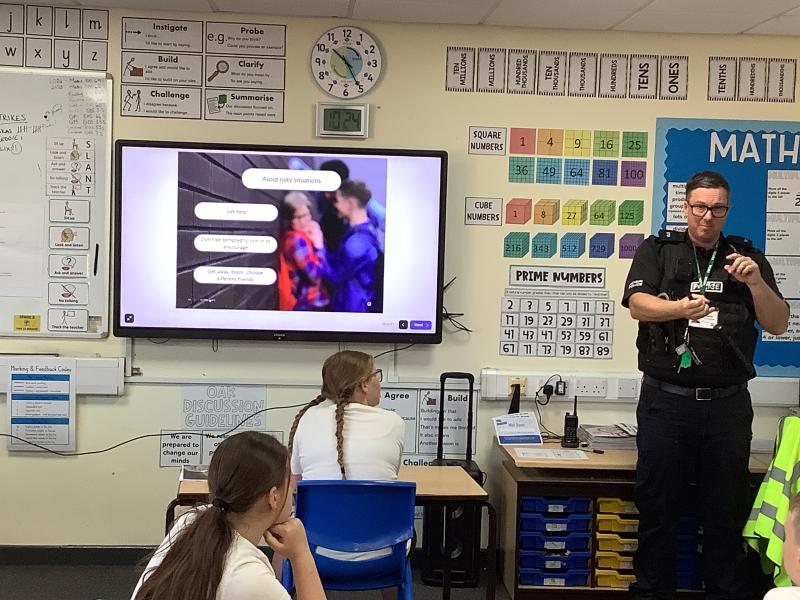
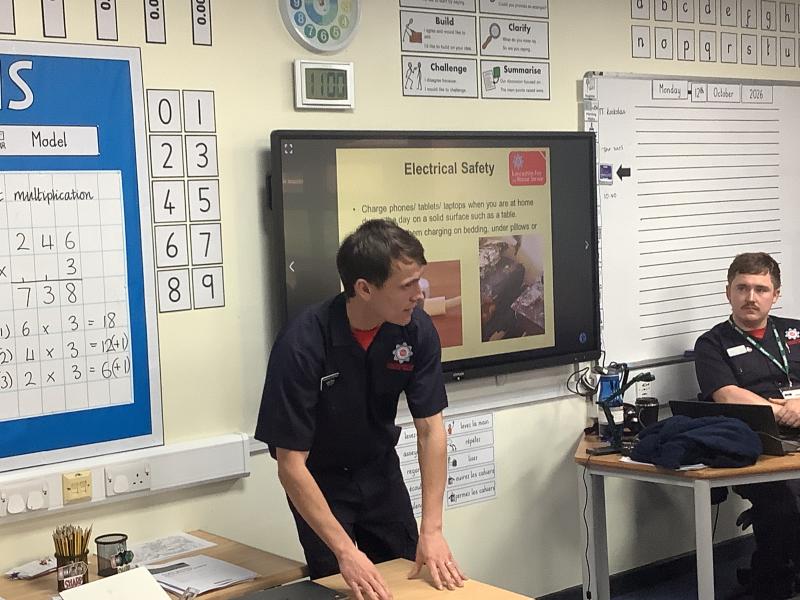
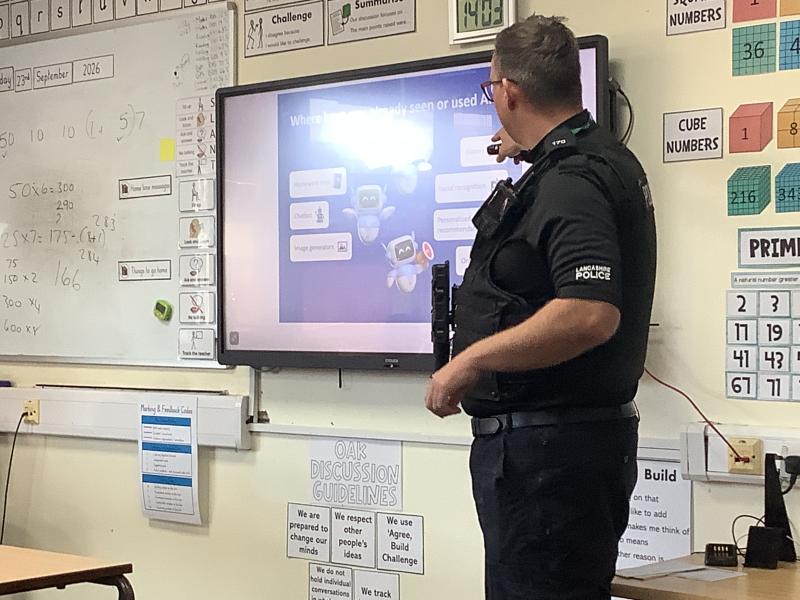
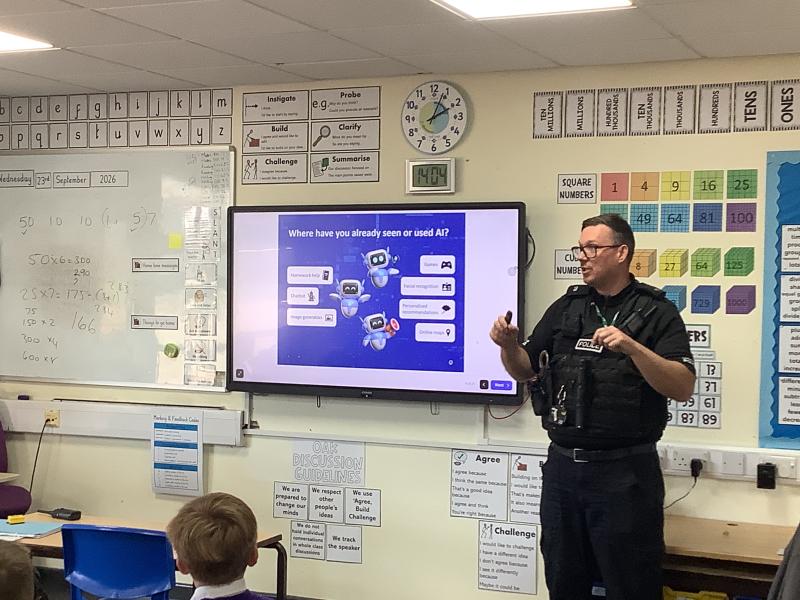
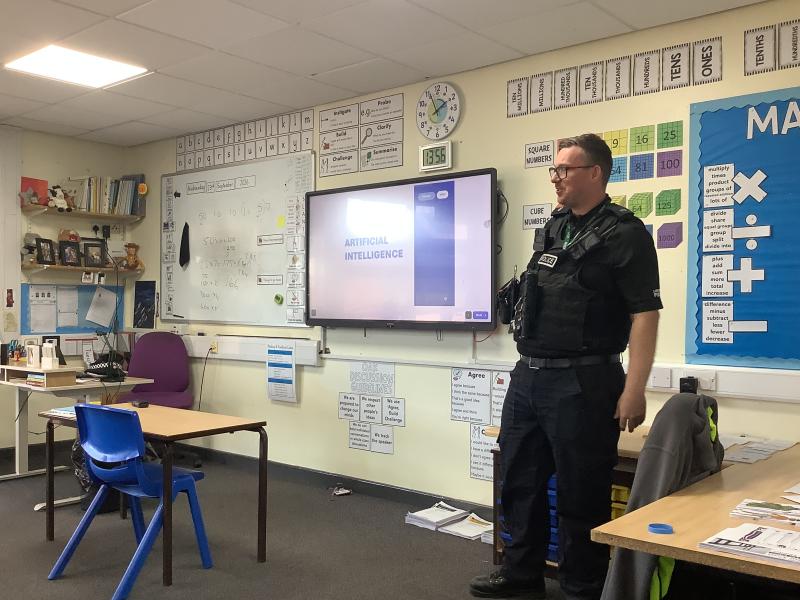
Year 6 - Careers in the police
Date: 27th Jan 2026 @ 1:36pm
Date: 27th Jan 2026 @ 1:31pm
Date: 22nd Jan 2026 @ 3:41pm
πΊ Our Second Dance Session! π
Today we had our second dance session, and it was fantastic! β¨
π Recapping Last Week
We began by going over the dance phrases we learned last week. Everyone did a great job remembering the moves! We spent some time refining them so they looked smoother, sharper, and more confident. βοΈ
π― Working Together
Next, we worked in pairs and small groups π₯ to start linking our phrases together. This was a great chance to share ideas, help each other, and experiment with different ways of moving.
π Linking Movements
We explored clever ways to connect our phrases using:
- πΆ Steps
- π Turns
- π¦ Jumps
It was brilliant to see so much creativity, teamwork, and enthusiasm across the room!
π What’s Next?
By the end of the session, our routines were already starting to come together. We’re excited to keep building on them next week!
Date: 19th Jan 2026 @ 9:19am
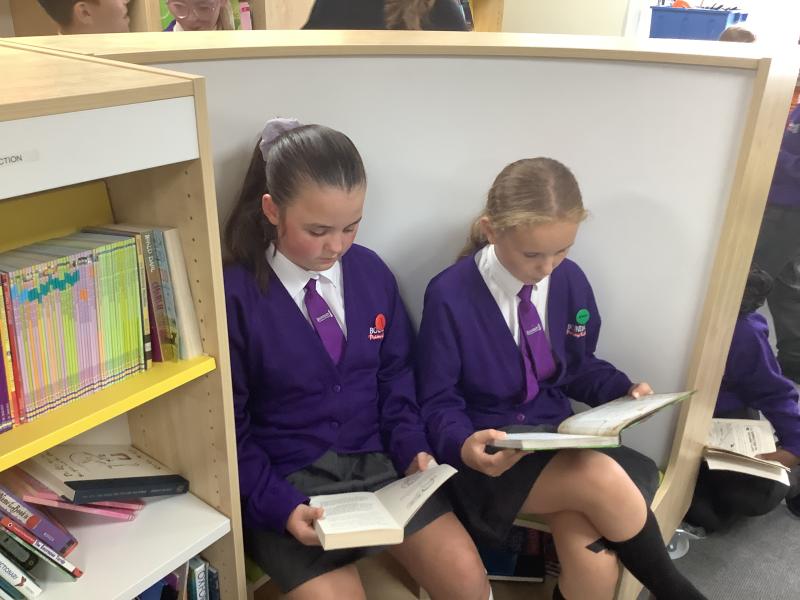
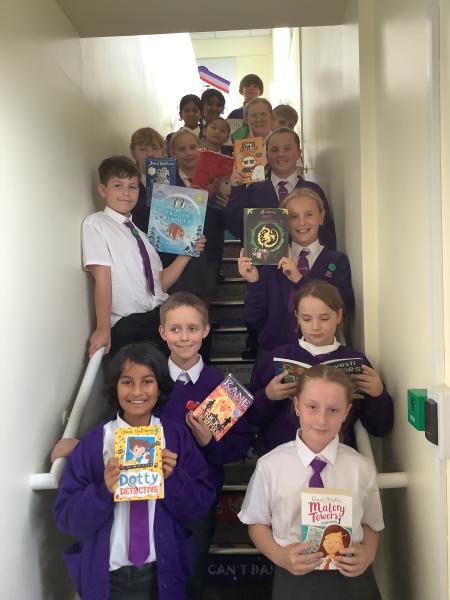
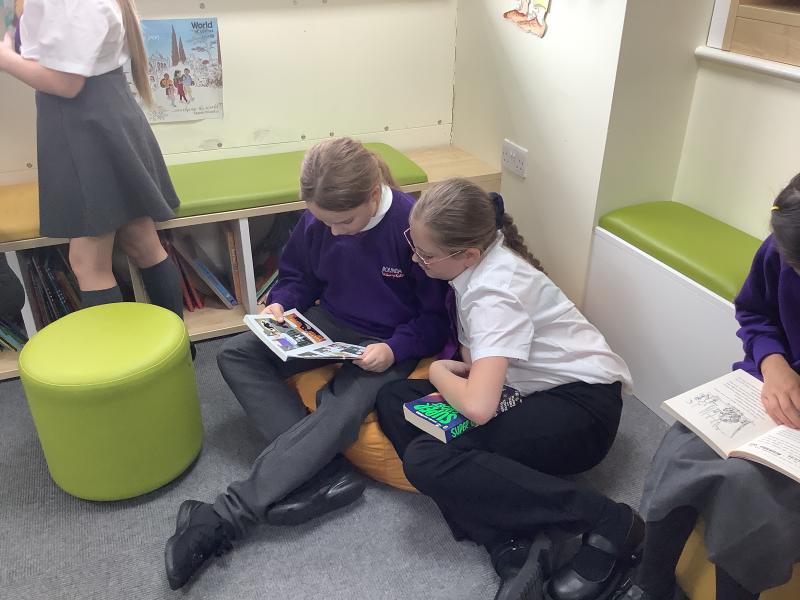
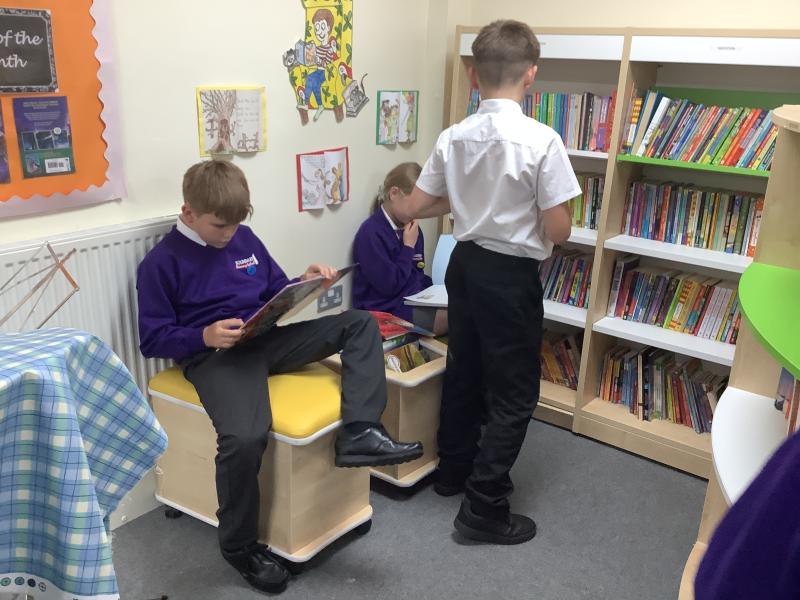
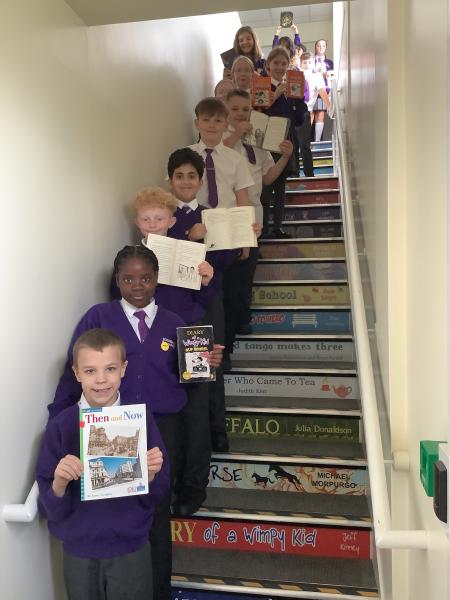
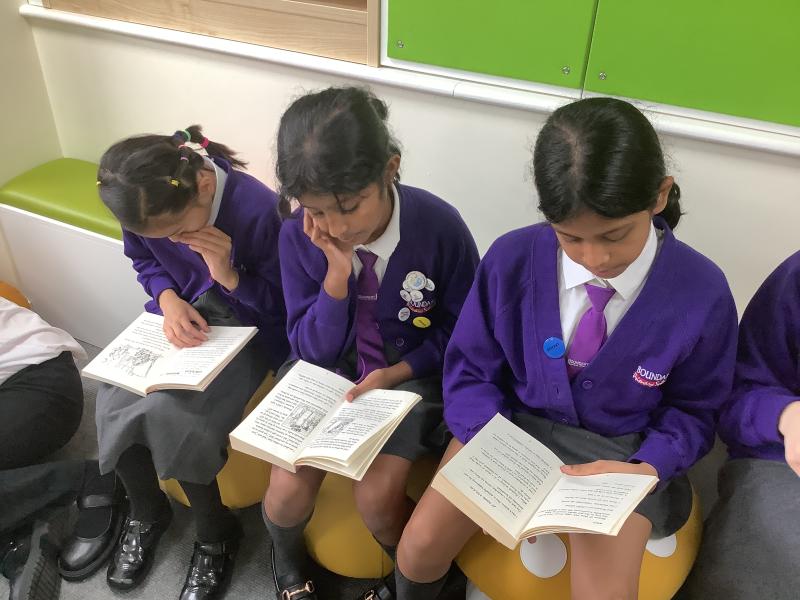
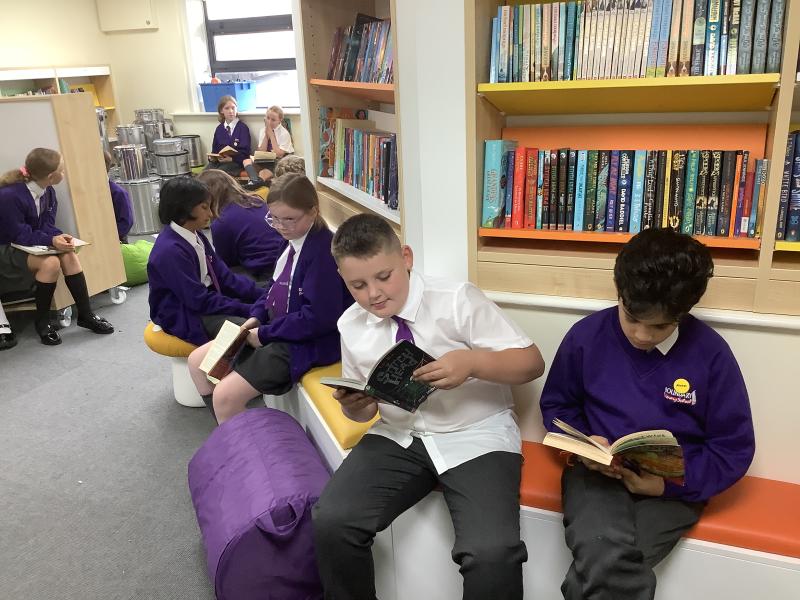
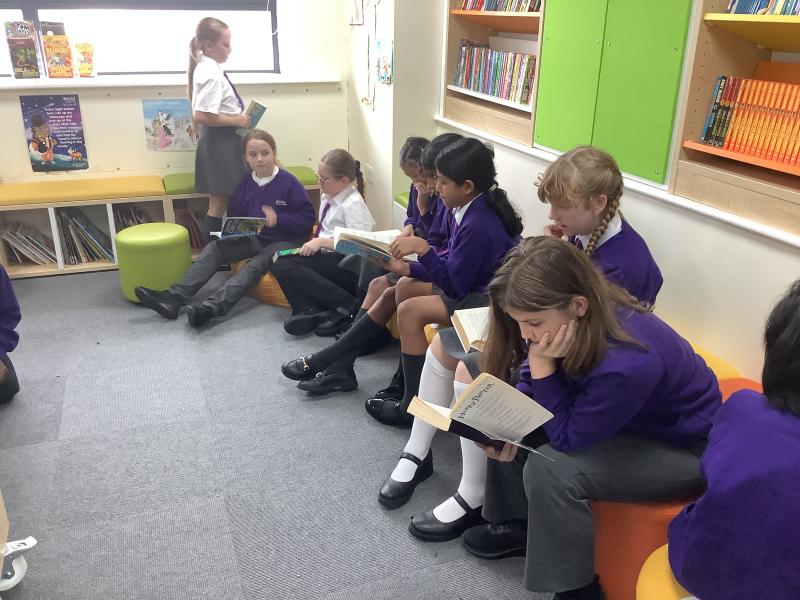
On the run up to World Book Day we are launching a 'Reading Challenge' for all pupils in school. We are looking forward to how many of the challenges the children can get through!
Date: 16th Jan 2026 @ 11:47am
Key Stage 2 pupils recently took part in their second Times Table Bee, an exciting and competitive event. Four children from each year group proudly represented their house and competed by answering a range of tricky times table questions. Pupils in Year 5 and Year 6 were particularly challenged, as they tackled more demanding questions that relied heavily on their secure knowledge of multiplication tables. The event was enjoyed by all and showcased the children’s confidence, speed, and enthusiasm for maths.
Well done to all that took part!