Eco at Boundary: Blog items
Date: 1st Oct 2026 @ 4:57pm
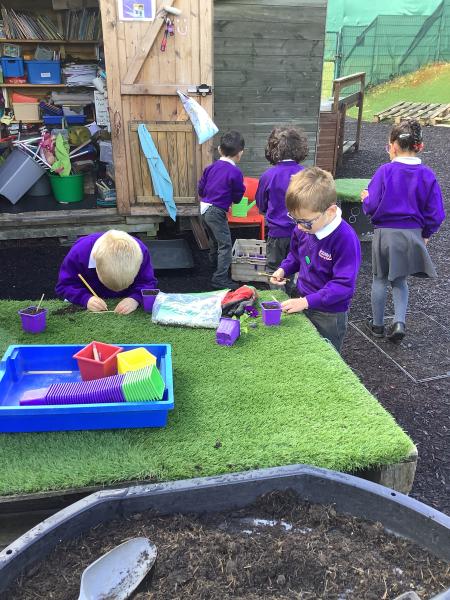
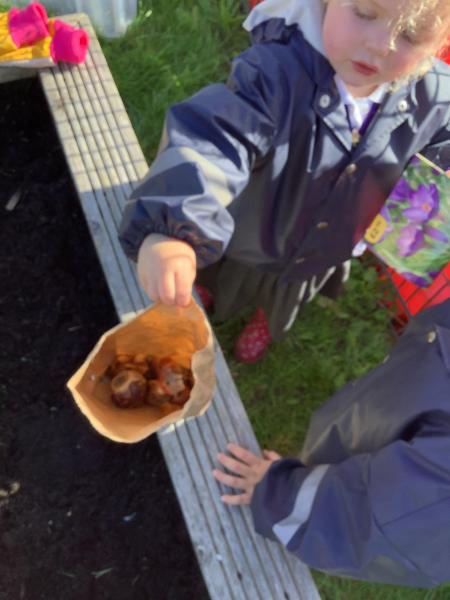
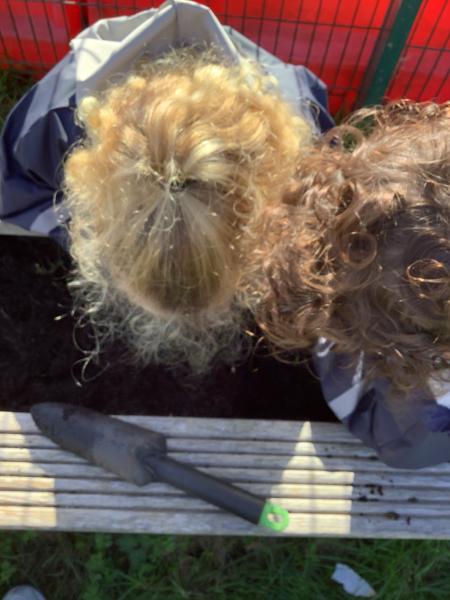
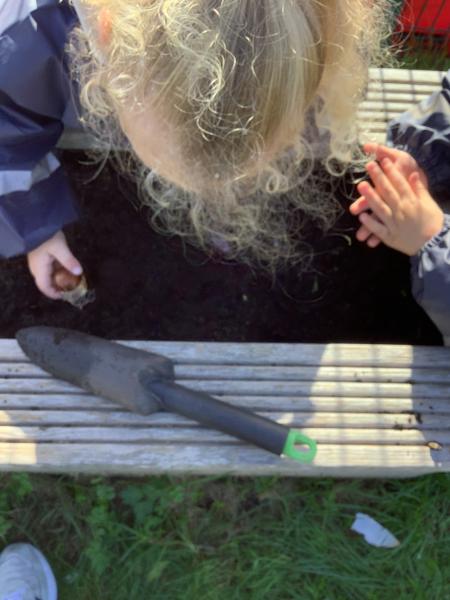
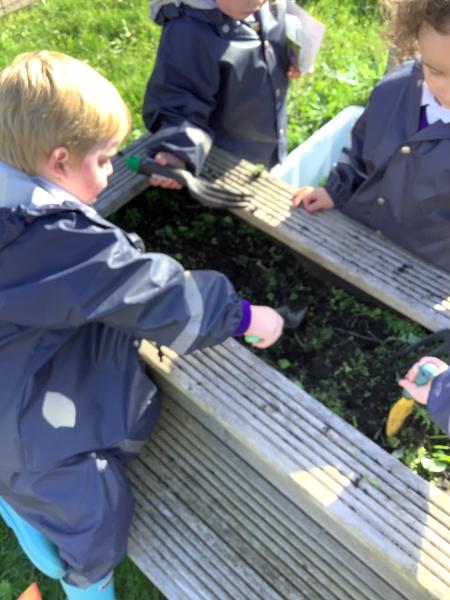
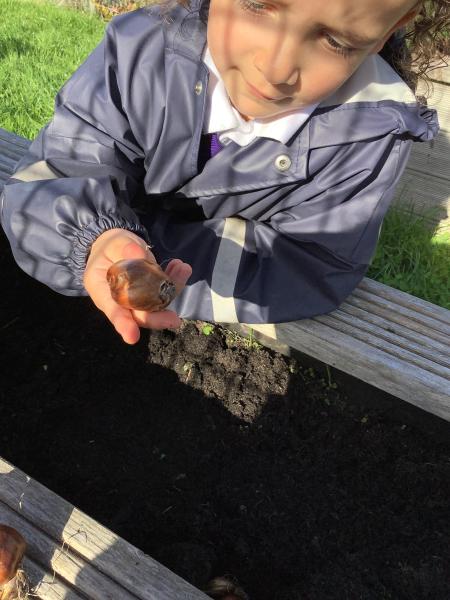
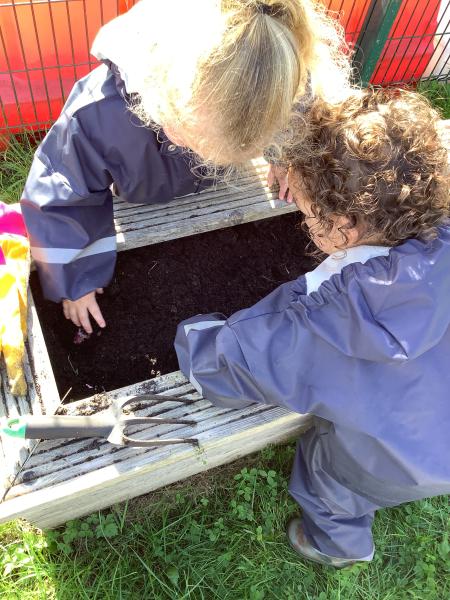
Our nursery children have been busy helping to care for our outdoor environment by weeding and tidying the planters. The children worked hard to remove weeds and make space for new plants, learning about how gardens need looking after to help flowers grow.
Once the planters were ready, the children planted daffodil and crocus bulbs ready for spring. They carefully dug holes, placed the bulbs into the soil and covered them up, excited to think about the colourful flowers that will appear in the months ahead.
This hands-on activity helped the children learn about the natural world, develop their fine motor skills and understand how plants grow over time. We can't wait to see our beautiful daffodils and crocuses bloom and bring some bright spring colour to our nursery garden! 🌷☀️
Eco at Boundary- Gardening Club
Date: 25th Sep 2026 @ 10:59am
Eco Gardening Club Gets Ready for Winter
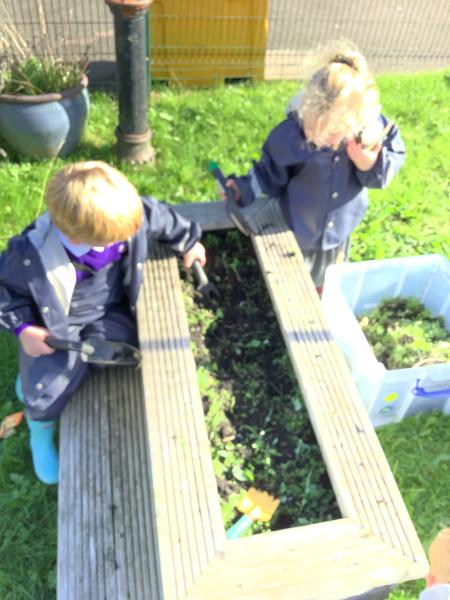
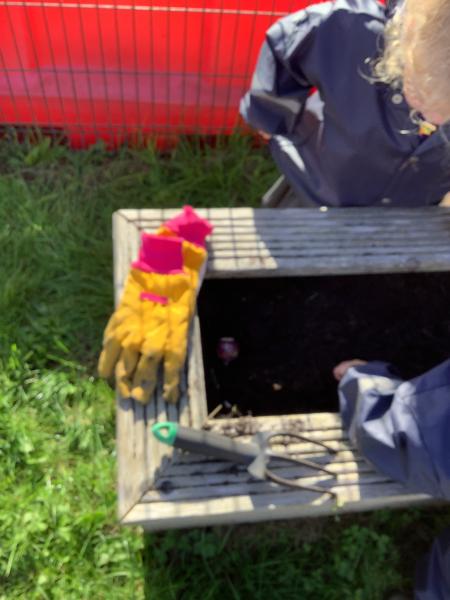
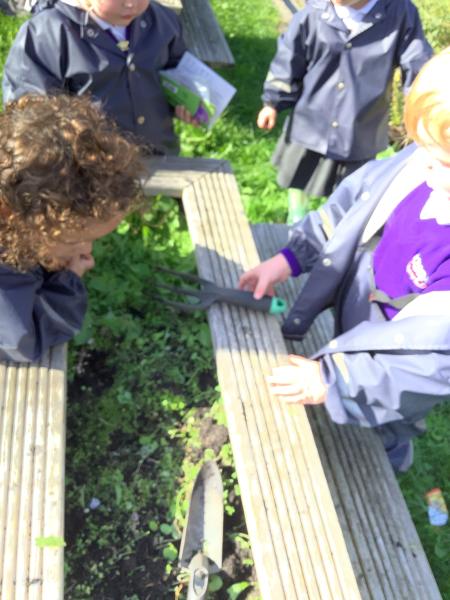
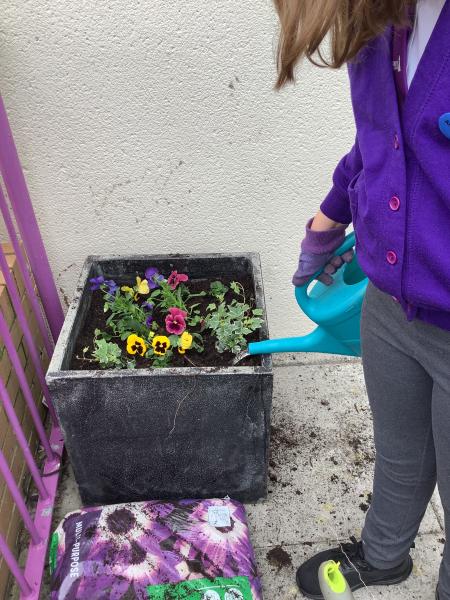
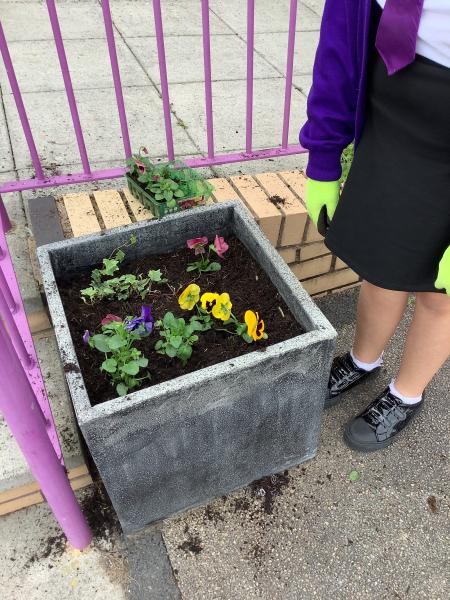
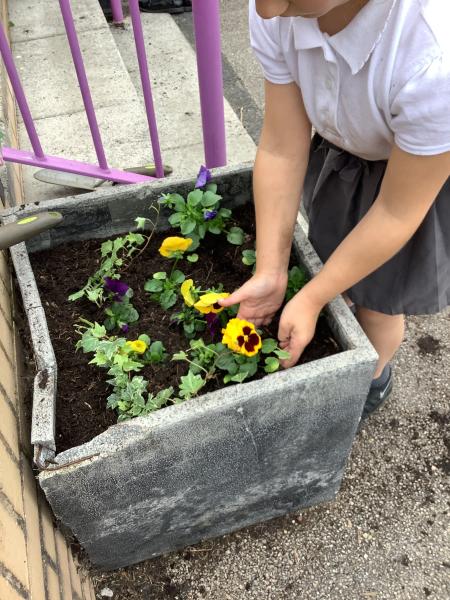
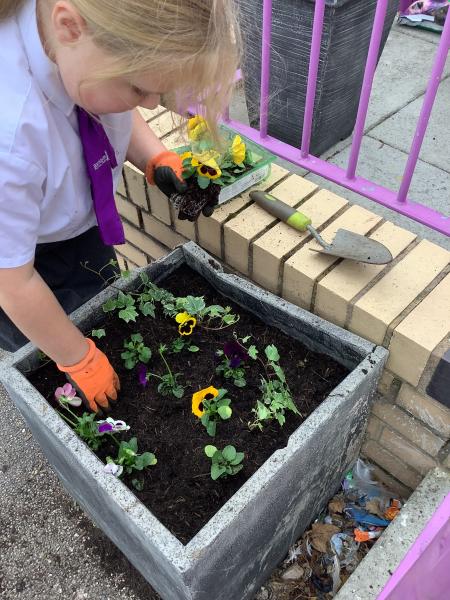
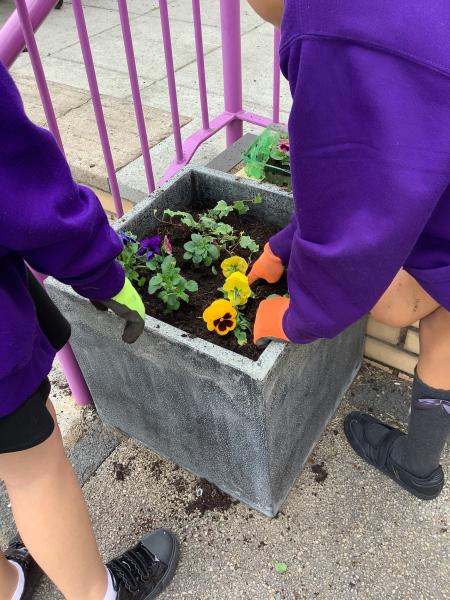
This week, our Eco Gardening Club has been busy preparing the school garden for the colder months ahead. The children rolled up their sleeves and got stuck into a variety of gardening jobs, showing fantastic enthusiasm and teamwork.
The gardeners carefully weeded the beds, planted seeds and plants ready for future growth, and worked hard to tidy the garden. They helped remove dead leaves, faded flowers, and plants that had reached the end of their growing season, making sure the garden is healthy and ready for winter.
The children loved spending time outdoors and learning how to care for the environment. They were excited to get their hands dirty and certainly demonstrated their growing "green fingers"! Through their gardening activities, they learnt about the importance of looking after plants, the changing seasons, and how gardens need different care throughout the year.
We are very proud of all the hard work the children put in. Their efforts have helped keep our garden looking neat and ready for the months ahead. We cannot wait to see the results of the seeds they have planted and watch the garden come back to life in the spring.
Well done, Eco Gardening Club! 🌱🍂🍁🌿
Eco at Boundary- Awarded The Green Flag!
Date: 23rd Sep 2026 @ 1:55pm
🌿 Boundary Achieves Green Flag Award for the 7th Time! 🌿
We are absolutely delighted to announce that Boundary Primary School has once again been awarded the prestigious Green Flag Eco-Schools Award, making this our seventh Green Flag achievement. What an incredible accomplishment!
The Green Flag Eco-Schools Award recognises schools for their outstanding commitment to environmental education, sustainability and taking positive action to protect our planet. Achieving this award is a testament to the hard work, dedication and enthusiasm shown by our entire school community.
At Boundary, environmental responsibility is embedded throughout school life. Our dedicated Eco Warriors lead the way, encouraging everyone to think carefully about the impact our actions have on the environment. Through a range of cross-curricular learning opportunities in subjects such as Science and Geography, children develop their understanding of important environmental issues and consider how they can make a difference both locally and globally.
The Eco-Schools programme is a pupil-led initiative that empowers young people to take action on environmental issues within their school, local community and beyond. Following the Eco-Schools framework, our pupils have helped to drive improvements that support sustainability and environmental awareness.
Throughout the year, the children have worked hard to:
Reduce our carbon footprint
Cut down on waste and increase recycling
Save energy wherever possible
Promote biodiversity around our school grounds
Encourage healthy lifestyles that support both physical and mental wellbeing
This award belongs to everyone at Boundary. We would like to say a huge well done to our fantastic Eco Warriors, all of our children, staff and families who have supported our environmental journey throughout the year.
While we are incredibly proud to celebrate this achievement, we know that caring for our planet is an ongoing journey. The challenge now begins again as we set our sights on achieving an eighth Green Flag Award in 2027. Together, we will continue to make positive choices that help protect our environment and create a more sustainable future for all.
Congratulations, Boundary! Seven Green Flags and counting! 🌎💚🏳️🌿
Date: 17th Sep 2026 @ 8:04am
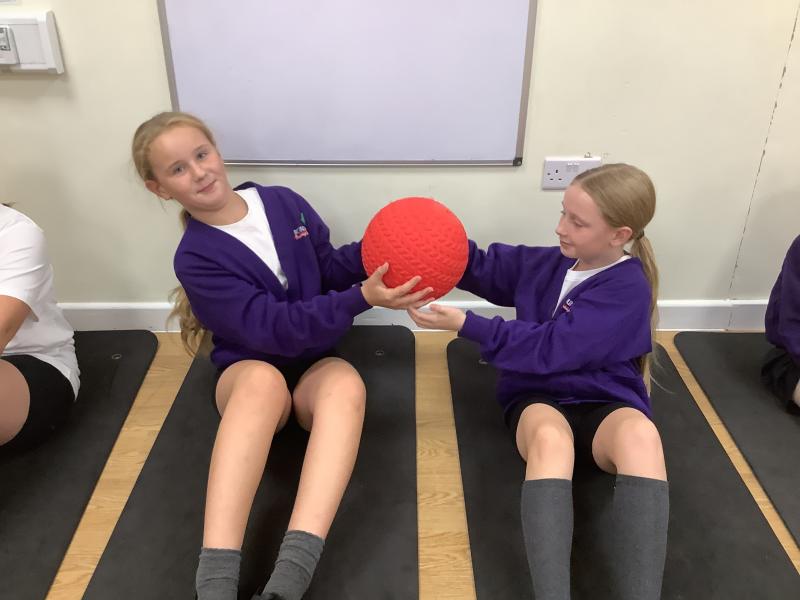
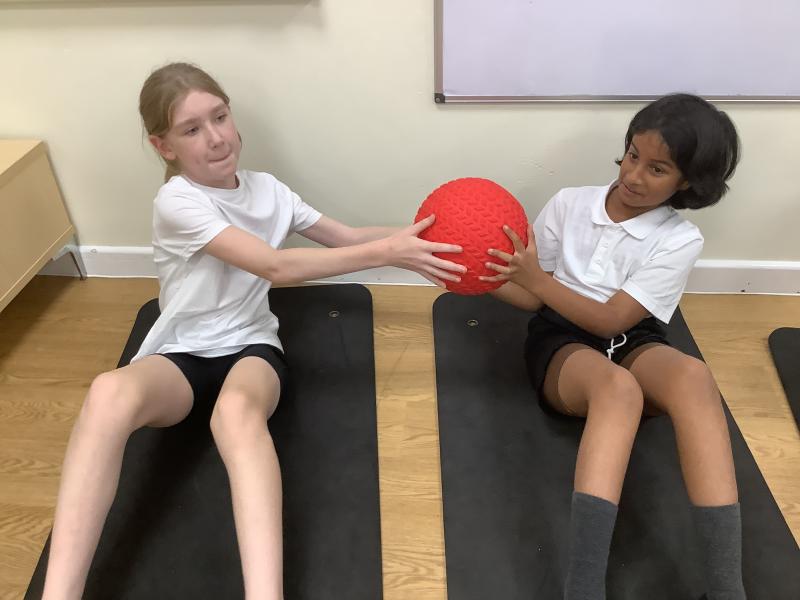
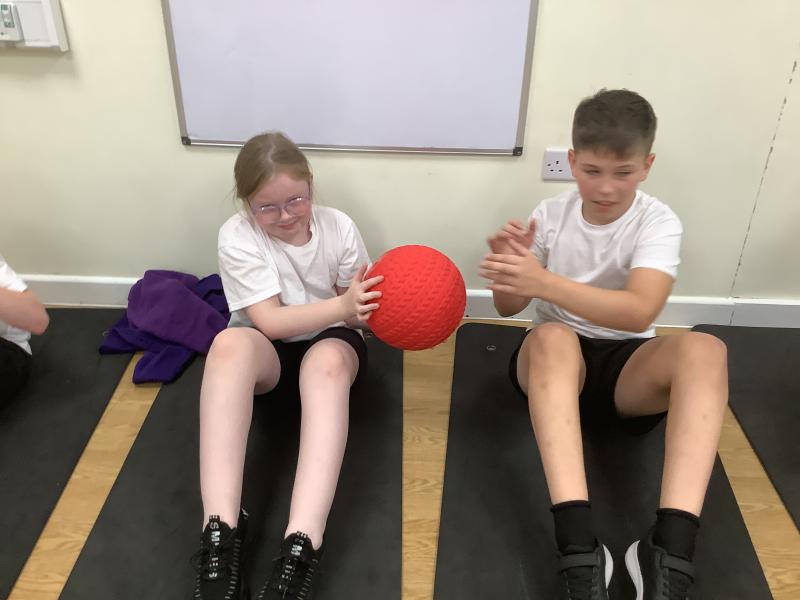
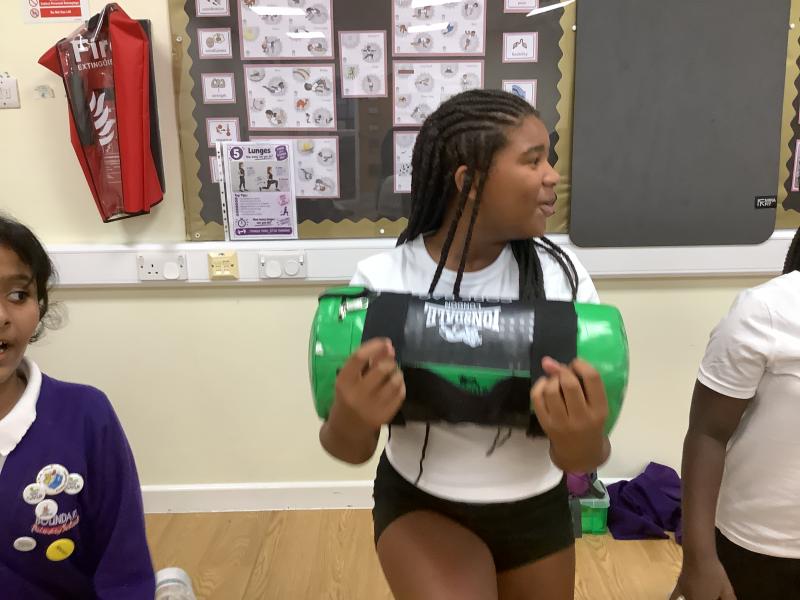
💪 Year 6 Fitness Challenge! 🏋️♂️🏃♀️
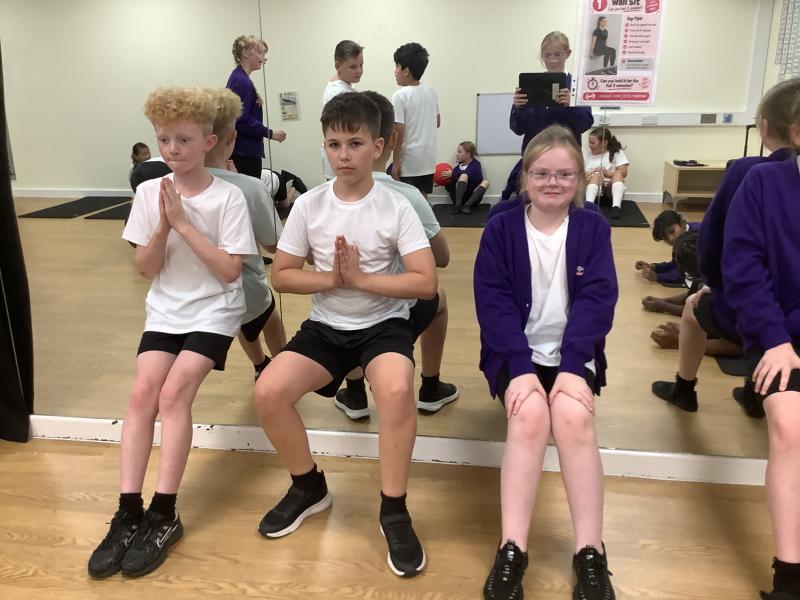
This week, Year 6 took part in an exciting fitness lesson designed to improve our strength, endurance and overall physical wellbeing. The children showed fantastic determination and resilience as they worked through a variety of challenging activities.
The session began with a range of stretches to warm up our muscles and prepare our bodies for exercise safely. We discussed why warming up is important and how it helps to prevent injuries while improving performance.
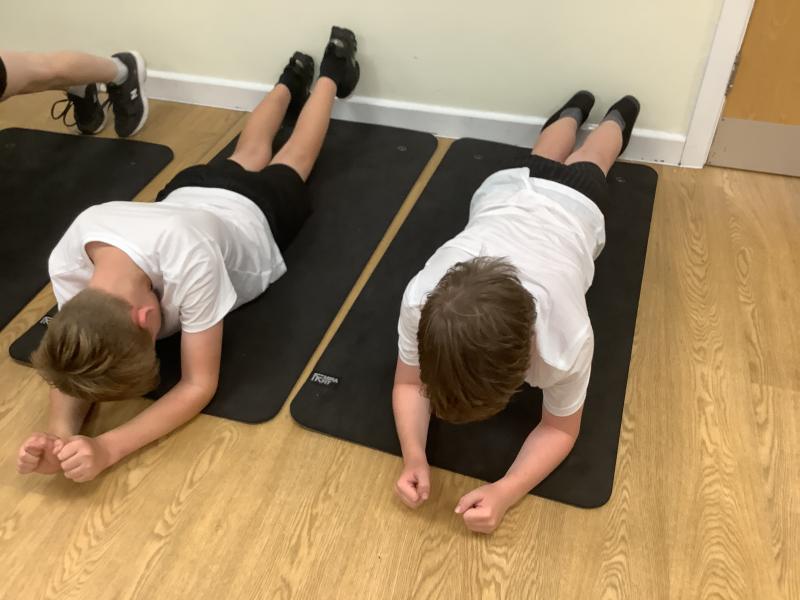
Throughout the lesson, the children rotated around different fitness stations. One activity involved holding plank positions, which tested their core strength and concentration. Many pupils challenged themselves to hold the position for longer than they thought possible and encouraged their classmates to keep going.
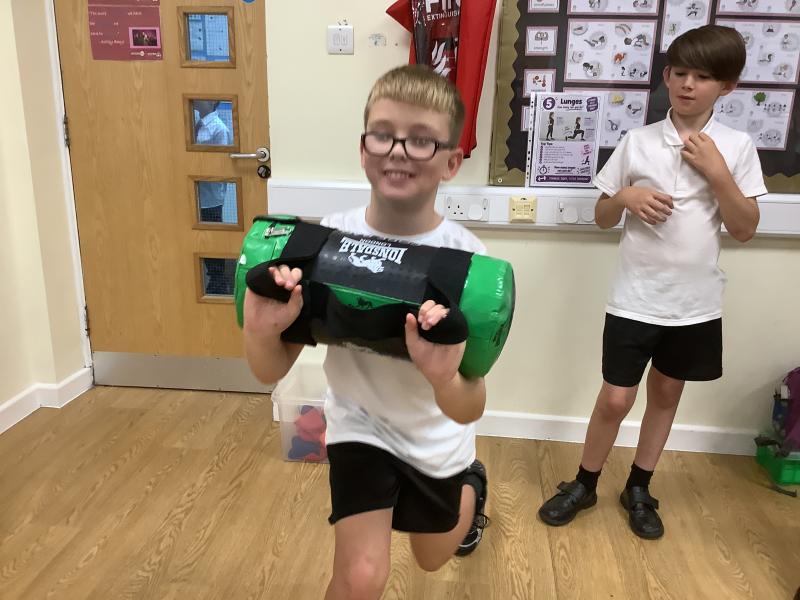
Another station saw the children using medicine balls to complete a range of exercises aimed at developing power and coordination. They also worked with weights, focusing on controlled movements and correct technique to build strength safely and effectively.
It was wonderful to see the positive attitudes on display throughout the lesson. The children supported one another, demonstrated excellent sportsmanship and showed great perseverance when the exercises became more demanding.
By the end of the session, everyone had enjoyed a full-body workout and gained a greater understanding of how regular physical activity helps us to stay healthy, strong and ready to learn.
Well done, Year 6! Your hard work, enthusiasm and determination were fantastic to see. Keep moving and staying active! 🌟💪🏋️♀️🏃♂️
Date: 16th Jul 2026 @ 11:59am
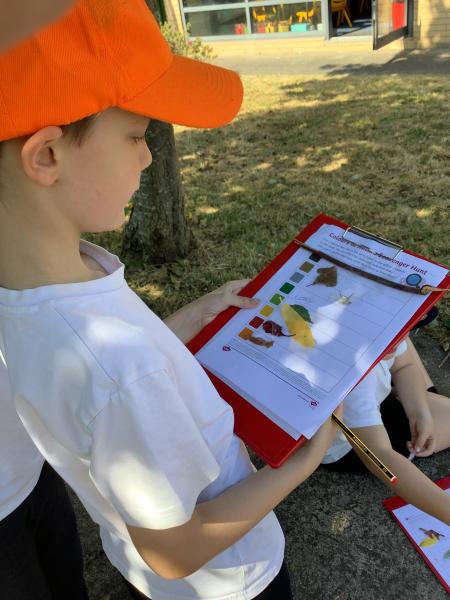
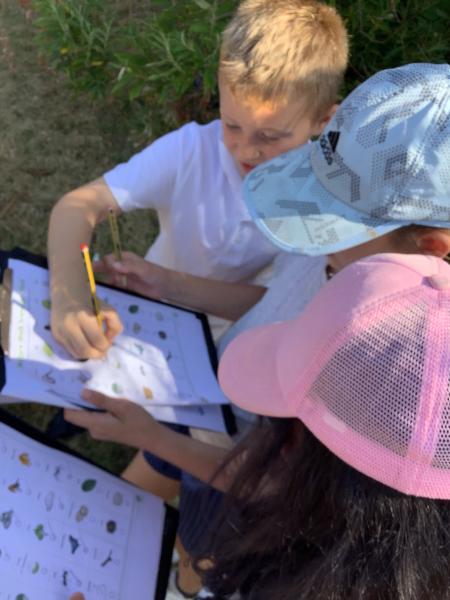
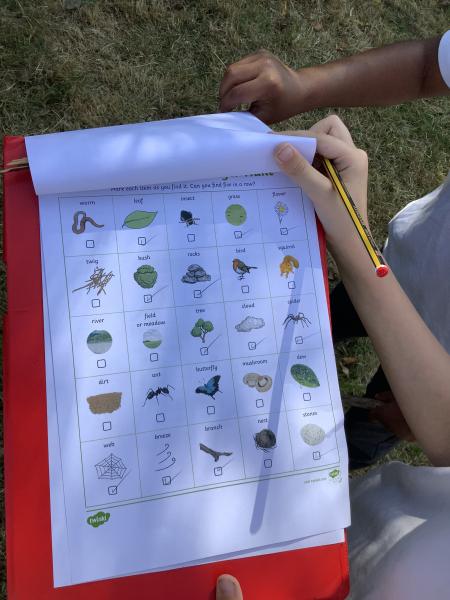
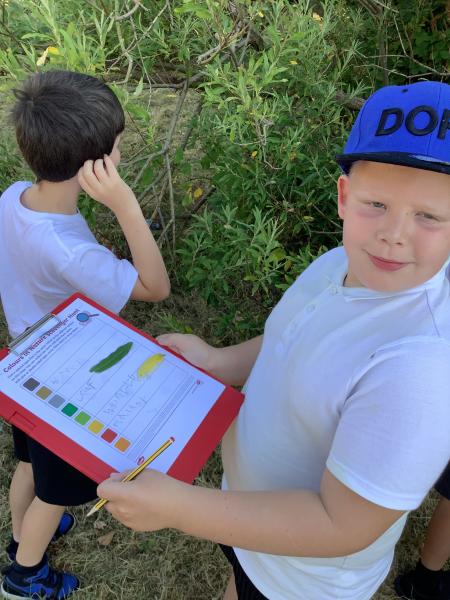
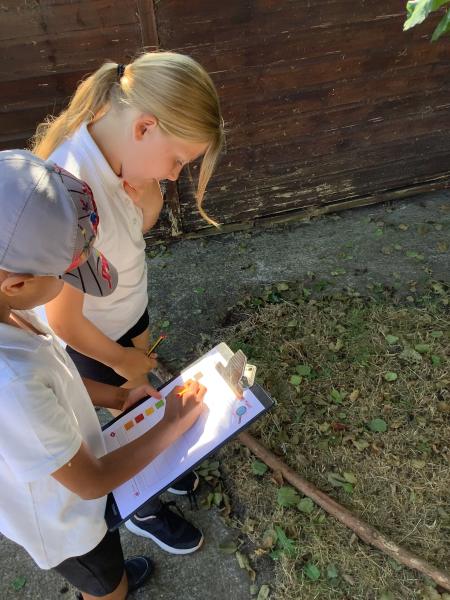
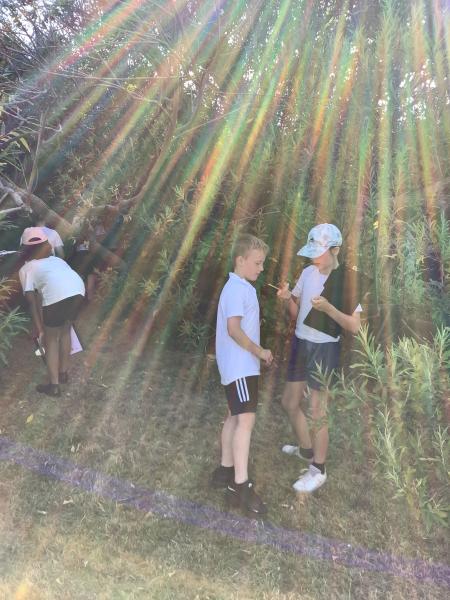
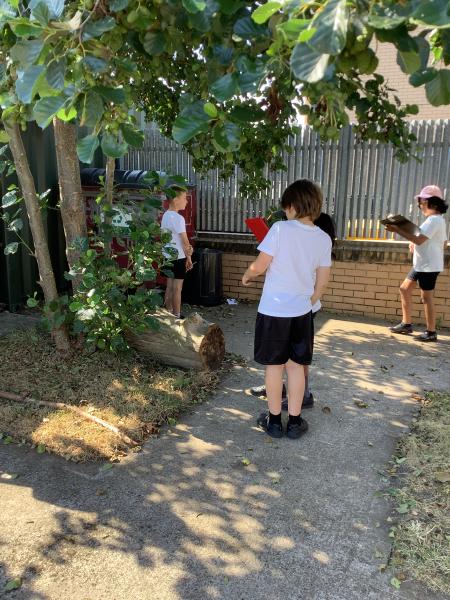
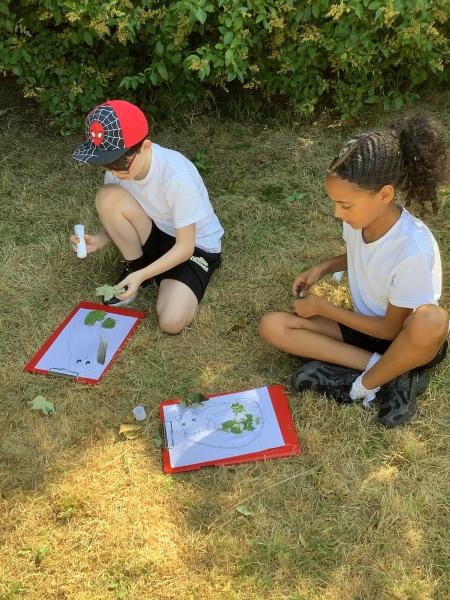
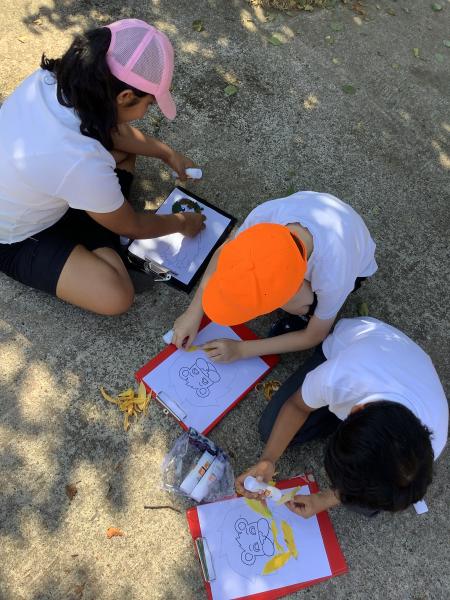
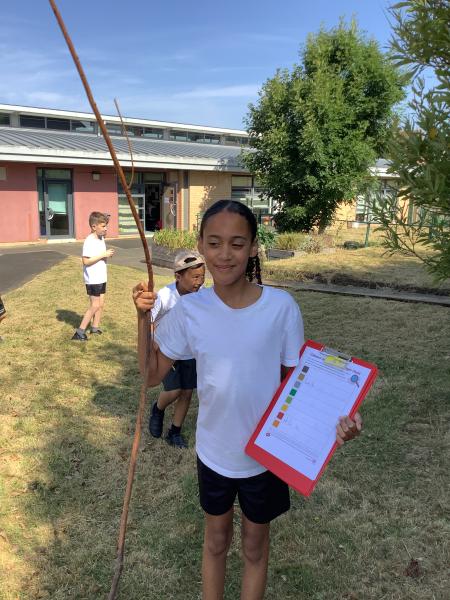
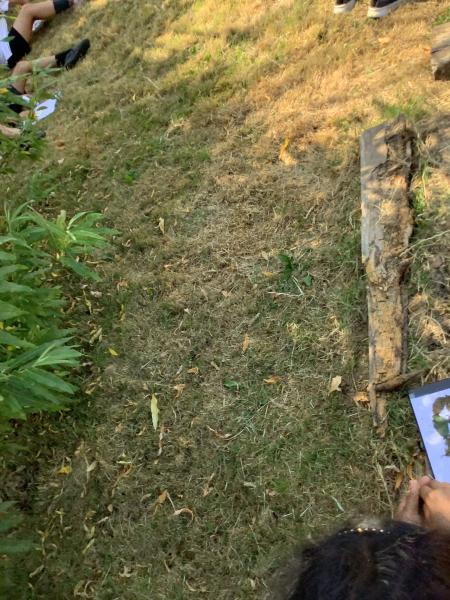
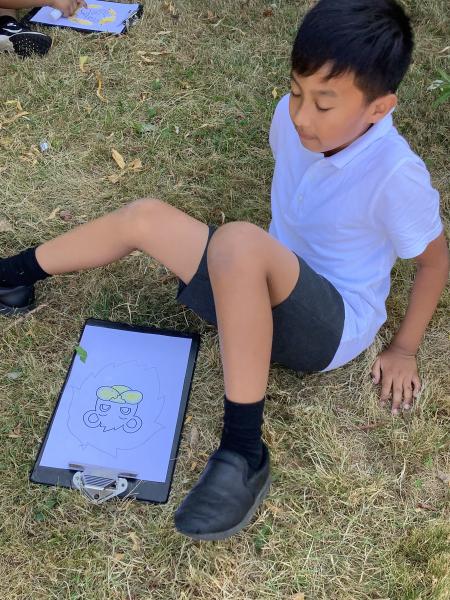
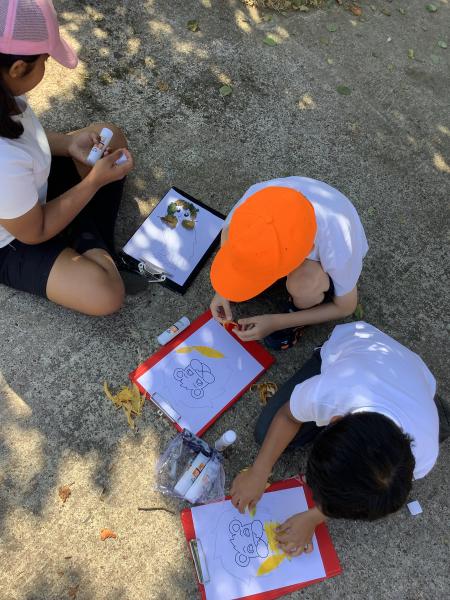
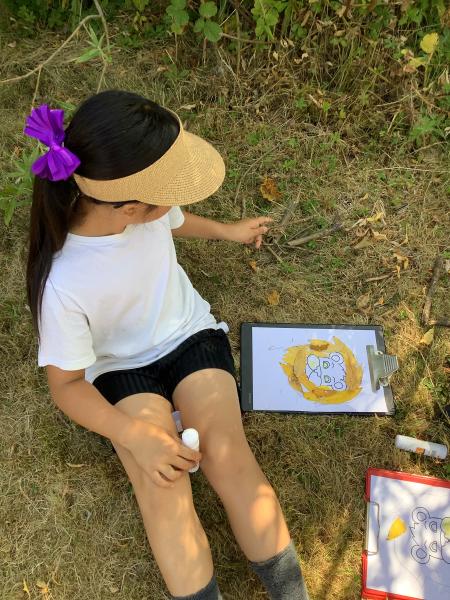
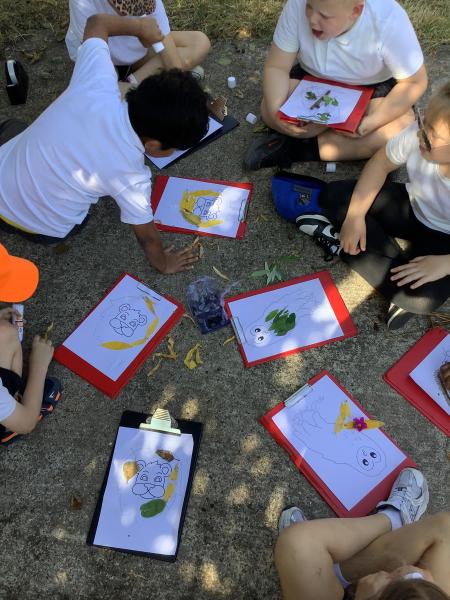
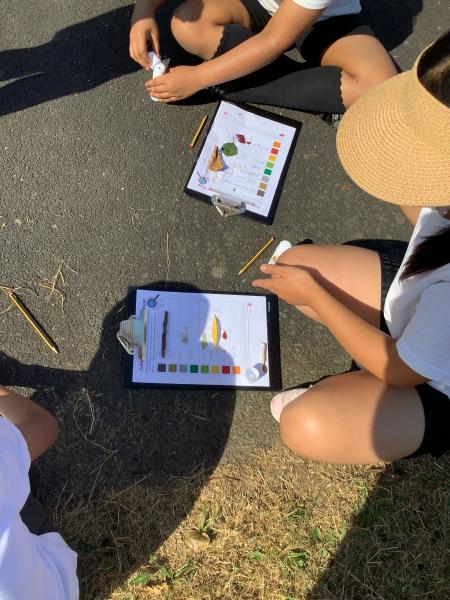
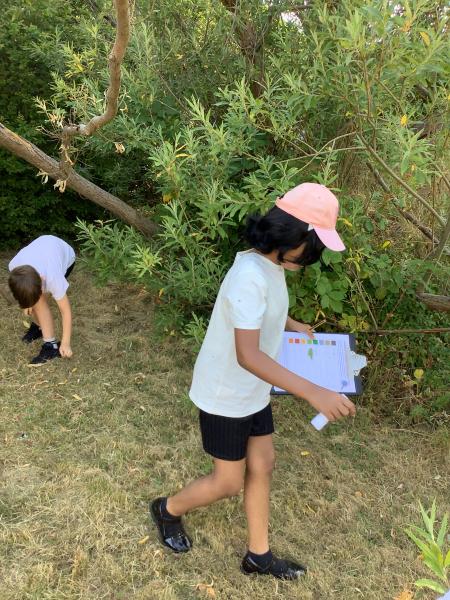
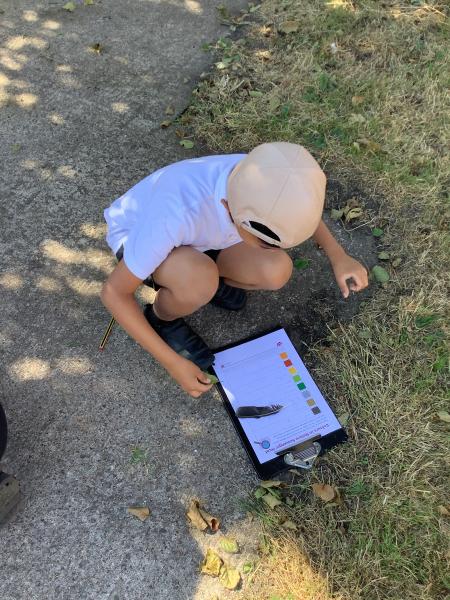
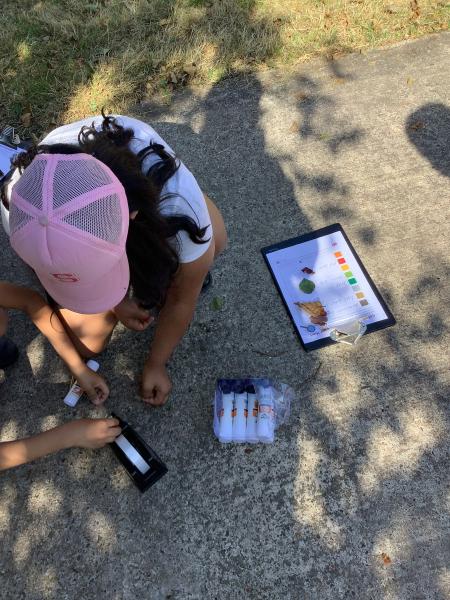
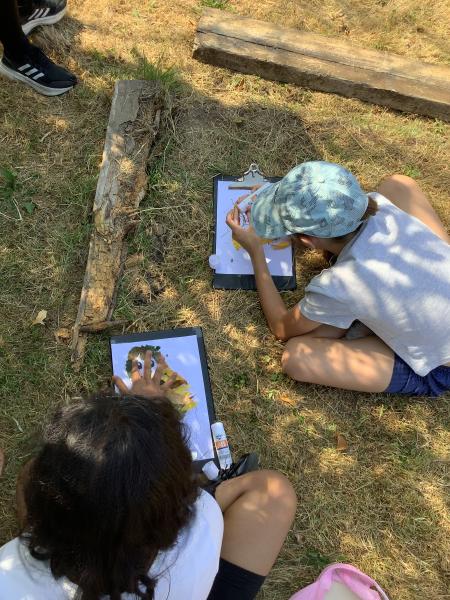
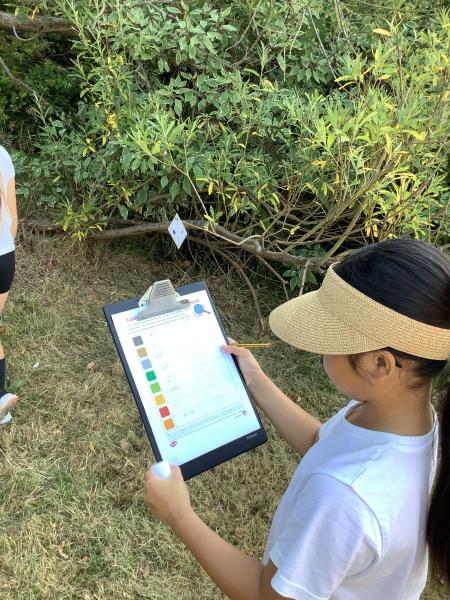
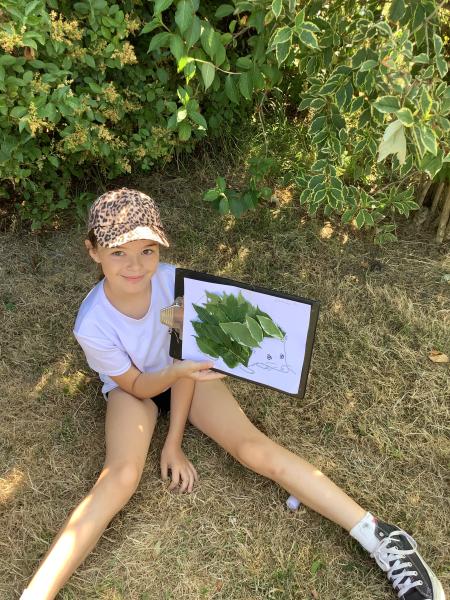
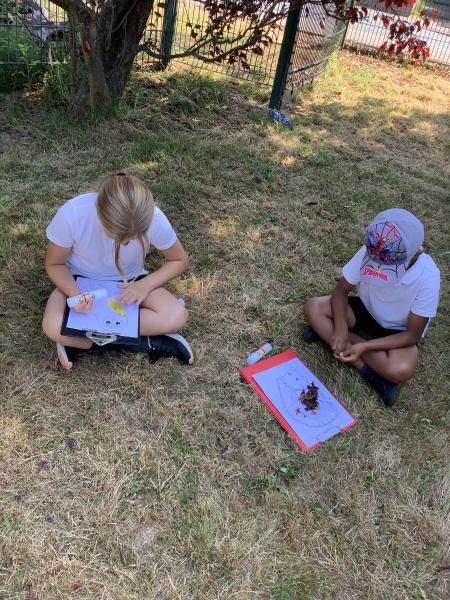
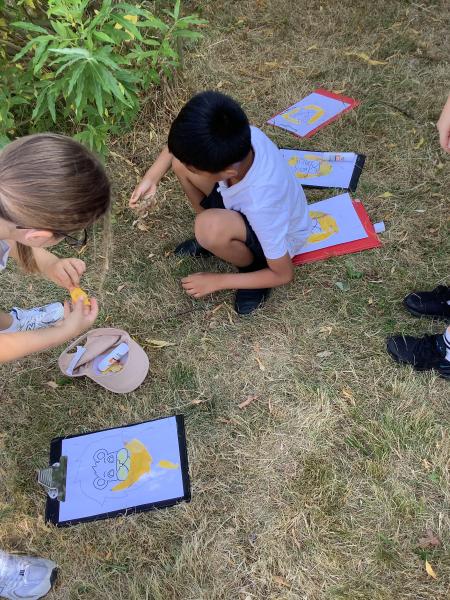
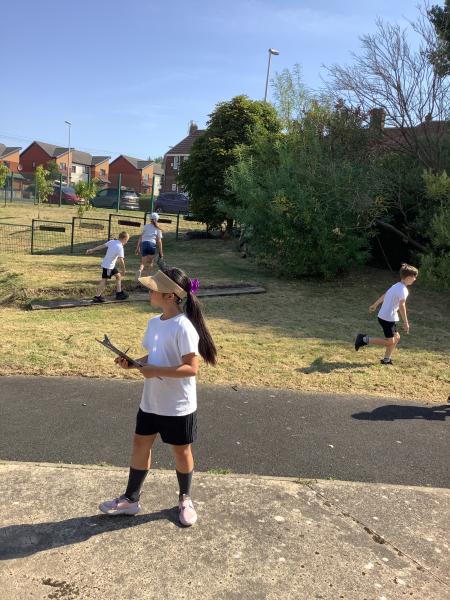
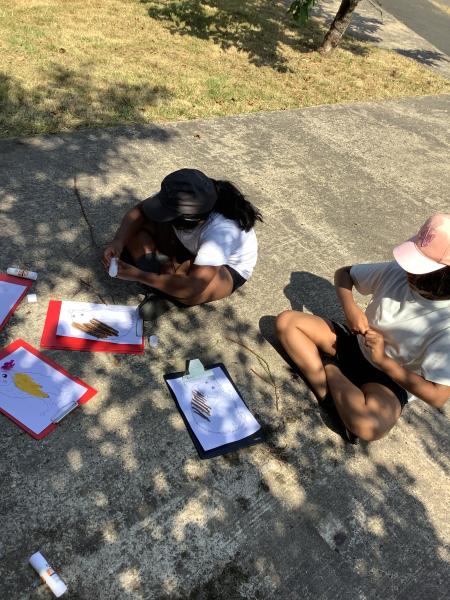
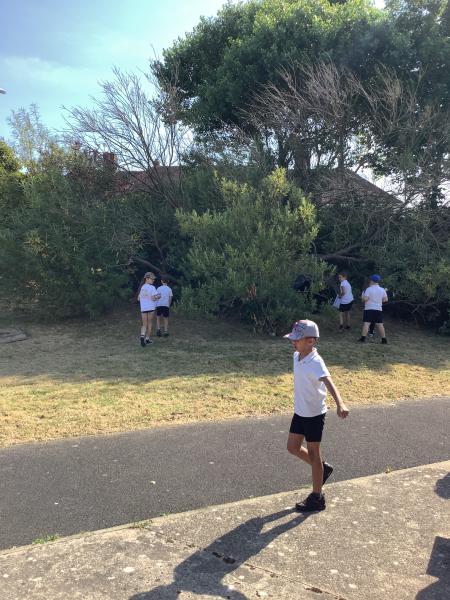
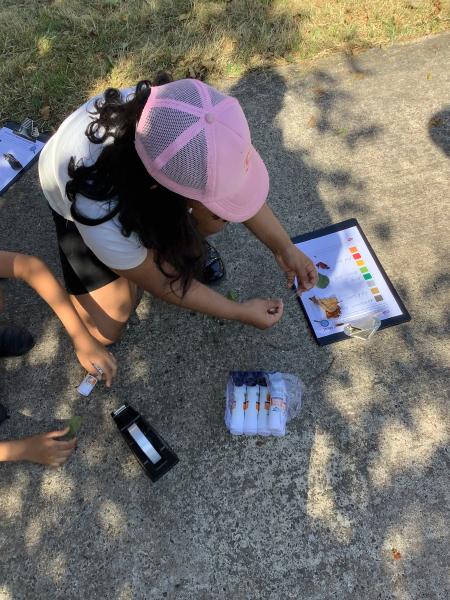
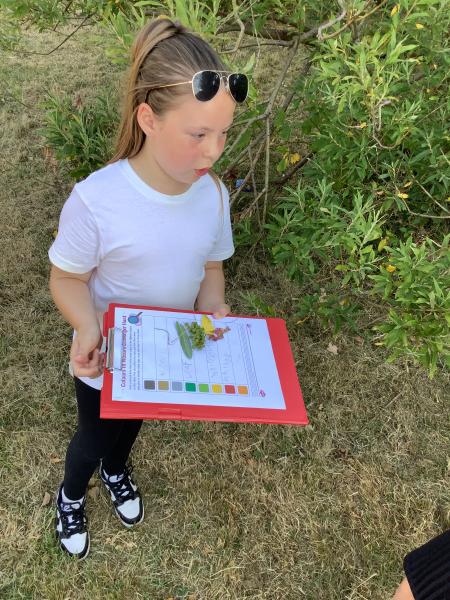
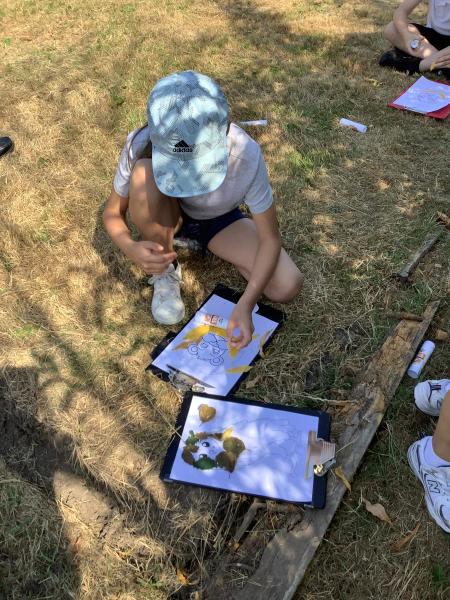
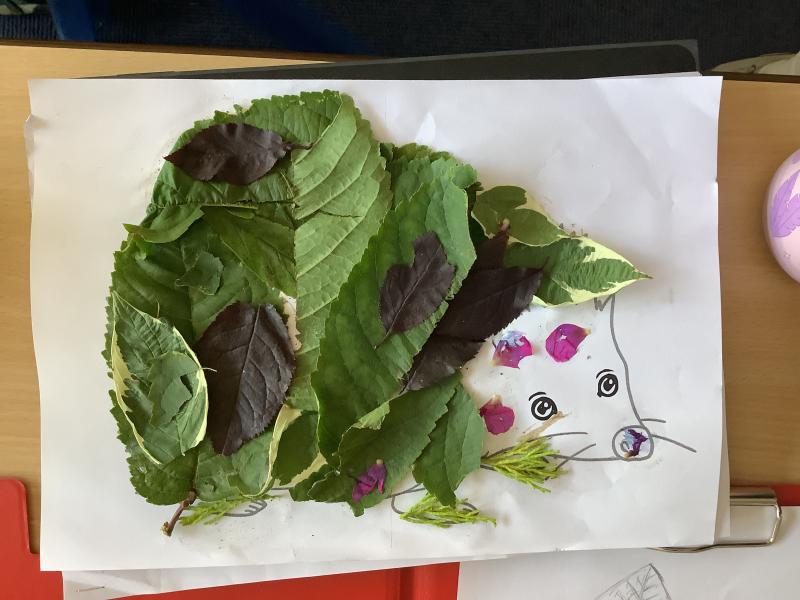
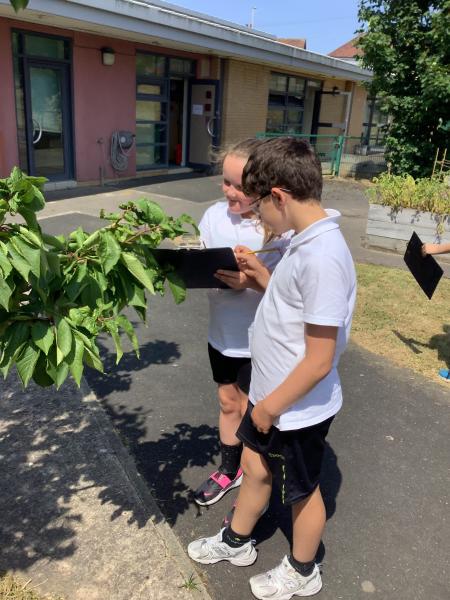
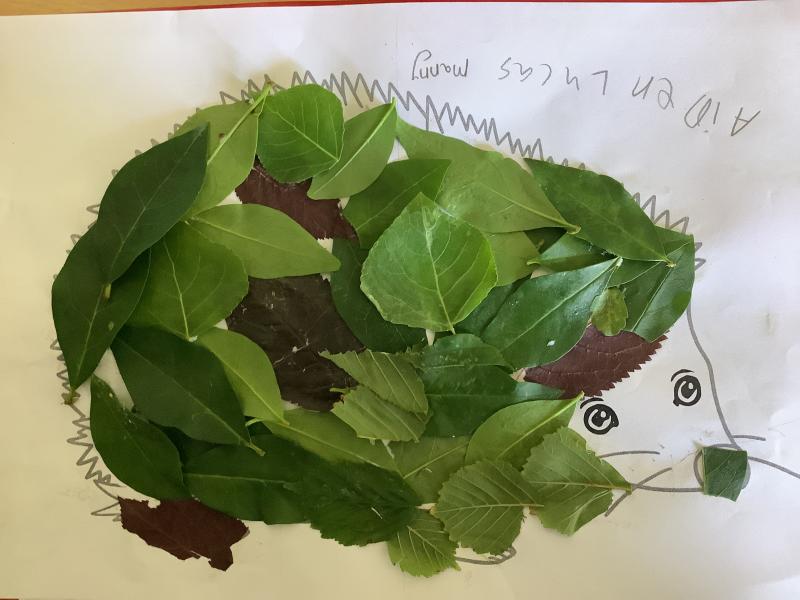
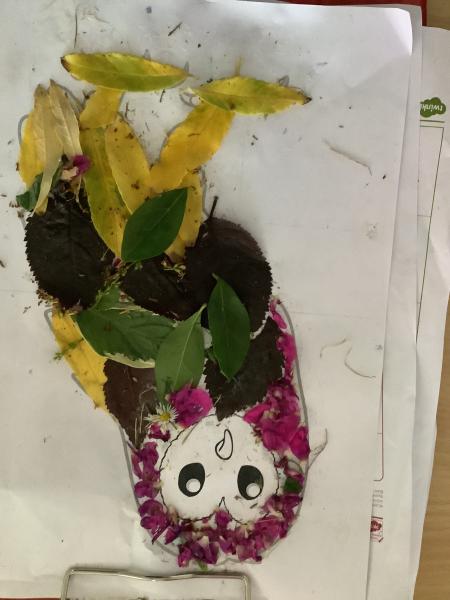
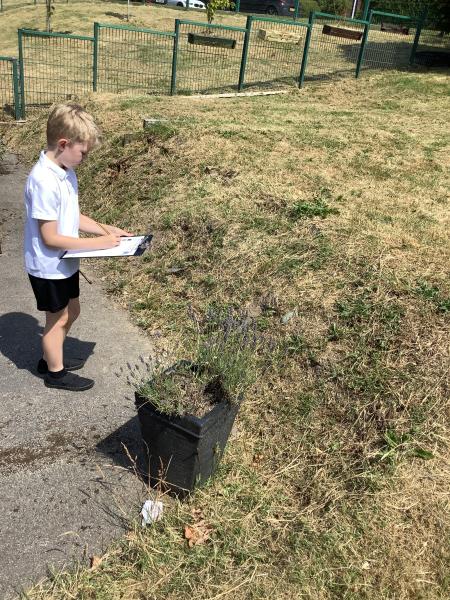
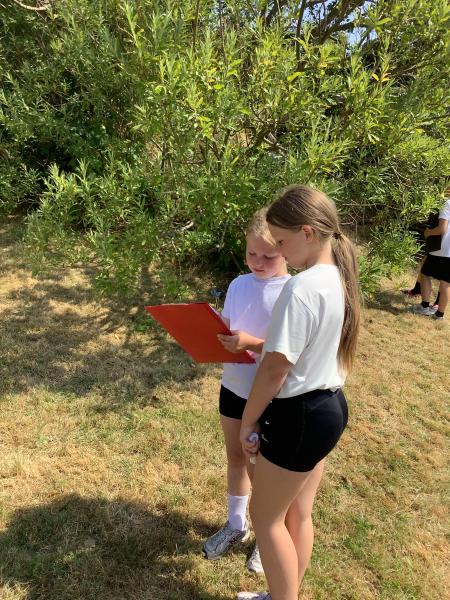
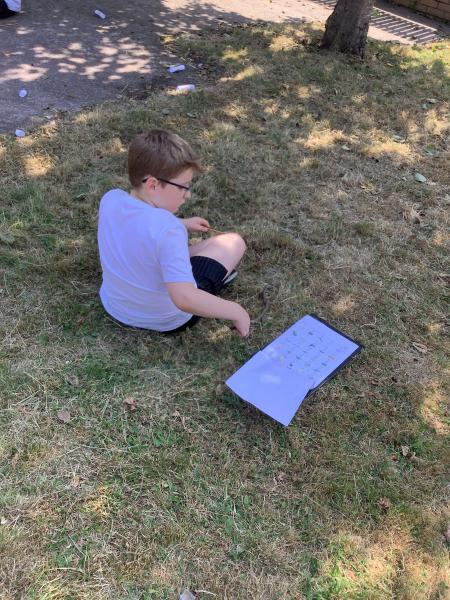
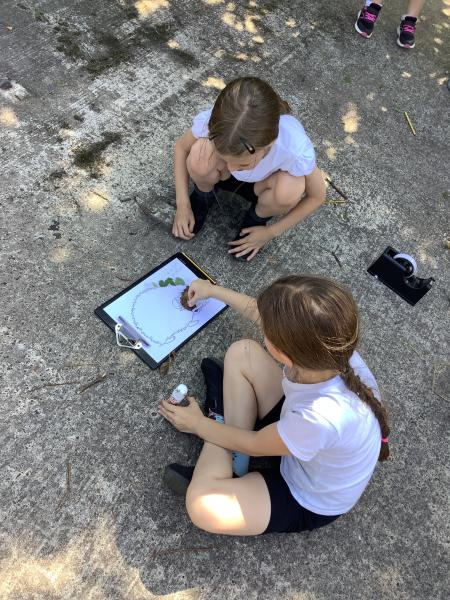
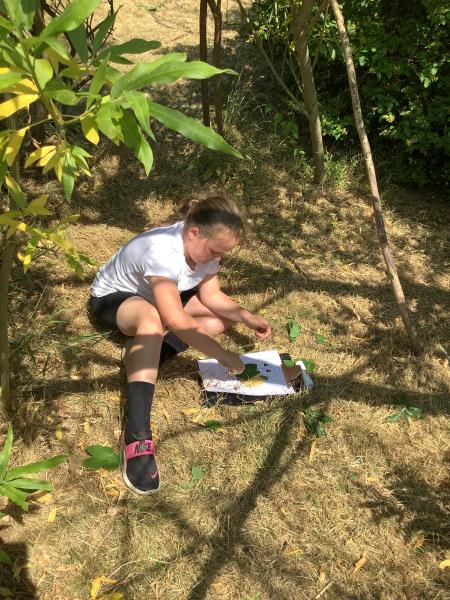
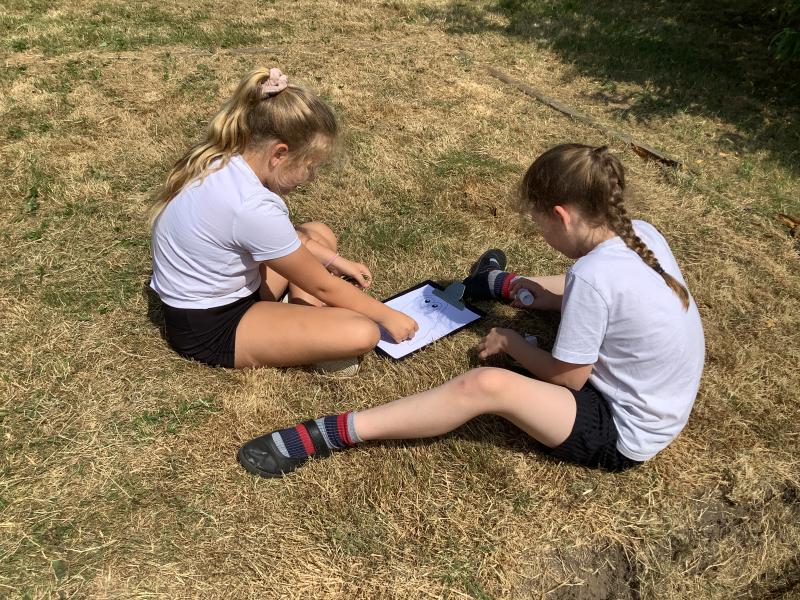
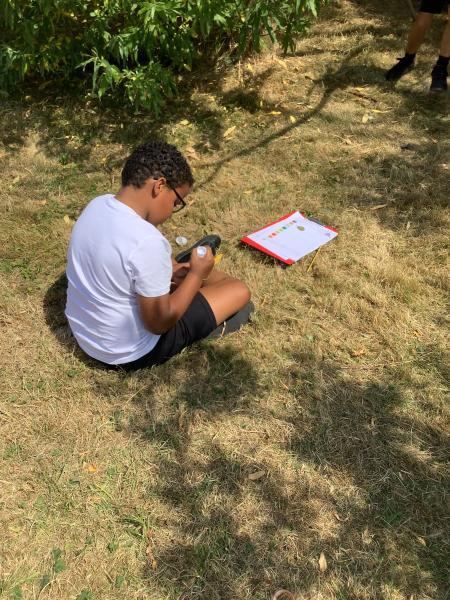
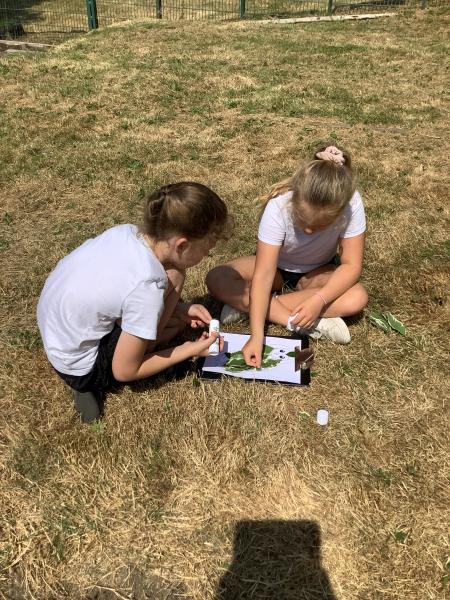
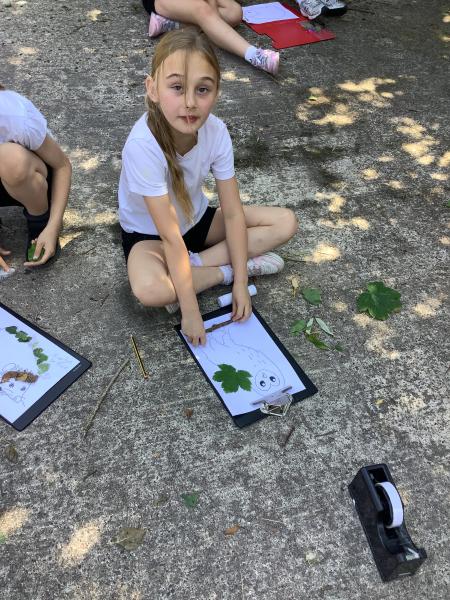
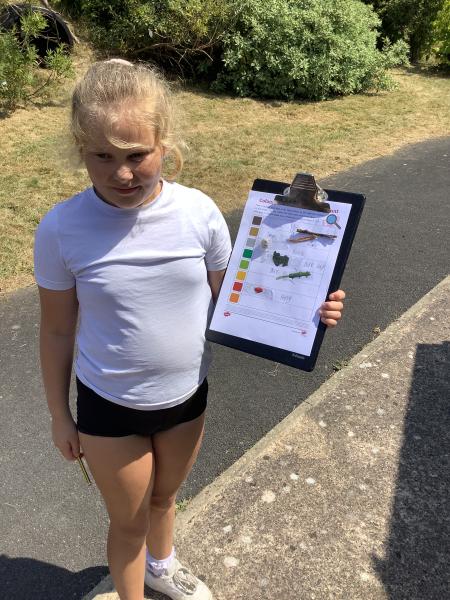
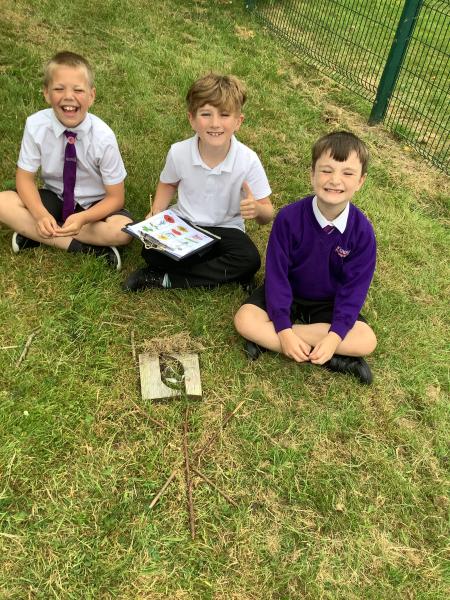
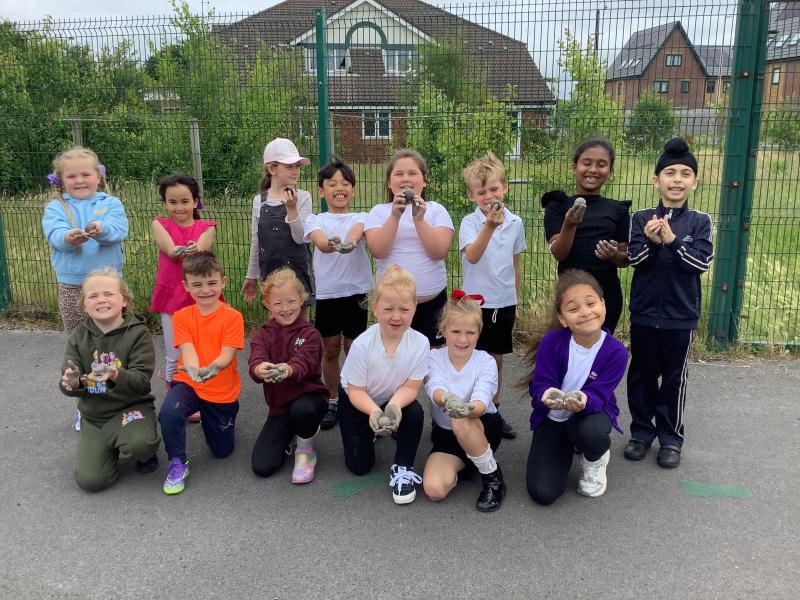
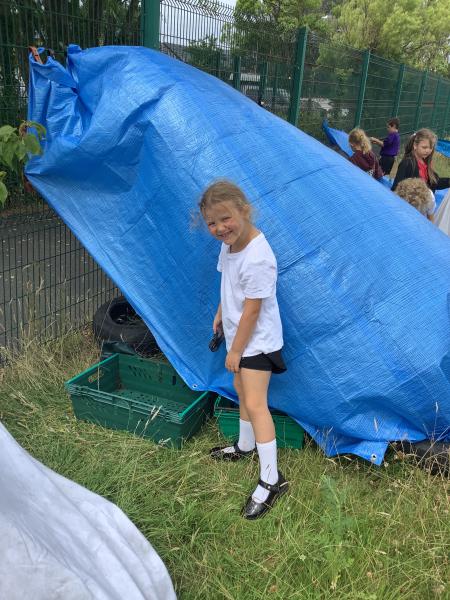
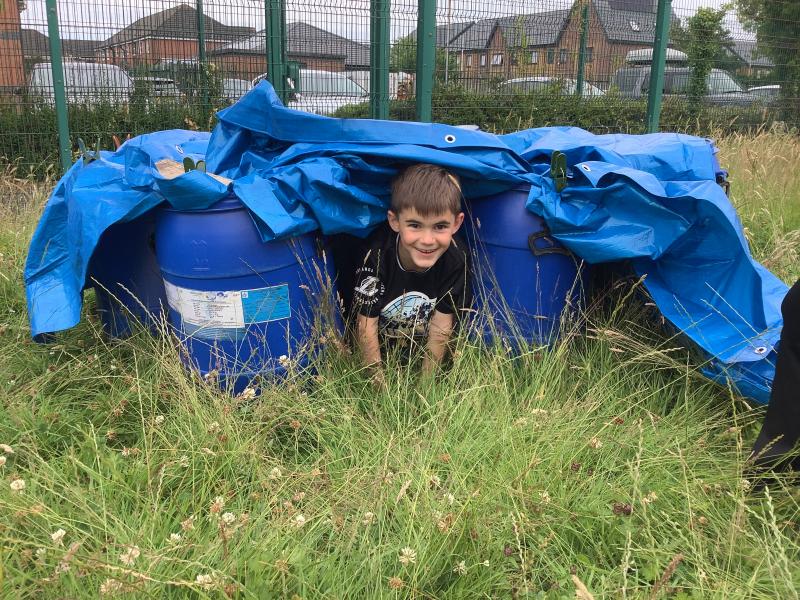
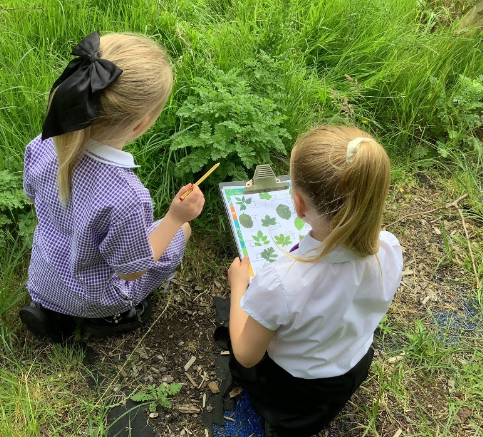
Year 4 had a fantastic time during their outdoor learning session, exploring nature in a fun and creative way. The children took part in three exciting scavenger hunts, working together to find a variety of natural objects and signs of wildlife. They also used leaves, sticks, stones and other natural materials to create impressive pictures of animals, showing great imagination and teamwork. To finish the session, the children enjoyed nature sketching, carefully observing their surroundings and producing some beautiful artwork inspired by the world around them.
Date: 13th Jul 2026 @ 8:05am
🌍 Geography This Half Term: Tackling Plastic Pollution ♻️
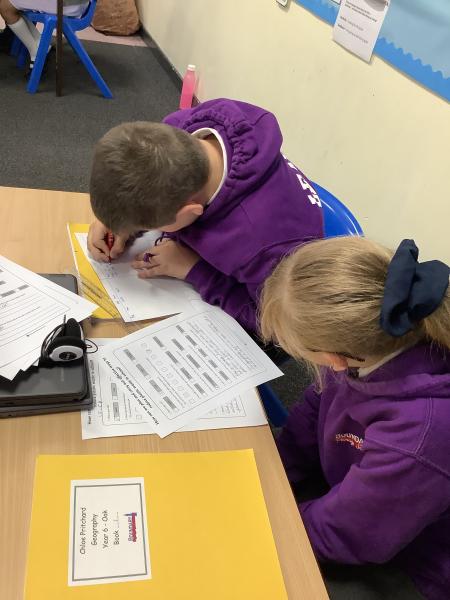
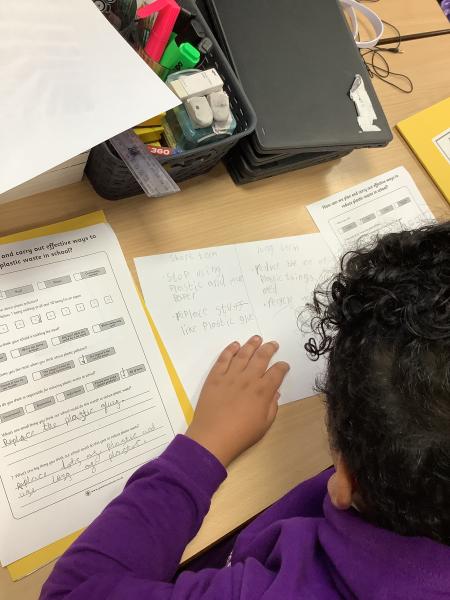
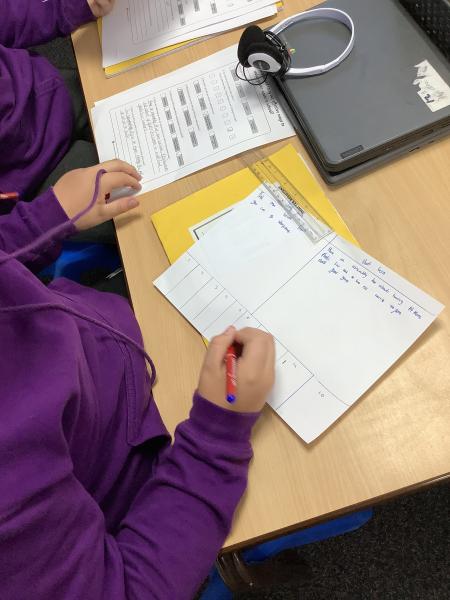
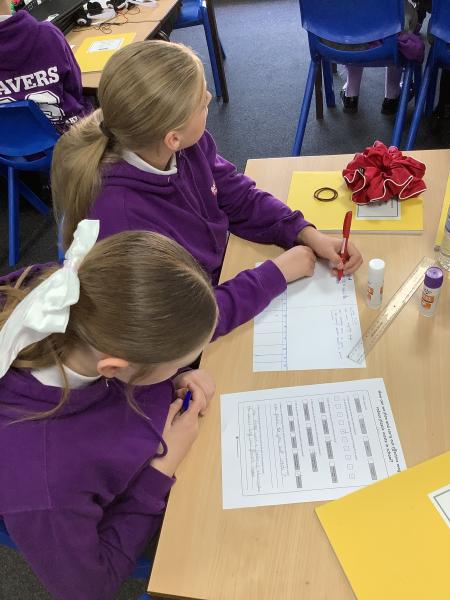
This half term in Geography, Year 6 have been learning about plastic pollution around the world 🌎. We explored the impact that plastic waste has on our environment and investigated the dangers of single-use plastics 🥤🍴. We discovered how plastic can harm wildlife, pollute our oceans, and take hundreds of years to break down.
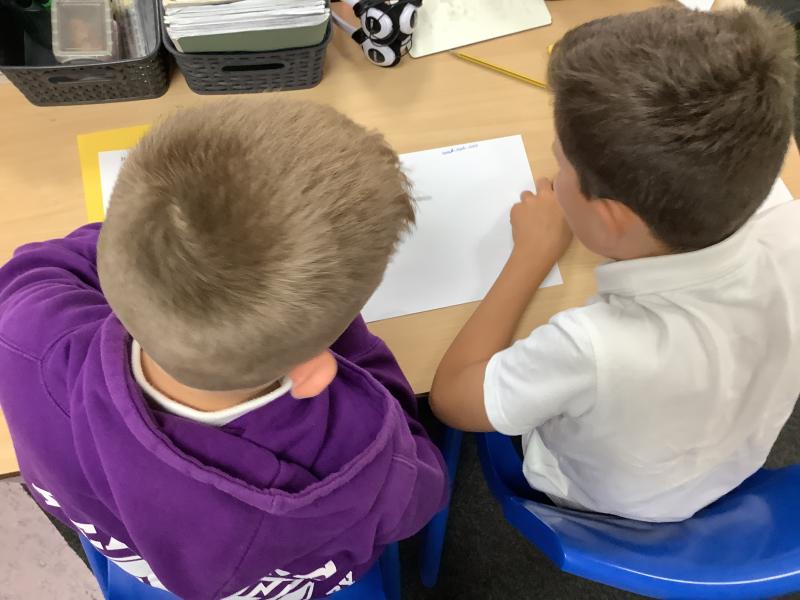
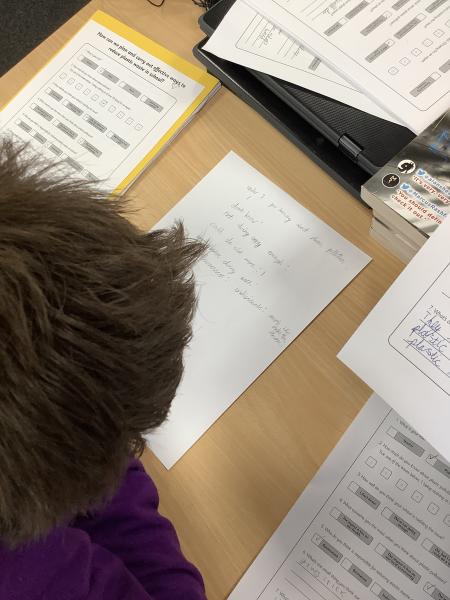
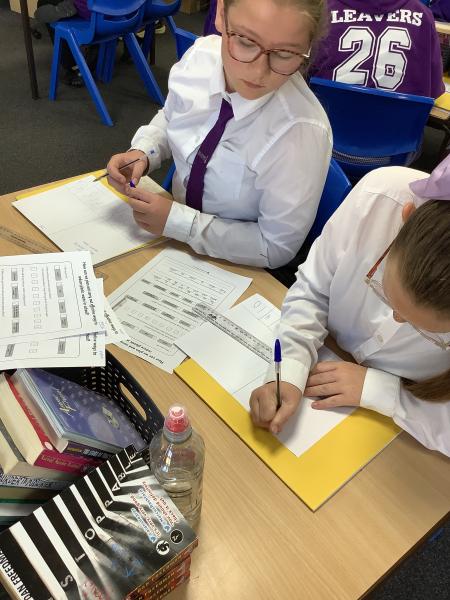
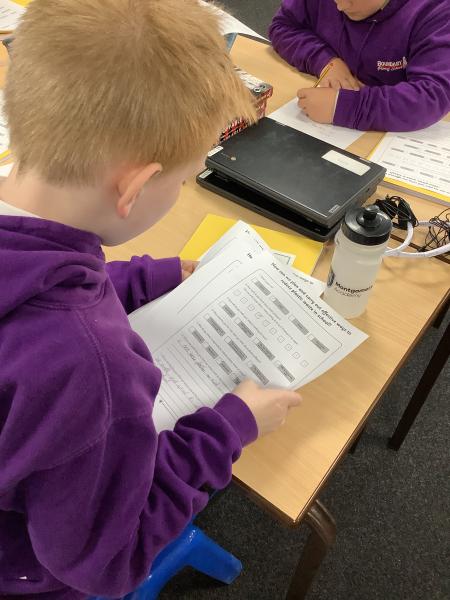
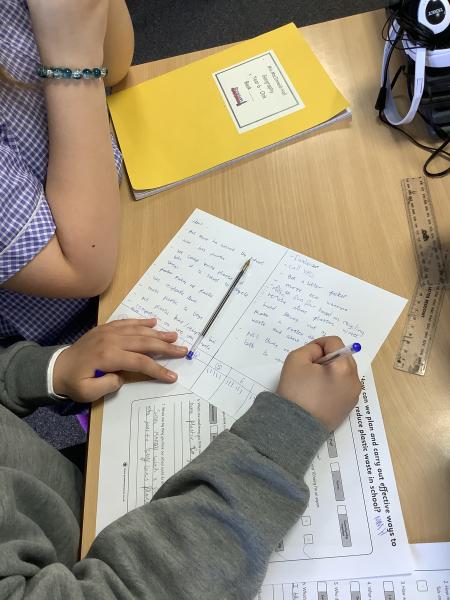
As part of our learning, we became environmental investigators and carried out our own fieldwork project 🕵️♀️📋. We wanted to find out how we could help reduce plastic waste in our school and make a positive difference to our community.
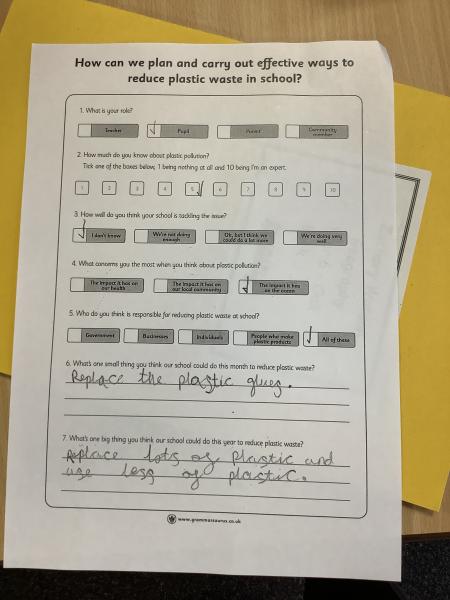
We conducted a survey across Key Stage 2 and asked both staff and pupils about their knowledge of plastic waste and how environmentally friendly they think our school is 🌱. The results helped us understand what we are already doing well and where we could make improvements.
🔍 We also investigated which plastic items are thrown away most often in school. Our findings showed that glue sticks and whiteboard pens were among the biggest sources of plastic waste.
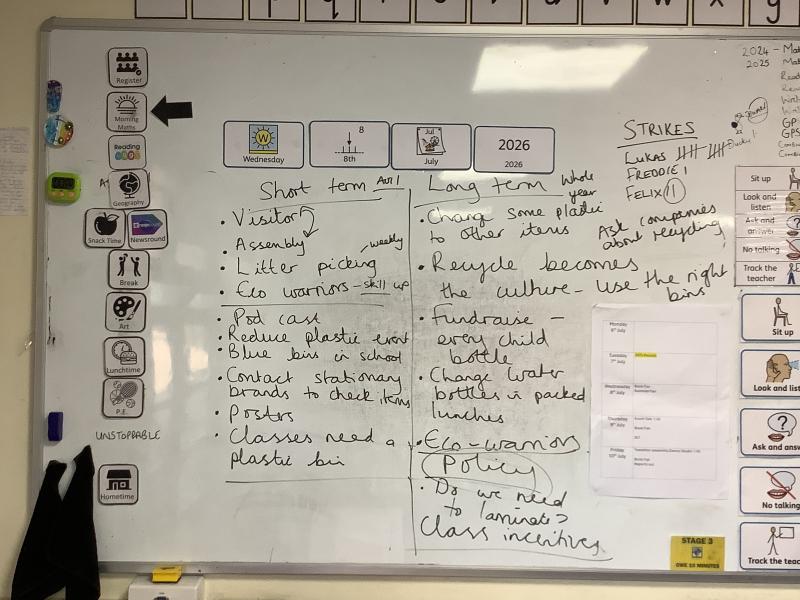
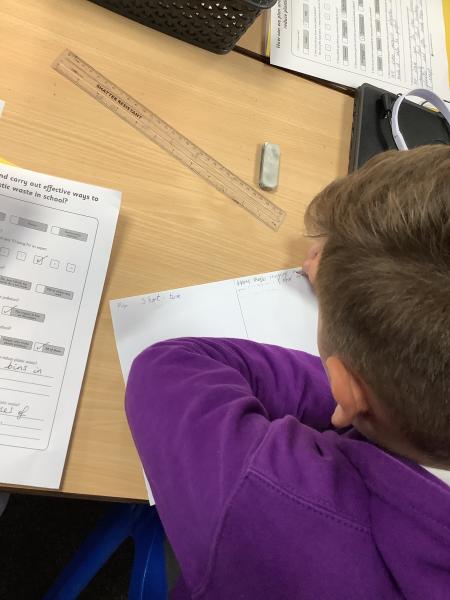
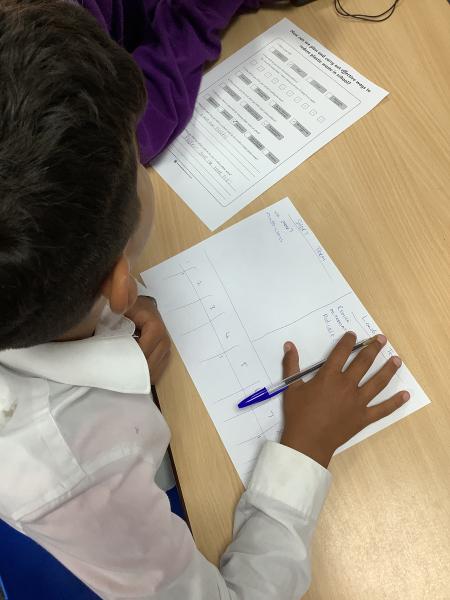
Using all of our research, we worked together to create an action plan 📝✅ outlining what we would like the school to achieve over the next year. Our ideas include:
- ♻️ Recycling more plastic items around school
- 🖊️ Finding more sustainable alternatives for whiteboard pens
- 🧴 Looking for refillable glue stick options where possible
- 📢 Raising awareness about plastic pollution across the school
- 🌍 Encouraging everyone to reduce, reuse and recycle
We are proud of the work we have completed and are excited to see how our action plan can help make our school even more environmentally friendly. By making small changes now, we can all play a part in protecting our planet for future generations. 💚🌎✨
Well done, Year 6, for becoming responsible global citizens and environmental champions! 🏆♻️🌟
Reception- Our Trip To The Beach
Date: 10th Jul 2026 @ 10:55am
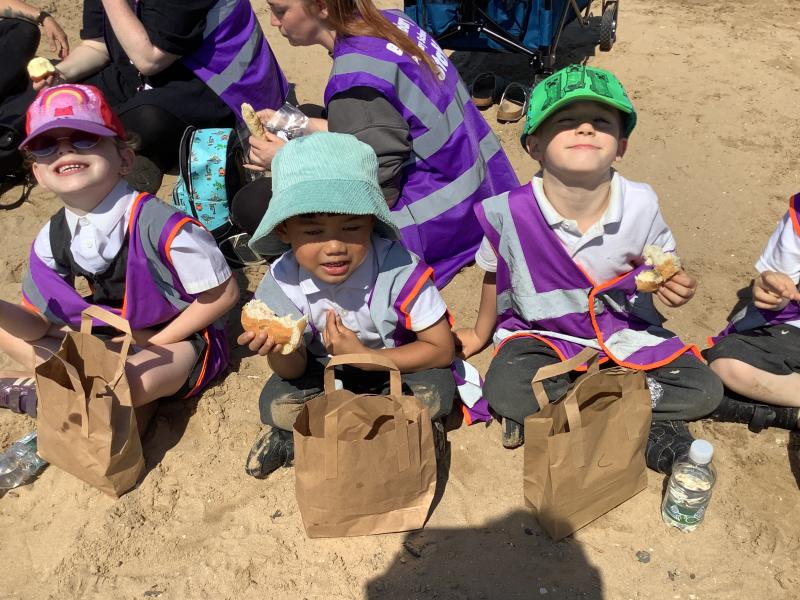
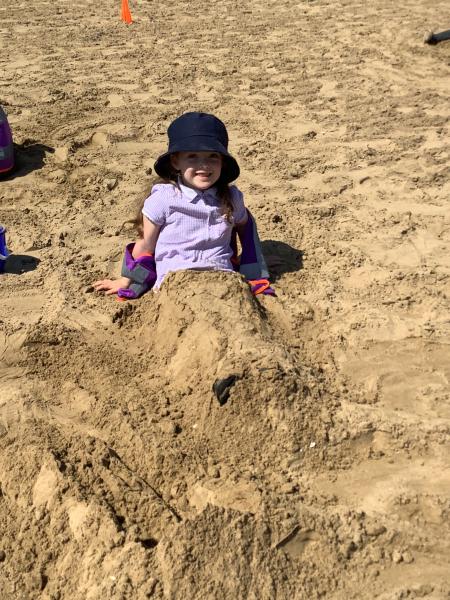
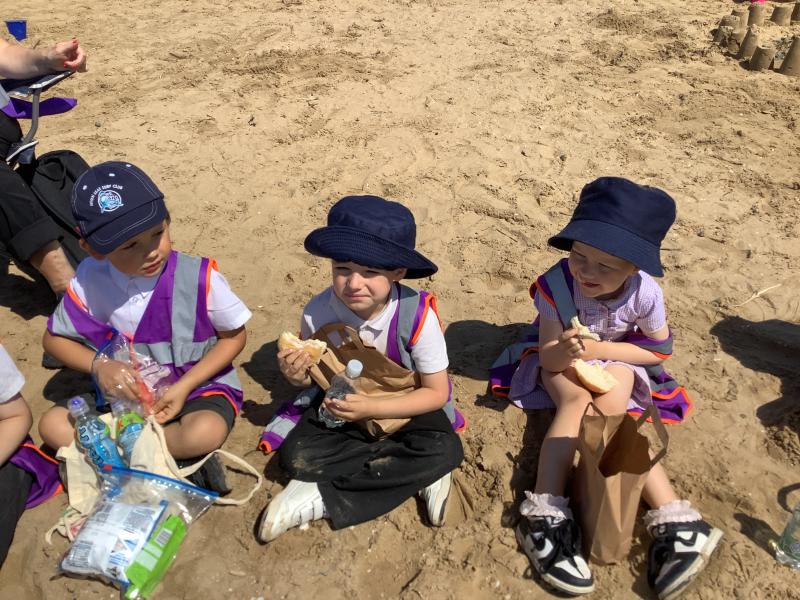
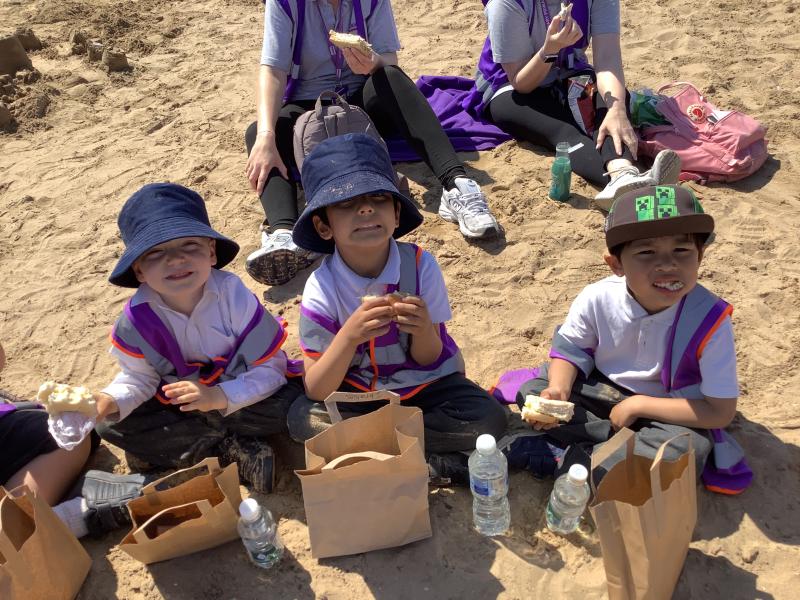
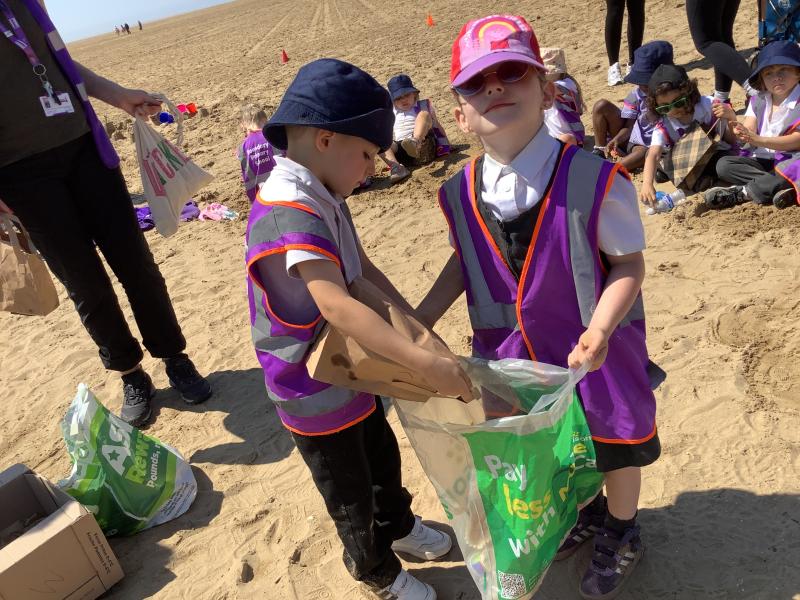
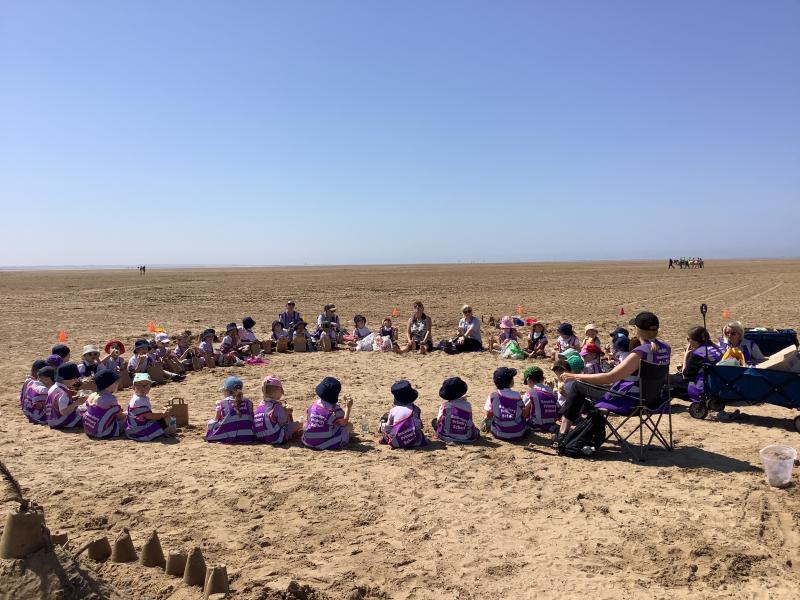
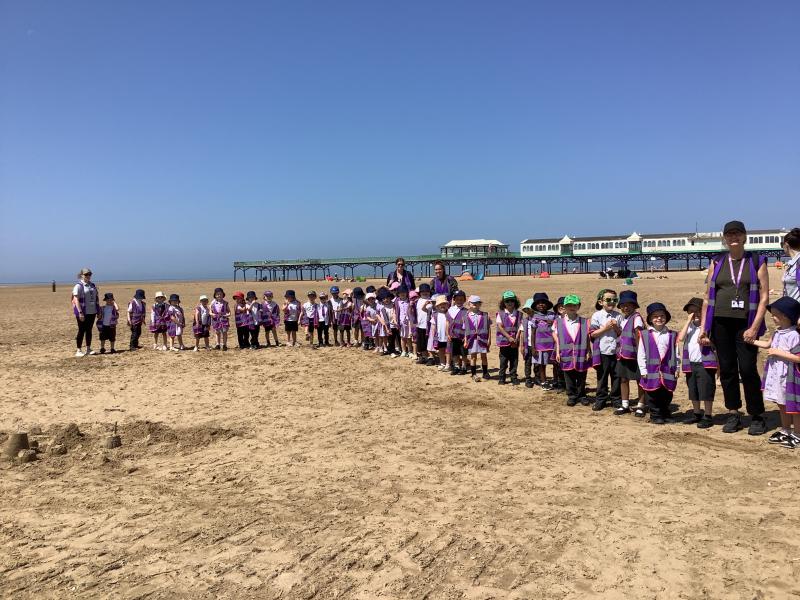
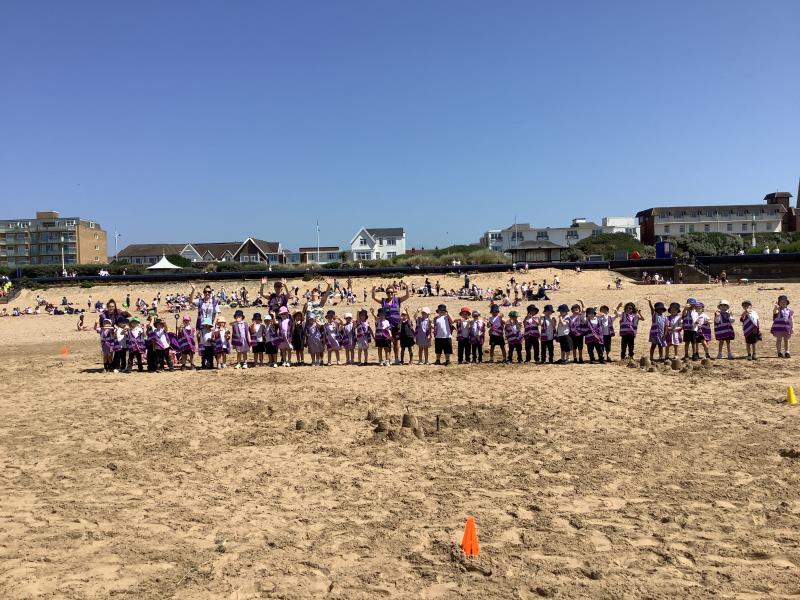
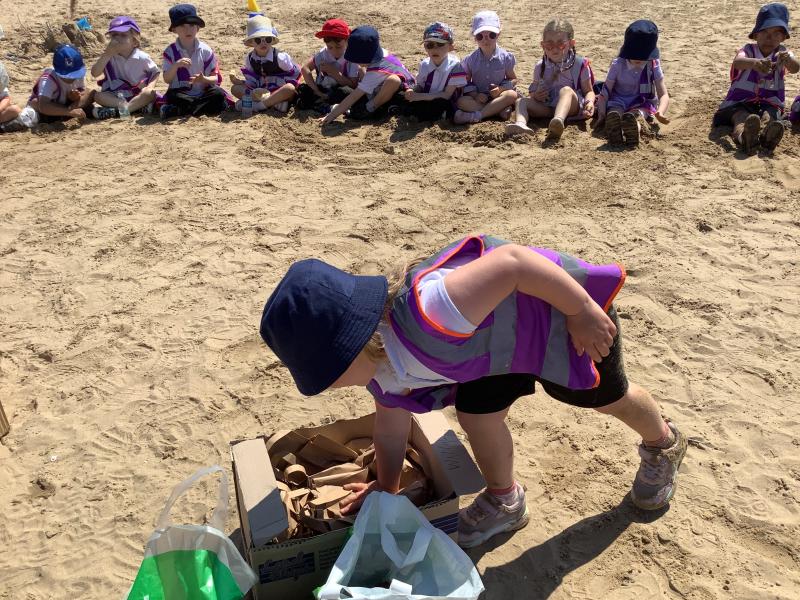
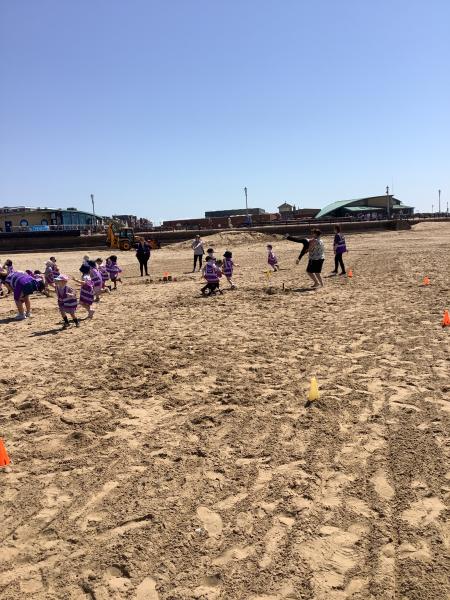
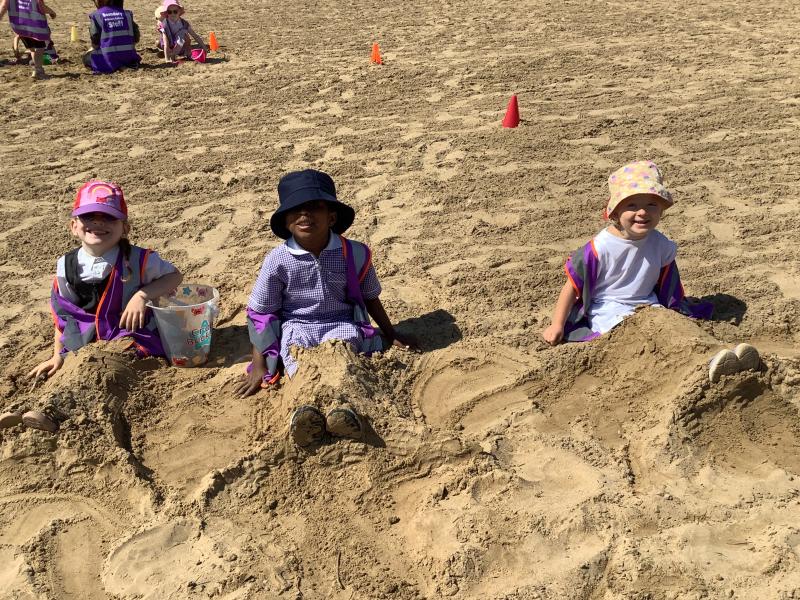
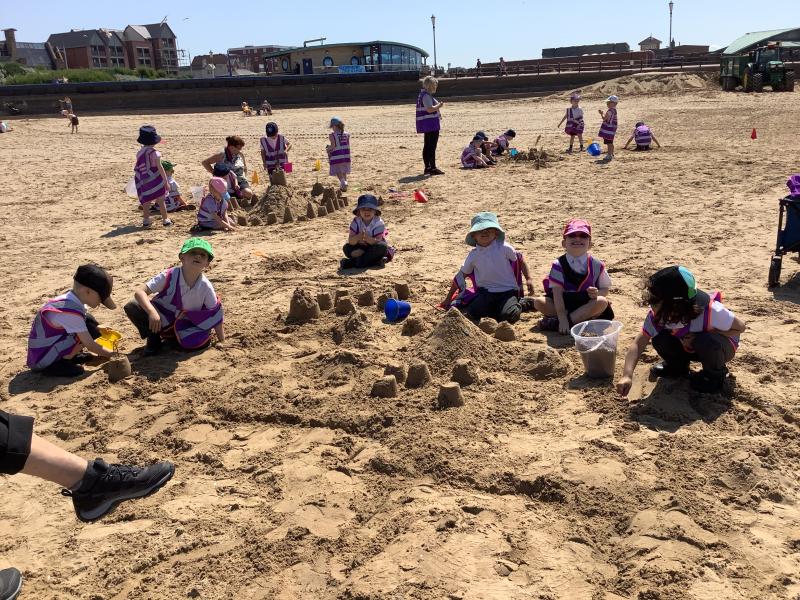
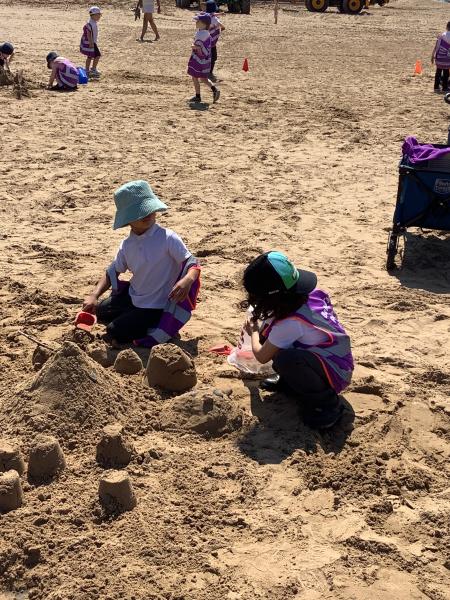
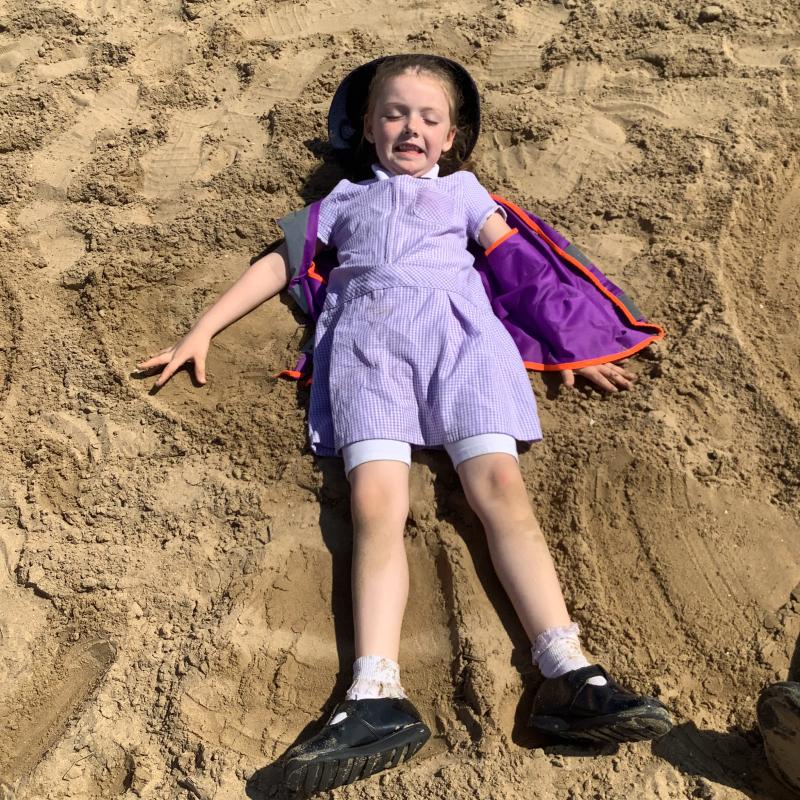
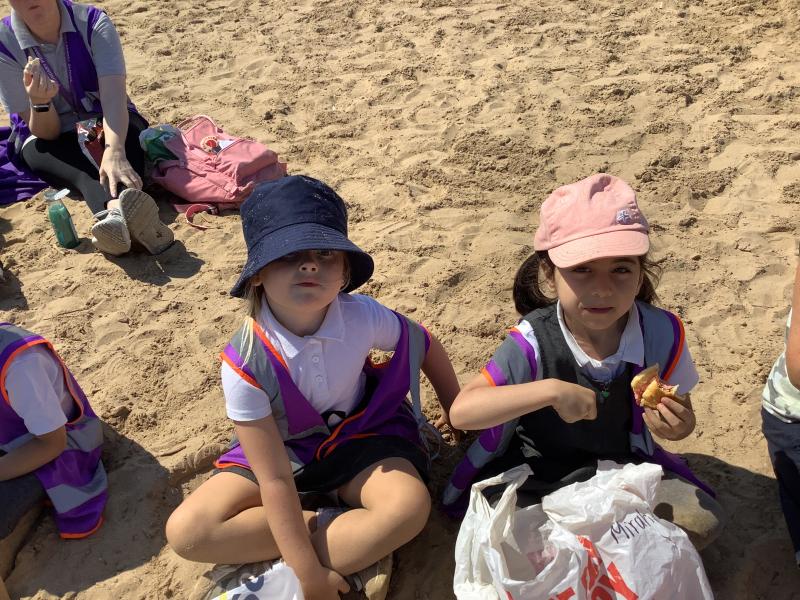
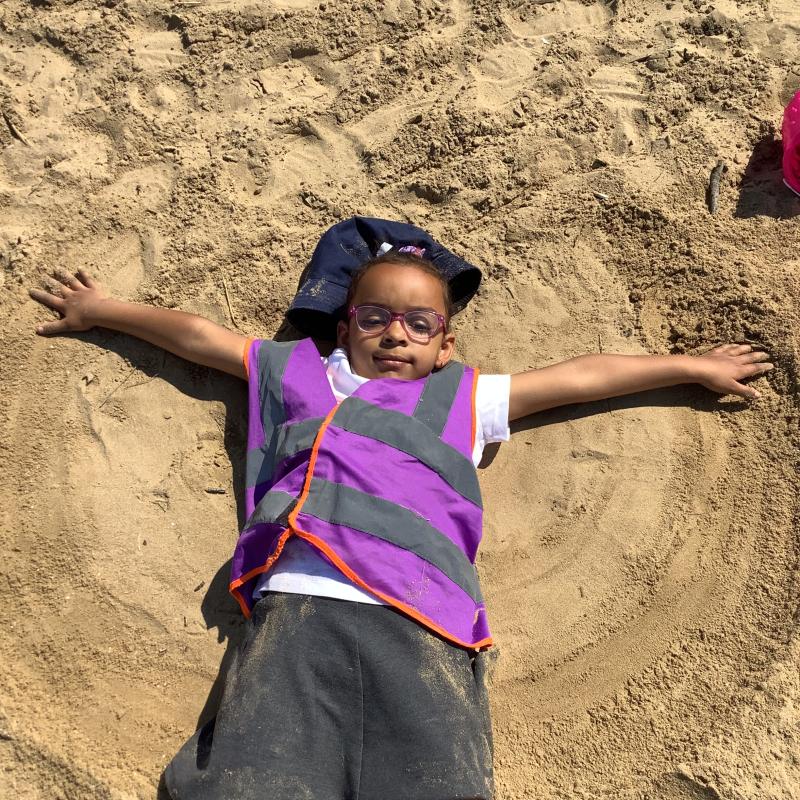
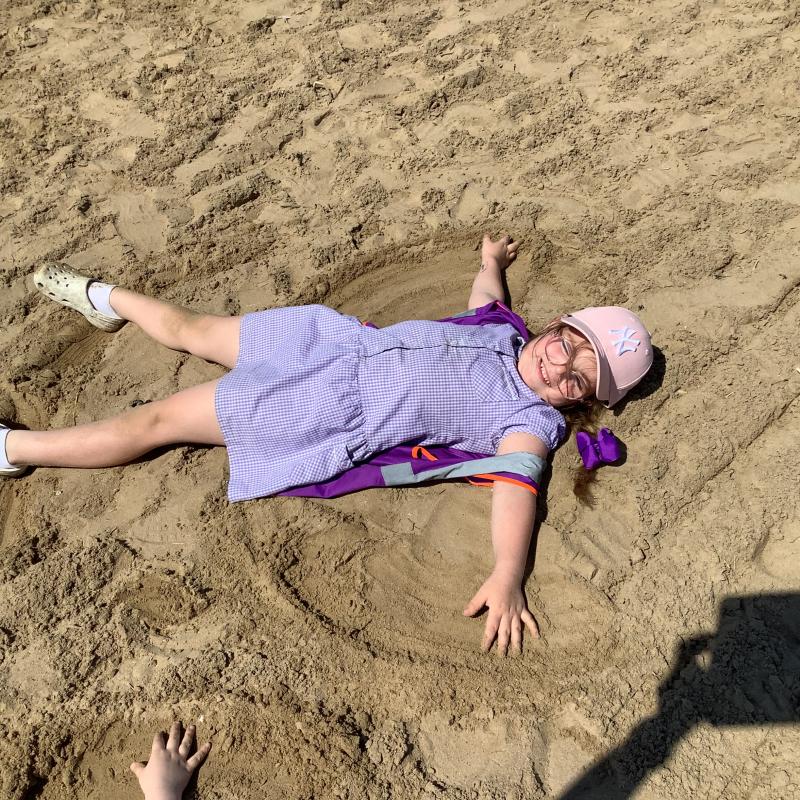
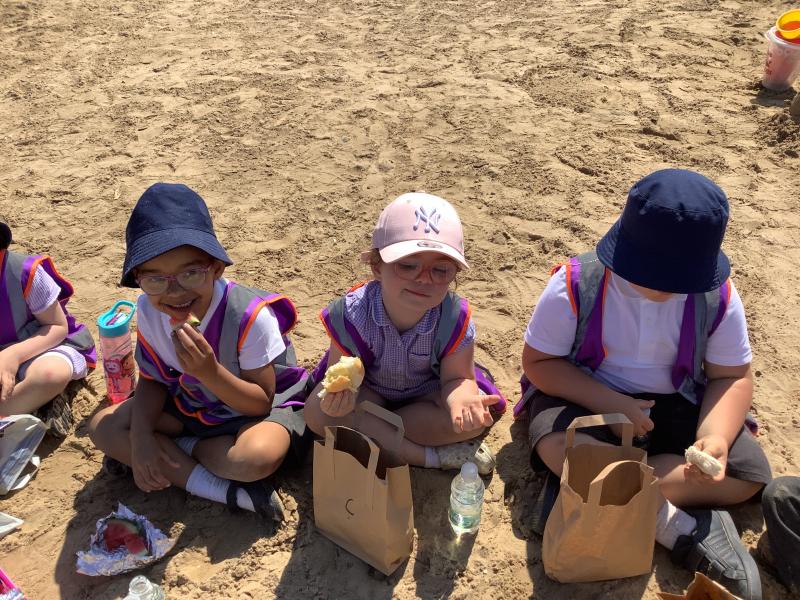
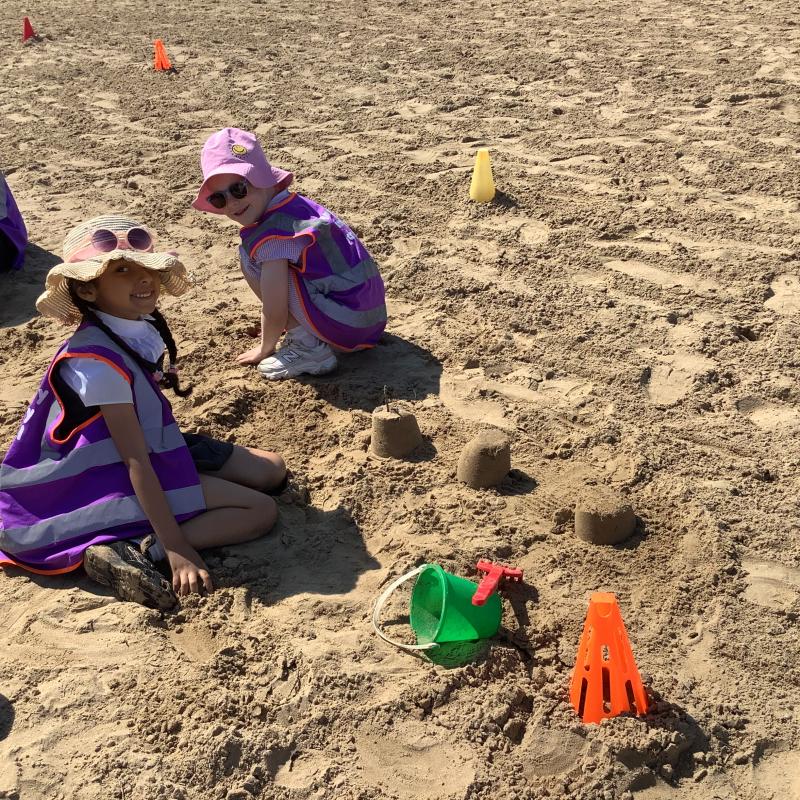
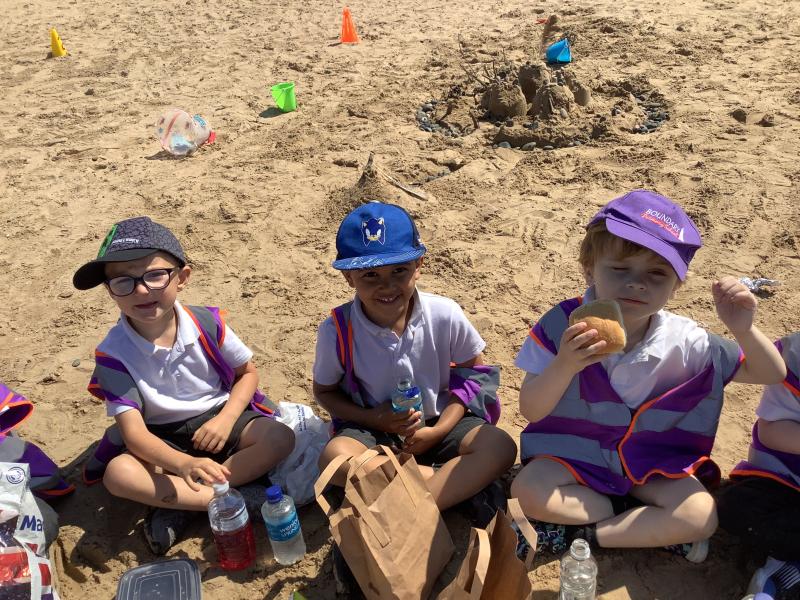
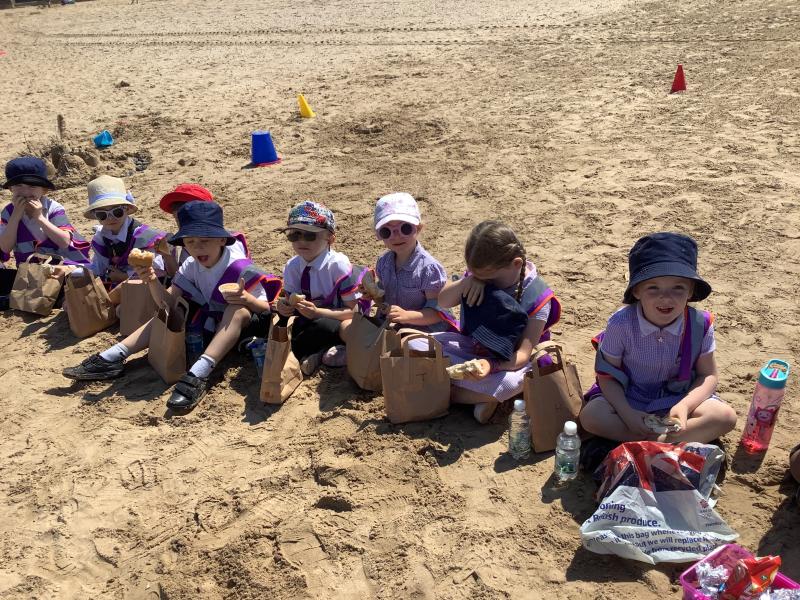
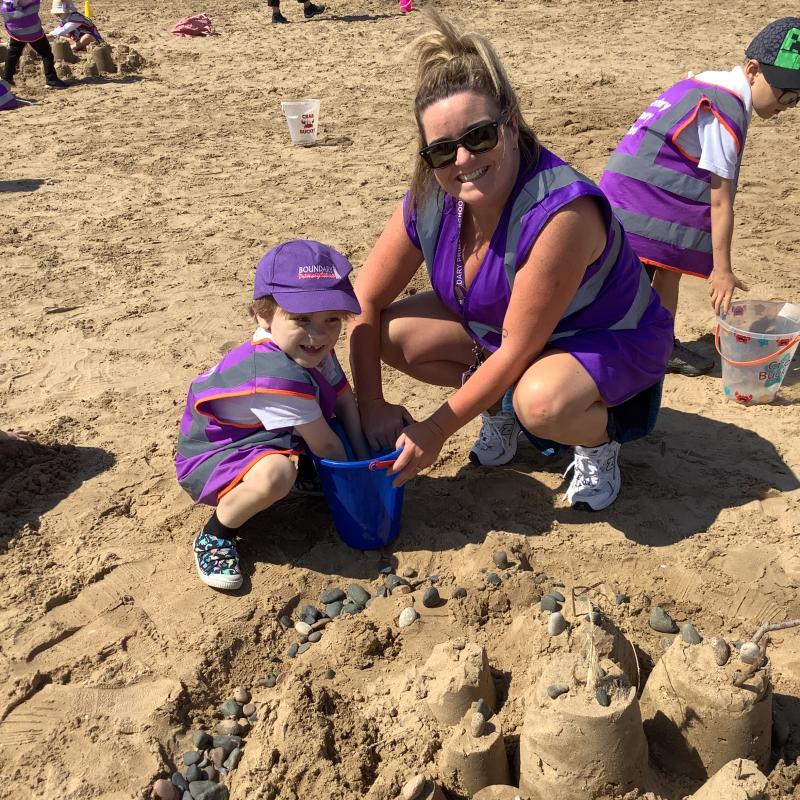
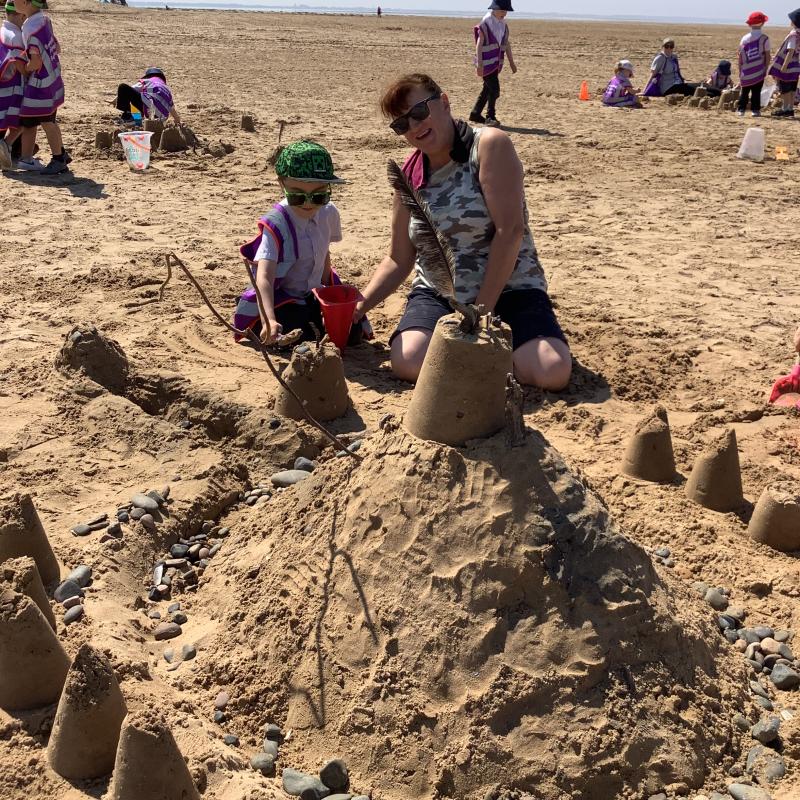
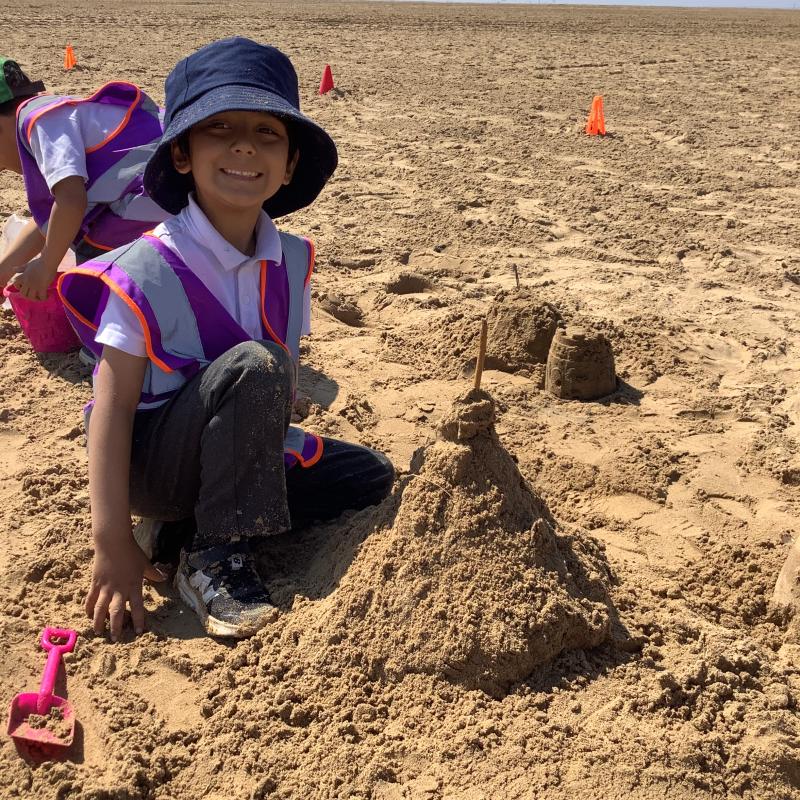
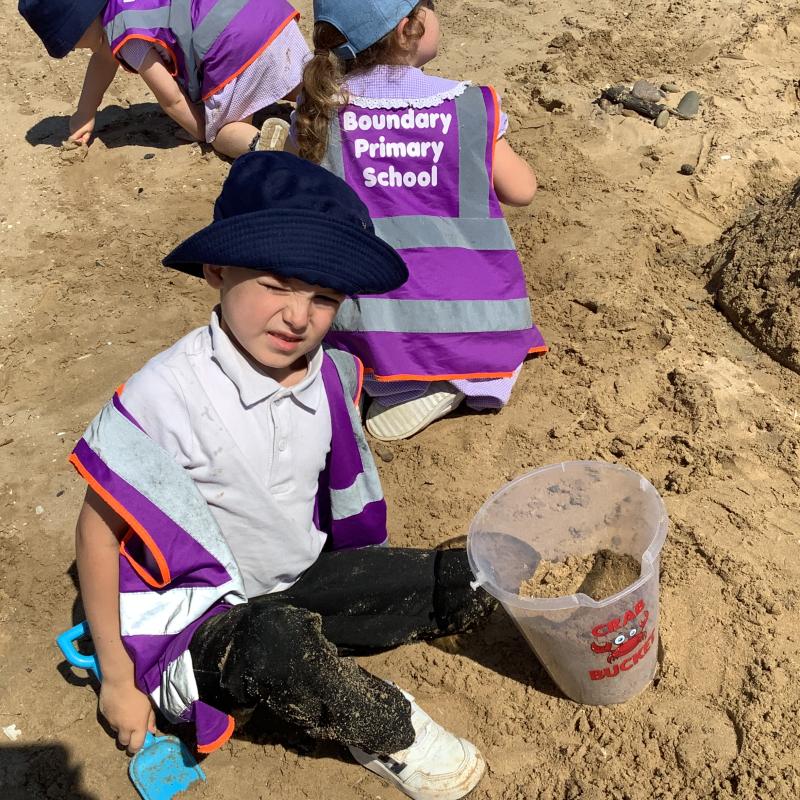
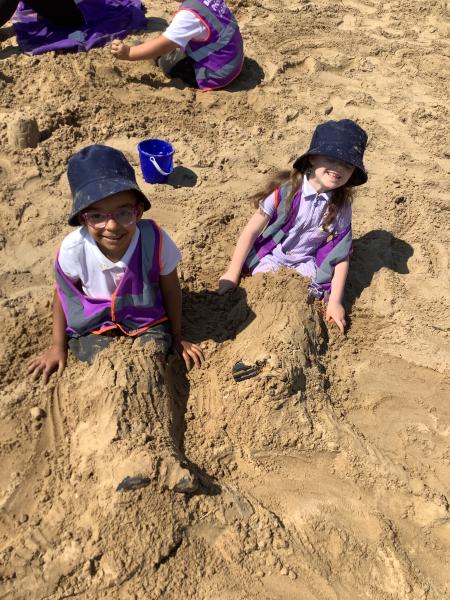
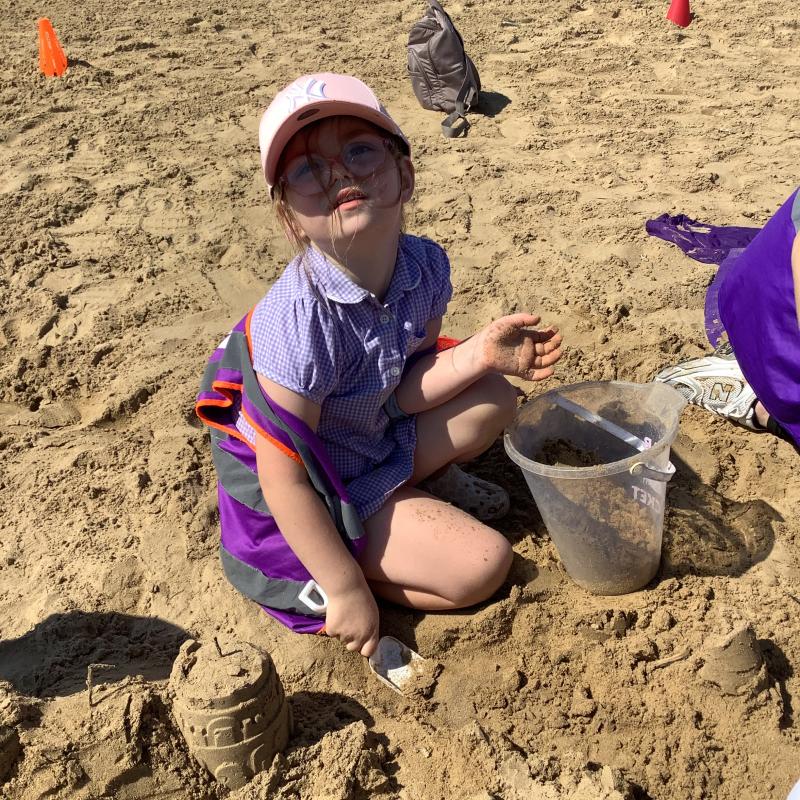
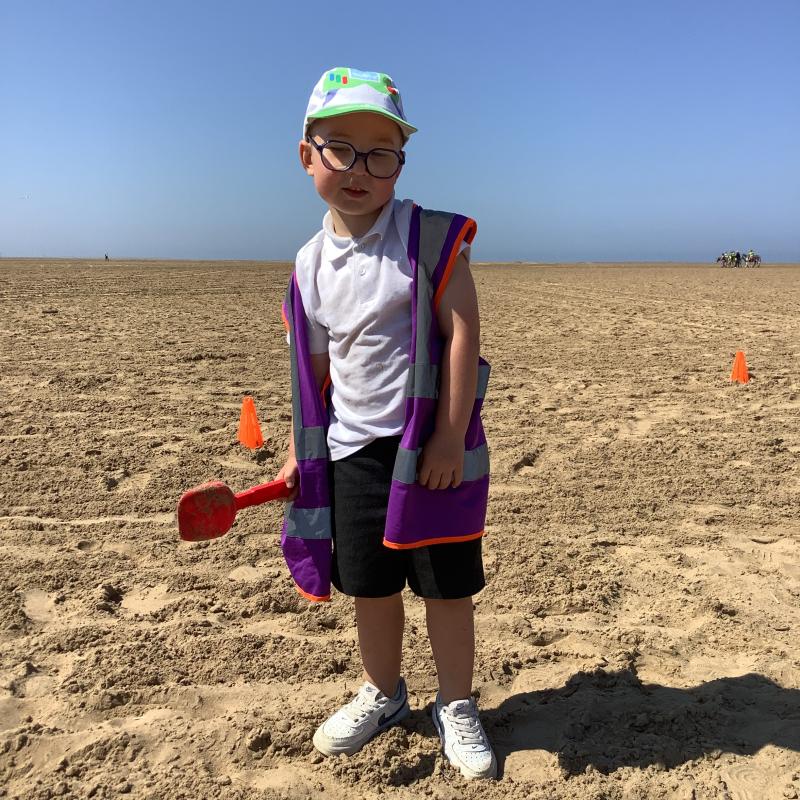
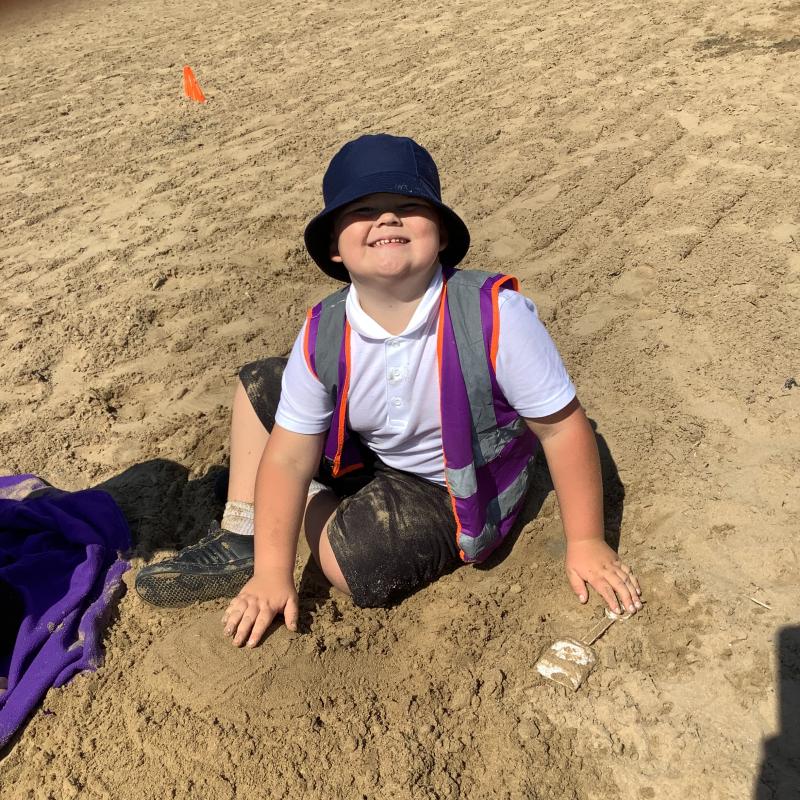
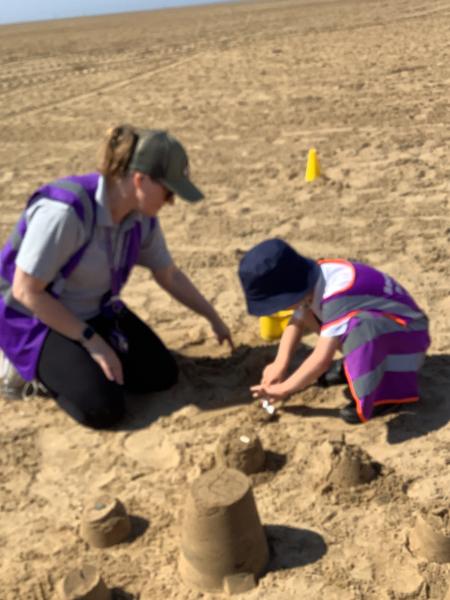
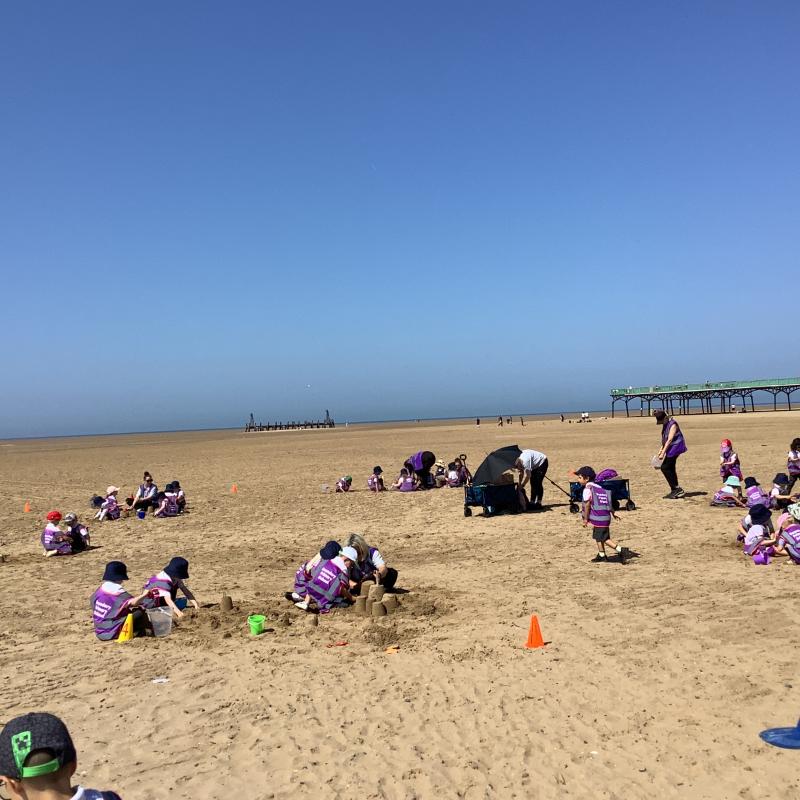
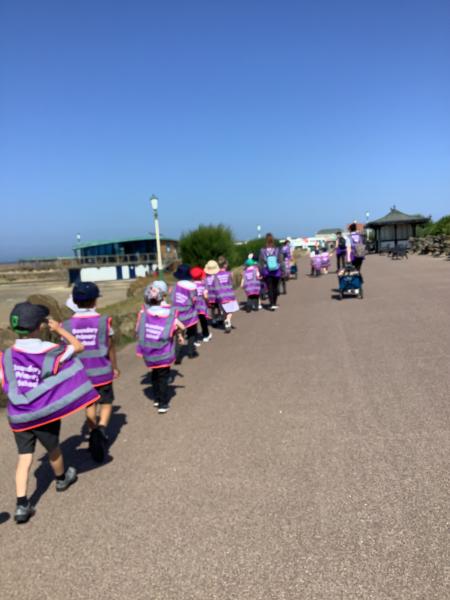
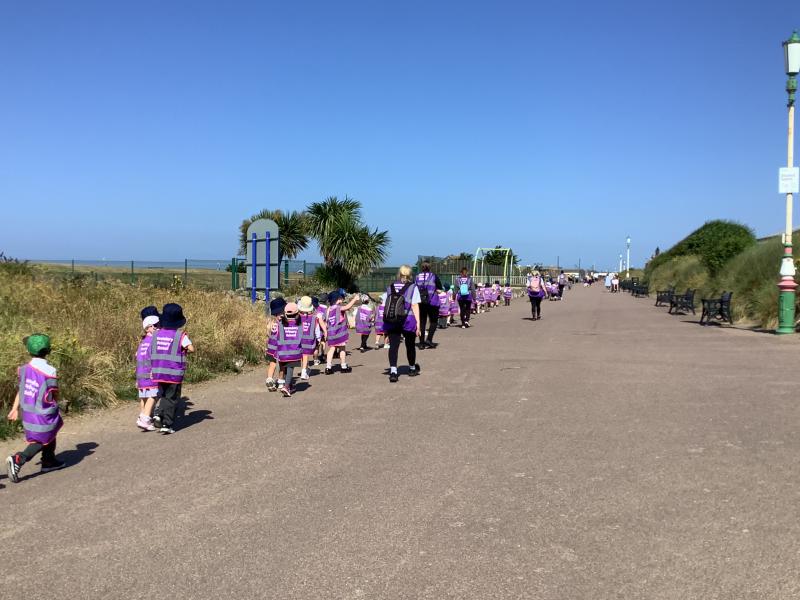
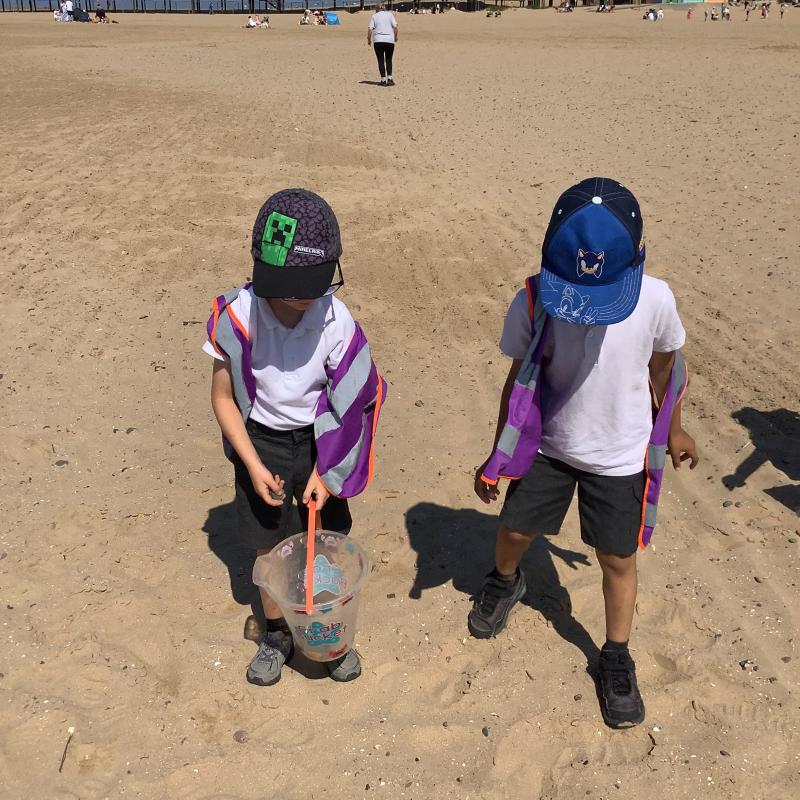
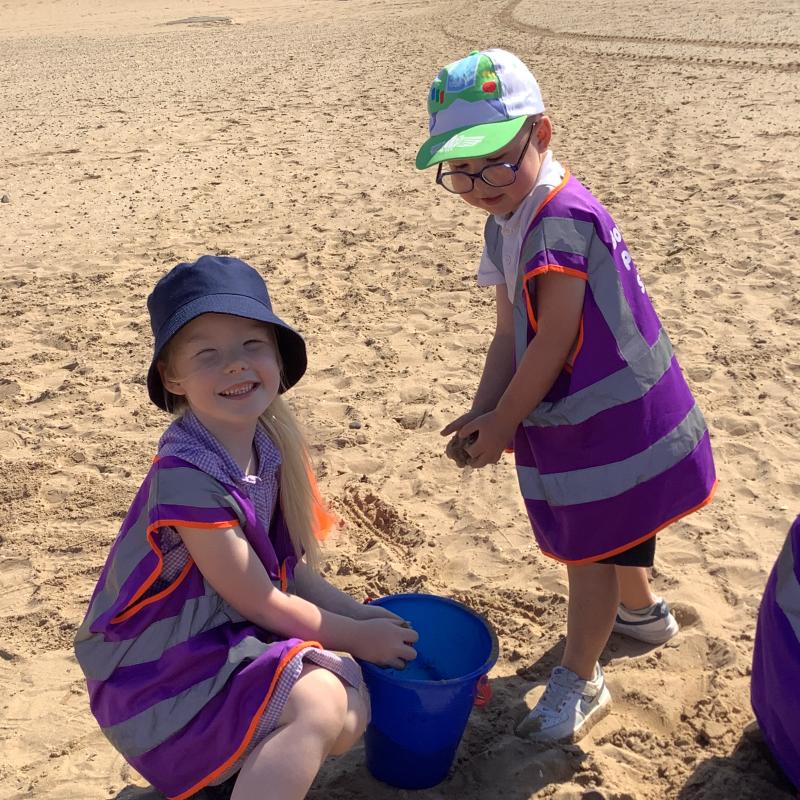
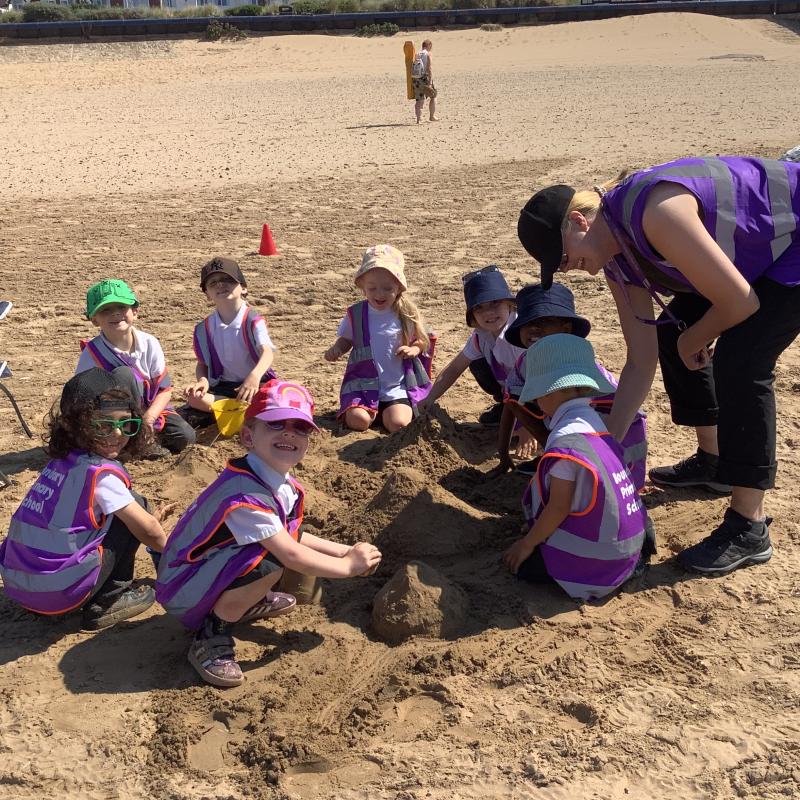
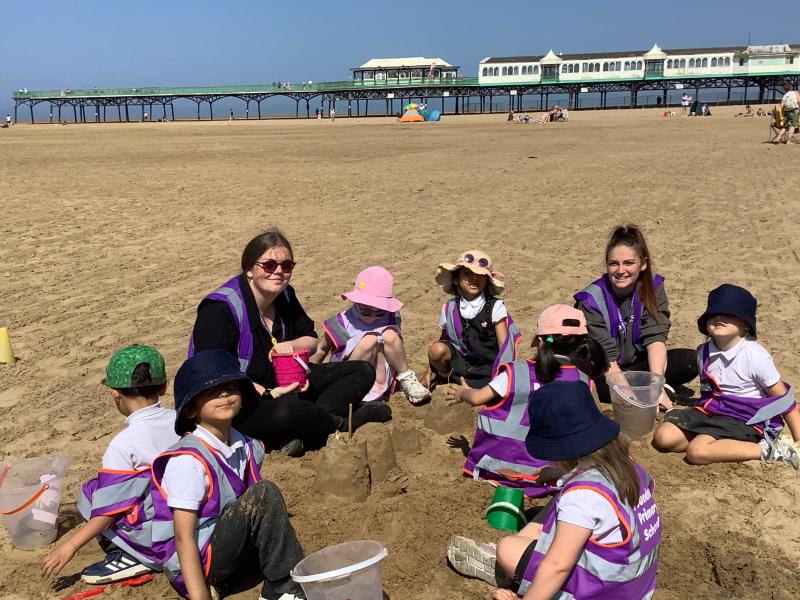
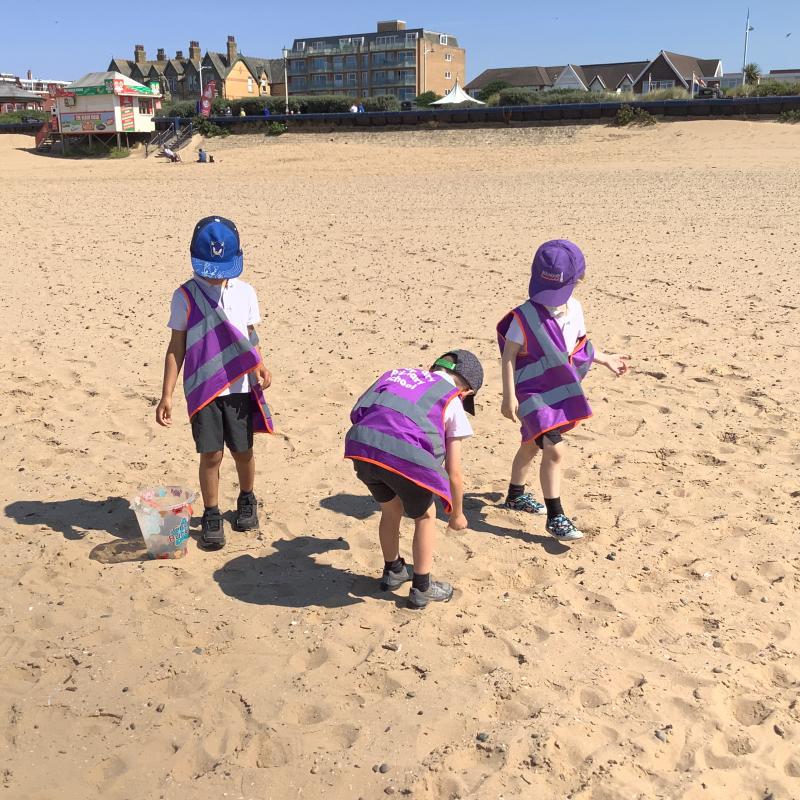
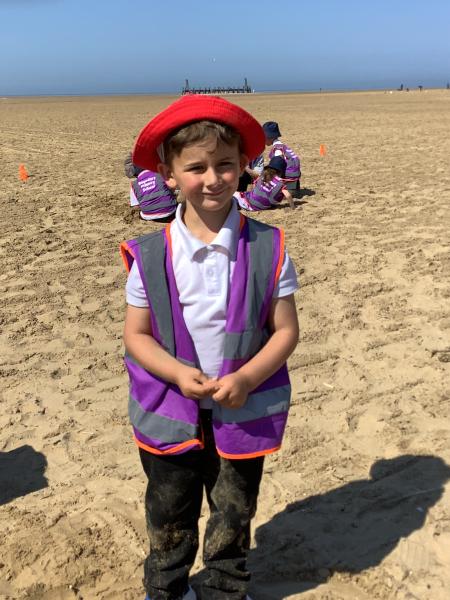
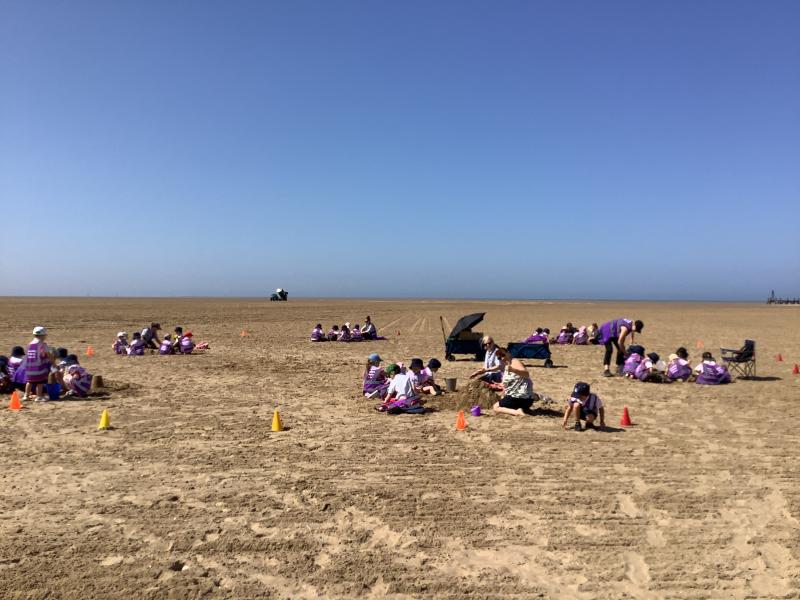
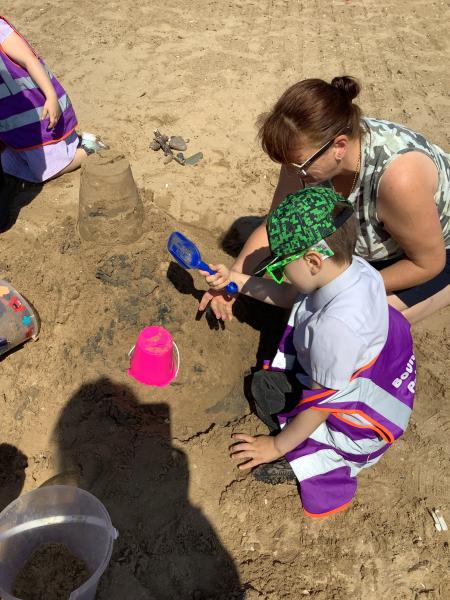
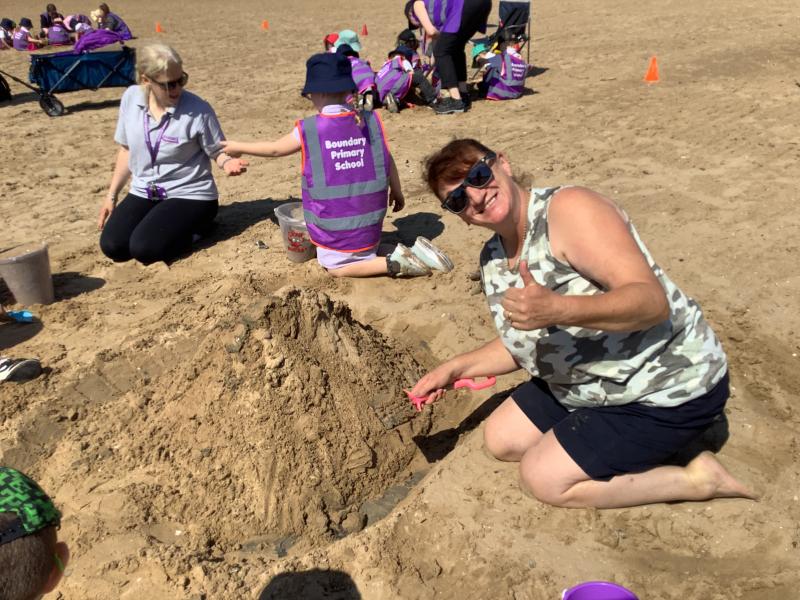
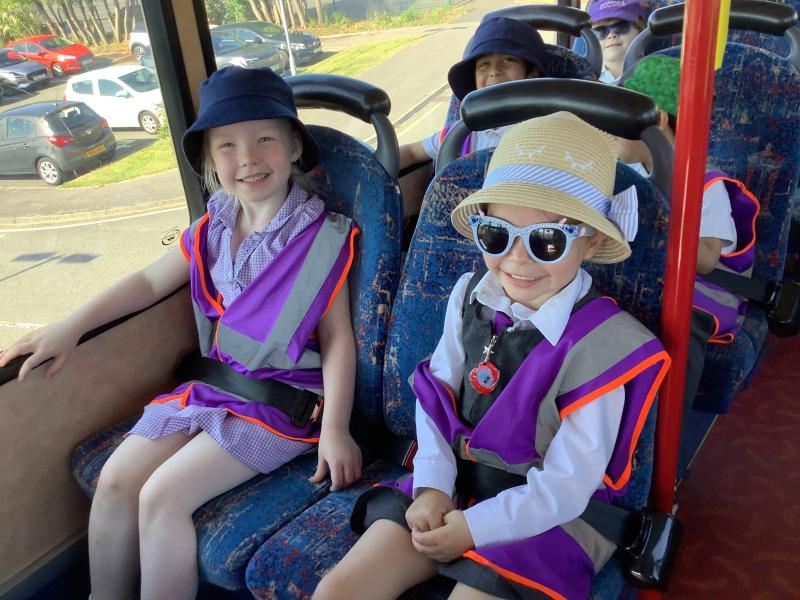
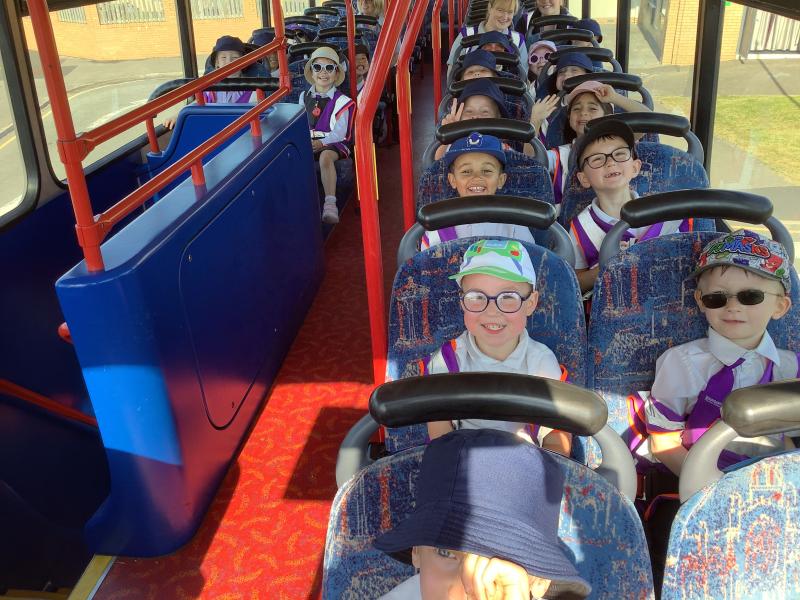
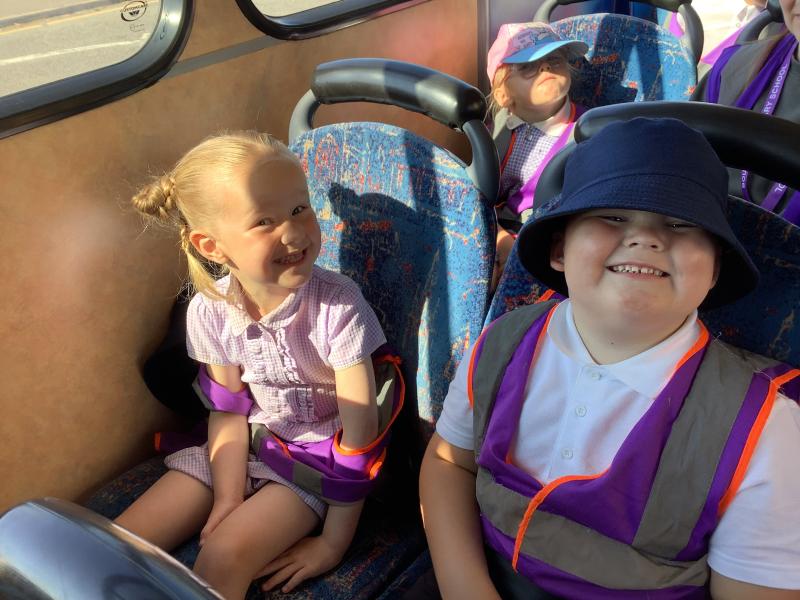
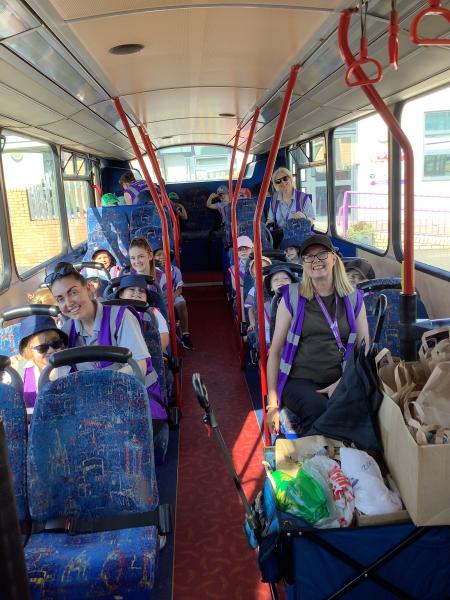
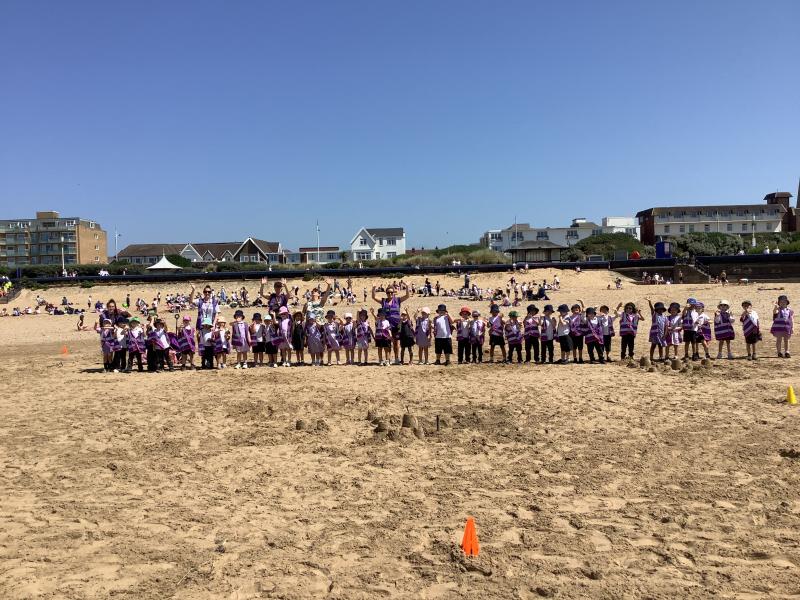
We had a very exciting trip to St Anne's-on-the-Sea. We travelled through Blackpool town centre and along the promenade before arriving at the beach.
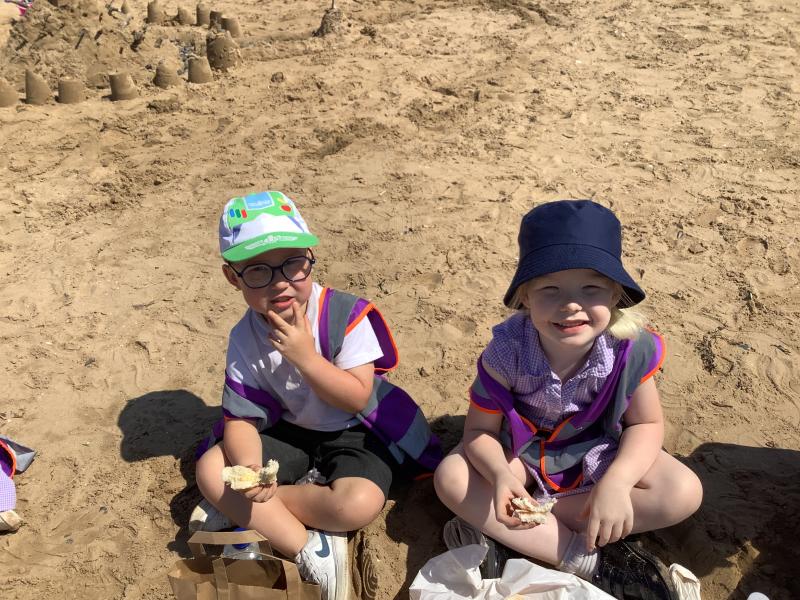
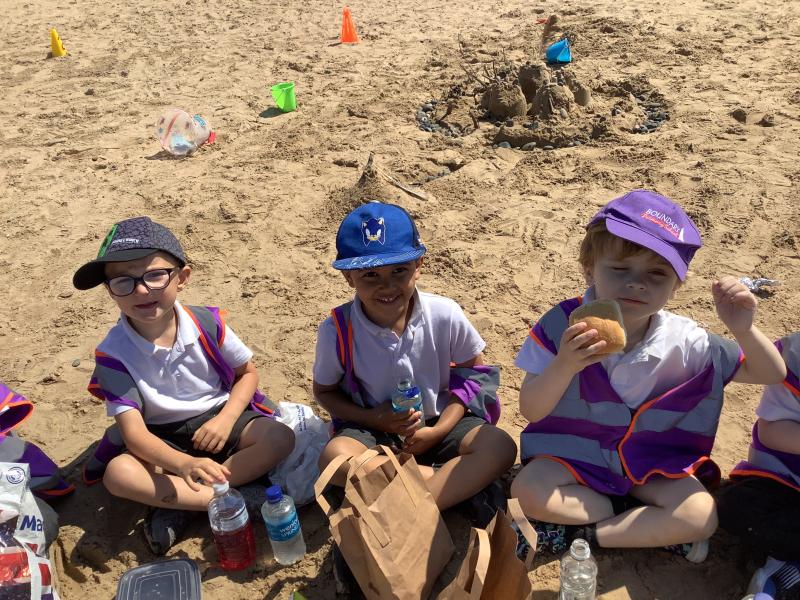
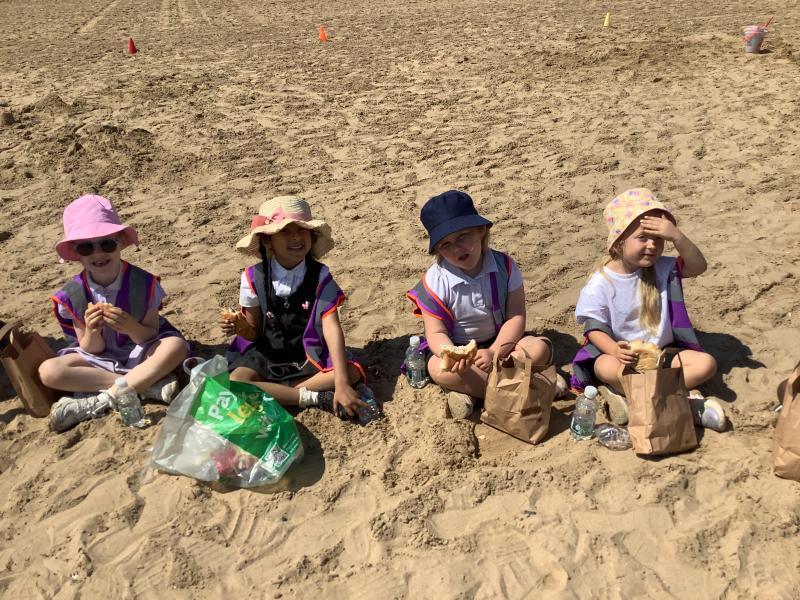
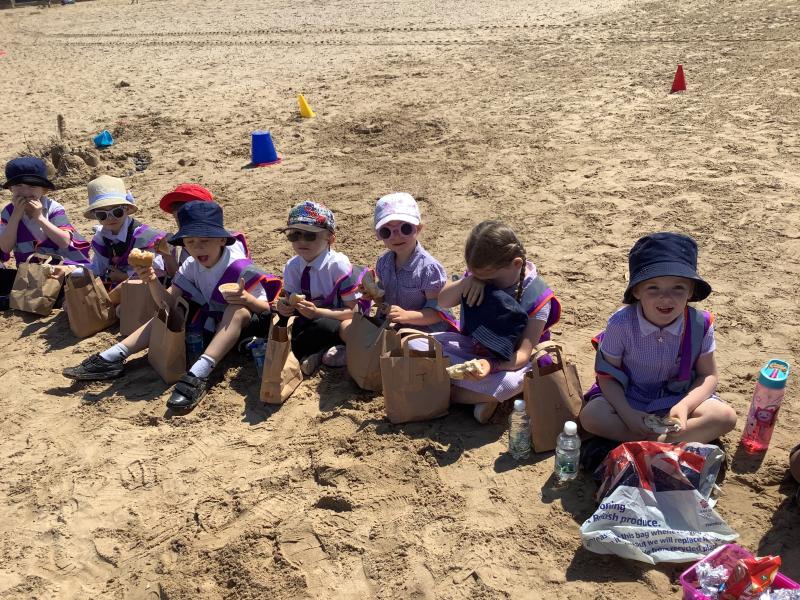
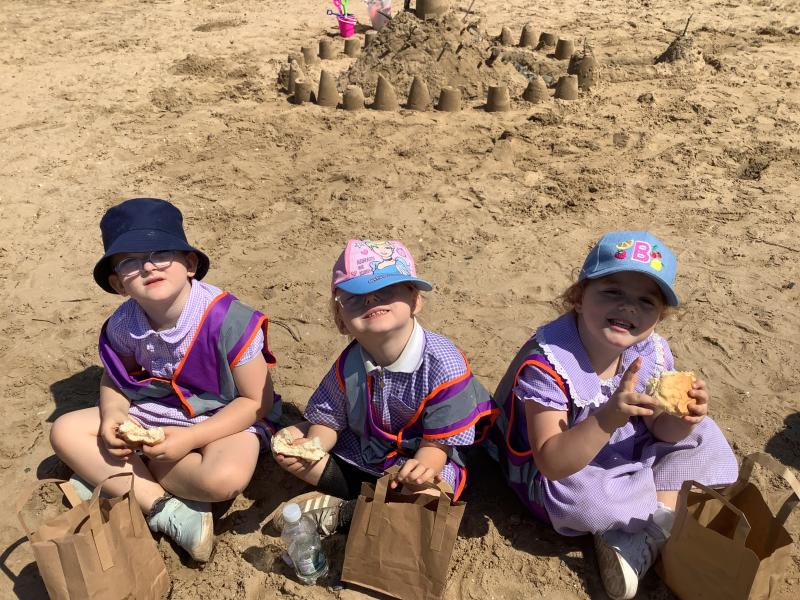
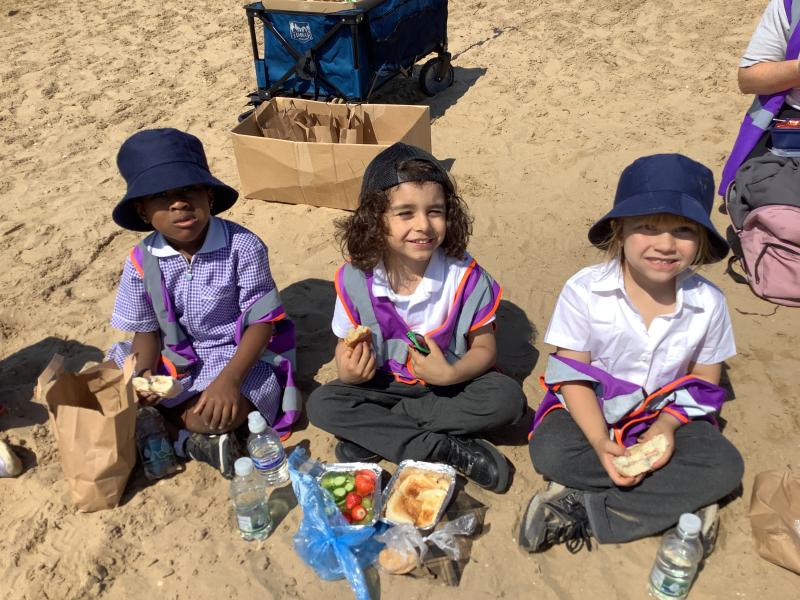
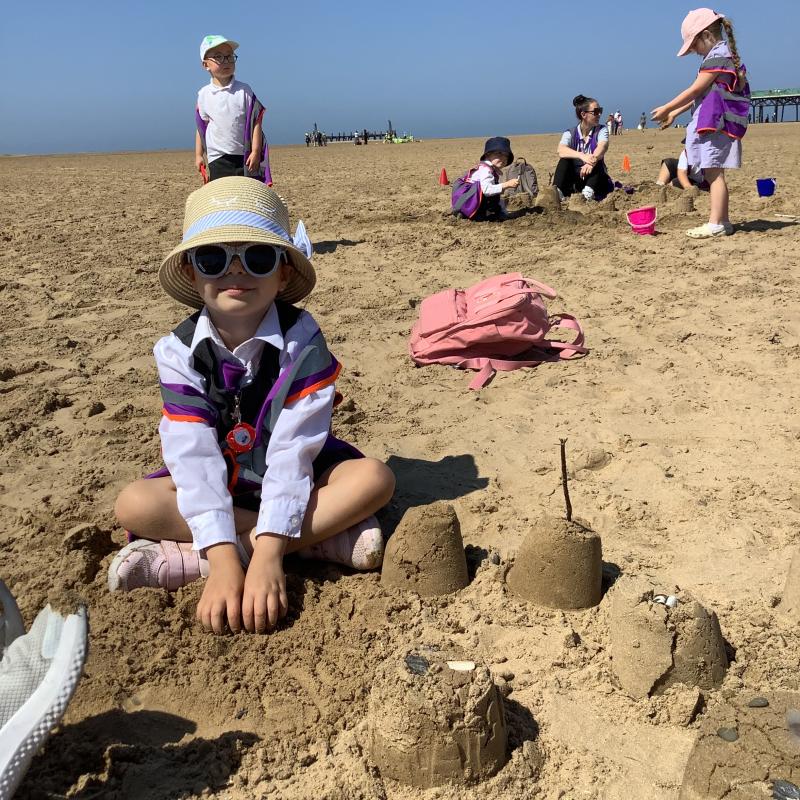
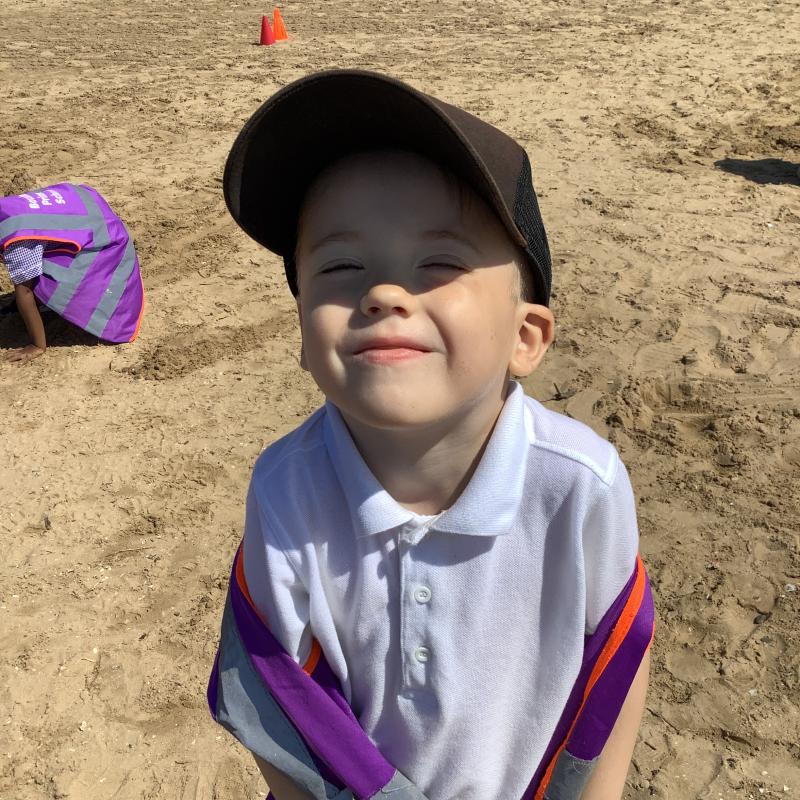
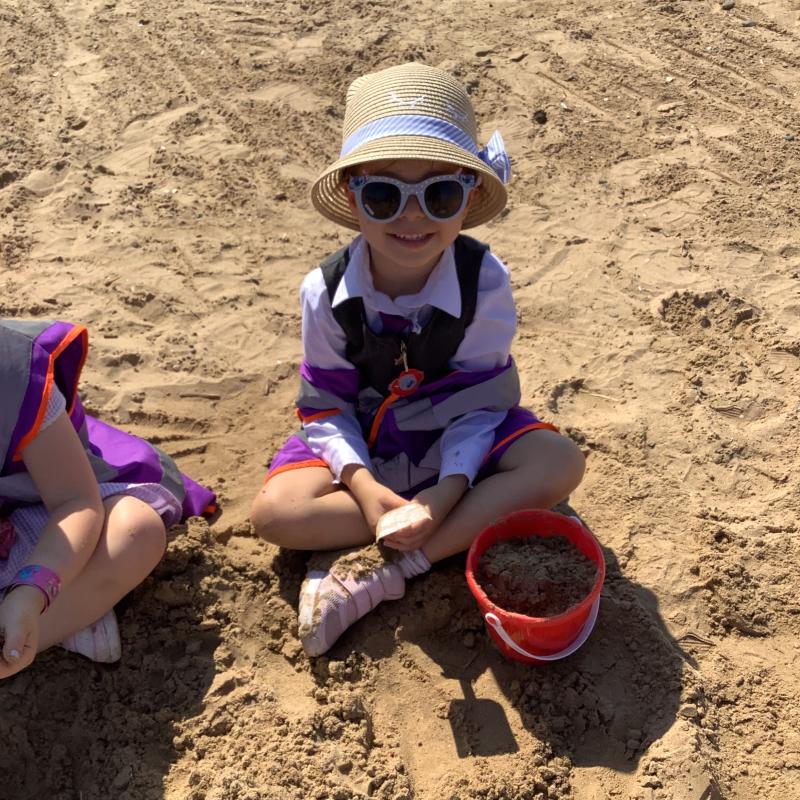
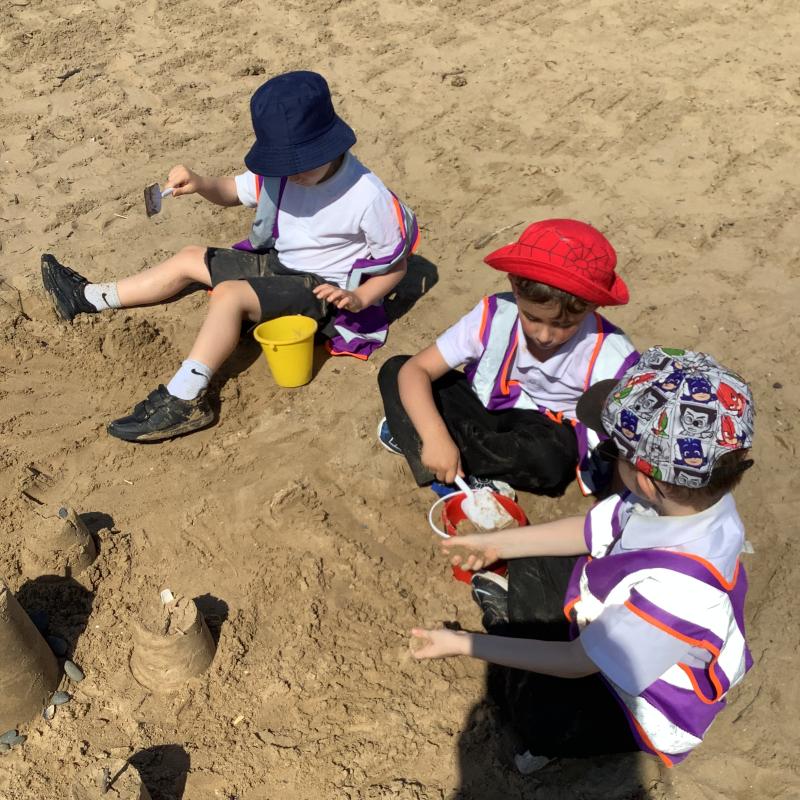
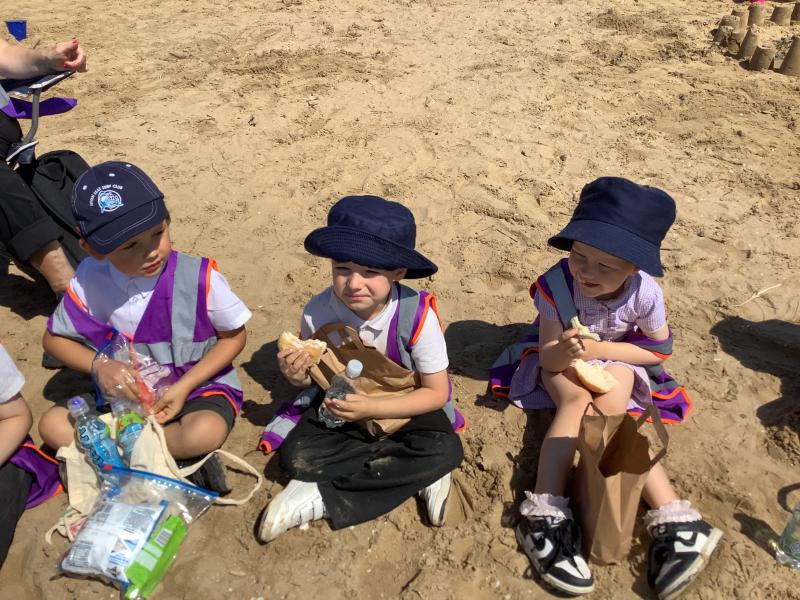
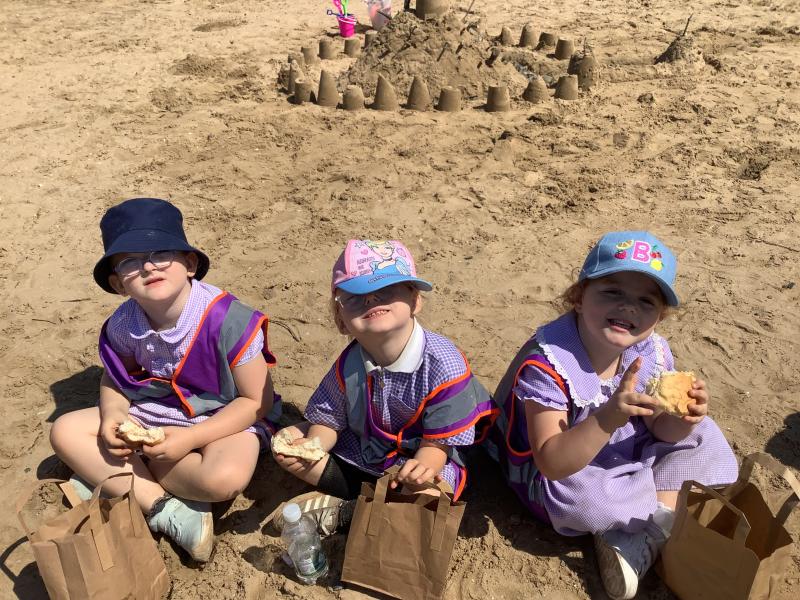
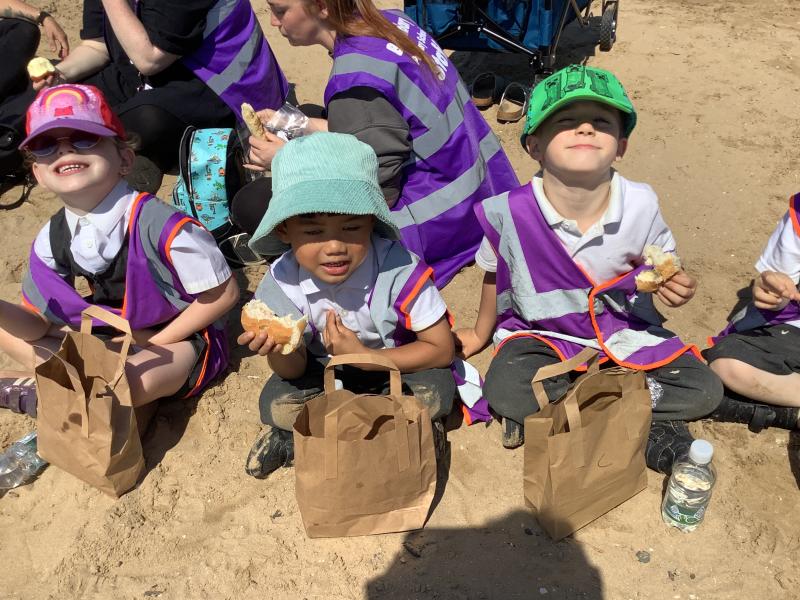
The sun was shining, the sky was a beautiful clear blue, and a gentle breeze helped to keep us cool. We were all well prepared to stay safe in the sun, wearing hats and sunglasses, applying sun cream, and drinking plenty of water to stay hydrated. We also enjoyed a lovely picnic lunch together.
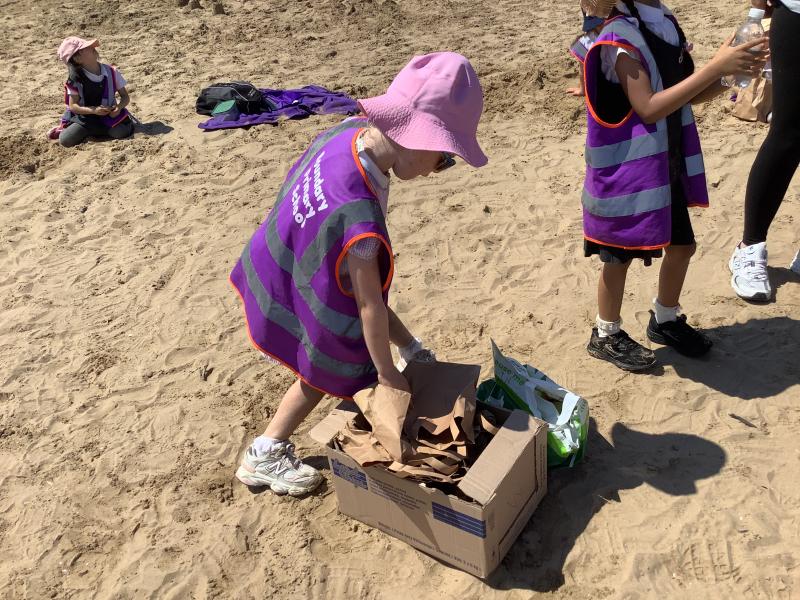
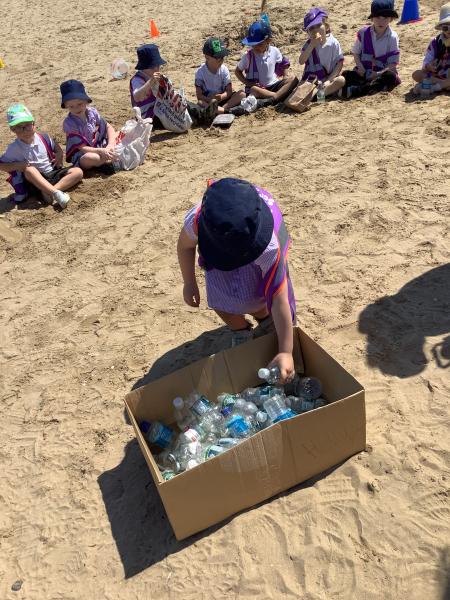
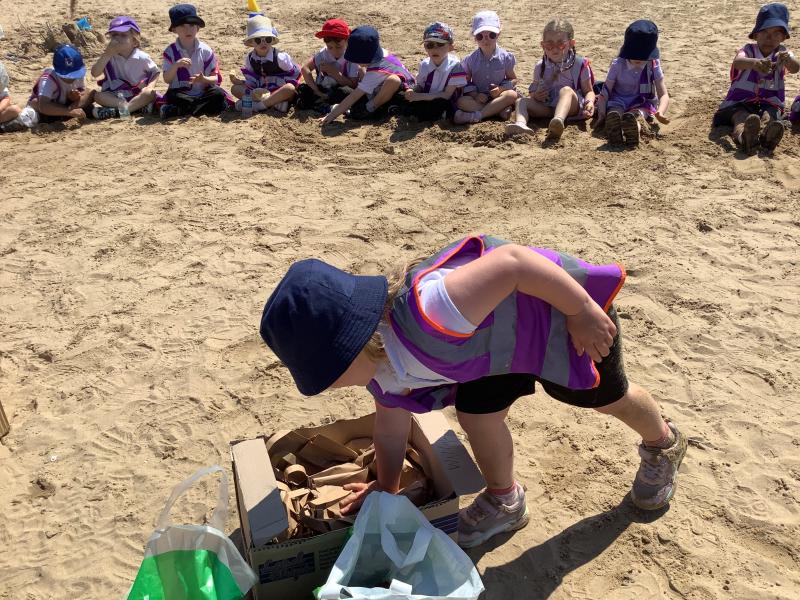
After lunch, we showed how responsible we are by recycling our rubbish. We carefully sorted it into food waste, brown paper, and plastic, helping to look after our environment.
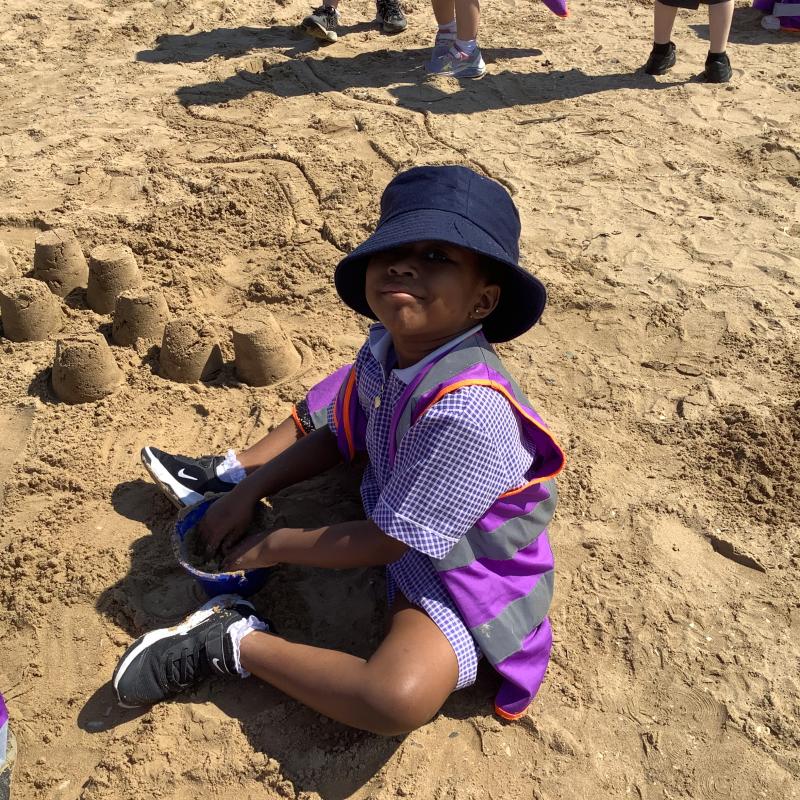
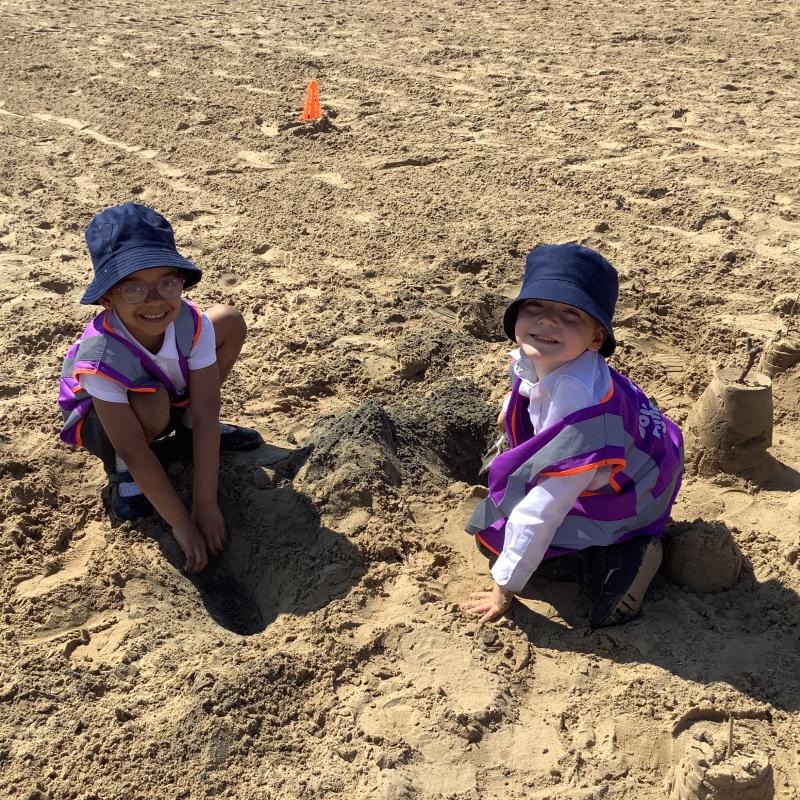
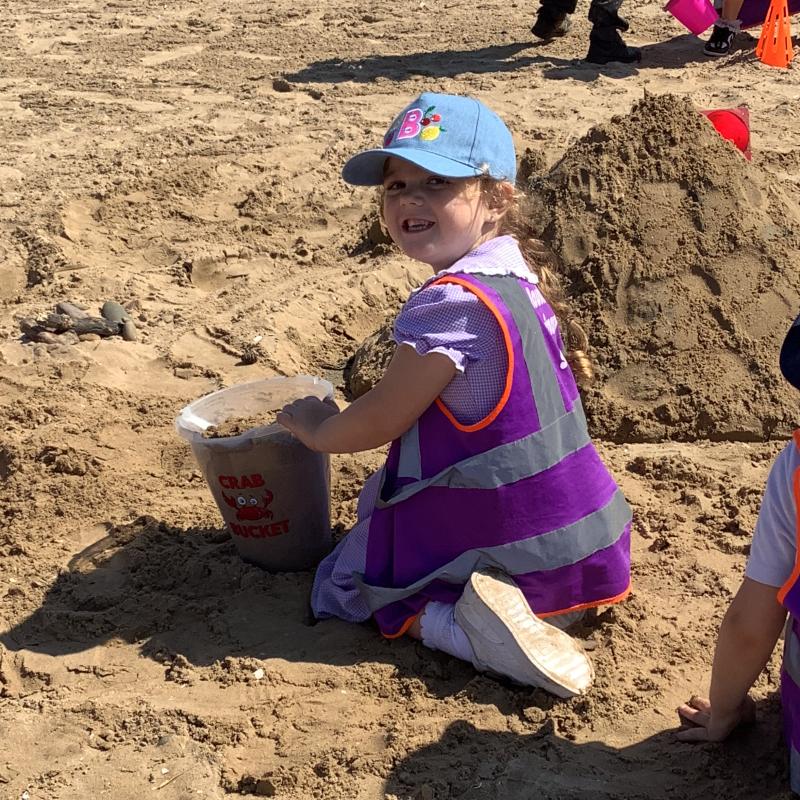
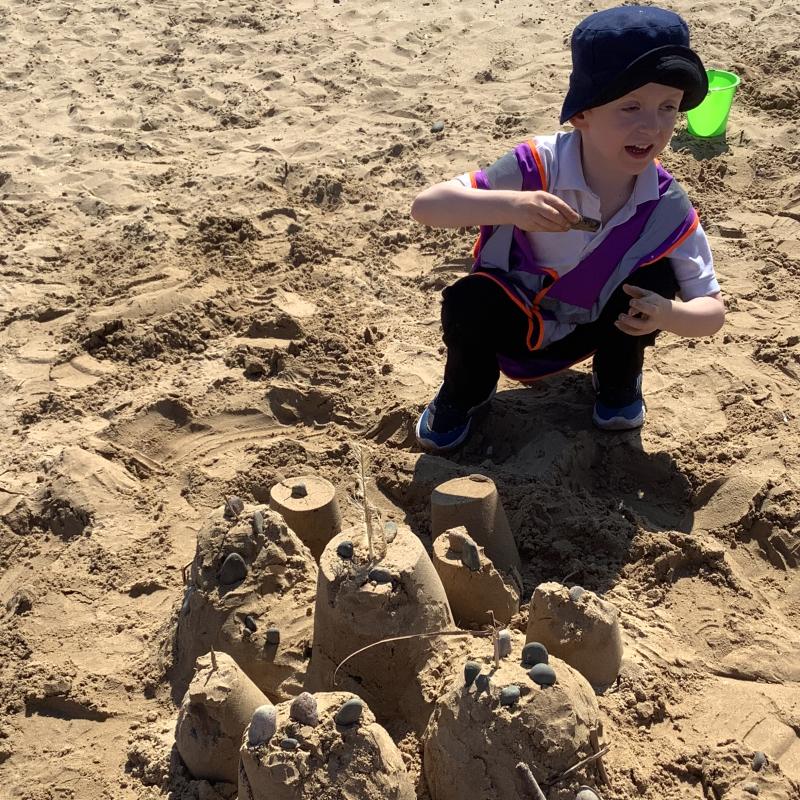
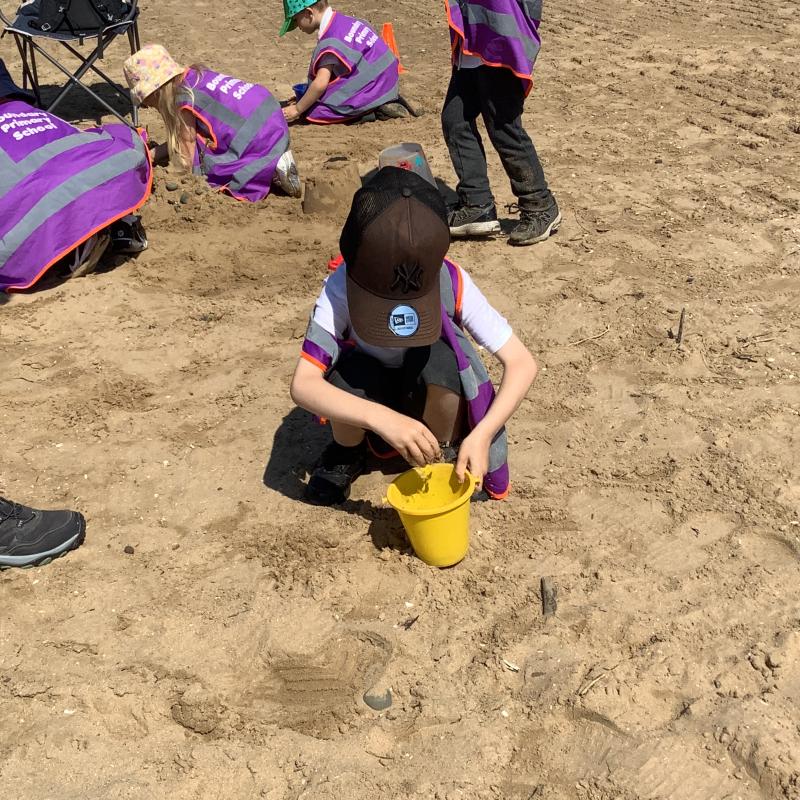
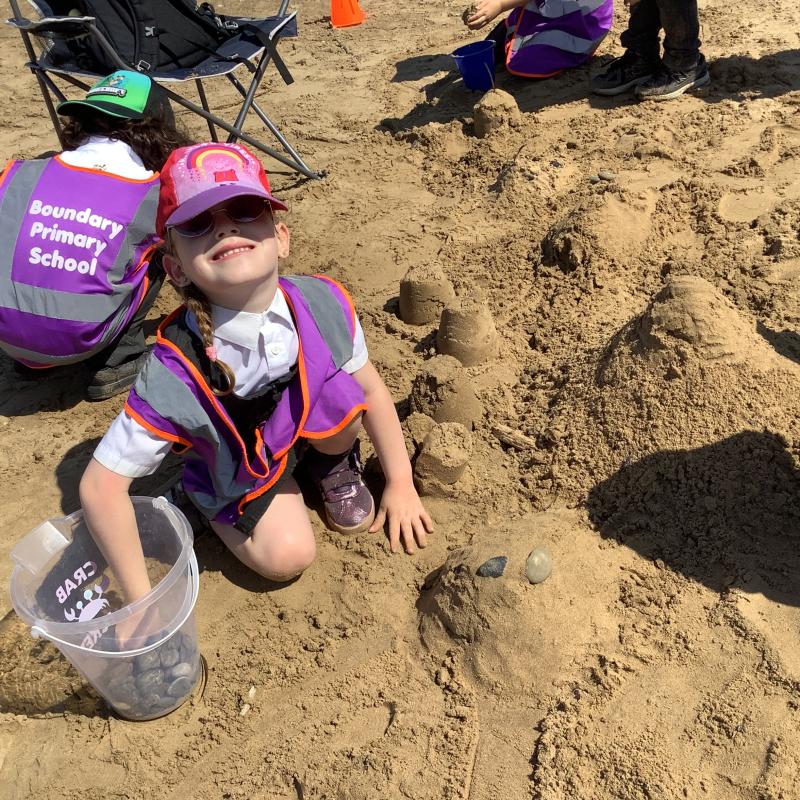
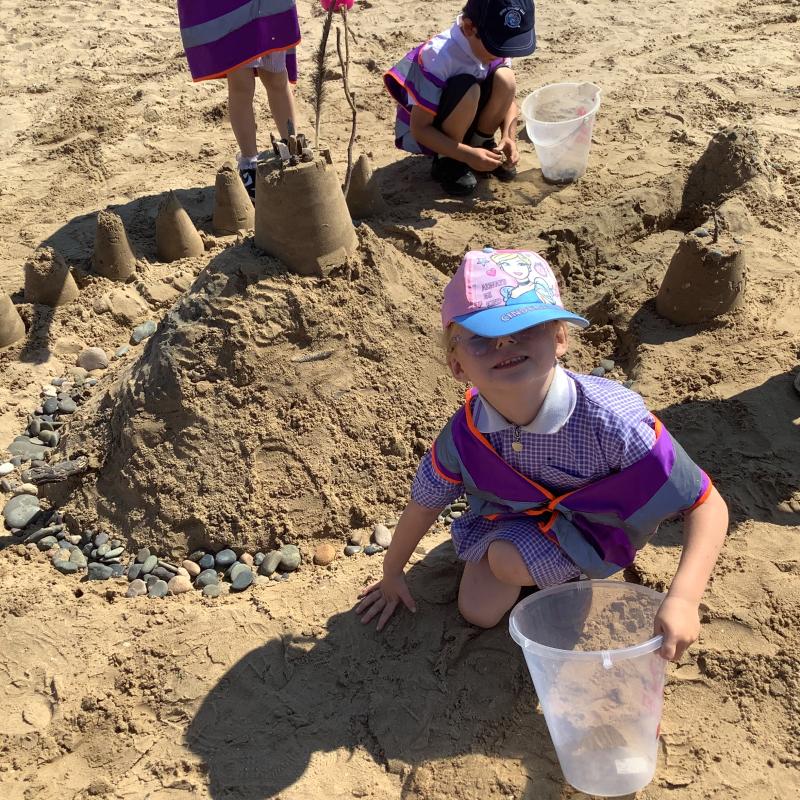
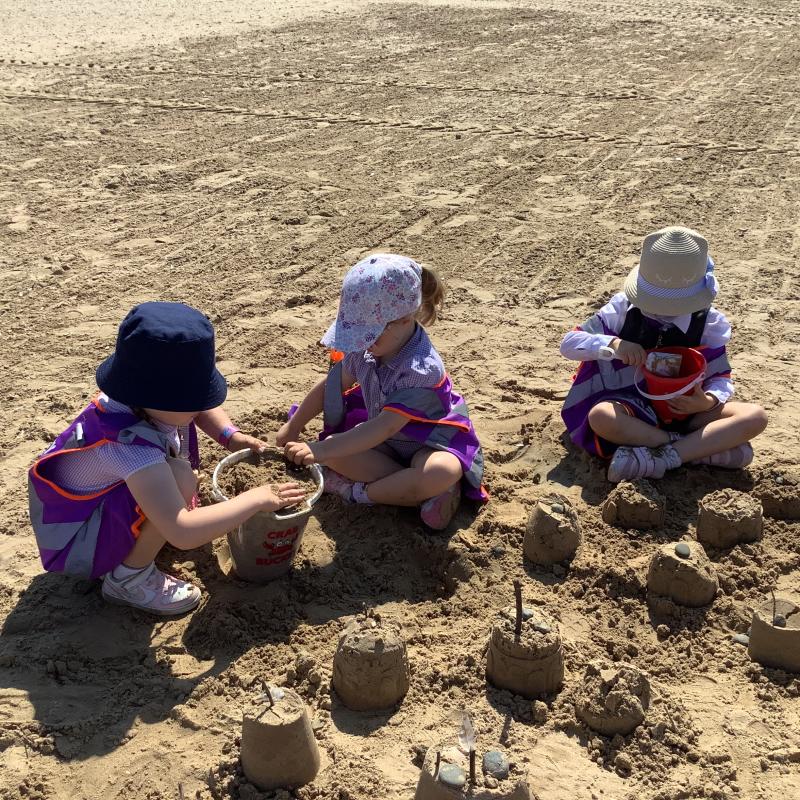
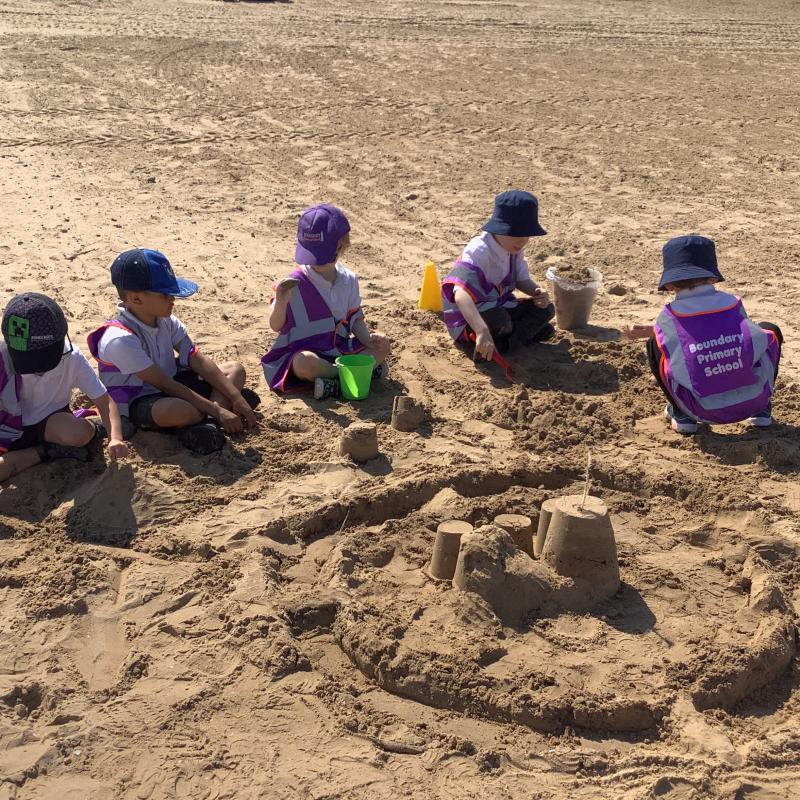
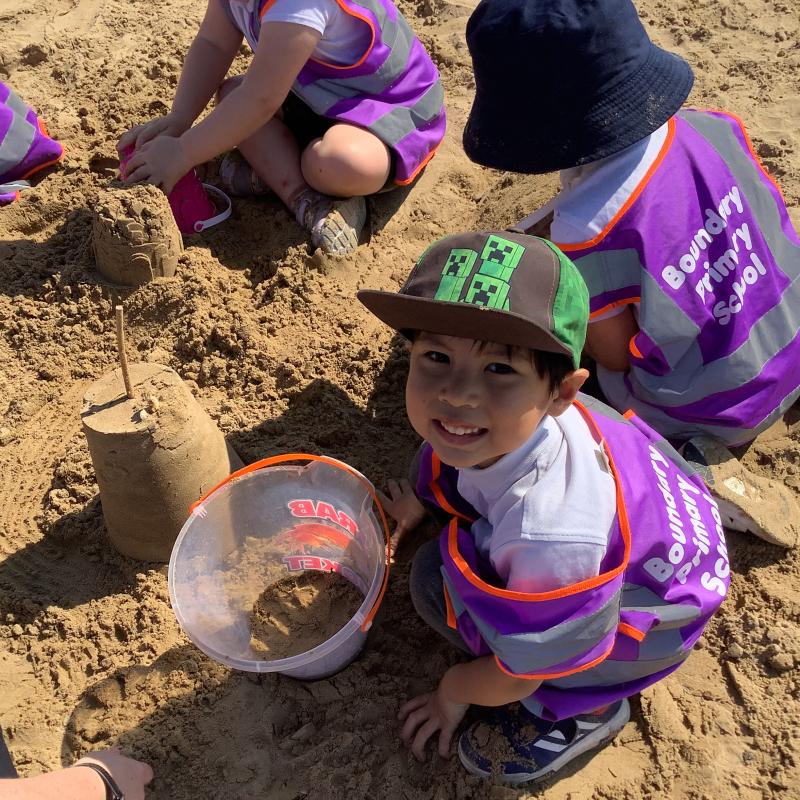
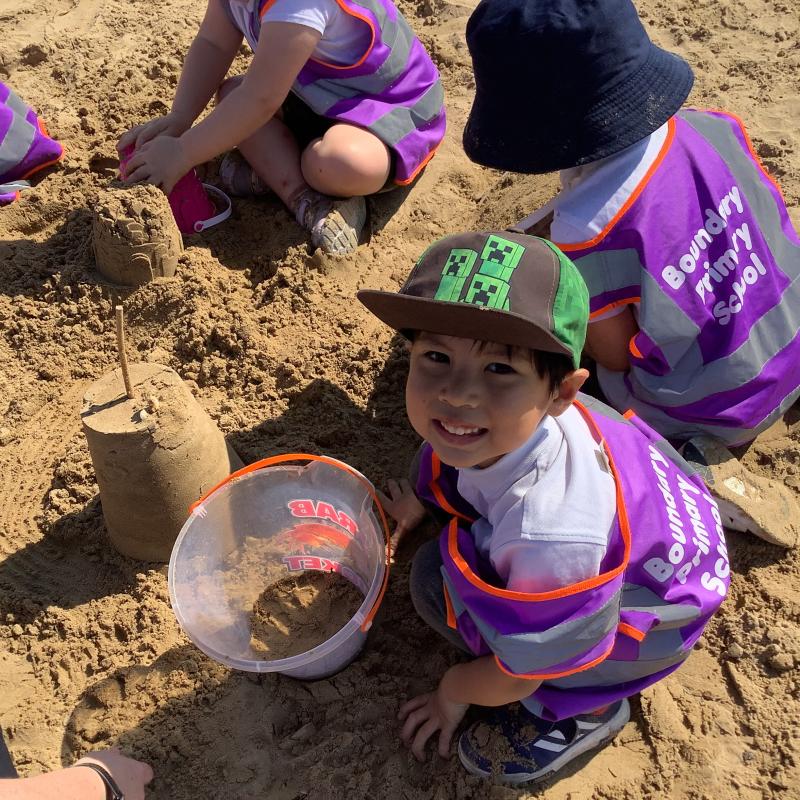
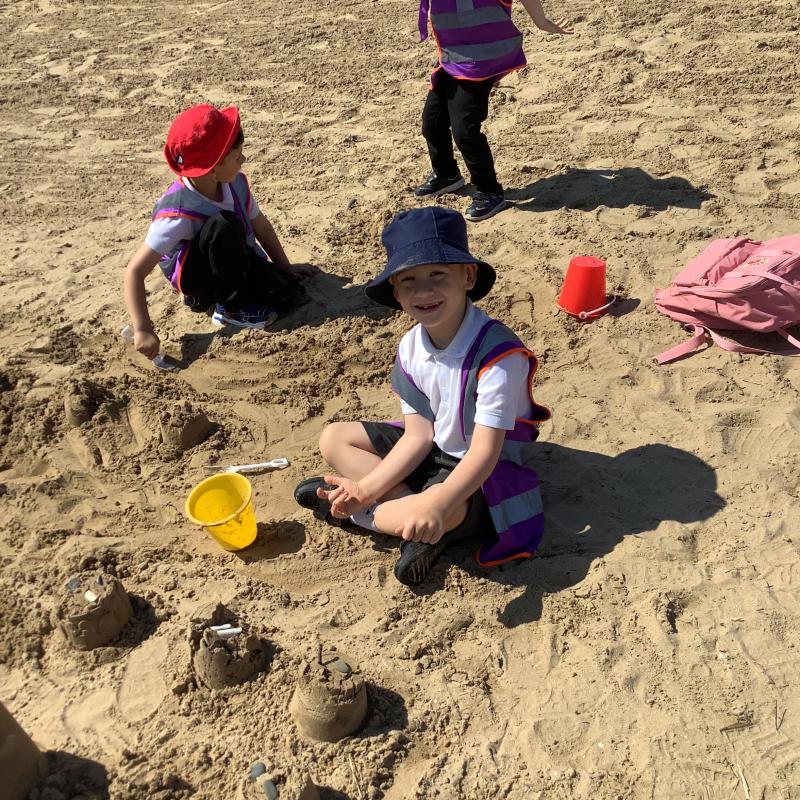
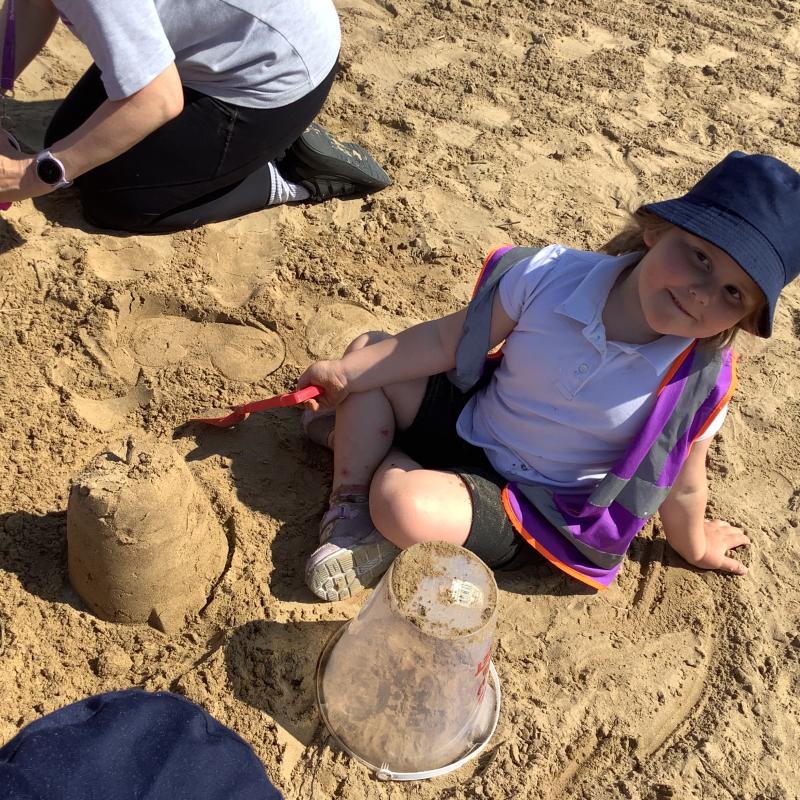
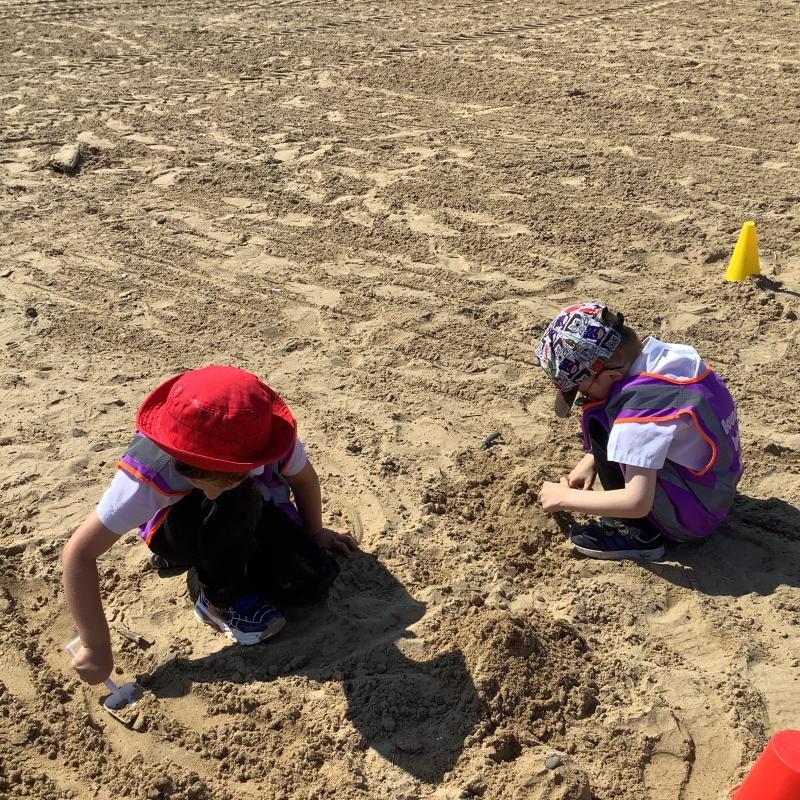
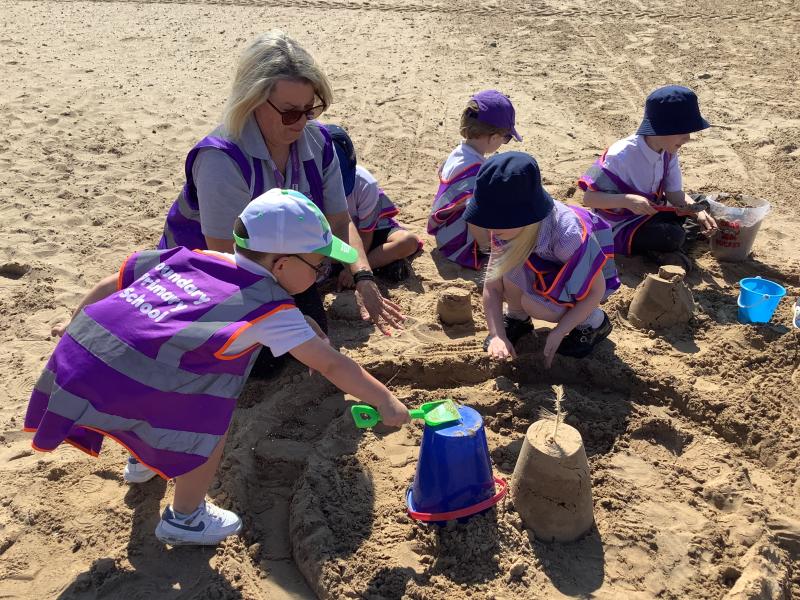
We worked as teams to build sandcastles, collect shells and pebbles to decorate them, and create roads around our castles. The winning team was Mrs McAllister's group, who did a fantastic job of building the biggest sandcastle on the beach!
After lunch, we had lots of fun playing What Time Is It, Mr Wolf? Before long, it was time to pack up our belongings and walk back to the bus. We were all tired but happy, and looking forward to enjoying an ice cream when we returned to school.
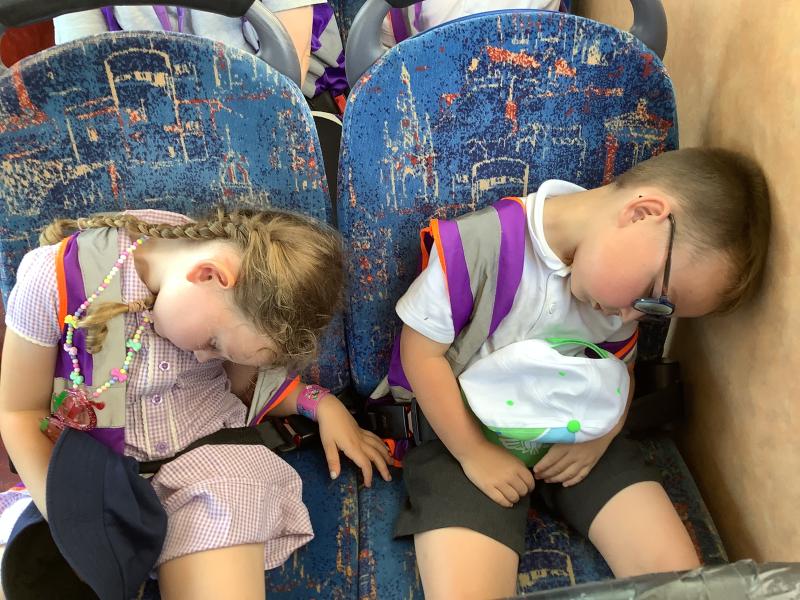
We were so tired after our busy day at the beach that some of us even fell asleep on the bus on the way home!
It was a wonderful day at the seaside and everyone had a fantastic time. 🌞🏖️🍦
Date: 9th Jul 2026 @ 1:58pm
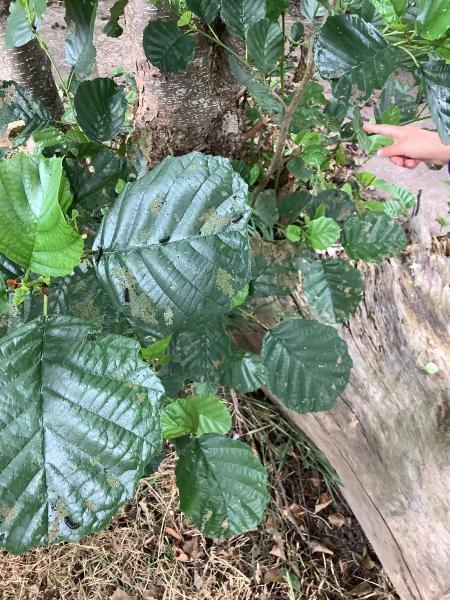
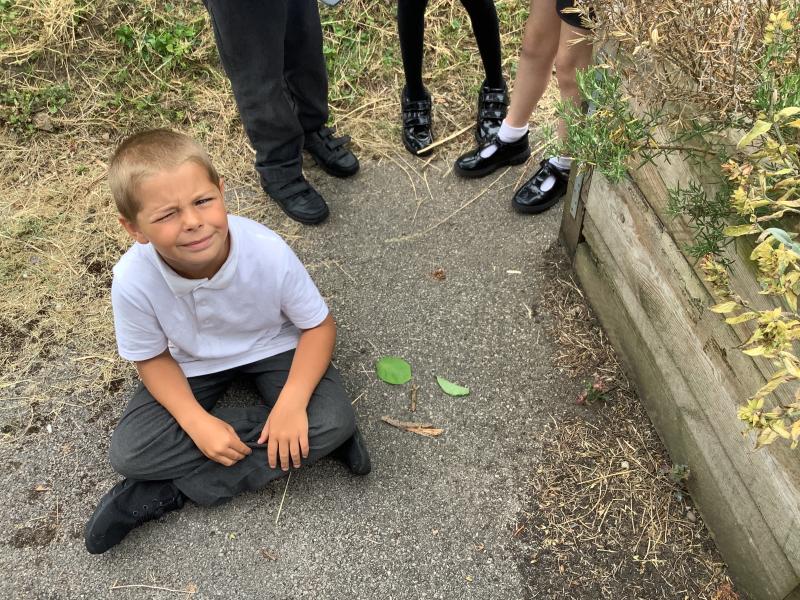
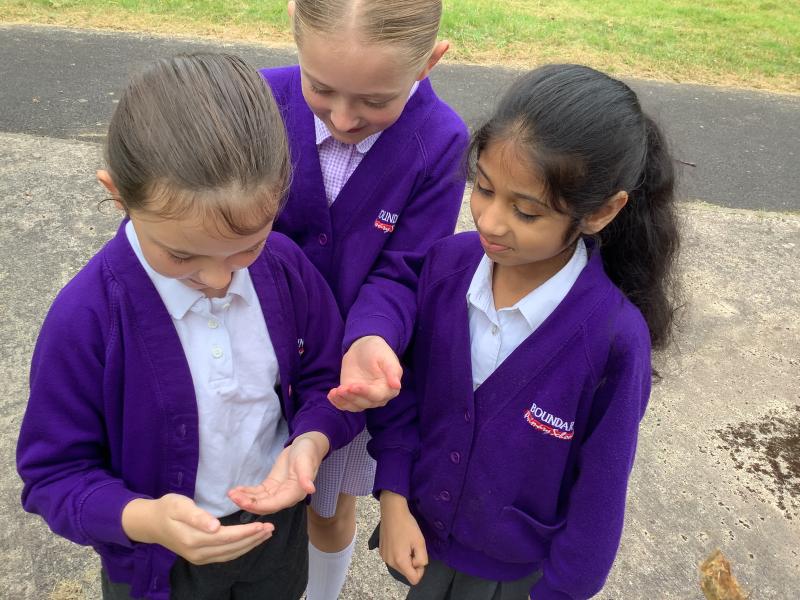
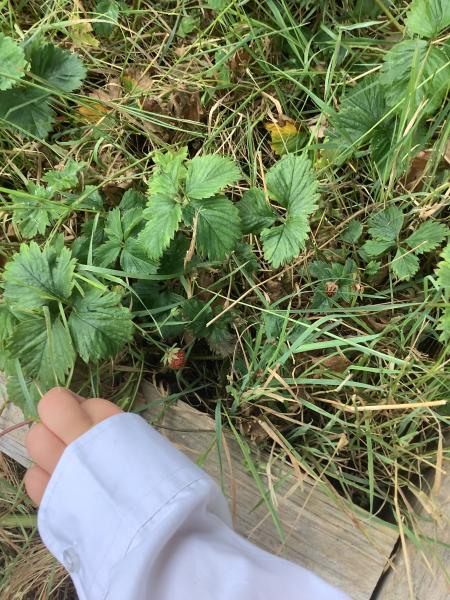
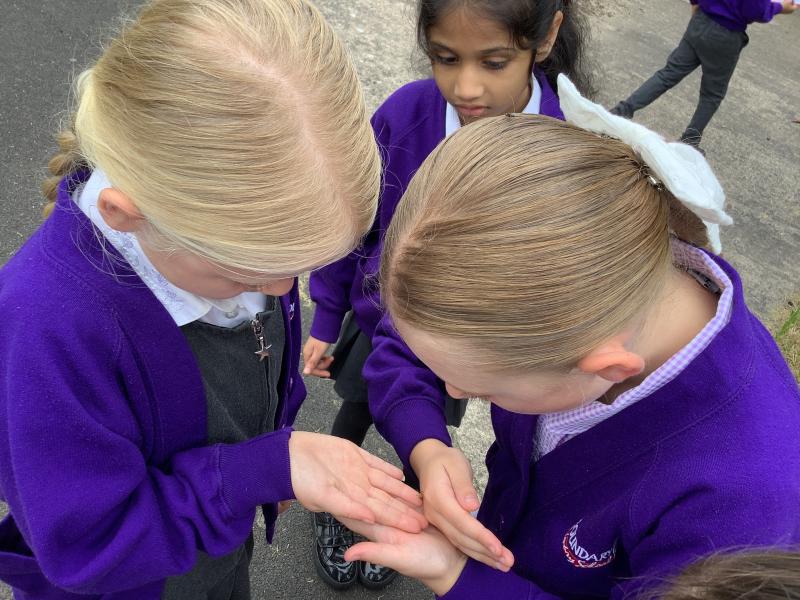
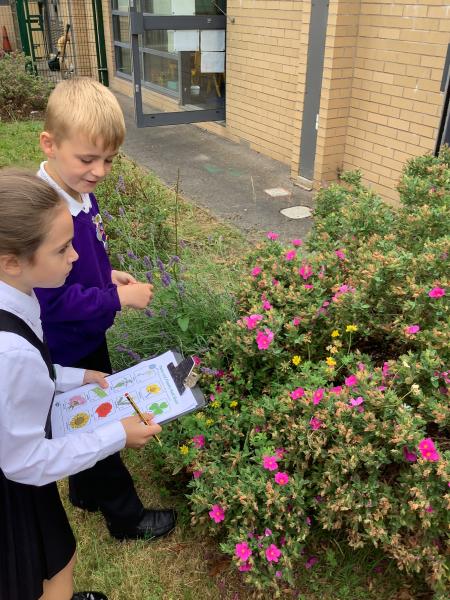
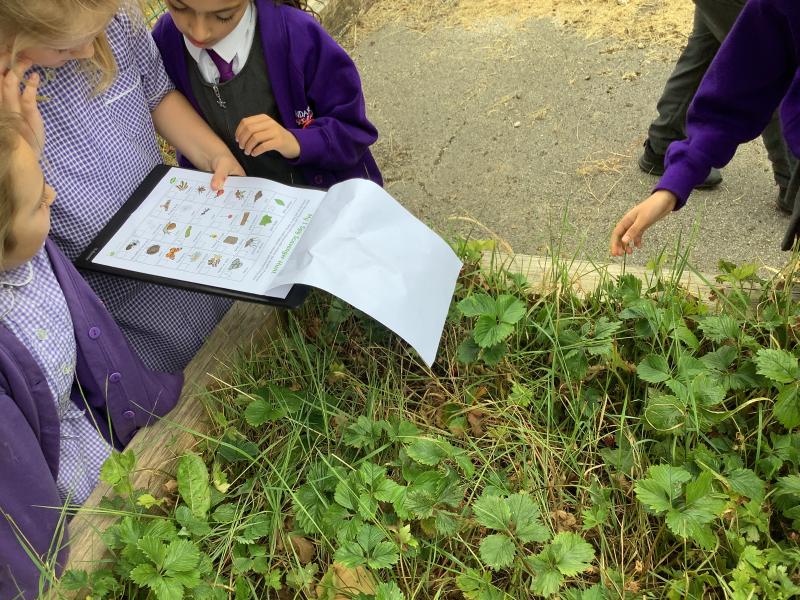
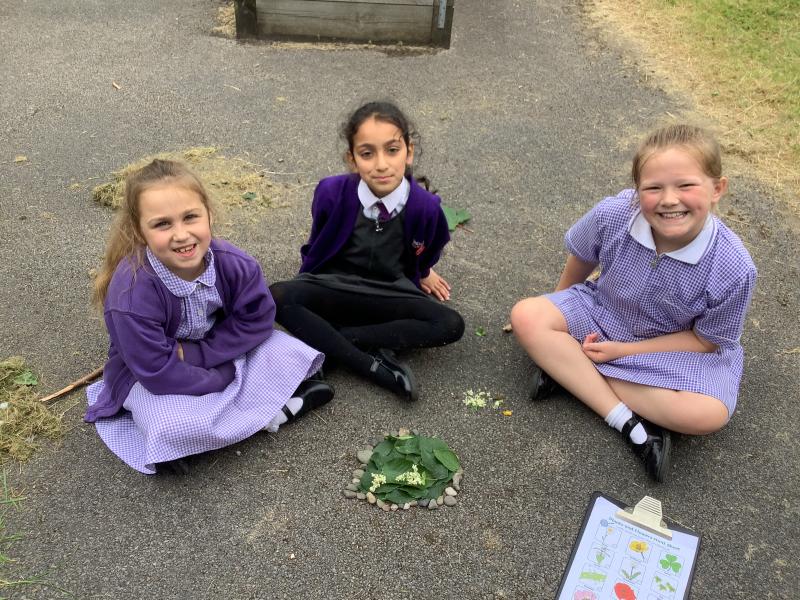
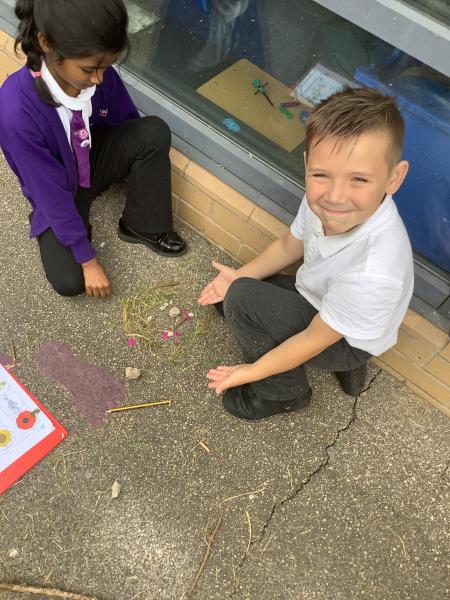
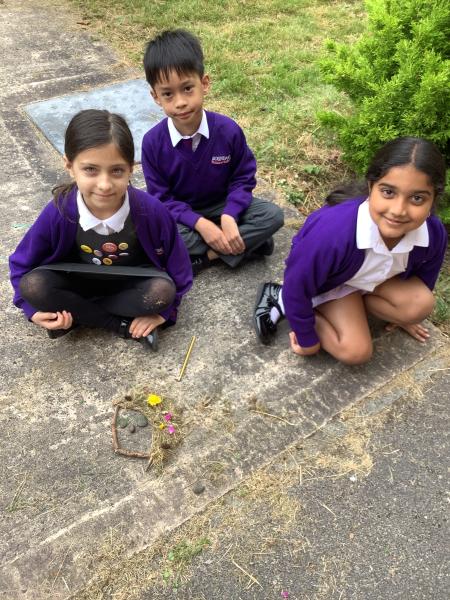
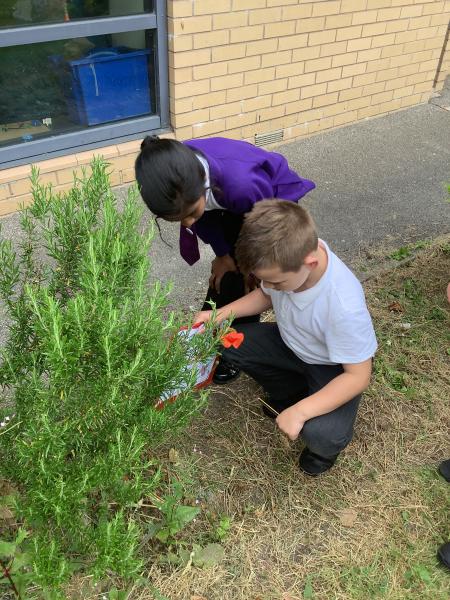
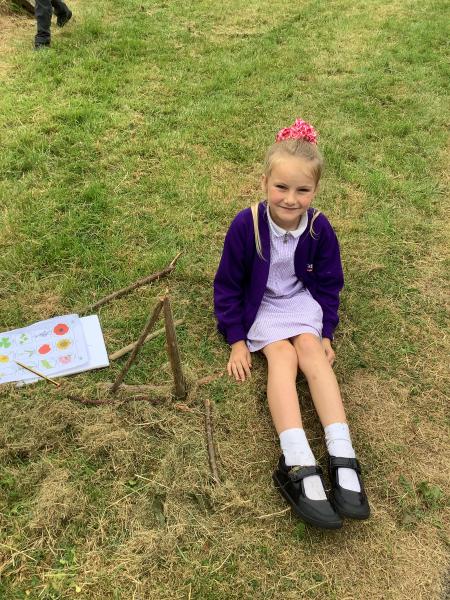
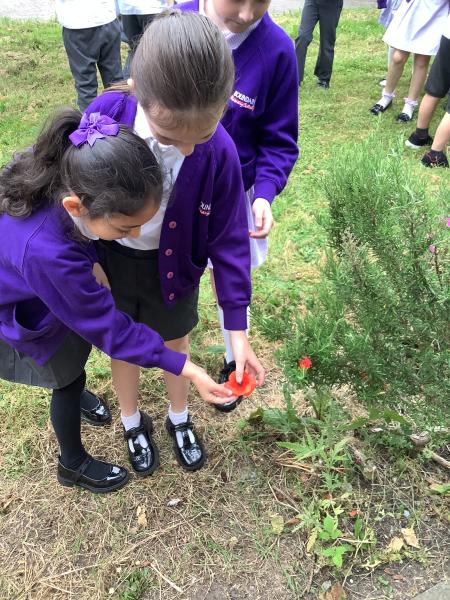
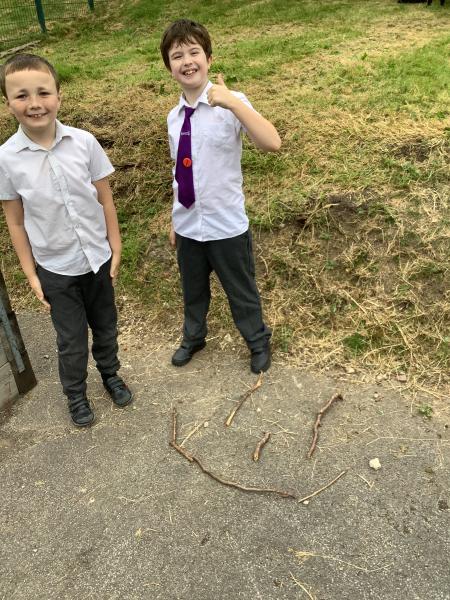
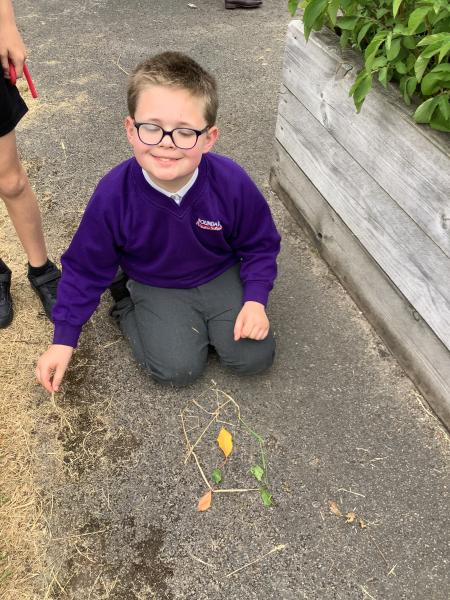
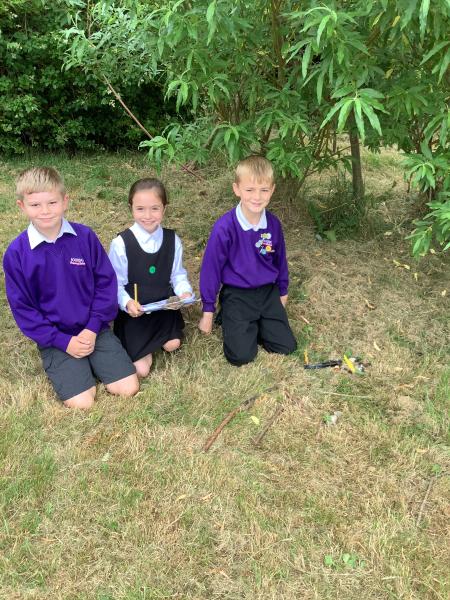
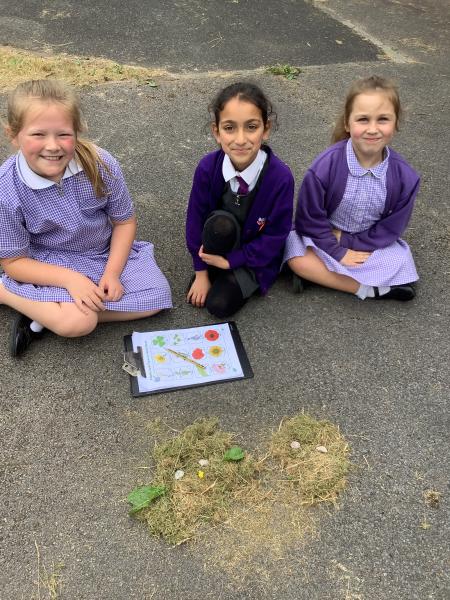
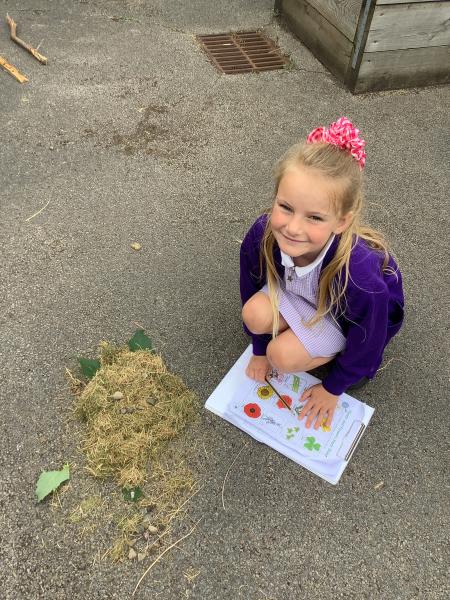
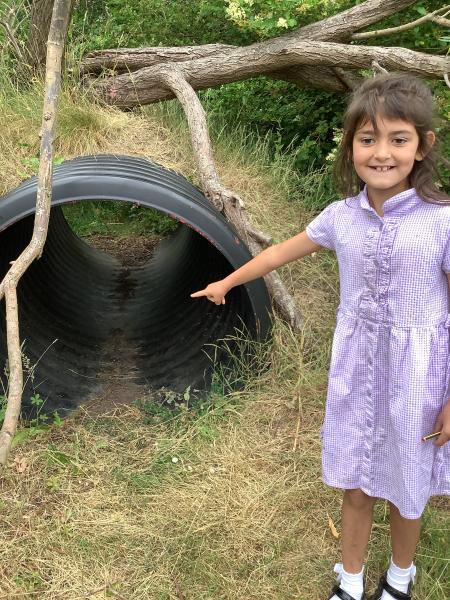
Year 3 enjoyed a fantastic outdoor learning session, exploring the natural world around them. The children took part in a scavenger hunt, searching for different flowers, smooth and rough surfaces, and a variety of animals. They showed great enthusiasm and curiosity as they investigated their surroundings.
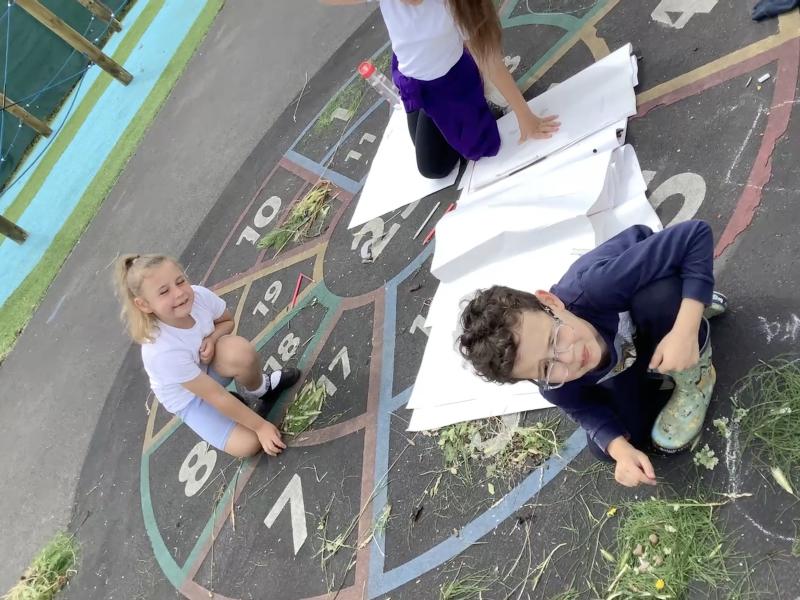
The children then gathered natural resources from outside to create imaginative faces. Their designs were brilliant and incredibly creative, with some children using grass to make hair and adding colourful flowers for extra detail.
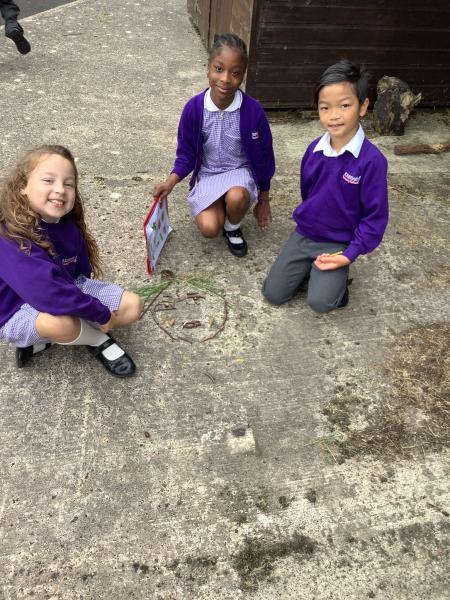
To finish the session, we learnt about the work of the artist Andy Goldsworthy and explored some of his nature-inspired artwork. Using natural materials, the children recreated some of his techniques, including stacking, balancing and layering objects. They worked thoughtfully and creatively, producing some wonderful pieces inspired by the natural world.
We were so impressed with the children's teamwork, creativity and enthusiasm throughout the day! 🌿🎨🍃
Date: 7th Jul 2026 @ 5:54pm
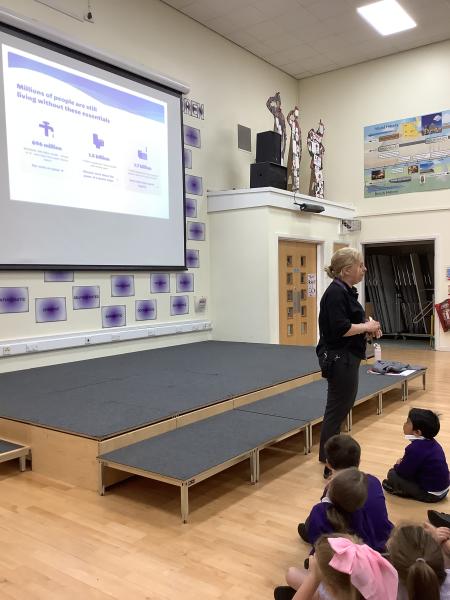
Today we held a whole school assembly about WaterAid and the importance of water.
We discussed how important water is for our health and wellbeing. Water helps us stay hydrated, keeps our bodies functioning properly, and is essential for good hygiene and sanitation. We also looked at the many ways we use water every day, including drinking, cooking, washing, cleaning, and growing food.
The assembly highlighted the importance of not wasting water. Everyone was encouraged to think about simple ways to save water, such as turning taps off properly, taking shorter showers, and reporting any leaks.
We also learned about the challenges faced by many children in parts of Africa, where access to clean water is limited. Some children can spend up to eight hours a day fetching and carrying water, often before or after attending school. This can make it difficult for them to learn, play, and enjoy the same opportunities that many of us take for granted.
To support our school's commitment to water conservation, our Eco Warriors will be helping to monitor taps around the school and report any leaks or water wastage. By working together, we can help protect this valuable resource and make a positive difference for both our environment and communities around the world.
Every drop counts! 💧
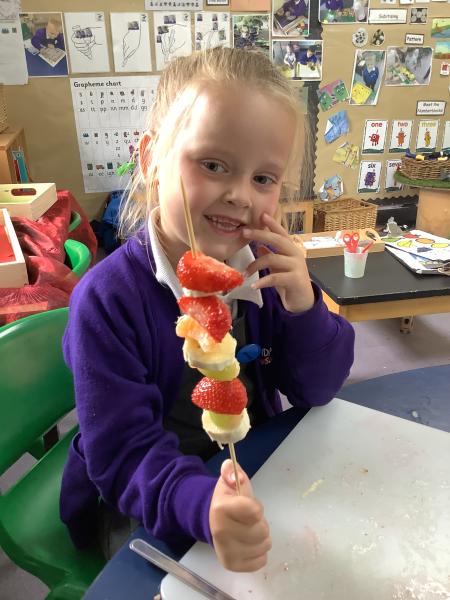
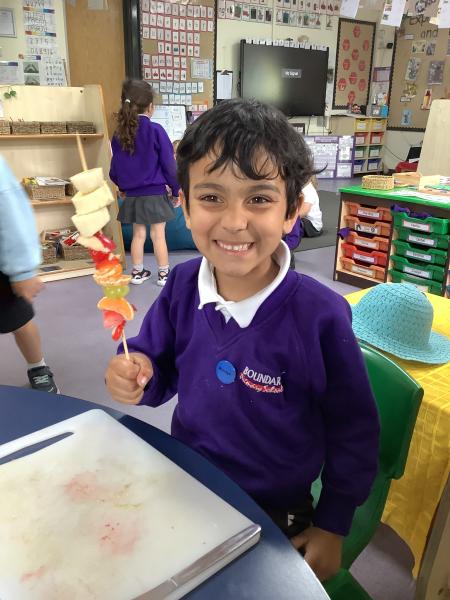
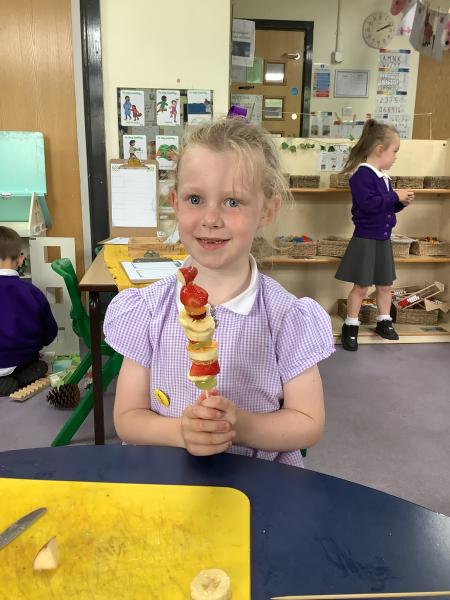
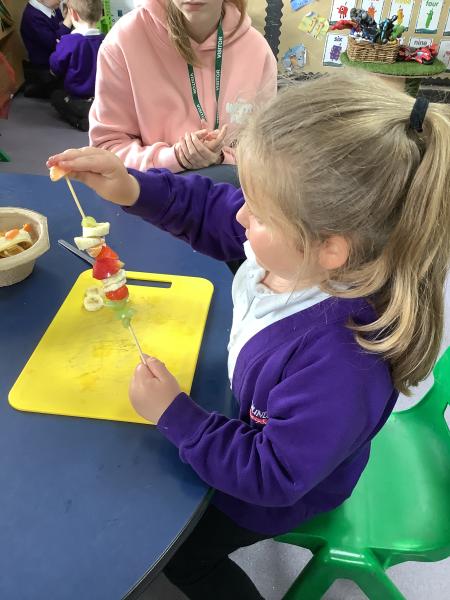
Reception- Making a fruit kebab
Date: 3rd Jul 2026 @ 12:18pm
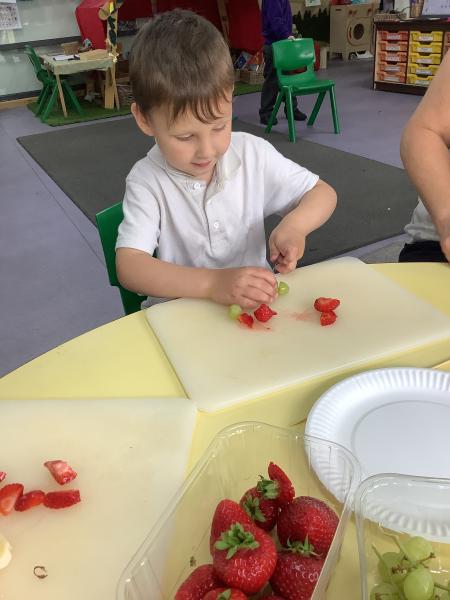
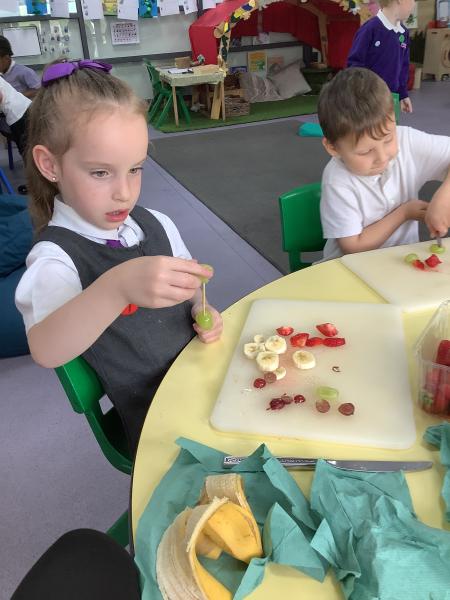
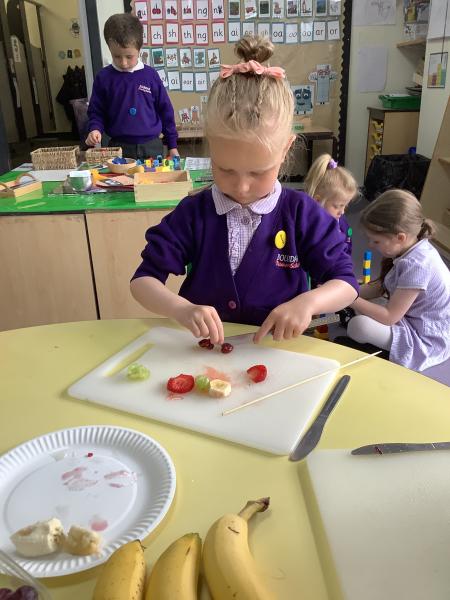
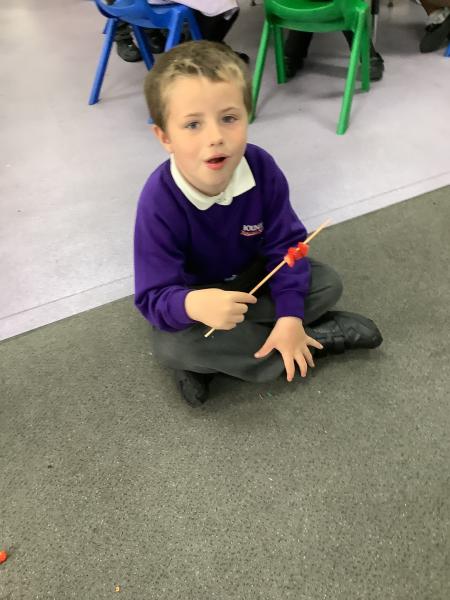
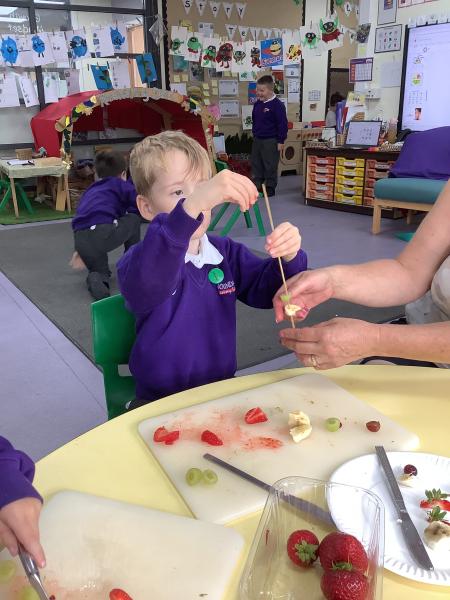
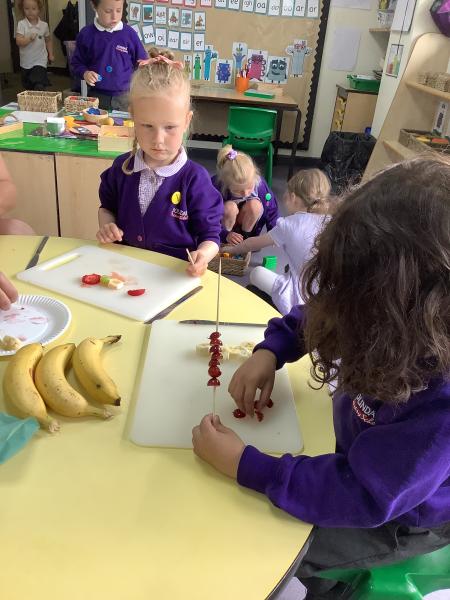
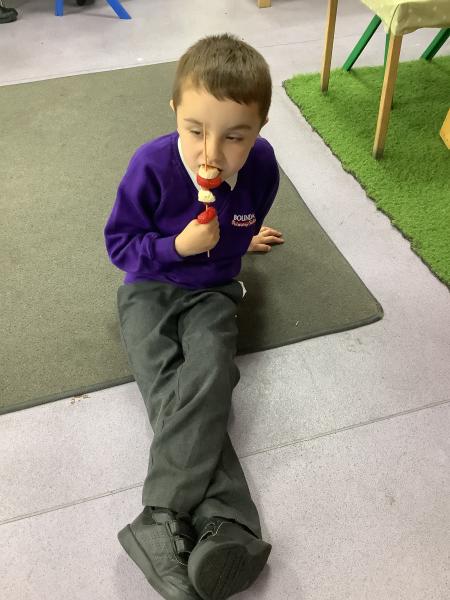
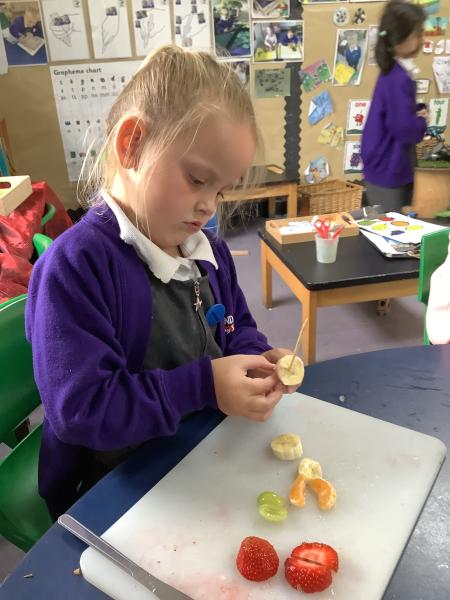
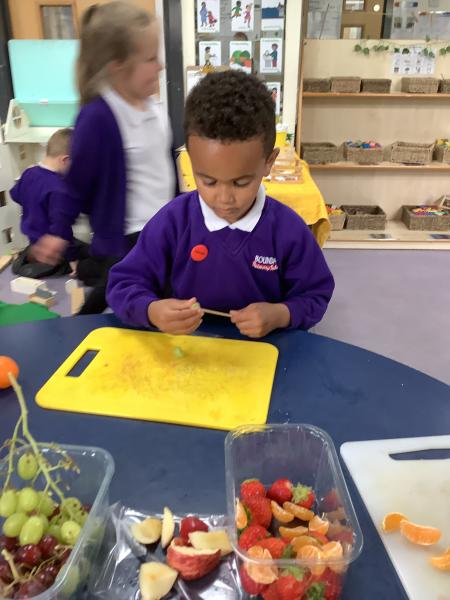
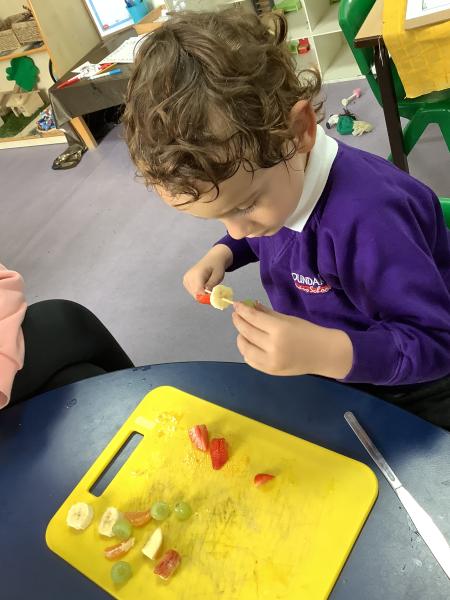
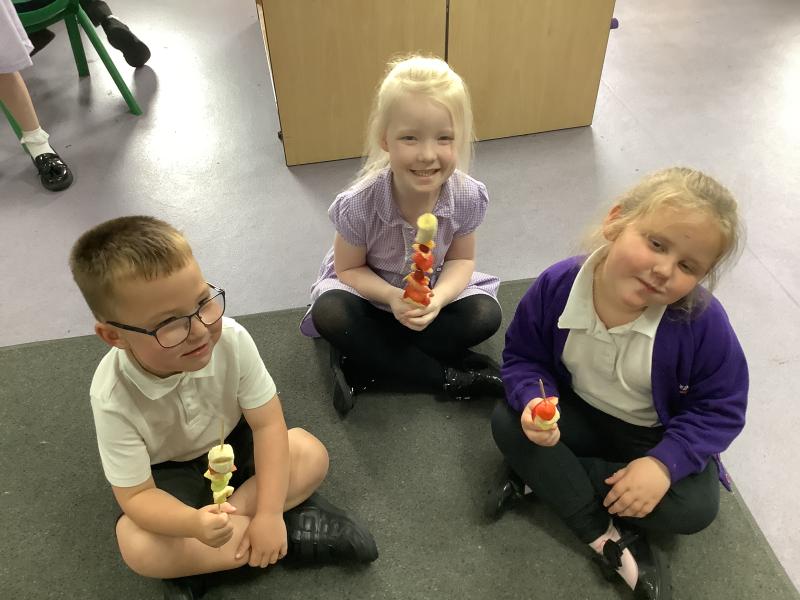
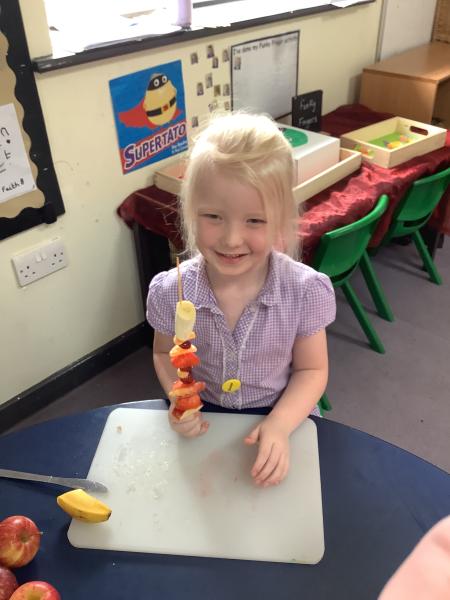
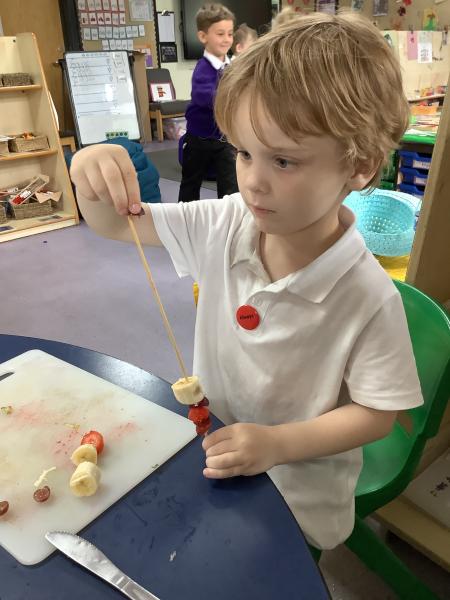
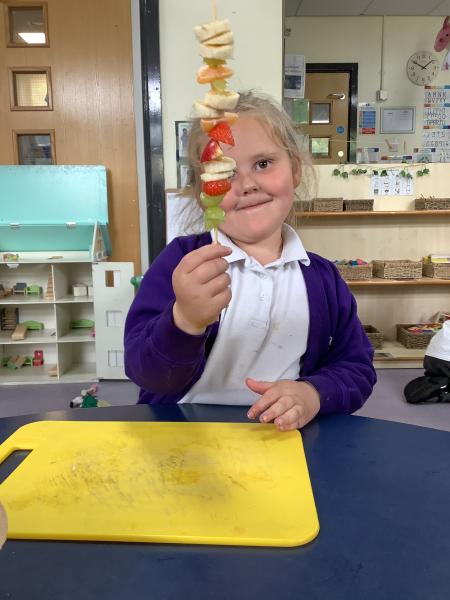
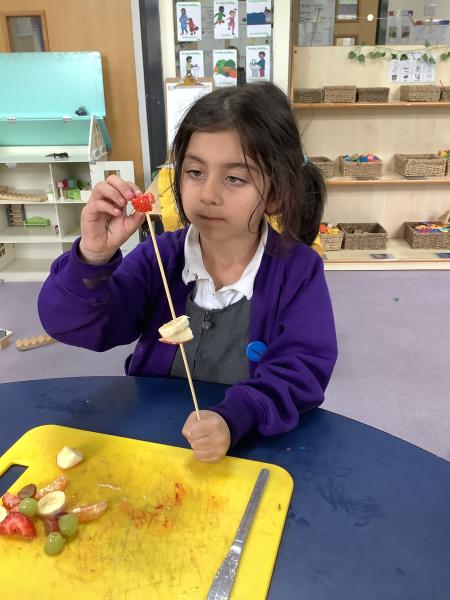
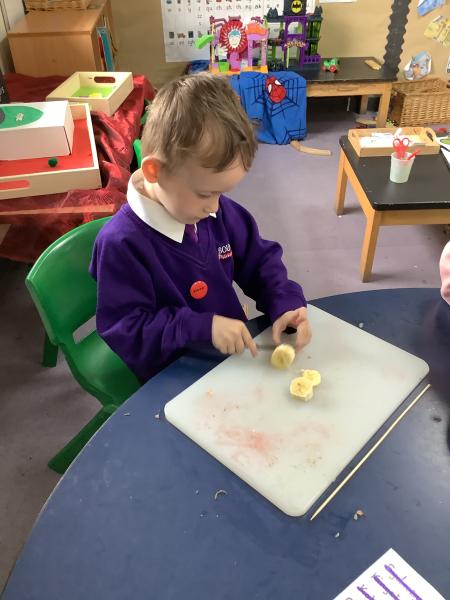
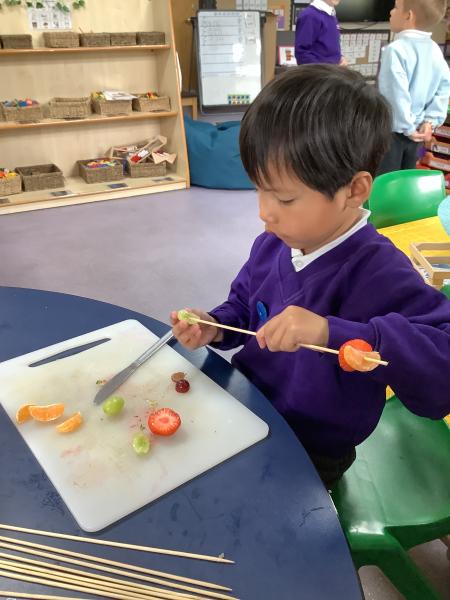
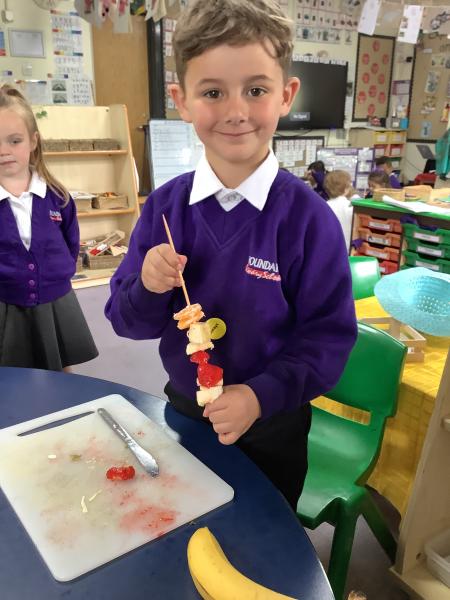
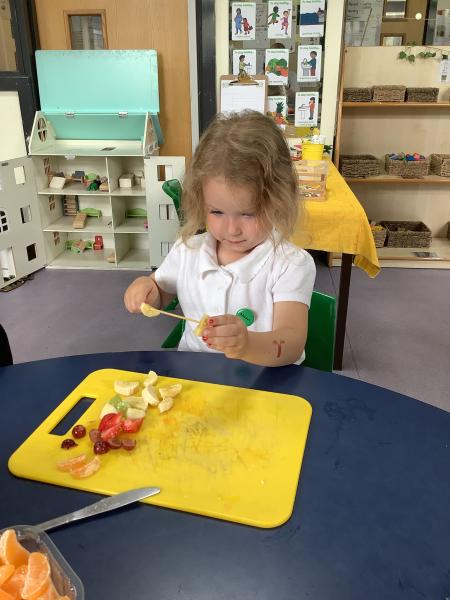
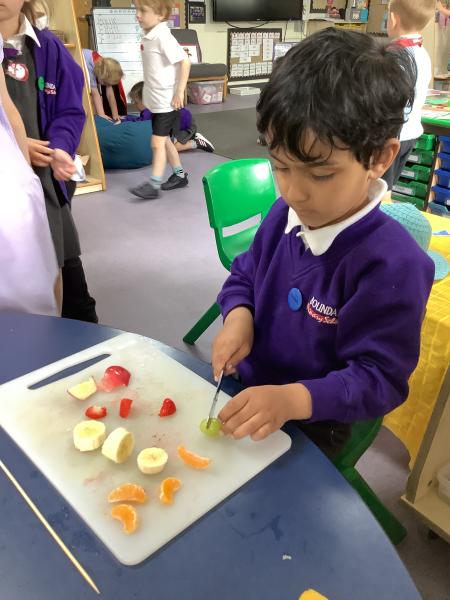
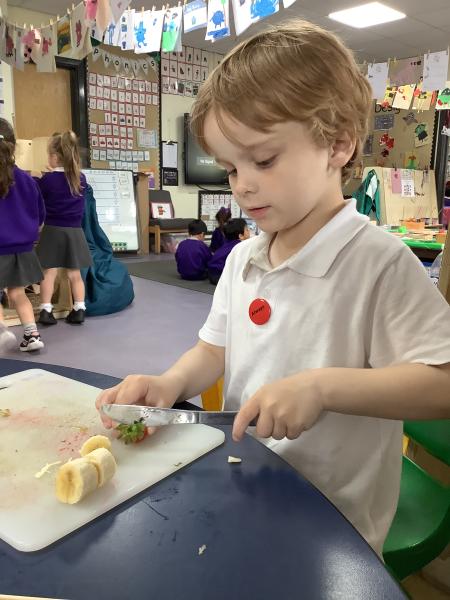
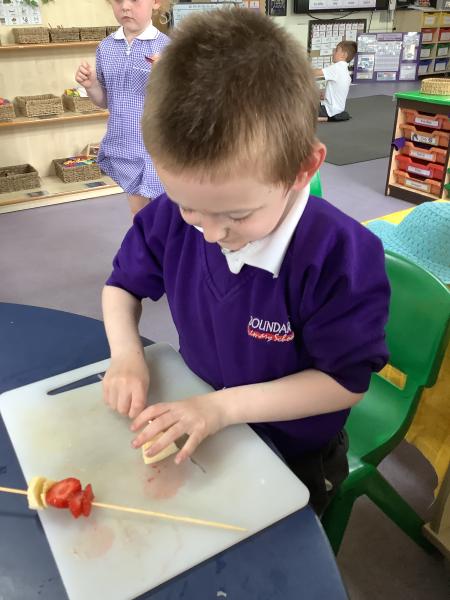
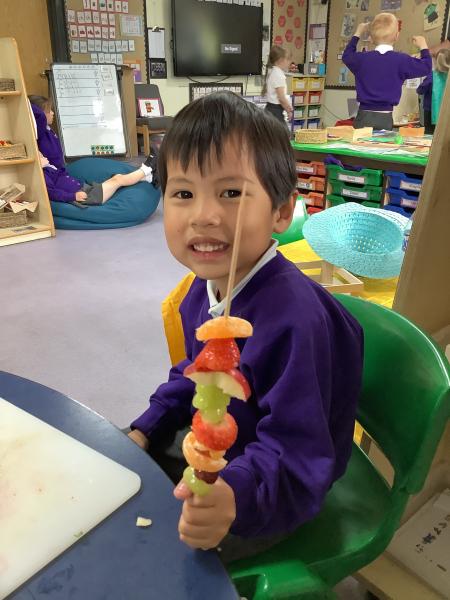
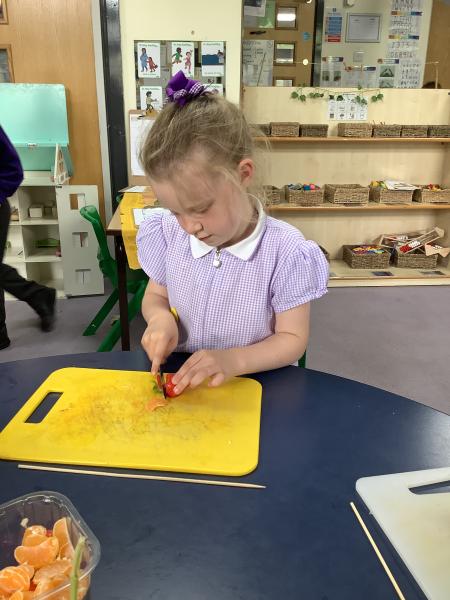
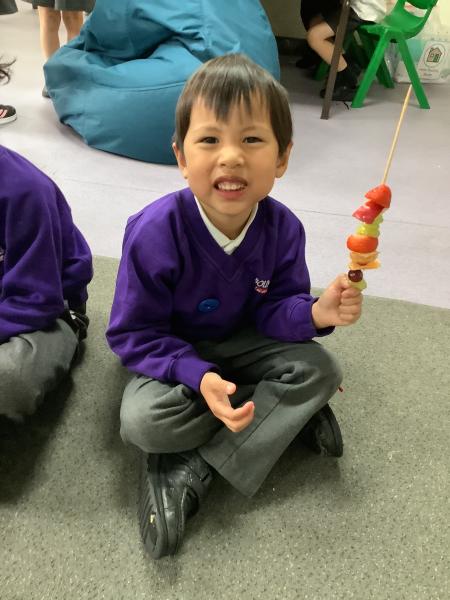
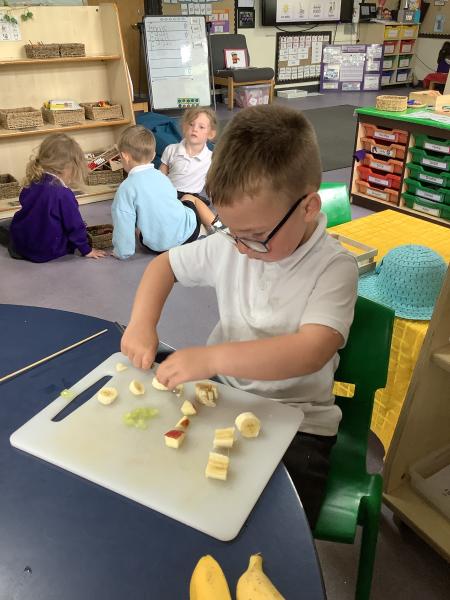
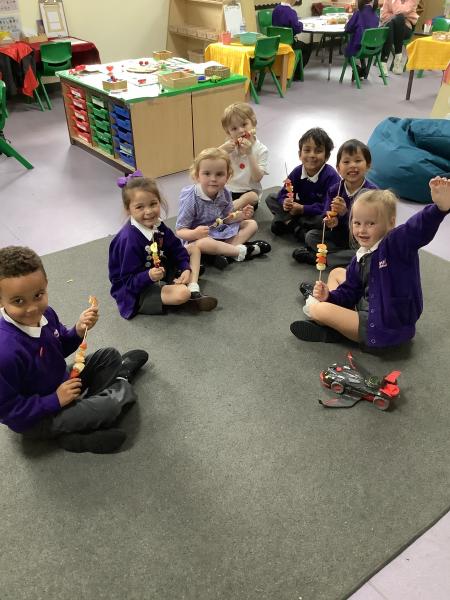
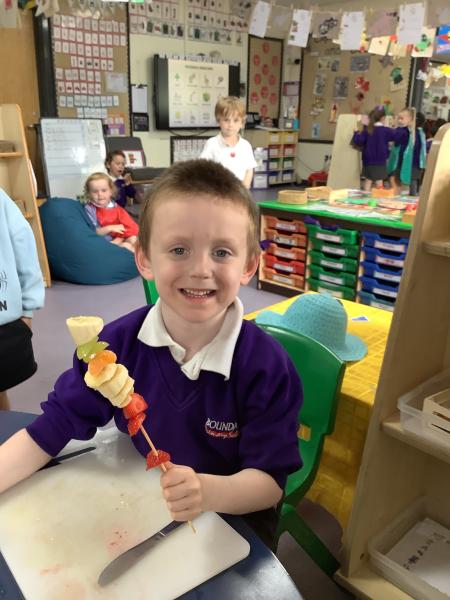
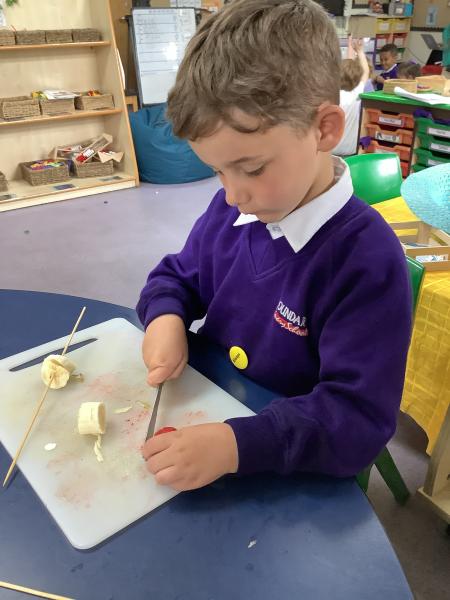
The children took part in a healthy eating Design and Technology activity where they made their own fruit kebabs using strawberries, red grapes, green grapes, bananas, and clementines.
The children showed good focus and concentration as they carefully prepared the fruit and threaded it onto their skewers. They learned about healthy foods and discussed why fruit is good for our bodies, linking to the message of eating five portions of fruit and vegetables a day.
The children practised using a knife safely to chop soft fruit, developing their understanding of knife safety and how to handle tools carefully. They also strengthened their fine motor skills by picking up fruit pieces and pushing them onto the skewer.
After making their fruit kebabs, the children thoroughly enjoyed eating them. They used descriptive language to talk about the taste and texture of the fruit, saying it was juicy, fruity, and sweet. The children were proud of their finished kebabs and enjoyed trying a variety of fruits.
"My favourite fruit are strawberries" Faith A
"I love chopping bananas" Oliver
"My kebab is so juicy!" Harrison- Bleu
Date: 3rd Jul 2026 @ 10:22am
Year 1 had a fantastic time during our Outdoor Learning session, showing excellent teamwork, creativity and enthusiasm throughout the day 😊.
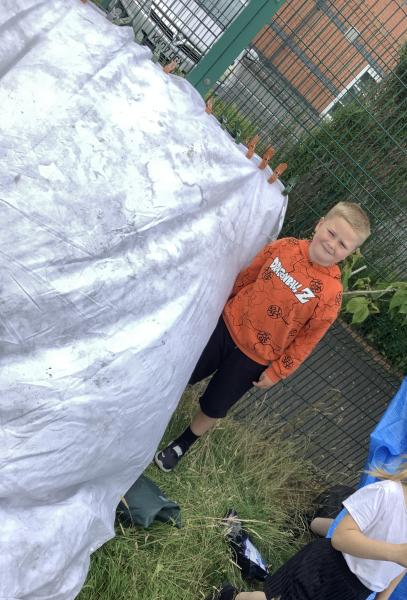
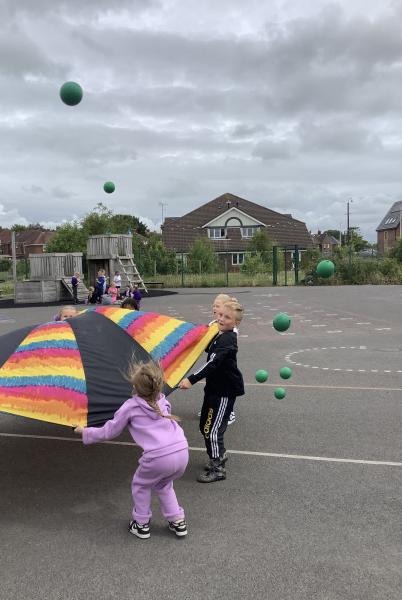
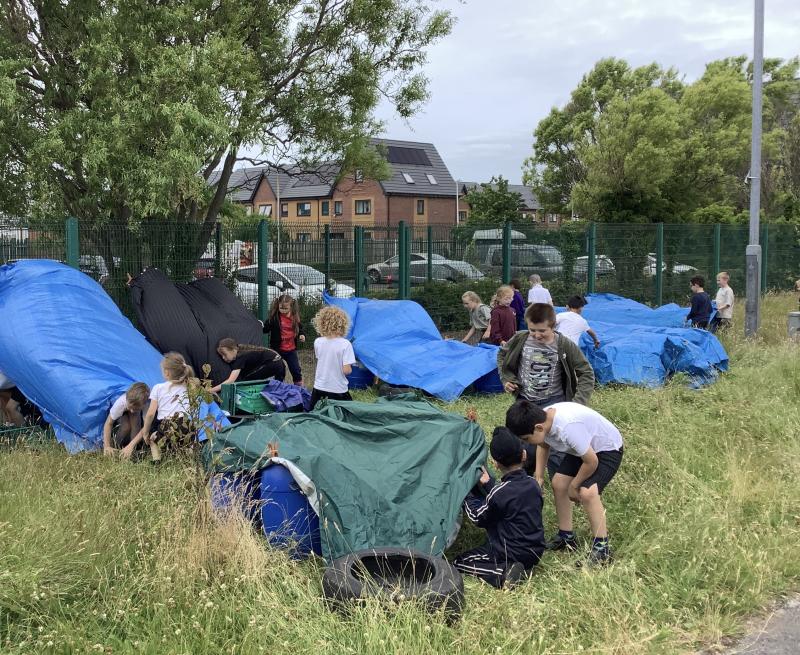
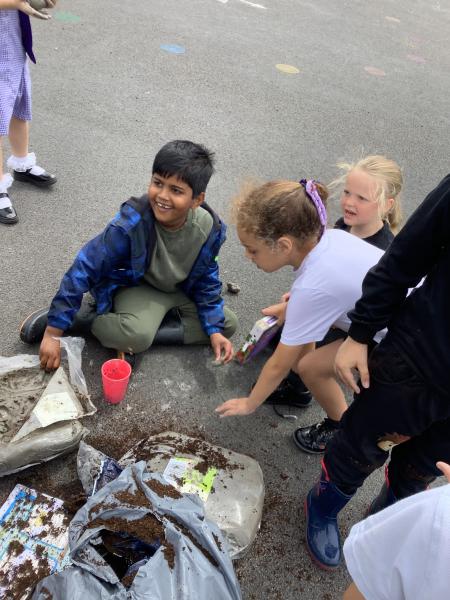
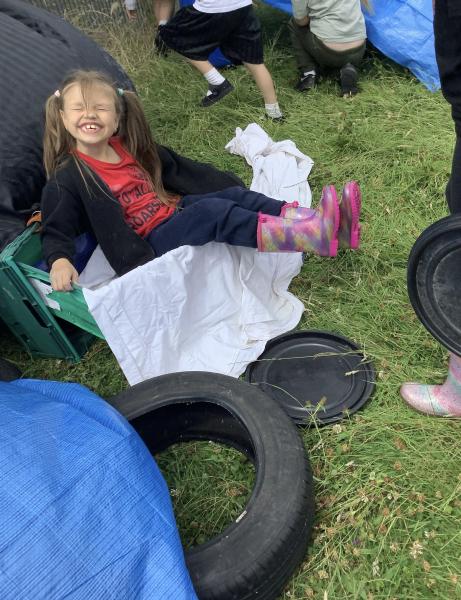
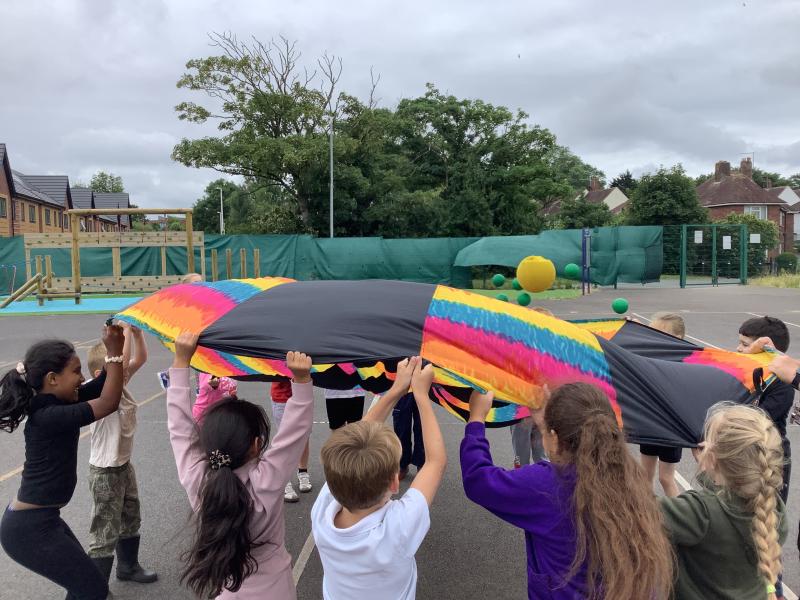
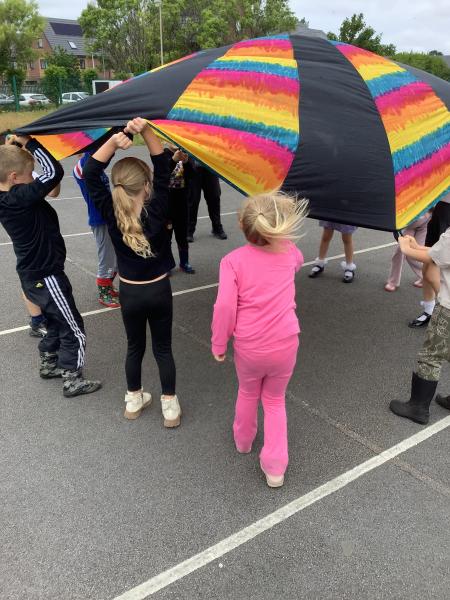
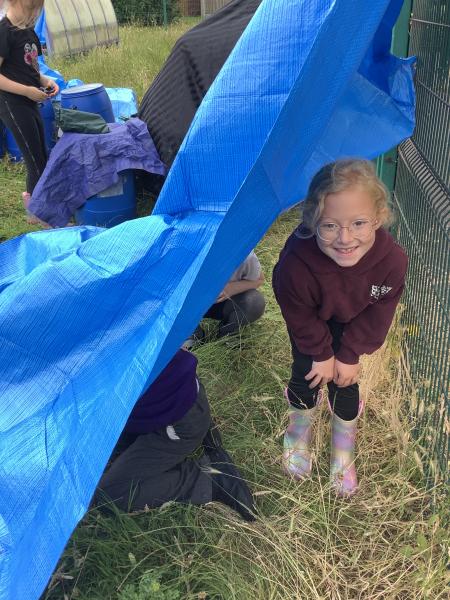
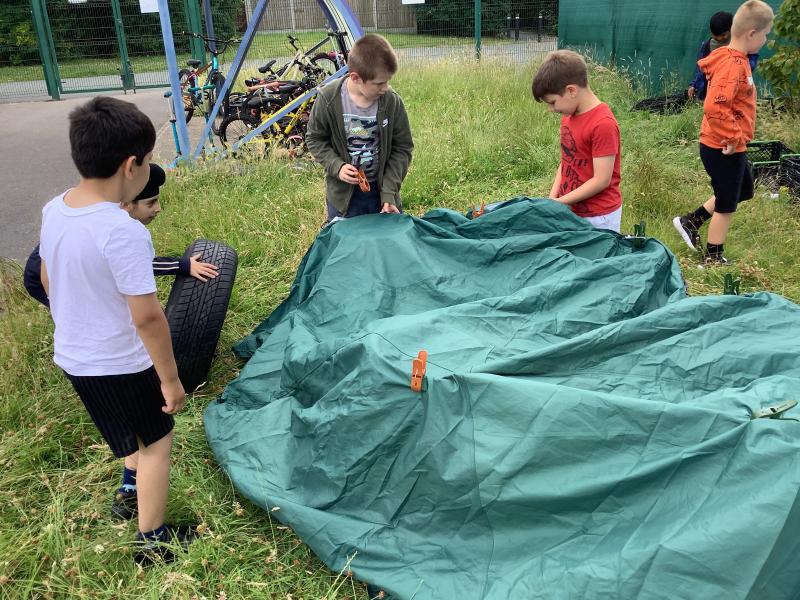
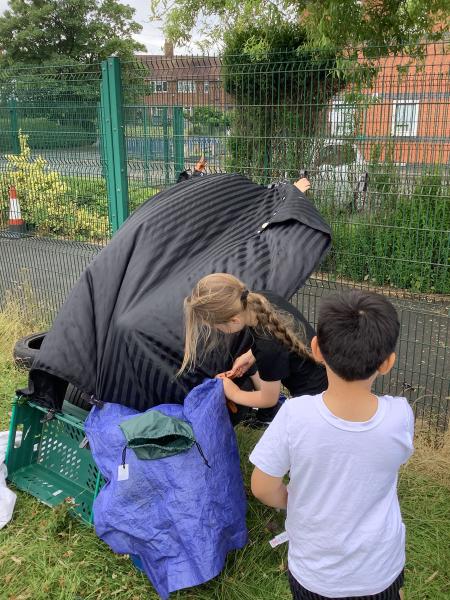
The children worked together to build dens 🏕️, sharing ideas and solving problems as a team to create strong and sturdy shelters. They also had lots of fun taking part in parachute games 🌈, developing their communication skills and working together to complete different challenges.
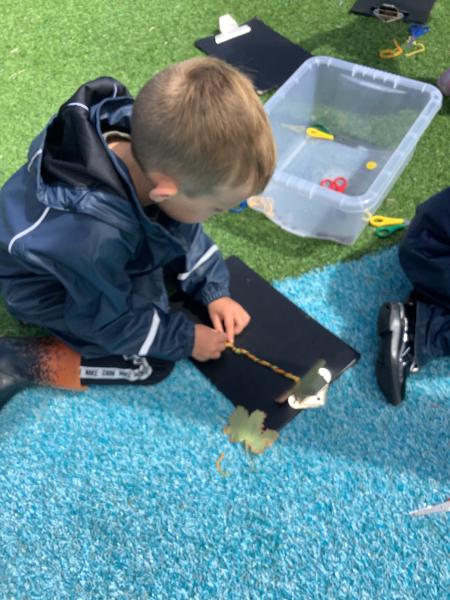
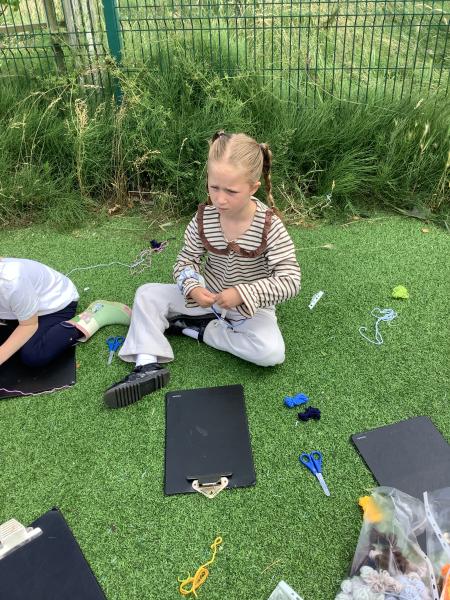
The children also enjoyed making friendship bracelets 💛, showing patience, creativity and kindness as they created special bracelets for themselves and their friends. We spent time sitting together and talking about the things we enjoy doing that help us feel happy and calm 🌿😊. It was lovely to hear the children sharing their ideas and reflecting on ways to look after their wellbeing.
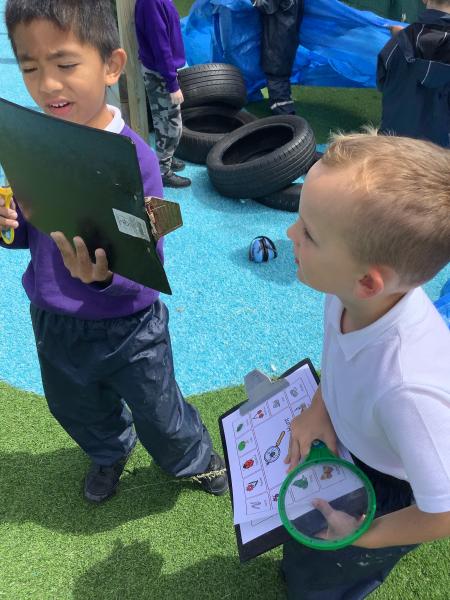
We also went on a nature scavenger hunt 🍃🔍, exploring the different aspects of the natural world. Using magnifying glasses, the children carefully searched for insects 🐞 and plants 🌱, developing their observation skills and curiosity about the environment around them.
To help care for our environment, the children made seed bombs 🌼🐝 and learned how these can grow into beautiful wildflowers, creating important habitats and food sources for bees and other wildlife. It was wonderful to see them thinking about ways they can support nature and look after the world around them 🌍💛.
A brilliant day of exploring, creating and learning outdoors! 🌟👏🌱
Year 2 Outdoor Learning: Teamwork in Nature 🌳🌿✨
Date: 1st Jul 2026 @ 3:05pm
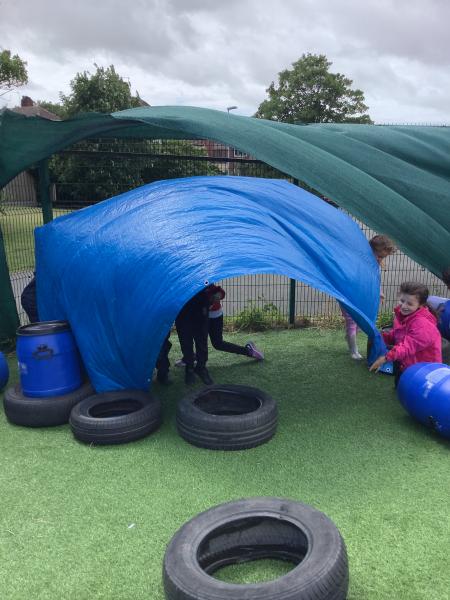
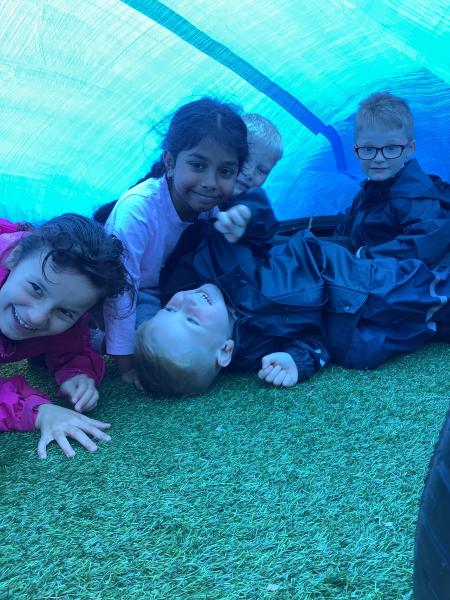
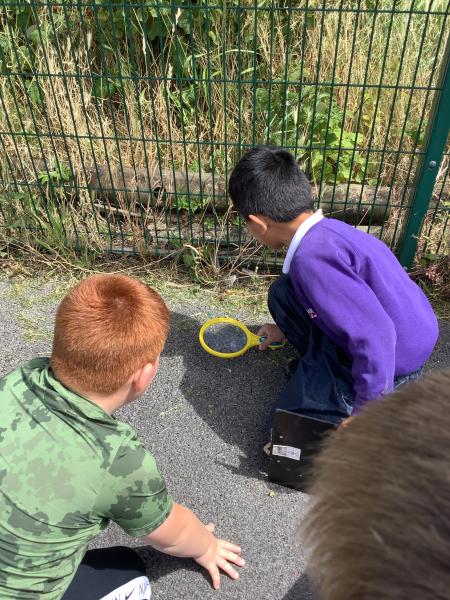
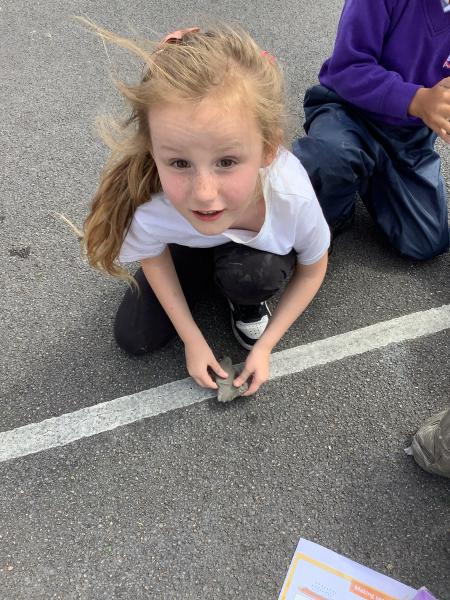
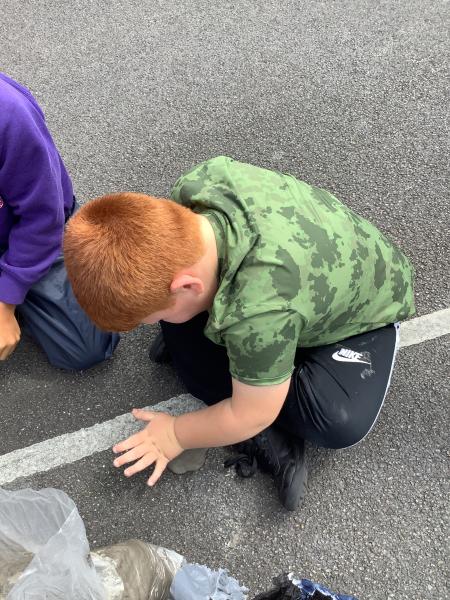
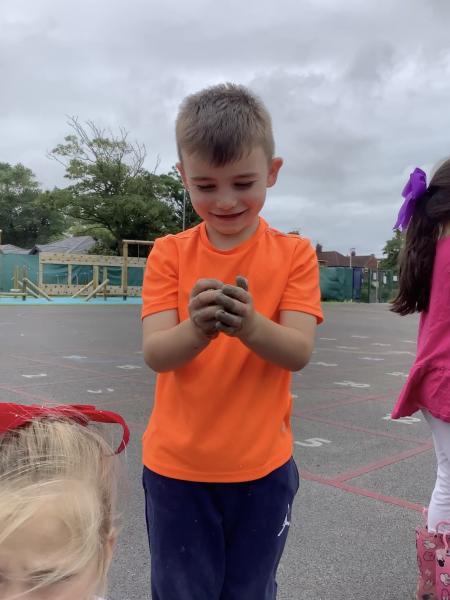
Year 2 had a fantastic time during our Outdoor Learning session, showing excellent teamwork, creativity and enthusiasm throughout the day 😊.
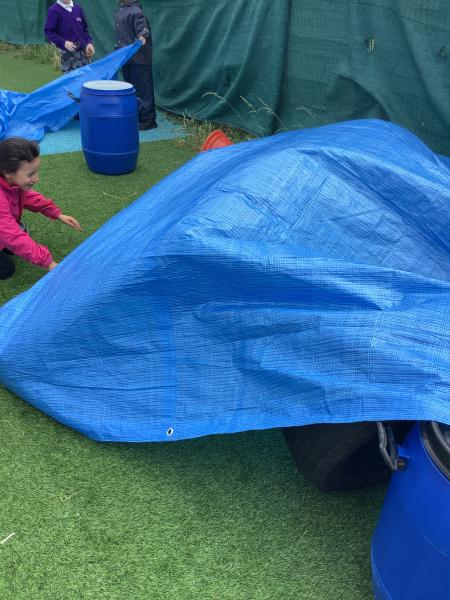
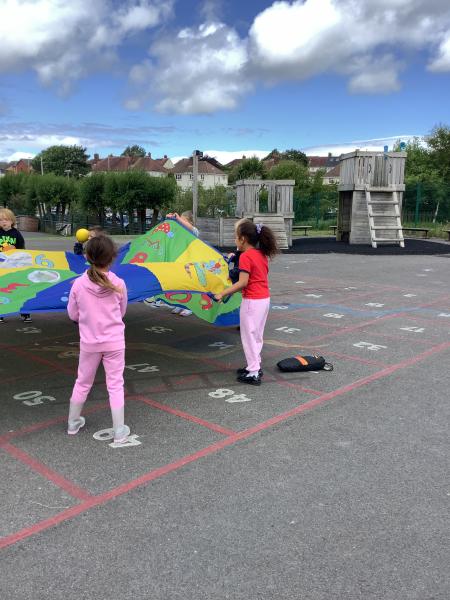
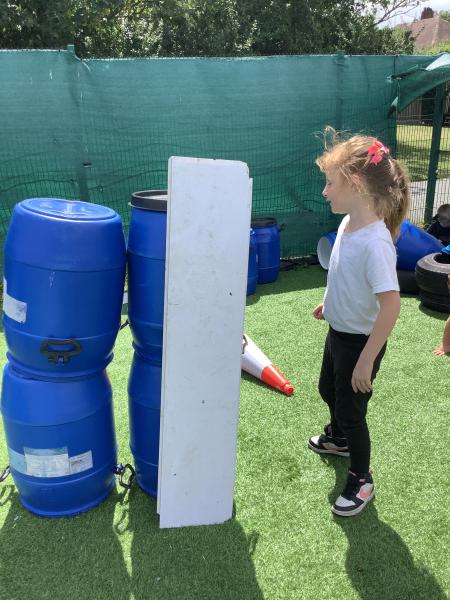
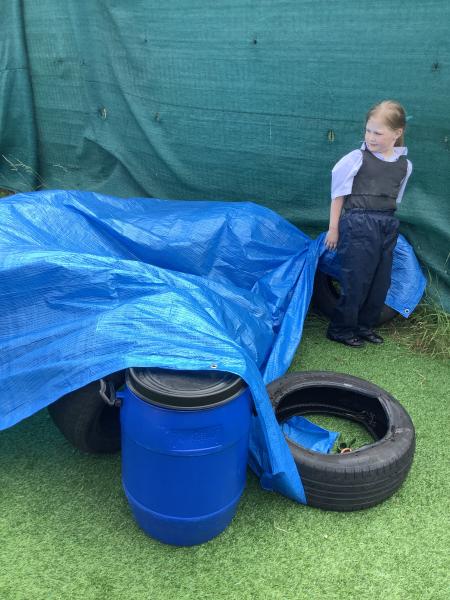
The children worked together to build dens 🏕️, sharing ideas and solving problems as a team to create strong and sturdy shelters. They also had lots of fun taking part in parachute games 🌈, developing their communication skills and working together to complete different challenges.
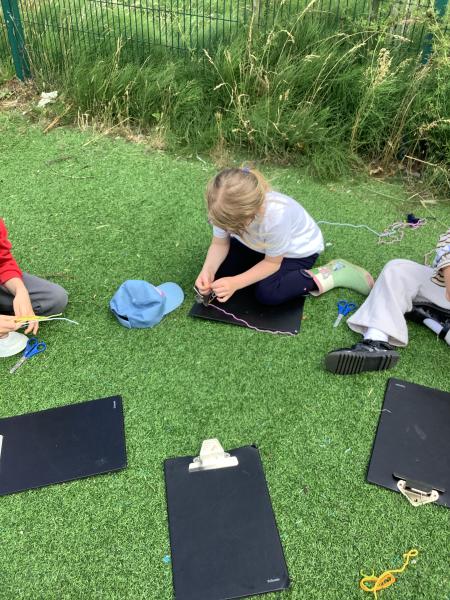
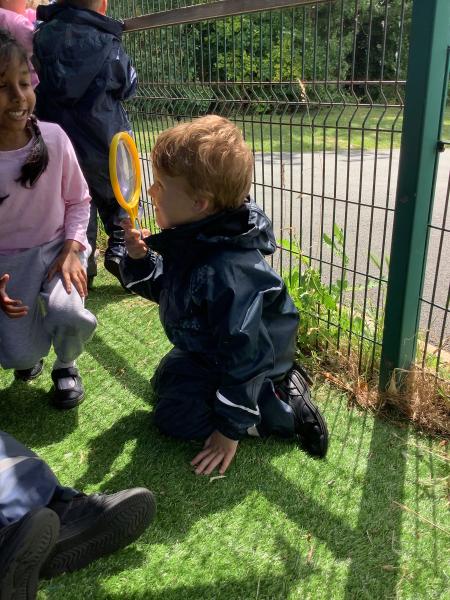
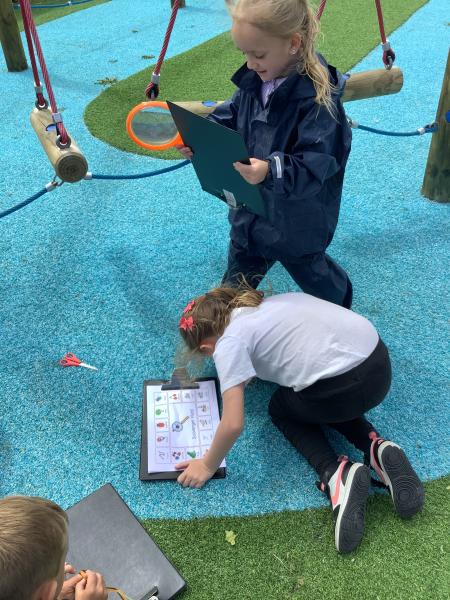
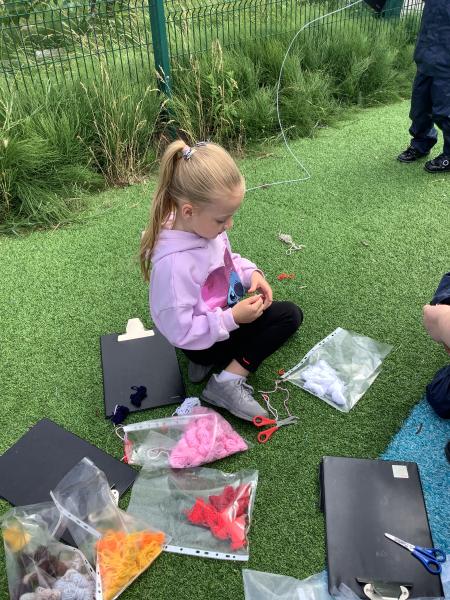
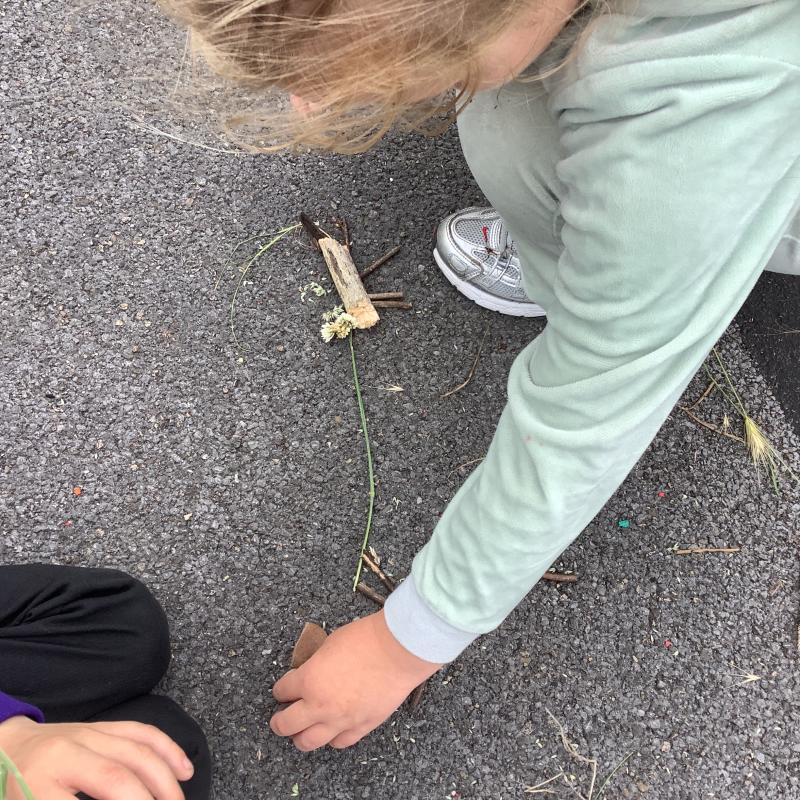
Using natural materials, the children created some wonderful nature art pieces 🍂🎨. They carefully collected leaves, sticks and other treasures from the outdoor environment to make their own unique creations.
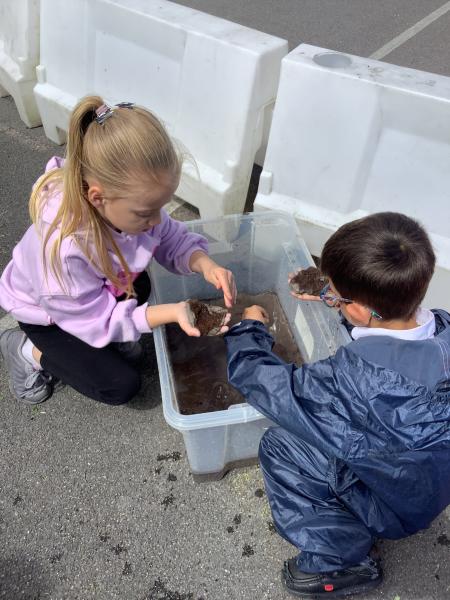
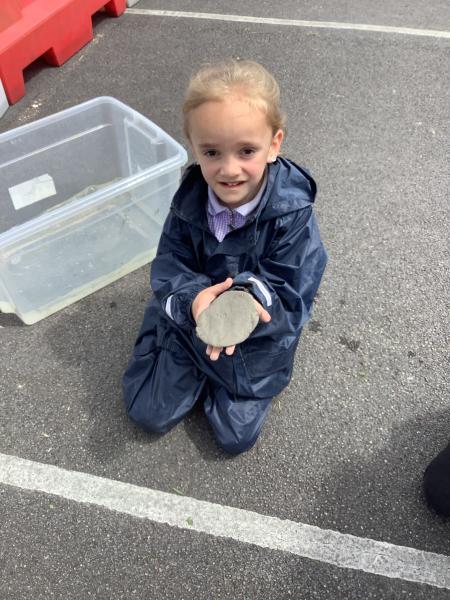
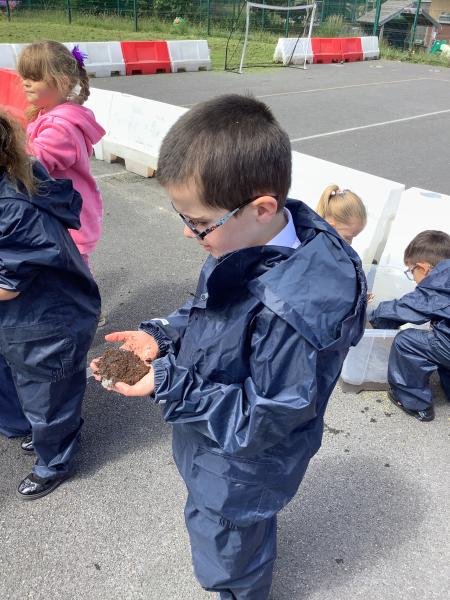
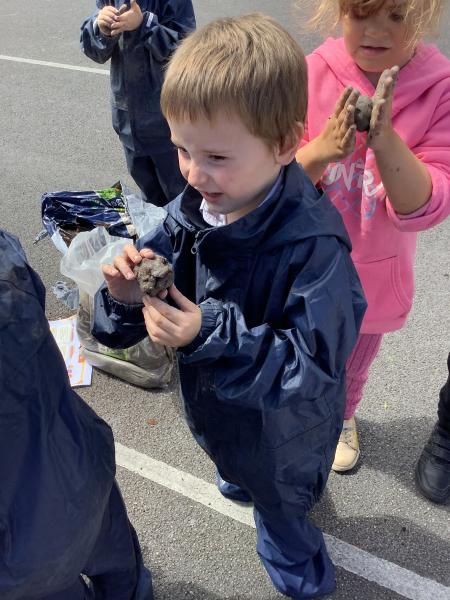
We also linked our learning to Year 3's Geography unit on bee conservation 🐝🌼 by creating our own seed bombs. The children learned how these can help produce beautiful wildflowers, creating important habitats and food sources for bees. It was wonderful to see the children thinking about how they can help care for the environment and support local wildlife 🌍💛.
A brilliant day of exploring, creating and learning outdoors! 🌟👏🌱
Nursery Taste Some Delicious Fruit
Date: 26th Jun 2026 @ 4:48pm
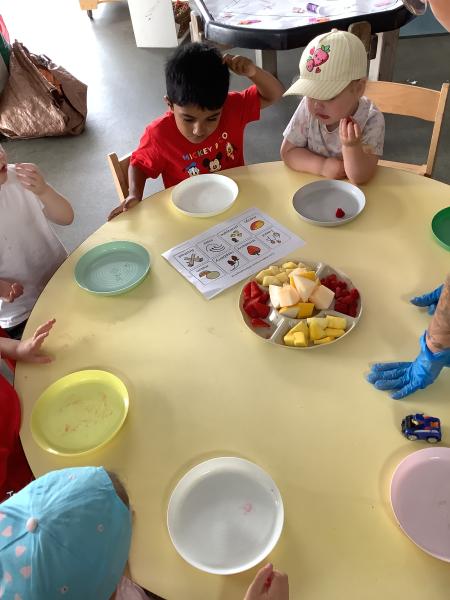
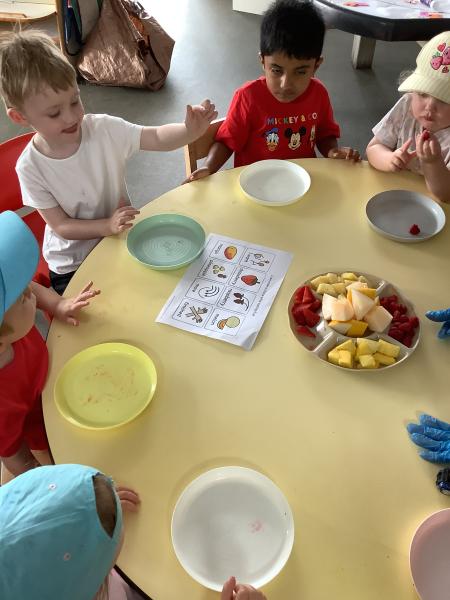
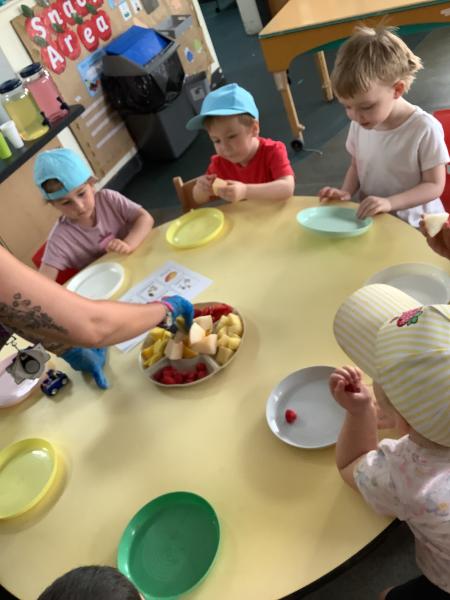
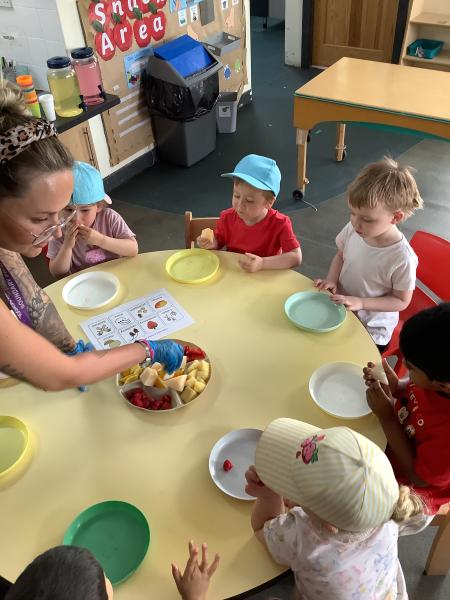
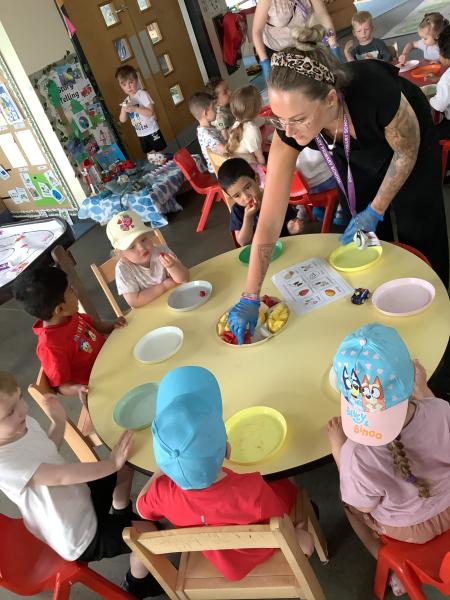
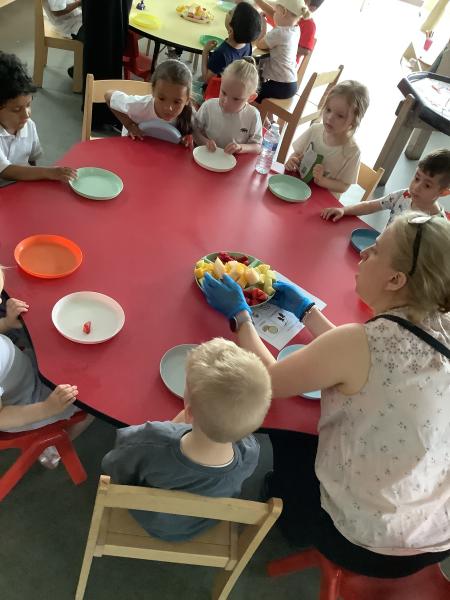
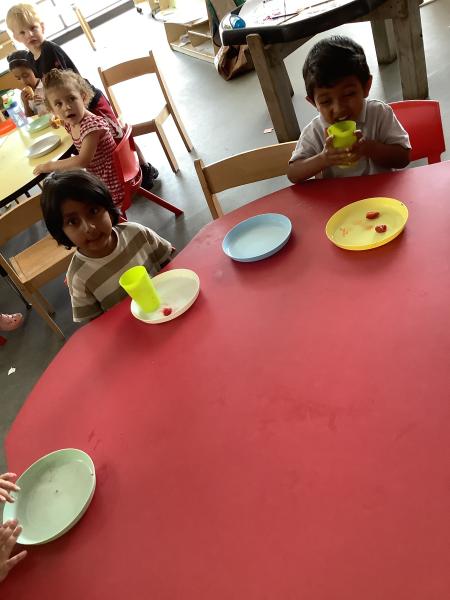
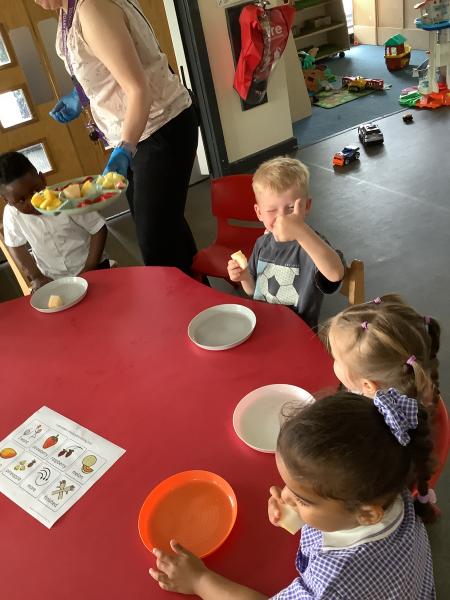
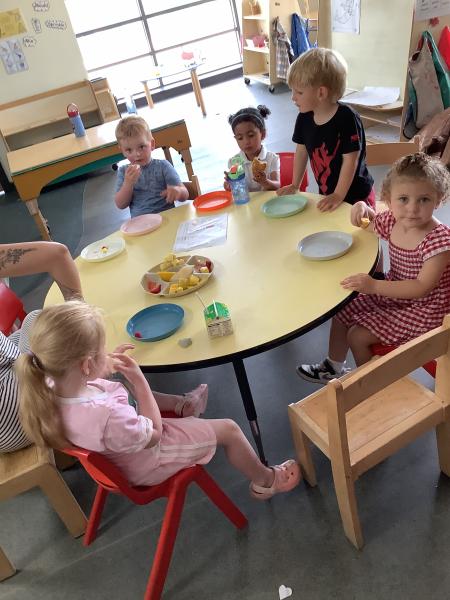
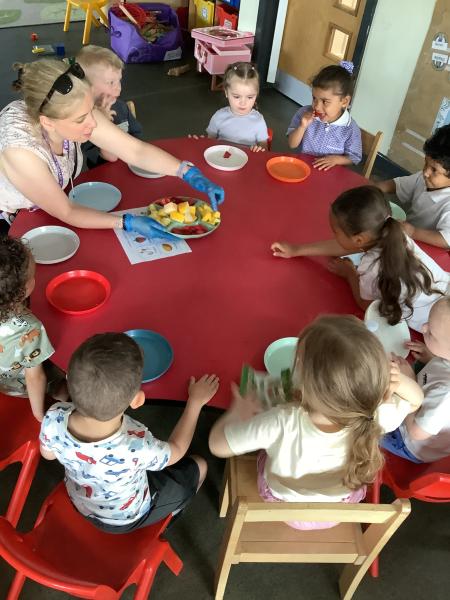
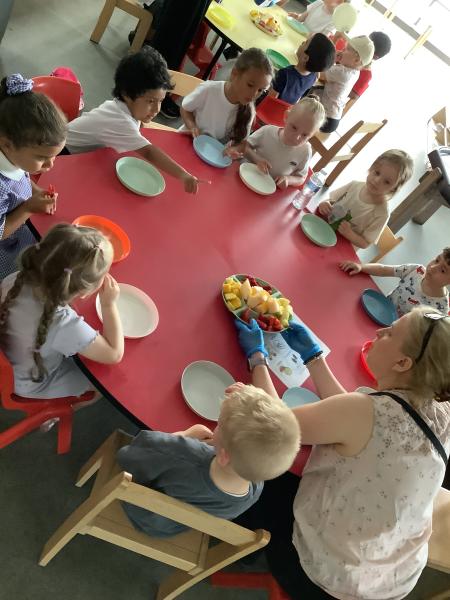
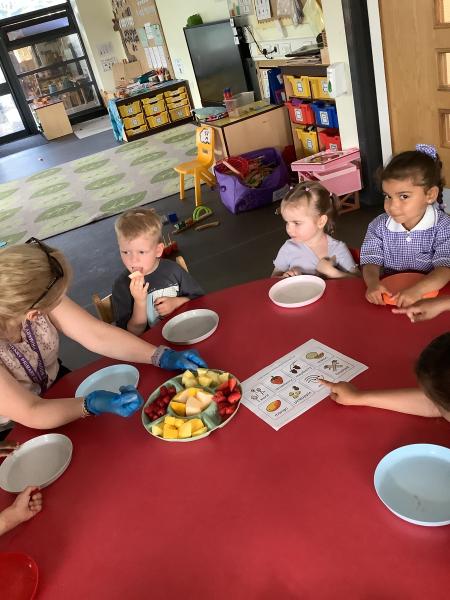
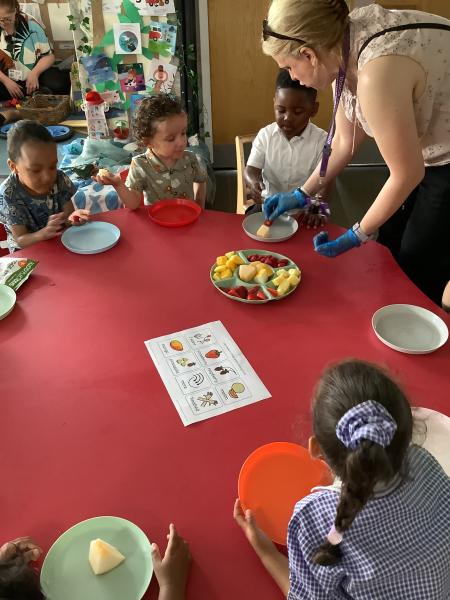
This week, Nursery enjoyed a delicious and exciting fruit tasting experience! The children had the opportunity to explore a variety of fresh fruits, including juicy melon, sweet pineapple, tropical mango, and bright, tasty strawberries.
We began by looking closely at each fruit, talking about their colours, shapes, and textures. The children were curious and eager to share their thoughts, describing the melon as smooth and cool, the pineapple as spiky on the outside but juicy inside, the mango as soft and sweet, and the strawberries as small, red, and full of seeds.
As the tasting began, the children showed great enthusiasm in trying each fruit. Some confidently tasted everything, while others were encouraged to explore new flavours at their own pace. It was lovely to see them express their preferences, using words like “sweet,” “tangy,” and “juicy” to describe what they tasted.
This activity supported the children’s sensory development, language skills, and confidence in trying new things. They demonstrated curiosity, independence, and a willingness to engage in conversation with their peers and adults.
Overall, it was a wonderful experience filled with smiles, exploration, and healthy enjoyment. We are so proud of how the children embraced this activity and eagerly participated in our fruity adventure! 🍓✨
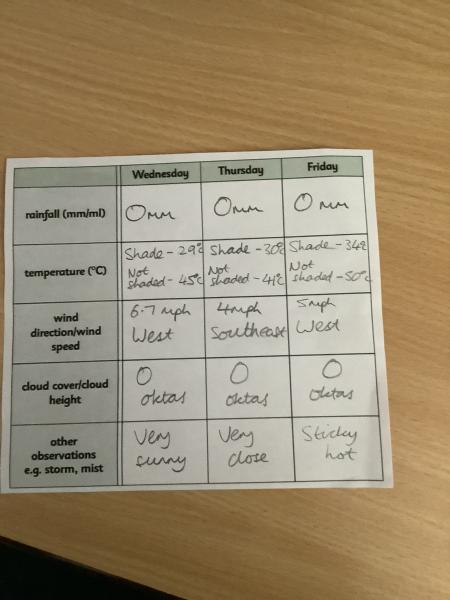
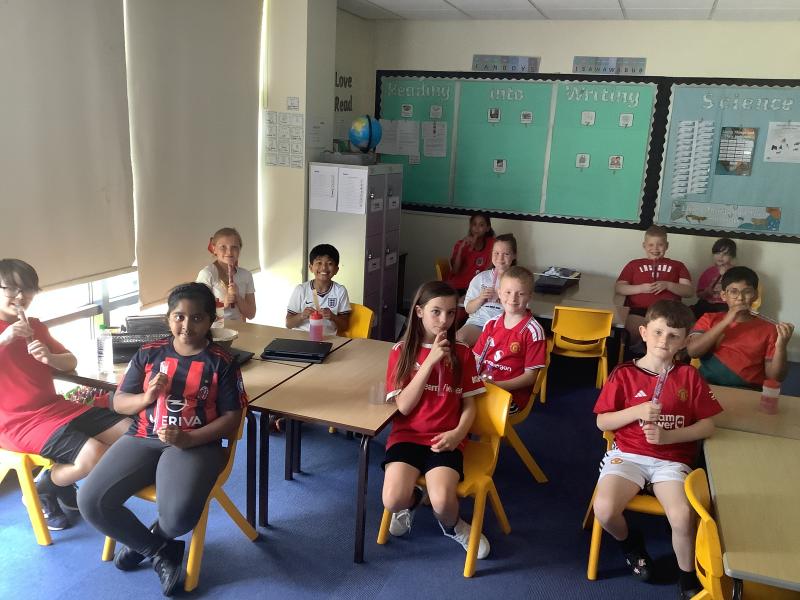
Year 4 - Fieldwork and ice pops!
Date: 26th Jun 2026 @ 1:59pm
Date: 26th Jun 2026 @ 1:55pm
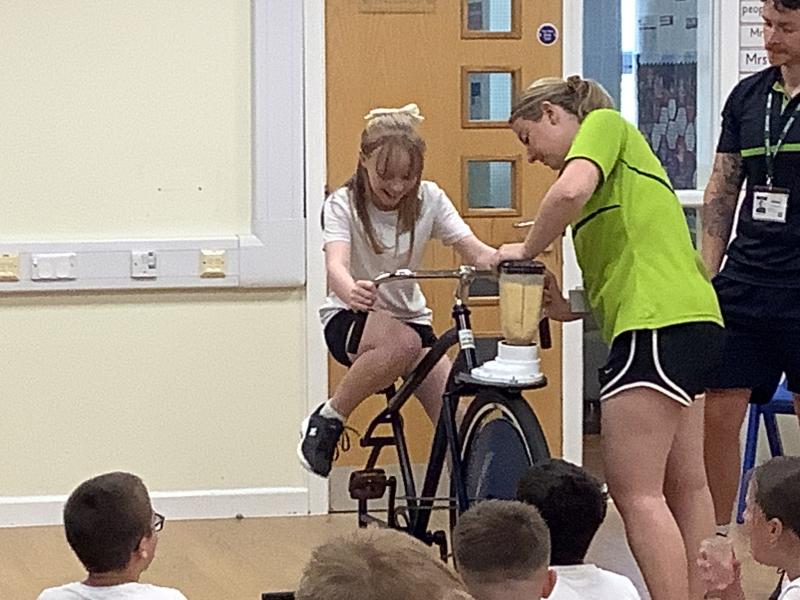
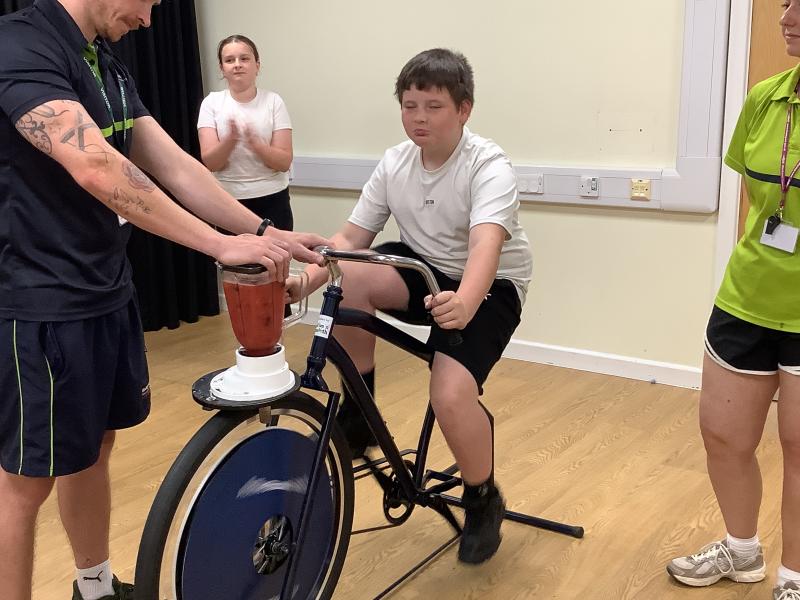
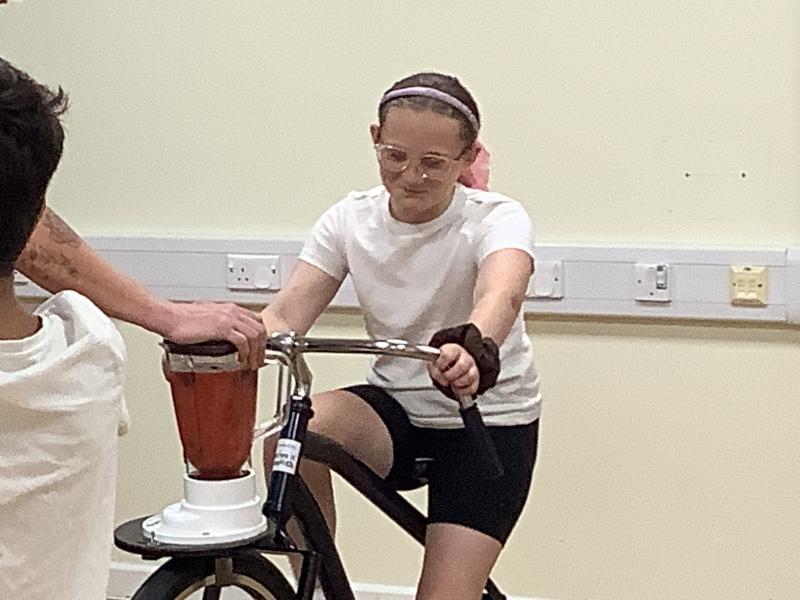
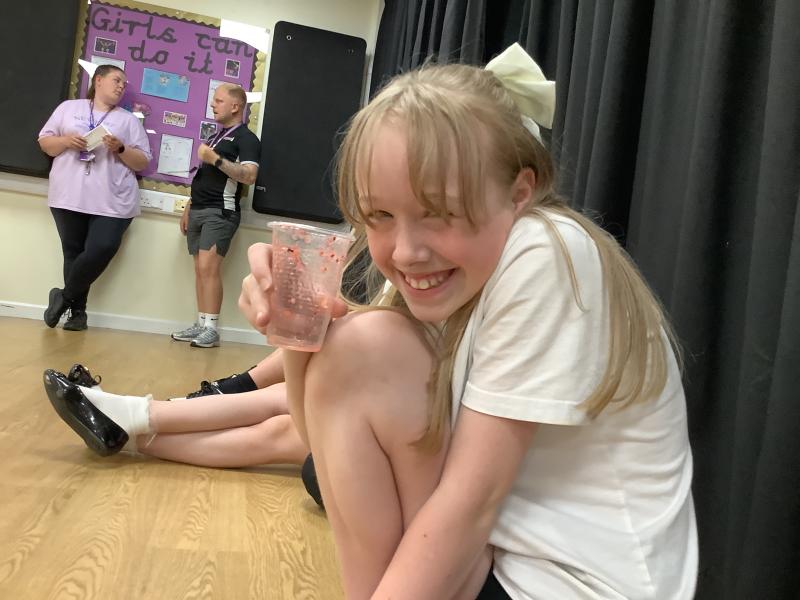
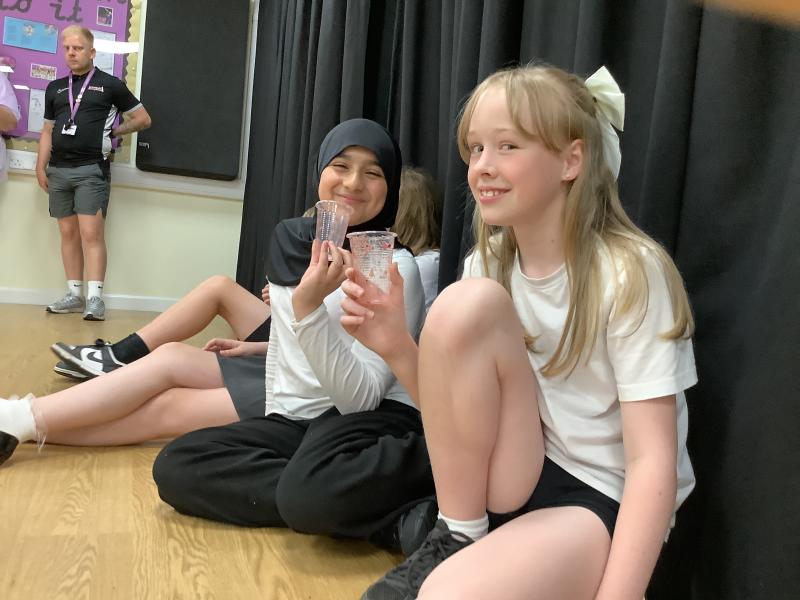
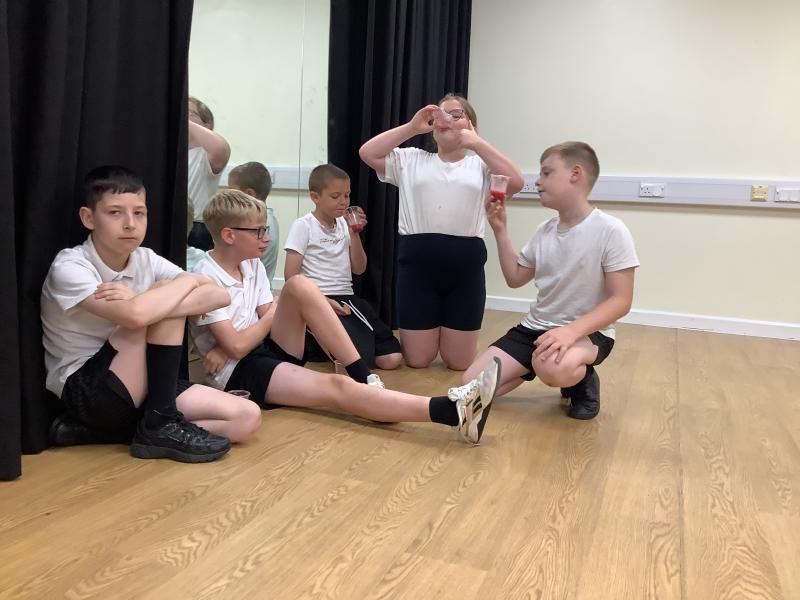
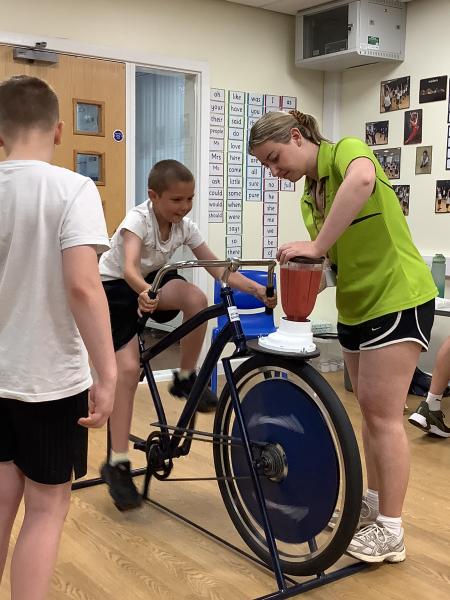
🚲🍓 Year 6 Health Week Fun – Smoothie Bike Day! 🍌🥭
As part of our exciting Health Week, Year 6 had an unforgettable experience in the dance studio with a very special visitor — the smoothie bike!
Instead of using electricity, we had to pedal a bike to power the smoothie maker. It was great fun and definitely got our legs moving! Everyone took turns riding the bike as fast as they could to help blend our tasty drinks.
We made delicious smoothies using a variety of fresh fruits, including:
- 🍌 Bananas
- 🍓 Strawberries
- 🥭 Mango
- 🍈 Papaya
These were mixed with milk and ice, creating the perfect cold and refreshing drink. After working hard on the bike, it was the ideal way to cool down and stay healthy at the same time.
The activity helped us learn about:
- The importance of exercise
- How to make healthy food choices
- How energy works in a fun and practical way
Everyone had a fantastic time, and the smoothies tasted amazing — especially knowing that we powered them ourselves!
What a brilliant way to stay active and healthy — we loved Smoothie Bike Day! 💪🥤
Reception- Health Week Gymnastics
Date: 26th Jun 2026 @ 12:17pm
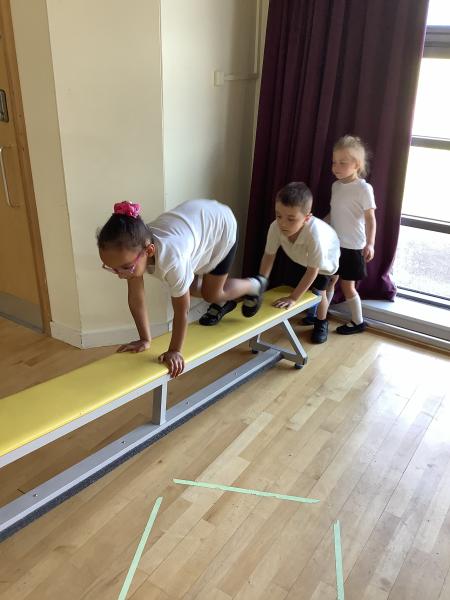
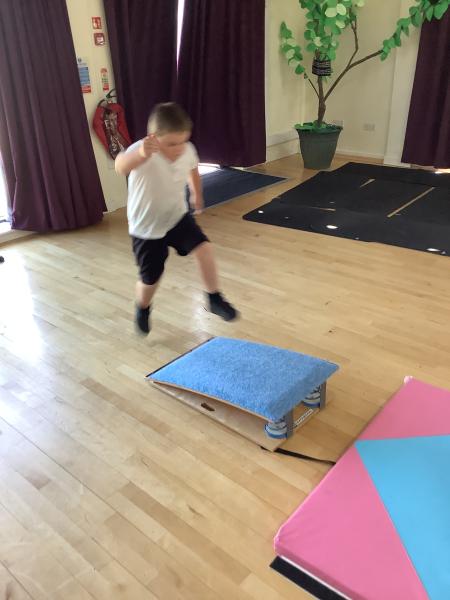
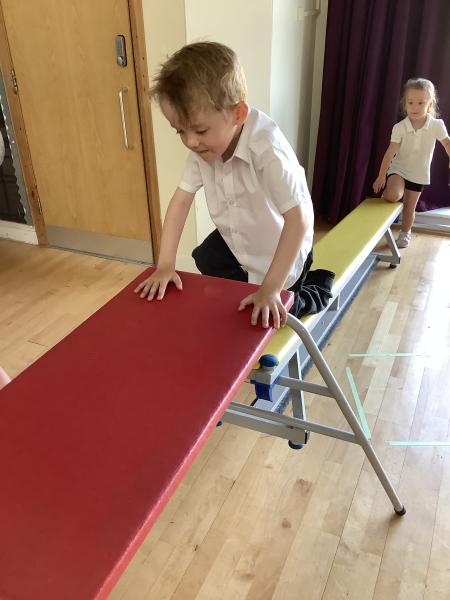
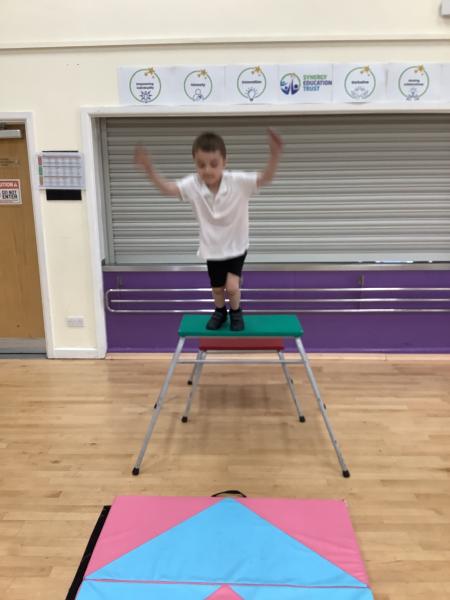
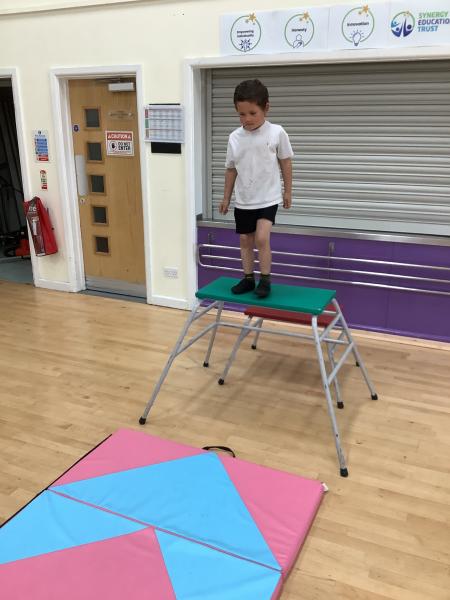
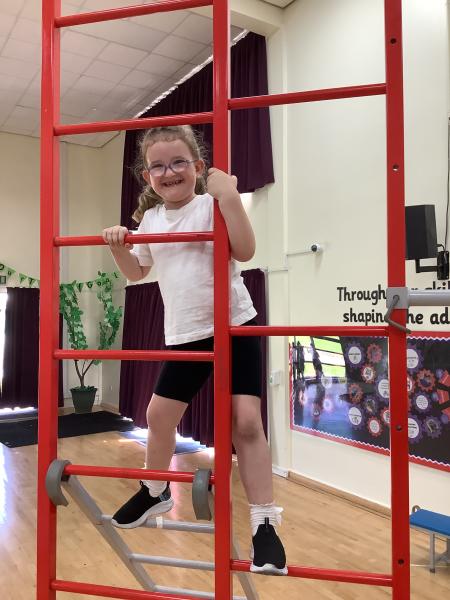
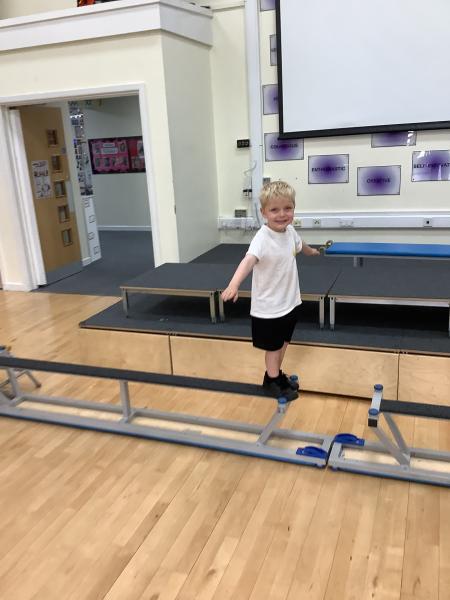
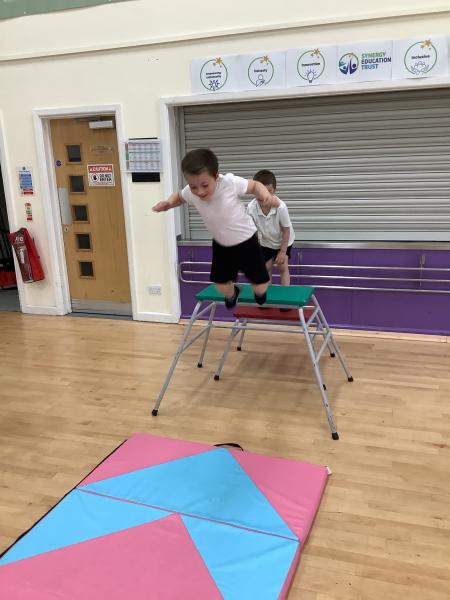
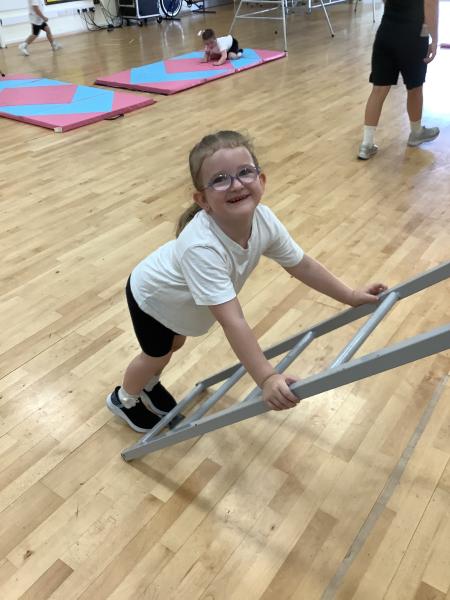
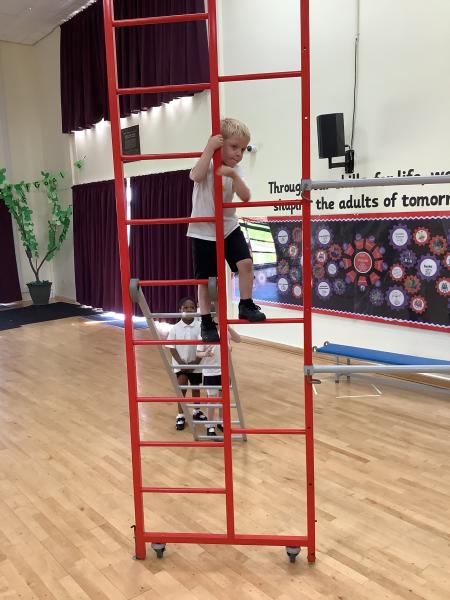
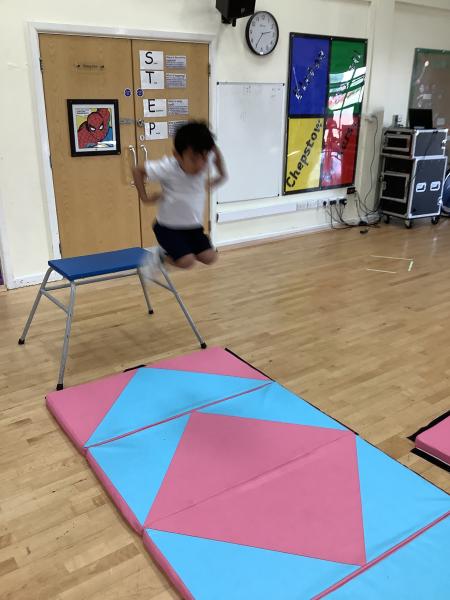
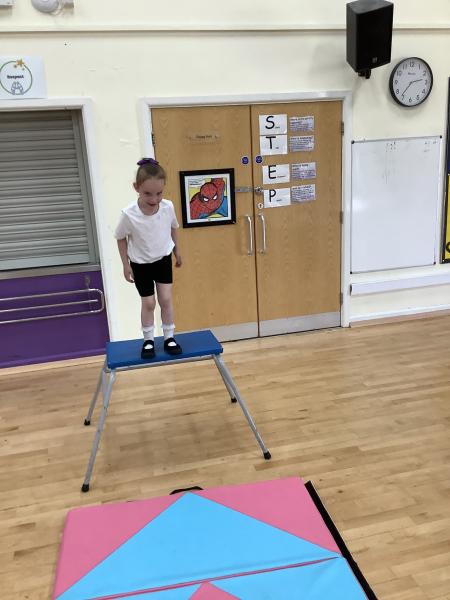
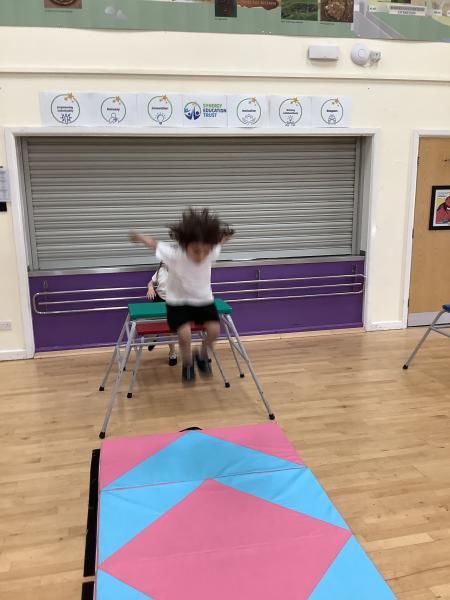
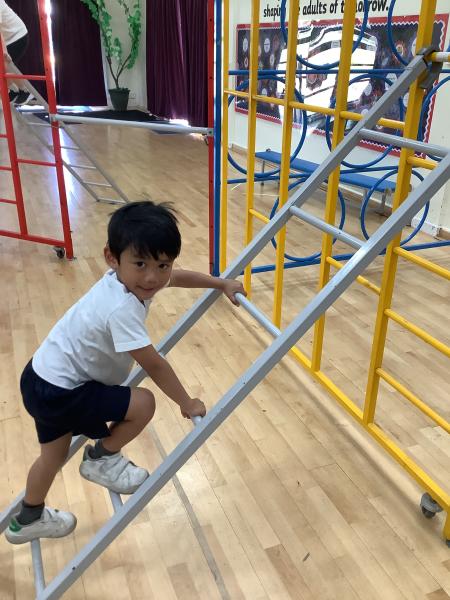
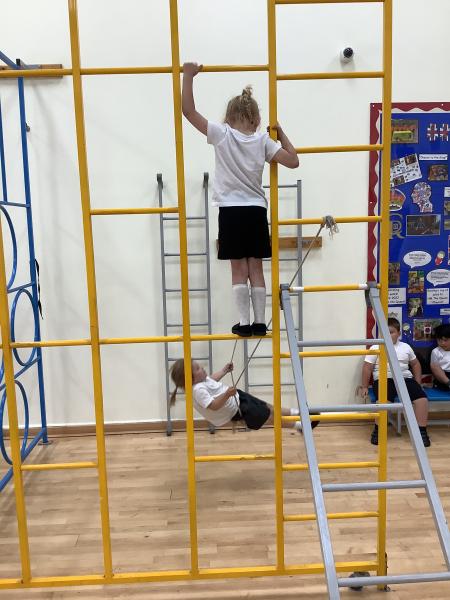
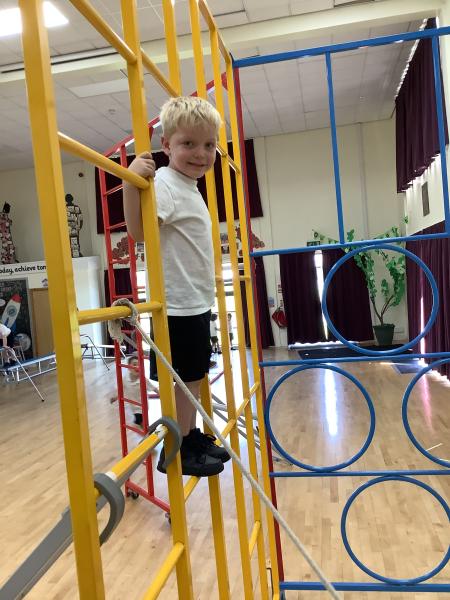
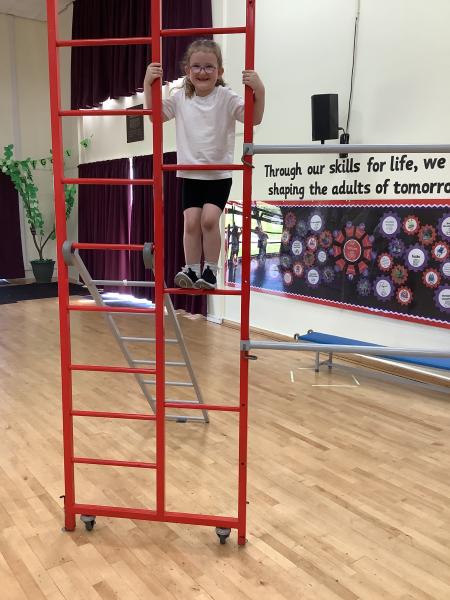
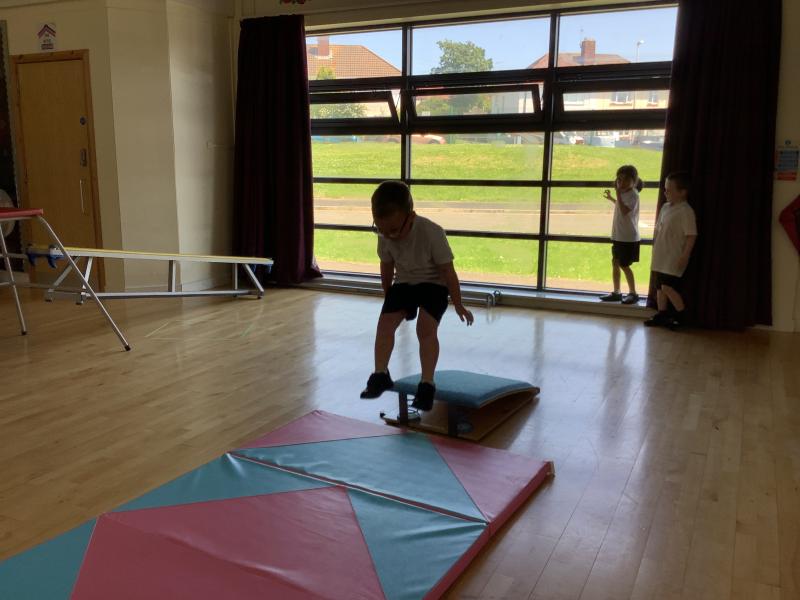
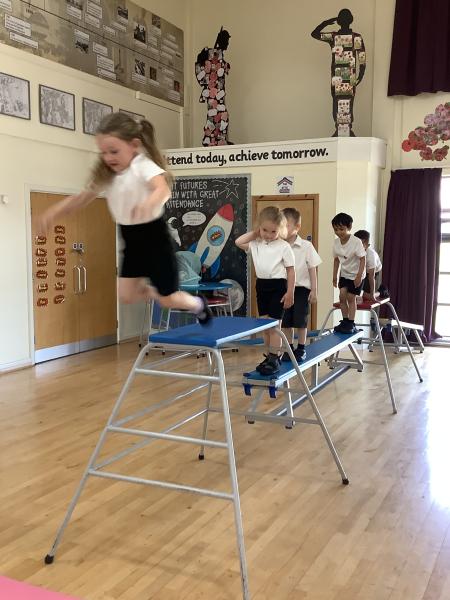
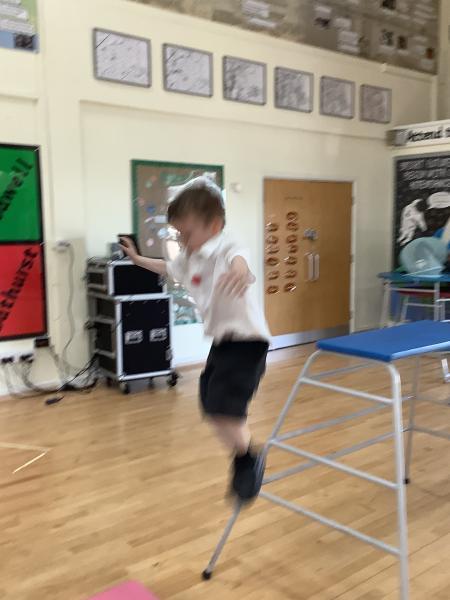
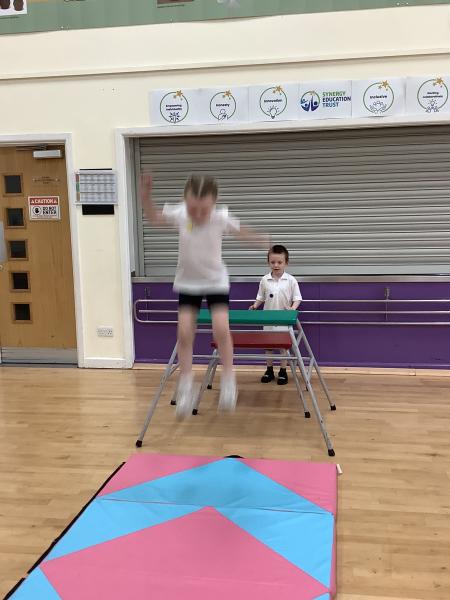
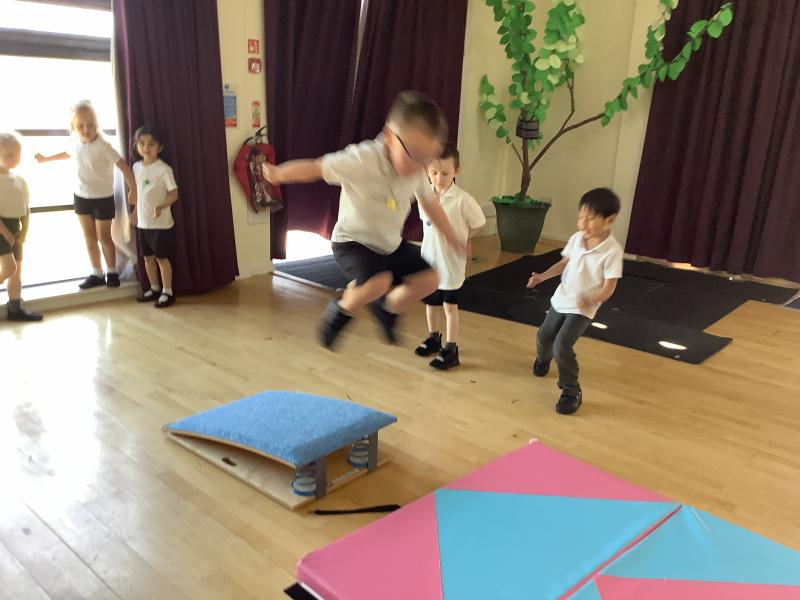
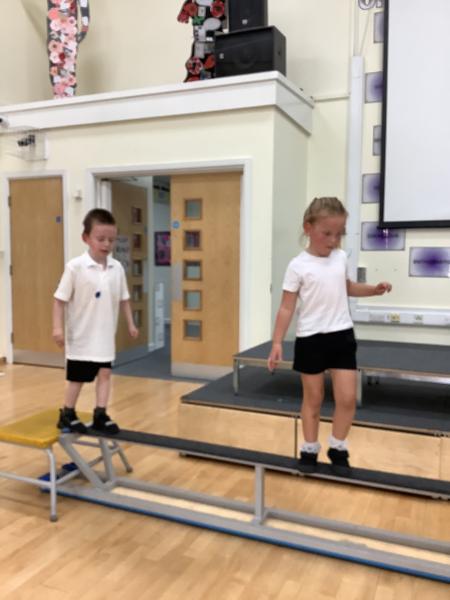
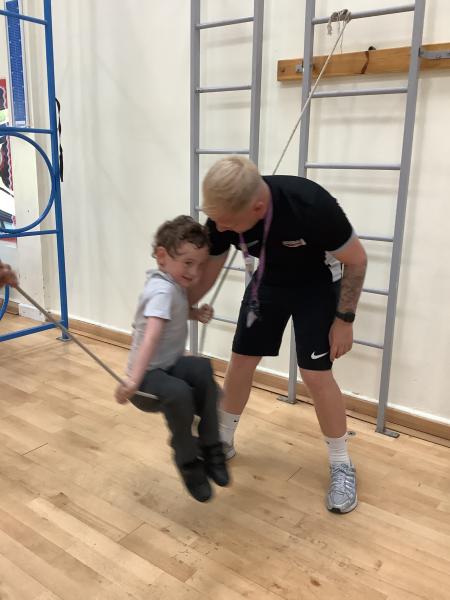
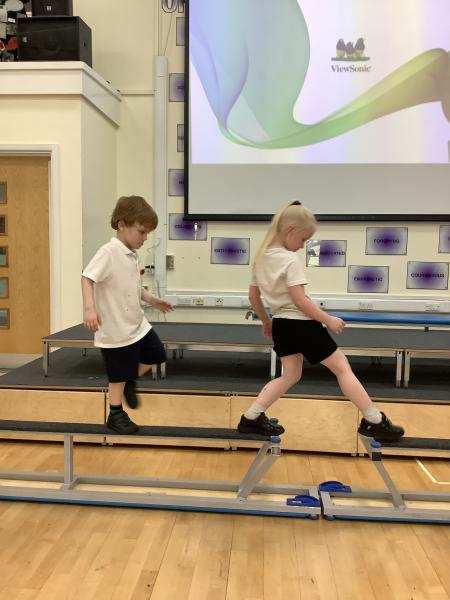
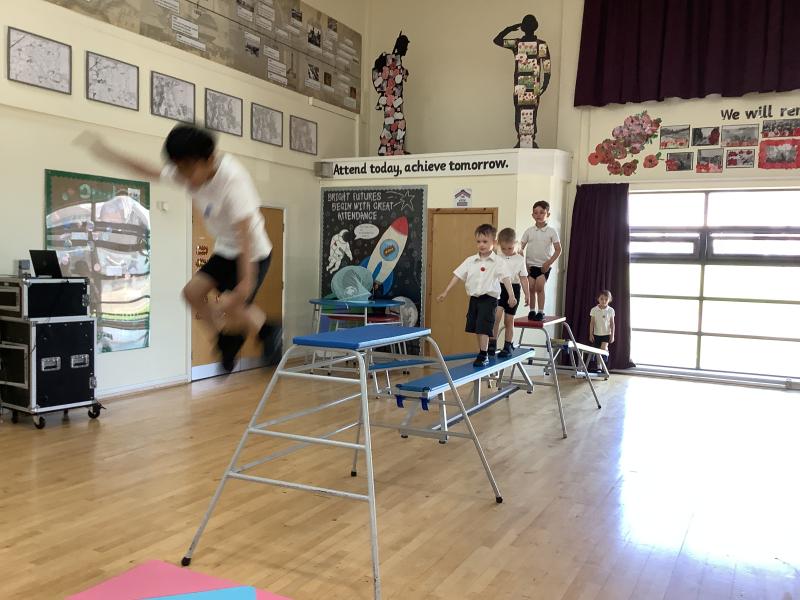
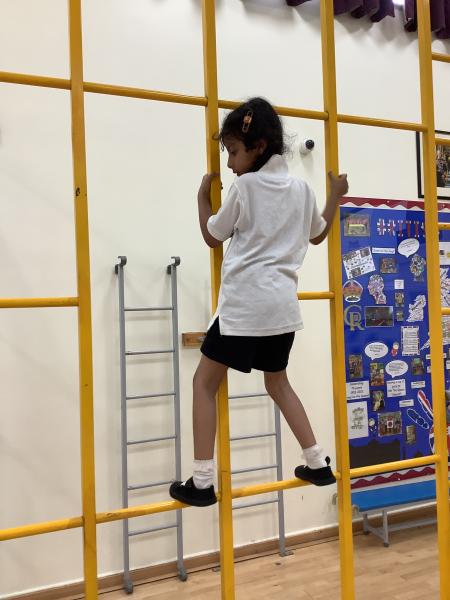
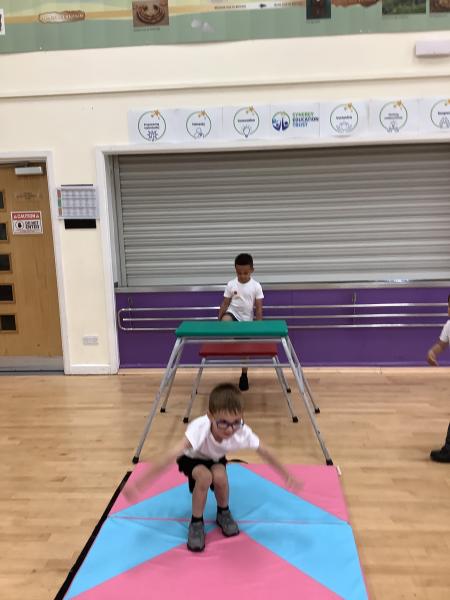
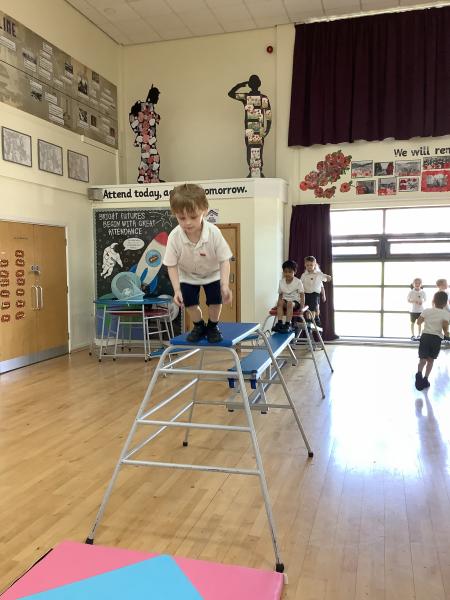
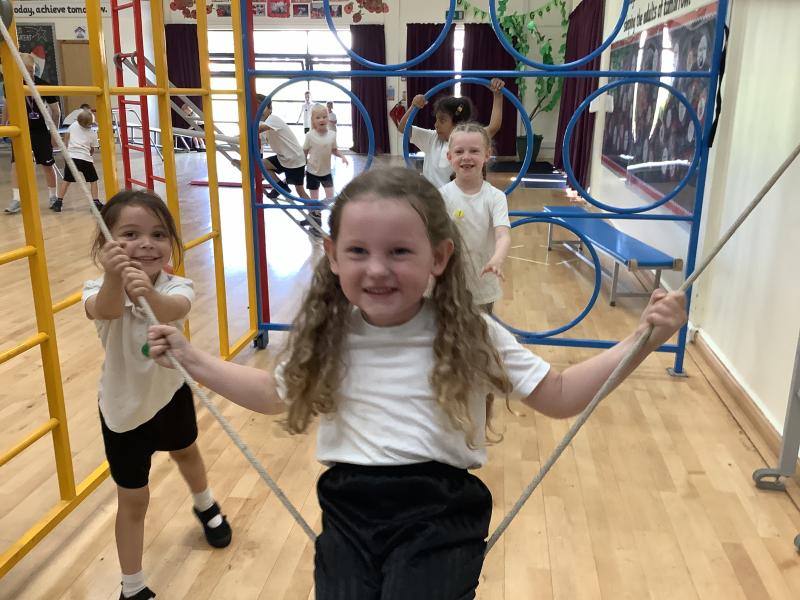
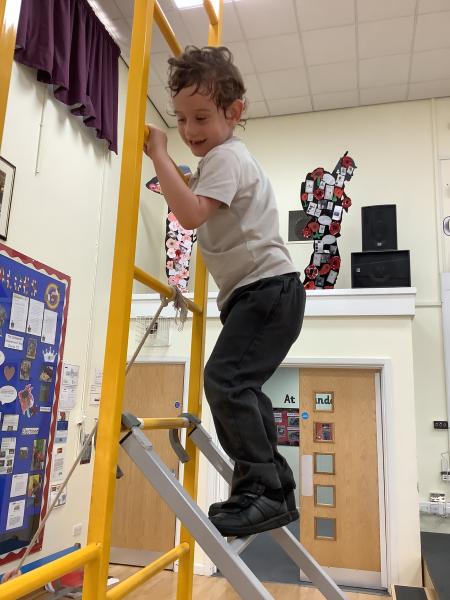
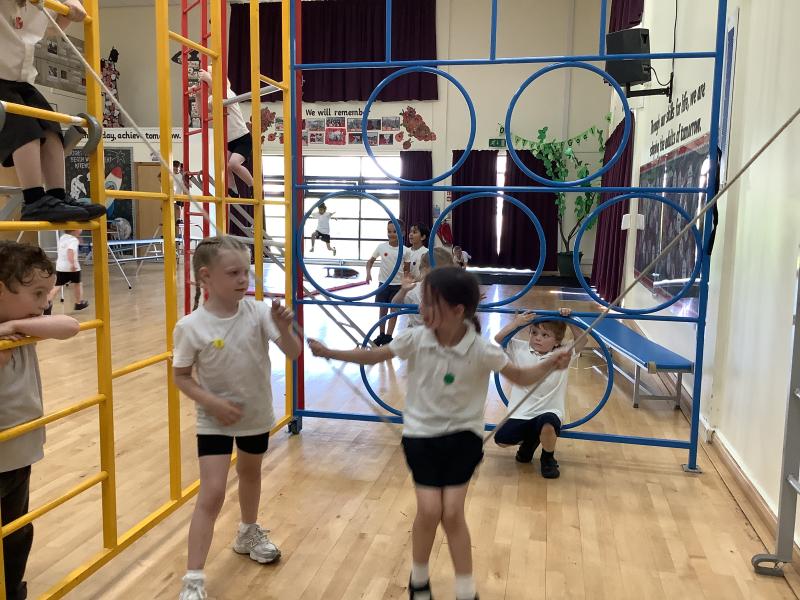
During Health Week, the children took part in a range of gymnastics activities. They enjoyed jumping from different heights of equipment, practising balancing on the beam, and carefully moving up and down it. They also worked on running and jumping from the springboard.
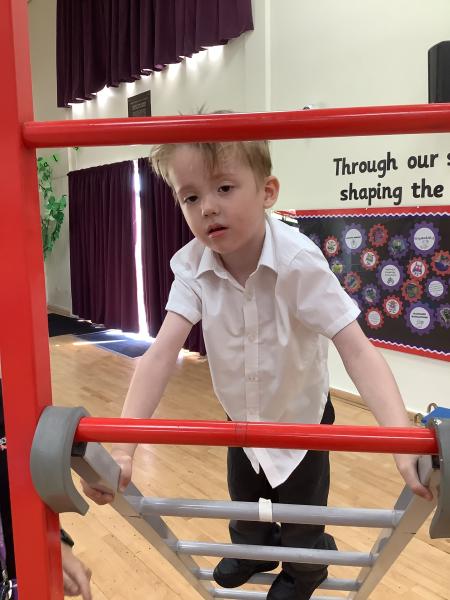
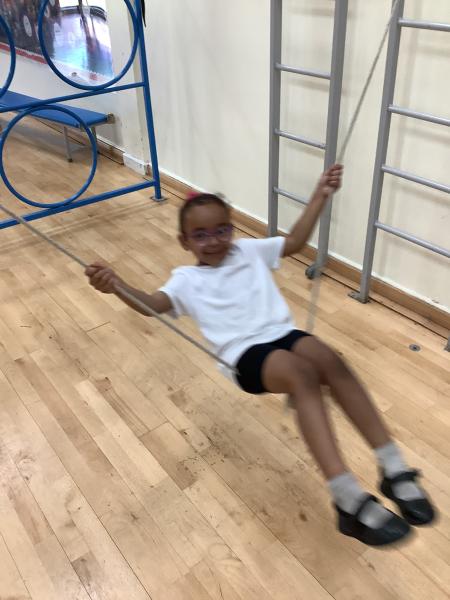
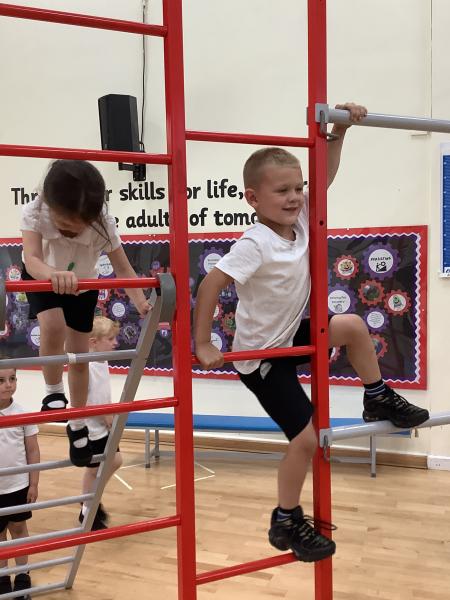
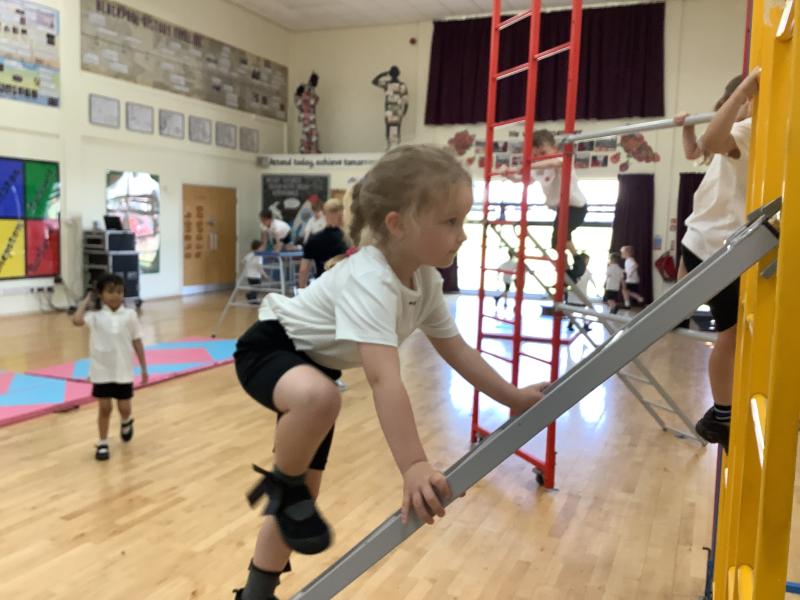
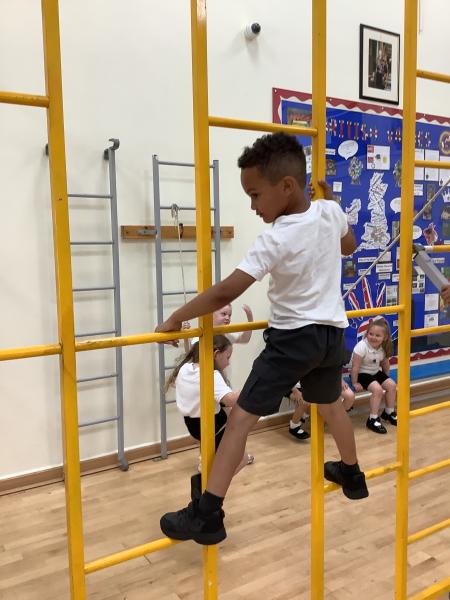
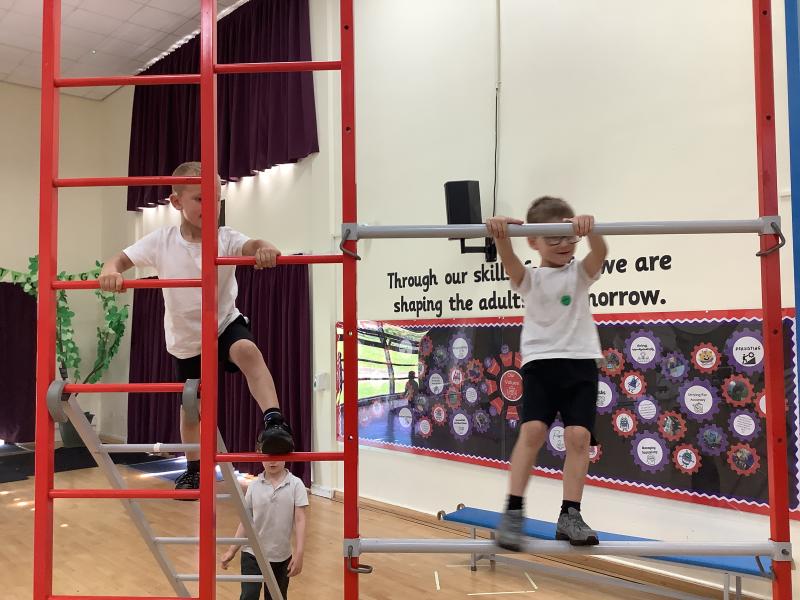
The large climbing frame was very popular, and the children had the opportunity to develop their strength and coordination. They also tried the rope swing, which many found quite tricky but exciting.
A strong focus was placed on safety. The children learned and followed important rules for using the equipment safely and practised how to ask for help when needed.
As it was a very hot day, we made sure to include a cooling rest station so the children could stay safe and hydrated.
"I had to hold on to the rope swing and jump on it to swing- it was tricky!" Rubie- Louise
"I got all the way across balancing on the bench- Ididn't fall off!" Billy T
"I had a go but got a bit scared as it was high so Mr Ratcliffe held my hand" Cherry
Date: 26th Jun 2026 @ 8:56am
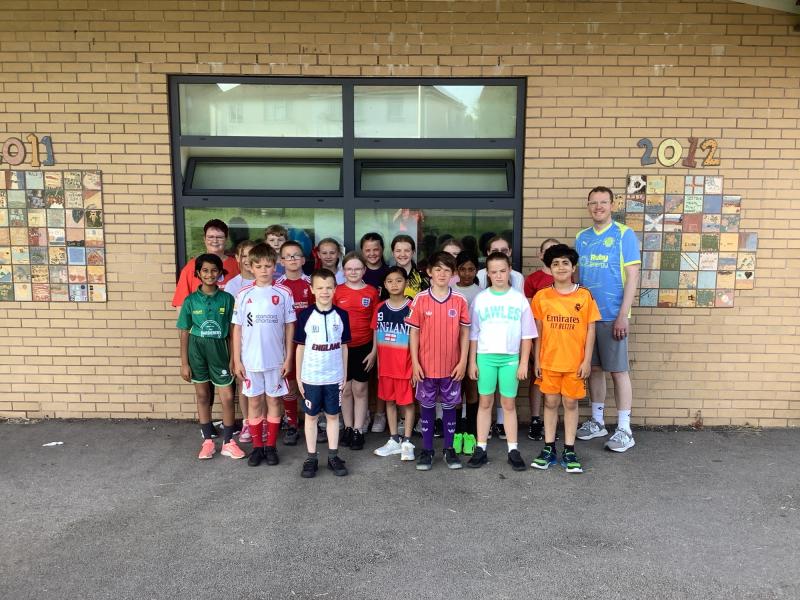
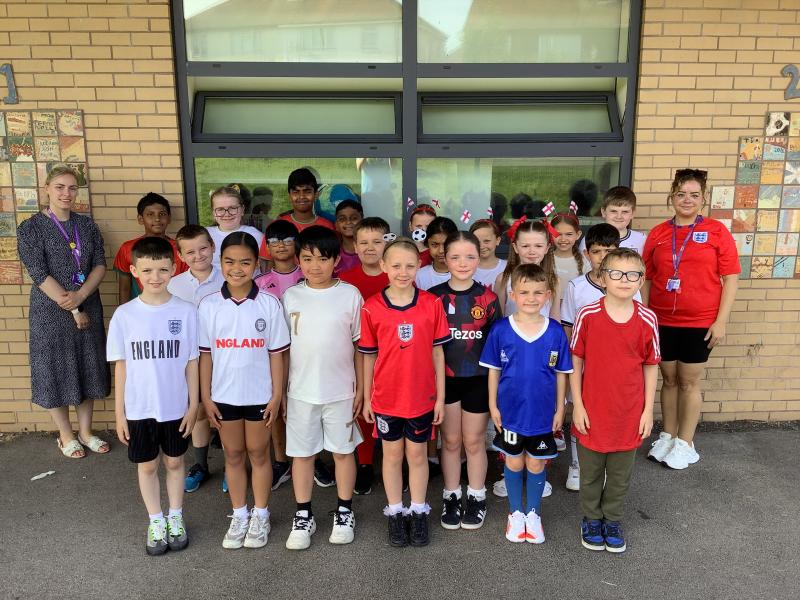
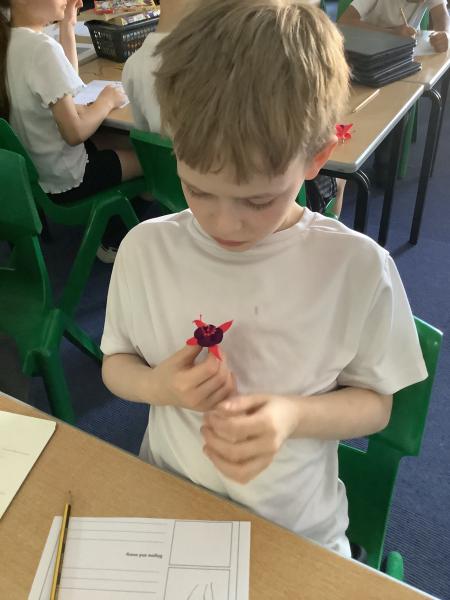
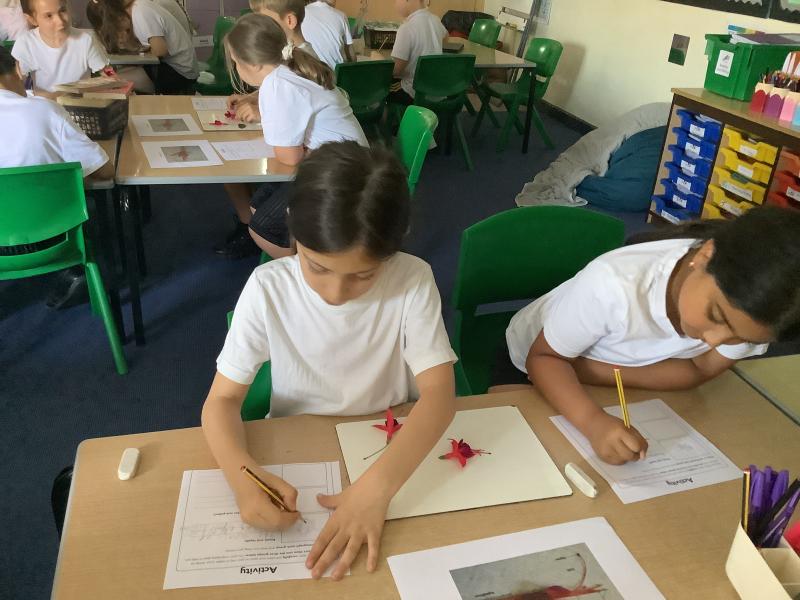
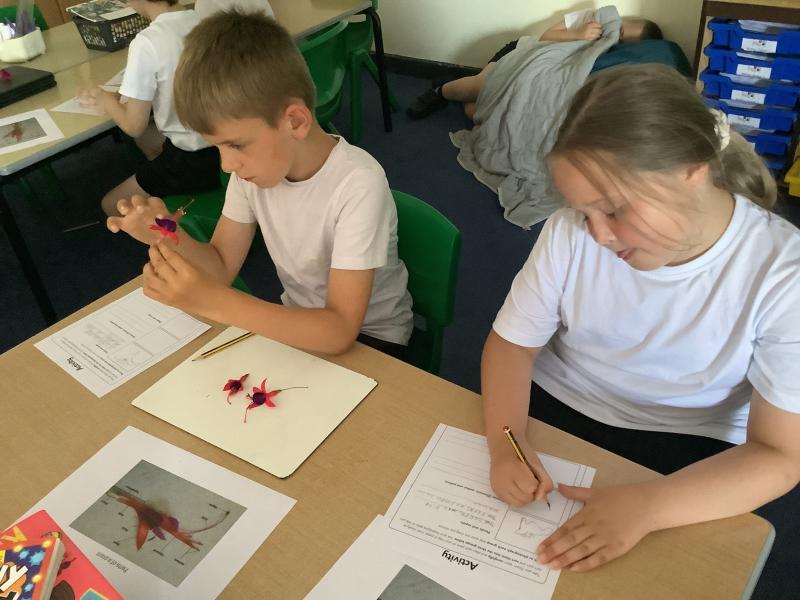
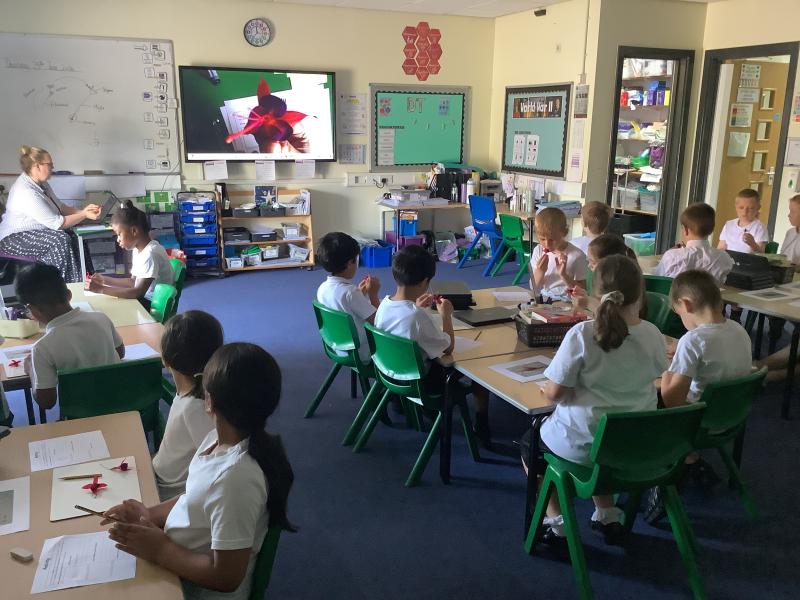
Today, children across school came to school in sporting non-uniform! Celebrtaing a varaiety of countries, sports, colours and hobbies, Year 5 have really enjoyed Health Week and today, along with their peers, have raised vital funds for the school OPAL projects.
Date: 26th Jun 2026 @ 6:24am
Date: 26th Jun 2026 @ 6:16am
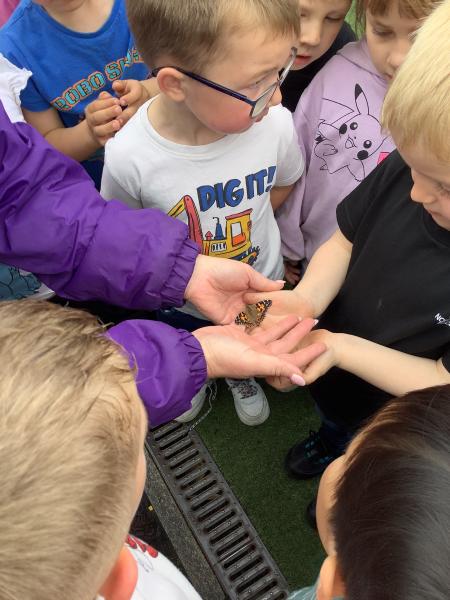
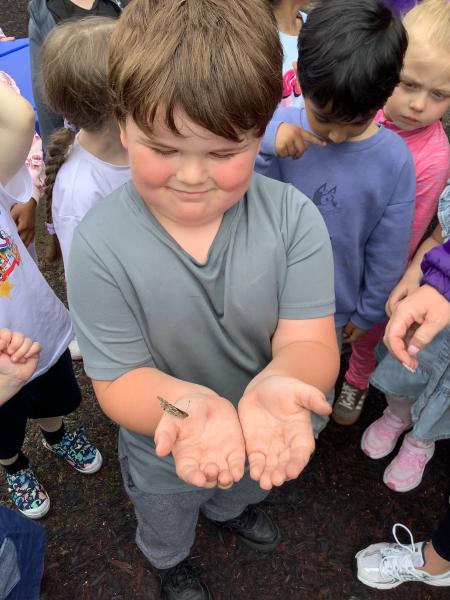
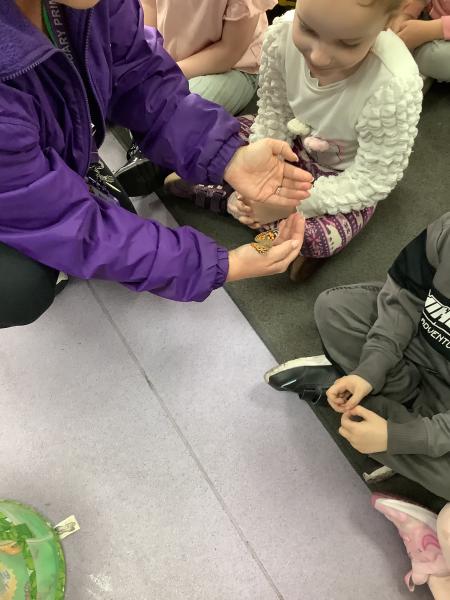
Reception release the butterflies
Date: 16th Jun 2026 @ 3:34pm
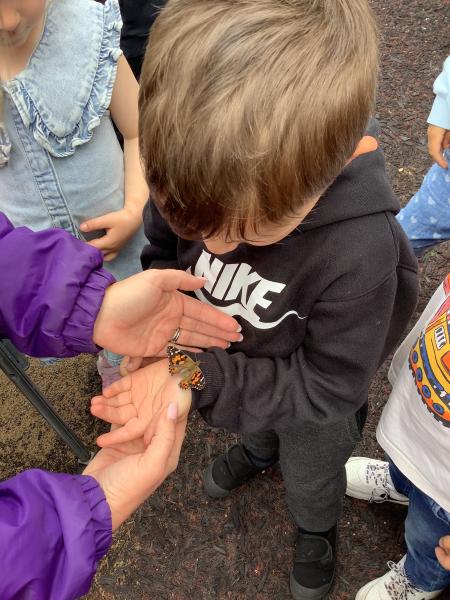
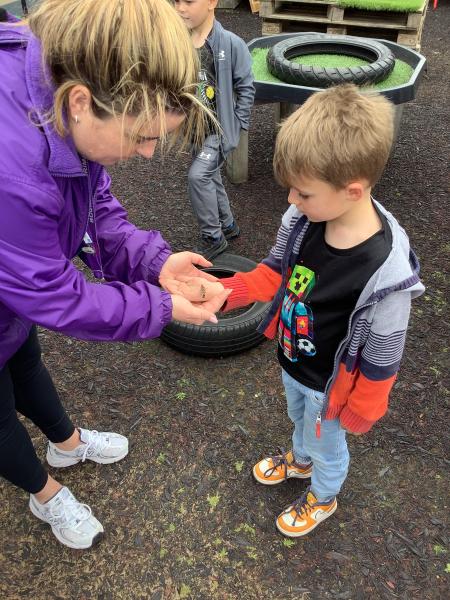
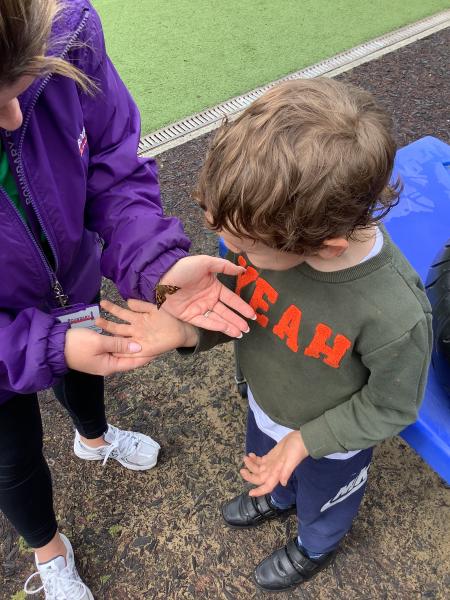
Over the past few weeks, our Reception class has been on a truly magical journey, watching our tiny caterpillars grow and change right before our eyes. At the start, our caterpillars were very small and wriggly. We made sure to observe them carefully every day, noticing how they ate, moved, and slowly began to grow bigger and bigger.
The children were fascinated by how quickly they changed! After some time, something very exciting happened — our caterpillars formed their cocoons . We talked about how this is an important stage called metamorphosis, where the caterpillars transform into butterflies. The class showed wonderful patience as we waited and wondered what was happening inside.
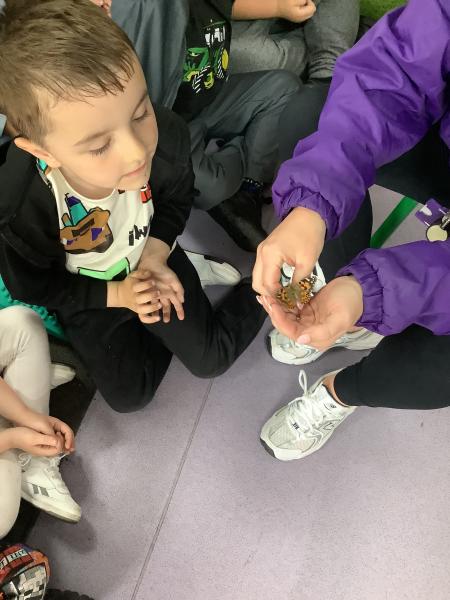
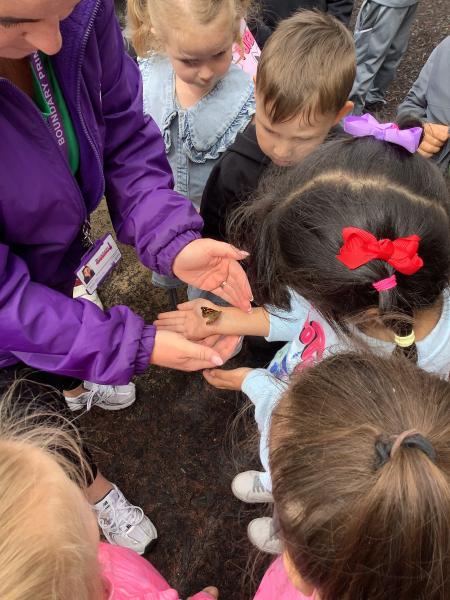
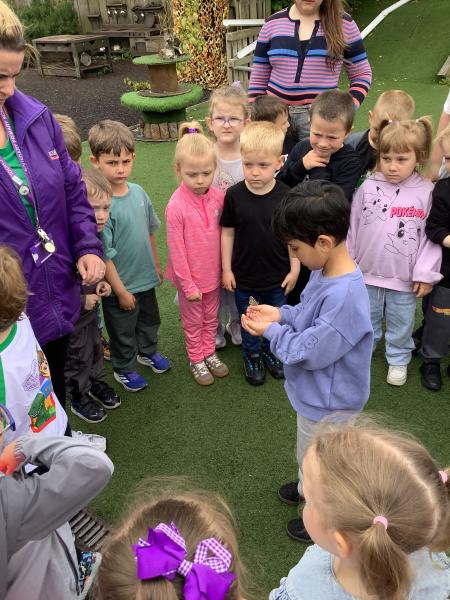
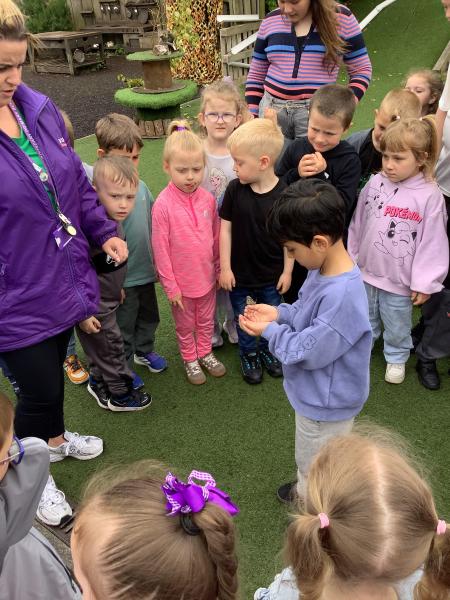
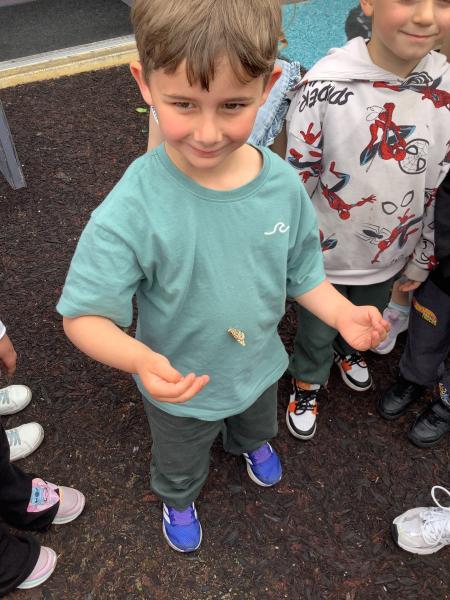
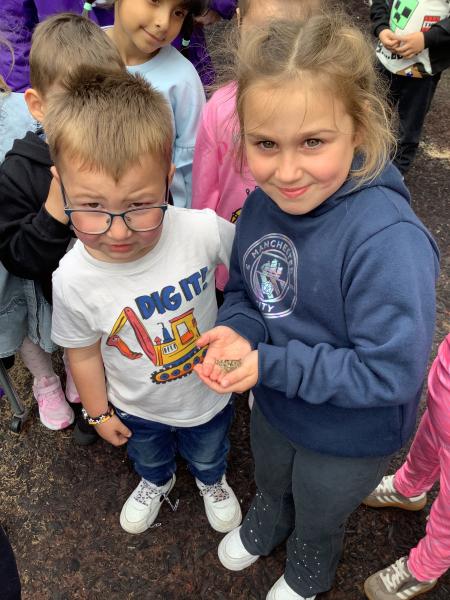
Then, the big moment arrived! One morning, we noticed beautiful butterflies beginning to emerge. The children were amazed to see their colourful wings and how different they looked from the caterpillars we first met. We spent time observing their patterns, colours, and gentle movements.
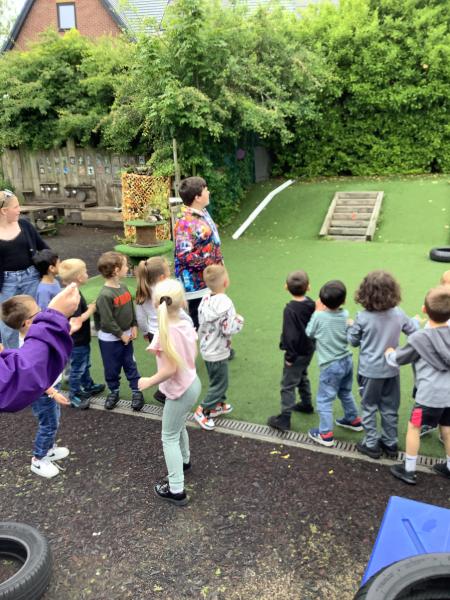
Finally, it was time to say goodbye. We took our butterflies outside and carefully released them into the wild. There was lots of excitement as we watched them flutter up into the sky. This experience has helped us learn so much about life cycles, caring for living things, and the wonders of nature. We are so proud of how responsible and kind the children have been throughout this journey.
What an unforgettable adventure it has been! 🌸🦋
Date: 16th Jun 2026 @ 7:51am
Year 2 Science: Planting Sunflowers 🌻🌱
Date: 11th Jun 2026 @ 4:27pm
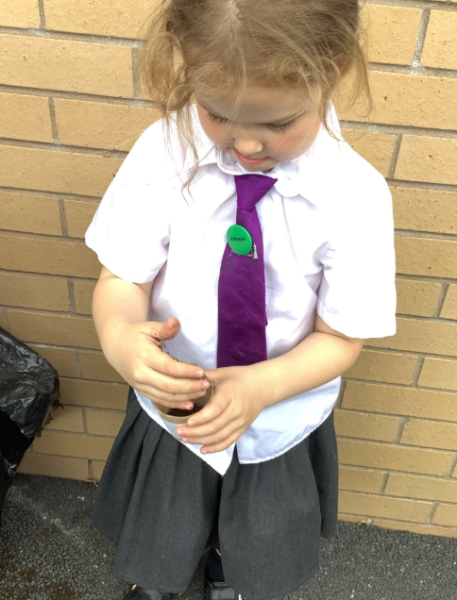
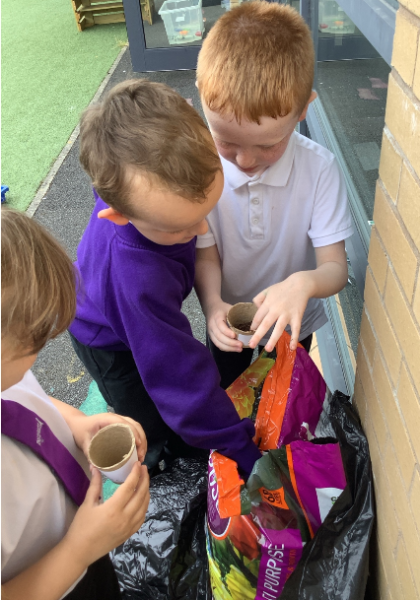
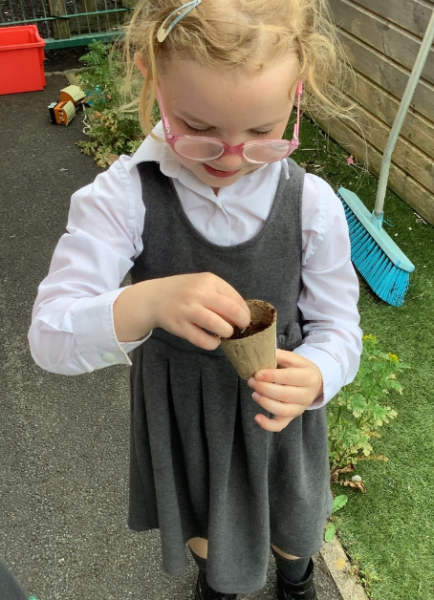
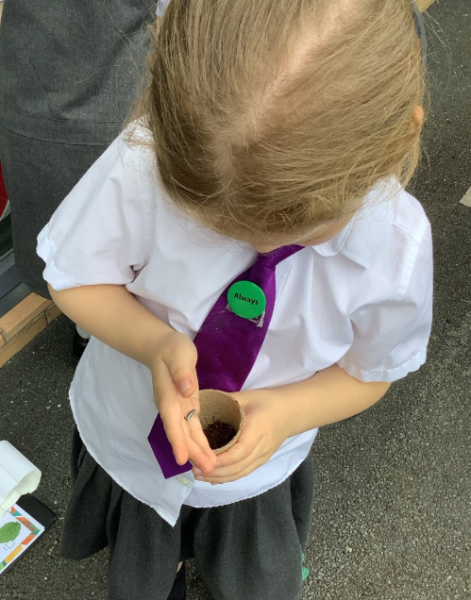
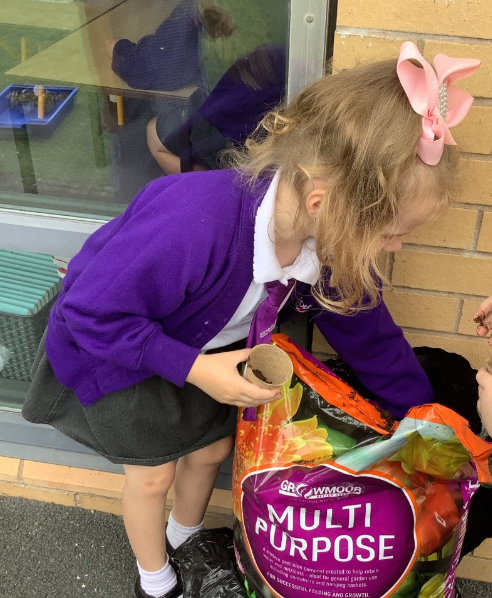
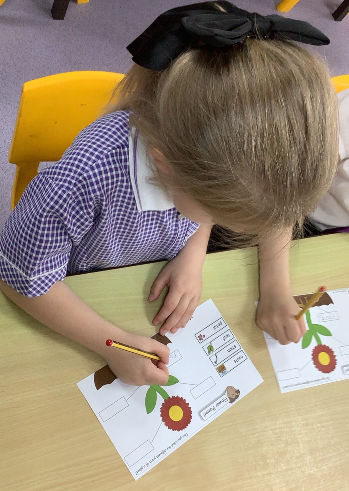
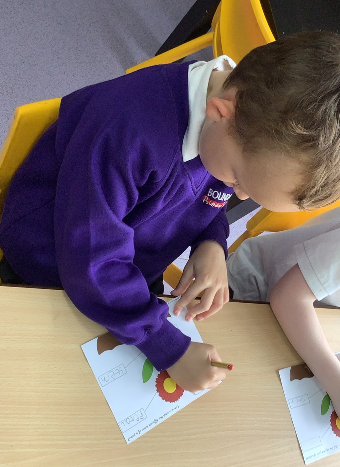
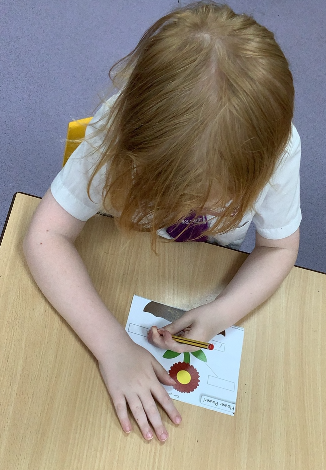
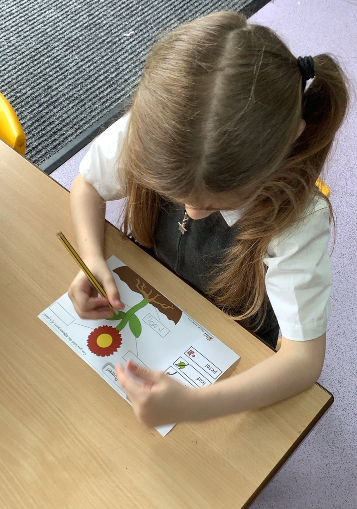
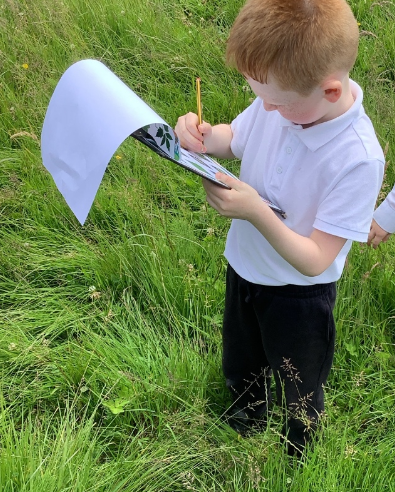
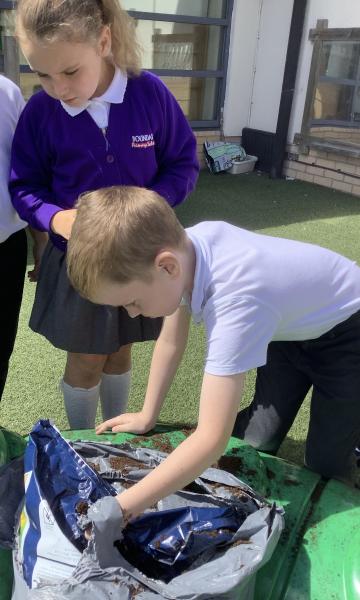
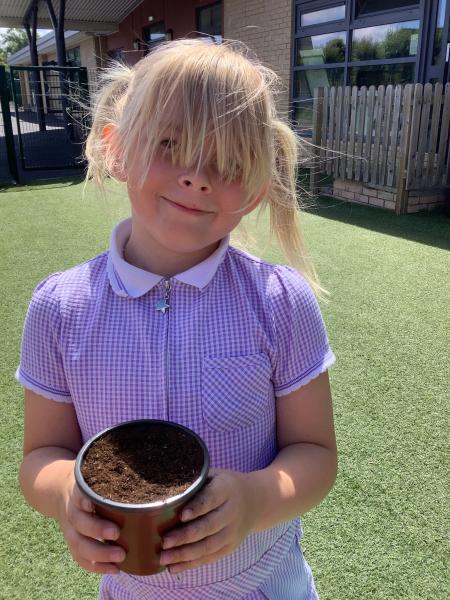
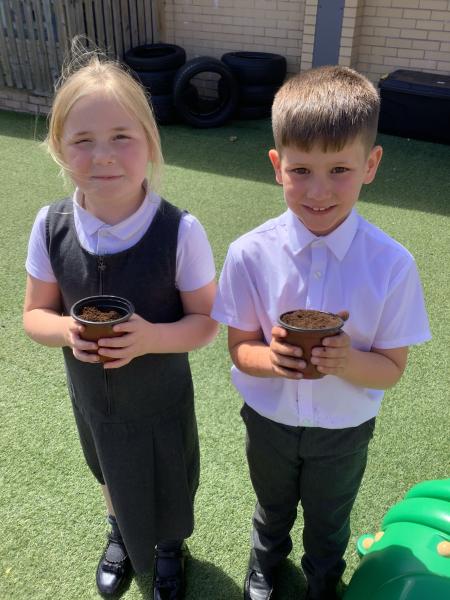
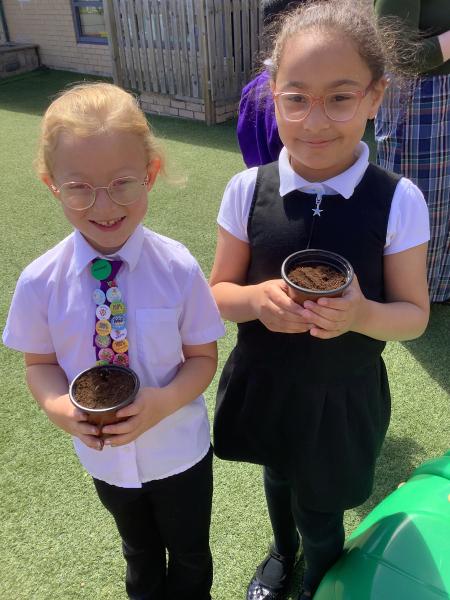
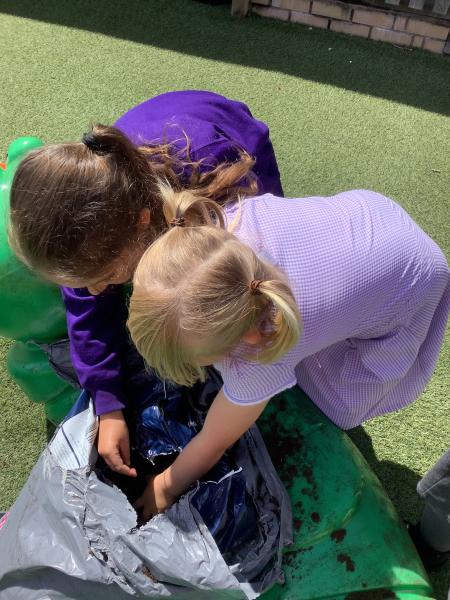
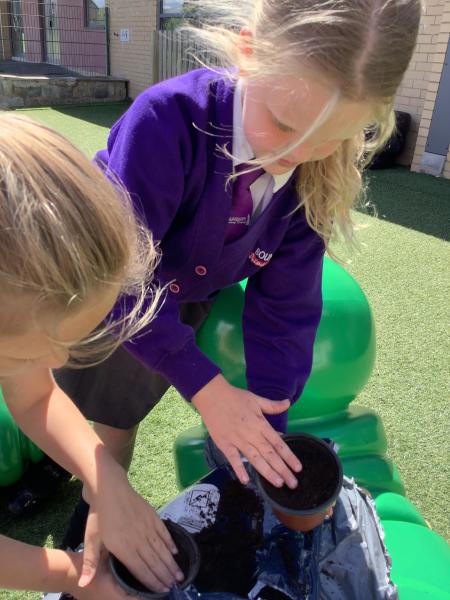
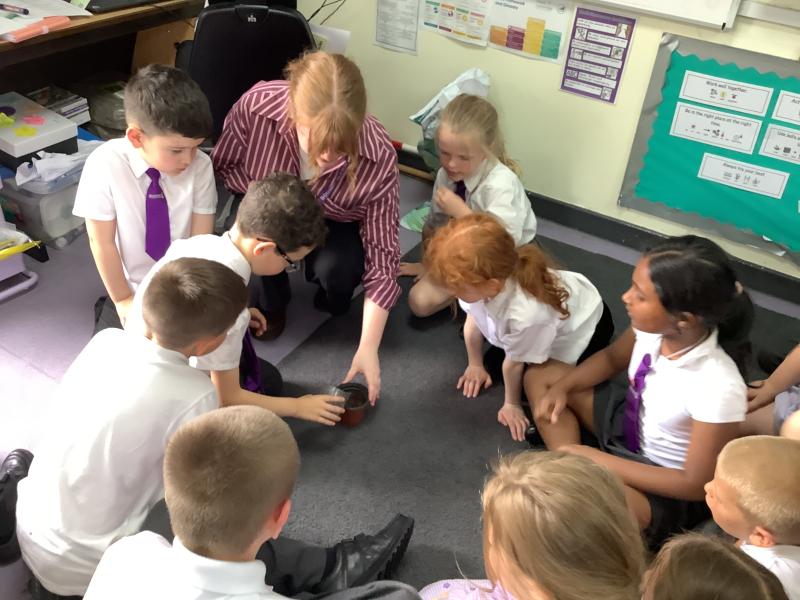
In Year 2, we have been developing our understanding of plants by taking part in a hands-on planting activity 😊.
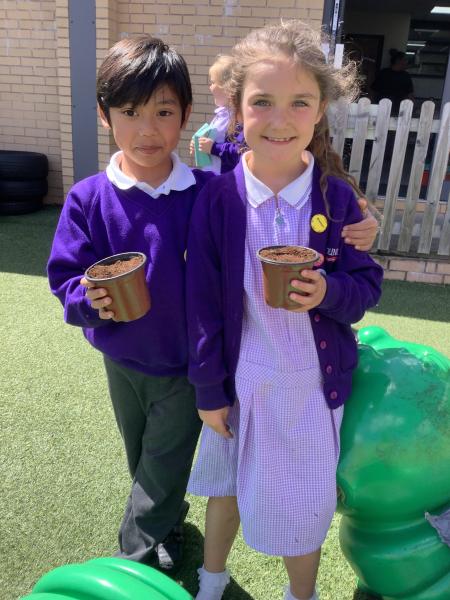
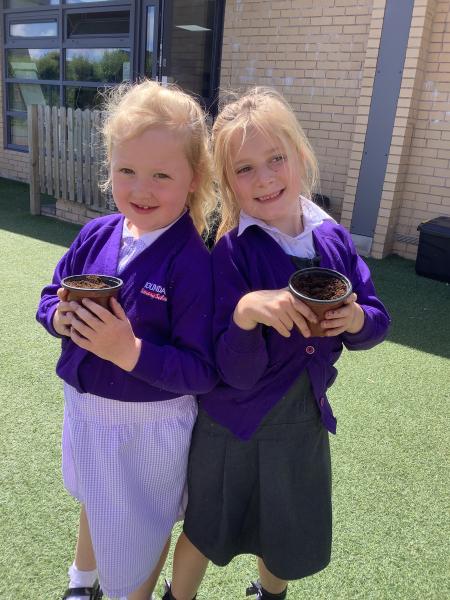
This week, the children each planted their own sunflower seeds 🌻. They carefully followed the steps, making sure their seeds were planted correctly and given the best start to grow.
Over the coming weeks, we will be watering our plants and observing how they change 🌱💧. The children will also be thinking about which environment helps their sunflower grow best, developing their scientific thinking and curiosity 🤔.
We are excited to watch our sunflowers grow and see whose will reach the tallest height! 🌟👏
Date: 9th Jun 2026 @ 3:43pm

Eco at Boundary- Gardening Club
Date: 21st May 2026 @ 11:02am
The Eco Club at Boundary School has been actively working to improve biodiversity across the school grounds while promoting healthy lifestyles and environmental awareness among students.
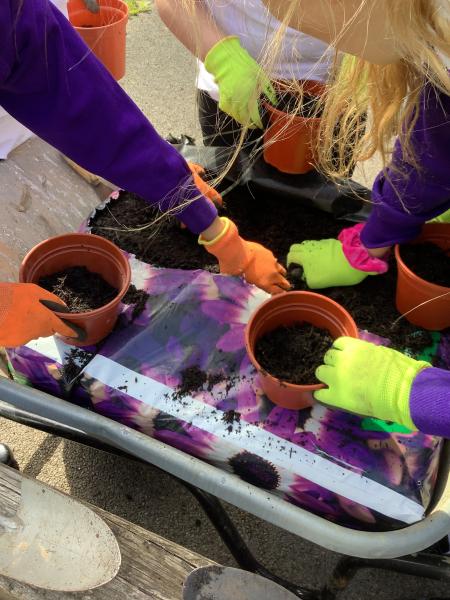
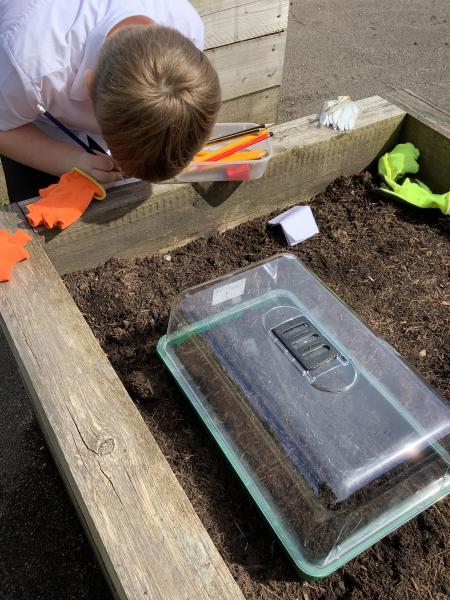
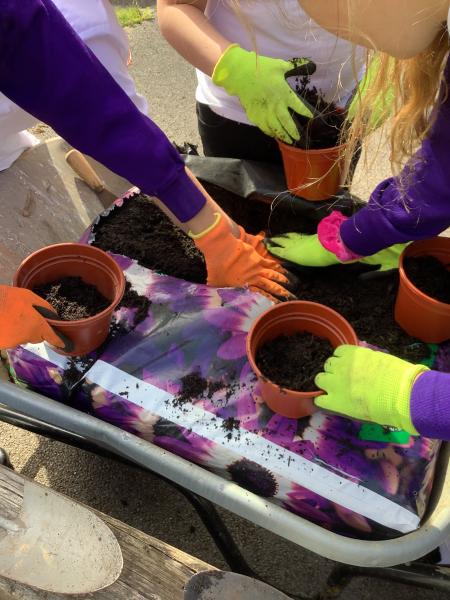
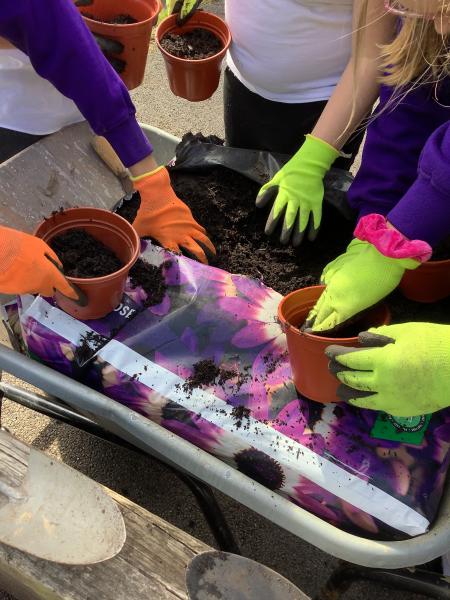
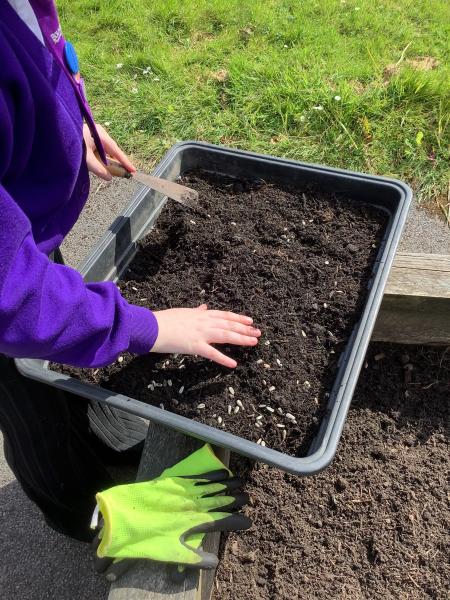
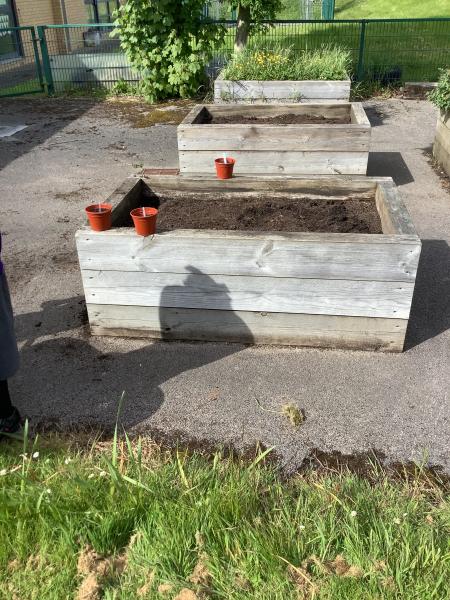
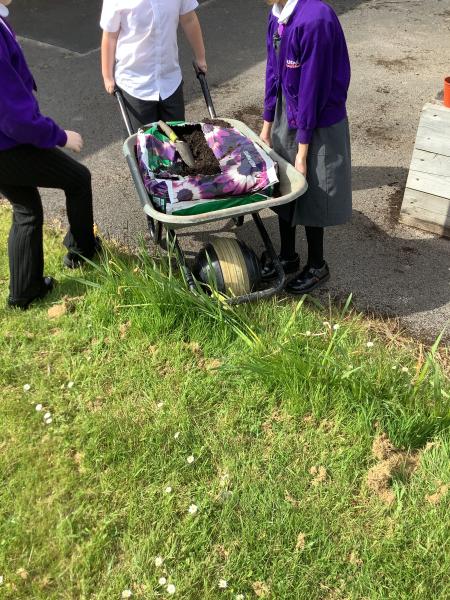
As part of our gardening initiative, pupils have been preparing the outdoor spaces for the summer growing season. This has involved planting a variety of seeds and plants, including sunflowers, potatoes, and colourful bedding plants. These activities not only support hands-on learning but also help students understand where food comes from and how plants grow.
A key focus of the project is to create a welcoming habitat for pollinators and wildlife. By carefully selecting plants that attract bees, butterflies, and other beneficial insects, students are helping to support local ecosystems. The garden areas are being developed into vibrant, nature-friendly spaces that will continue to flourish throughout the warmer months.
In addition to environmental benefits, the gardening club plays an important role in supporting student wellbeing. Spending time outdoors, getting active, and working together as a team all contribute to improved mental and physical health.
Overall, the Eco Club is making a positive impact by transforming the school grounds into a thriving, sustainable environment while inspiring students to care for nature and take pride in their surroundings.
Date: 15th May 2026 @ 10:29am
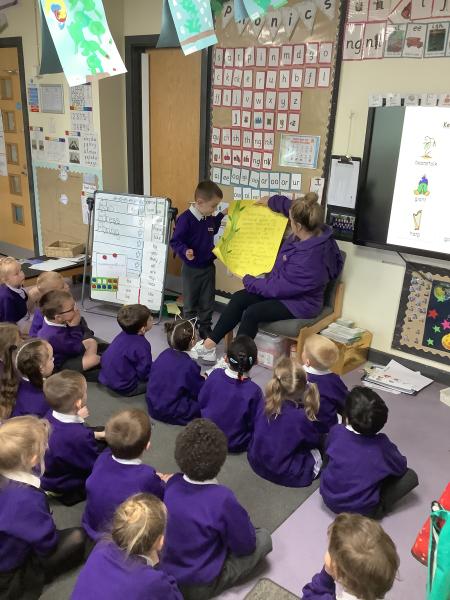
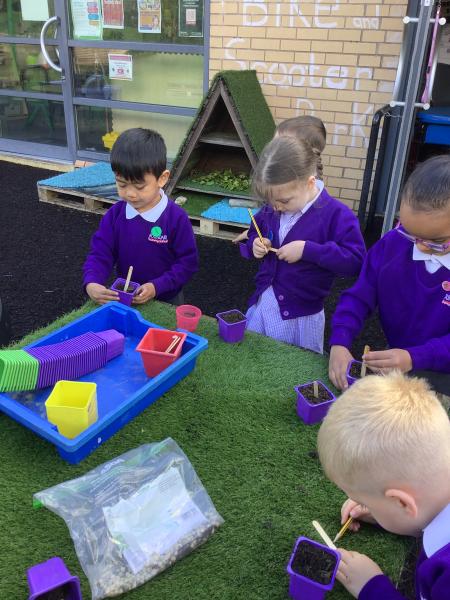
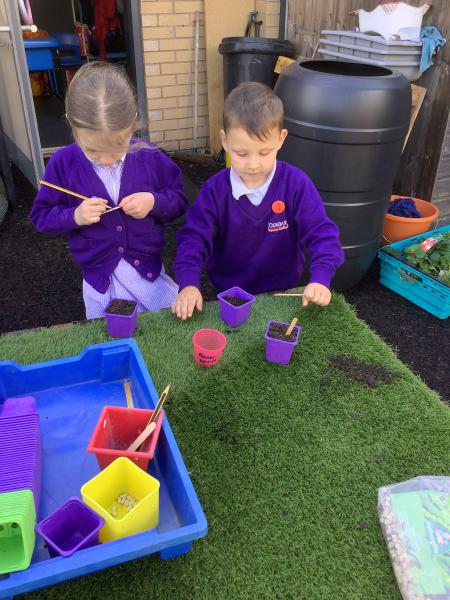
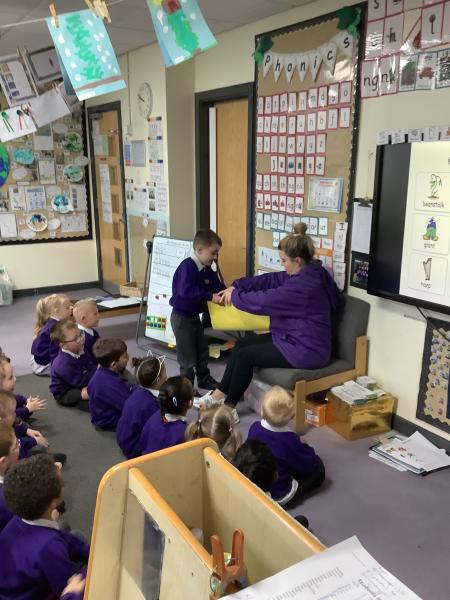
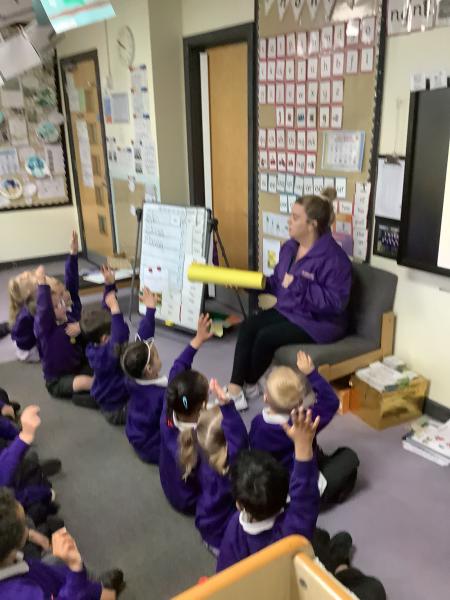
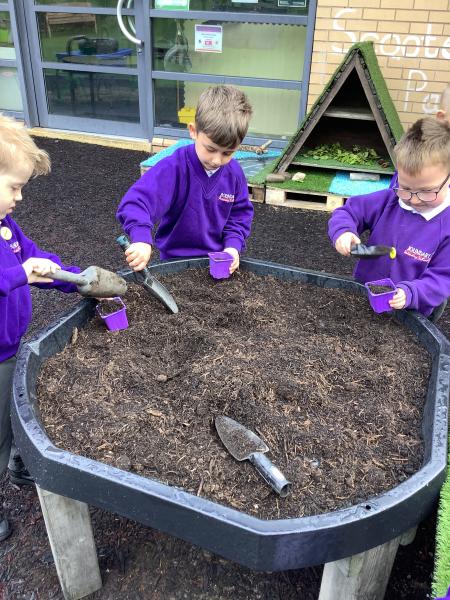
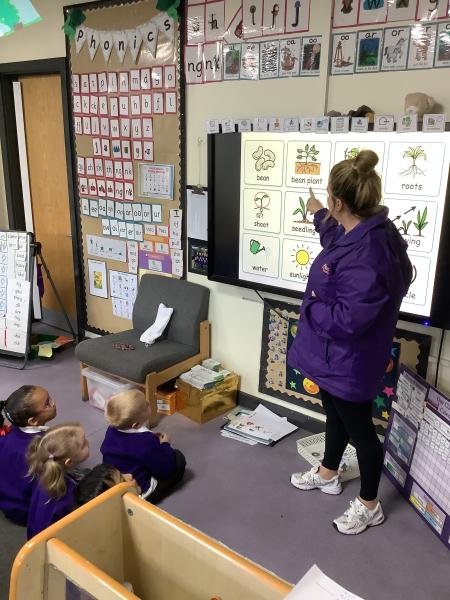
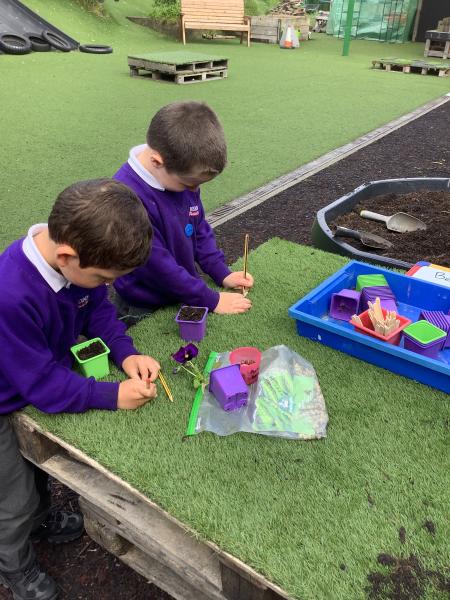
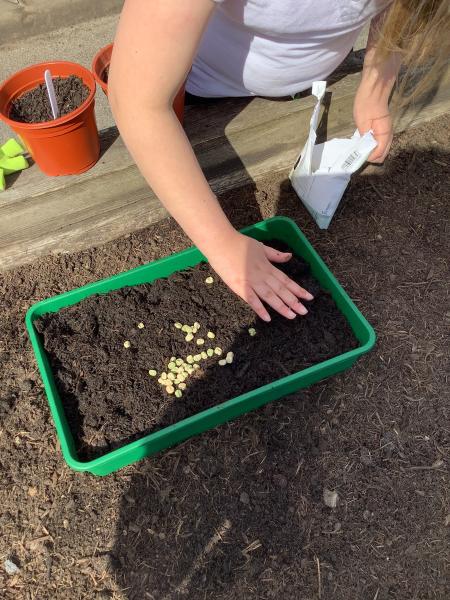
This week in Reception, we were very excited to receive a special letter from Jack! He told us all about his adventure and asked for our help to grow a magical beanstalk so he could visit the giant in the sky. During our oracy session, the children shared their ideas about what plants need in order to grow. We had some fantastic discussions, using kind voices and listening carefully to each other. The children suggested that a bean plant needs water, sunlight, soil, and warmth. We talked about how each of these helps a plant stay healthy and grow tall and strong. After our discussions, we took our learning outside. Each child had the opportunity to plant their own bean! We carefully pressed the beans into the soil and gave them a drink of water. We chose a sunny spot so our plants can soak up lots of sunshine. We are now eagerly waiting to see what happens next. Will our beans grow into tall beanstalks like Jack’s? We can’t wait to observe the changes and continue our learning about plants. Stay tuned for updates on our growing adventures!