Maths: Blog items
Date: 22nd Oct 2026 @ 10:51am
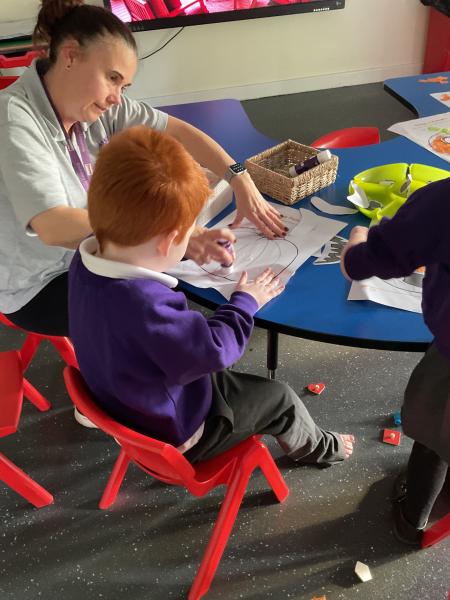
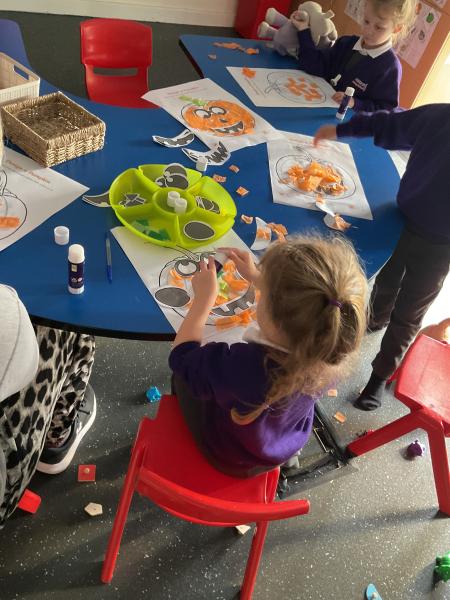
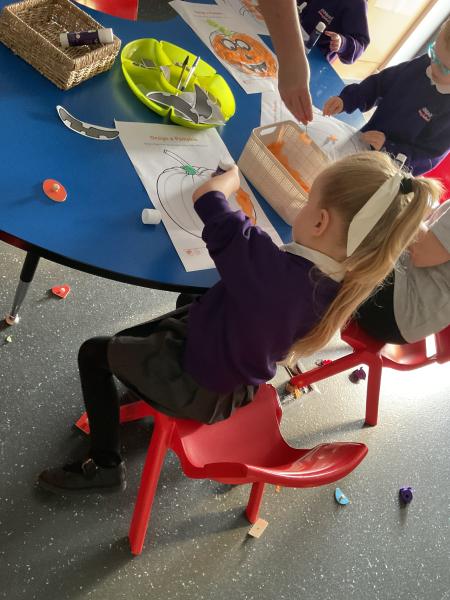
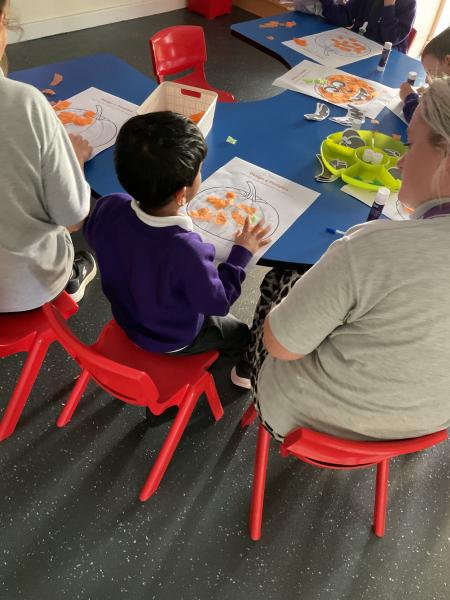
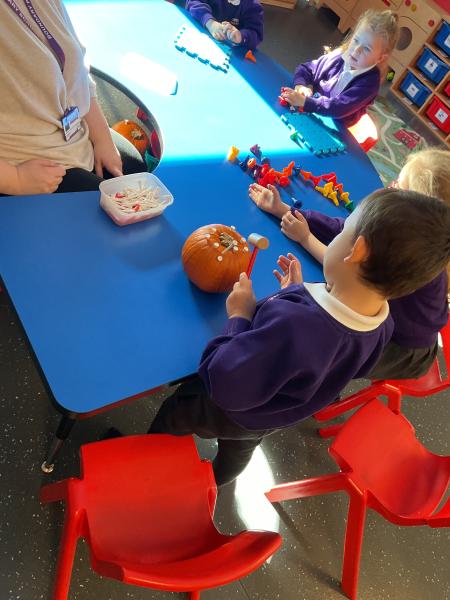
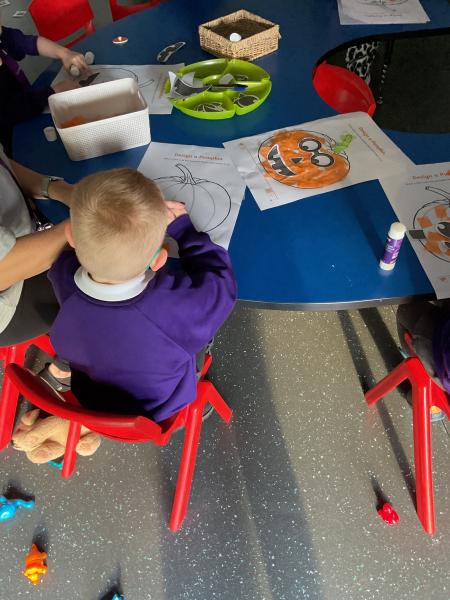
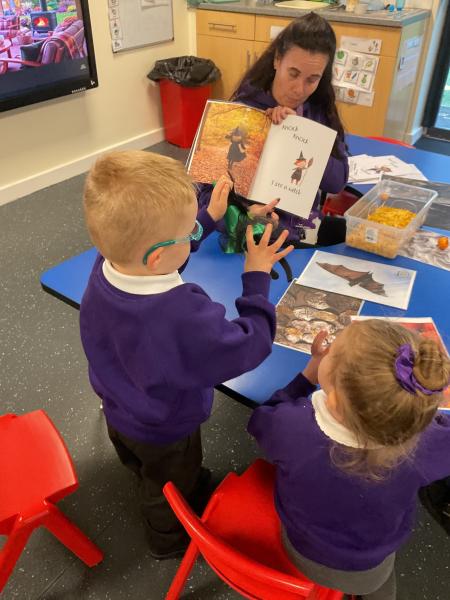
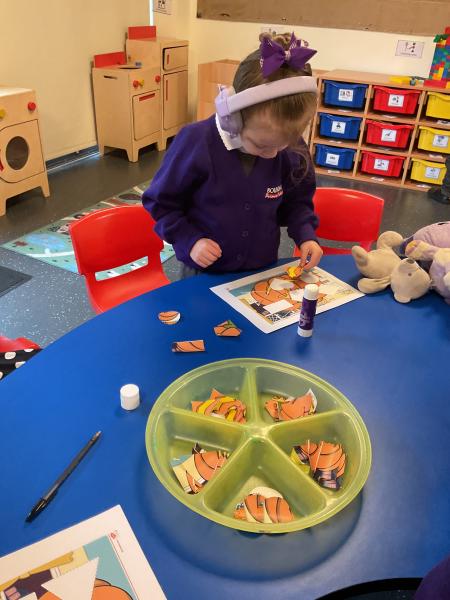
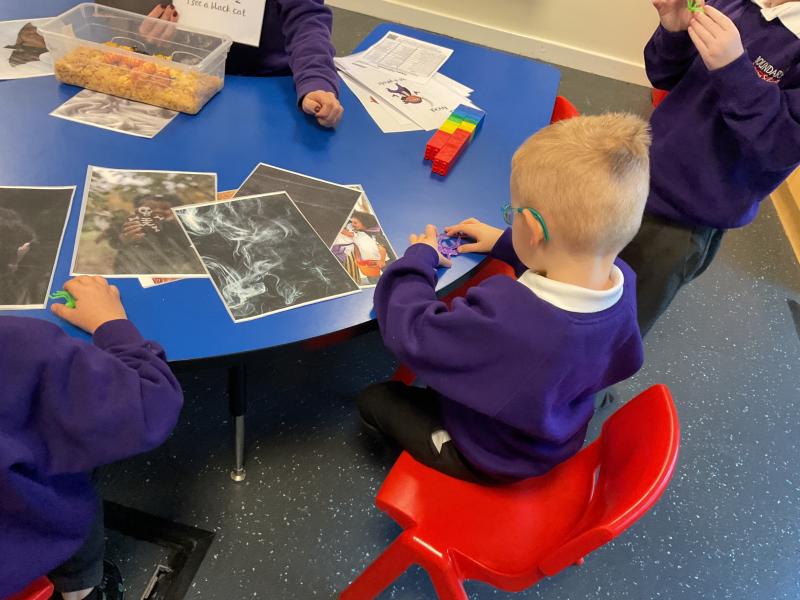
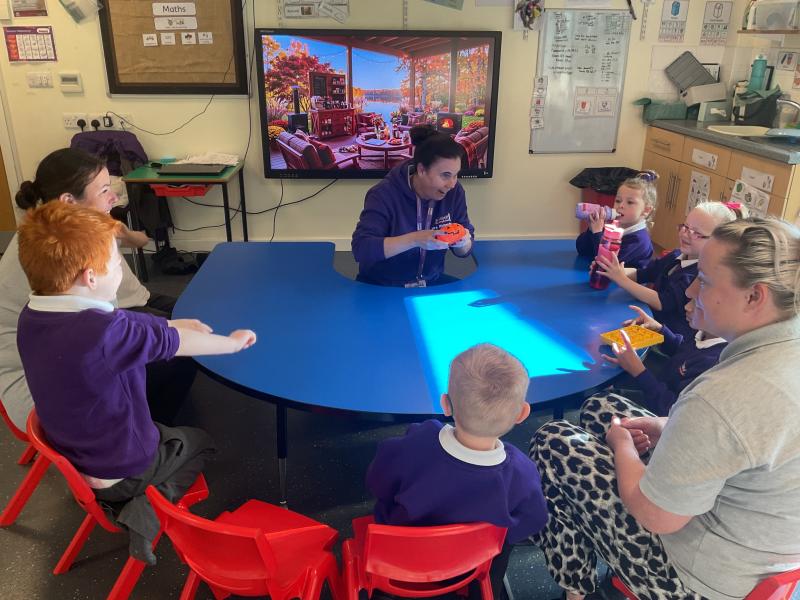
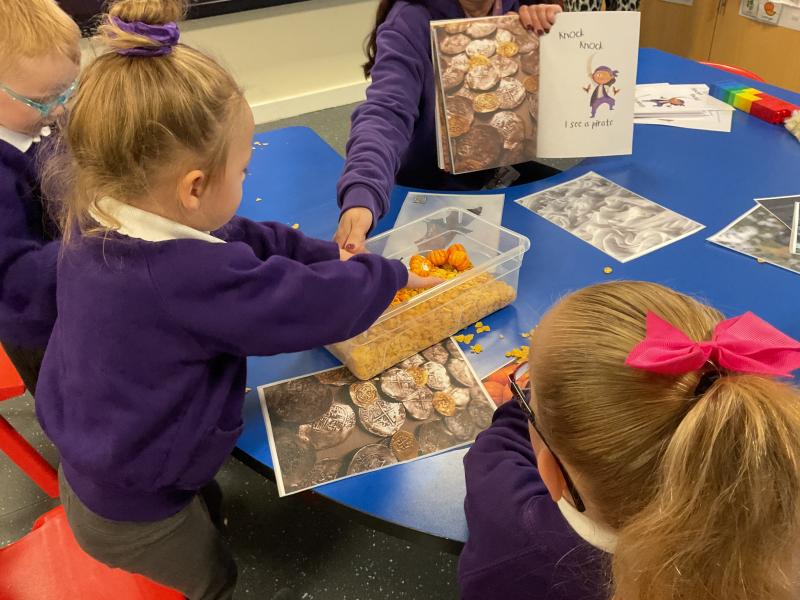
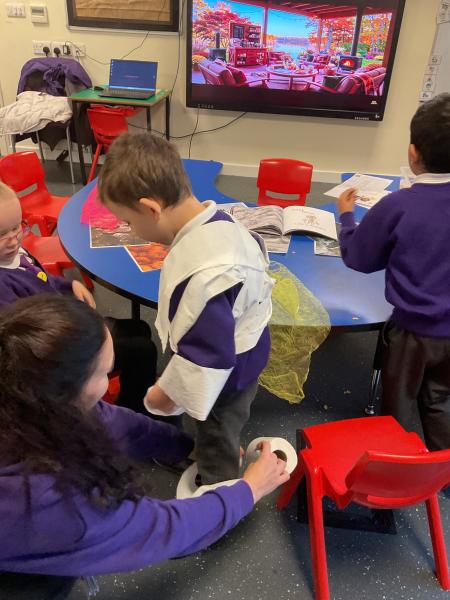
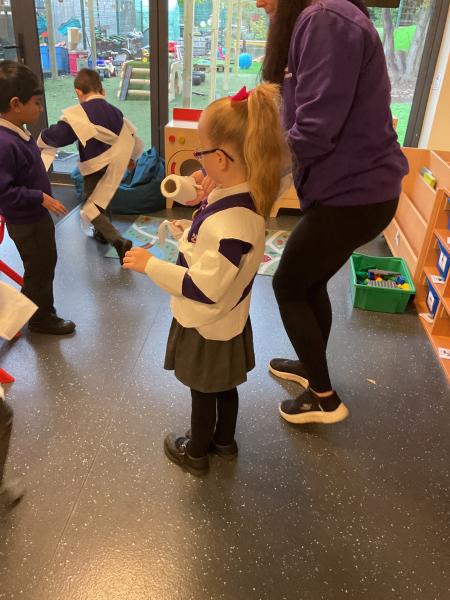
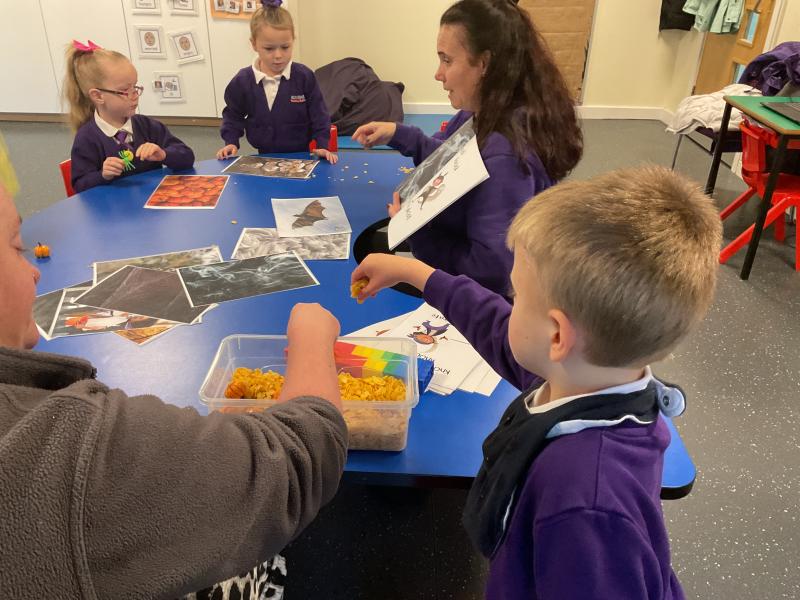
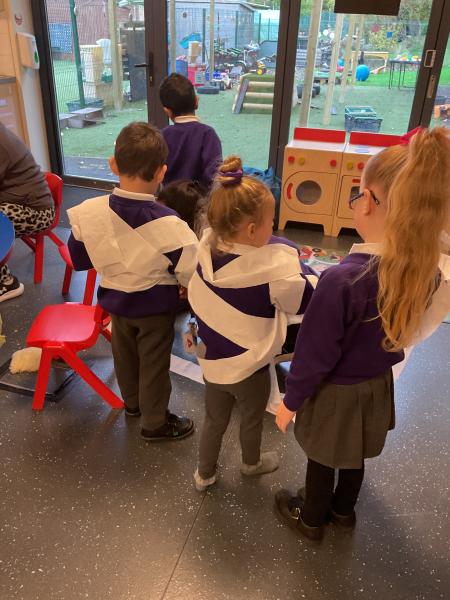
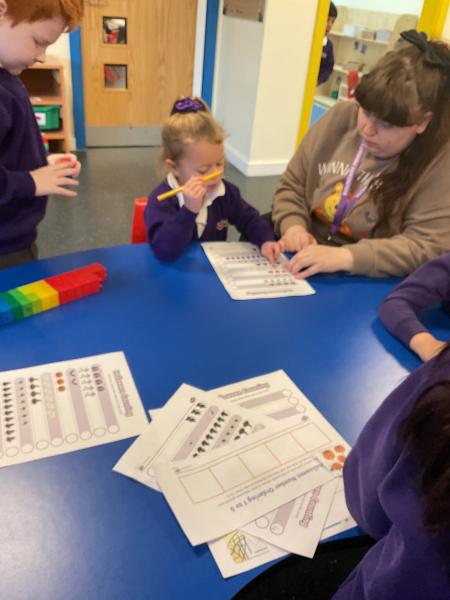
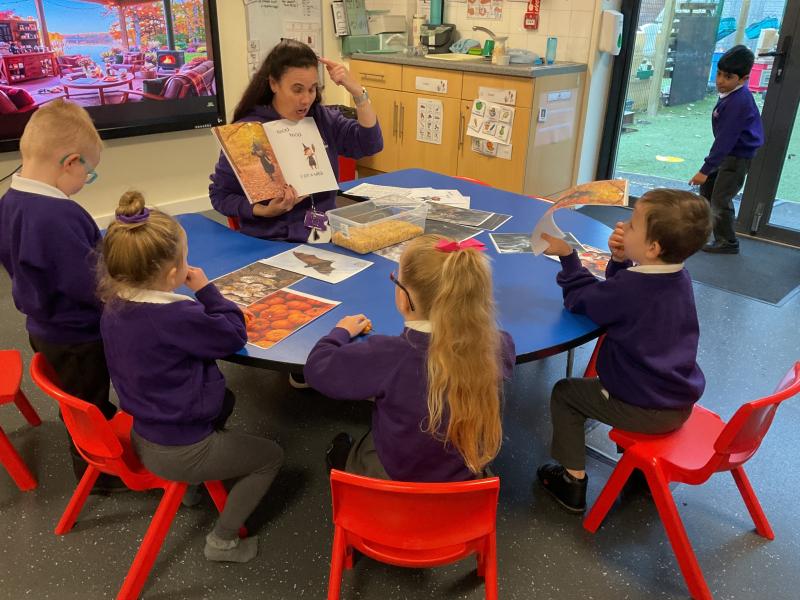
This week in Acorns, our theme was Halloween. We explored lots of key Halloween vocabulary through a multi-sensory approach, using visuals, Makaton signs, and verbal communication to support the children's understanding and engagement.
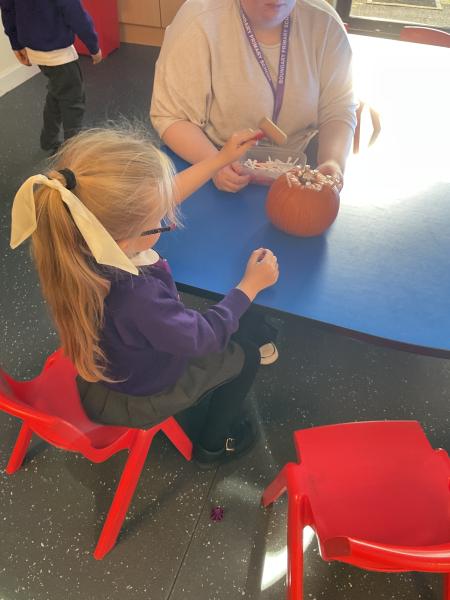
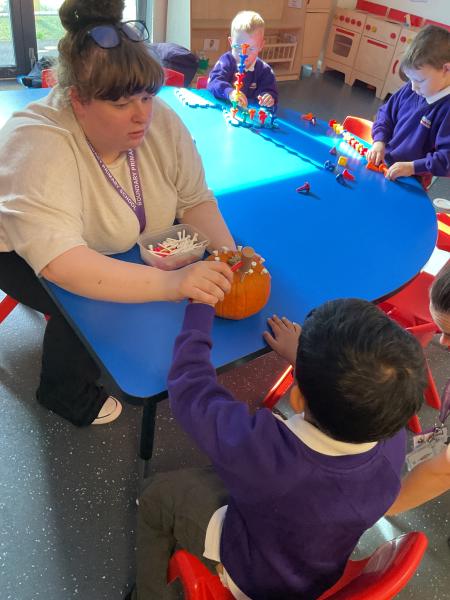
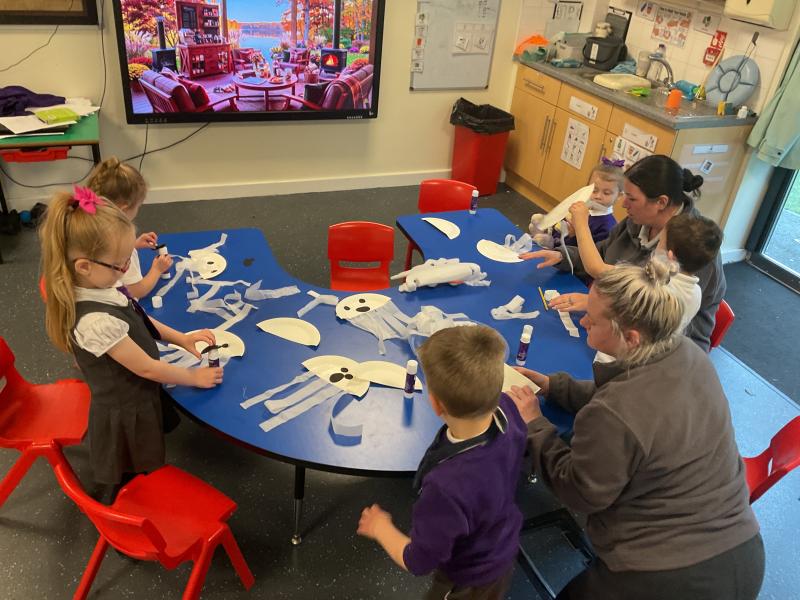
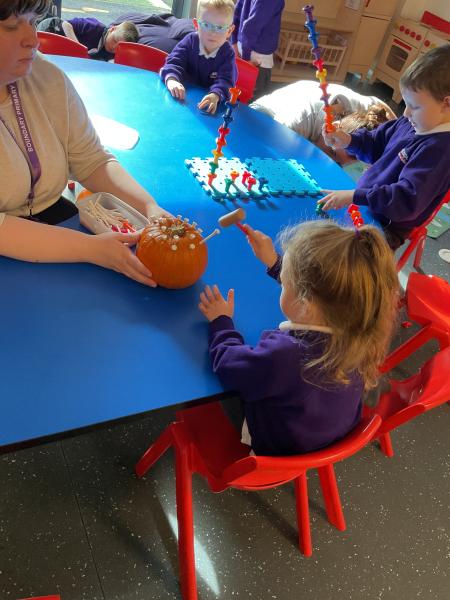
The children enjoyed a range of exciting Halloween-themed activities throughout the week.
Our "Happy Halloween" sensory story was a particular highlight. The children used a range of sensory resources linked to different parts of the story and then matched the correct objects to the corresponding sections, helping to develop their listening, understanding, and recall skills.The children also explored a variety of Halloween objects using their senses, describing and learning about their colour, size, texture, and shape
Other activities included matching different Halloween characters, completing Halloween-themed jigsaws, and developing fine motor skills by pushing and pulling different items into a pumpkin.
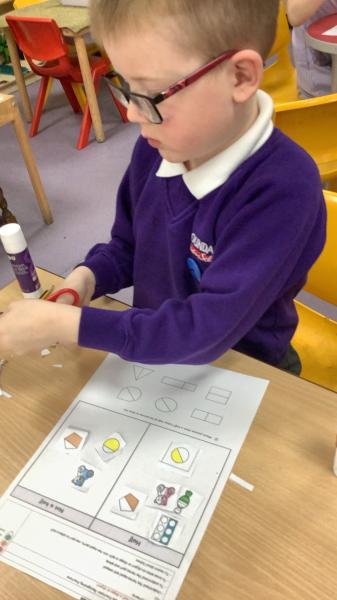
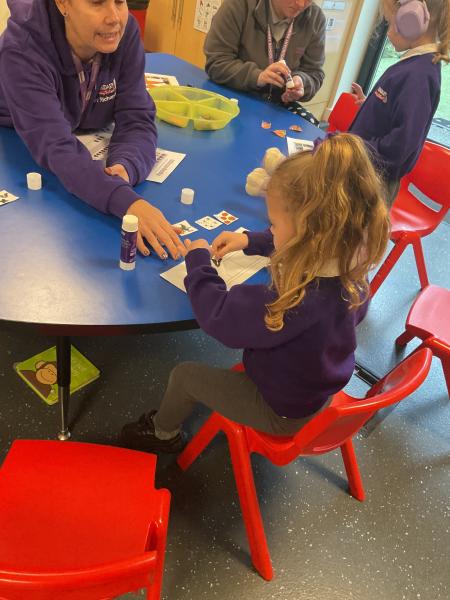
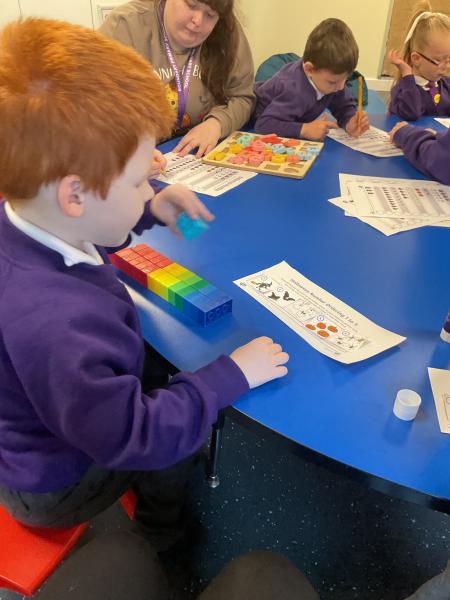
In Maths, we focused on matching shapes and developing our counting skills, counting lots of different halloween creatures. We also explored prepositions, looking where the halloween charaters were hiding, behing the curtains, in the box, under the table.
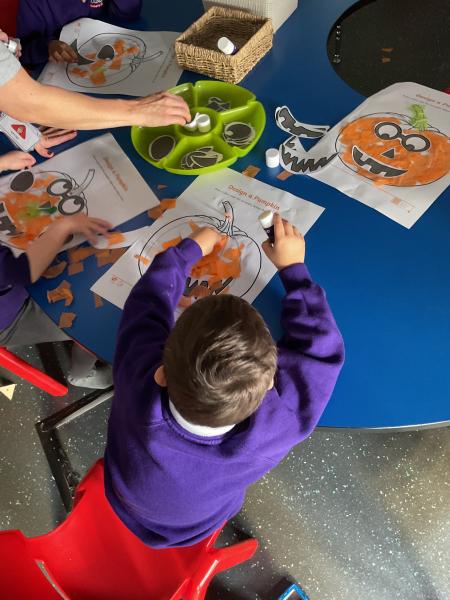
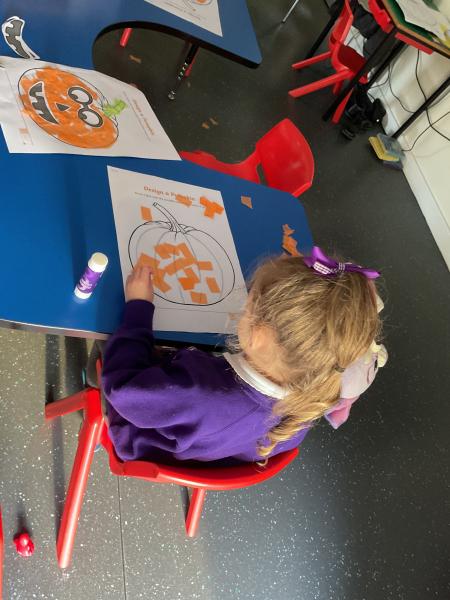
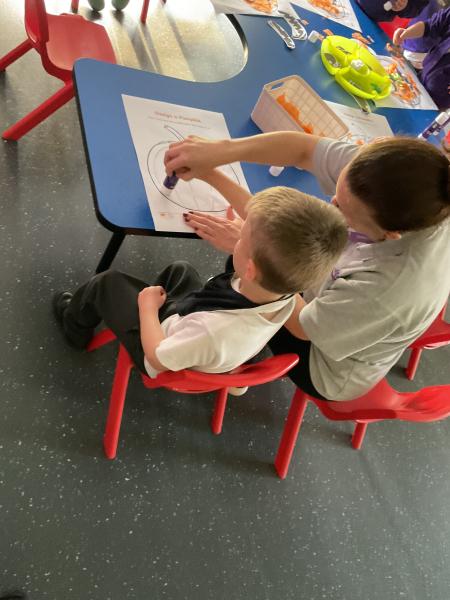
During Arts and Crafts, the children had great fun creating ghosts and pumkins using collage.
It has been a fantastic week full of sensory learning, creativity, communication, and lots of Halloween fun! 🎃
Date: 20th Oct 2026 @ 12:22pm
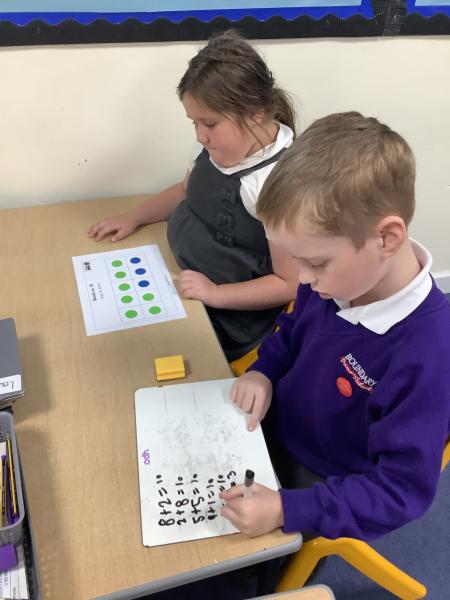
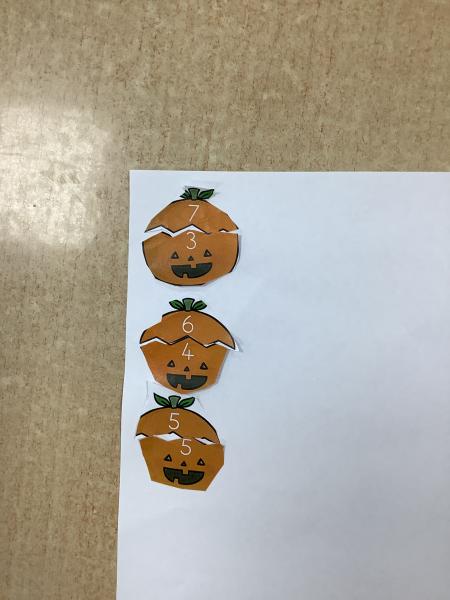
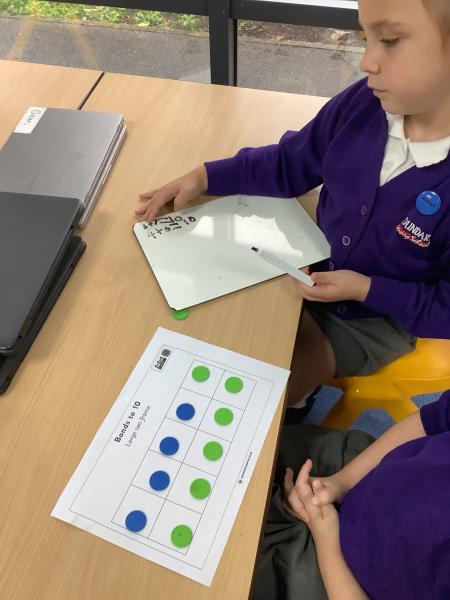
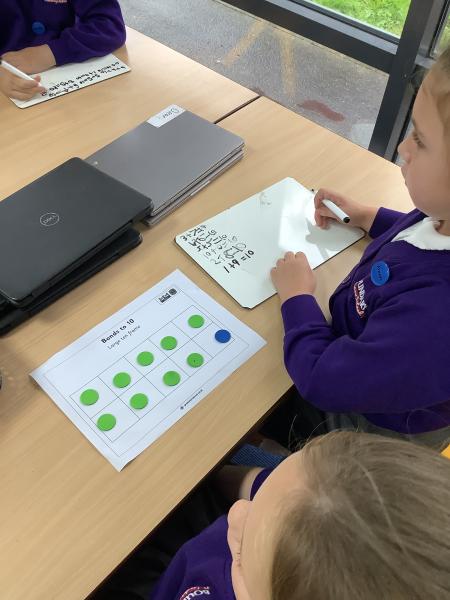
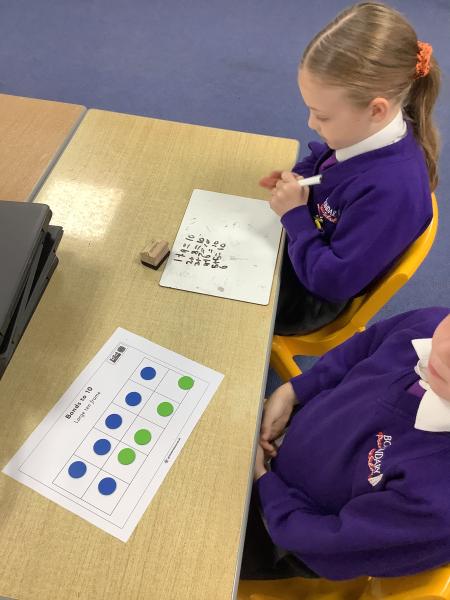
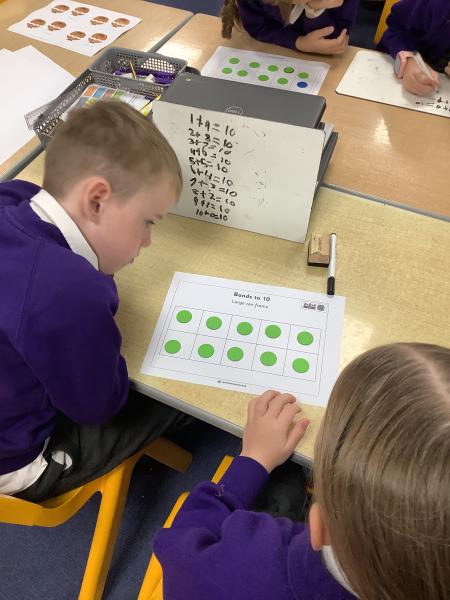
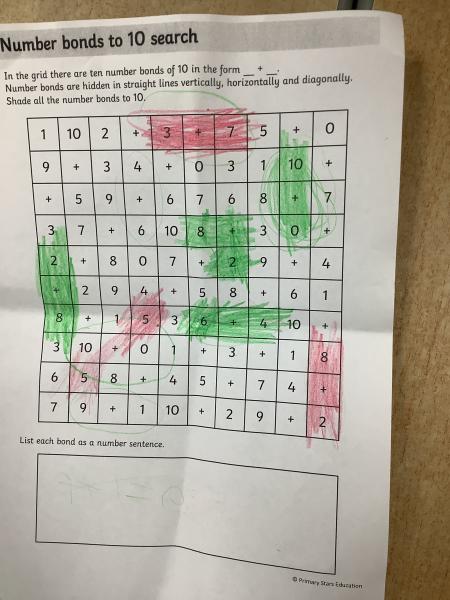
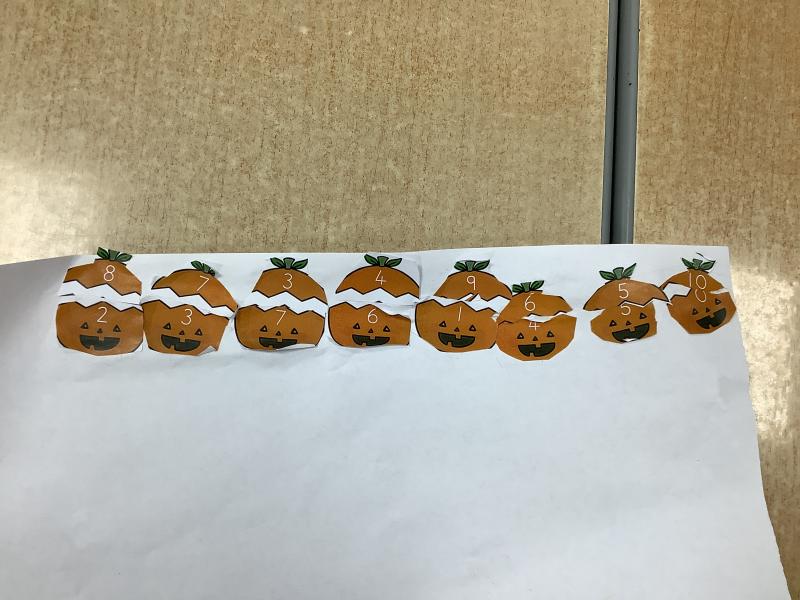
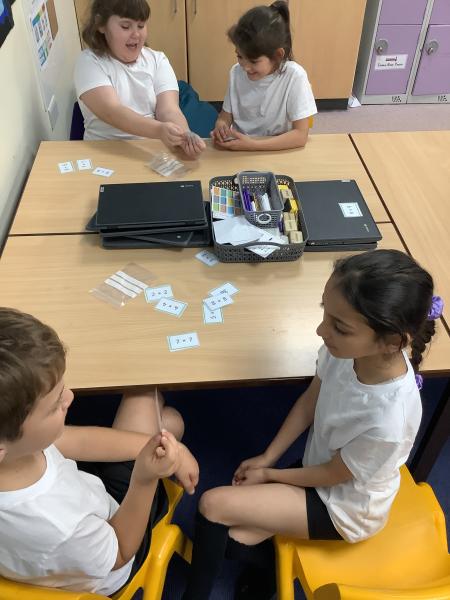
Year 4 - Mastering Number flashcards
Date: 19th Oct 2026 @ 2:02pm
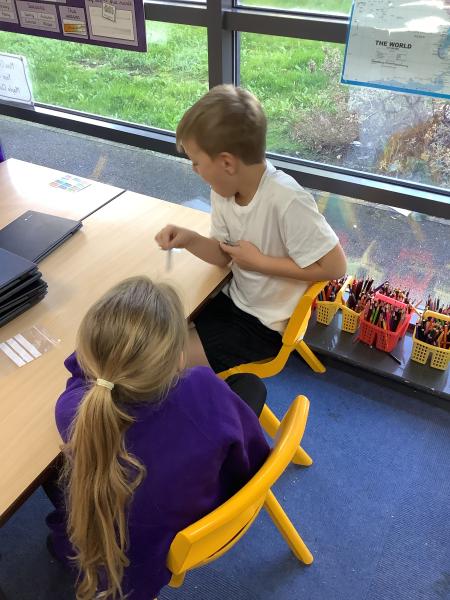
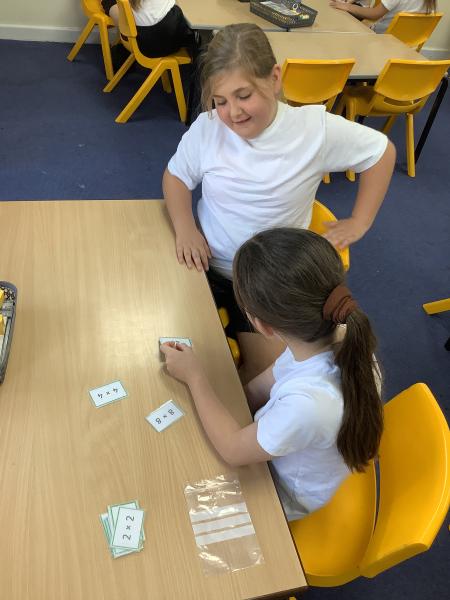
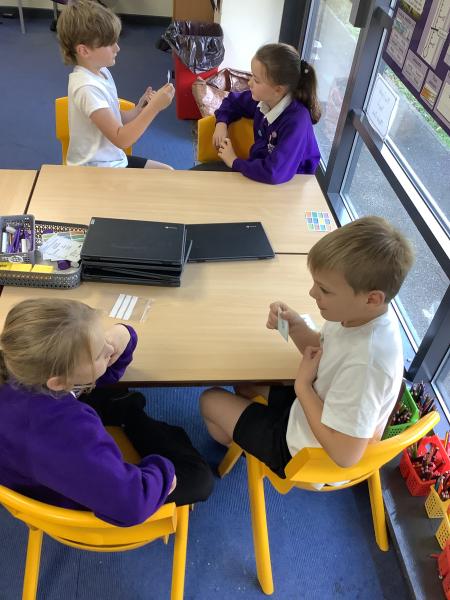
Date: 19th Oct 2026 @ 10:10am
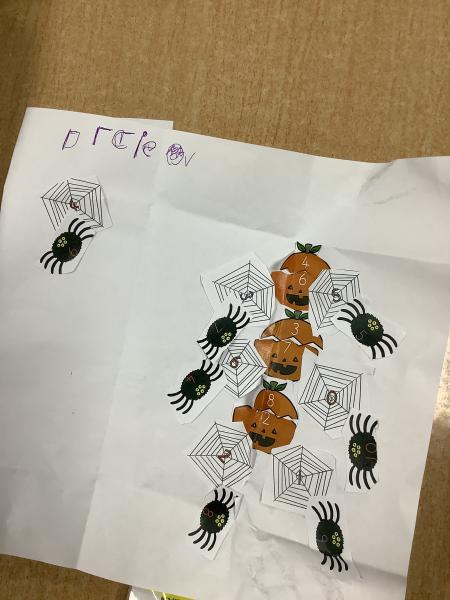
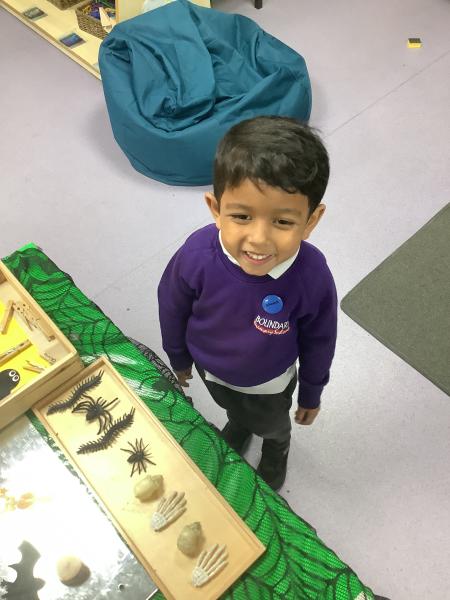
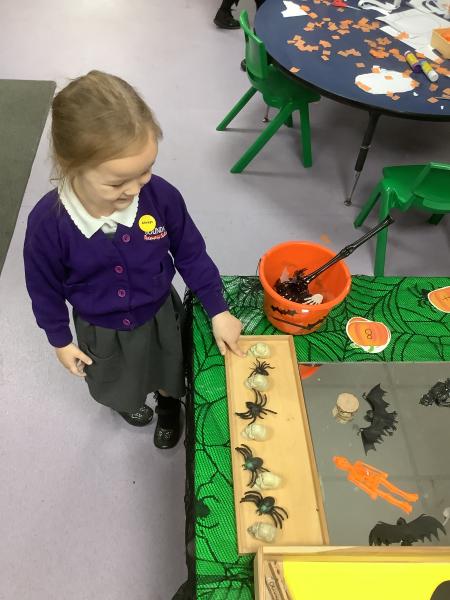
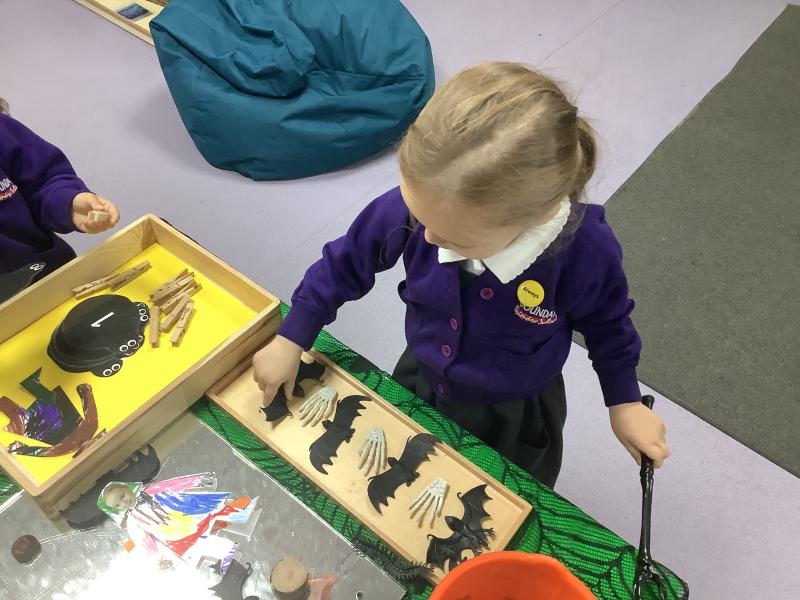
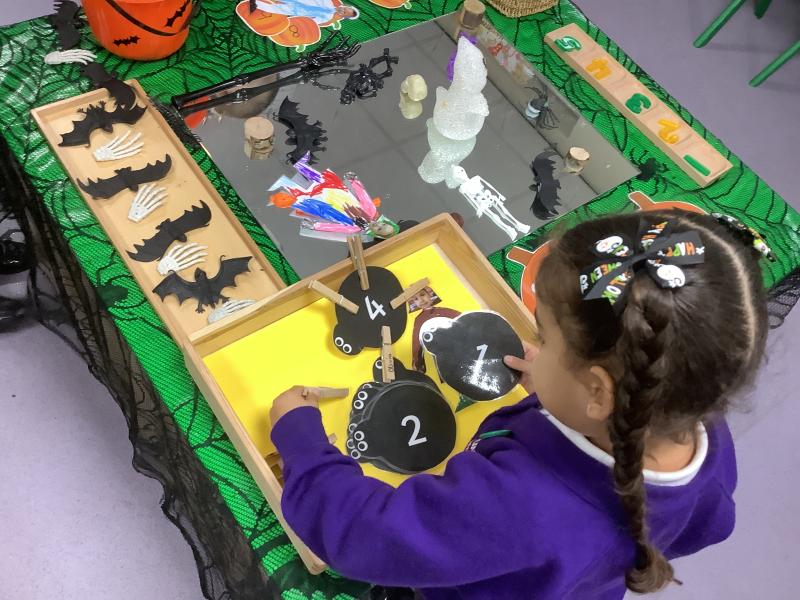
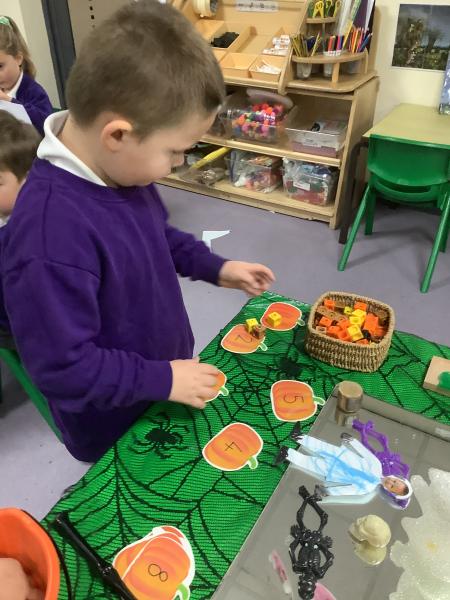
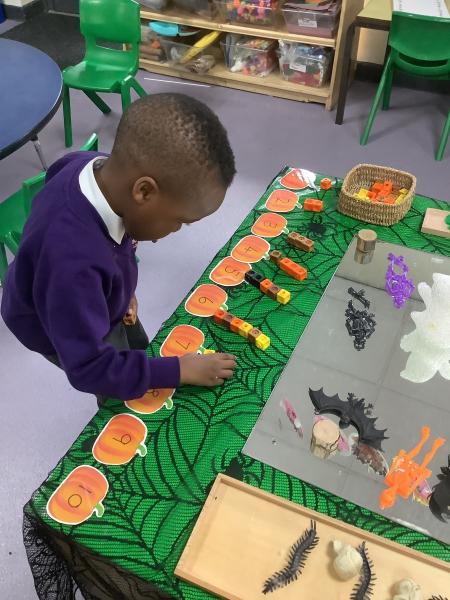
The children have had a wonderfully spooky time exploring lots of exciting maths activities this week! We stepped into our Halloween-themed learning and practised our counting skills by carefully counting out spiders' legs. We also ordered numbered pumpkins from smallest to largest, helping us to strengthen our understanding of number order and recognise numerals with confidence.
We had great fun creating spooky repeated patterns using a variety of Halloween objects and pictures. The children enjoyed spotting, continuing and making their own patterns, developing their mathematical thinking and problem-solving skills. We also compared different quantities of spooky objects, using language such as more than, fewer than and the same as to describe what they could see. To challenge our number skills even further, we explored finding the total of two single-digit numbers up to 5.
The children used practical resources and spooky-themed objects to help them count accurately and solve simple addition problems. It was fantastic to see their confidence growing as they explained their thinking and shared their strategies with their friends. We are very proud of all the children for their enthusiasm and hard work during our spooky maths adventures! 🎃🕷️👻
School Council- What's you favourite biscuit?
Date: 13th Oct 2026 @ 3:52pm
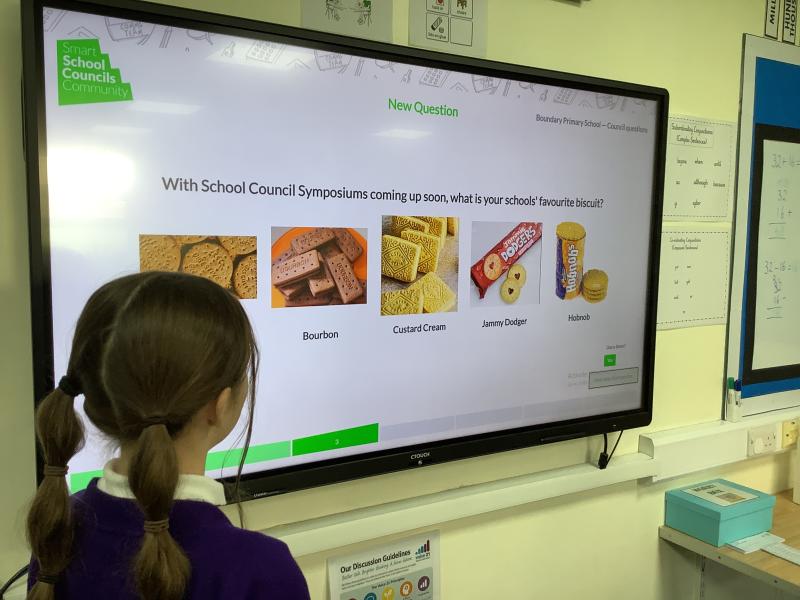
School Council Biscuit Symposium Discussion
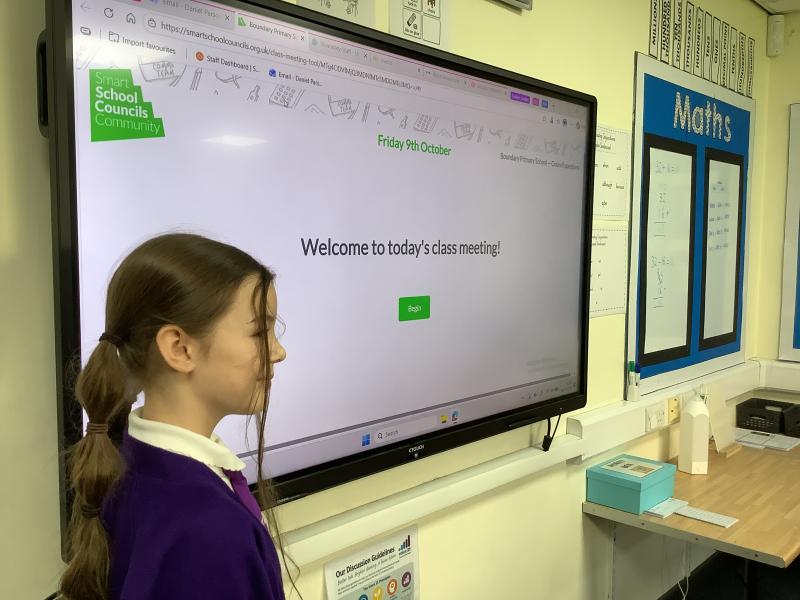
The whole school took part in a fun discussion to decide our favourite biscuit. The results will be taken to the Blackpool Symposium meeting, where school councillors from other Blackpool schools will discuss and compare the findings.
Each class participated using the Smart School Council platform, with discussions led by their class school councillor. The votes were collected and fed through to a central team. Everyone enjoyed sharing their opinions and listening to the views of others. It was a fantastic opportunity for pupils to experience democracy in action and have their voices heard.
The big question was: Which biscuit is best - Bourbon, Custard Cream, Hob Nob, Digestive or Jammy Dodger?
Date: 8th Oct 2026 @ 10:27am
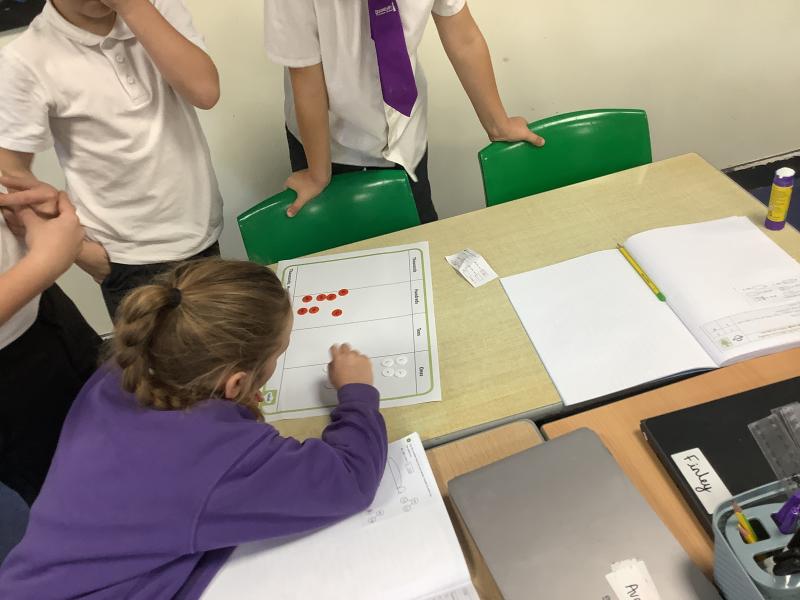
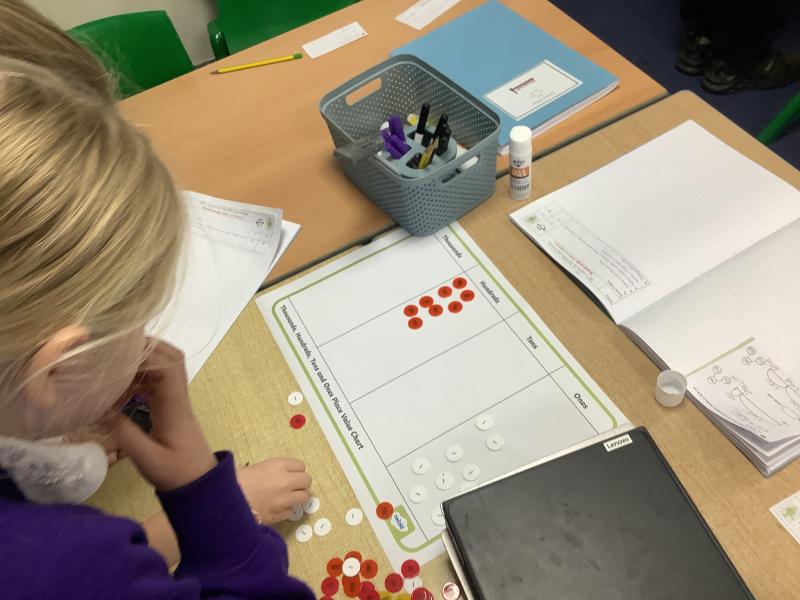
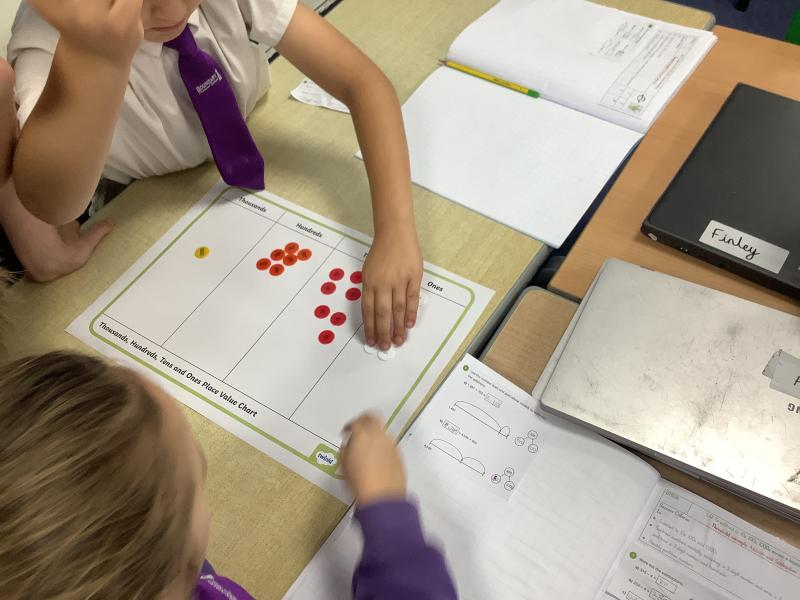
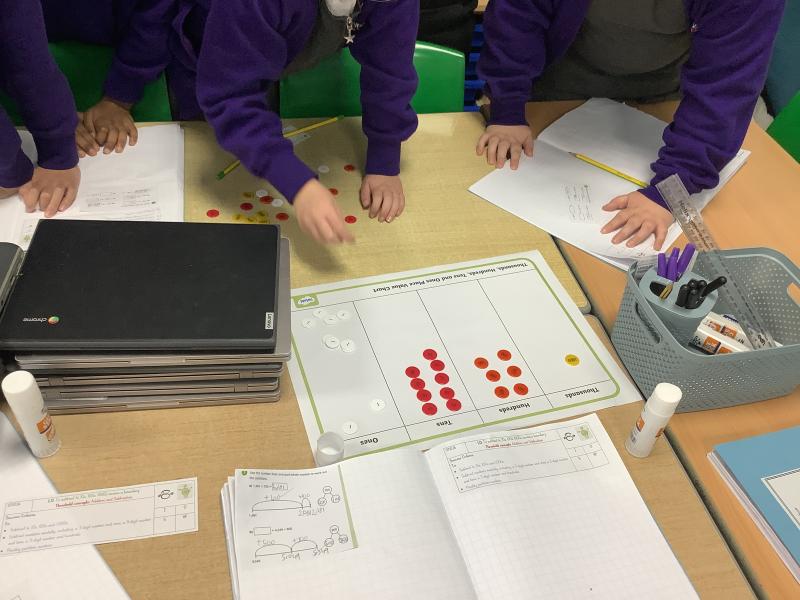
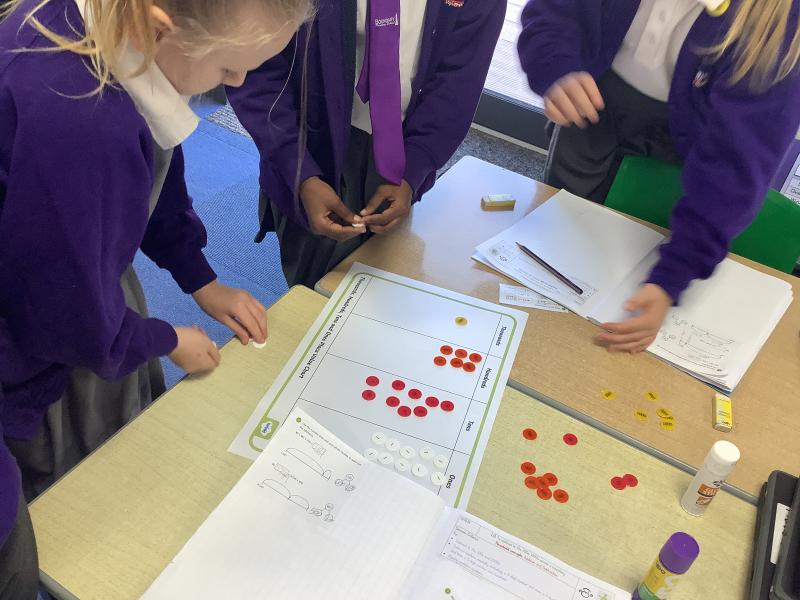
This week in Maths, Year 3 and 4 have been developing their understanding of subtracting 1s, 10s and 100s across a boundary. The children used place value charts to help them visualise what happens when a subtraction takes them across a tens or hundreds boundary.
We explored how numbers can be exchanged, for example exchanging 1 ten for 10 ones when there were not enough ones to subtract. Similarly, we practised exchanging 1 hundred for 10 tens when needed. The place value charts helped the children see these exchanges clearly and supported them in solving problems accurately.
The children showed great perseverance and mathematical thinking as they explained their methods and justified their answers. Well done, Year 3 and 4, for working so hard to deepen your understanding of place value and subtraction! 📚➖⭐
Date: 8th Oct 2026 @ 10:07am
Date: 1st Oct 2026 @ 10:54am
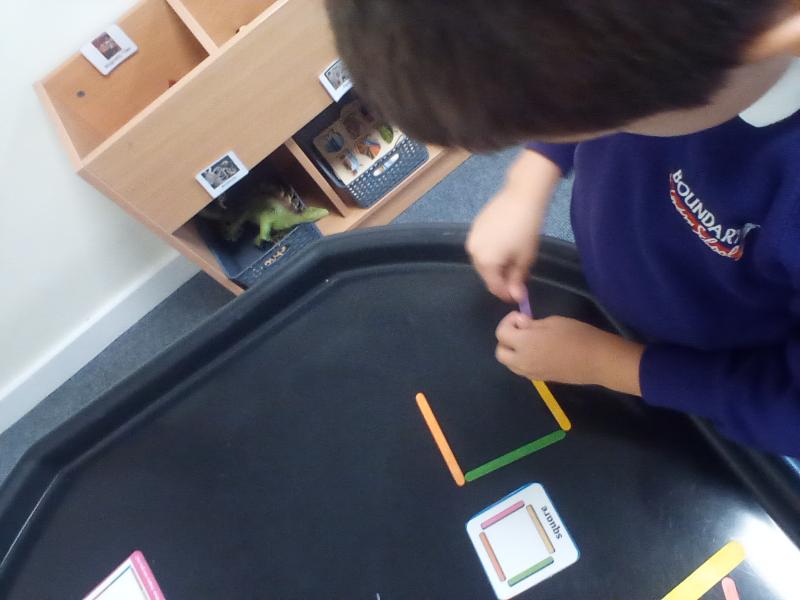
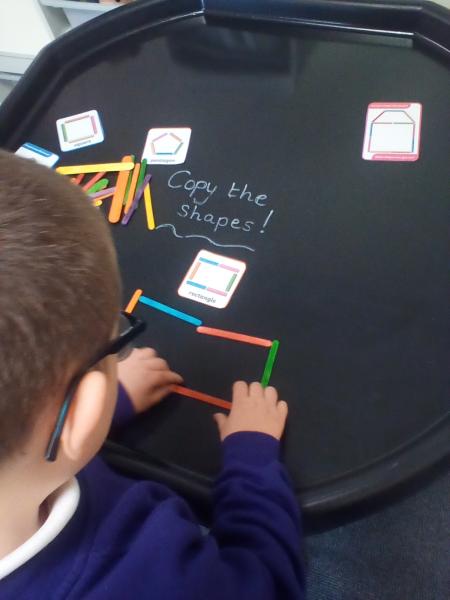
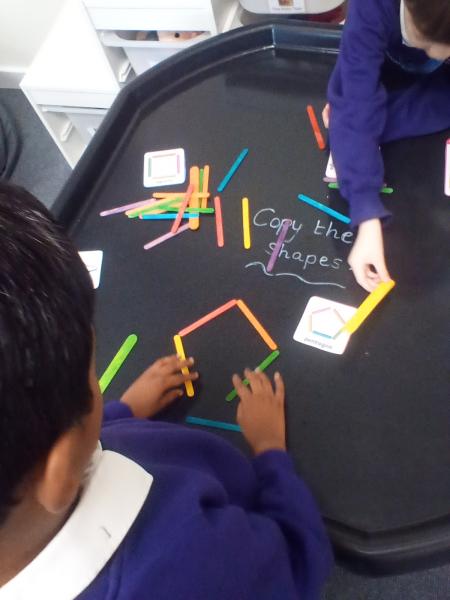
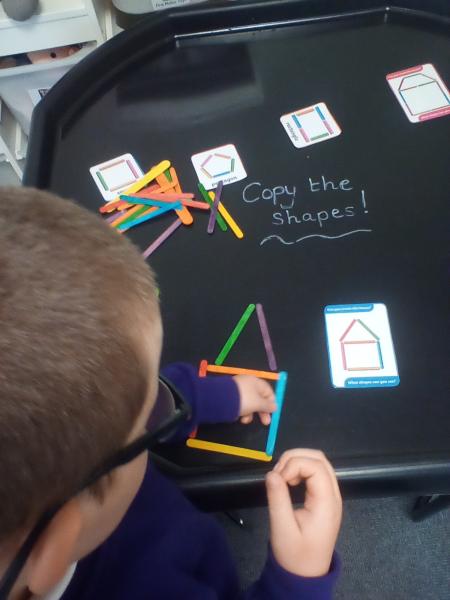
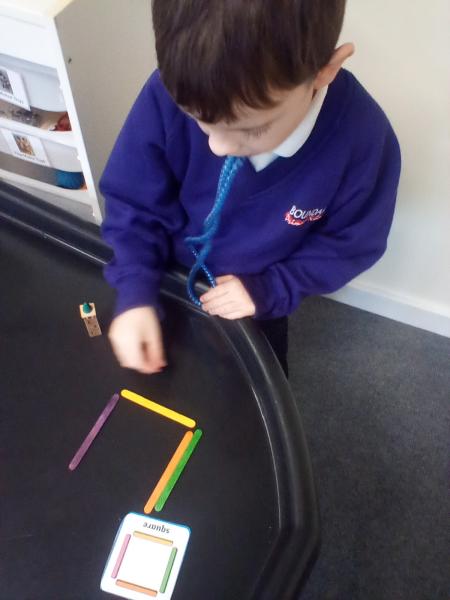
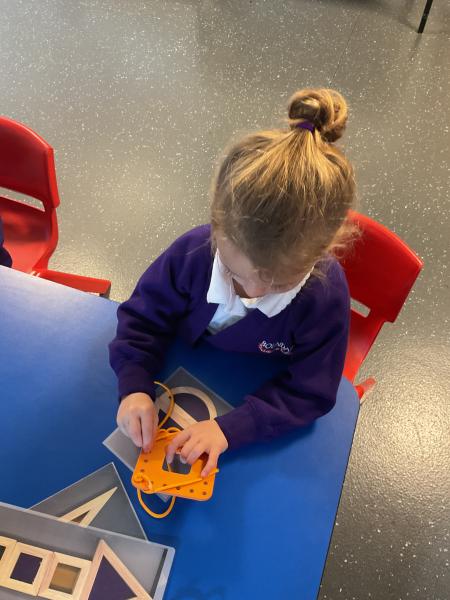
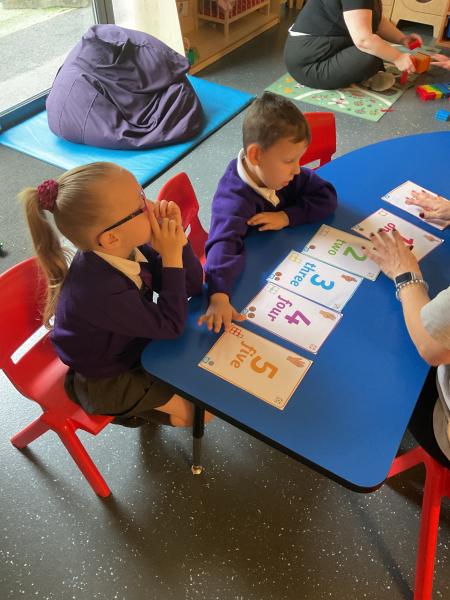
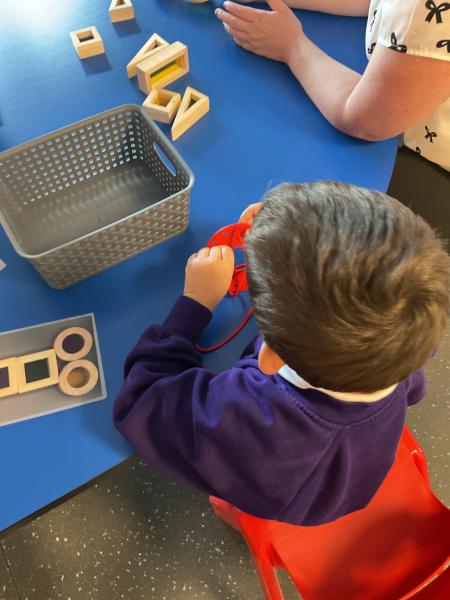
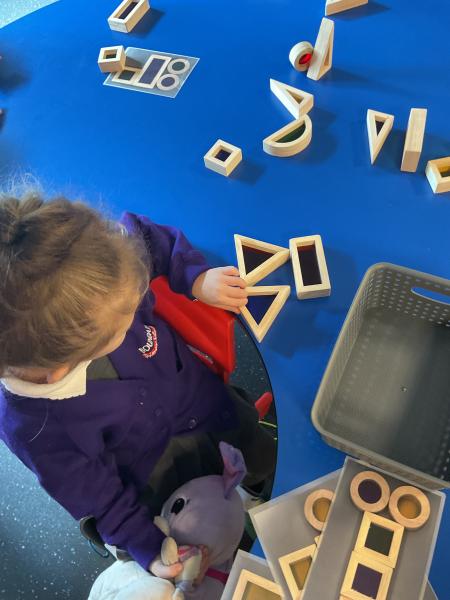
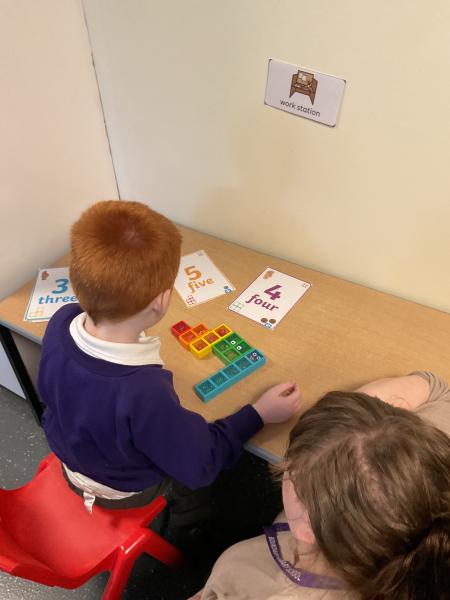
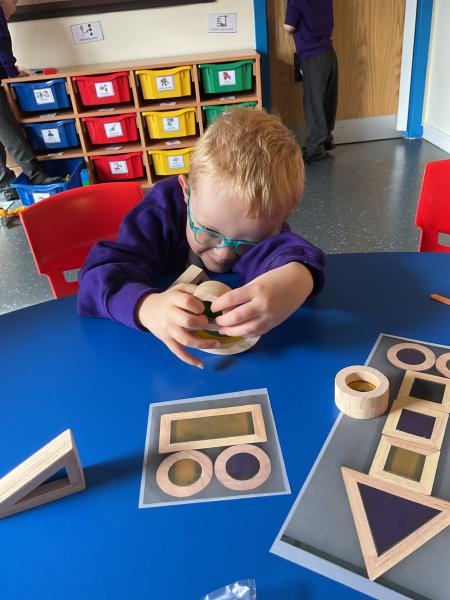
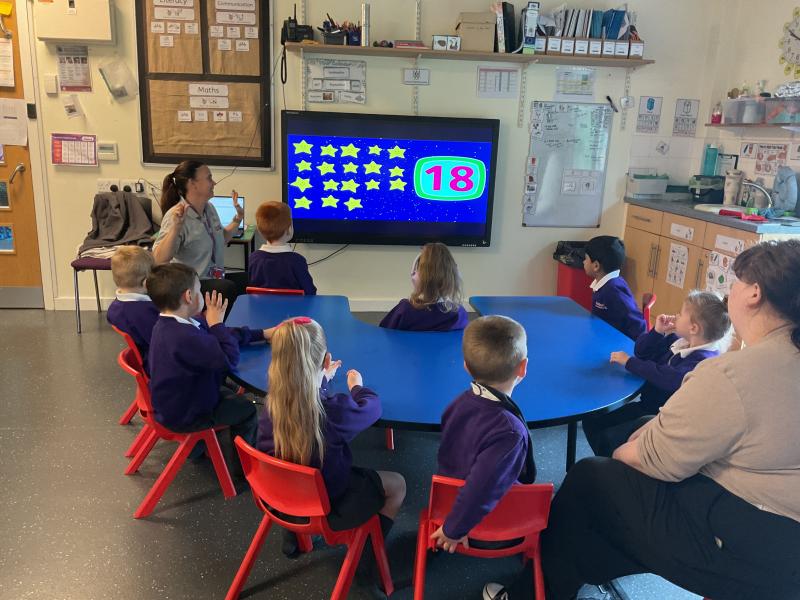
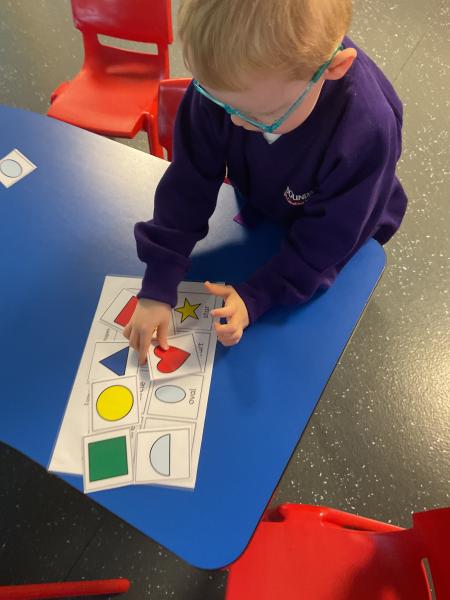
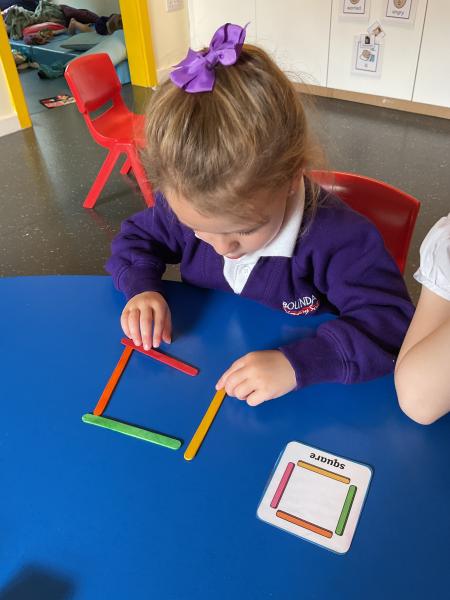
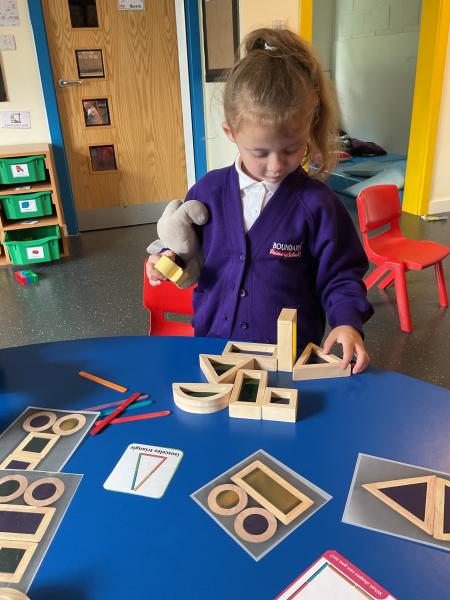
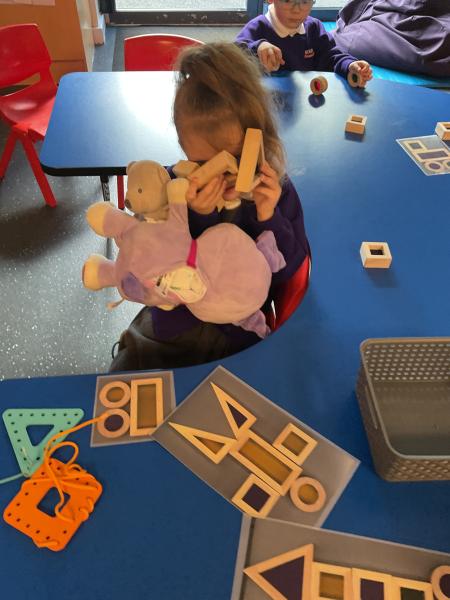
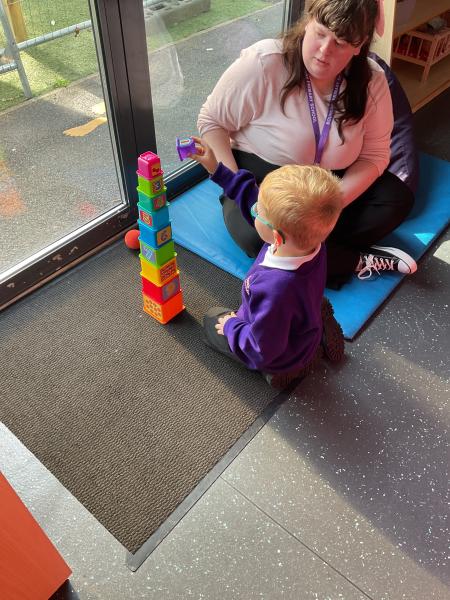
This term Acorns have been developing their early math skills, exploring shape and number.
We have developed our engagement and understanding through a variety of multi-sensory activities. Some of pupils have engaged with looking and feeling different shapes, matching to visuals and listening to adults modelling their names. Some of our pupils have been learning shape names and some of our pupils have been couniting out shapes to develop their understanding of shape correspondence. We have also been exploring shape patterns and threading.
Date: 30th Sep 2026 @ 7:06am
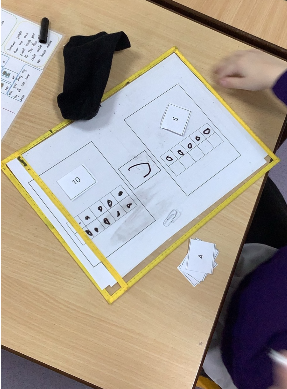
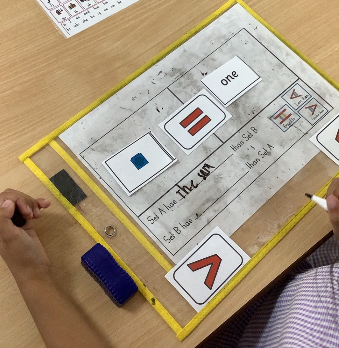
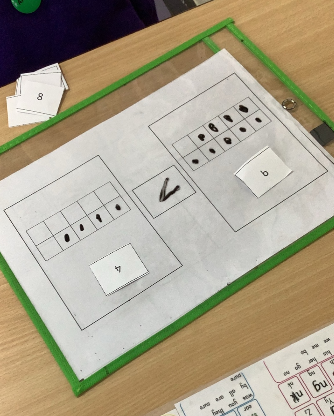
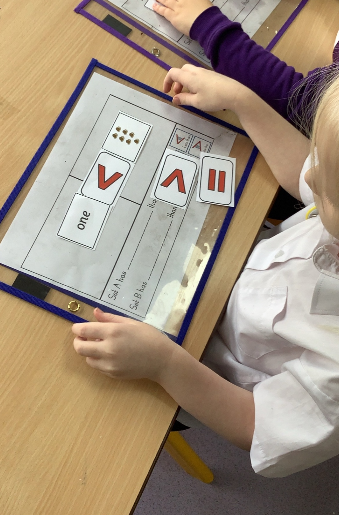
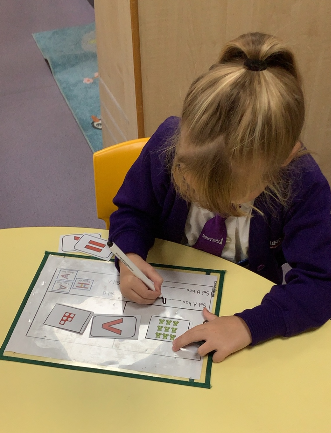
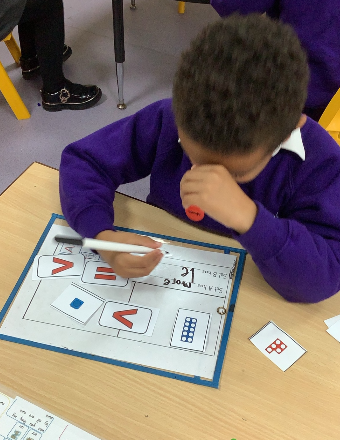
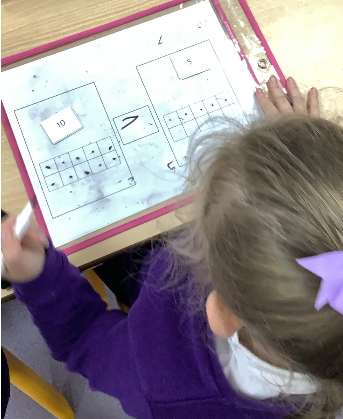
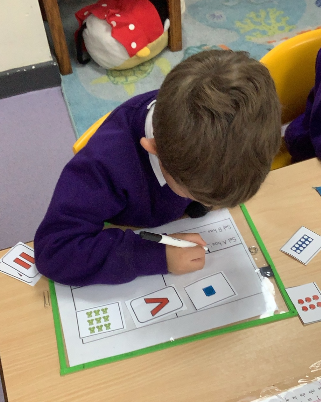
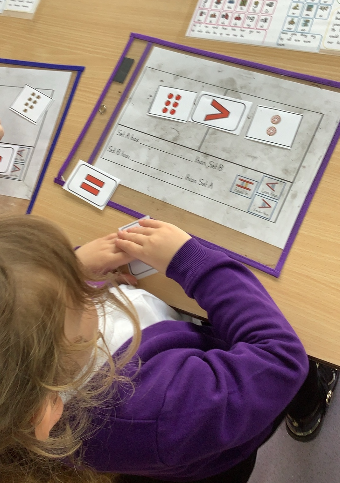
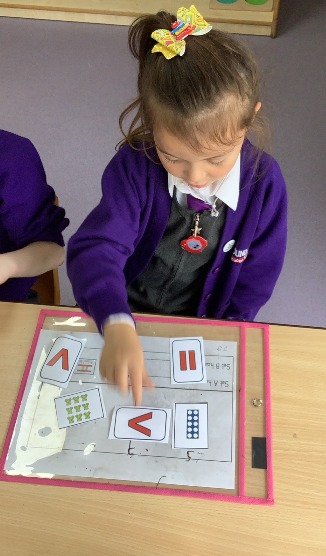
Year 1 have been working hard on comparing numbers using the mathematical symbols less than (<), greater than (>) and equal to (=). Over the past few days, the children have developed their confidence in recognising and using these symbols correctly.
We have explored comparing numbers in a variety of ways, including using concrete resources, pictorial representations, and abstract numbers. The children have enjoyed investigating which numbers are greater, smaller, or equal, and explaining their reasoning using mathematical language.
We are incredibly proud of how confidently the children are now using comparison symbols and applying their understanding in different contexts. Well done, Year 1! 🌟📚➕
Reception- Rosies Walk Around Reception's Garden
Date: 24th Sep 2026 @ 5:06pm
Date: 23rd Sep 2026 @ 1:06pm
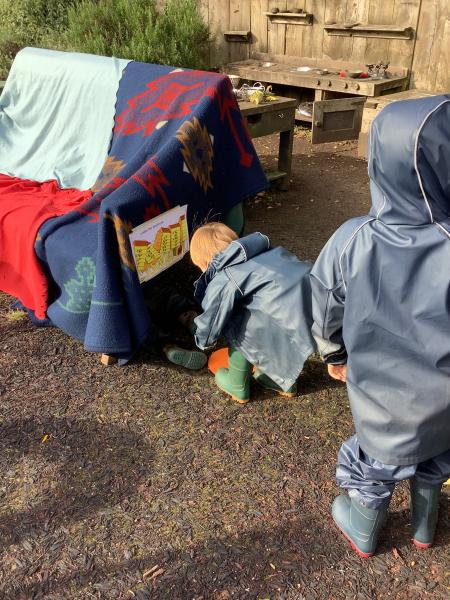
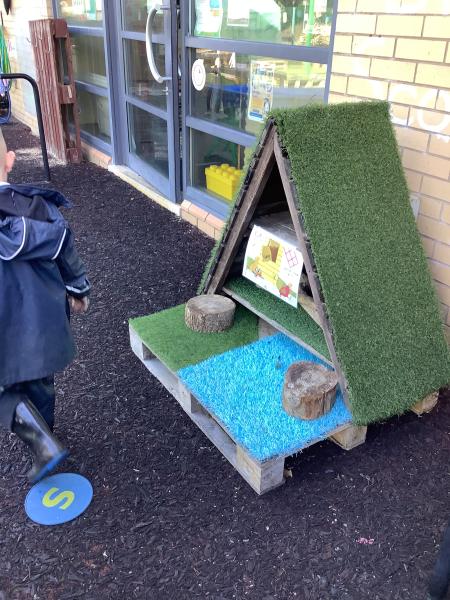
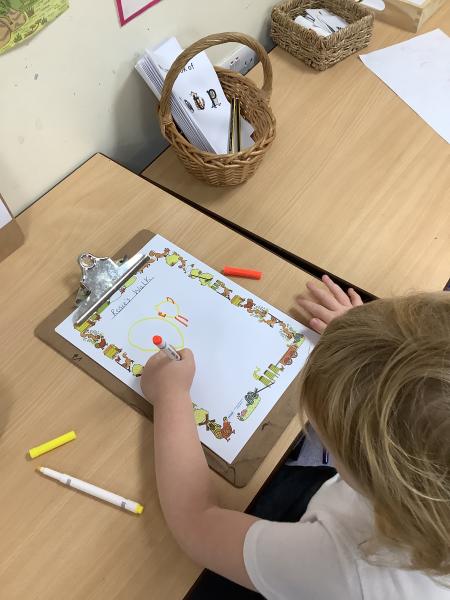
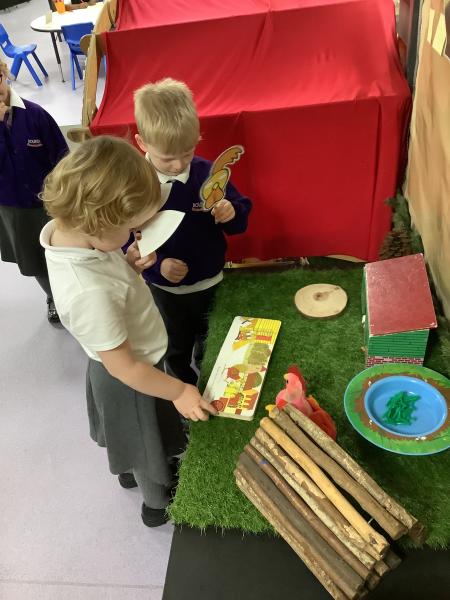
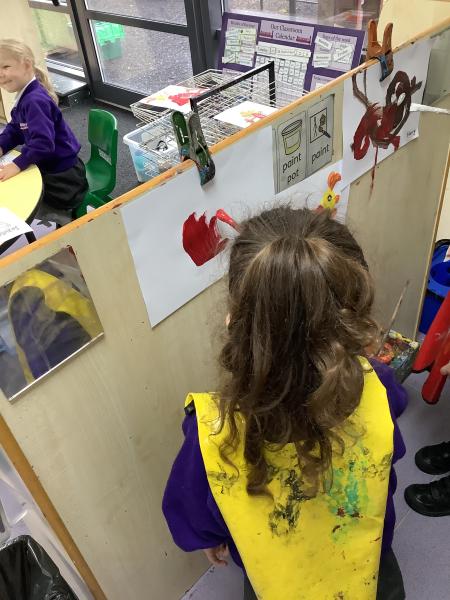
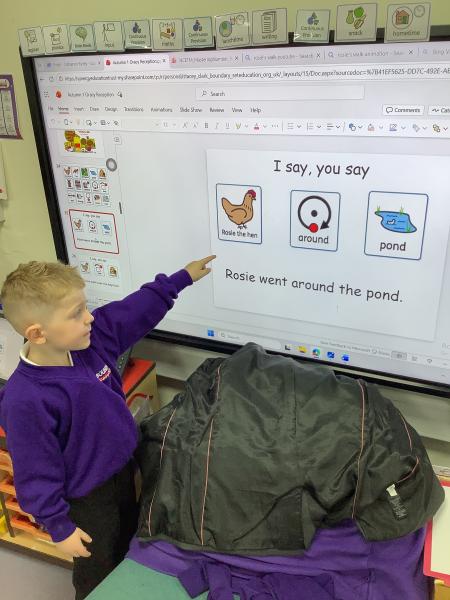
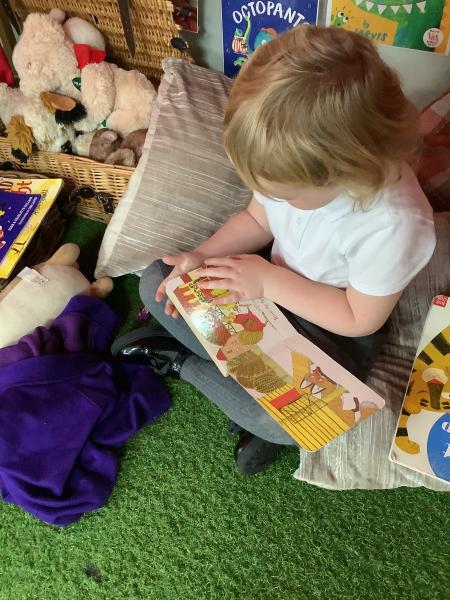
This week, Reception enjoyed exploring the wonderful story Rosie’s Walk by Pat Hutchins. The children loved following Rosie the hen on her journey around the farm while the mischievous fox got into all sorts of trouble trying to catch her. They found the story very funny and enjoyed talking about their favourite parts.
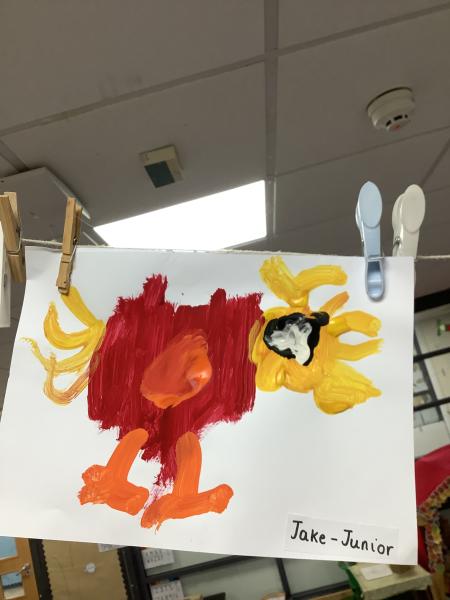
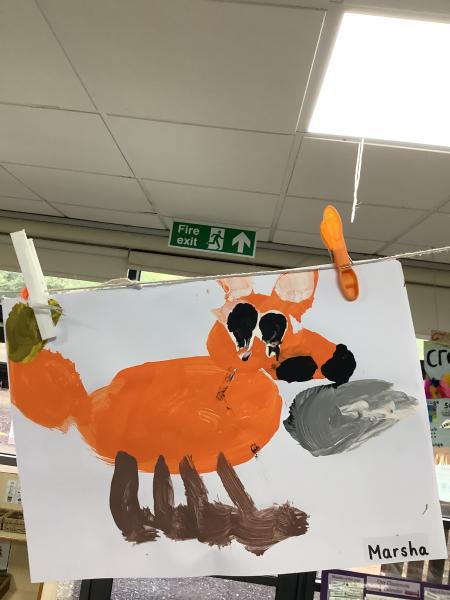
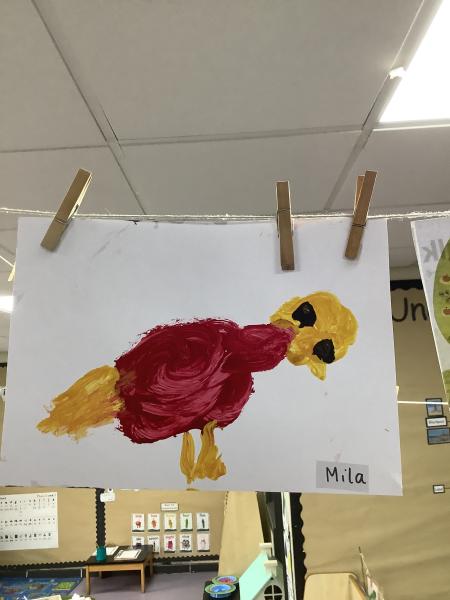
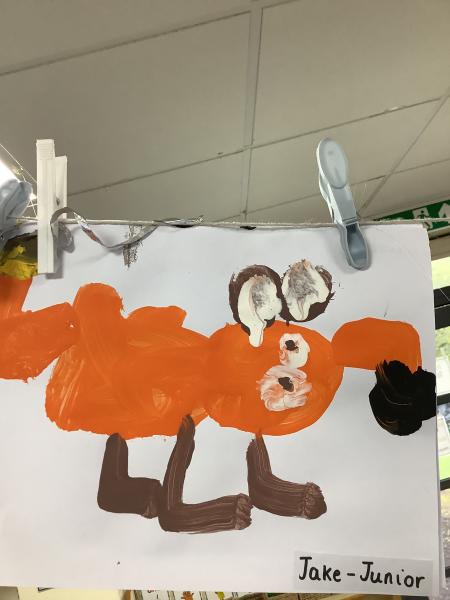
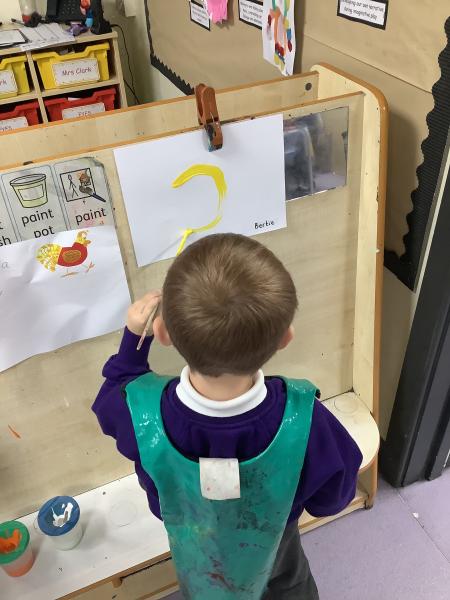
As part of our learning, the children painted pictures of Rosie the hen and the fox, and created colourful collaged foxes using paper plates. At the storytelling table, they retold the story using puppets and small world figures, helping to develop their confidence, language and understanding of the sequence of events.
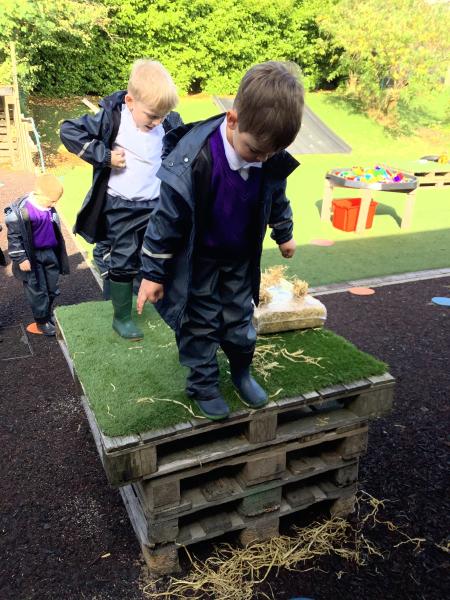
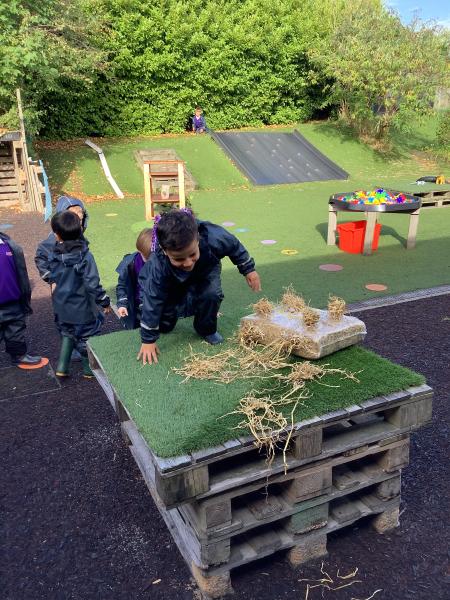
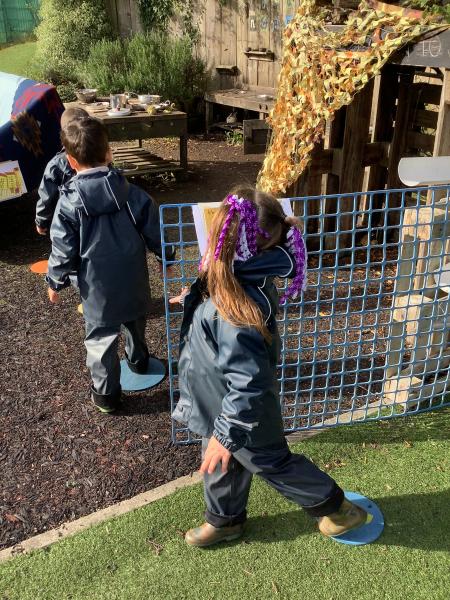
Outdoors, the children took part in a Rosie’s Walk obstacle course. They used positional language from the story, including around, across, over, past, under and through, as they navigated the course and retold Rosie's adventure. This was a fun way to reinforce their understanding of both the story and key mathematical vocabulary.
It has been a fantastic week of storytelling, creativity and active learning, and the children thoroughly enjoyed bringing Rosie’s Walk to life.
"That sneaky fox kept trying to catch Rosie" Wilhem
"The fox kept getting into trouble =- it was funny!" Olivia
"The fox fell in the pond...and the bees chased him at the end!" Junior
Counting Champions : Mastering 2's, 5's and 10's
Date: 17th Sep 2026 @ 8:09am
This week in Redwoods, we have been exploring place value, number patterns, and counting in 2s, 5s and 10s.
We have been using a range of practical resources and activities to deepen our understanding of numbers. The children have enjoyed identifying patterns in number sequences and investigating how numbers change as we count forwards and backwards.
As part of our place value learning, we have been partitioning numbers into tens and ones, helping us to understand the value of each digit. We have also been spotting patterns when counting in multiples of 2, 5 and 10, and using these skills to solve mathematical challenges.
The children showed great enthusiasm and perseverance throughout the week, demonstrating growing confidence in recognising patterns and explaining their mathematical thinking. We are very proud of the progress they are making as they continue their journey towards becoming confident mathematicians!
Well done, Redwoods! ⭐🔢👏
🔢 Maths in Year 2: Exploring Place Value! 🔢✨
Date: 14th Sep 2026 @ 10:40am
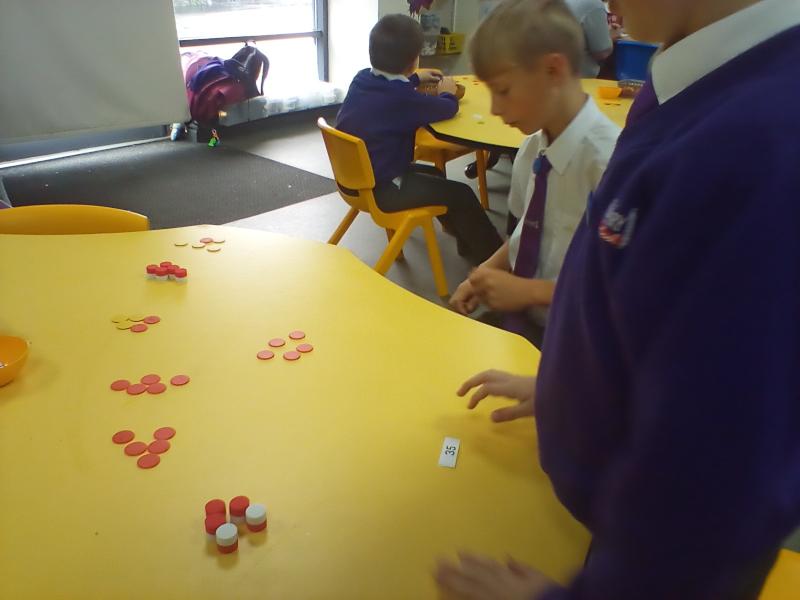
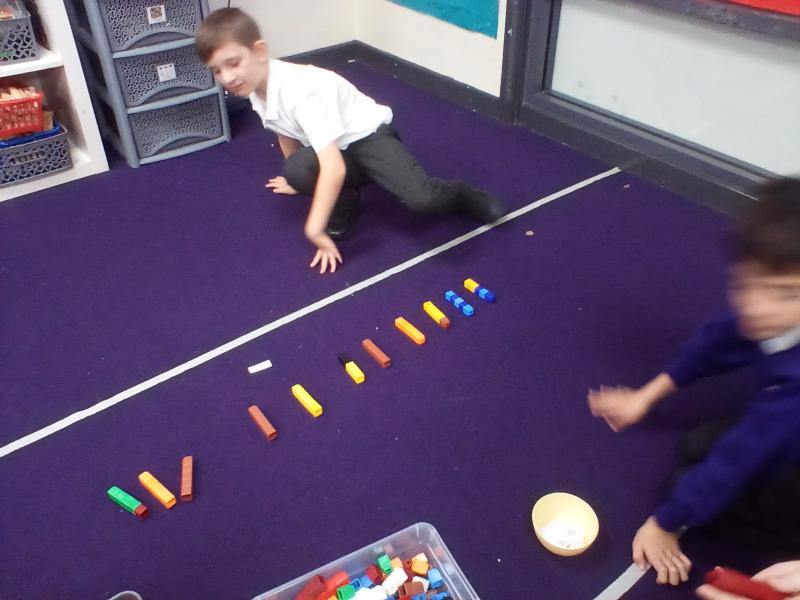
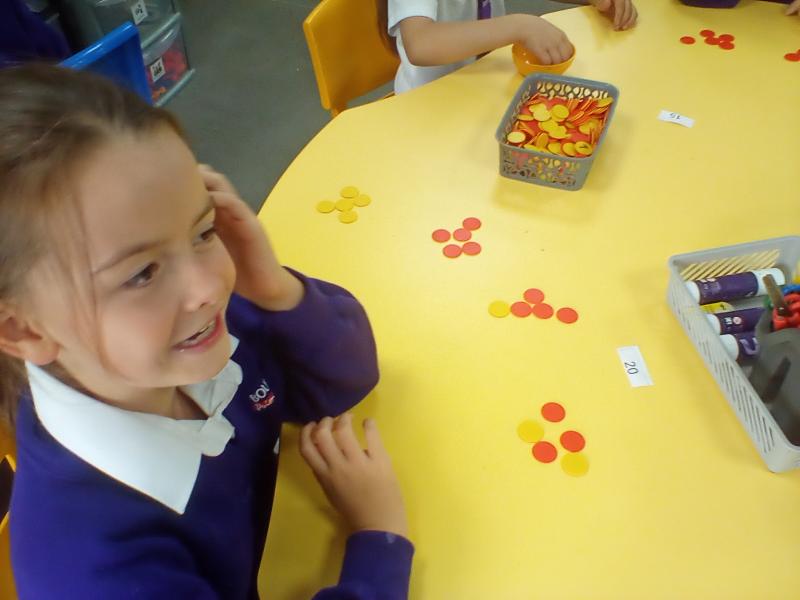
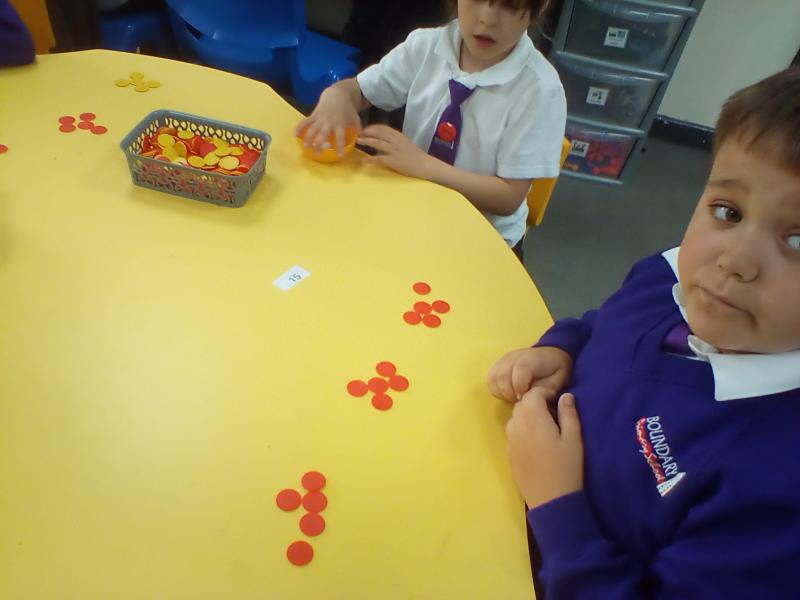
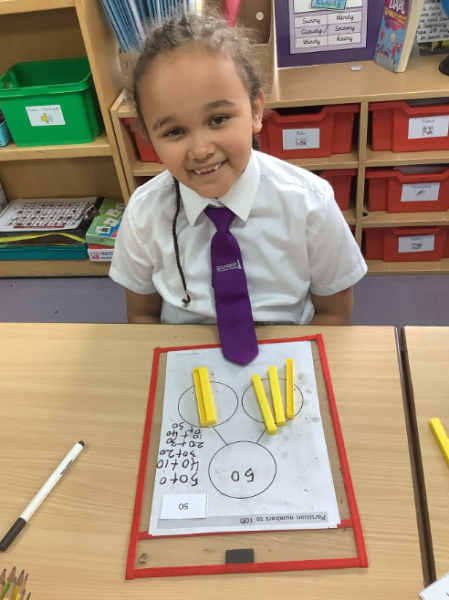
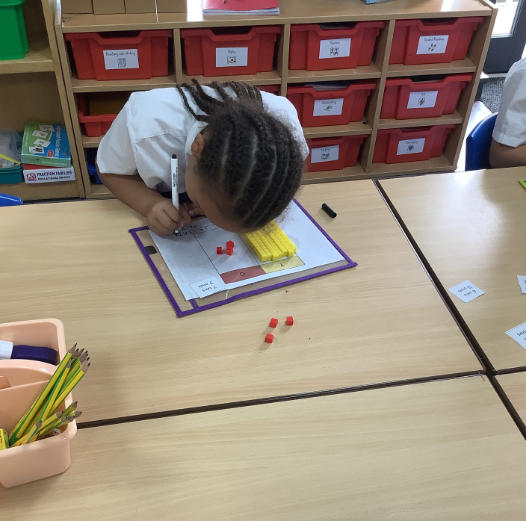
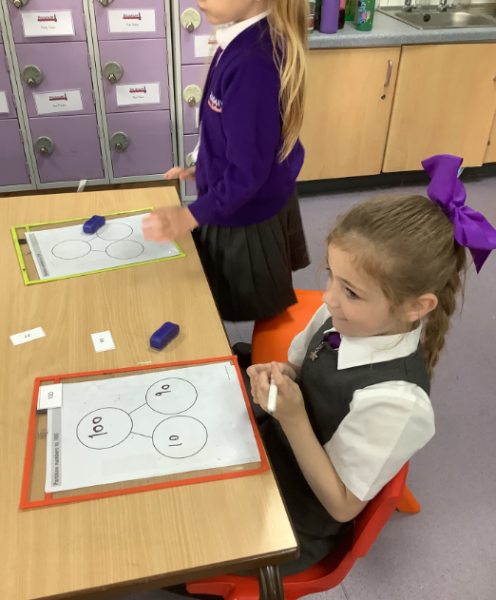
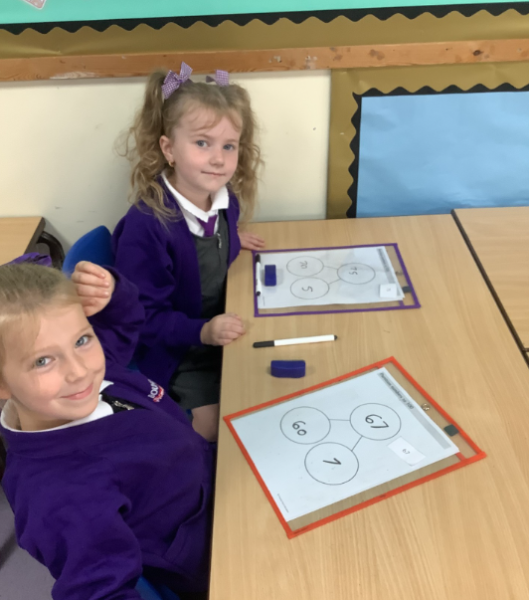
This week in Maths, Year 2 have been developing their understanding of place value by exploring how numbers can be partitioned into tens and ones. 🧮🌟
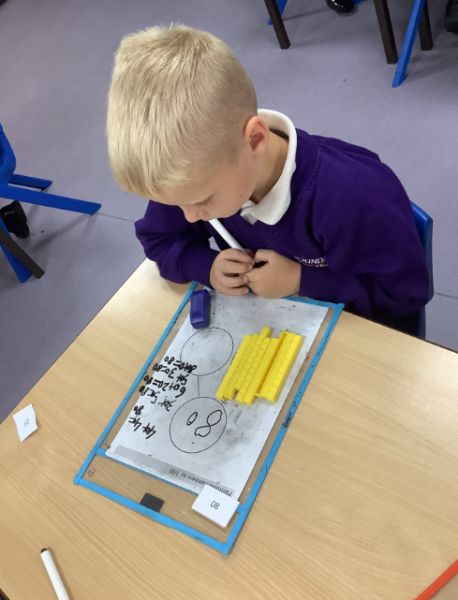
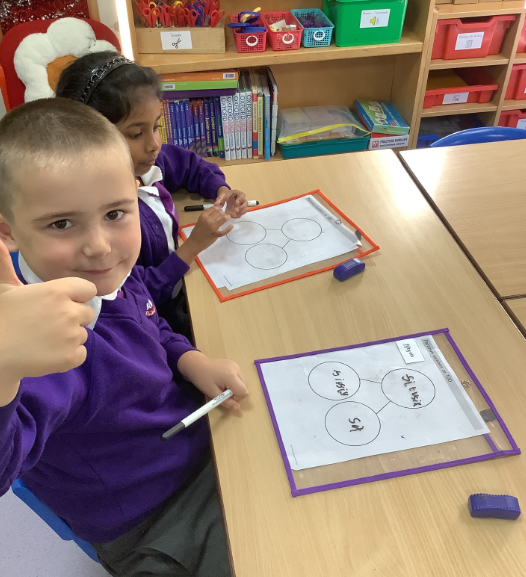
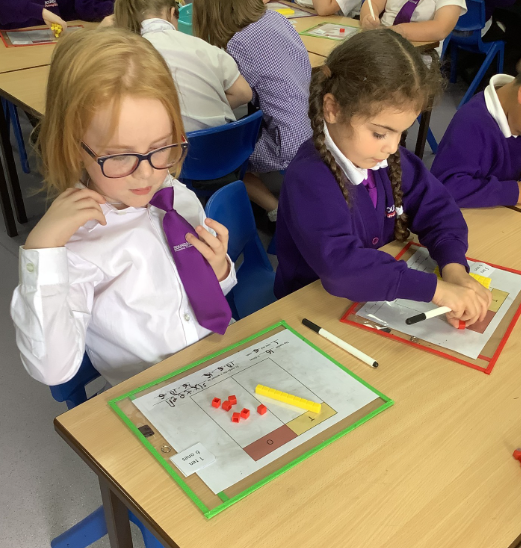
We began by using a range of practical resources and different representations to help us understand the value of each digit in a number. We used base ten equipment, part-whole models, tens frames and place value charts to show how numbers can be split into tens and ones. 🔟➕1️⃣
For example, we explored how the number 34 can be partitioned into 3 tens and 4 ones. By representing numbers in different ways, we strengthened our understanding of how numbers are made up and developed our mathematical reasoning skills. 🤔✏️
Once we were confident partitioning numbers into tens and ones, we moved on to flexible partitioning. This challenged us to think about numbers in different ways and discover that numbers can be split into parts other than just tens and ones. 🧠💡
For example, we found that 34 can be partitioned as 30 and 4, but also as 20 and 14 or 10 and 24. We enjoyed exploring different combinations and explaining our thinking to our partners. 🗣️👫
Throughout the lesson, we used practical resources, worked collaboratively and discussed our ideas using mathematical vocabulary. We showed great perseverance when faced with challenges and were excited to find multiple ways to represent the same number. 🌟👏
Year 2 have worked incredibly hard and are becoming much more confident with place value. These important skills will help us as we continue our mathematical learning throughout the year. 🎉🔢
📸 Take a look at our photos to see us using different representations and exploring flexible partitioning in Maths! 😊📚✨

Date: 10th Sep 2026 @ 10:33am
🧮 Maths Across School 🧮
All year groups have been focusing on place value in their maths lessons and have made a fantastic start to the year!
⭐ Year 1 have been exploring place value within 10, counting accurately and learning number bonds to 5.
⭐ Year 2 have been working on place value to 100, partitioning numbers into tens and ones, and representing numbers in different ways.
⭐ Year 3 have been developing their understanding of place value to 1,000, using practical resources and building their reasoning skills.
⭐ Year 4 have been focusing on place value by reading, comparing and partitioning numbers while explaining their mathematical thinking.
⭐ Year 6 have been strengthening their understanding of the four operations and have begun exploring place value with numbers up to 10 million.
It has been wonderful to see so much enthusiasm, confidence and determination in maths lessons across the school. Keep up the fantastic work! 🌟


Date: 3rd Sep 2026 @ 10:52am
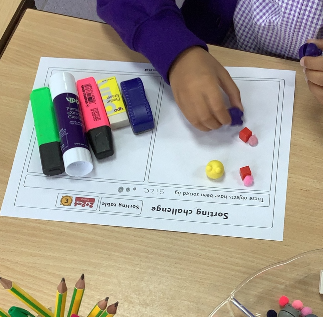
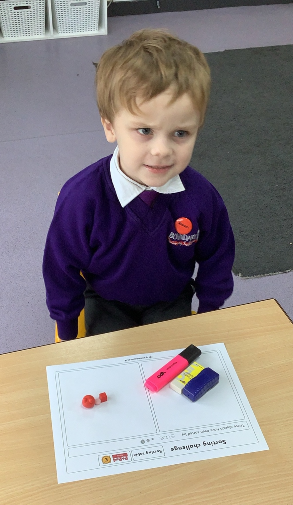
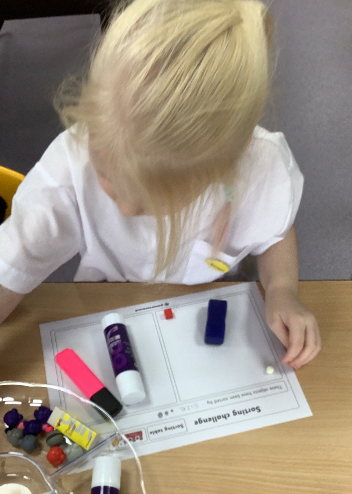
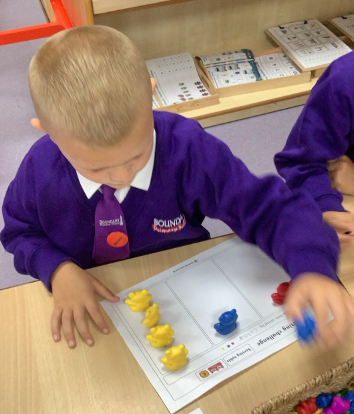
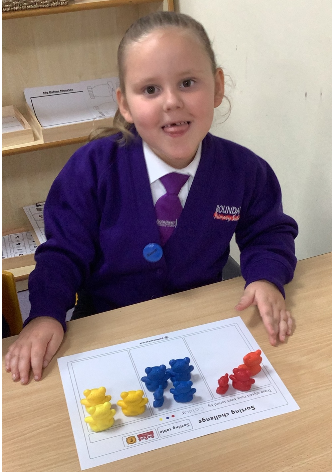
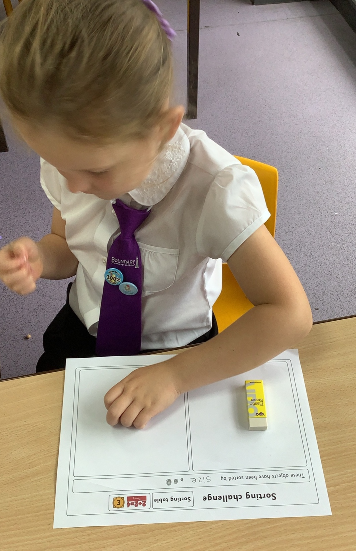
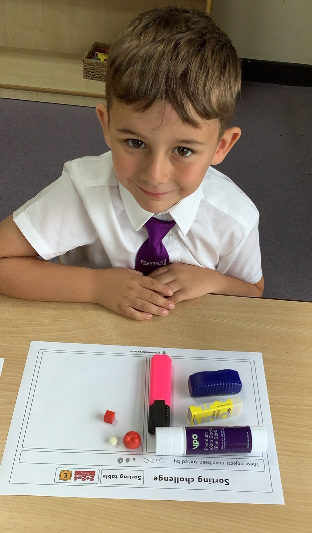
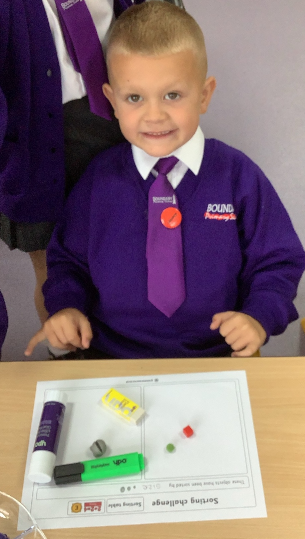
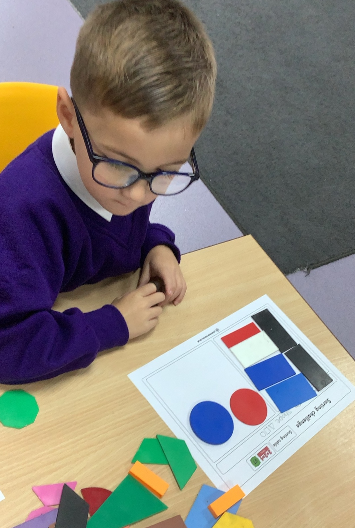
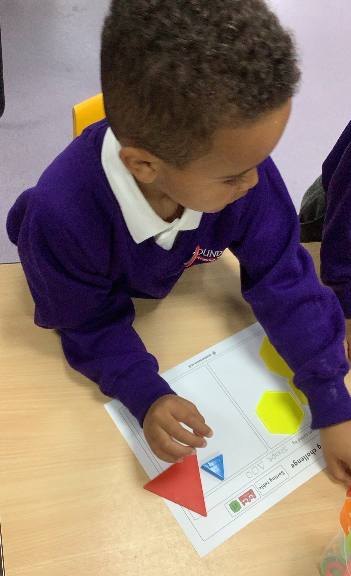
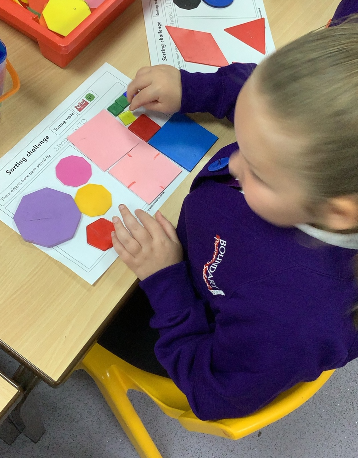
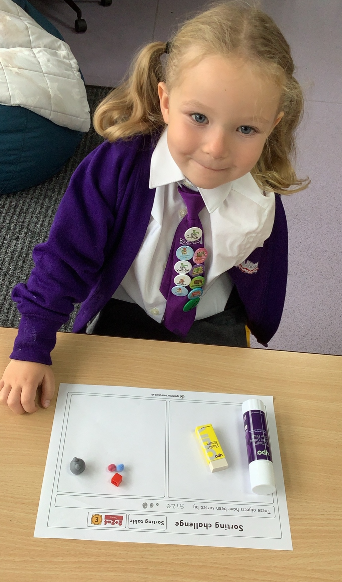
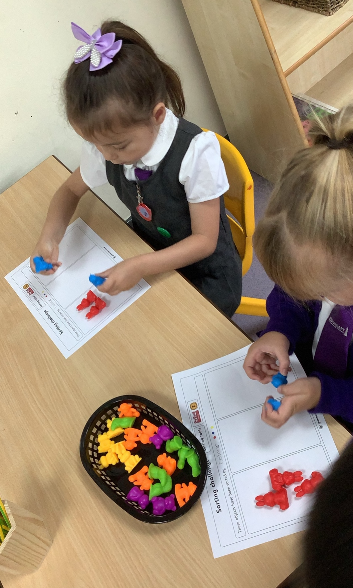
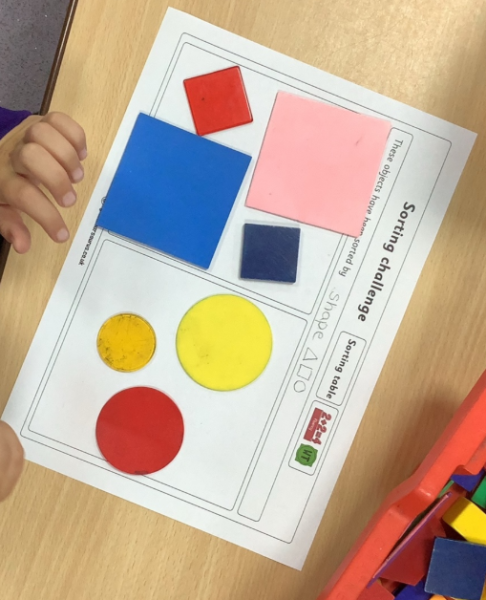
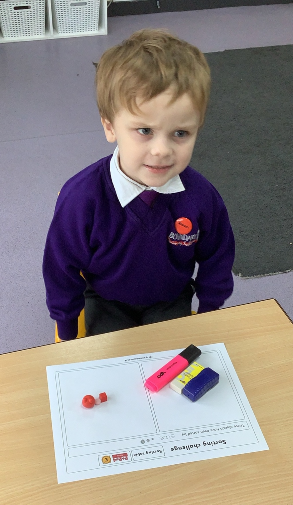
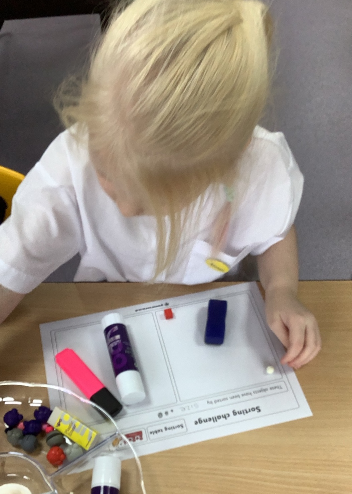
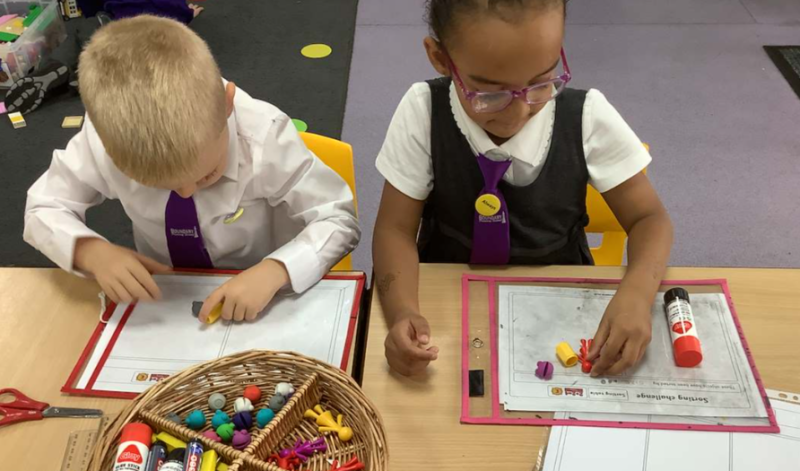
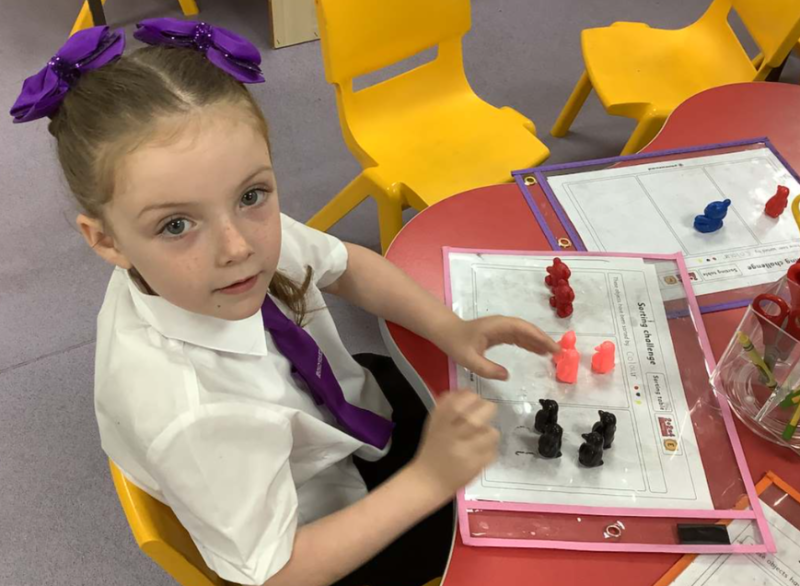
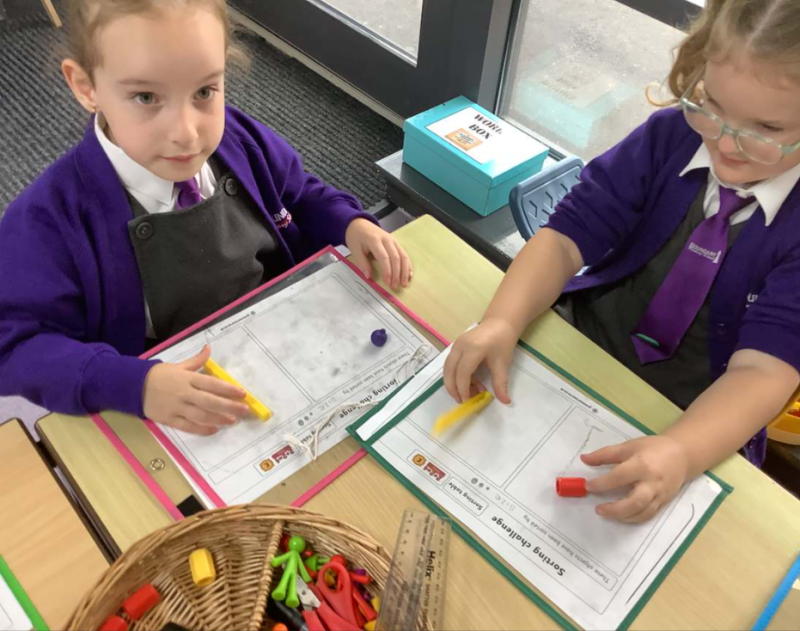
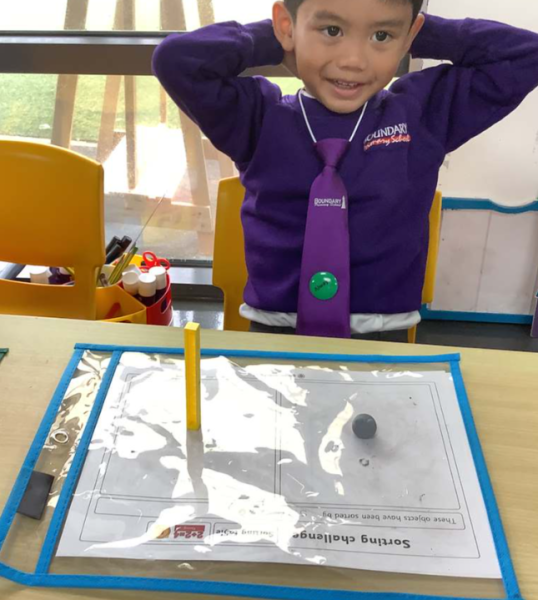
This week, our Year 1 children have been exploring how to sort objects by their different properties. Using a range of practical resources, the children worked collaboratively to group objects by size, colour, and shape.
The children enjoyed investigating everyday items and discussing what makes them the same or different. They sorted objects into groups, compared their choices with their classmates, and explained the reasons for their decisions using mathematical vocabulary such as larger, smaller, circle, square, and triangle.
These activities help to develop important early maths skills, including observation, comparison, and problem-solving. They also encourage children to think critically and communicate their ideas clearly.
We were very impressed with the enthusiasm and confidence the children showed throughout the week. It was wonderful to see them applying their learning through hands-on activities and working together to solve challenges.
Nursery And The Ice-Cream Shop
Date: 2nd Jul 2026 @ 8:02pm
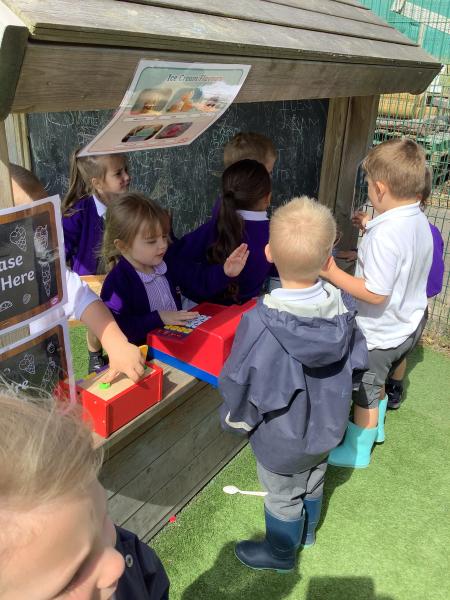
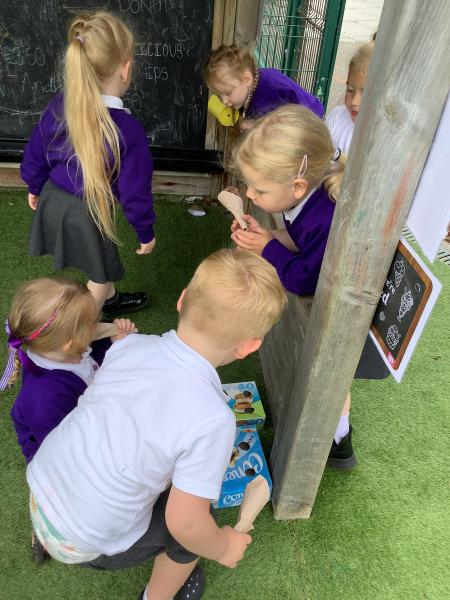
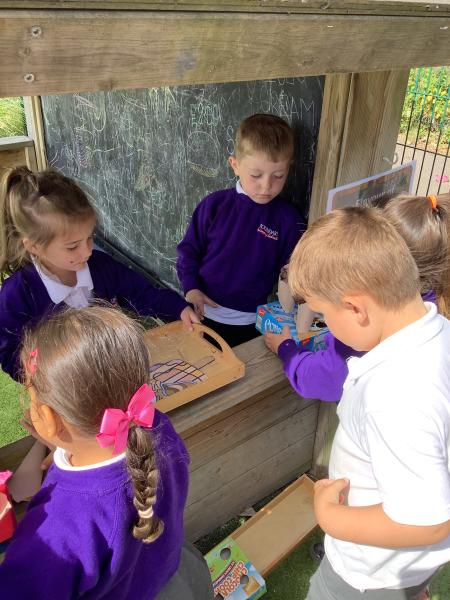
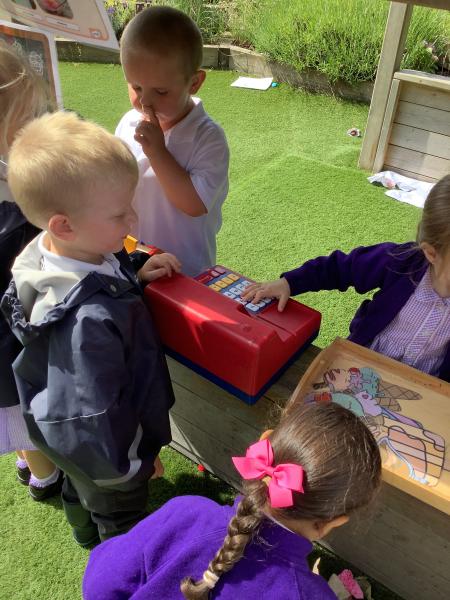
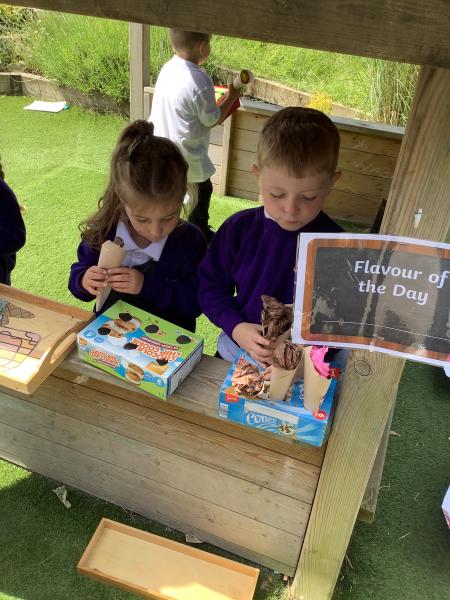
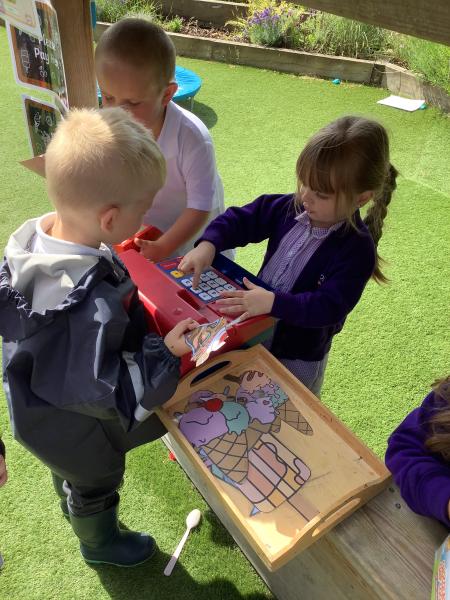
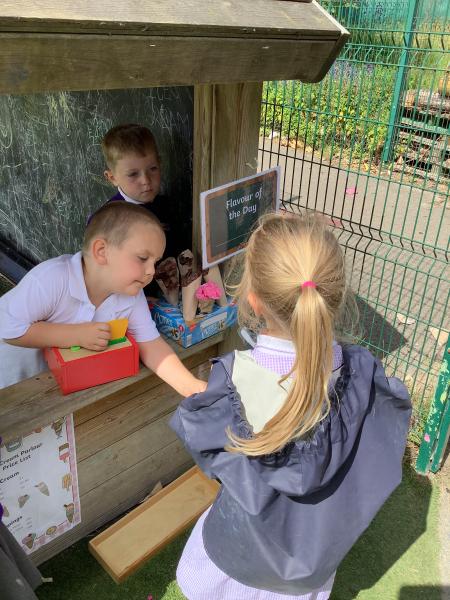
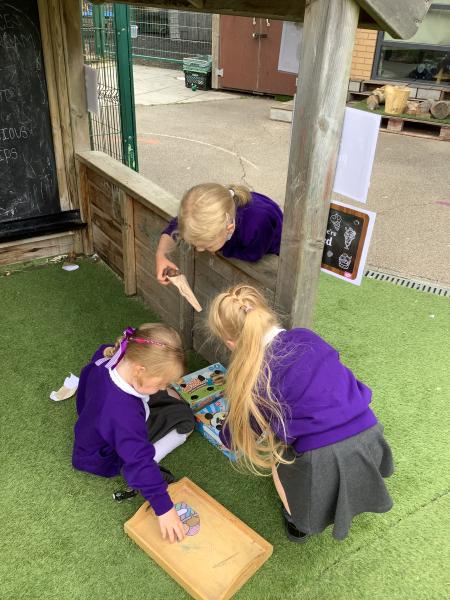
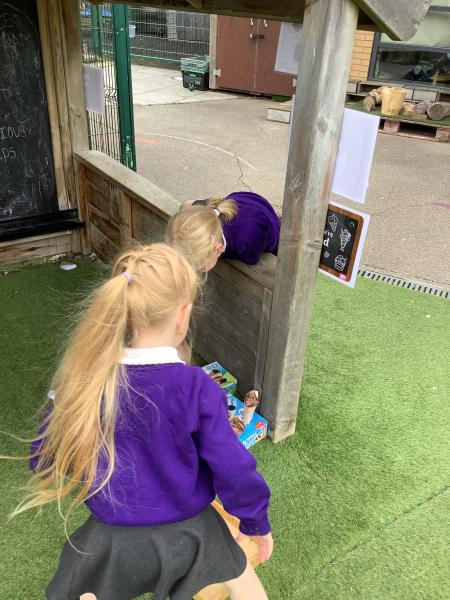
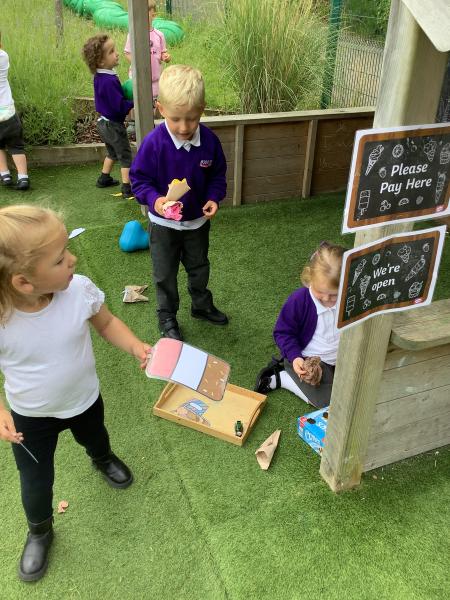
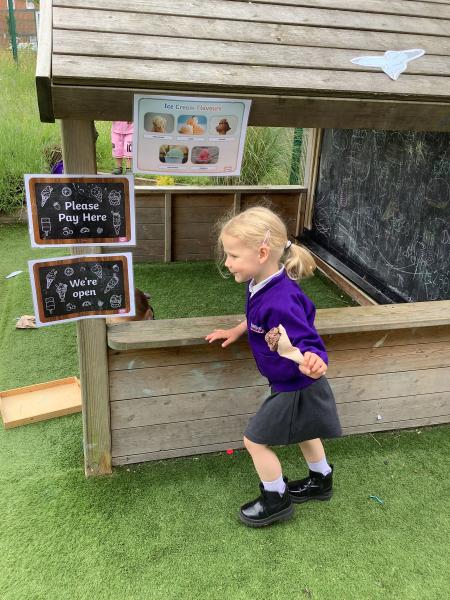
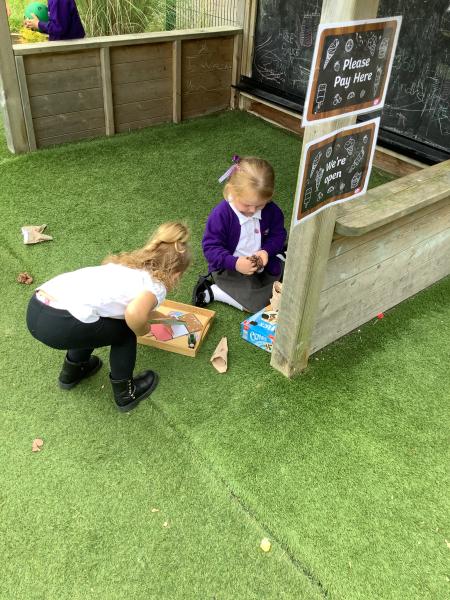
Our nursery children have been having a wonderful time taking part in role play at our ice cream shop. Equipped with toy cones, scoopers, menus and plenty of imagination, the children eagerly stepped into the roles of customers and shopkeepers.
The ice cream shop provided many opportunities for learning through play. Children practised their communication skills as they took orders, asked questions and engaged in conversations with their friends. They also developed their mathematical understanding by counting scoops, recognising numbers and exchanging play money.
Most importantly, the children had great fun exploring the world around them through imaginative play. The nursery ice cream shop has been a sweet success, supporting learning while creating lots of smiles and laughter along the way. 🍦
Year 6 - Telling the time in French
Date: 22nd Jun 2026 @ 11:35am
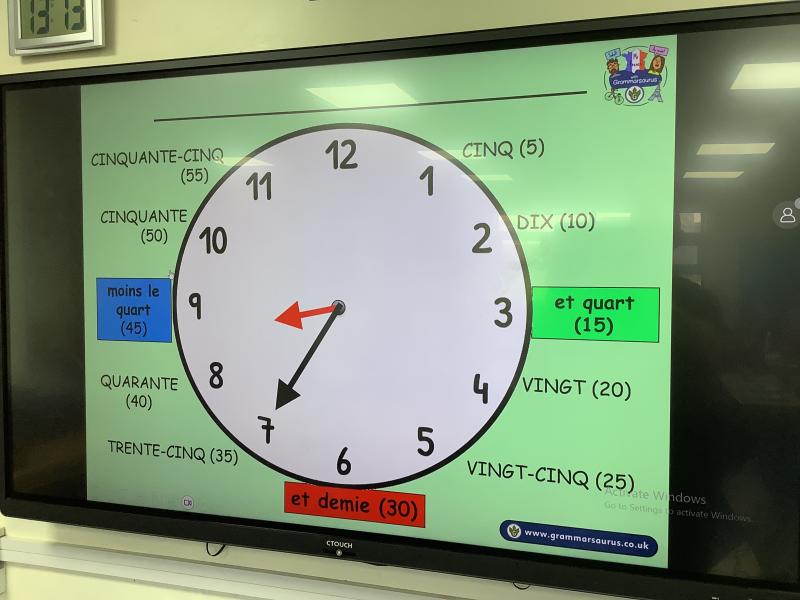
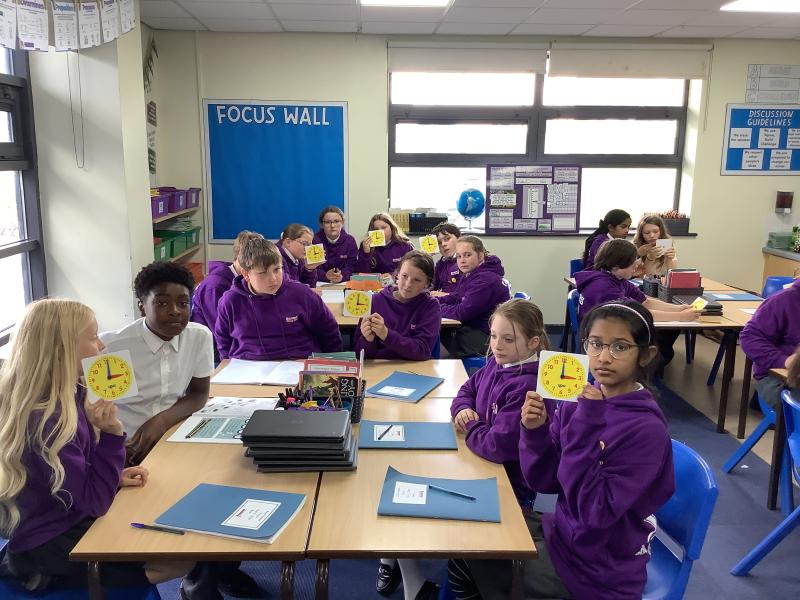
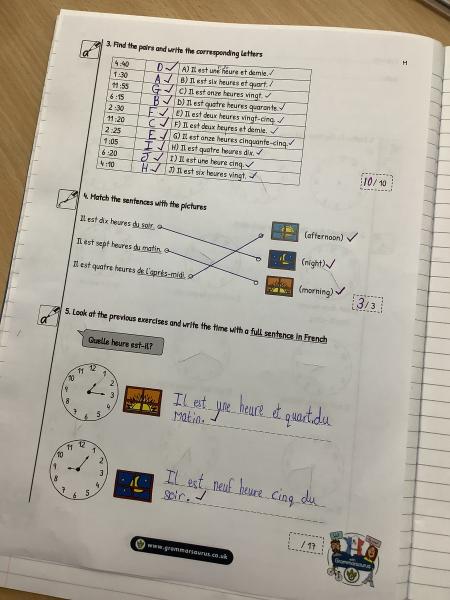
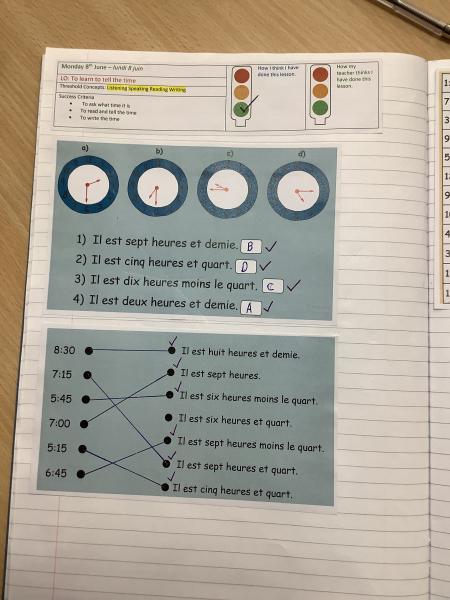
This week in Year 6, we had a fantastic time learning how to tell the time in French! The children approached the lesson with great enthusiasm and a real willingness to have a go.
Using mini clocks, pupils practised saying different times and worked hard to build their confidence in speaking French aloud. It was wonderful to see so many children supporting one another and enjoying the challenge.
To help us remember key phrases, we also learned and sang a fun song called “Quelle heure est-il?” which quickly became a class favourite! The singing helped everyone to recall vocabulary and develop their pronunciation in an engaging way.
Overall, it was a fun and lively lesson, and we are very proud of the children’s positive attitudes and excellent effort.
Date: 18th Jun 2026 @ 12:09pm
🌟 Year 5 Take Over Day – Maths Lesson 🌟
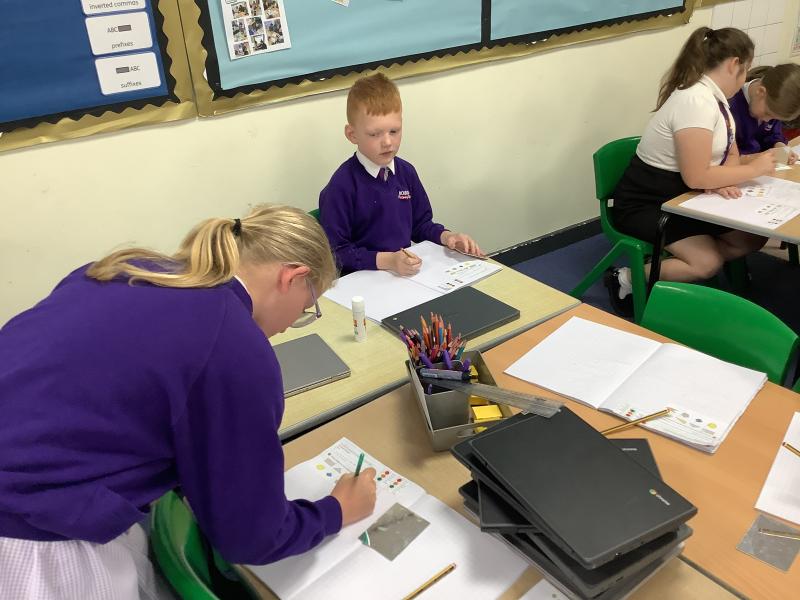
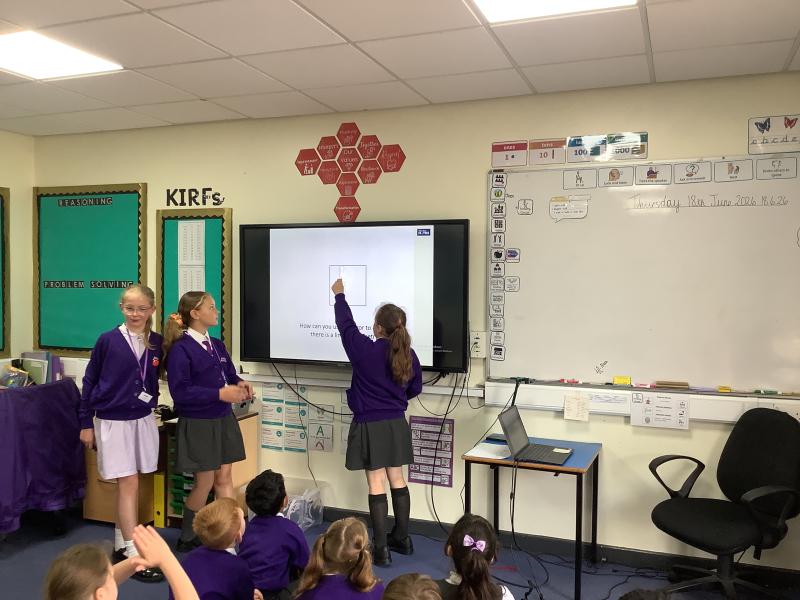
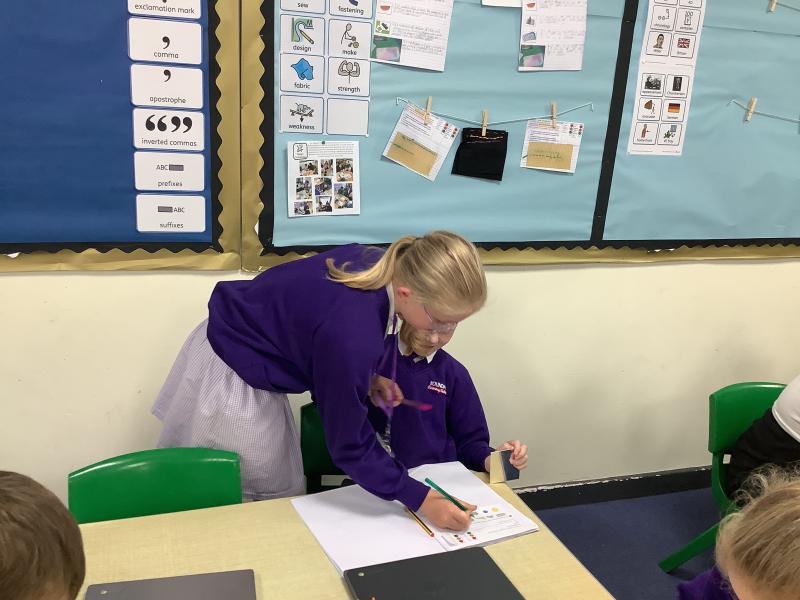
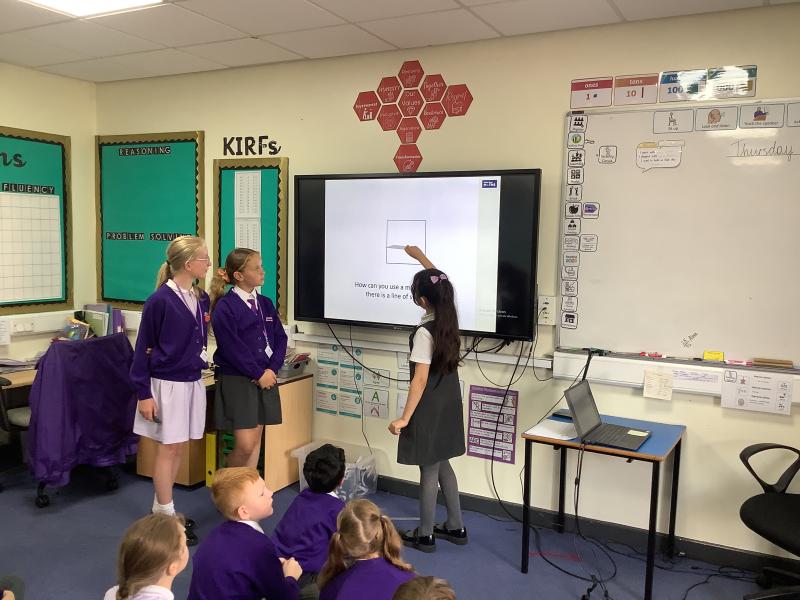
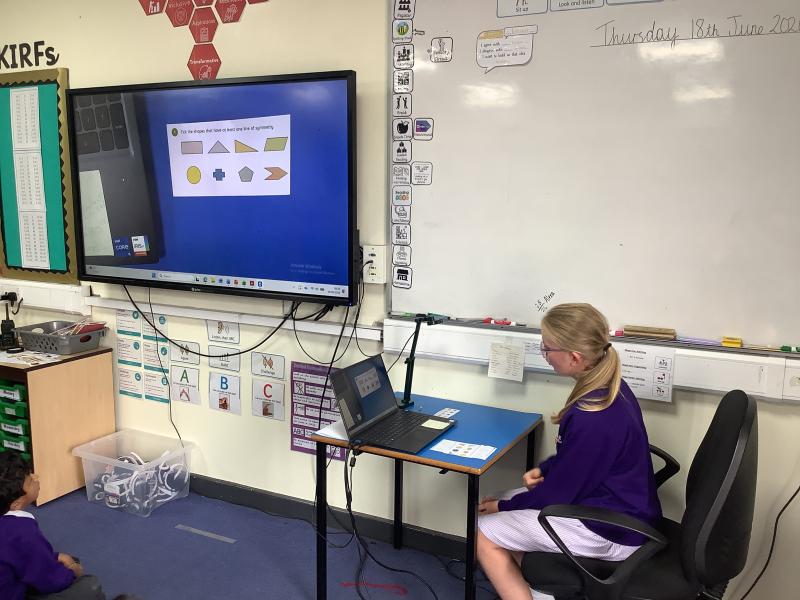
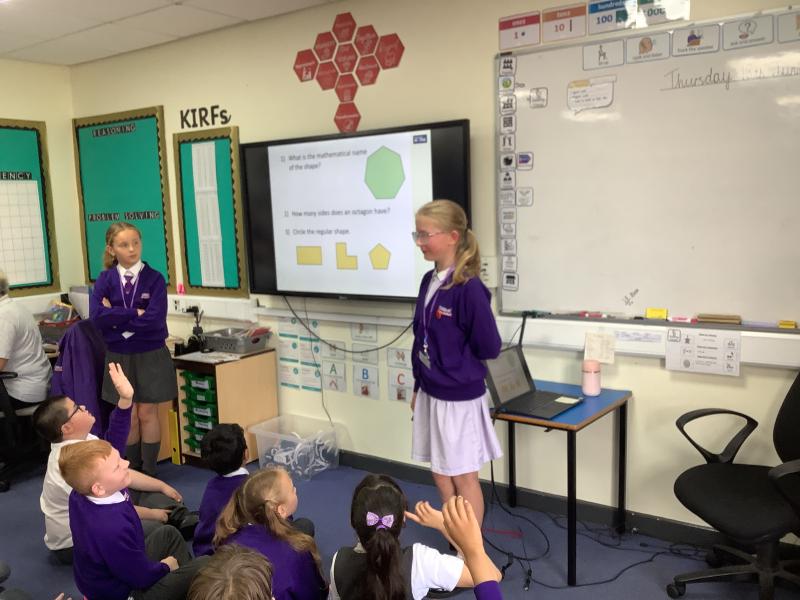
As part of Take Over Day, we were lucky to have two Year 5 pupils take on the roles of teacher and teaching assistant to deliver a maths lesson to our Year 4 children.
The Year 5 teacher led the session on lines of symmetry, clearly explaining the concept and confidently guiding the class through each question. The lesson was well-paced, and the children responded brilliantly to the clear instructions and examples.
Both the teacher and TA then worked their way around the classroom, supporting pupils with their learning and marking their work, offering helpful feedback and encouragement along the way.
It was a fantastic session, and the Year 4 children really enjoyed being taught by their peers.
Thank you—you were brilliant! 🌟
Date: 16th Jun 2026 @ 9:29am
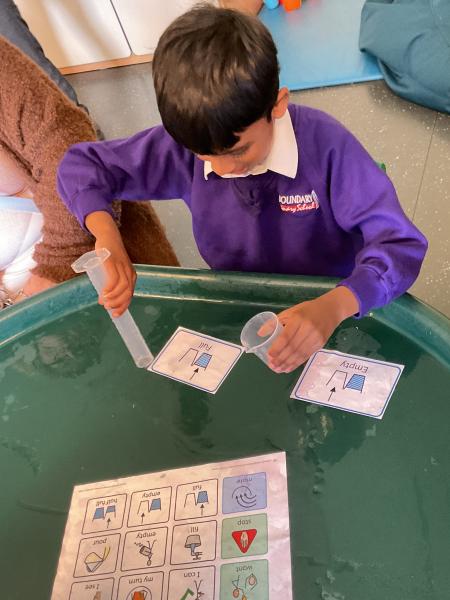
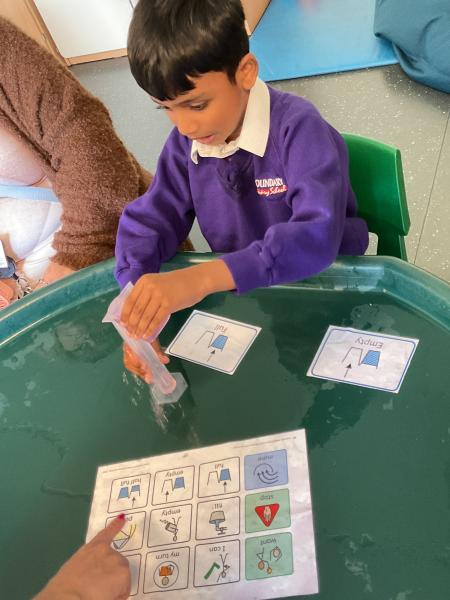
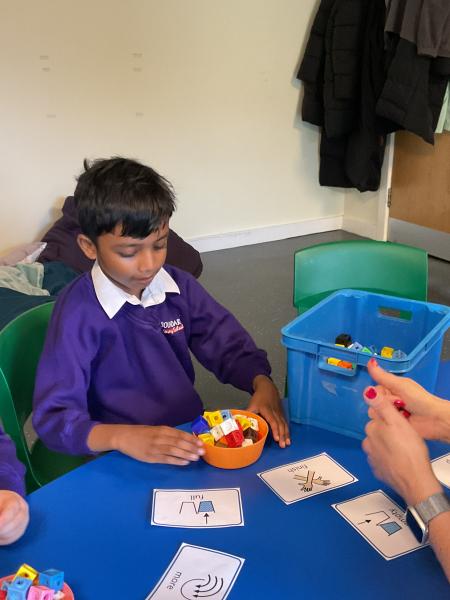
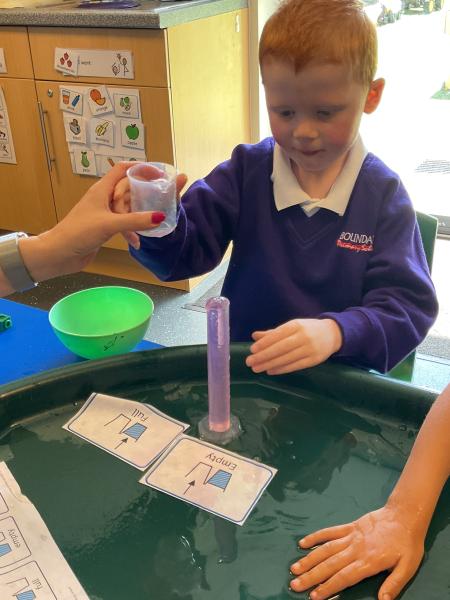
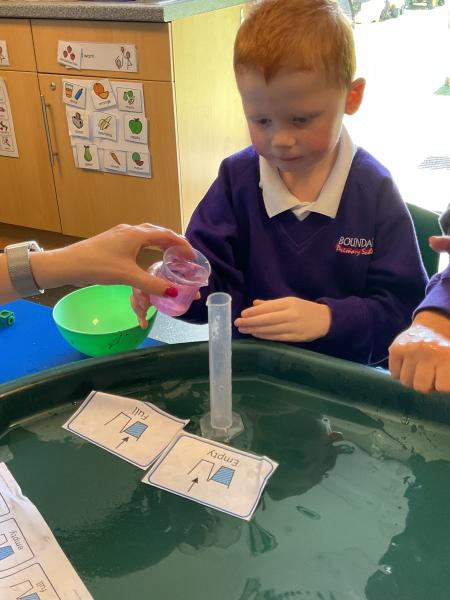
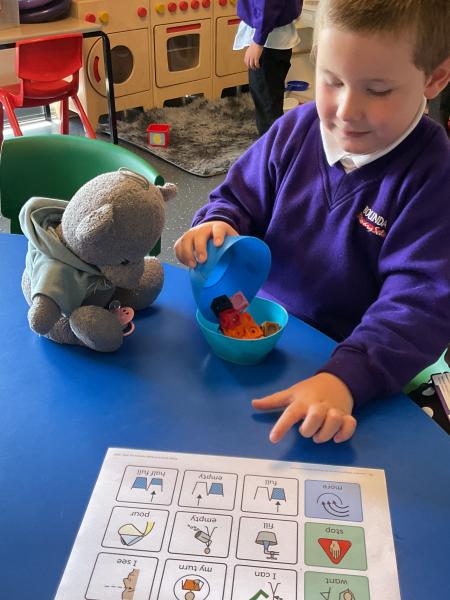
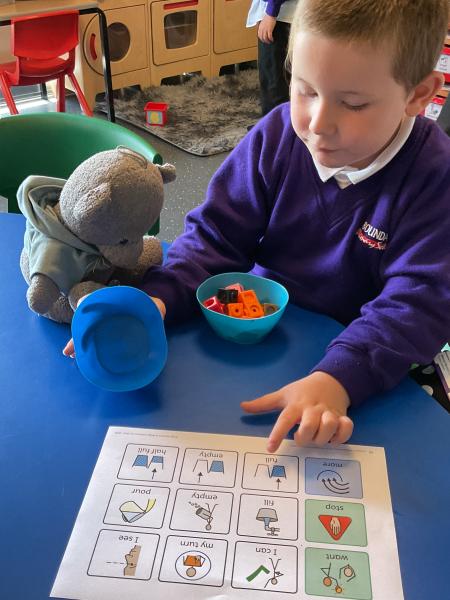
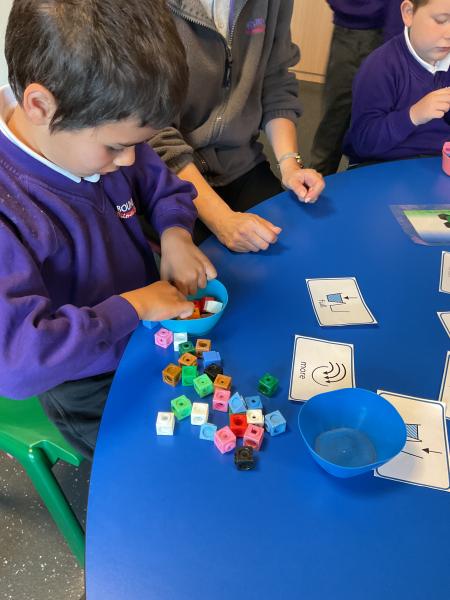
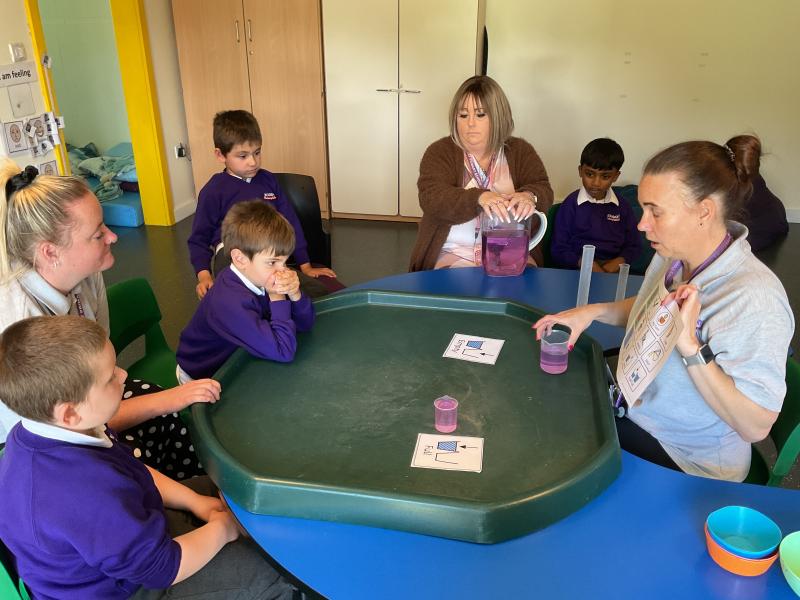
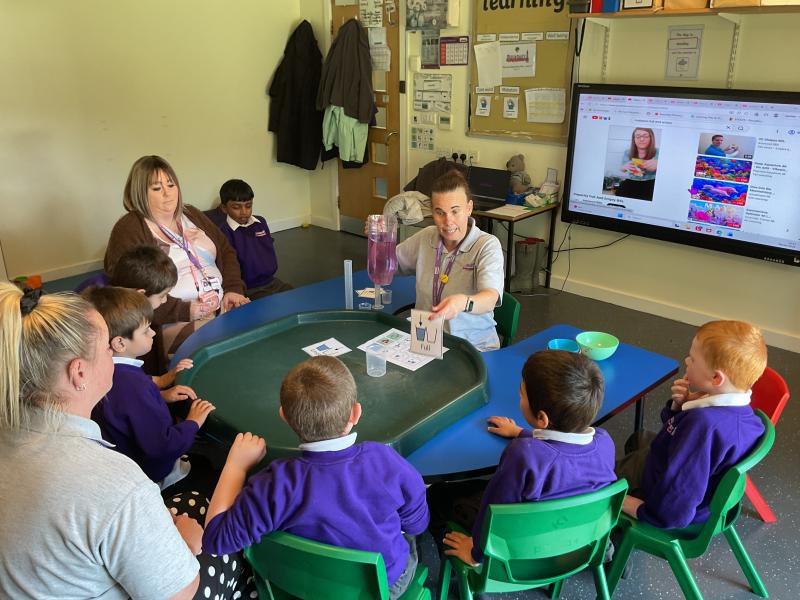
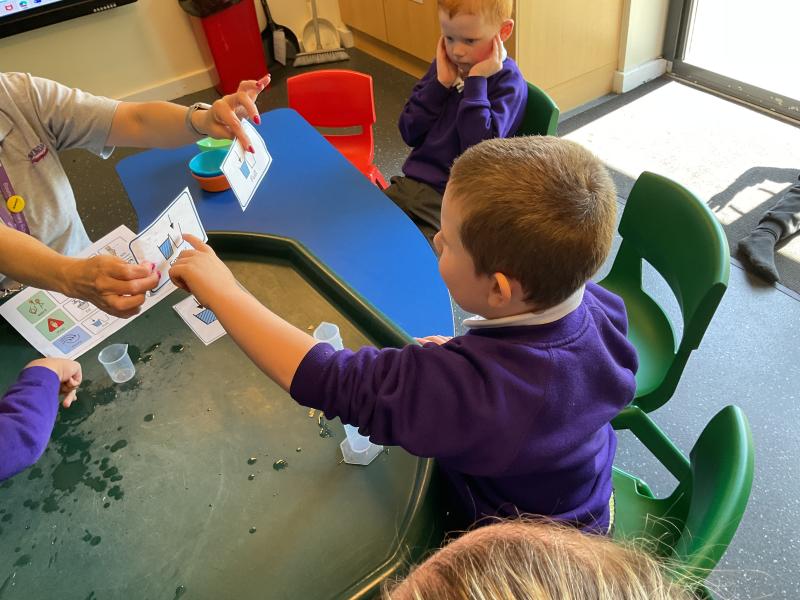
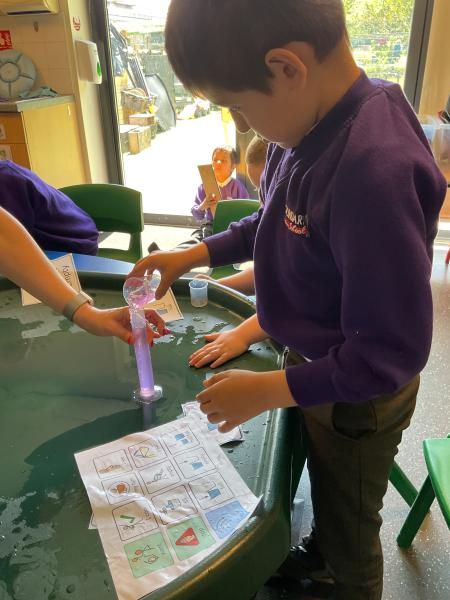
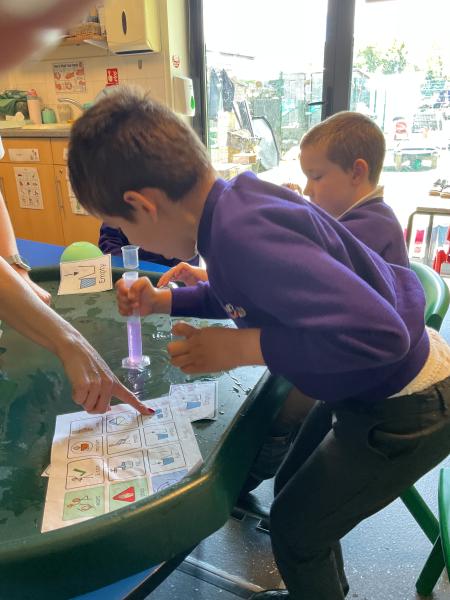
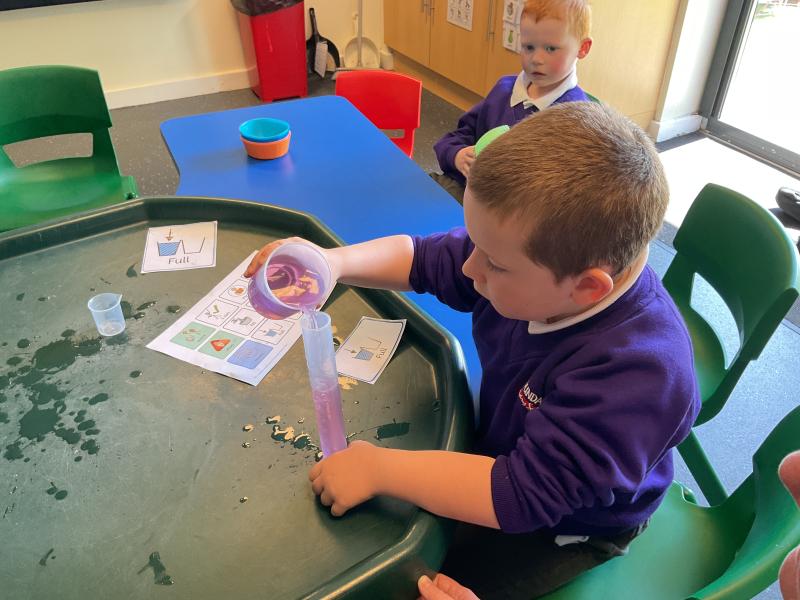
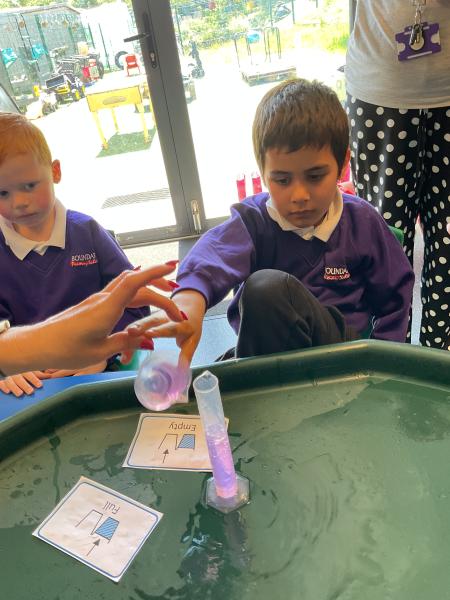
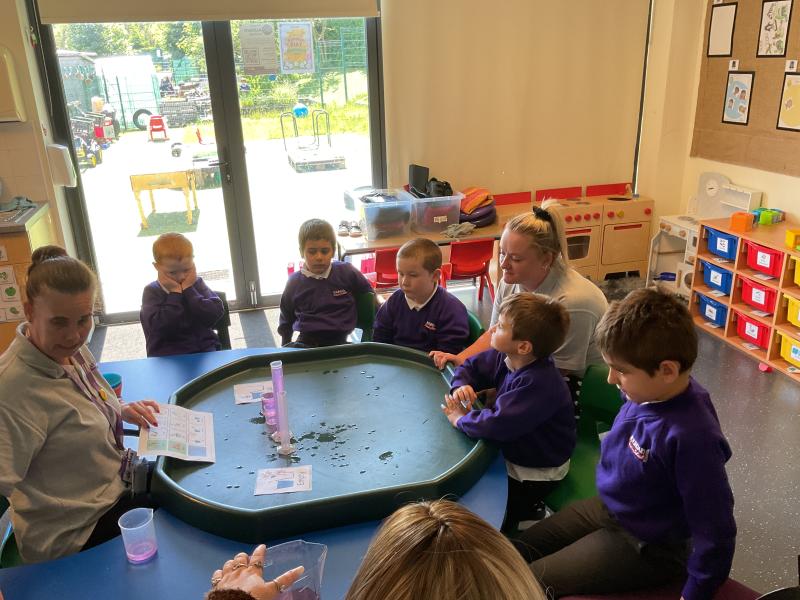
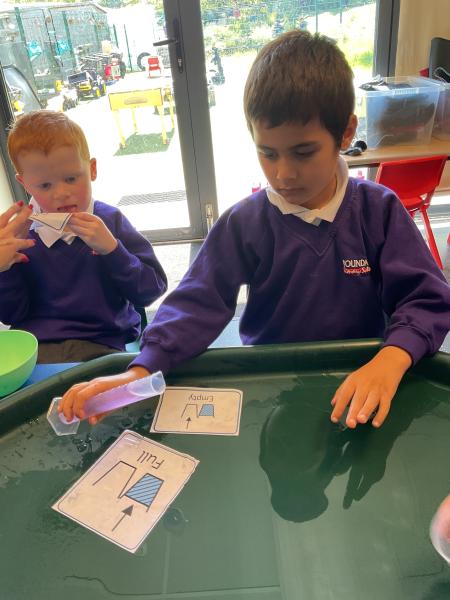
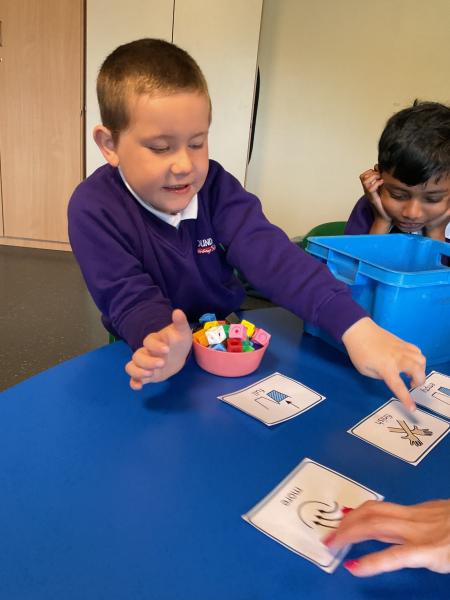
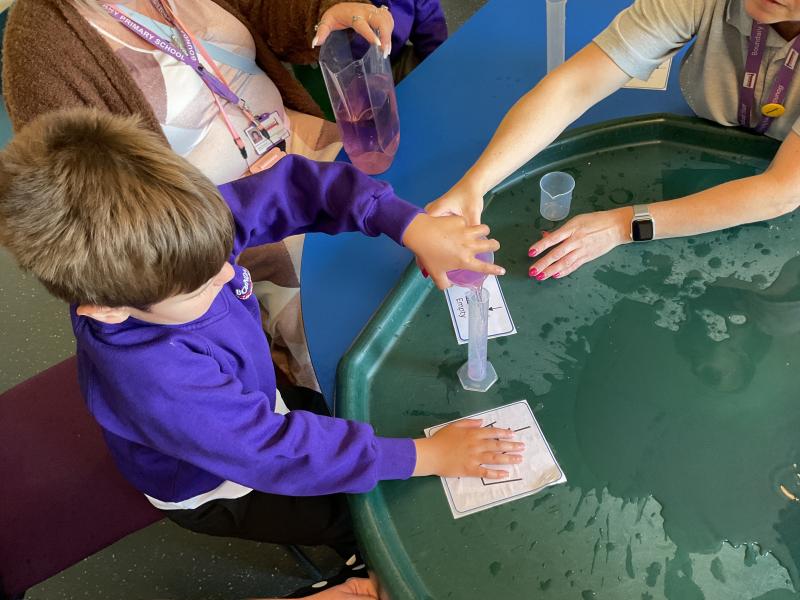
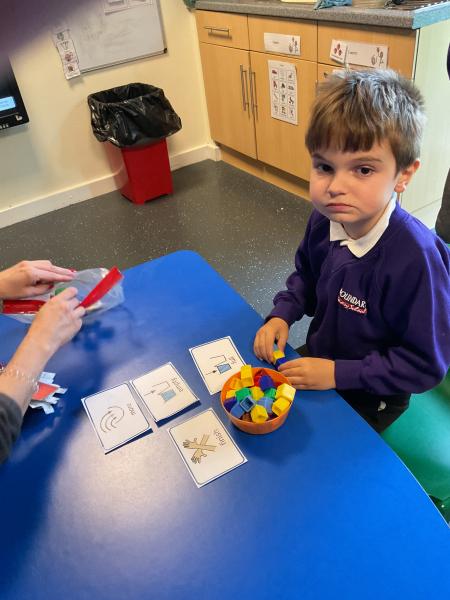
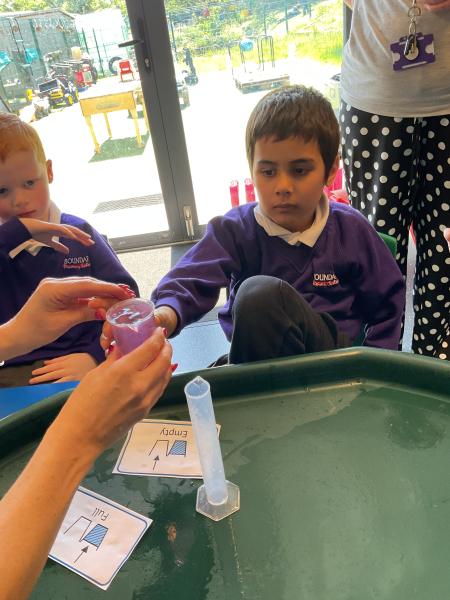
Acorns have been exploring the concept of full and empty. We have been developing our engagement and learning as part of adult led activities, taking turns and using hands on experience to support our understanding. We are also developing our use of communication boards to support our learning. We had lots of fun filling and emptying different containers both with liquids and solids.
Date: 12th Jun 2026 @ 7:05am
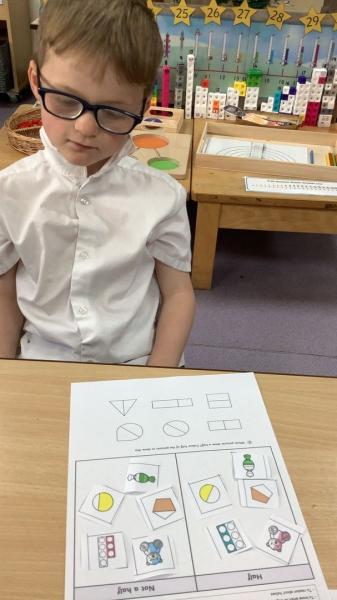
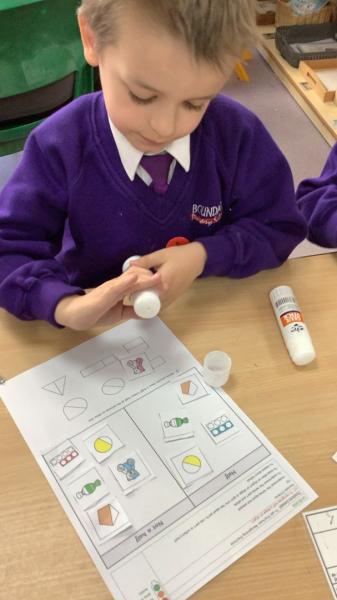
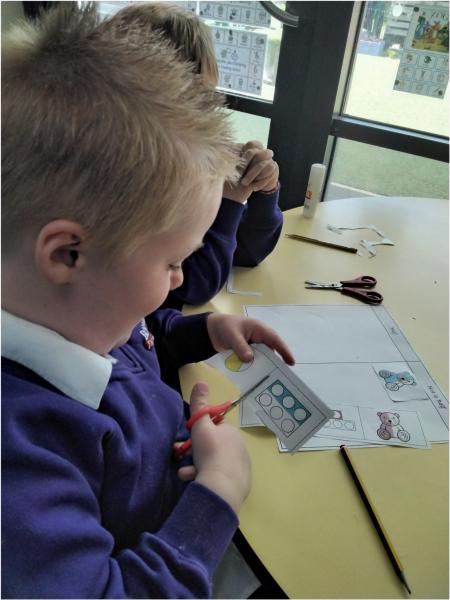
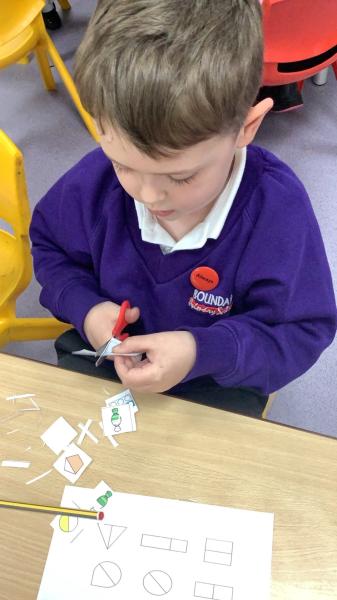
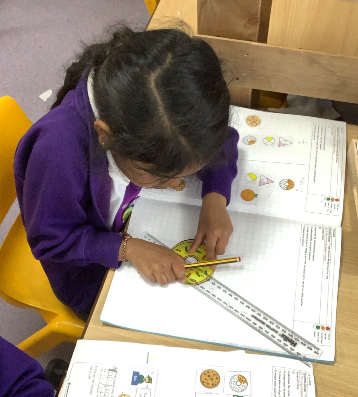
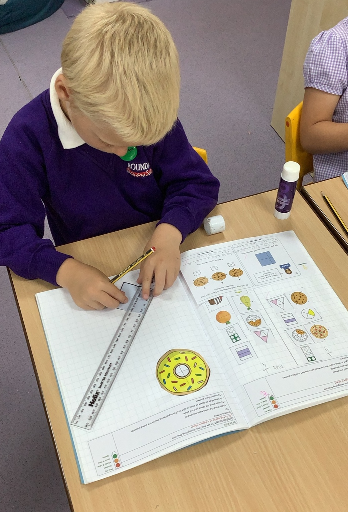
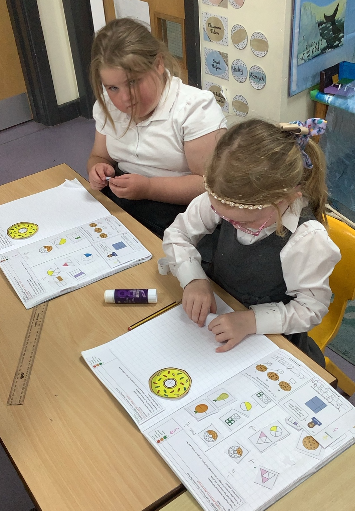
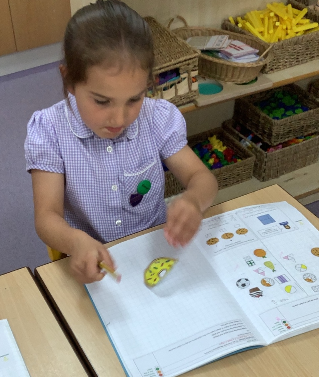
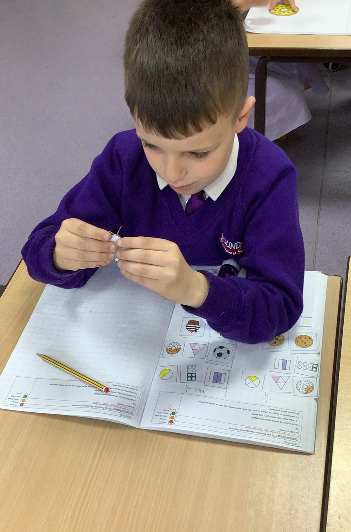
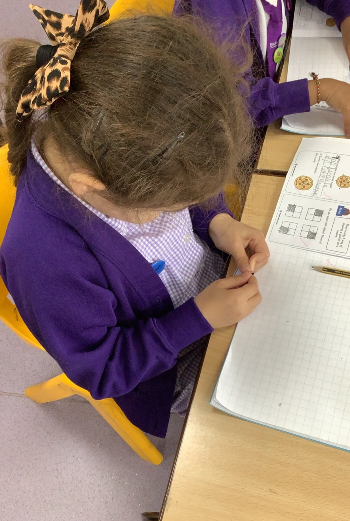
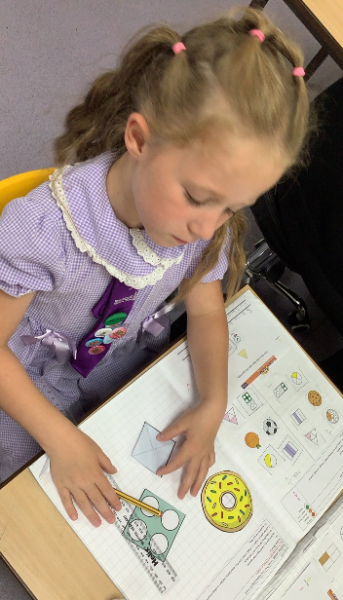
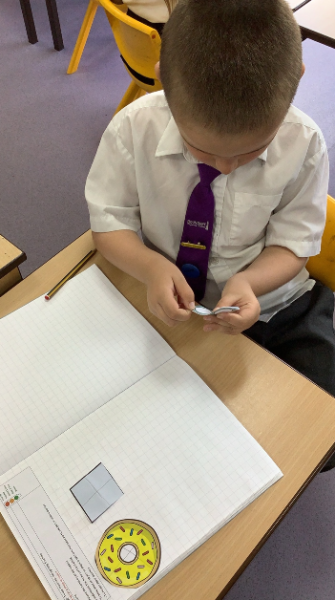
This week in maths, we have been learning all about quarters! The children have been exploring what a quarter means and how to recognise it.
We now understand that for something to be a quarter, it must be divided into 4 equal parts. The children have been busy sorting different groups of objects, deciding whether they have been split into quarters or not. This helped us to think carefully about whether parts are equal or unequal.
We also took part in some hands-on activities. The children folded shapes, such as paper circles and squares, to find quarters. This practical approach helped us see how shapes can be divided fairly into four equal pieces.
It has been a fantastic week of learning, and the children have shown great enthusiasm and confidence when exploring fractions. You could support this at home by encouraging your child to spot quarters in everyday life—perhaps when cutting food or sharing items fairly!

Year 2 Maths: Finding Three Quarters ➗✨
Date: 11th Jun 2026 @ 4:16pm
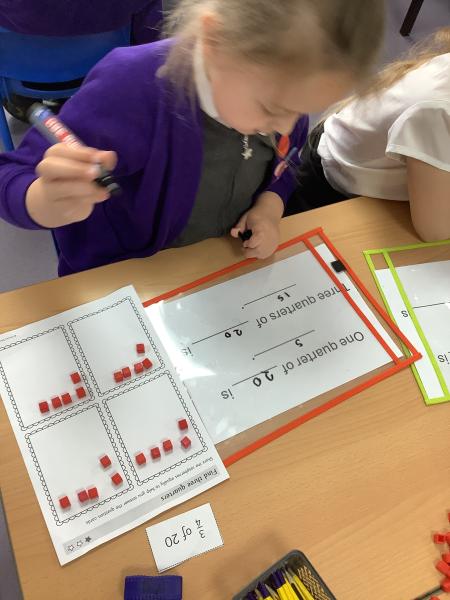
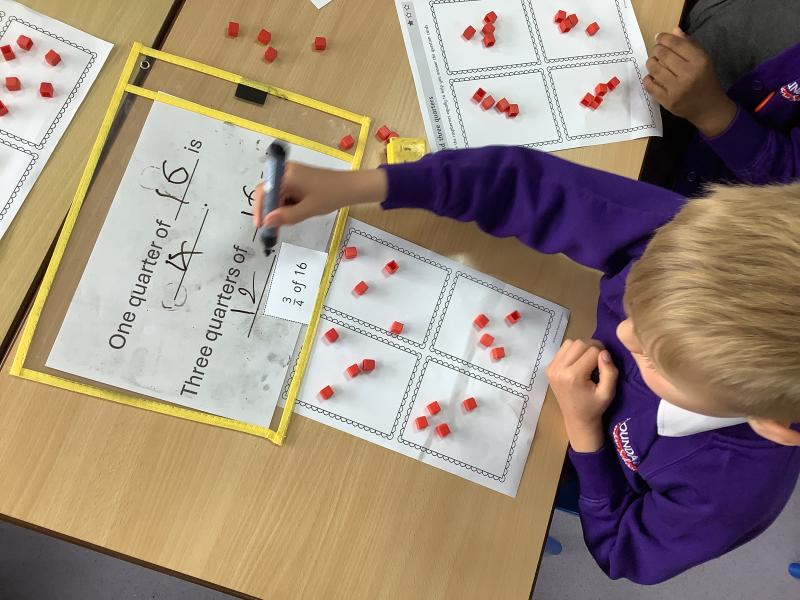
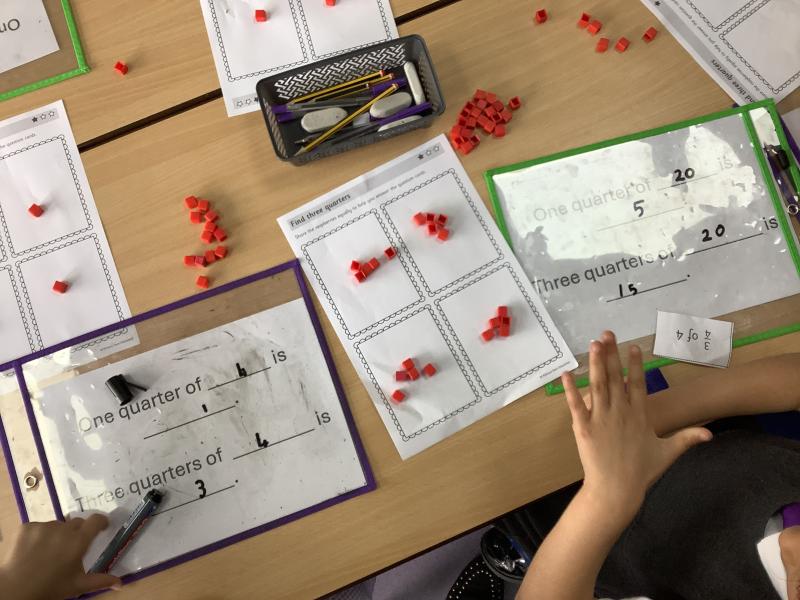
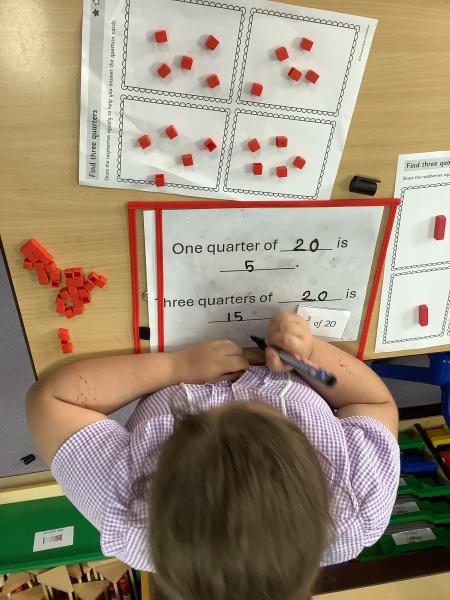
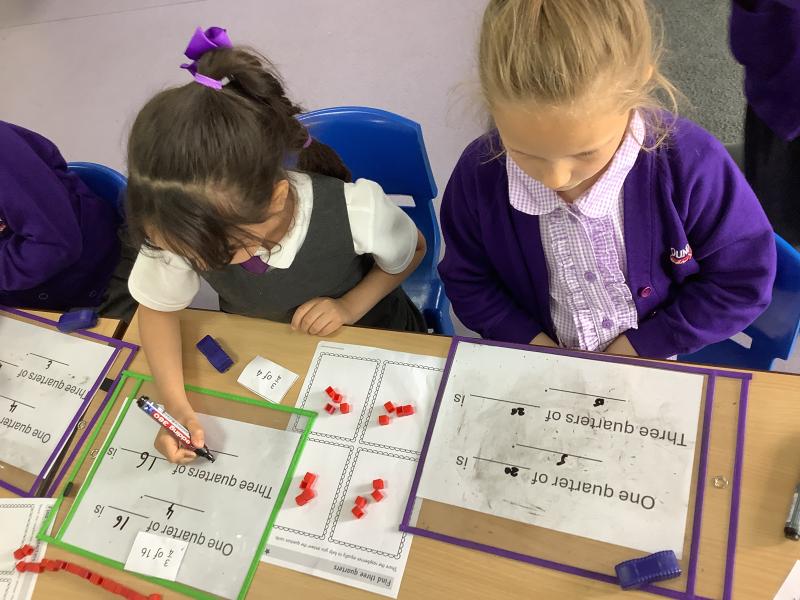
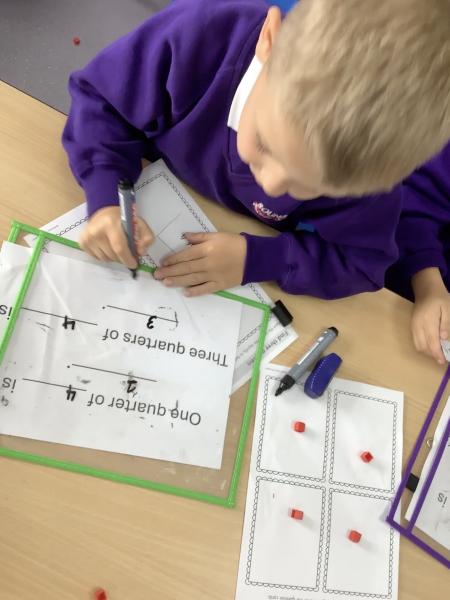
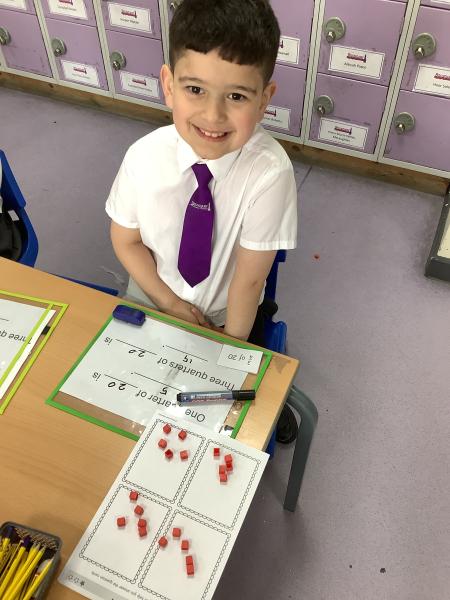
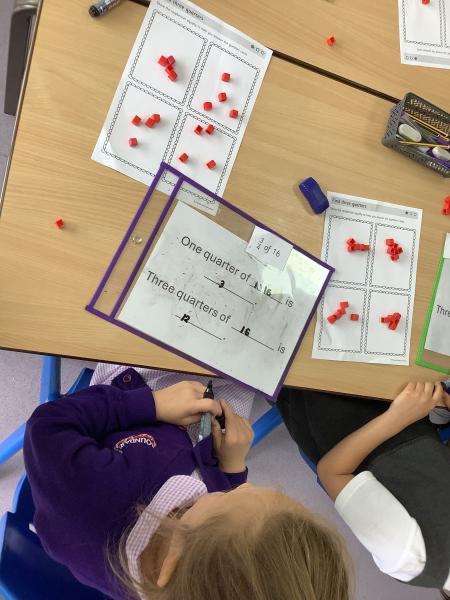
In Year 2, we have been continuing our learning about fractions, this time focusing on how to find three quarters of an amount 😊.
To help us, we used counters 🔵 to represent different amounts. The children worked carefully to group the counters into equal parts, using their previous knowledge to first find one quarter 🧠💡. From there, they were able to build on this understanding to find three quarters, showing great problem-solving skills!
It was fantastic to see the children making connections in their learning, using practical resources and working together to deepen their understanding 🌟👏
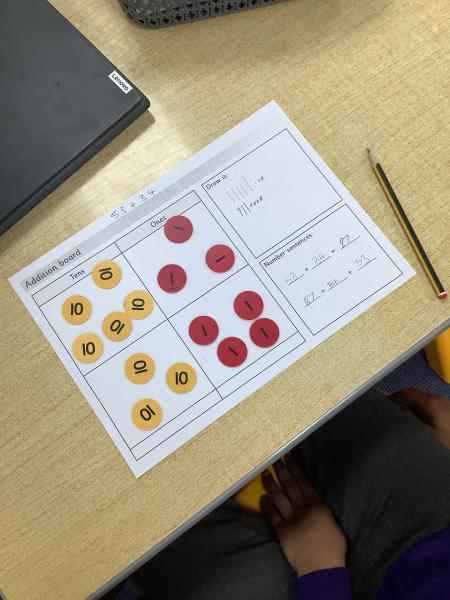
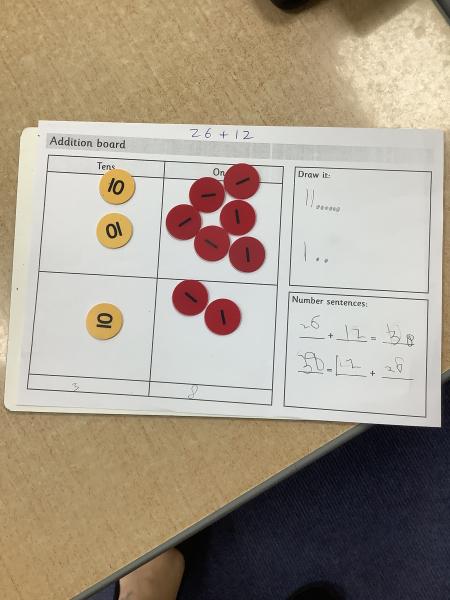
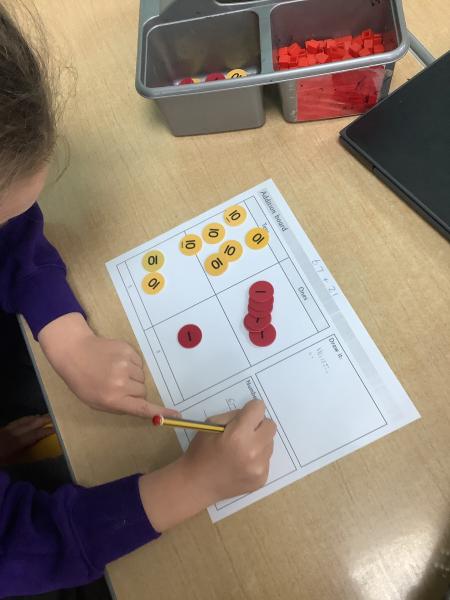
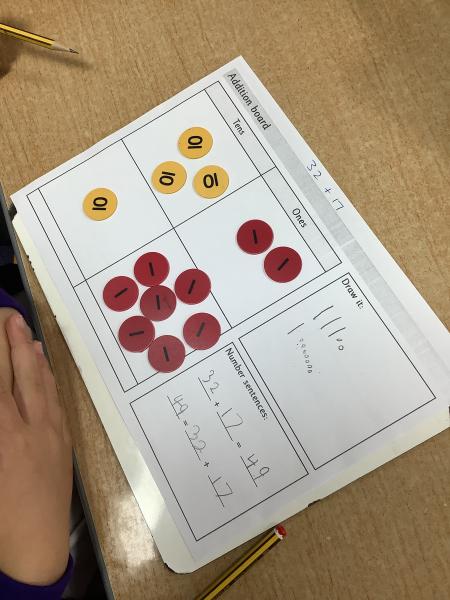
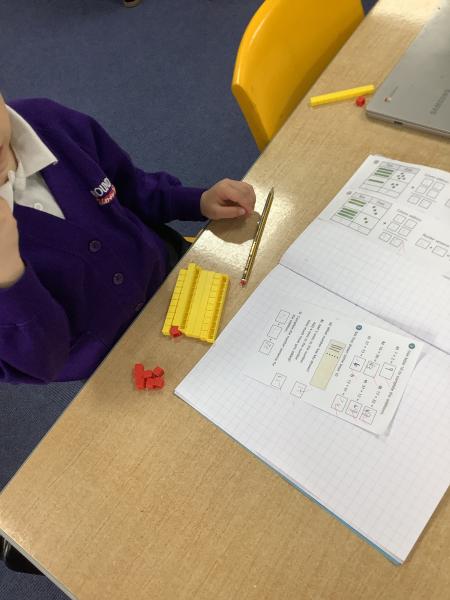
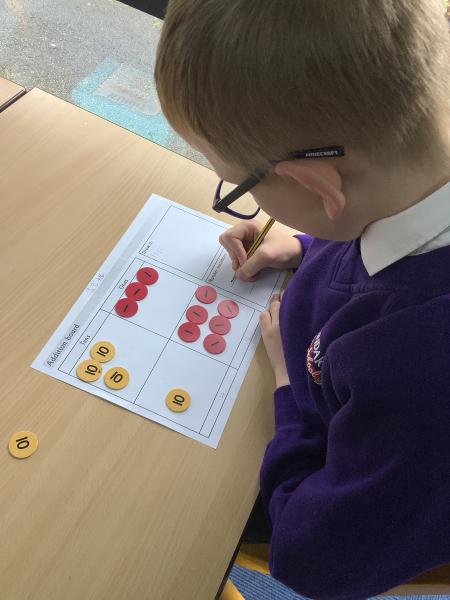
Year 4 - Adding two 2 digit numbers
Date: 20th May 2026 @ 3:43pm
Date: 18th May 2026 @ 8:16pm
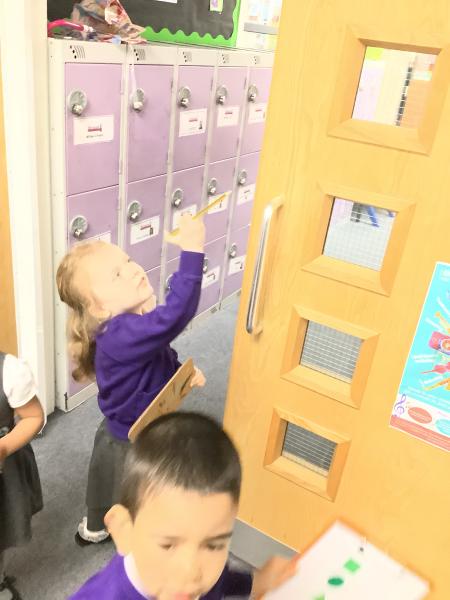
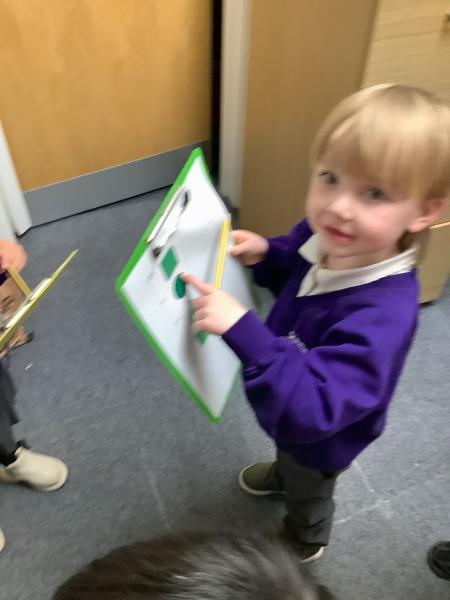
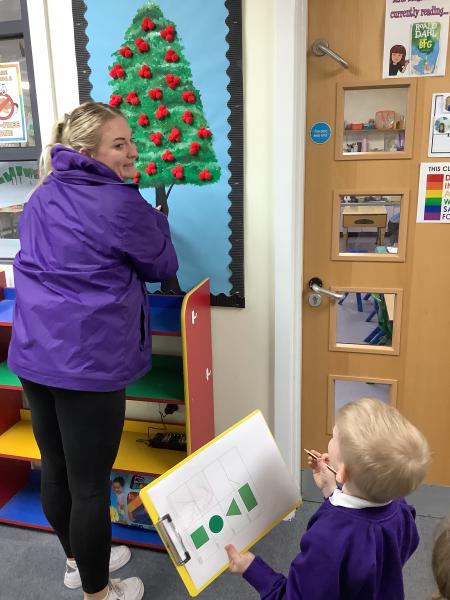
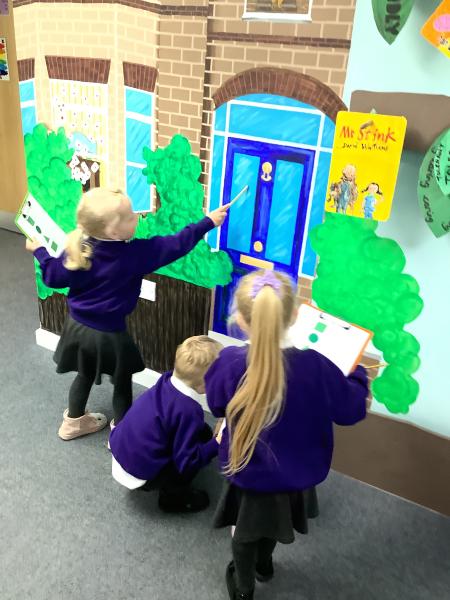
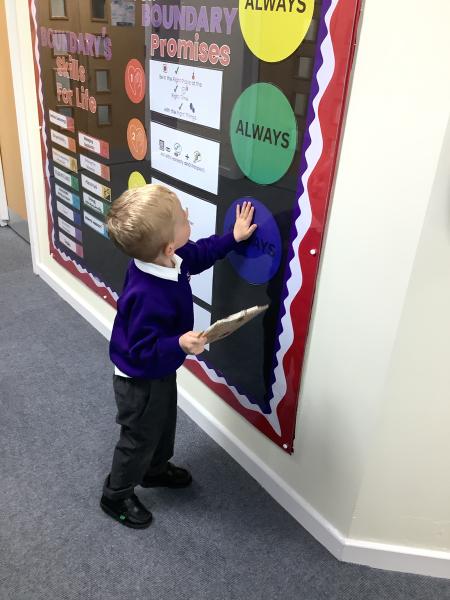
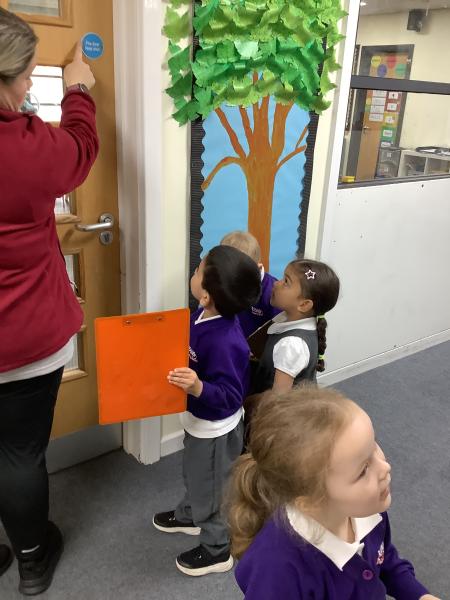
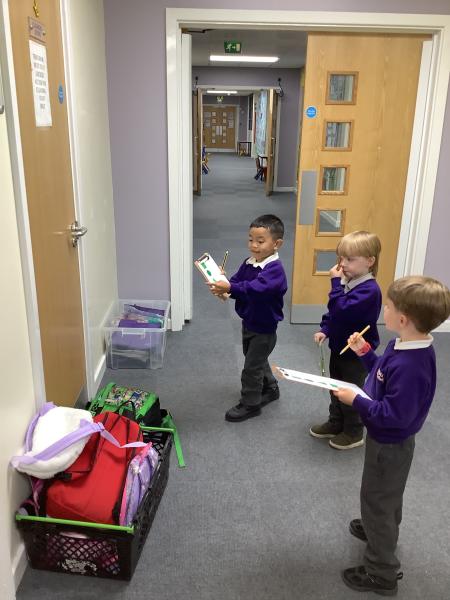
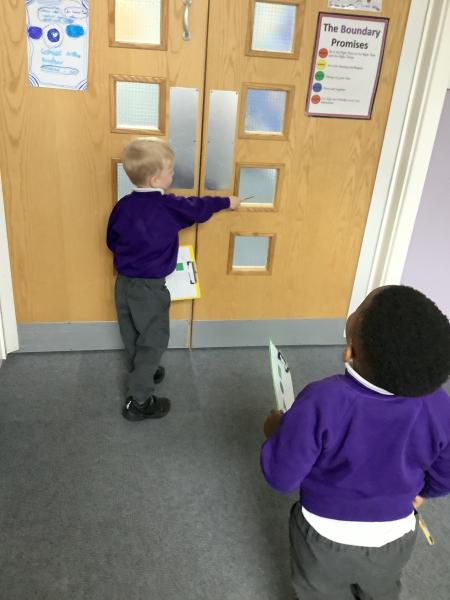
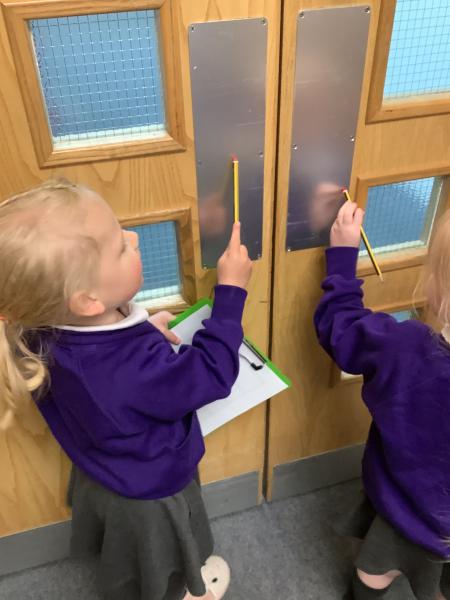
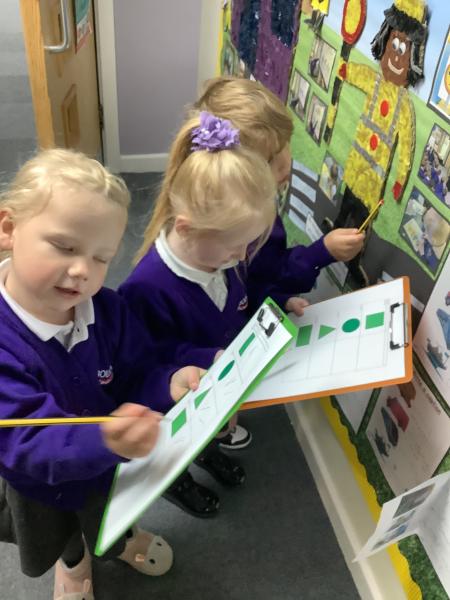
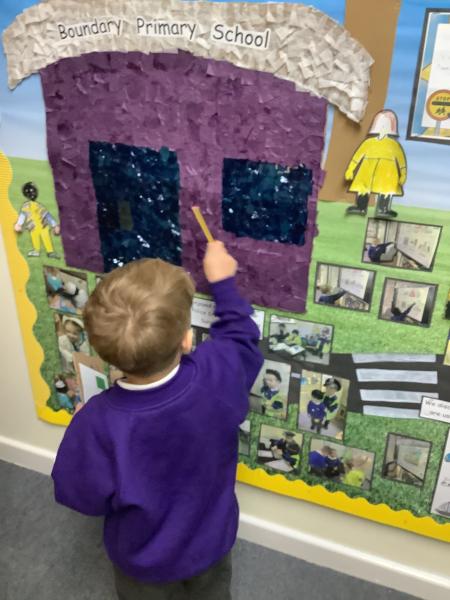
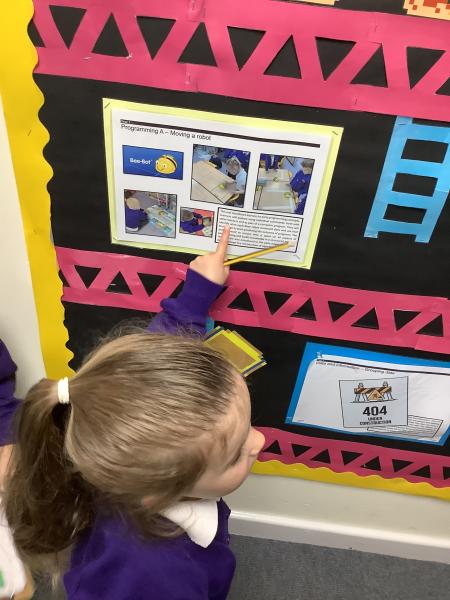
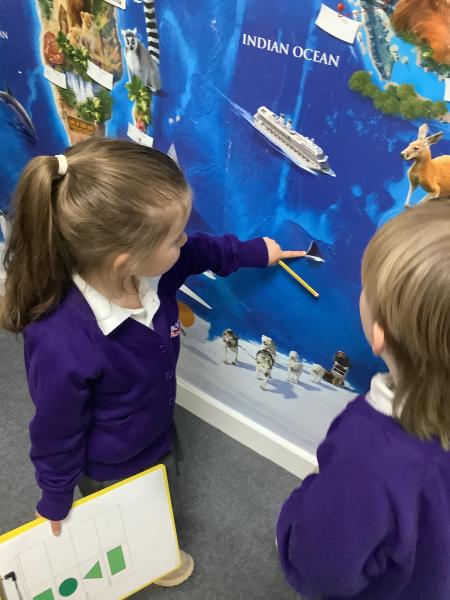
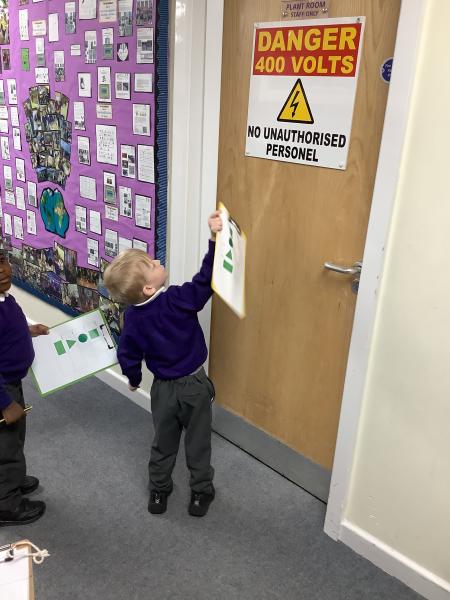
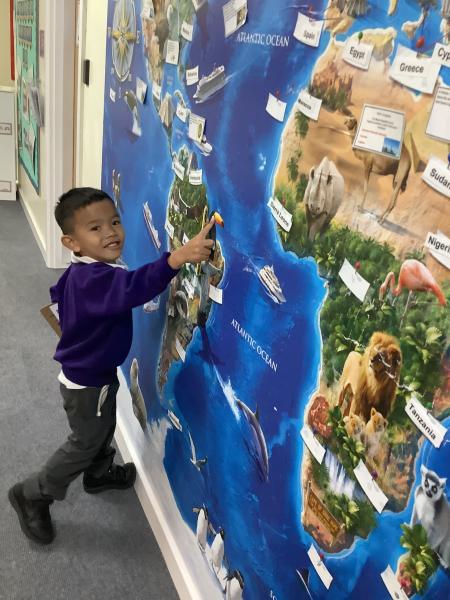
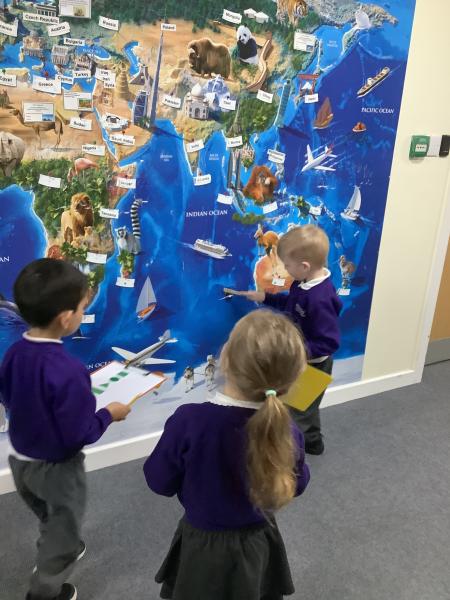
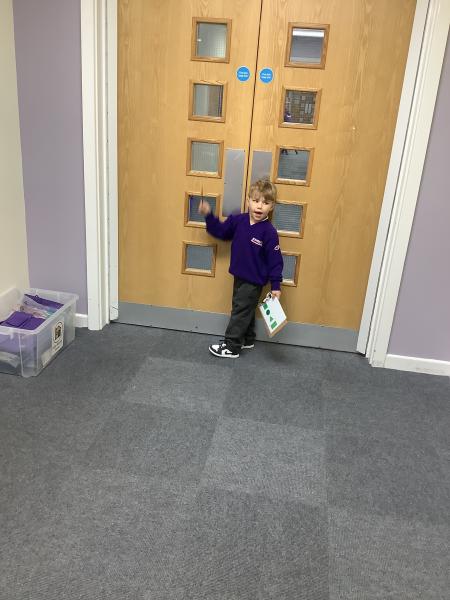
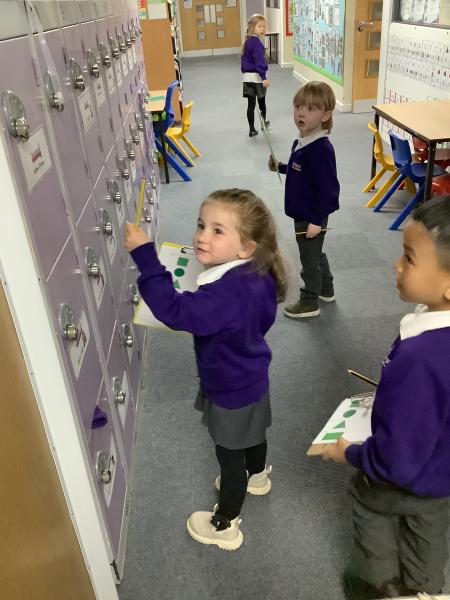
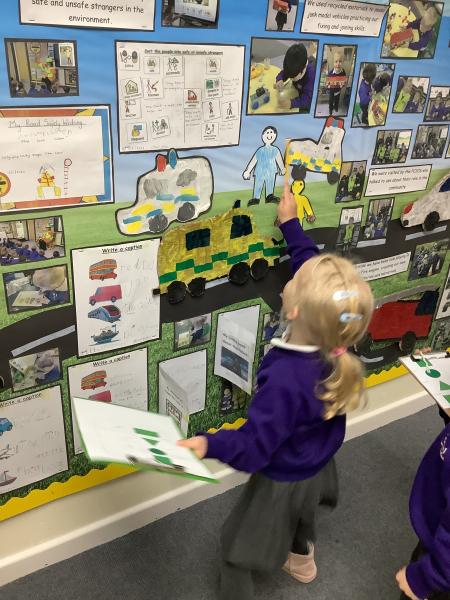
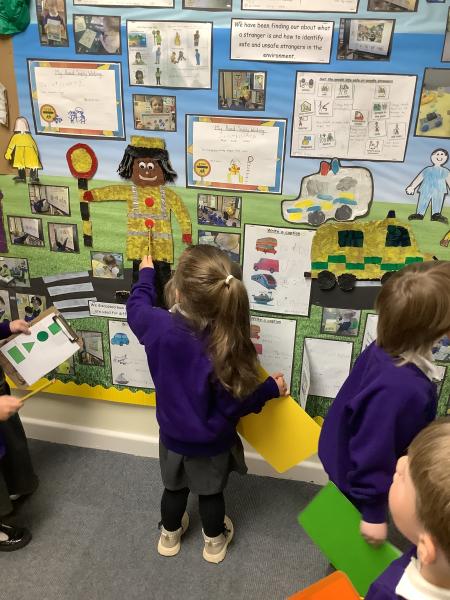
Our Nursery children enjoyed a fun and engaging shape walk around the school this week! 🔺🟦
As they explored the outdoor environment, the children looked carefully for different shapes in everyday objects. They spotted circles on signs, rectangles in doors, sqaures in windows and triangles in arrows, excitedly sharing their discoveries with their friends and adults.
The walk provided a wonderful opportunity to develop their early maths skills while encouraging curiosity and observation. The children showed great enthusiasm as they talked about the shapes they could see and worked together to find as many as possible.
Back in the classroom, they continued the learning by discussing their favourite shapes and looked for more in the classroom.
Well done, Nursery, for your fantastic exploring and super shape spotting! 🌟
Year 4 - Collecting and Analysing Data
Date: 18th May 2026 @ 2:08pm
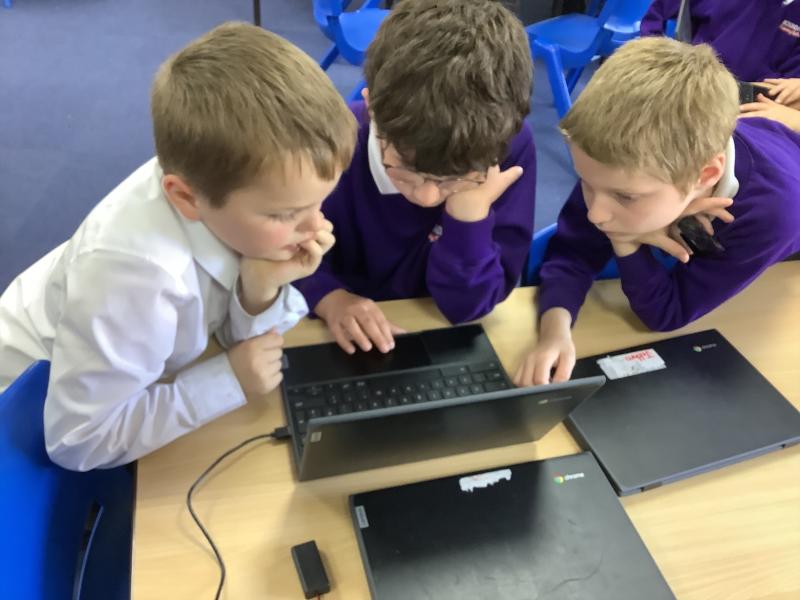
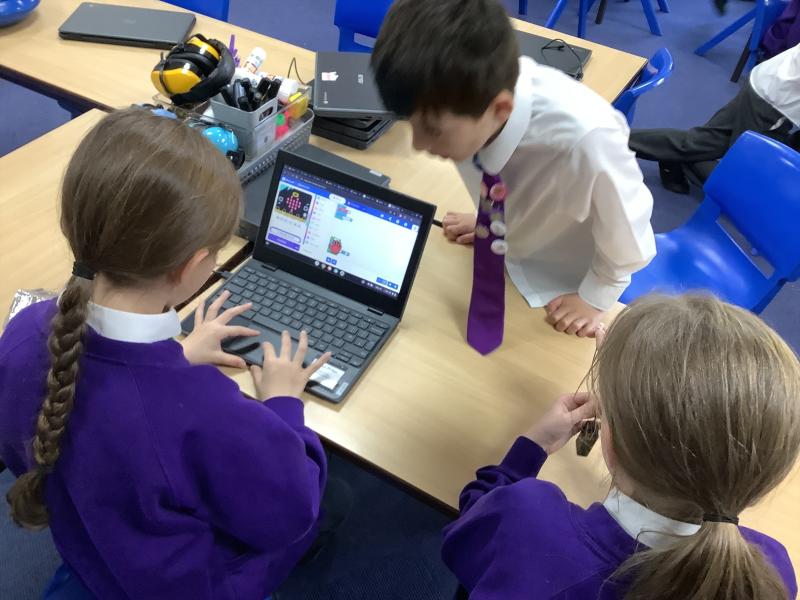
Year 4 Computing: Collecting and Analysing Data with Micro:bits
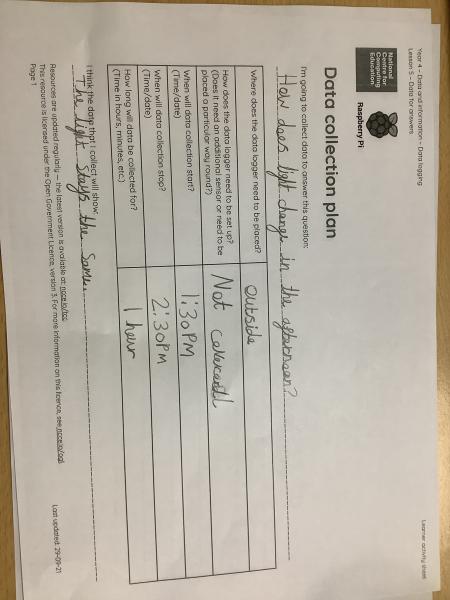
This week in Year 4 computing, pupils worked as young data scientists, planning and carrying out their own investigations to answer questions such as “How does the classroom temperature change throughout the day?”
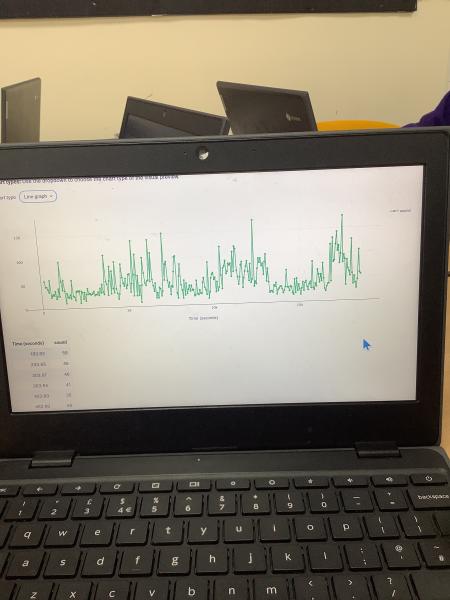
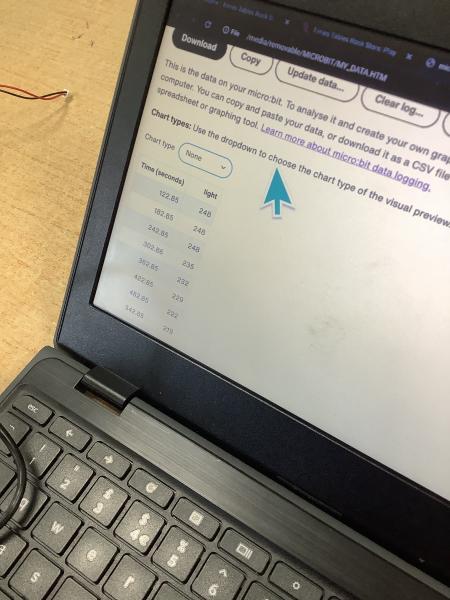
Pupils began by deciding what data they wanted to collect and how they would do it fairly. They then programmed BBC micro:bits to collect and record data, using built-in sensors to measure factors such as sound, light, and temperature. This helped develop their understanding of coding, data logging, and real‑world applications of technology.
After collecting their data, pupils reconnected their micro:bits to laptops to download and analyse their results. They explored how data can be presented as tables and graphs, making it easier to spot patterns and draw conclusions.
Through discussion, pupils used their findings to answer key questions. We discovered that:
- Laurel was louder than Maple overall during the morning session
- Year 1 was cooler than Year 2 overall during the morning session
- Key Stage 1 was louder than Key Stage 2 at break time
- Maple was brighter than Fern during the morning session
This engaging lesson developed pupils’ computing, teamwork, and analytical skills, while showing how technology can help us investigate the world around us.
Date: 15th May 2026 @ 7:51pm