Maths: Blog items
Date: 14th May 2026 @ 5:36pm
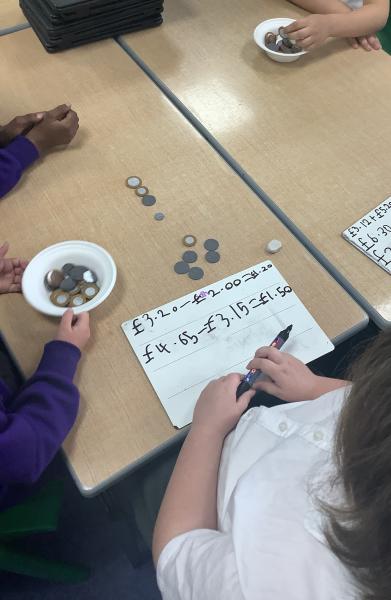
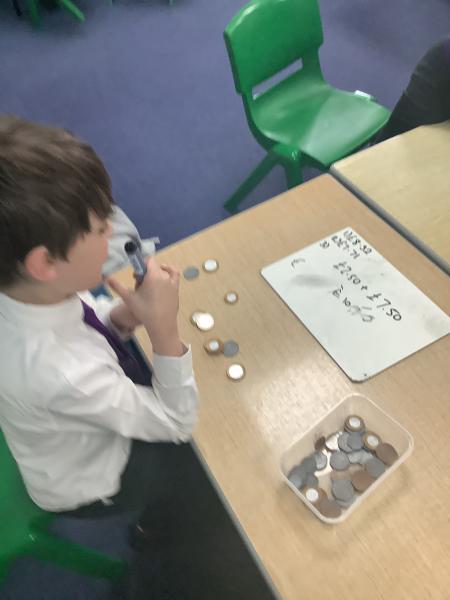
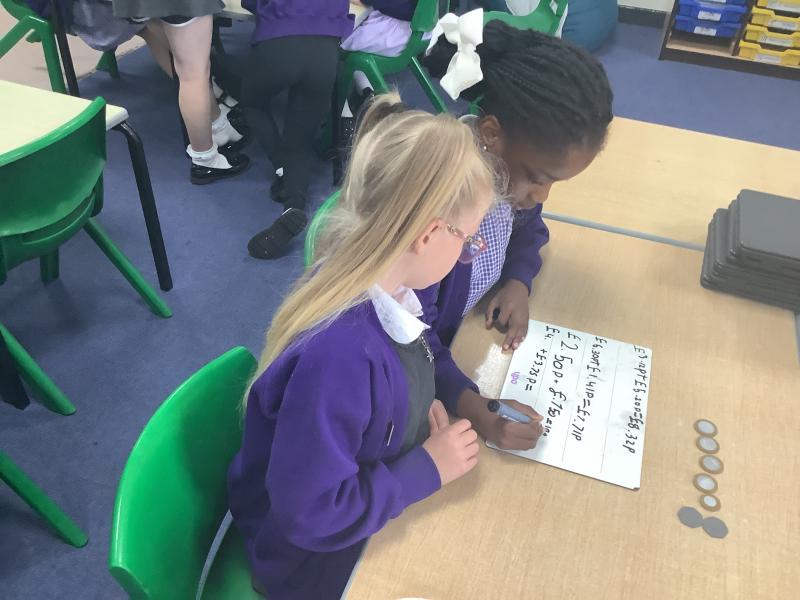
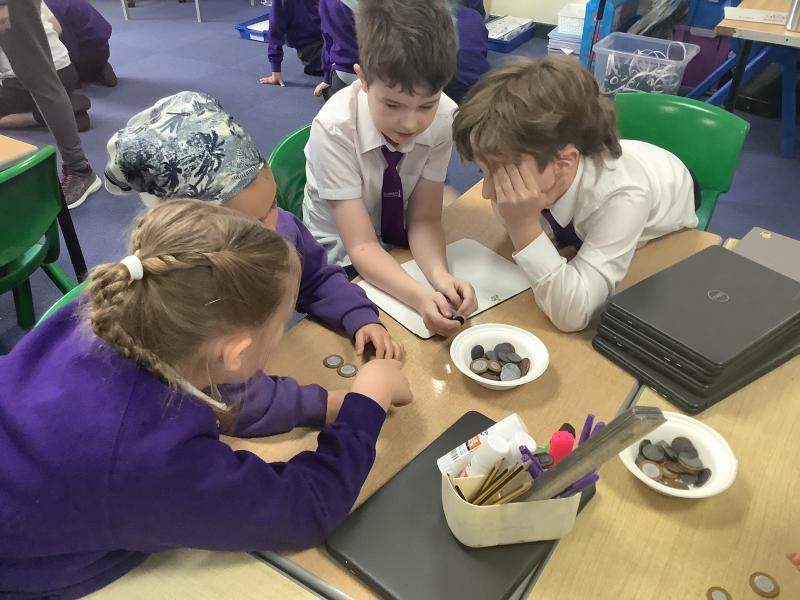
In today's lesson, we made learning more meaningful by working practically with coins to deepen our understanding of adding and subtracting amounts of money . The children practised how to work carefully with pounds and pence, remembering the important steps involved. We encouraged them to start by working with the pounds first before moving on to the pence, helping them to stay organised and avoid common mistakes. This structured approach allowed them to tackle calculations with greater accuracy and clarity.
We also explored the important concept that 100 pence is equal to £1. The children used this knowledge to convert amounts between pounds and pence, which deepened their understanding of how money works. They quickly realised how useful this skill is when adding totals or giving change, and many were proud to demonstrate their ability to regroup pence into pounds when needed.
Date: 14th May 2026 @ 3:48pm
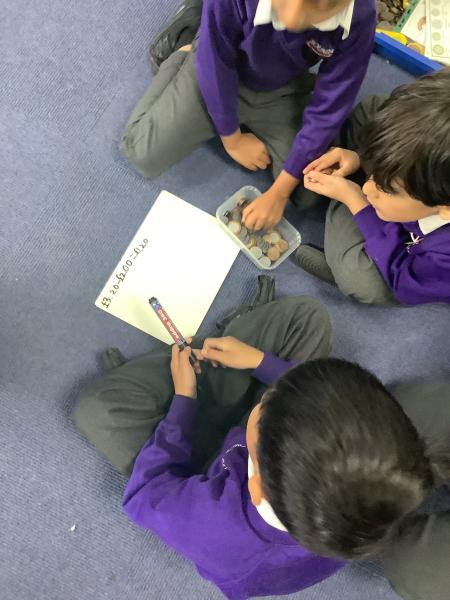
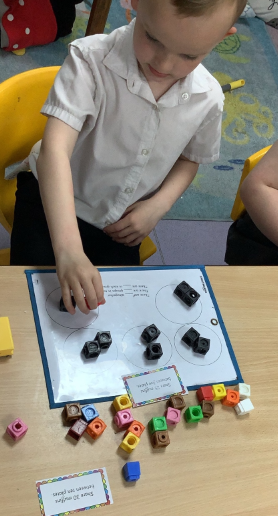
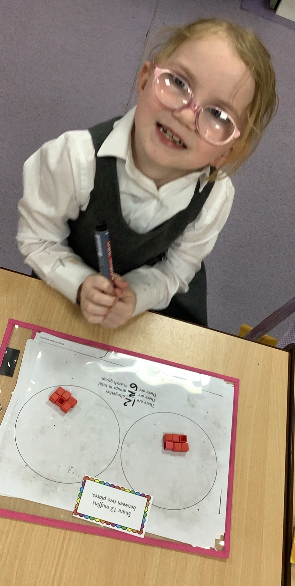
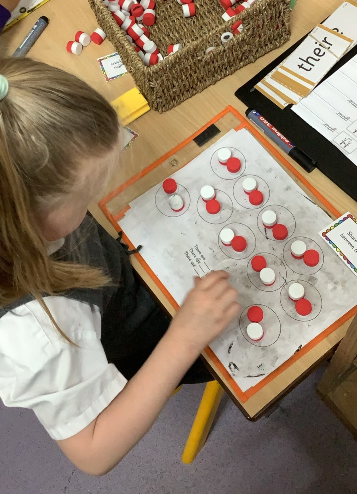
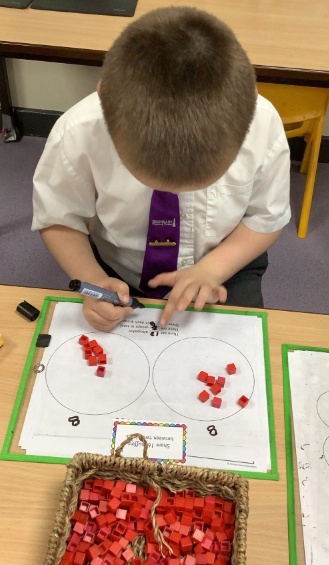
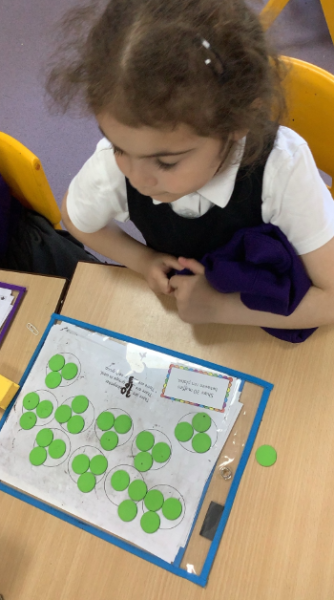
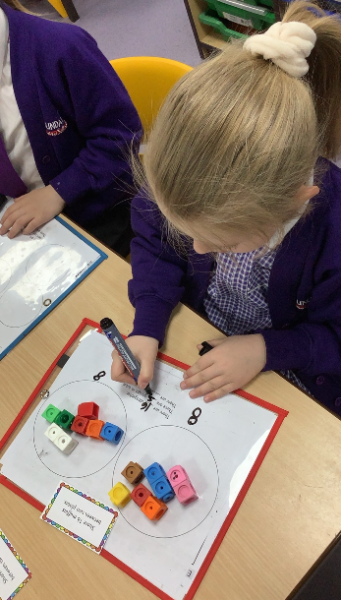
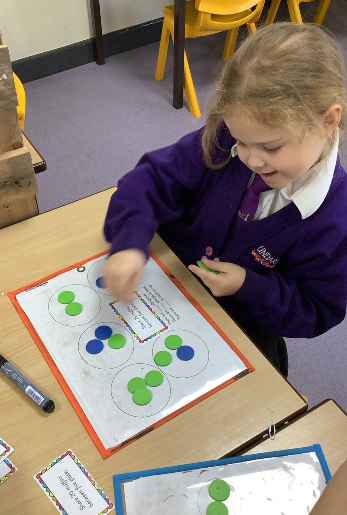
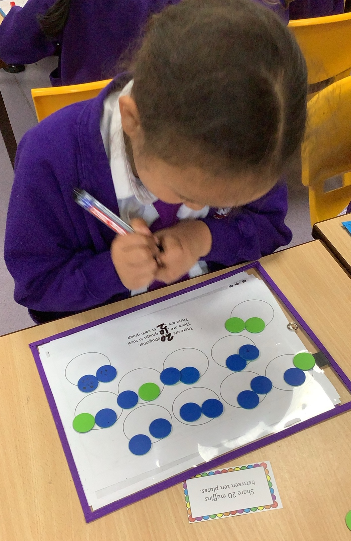
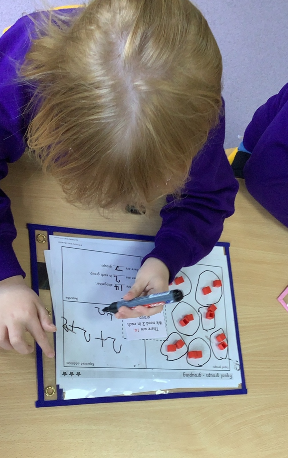
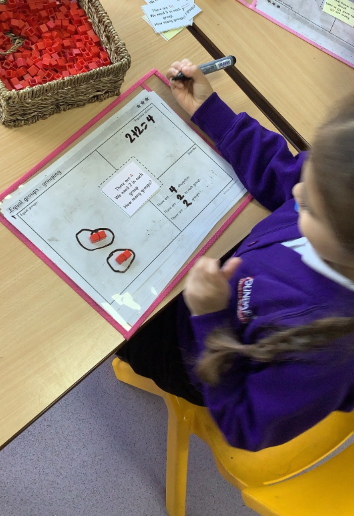
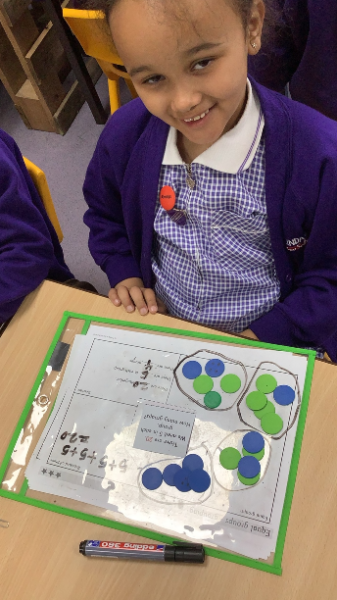
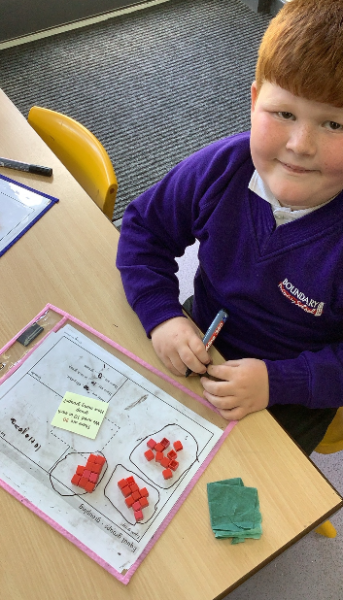
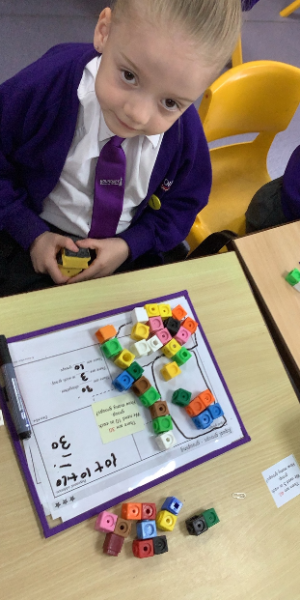
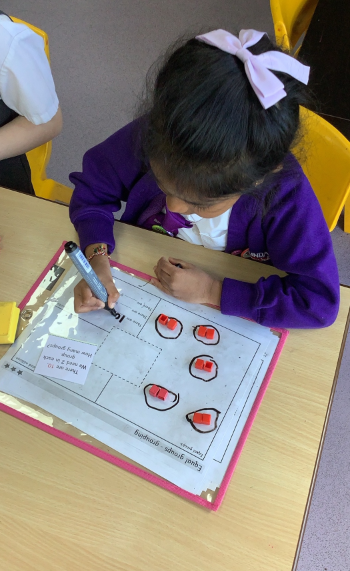
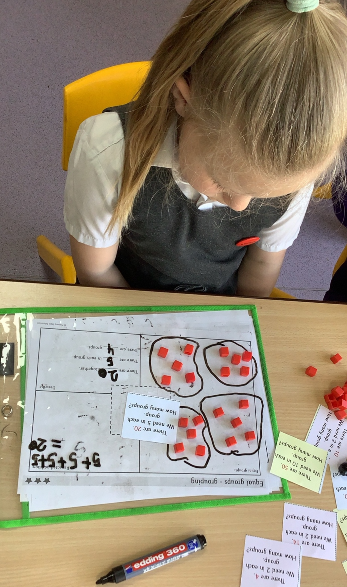
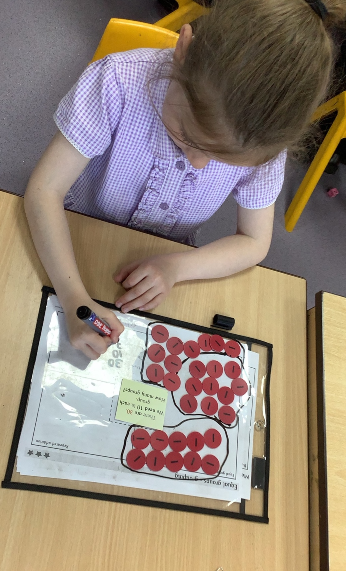
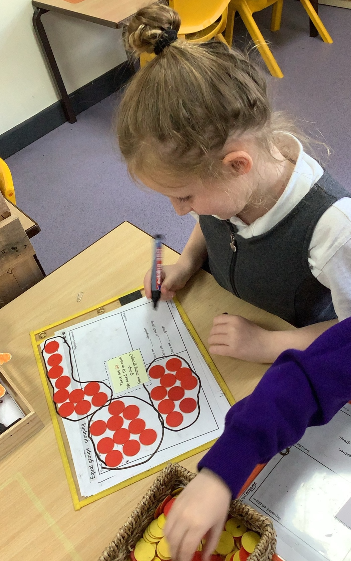
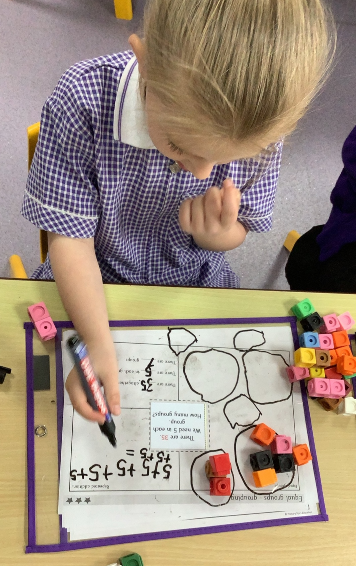
This week, we have been learning about grouping and sharing, which are key early maths skills.
The children explored how to:
- Make equal groups from a number (for example, putting 12 objects into groups of 3)
- Share amounts fairly between a number of groups or people (for example, sharing 10 items between 2 people)
Through these activities, the children are beginning to understand the early ideas of multiplication (grouping) and division (sharing) in a practical, hands-on way.
You can support this learning at home by:
- Encouraging your child to group toys, snacks, or objects into equal sets
- Asking simple questions like, “Can we share these equally?” or “How many are in each group?”
It has been lovely to see the children building confidence using numbers in real-life situations!
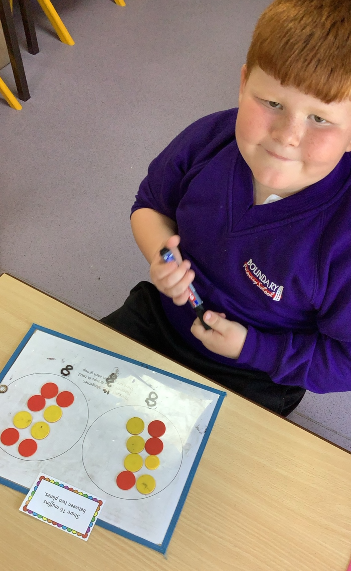
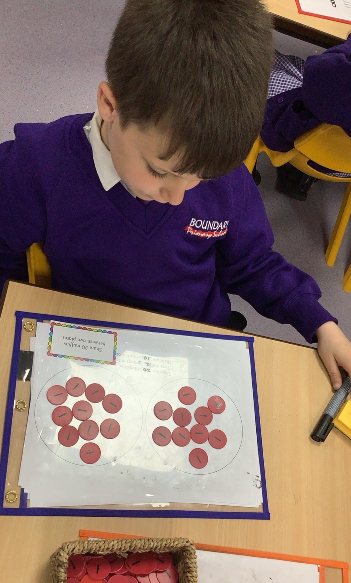
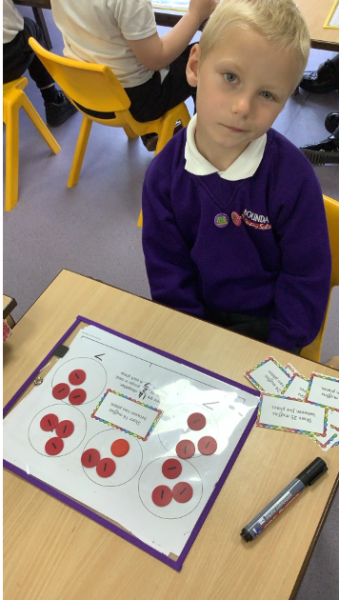
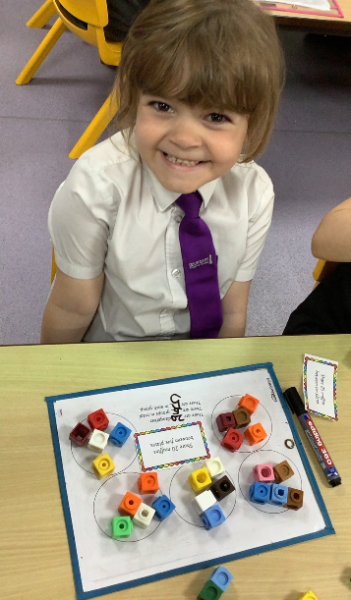
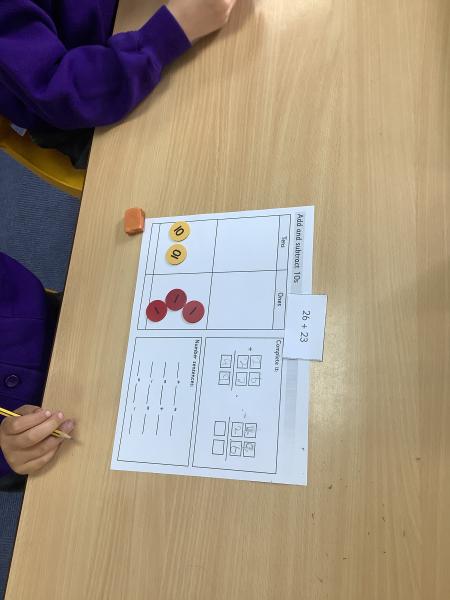
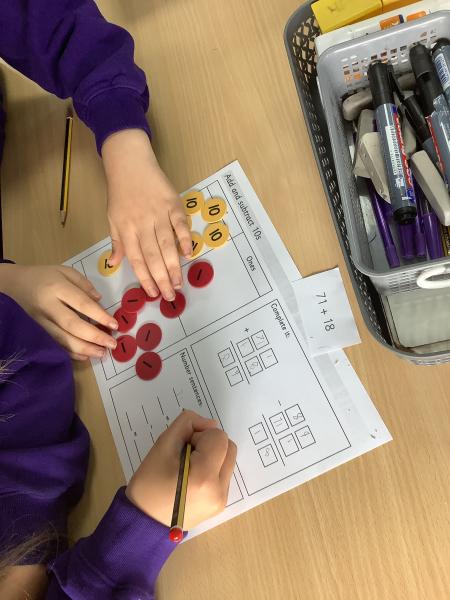
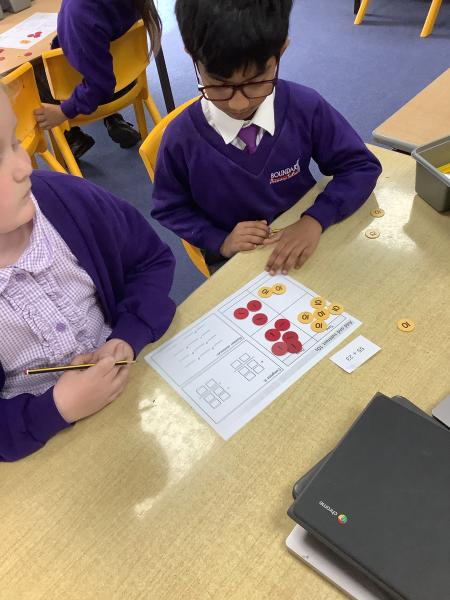
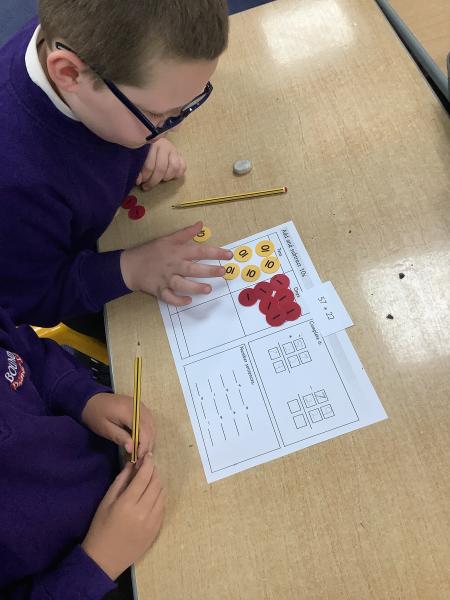
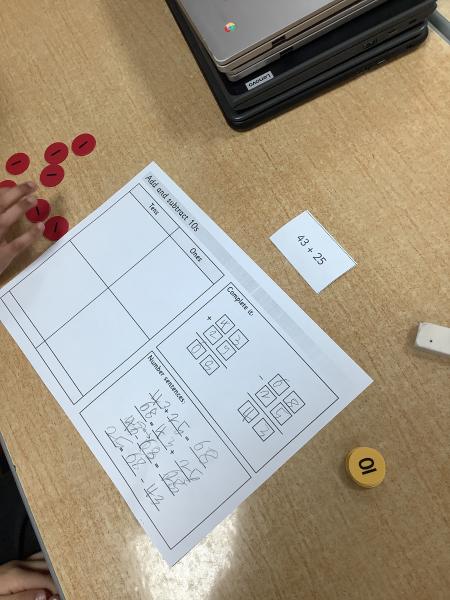
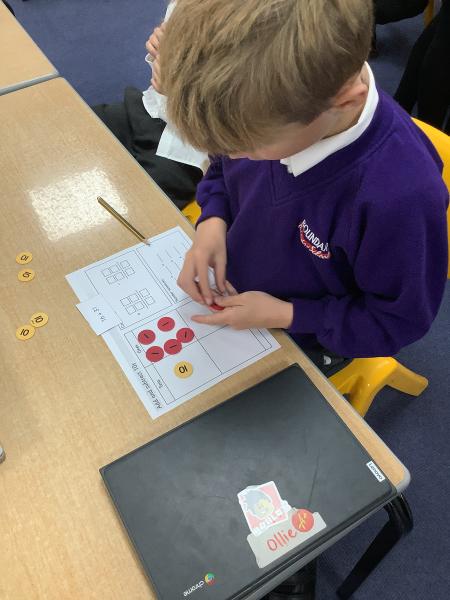
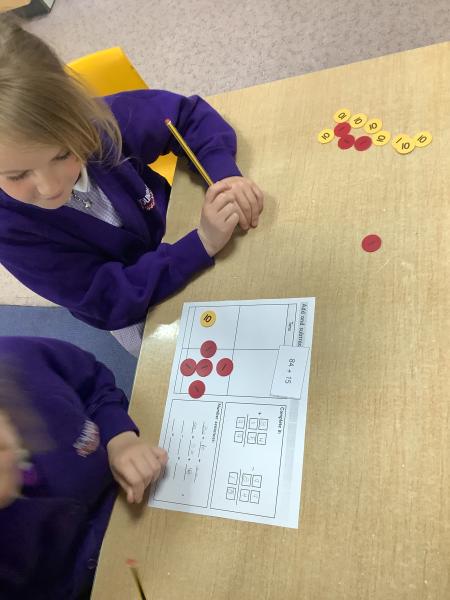
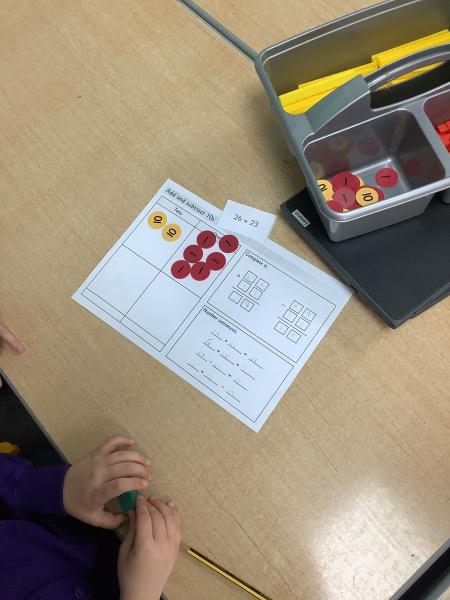
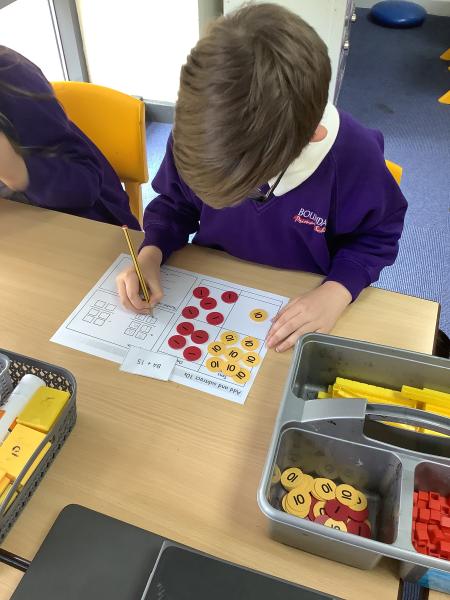
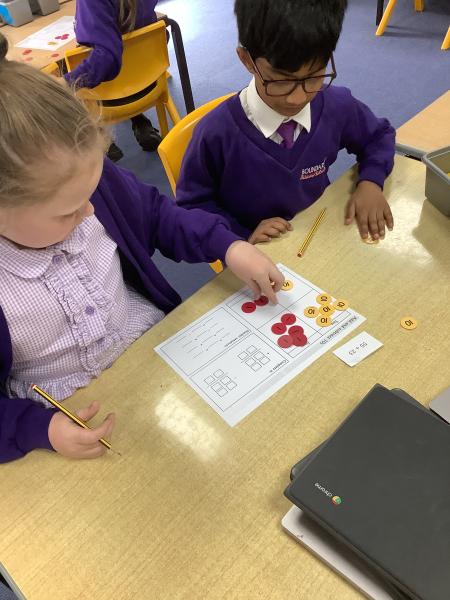
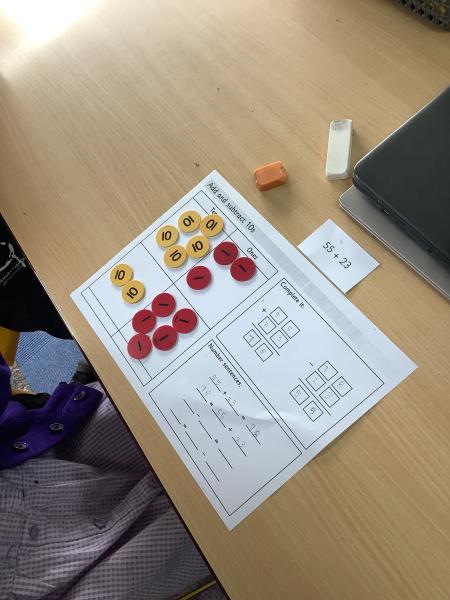
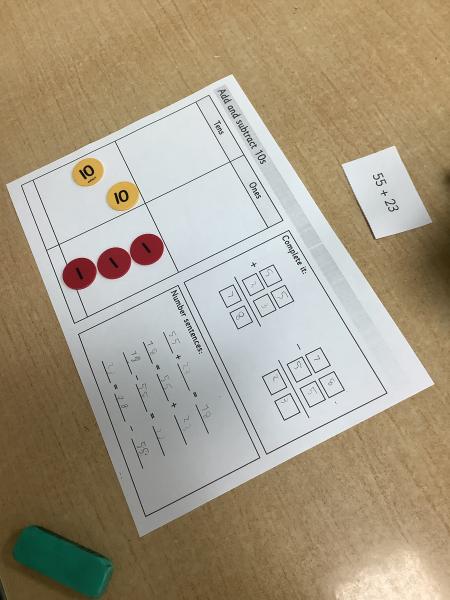
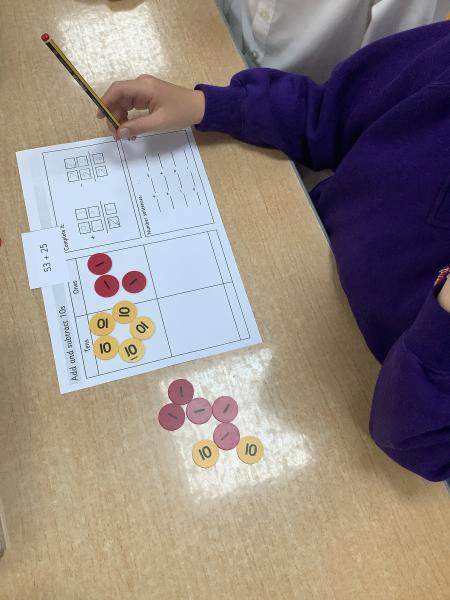
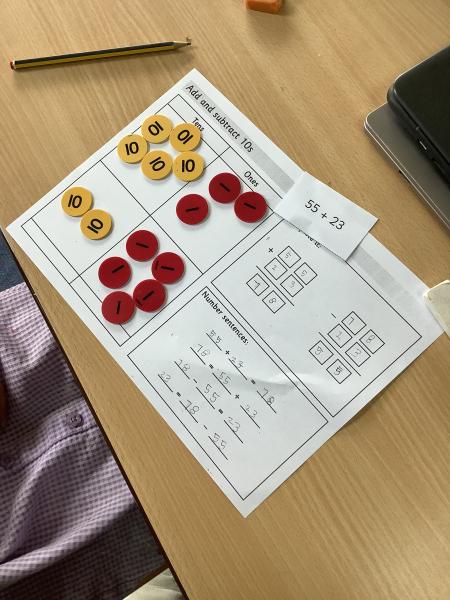
Year 3 and Year 4 - Add and subtract 10s
Date: 14th May 2026 @ 12:08pm
Date: 11th May 2026 @ 6:32am
This week, Year 3 explored unit and non-unit fractions through hands-on learning with manipulatives such as counters, cubes, and dienes. By building fractions themselves, pupils developed a clear understanding of parts and wholes. Working collaboratively, they solved challenges, discussed ideas, and supported each other’s thinking. Children then applied their knowledge to reasoning questions, justifying answers and proving equivalence using practical resources. This approach made abstract concepts accessible and engaging, boosting confidence and deepening understanding. It was fantastic to see such enthusiasm, teamwork, and resilience as pupils strengthened their mathematical skills through exploration and discussion.


Year 1 - Recognise equal groups
Date: 8th May 2026 @ 8:08am
This week in Maths, Year 1 have been learning about equal and unequal groups. The children sorted a range of images by counting how many groups there were and how many objects were in each group, helping them decide whether the groups were equal or unequal. They worked carefully to compare quantities and explain their thinking using mathematical language by understanding the terms of odd and even.


Date: 7th May 2026 @ 11:20am
This week, our garden turned into a place of wonder as one of the children sparked a big interest in snails. Together, we became snail explorers, carefully looking under every plant, log and stone to see who might be hiding there. We were delighted to find snails of all sizes — some big and some tiny baby ones too!
The children watched closely as the snails slowly moved and explored their surroundings. Using natural materials, we worked together to make a beautiful, safe home where the snails could live comfortably. The children showed great care and kindness, making sure the snails had delicious leaves to eat and were handled gently.
It was a lovely opportunity to learn about living things, develop curiosity, and practise caring for nature — all through a simple garden adventure.


Date: 7th May 2026 @ 7:15am
This week in Year One, the children have been learning all about arrays as part of their maths lessons. An array is a way of organising objects into neat rows and columns, which helps children begin to understand multiplication.
The children used pictorial representations to make their own arrays using drawings and counters. Together, we talked about how many objects were in each row, how many rows there were, and how many there were altogether. This helped the children clearly see how groups are made.
Once they were confident, the children practised writing a repeated addition sentence to match their array (for example, 3 + 3 + 3).
The children worked thoughtfully and showed great enthusiasm—well done, Year One!


Year 2- Understanding a fraction!
Date: 5th May 2026 @ 11:01am
In Year 2, we have been learning all about fractions, starting with an important first concept — one half 😊. The children have been developing their understanding by exploring what makes something a half and what does not.
Some of the children began their learning by looking at different representations 🖼️, such as shapes, objects and pictures. They carefully discussed whether each example showed a true half, thinking about equal parts and fairness 🤔✅. There were lots of great conversations as the children explained their ideas and listened to others.


Reception- Composition of Numbers up to 10
Date: 1st May 2026 @ 11:26am
After reading The Very Hungry Caterpillar, we explored the composition of numbers up to ten using fruit from the story. Some children created their own number sentences, while others shared their thinking verbally using stem sentences such as “3 add 2 equals 5.”
It was wonderful to see everyone so engaged and confident in explaining their maths. We all enjoyed learning in this hands‑on, story‑based way — maths was great fun!


Date: 1st May 2026 @ 7:49am
📚 Year 6 SATs Maths Revision in Full Swing ➕📐
Year 6 have been working incredibly hard revising for their upcoming SATs in Maths ⭐. This week, we focused on 3D shapes, an area where some children are still building confidence—particularly with understanding nets of 3D shapes 🔺⬛.
To help deepen understanding, we brought out a range of practical resources 🧩 so the children could experiment, build, and explore how different nets fold to make solid shapes 🙌. This hands-on approach encouraged great discussion 💬 and supported the children as they continue their focused revision journey 💪✨.


Date: 30th Apr 2026 @ 4:43pm
Today, in maths we practically used counters and numicon to count forwards and backwards in 2s. This allowed us to understand in each group it is a group of 2. We discussed that they are even numbers. When working with our partner we used the stem sentence ‘__ groups of 2 are equal to __.’


Date: 30th Apr 2026 @ 4:34pm
This week in maths we have been using a number line to understand numbers within 50. This developed our understanding of place value when understanding the tens and ones to help understand the order of numbers to know what comes before and next.


Date: 30th Apr 2026 @ 9:05am
To round off our Mass and Capacity unit in Year 3, we enjoyed a fantastic hands-on maths practical that brought our learning to life. The classroom was full of excitement as pupils compared, measured, added and subtracted different volumes – all while having lots of fun!
Using a variety of containers, jugs and measuring equipment, the children explored capacity in millilitres and litres. They carefully poured liquids, estimated amounts and then checked their predictions using measuring scales. This practical approach really helped pupils develop a secure understanding of volume and how it can be measured accurately.
One of the highlights of the session was comparing different volumes. The children worked brilliantly in pairs and small groups, discussing which containers held more or less and explaining their reasoning using mathematical vocabulary. We were impressed to hear words such as greater than, less than, difference and total being used confidently.
The learning didn’t stop there! Pupils were challenged to add and subtract volumes, combining amounts to find totals and working out how much liquid remained after some was poured away. These real-life problem-solving activities helped the children see just how useful maths is in everyday situations.


Date: 28th Apr 2026 @ 10:11am
This week in Year 2 we have been thinking about capacity and volume 🧠💧. The children explored a range of different containers and made predictions about how many cups of water it would take to fill each one to its capacity 🫗.
After sharing our ideas, we carefully poured cups of water into each container and counted how many cups were needed ✅. We then recorded our results in a table, comparing our predictions with what actually happened 📊✍️.
This practical activity helped the children to see that containers can look different but still hold more or less liquid. It also supports our future learning as we begin to measure liquids using millilitres (ml) and litres (l) and develop a better understanding of capacity and volume.


Reception learn how to take away
Date: 24th Apr 2026 @ 11:33am
This week we have been learning how to subtract from number within 10. We talked about how when we subtract the number gets smaller. The children used the resources in the maths area to physical take away. We then learnt how to record our work as a calculation on the whileboards.


Nursery Explore Butterfly Symmetry
Date: 23rd Apr 2026 @ 4:25pm
Our Nursery class has been learning about symmetry by looking closely at butterfly wings. The children discovered that both sides of a butterfly’s wings look the same, which led to a fun and creative activity.
We painted one side of a butterfly wing, then carefully folded it in half to see the pattern transfer to the other side. When we opened them up, the children were amazed to see two matching wings!
This activity encouraged curiosity, creativity and careful observation, while helping the children to understand an early maths concept in a hands‑on way. The finished butterflies were bright, colourful and beautifully symmetrical! 🦋✨


Year 1 - Partition into tens and ones
Date: 22nd Apr 2026 @ 8:21pm
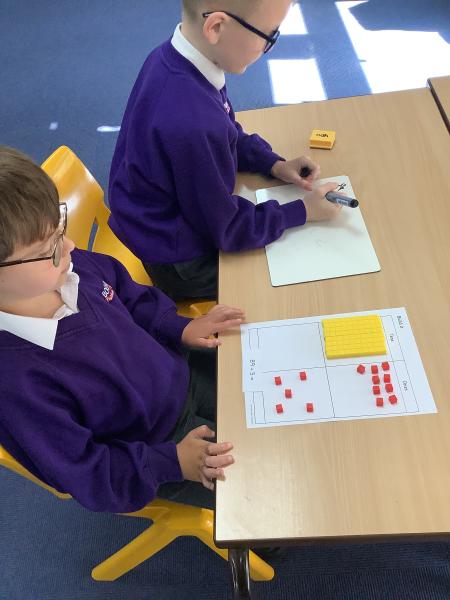
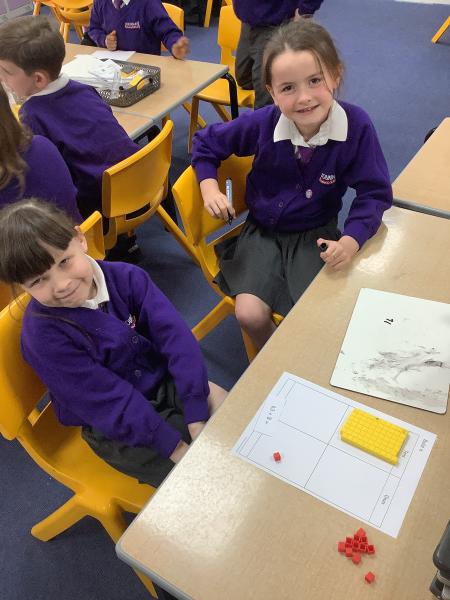
Today, we used base 10 and the part-part-whole model to explore partitioning numbers into tens and ones. First, we built each number using base 10, before partitioning it into two parts: one part showing the tens and one part showing the ones. This helped us understand the value of each digit.


Maths - Learning how to draw angles
Date: 21st Apr 2026 @ 5:25pm


Date: 21st Apr 2026 @ 4:58pm
In Year One, maths is all about making learning practical, engaging, and meaningful. One of the most enjoyable topics for our children is measuring capacity, and this week we explored it using something very familiar: cups.
To begin with, the children investigated how much different containers could hold. Using identical cups as a non‑standard unit of measurement, they poured water and counted carefully, discovering how many cups were needed to fill each container. This hands‑on approach helped them understand that capacity is about how much a container can hold, not how big it looks.


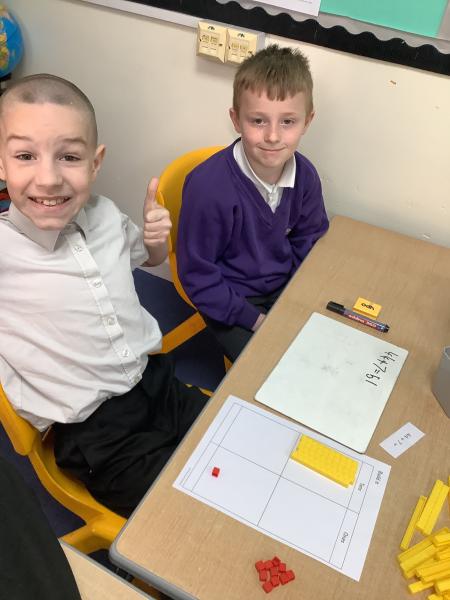
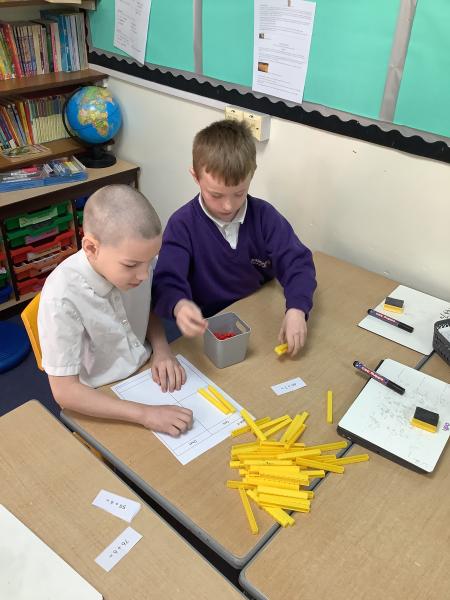
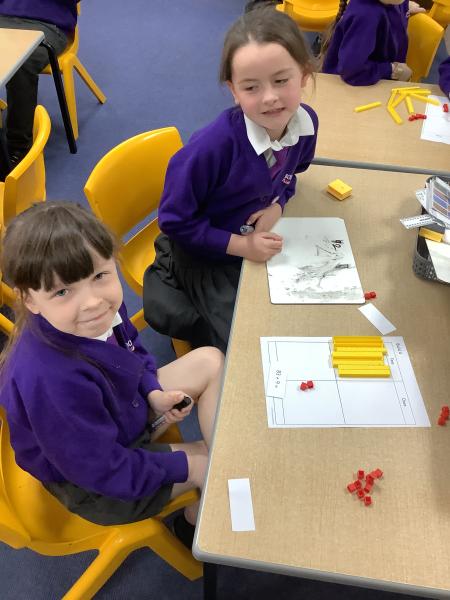
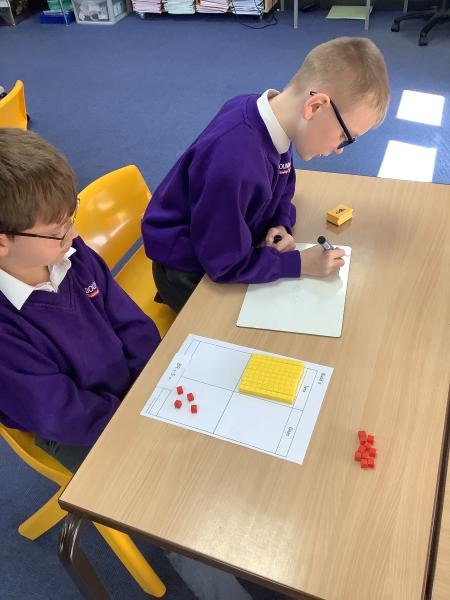
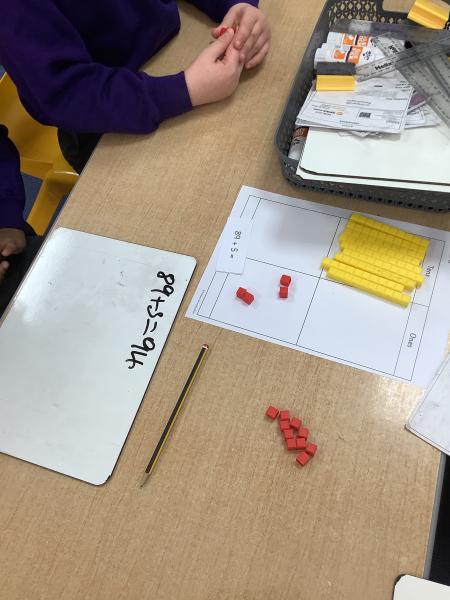
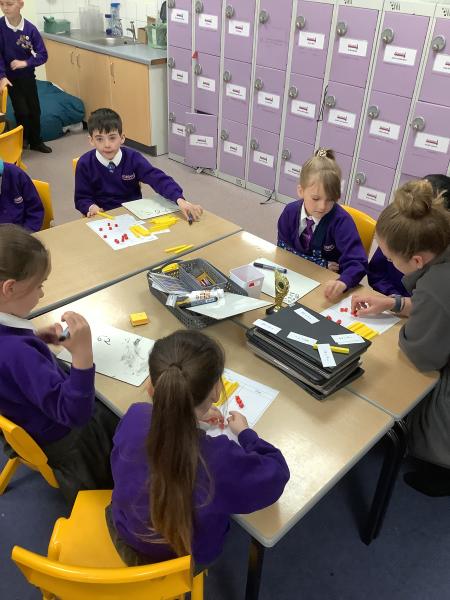
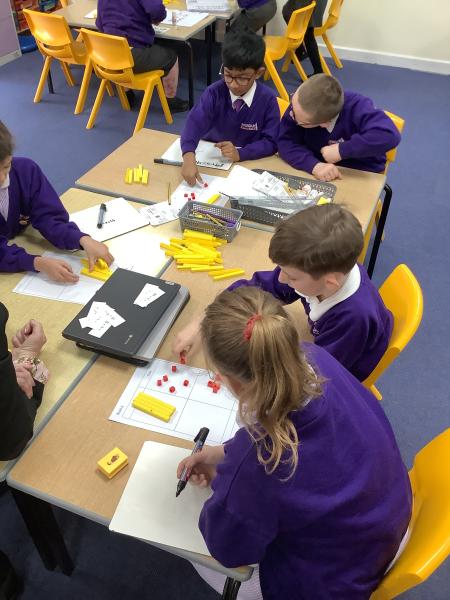
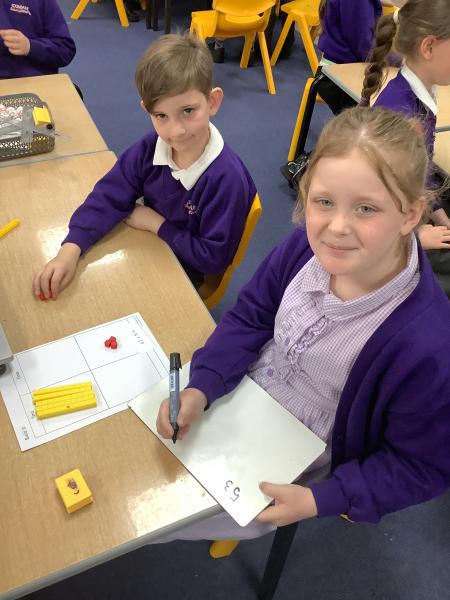
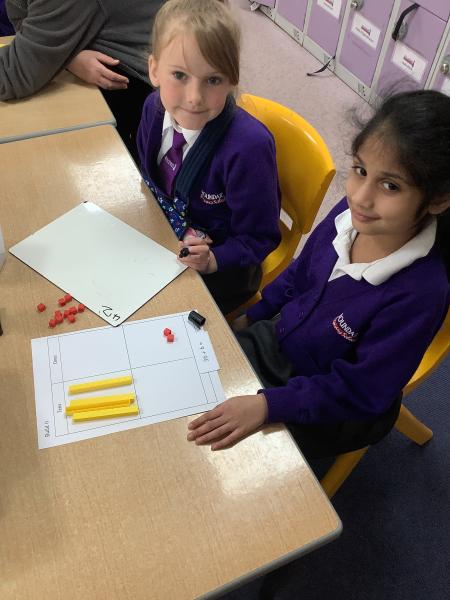
Year 3 and 4 Maths - Adding across 10
Date: 21st Apr 2026 @ 2:52pm
Nursery Do Some Tricky Threading
Date: 16th Apr 2026 @ 5:14pm
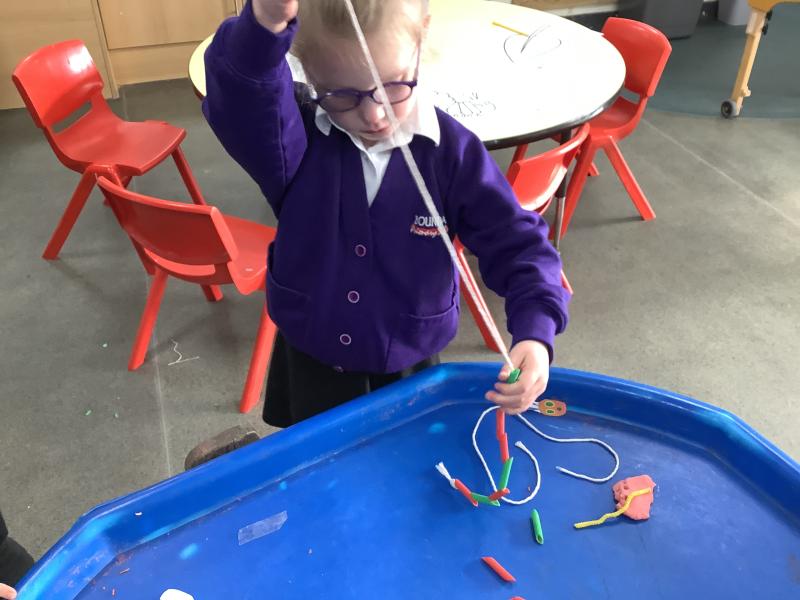
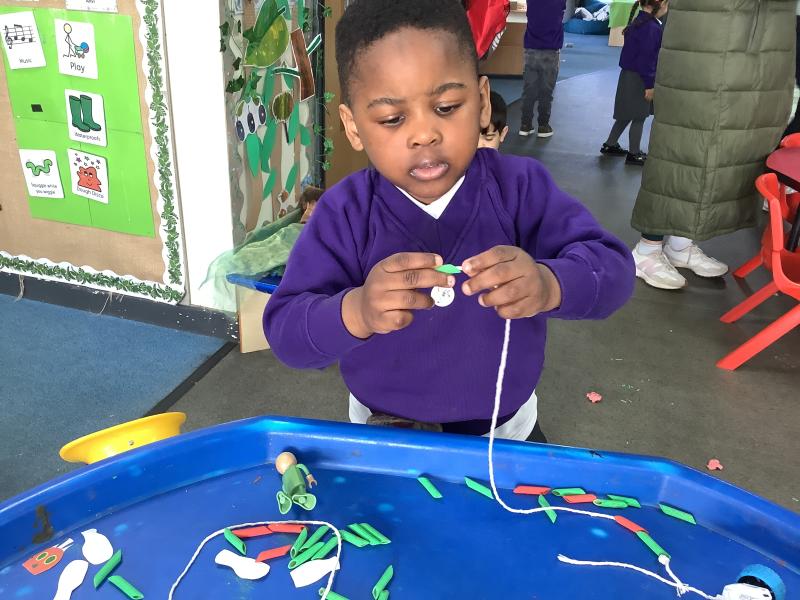
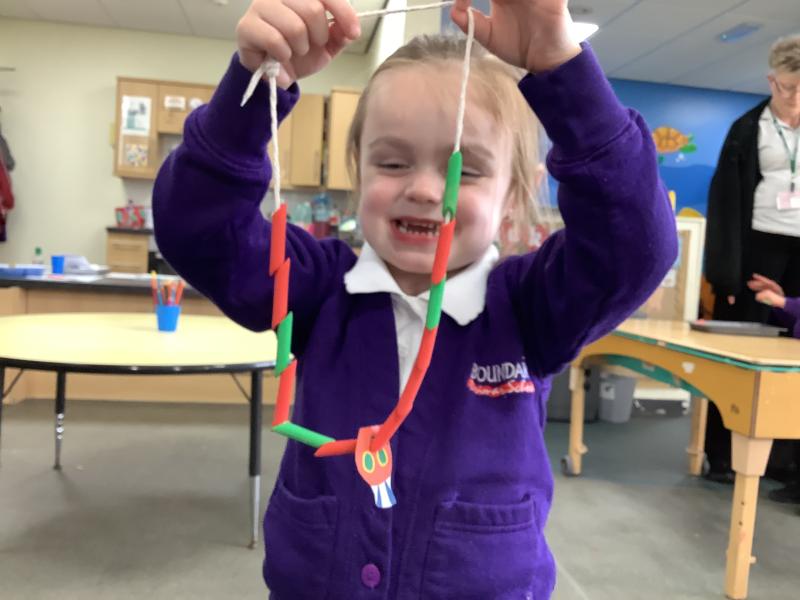
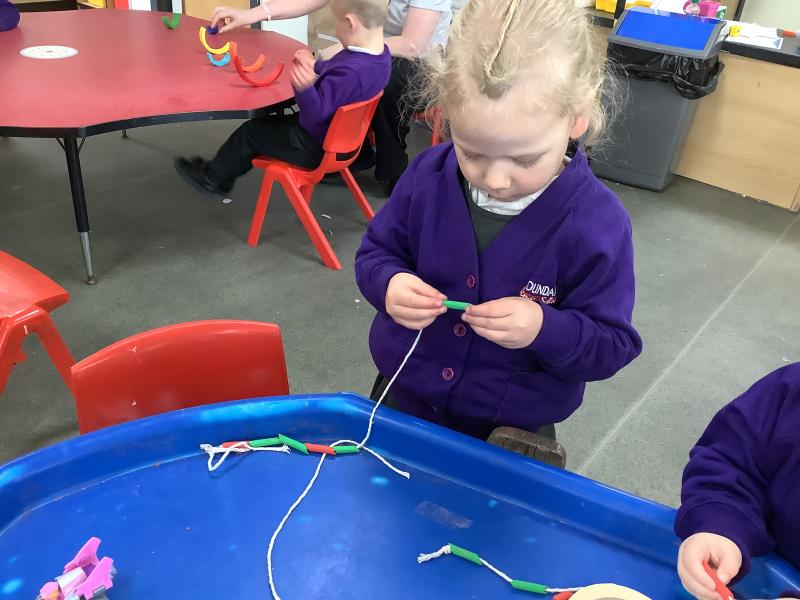
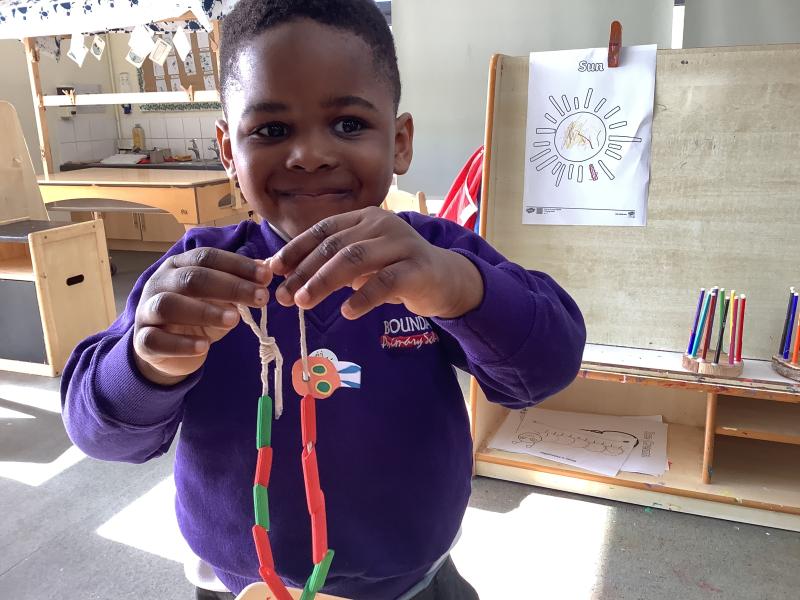
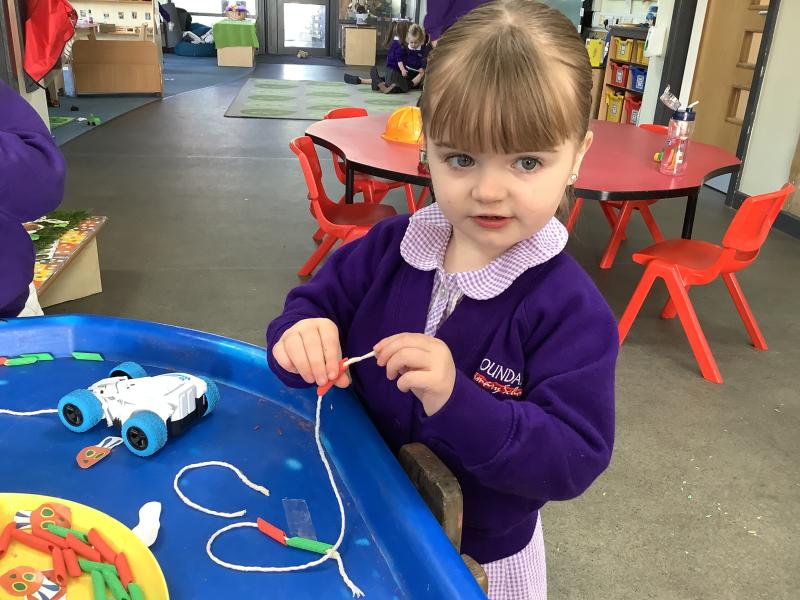
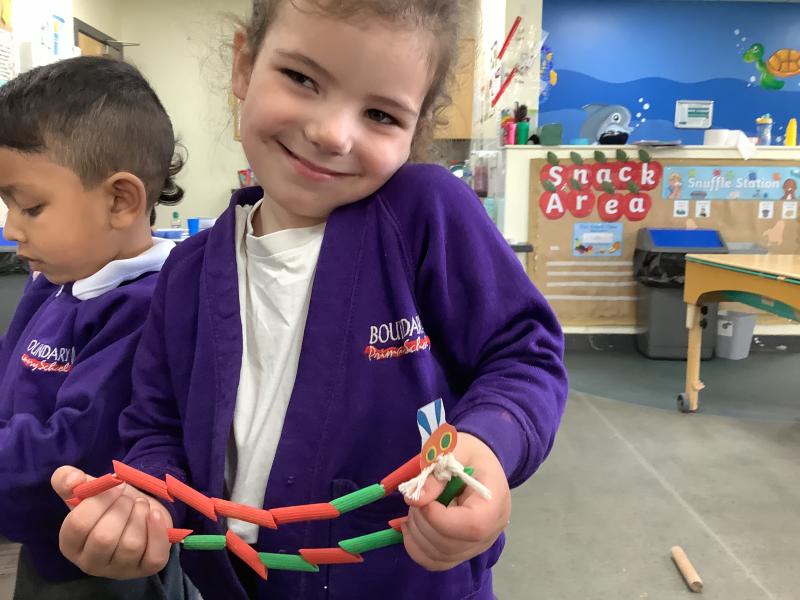
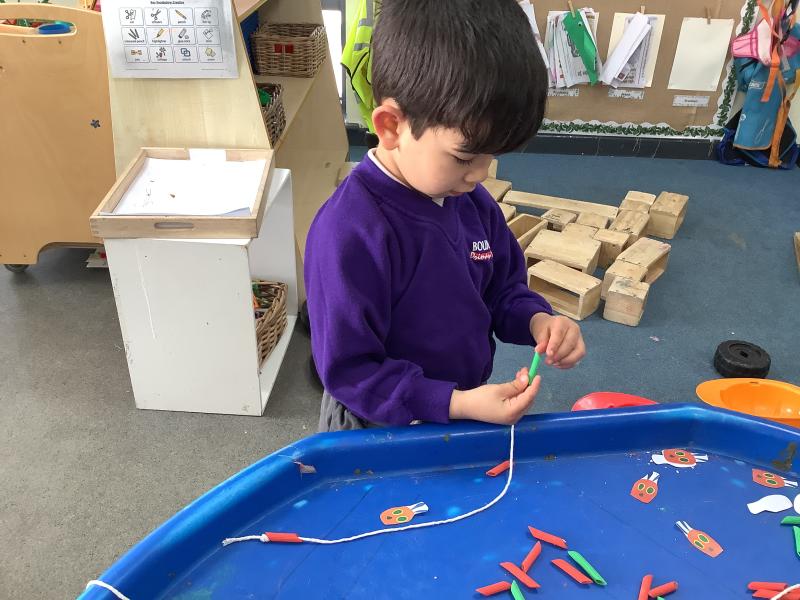
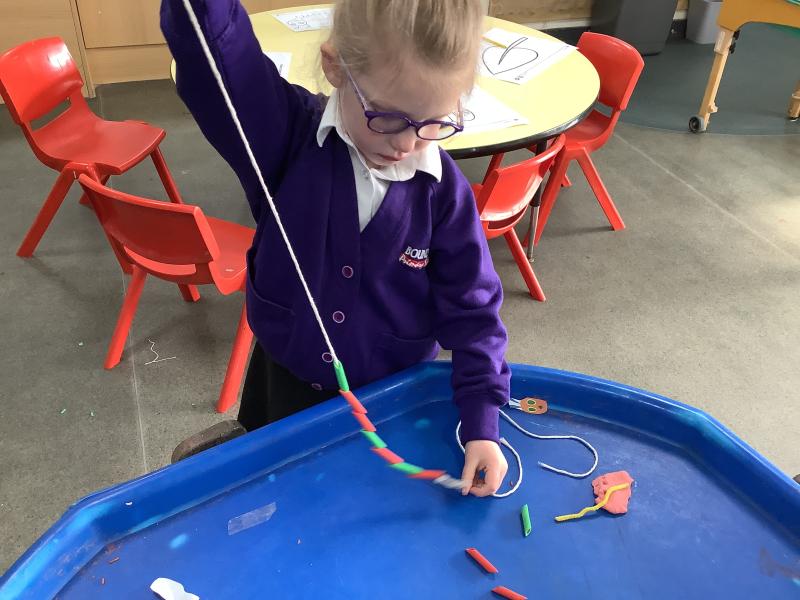
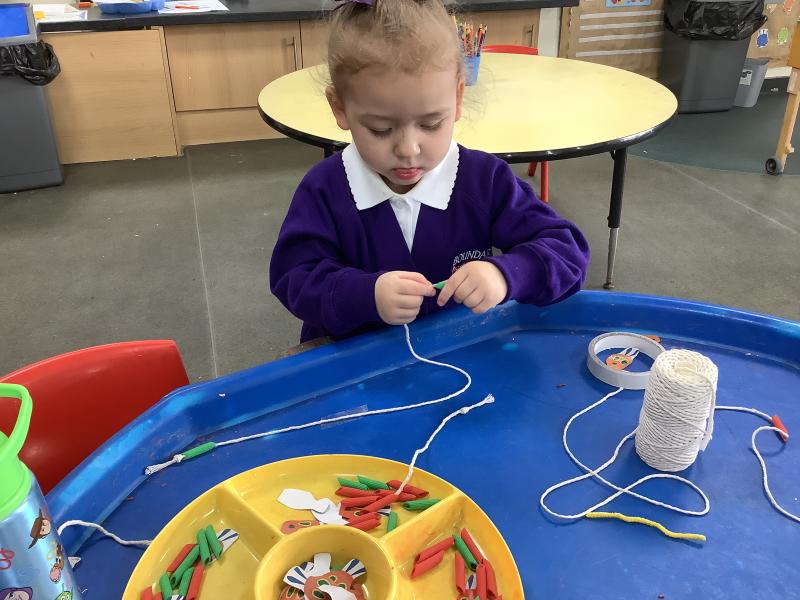
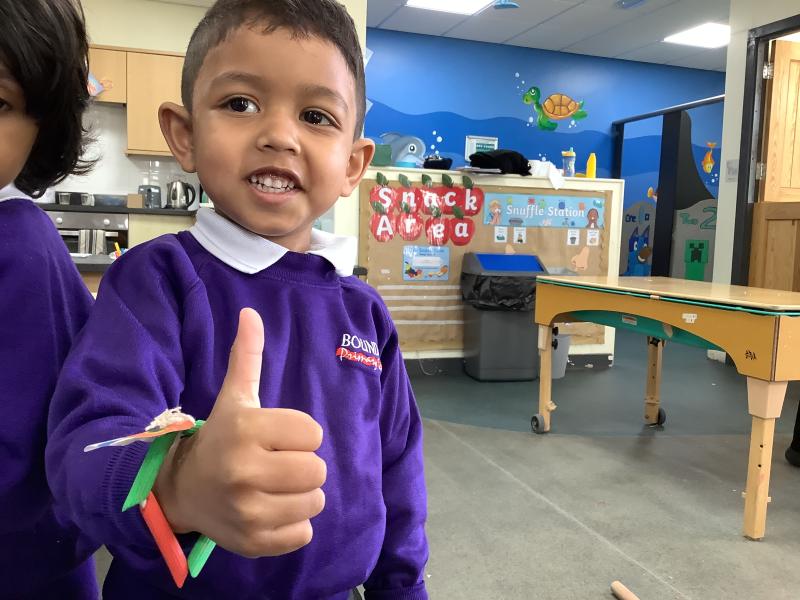
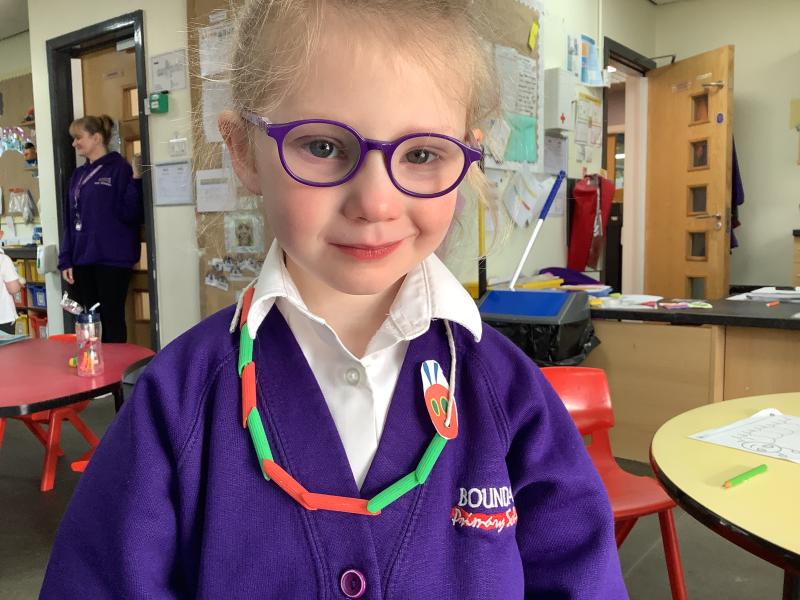
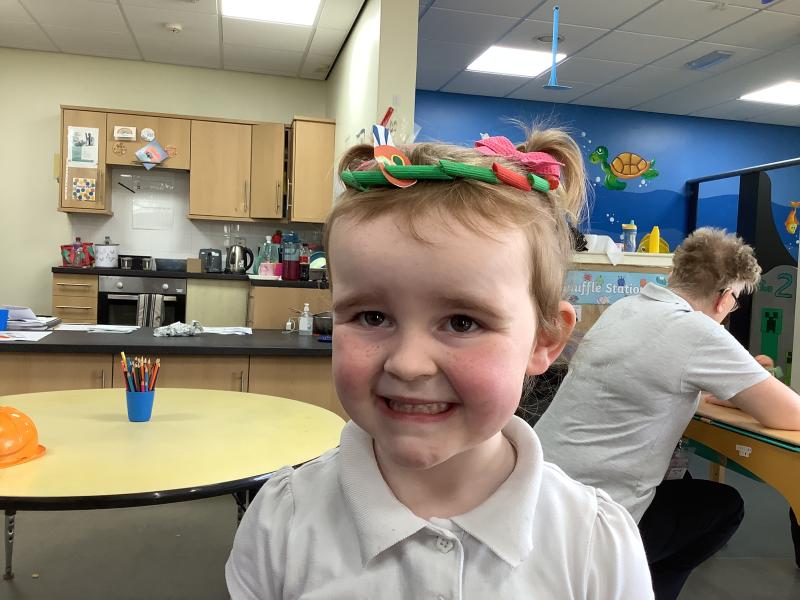
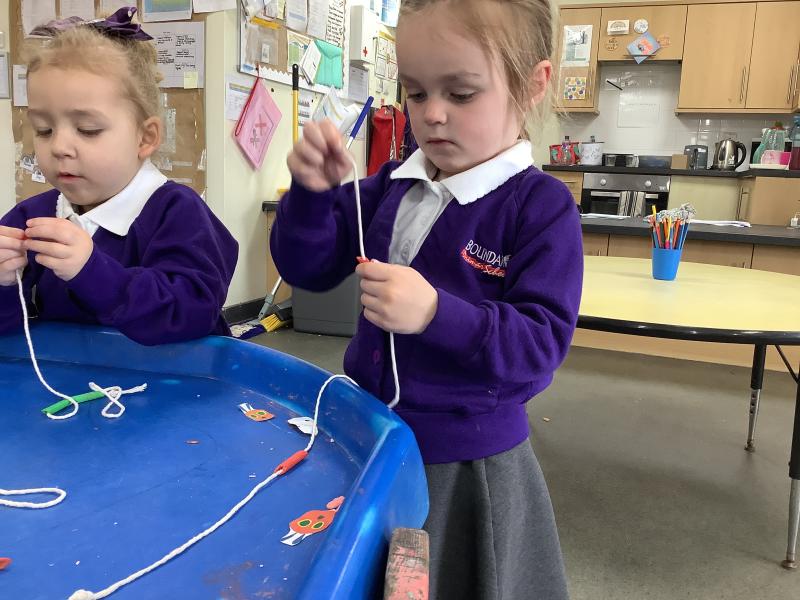
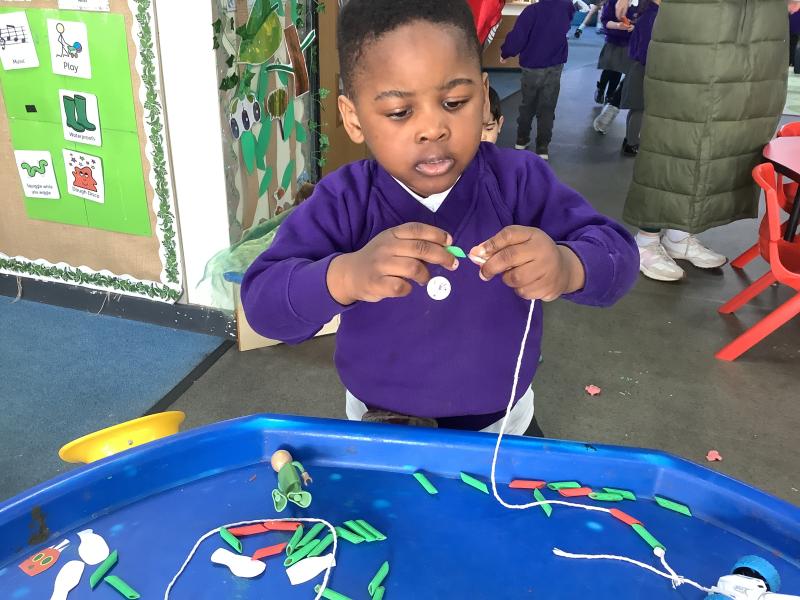
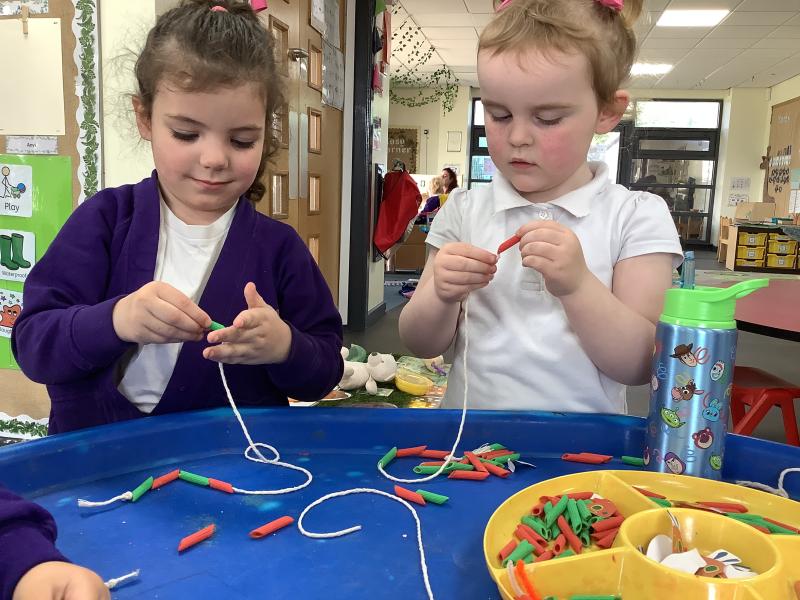
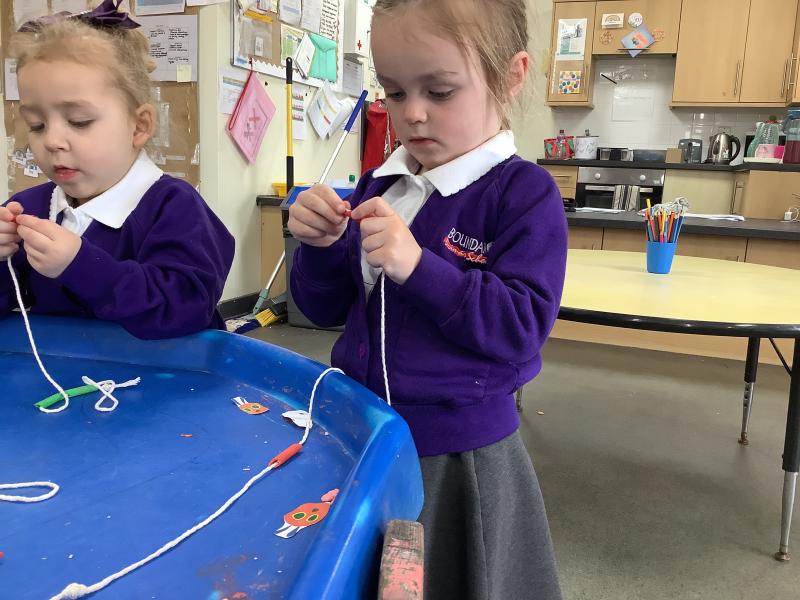
As part of our Hungry Caterpillar topic, Nursery children had lots of fun making their own caterpillar necklaces. They carefully threaded pieces of pasta onto string, which was a great way to practise their fine motor skills.
The children also counted how many pieces of pasta they used, combining creativity with early maths skills. They were very focused and proud of their colourful caterpillar necklaces — well done, Nursery!
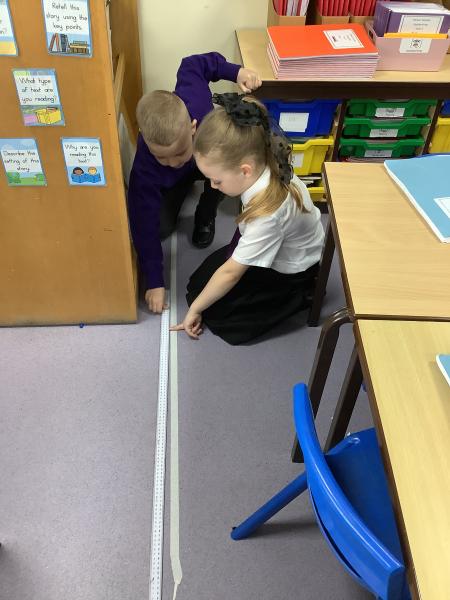
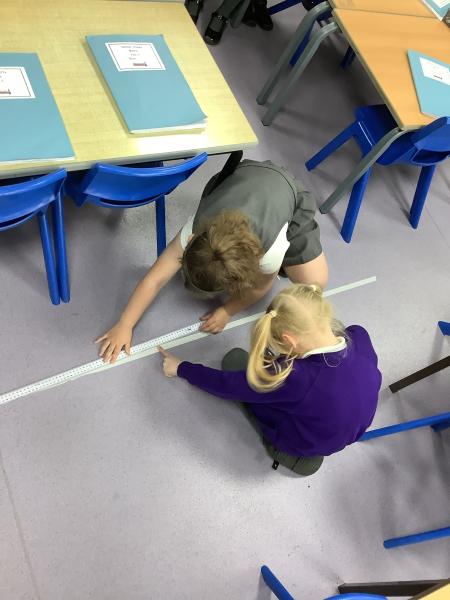
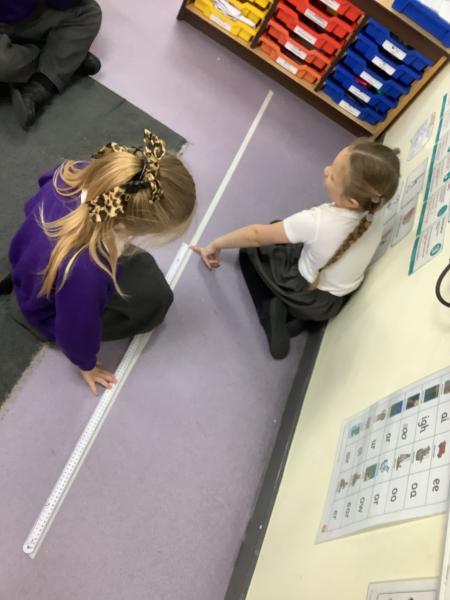
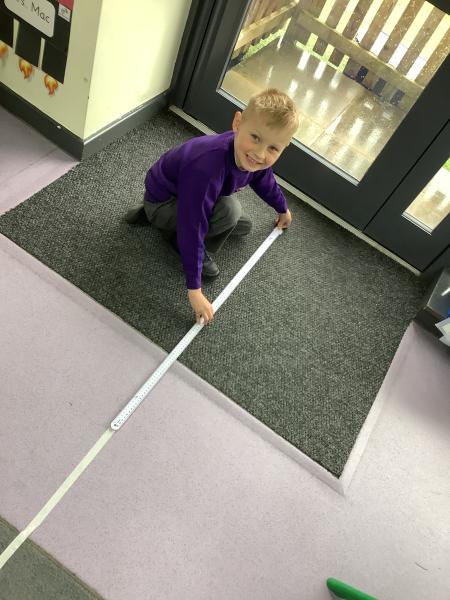
Year Two- Measuring in metres!
Date: 16th Apr 2026 @ 10:25am
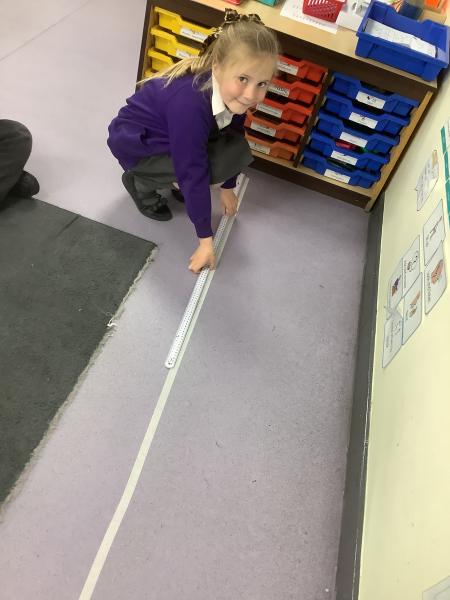
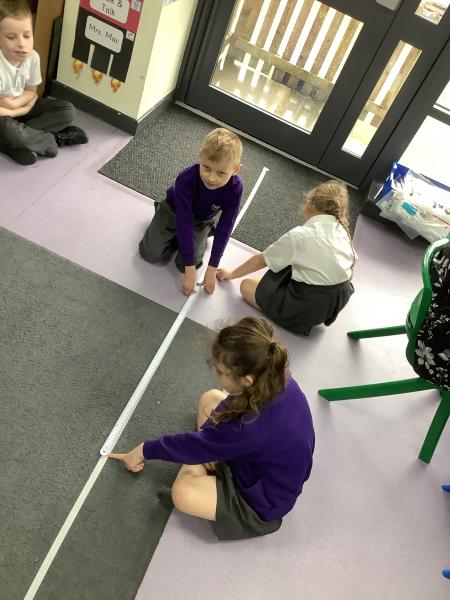
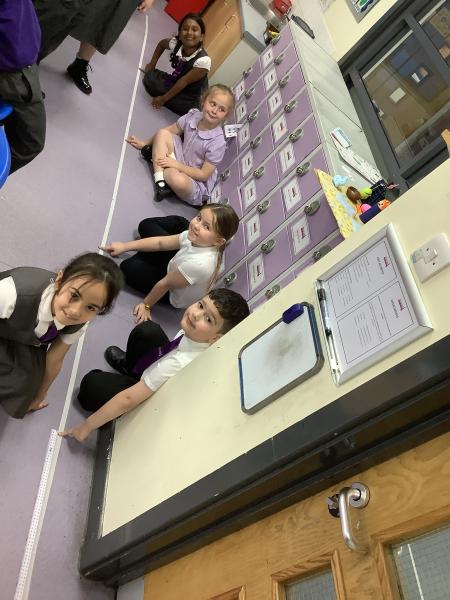
In this lesson we looked at measuring in metres. We used a metre stick to measure a range of different lines to find out the length. We thought about how we use a metre ruler and thinking about starting at 0.
Year 1 - Groups of tens and ones.
Date: 15th Apr 2026 @ 8:44pm
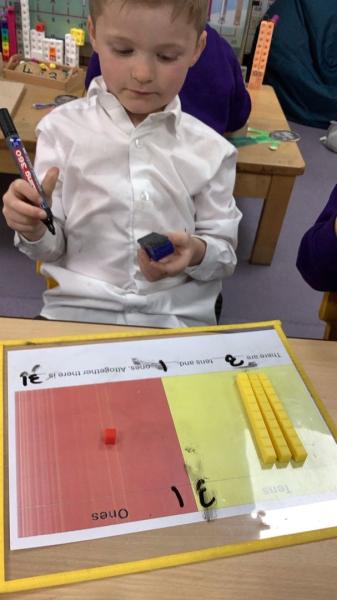
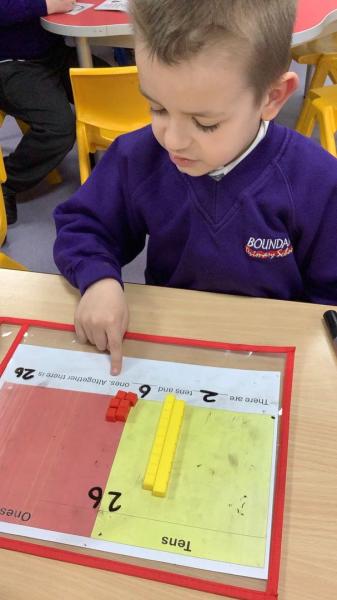
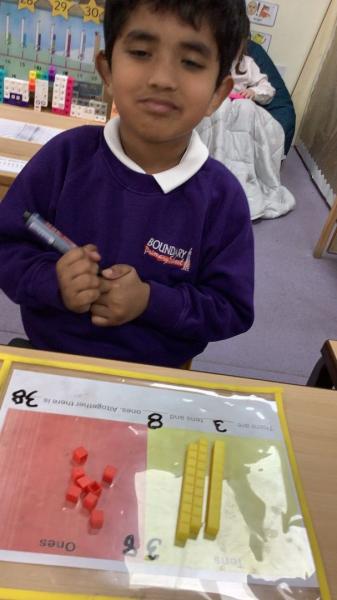
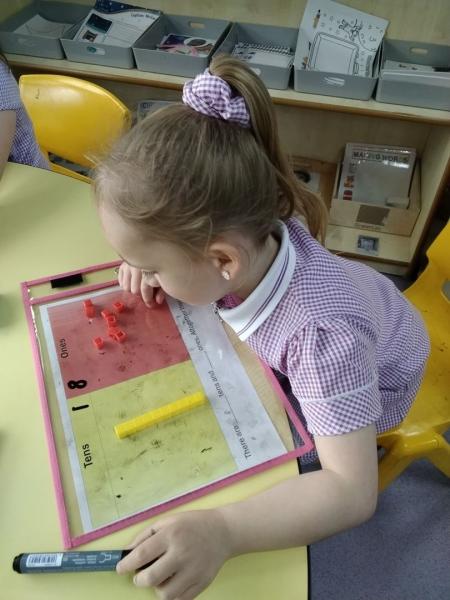
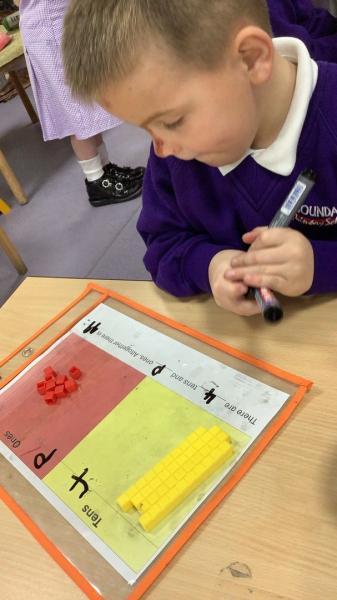
This week, in maths we used base 10 to understand place value of tens and ones within 2-digit numbers. We used the stem sentence ‘there are ___ tens and ___ ones. Altogether there is___. We looked at how tens are grouped to understand the place value.
Date: 15th Apr 2026 @ 7:44am
Our Angle Adventure 📐
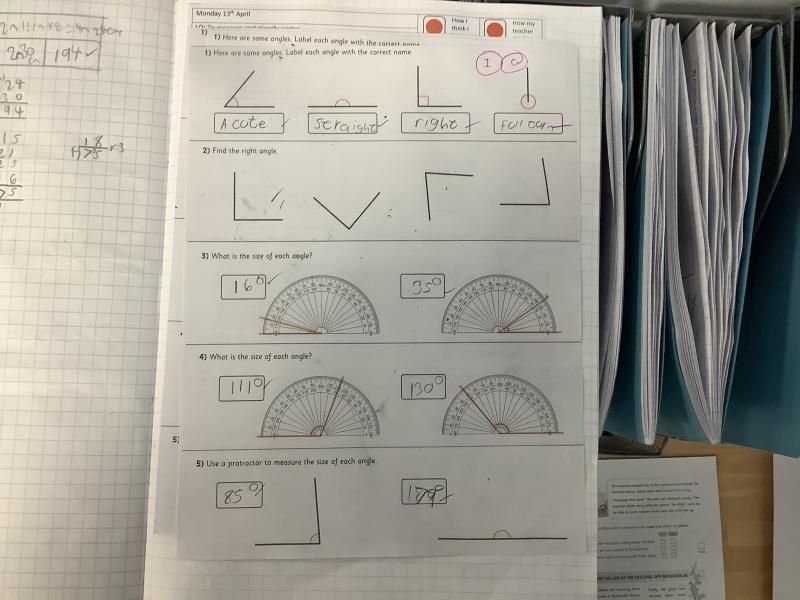
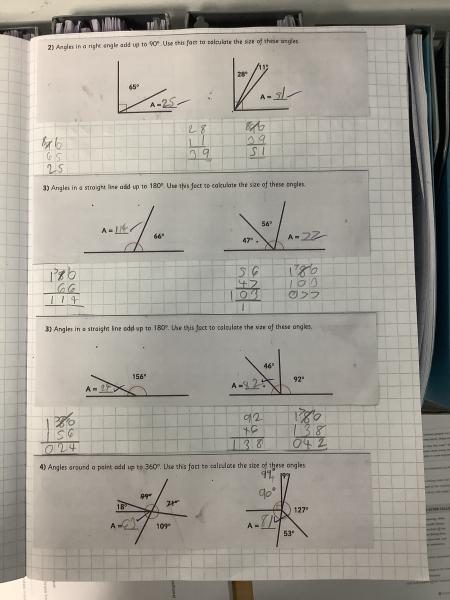
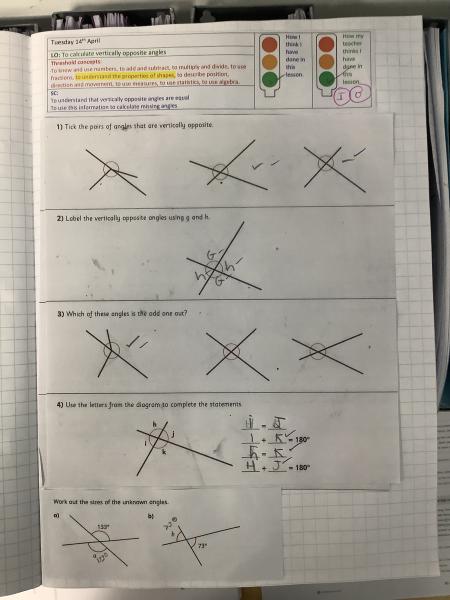
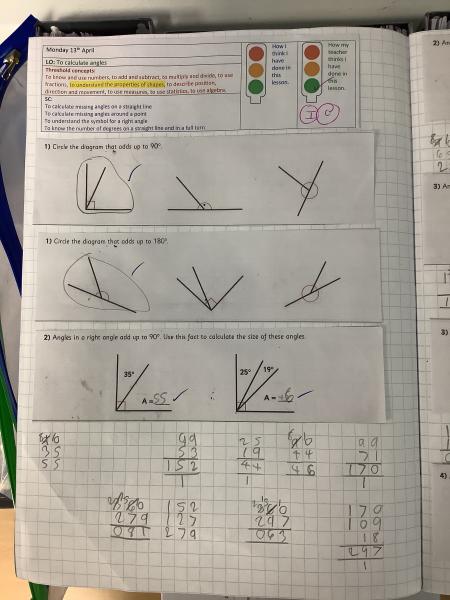
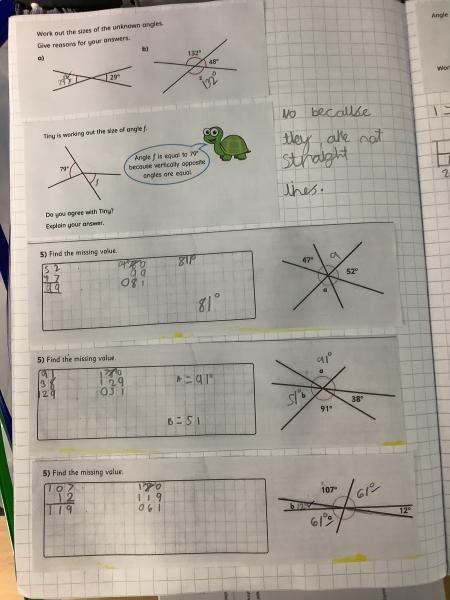
Year 6 have started an exciting new maths topic all about angles! We have been learning what angles are, how to measure them using a protractor, and how to draw angles accurately.
We have explored different types of angles, including acute, right, obtuse, and straight angles, and have enjoyed spotting them around the classroom and in everyday objects.
The children have also been investigating angles in triangles and quadrilaterals. We discovered that:
- The angles in a triangle add up to 180°
- The angles in a quadrilateral add up to 360°
Everyone has shown great focus and perseverance while learning these new skills. We’re looking forward to using our angle knowledge to solve more challenging problems as we continue our maths journey!
Reception make 2D shape rockets
Date: 14th Apr 2026 @ 9:38pm
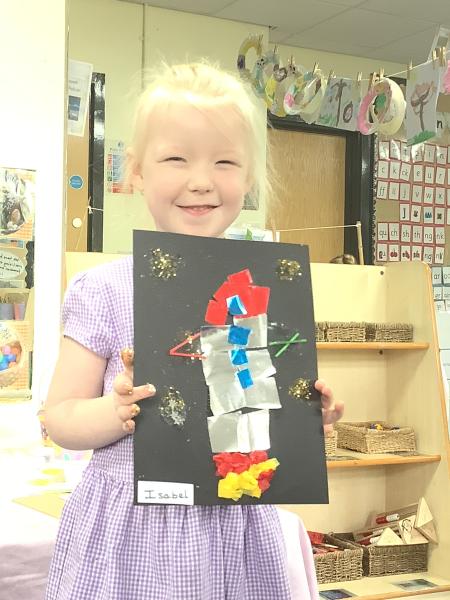
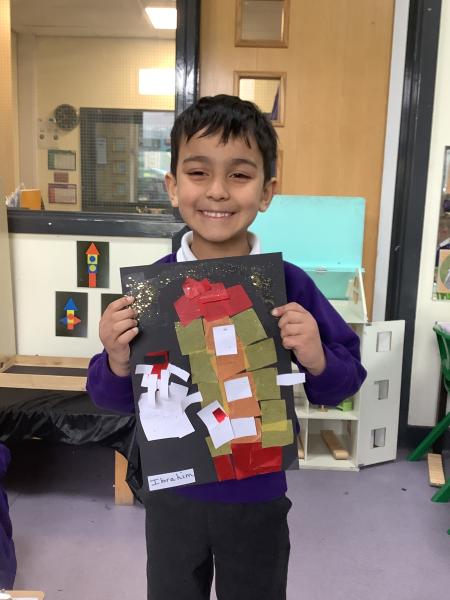
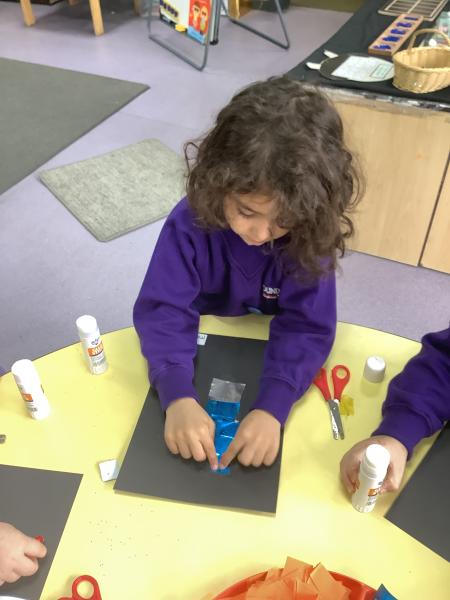
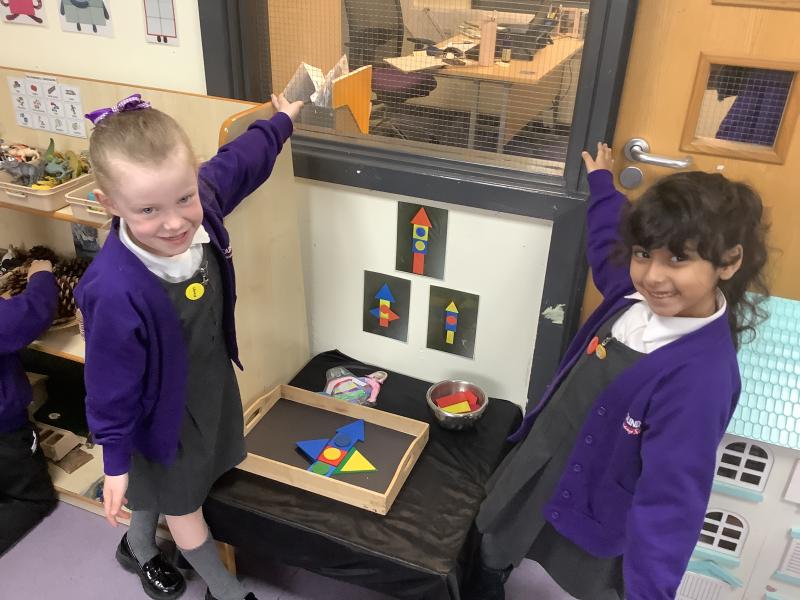
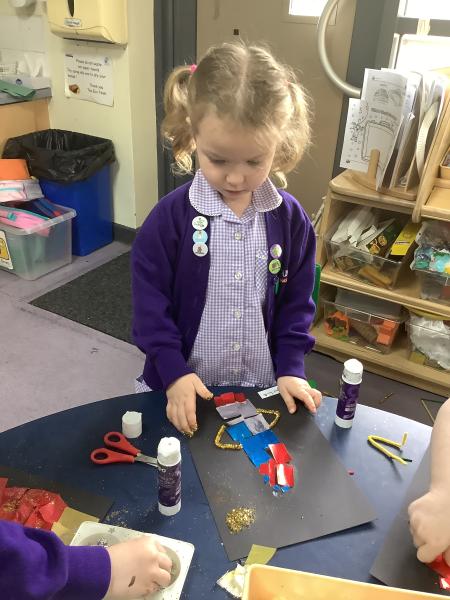
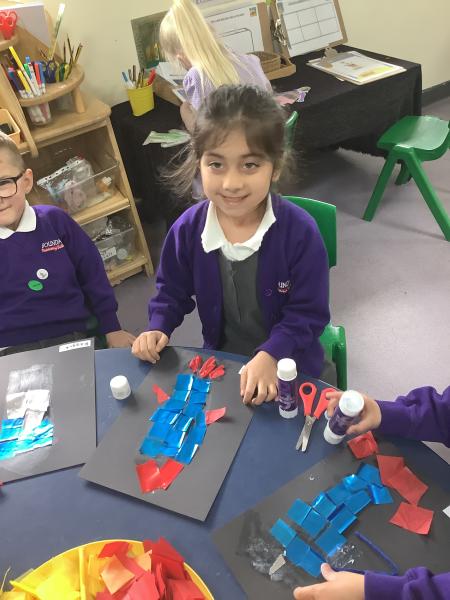
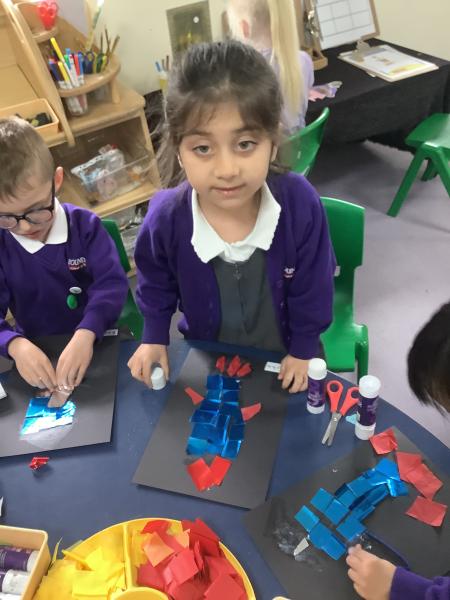
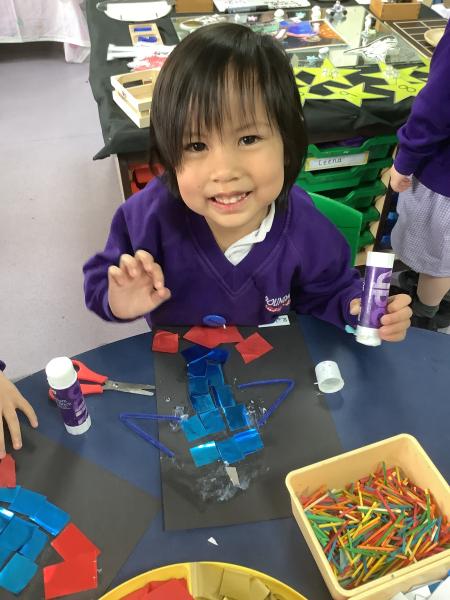
This week the children enjoyed a creative learning experience in the creative area, where they designed and collaged their own space rockets using a wide range of materials. They explored different shapes textures and colours, selecting and combining resources such as paper, card and foil with care and creativity. This activity encouraged the children to think carefully about shape and structure, supporting early mathematical understanding while developing fine motor skills and hand–eye coordination. The open‑ended nature of the task allowed each child to express their ideas freely, resulting in a variety of imaginative and unique designs. Throughout the activity, children demonstrated focus, independence and pride in their work, while confidently talking about the shapes they had used and the choices they had made.