: Blog items
Date: 21st Apr 2026 @ 2:58pm
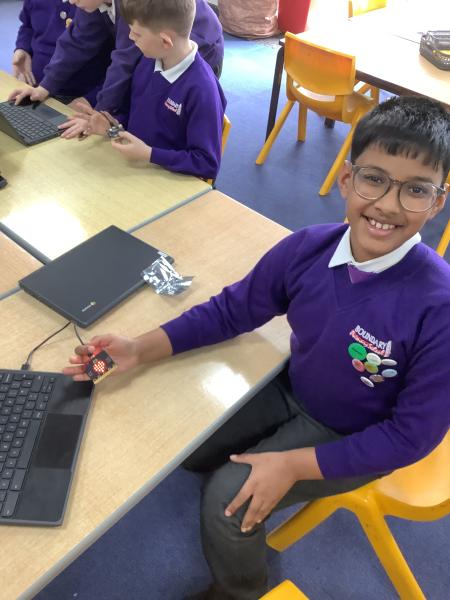
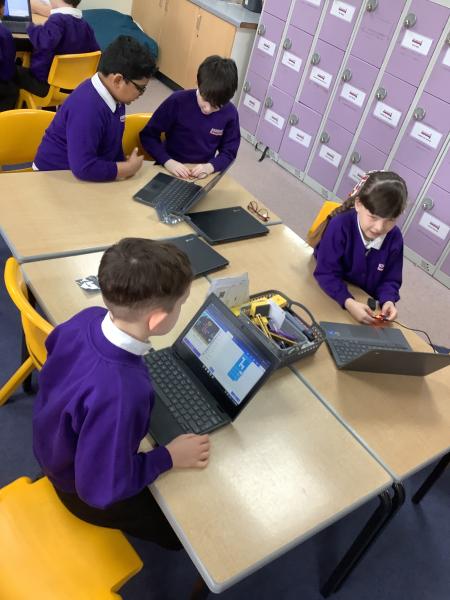
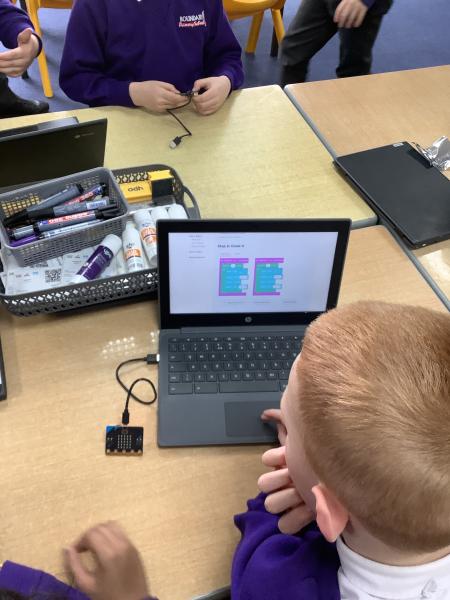
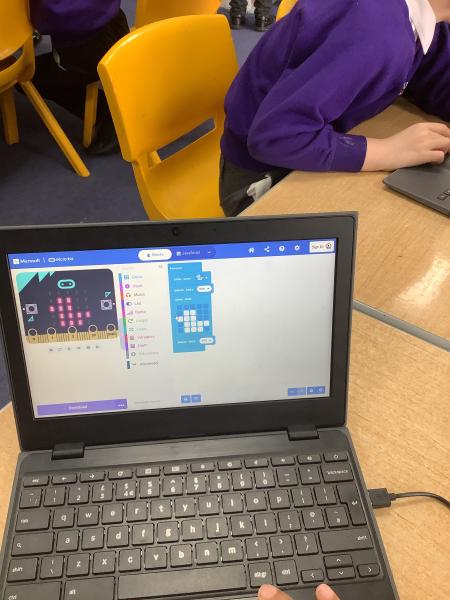
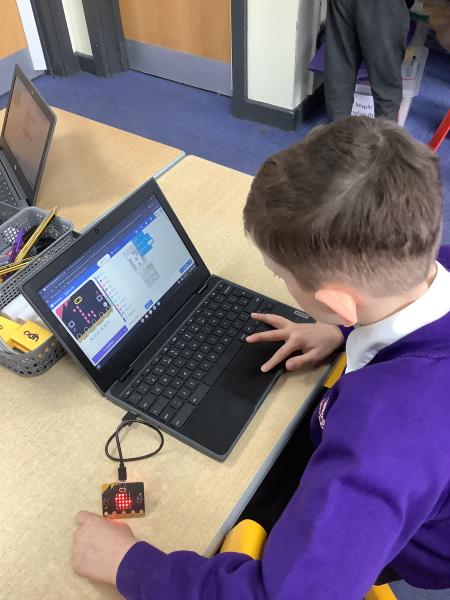
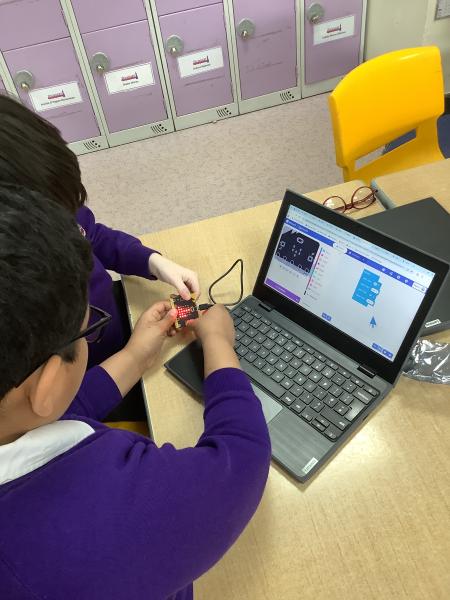
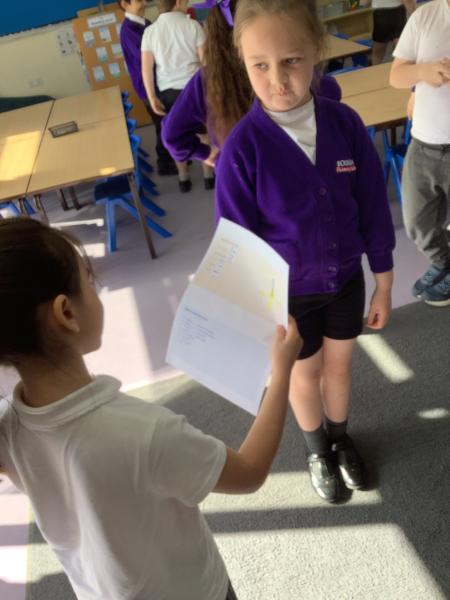
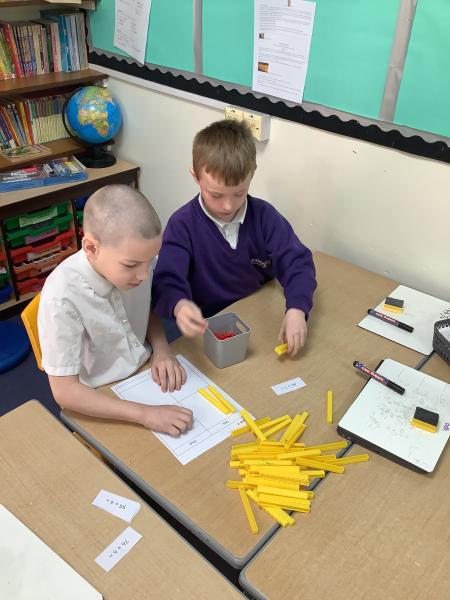
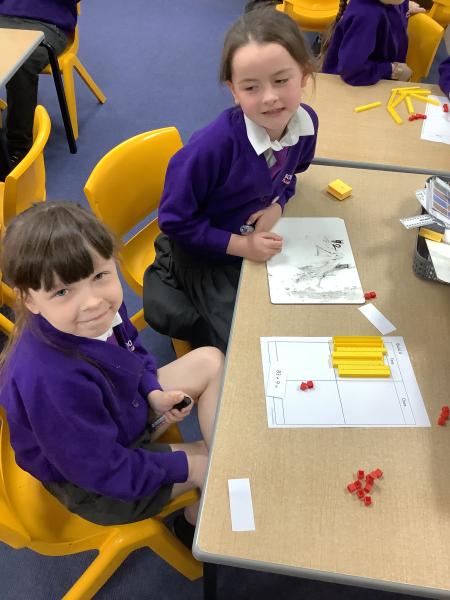
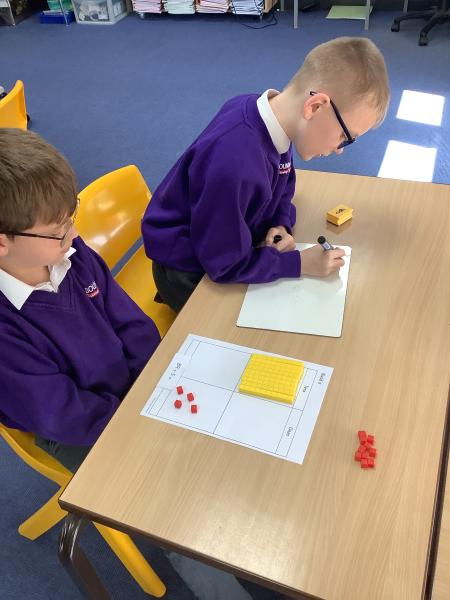
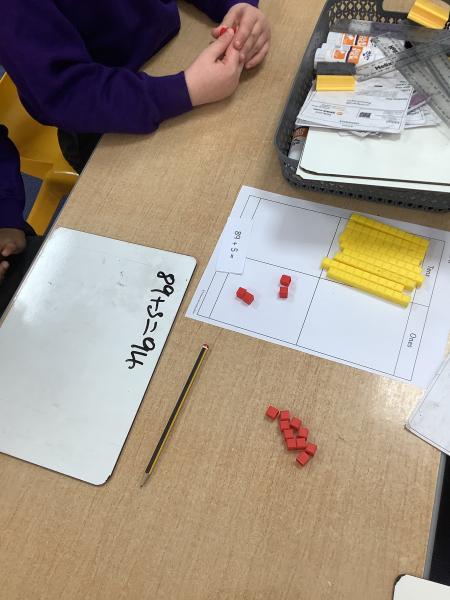
Year 3 and 4 Maths - Adding across 10
Date: 21st Apr 2026 @ 2:52pm
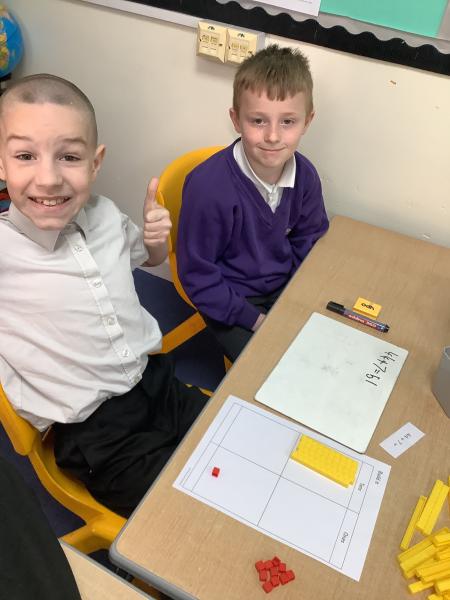
🤖 Year 2 Programming with Beebots 🤖
Date: 21st Apr 2026 @ 10:13am
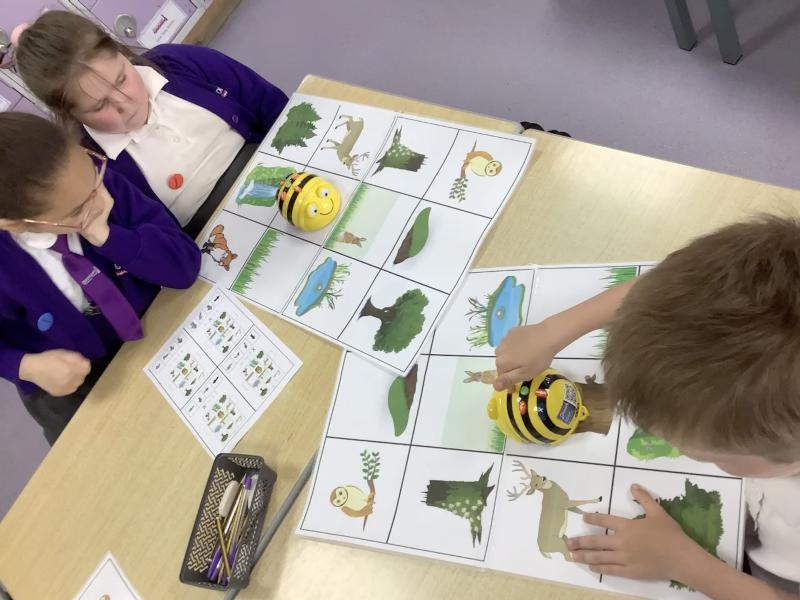
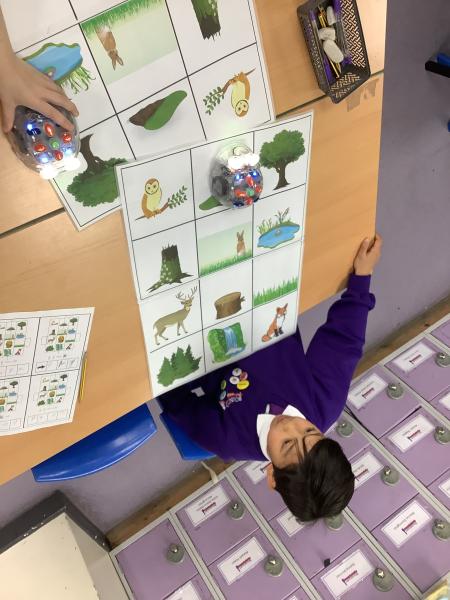
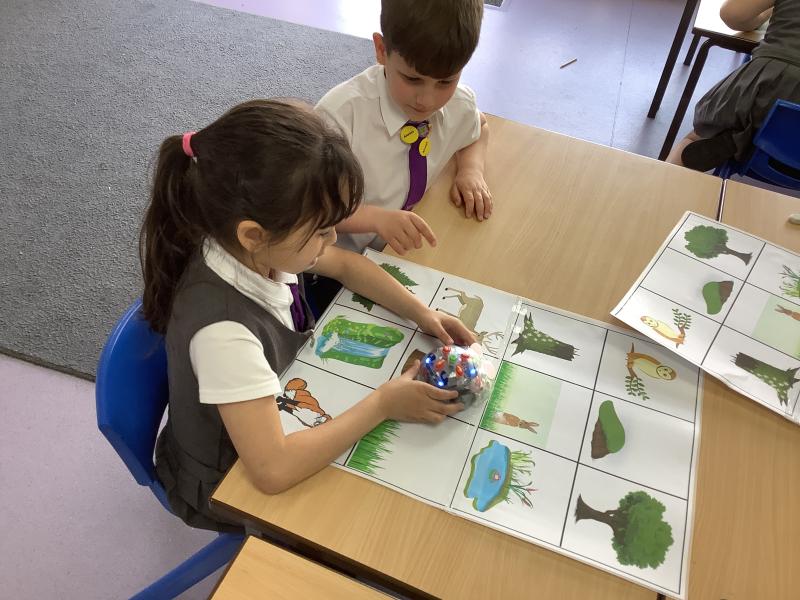
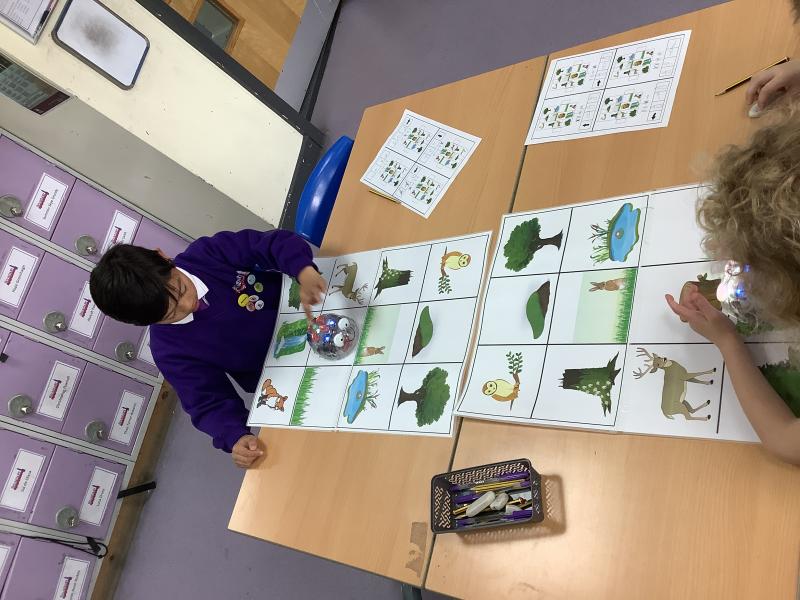
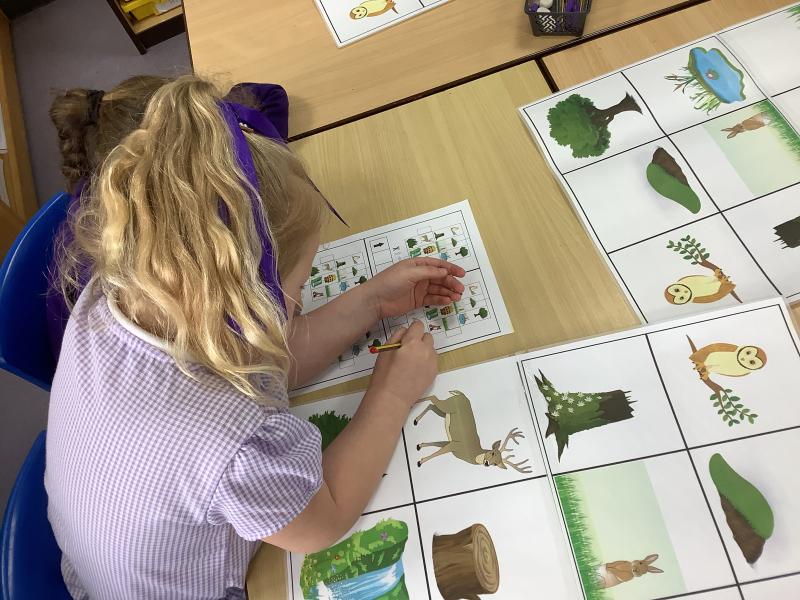
In Year 2, we have been learning how to program Beebots using simple algorithms! The children created short sequences using the commands ‘forwards’, ‘turn left’, and ‘turn right’ ➡️⬅️.
Before pressing go, we worked together to predict where our Beebots would end up on the mat 🧠. We then ran our algorithms to see if our predictions were correct ✔️❌.
It was fantastic to watch the Beebots move and follow the exact sequence the children had programmed 🚀. We really enjoyed testing our ideas, fixing mistakes, and celebrating when the Beebot reached the correct place 🎉😊.
Date: 19th Apr 2026 @ 3:32pm

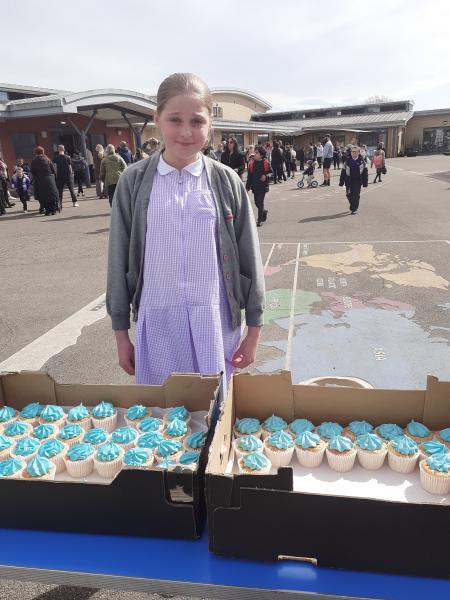
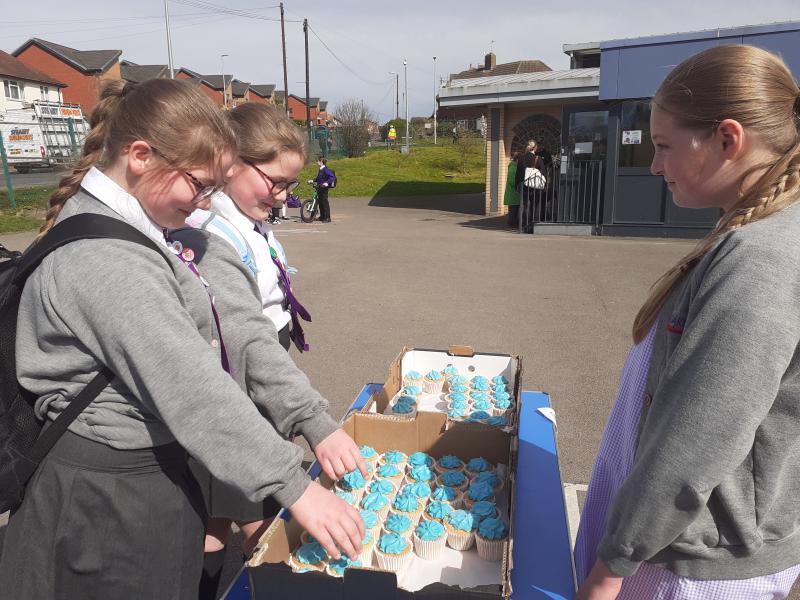
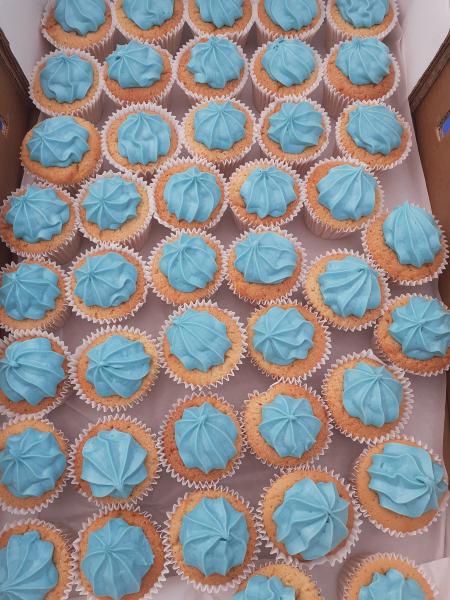
 Thank you to everyone who bought a cake on Friday to support Alder Hey Children’s Charity
  as it is very close to her heart


Date: 16th Apr 2026 @ 8:44pm
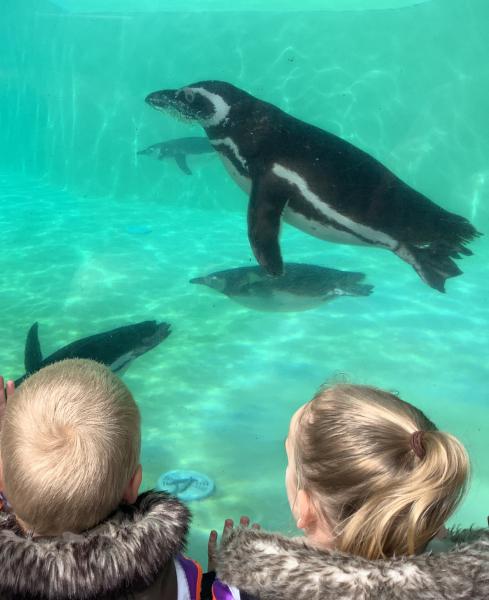
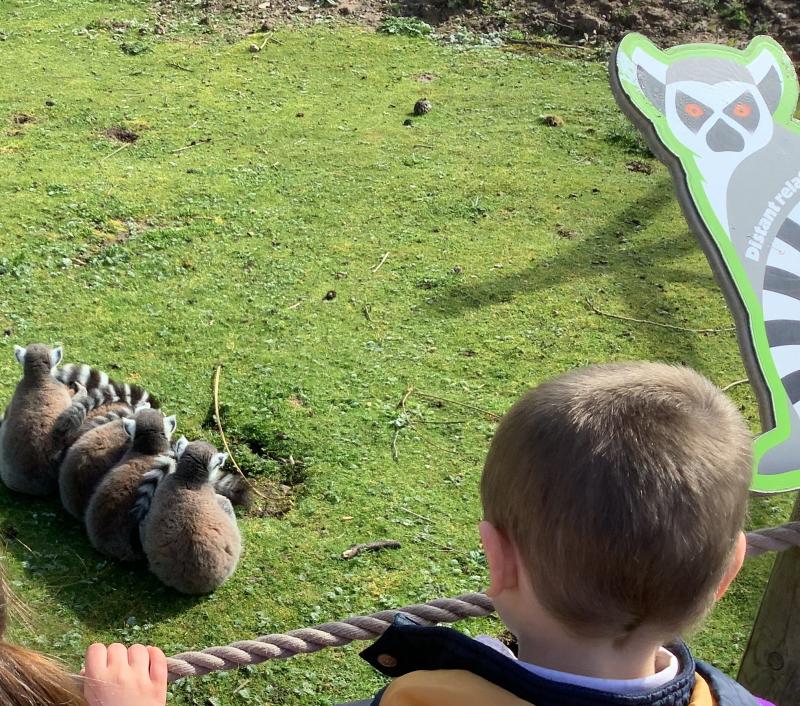
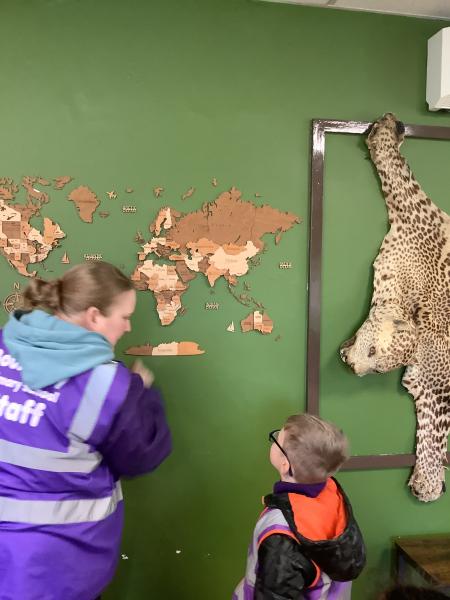
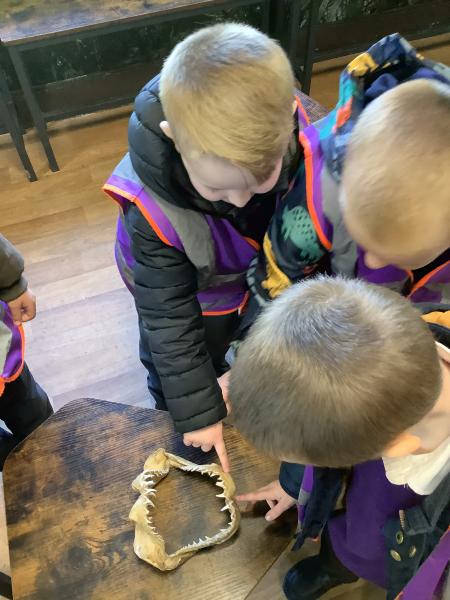
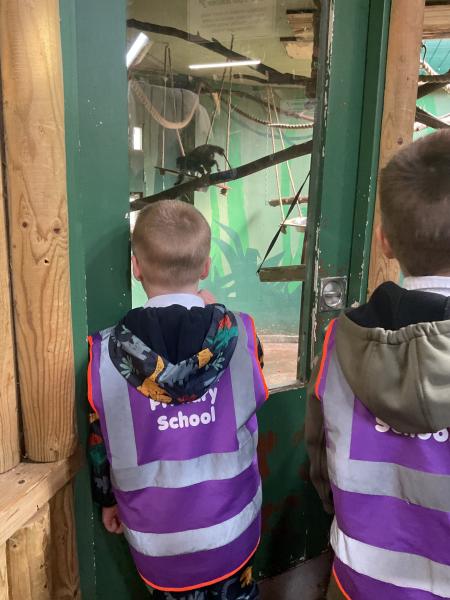
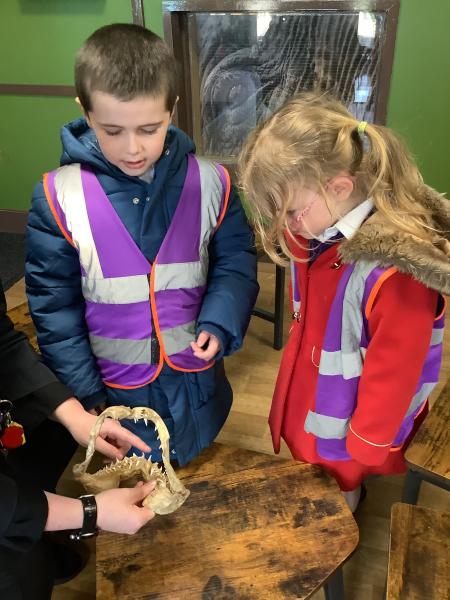
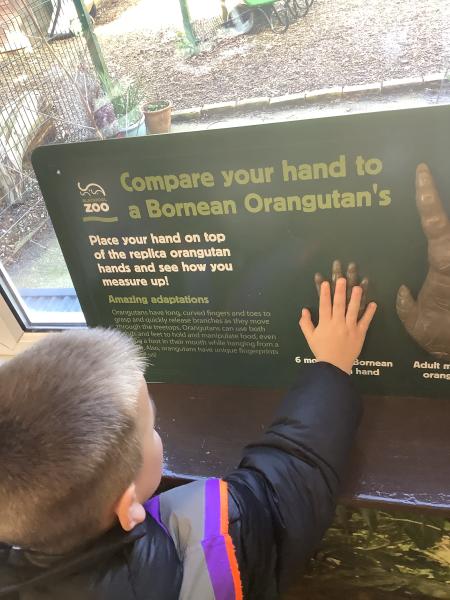
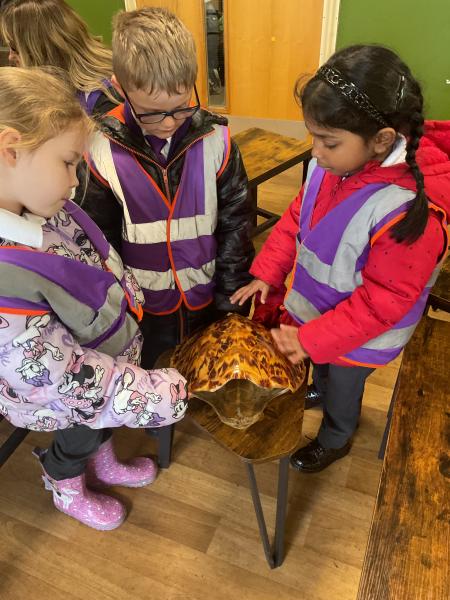
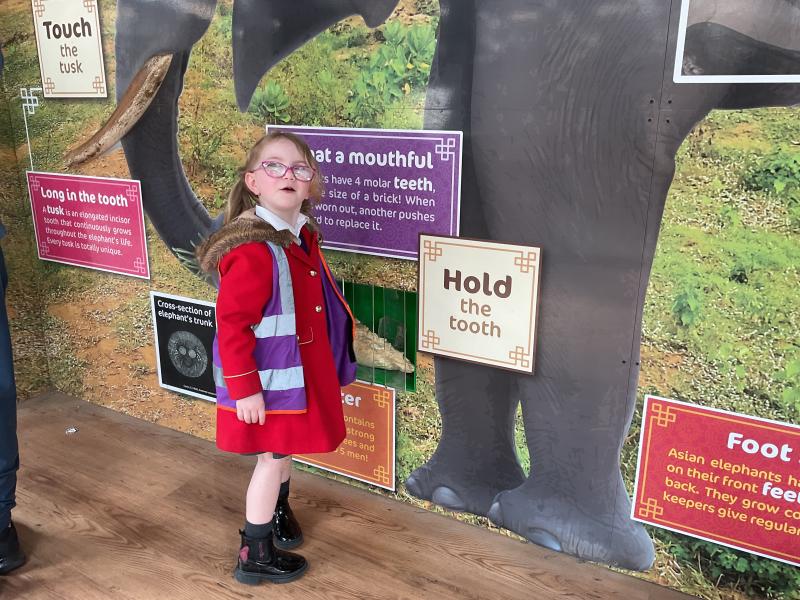
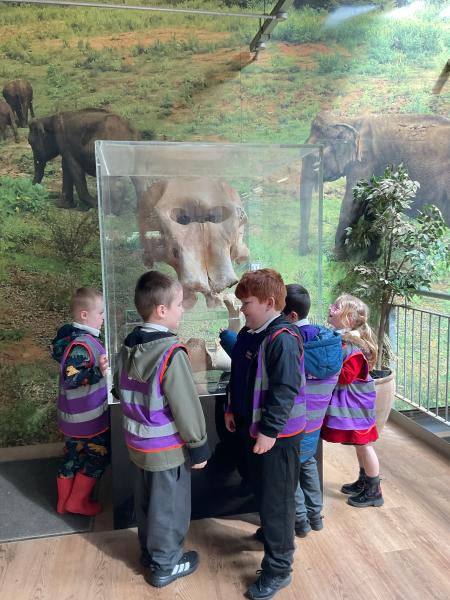
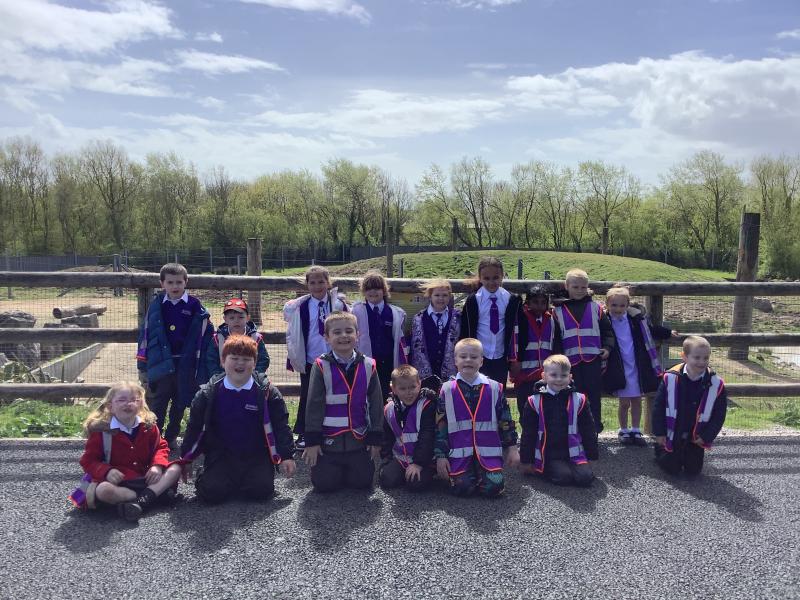
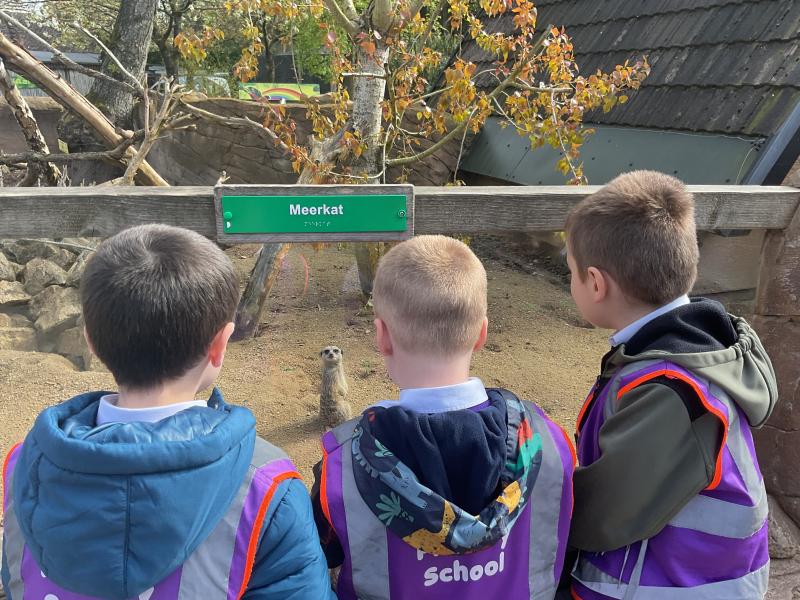
What an amazing day our Year 1 children had on their brilliant trip at Blackpool Zoo! From the moment we arrived, the excitement on the children’s faces said it all. The day was filled with fun, learning, and lots of smiles.
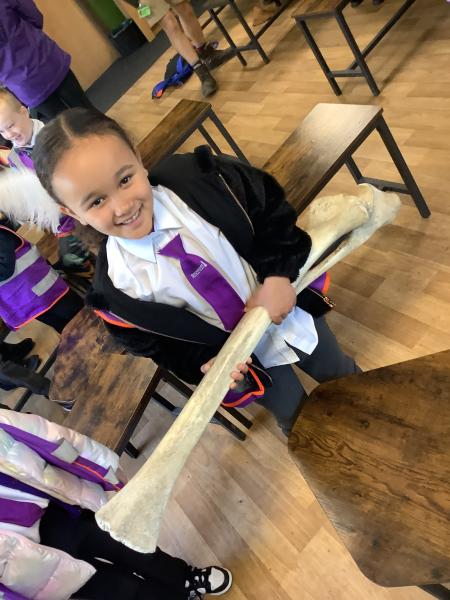
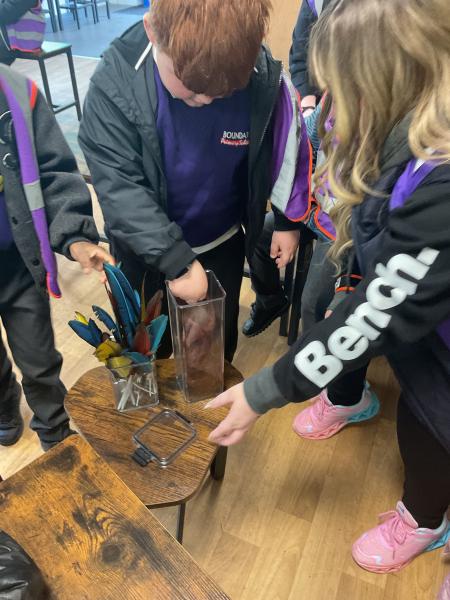
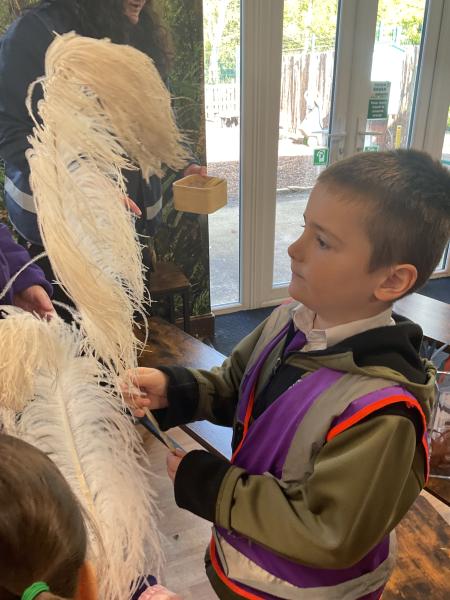
One of the highlights was taking part in the Habitat Workshop, where the children discussed the different habitats and discovered how animals live and survive in their natural homes. They were fascinated by the facts they learned and loved getting the chance to see and touch the different objects.
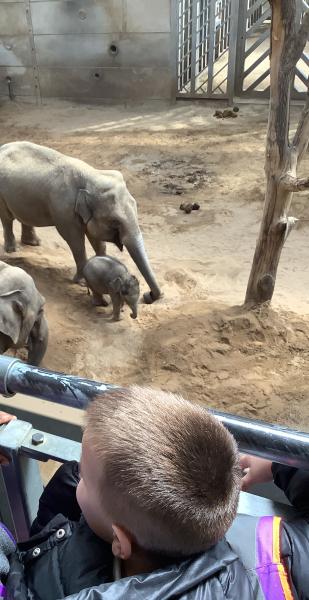
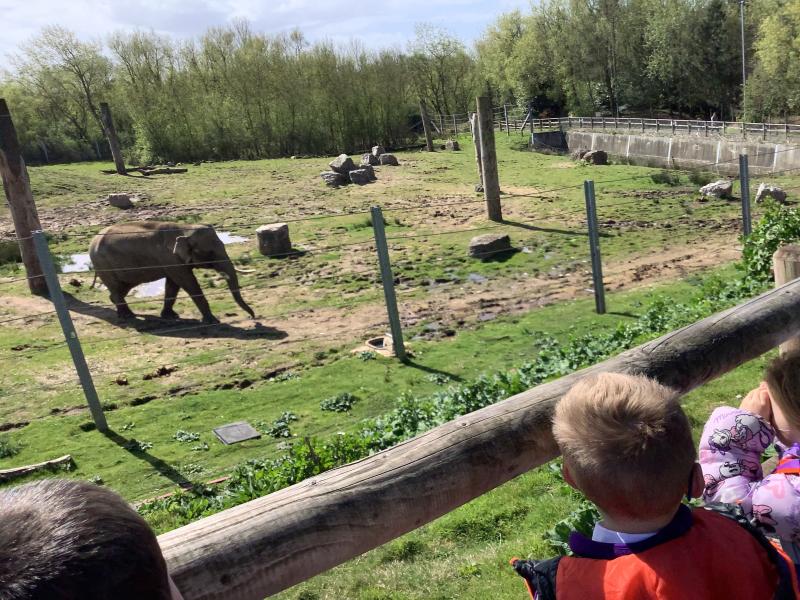
We also enjoyed walking around the zoo and seeing a wide variety of animals. The children were especially amazed by the elephant talk, where we learned about how elephants are cared for, what they eat, and how intelligent they are. Watching them up close was a truly unforgettable experience.
Another favourite part of the day was the sea lion show. The children couldn’t stop laughing and clapping as the sea lions performed their tricks and showed off their skills.
It was a busy and exciting day, full of wonderful memories that we will treasure for a long time. By the end of the trip, everyone was happily tired, but it was definitely a day to remember!
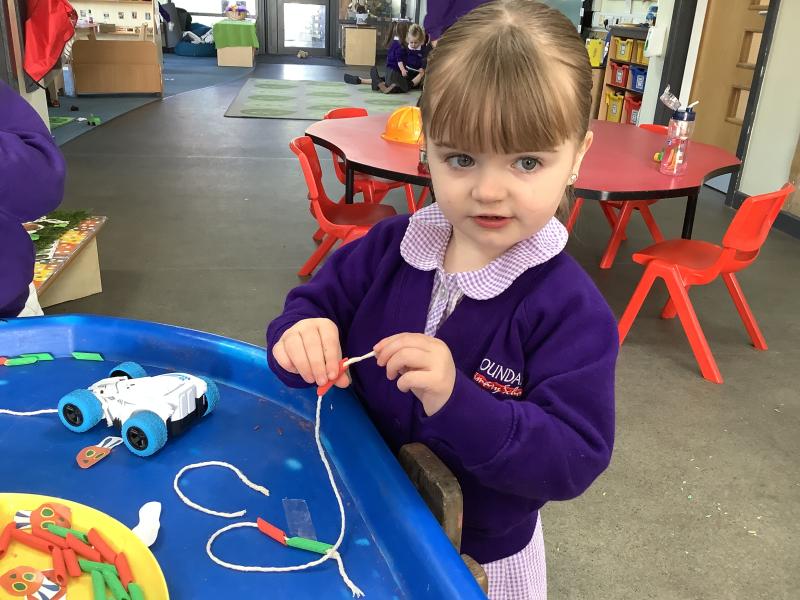
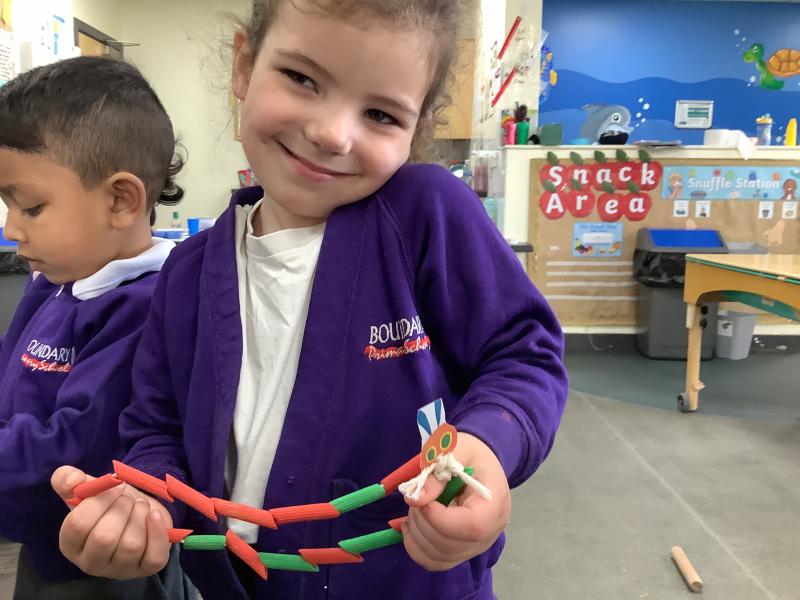
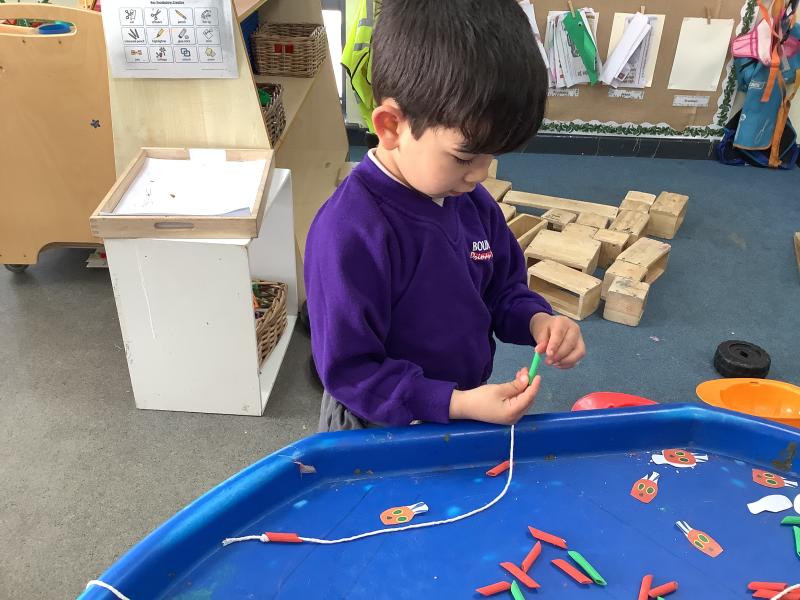
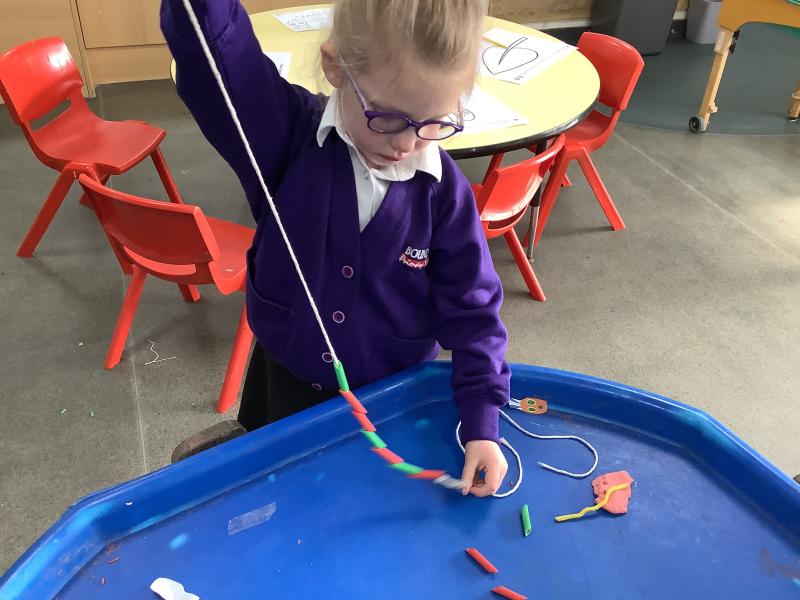
Nursery Do Some Tricky Threading
Date: 16th Apr 2026 @ 5:14pm
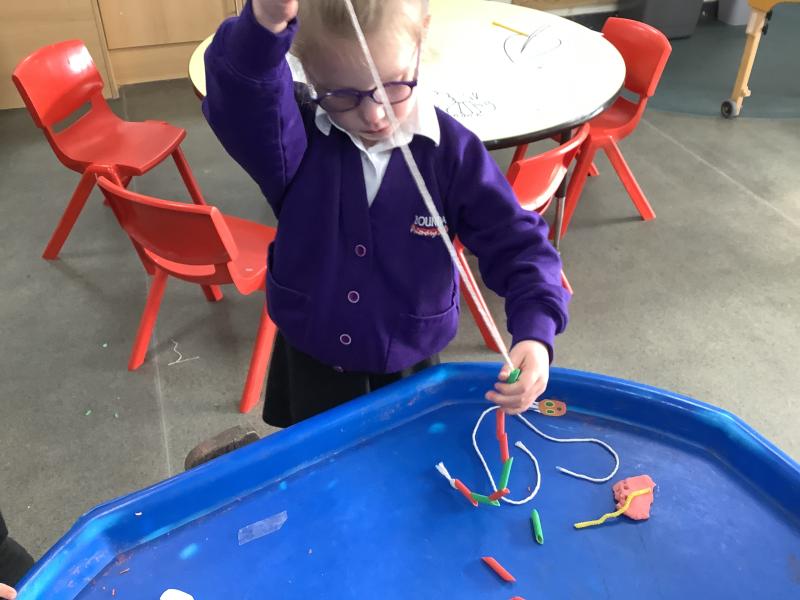
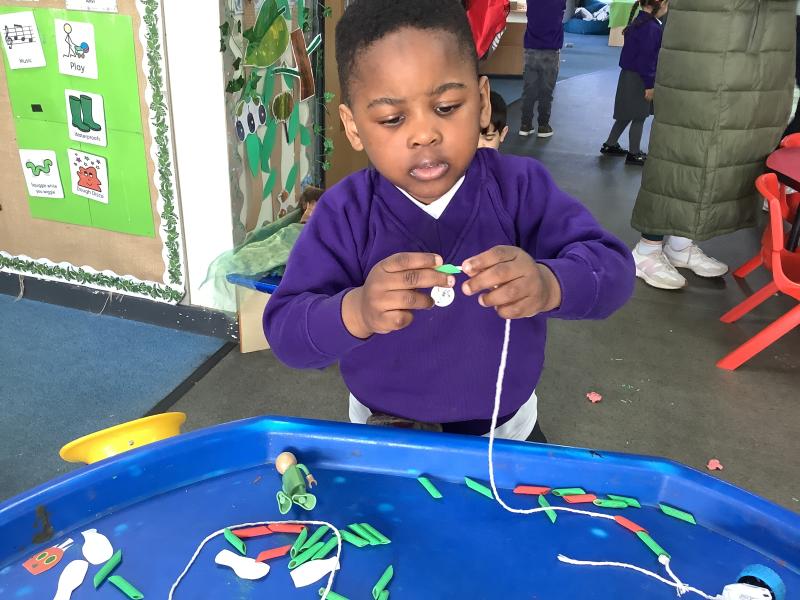
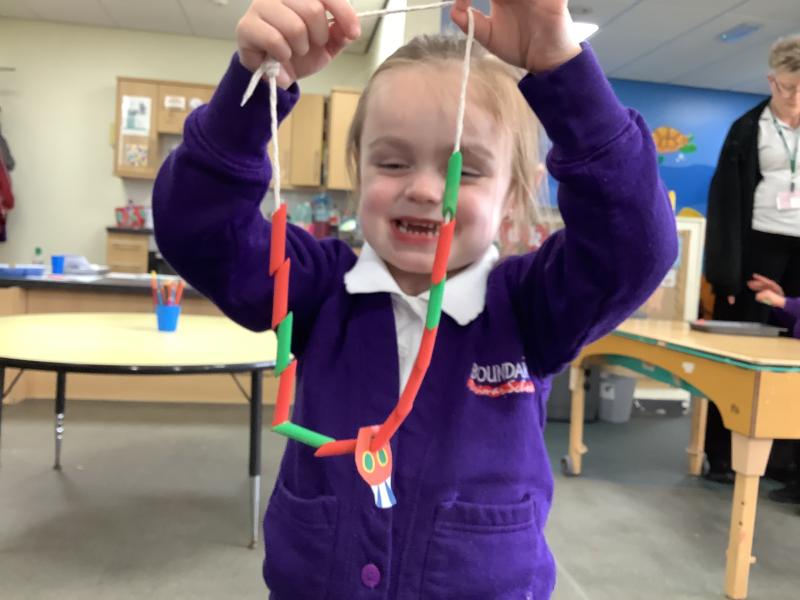
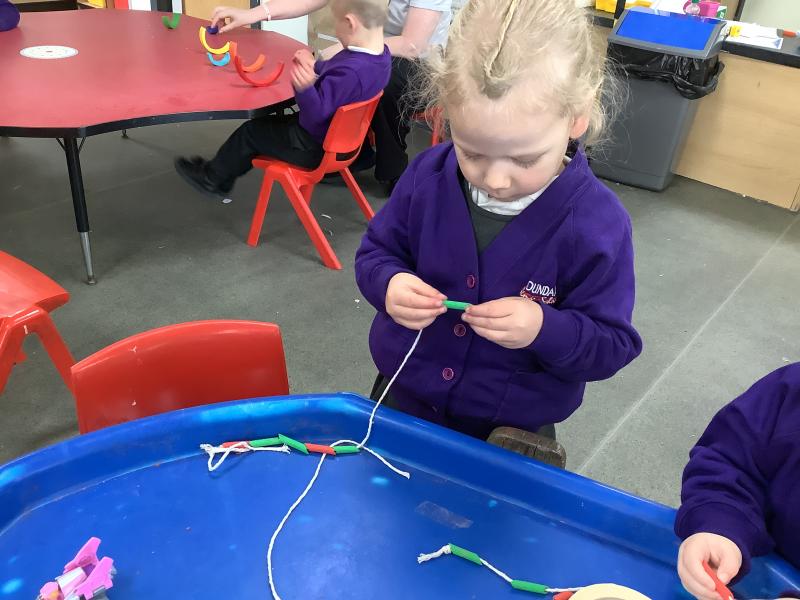
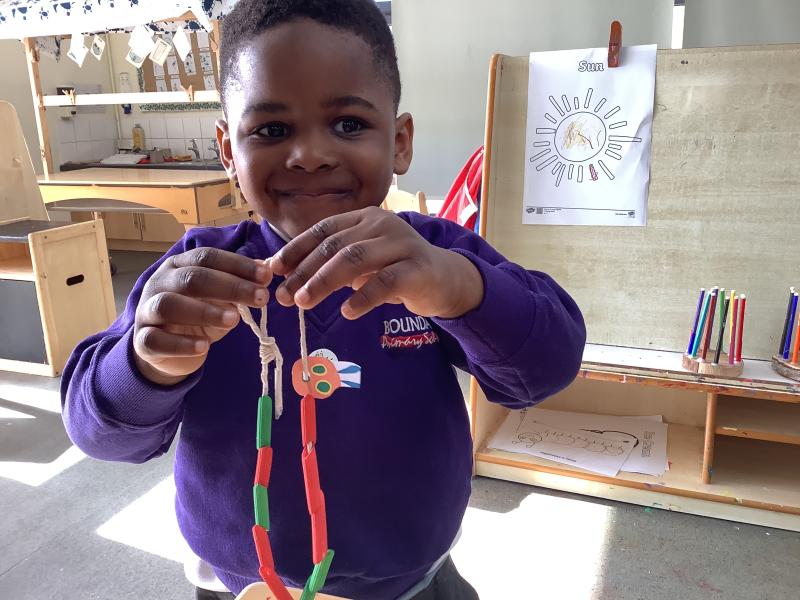
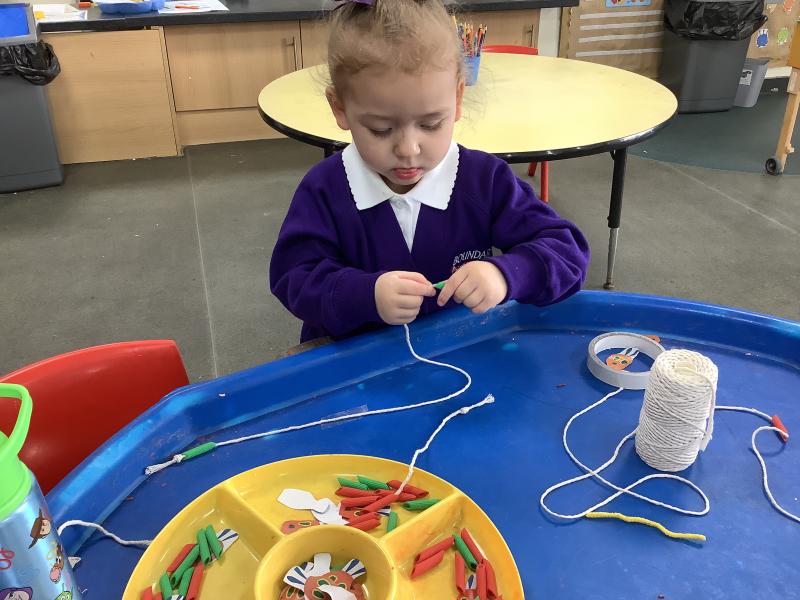
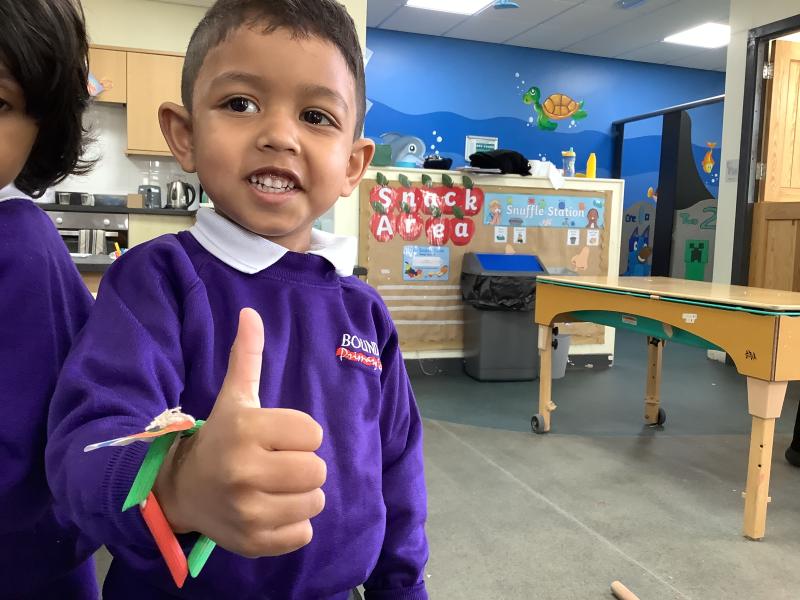
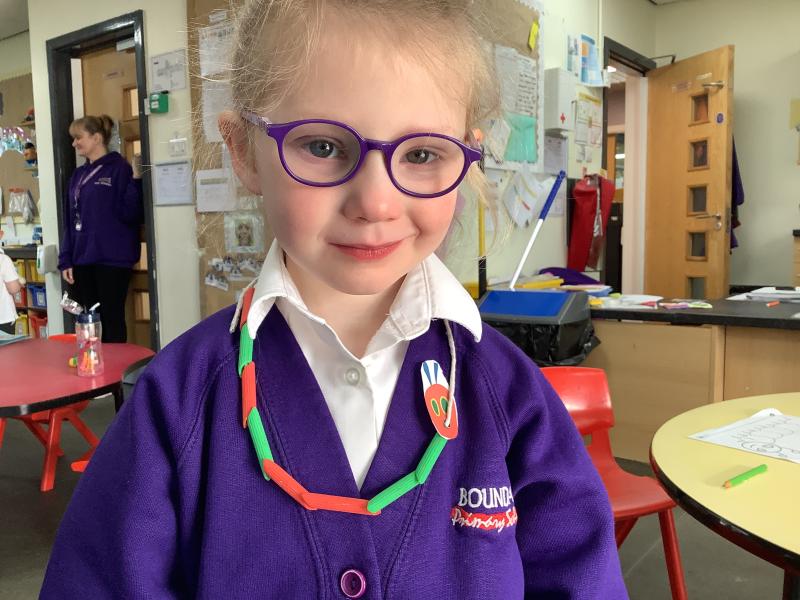
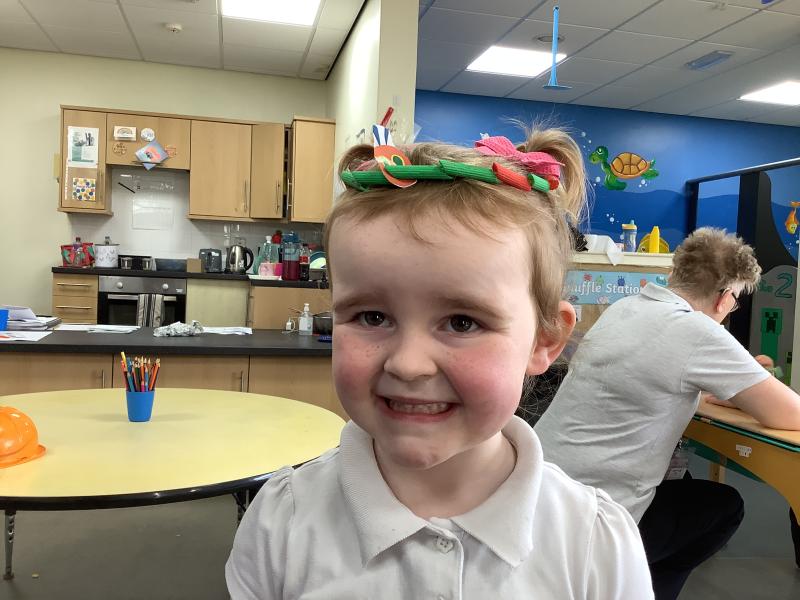
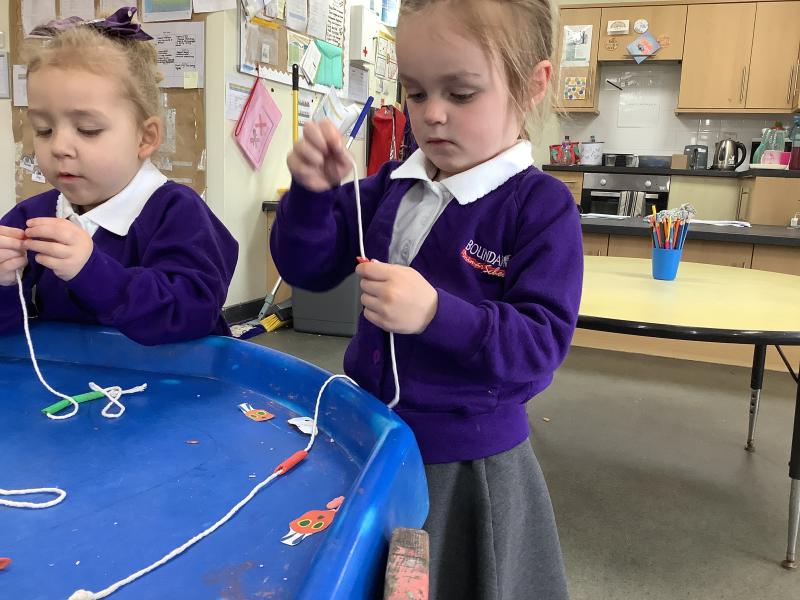
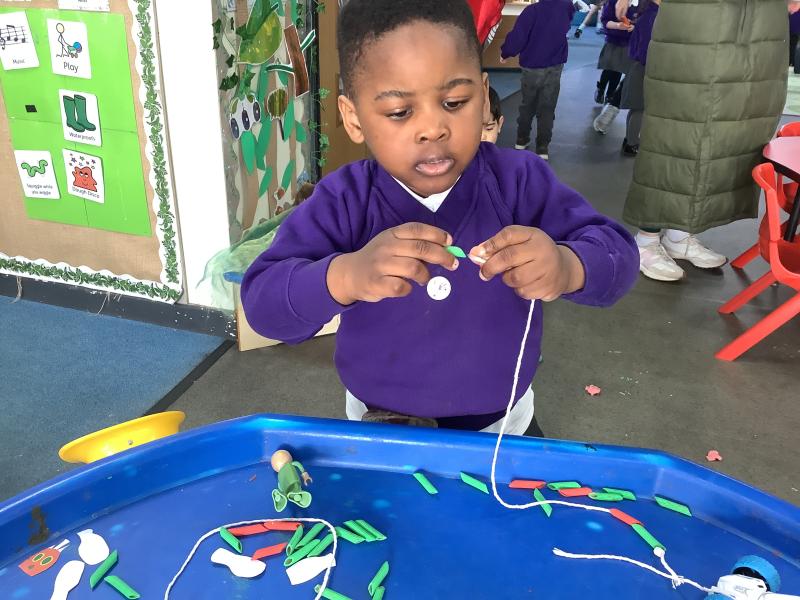
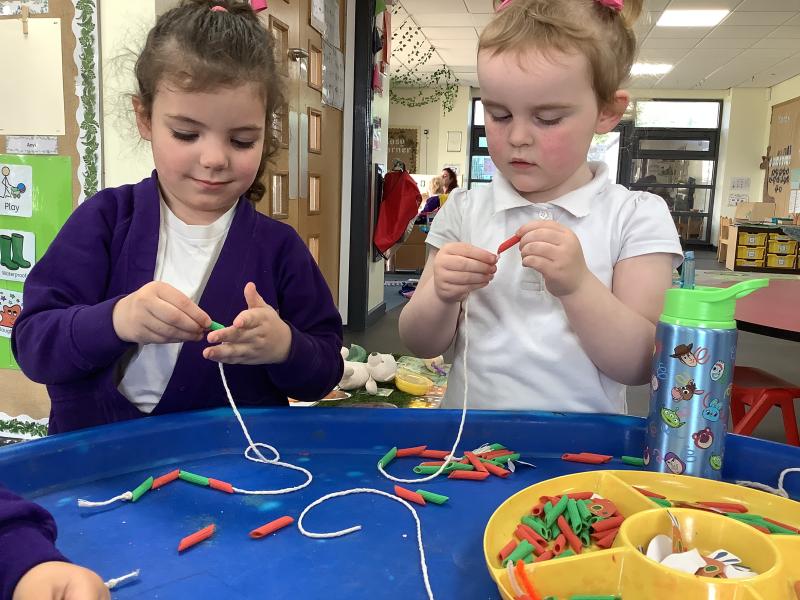
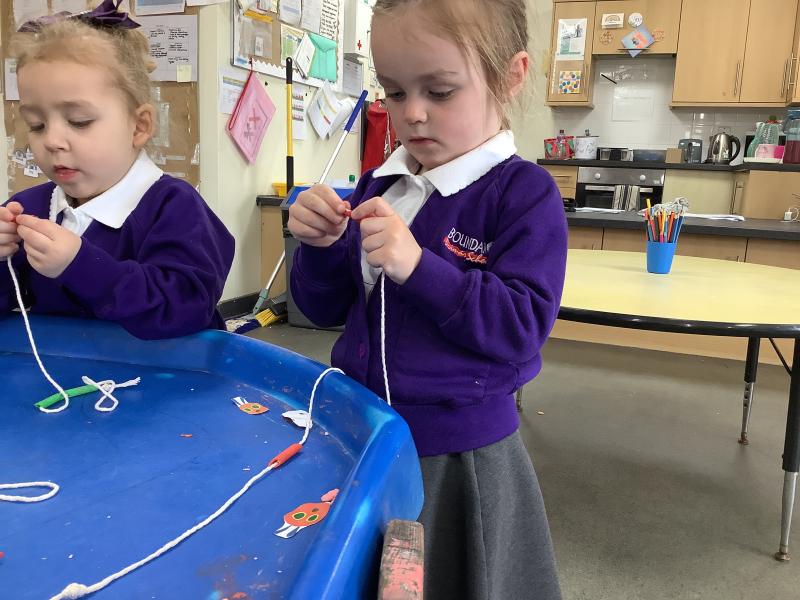
As part of our Hungry Caterpillar topic, Nursery children had lots of fun making their own caterpillar necklaces. They carefully threaded pieces of pasta onto string, which was a great way to practise their fine motor skills.
The children also counted how many pieces of pasta they used, combining creativity with early maths skills. They were very focused and proud of their colourful caterpillar necklaces — well done, Nursery!
Date: 16th Apr 2026 @ 5:10pm
Date: 16th Apr 2026 @ 2:22pm
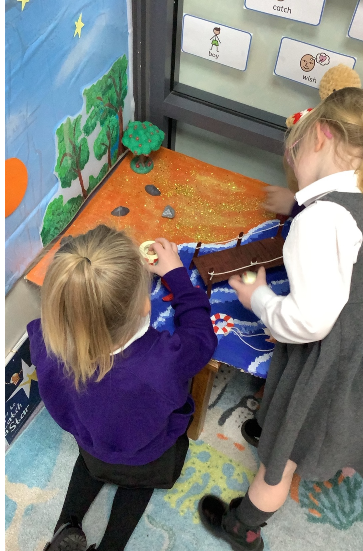
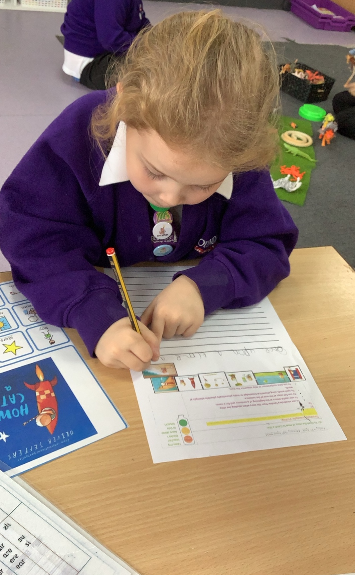
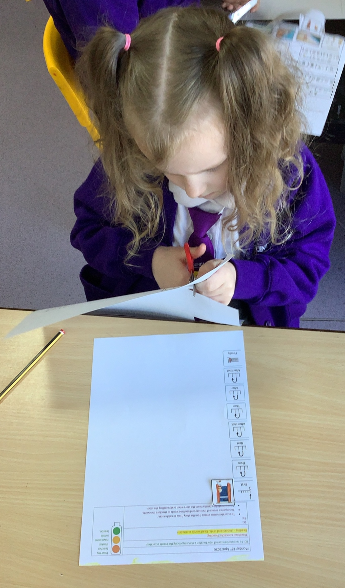
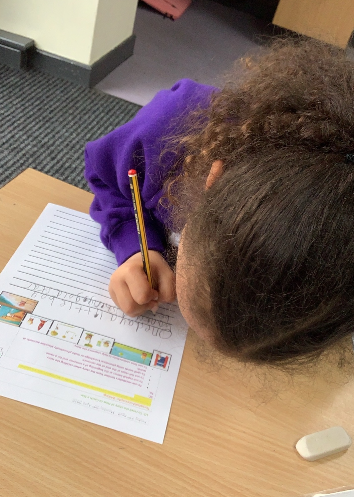
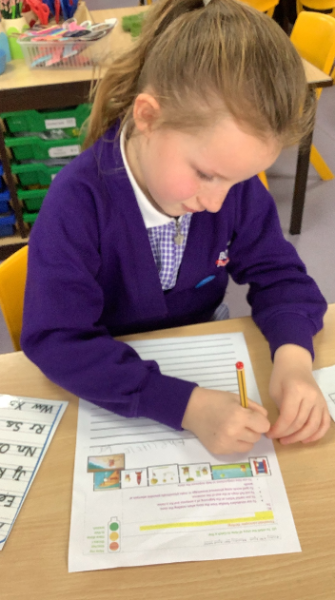
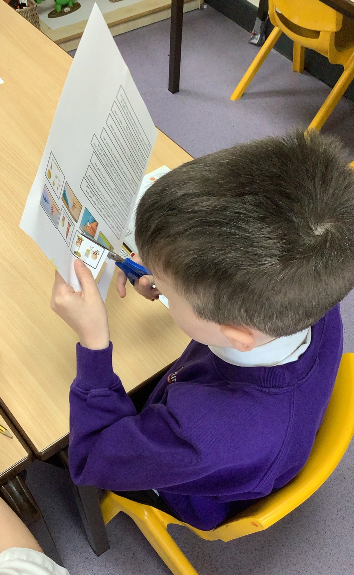
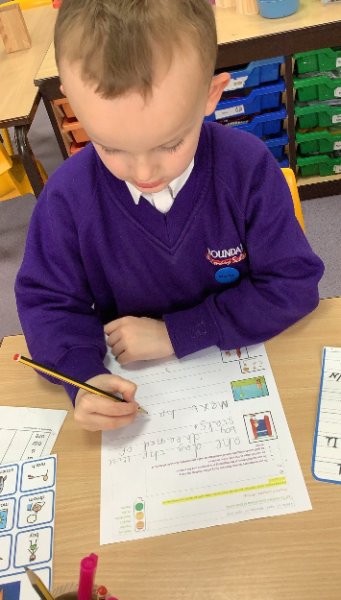
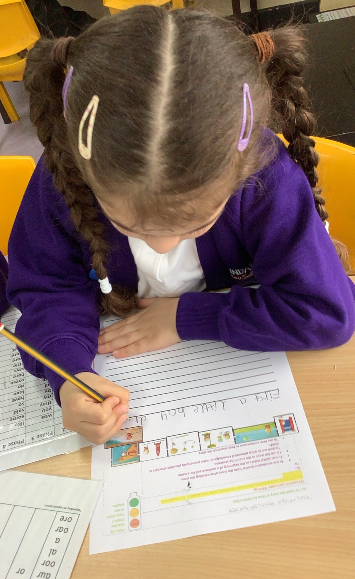
This half term in Year One, we have begun reading How to Catch a Star. The children have already shown great enjoyment and enthusiasm for the story.
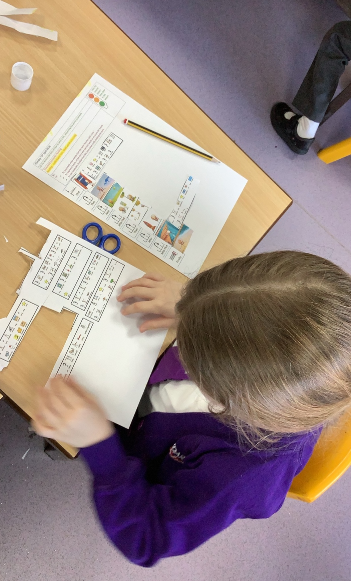
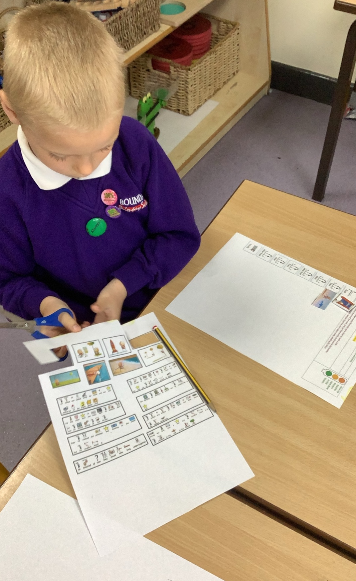
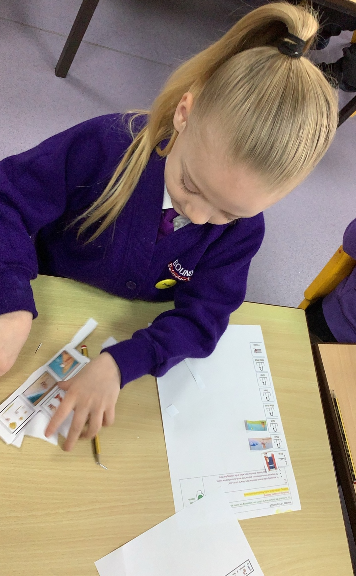
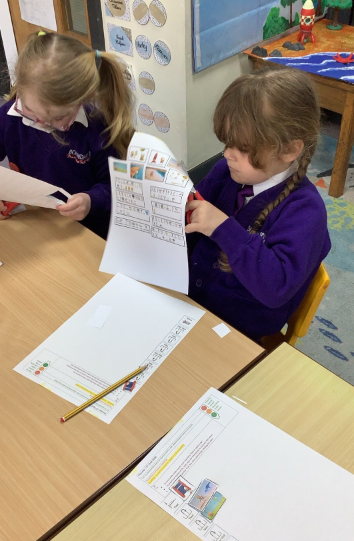
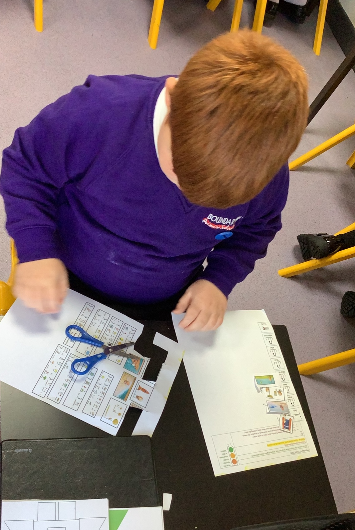
So far, we have been retelling the story in our storytelling corner, using props and role play to help bring it to life. We have also been sequencing the story by matching sentences to the correct parts, helping the children to develop their understanding of beginning, middle and end. The children have enjoyed retelling the story in their own words, sharing their ideas and interpretations with confidence.
We are looking forward to continuing our learning and exploring the story further over the coming weeks.
Date: 16th Apr 2026 @ 2:20pm
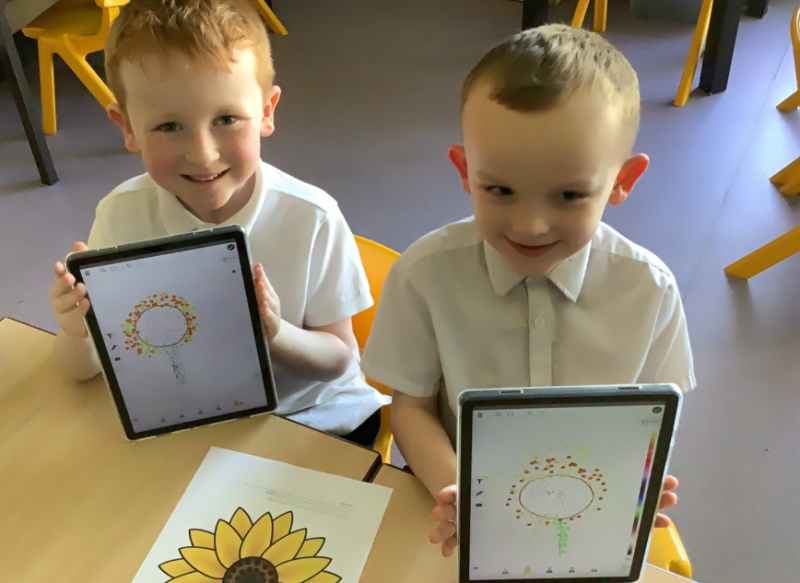
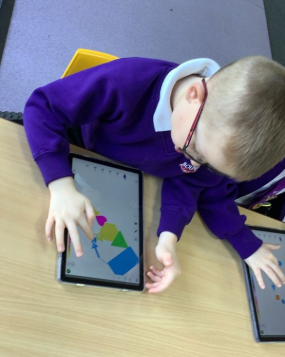
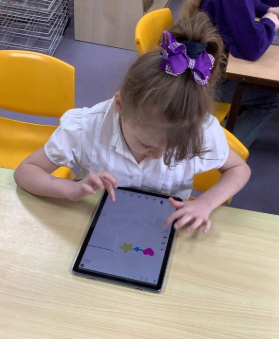
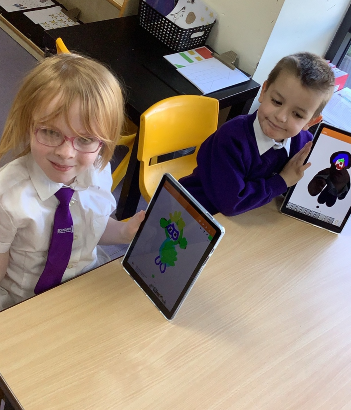
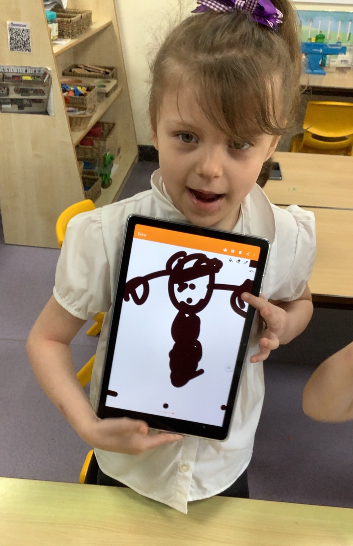
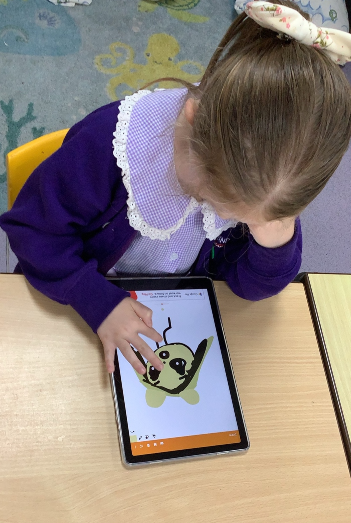
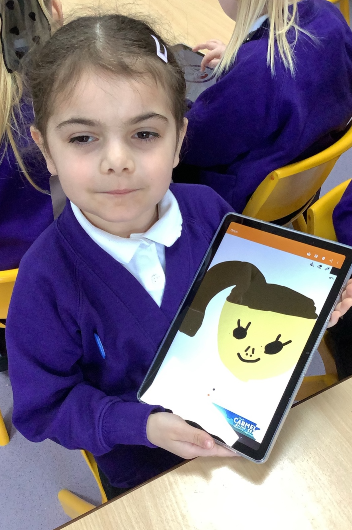
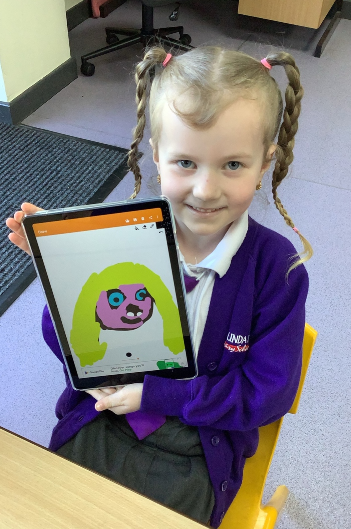
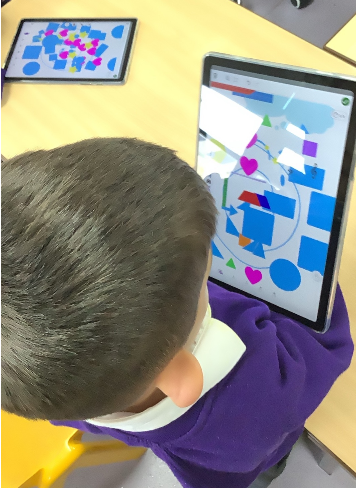
This half term term in Year One, we have been exploring digital painting and learning how technology can be used as a creative art tool. The children have enjoyed discovering how drawing programmes on tablets can help them create pictures in exciting new ways, while still using many of the skills they practise in traditional art lessons.
We began by learning how to use simple drawing tools to create digital self‑portraits. The children explored using different brushes, colours and lines, and learned how to undo mistakes and try again. This helped to build confidence and encouraged them to experiment freely, just as they would when drawing with pencils and crayons.
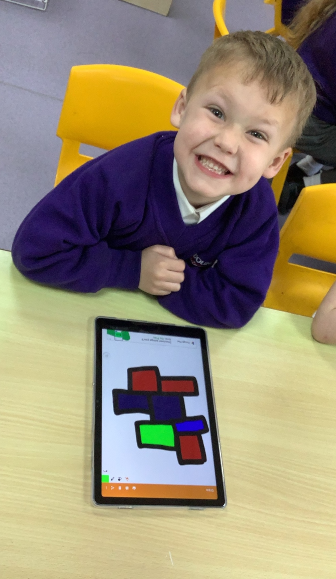
Next, we explored shape and colour by creating artwork inspired by Piet Mondrian. Using the drawing programmes, the children practised drawing straight lines and shapes, then quickly filling them with bold primary colours using the fill tool. This activity helped the children understand how digital tools can make some processes faster, while still requiring careful choices and creativity.
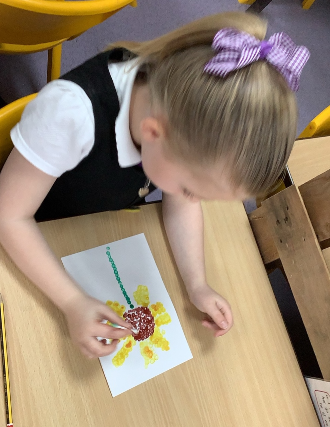
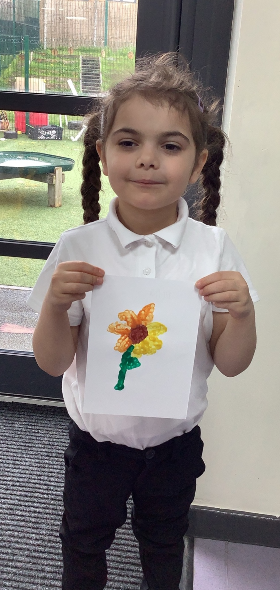
Finally, we explored pointillism by creating artwork both on paper and on tablets. The children used small dots to build up pictures and then compared the two methods. We talked about which one they preferred and why. Some children enjoyed the tactile feel of paint and paper, while others liked how quickly they could work digitally and easily change colours.
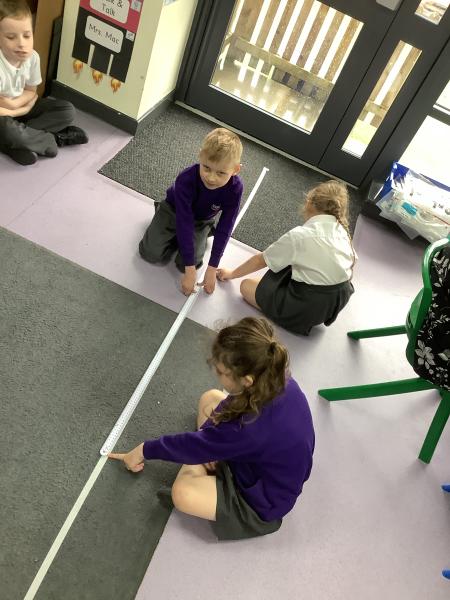
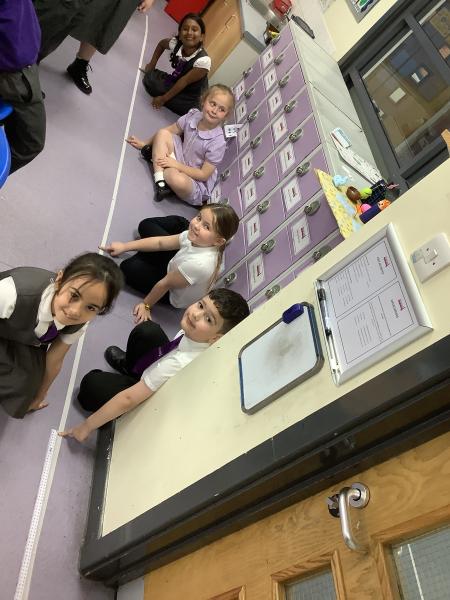
Year Two- Measuring in metres!
Date: 16th Apr 2026 @ 10:25am
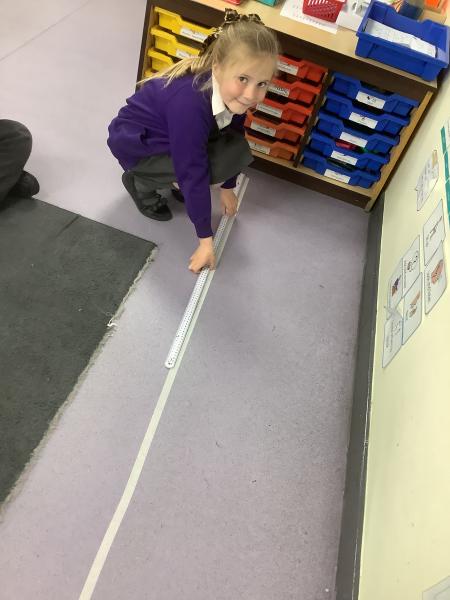
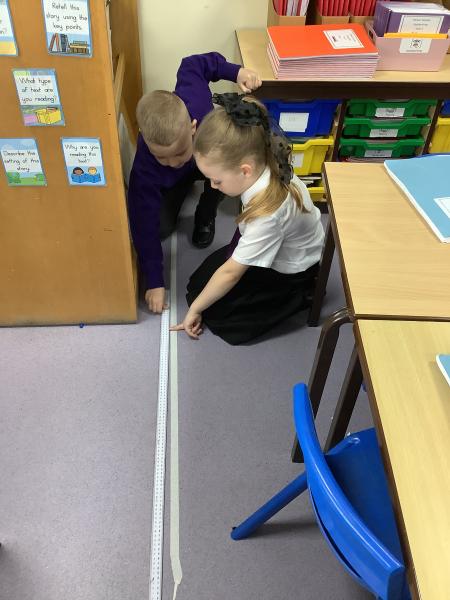
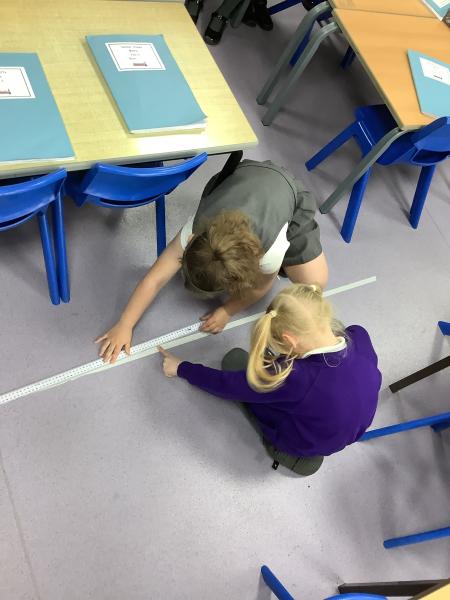
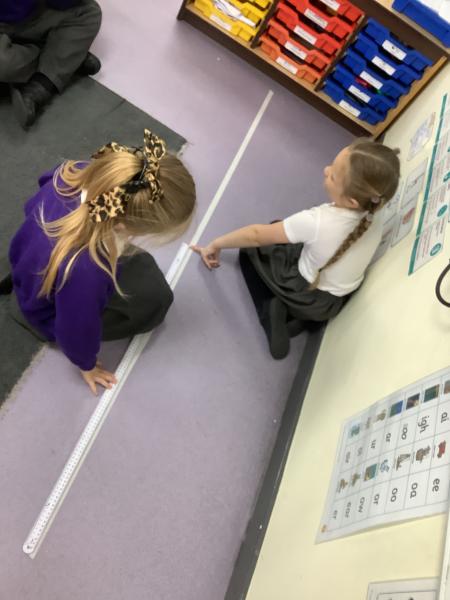
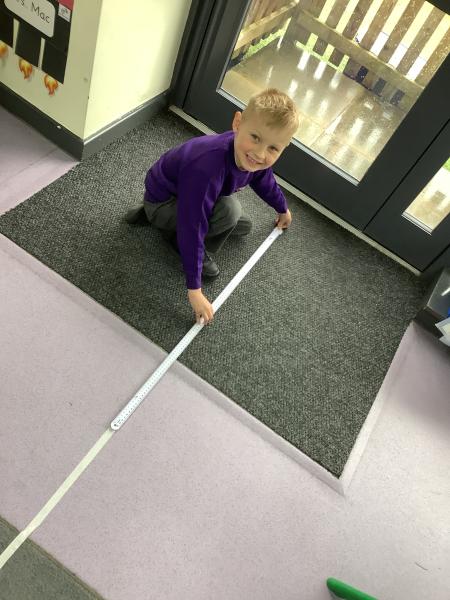
In this lesson we looked at measuring in metres. We used a metre stick to measure a range of different lines to find out the length. We thought about how we use a metre ruler and thinking about starting at 0.
Date: 16th Apr 2026 @ 9:14am
🌱 Our New RE Journey: What Is a Good Life?
Year 6 have started a new RE unit learning about 🧘 Buddhism, based around the big question:
❓ What do we mean by a good life?
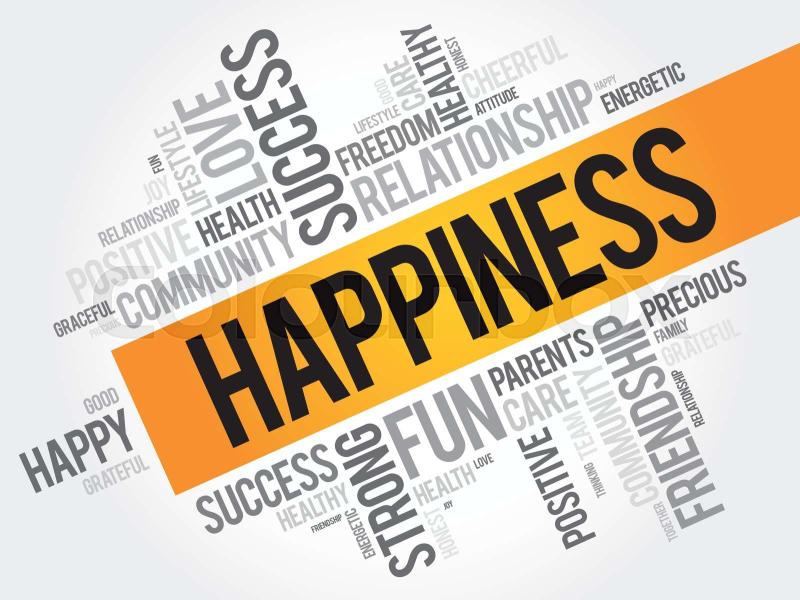
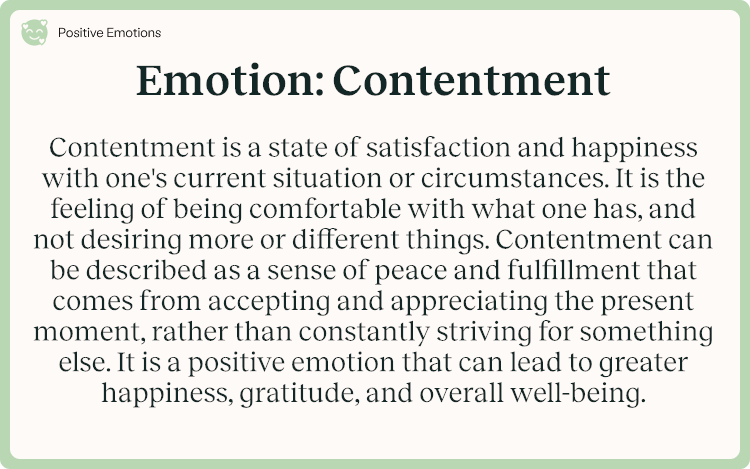
We began by thinking about 😊 happiness and 😌 contentment. Happiness can feel exciting but doesn’t always last. Contentment is a calmer feeling—being satisfied with what we already have.
We also talked about 🧠 wants and ❤️ needs. Needs are things we must have, like food and shelter. Wants are things we would like to have. We noticed that always wanting more 🛍️ can sometimes stop us from feeling truly happy.
This links closely to Buddhist beliefs ☸️. Buddhists teach that constant wanting can lead to unhappiness, and that a good life is about understanding ourselves, being kind ✨, and finding inner peace 🕊️.
As the unit continues, we’ll explore how Buddhism encourages people to live wisely and contentedly—and what this might mean for our own lives today 🌍.

Date: 16th Apr 2026 @ 8:06am
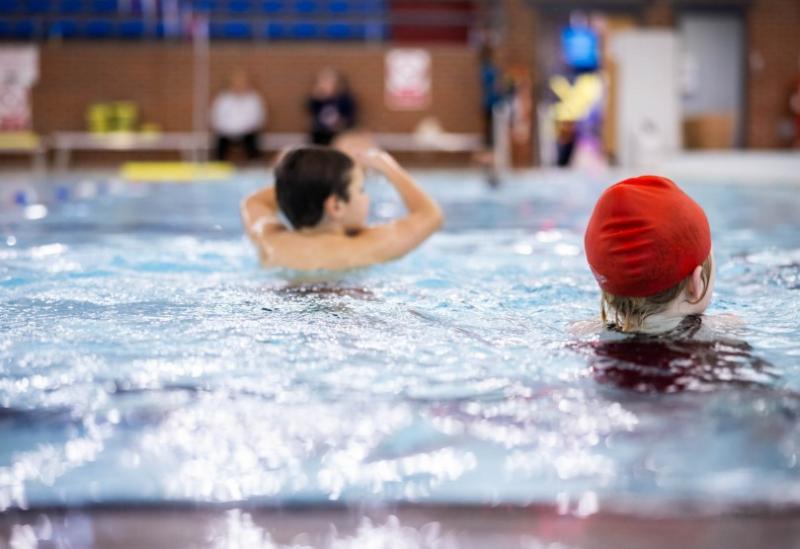
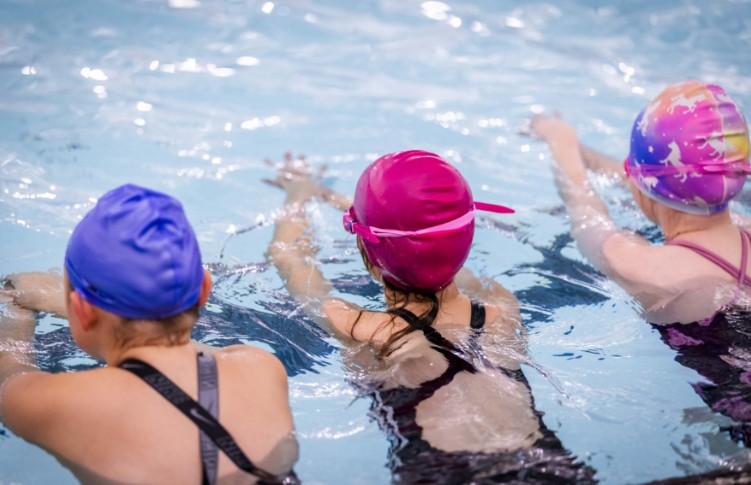
Year 4 pupils are taking part in weekly swimming lessons delivered by the Active Blackpool School Swimming Service at Moor Park Sports Centre. Swimming is an essential life skill and a statutory part of the primary PE curriculum, and these sessions provide pupils with high‑quality, professional instruction in a safe and supportive environment.
The lessons are led by qualified swimming teachers from Active Blackpool, who help pupils develop water confidence, improve swimming technique, and practise important water‑safety skills. Children are grouped according to ability so that they can be appropriately supported and challenged at each stage of their learning. Skills being developed include floating, breathing control, stroke technique, and safe pool behaviour.
Pupils have shown excellent enthusiasm, resilience, and independence during their sessions and are already making great progress. The programme also encourages children to build confidence and fitness while working cooperatively with others.
We are very proud of Year 4’s positive attitude and behaviour during their visits to Moor Park and look forward to seeing their swimming skills continue to improve with Active Blackpool’s support.
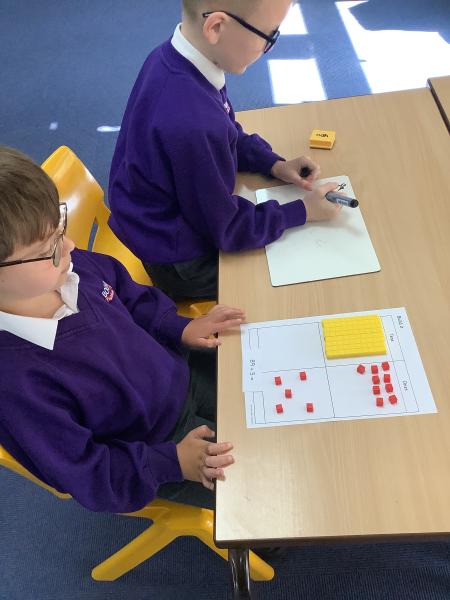
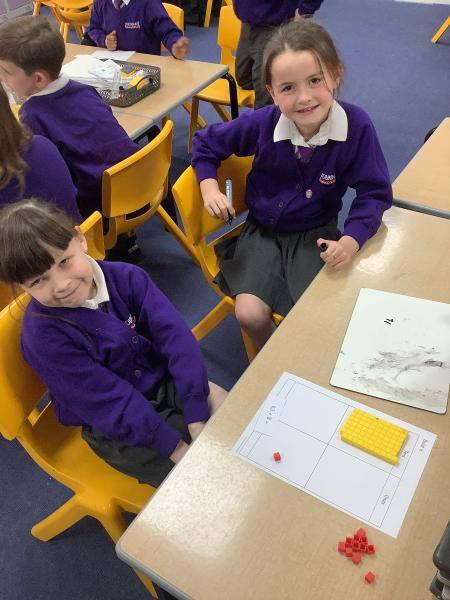
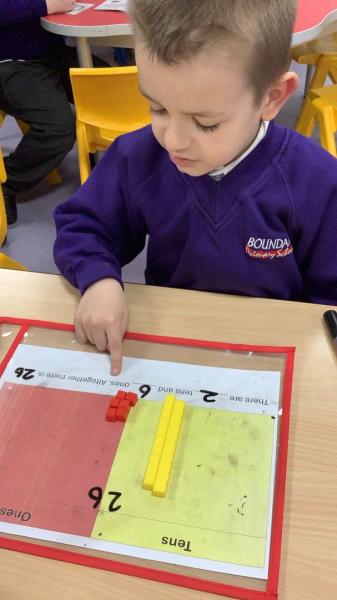
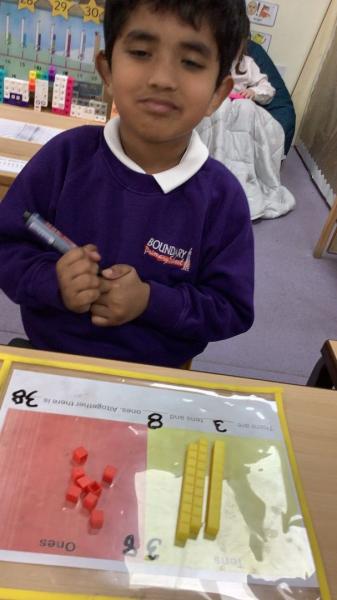
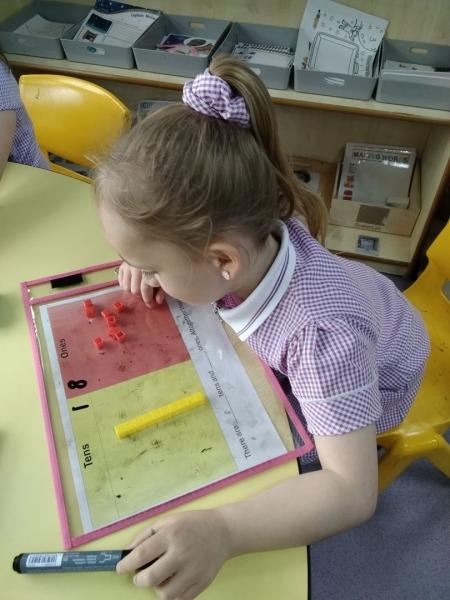
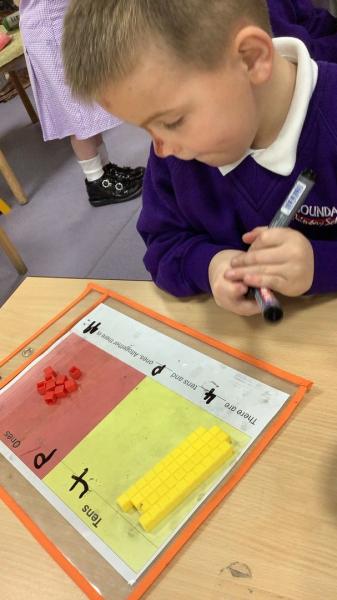
Year 1 - Groups of tens and ones.
Date: 15th Apr 2026 @ 8:44pm
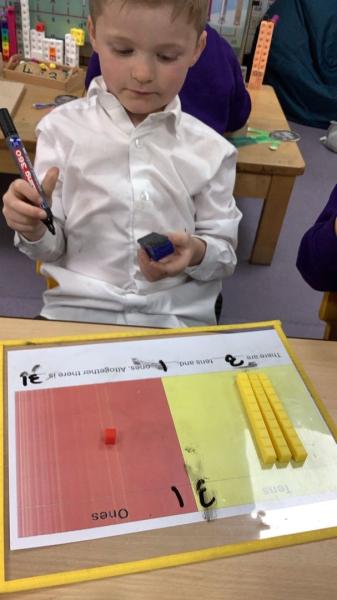
This week, in maths we used base 10 to understand place value of tens and ones within 2-digit numbers. We used the stem sentence ‘there are ___ tens and ___ ones. Altogether there is___. We looked at how tens are grouped to understand the place value.
Date: 15th Apr 2026 @ 4:55pm
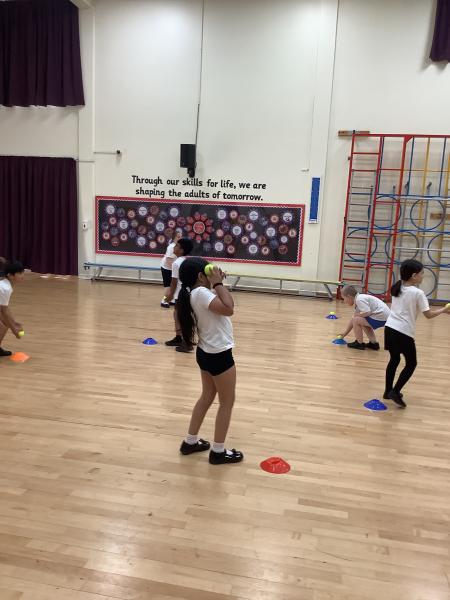
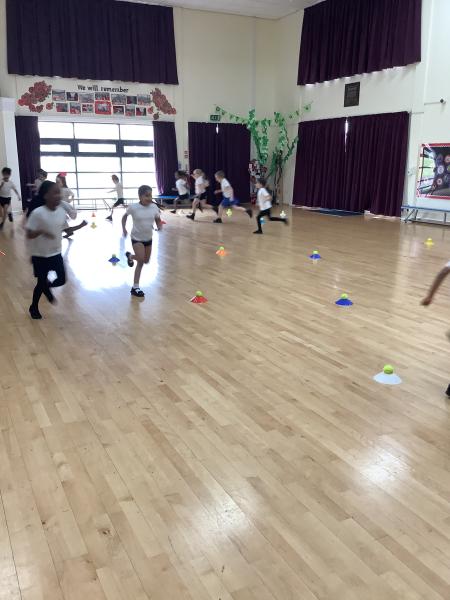
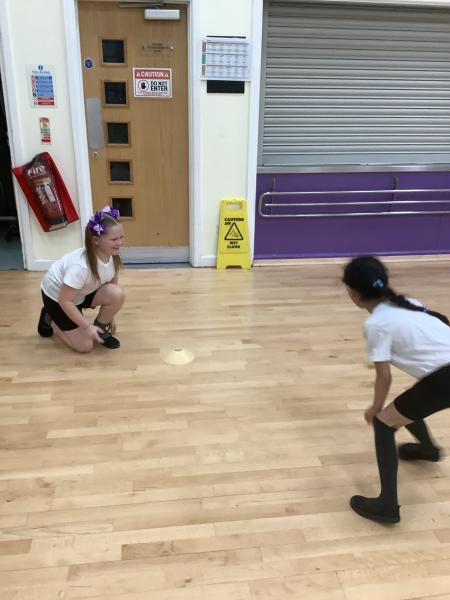
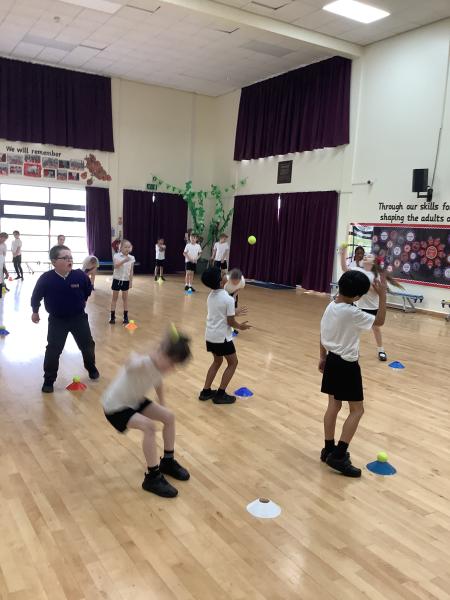
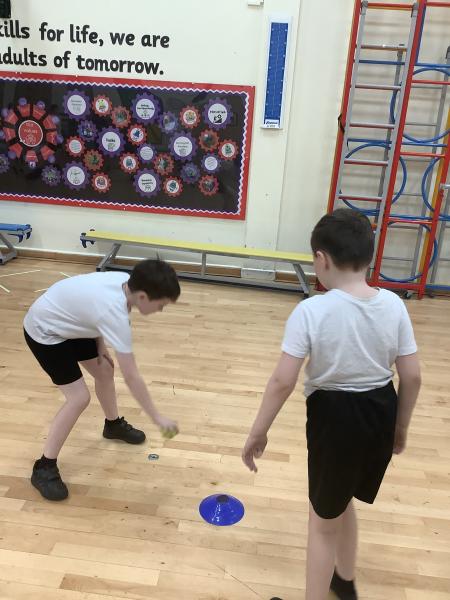
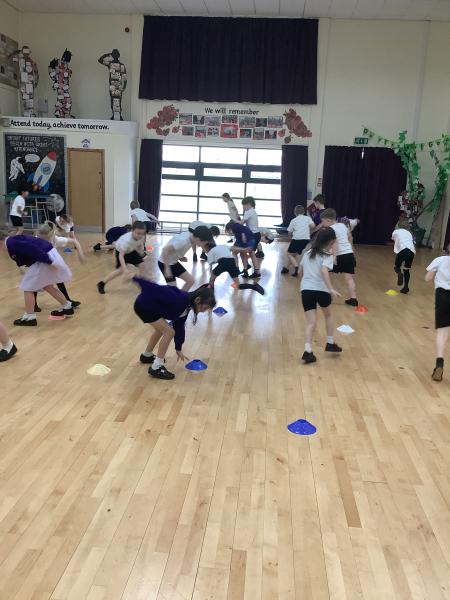
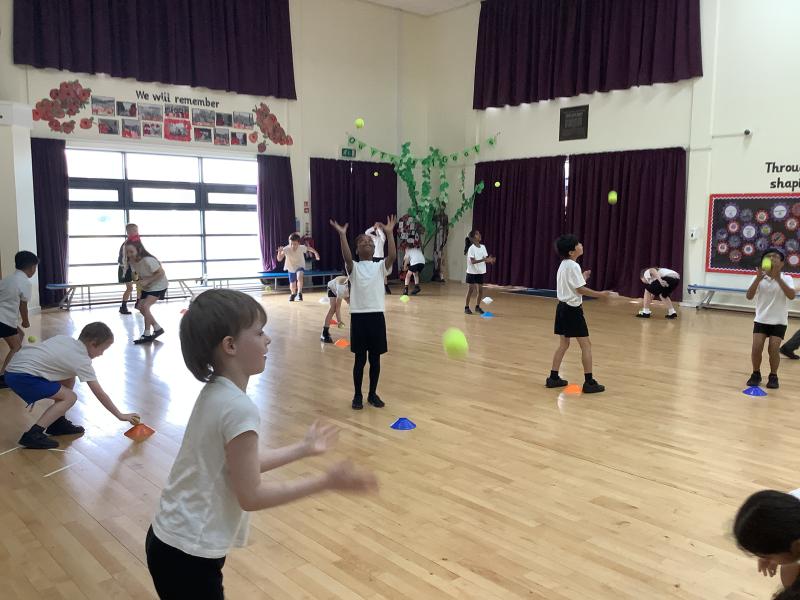
This term in PE, Year 3 have started a new unit called Strike and Fielding, where we will be learning the skills needed to play rounders. One of the most important skills we are learning first is catching.
Today, we had lots of fun practising throwing and catching with a partner. We focused on watching the ball carefully, getting our hands ready, and using soft hands to catch it safely. Once we became more confident, we made it trickier by throwing the ball in different directions and further away to challenge our partners.
Everyone worked really hard and showed great teamwork and encouragement. We are looking forward to practising more skills as we continue learning how to play rounders this term!
Date: 15th Apr 2026 @ 4:54pm
Date: 15th Apr 2026 @ 4:30pm
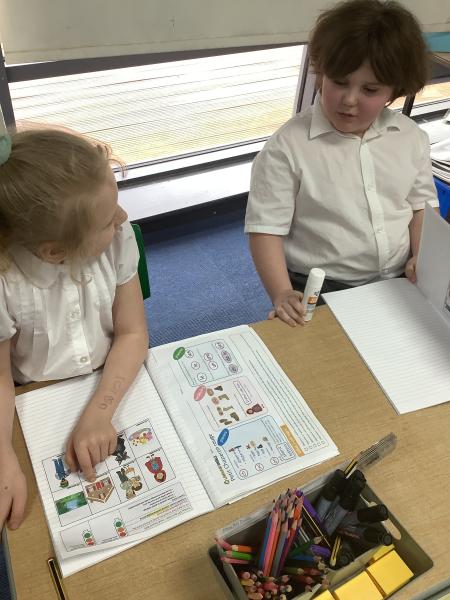
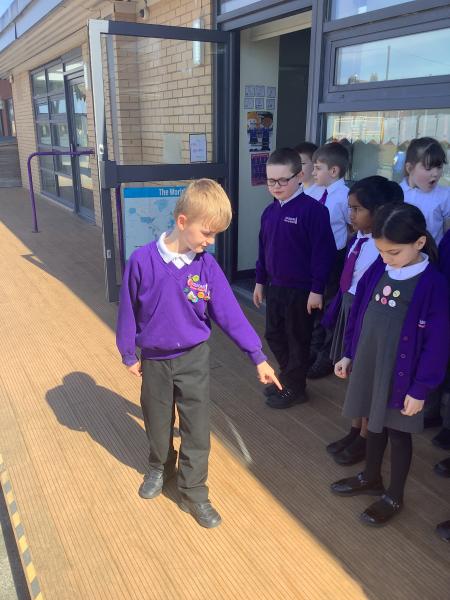
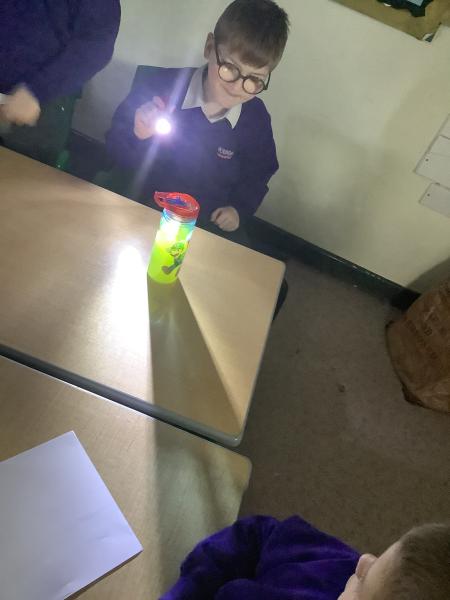
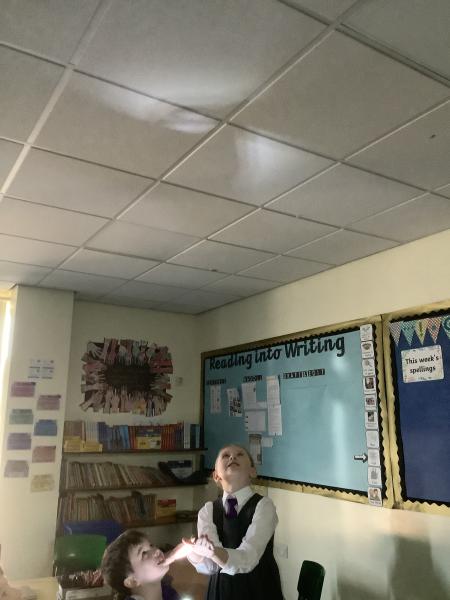
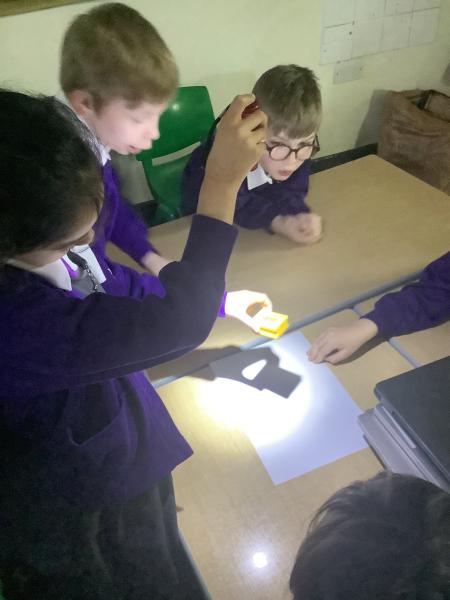
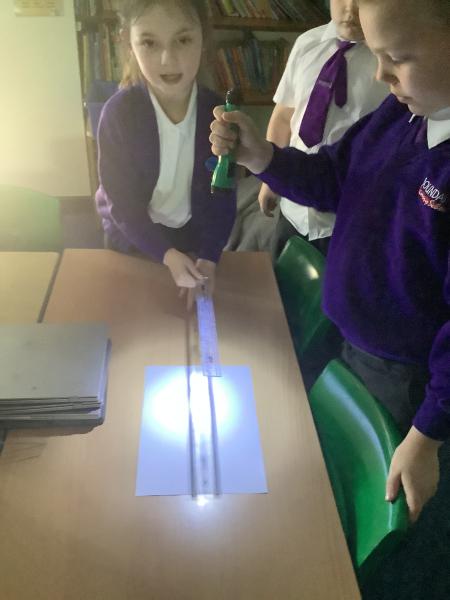
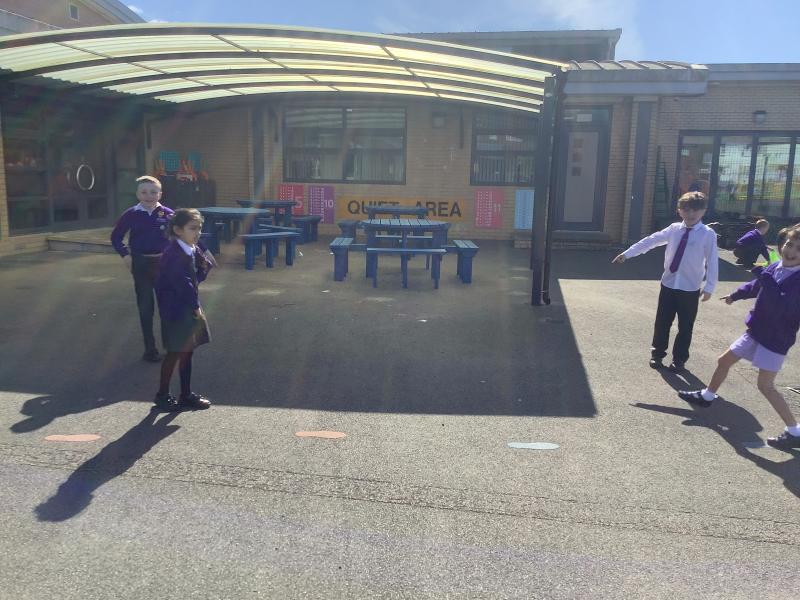
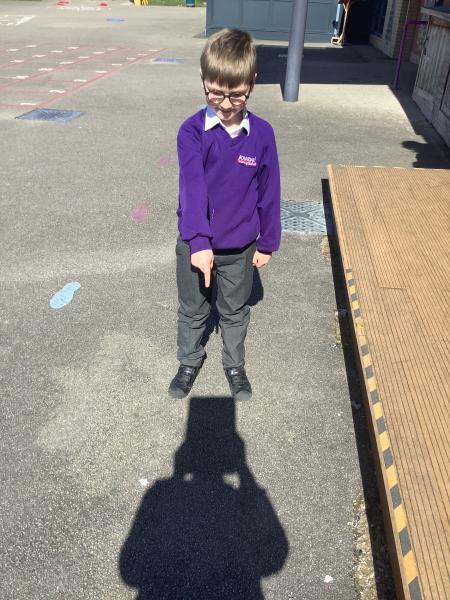
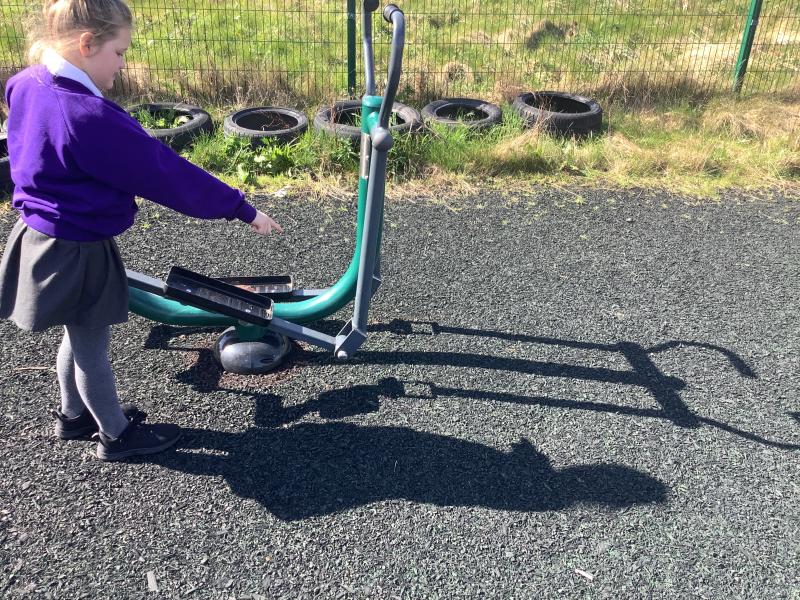
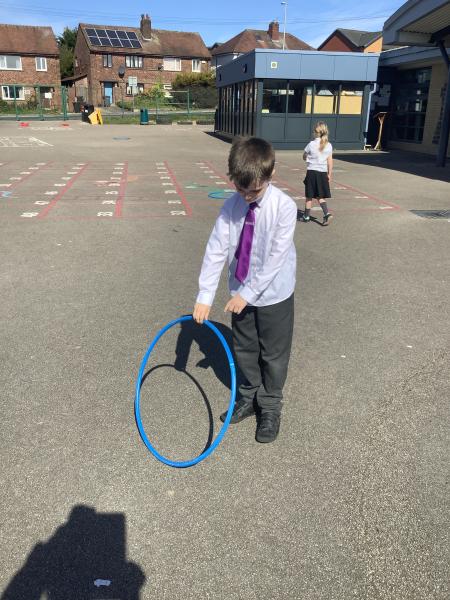
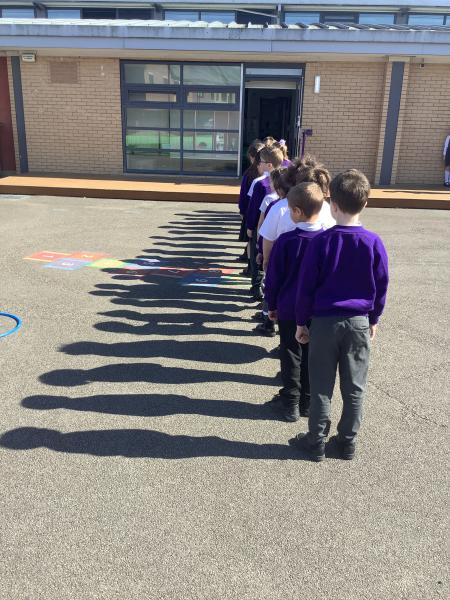
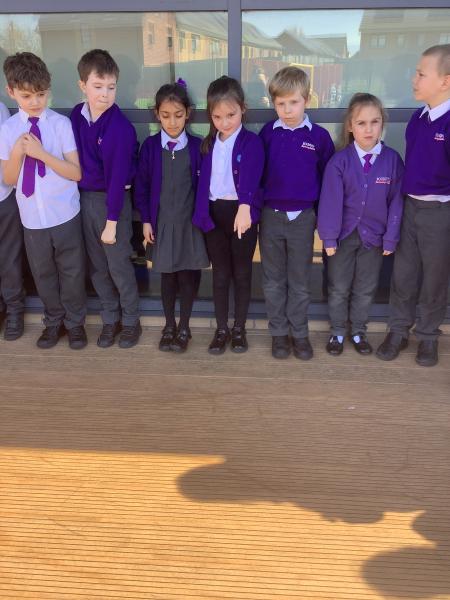
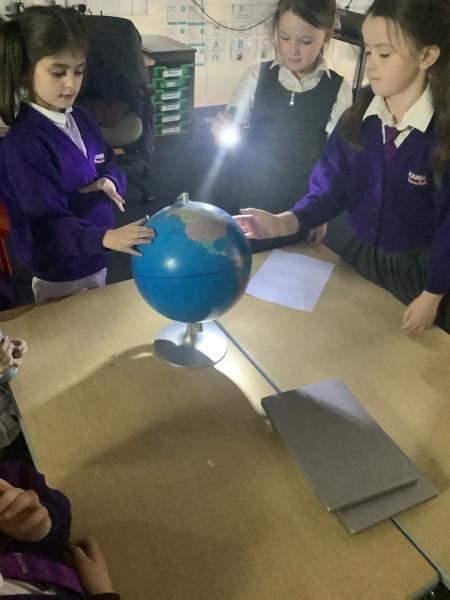
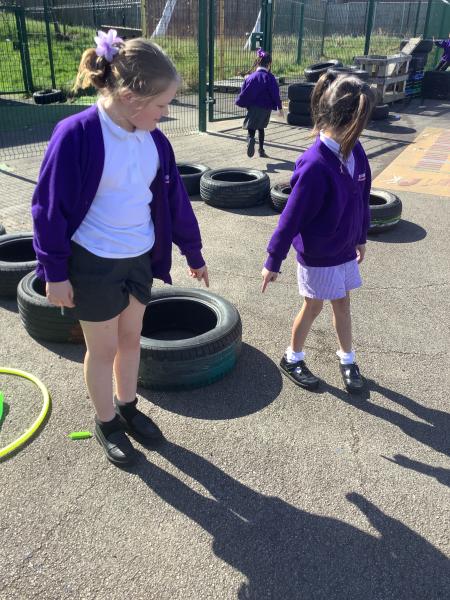
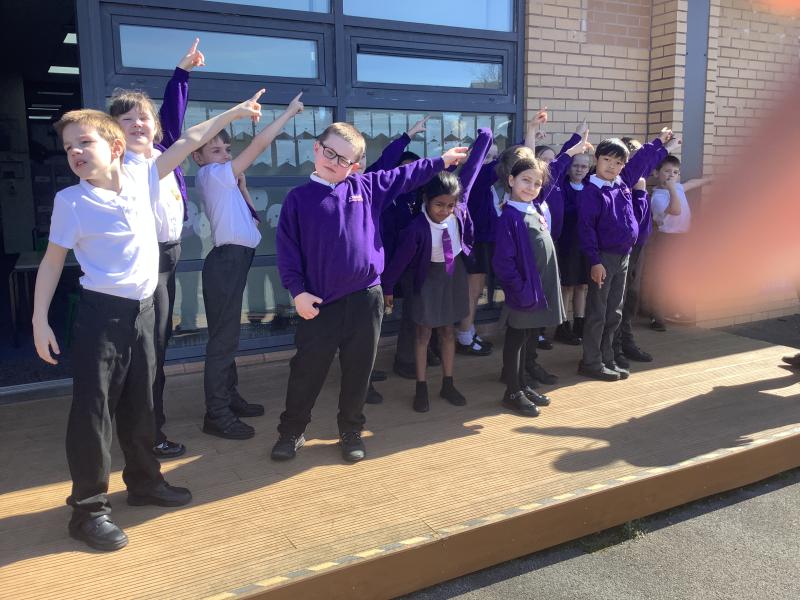
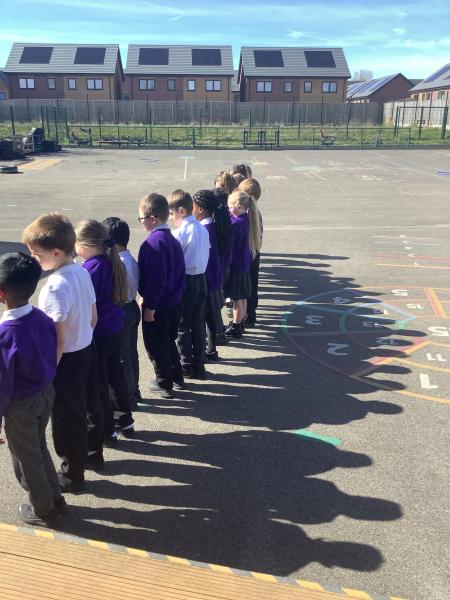
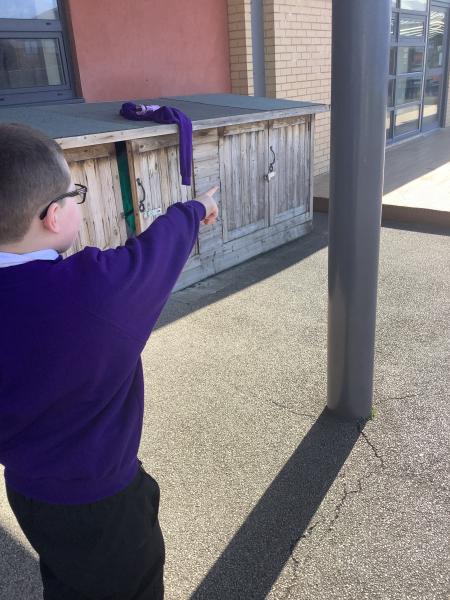
In this lesson we investigated how shadows are made. Firstly, we used a discussion board to discuss the formation of shadows. We then sorted a range of objects into transparent, trnslucent and opaque. From this, we thought about what kind of objects cast a shadow. We went outside to investigate what shadows we could find and what had created them. After, we discussed how we could test how shadows are formed. We then tested this and recorded our results.
Date: 15th Apr 2026 @ 4:27pm
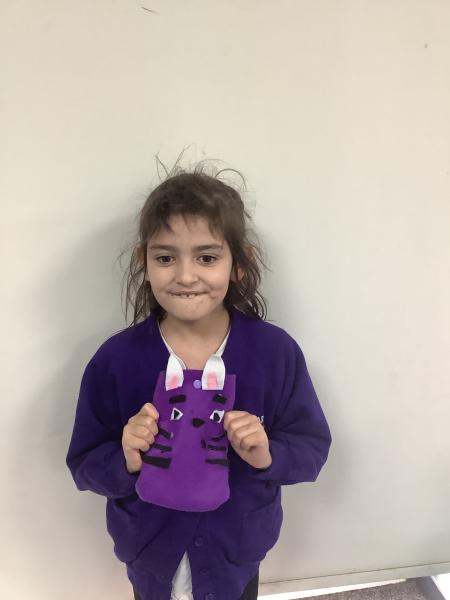
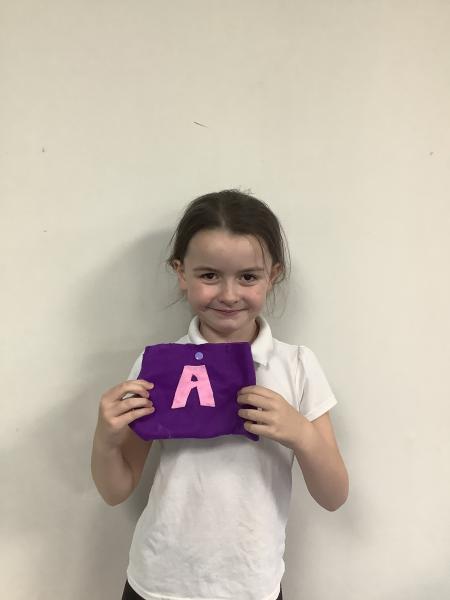
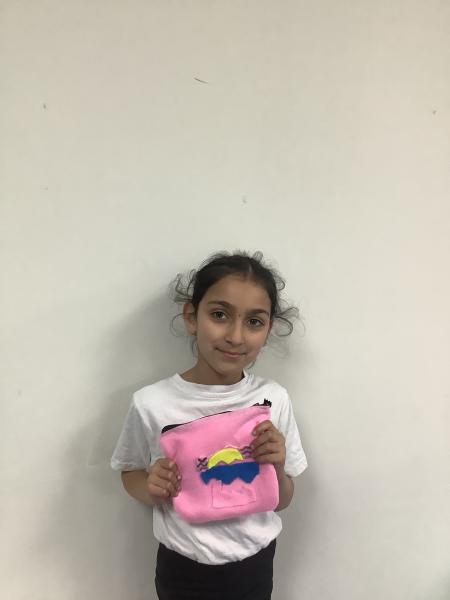
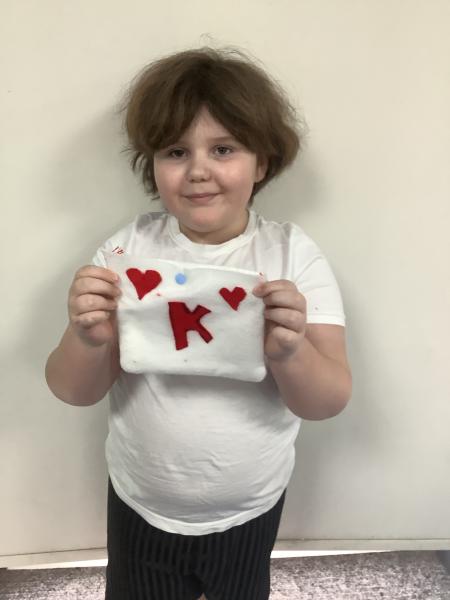
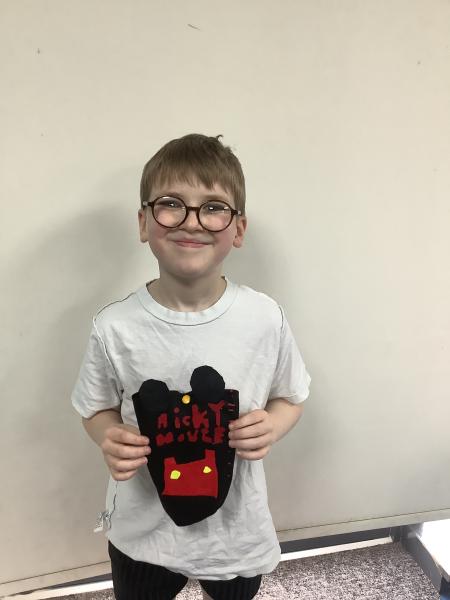
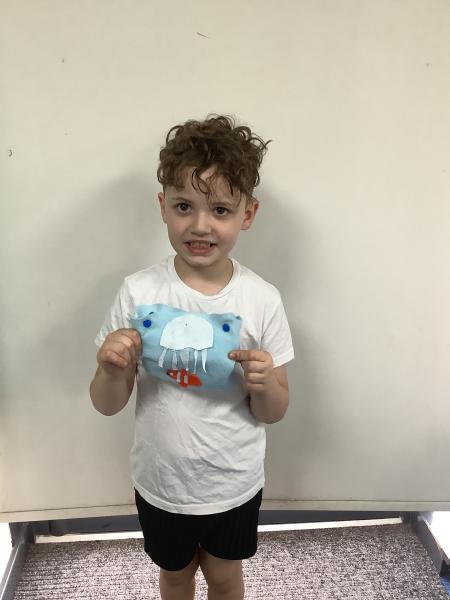
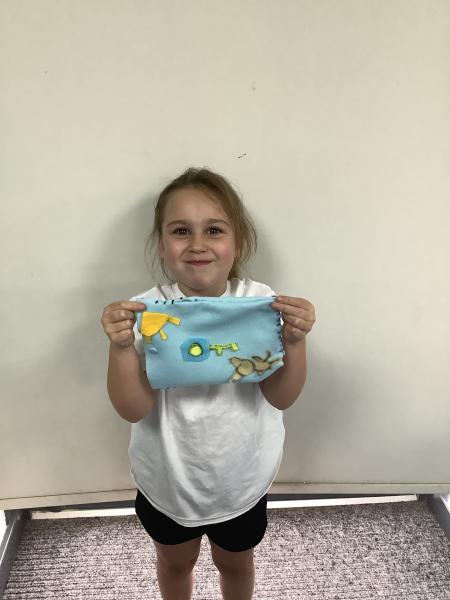
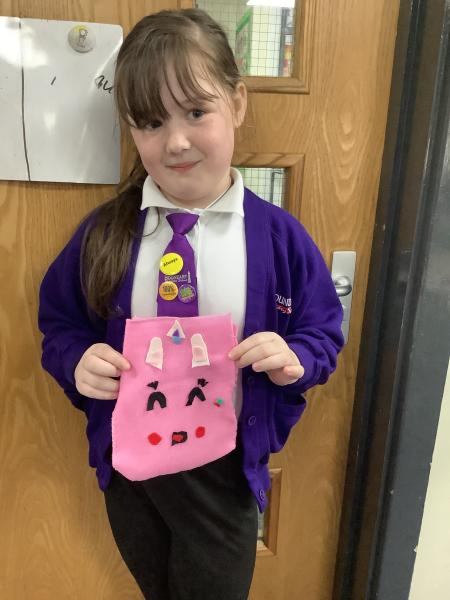
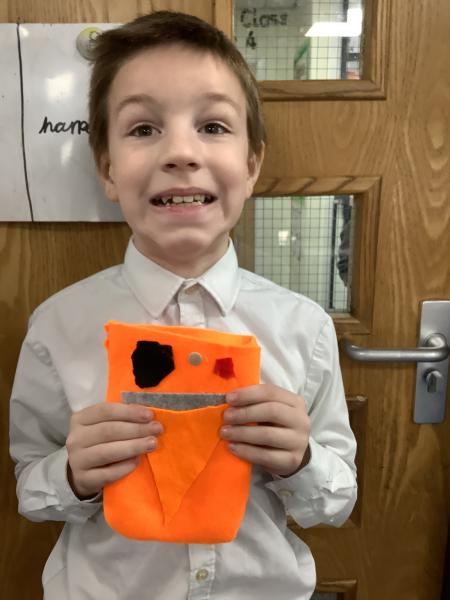
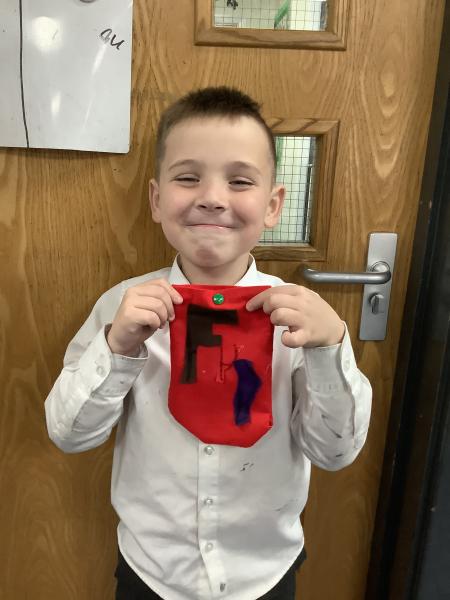
Year 3 - Pencil cases Final Product
Date: 15th Apr 2026 @ 4:22pm
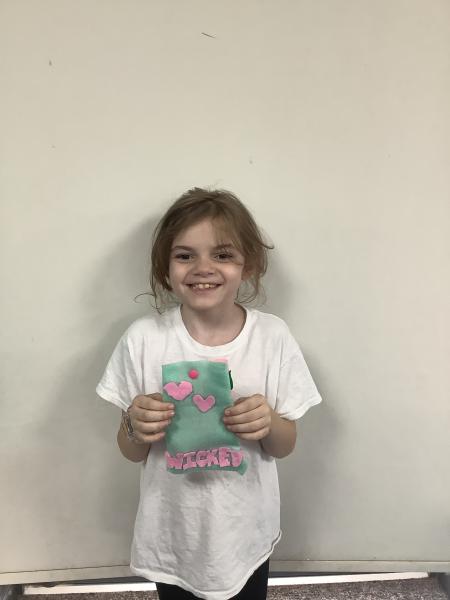
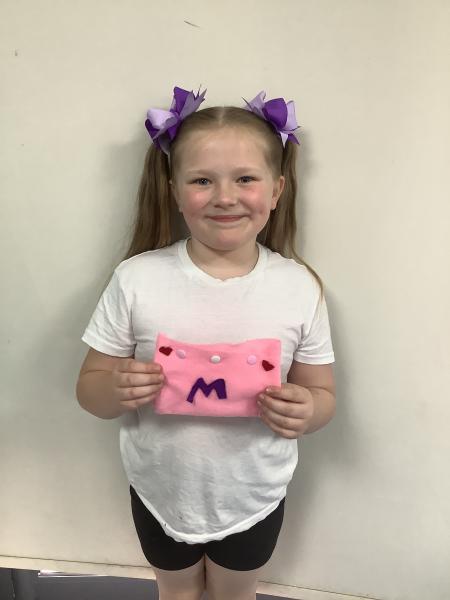
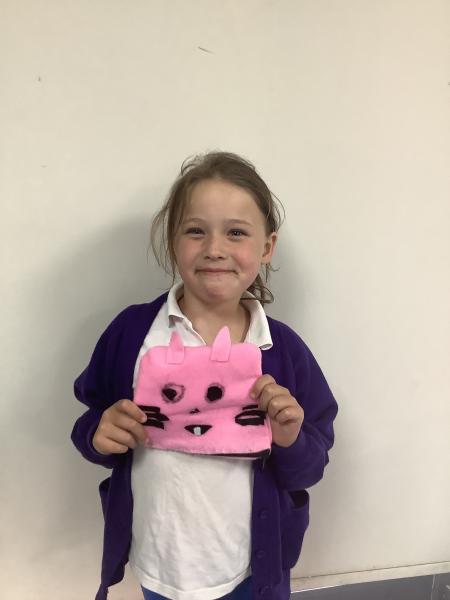
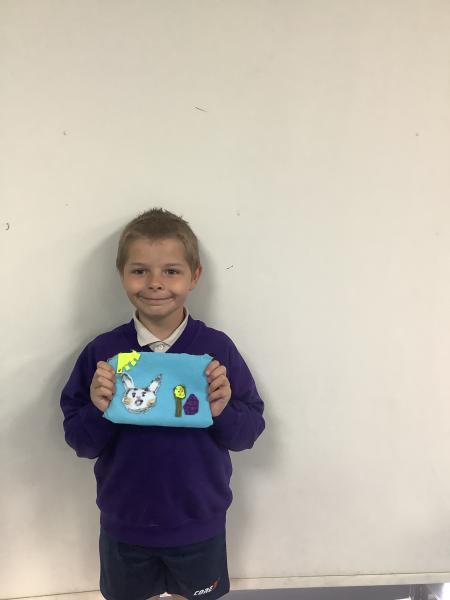
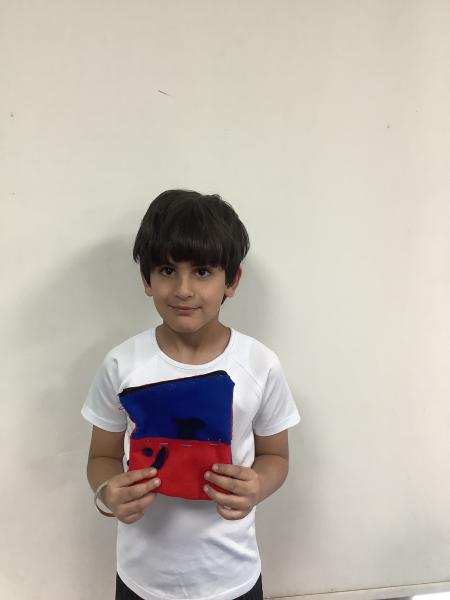
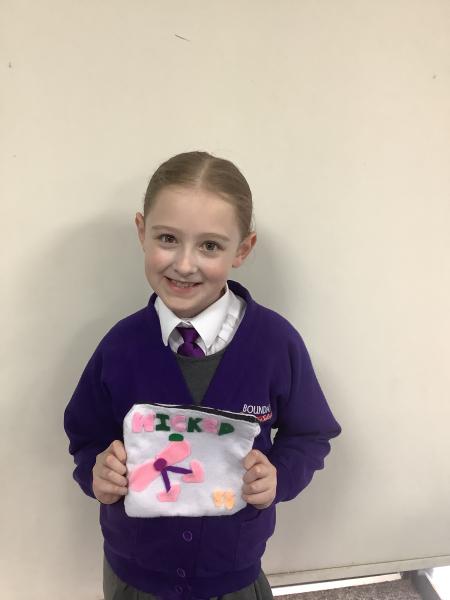
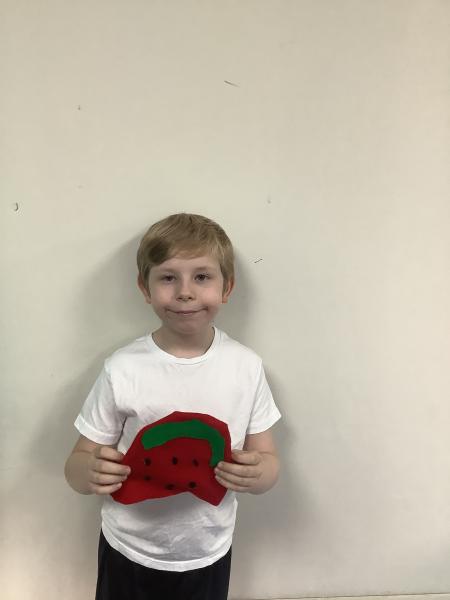
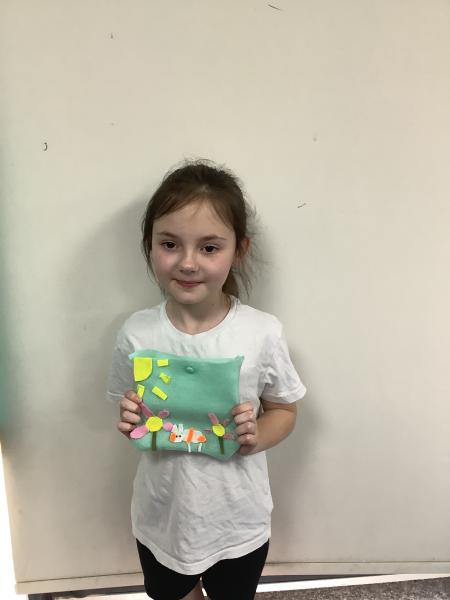
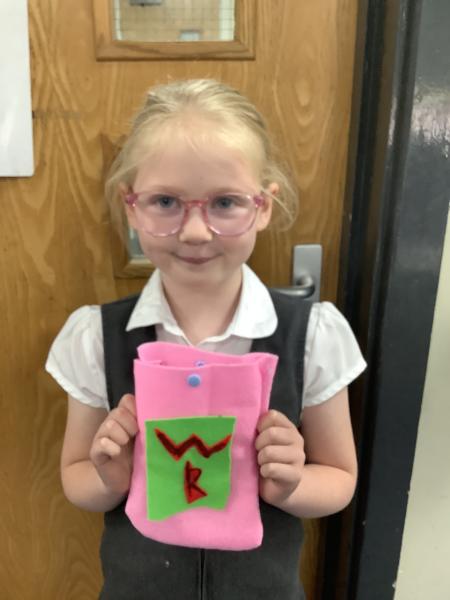
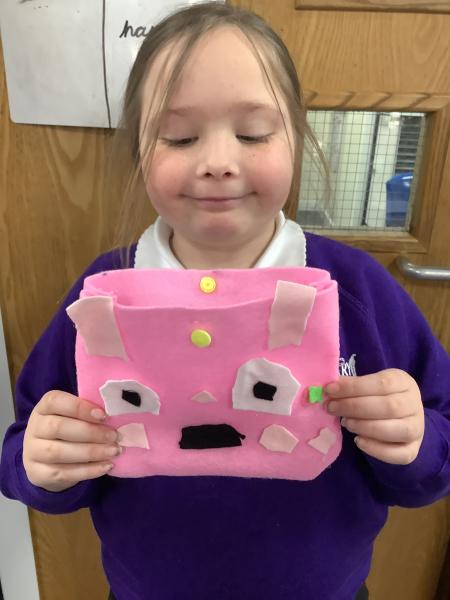
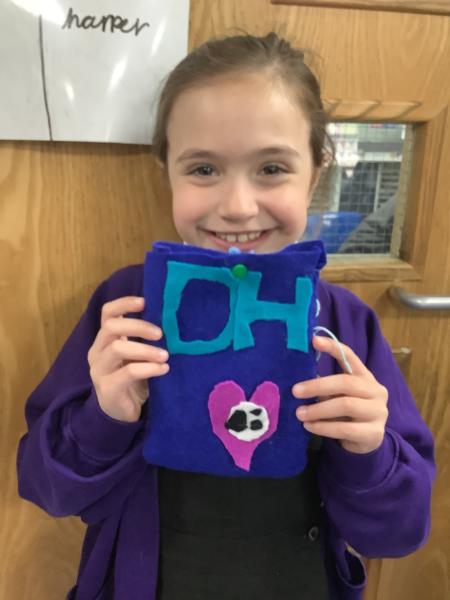
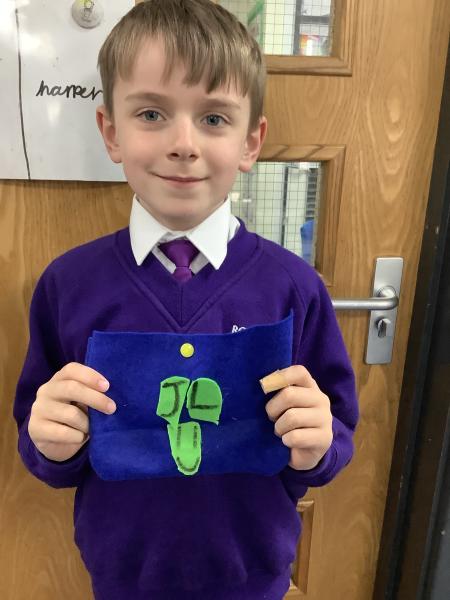
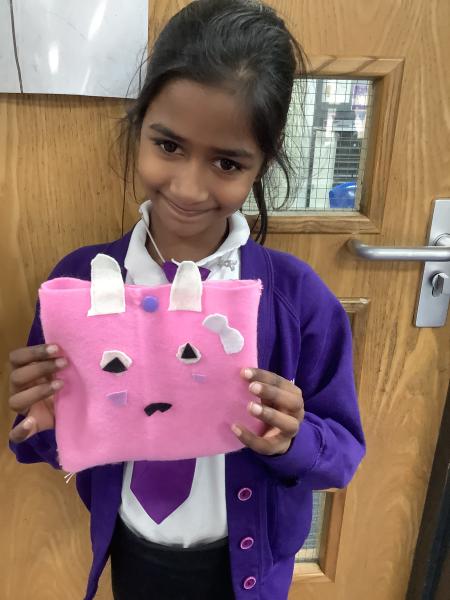
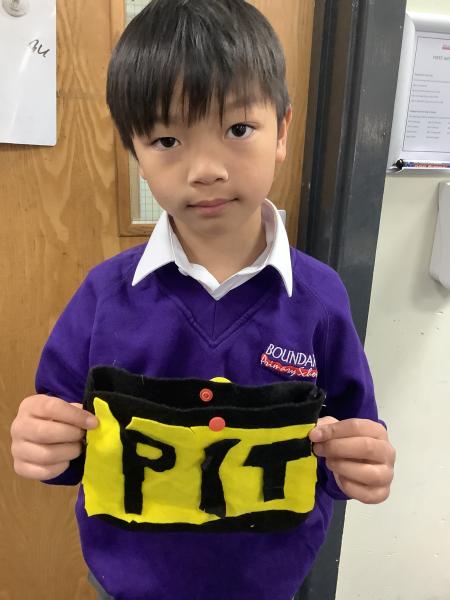
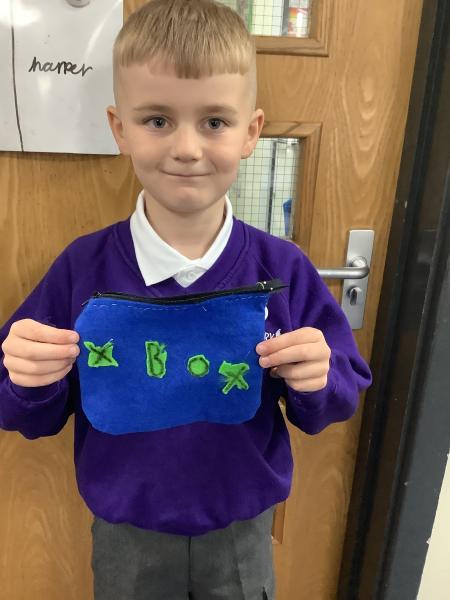
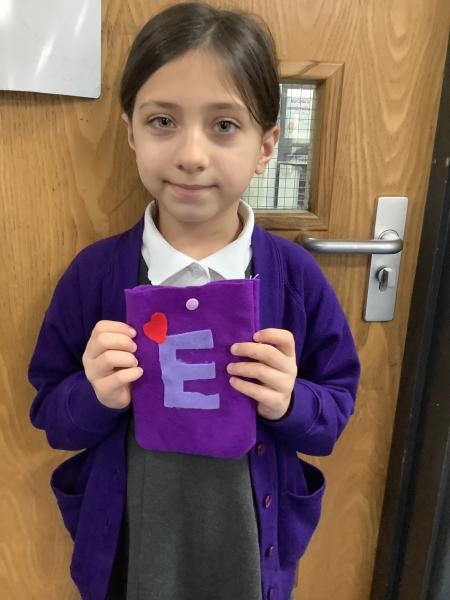
This week, children proudly completed their final textiles (DT) project – creating their very own handmade pencil cases. After weeks of learning and practising sewing skills, pupils carefully joined felt pieces together using either a running stitch or backstitch, showing growing confidence and accuracy with needle and thread.
Once the main structure was complete, children selected a fastening for their pencil case, choosing between a zip or popper, and worked carefully to attach it securely. They then referred back to their original designs to add decorative details, ensuring their pencil cases were not only practical but also attractive and personal.
The finished products were truly phenomenal. Each pencil case reflected thoughtful design choices, creativity and perseverance. The children should be extremely proud of their achievements, as they demonstrated excellent craftsmanship, problem‑solving skills and attention to detail throughout the project.
Date: 15th Apr 2026 @ 2:27pm
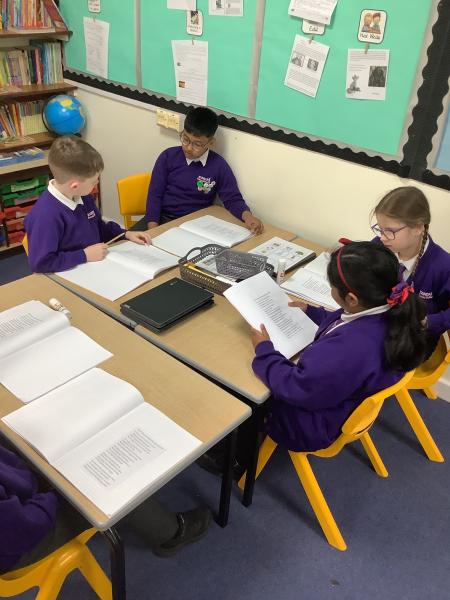
Date: 15th Apr 2026 @ 7:44am
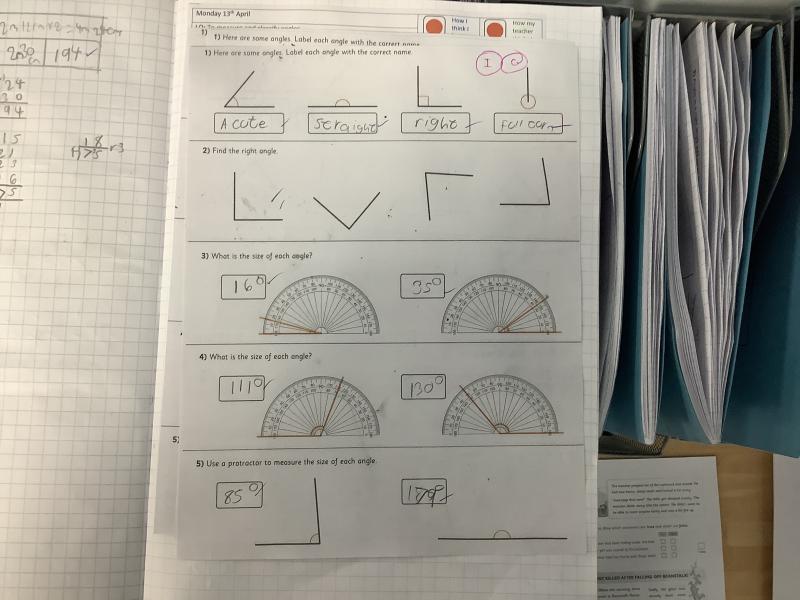
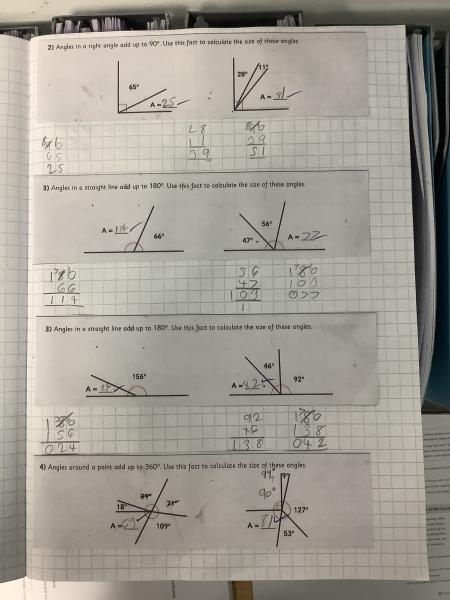
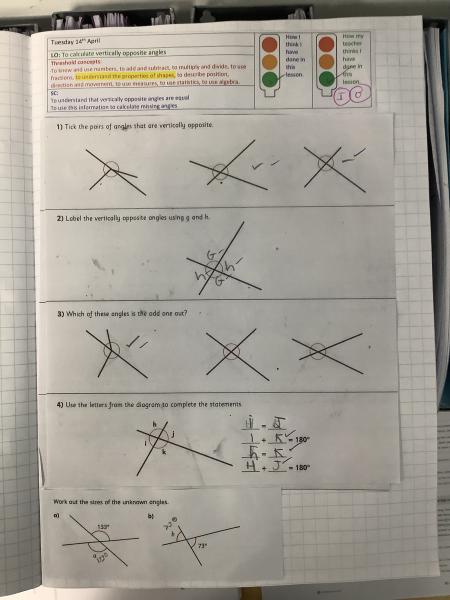
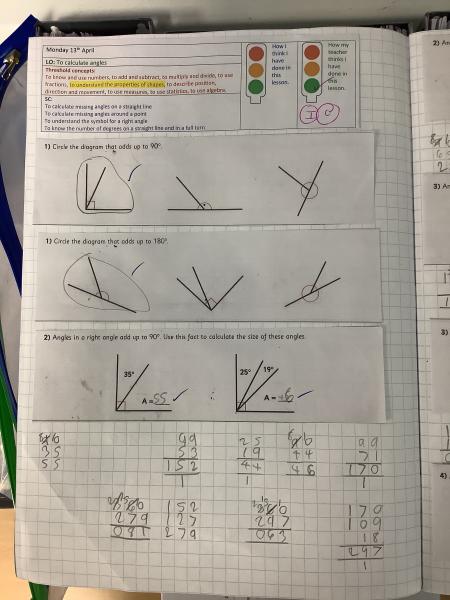
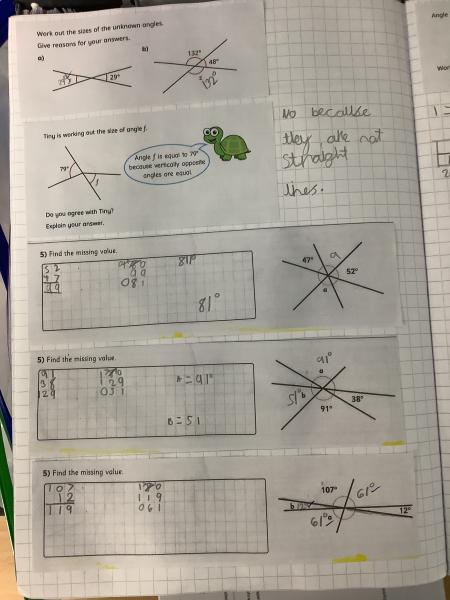
Our Angle Adventure 📐
Year 6 have started an exciting new maths topic all about angles! We have been learning what angles are, how to measure them using a protractor, and how to draw angles accurately.
We have explored different types of angles, including acute, right, obtuse, and straight angles, and have enjoyed spotting them around the classroom and in everyday objects.
The children have also been investigating angles in triangles and quadrilaterals. We discovered that:
- The angles in a triangle add up to 180°
- The angles in a quadrilateral add up to 360°
Everyone has shown great focus and perseverance while learning these new skills. We’re looking forward to using our angle knowledge to solve more challenging problems as we continue our maths journey!
Date: 15th Apr 2026 @ 7:39am
📚 Year 6 Class Novel Update 📚
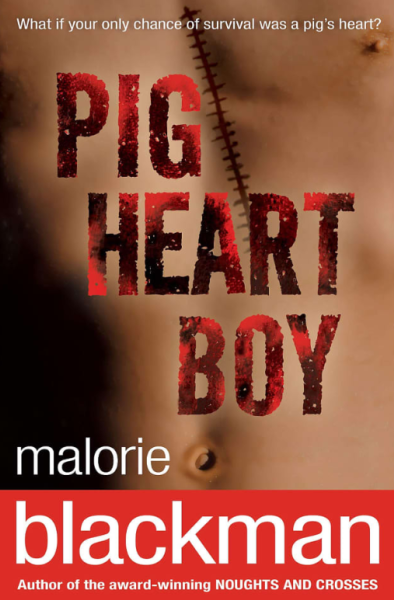
Year 6 have thoroughly enjoyed reading Pig Heart Boy by Malorie Blackman this term. The novel sparked lots of thoughtful discussion and encouraged pupils to think deeply about challenging choices and moral dilemmas. It prompted mature conversations and helped develop empathy and understanding. Although emotional at times, the children found it engaging and very memorable. A powerful story that led to great learning conversations in class!
Year 6 Enjoying Reading Eggs 🥚📖
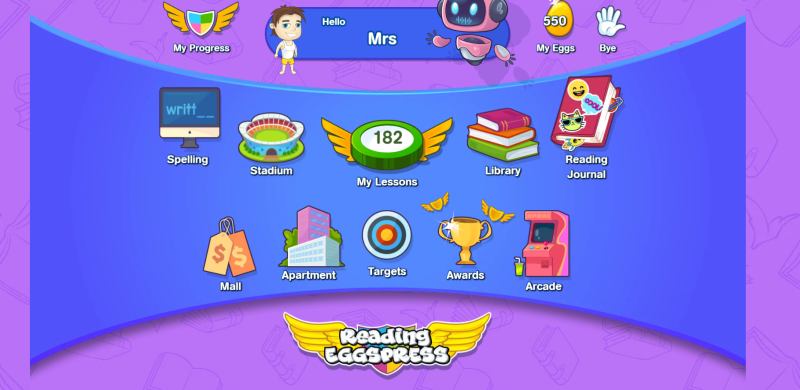
Year 6 have made a fantastic start with Reading Eggs and are really enjoying it. Pupils love the games, challenges and rewards, and it’s great to see how motivated they are to improve their reading skills. We’re proud of their positive attitude and brilliant effort so far!
Reception make 2D shape rockets
Date: 14th Apr 2026 @ 9:38pm
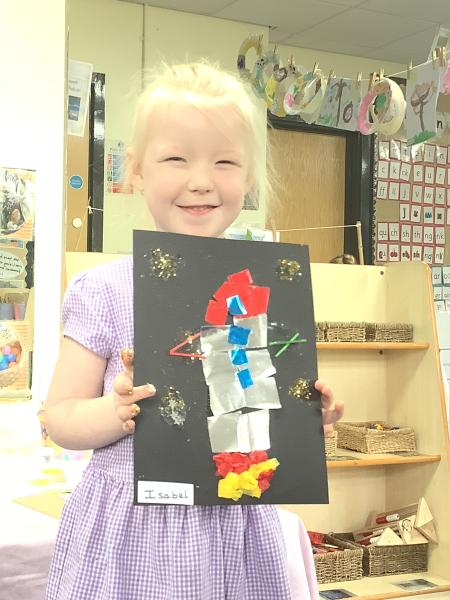
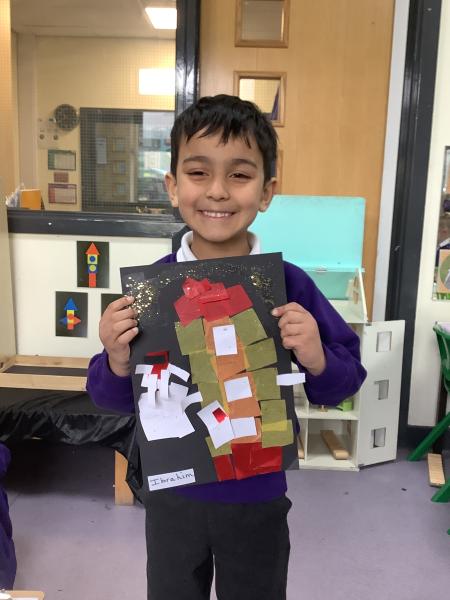
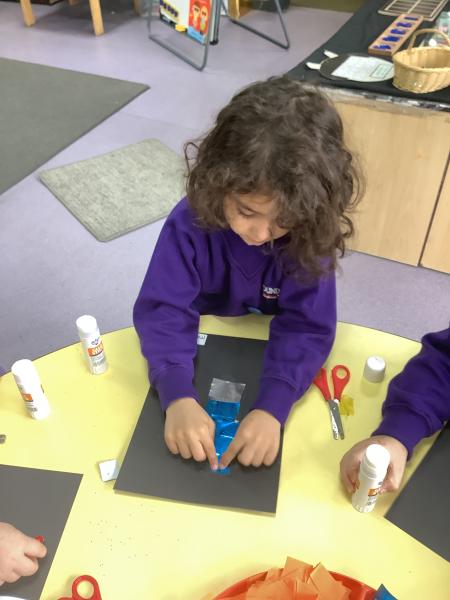
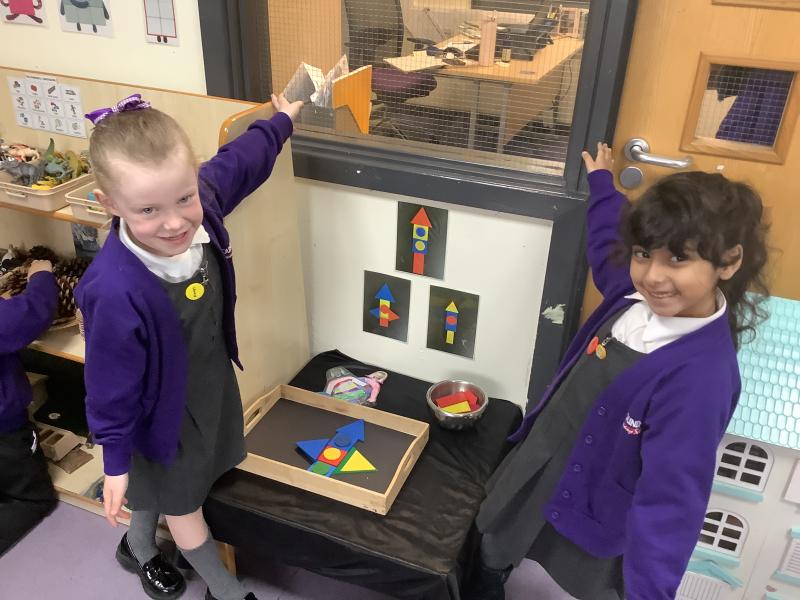
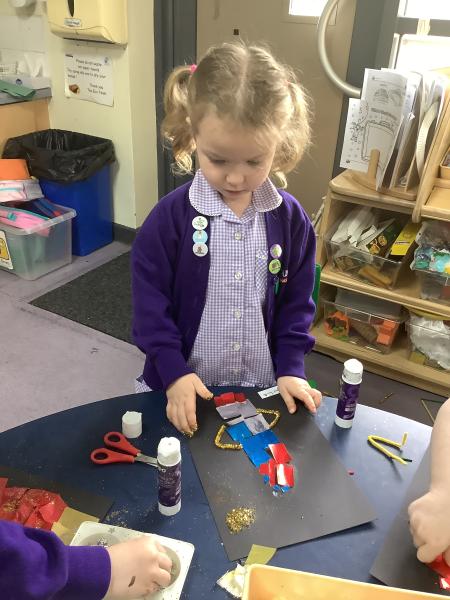
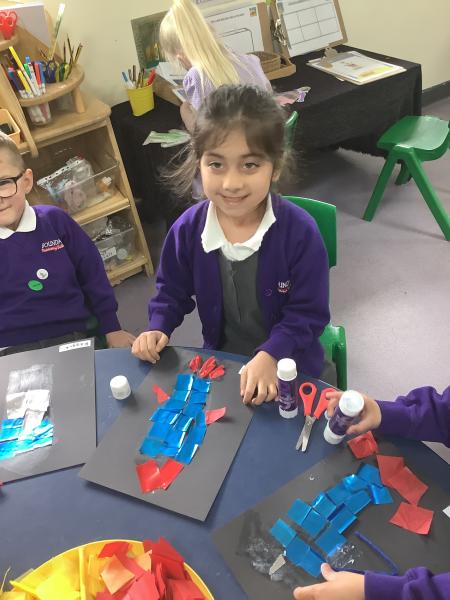
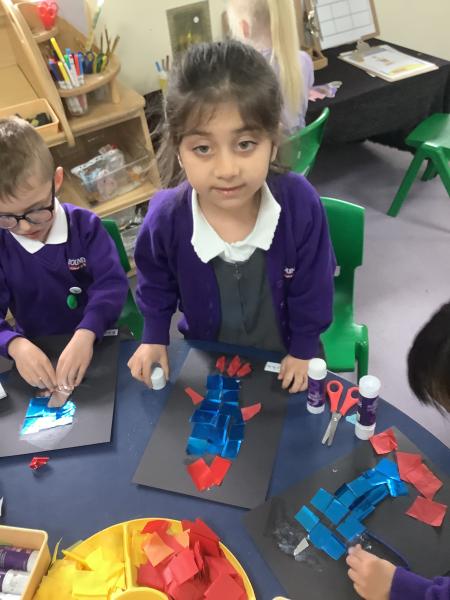
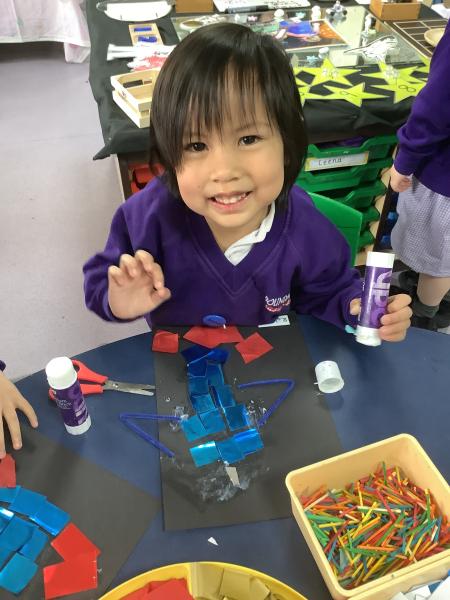
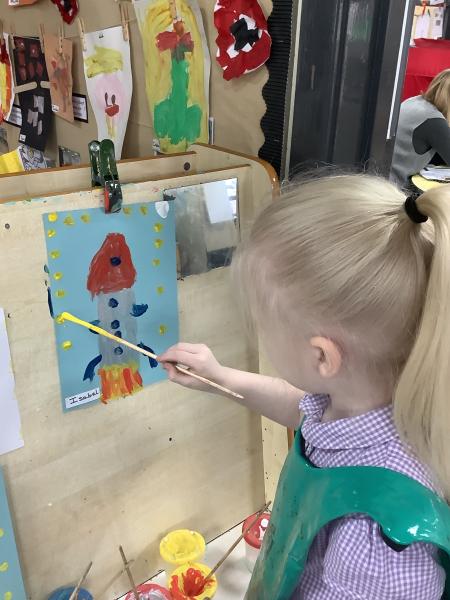
This week the children enjoyed a creative learning experience in the creative area, where they designed and collaged their own space rockets using a wide range of materials. They explored different shapes textures and colours, selecting and combining resources such as paper, card and foil with care and creativity. This activity encouraged the children to think carefully about shape and structure, supporting early mathematical understanding while developing fine motor skills and hand–eye coordination. The open‑ended nature of the task allowed each child to express their ideas freely, resulting in a variety of imaginative and unique designs. Throughout the activity, children demonstrated focus, independence and pride in their work, while confidently talking about the shapes they had used and the choices they had made.
Date: 14th Apr 2026 @ 9:32pm
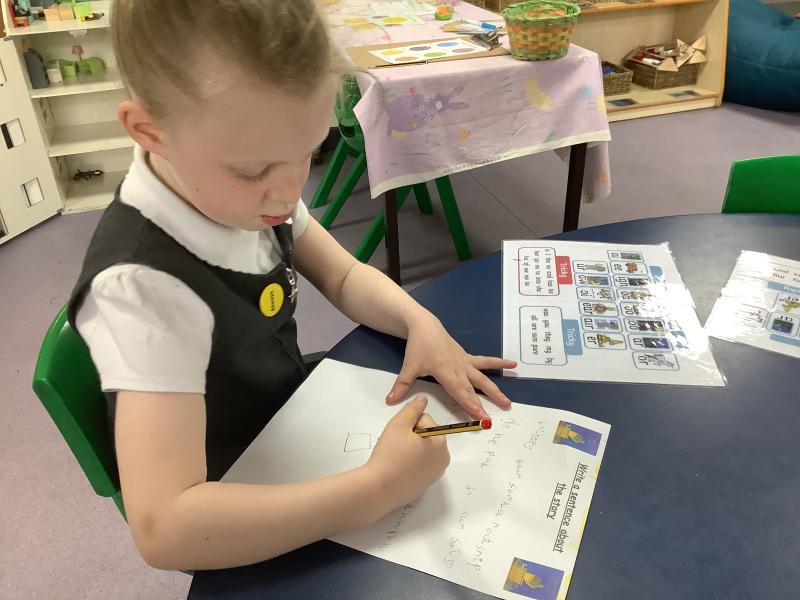
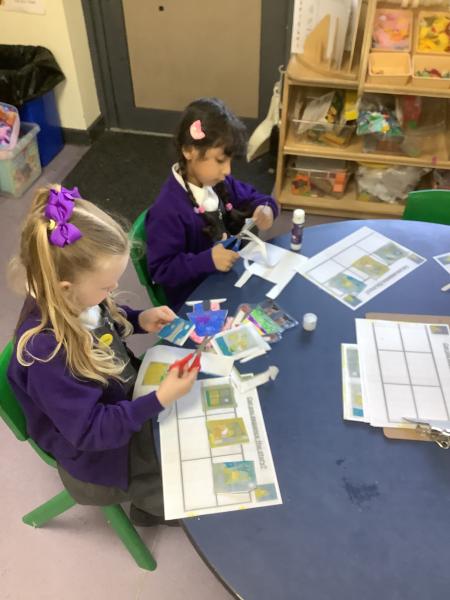
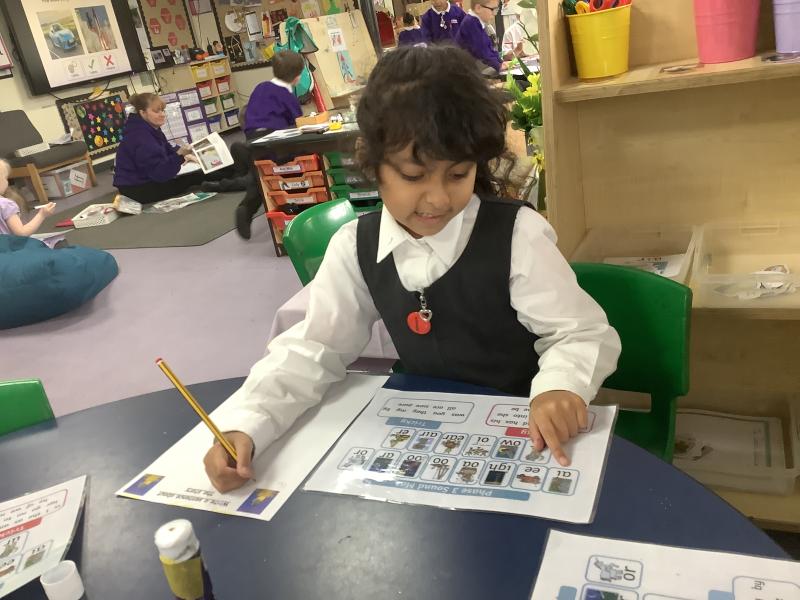
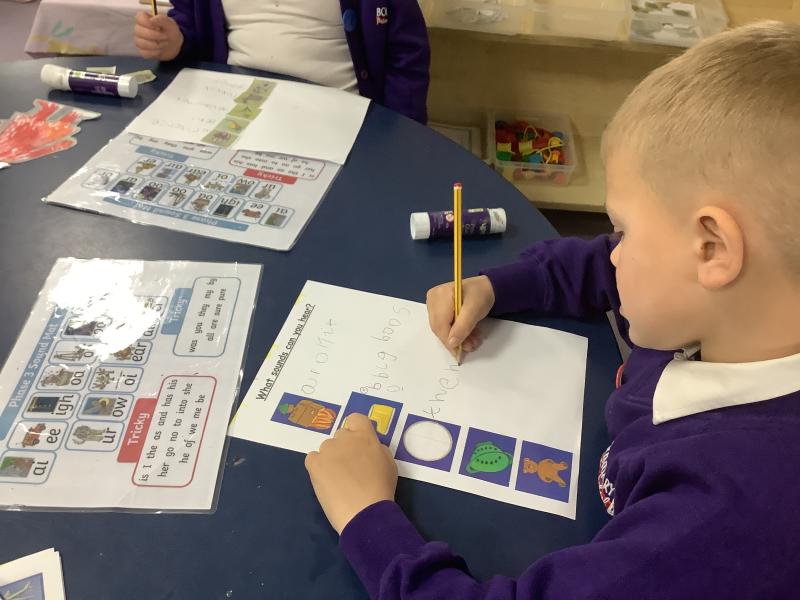
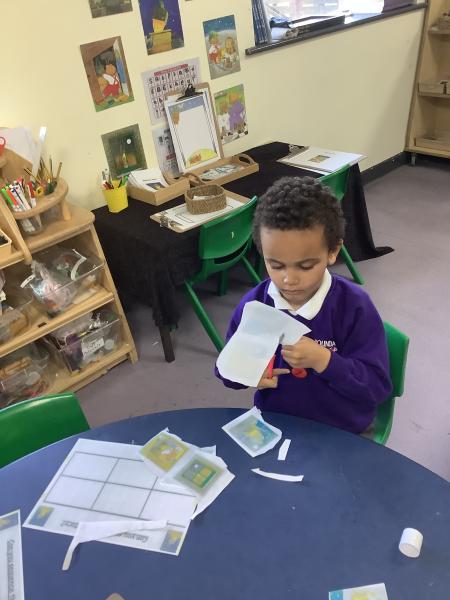
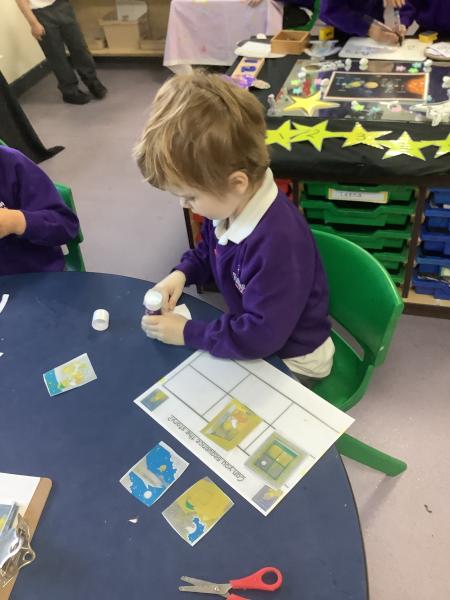
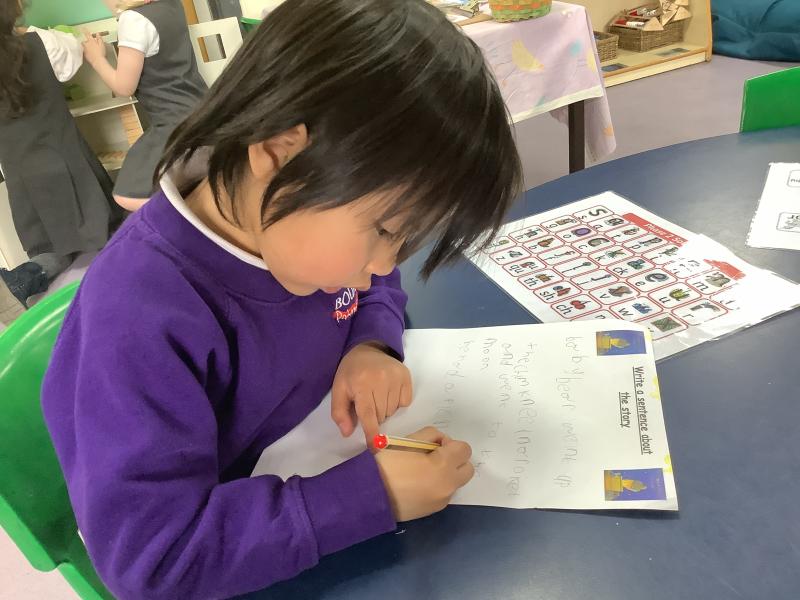
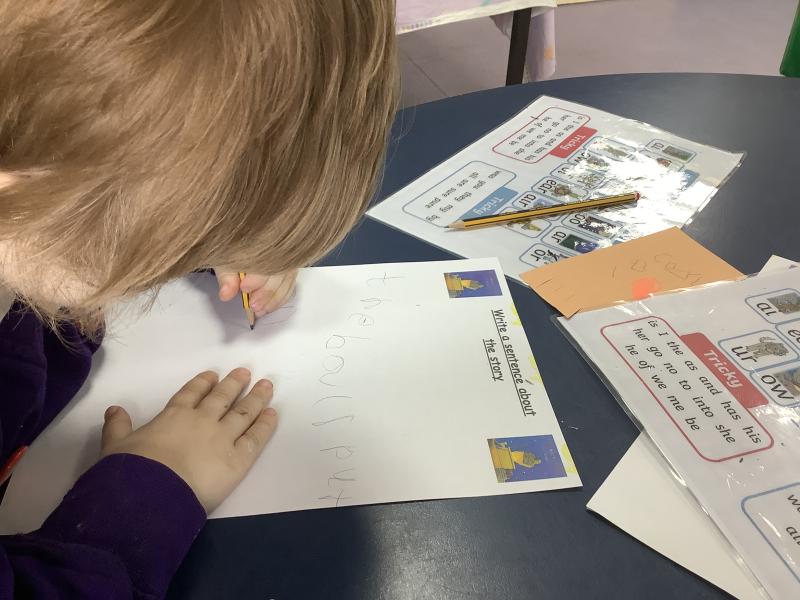
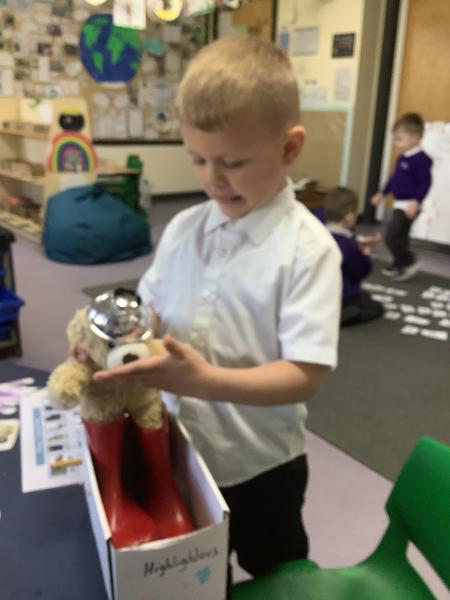
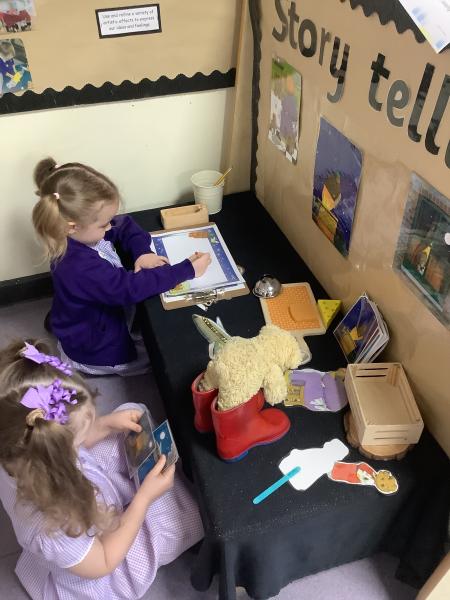
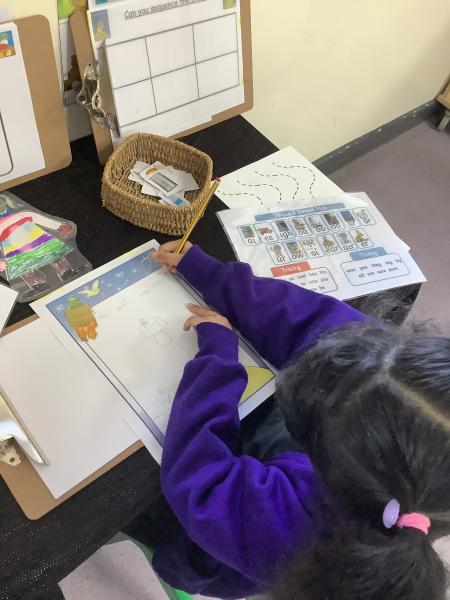
This week the children have throughly enjoyed reading the much‑loved story Whatever Next! by Jill Murphy. The book sparked great excitement and provided a rich focus for developing early reading, speaking and writing skills. After sharing the story together, children used a range of props to retell the story in their own words. This supported their understanding of the text, encouraged imaginative play and helped them recall key details with confidence. They then worked on sequencing the main events, carefully ordering what happened first, next and last. Tje children extended their learning,at the writing area by labelling pictures linked to the story and began to write simple sentences about the characters and events. This helped them practise phonics, develop sentence structure and build confidence as early writers.
Date: 14th Apr 2026 @ 9:31pm
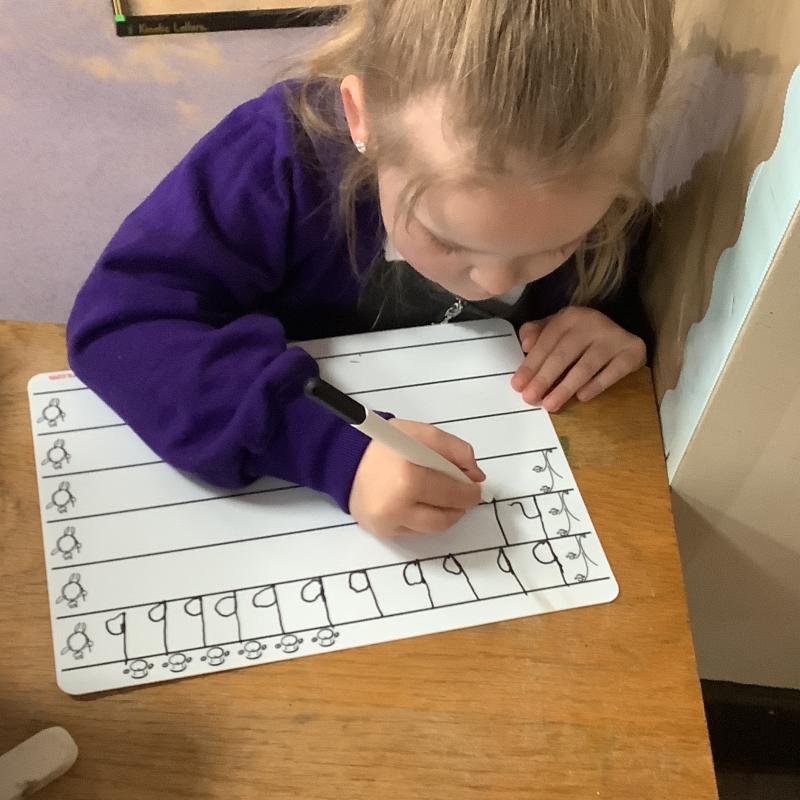
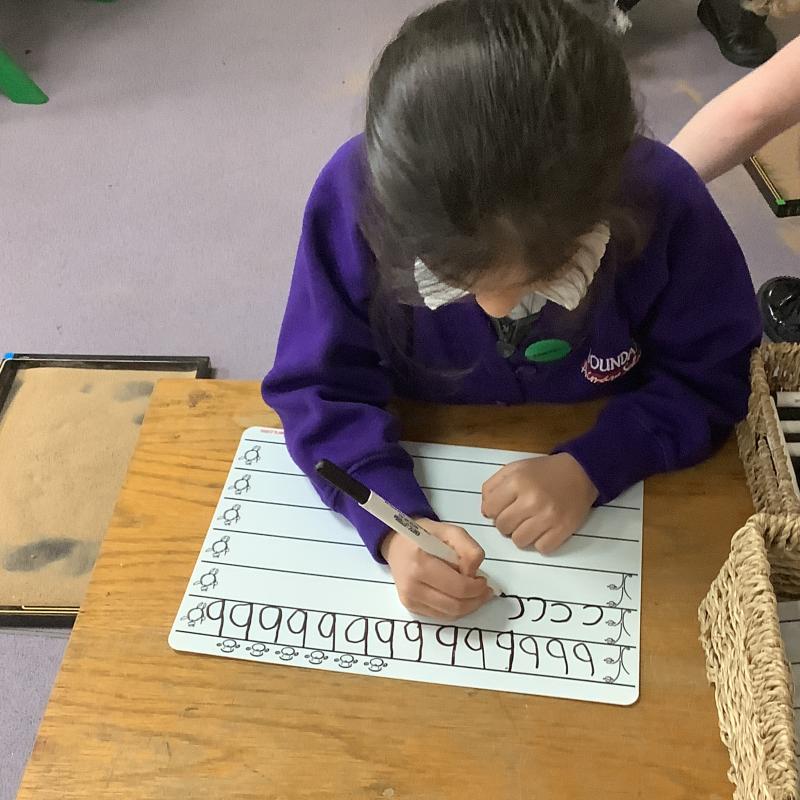
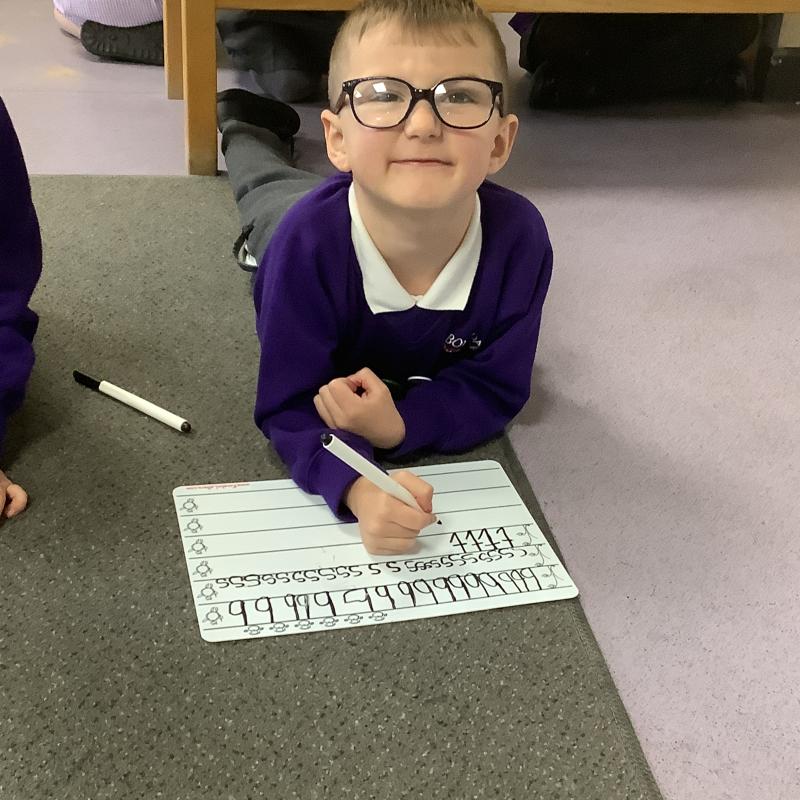
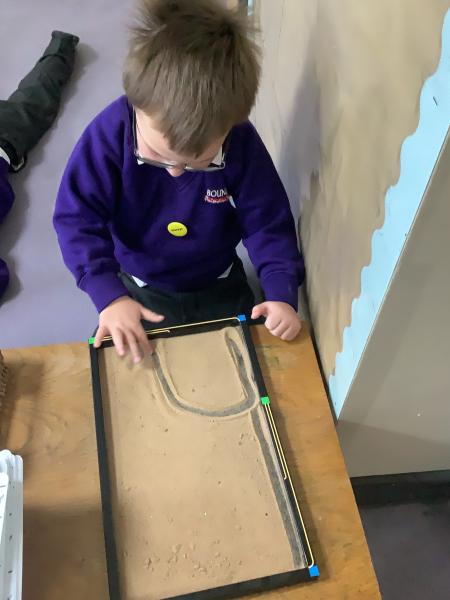
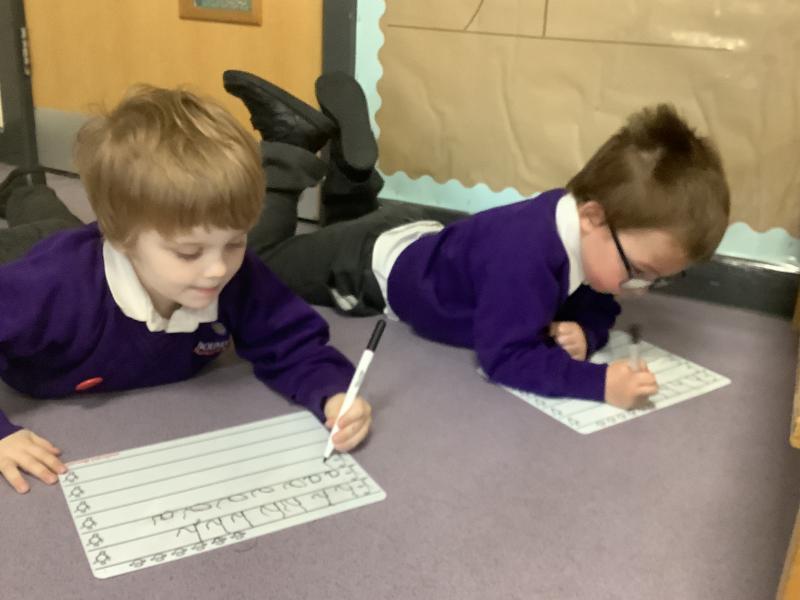
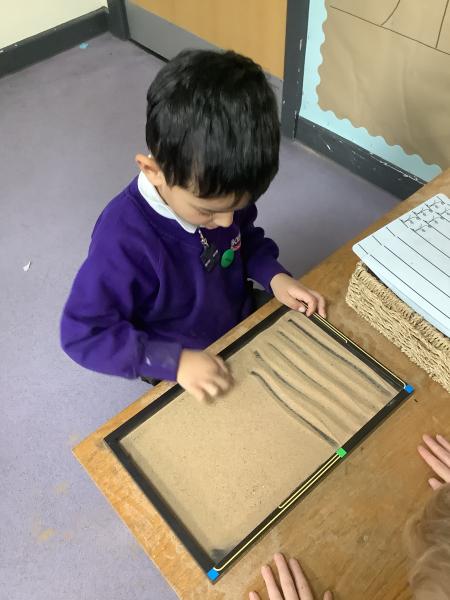
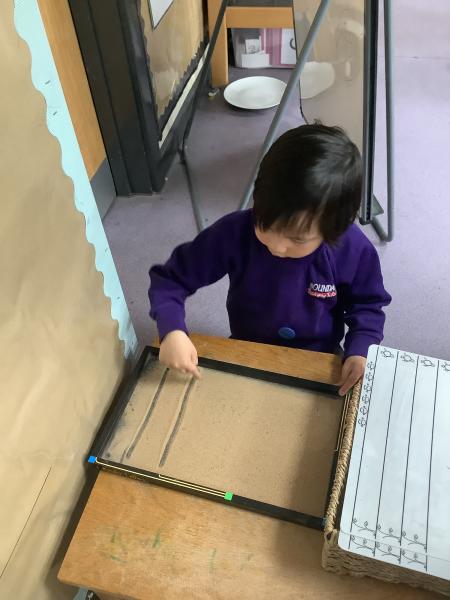
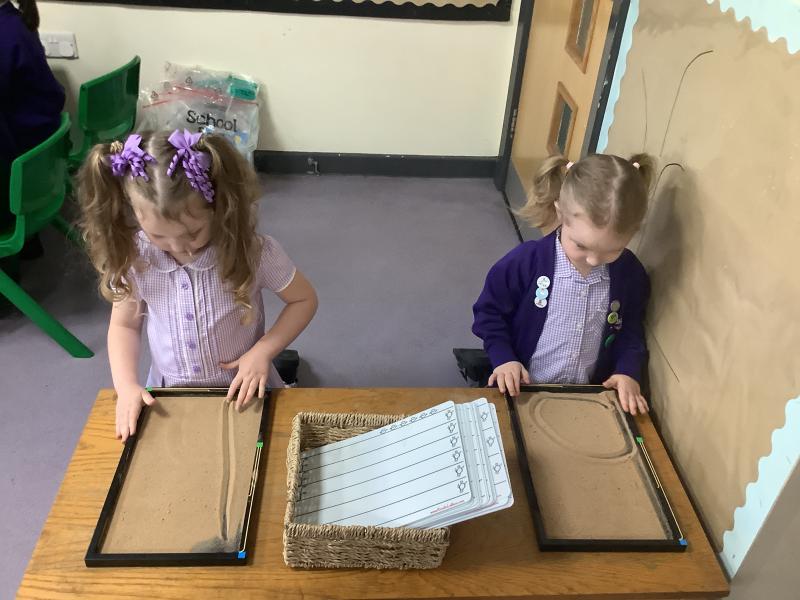
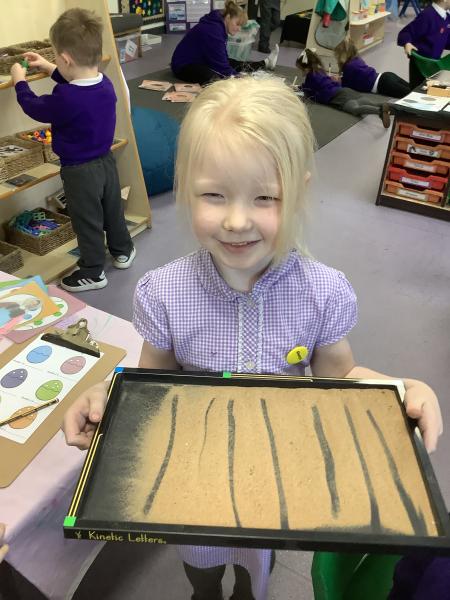
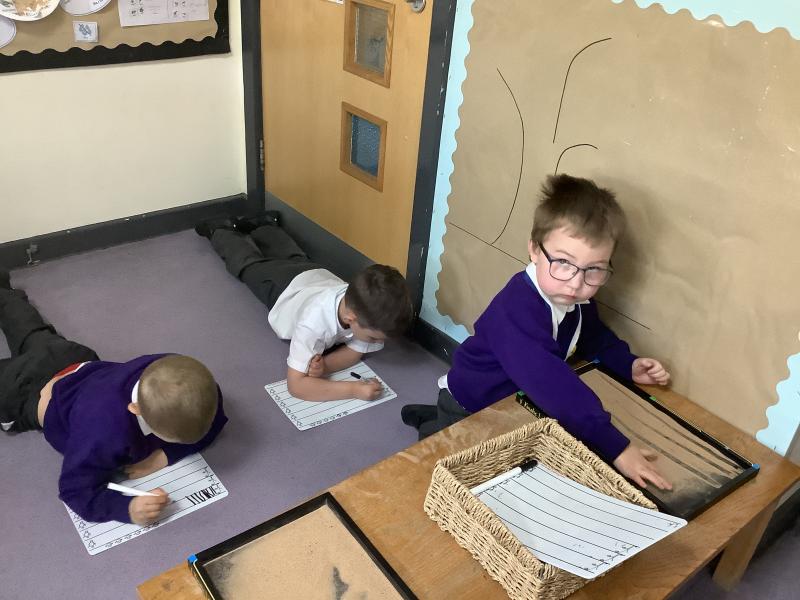
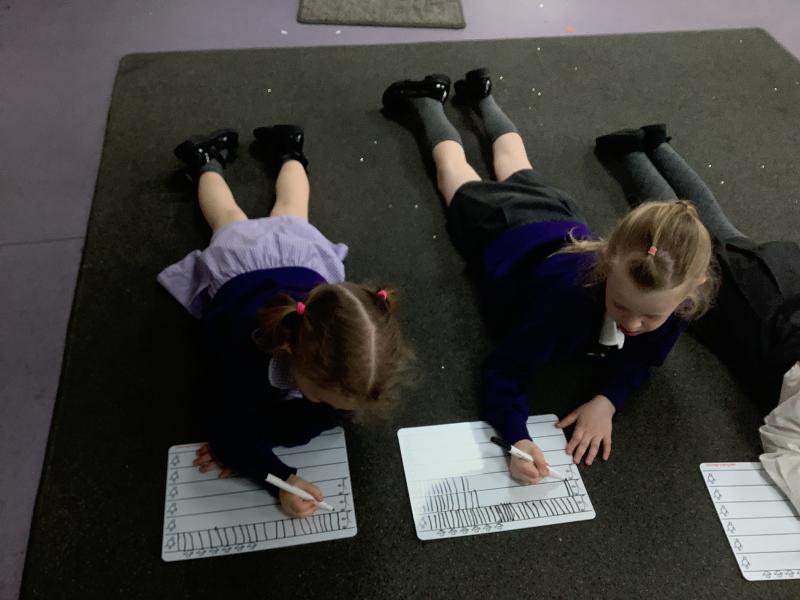
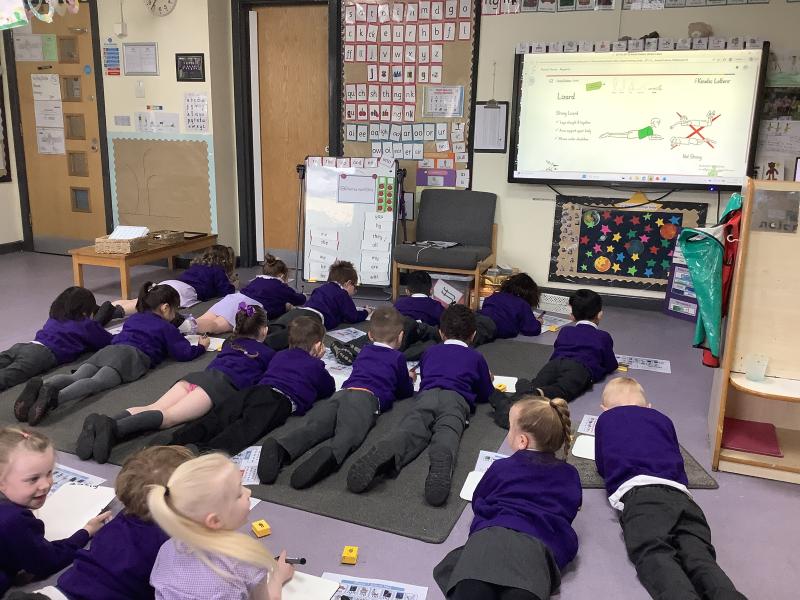
This term the children in Reception will be trialling our new handwriting scheme- Kinetic Letters. This scheme is designed to strengthen the body, train correct movemnet patterns amd help the children develop a fluent, confident handwriting style that supports their wider learning. This week we have been focusing on improving our posture by adopting a range of different animals stances designed to strengthen our bodies in preparation for writing. These stances included the meercat, the penguin, the stone lion, the bear and the lizard. We have been practising these stances throughout the day aswell as our daily handwriting session. We have also been learning the 6 basic movement patterns down, up, push, pul, slide and flick. We have been practicing them in the air, in our sand trays and on our brand new Kinetic Letters hiteboards. The children have throughly enjoyed this new and exciting multi sensory approach and we can't wait to monitor the impact of this new programme.
Year 2- Creating an algorithm !
Date: 14th Apr 2026 @ 2:56pm
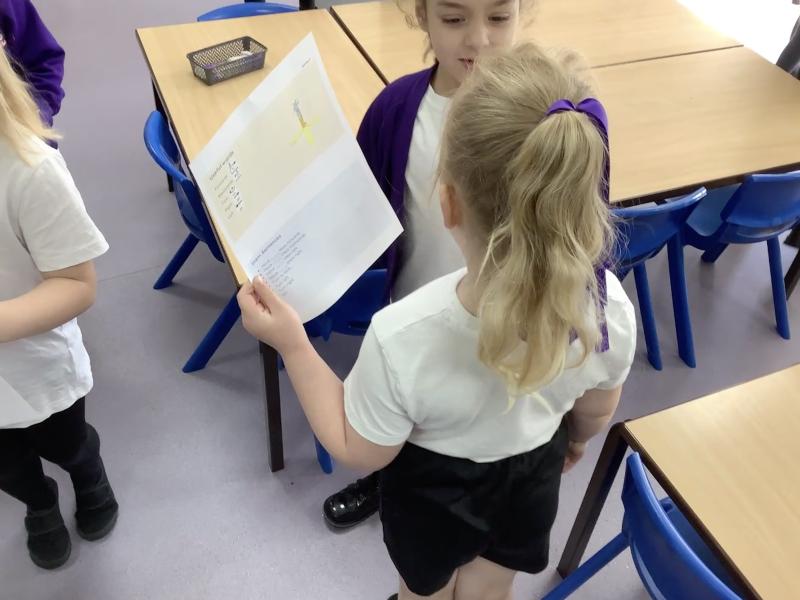
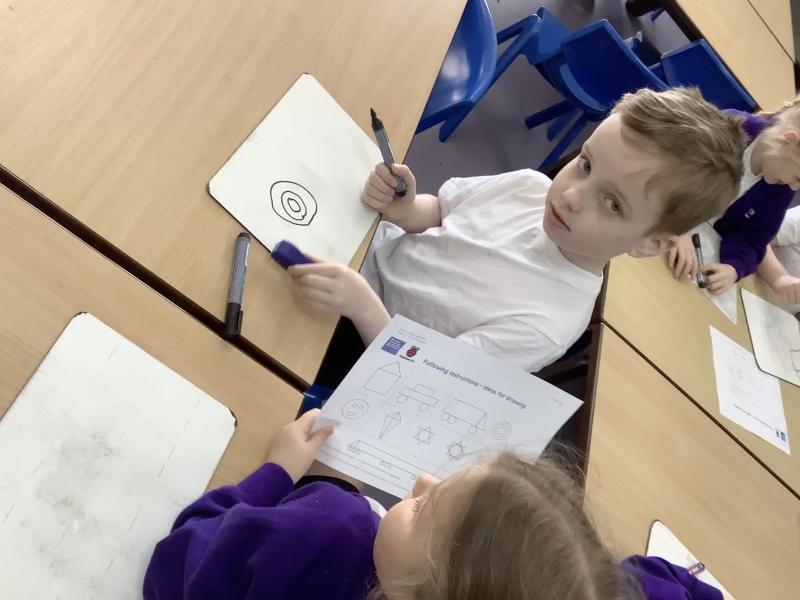
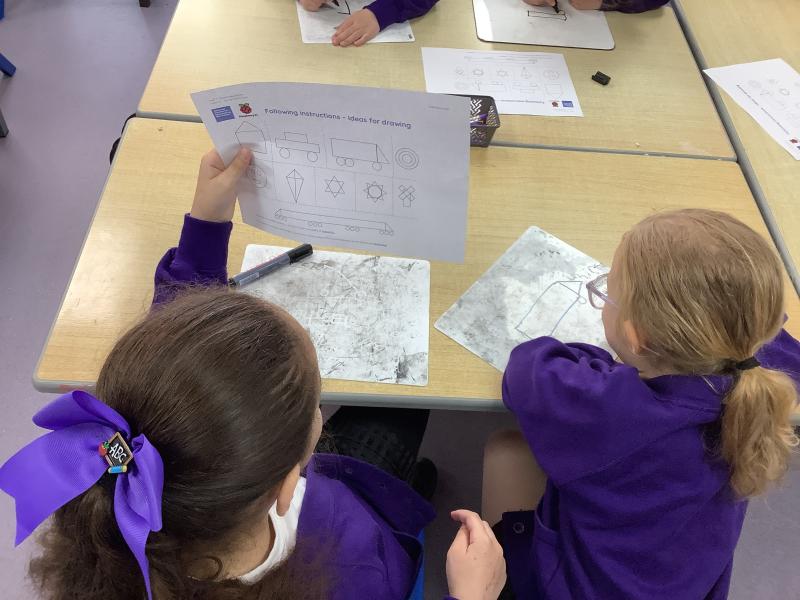
Year Two have been starting their exciting computing journey by learning all about algorithms 🤖✨. The children followed a set of instructions to draw a house 🏠, before working in pairs to give clear instructions to help their partner draw a picture.
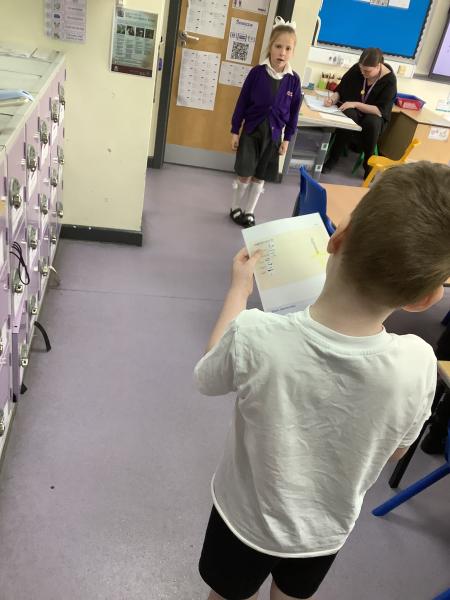
We talked about which words are helpful when giving instructions, including direction, size, and position words 📏⬆️⬇️. The classroom then turned into a robot zone as we became human robots 🤖! Children gave their partners a set of instructions to move around the room, using directional language such as left, right, turn, move, forwards, and backwards.
Next, we began creating a sequence of instructions and used the word “go” ▶️ to show when the algorithm was complete. The children will use these skills soon when coding with our Bee-Bots 🐝💛.