Science: Blog items
Reception learn about nocturnal animals
Date: 13th Oct 2026 @ 8:02pm
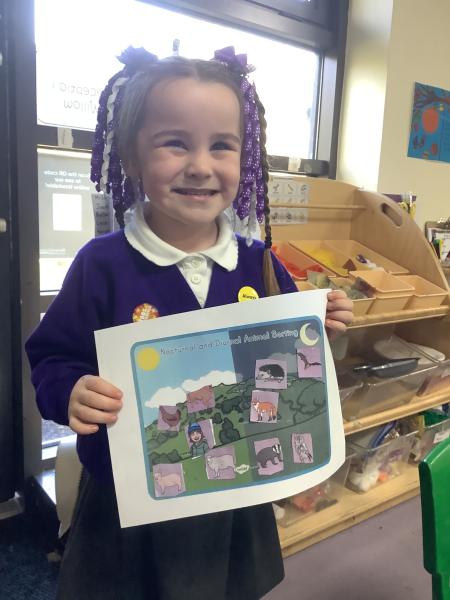
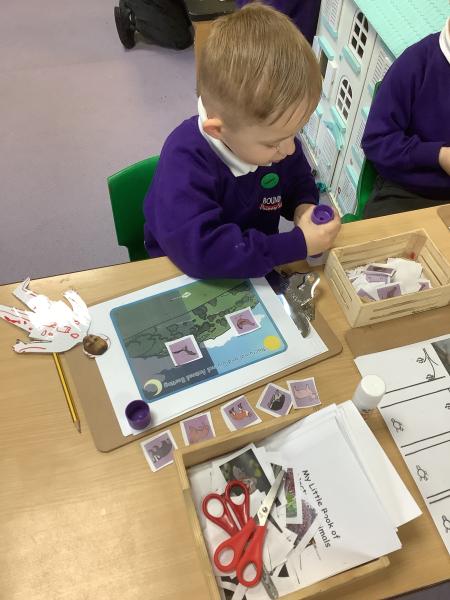
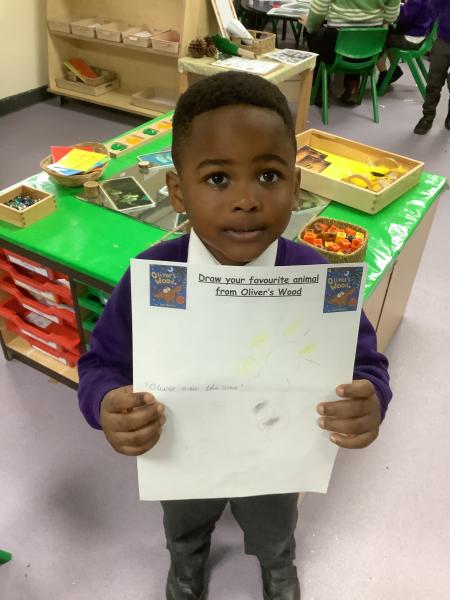
Following our exciting visit from SMJ Falconry, we continued our learning about nocturnal animals. We read the story Oliver’s Wood, which tells the tale of an owl who stays awake late into the night and experiences the sunrise. The story helped us learn about the difference between nocturnal animals, which are awake at night, and diurnal animals, which are active during the day.
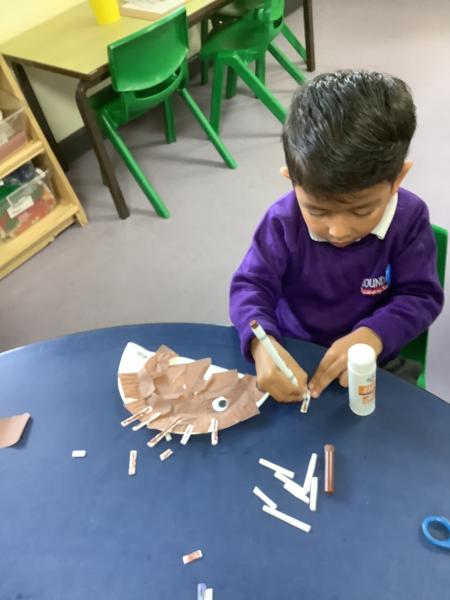
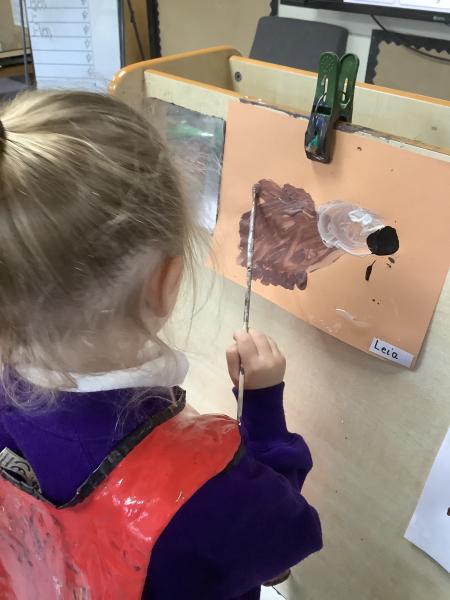
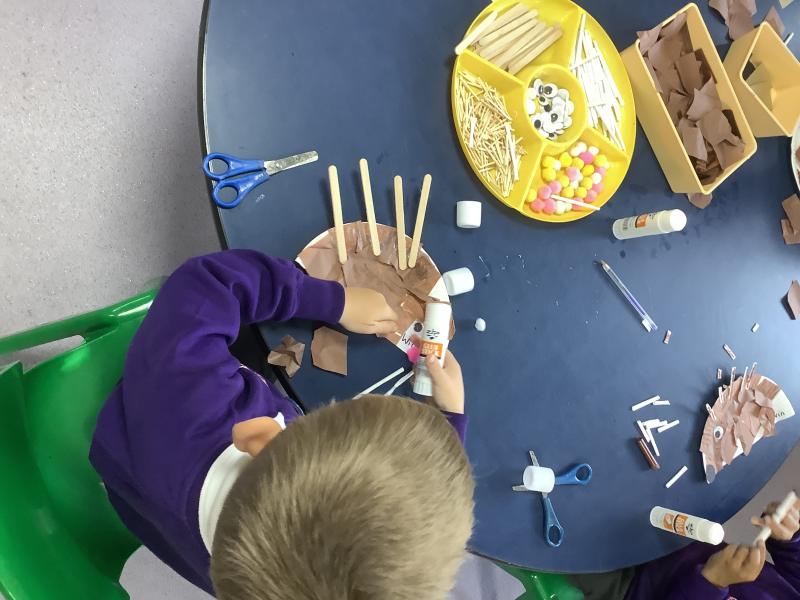
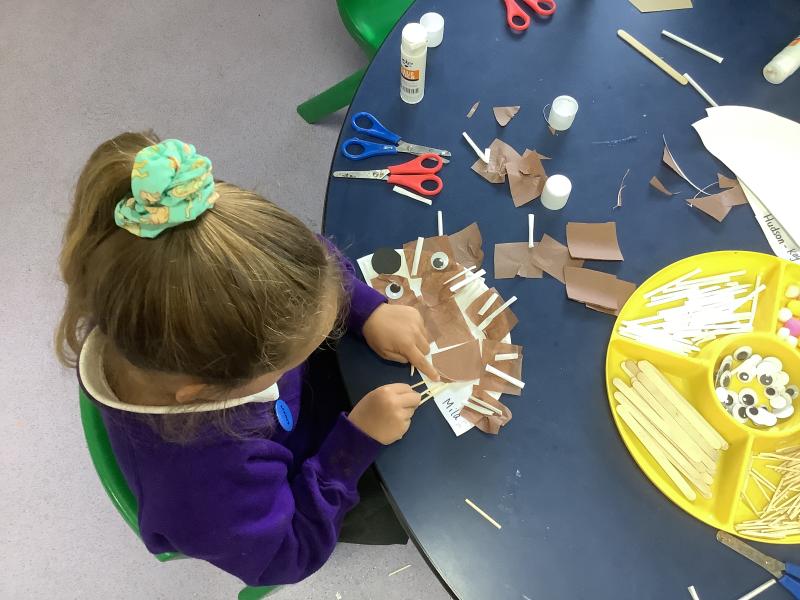
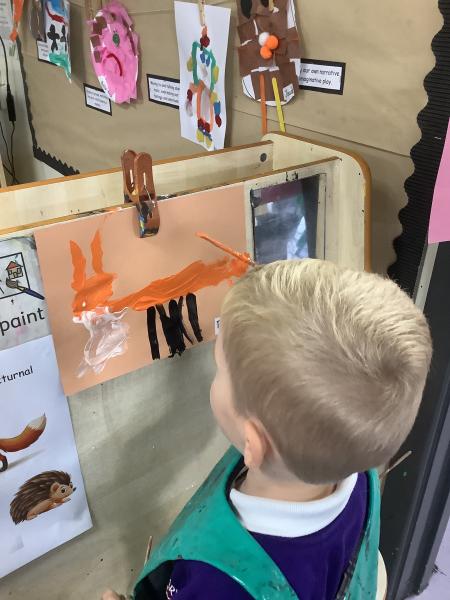
We enjoyed finding out about a variety of nocturnal animals, including bats, hedgehogs and foxes. We learned how these animals use their senses to help them survive, hunt for food in the dark and protect themselves from danger. We explored some of their special features and discussed how animals adapt to their habitats and ways of life. The children loved getting creative by painting different nocturnal animals and using a range of materials to design, join and assemble their own animal models.
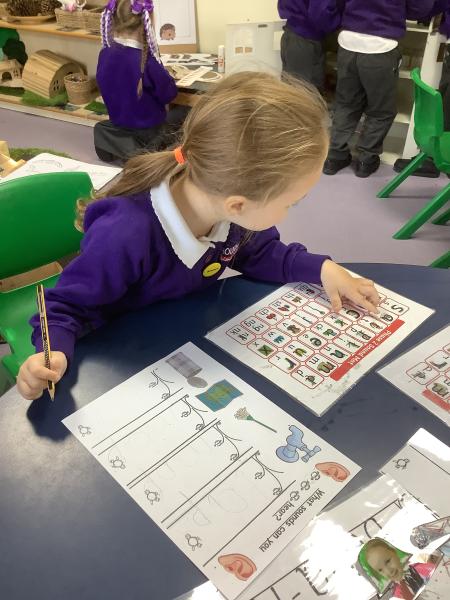
During our oracy sessions, we expanded our vocabulary by learning and using new words such as nocturnal, prey, hunting, senses and adapt. We were amazed by all the fascinating things we discovered and have thoroughly enjoyed becoming experts on nocturnal animals! 🦉🦇🦔🦊
Date: 7th Oct 2026 @ 8:37pm
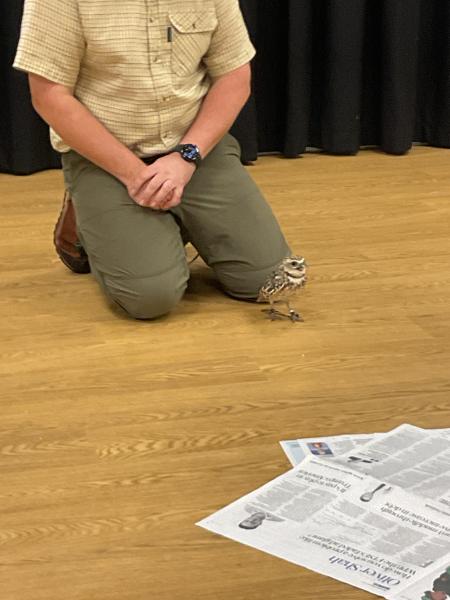
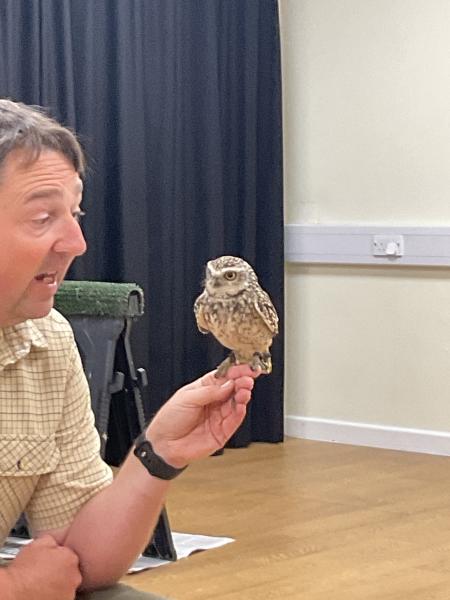
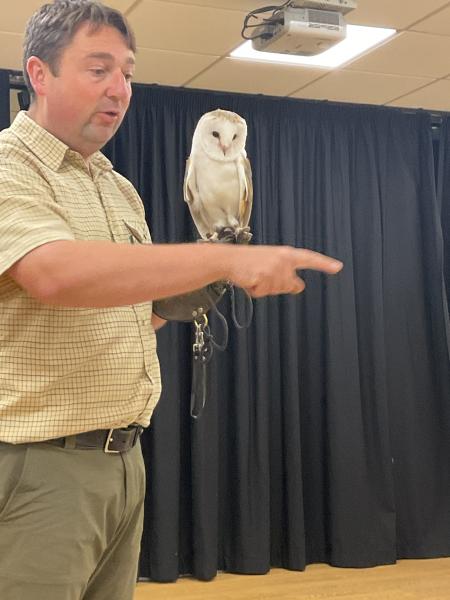
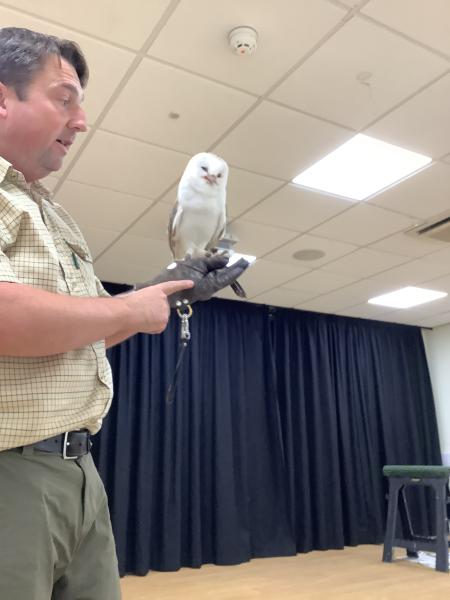
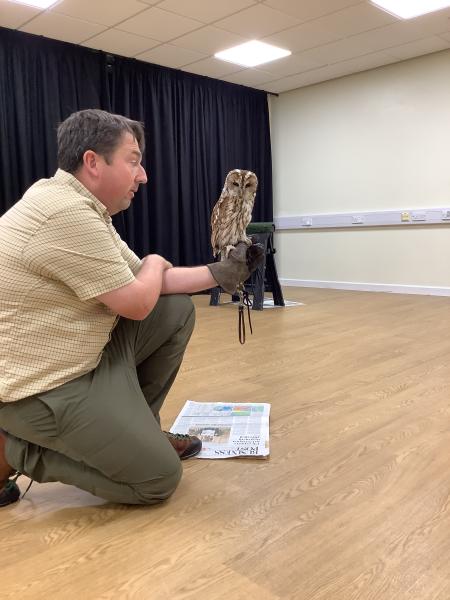
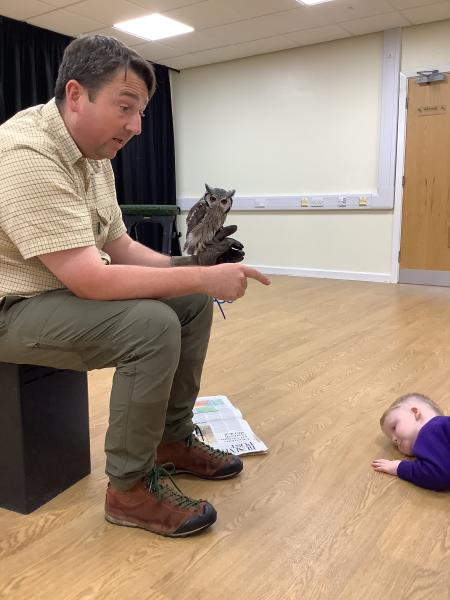
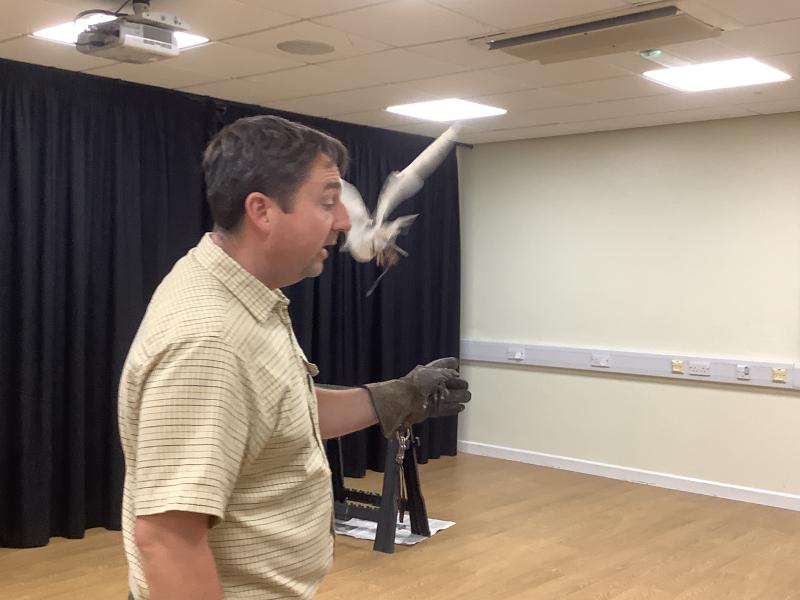
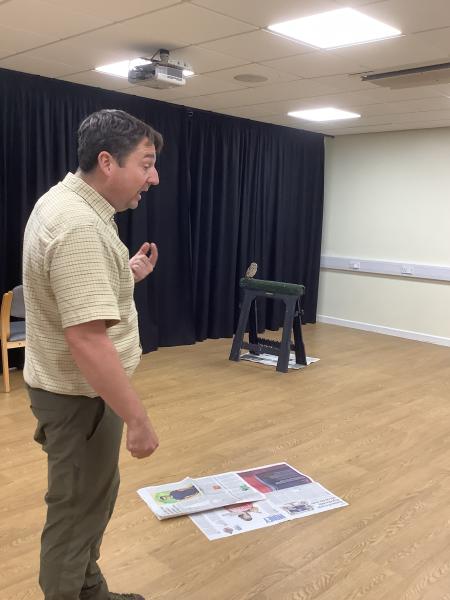
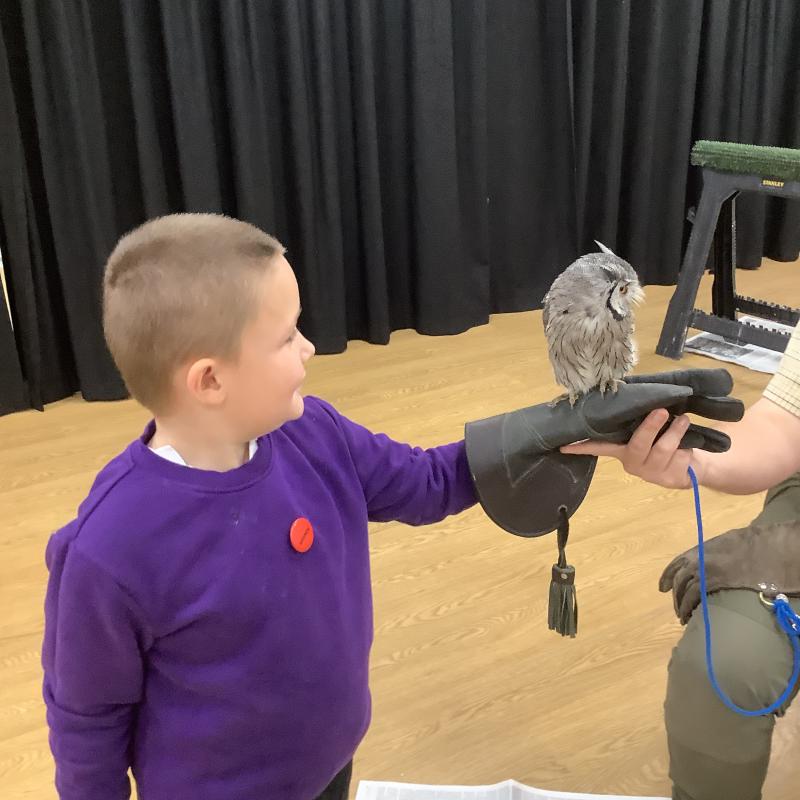
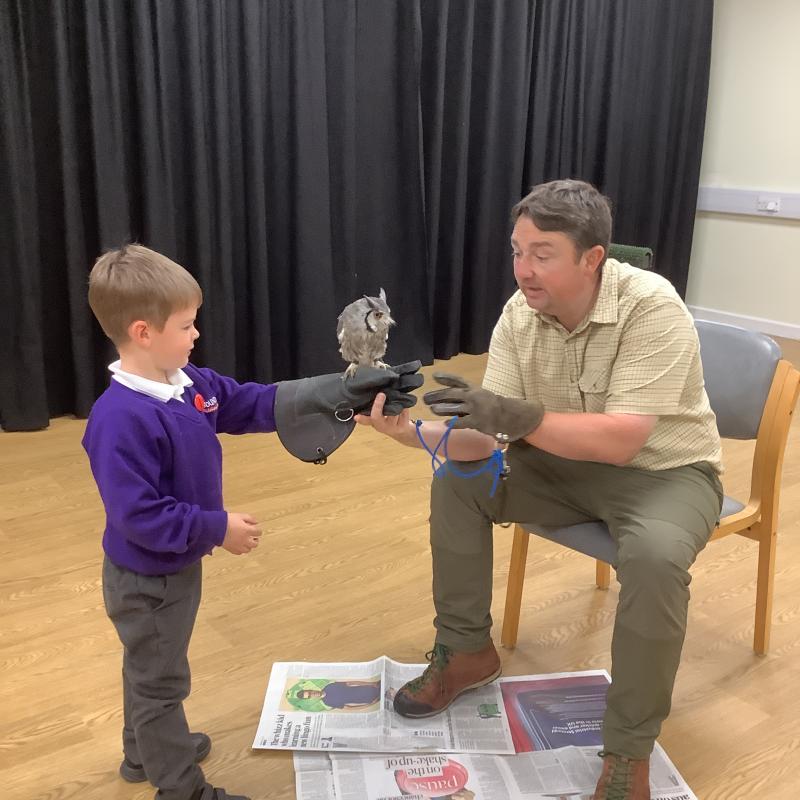
This week, Acorns enjoyed a very special visit from SMJ Falconry, who brought along four beautiful owls for us to meet - JD, Fluffy, Tike and Midge. The children were fascinated watching them in their flying demonstration and listening to some amazing facts. It was wonderful to see these magnificent birds so close and observe how they move through the air. We were also very lucky to have the opportunity to hold one of the owls.
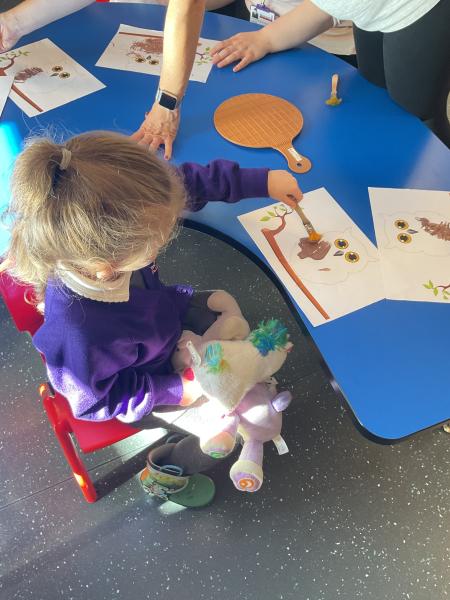
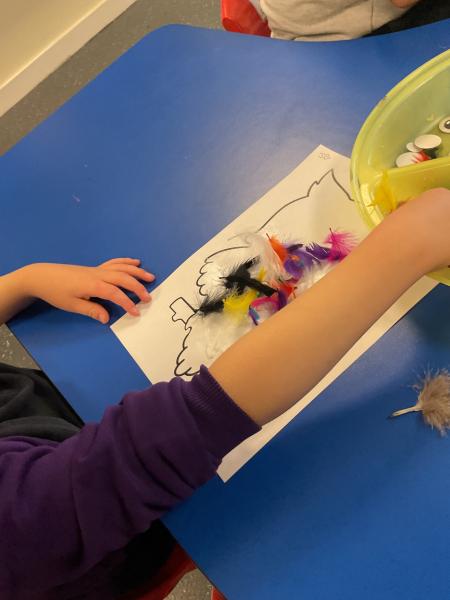
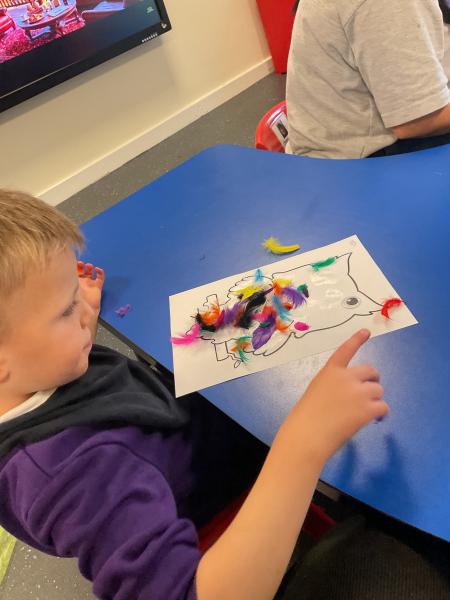
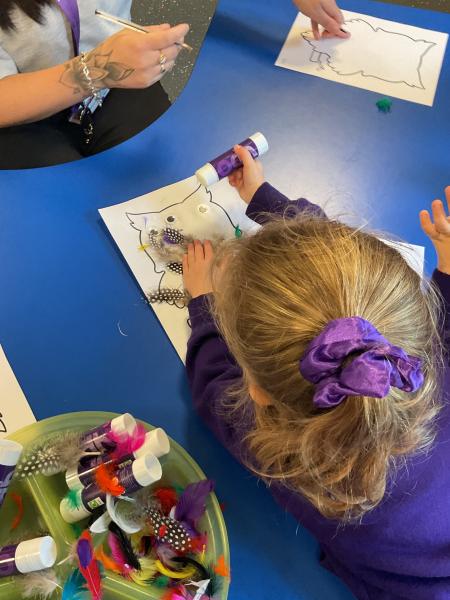
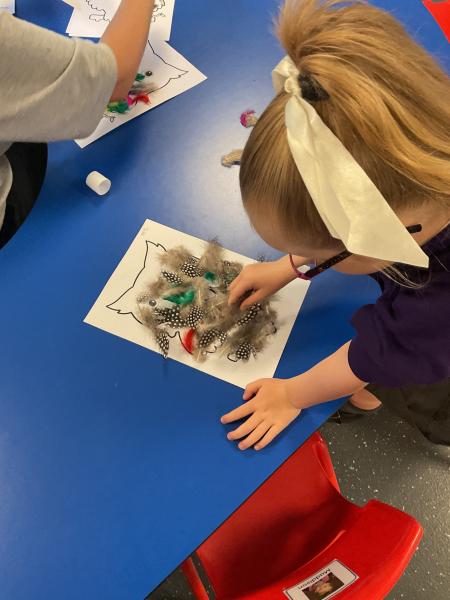
The children really enjoyed this experience and to support our learning engaged in variety of activities in class. Our class story this week is Owl babies and we loved creating our own owls using different mediums and tools, especially using forks to paint a feather effect!
Date: 6th Oct 2026 @ 9:15pm
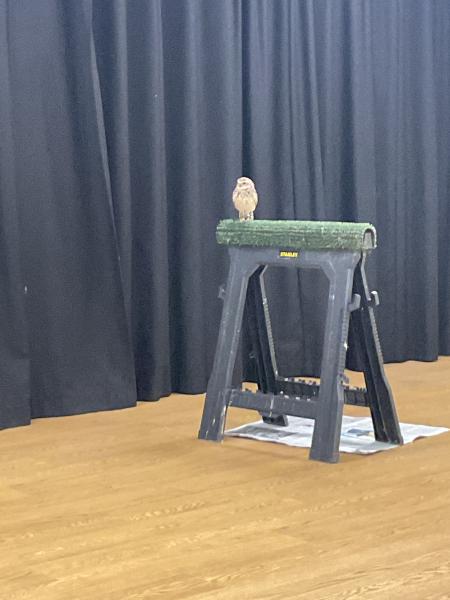
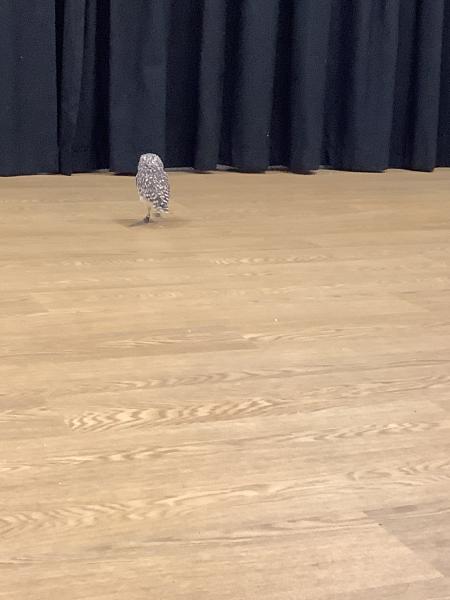
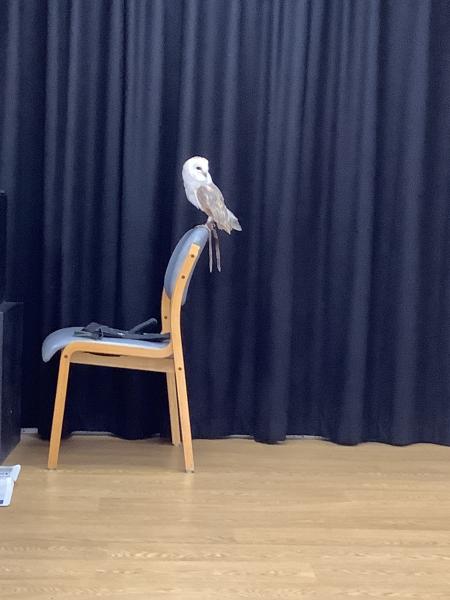
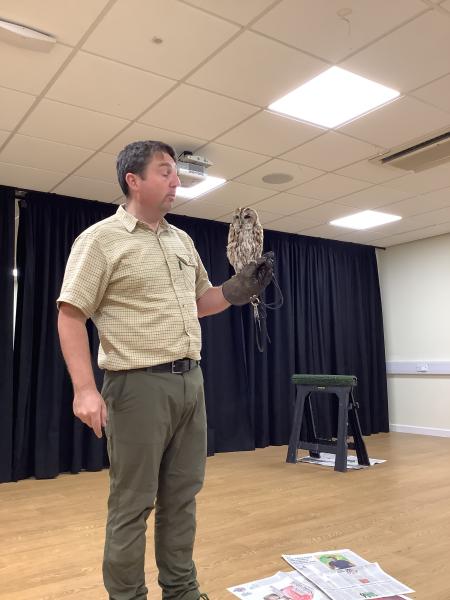
Nursery had a very special visitor this week when four beautiful owls came to see us. The children were fascinated to meet a Barn Owl, a Tawny Owl, a Burrowing Owl, and Midge, a wonderful 15-year-old owl.
We learned lots of interesting facts about each owl, including where they live, what they eat and how they use their feathers and keen senses to help them hunt. The children listened carefully, asked lots of thoughtful questions and enjoyed seeing the owls up close.
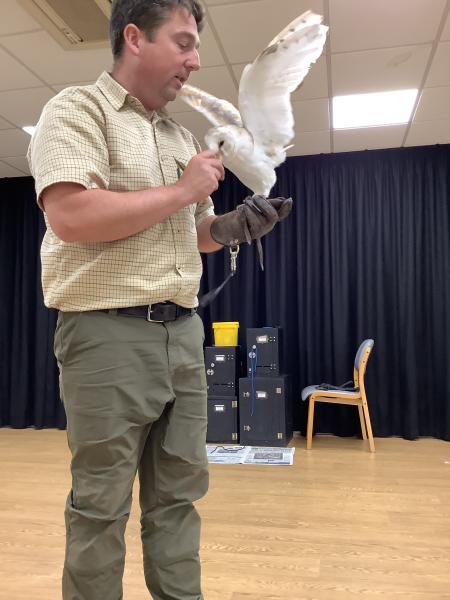
Meeting the owls gave us a fantastic opportunity to learn about wildlife and the natural world. The highlight for many of the children was watching the owls spread their wings and seeing just how different each one was.
We would like to say a big thank you to our owl visitors for such a memorable and exciting experience. The children have been talking about the owls all day! 🦉✨
🥚 Egg-cellent Science in Year 2! 🧪
Date: 5th Oct 2026 @ 9:16am
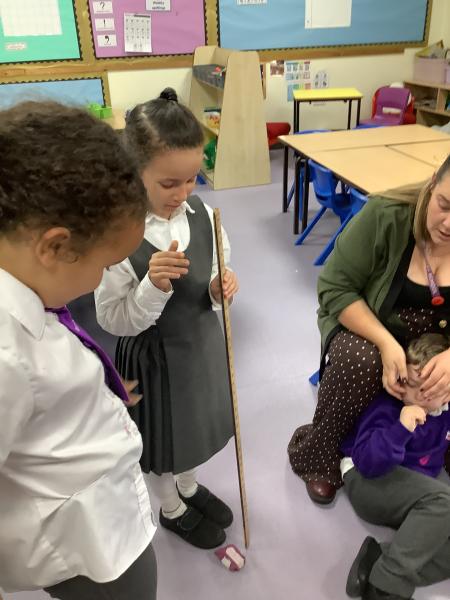
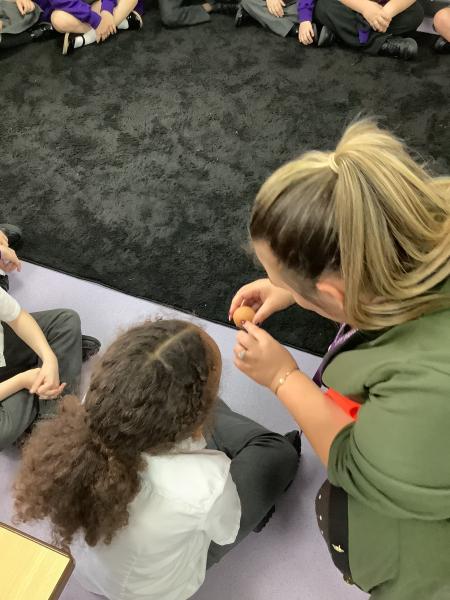
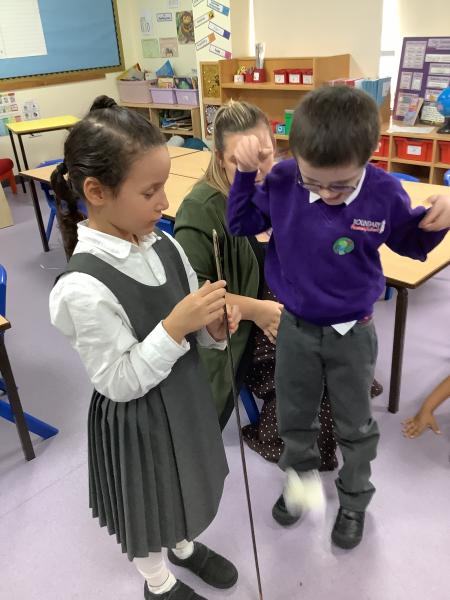
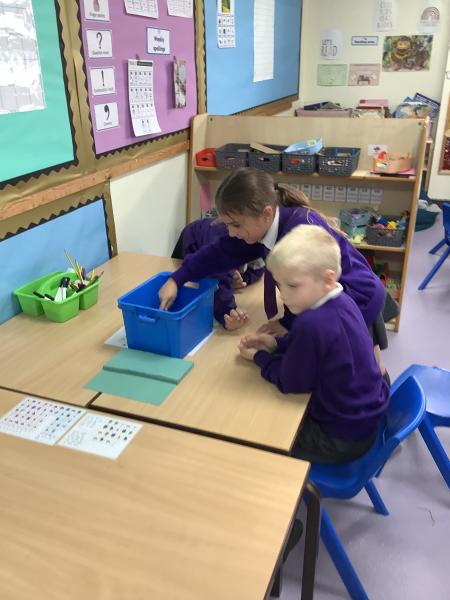
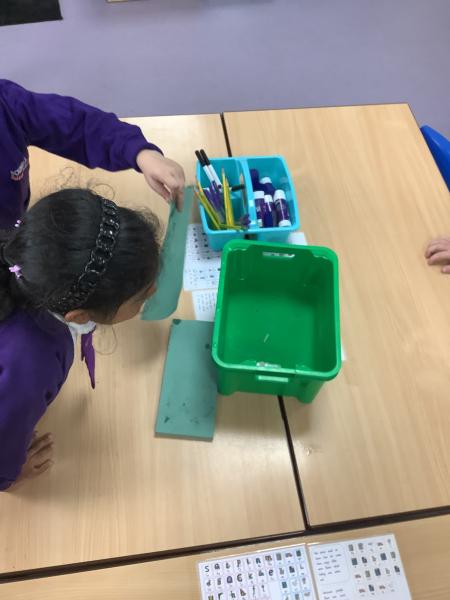
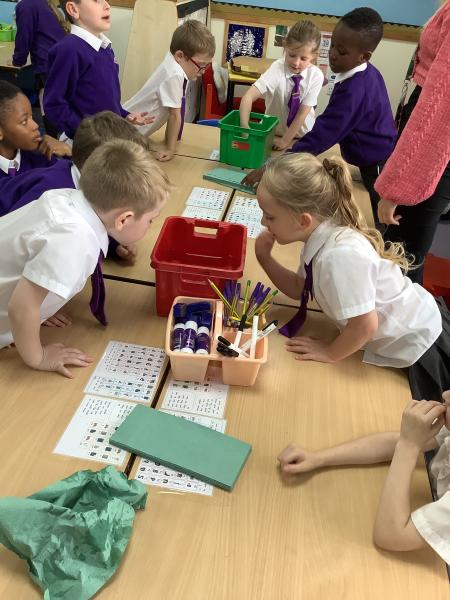
Year 2 have been putting their scientific skills to the test with an egg-citing investigation! 🥚🔬
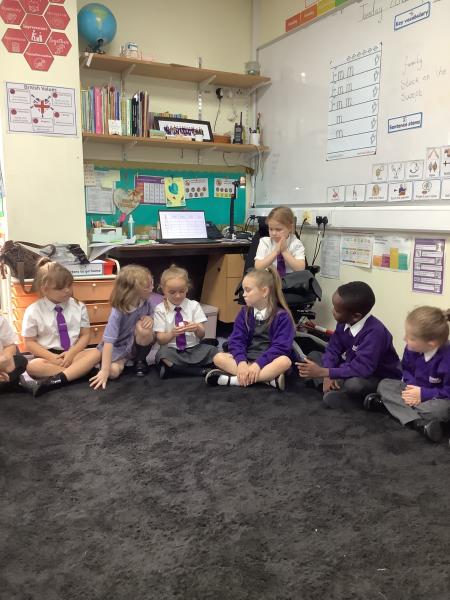
Our challenge was to find out which material would protect an egg best when dropped. The children explored a range of different materials and made predictions about which one they thought would provide the best protection. 🤔💭
We then put our ideas to the test! The children carefully observed what happened to each egg when it was dropped and compared the results. 👀📋 There were lots of excited faces as we discovered which materials were the most effective at keeping our eggs safe! 🥚🛡️
Year 2 did a fantastic job of predicting, testing, observing and discussing their results. 🌟👏
What egg-cellent scientists you are, Year 2! 👩🔬👨🔬🥚✨
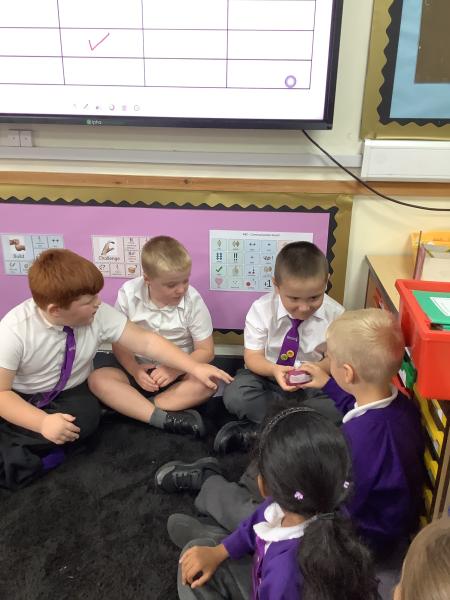
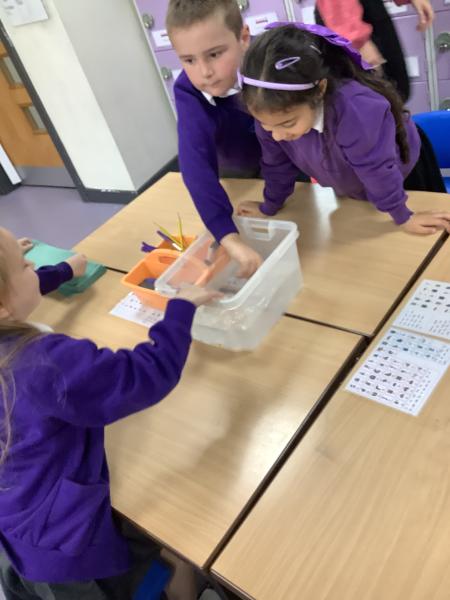
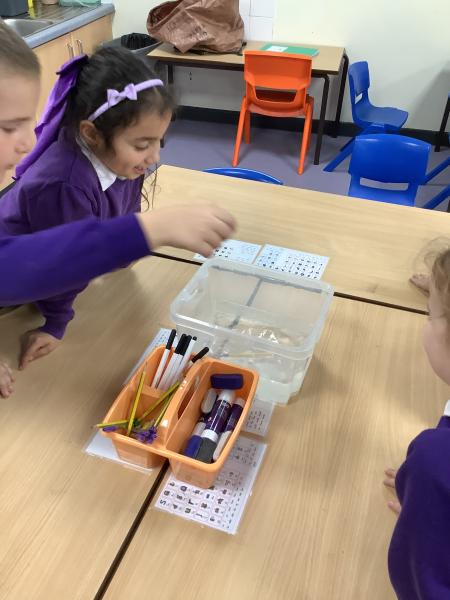
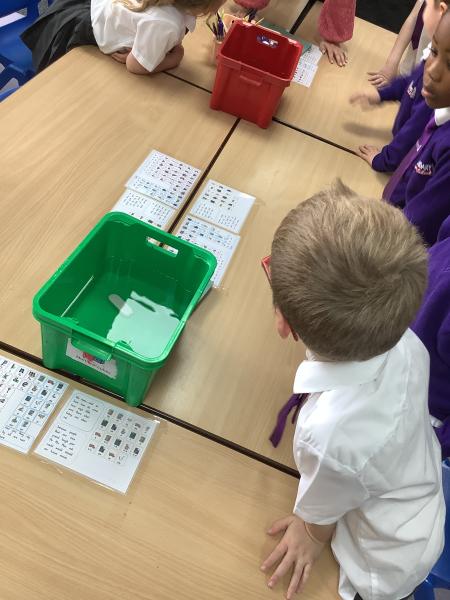
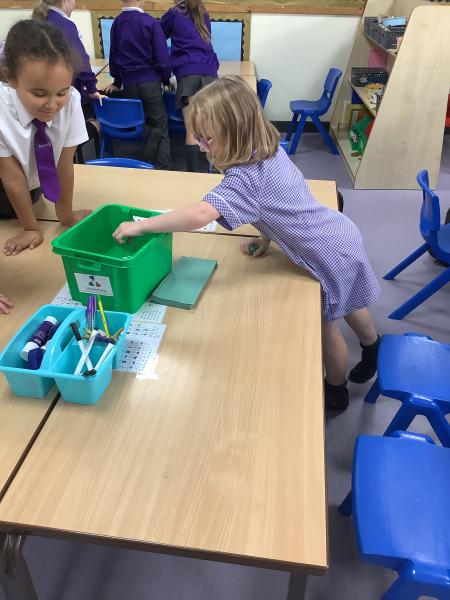
💦 Year 2- Splish, Splash, Sink or Float? 💦
Date: 5th Oct 2026 @ 9:13am
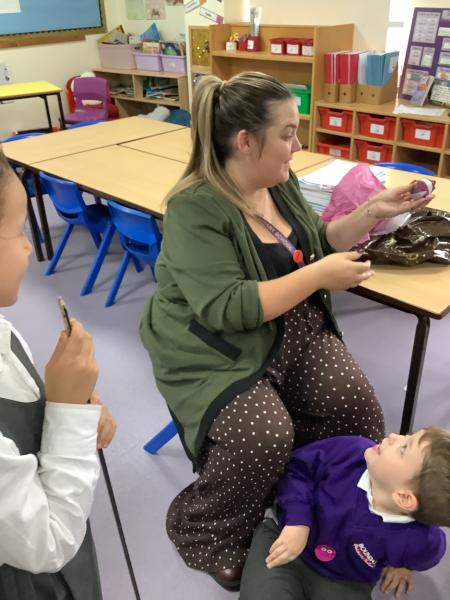
Year 2 have been busy becoming super scientists this week! 👩🔬👨🔬 We have been exploring sinking and floating, investigating what happens when different objects are placed in water. 💧
Before testing each object, the children made careful predictions about whether they thought it would sink to the bottom or float on the surface. 🤔 We then carried out our investigation and compared our results with our predictions. ✅
We had lots of fun observing, discussing and explaining what we noticed. What fantastic scientific thinking, Year 2! 🌟🔬👏
Date: 4th Oct 2026 @ 9:22pm
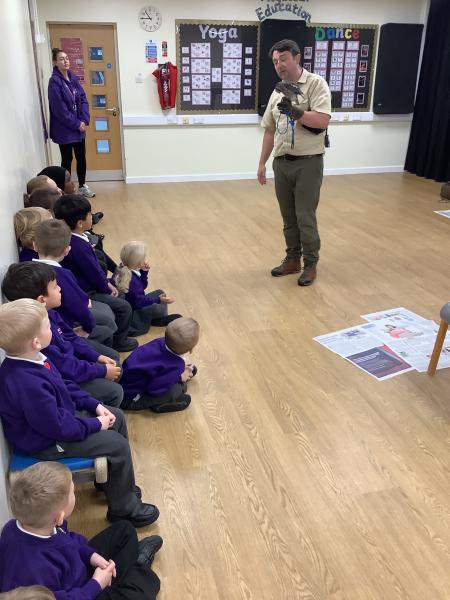
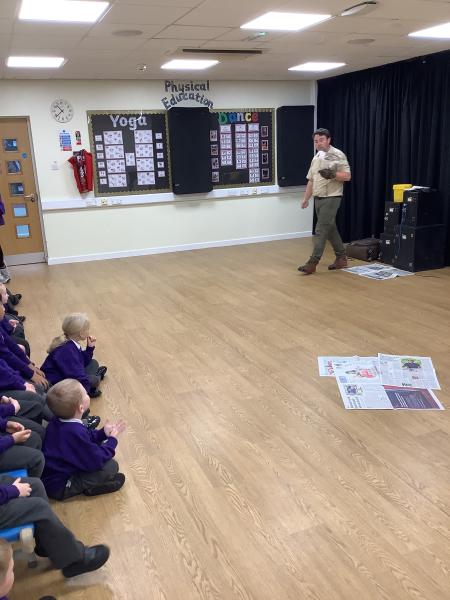
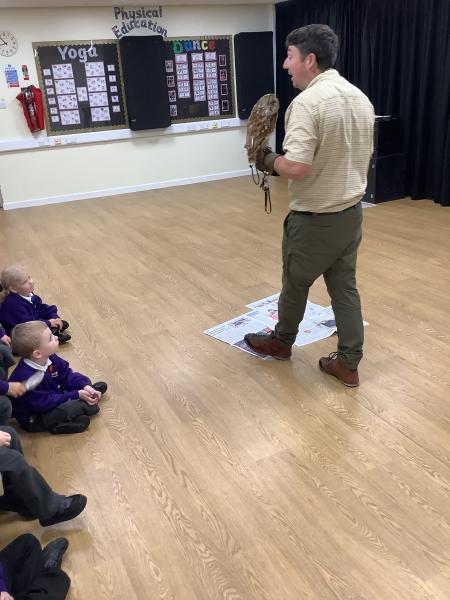
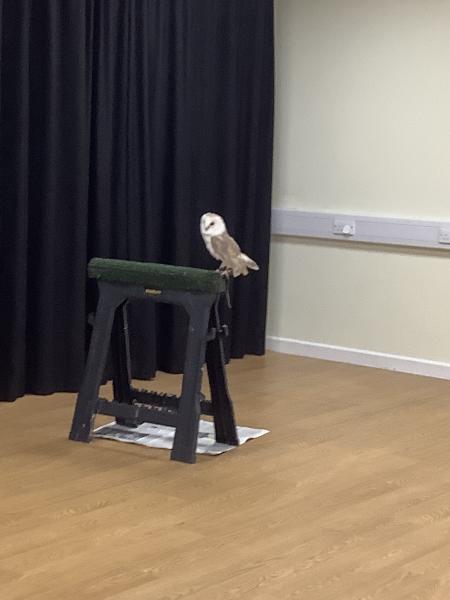
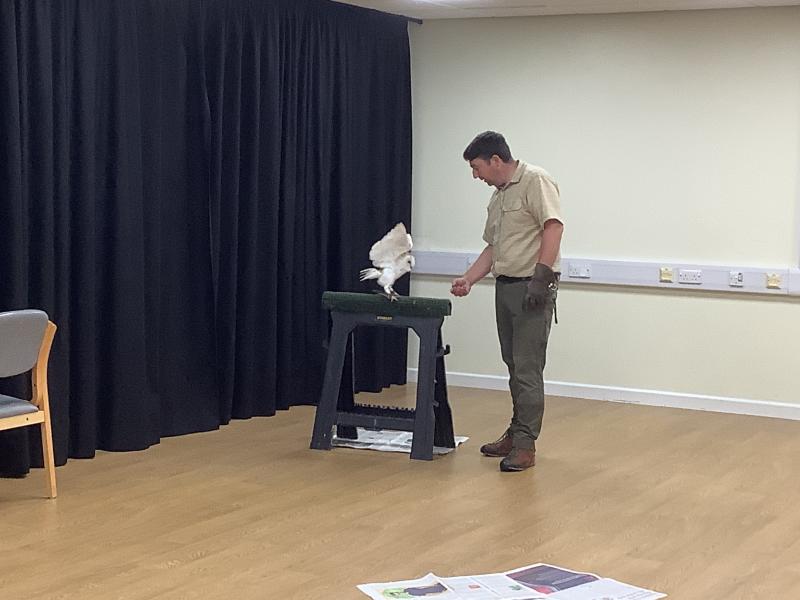
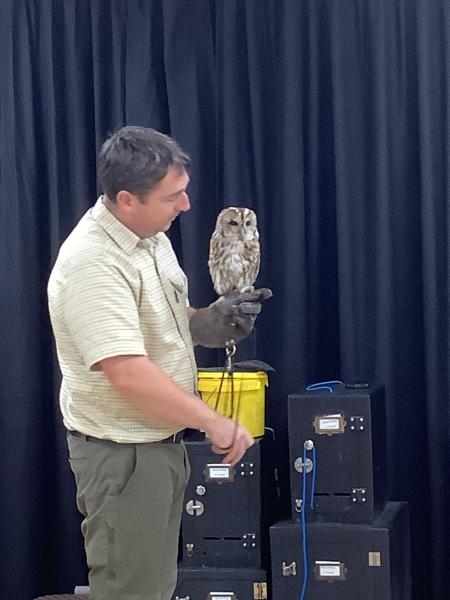
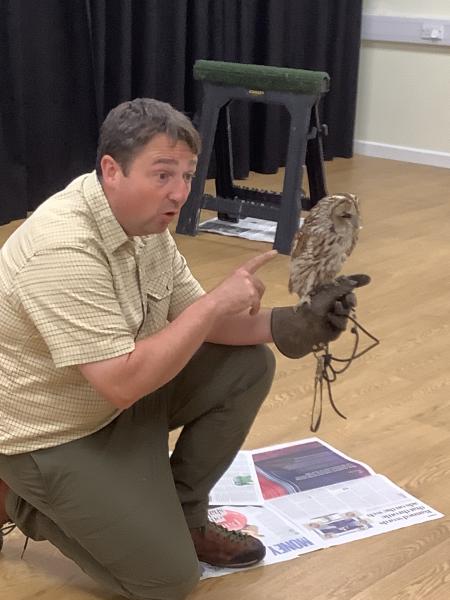
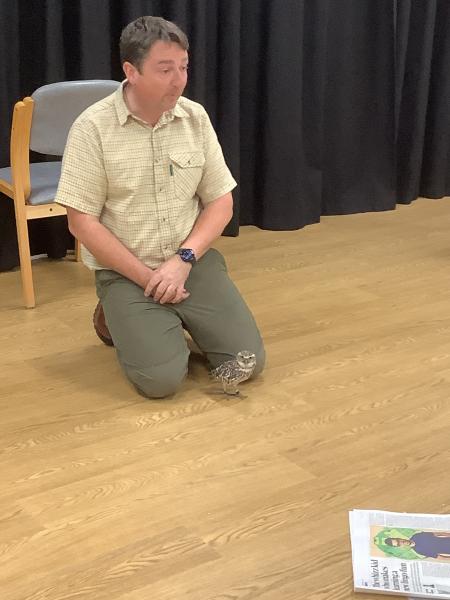
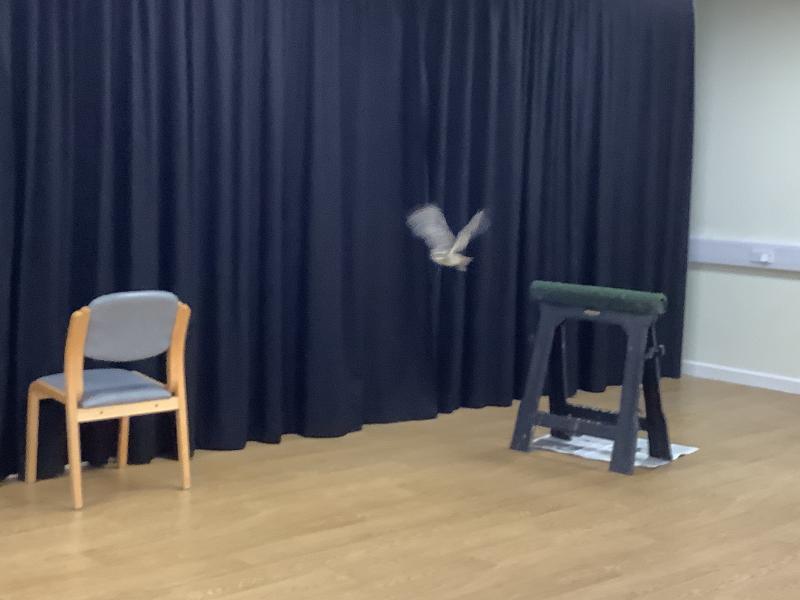
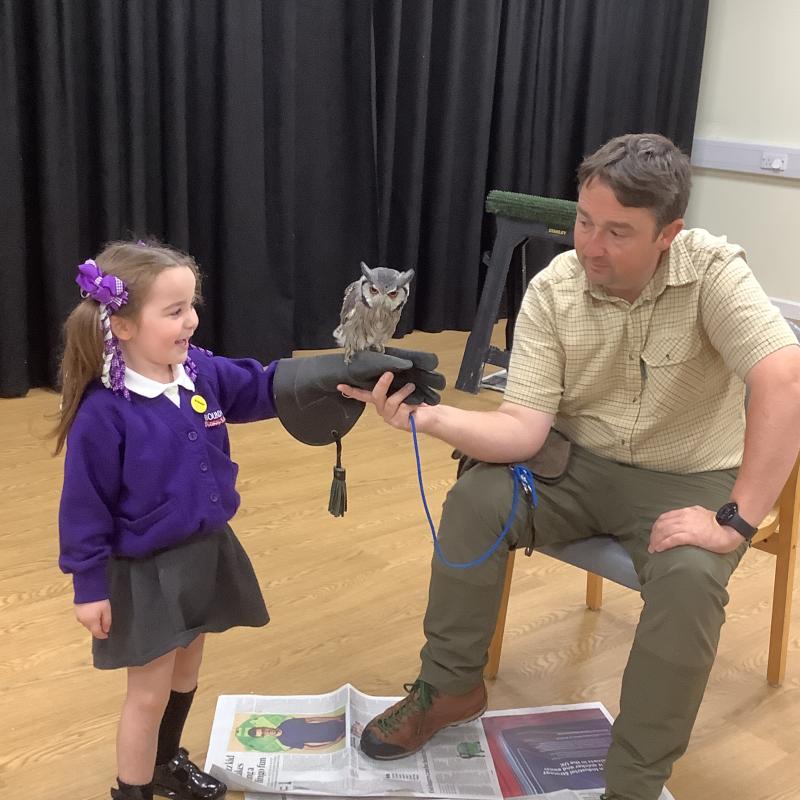
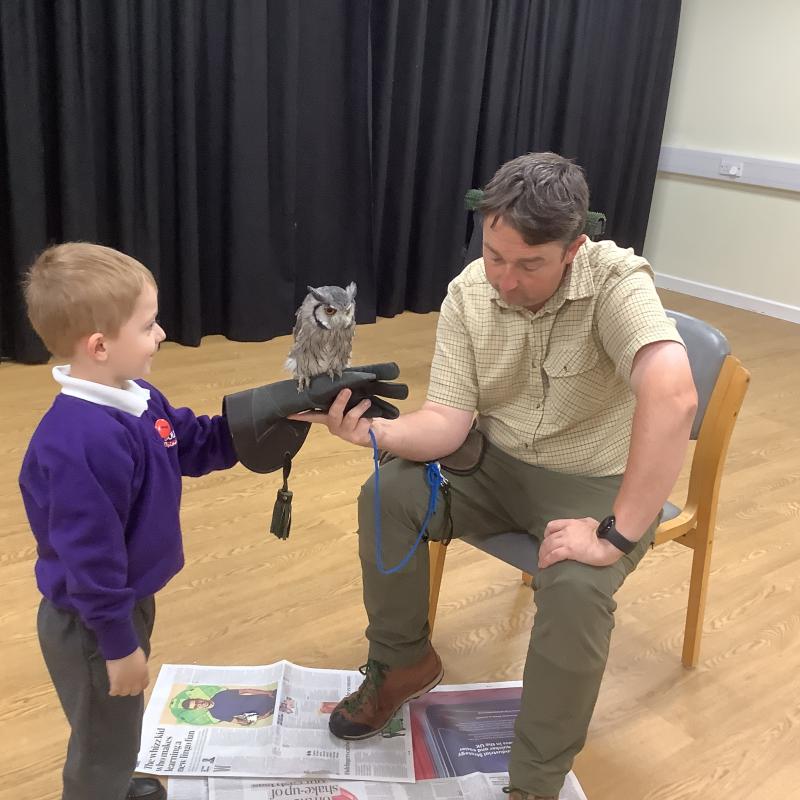
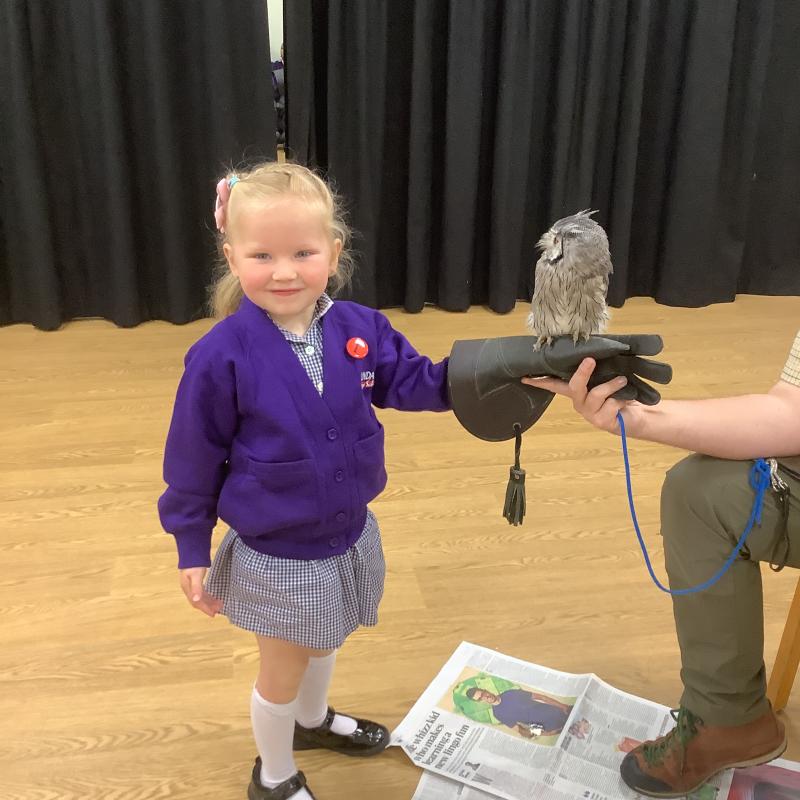
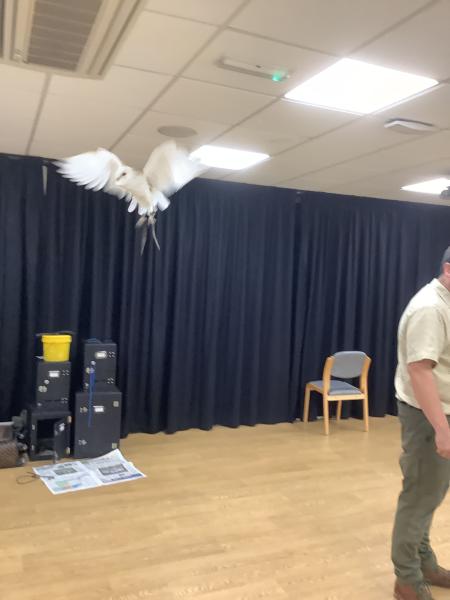
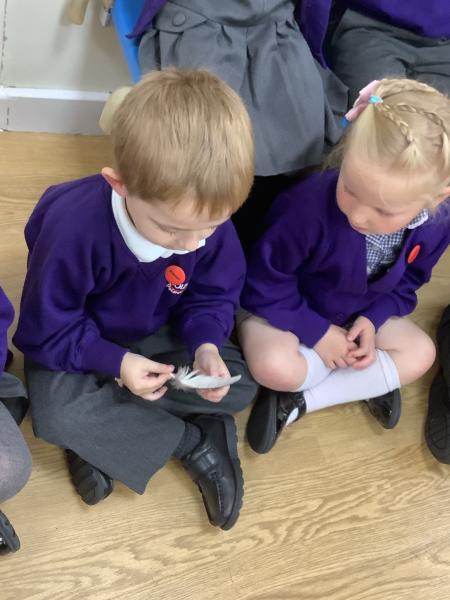
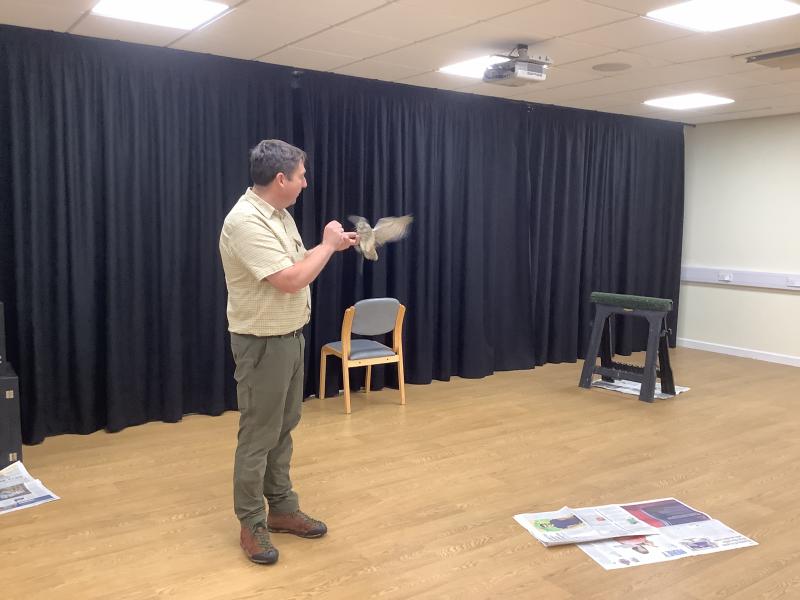
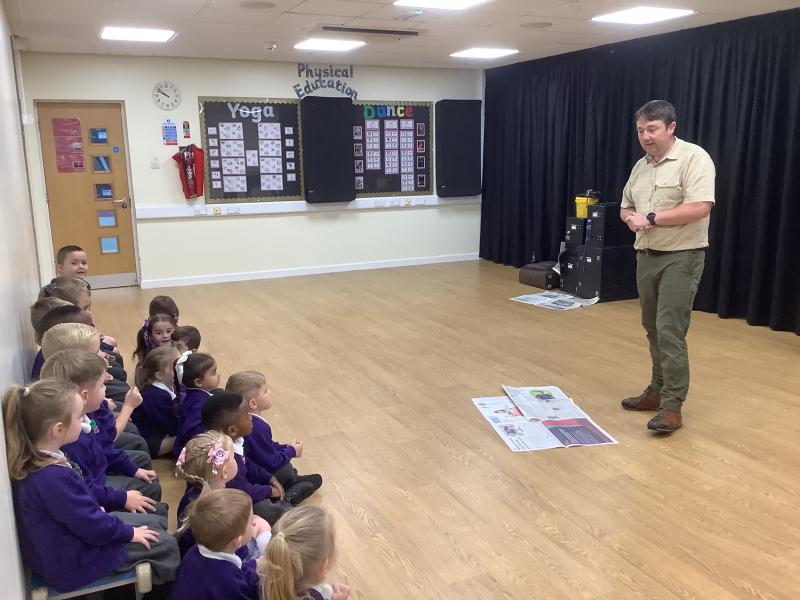
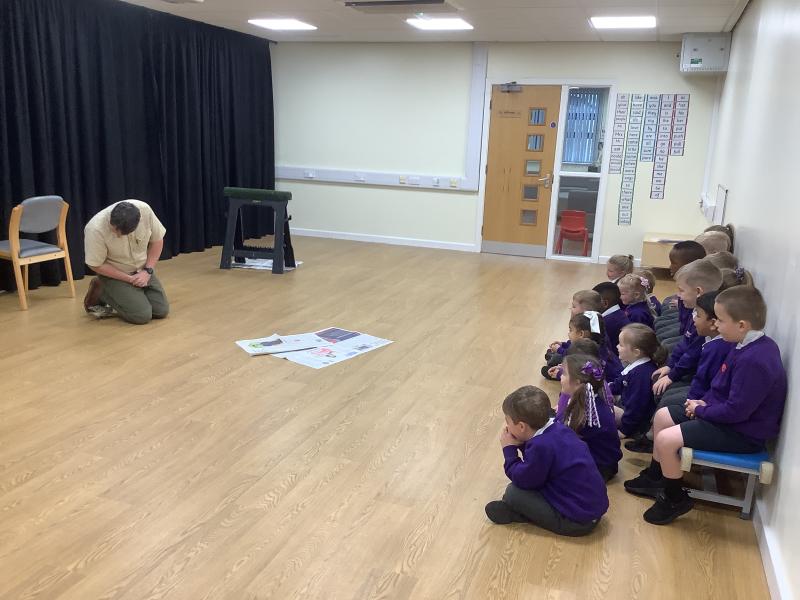
This week, Reception had a very special visit from SMJ Falconry, who brought along four beautiful owls for us to meet-
JD, Fluffy, Tike and Midge. The children were fascinated from the moment the owls arrived and were eager to learn all about these amazing birds. During the session, we discovered lots of interesting facts about owls. We learnt about what they eat and how they hunt for their food. The children were amazed to find out how quietly owls can fly and how their sharp eyesight and hearing help them to catch their prey.
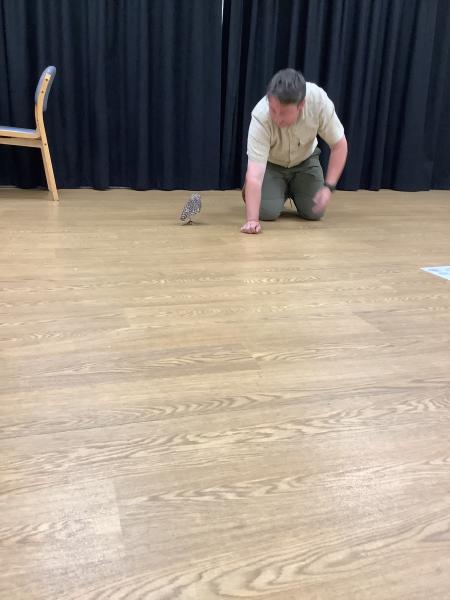
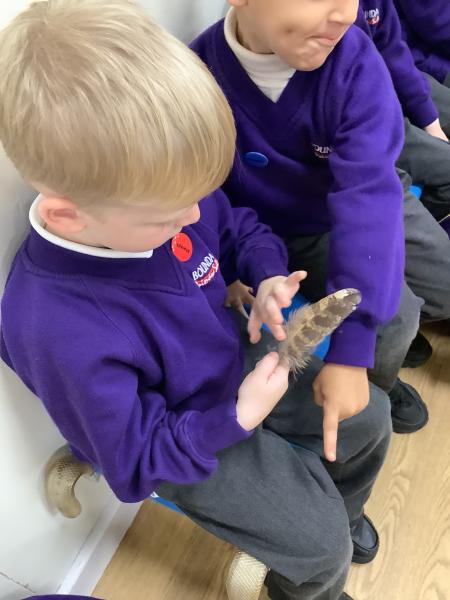
One of the highlights of the visit was watching the owls take part in a flying demonstration. The children watched in awe as the owls spread their wings and flew gracefully around the room. It was wonderful to see these magnificent birds so close up and observe how they move through the air. We were also very lucky to have the opportunity to hold one of the owls. The children showed excellent listening skills and followed all of the safety instructions carefully. Many of us were surprised by how soft the owl’s feathers felt and how calm it was when perched on our gloved hands. T
he visit was a fantastic experience that helped us learn more about the natural world and the different animals that share our environment. The children asked lots of thoughtful questions and demonstrated great curiosity throughout the morning.
A huge thank you to SMJ Falconry for giving us such an unforgettable experience. We all had a wonderful time and will be talking about our owl adventure for a long time to come!
Date: 2nd Oct 2026 @ 4:39pm
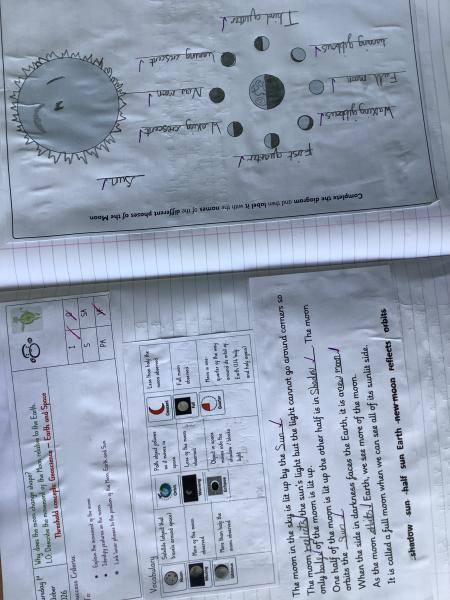
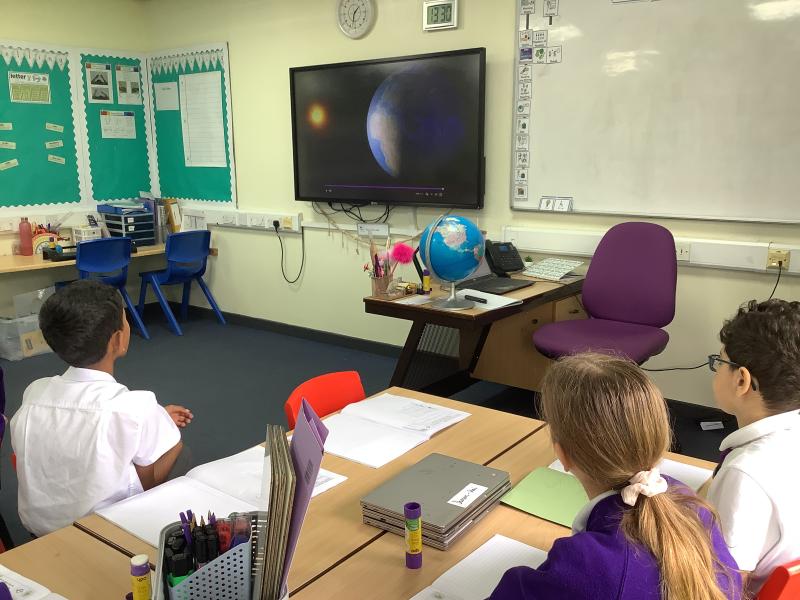
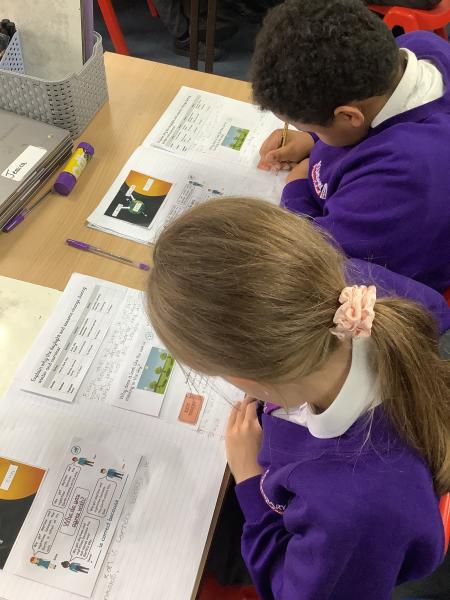
This half term, Year 5 have been learning about Earth and Space. We have explored our place in the solar system and discovered how the Earth, Moon and Sun move in relation to one another.
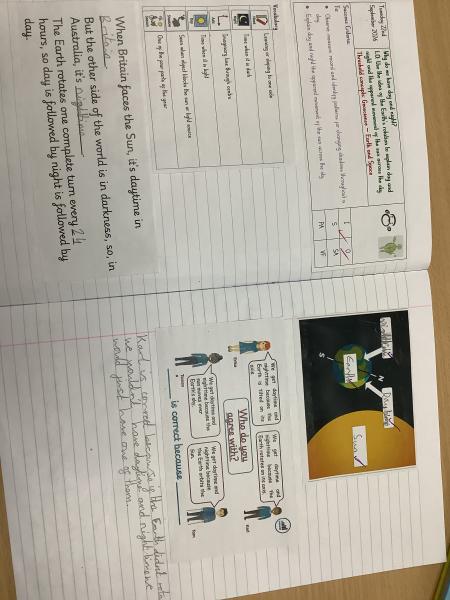
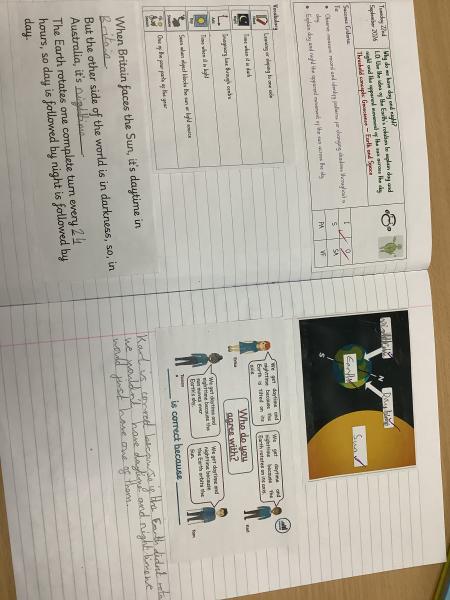
The children have learned that the Earth and the other planets orbit the Sun and that the Moon orbits the Earth. They have investigated how these movements create patterns that we observe, such as day and night. The children have also learned that the Sun, Earth and Moon are approximately spherical in shape.
The children should be able to tell you more at home as they have
- Described how the Earth and other planets move around the Sun.
- Explained how the Moon moves around the Earth.
- Recognised that the Sun, Earth and Moon are approximately spherical.
- Explained how the Earth's rotation causes day and night.
- Described why the Sun appears to move across the sky.
Date: 1st Oct 2026 @ 4:57pm
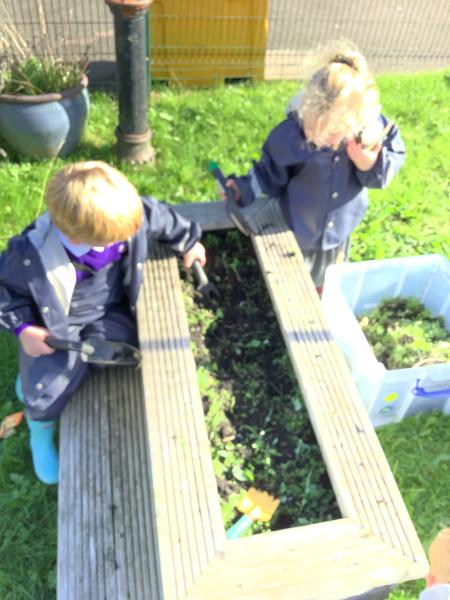
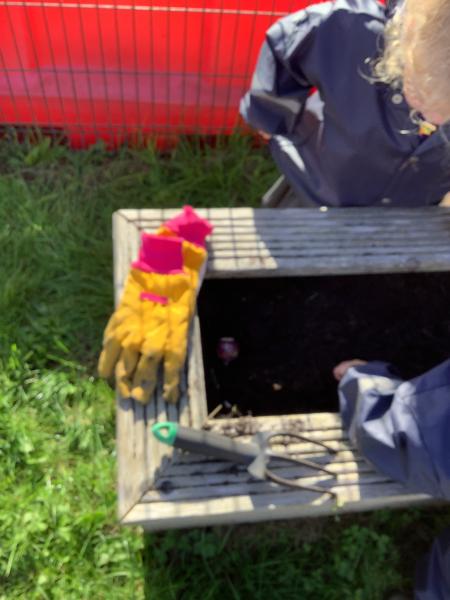
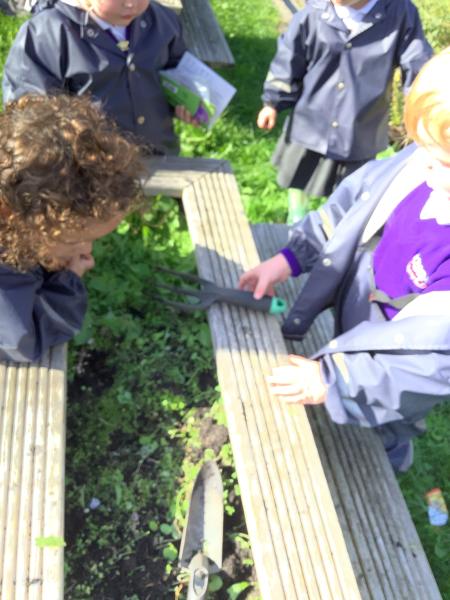
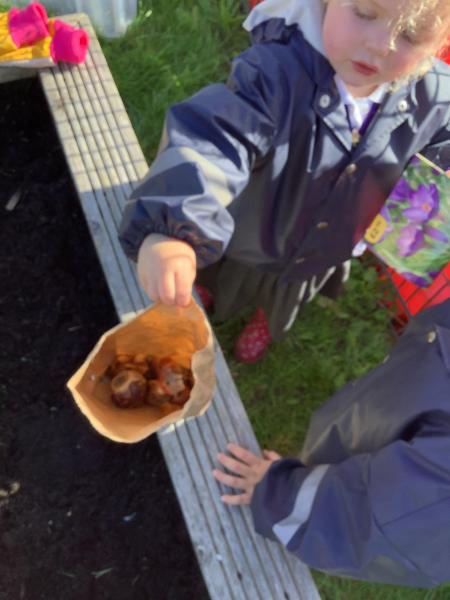
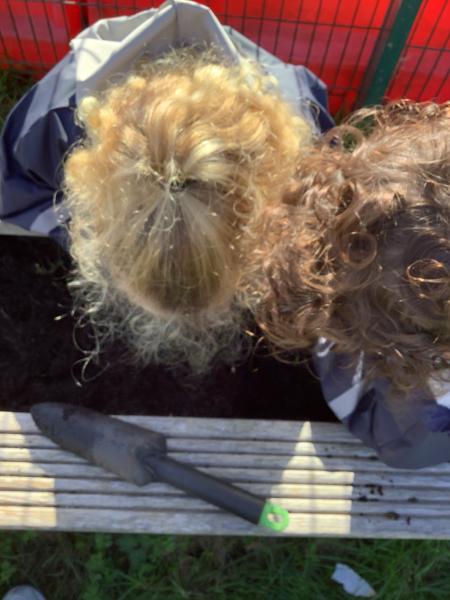
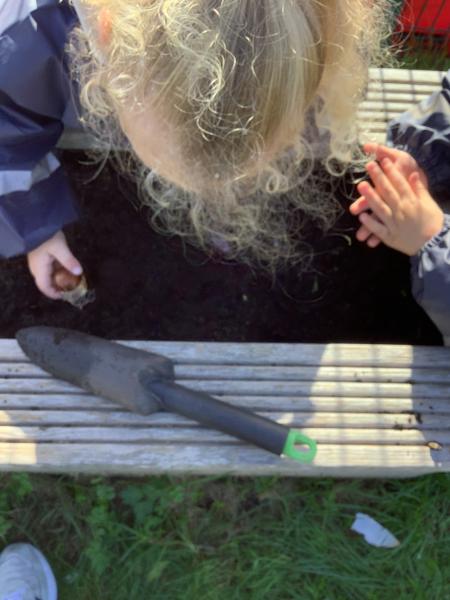
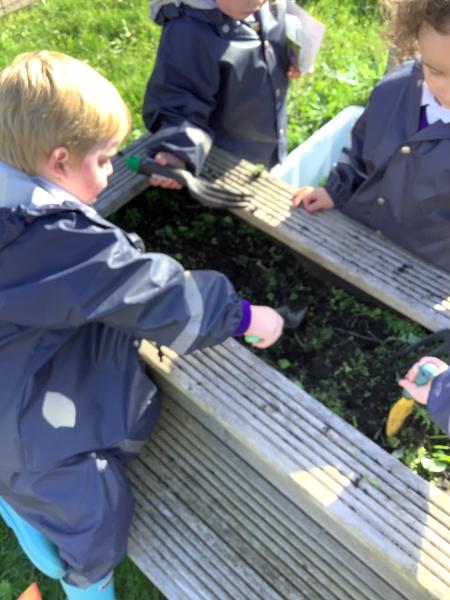
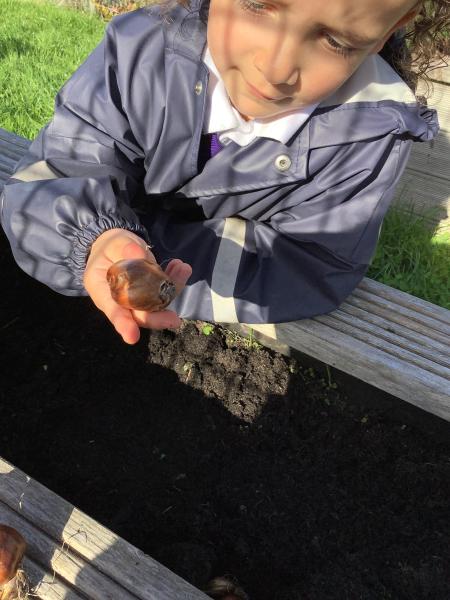
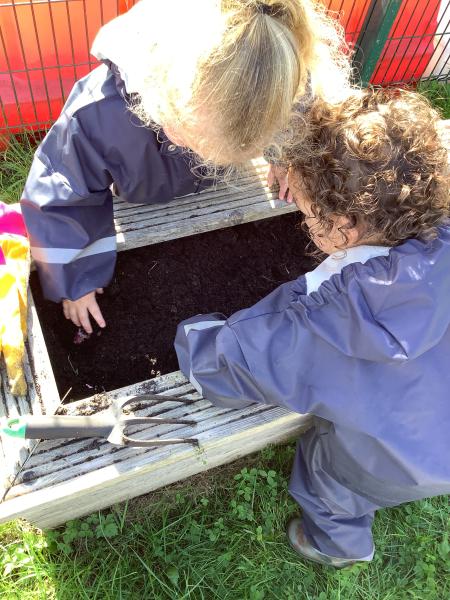
Our nursery children have been busy helping to care for our outdoor environment by weeding and tidying the planters. The children worked hard to remove weeds and make space for new plants, learning about how gardens need looking after to help flowers grow.
Once the planters were ready, the children planted daffodil and crocus bulbs ready for spring. They carefully dug holes, placed the bulbs into the soil and covered them up, excited to think about the colourful flowers that will appear in the months ahead.
This hands-on activity helped the children learn about the natural world, develop their fine motor skills and understand how plants grow over time. We can't wait to see our beautiful daffodils and crocuses bloom and bring some bright spring colour to our nursery garden! 🌷☀️
Year 6 - Refraction and prisms
Date: 1st Oct 2026 @ 9:09am
🌈 Exploring the Colours of Light! 🔺✨
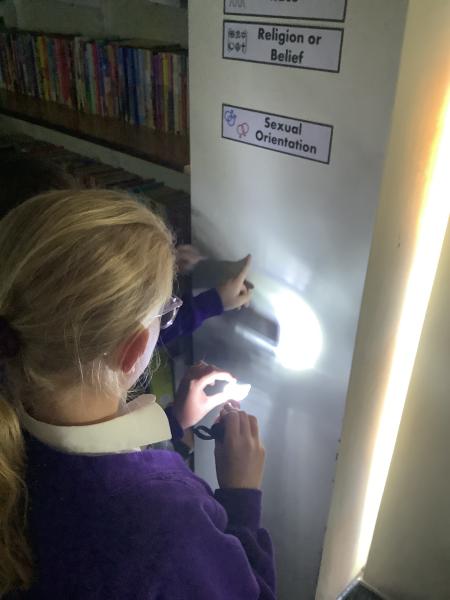
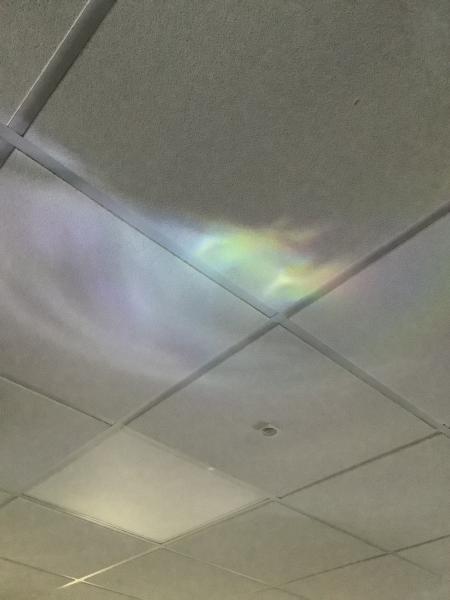
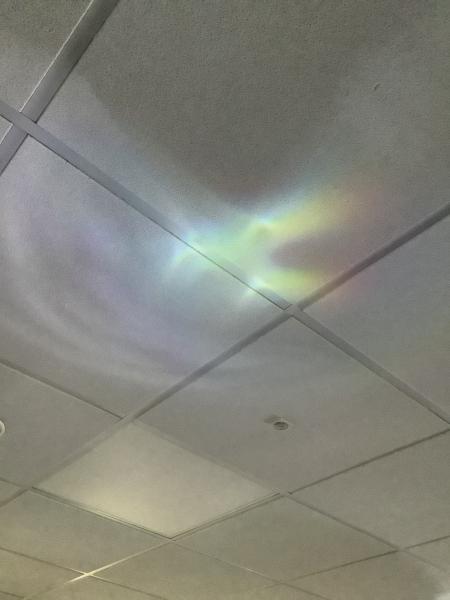
This week in Science, Year 6 became light investigators as we explored how white light can be separated into the seven colours of the rainbow! 🌈
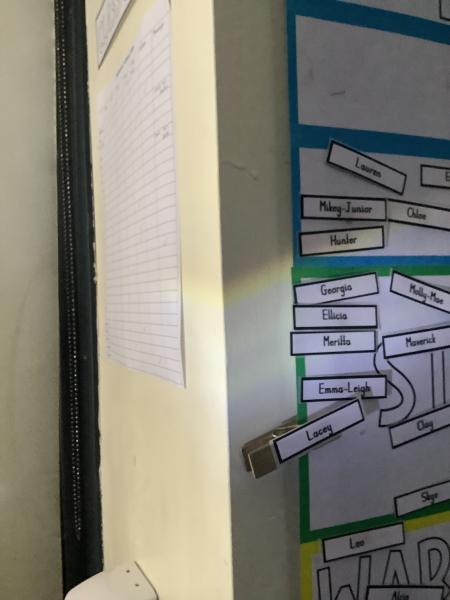
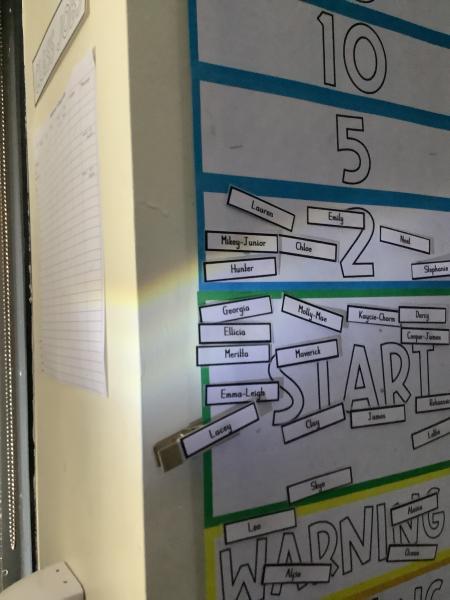
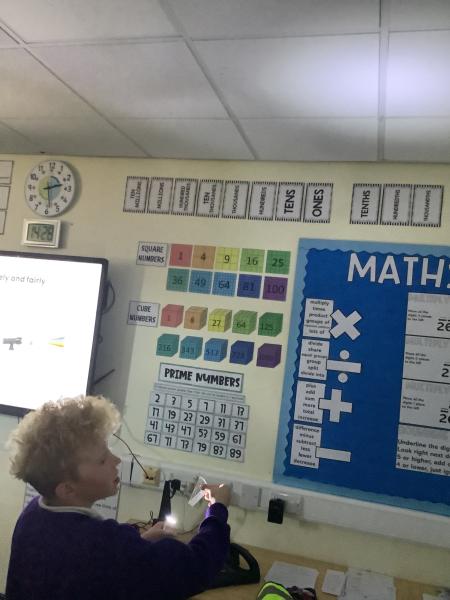
Using special glass prisms 🔺, we shone light through them and observed what happened. We learned that when white light passes through a prism, it bends, or refracts, causing the different colours within the light to spread out and become visible. 🎨
Many of us were successful in creating our own mini rainbows and were excited to spot the seven colours: ❤️ red, 🧡 orange, 💛 yellow, 💚 green, 💙 blue, 💜 indigo and 💖 violet. Some of us had to experiment with the angle of the prism and the position of the light source before we achieved success, showing great perseverance and problem-solving skills. 💡👏
The lesson helped us understand that white light is actually made up of many different colours, even though we cannot normally see them separately. 🔬🌟
We had lots of fun carrying out this practical investigation and seeing science come to life right before our eyes! 🌈✨
Date: 1st Oct 2026 @ 8:24am
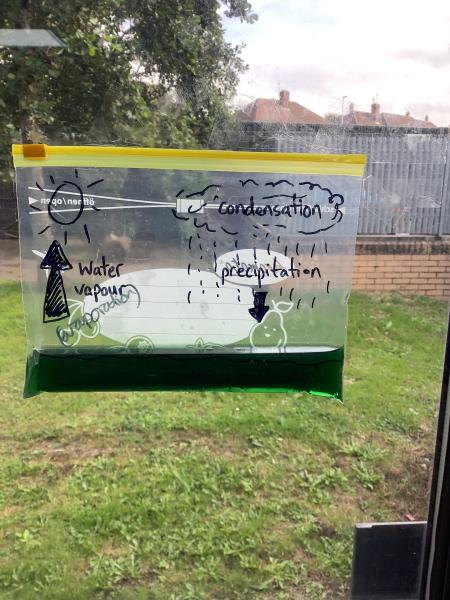
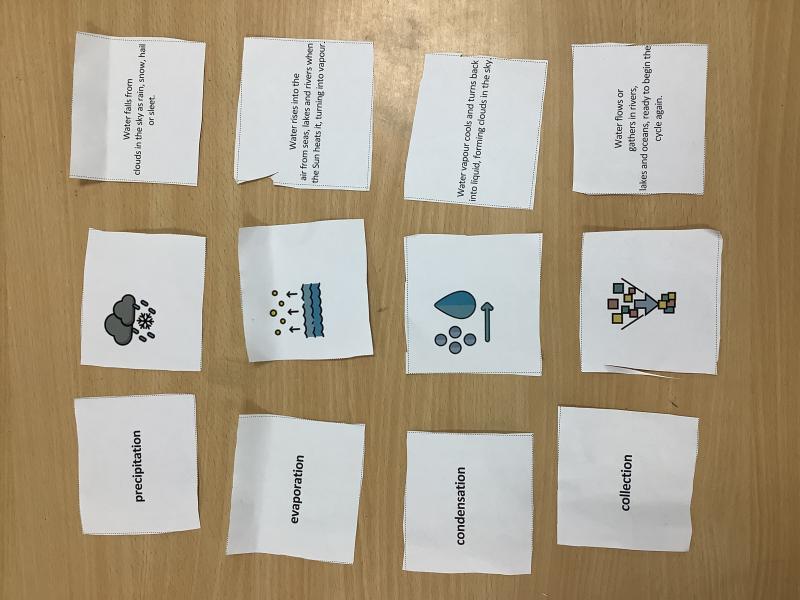
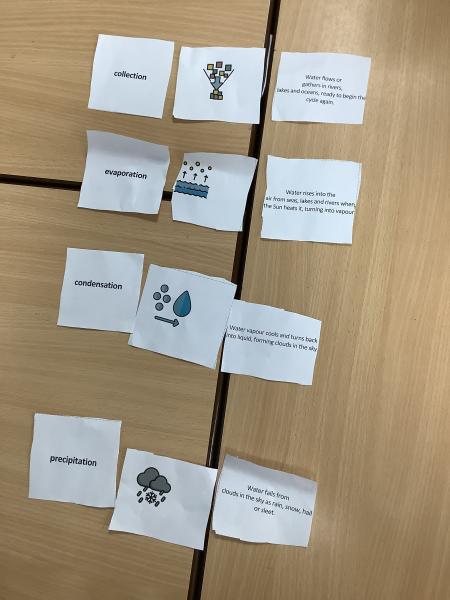
This week in Science, Year 4 began their exciting new topic on the water cycle. We learned about the four key stages: evaporation, condensation, precipitation and collection, and discussed how water is constantly moving around our planet.
To help us understand the process, we set up our own water cycle experiment using a sandwich bag filled with a small amount of water and placed it in the classroom window. As the sun warmed the water, we observed evaporation taking place. Over time, tiny water droplets formed on the inside of the bag through condensation, just like clouds in the sky. When the droplets became larger and heavier, they trickled back down, representing precipitation, before gathering at the bottom of the bag as collection.
We are looking forward to observing our experiment over the coming weeks and seeing the stages of the water cycle happen right before our eyes! 🌎💦🔬
Date: 30th Sep 2026 @ 2:44pm
Using Kahoot! to Strengthen Long-Term Memory in Foundation Subjects
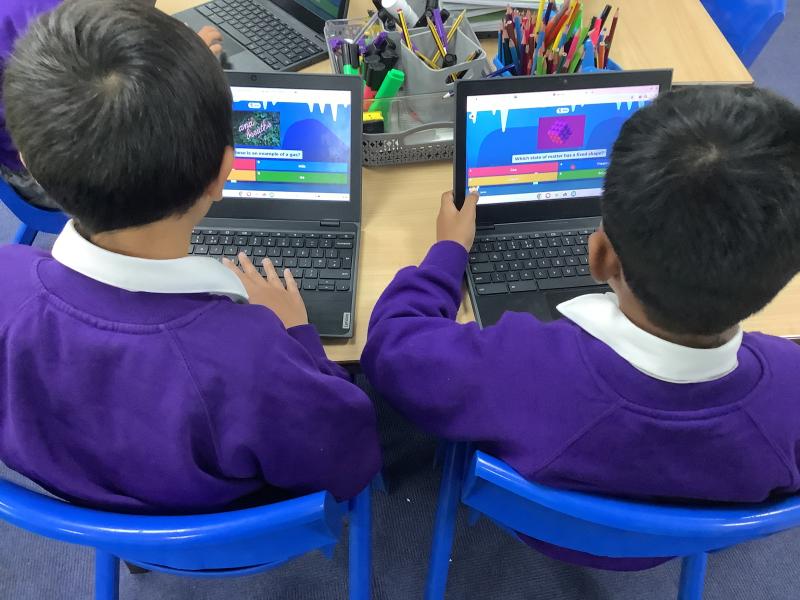
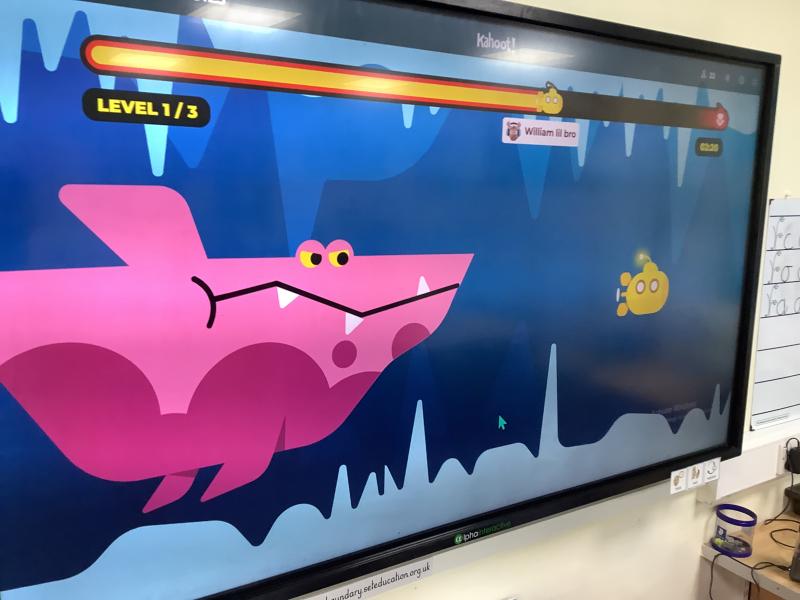
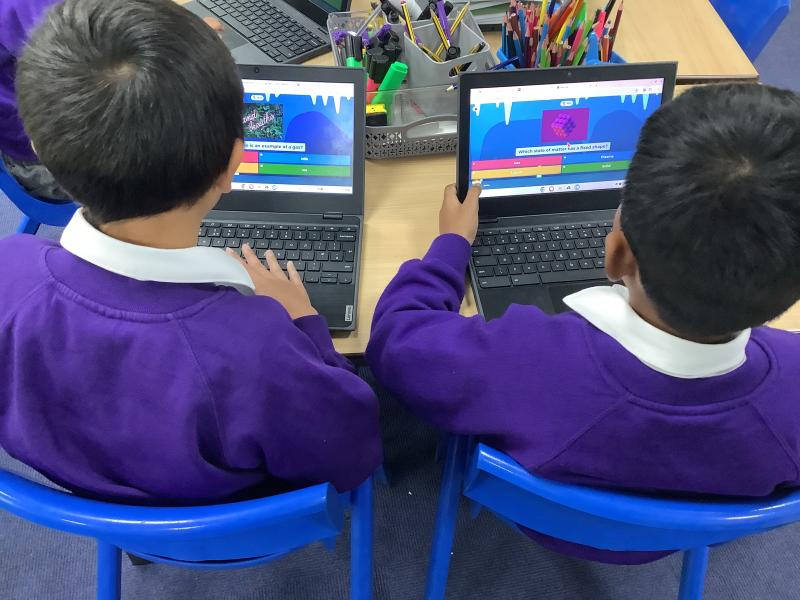
At our school, we are always looking for engaging ways to help children retain and apply the knowledge they learn across the curriculum. One strategy that has proven particularly effective in Foundation subjects such as Science and Religious Education is the use of Kahoot!
Kahoot! provides an exciting and interactive way for pupils to revisit previously taught content through regular retrieval practice. By repeatedly recalling key facts, vocabulary and concepts, children strengthen their long-term memory and become more confident in applying their knowledge in future lessons. Rather than learning information once and moving on, pupils have opportunities to revisit important content over time, helping knowledge to become firmly embedded.
The fun and competitive nature of Kahoot! motivates children to participate enthusiastically. Instant feedback allows pupils to recognise misconceptions and celebrate success, while the game-based format creates a positive learning environment where everyone can be involved.
Many Kahoot! activities also promote valuable personal and social skills. Team modes encourage pupils to work collaboratively, discuss possible answers and support one another. Success depends not only on subject knowledge but also on listening carefully to teammates, showing patience while others contribute and respecting different viewpoints. These experiences help pupils develop important communication and teamwork skills alongside their curriculum learning.
Whether reviewing a recent Science topic, revisiting key learning from Religious Education or recalling knowledge from previous units, Kahoot! has become a valuable tool for reinforcing learning in an enjoyable and memorable way. By combining repetitive recall with fun, collaboration and healthy competition, it helps pupils retain important subject knowledge while developing the skills needed to learn successfully together.
We look forward to continuing to use Kahoot! as part of our approach to helping children remember more and achieve more across the curriculum.
Eco at Boundary- Gardening Club
Date: 25th Sep 2026 @ 10:59am
Eco Gardening Club Gets Ready for Winter
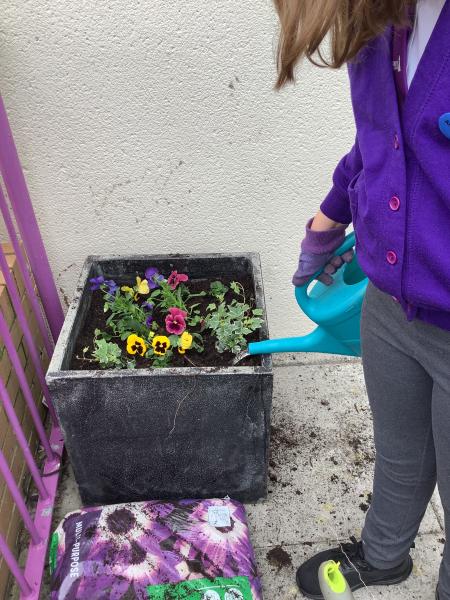
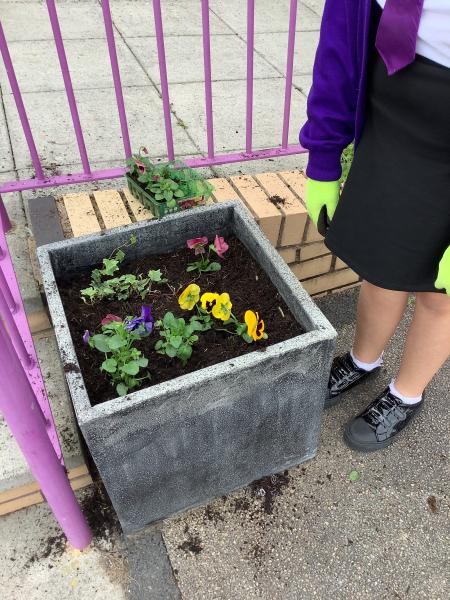
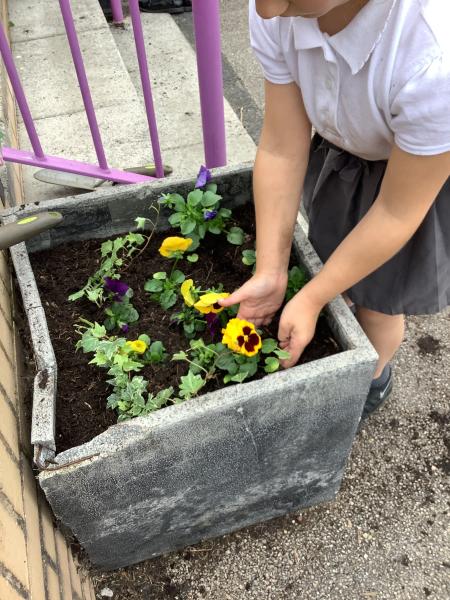
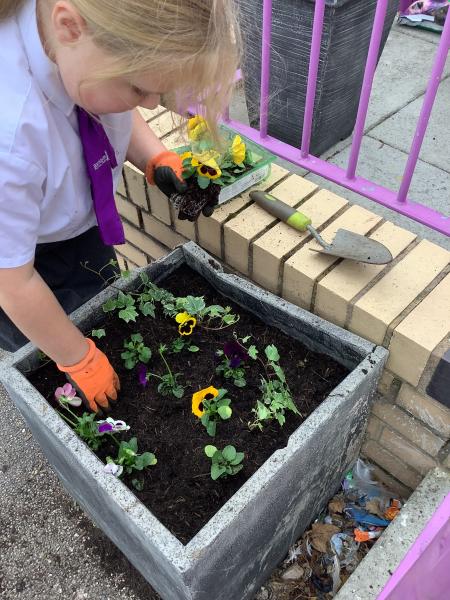
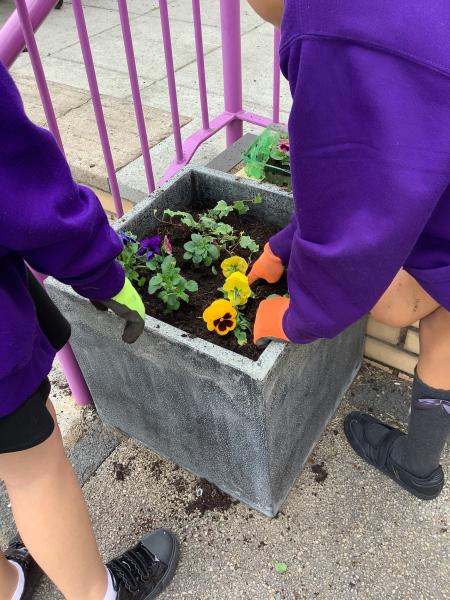
This week, our Eco Gardening Club has been busy preparing the school garden for the colder months ahead. The children rolled up their sleeves and got stuck into a variety of gardening jobs, showing fantastic enthusiasm and teamwork.
The gardeners carefully weeded the beds, planted seeds and plants ready for future growth, and worked hard to tidy the garden. They helped remove dead leaves, faded flowers, and plants that had reached the end of their growing season, making sure the garden is healthy and ready for winter.
The children loved spending time outdoors and learning how to care for the environment. They were excited to get their hands dirty and certainly demonstrated their growing "green fingers"! Through their gardening activities, they learnt about the importance of looking after plants, the changing seasons, and how gardens need different care throughout the year.
We are very proud of all the hard work the children put in. Their efforts have helped keep our garden looking neat and ready for the months ahead. We cannot wait to see the results of the seeds they have planted and watch the garden come back to life in the spring.
Well done, Eco Gardening Club! 🌱🍂🍁🌿
Date: 24th Sep 2026 @ 11:26am
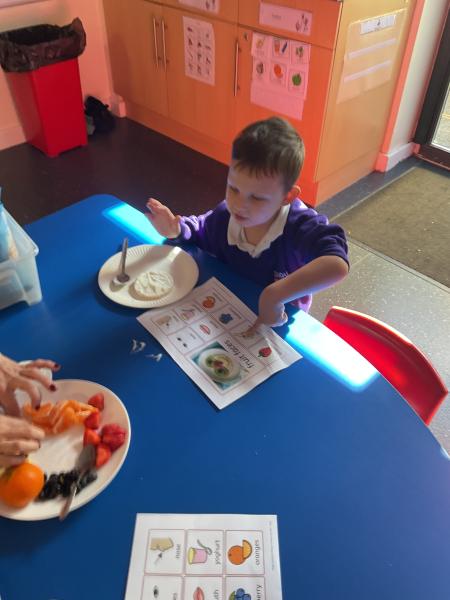
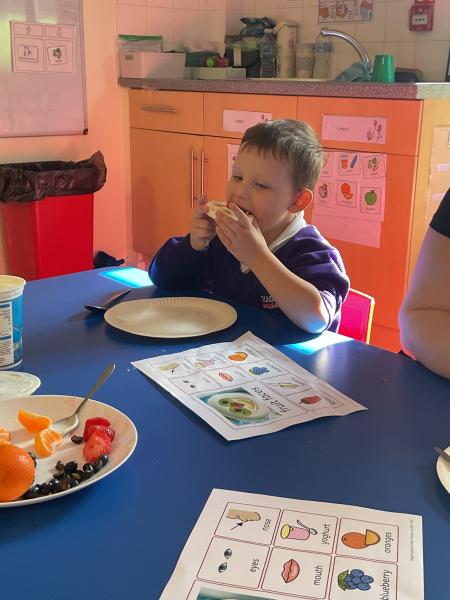
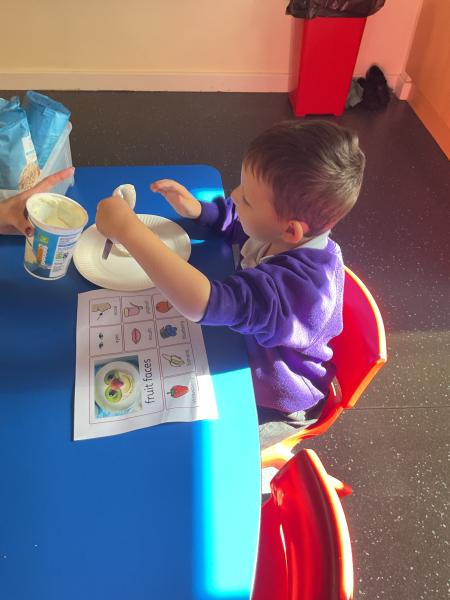
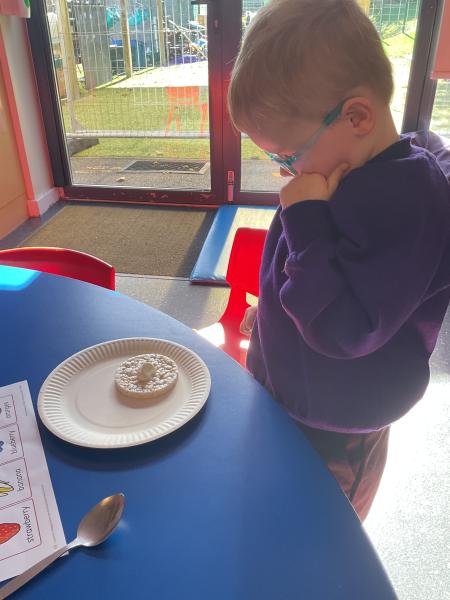
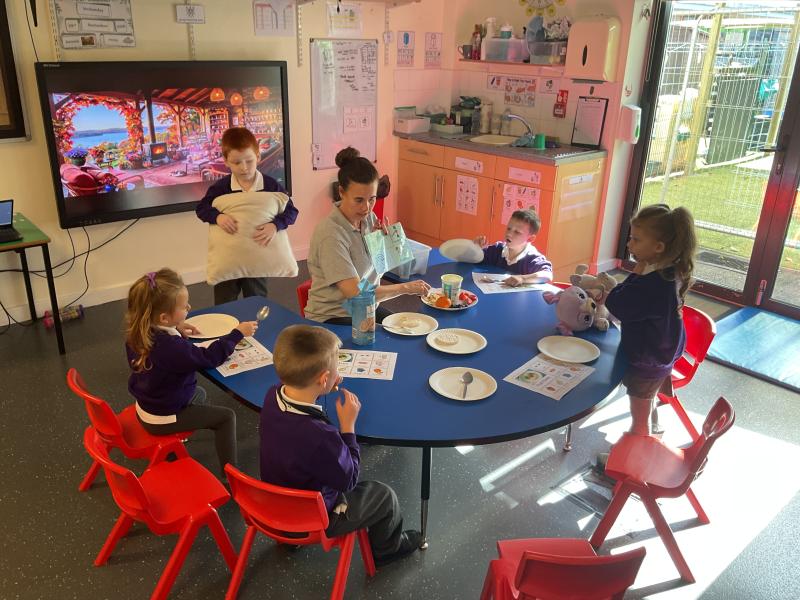
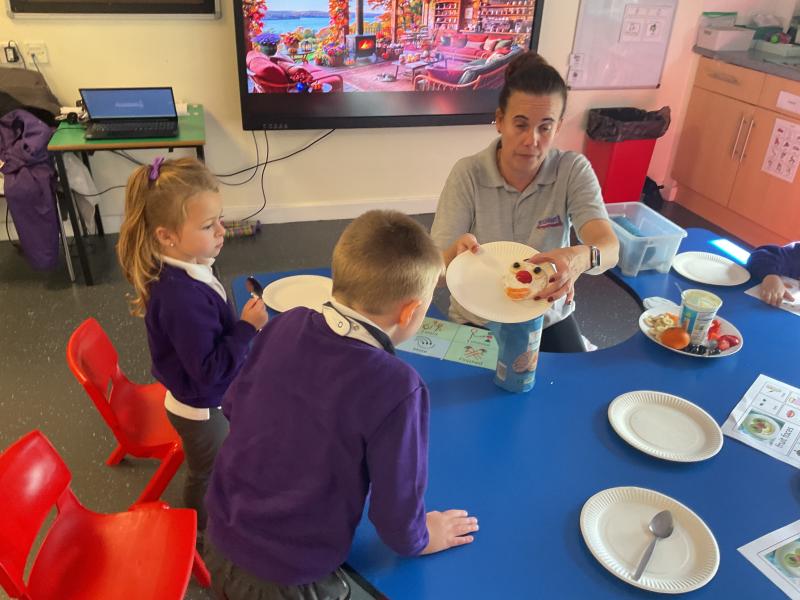
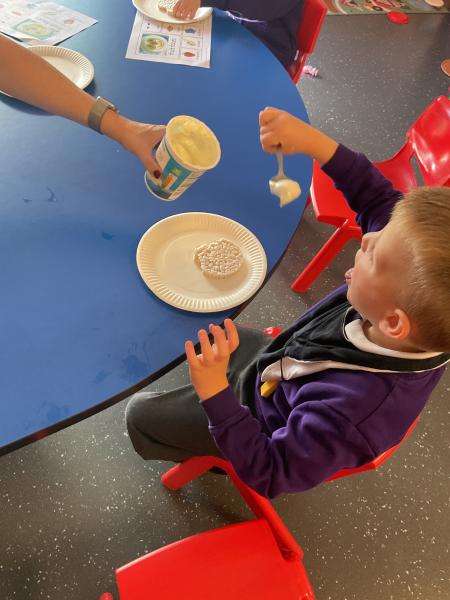
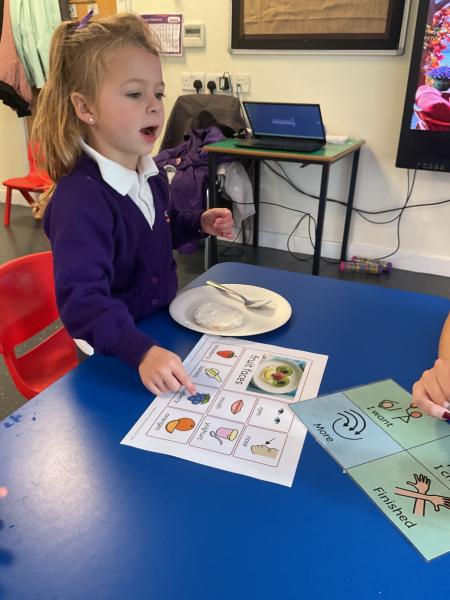
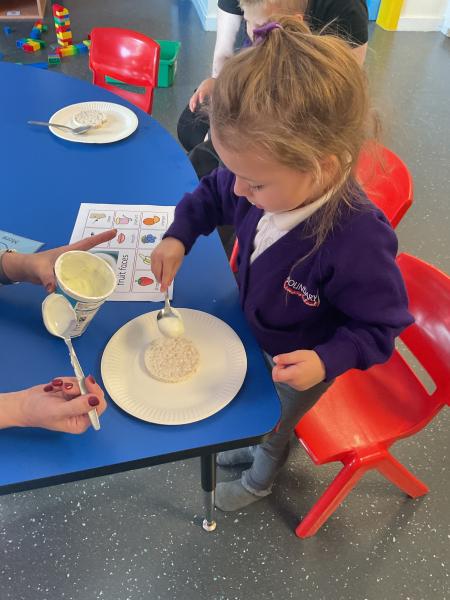
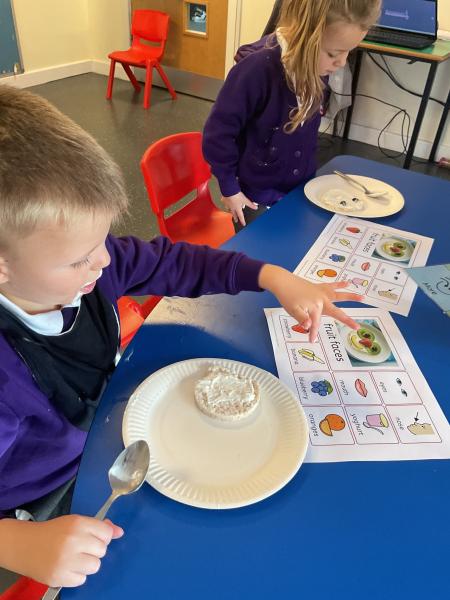
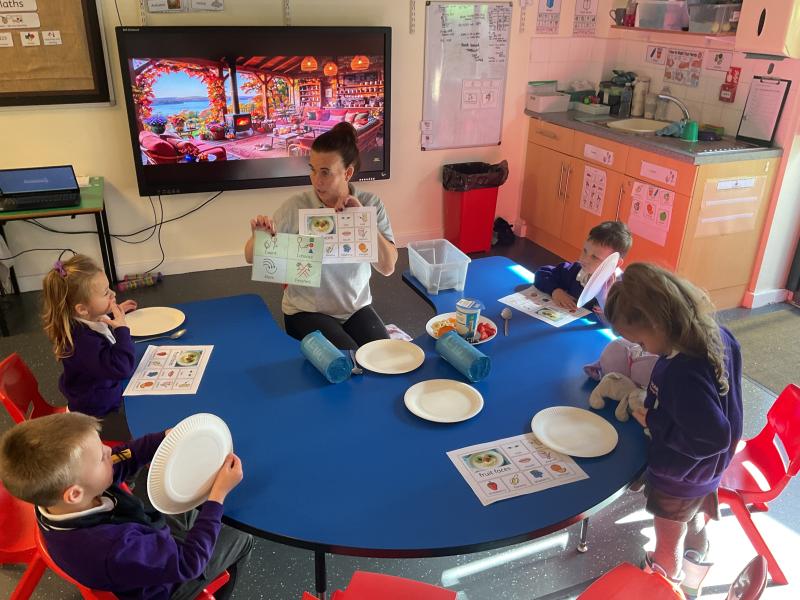
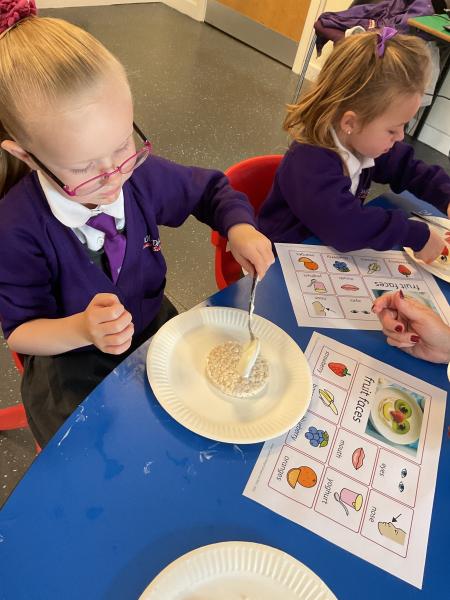
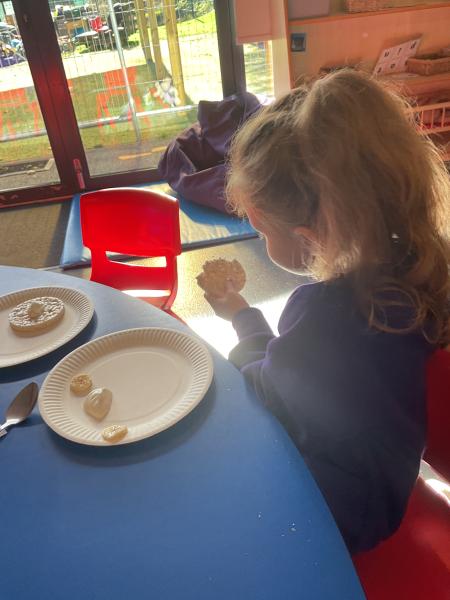
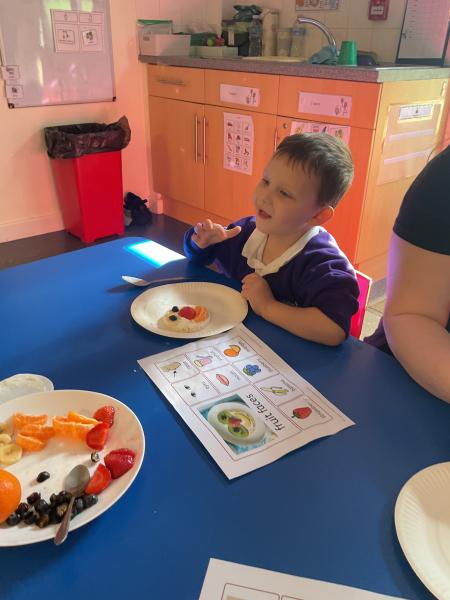
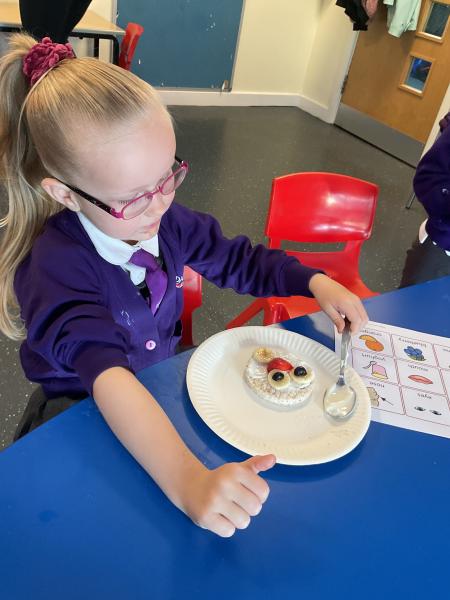
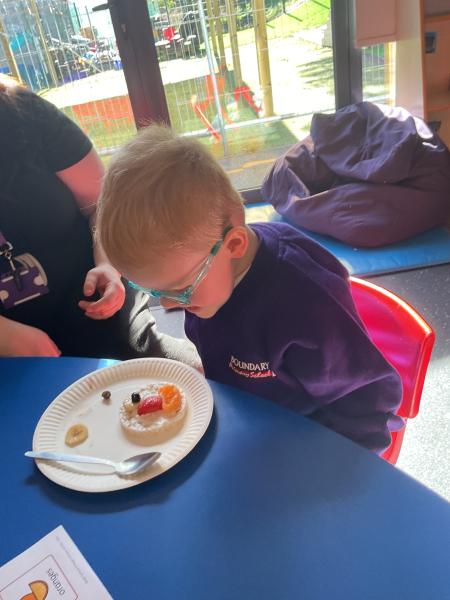
As part of our topic “What Makes Me Me,” Acorns enjoyed a fun and engaging sensory cooking activity!
The children used rice cakes and a colourful selection of different fruits to create their own faces. 🍌🍓🫐🍊
This hands-on activity gave the children the opportunity to explore different textures, colours, smells, tastes and shapes, while developing their creativity and independence. It was wonderful to see each child create a unique face! 😊
Science: Exploring Our Sense of Smell
Date: 24th Sep 2026 @ 8:14am
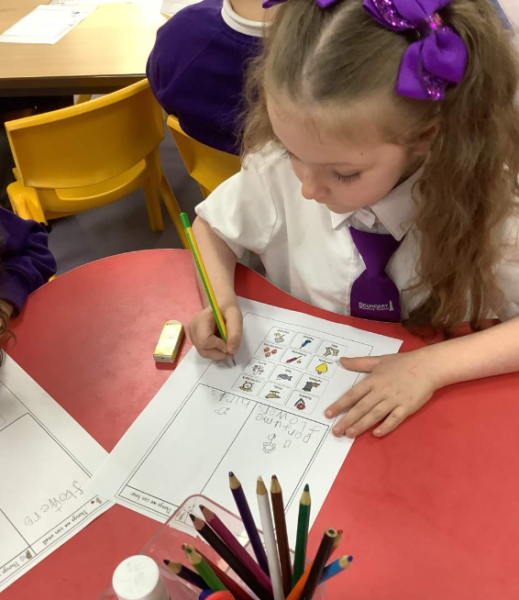
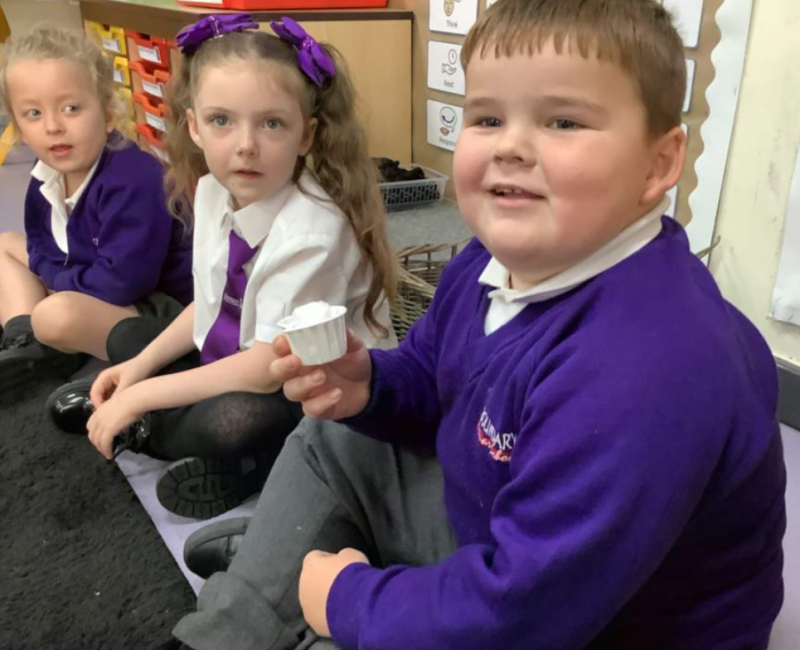
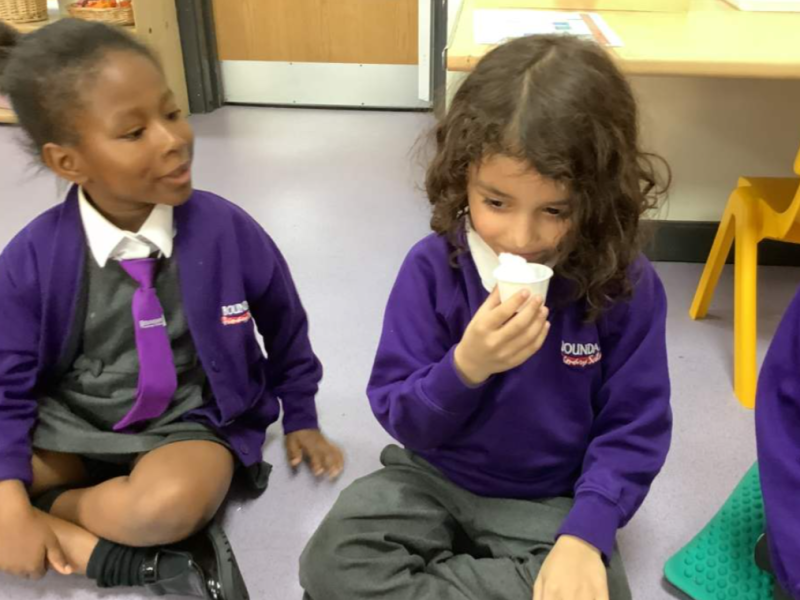
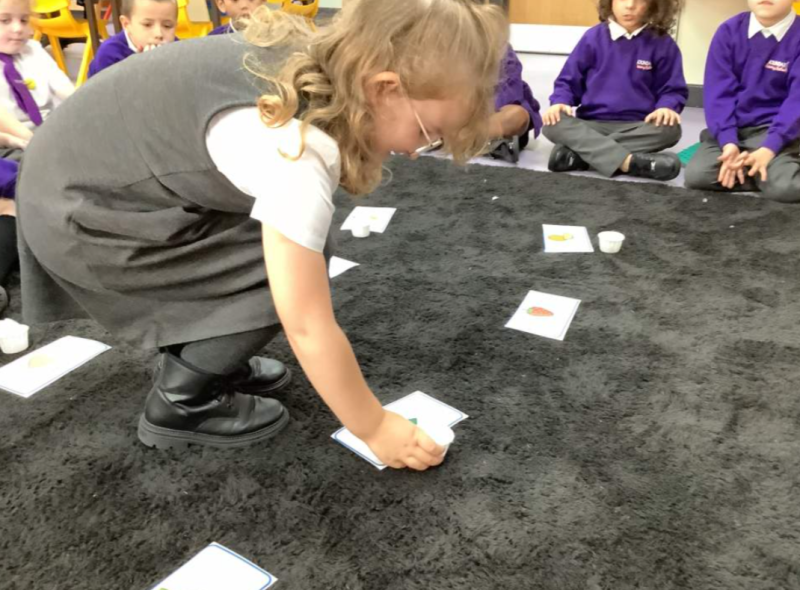
This week in Science, the children explored their sense of smell. We identified the body part used for smelling and learned how our noses use receptors to send signals to the brain, helping us recognise where different smells come from.
The children also carried out a fun science experiment, using their sense of smell to identify different scents on cotton wool balls. They enjoyed making predictions and discussing the clues each smell gave them.
The children have thoroughly enjoyed learning about the senses so far and are developing their scientific thinking skills. They are becoming excellent young scientists! 🔬👃✨
Eco at Boundary- Awarded The Green Flag!
Date: 23rd Sep 2026 @ 1:55pm
🌿 Boundary Achieves Green Flag Award for the 7th Time! 🌿
We are absolutely delighted to announce that Boundary Primary School has once again been awarded the prestigious Green Flag Eco-Schools Award, making this our seventh Green Flag achievement. What an incredible accomplishment!
The Green Flag Eco-Schools Award recognises schools for their outstanding commitment to environmental education, sustainability and taking positive action to protect our planet. Achieving this award is a testament to the hard work, dedication and enthusiasm shown by our entire school community.
At Boundary, environmental responsibility is embedded throughout school life. Our dedicated Eco Warriors lead the way, encouraging everyone to think carefully about the impact our actions have on the environment. Through a range of cross-curricular learning opportunities in subjects such as Science and Geography, children develop their understanding of important environmental issues and consider how they can make a difference both locally and globally.
The Eco-Schools programme is a pupil-led initiative that empowers young people to take action on environmental issues within their school, local community and beyond. Following the Eco-Schools framework, our pupils have helped to drive improvements that support sustainability and environmental awareness.
Throughout the year, the children have worked hard to:
Reduce our carbon footprint
Cut down on waste and increase recycling
Save energy wherever possible
Promote biodiversity around our school grounds
Encourage healthy lifestyles that support both physical and mental wellbeing
This award belongs to everyone at Boundary. We would like to say a huge well done to our fantastic Eco Warriors, all of our children, staff and families who have supported our environmental journey throughout the year.
While we are incredibly proud to celebrate this achievement, we know that caring for our planet is an ongoing journey. The challenge now begins again as we set our sights on achieving an eighth Green Flag Award in 2027. Together, we will continue to make positive choices that help protect our environment and create a more sustainable future for all.
Congratulations, Boundary! Seven Green Flags and counting! 🌎💚🏳️🌿
Date: 18th Sep 2026 @ 3:45pm
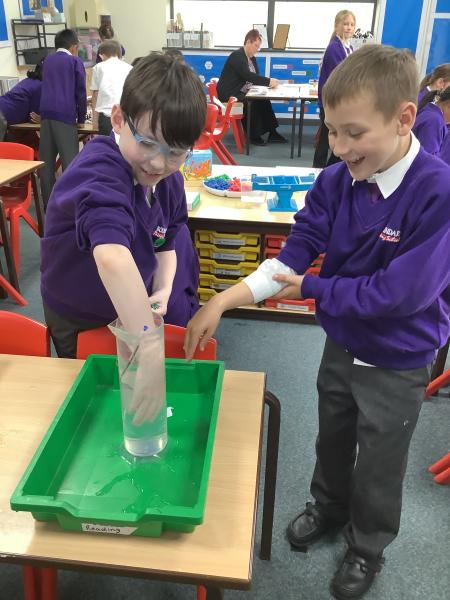
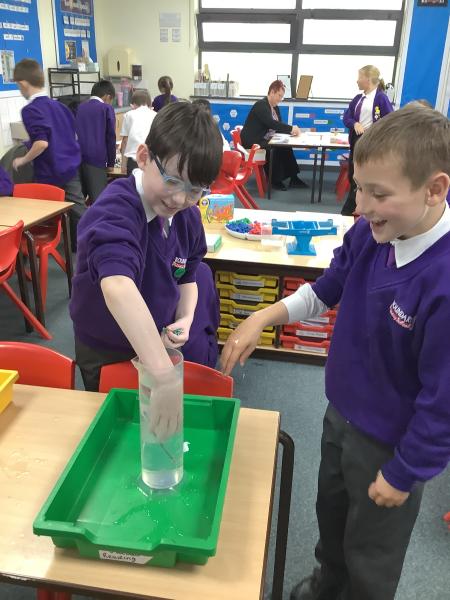
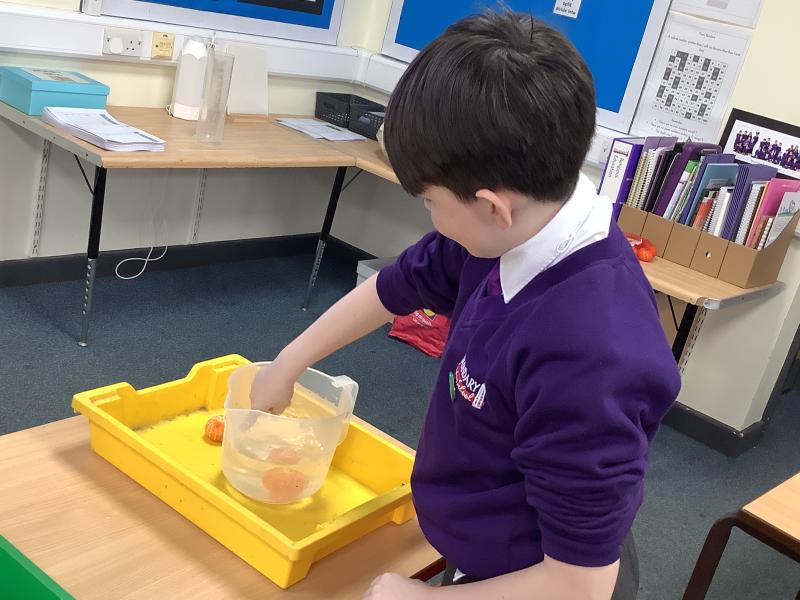
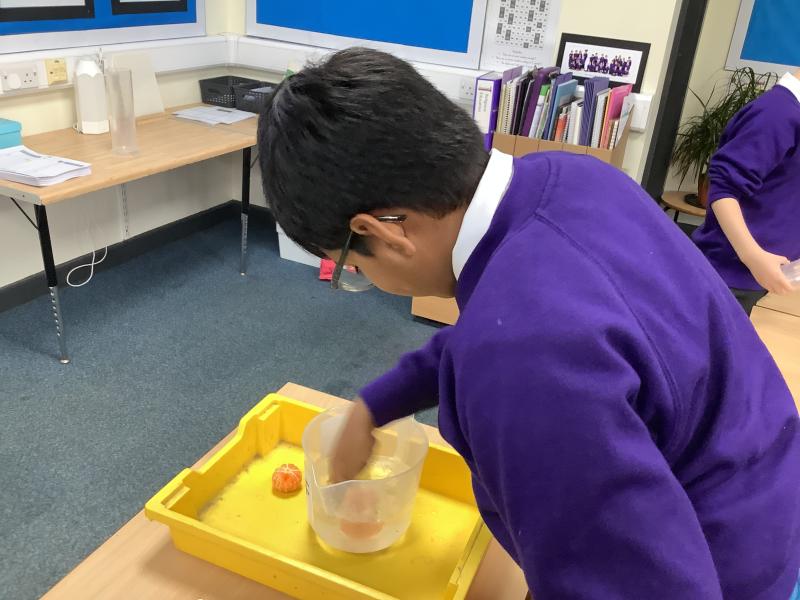
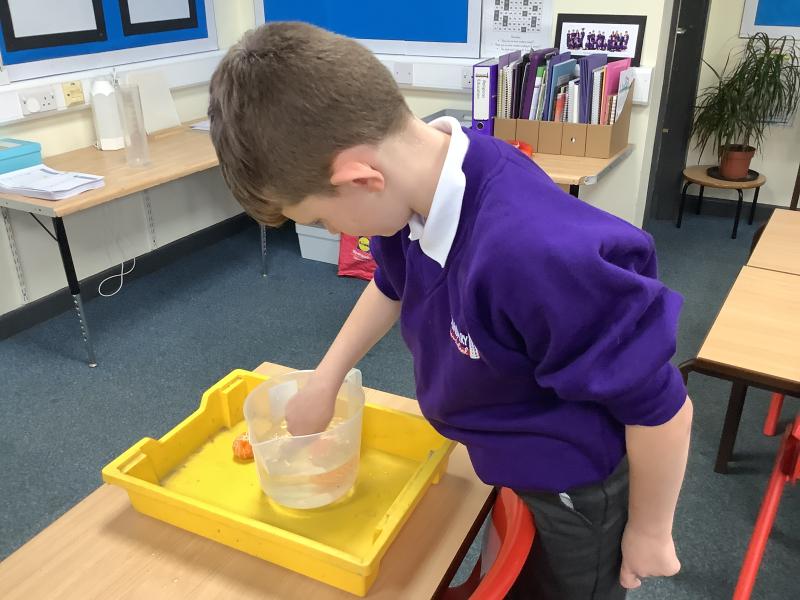
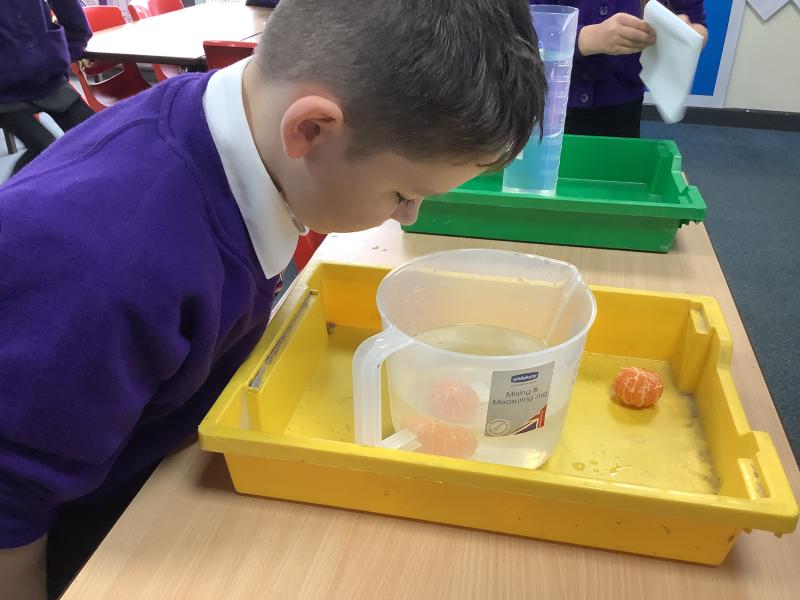
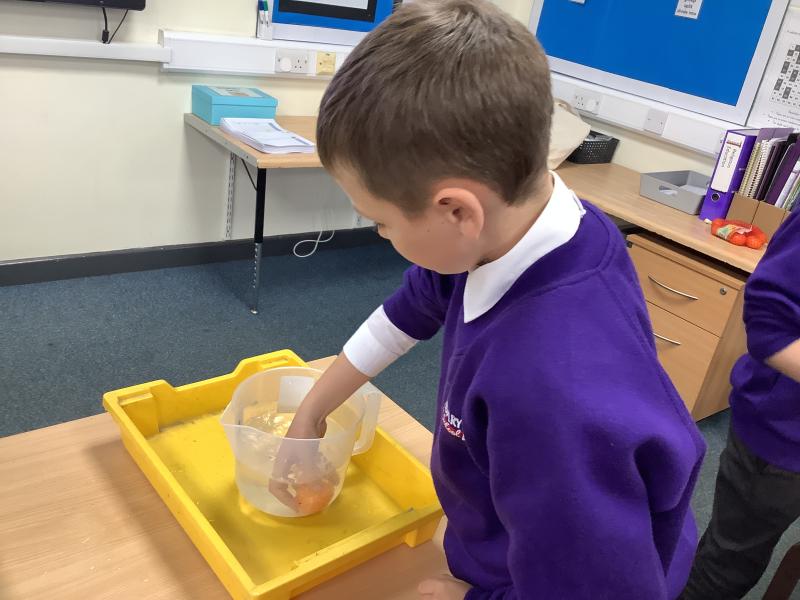
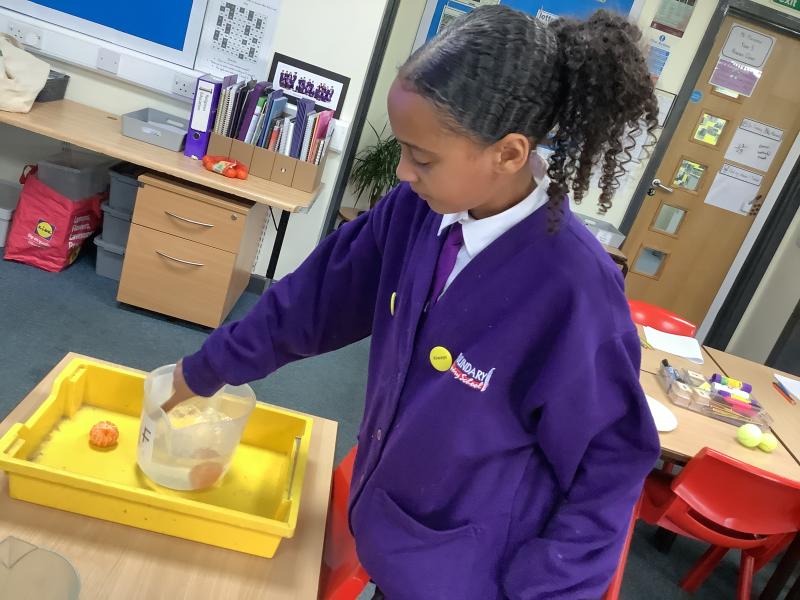
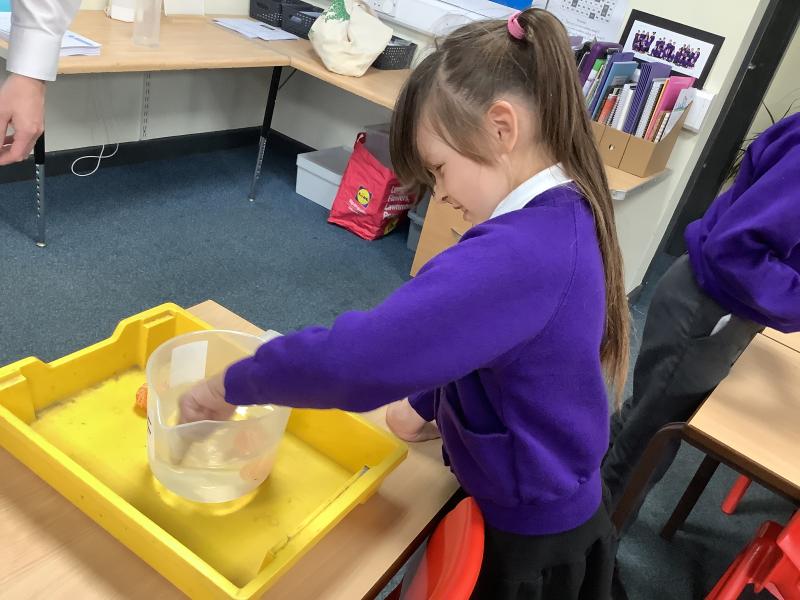
This week during our Always Time reward session, Rowan Class enjoyed taking part in some fun Silly Science and Challenge Games. The children were set two exciting challenges: using centrifugal force to remove an orange from the bottom of a jug without touching it, and using their understanding of Archimedes’ principle to lift a pen out of a cylinder of water. There was lots of discussion, teamwork and laughter as pupils tested their ideas and celebrated their successes. It was fantastic to see everyone engaged, problem-solving and having fun as a reward for making positive choices throughout the week. 🍊🖊️🔬
Date: 18th Sep 2026 @ 8:02am
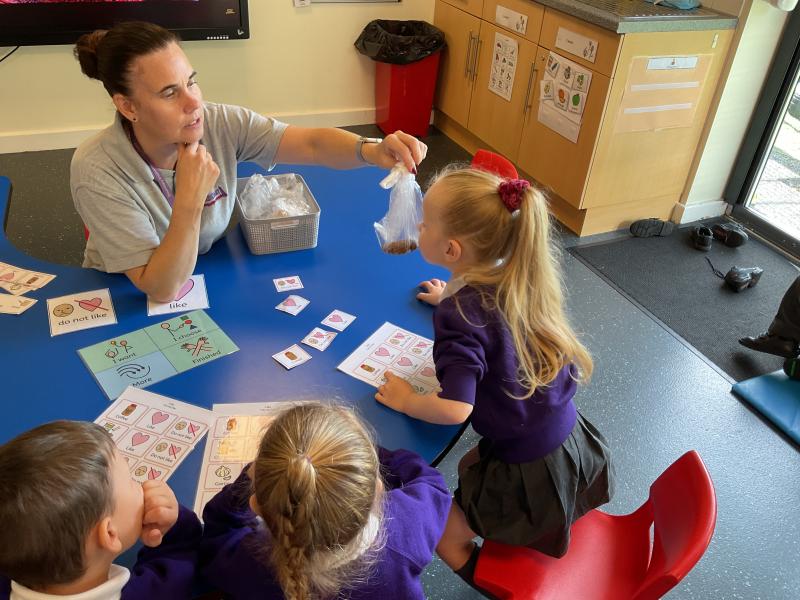
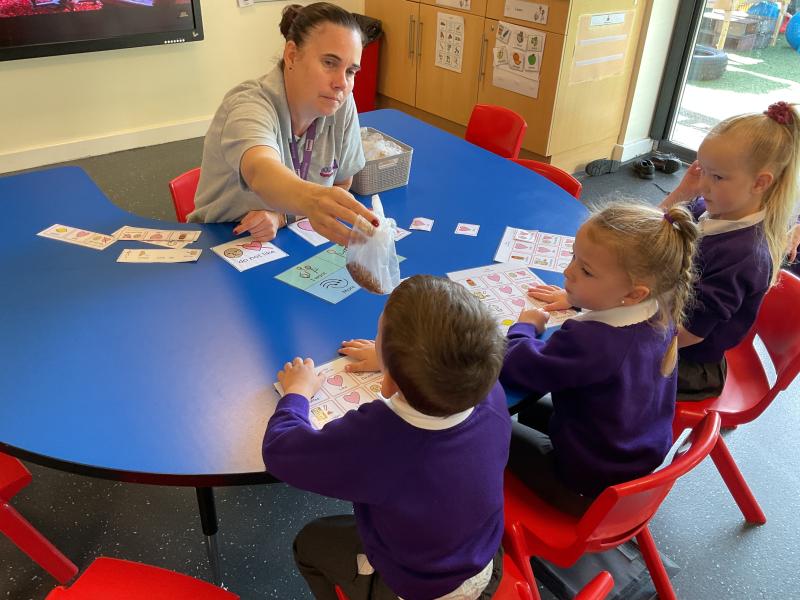
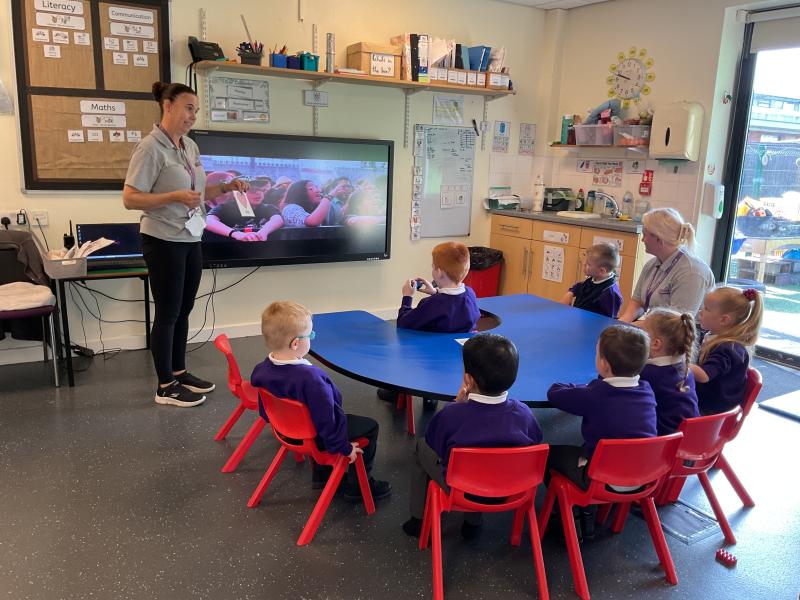
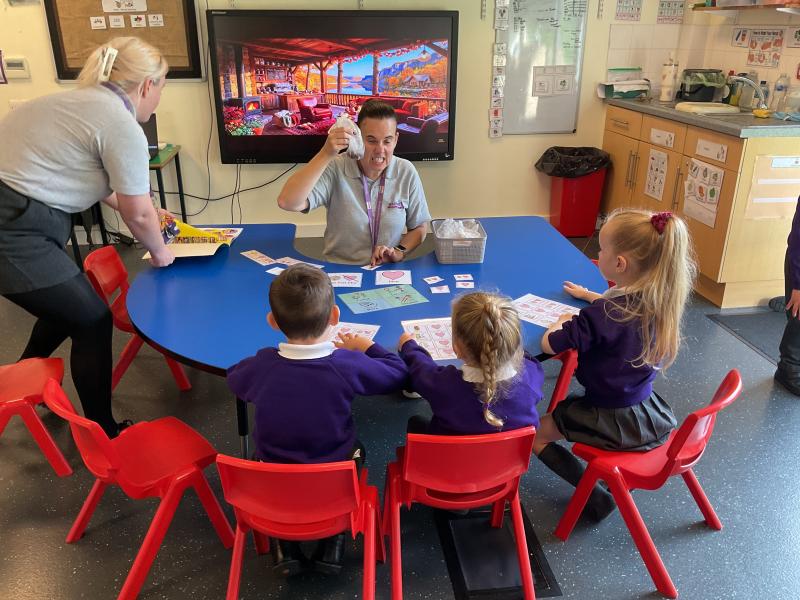
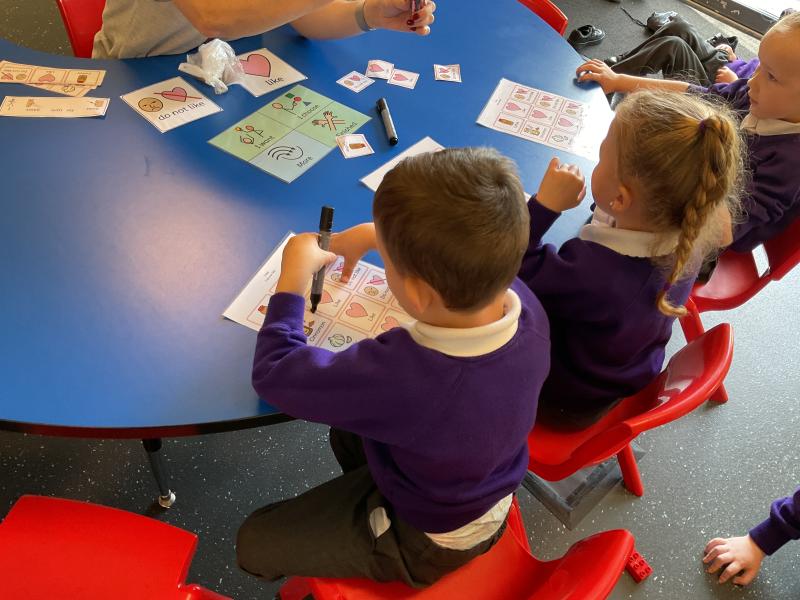
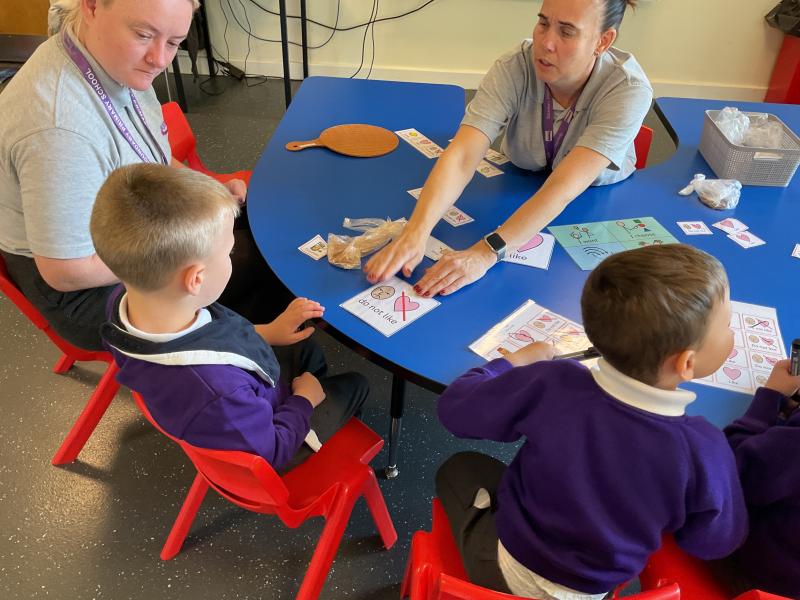
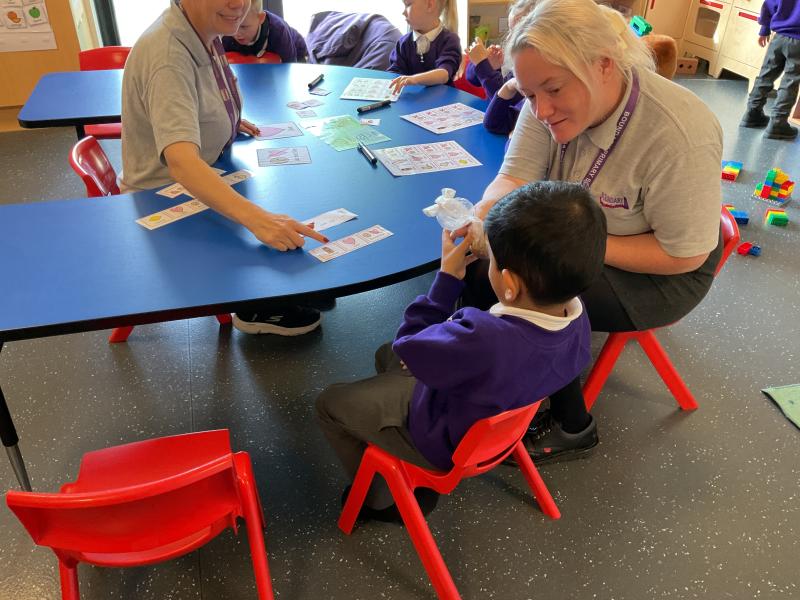
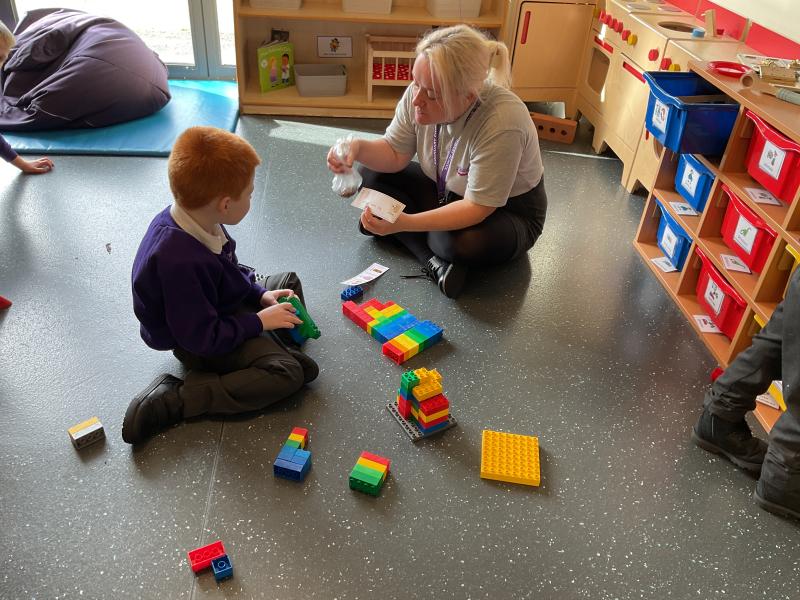
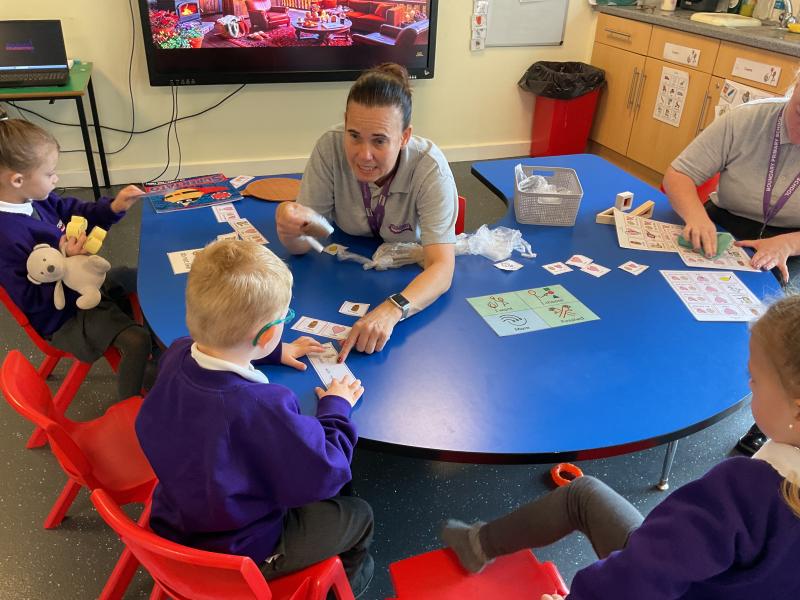
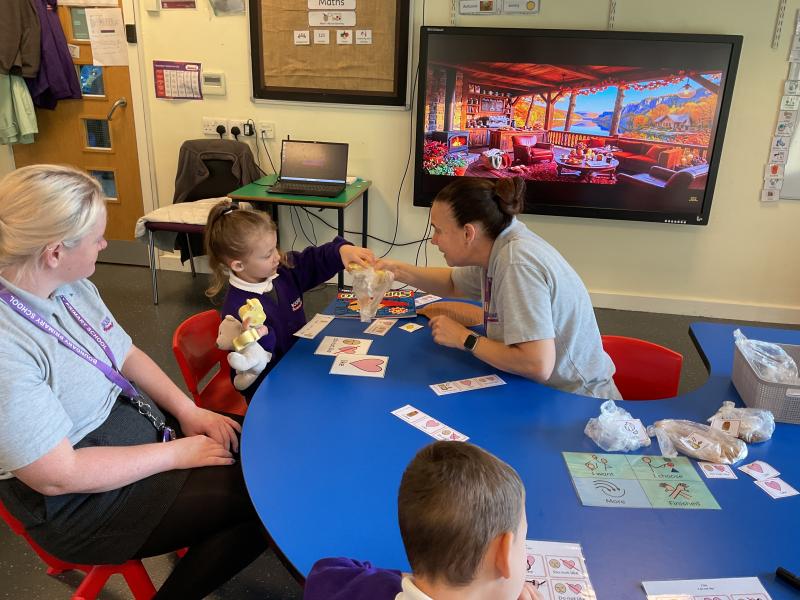
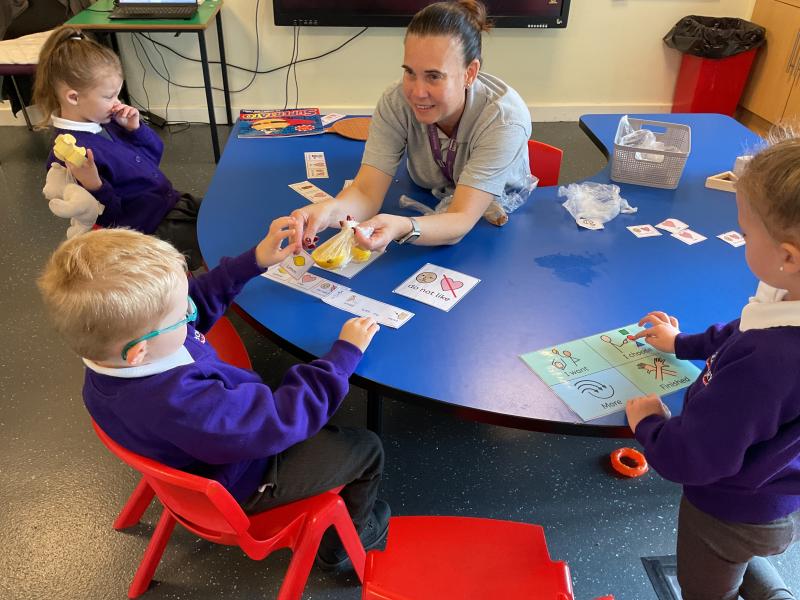
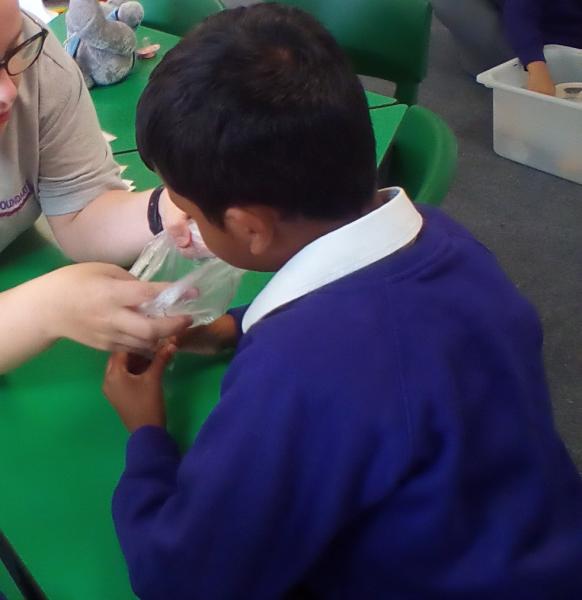
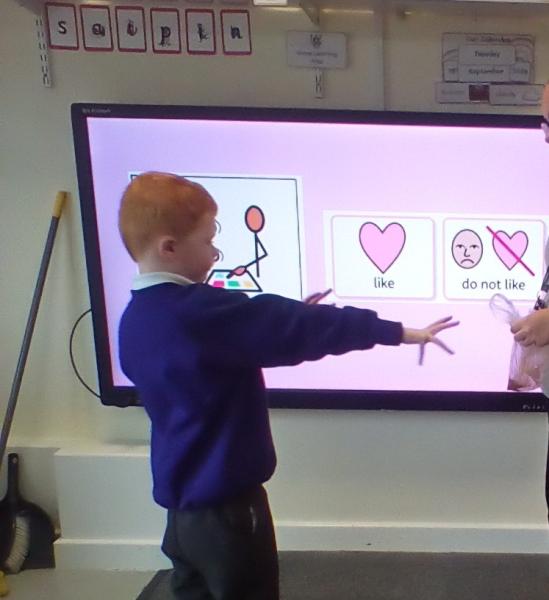
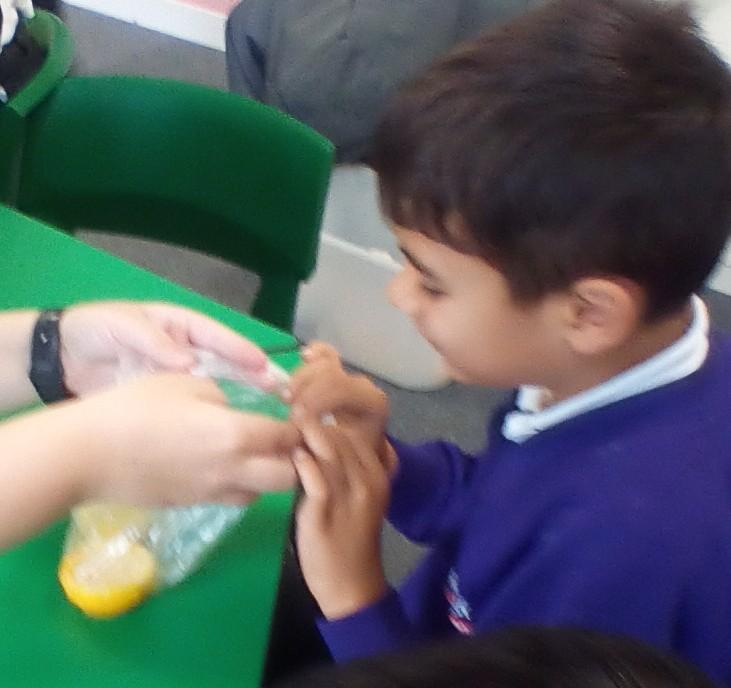
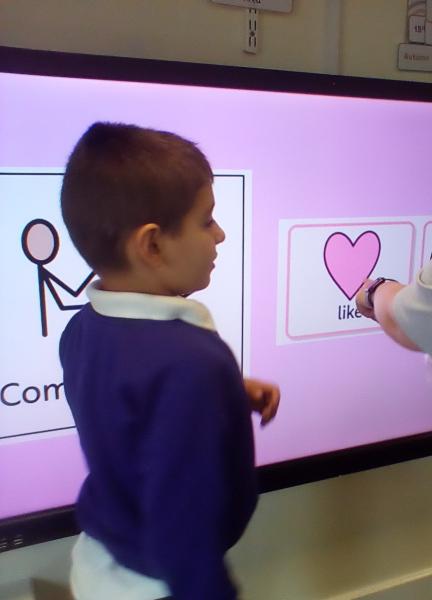
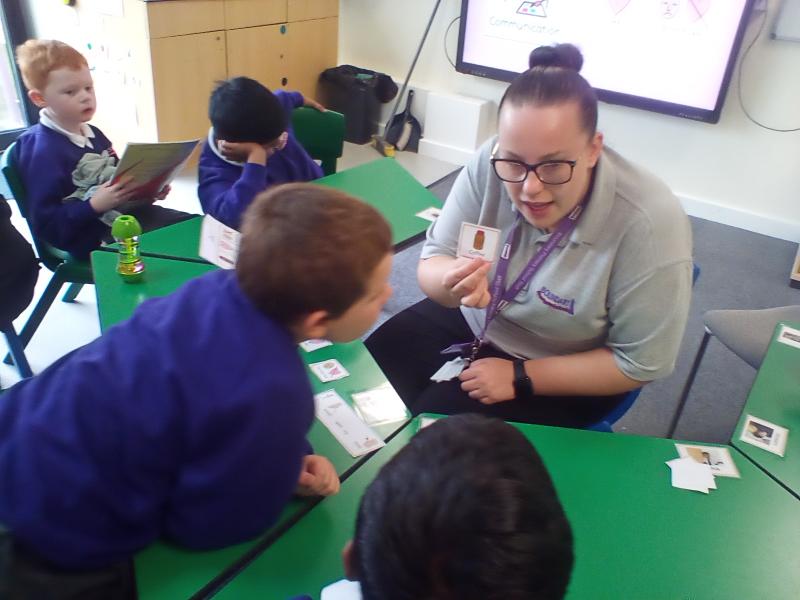
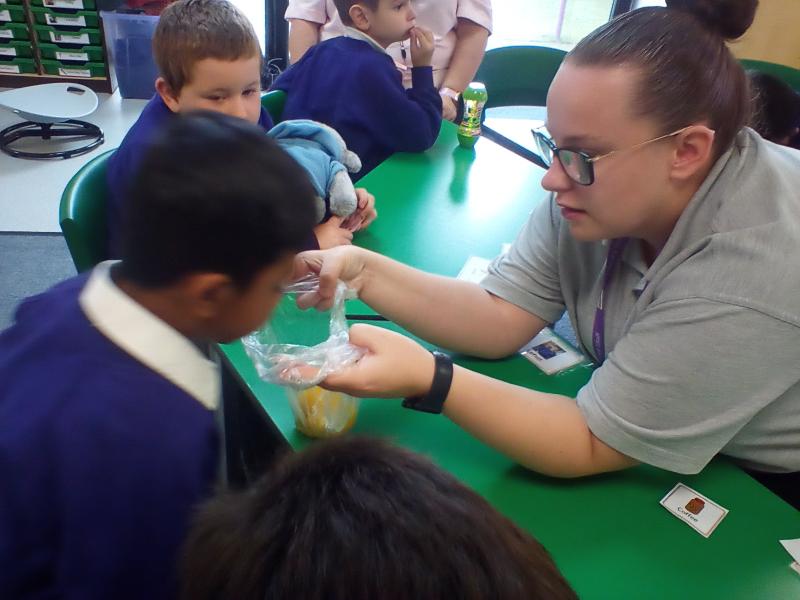
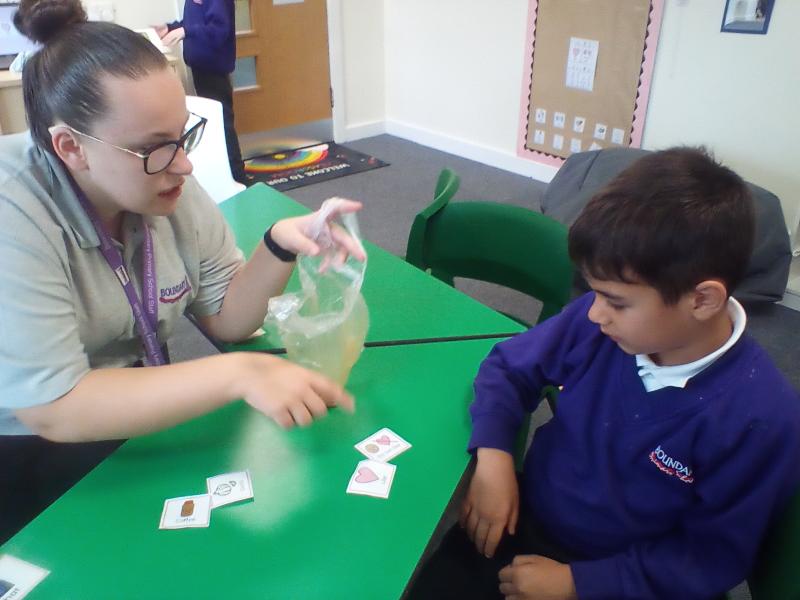
Our core words for this week and next week are 'LIKE and DO NOT LIKE'. We have been exploring these in a variety of multisensory ways to support and develop an understanding of meaning and communicating our likes and dislikes. We really enjoyed exploring using our senses and smelling a variety of different things and communicating if we liked or didn't like them, either through gesture, sign, visuals or vocalising.
Year 3 Explore Herbivores, Carnivores and Omnivores!
Date: 17th Sep 2026 @ 9:28am
Year 3 had a wonderful time during their science lesson this week as they explored the fascinating world of animals and their diets. The children learned that animals can be classified into three different groups based on the food they eat: herbivores, carnivores, and omnivores.
We began by discussing the meaning of each group and looking at examples of animals that belong to them. The children were excited to discover that:
- Herbivores eat only plants. Examples include cows, rabbits, giraffes, and horses.
- Carnivores eat other animals. Examples include lions, tigers, sharks, and eagles.
- Omnivores eat both plants and animals. Examples include bears, foxes, humans, and chickens.
The class enjoyed sharing their own knowledge about different animals and discussing what they thought each animal might eat.
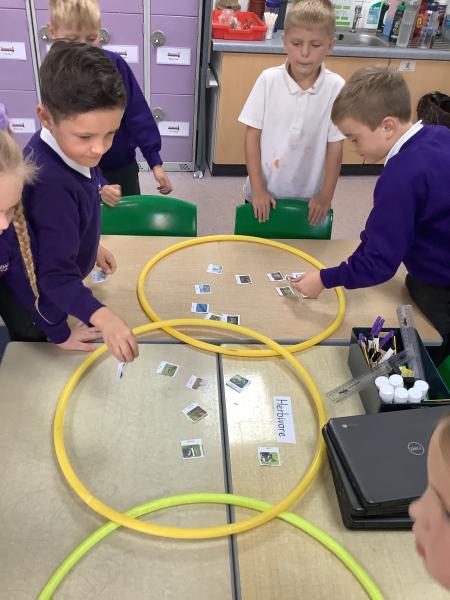
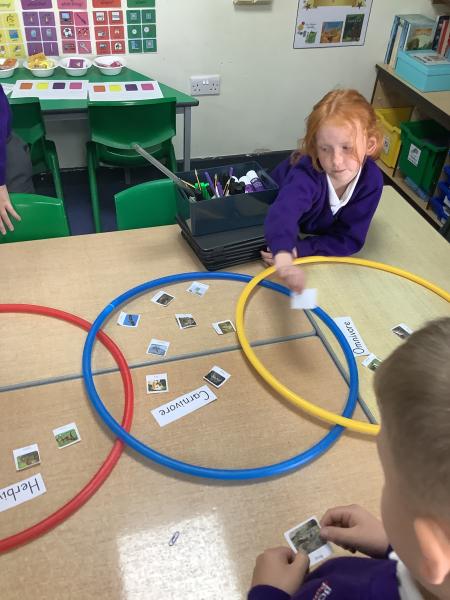
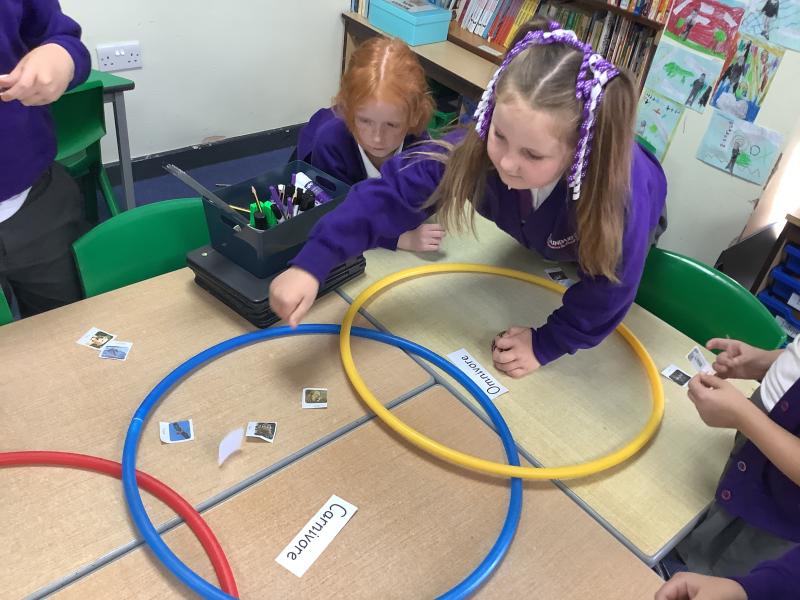
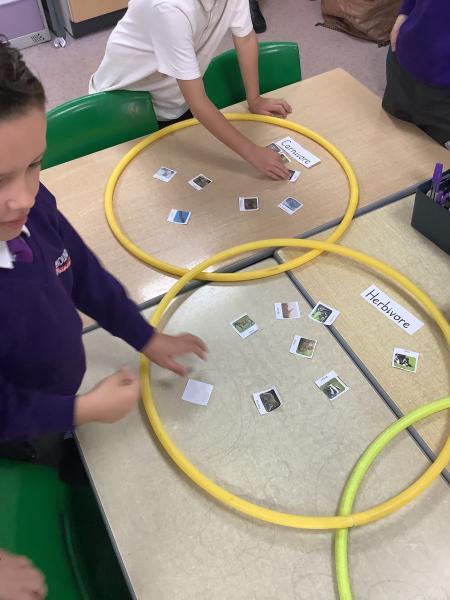
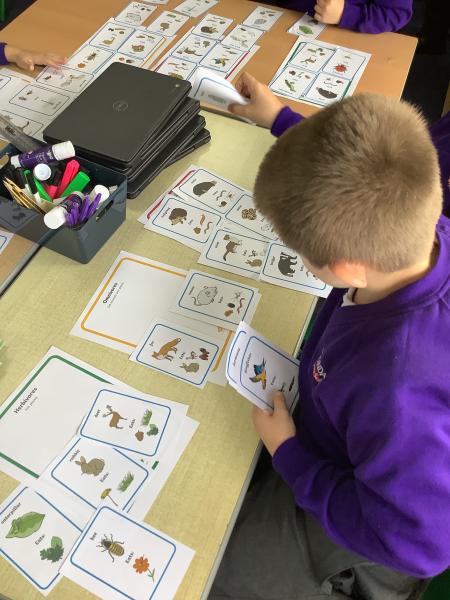
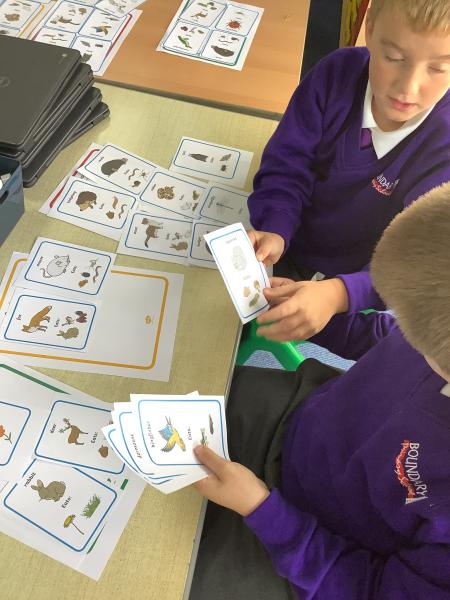
After learning about the three animal groups, the children took part in a fun sorting activity. Working together, they carefully examined pictures and names of different animals before deciding whether they belonged in the herbivore, carnivore, or omnivore category.
The activity encouraged the children to think carefully about animal diets and apply what they had learned. There were lots of thoughtful discussions as the children explained their choices and helped one another sort the animals correctly.
Date: 17th Sep 2026 @ 8:19am
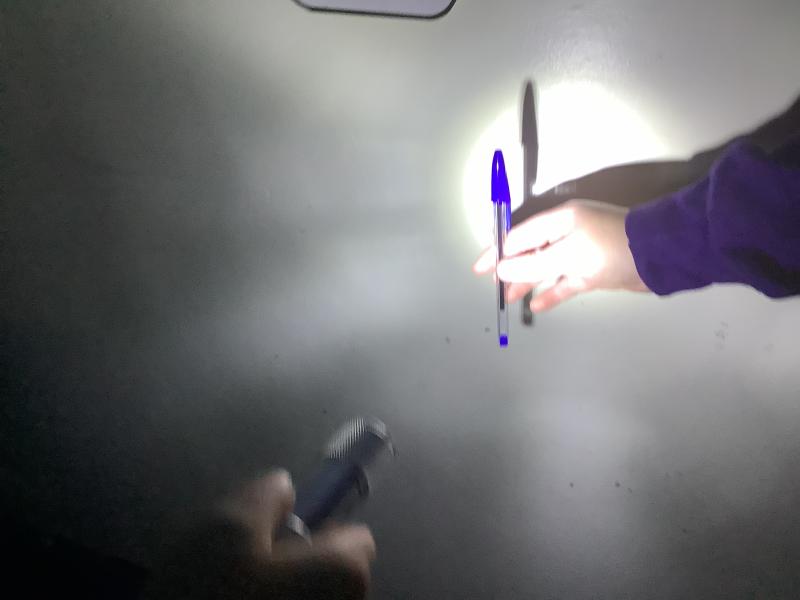
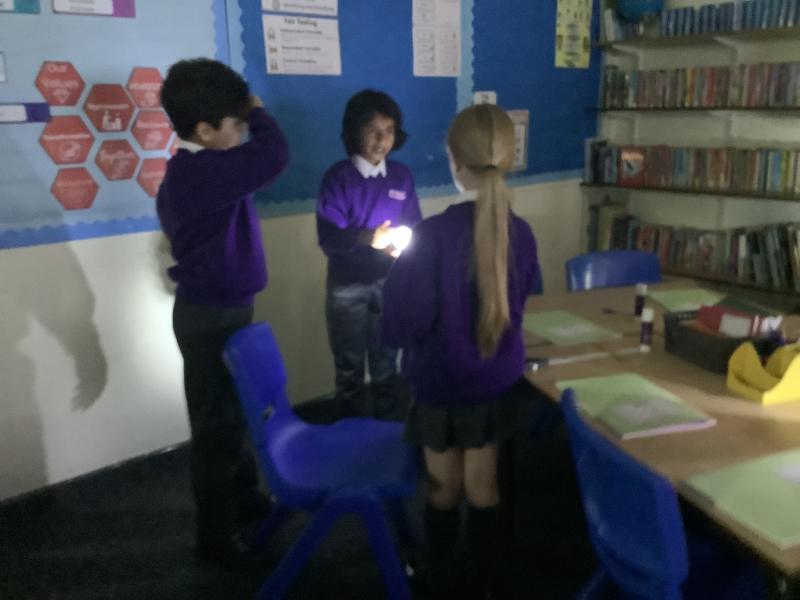
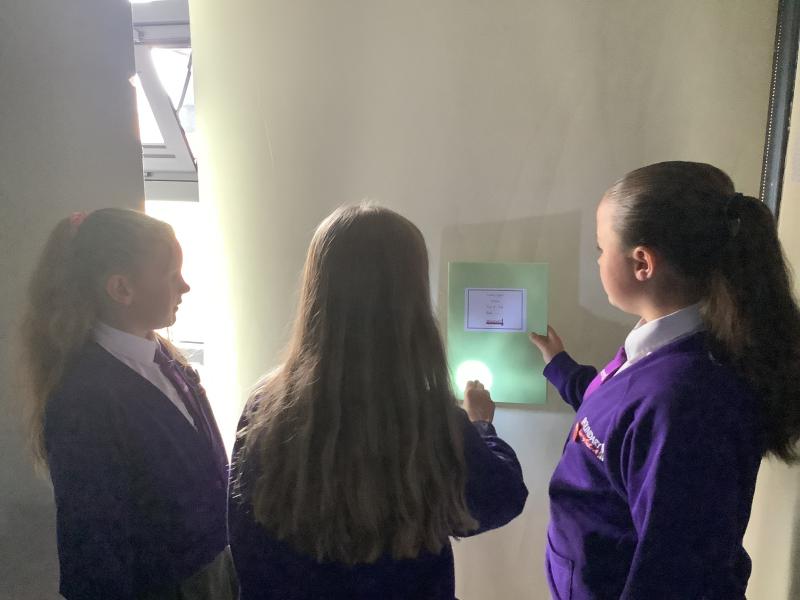
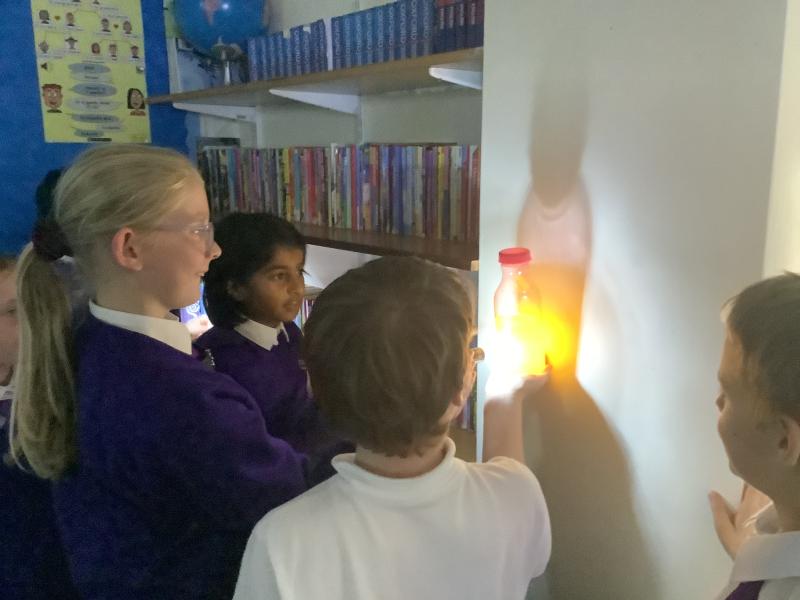
🔦 Investigating Shadows in Science
This week in Science, Year 6 explored the fascinating question: What causes shadows?
To begin our lesson, we recapped our understanding of different types of materials. We discussed opaque, translucent and transparent objects and considered how each one interacts with light. We remembered that opaque materials block light completely, translucent materials allow some light through, and transparent materials let light pass through clearly.
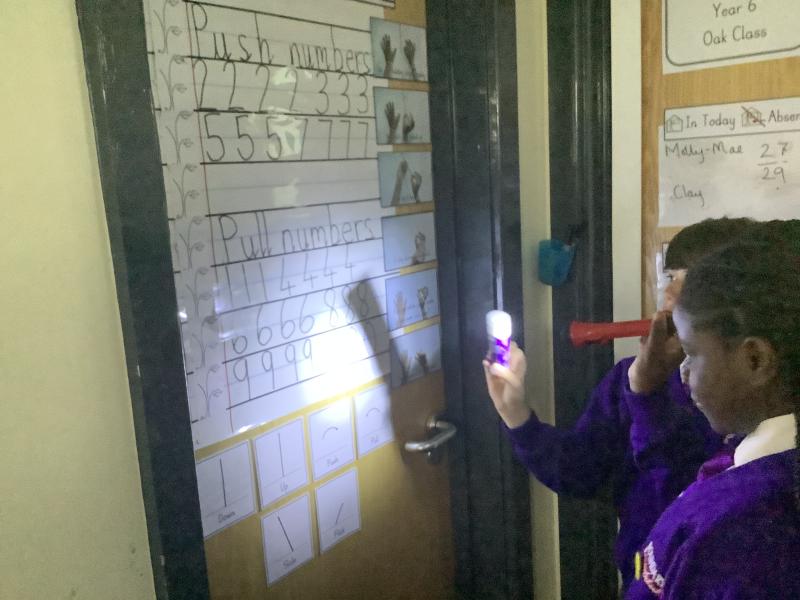
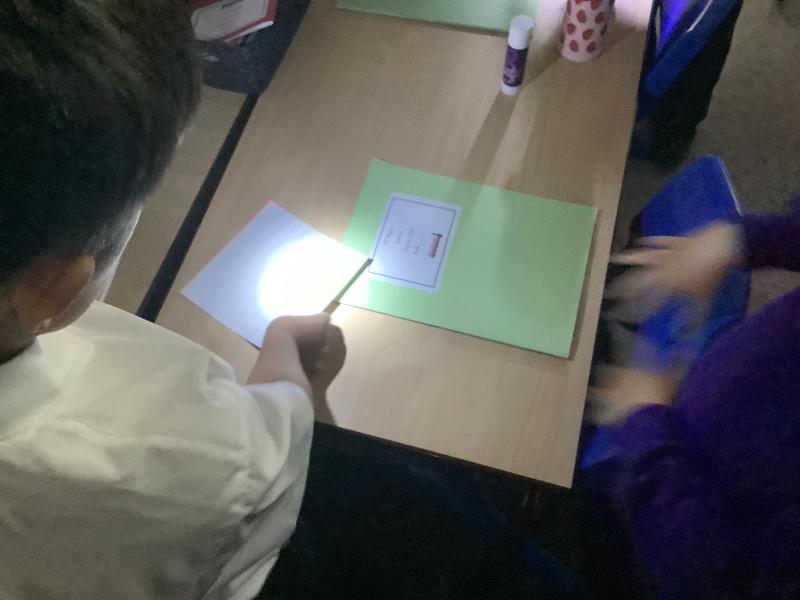
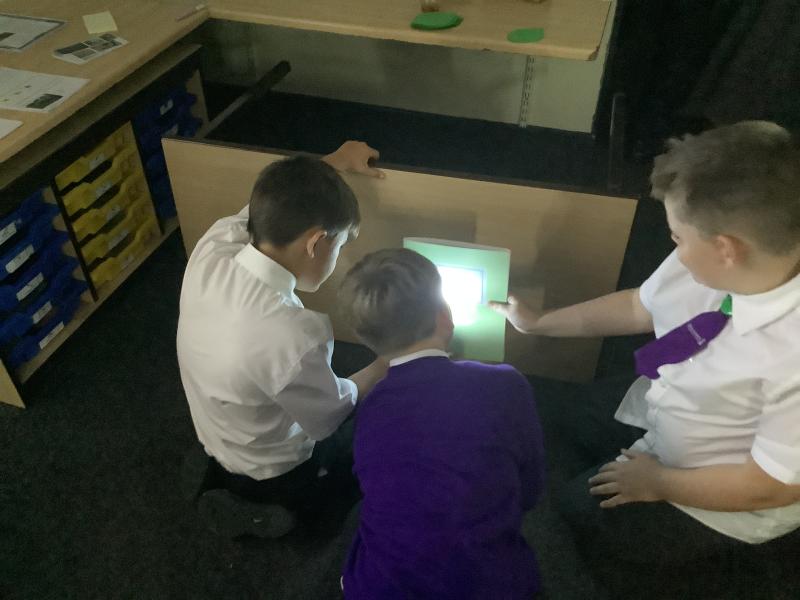
Next, we became scientists and carried out our own investigations using torches. Working collaboratively, we shone light onto different objects to create shadows and observed what happened. We discovered that opaque objects produced the clearest shadows because they blocked the light source.
We then took our investigation a step further by exploring how the length and size of shadows can change. Using our torches, we moved the light source closer to and further away from objects and carefully observed the effects. We found that when the light source was closer, the shadows became larger, and when it was moved further away, the shadows became smaller. This helped us understand how the position of a light source affects the shadow that is formed.
It was a practical and engaging lesson that allowed us to test our ideas, make observations and draw conclusions from our findings. We are looking forward to building on our knowledge of light and continuing our scientific investigations in the coming weeks! 🌞🔦🕶️
Science Vocabulary: Opaque • Translucent • Transparent • Light Source • Shadow • Reflection • Observation • Prediction
Date: 15th Sep 2026 @ 8:52pm
Year 4 Science: Investigating Gases
This week in Science, Year 4 pupils explored the fascinating properties of gases through a series of exciting investigations.
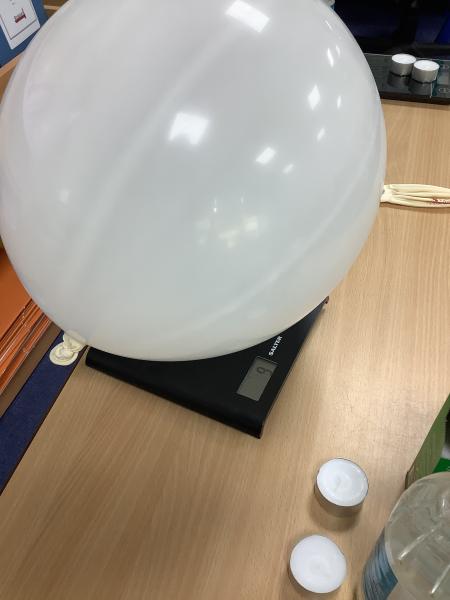
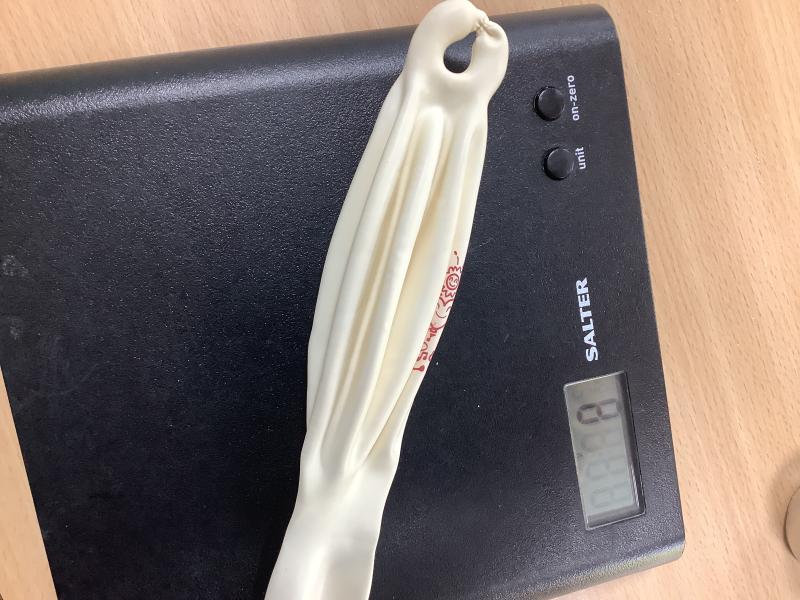
First, we investigated whether air has mass. We carefully weighed an empty balloon and found that it had a mass of 8g. We then filled the balloon with air and weighed it again. This time, it measured 9g! This simple experiment helped pupils understand that, although we cannot see air, it is made of particles and has mass.
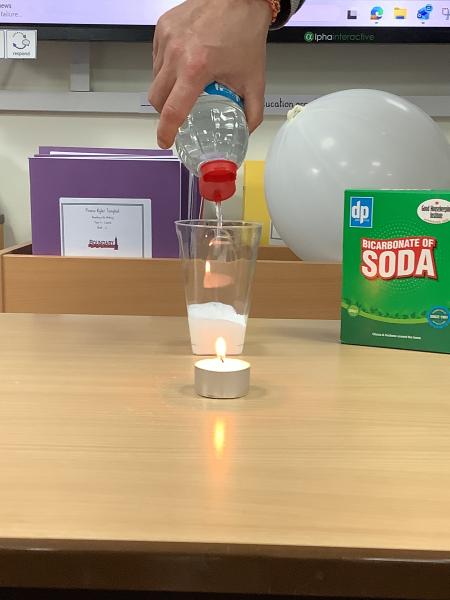
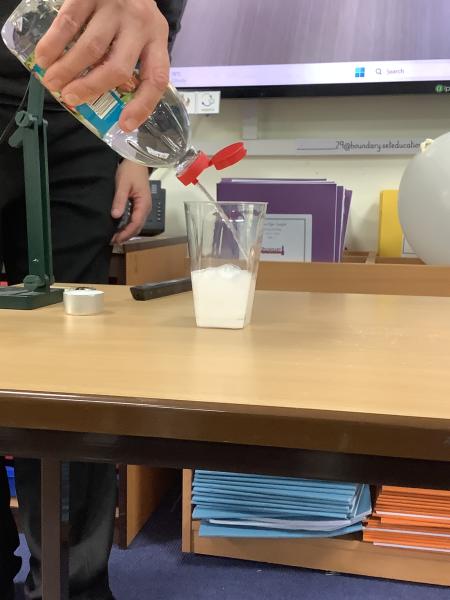
Next, pupils combined vinegar and bicarbonate of soda to observe a chemical reaction. We knew a reaction was taking place because the mixture began fizzing and bubbling, producing a gas called carbon dioxide (CO₂).
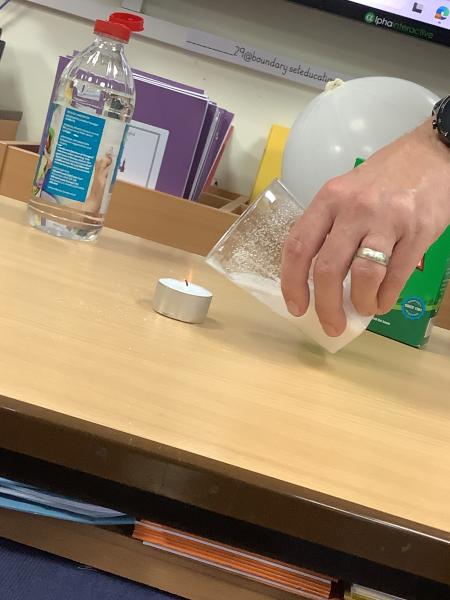
To finish our investigation, we collected some of the carbon dioxide produced and used it to extinguish a candle flame. Pupils were amazed to see that the gas could put out the fire and discussed why this happened.
Throughout the lesson, pupils made predictions, carried out observations, and drew conclusions from the evidence they collected. It was a fantastic hands-on lesson that helped bring the science of gases to life! 🔬🎈🕯️
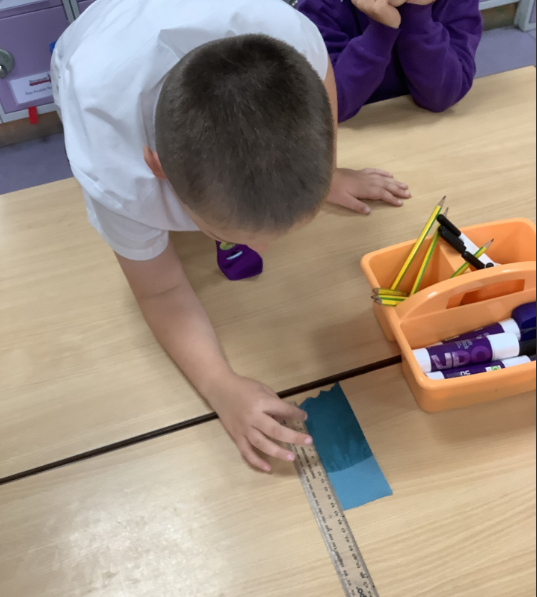
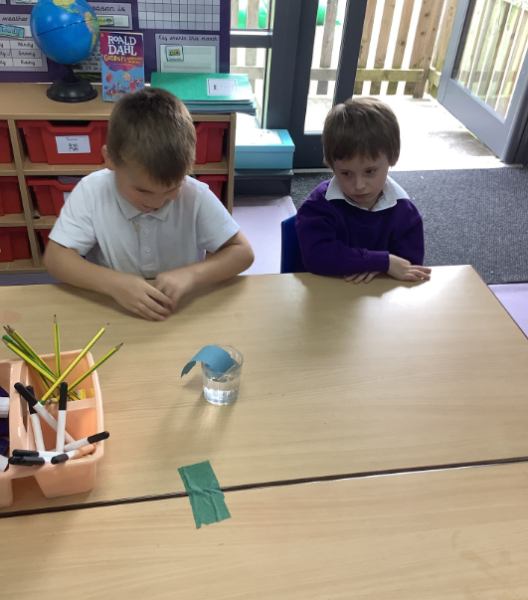
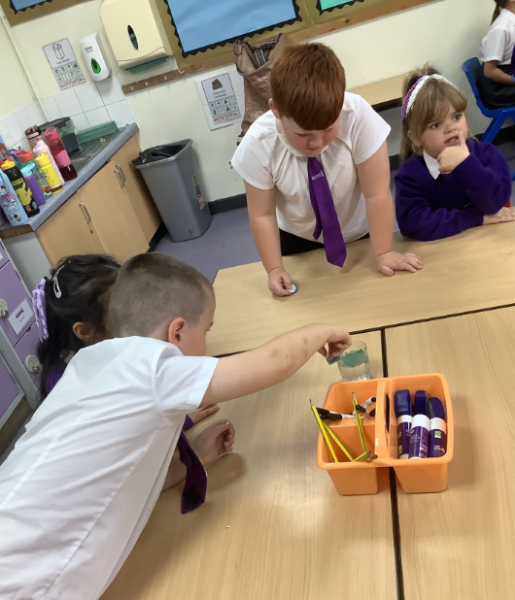
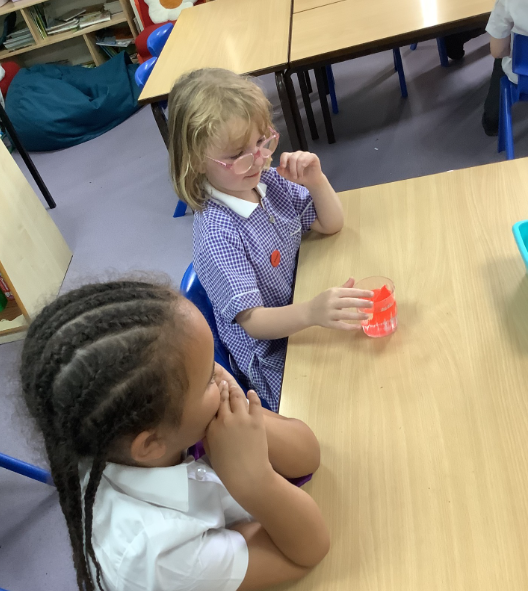
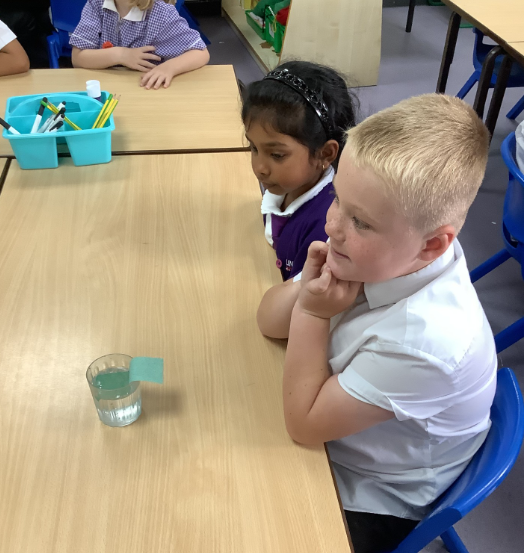
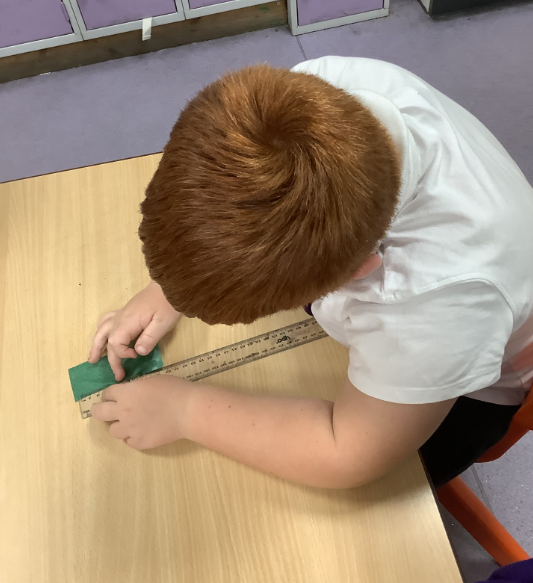
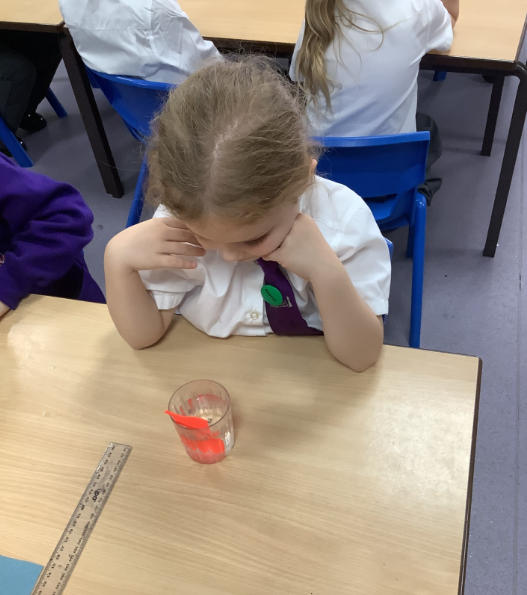
🧪💧 Year 2 Science Investigation: Which Material Absorbs Water Best? 💧🧪
Date: 14th Sep 2026 @ 10:33am
This week, Year 2 became scientists as we carried out an exciting investigation to find out which materials absorb water best and would therefore be the most suitable to use in our school dinner hall. 🔬👩🔬👨🔬
We began by discussing why absorbent materials are important. We thought about what might happen if drinks were spilled during lunchtime and how different materials could help to clean up the mess quickly and effectively. 🍽️🥛
Working in groups, we tested a variety of materials, including paper towels, cloth, sponge and other fabric samples. We carefully poured the same amount of water onto each material and observed what happened. 💦👀
We made predictions before carrying out our tests and recorded our results like real scientists. 📋✏️ We looked closely at which materials soaked up the most water and which materials allowed water to remain on the surface.
Some of our results surprised us! 😲 We discovered that certain materials were much more absorbent than others, while some hardly soaked up any water at all. By comparing our findings, we were able to decide which material would be the best choice for cleaning up spills in the dinner hall. 🧽✨
Throughout the investigation, we used important scientific skills such as observing, predicting, testing and recording results. We also discussed how scientists use evidence to make decisions. 🔍📊
Year 2 thoroughly enjoyed putting their scientific thinking to the test and learning how science can help solve everyday problems. We were very proud of the excellent teamwork and thoughtful discussions that took place during the lesson. 🌟👏
📸 Take a look at our photos to see our young scientists hard at work! 😊🧪💧
Date: 11th Sep 2026 @ 2:35pm
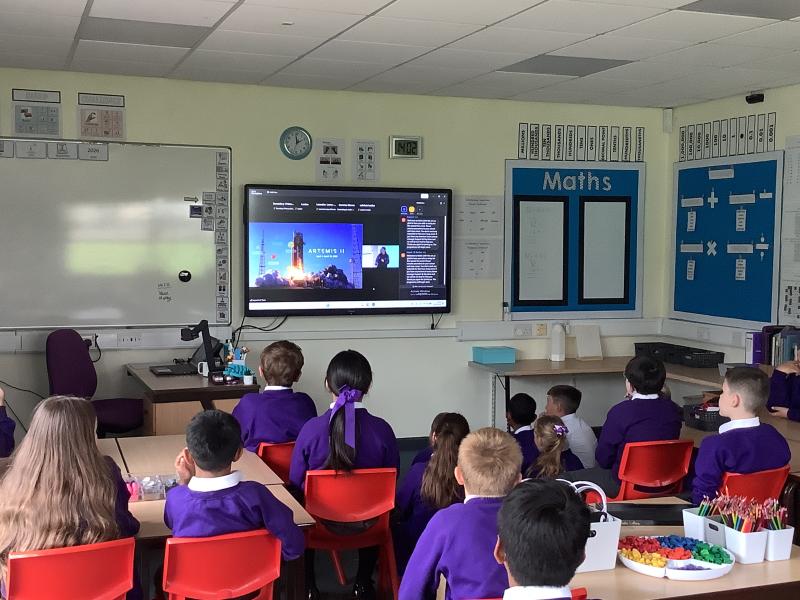
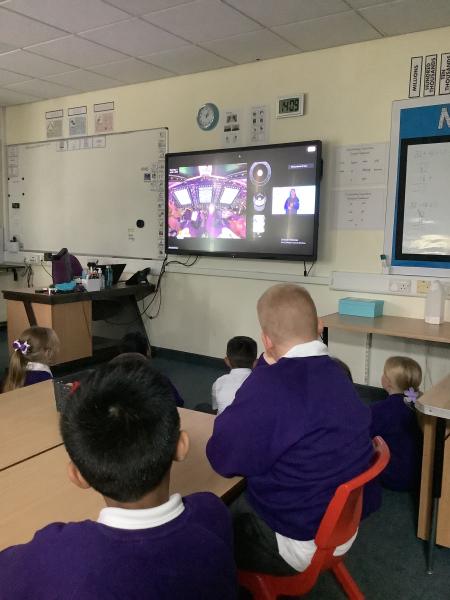
Today, Year 5 had the exciting opportunity to take part in a live online event hearing directly from NASA engineers Howard Hu and Branelle Rodriguez. This linked perfectly with our current learning in science, where we have been exploring the Solar System, the planets, and the evidence that helps us know the Earth is round.
The session also connected with our guided reading lessons. Recently, the children studied an interview with British astronaut Tim Peake, and they have been learning about the crew who will take part in the Artemis missions. During the event, the children learned more about the Orion spacecraft and the Artemis II mission, gaining an insight into the work of the engineers and teams who make human space exploration possible.
The event inspired curiosity, deepened the children's understanding of space travel, and helped them make meaningful links between their science and reading learning.
Year 4 - Investigating the Properties of Liquids
Date: 9th Sep 2026 @ 10:51am
Year 4 Science: Investigating the Properties of Liquids
This week in Science, Year 4 pupils explored the fascinating properties of liquids through a series of practical investigations.
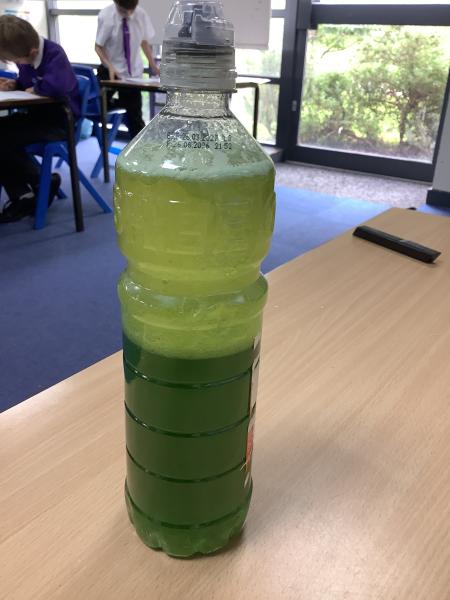
To begin, we created a lava lamp using oil and water. Pupils observed that the two liquids did not mix and discussed why different liquids behave in different ways. The colourful experiment sparked lots of curiosity and scientific discussion!
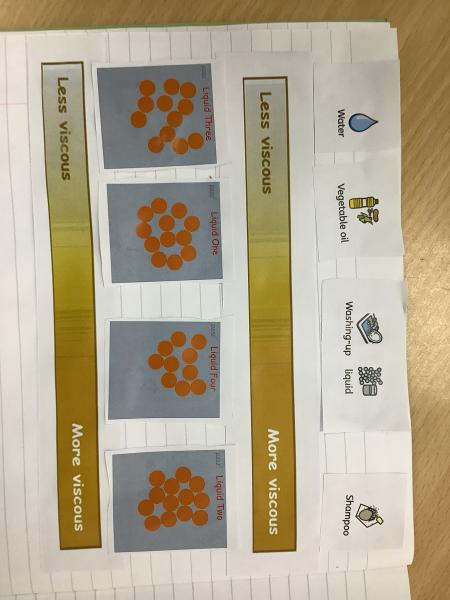
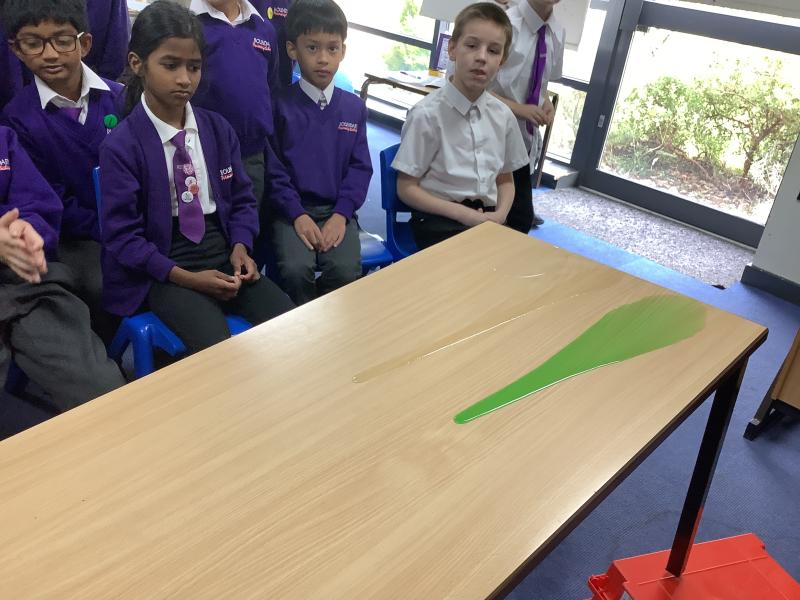
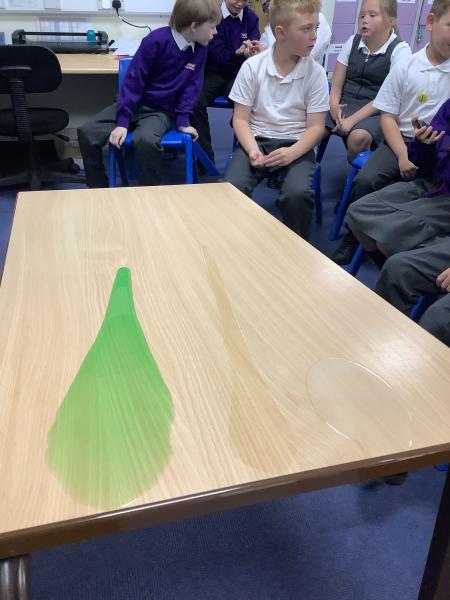
The children then investigated viscosity, which is a measure of how easily a liquid flows. They compared water, shampoo, washing-up liquid, and vegetable oil, making predictions before testing and observing each liquid carefully. Pupils discovered that some liquids flow much more slowly than others because they have a higher viscosity.
To deepen their understanding, pupils also explored how the particles in liquids might be arranged. They discussed how particles in more viscous liquids may have stronger attractions between them, making it harder for the liquid to flow freely.
Throughout the lesson, pupils worked scientifically by predicting, observing, recording results, and drawing conclusions from their investigations. It was wonderful to see their enthusiasm as they developed their understanding of the amazing properties of everyday liquids.
Year 1- Exploring our senses of sight and hearing
Date: 8th Sep 2026 @ 3:48pm
Today in Science, we began exploring two of our senses: sight and hearing. We discussed which parts of our bodies help us see and hear and learned how our eyes and ears help us detect a stimulus before our brains identify what it is. We enjoyed a game of sound bingo, where we listened carefully to different sounds and tried to identify them. We then went on a sensory walk around the school grounds, observing the sights and sounds we could experience in our environment. It was a fantastic opportunity to investigate our senses in action!


Date: 16th Jul 2026 @ 1:49pm
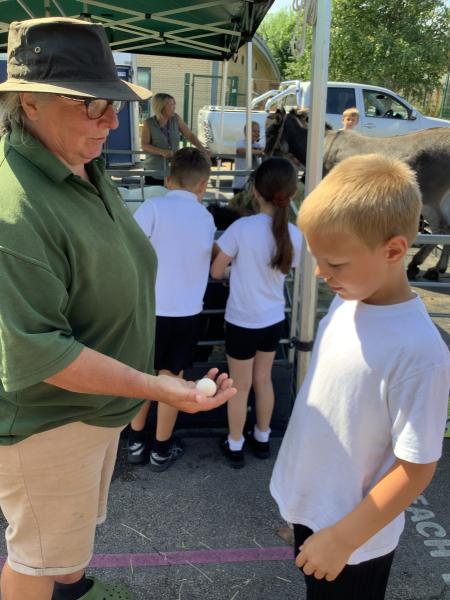
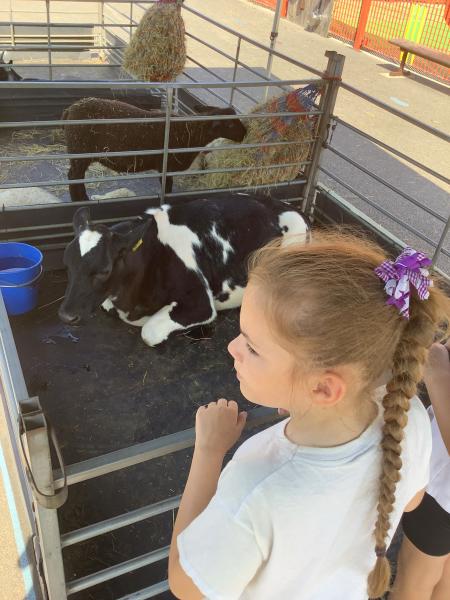
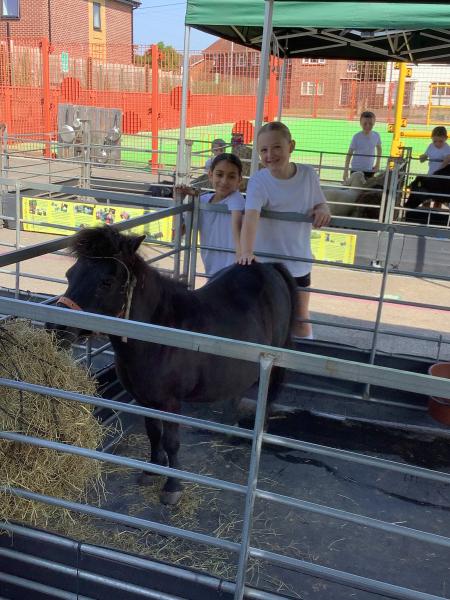
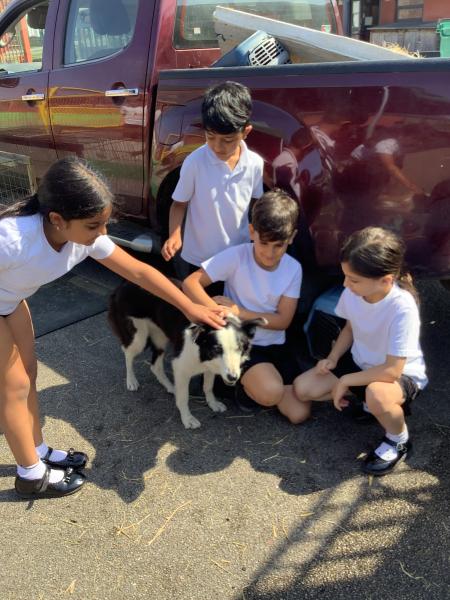
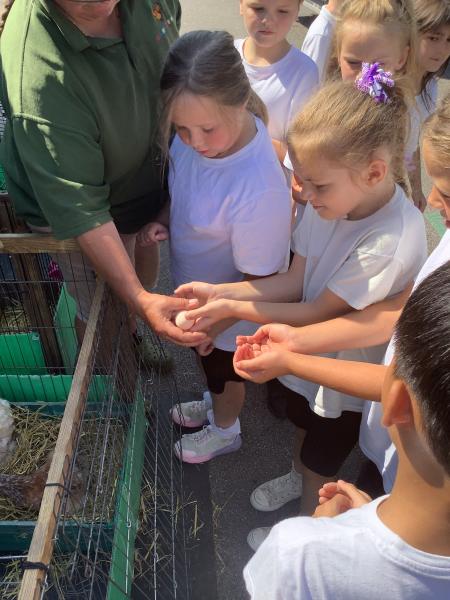
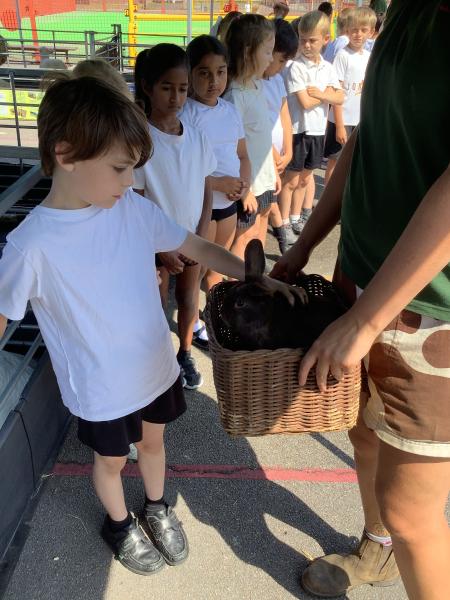
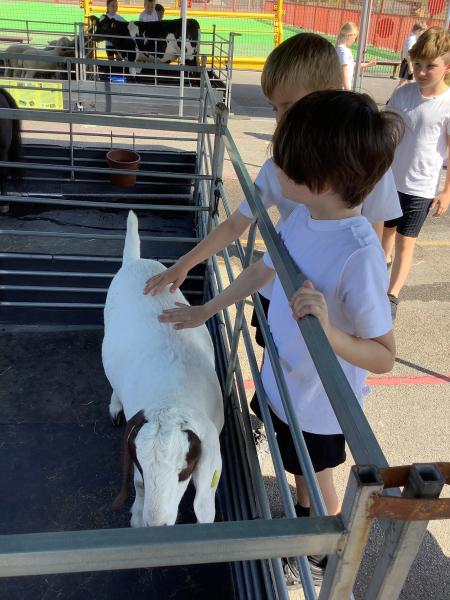
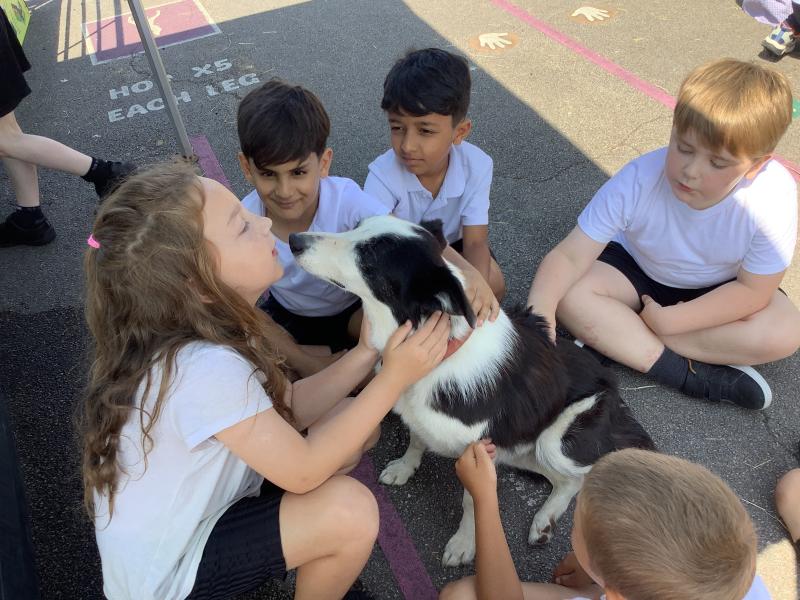
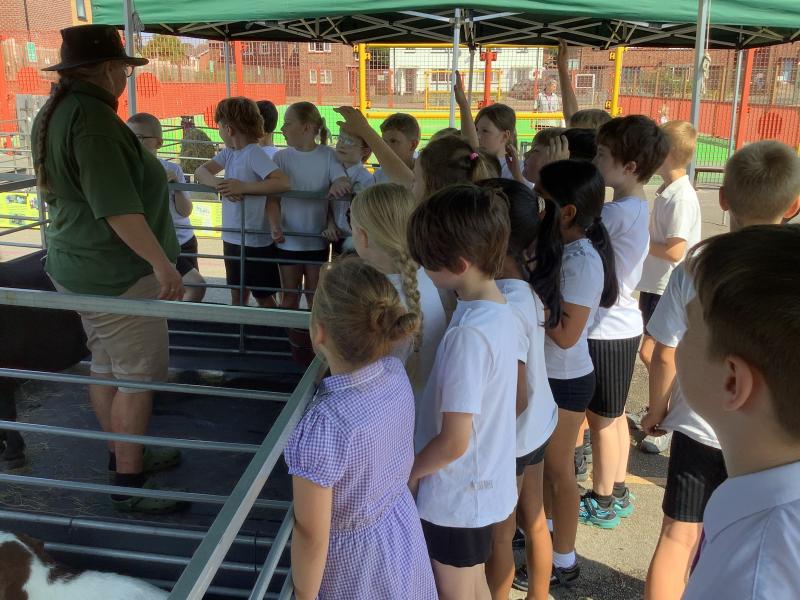
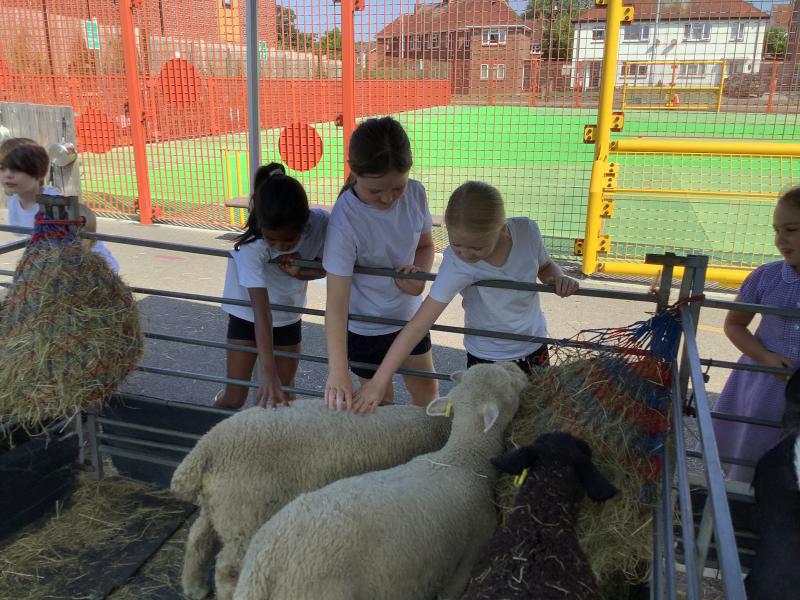
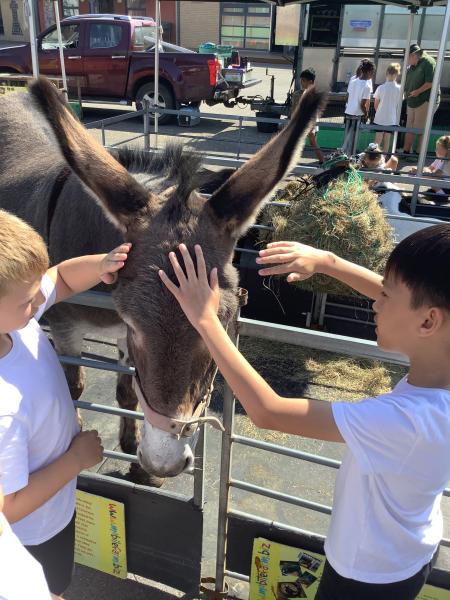
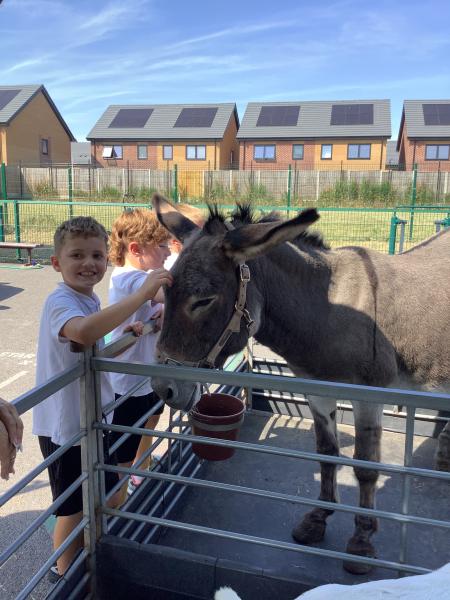
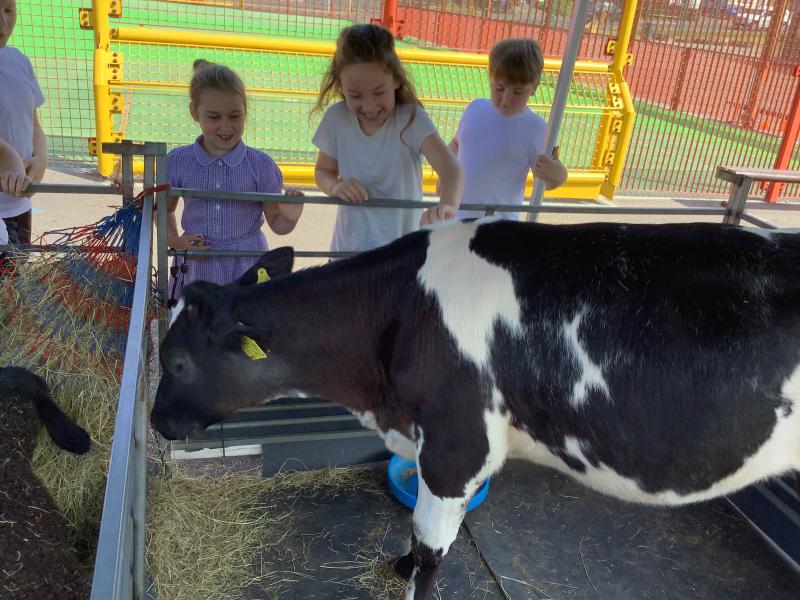
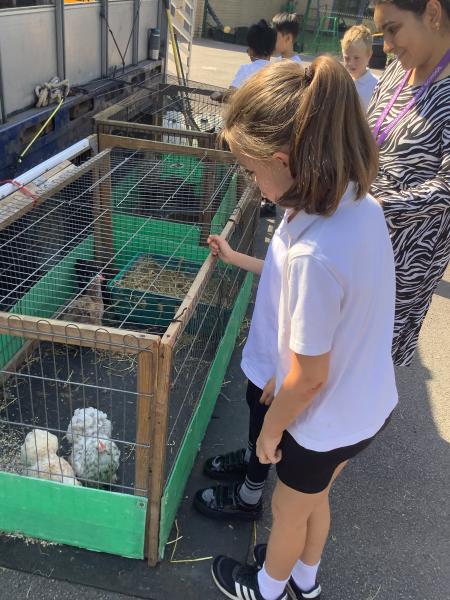
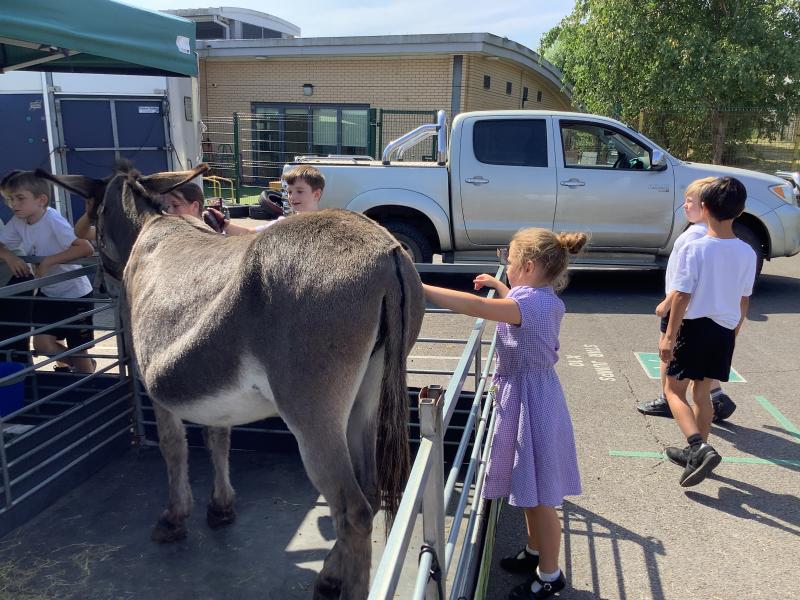
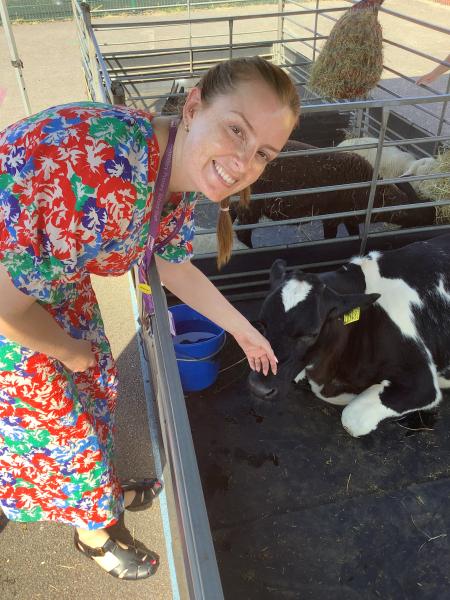
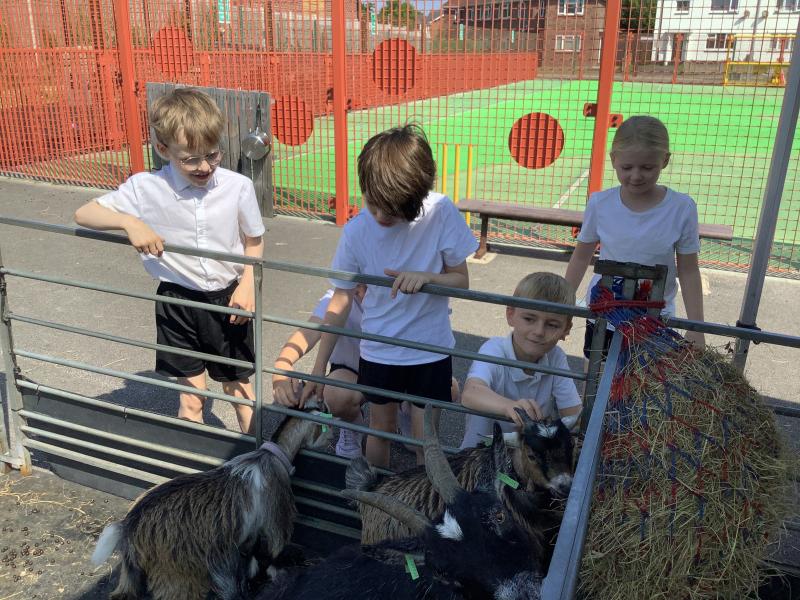
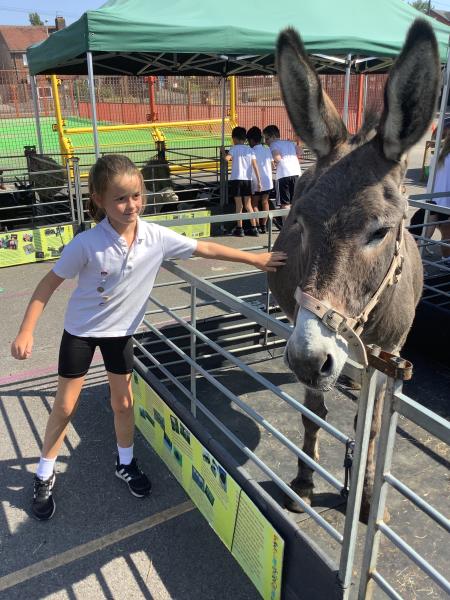
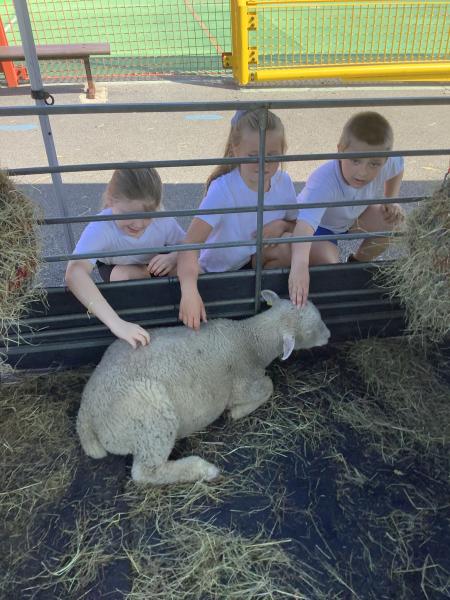
Year 3 had a fantastic time when the Fishers Mobile Farm came to visit our school and set up on the KS2 playground.
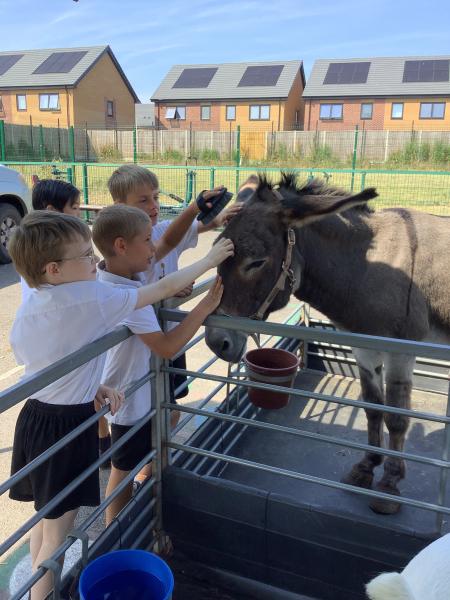
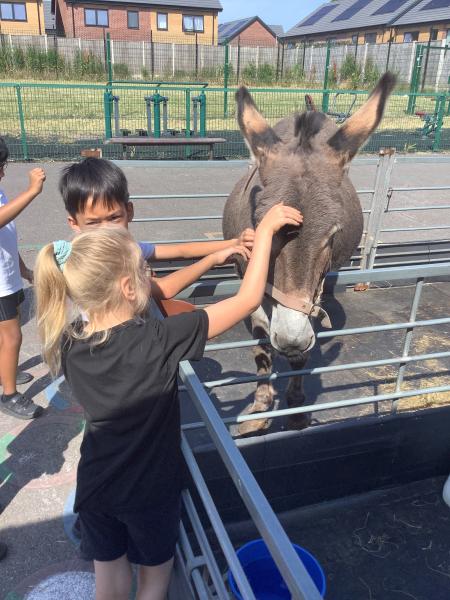
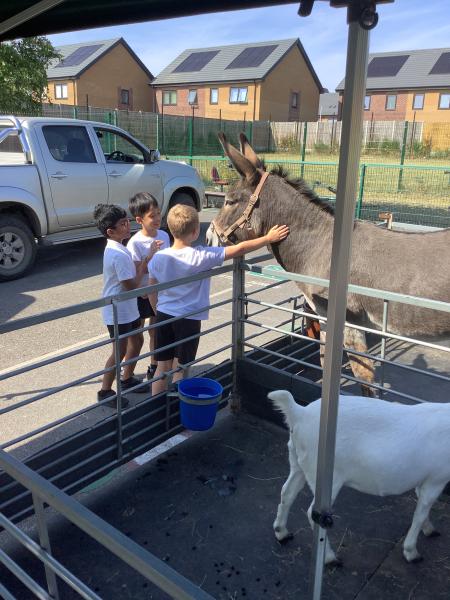
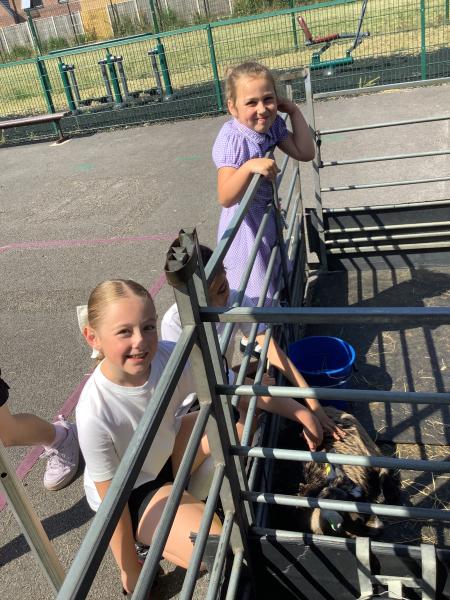
We were very excited to meet all the different animals and learn more about them. One of the best parts of the visit was having the opportunity to stroke the animals. We enjoyed getting close to them and seeing how friendly they were.
The farm staff showed us how to use special brushes to groom the animals. We carefully brushed them and helped to keep their coats clean and tidy. It was great fun, and many of us said it was our favourite part of the day.
The visit was a wonderful hands-on experience that helped us learn about caring for animals and treating them with kindness and respect. We loved meeting the animals and finding out more about life on a farm.
A big thank you to Fishers Mobile Farm for bringing their animals to our school and giving Year 3 such a memorable experience. We all had an amazing time and will remember this special visit for a long time! 🐑🐐🐇🐓