Year 3: Blog items
Date: 21st Oct 2026 @ 9:11am
Date: 20th Oct 2026 @ 12:22pm
Date: 8th Oct 2026 @ 10:27am
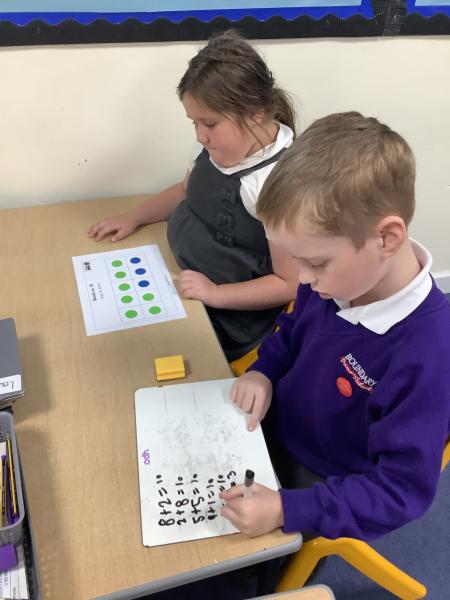
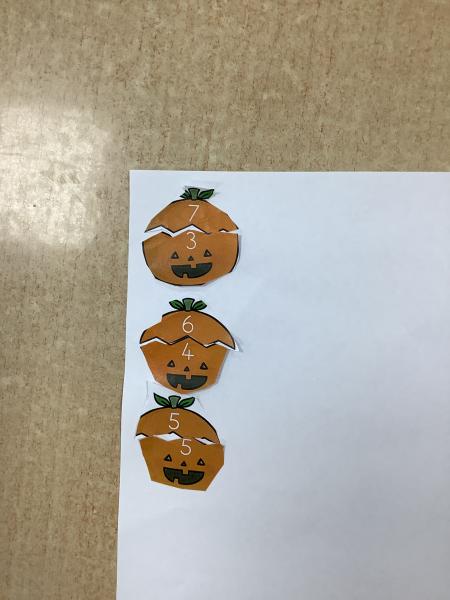
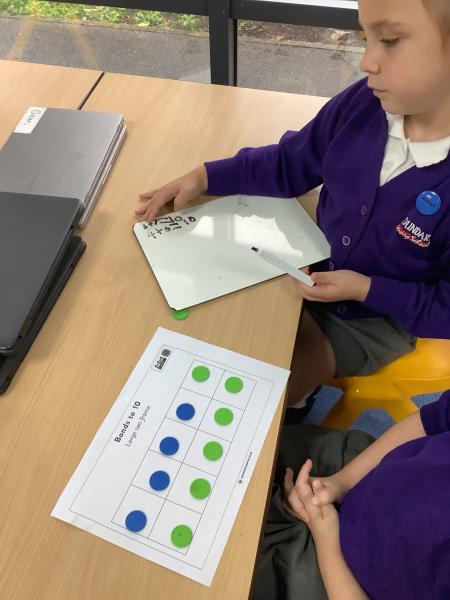
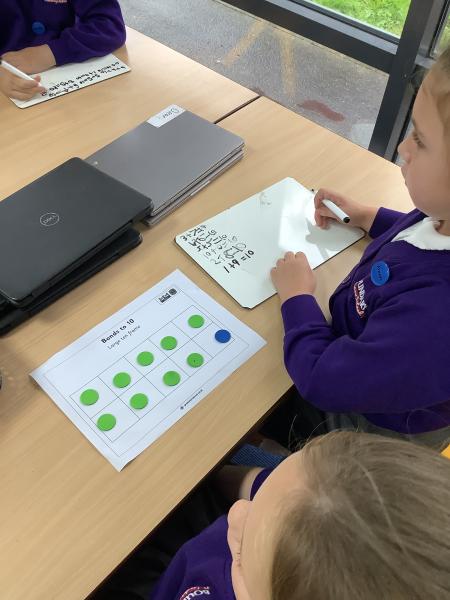
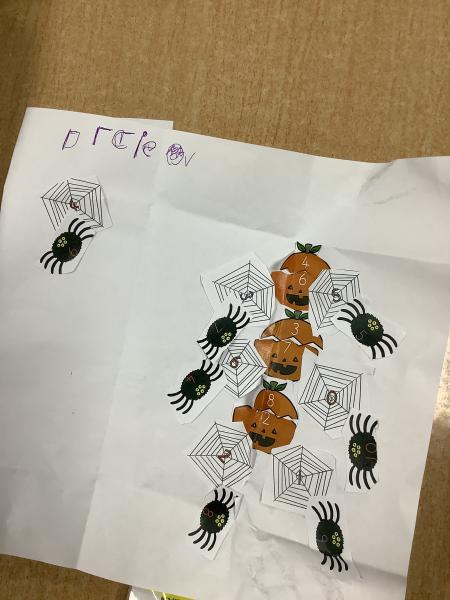
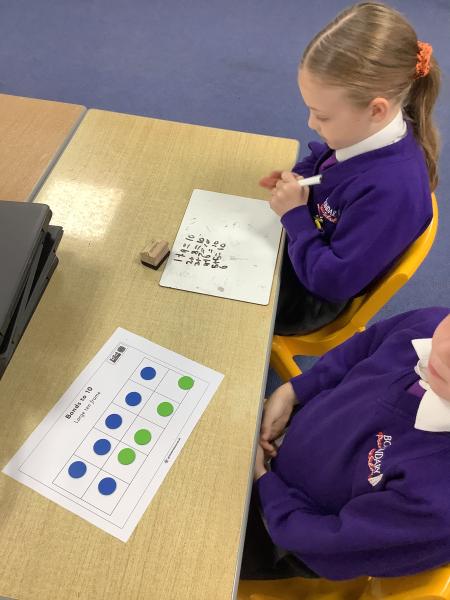
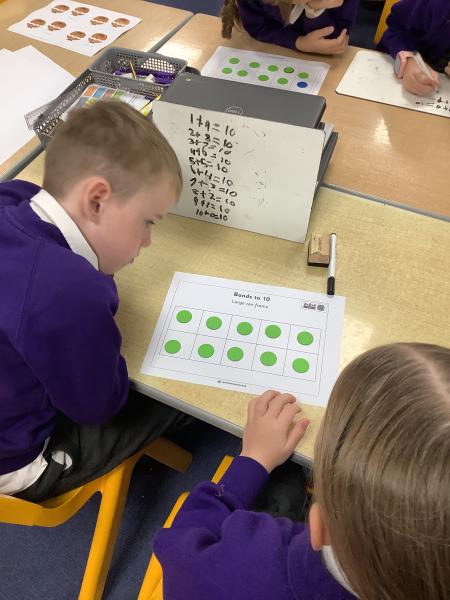
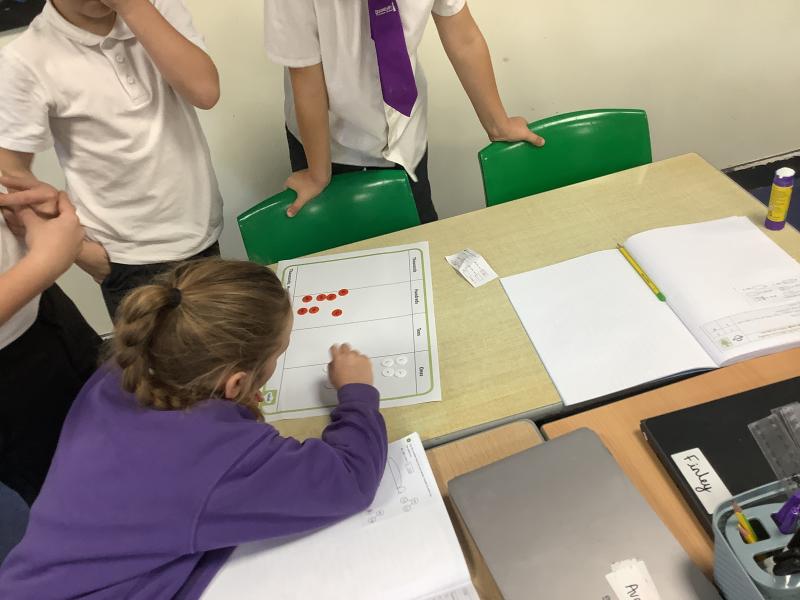
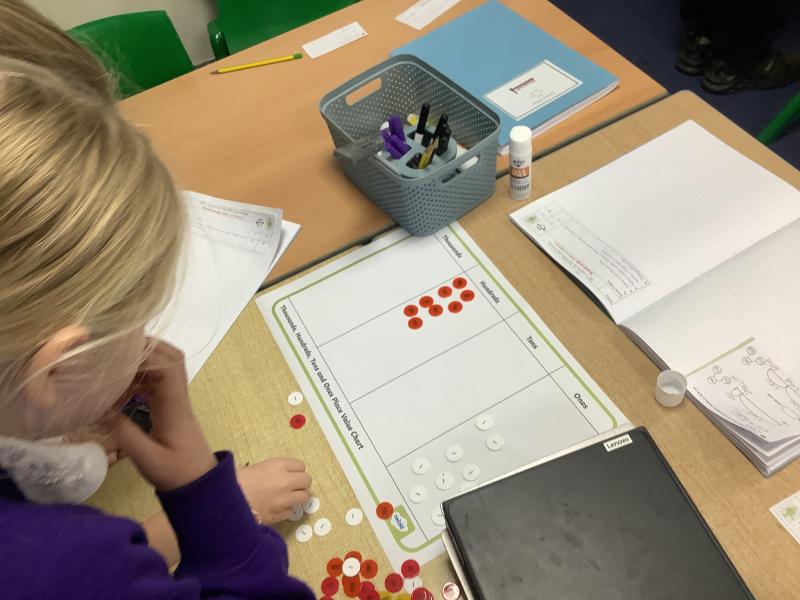
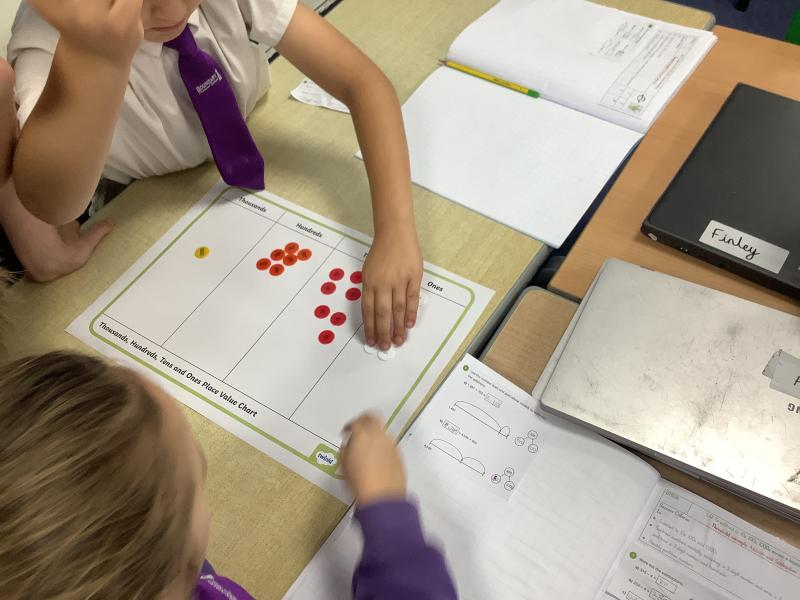
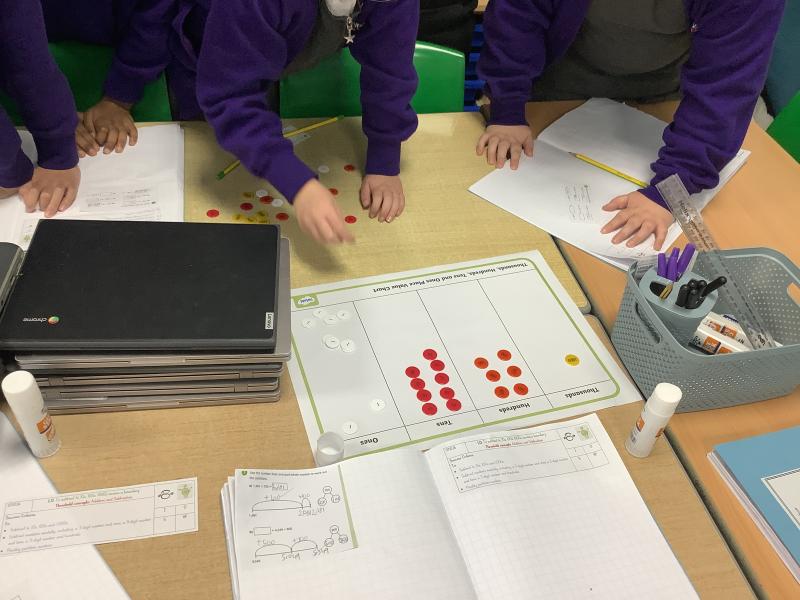
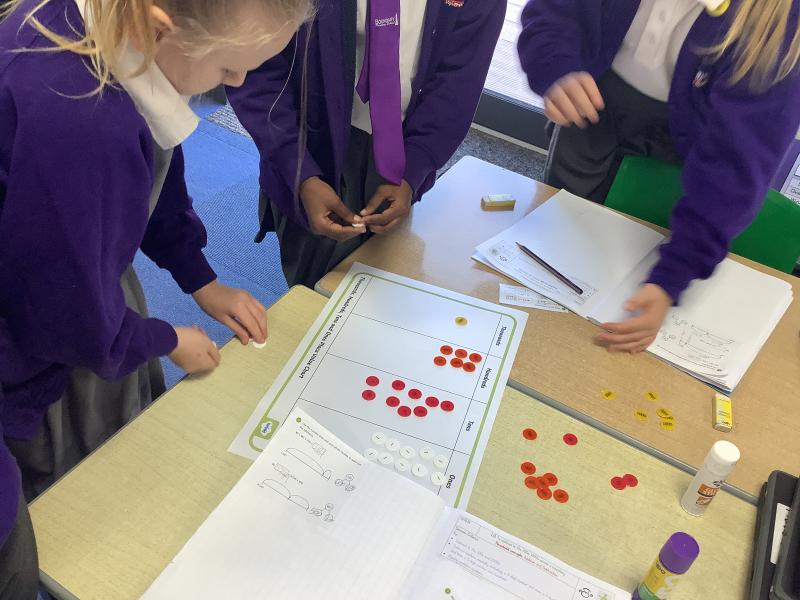
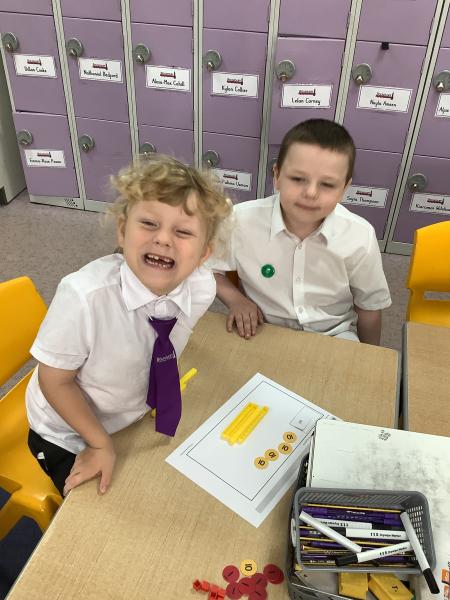
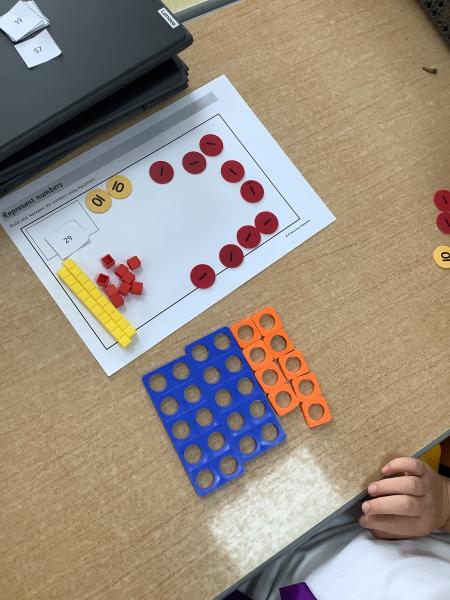
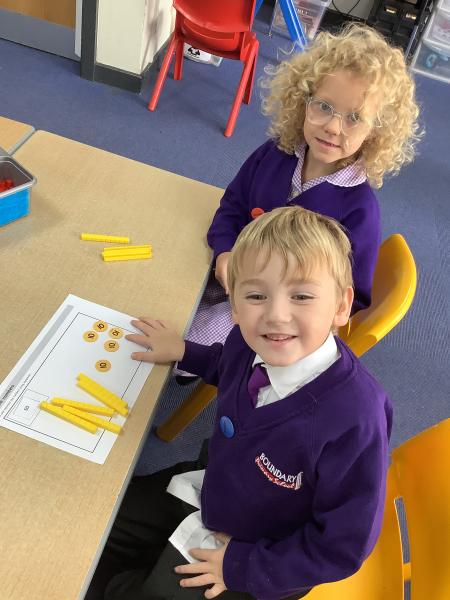
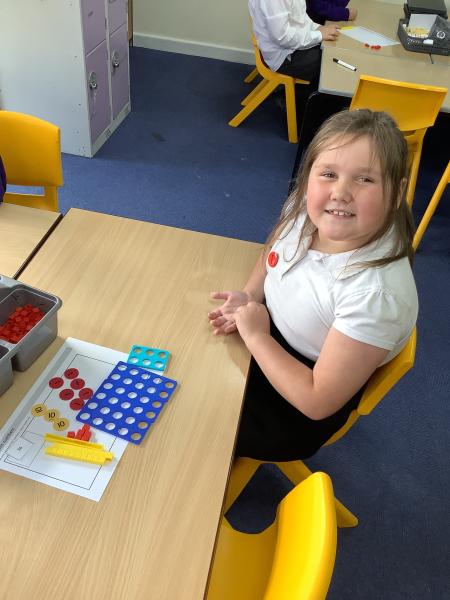
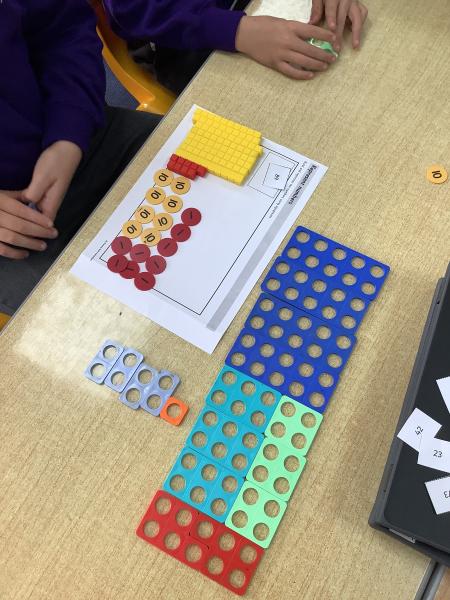
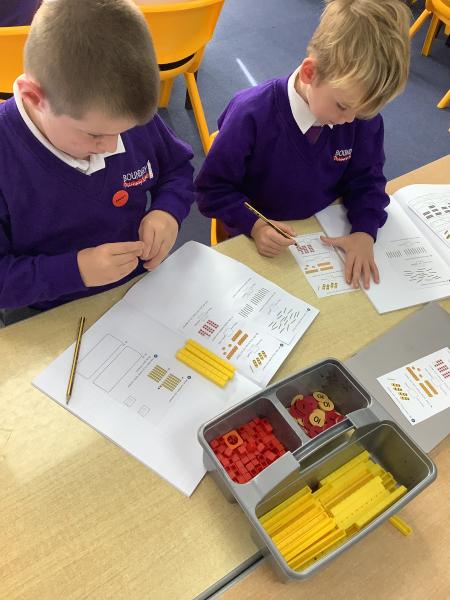
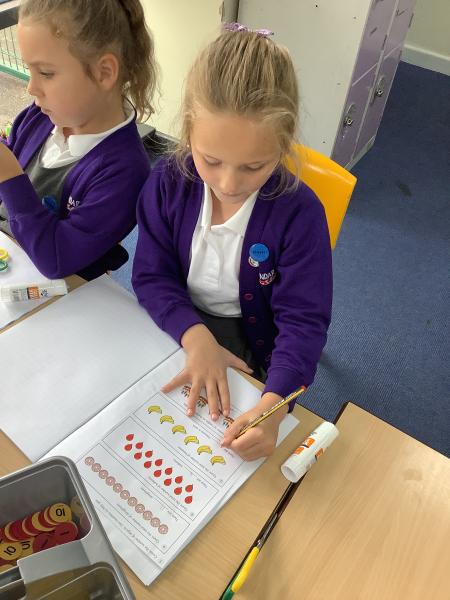
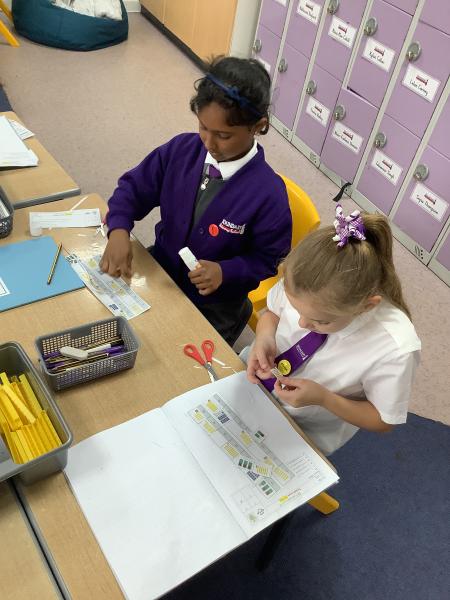
This week in Maths, Year 3 and 4 have been developing their understanding of subtracting 1s, 10s and 100s across a boundary. The children used place value charts to help them visualise what happens when a subtraction takes them across a tens or hundreds boundary.
We explored how numbers can be exchanged, for example exchanging 1 ten for 10 ones when there were not enough ones to subtract. Similarly, we practised exchanging 1 hundred for 10 tens when needed. The place value charts helped the children see these exchanges clearly and supported them in solving problems accurately.
The children showed great perseverance and mathematical thinking as they explained their methods and justified their answers. Well done, Year 3 and 4, for working so hard to deepen your understanding of place value and subtraction! 📚➖⭐
Year 3 and Year 4 - World Record attempt
Date: 8th Oct 2026 @ 10:26am
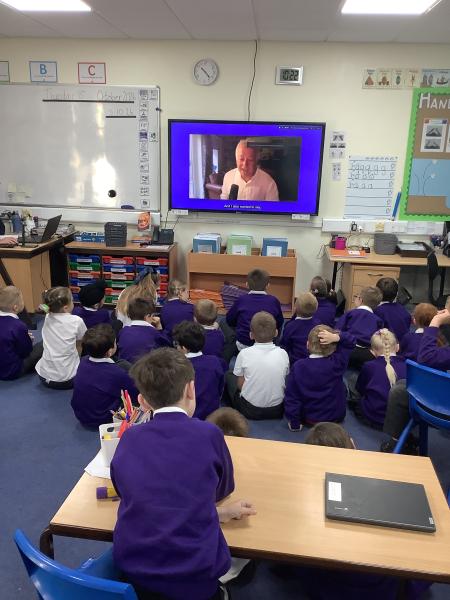
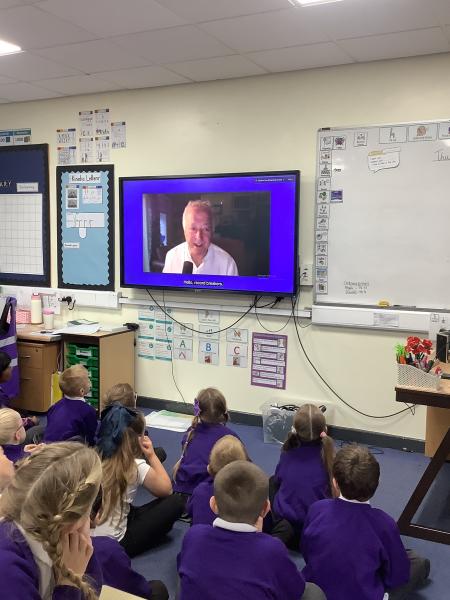
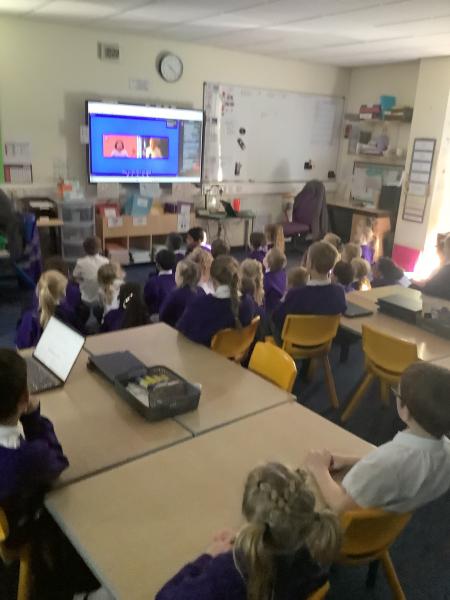
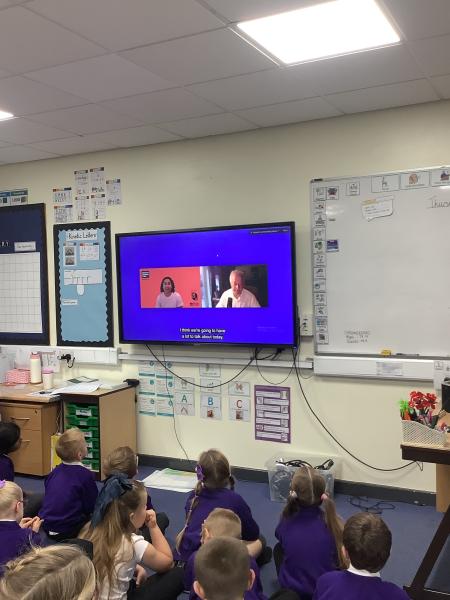
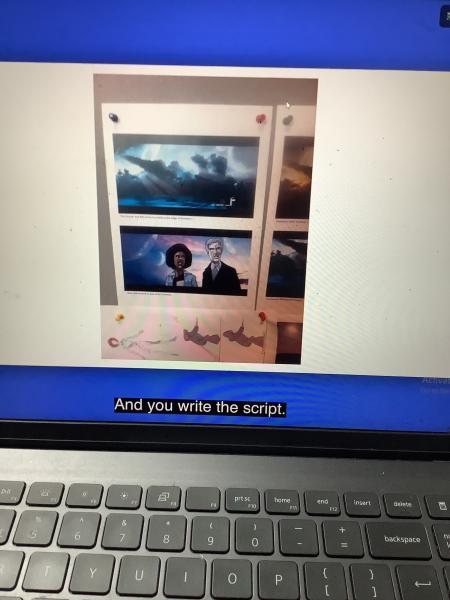
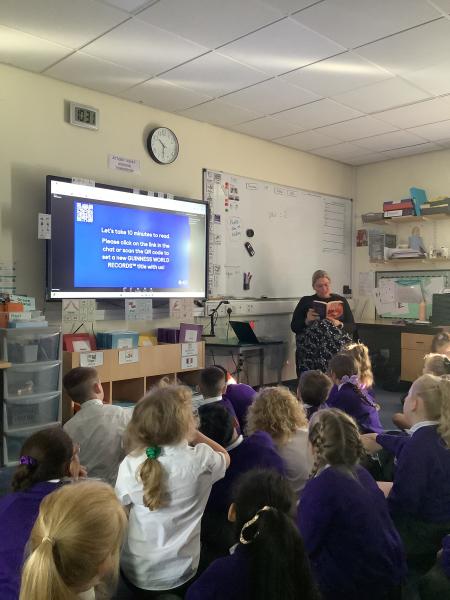
Excitement filled the school as our Year 3 and Year 4 pupils took part in a very special event organised by the National Literacy Trust - a nationwide attempt to set a new GUINNESS WORLD RECORDS™ title!
The children joined thousands of pupils from schools across the country to take part in this exciting challenge. The event celebrated the joy of reading and brought together children who share a love of books, stories and learning. There was a real buzz of anticipation as everyone prepared to contribute to what could become a record-breaking achievement.
Throughout the event, the children listened carefully, participated enthusiastically and represented our school brilliantly. It was fantastic to see so many pupils engaged and excited to be part of something bigger than themselves. They demonstrated excellent behaviour, teamwork and enthusiasm, showing our school values every step of the way.
As well as being part of a potential world record, the event highlighted the importance of literacy and reading for pleasure. The children discovered that reading can connect people across the country and inspire everyone to become confident, lifelong readers.
We are incredibly proud of all our Year 3 and Year 4 pupils for taking part and embracing this unique opportunity with such enthusiasm. Now we eagerly await the official results to find out whether the nationwide challenge has successfully achieved a new GUINNESS WORLD RECORDS™ title!
Well done, Year 3 and Year 4. You've already made us proud, and being part of this memorable event is an achievement in itself! 📚🌟🏆
Date: 28th Sep 2026 @ 2:14pm
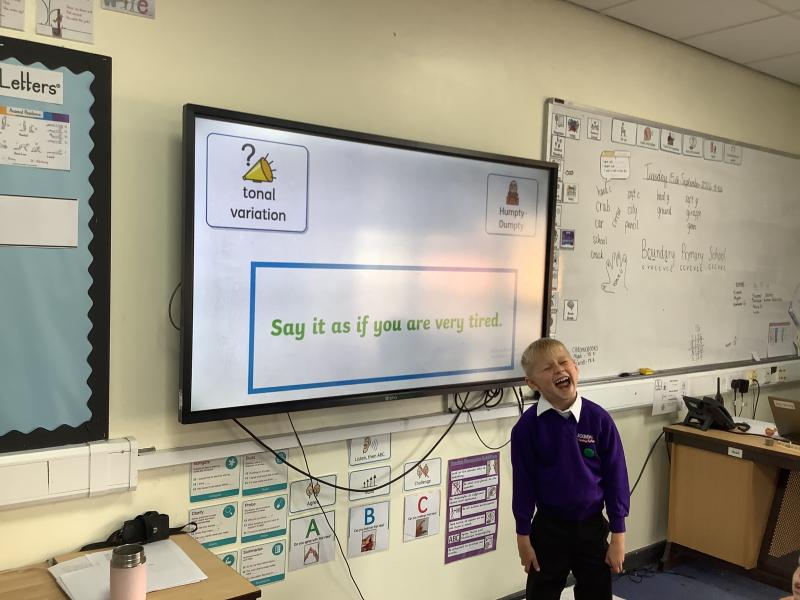
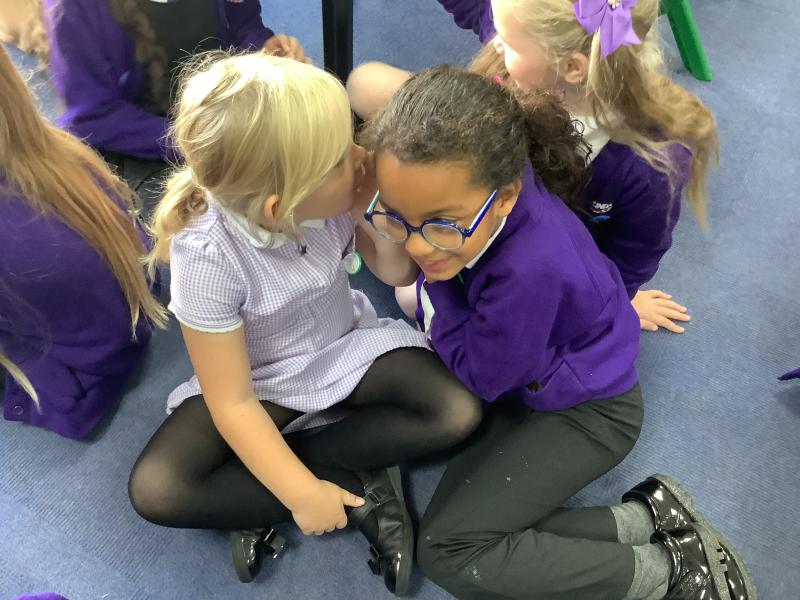
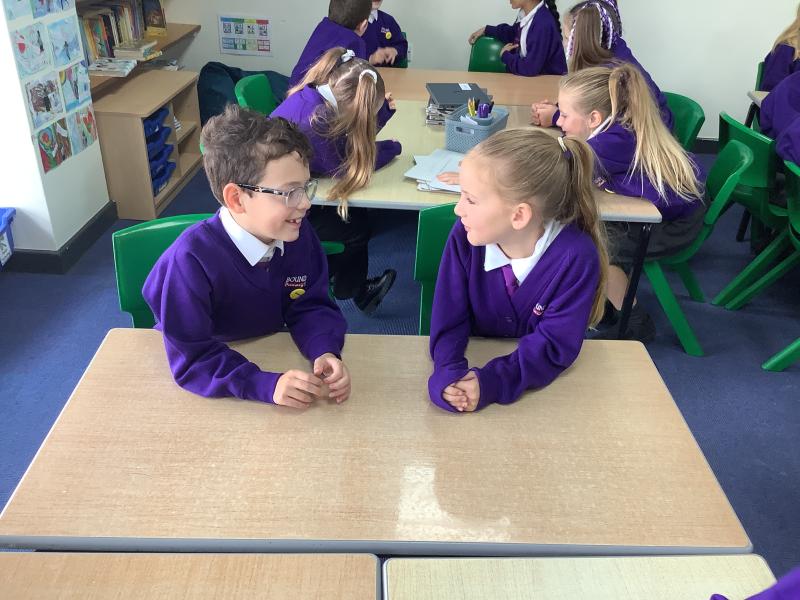
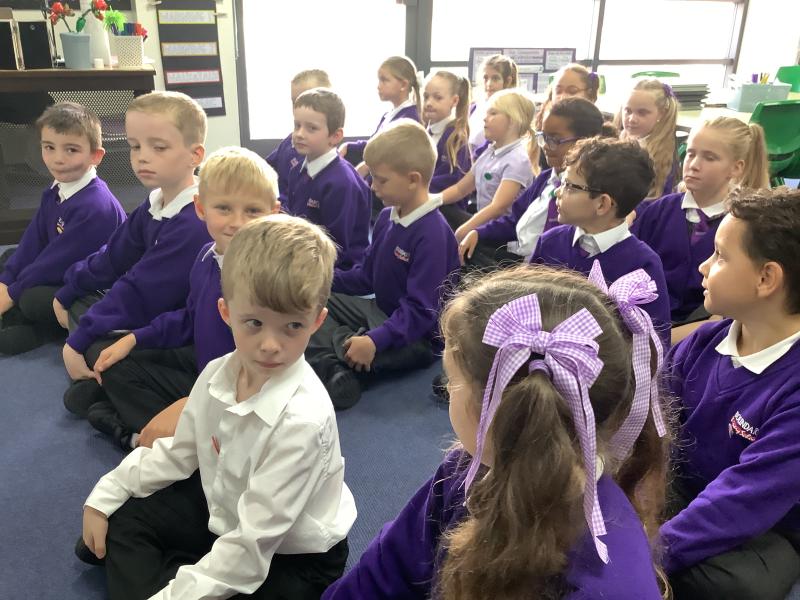
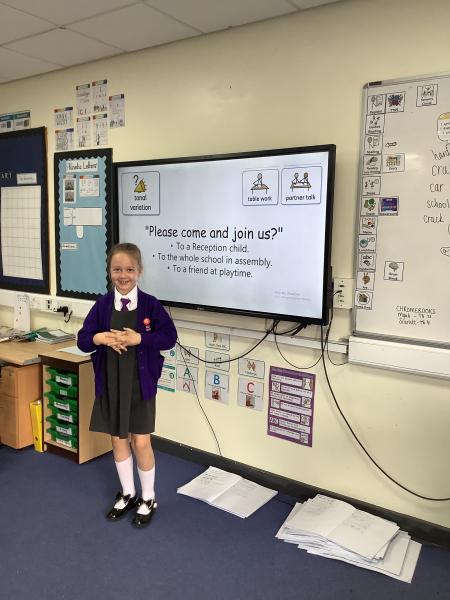
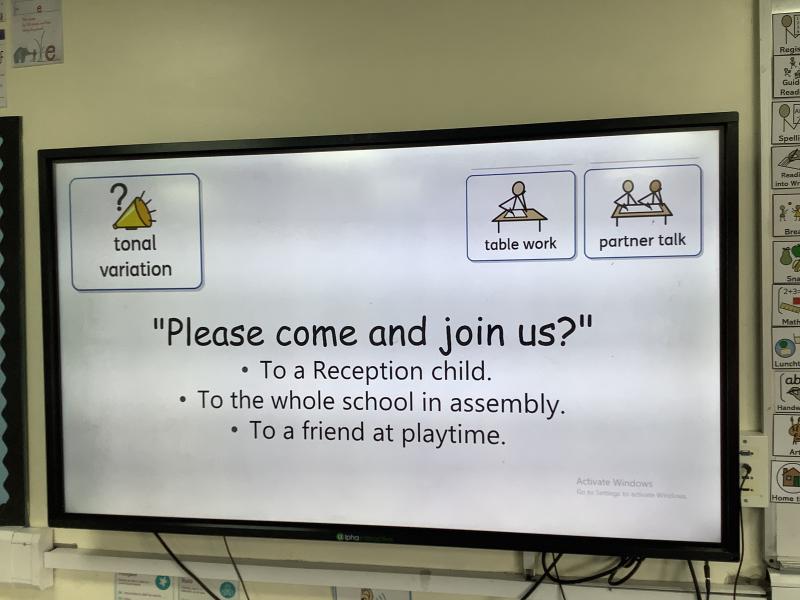
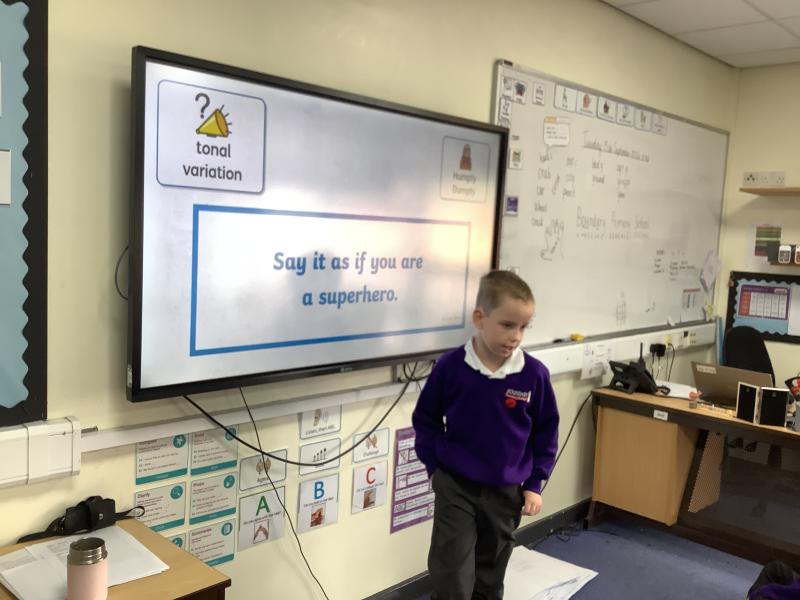
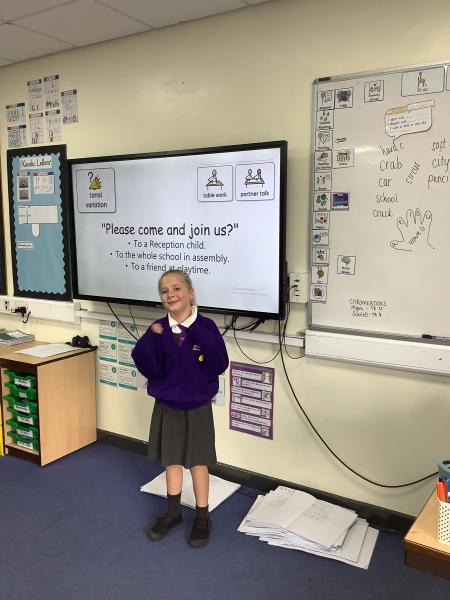
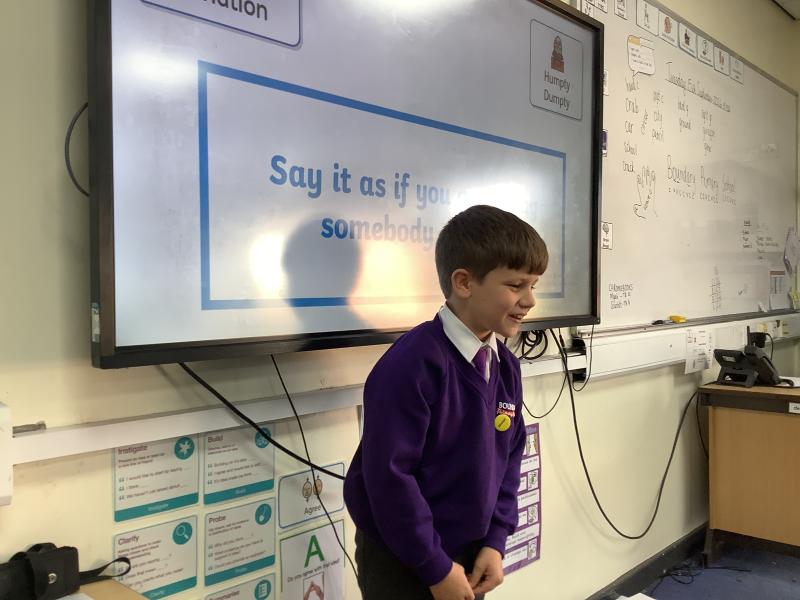
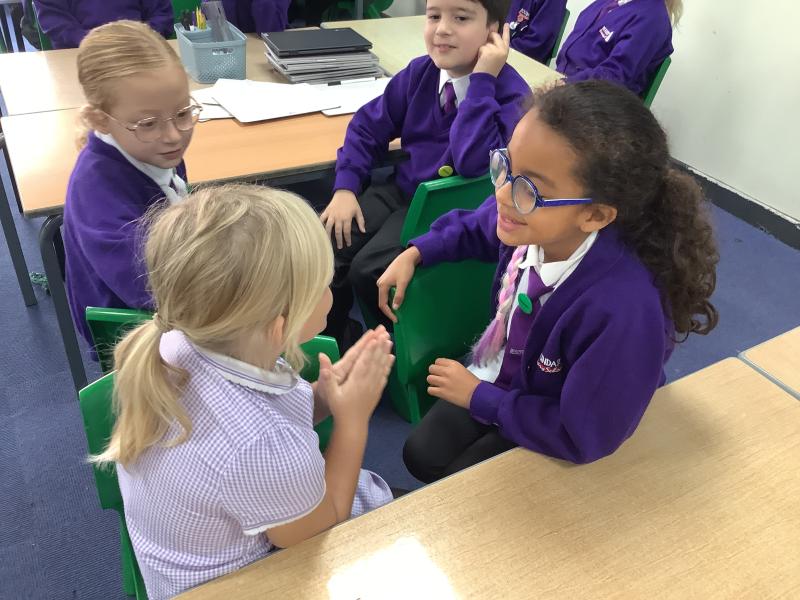
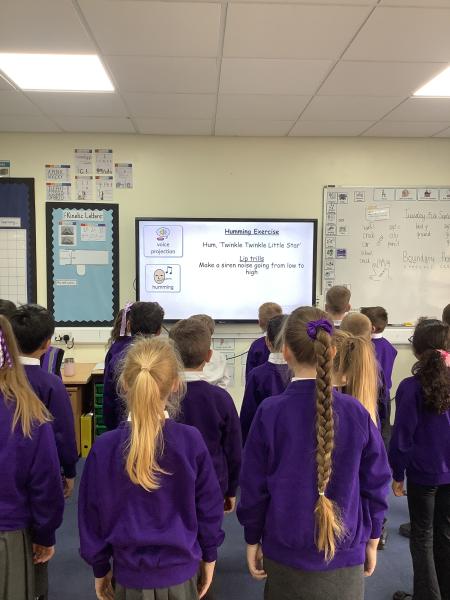
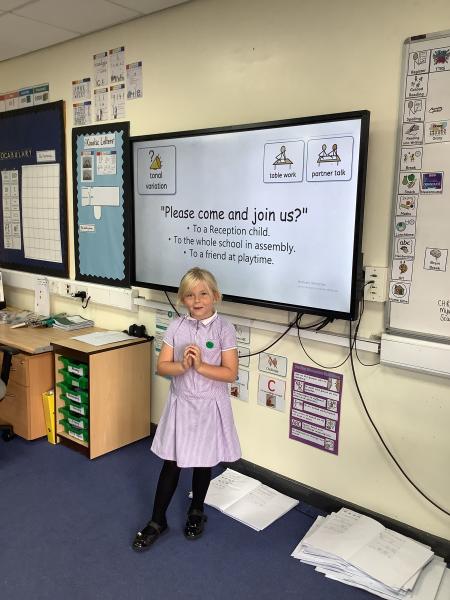
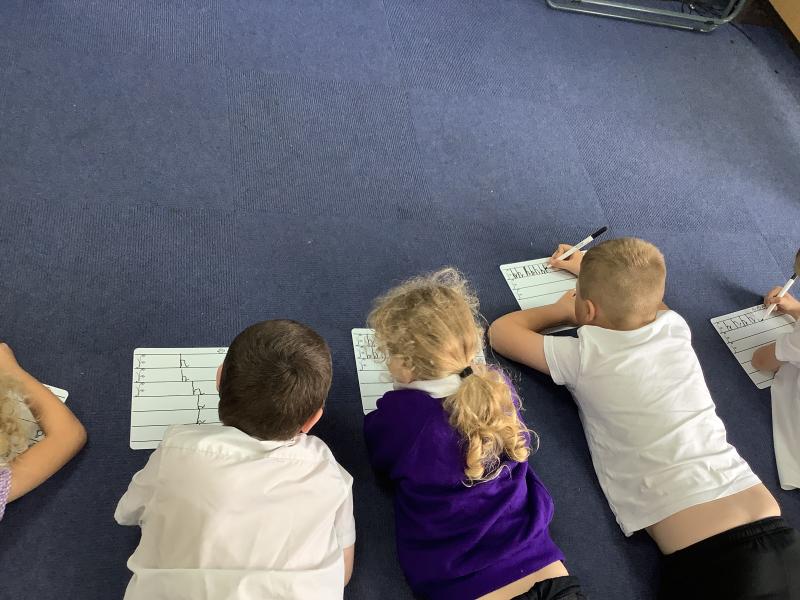
We have been developing their oracy skills this week. We recapped active listening and our ABC rules for contributions before exploring how posture, pace, tonal variation and voice projection can help us communicate effectively. The children enjoyed reciting Humpty Dumpty in different ways, including as a superhero, when tired, excited and in a hurry! We then practised saying, “Please come and join us,” to different audiences, thinking carefully about how our voice and posture needed to change for a Reception child, the whole school in assembly and a friend at playtime.
Date: 28th Sep 2026 @ 2:09pm
Year 3 - School Council Manifestos and Elections
Date: 28th Sep 2026 @ 2:02pm
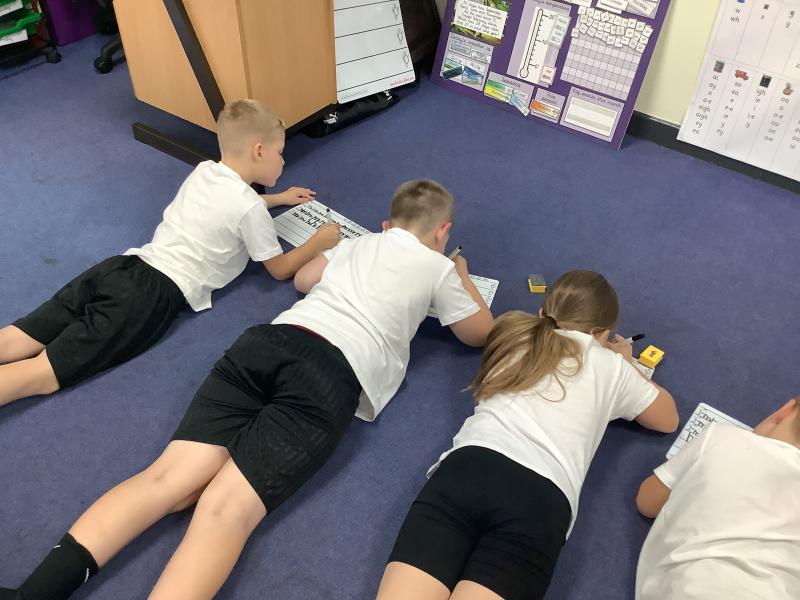
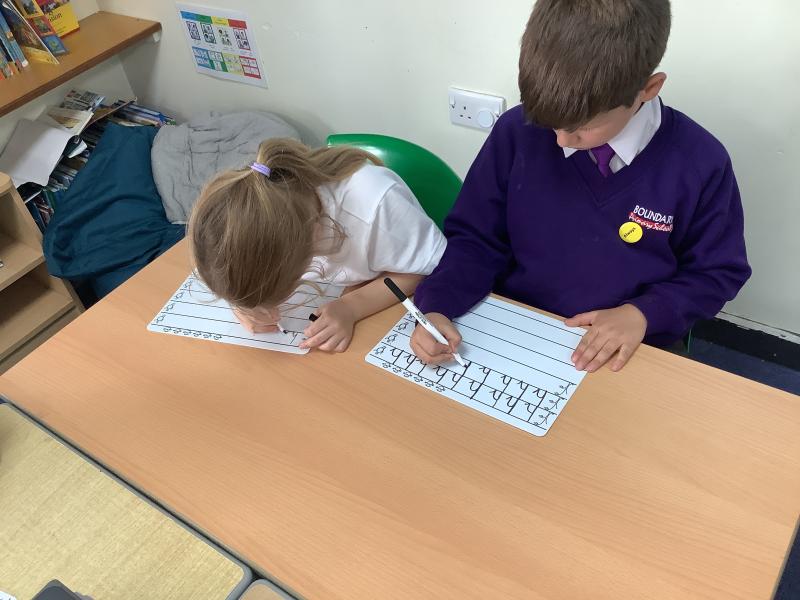
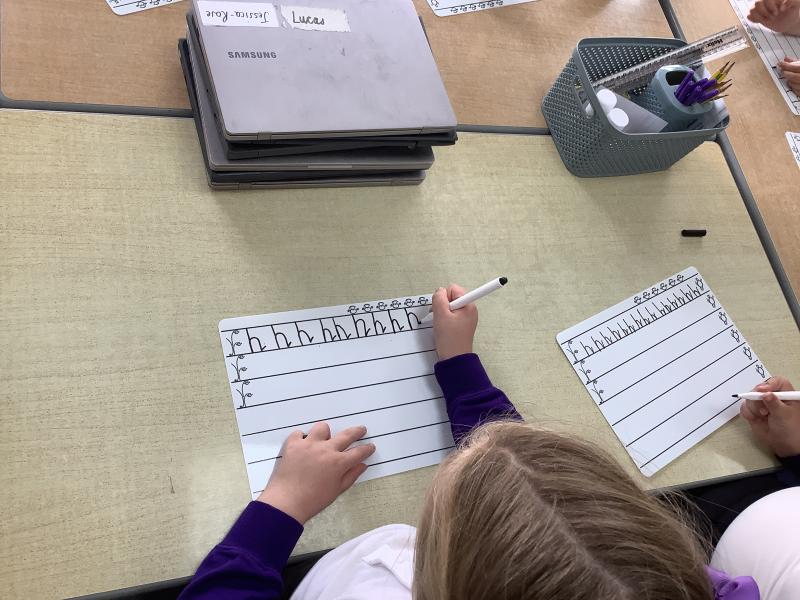
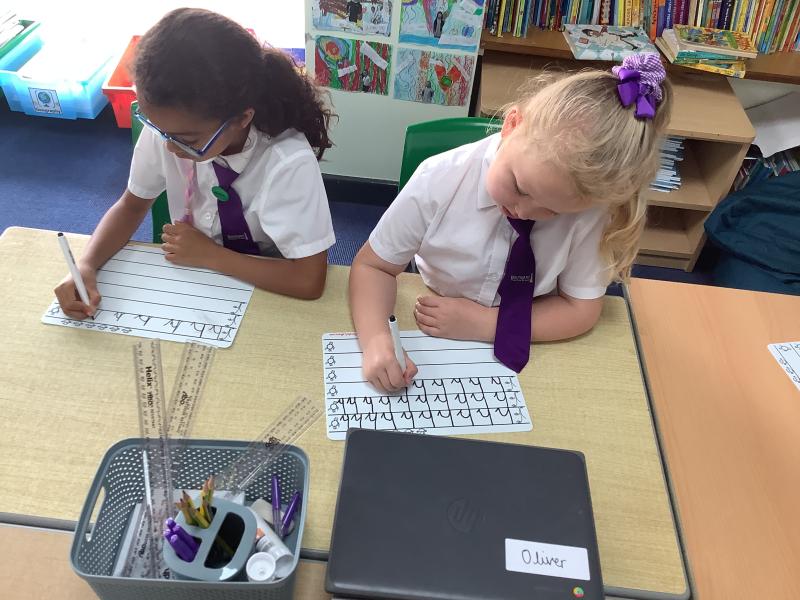
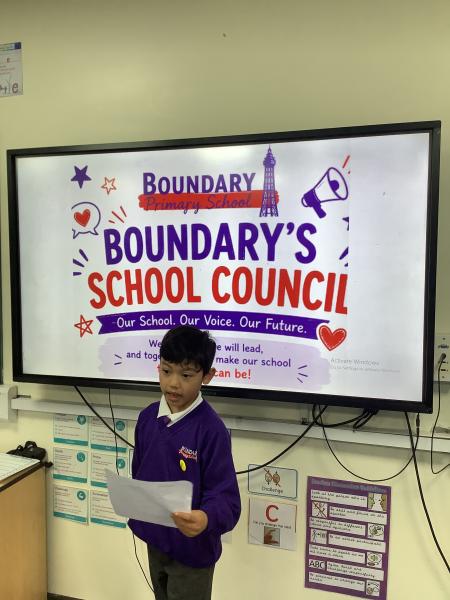
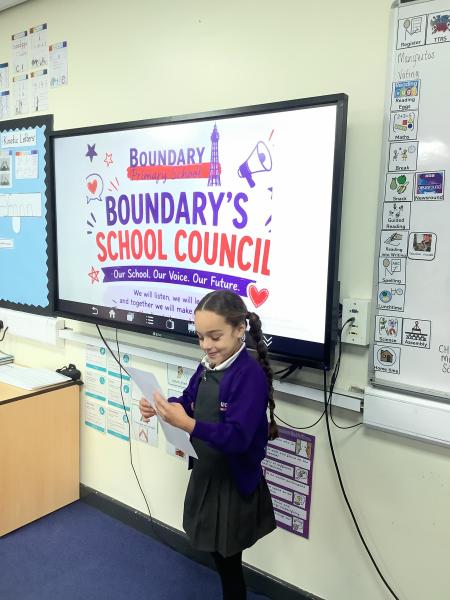
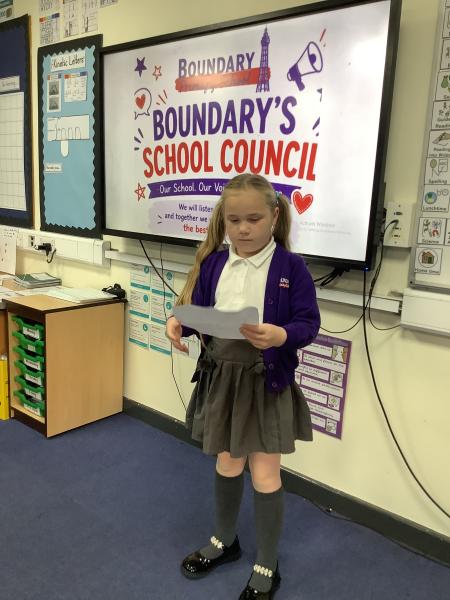
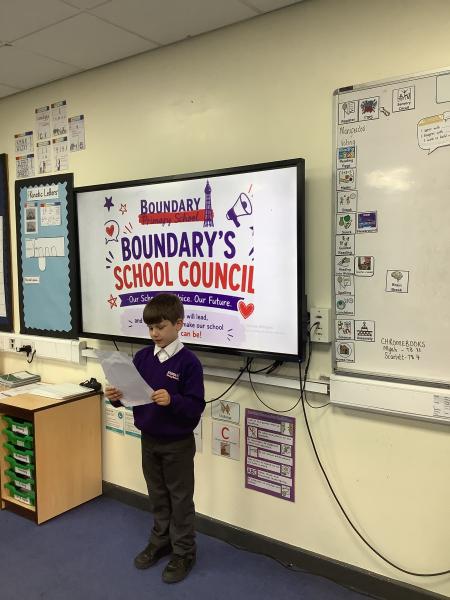
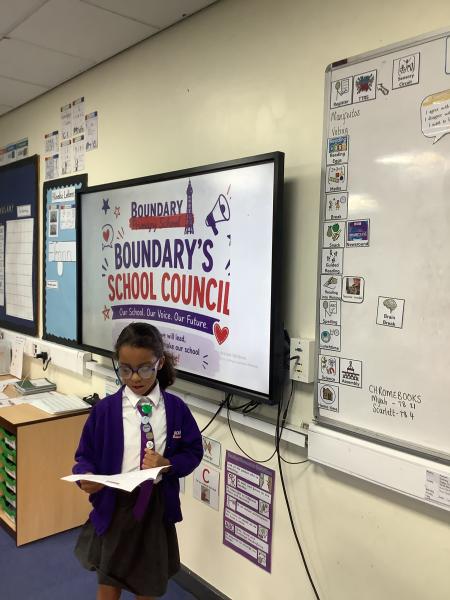
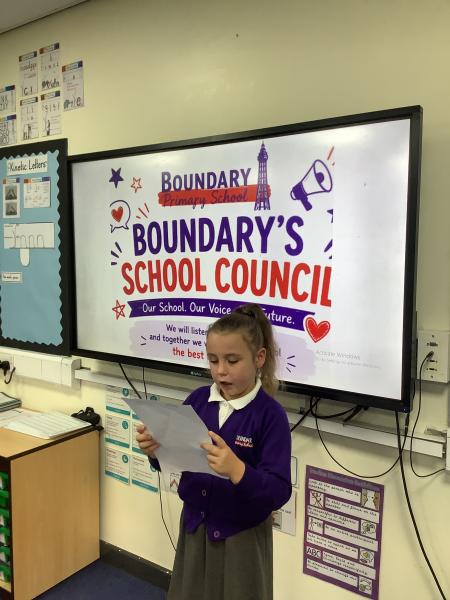
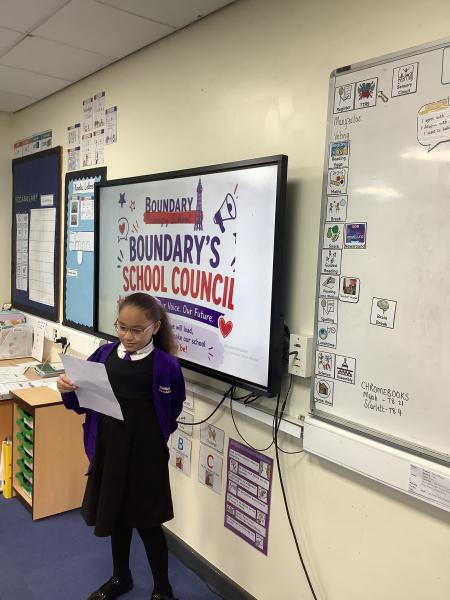
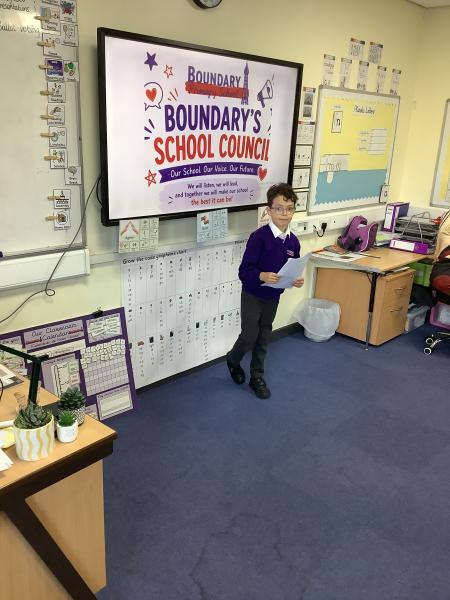
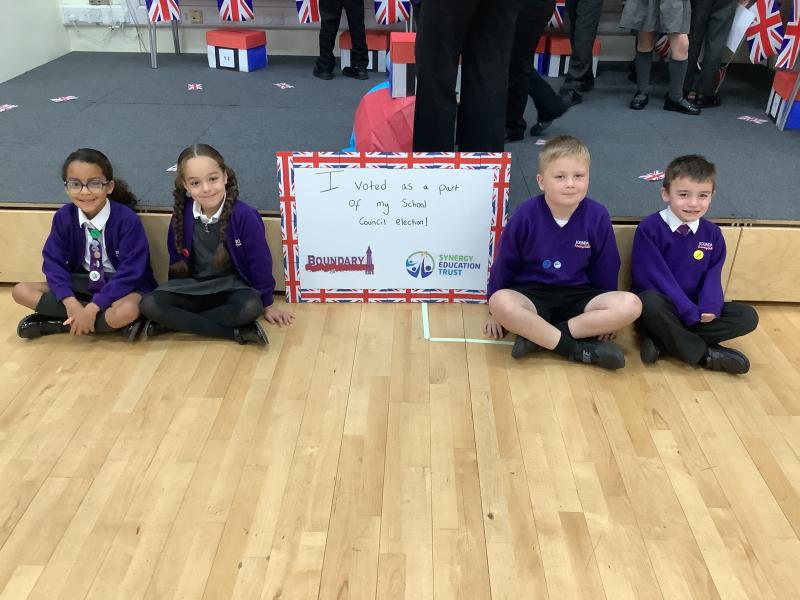
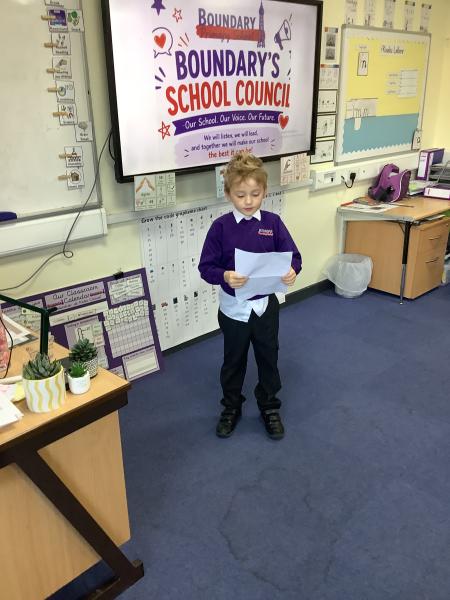
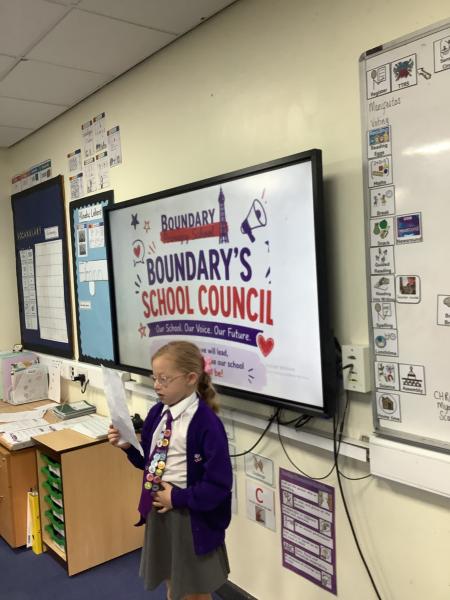
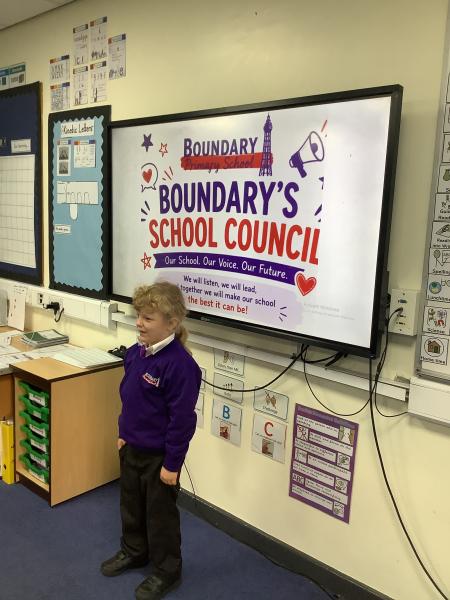
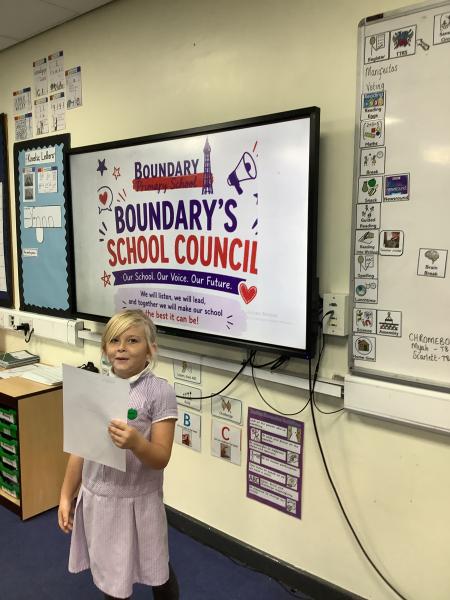
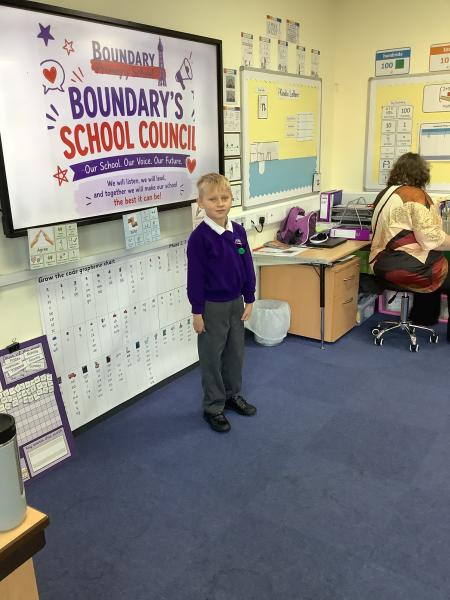
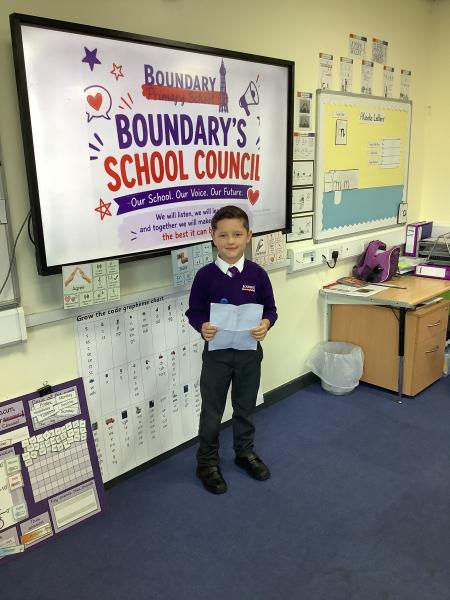
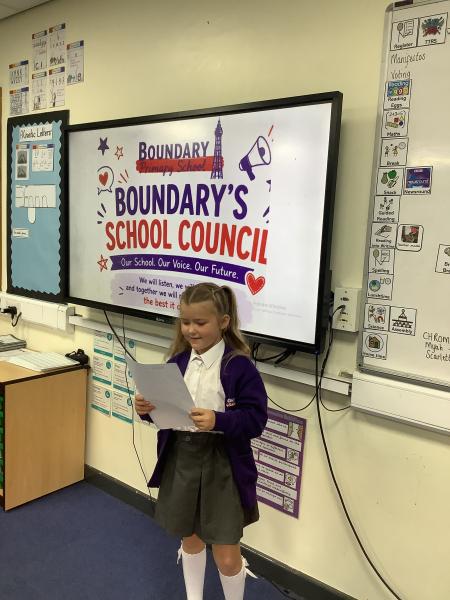
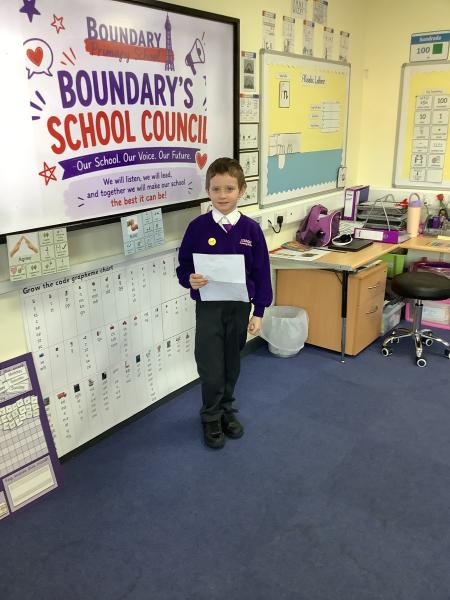
This week, Year 3 took part in an exciting School Council election. The children worked hard to write and present their own manifestos, sharing their ideas about how they could make our school even better. They spoke confidently in front of their classmates, explaining why they would make a great School Council representative.
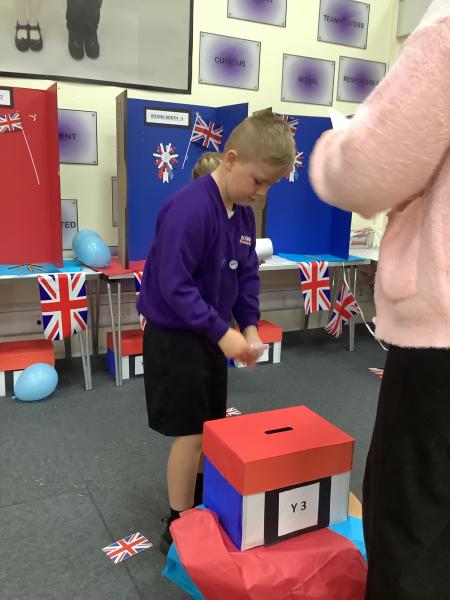
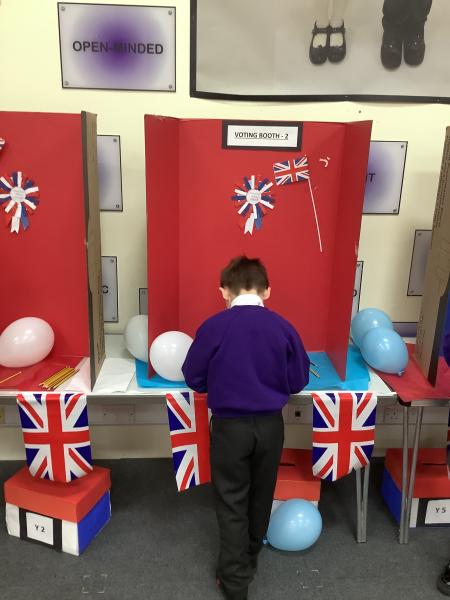
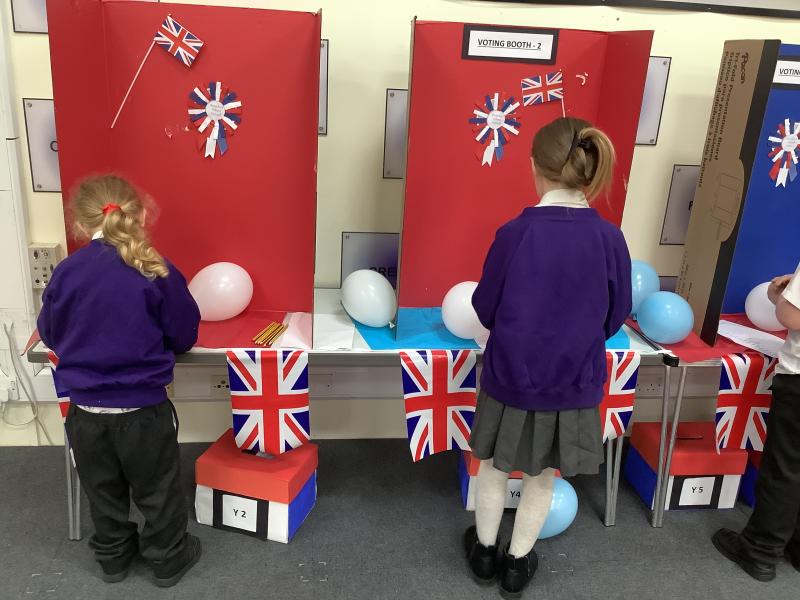
After listening carefully to each manifesto, the children cast their votes using our voting booths, just like in a real election! Everyone enjoyed the opportunity to take part in a democratic process and have their voice heard.
We are incredibly proud of all the children for showing confidence, respect and enthusiasm throughout the election process. Well done to our newly elected School Council members, and thank you to everyone who took part! 🎉🗳️💜❤️
Date: 24th Sep 2026 @ 10:05am
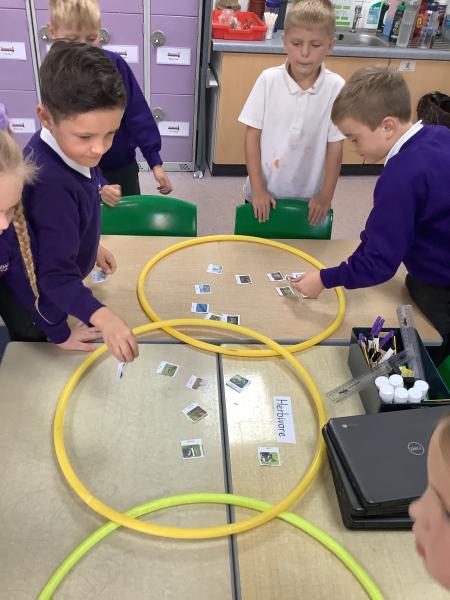
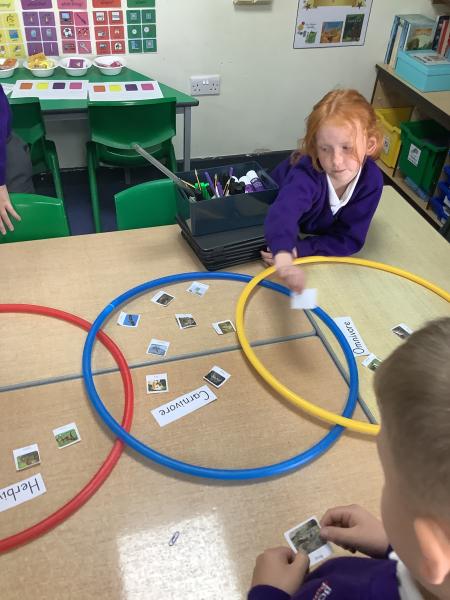
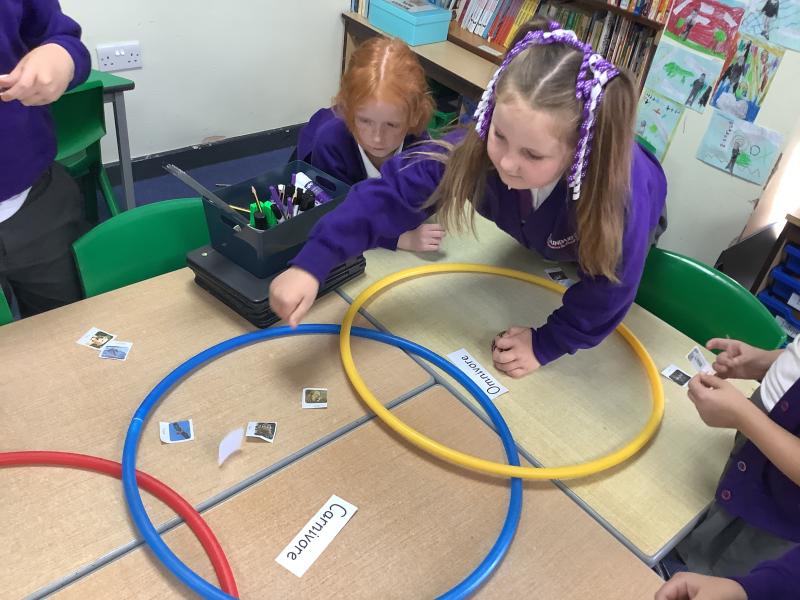
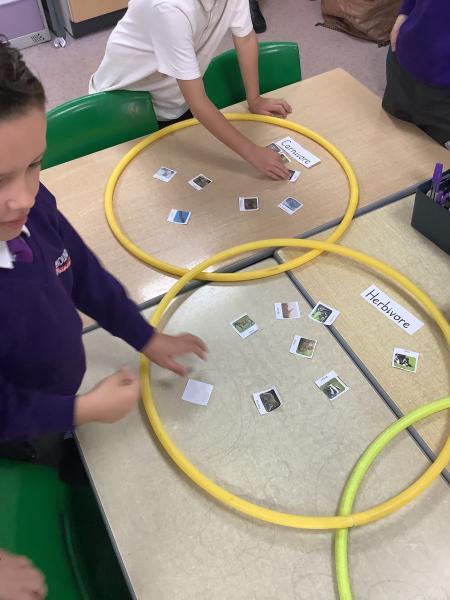
Year 3 Explore Herbivores, Carnivores and Omnivores!
Date: 17th Sep 2026 @ 9:28am
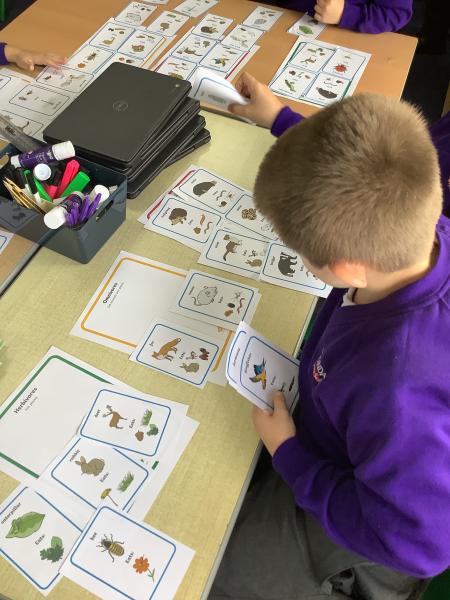
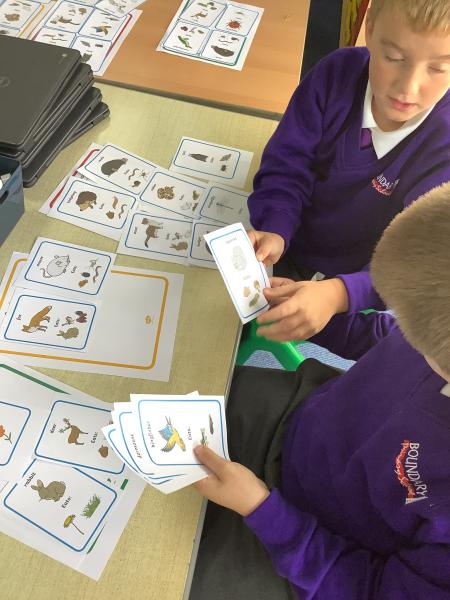
Year 3 had a wonderful time during their science lesson this week as they explored the fascinating world of animals and their diets. The children learned that animals can be classified into three different groups based on the food they eat: herbivores, carnivores, and omnivores.
We began by discussing the meaning of each group and looking at examples of animals that belong to them. The children were excited to discover that:
- Herbivores eat only plants. Examples include cows, rabbits, giraffes, and horses.
- Carnivores eat other animals. Examples include lions, tigers, sharks, and eagles.
- Omnivores eat both plants and animals. Examples include bears, foxes, humans, and chickens.
The class enjoyed sharing their own knowledge about different animals and discussing what they thought each animal might eat.
After learning about the three animal groups, the children took part in a fun sorting activity. Working together, they carefully examined pictures and names of different animals before deciding whether they belonged in the herbivore, carnivore, or omnivore category.
The activity encouraged the children to think carefully about animal diets and apply what they had learned. There were lots of thoughtful discussions as the children explained their choices and helped one another sort the animals correctly.
Date: 10th Sep 2026 @ 9:20am
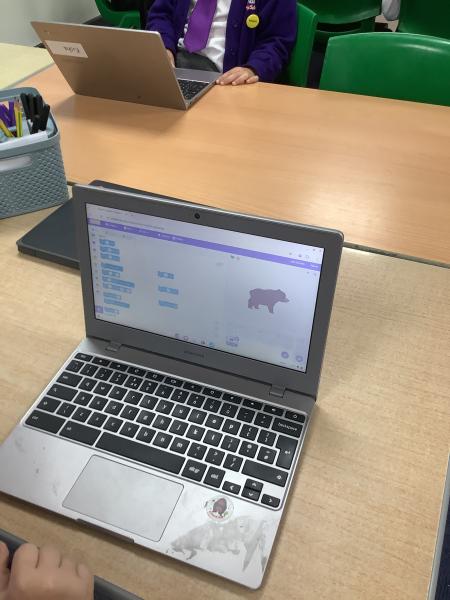
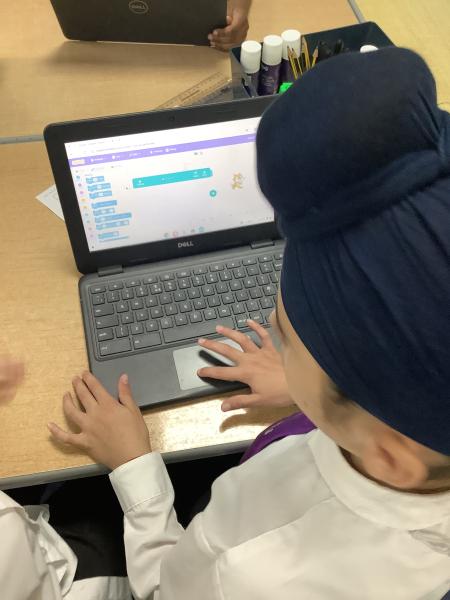
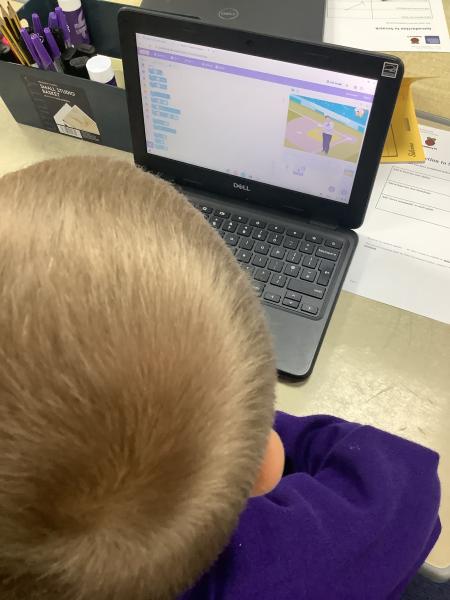
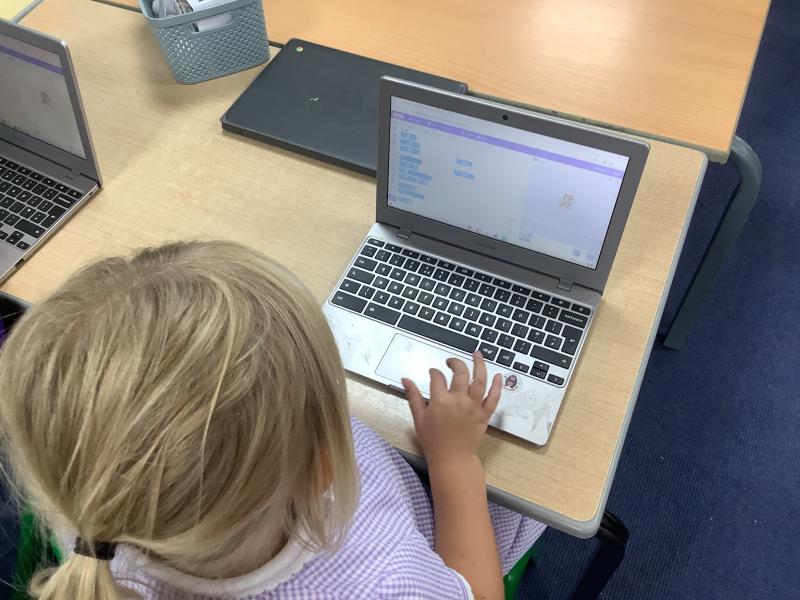
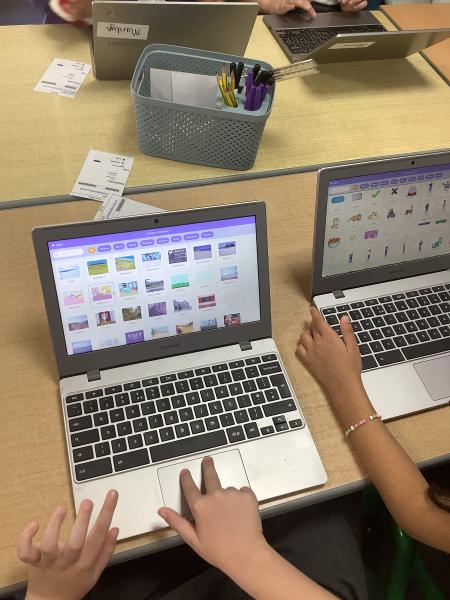
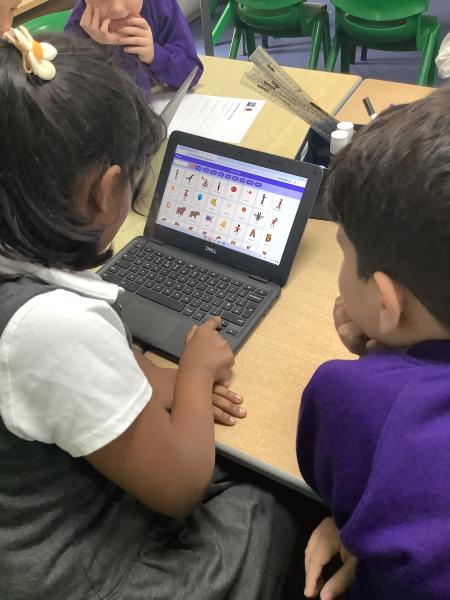
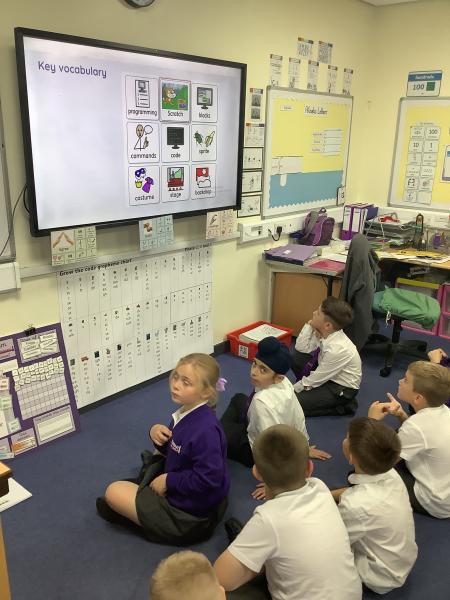
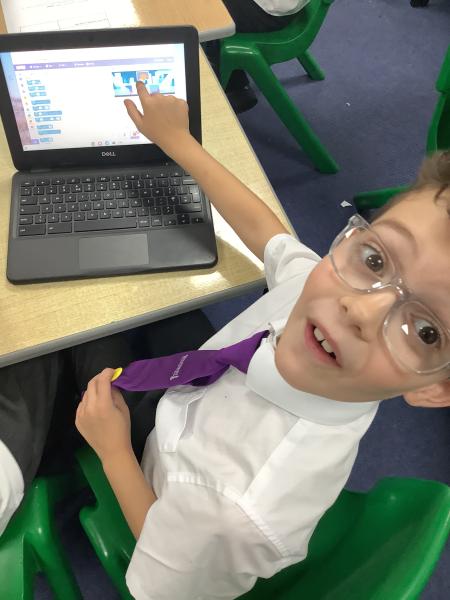
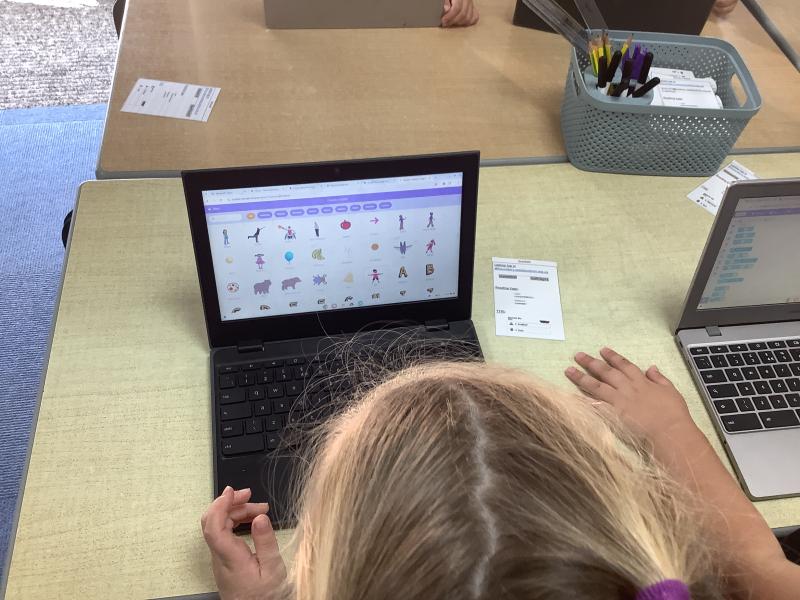
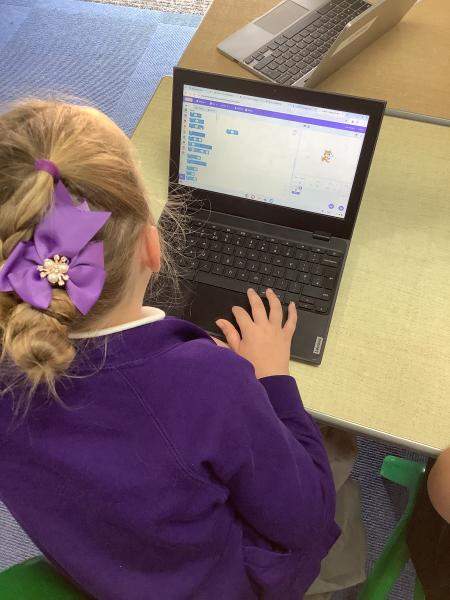
This week, Year 3 enjoyed their first lesson using Scratch programming. We began by exploring the Scratch interface and learning about sprites, which are the characters and objects that we can programme.
The children learned how to add new sprites and delete existing sprites from their projects. Using the coding blocks bank, they then programmed their sprite with three simple commands: move, turn, and point in a direction. It was great to see the children experimenting with the different commands and watching their sprites come to life on the screen.
To finish the lesson, we explored the backdrop feature and learned how to add a background to our projects. The children enjoyed selecting different backdrops to create exciting scenes for their sprites.
It was a fantastic introduction to Scratch, and the children are already looking forward to building more programmes in future lessons.
Year 3 and 4 Maths - Place Value
Date: 10th Sep 2026 @ 8:25am
Date: 4th Sep 2026 @ 6:43am
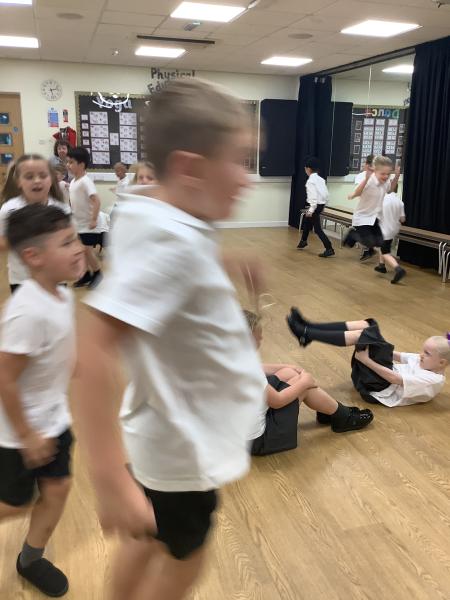
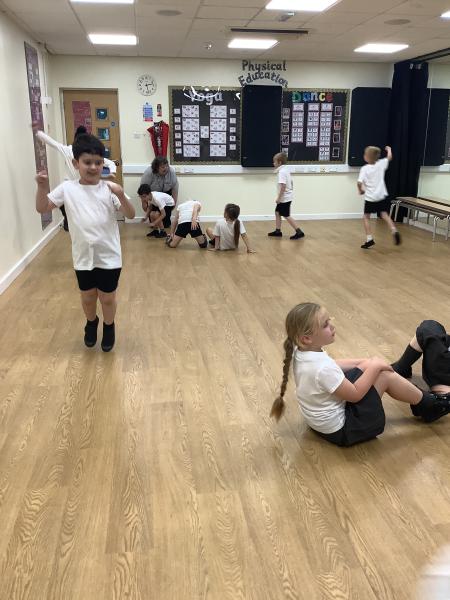
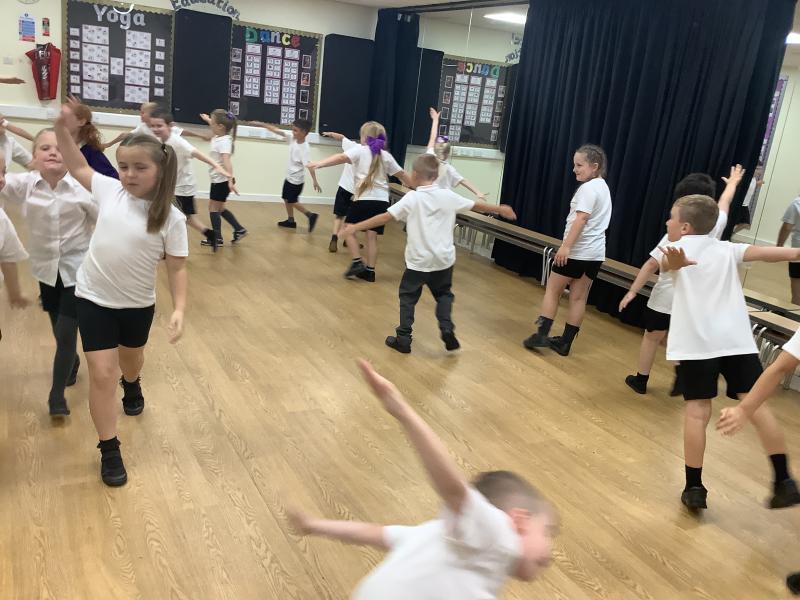
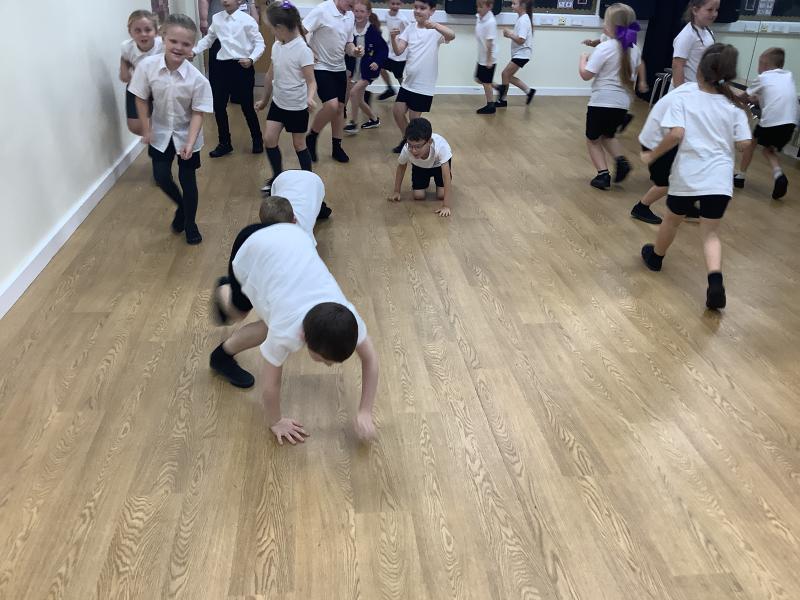
This week in PE, Year 3 became inventors, engineers and performers as we explored the exciting theme of machines through dance.
We began by discussing different types of machines and thinking about how they move. Using our creativity, we experimented with a range of actions to represent larger machines such as planes, cars and computers. The children thought carefully about how each machine operates and used their bodies to create movements that showed spinning propellers, rolling wheels and clicking keyboards.
Next, we focused on smaller household machines. Working individually and with partners, we developed actions to represent a toaster, a microwave and a washing machine. There were lots of fantastic ideas, from popping toast and spinning drums to beeping microwave buttons. The children showed excellent imagination and confidence as they explored different ways of moving.
To finish the lesson, we learnt a choreographed dance sequence performed to a count of 8. We combined sharp, controlled movements and transformed ourselves into our very own robots! The children worked hard to remember the sequence, move in time with the music and perform with energy and enthusiasm.
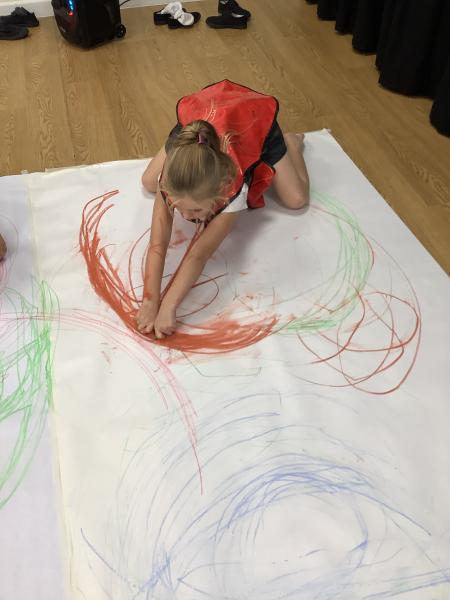
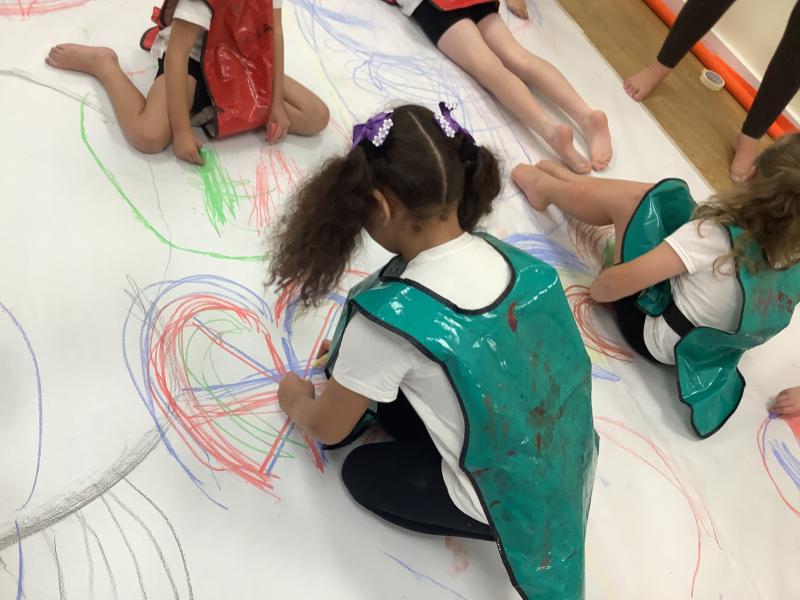
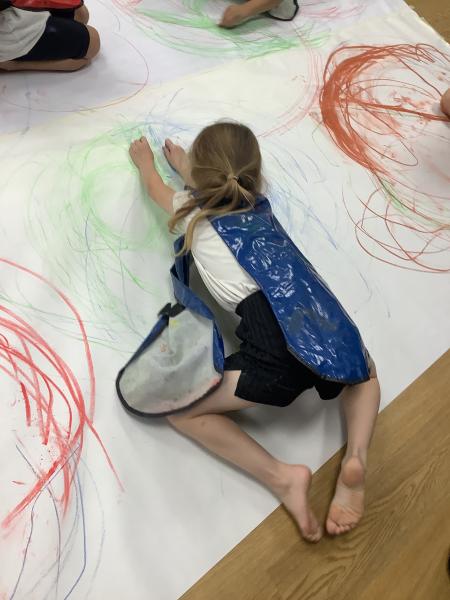
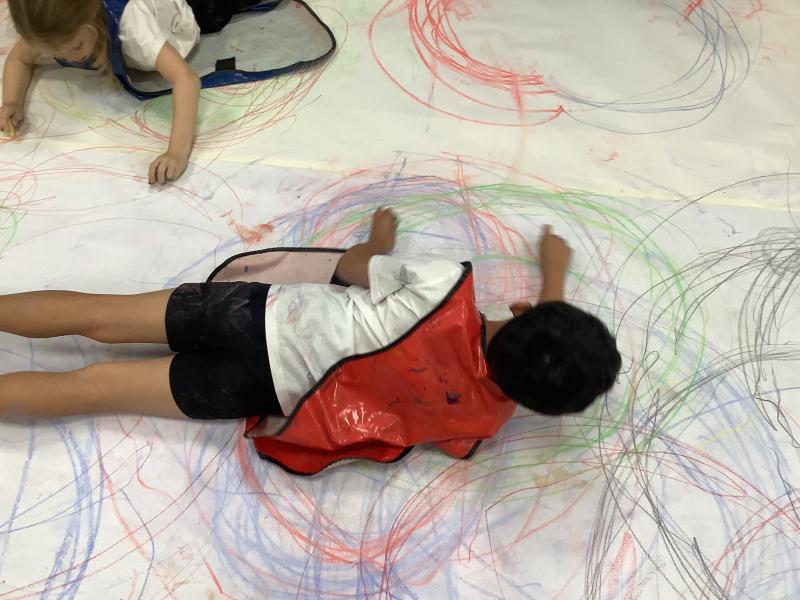
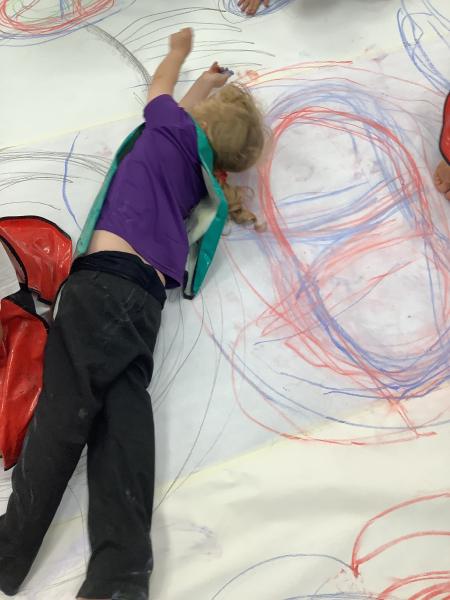
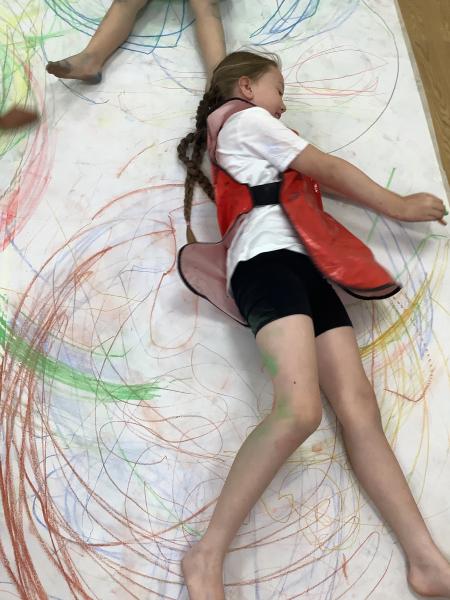
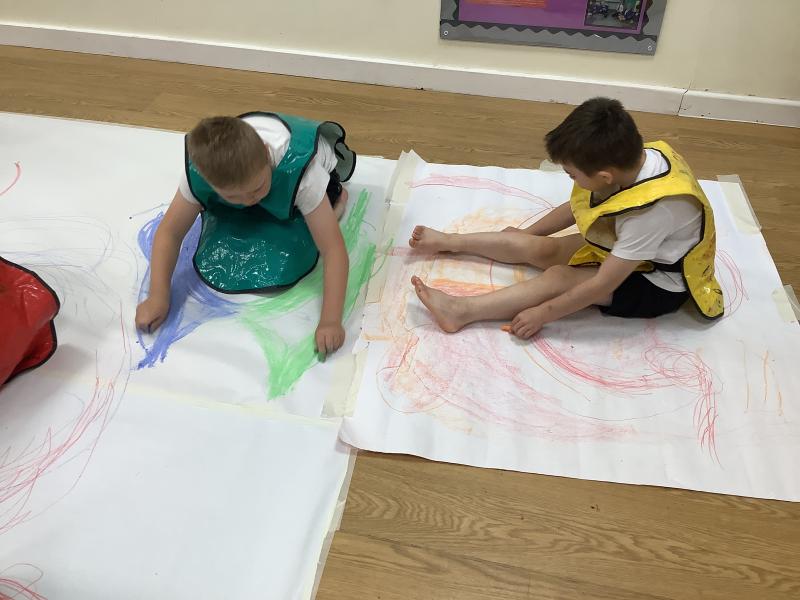
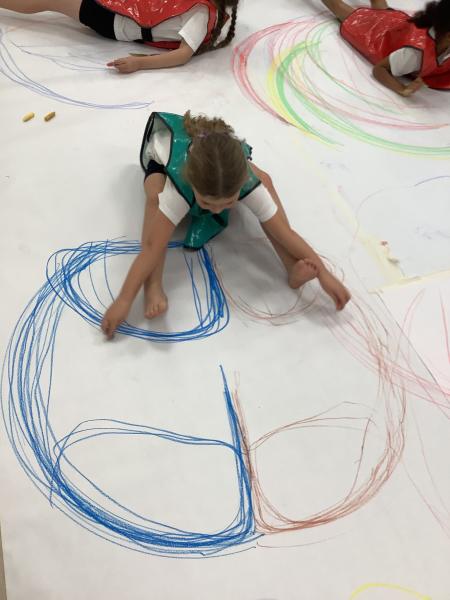
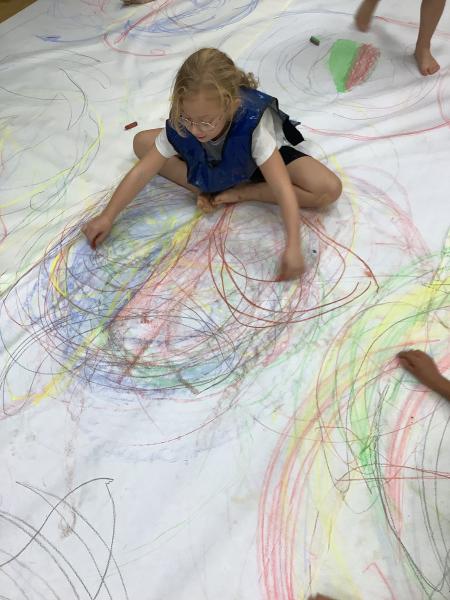
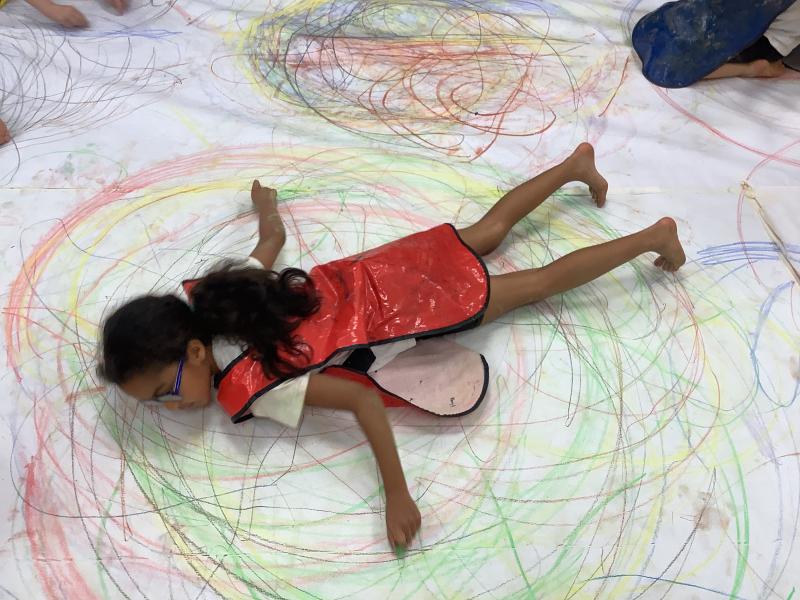
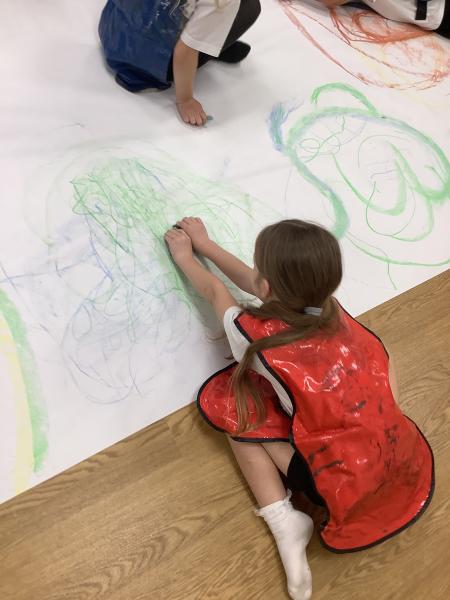
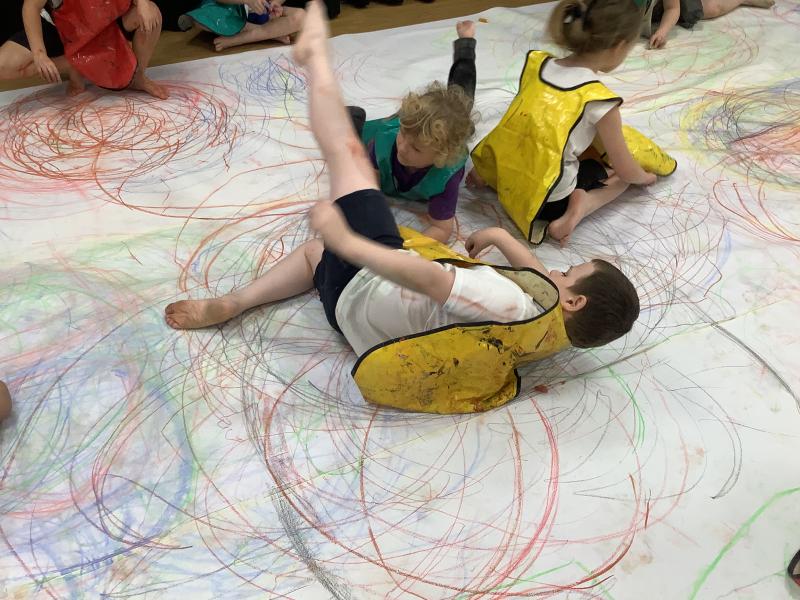
Year 3 Explore the Magic of Charcoal
Date: 3rd Sep 2026 @ 9:12am
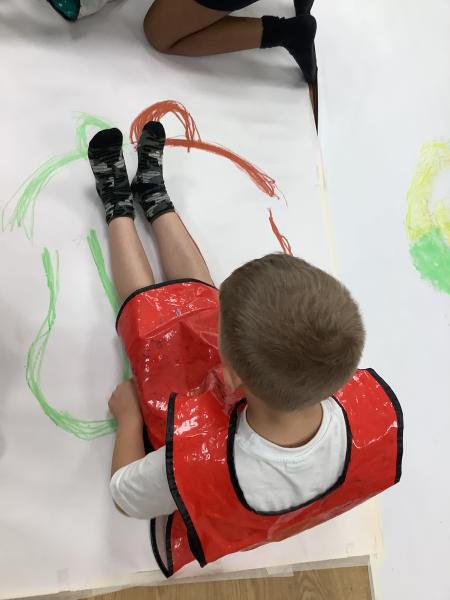
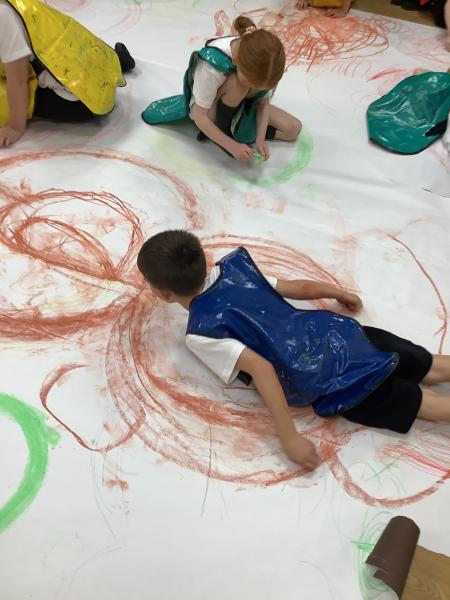
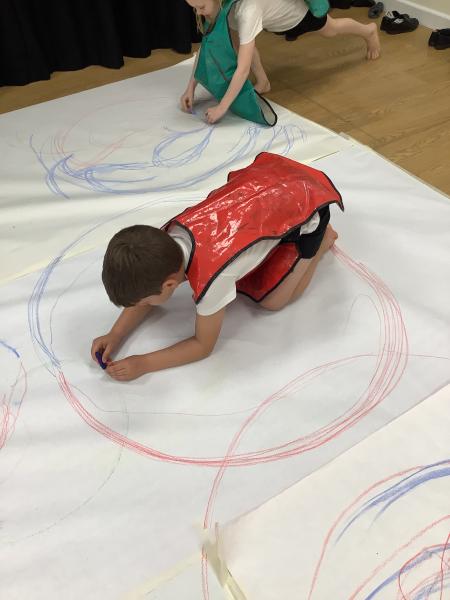
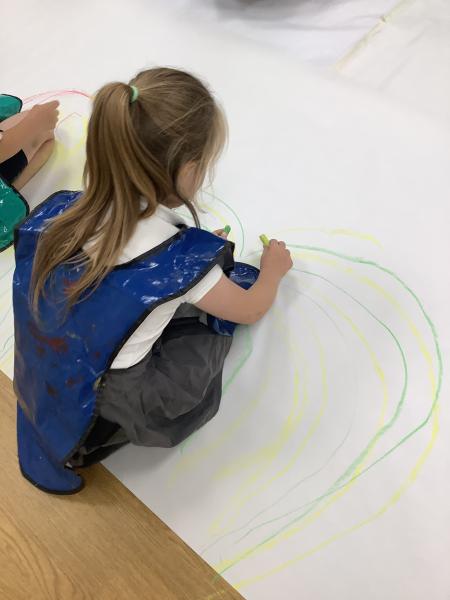
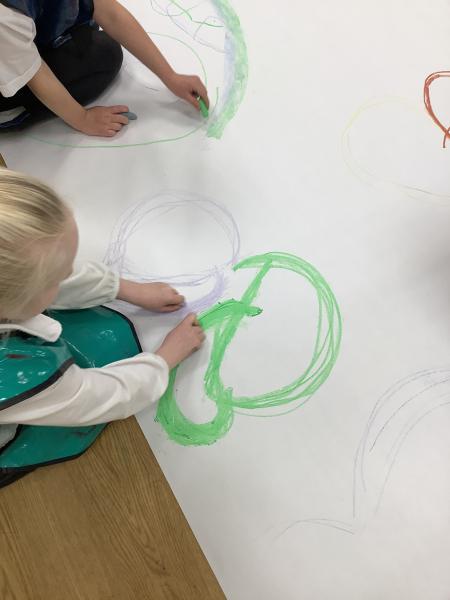
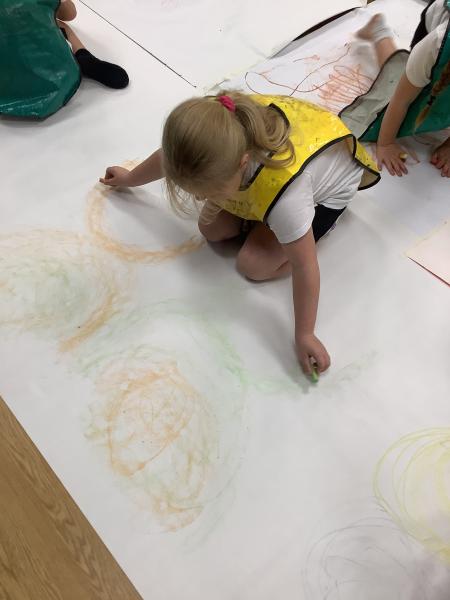
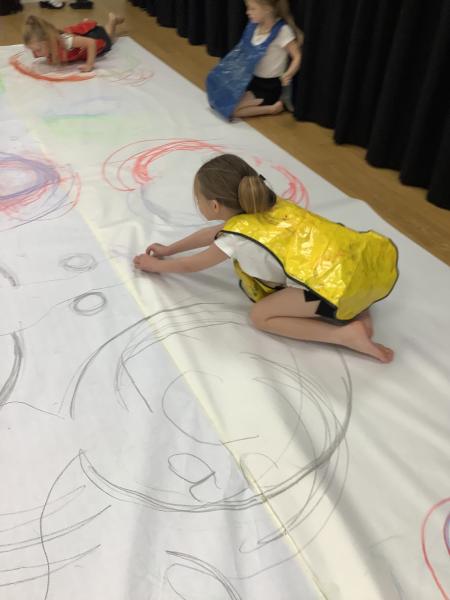
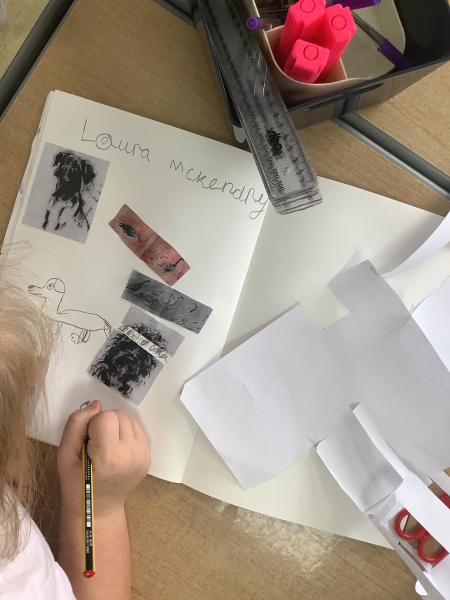
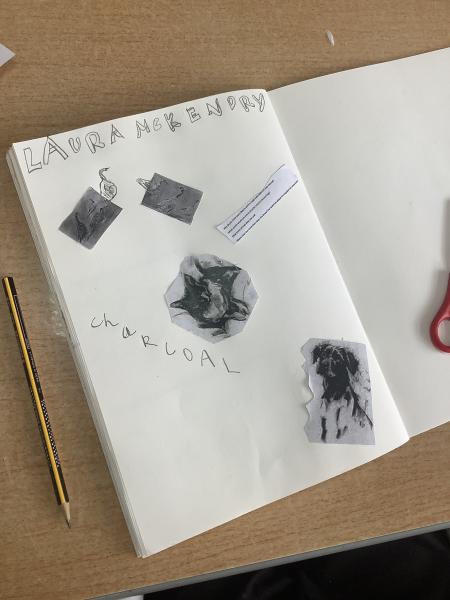
This week, Year 3 enjoyed an exciting art lesson all about charcoal. We explored how this versatile drawing material can be used to create different effects, textures and tones, helping artists bring their ideas to life.
To inspire our work, we looked closely at the artwork of Laura McKendry and Edgar Degas. We discovered that Laura McKendry often creates beautiful charcoal drawings inspired by the natural world. Her detailed sketches of plants, animals and landscapes showed us how charcoal can be used to capture the beauty and texture of nature.
We also learned about the famous French artist Edgar Degas, who was fascinated by movement. Degas frequently drew ballet dancers and used a variety of charcoal techniques to create a sense of grace, motion and energy in his artwork. We were amazed at how a simple black drawing could appear so full of life.
The children showed great enthusiasm and creativity throughout the lesson. They carefully observed their subjects, thought about texture and movement, and used their new skills to create some wonderful pieces of artwork. It was fantastic to see their confidence grow as they discovered the many possibilities that charcoal offers.
Date: 3rd Sep 2026 @ 8:46am
📚✏️ What a fantastic start to the new school year! We have had an excellent first two days in Year 3 and 4, with all of the children arriving on time, ready to learn, and eager to get started.
👔🎒 The children have made a brilliant impression. Their uniforms look fantastic and they all look incredibly smart. We are so proud of the positive attitudes, enthusiasm, and maturity they have shown already. It has been wonderful to see everyone settle back into school life so quickly.
😊👏 Thank you to parents and carers for your support in helping the children arrive prepared and ready for learning each day.
Meet the Teacher Presentation
📄 If you were unable to attend our Meet the Teacher session, don't worry. The presentation slides can be found below for you to view at your convenience.

Date: 22nd Jul 2026 @ 4:15pm
During our Art Day, we explored the work of the artists and illustrators Quentin Blake and Inbal Leitner. We looked at some of the books they have illustrated and discussed their different styles and the techniques they use to bring characters and stories to life.
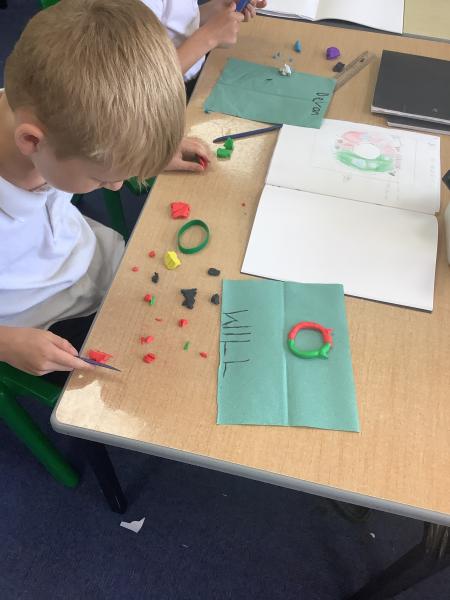
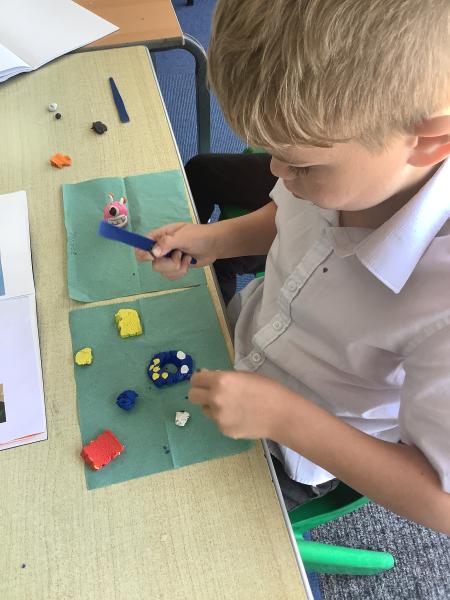
Next, we learned about sculptures and completed a step by step tutorial on how to create animals out of dough. This helped us practise shaping, joining and adding details to our models.
We then looked at a range of existing monster sculptures and shared our opinions about them. We discussed what we liked about the sculptures and what we would change to improve them. This helped us think carefully about design choices and creative ideas.
Using what we had learned, we planned and designed our own unique monster. We drew our ideas and considered features such as colour, shape, texture and expression. Finally, we brought our designs to life by creating our monsters from colourful plasticine. We enjoyed using our imagination and developing our sculpting skills to make creative and original pieces of art.
Date: 22nd Jul 2026 @ 9:51am
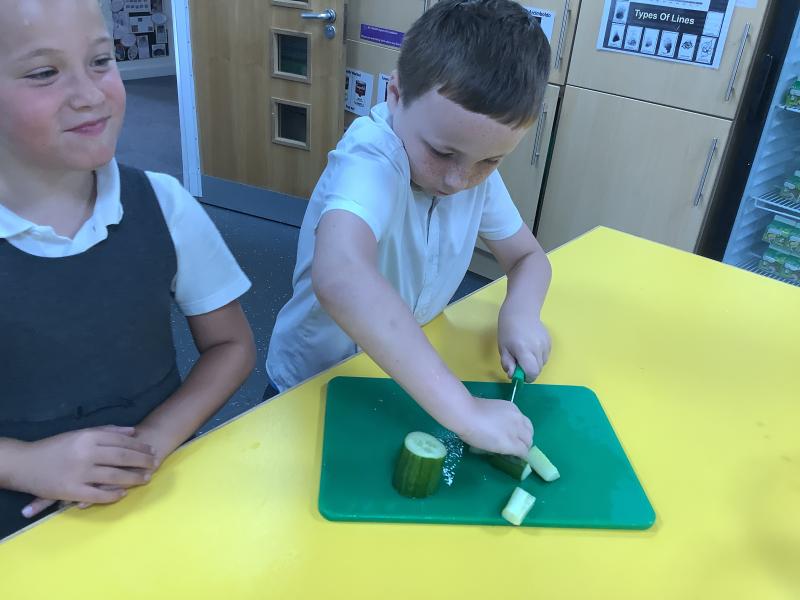
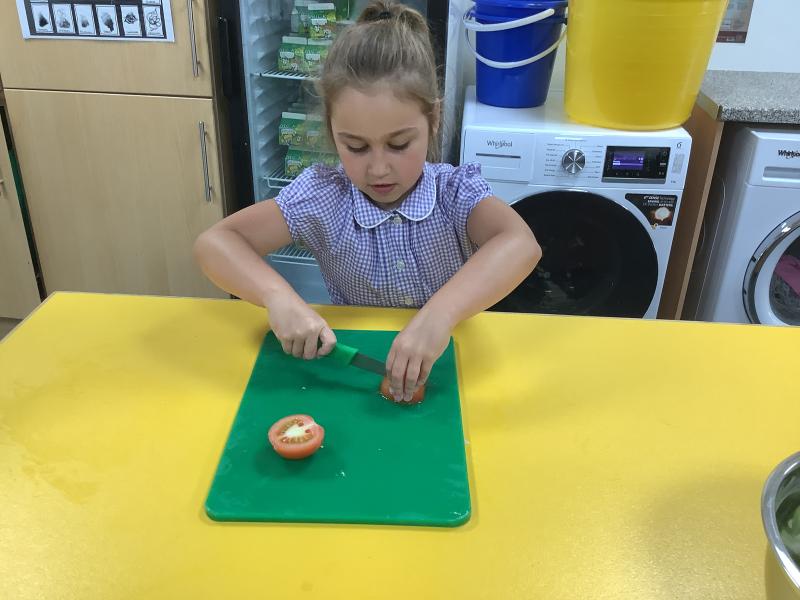
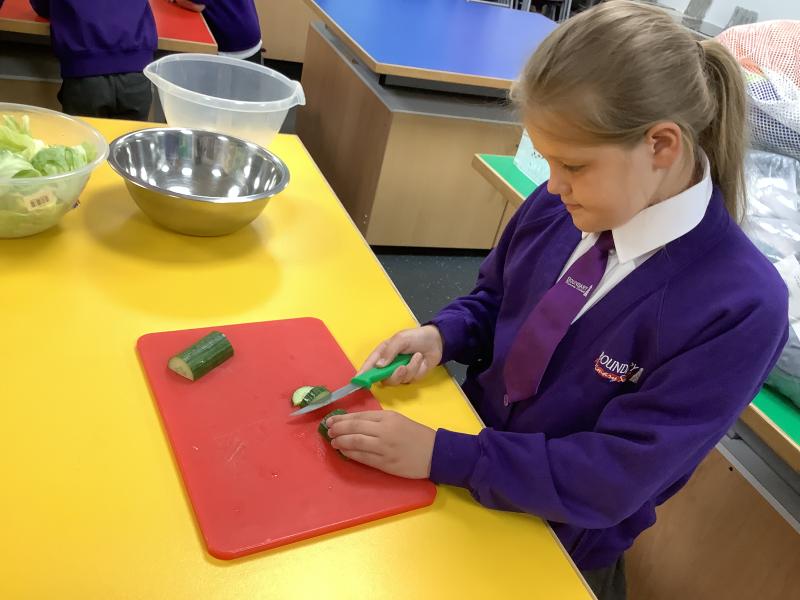
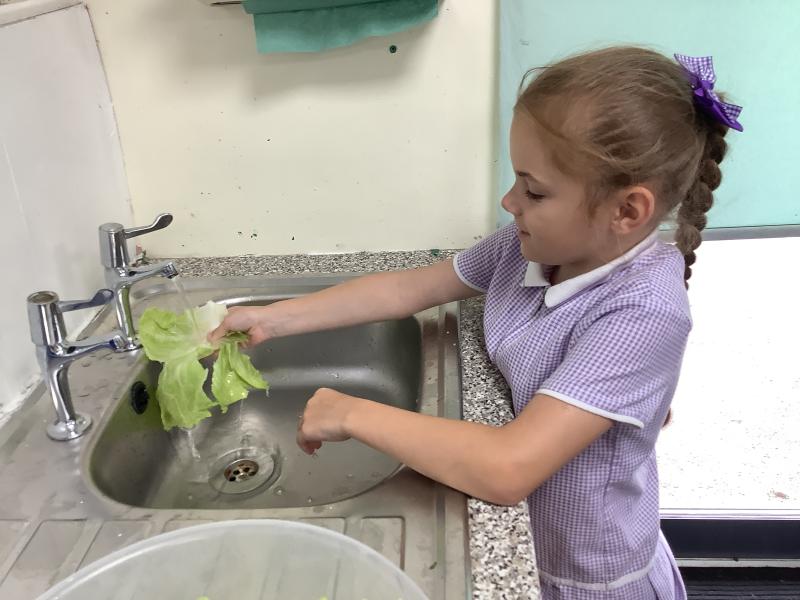
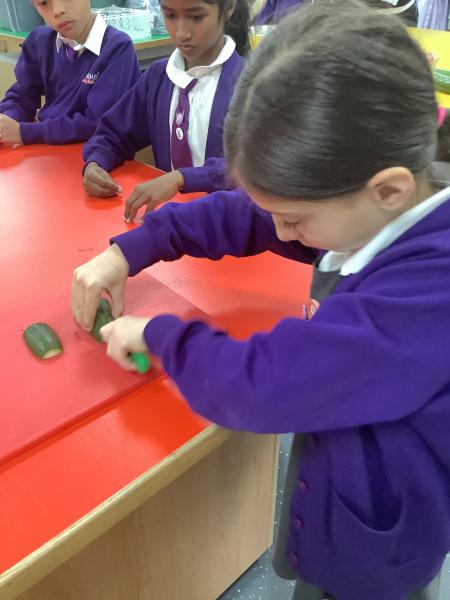
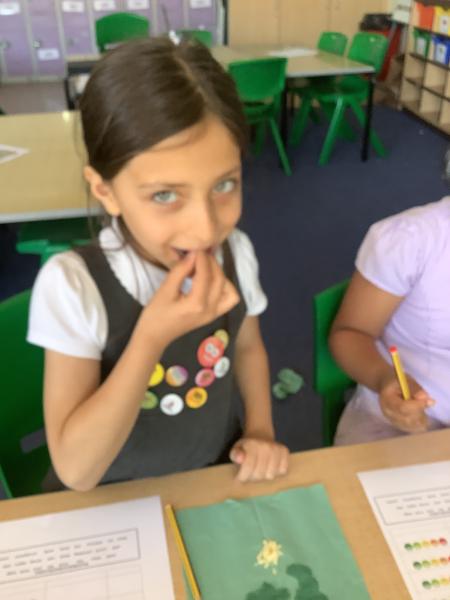
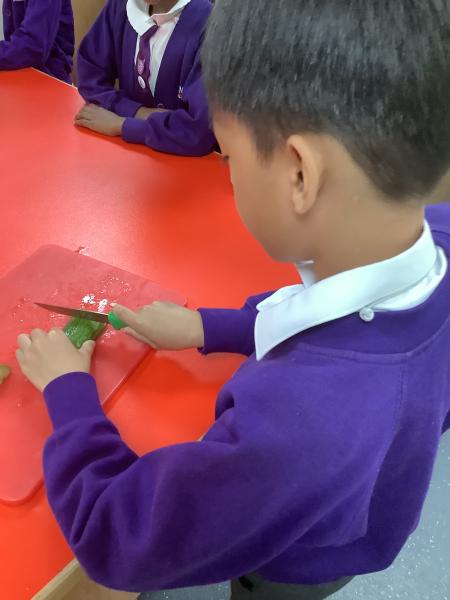
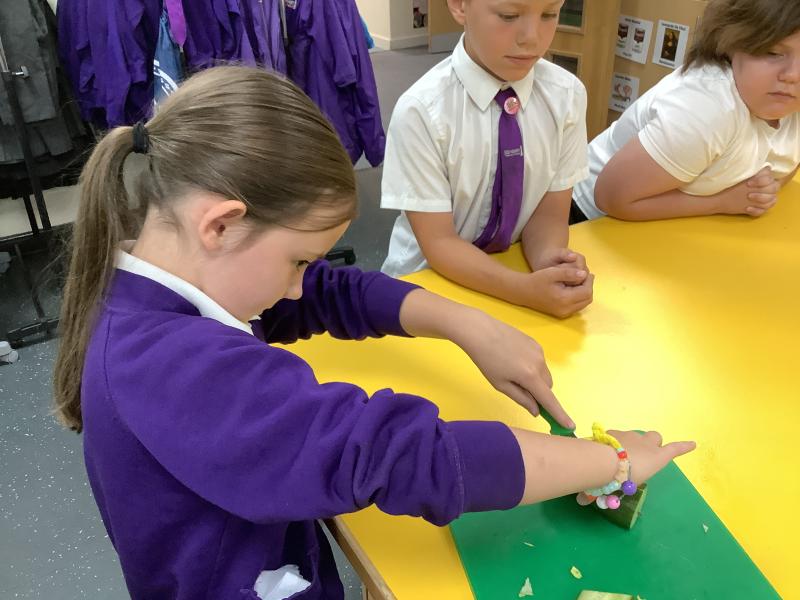
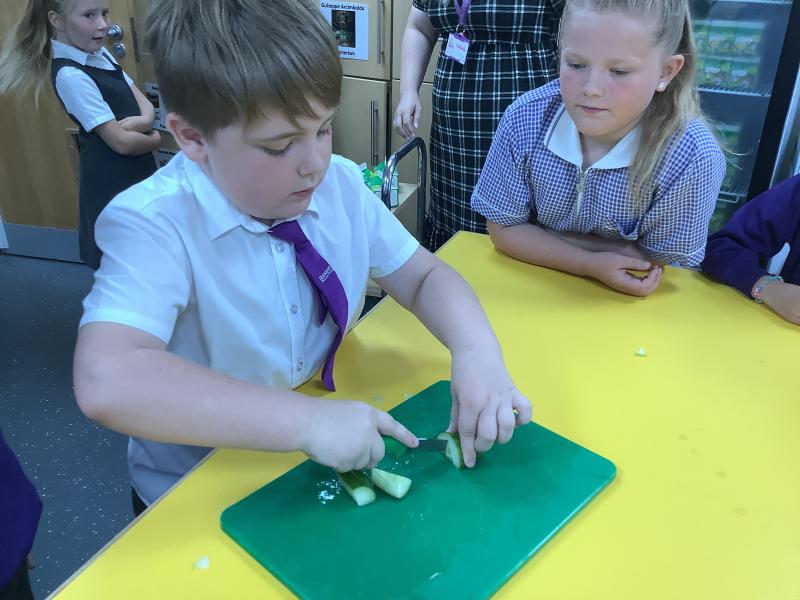
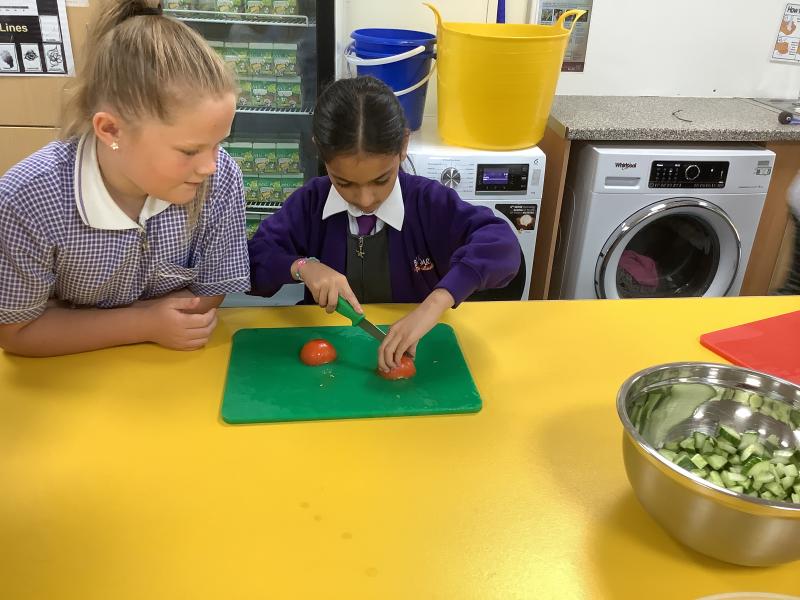
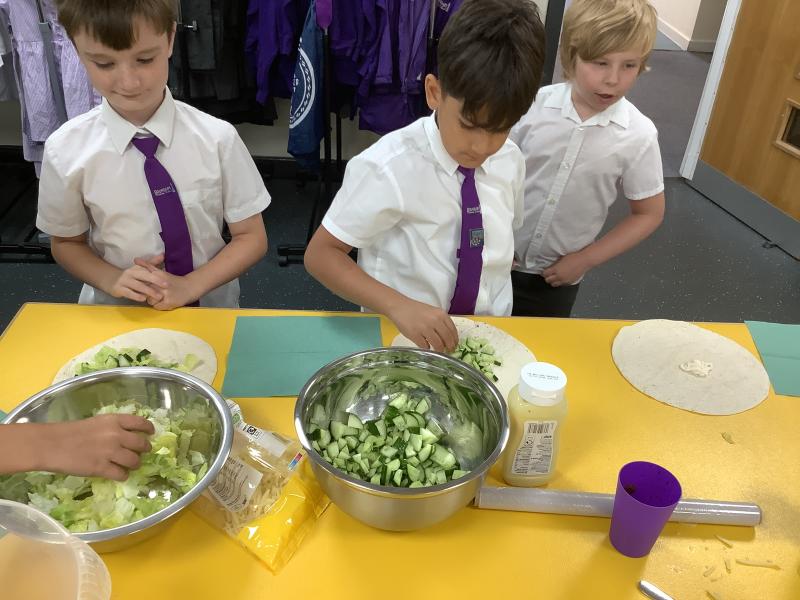
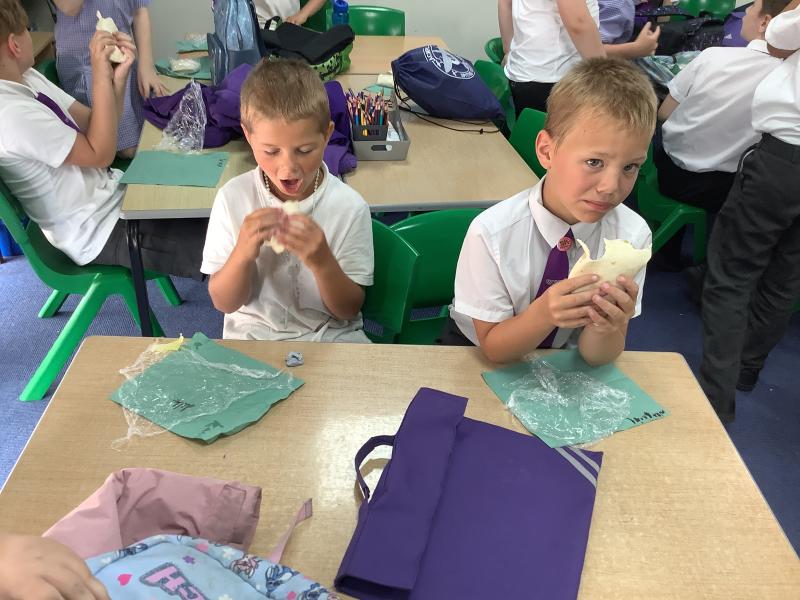
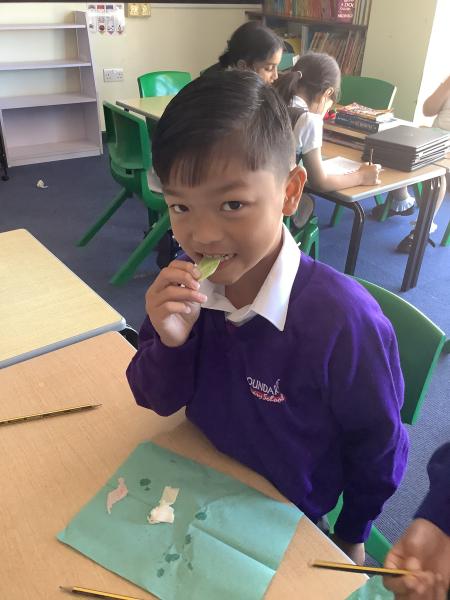
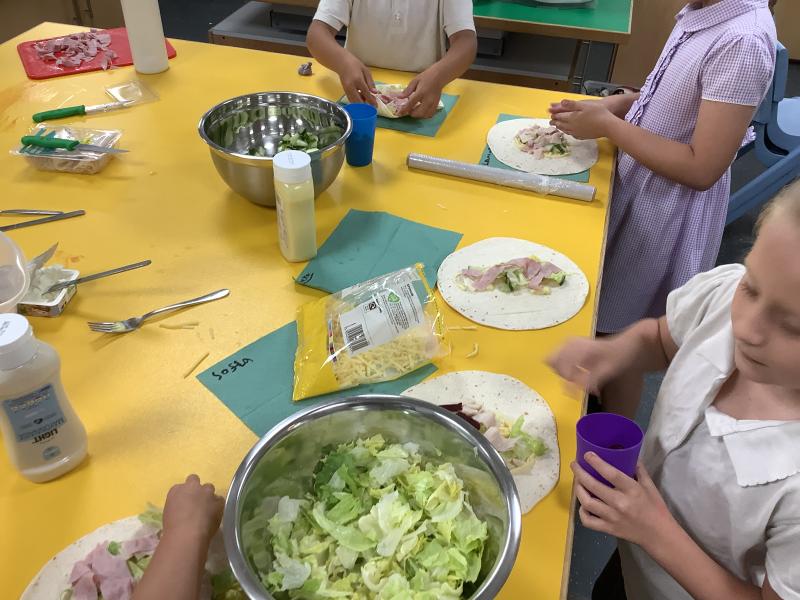
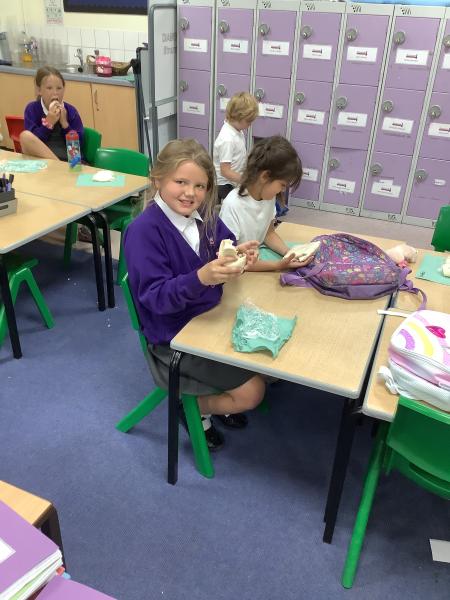
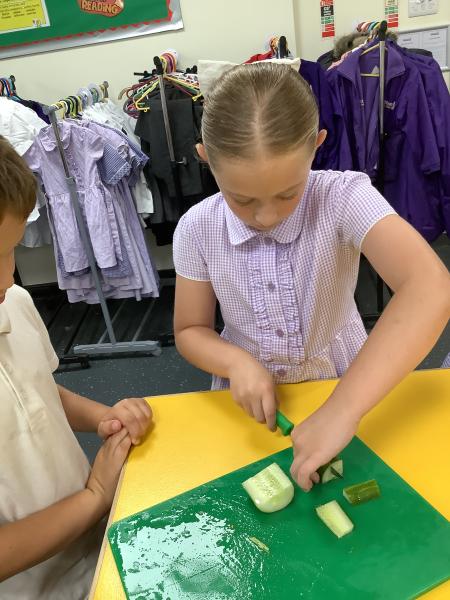
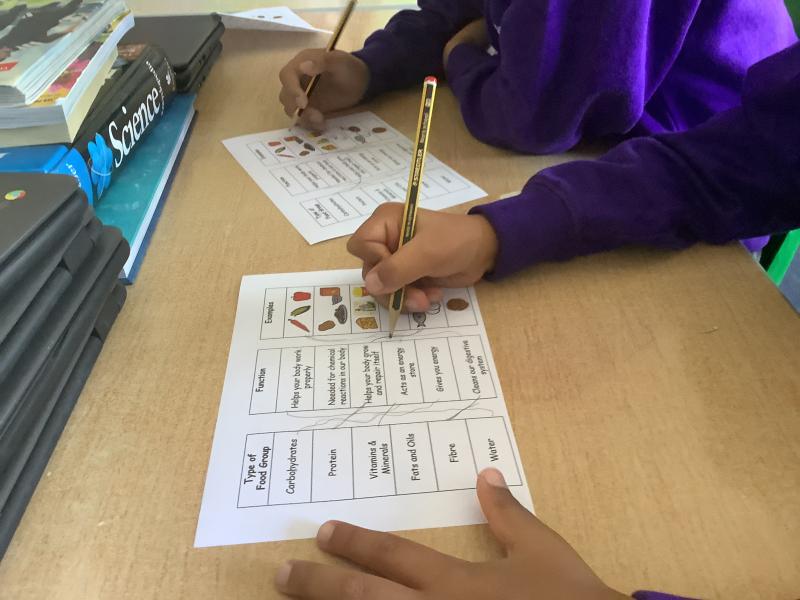
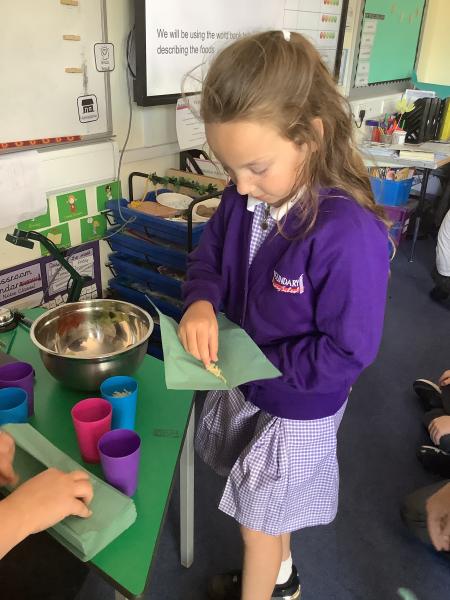
In our DT lesson, we learned about healthy eating and the different food groups. We made healthy wraps that included foods from all the food groups, such as fruit and vegetables, carbohydrates, protein, dairy, and healthy fats.
Before preparing the food, we learned about good hygiene by washing our hands and keeping our work areas clean. We also practised using knives safely. When cutting foods, we used the bridge hold to keep our fingers safe and help us cut carefully. We learned the correct cutting techniques and how to handle kitchen equipment safely.
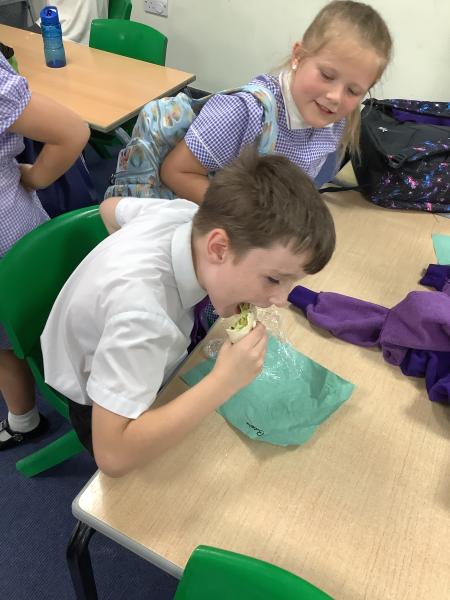
Making the wraps helped us develop our food preparation skills and understand how to create a balanced, healthy meal. We enjoyed making our wraps and learning about healthy choices.
Date: 16th Jul 2026 @ 1:56pm
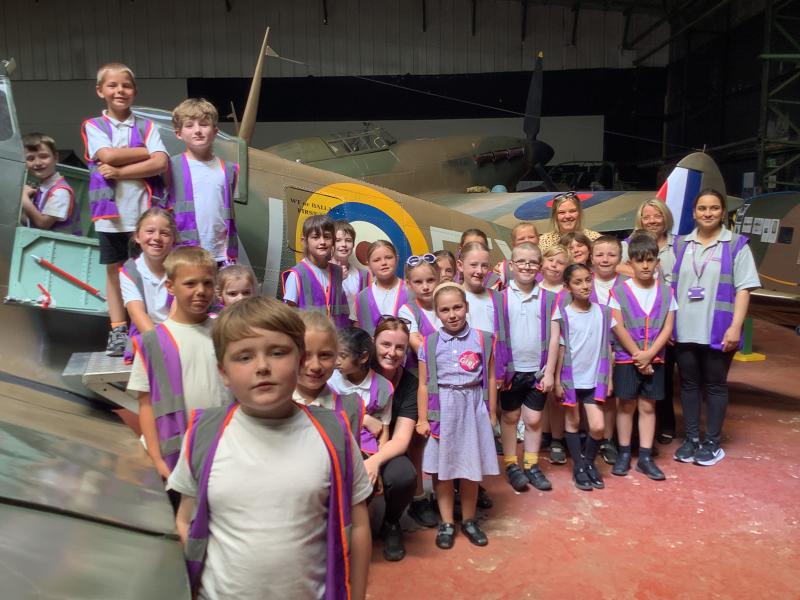
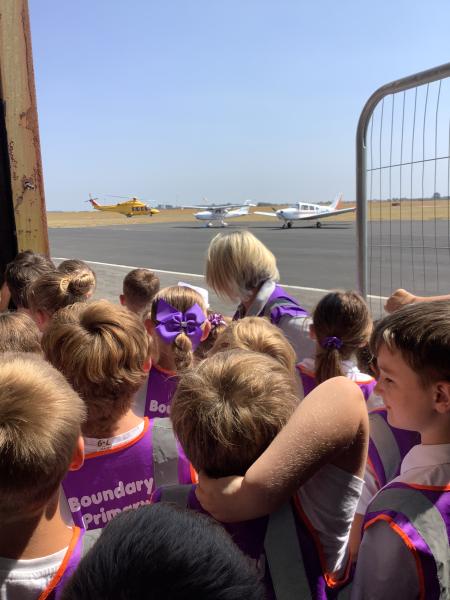
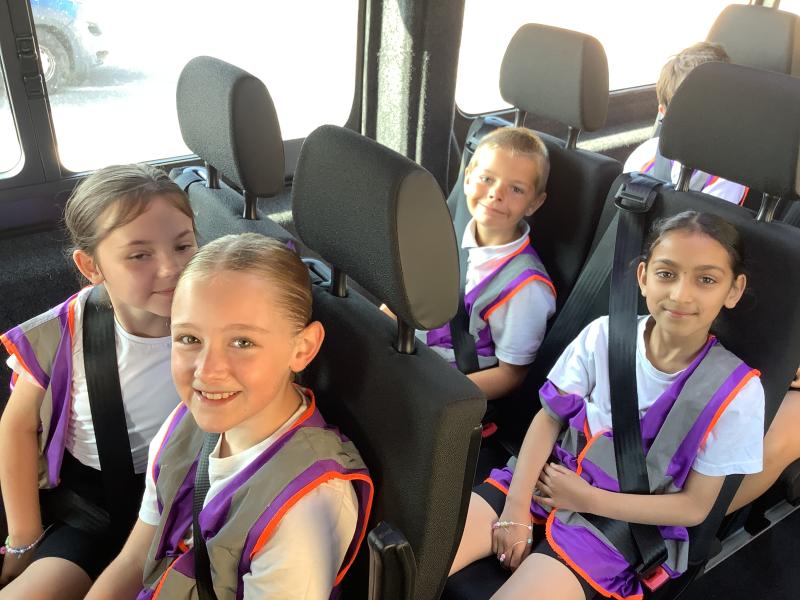
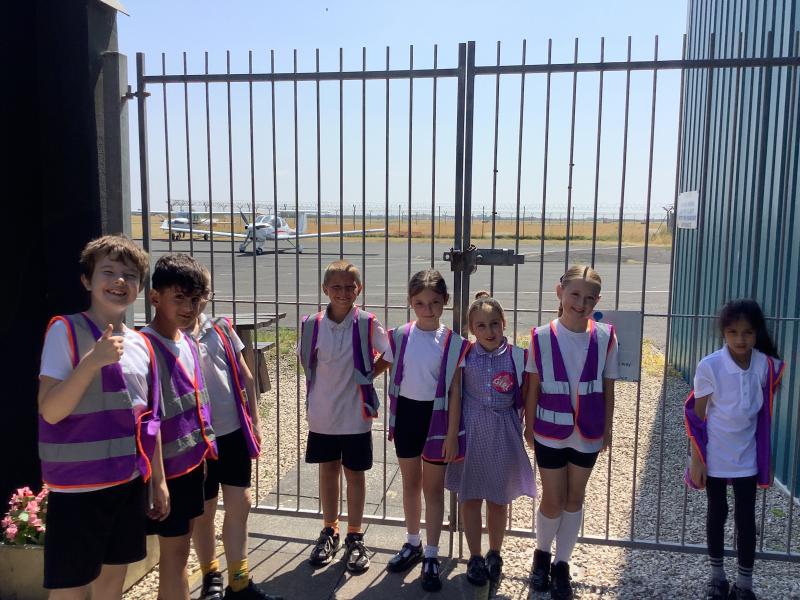
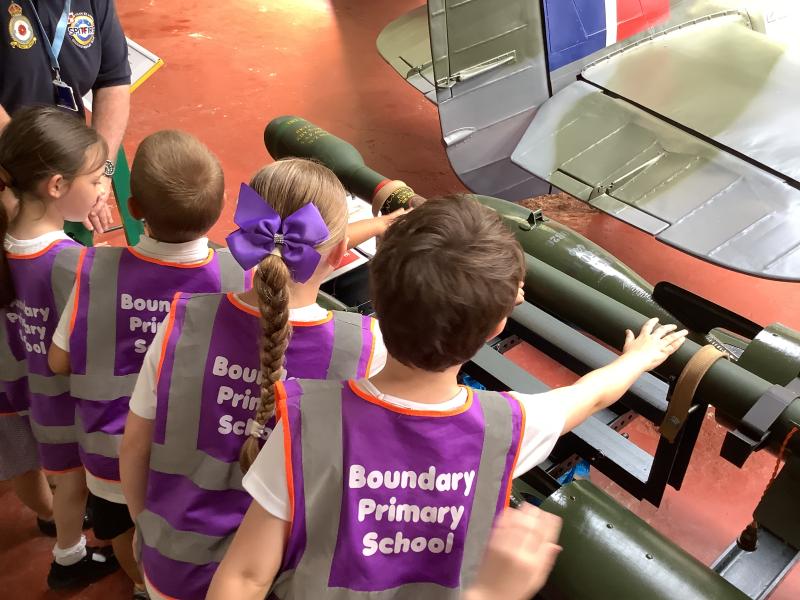
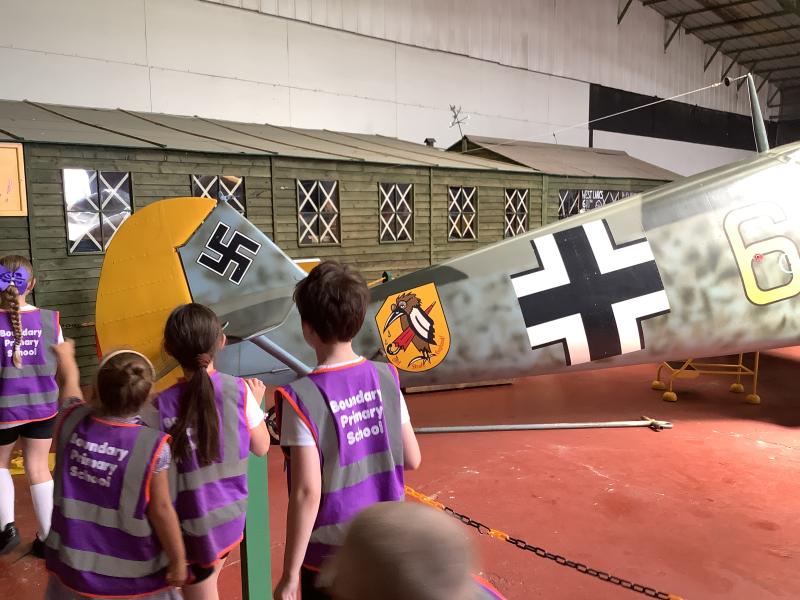
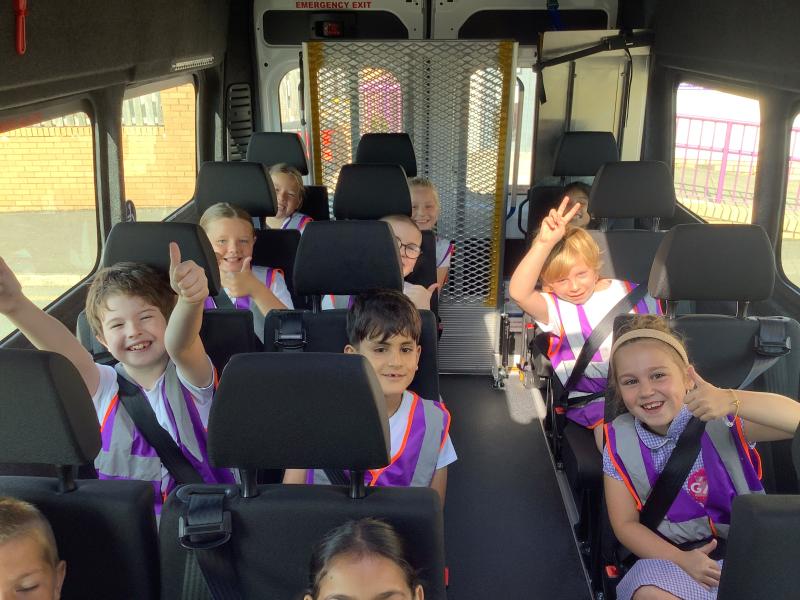
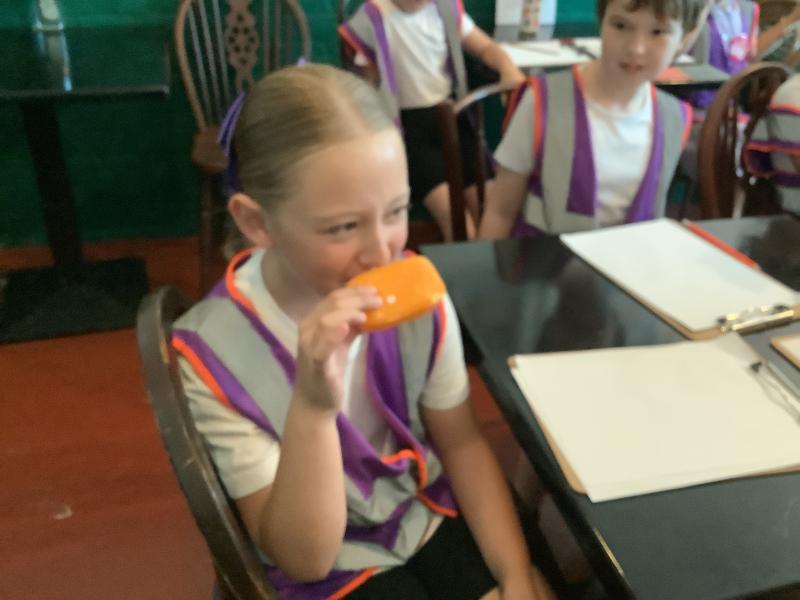
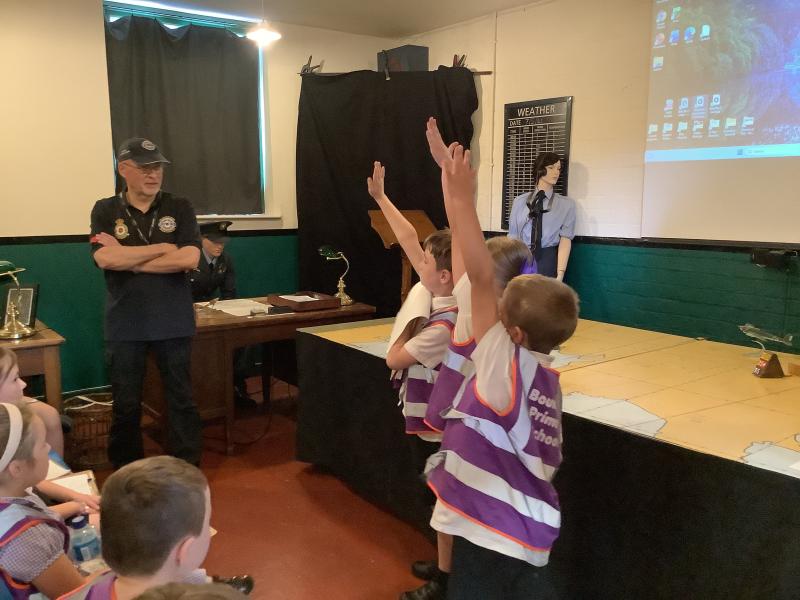
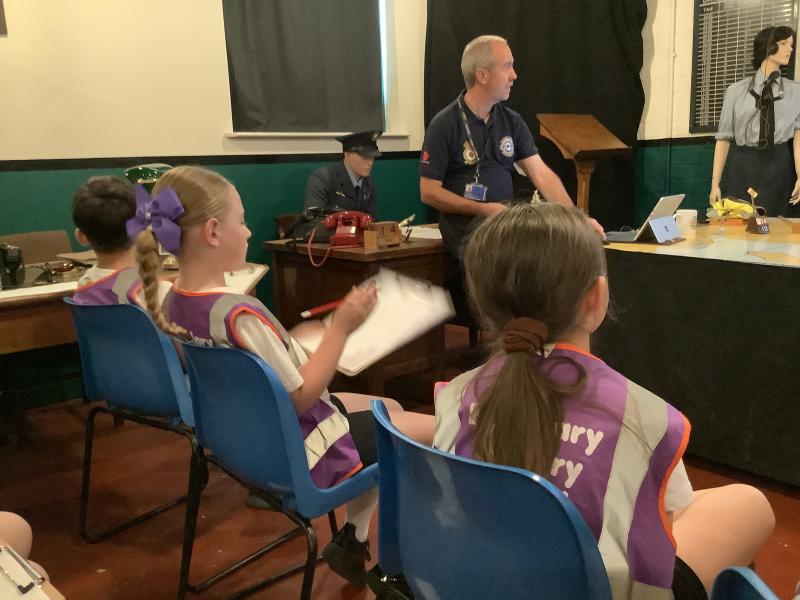
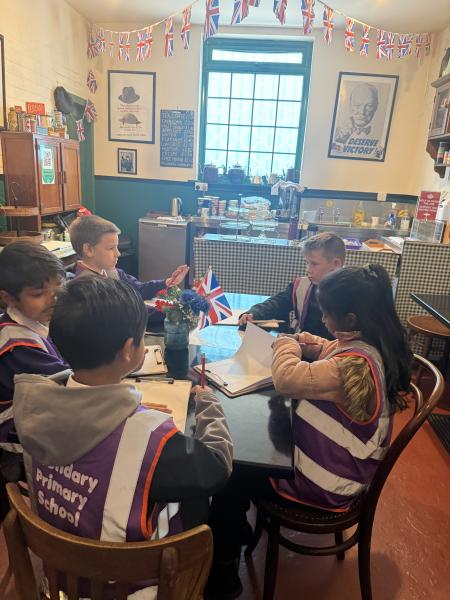
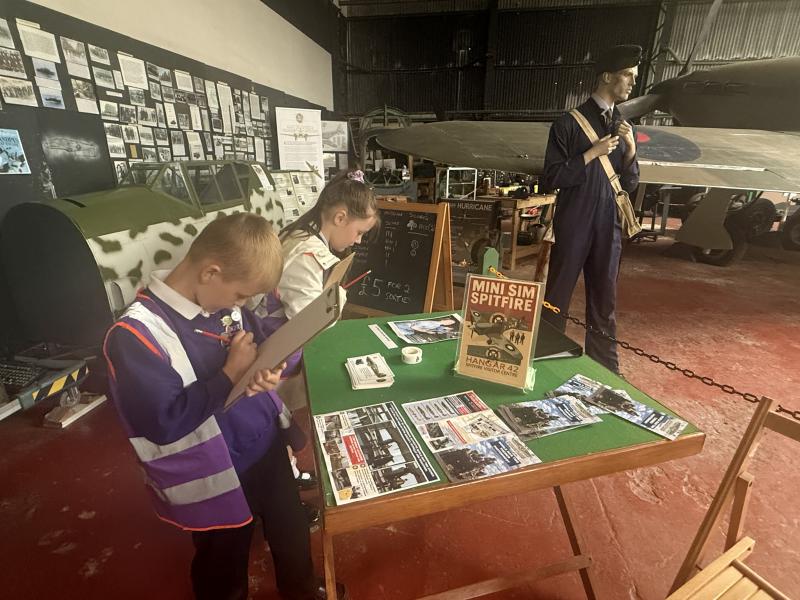
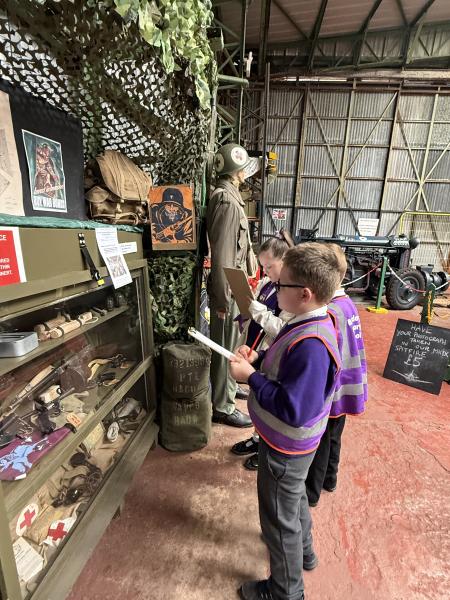
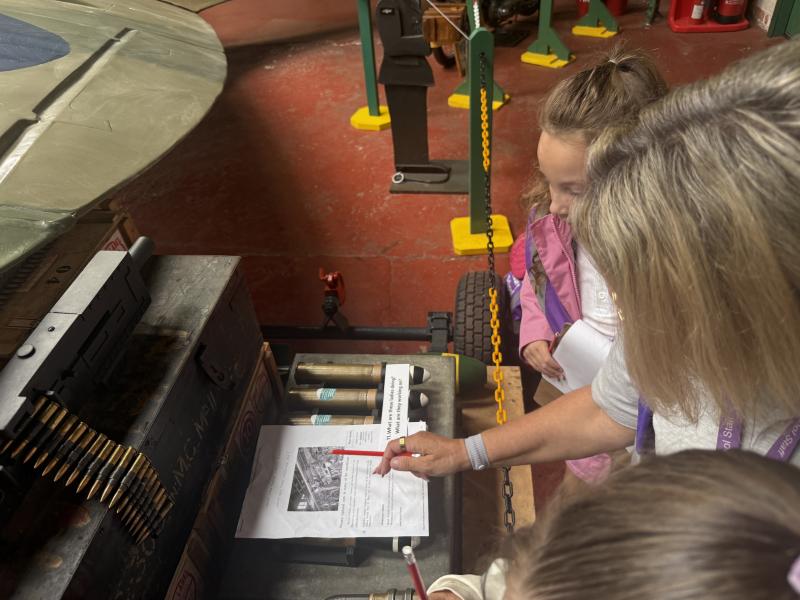
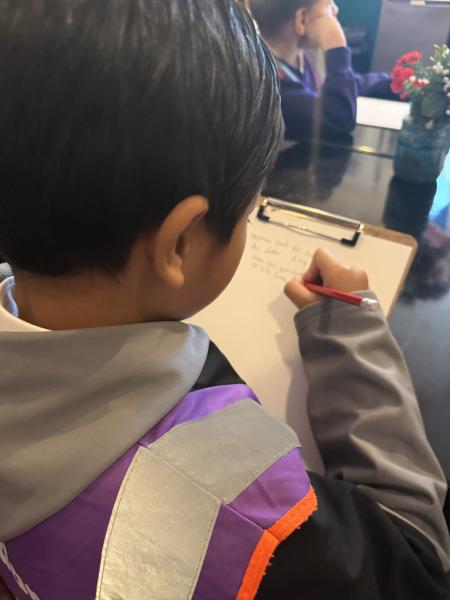
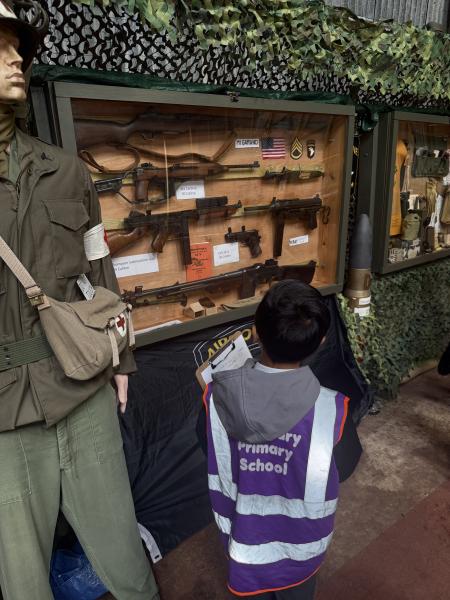
As part of our History topic on World War II, Year 3 enjoyed an exciting and informative visit to Hangar 42 in Blackpool.
Throughout the day, we learned all about what life was like during the war. We discovered how evacuees were sent away from cities to stay safe in the countryside and found out about the challenges they faced being away from their families. We also learned about The Blitz and how people showed great courage during the bombing raids.
One of our favourite parts of the visit was learning about the important role of women during the war. We were amazed to discover the many different jobs women carried out to help support the war effort, both at home and on the front line.
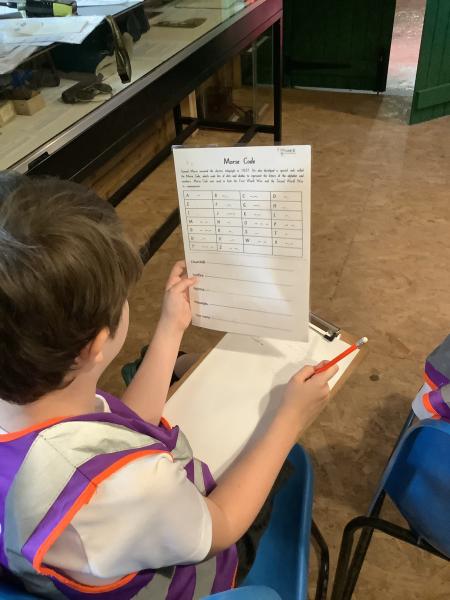
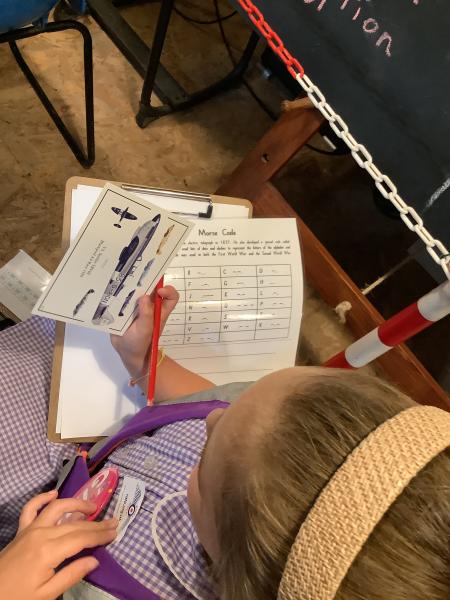
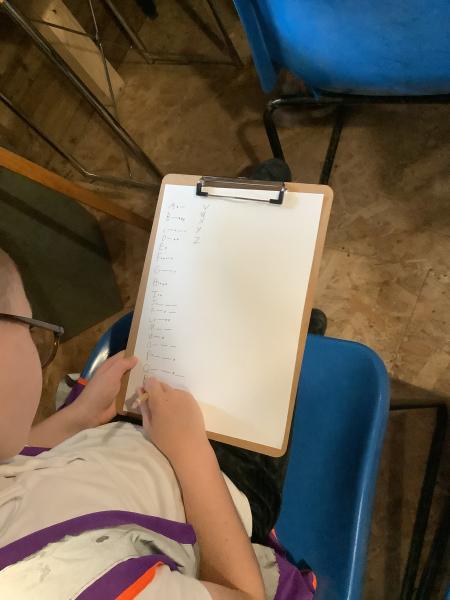
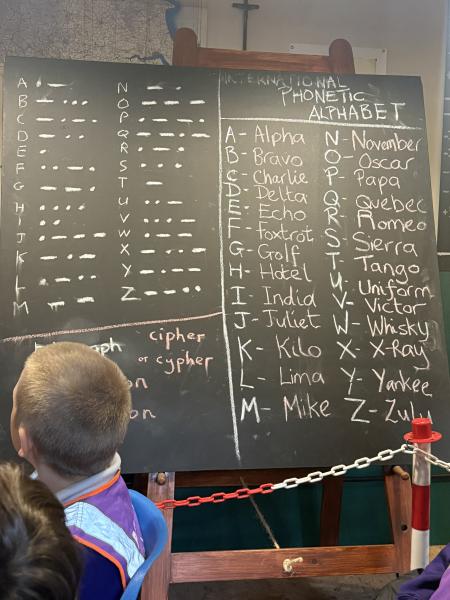
We also had the chance to learn about Morse code and even tried sending messages ourselves. It was great fun and helped us understand how people communicated before modern technology.
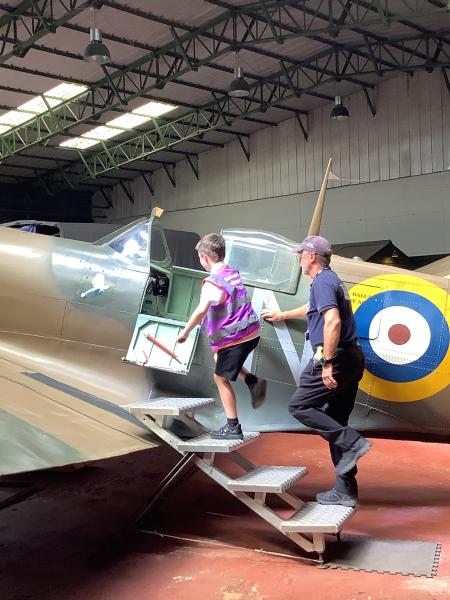
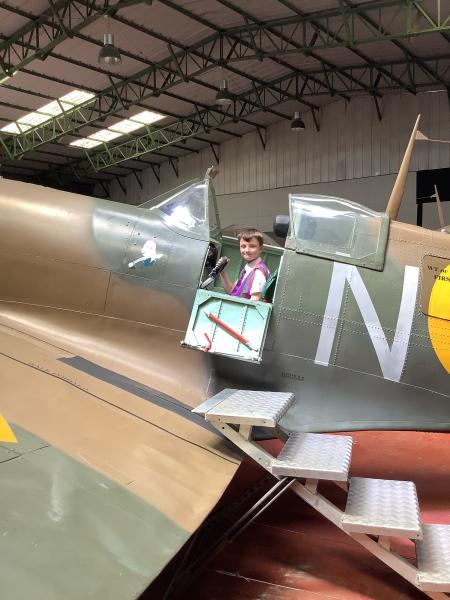
The highlight of the day came at the end of the visit when two lucky children, who scored the highest in the quiz, won the opportunity to sit inside a real Spitfire aircraft! What an unforgettable experience and a very special reward for their excellent listening and learning throughout the day.
Date: 16th Jul 2026 @ 1:49pm
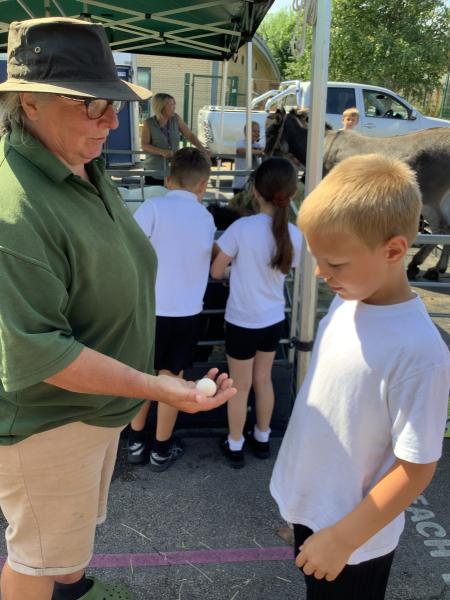
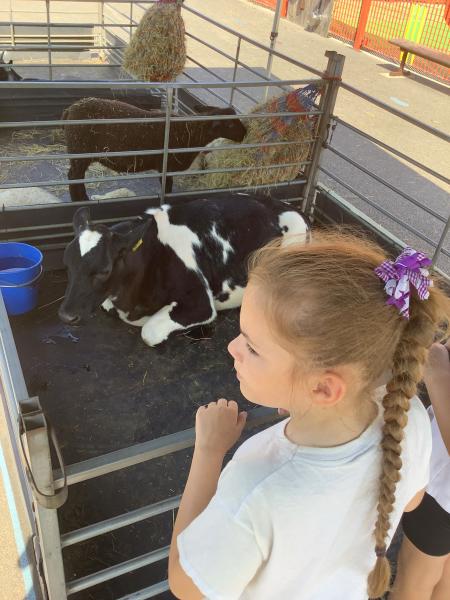
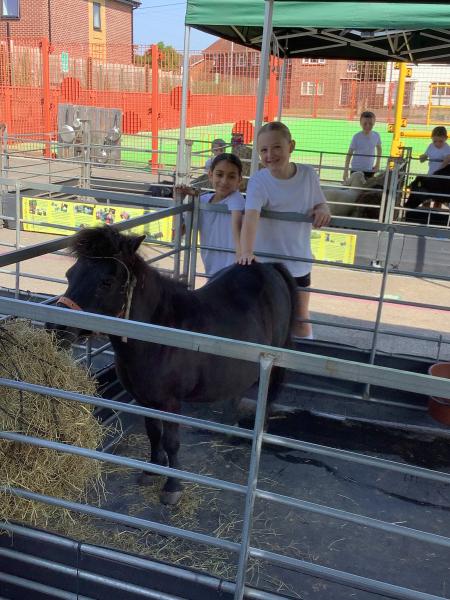
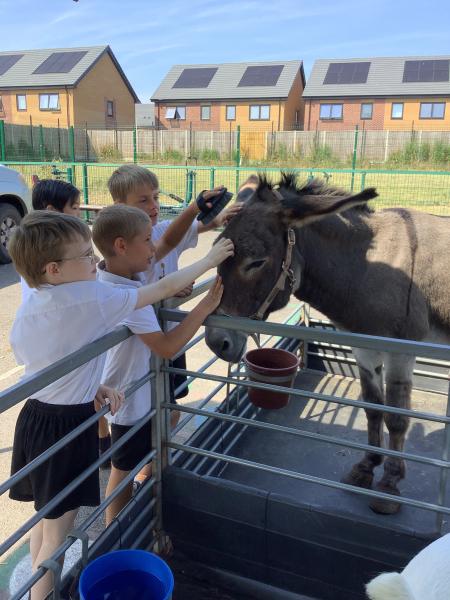
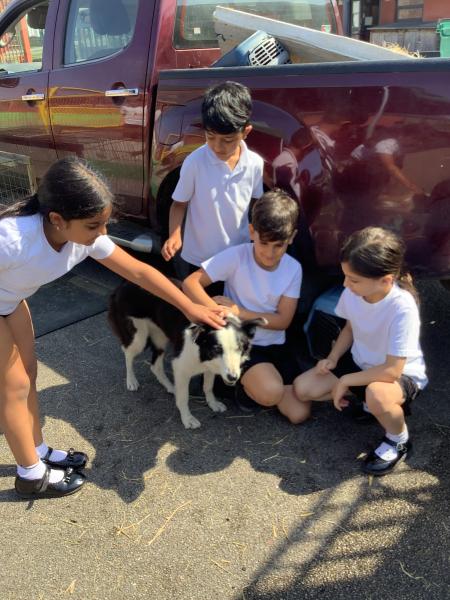
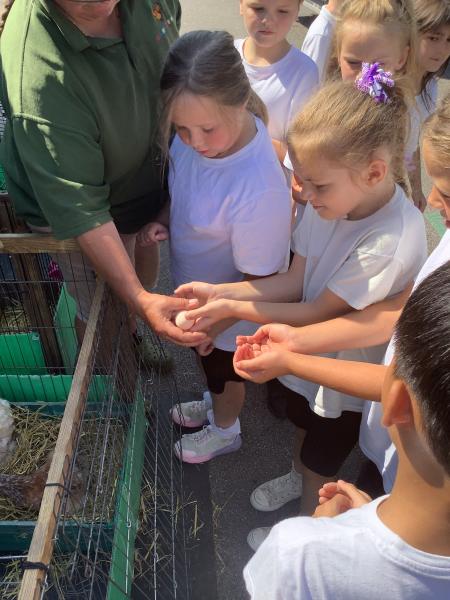
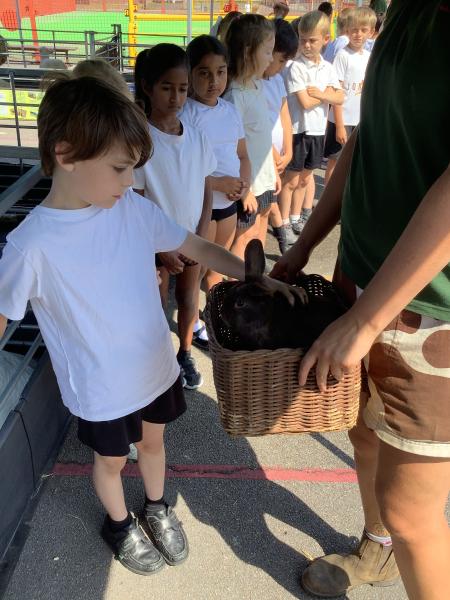
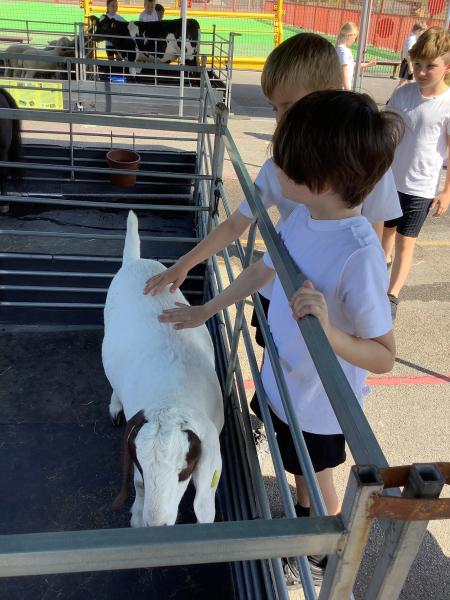
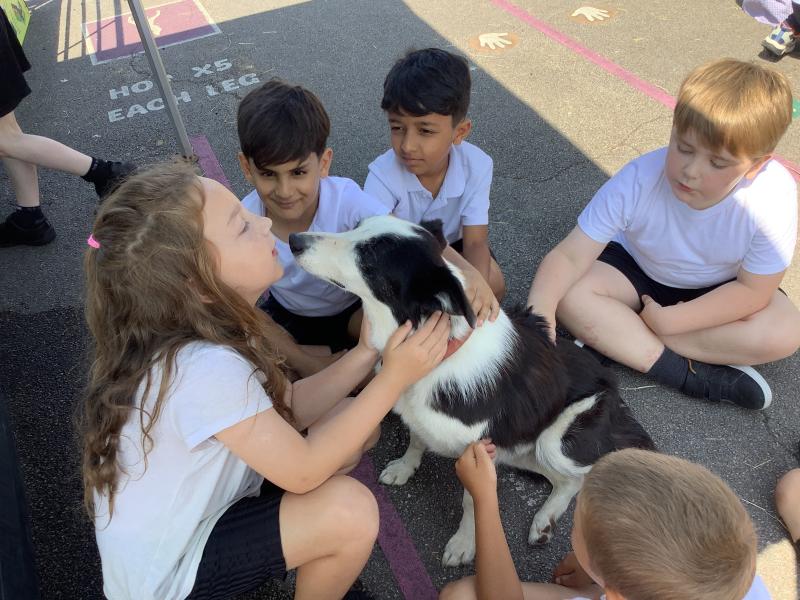
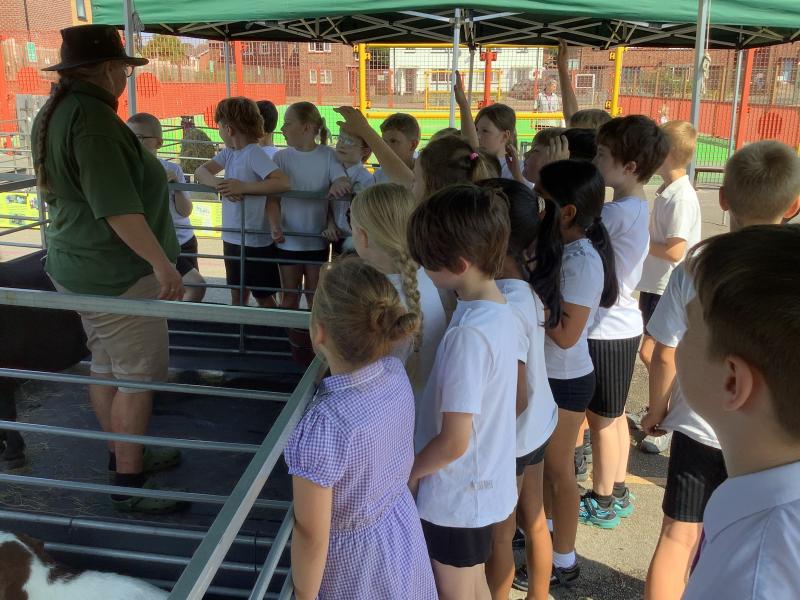
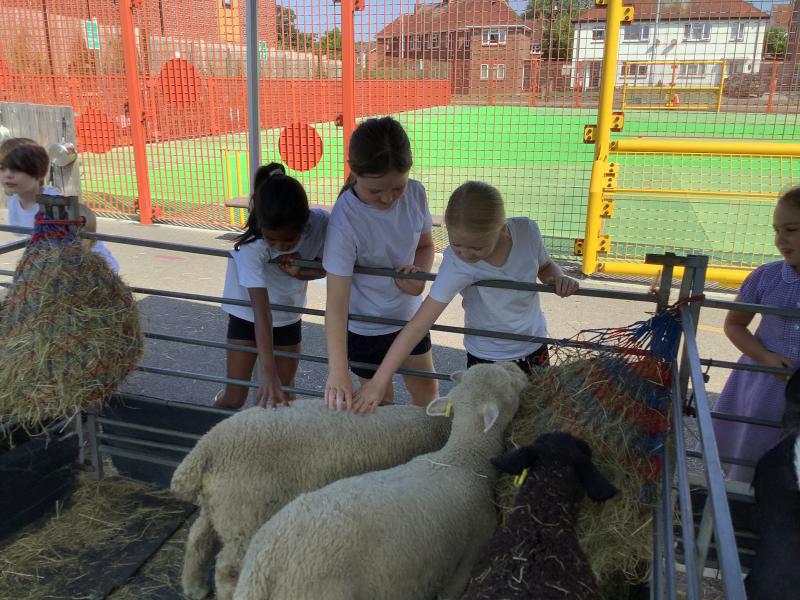
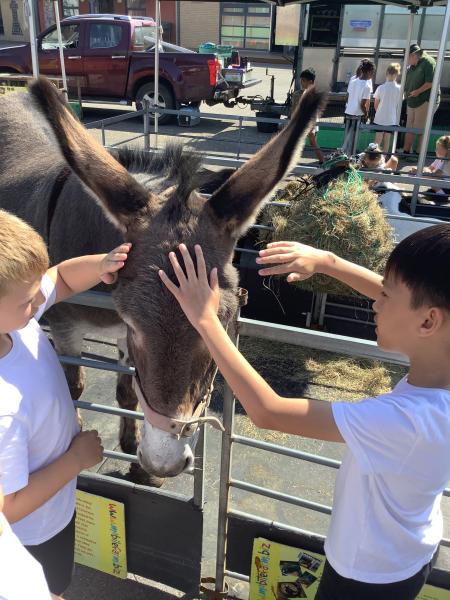
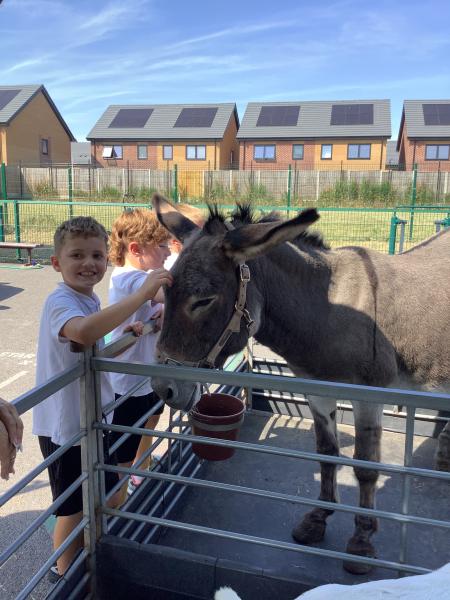
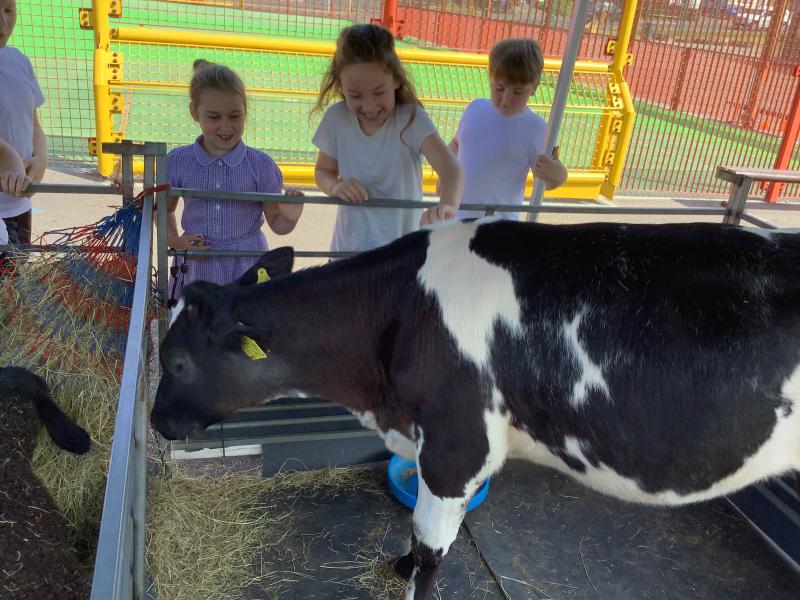
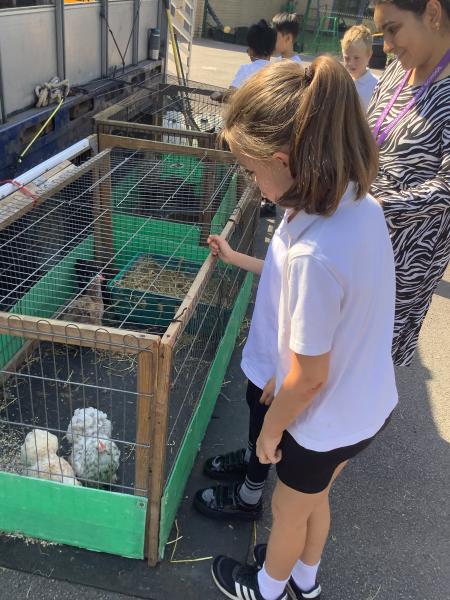
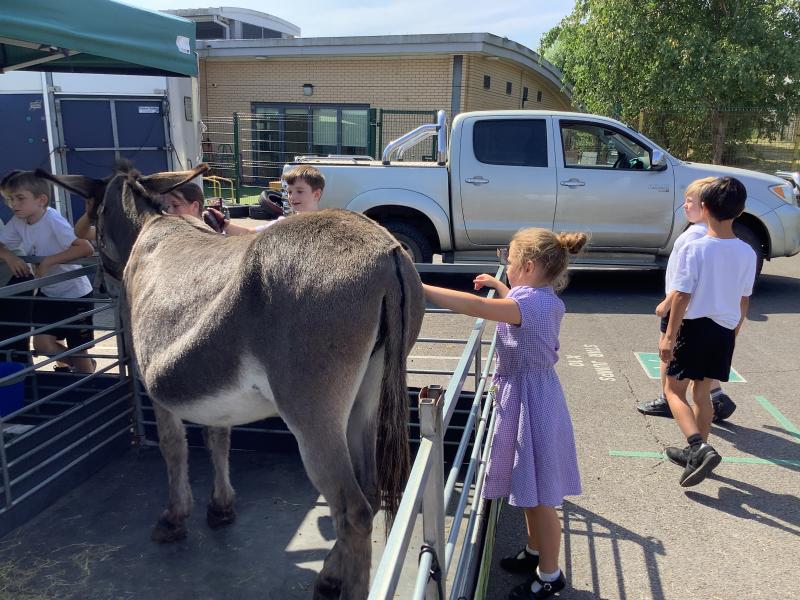
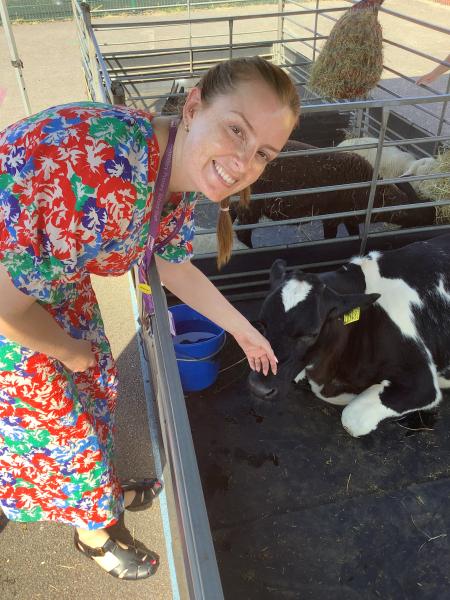
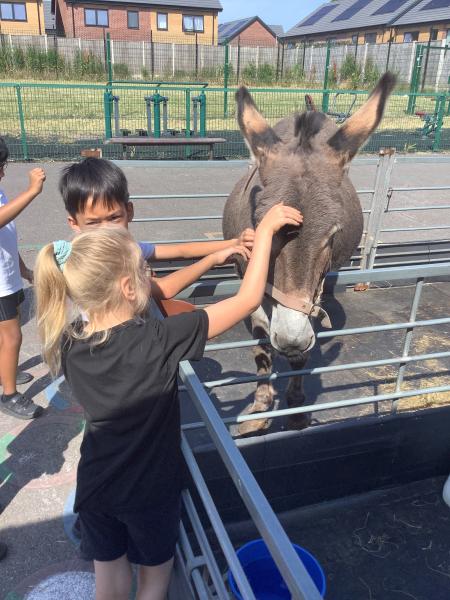
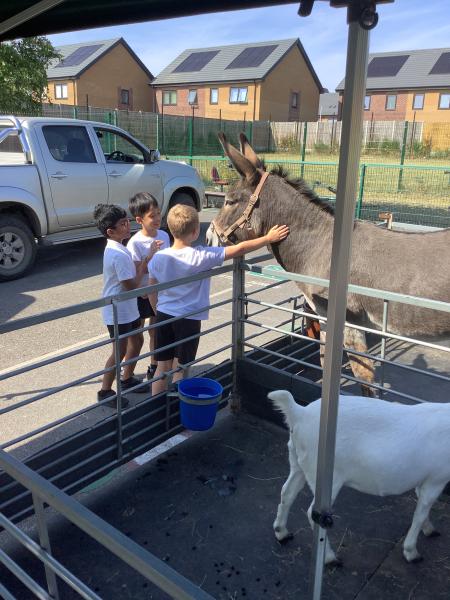
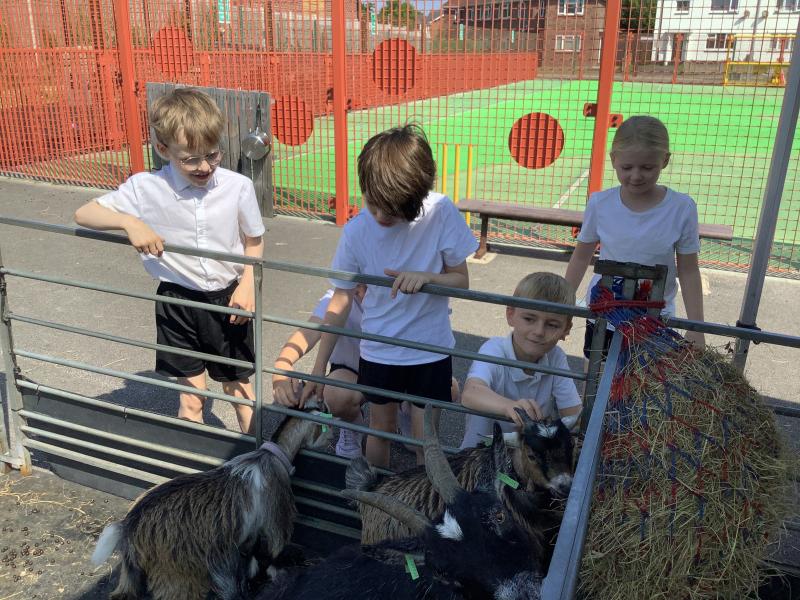
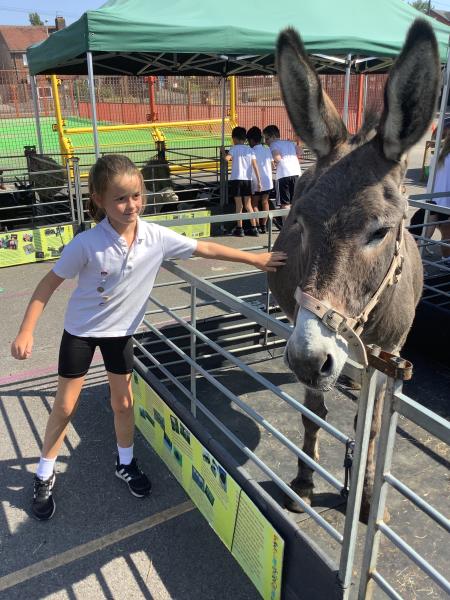
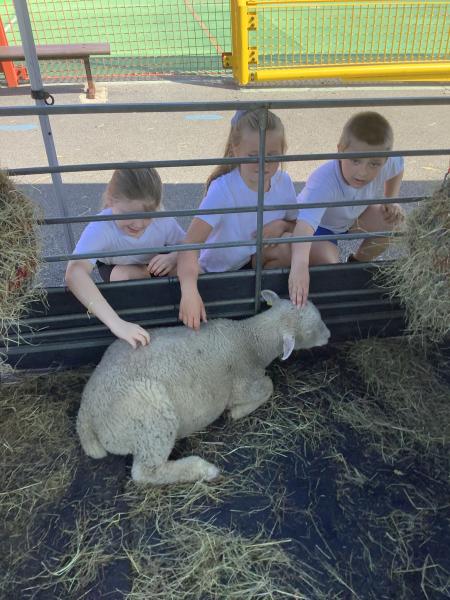
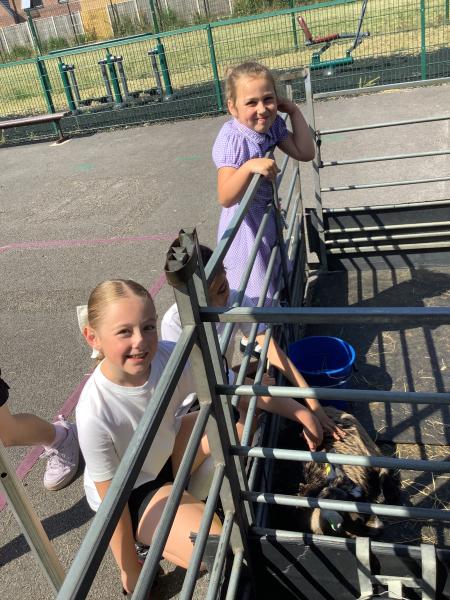
Year 3 had a fantastic time when the Fishers Mobile Farm came to visit our school and set up on the KS2 playground.
We were very excited to meet all the different animals and learn more about them. One of the best parts of the visit was having the opportunity to stroke the animals. We enjoyed getting close to them and seeing how friendly they were.
The farm staff showed us how to use special brushes to groom the animals. We carefully brushed them and helped to keep their coats clean and tidy. It was great fun, and many of us said it was our favourite part of the day.
The visit was a wonderful hands-on experience that helped us learn about caring for animals and treating them with kindness and respect. We loved meeting the animals and finding out more about life on a farm.
A big thank you to Fishers Mobile Farm for bringing their animals to our school and giving Year 3 such a memorable experience. We all had an amazing time and will remember this special visit for a long time! 🐑🐐🐇🐓
Year 3 Glow In the Dark Dodgeball Fun!
Date: 9th Jul 2026 @ 5:24pm
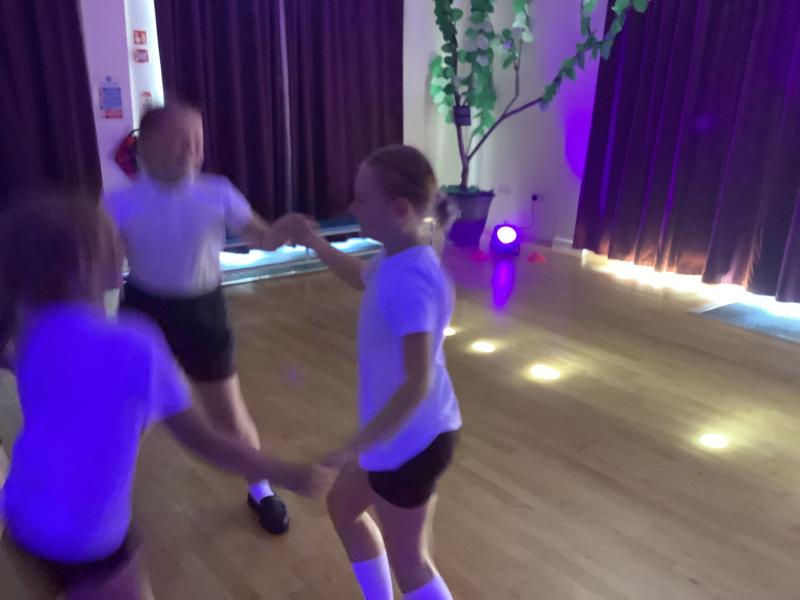
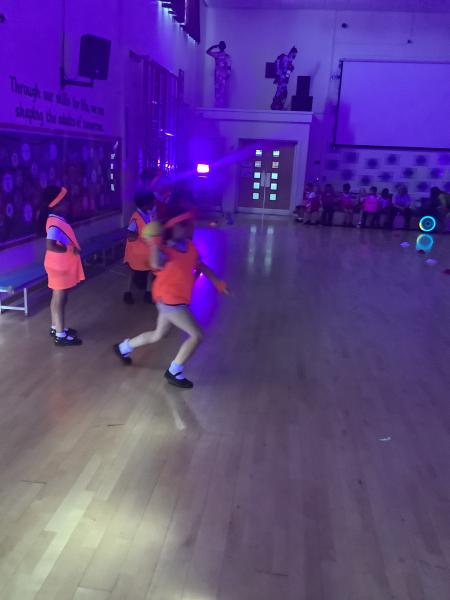
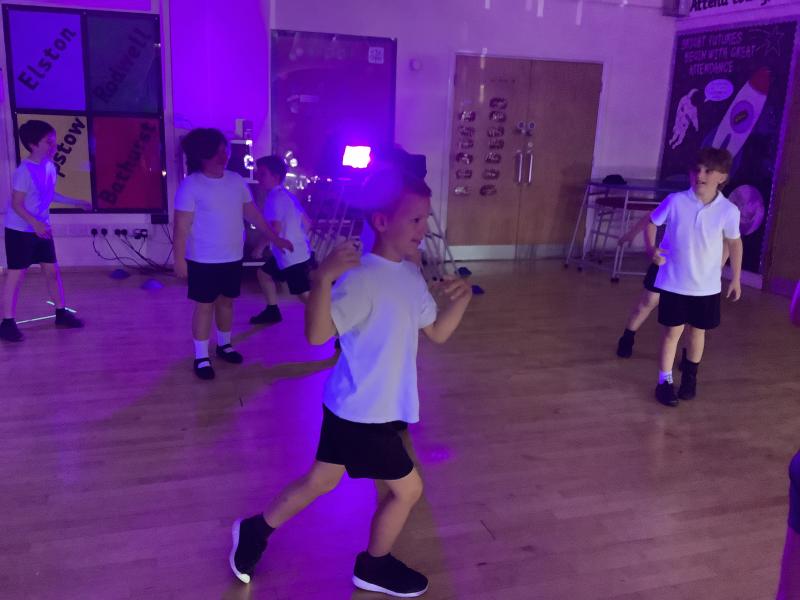
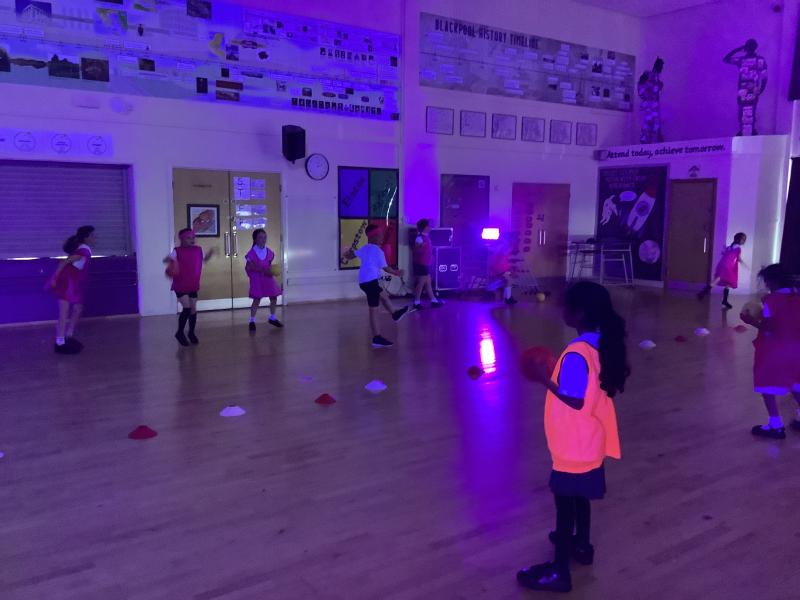
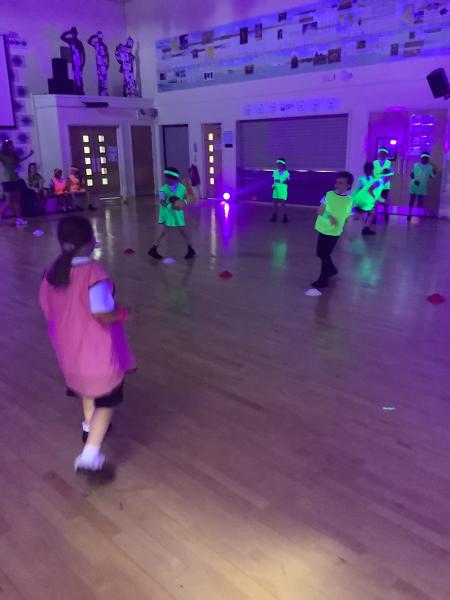
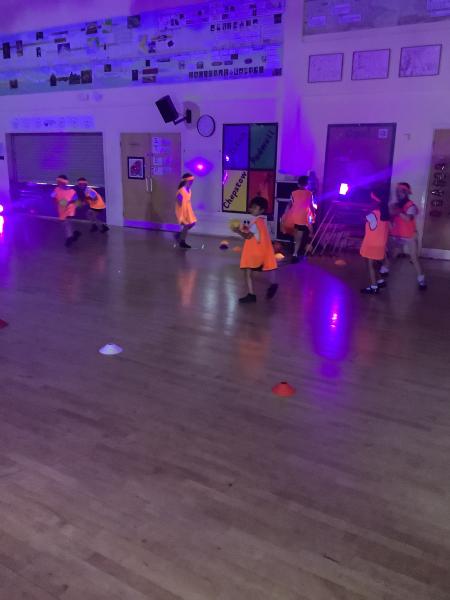
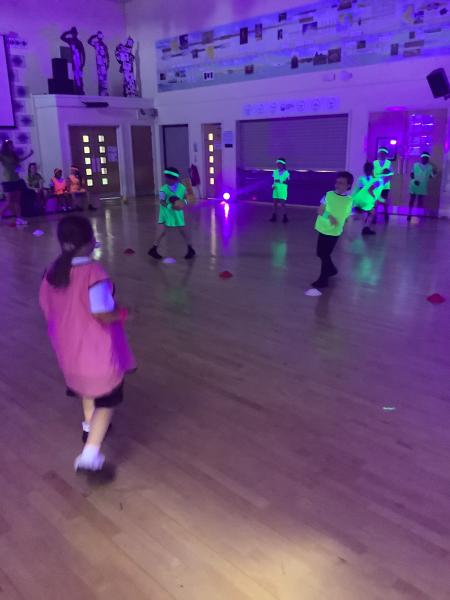
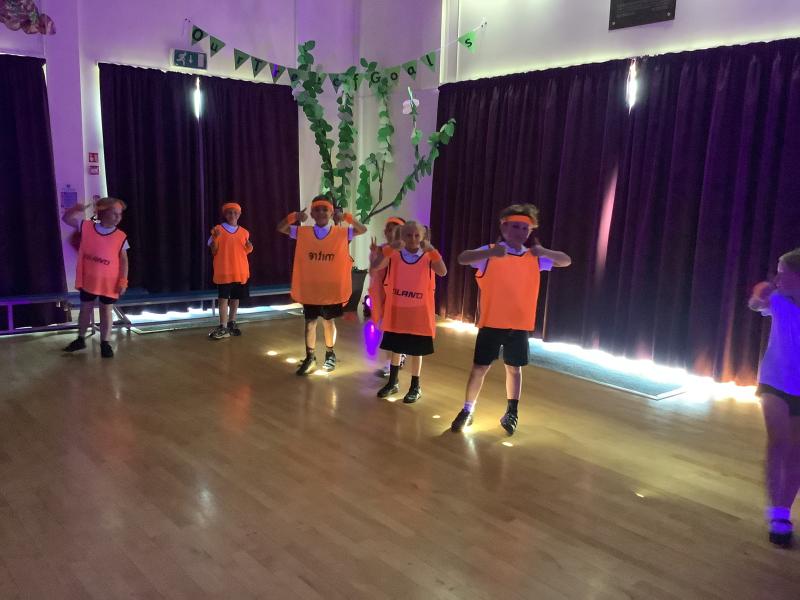
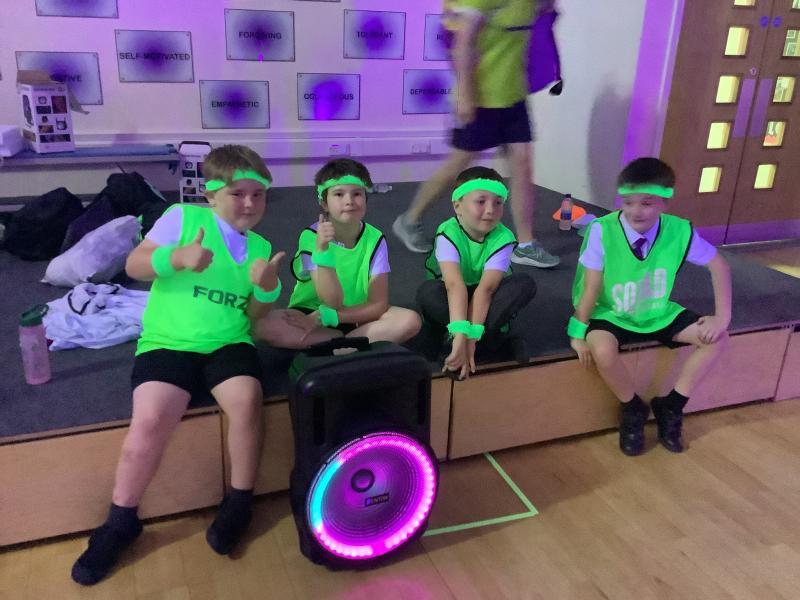
What an exciting and energetic time Year 3 had during our Glow in the Dark Dodgeball event! The hall was transformed into a neon wonderland as the children arrived ready for action, dressed in bright neon bibs and colourful sweatbands that glowed brilliantly under the lights.
The atmosphere was buzzing with excitement from the moment the games began. The children showed fantastic enthusiasm as they competed against one another in a series of fast-paced dodgeball matches. There were plenty of dodges, catches and throws, with everyone giving their best effort while having lots of fun.
As the neon colours lit up the hall, the children worked hard to encourage their teammates and demonstrated excellent sportsmanship throughout the event. It was wonderful to see so many smiling faces, cheering each other on and celebrating both victories and great individual performances.
The glow-in-the-dark theme made the experience even more memorable, creating a unique and exciting environment that the children absolutely loved. The neon bibs and sweatbands added to the fun, helping everyone get into the spirit of the event.
Most importantly, the session encouraged the children to stay active, develop their teamwork skills and build their confidence while enjoying some friendly competition with their classmates.
A huge well done to all of Year 3 for their fantastic participation, positive attitudes and excellent behaviour. It was a glowing success, and we look forward to more fun sporting events in the future! 🌟🏐💚💛🩷💙
Date: 9th Jul 2026 @ 1:58pm
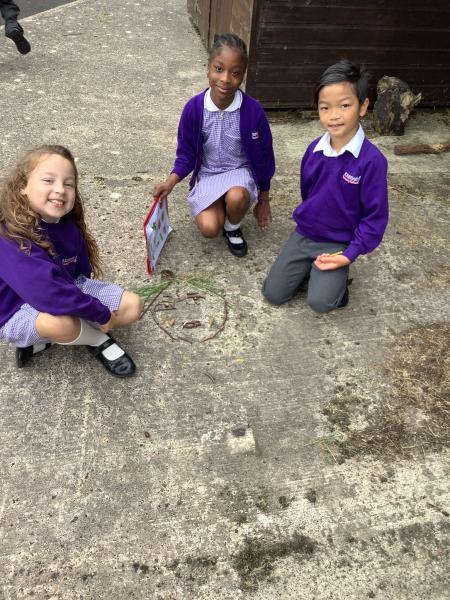
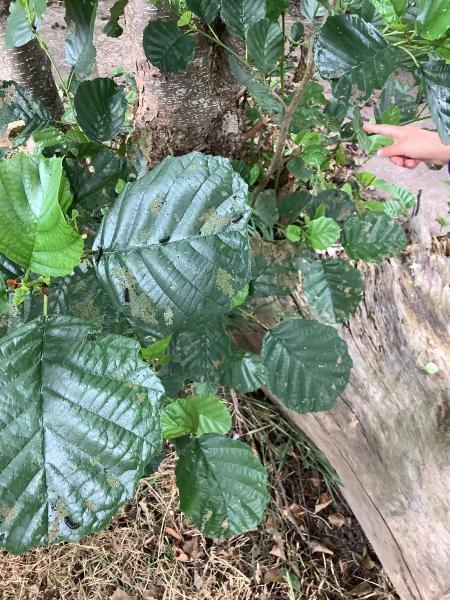
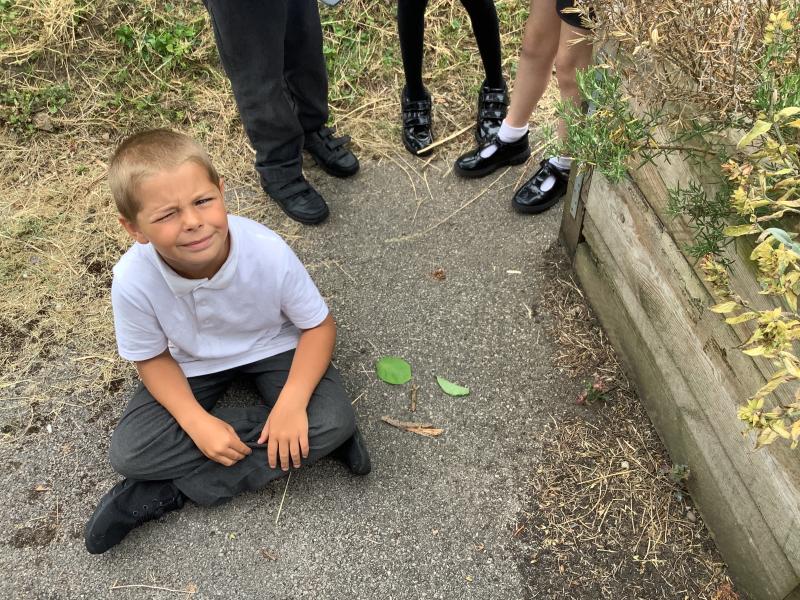
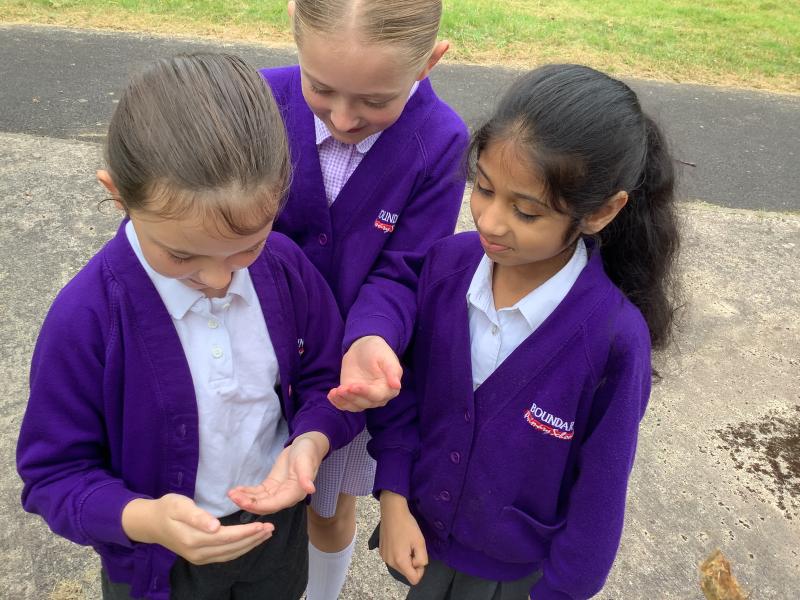
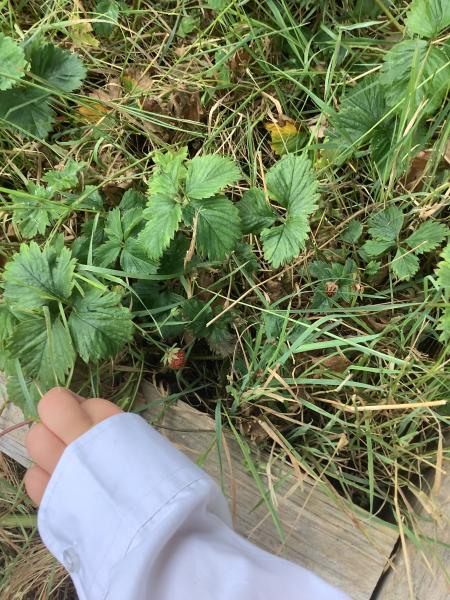
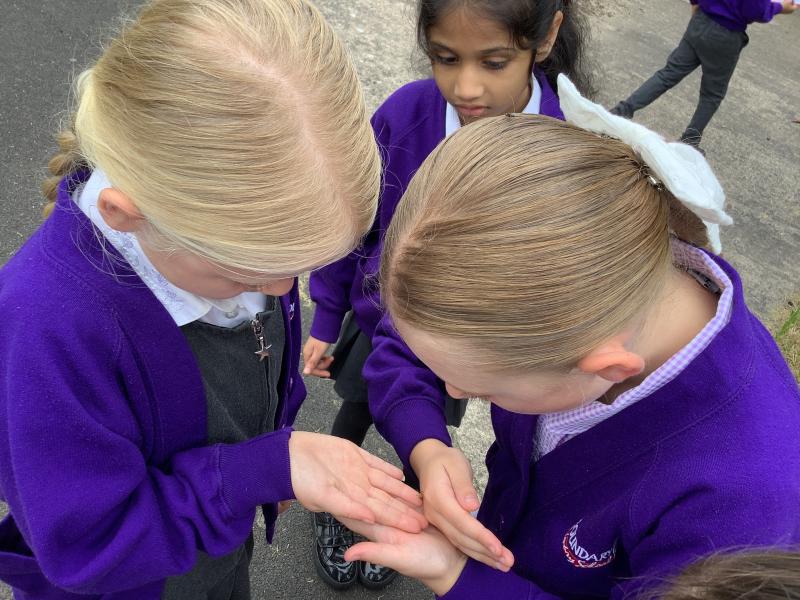
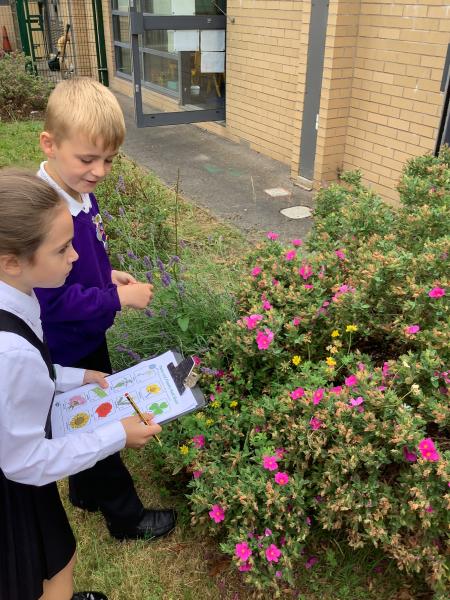
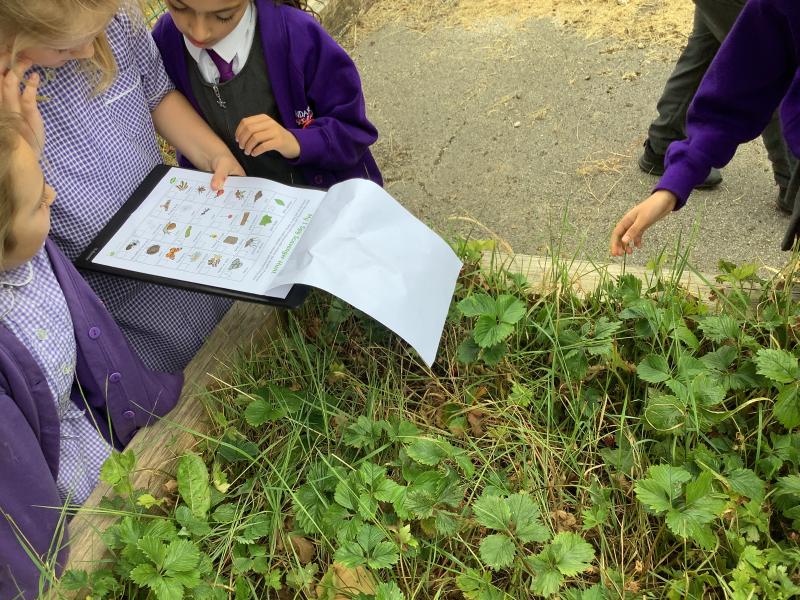
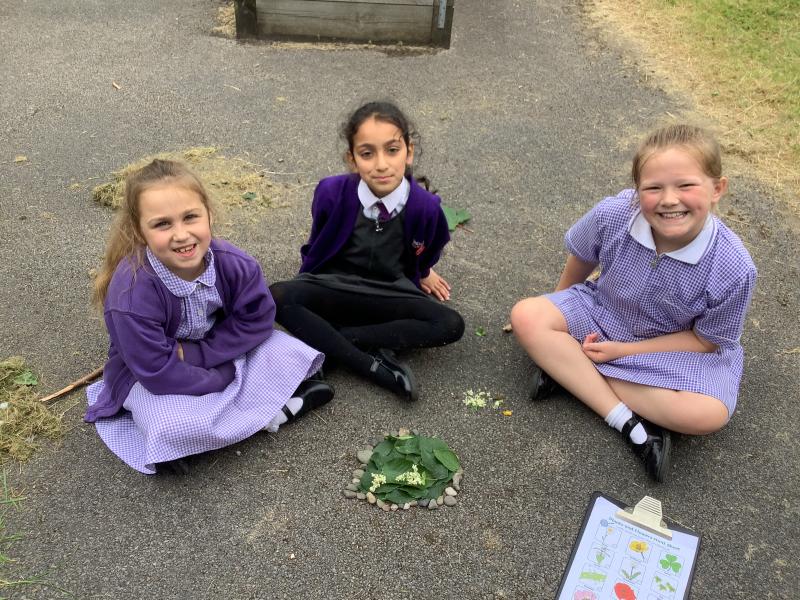
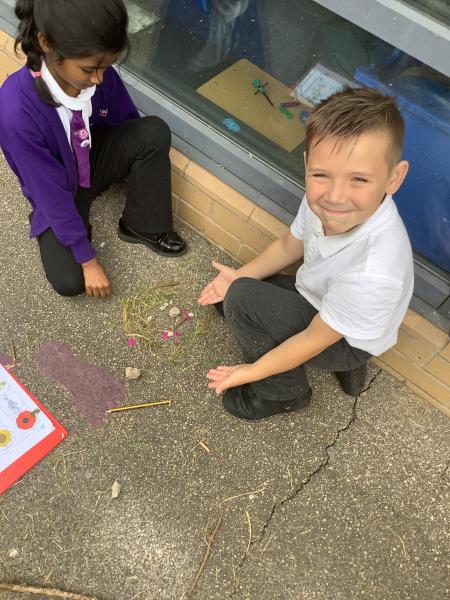
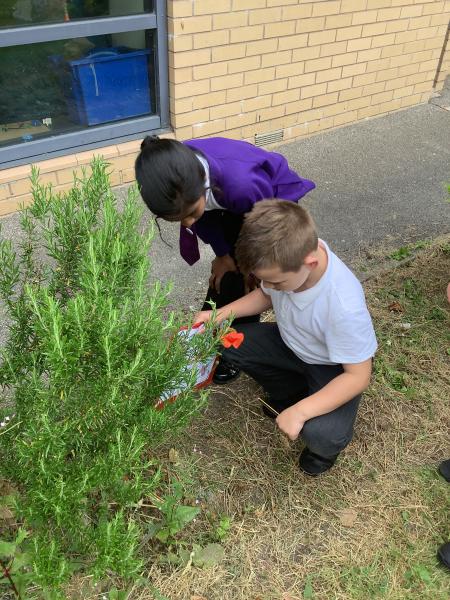
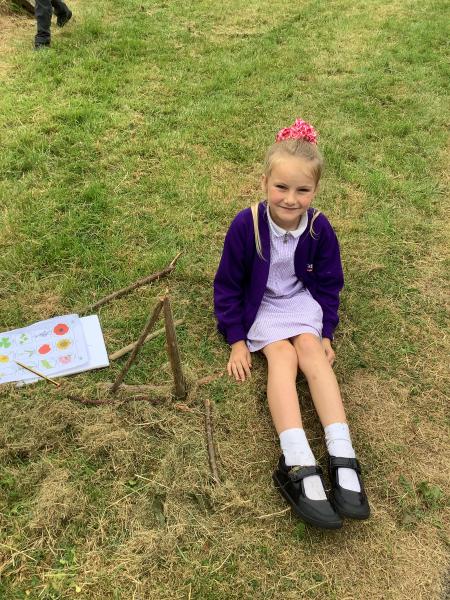
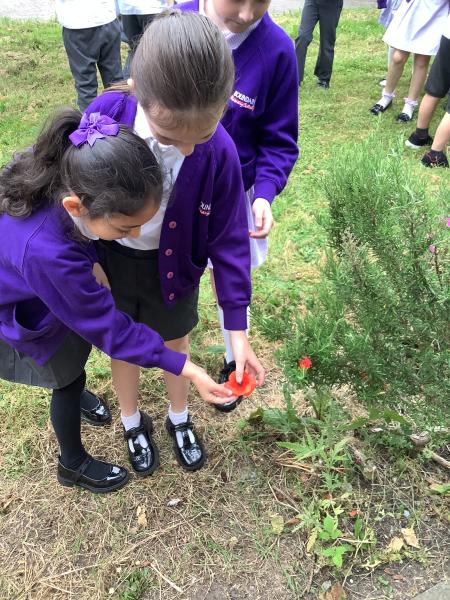
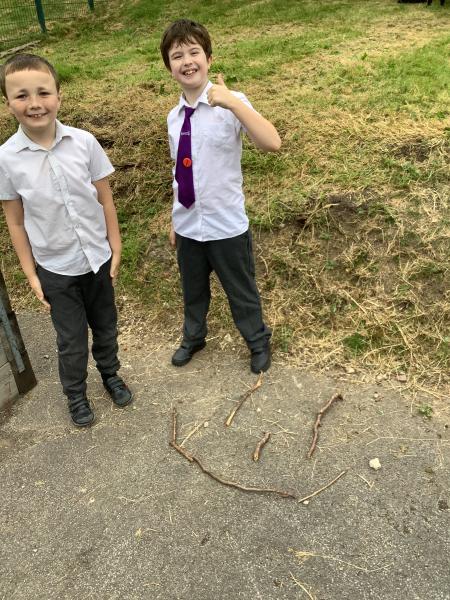
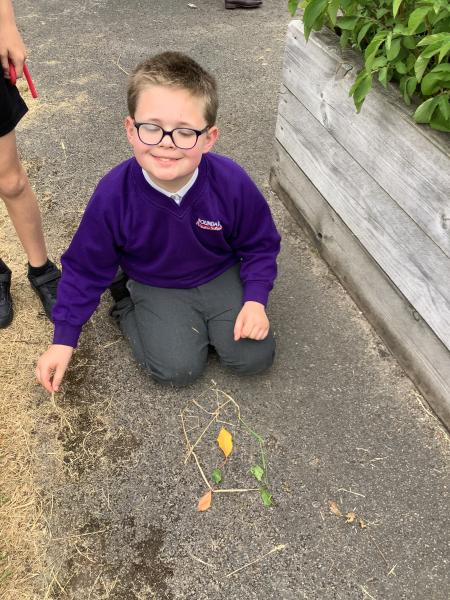
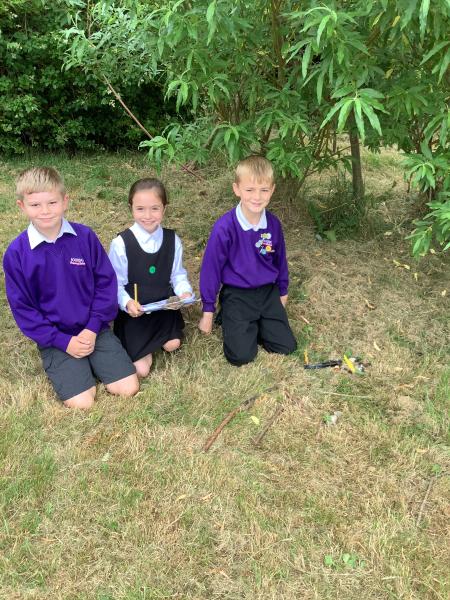
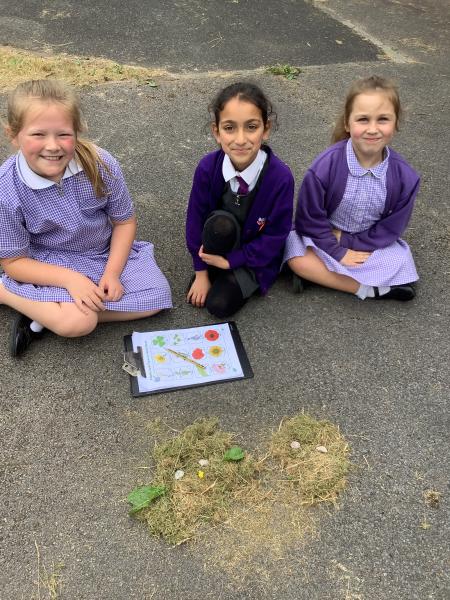
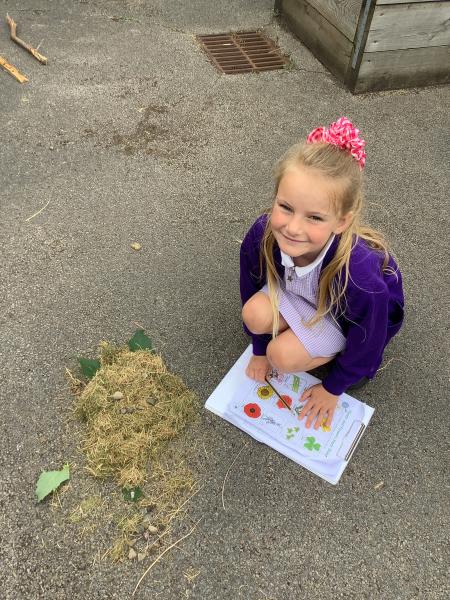
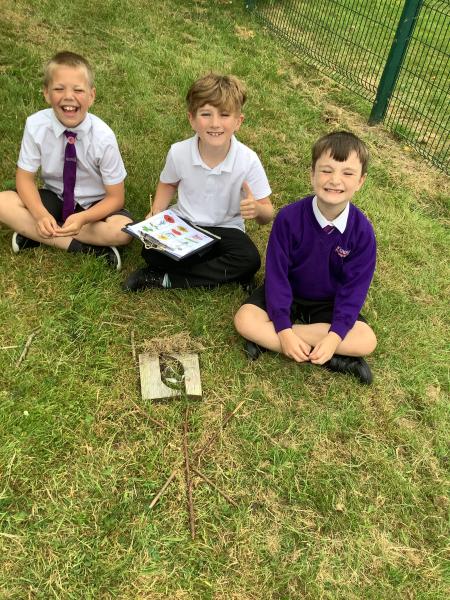
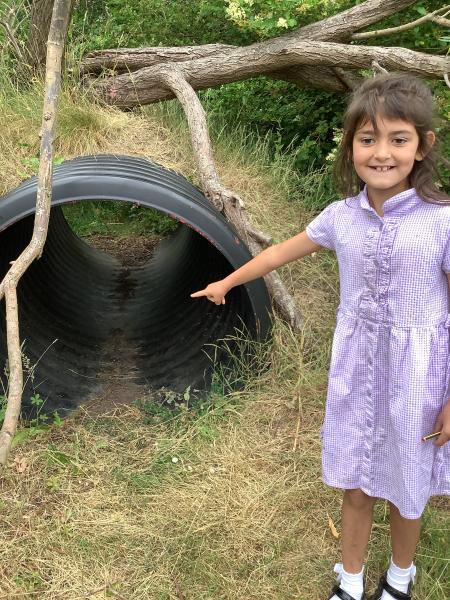
Year 3 enjoyed a fantastic outdoor learning session, exploring the natural world around them. The children took part in a scavenger hunt, searching for different flowers, smooth and rough surfaces, and a variety of animals. They showed great enthusiasm and curiosity as they investigated their surroundings.
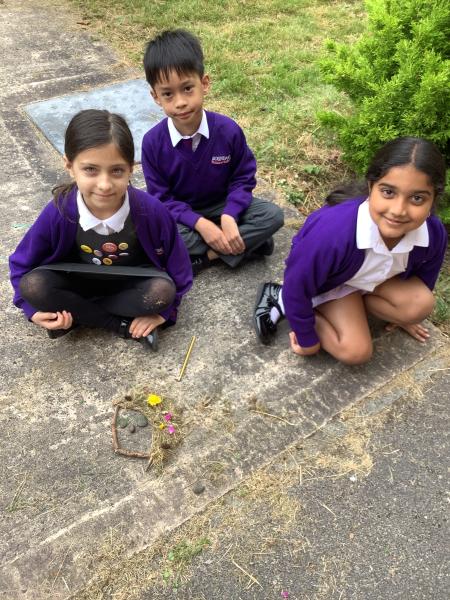
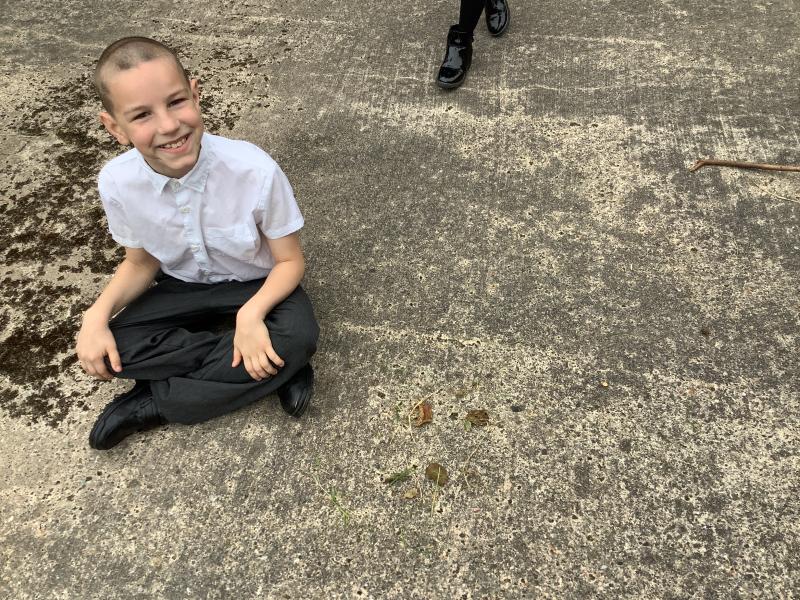
The children then gathered natural resources from outside to create imaginative faces. Their designs were brilliant and incredibly creative, with some children using grass to make hair and adding colourful flowers for extra detail.
To finish the session, we learnt about the work of the artist Andy Goldsworthy and explored some of his nature-inspired artwork. Using natural materials, the children recreated some of his techniques, including stacking, balancing and layering objects. They worked thoughtfully and creatively, producing some wonderful pieces inspired by the natural world.
We were so impressed with the children's teamwork, creativity and enthusiasm throughout the day! 🌿🎨🍃
Date: 9th Jul 2026 @ 1:46pm
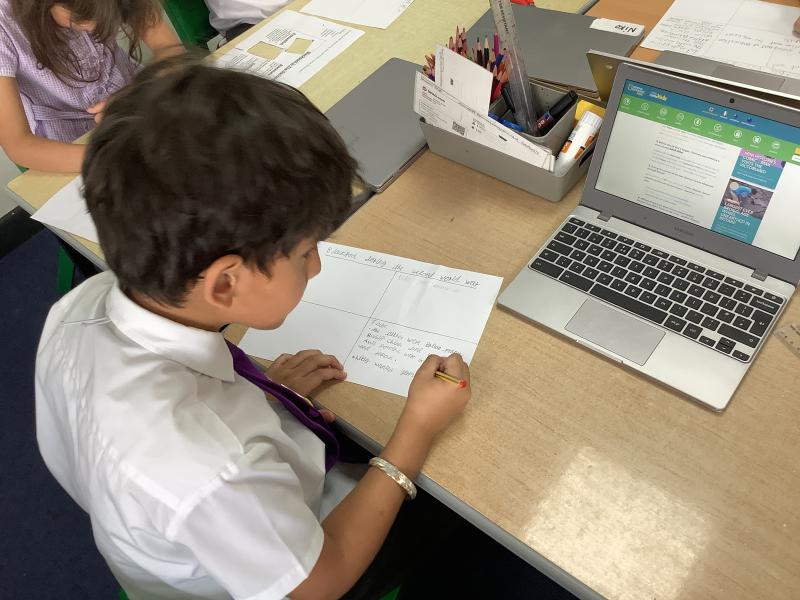
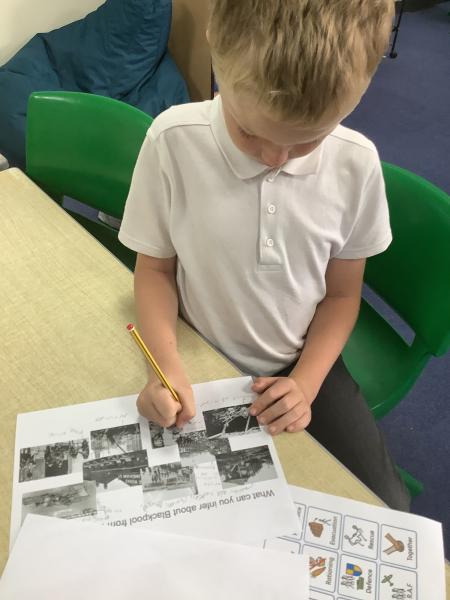
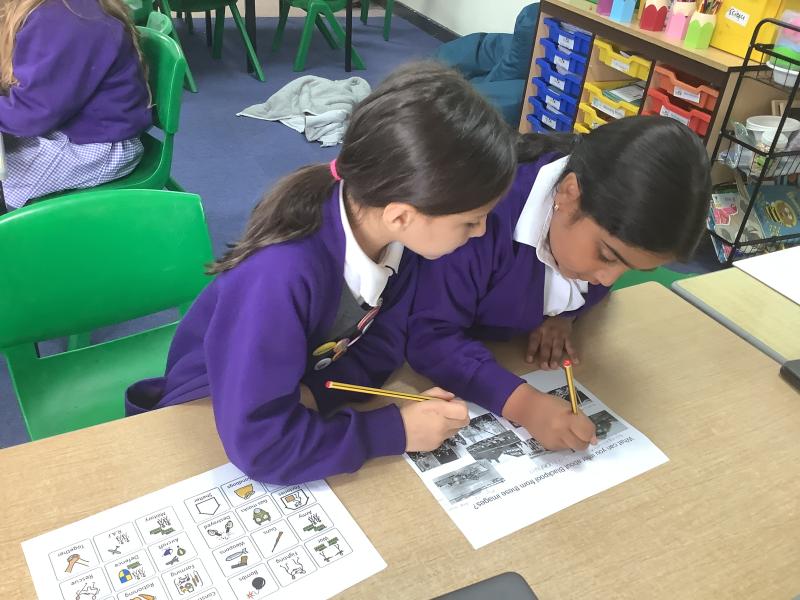
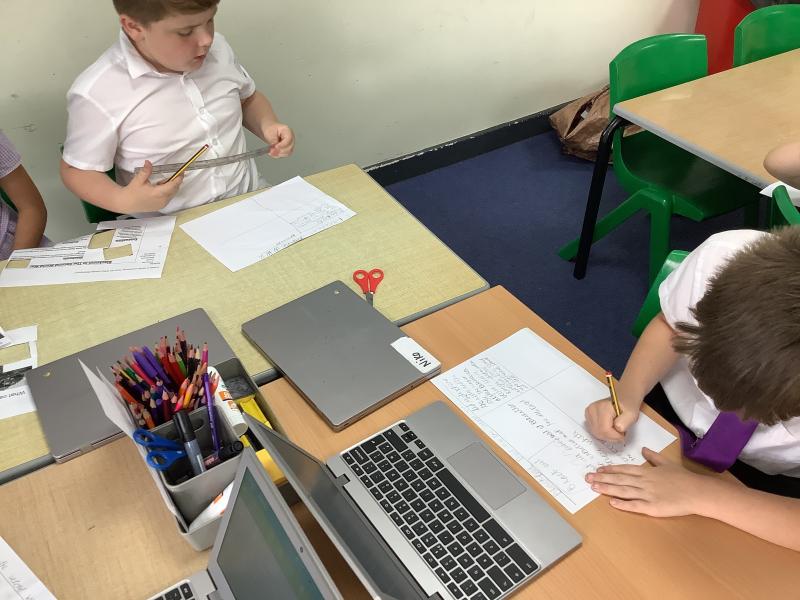
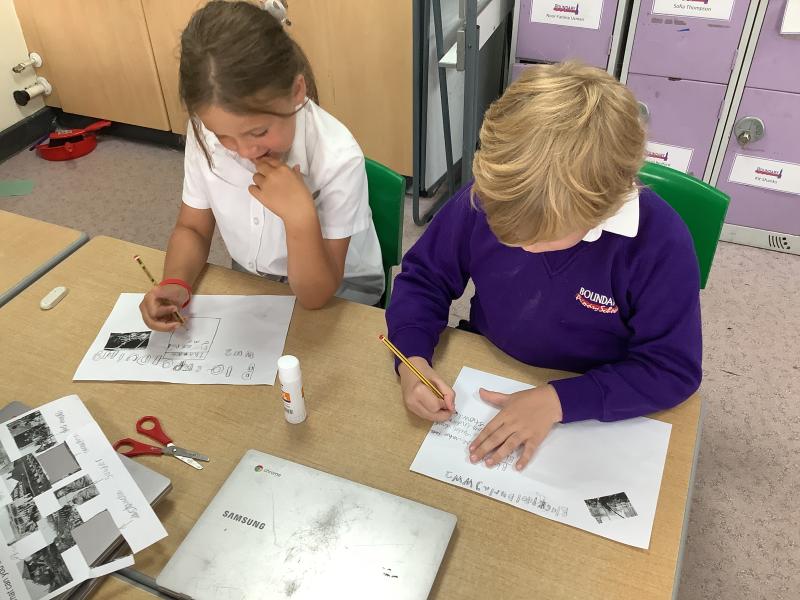
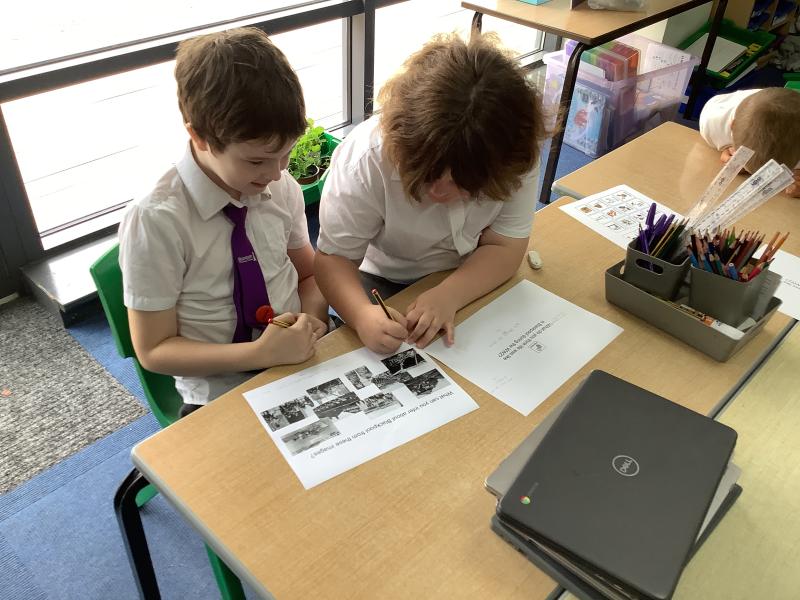
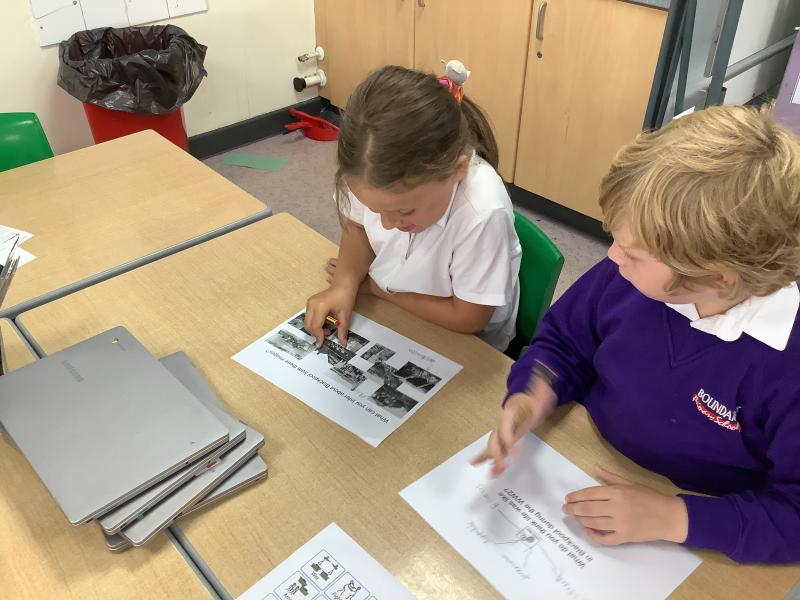
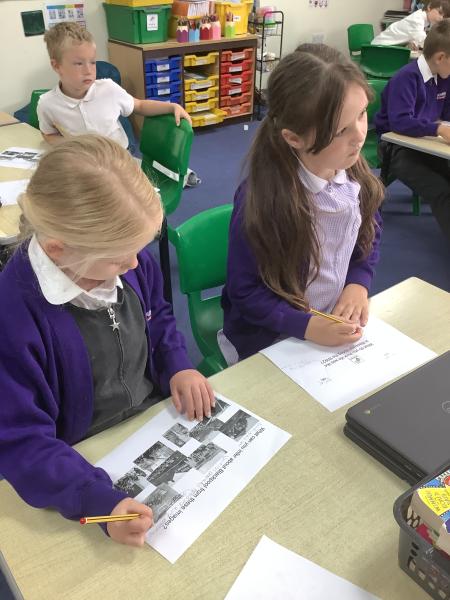
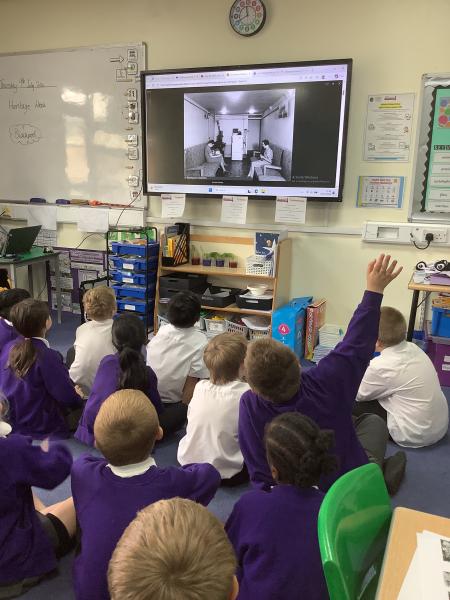
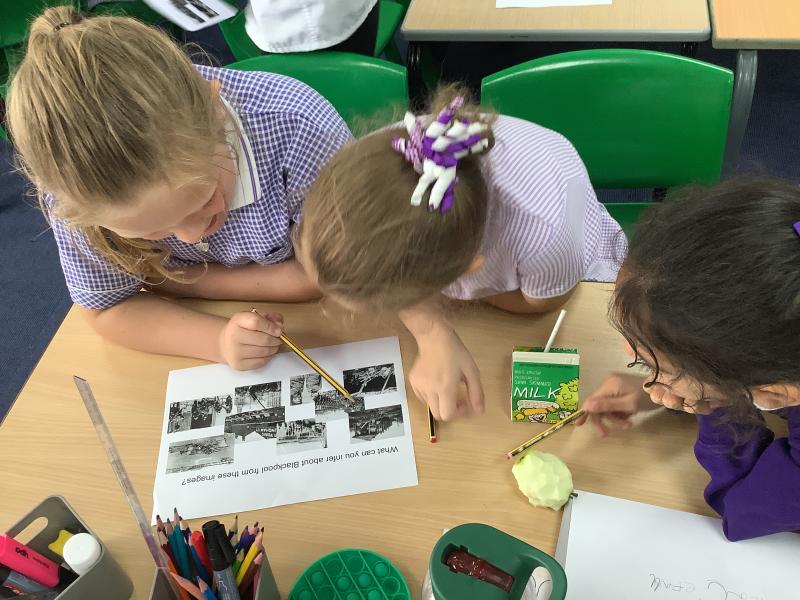
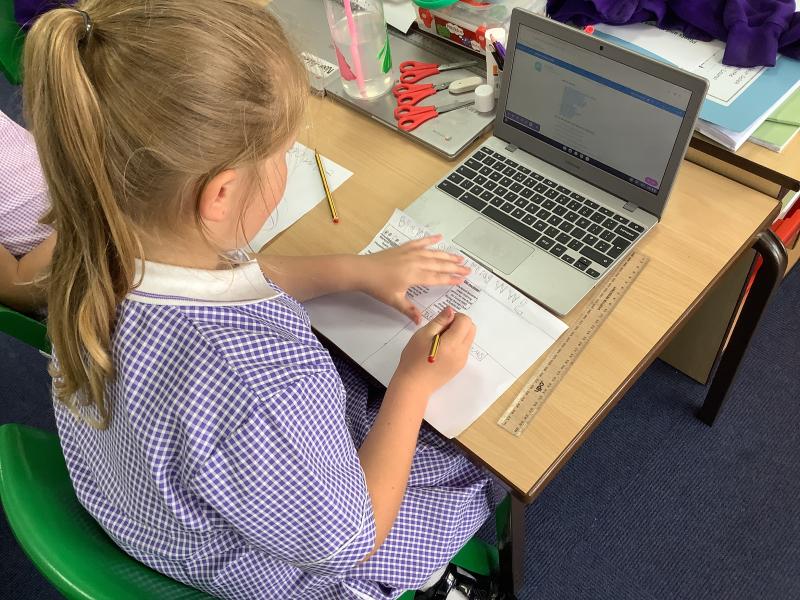
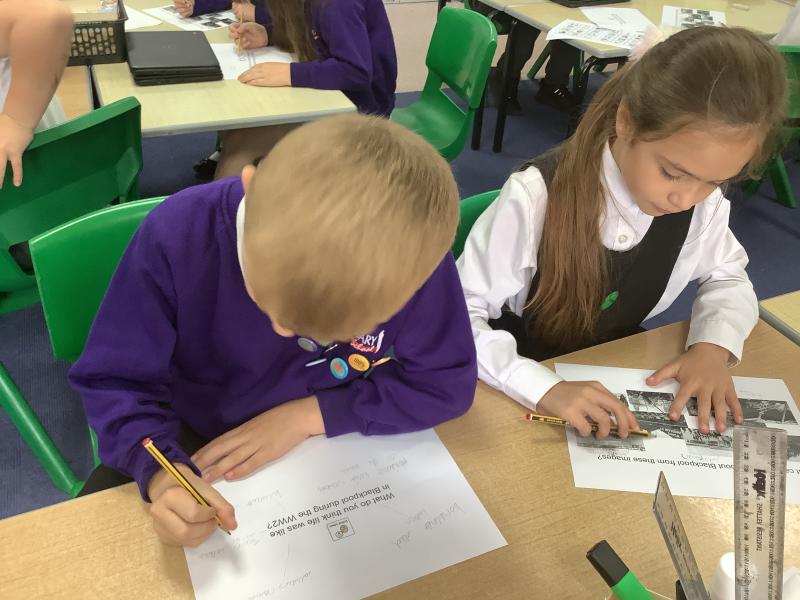
We focused our learning on Blckpool during the Second World War and looked at the questions - How did WWII change Blackpool? Firstly, we consdidered what we thought it would have been like here during this time. We then looked at images from this time period and saw if our predicitions were correct. We then went on to create an information poster inclusding key facts about blackouts, evacuations and defence in Blackpool.
Year 3 - The Story of Rama and Sita
Date: 6th Jul 2026 @ 7:25am
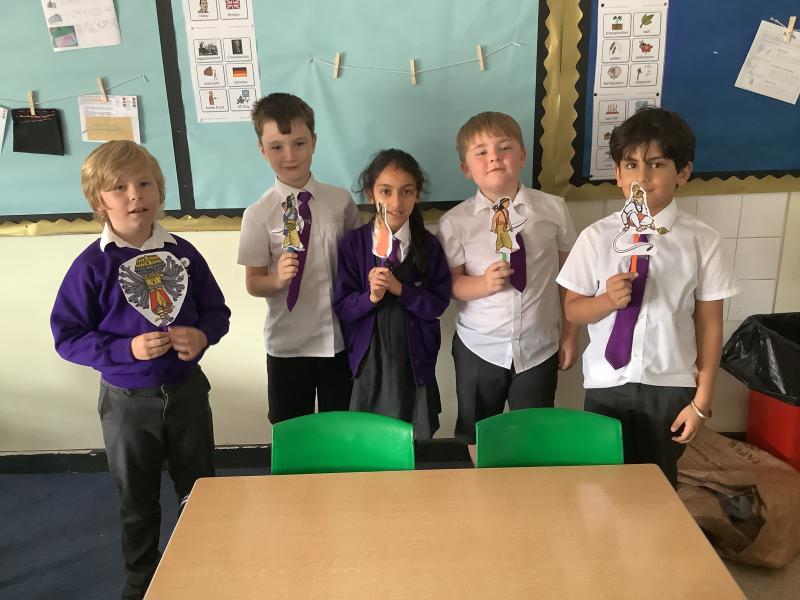
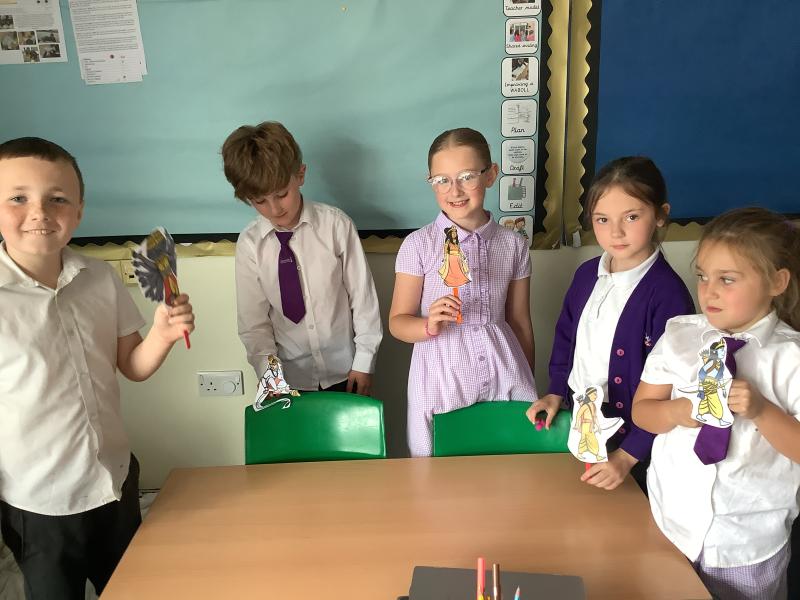
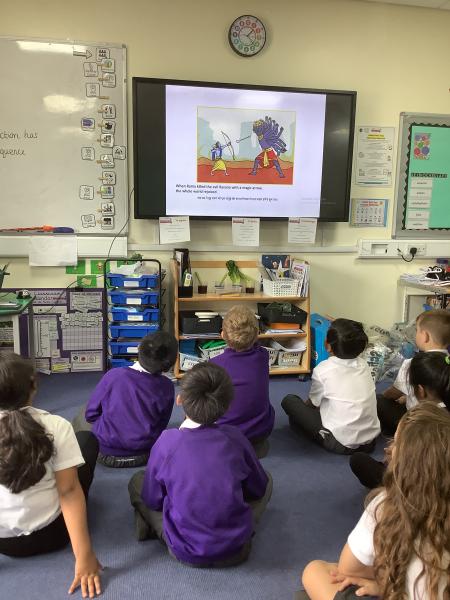
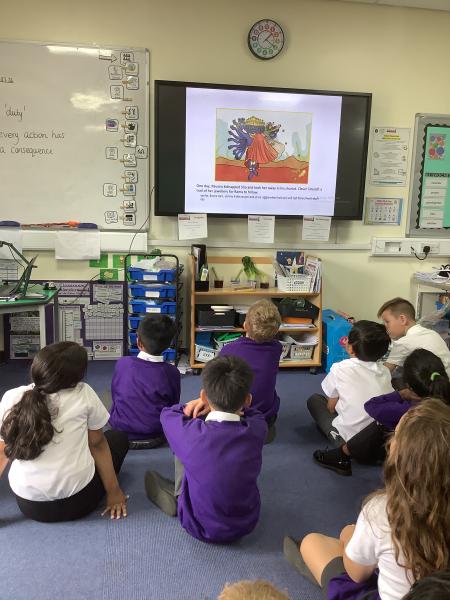
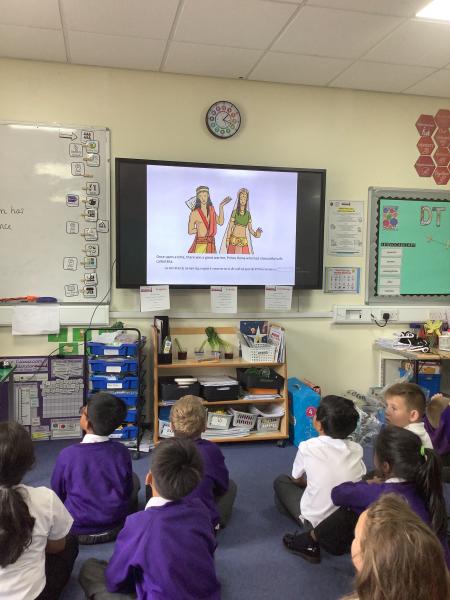
This week, Year 3 enjoyed learning about the famous Hindu story of Rama and Sita. The children listened carefully to the story and discussed the important messages and values that it teaches.
As part of our learning, we explored the Hindu beliefs of Dharma and Karma. We talked about how Dharma means doing the right thing and following your duty, even when it can be difficult. The children identified examples of Rama showing Dharma through his honesty, bravery and loyalty. We also discussed Karma, the belief that actions have consequences, and considered how the choices made by different characters affected what happened in the story.
The class shared some thoughtful ideas during our discussions, making links between the story and how we can make good choices in our own lives. It was wonderful to hear the children reflecting on kindness, responsibility and doing what is right.
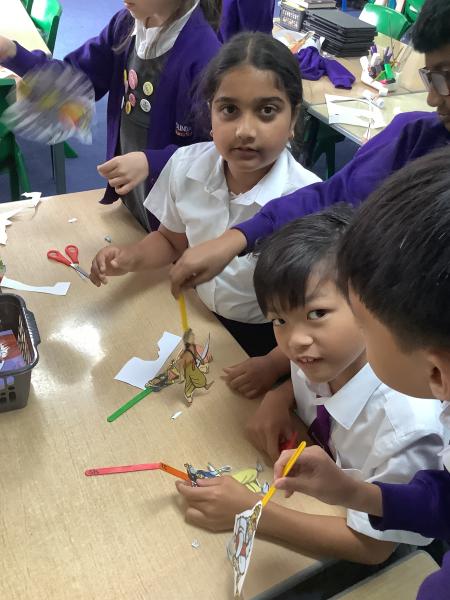
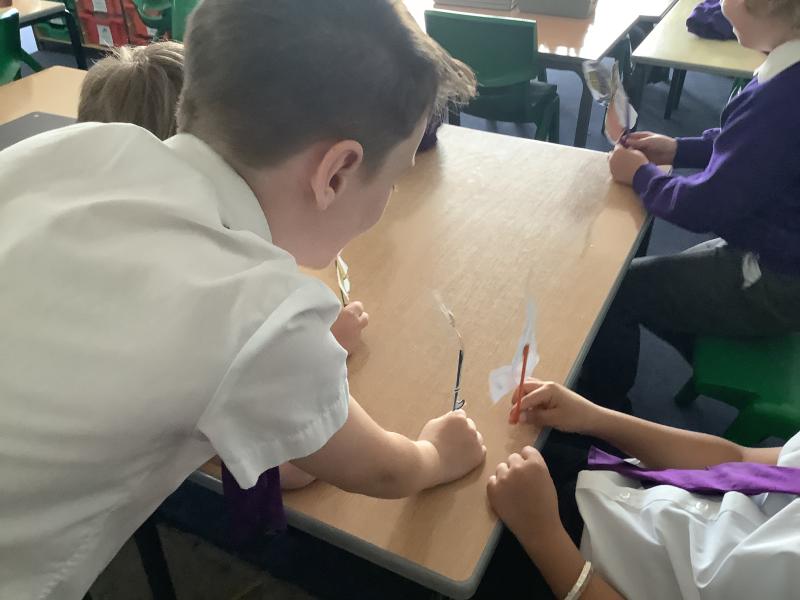
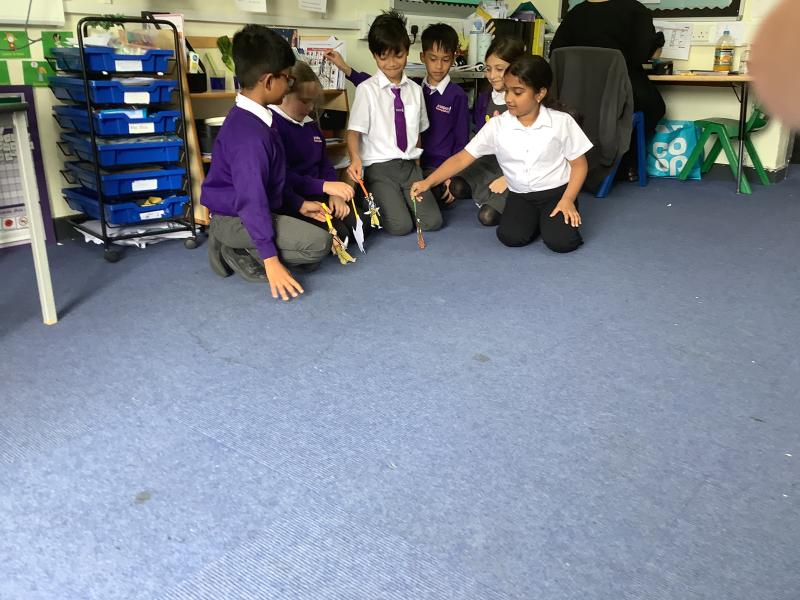
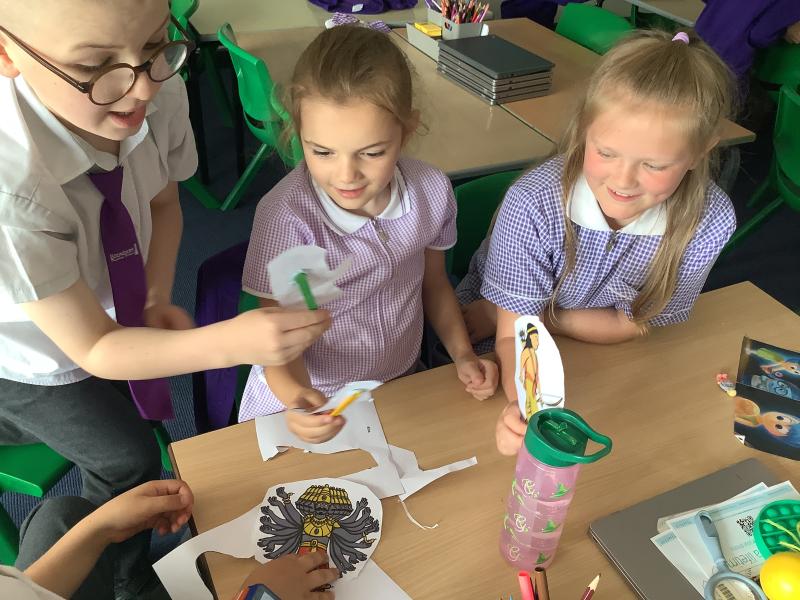
To bring the story to life, the children worked collaboratively in groups to retell the story using finger puppets. They had great fun acting out key events and bringing the characters to life through their performances. The classroom was filled with enthusiasm, creativity and laughter as each group shared their version of the story.
Date: 26th Jun 2026 @ 6:24am
Date: 26th Jun 2026 @ 6:16am
Date: 18th Jun 2026 @ 12:05pm
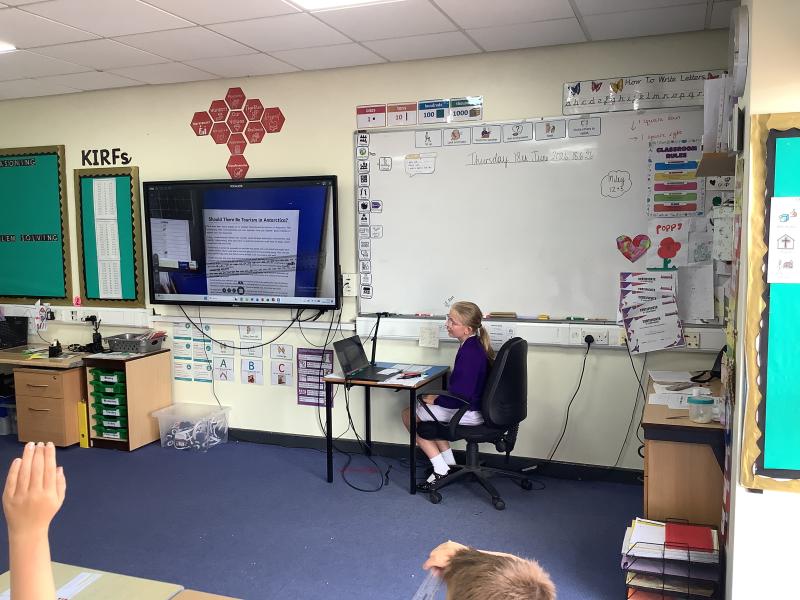
🌟 Year 5 Take Over Day – A Brilliant Morning! 🌟
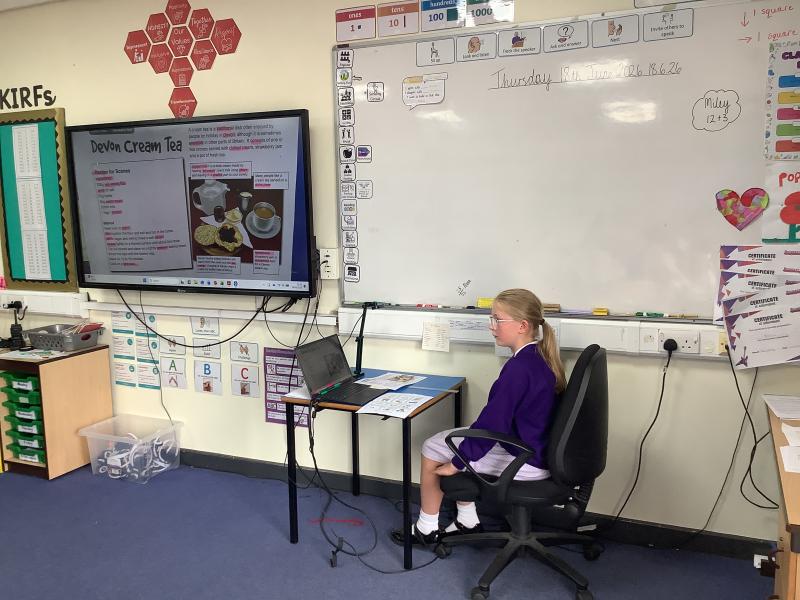
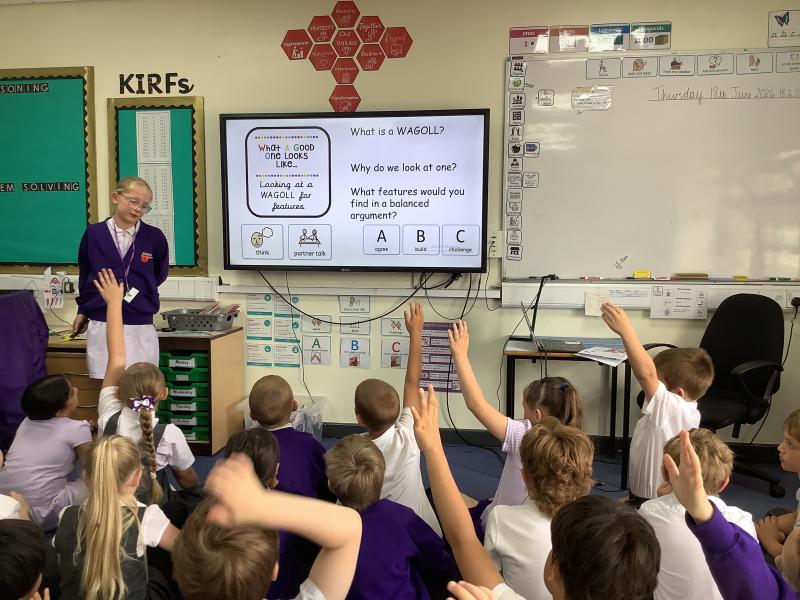
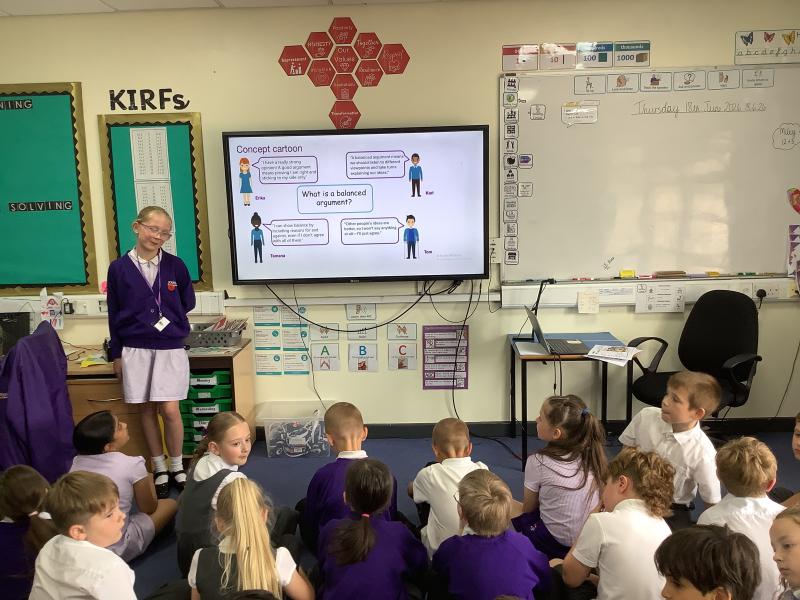
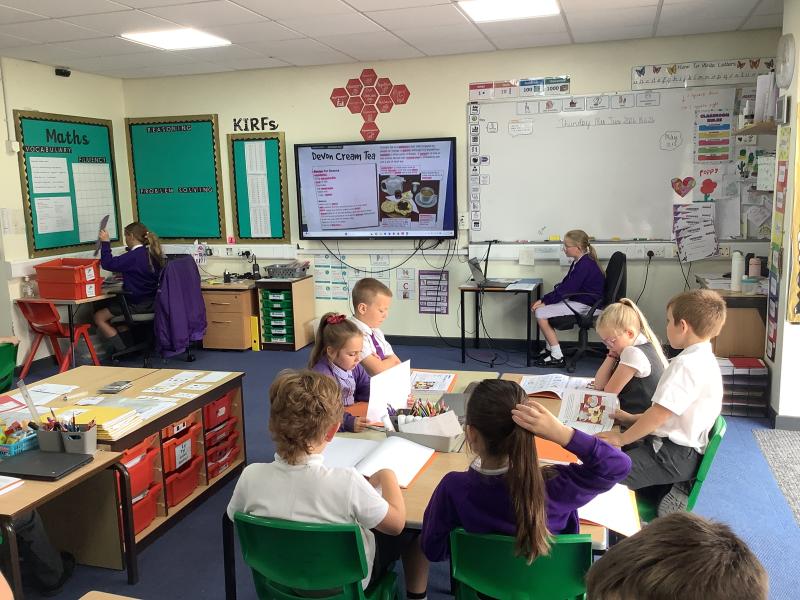
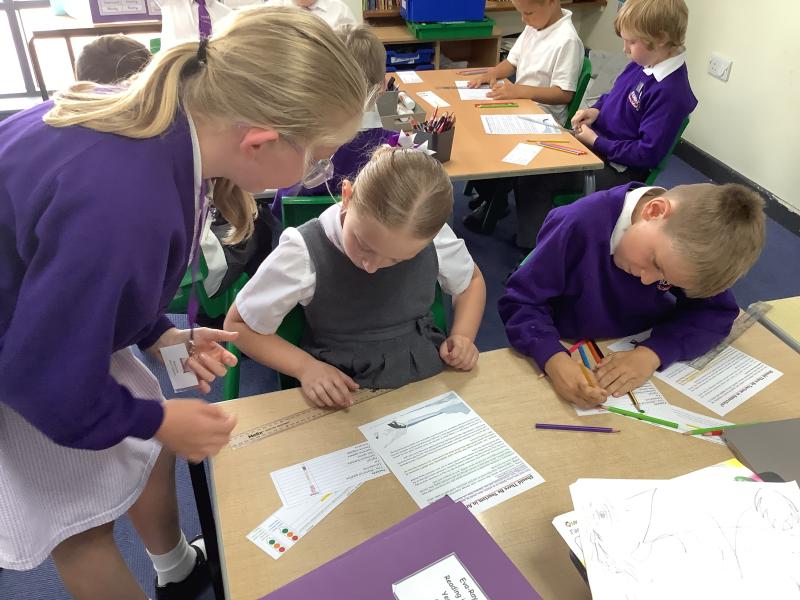
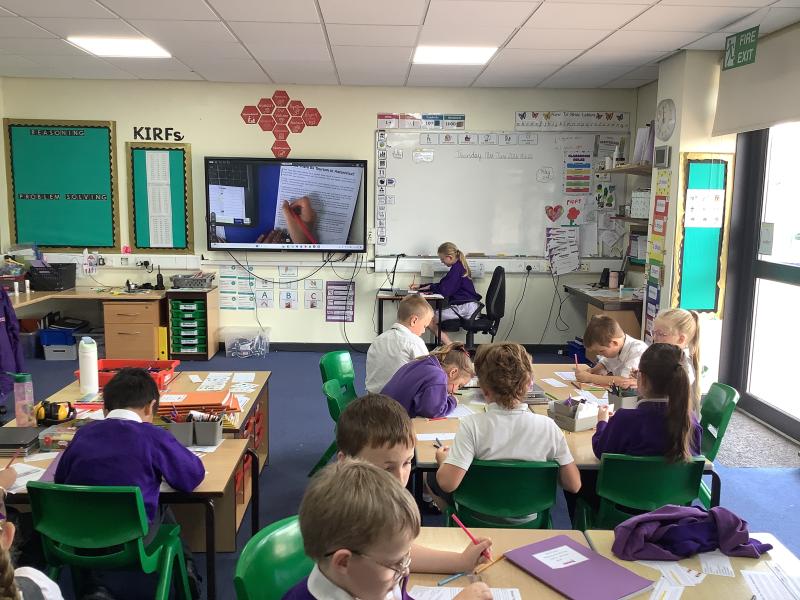
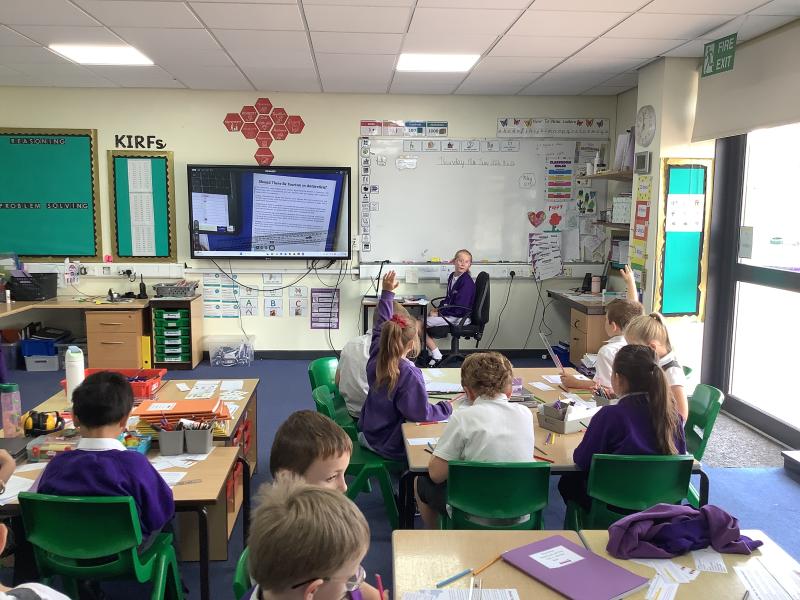
We had a wonderful experience during Take Over Day, when two fantastic Year 5 pupils took on the roles of teacher and teaching assistant in our Reading into Writing lesson.
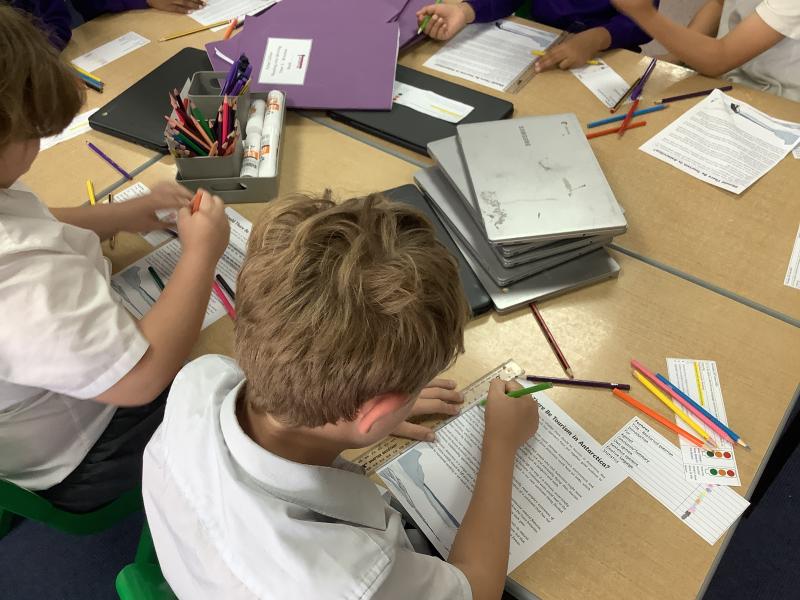
Our Year 5 teacher confidently introduced a WAGOLL for a balanced argument, guiding the children to identify key features within the text. The class were fully engaged and showed great understanding as they picked out important elements together.
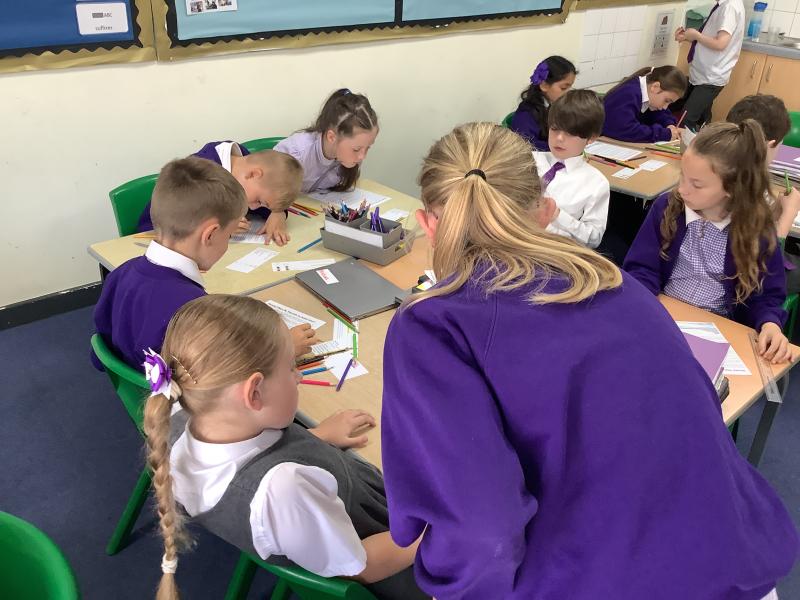
With great teamwork, the Year 5 teaching assistant supported throughout, helping the lesson run smoothly and ensuring everyone stayed on track.
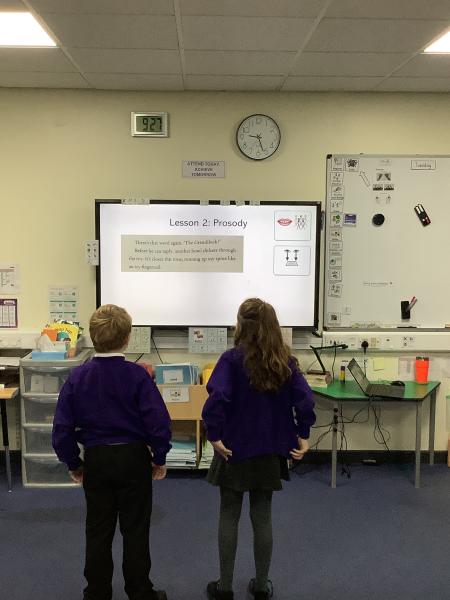
The lesson continued with an engaging guided reading session focusing on prosody, using “Devon Cream Tea”. The “I say, you say” approach encouraged expressive reading, and the classroom was filled with enthusiastic voices.
It was a fabulous morning, and the children thoroughly enjoyed having them lead the class.
A huge thank you to our Year 5 teacher and teaching assistant—you were brilliant! 👏