: Blog items
Date: 27th Feb 2026 @ 1:32pm
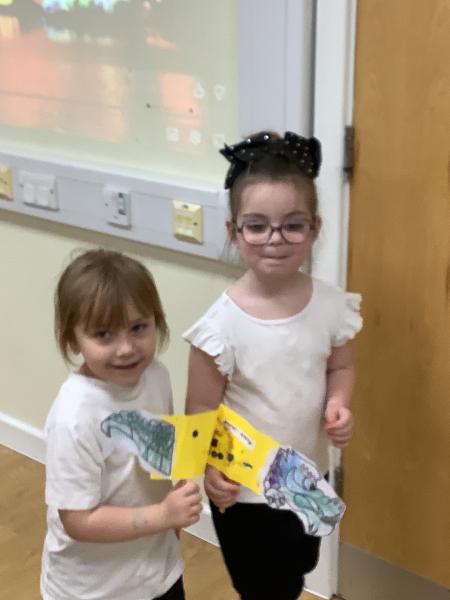
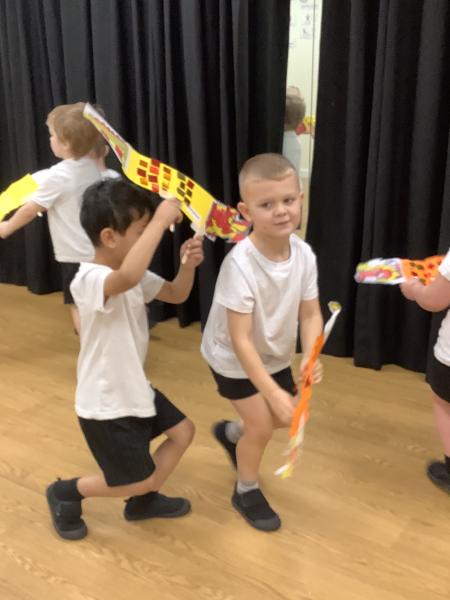
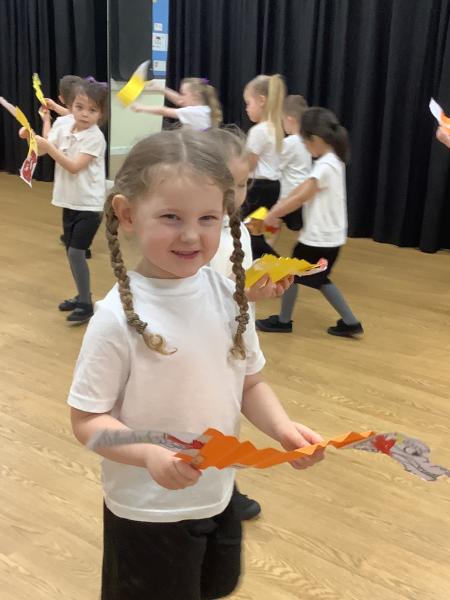
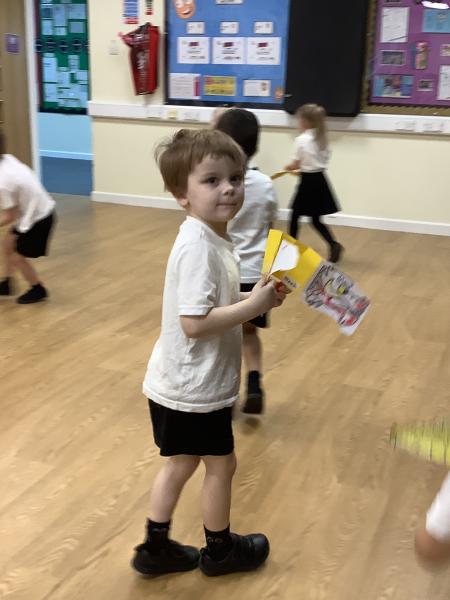
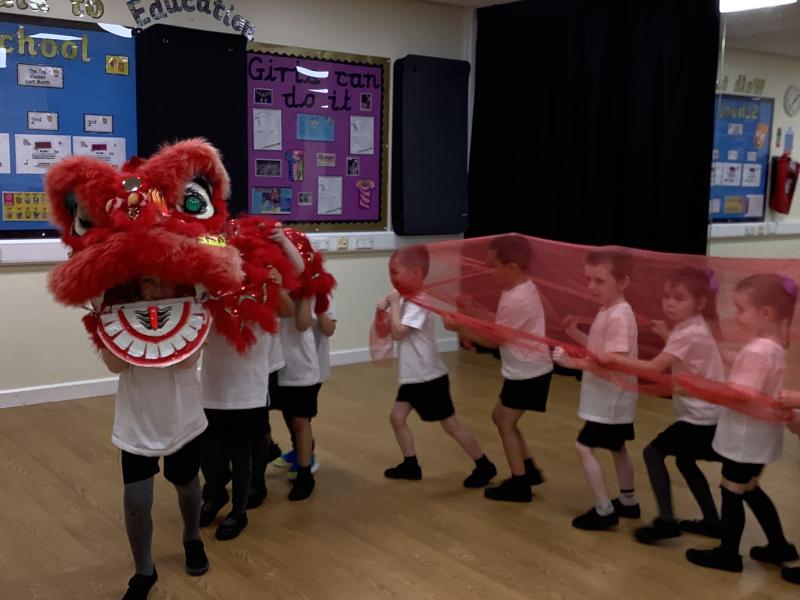
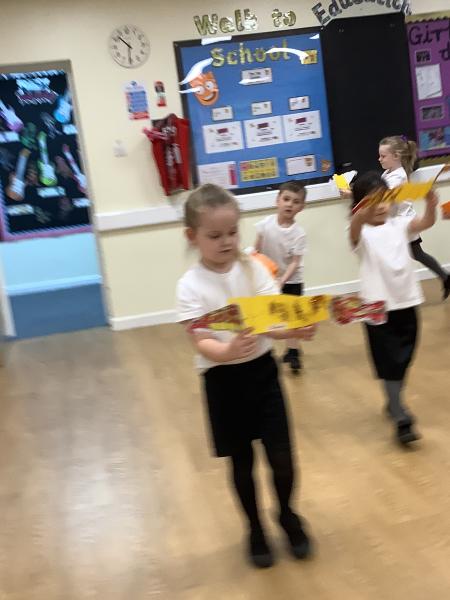
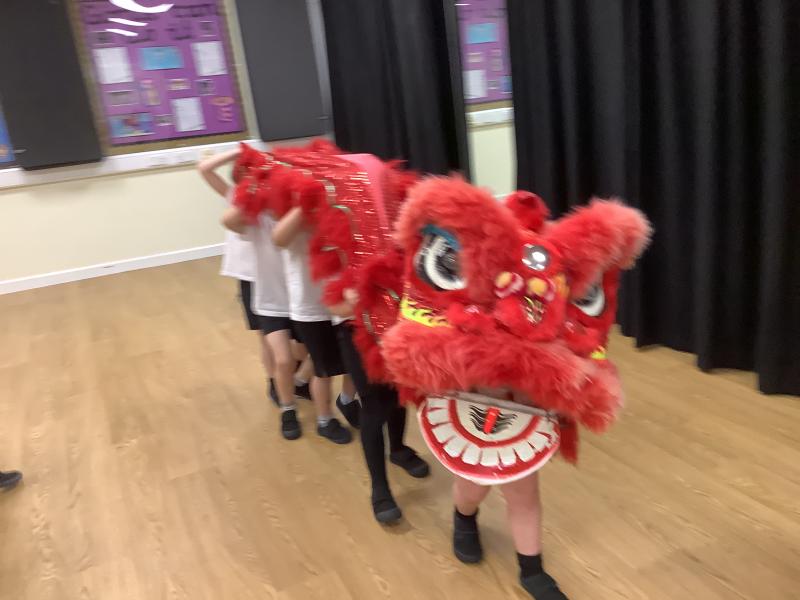
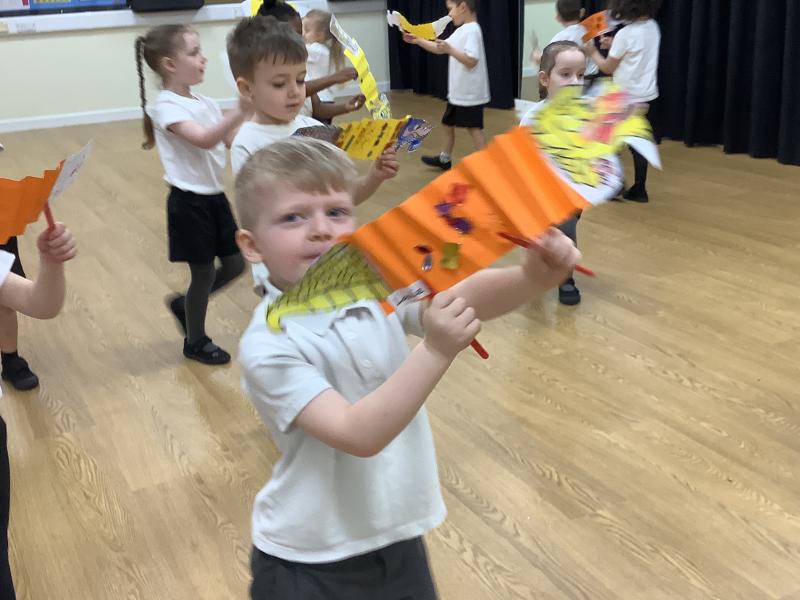
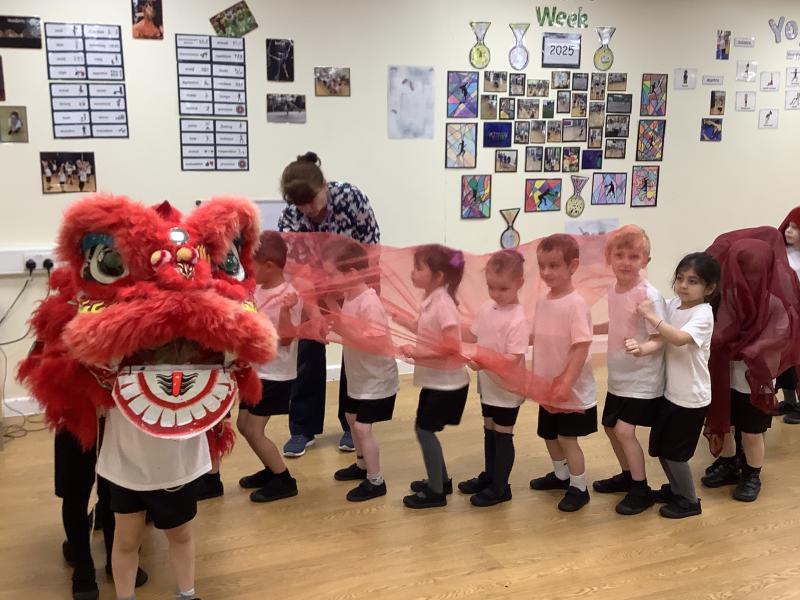
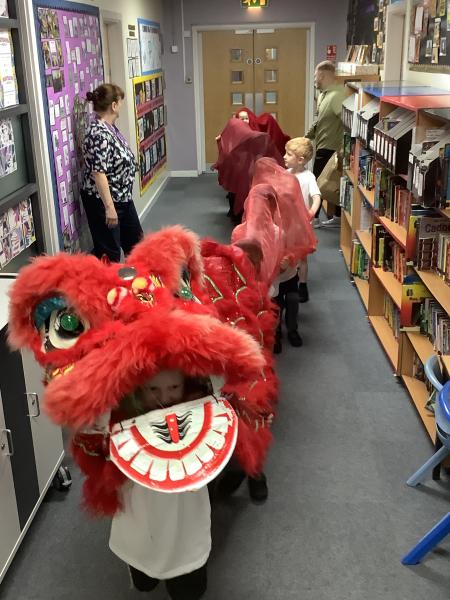
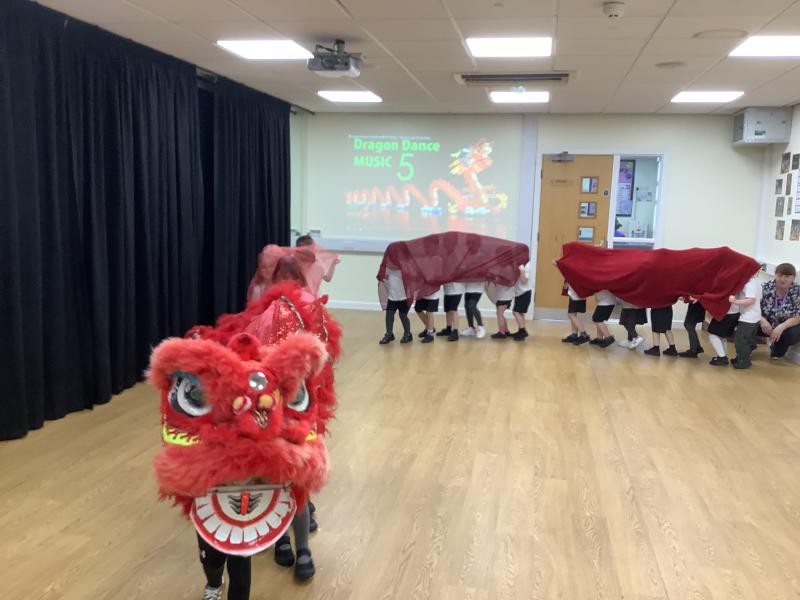
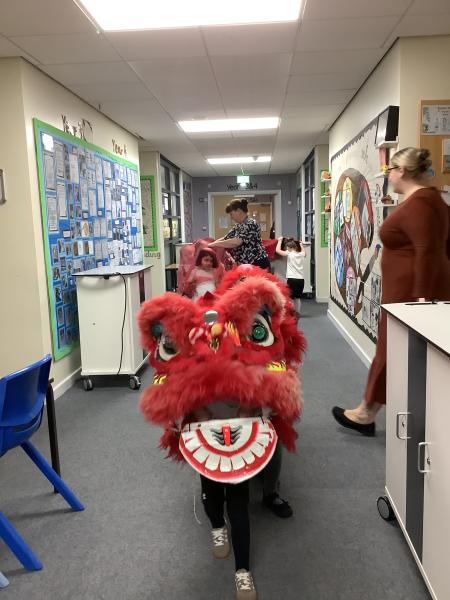
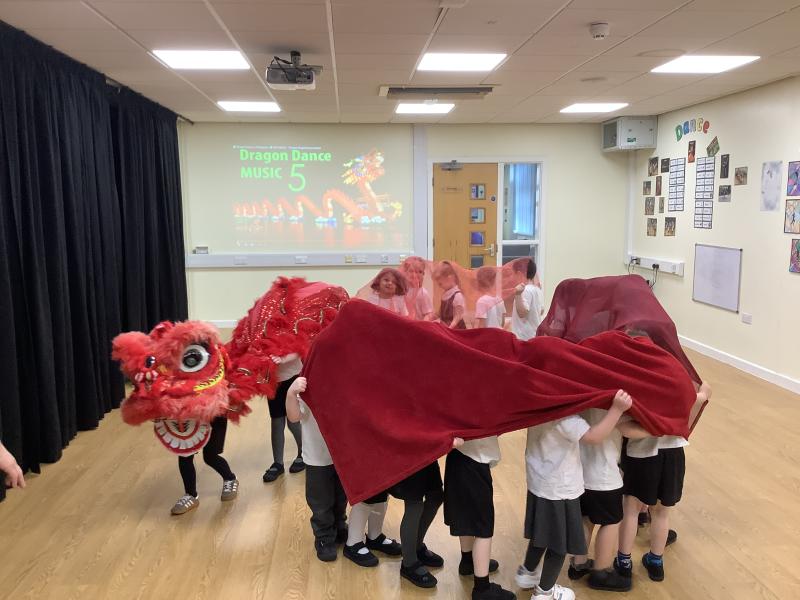
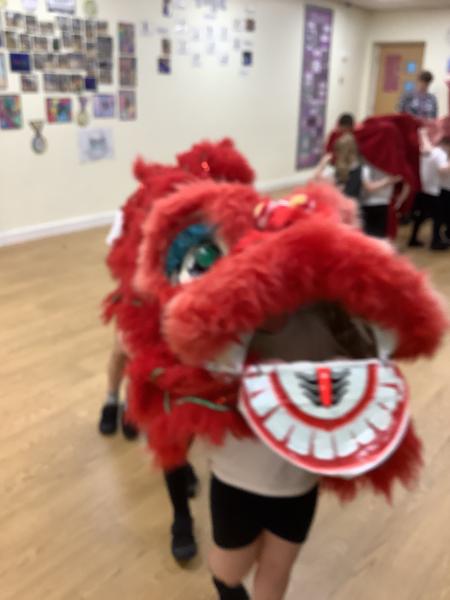
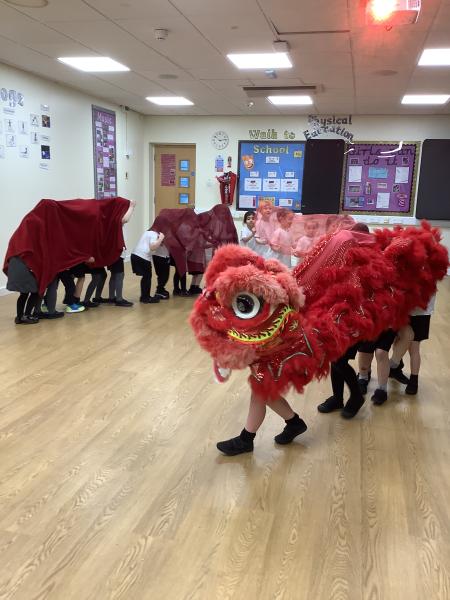
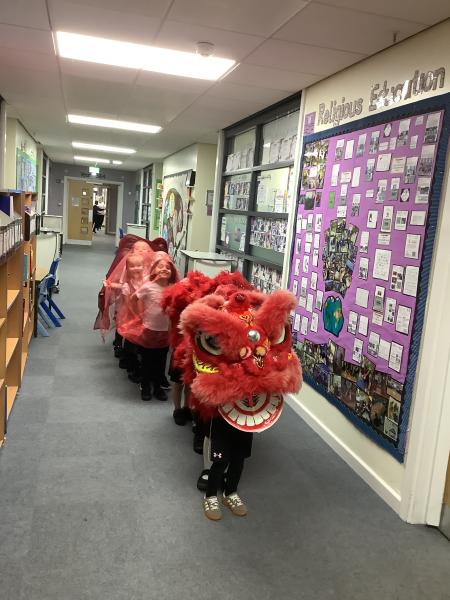
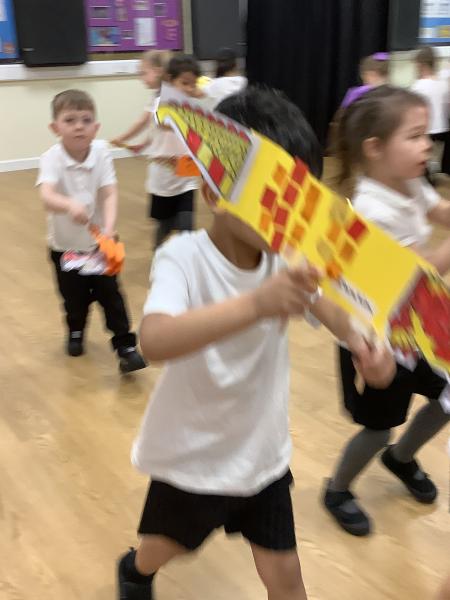
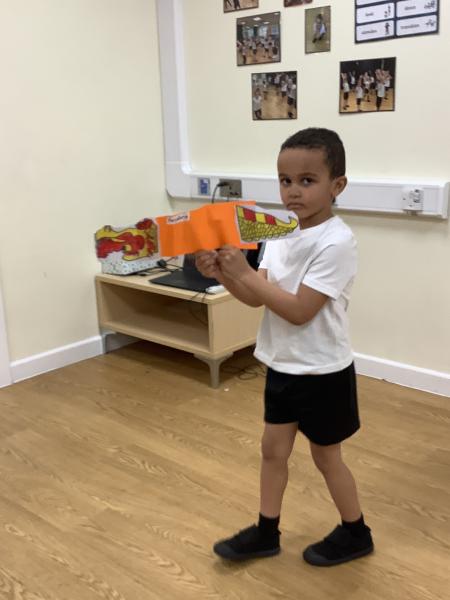
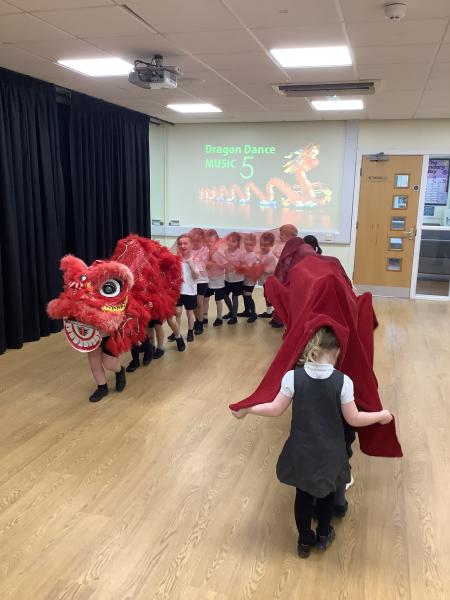
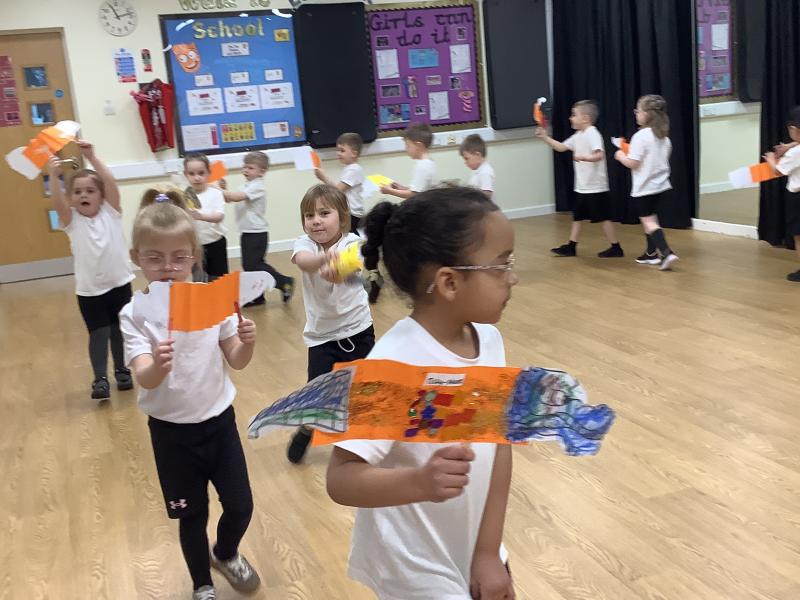
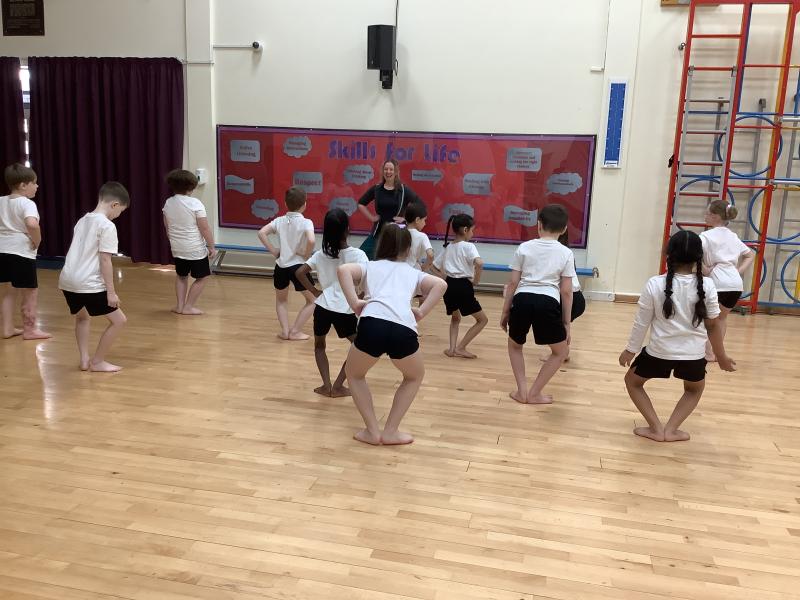
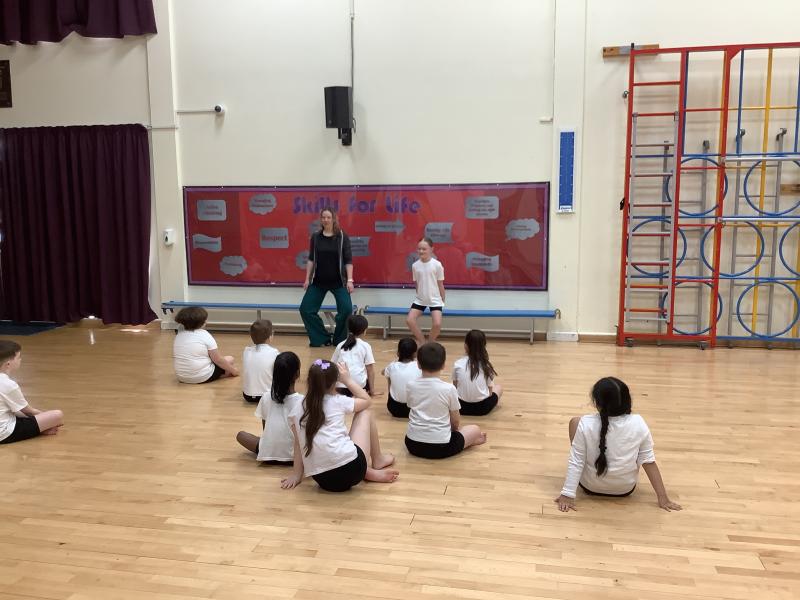
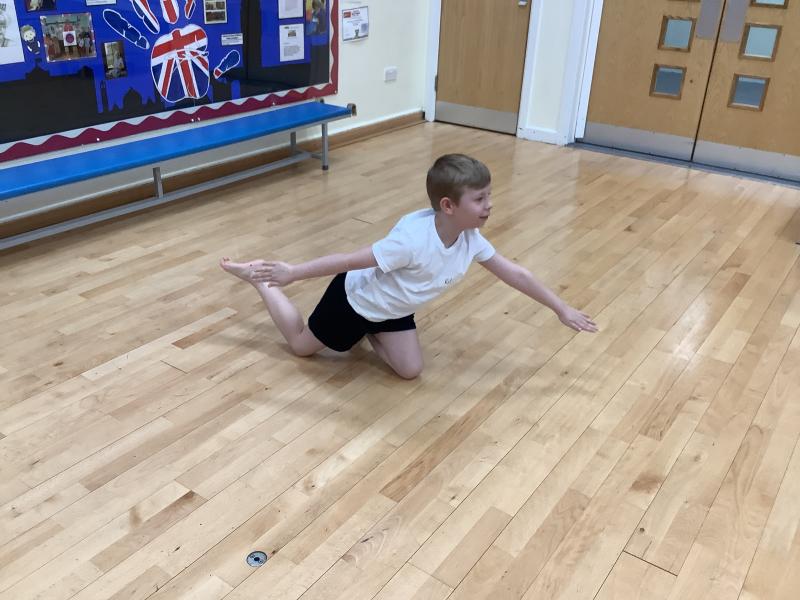
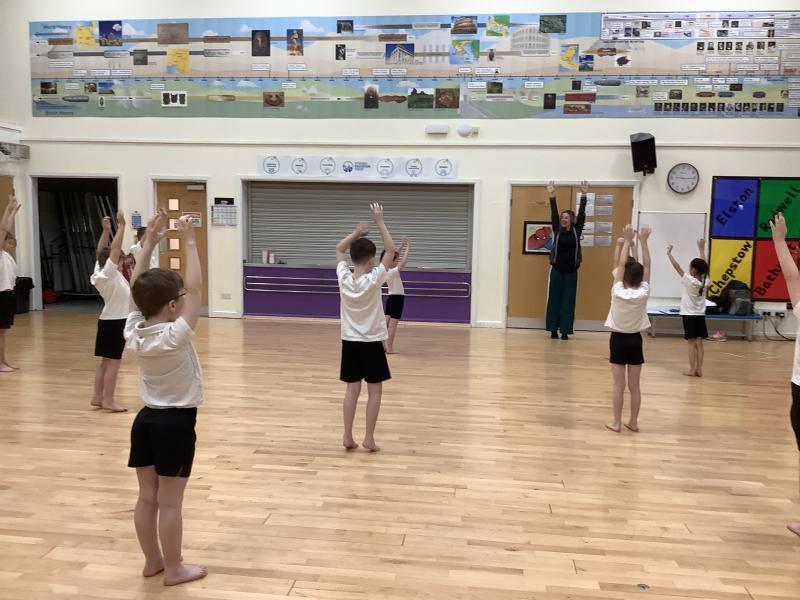
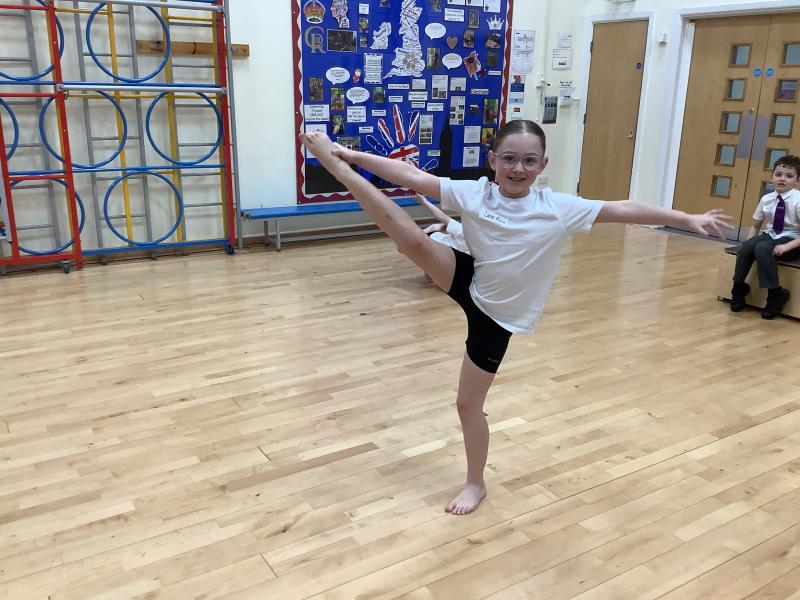
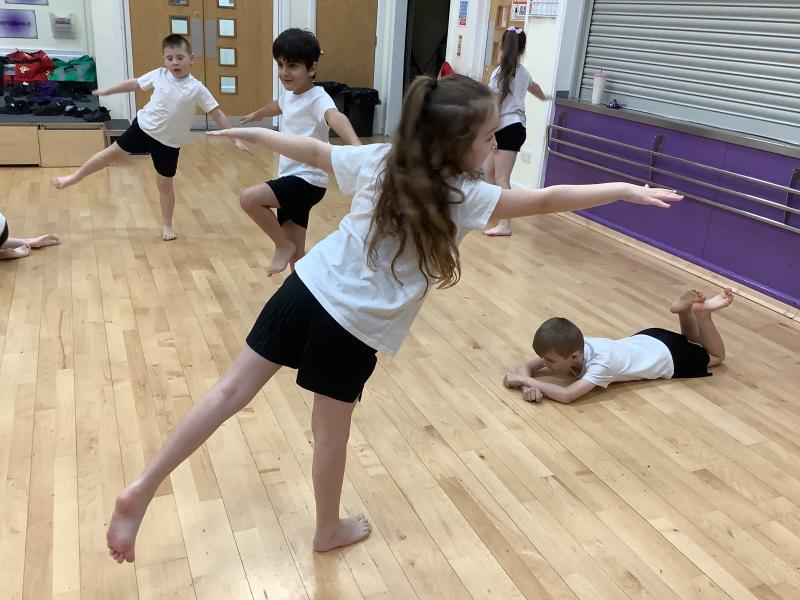
As part of pur learning about Chinese New Year we talked about tje dragpn parade what many people attend. We watched some videos and explored the different ways the dragon moved. We practicsed these movements ensuring we carefully negioated the space in the dance studio. We then worked together as a team to make a huge chinese dragon. When we had finished we used the puppets we had made earlier in the week to move to the music.
Date: 27th Feb 2026 @ 7:33am
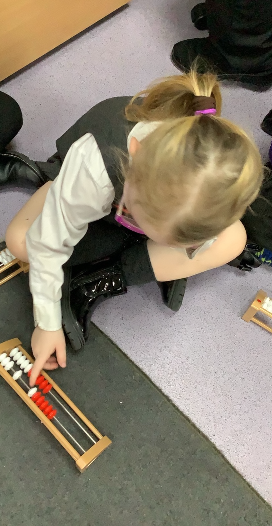
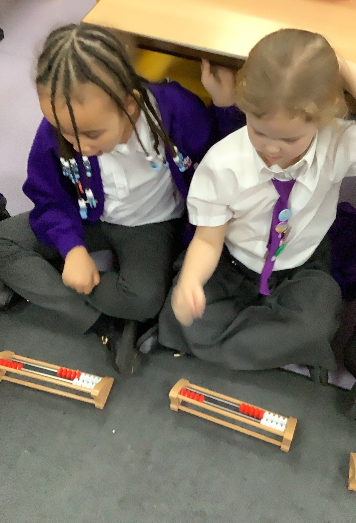
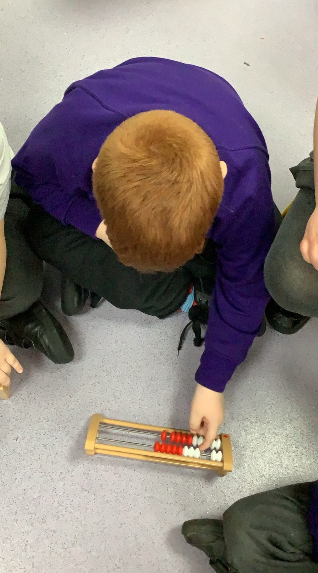
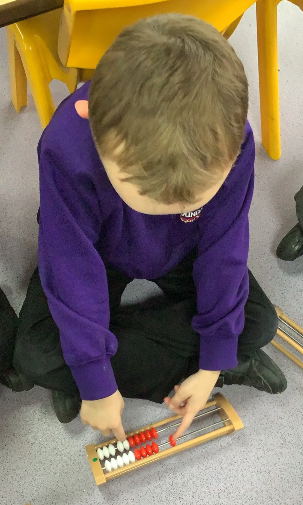
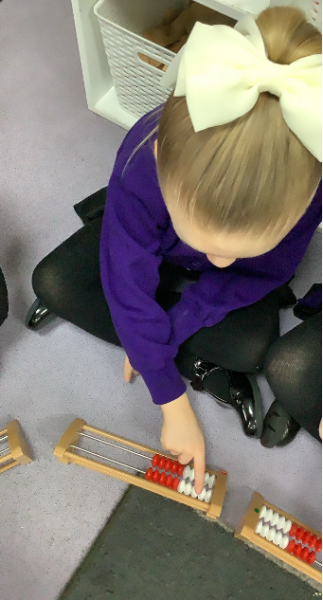
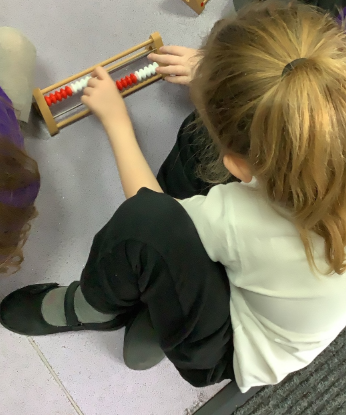
This week in Hazel class we have been focusing on learning our number bonds to 10 and recalling them fluently. We used the rekenreks to see what a number needs to make 10 and learnt this is called a number bond. Throughout the year, we will continue to revisit this learning to ensure we know our number bonds fluently.
Date: 27th Feb 2026 @ 7:30am
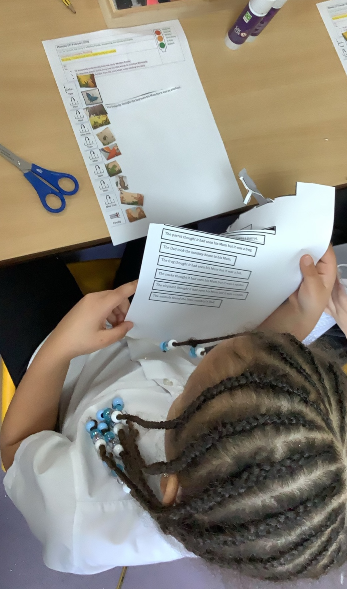
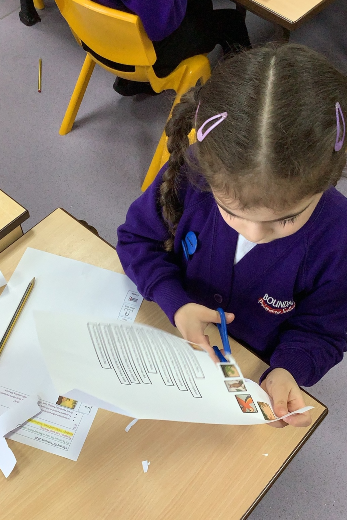
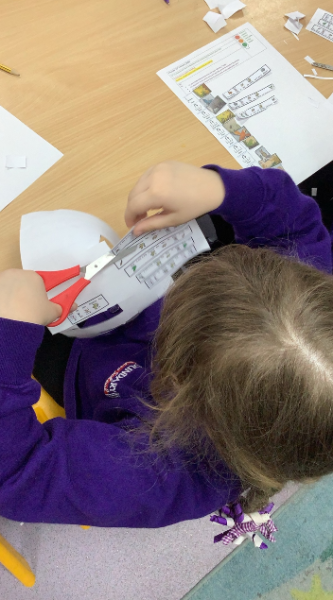
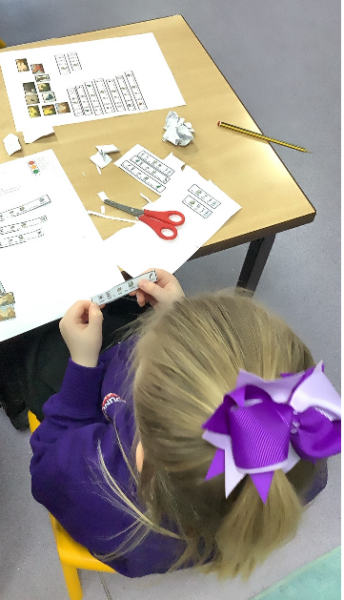
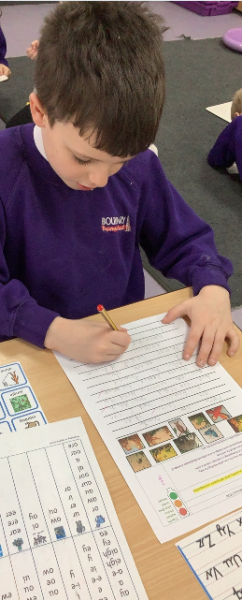
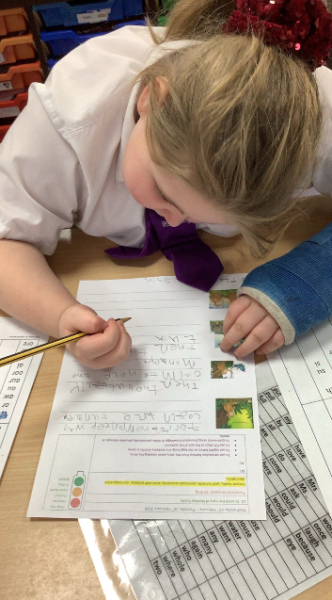
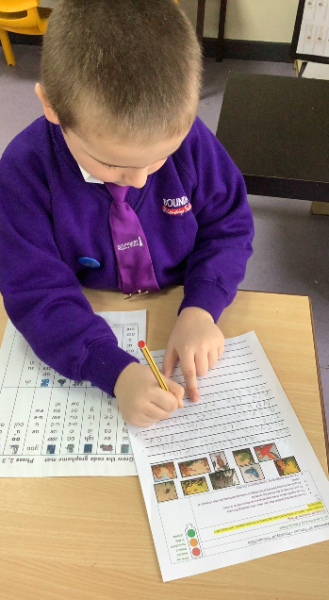
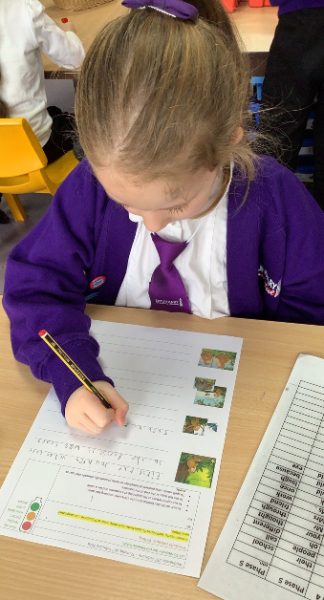
The first book we have explored in Year One this half term is Monkey Puzzle. After we had read the book, we thought about who the main characters are, what the book is about and where the story was set. Then, we used our knowledge to sequence pictures from the book and match the correct sentences to the picture. Yesterday, we began to retell the story in our own words and have enjoyed exploring the Monkey Puzzle themed provision around the classroom!
Date: 26th Feb 2026 @ 2:18pm
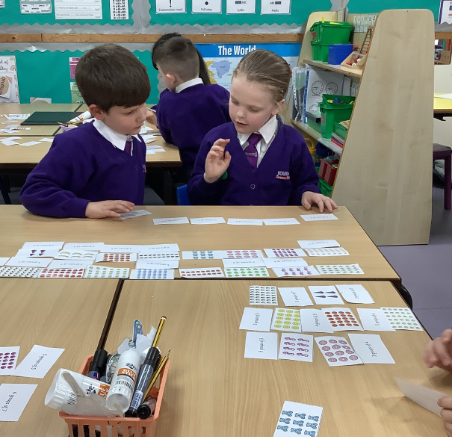
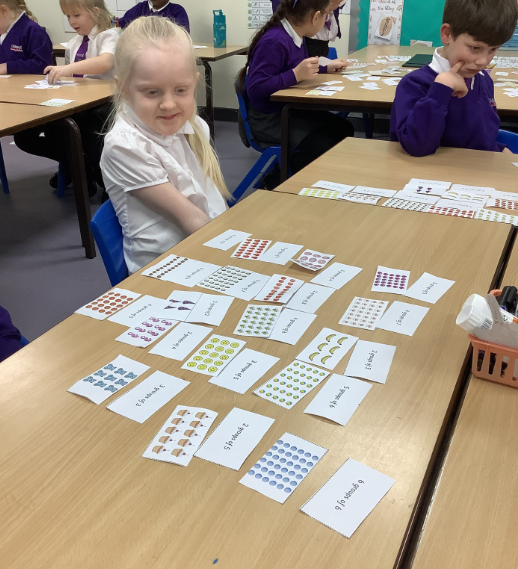
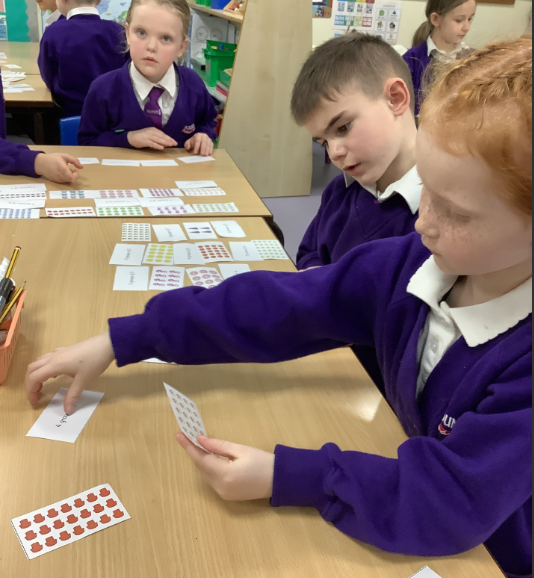
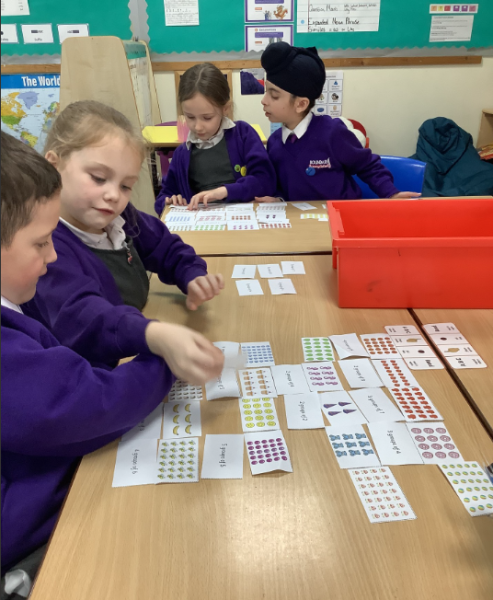
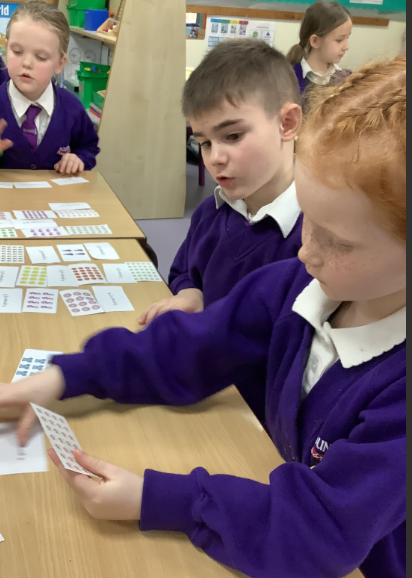
In Maths we have started our learning on multiplication. We have started by learning about groups of. We have been making differentgroups using different resources, putting ourselves into groups and completeing matching activities.
Date: 26th Feb 2026 @ 2:11pm
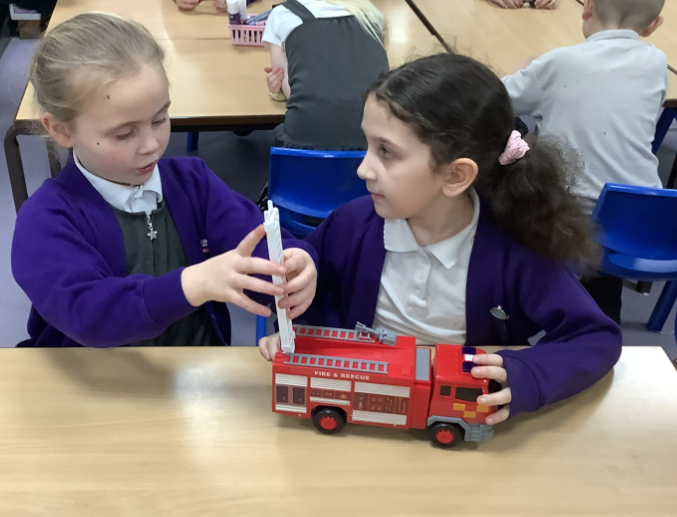
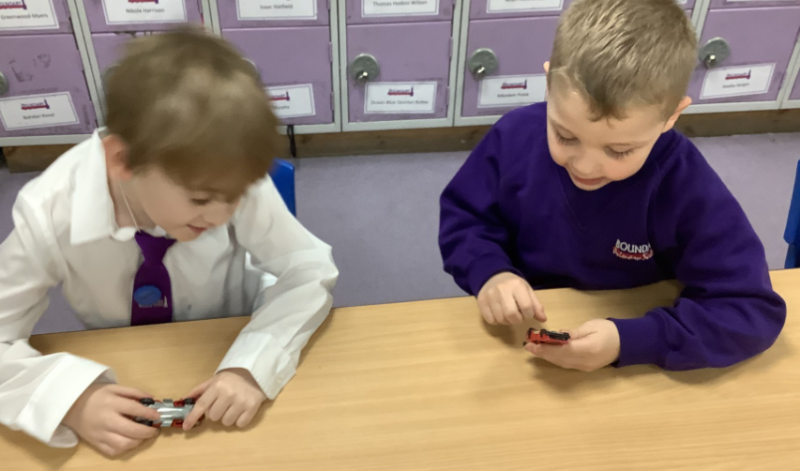
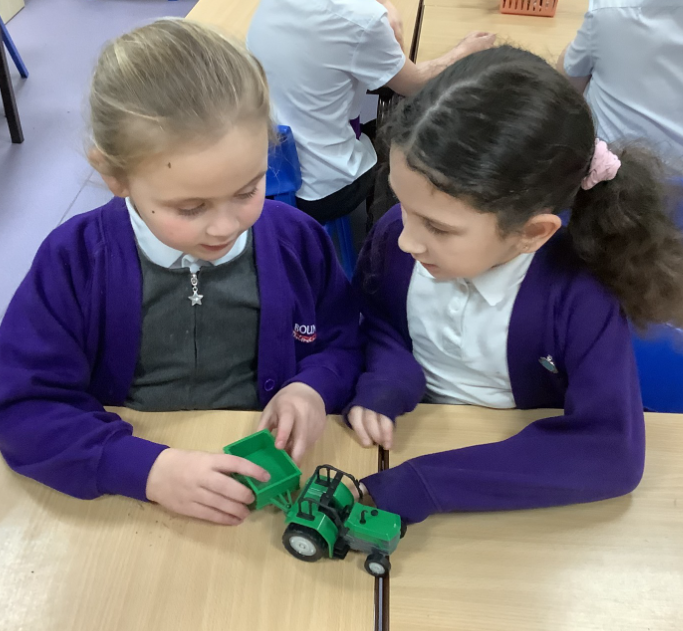
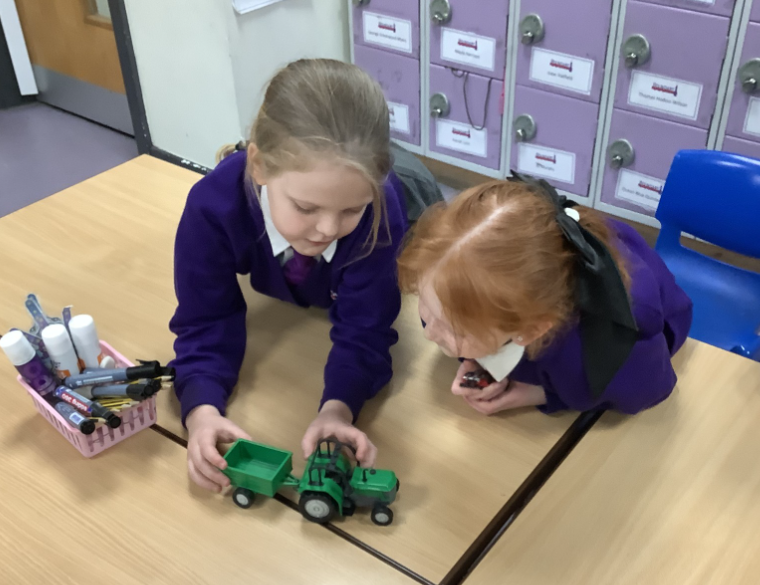
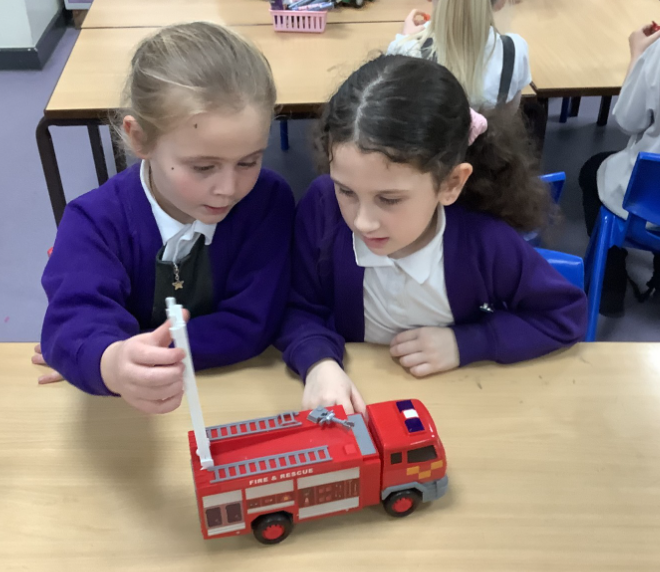
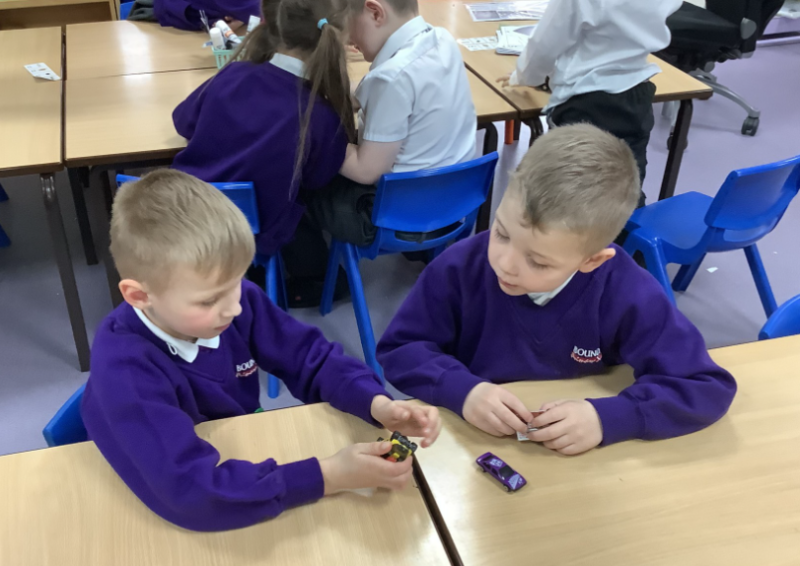
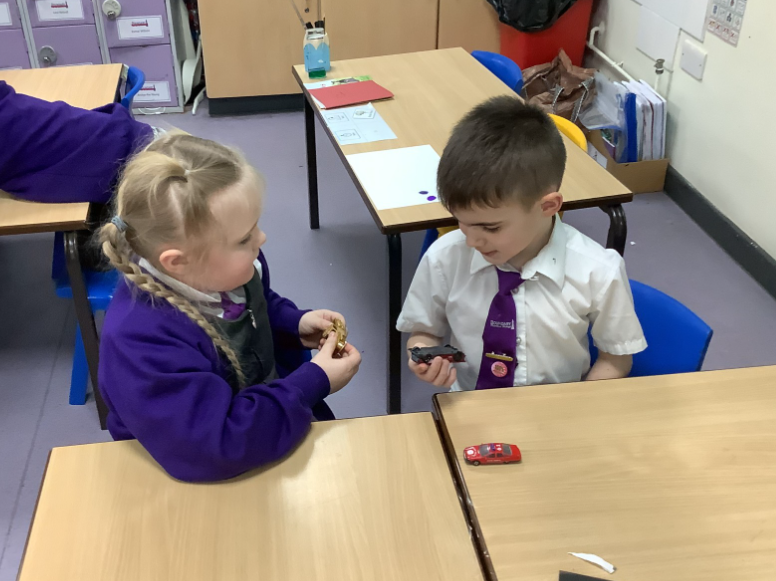
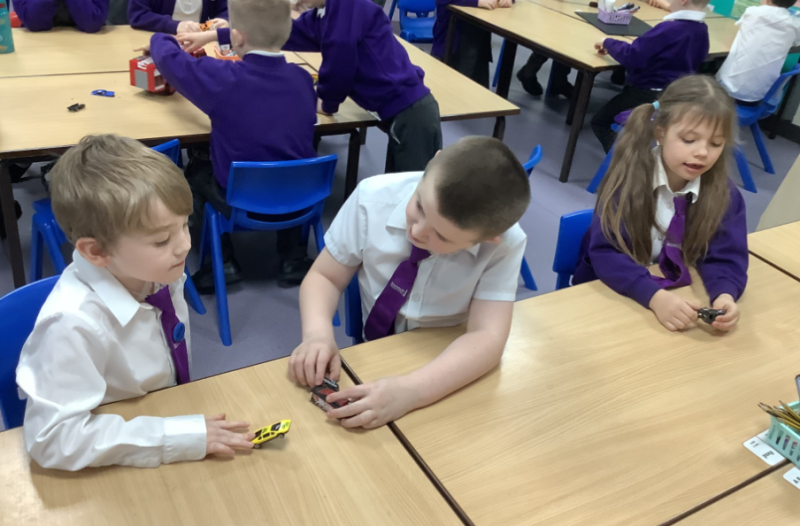
Today we started our Design Technology journey on moving vehicles. We began by exploring a variety of moving vehicles and discussed which were the best and why. We also learnt 4 new words: chassis, axel, body and wheels. We identified these on our moving vehicles and we can't wait to make our own soon!
Date: 26th Feb 2026 @ 1:46pm
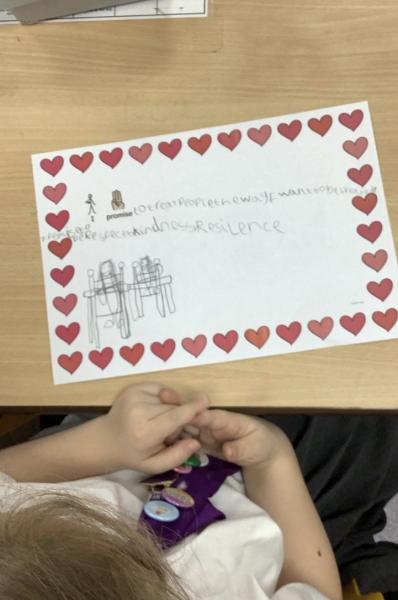
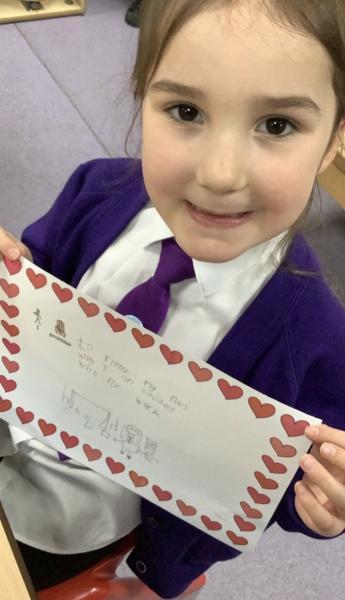
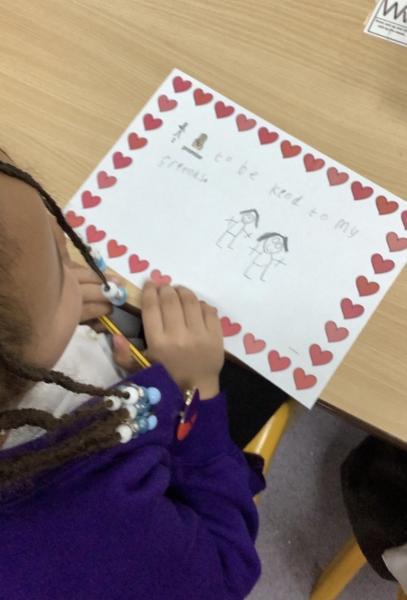
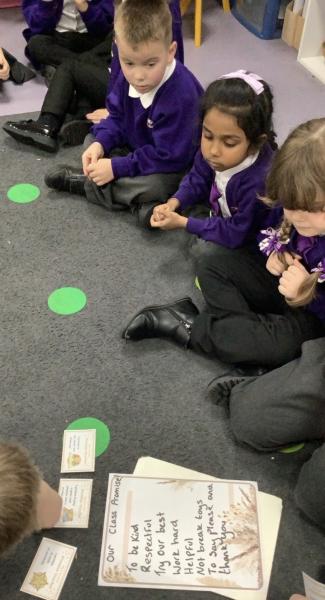
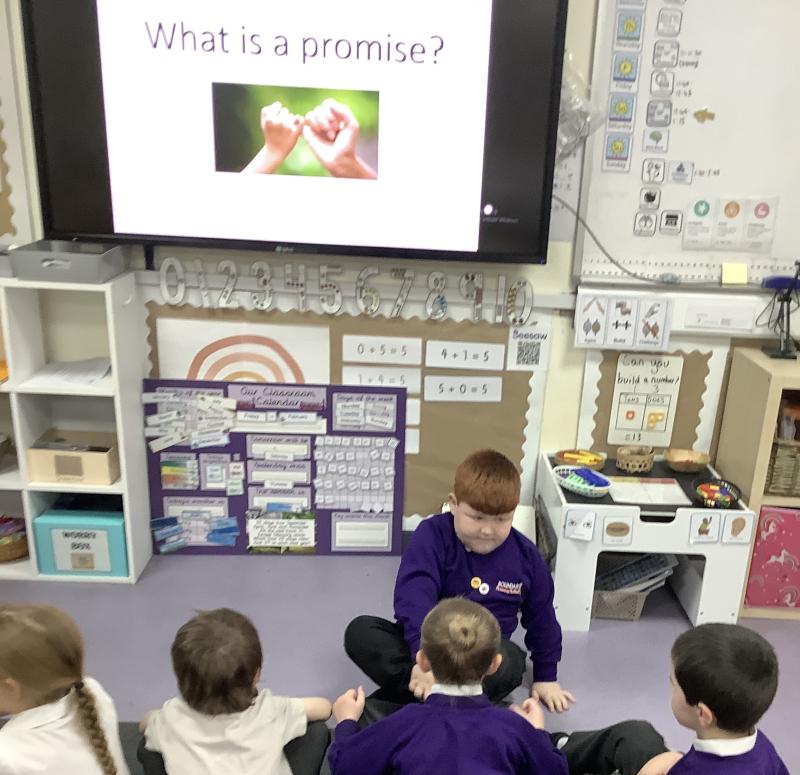
In RE, year 1 have begun learning about the new religion, Judaism. We then began to discuss the question ‘What is a promise?’ We listened to the dictionary definition and then began to explore why people make promises. We took part in a circle time to discuss the importance of promises and gave examples of promises we have made in our class. We discussed why it is important to be trustworthy and what makes someone trustworthy. We made a class promise together and thought of our own individual promises to focus on ourselves.
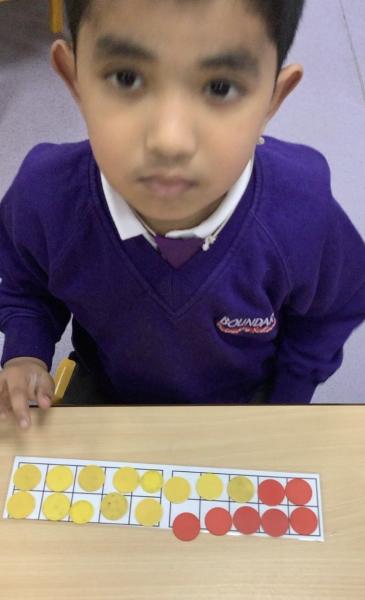
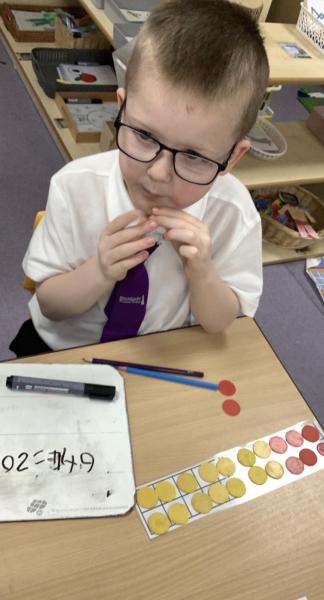
Year 1 - Number bonds within 20.
Date: 26th Feb 2026 @ 1:27pm
In Maths, Year 1 have been learning to use number bonds and related facts to add numbers within 20. We have been using ten frames and counters to support our understanding. By applying our knowledge of number bonds to 10, we have been able to make links and solve addition calculations more confidently.
Date: 26th Feb 2026 @ 10:09am
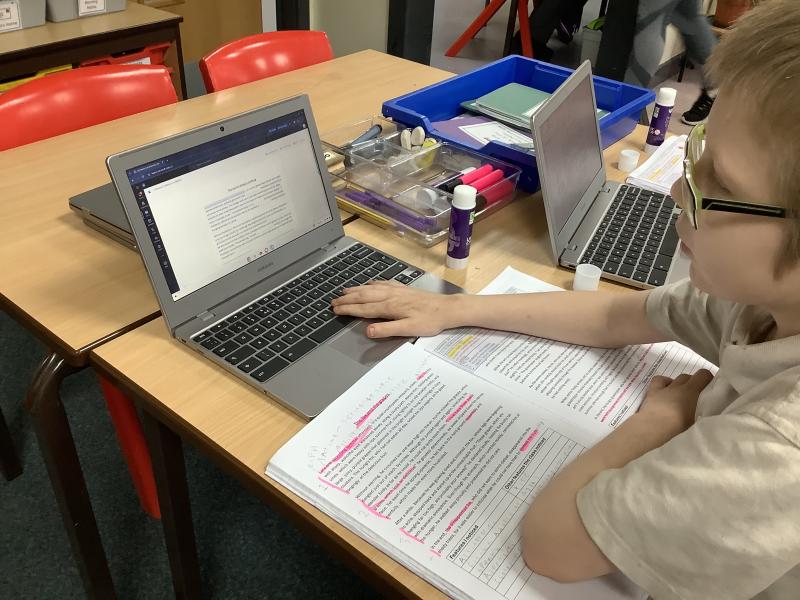
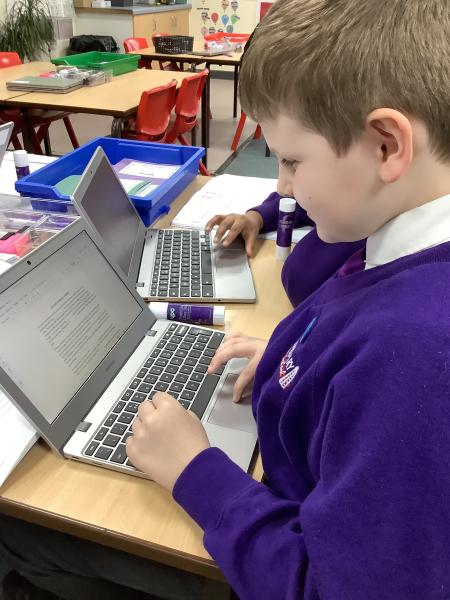
As part of our new Reading into Writing Journey, we are looking at fables. Some children in Year 5 have taken their WAGOLL immersion to the next level and, taking the features which they have identified, have improved a WAGOLL which had missing features. This lesson also involoved some more complicated Computing skills as they had to edit an existing document, spell check and correct the formatting as well as improve the text itself! Well done Year 5!
Date: 26th Feb 2026 @ 9:23am
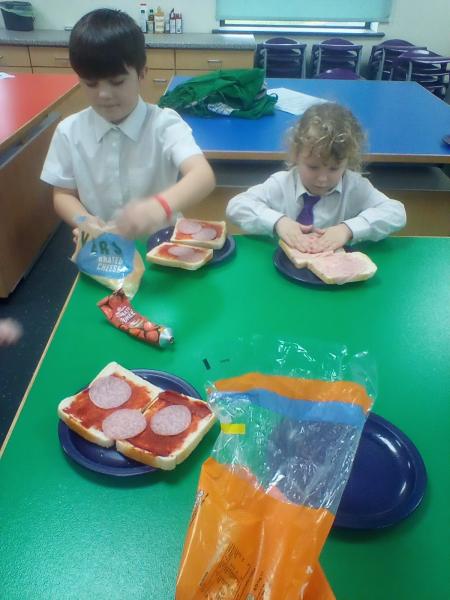
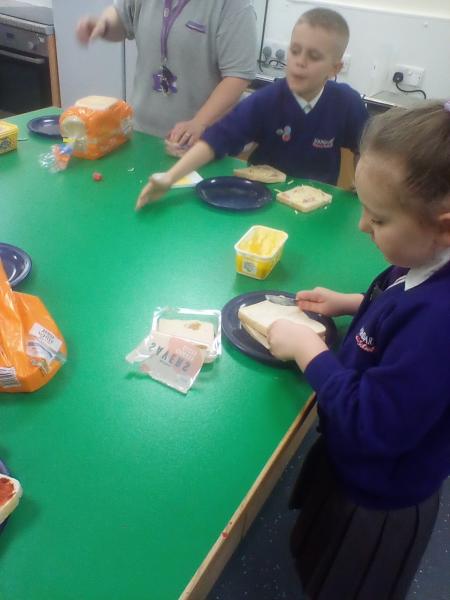
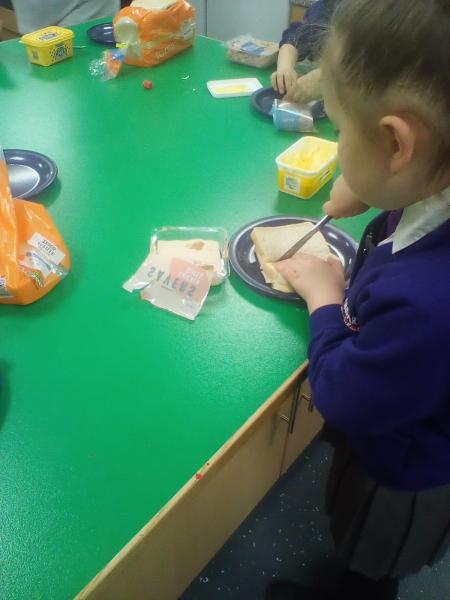
We had fun this week making wonderful and delicious snacks. Some of use decided to make healthy sandwiches, while some of us wanted to make a warm healthy snack so we made yummy toasties. We worked together to help each other and to stay safe. After making our snacks we enjoyed eating them at snack time while listening to a story.
Date: 26th Feb 2026 @ 9:19am
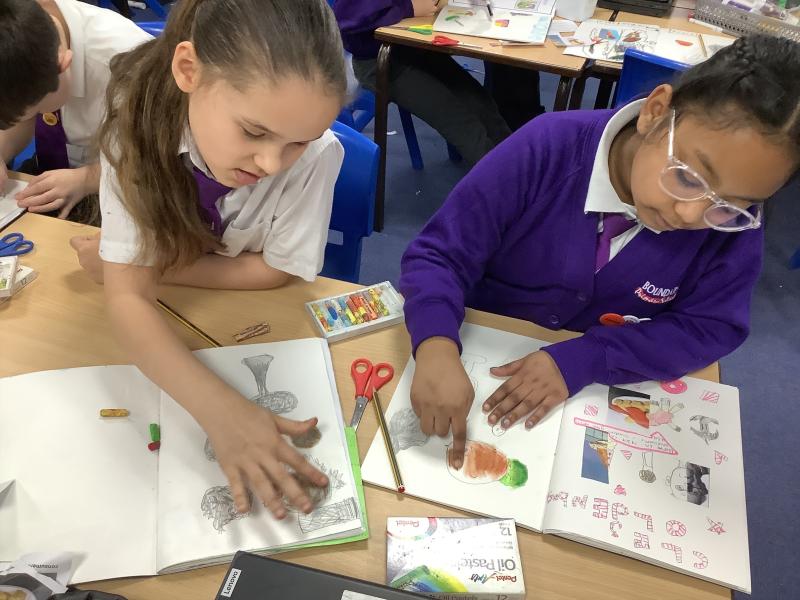
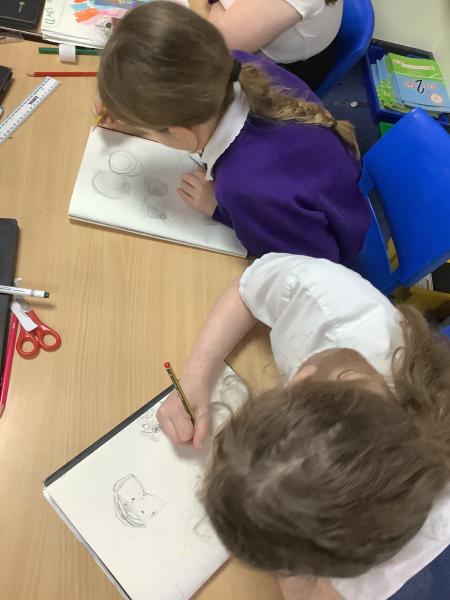
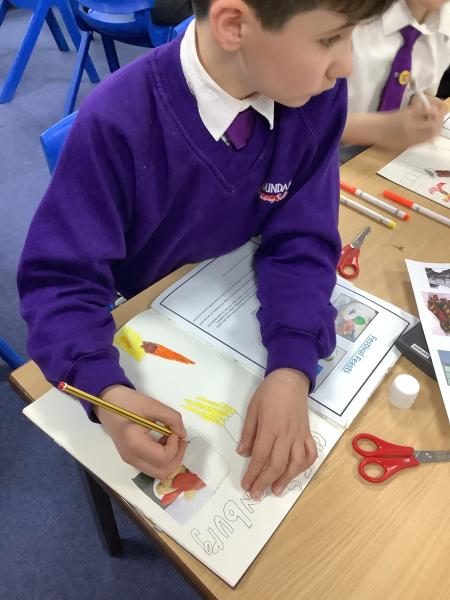
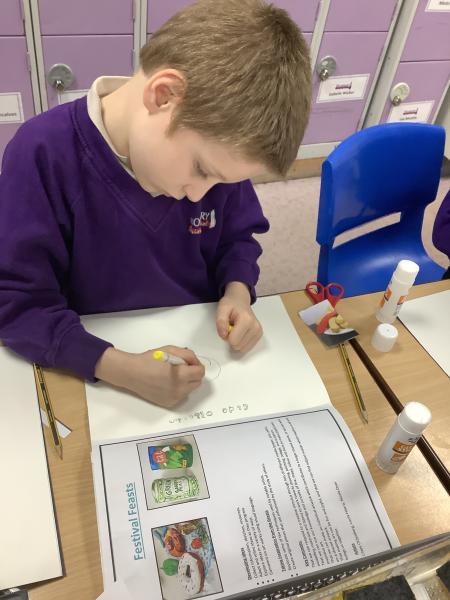
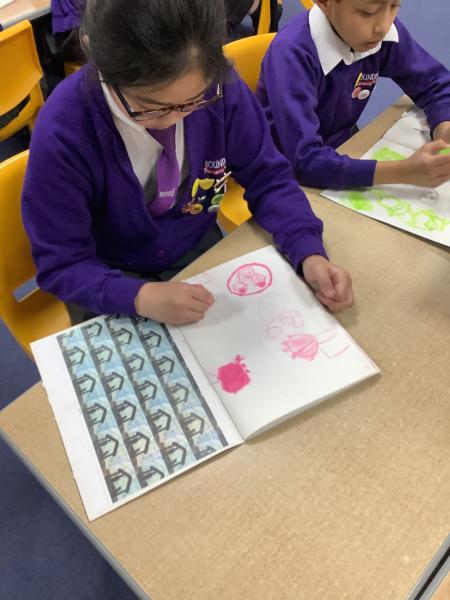
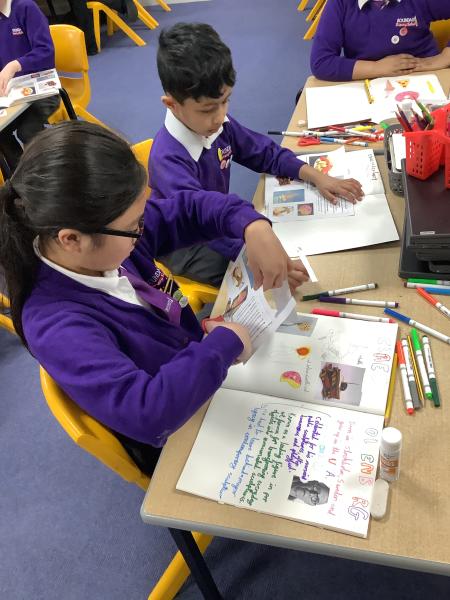
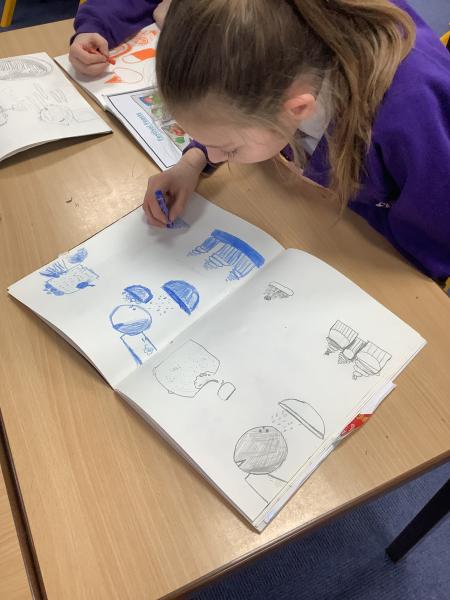
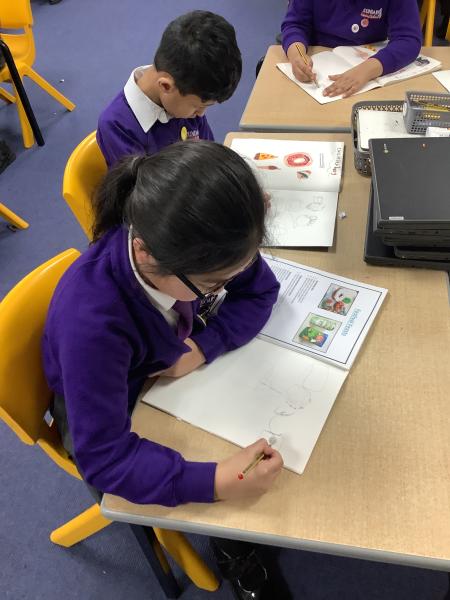
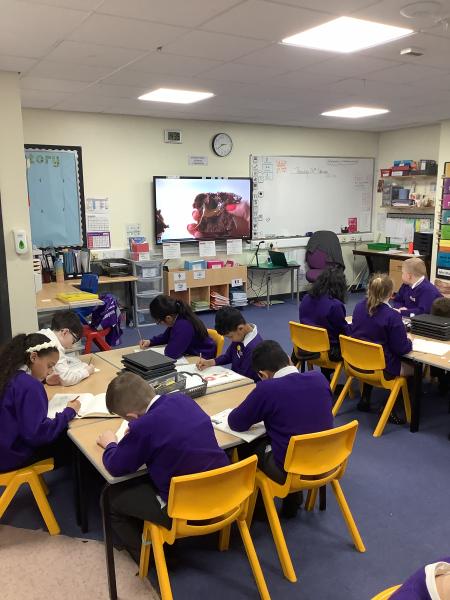
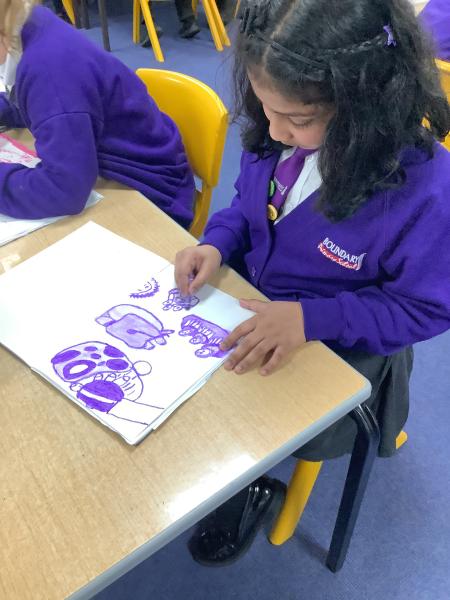
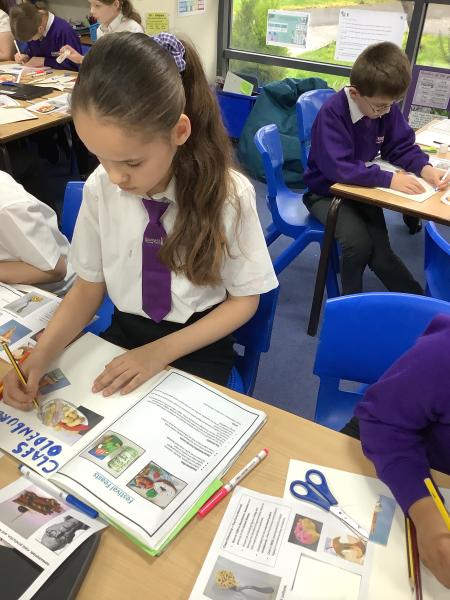
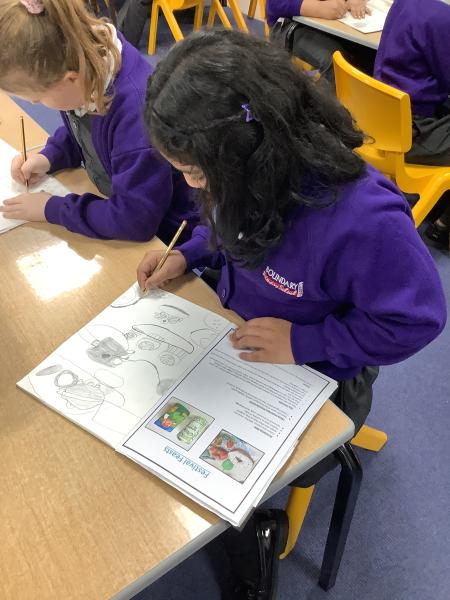
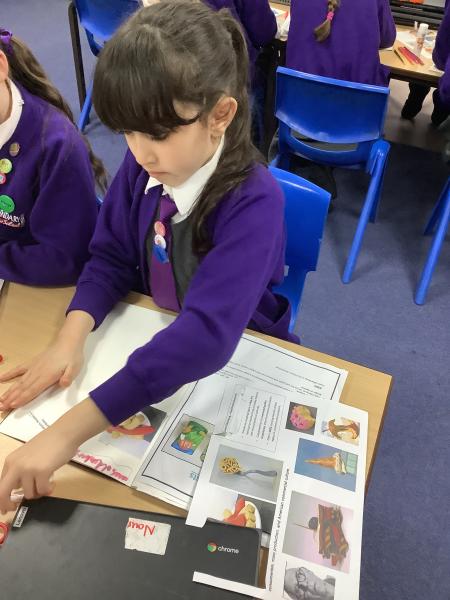
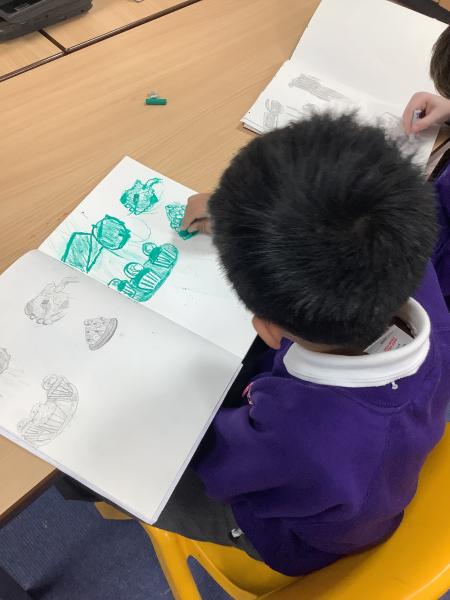
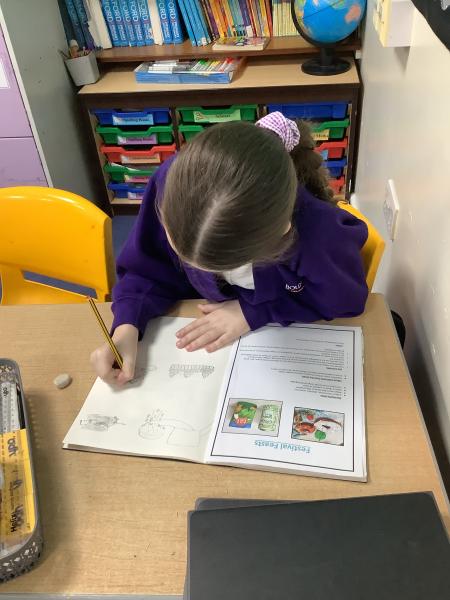
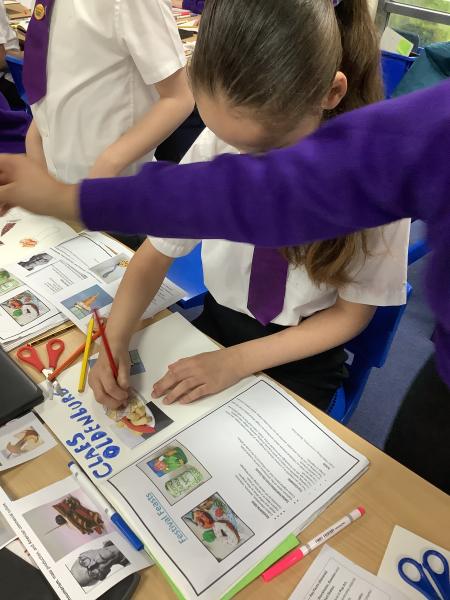
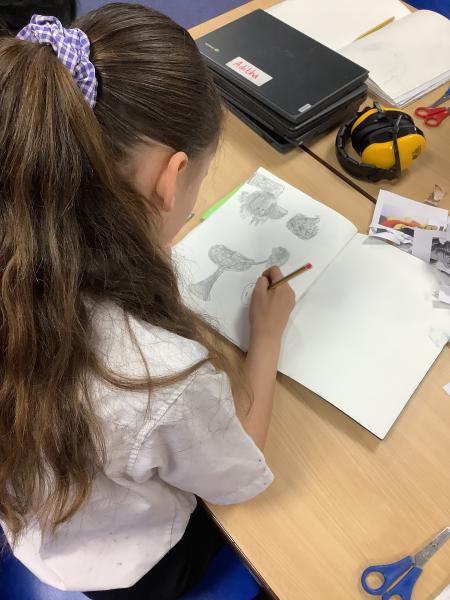
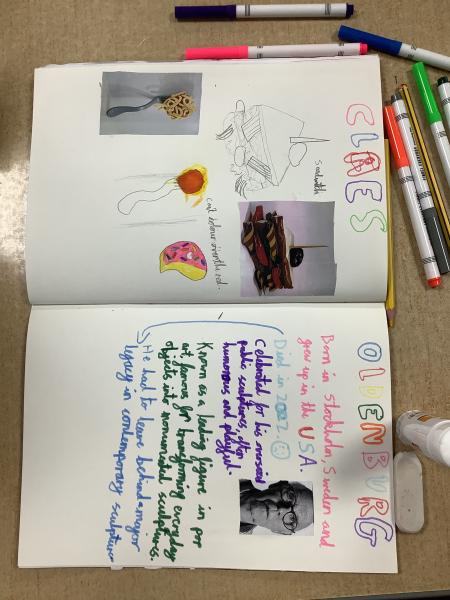
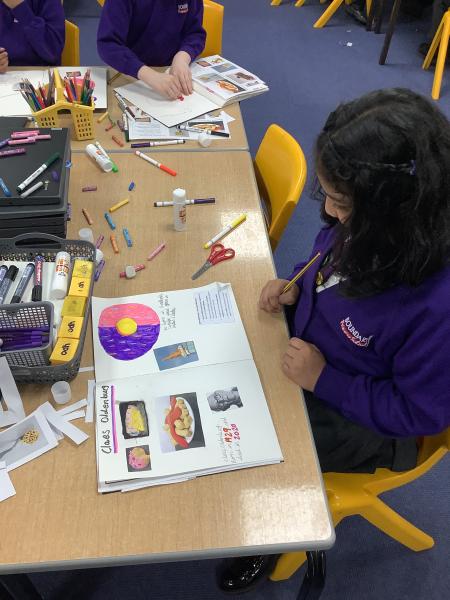
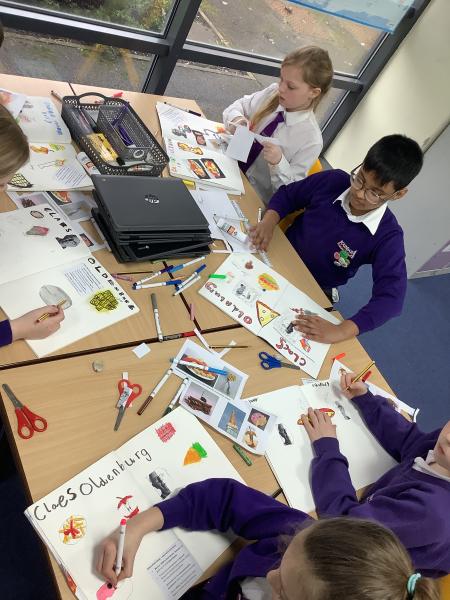
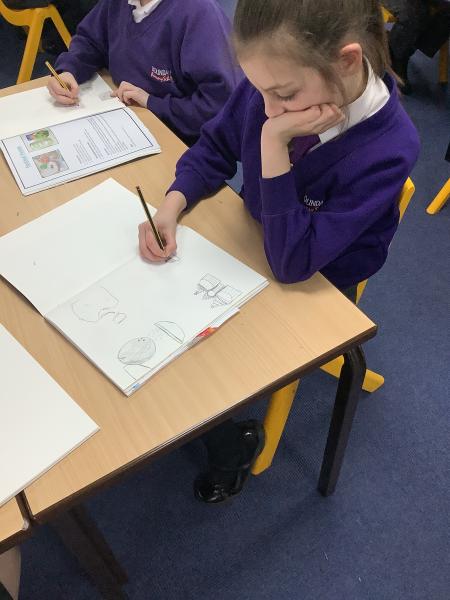
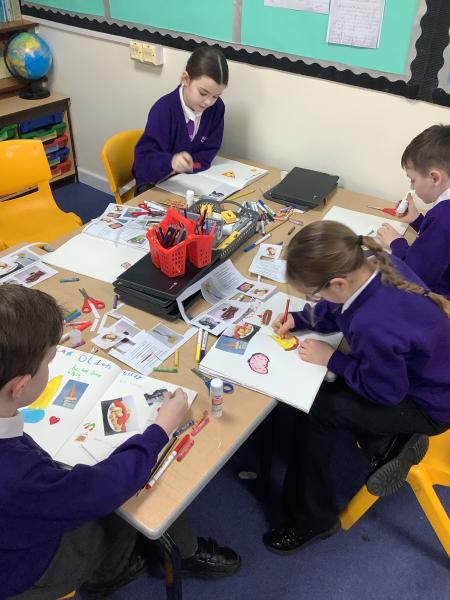
This week in Art, the children have enjoyed diving into a wonderfully playful project inspired by artists Claes Oldenburg, Lucia Hierro and Nicole Dyer. We began by looking closely at sculptures of food made at surprising scales, using our sketchbooks to make “visual notes” and quick drawings. The children explored how these artworks made them feel, while noticing important elements such as shape, colour, texture and composition.
Using a range of materials – including pencil, pen, pastel, and card – pupils experimented with line, form and colour to create inventive images. They discovered that everyone’s artwork looks different, and that these unique ideas can come together to form exciting shared pieces.
As the project continues, children will move on to drawing from life and building a collaborative sculptural feast. We can’t wait to see their creativity unfold!
Date: 26th Feb 2026 @ 9:17am
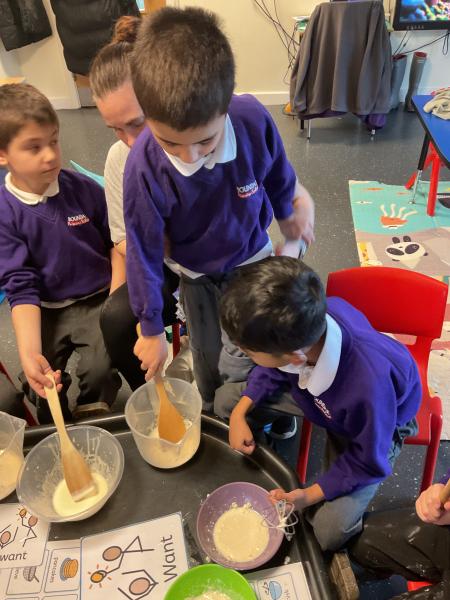
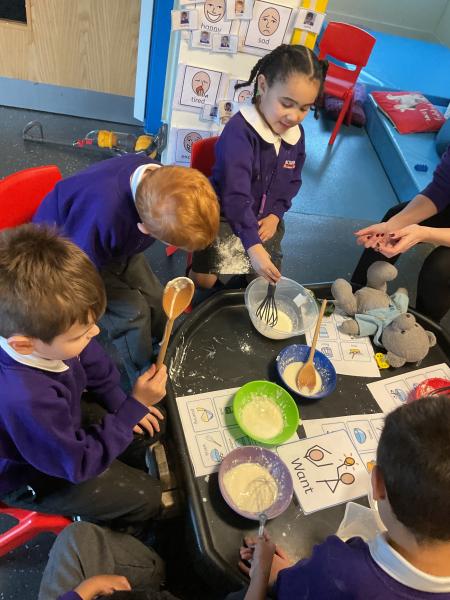
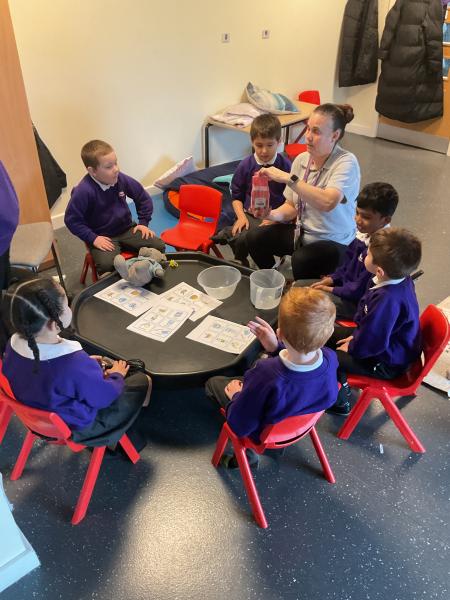
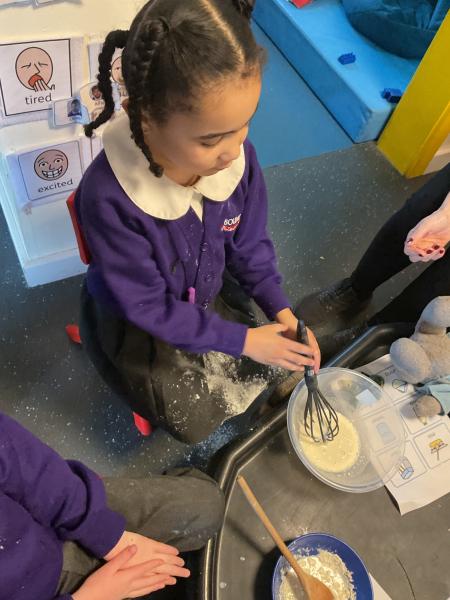
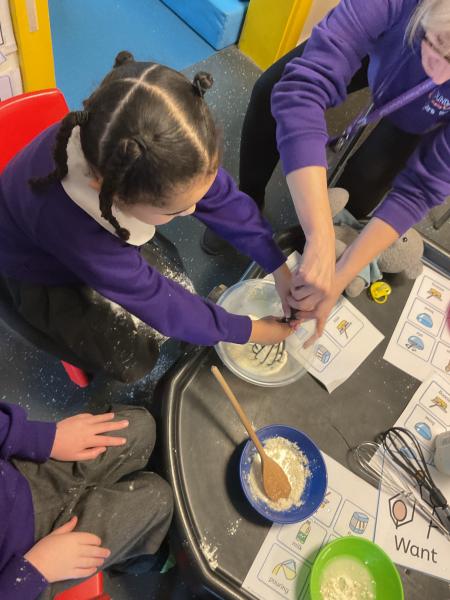
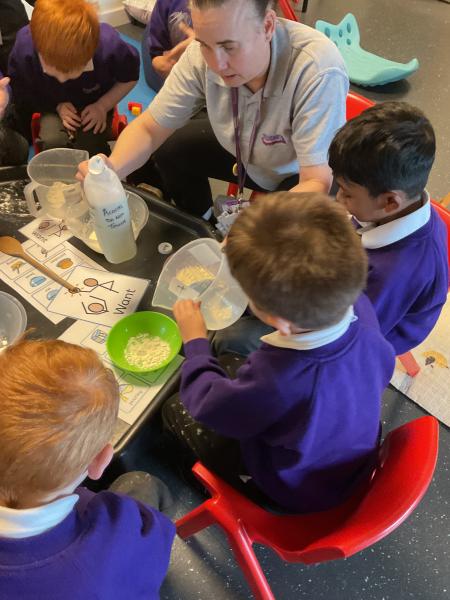
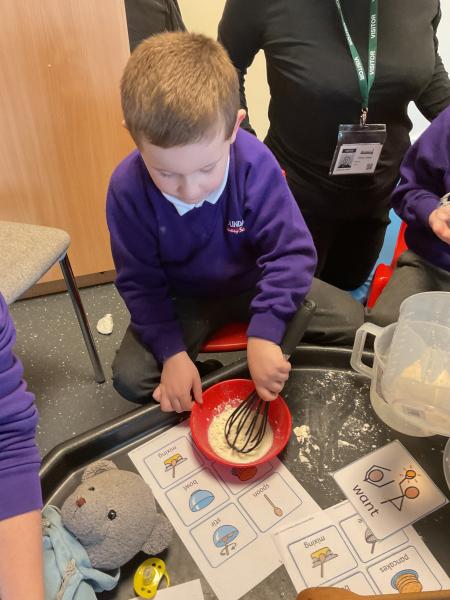
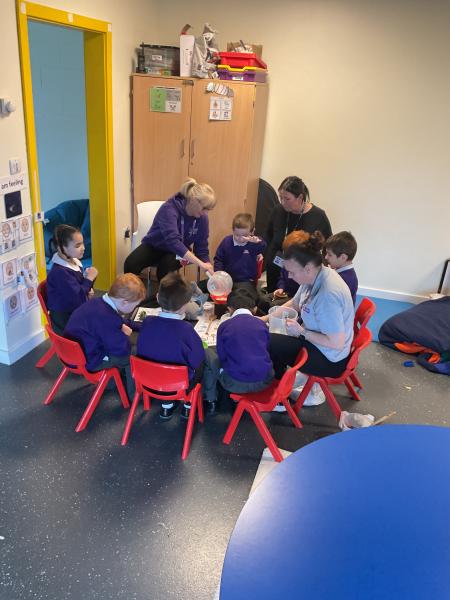
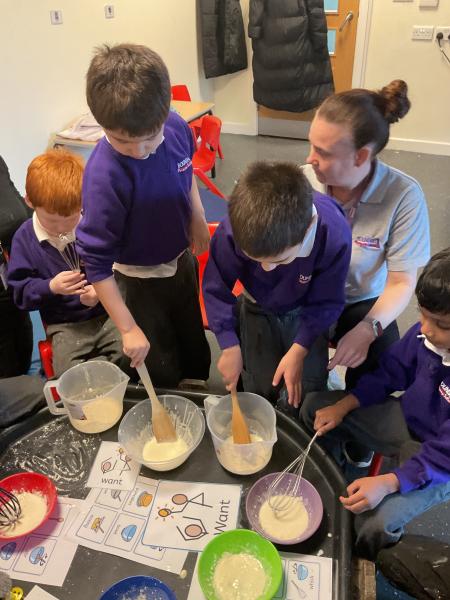
Acorns had a fabulous time during our sessory cooking session. We were exploring mixing, storing and pouring using flour milk or water. We had fun and developed our learning and engagement alongside other, building our focus and concentration. We then enjoyed a pancake at snack together.
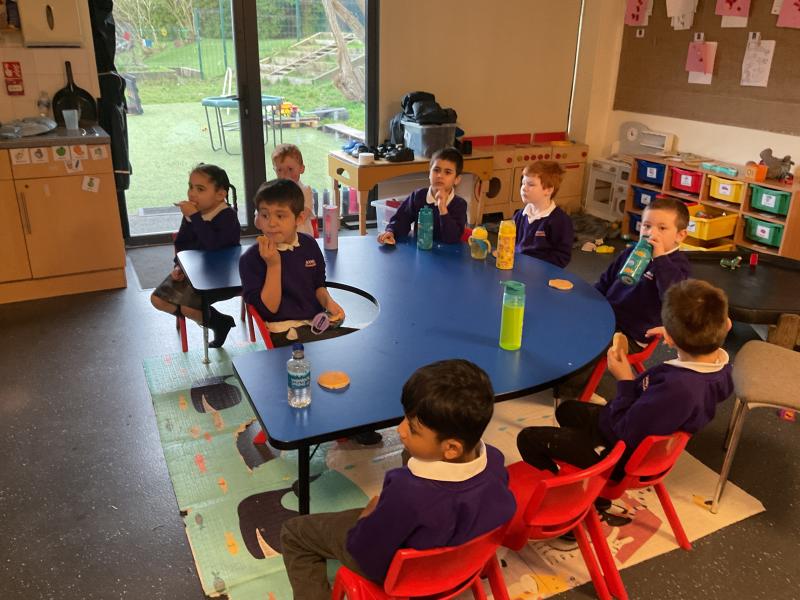
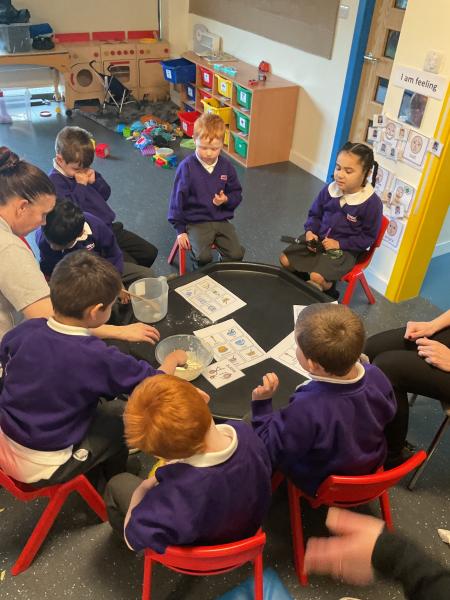
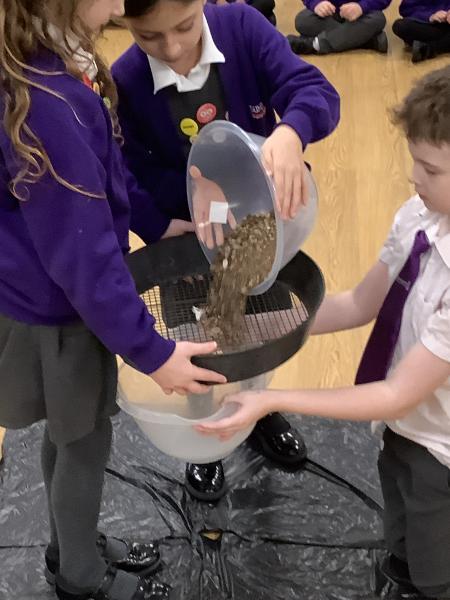
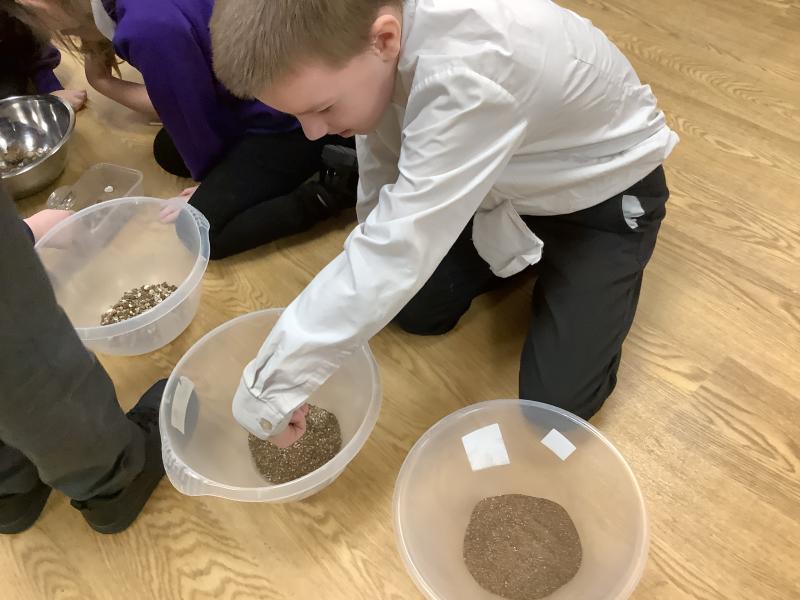
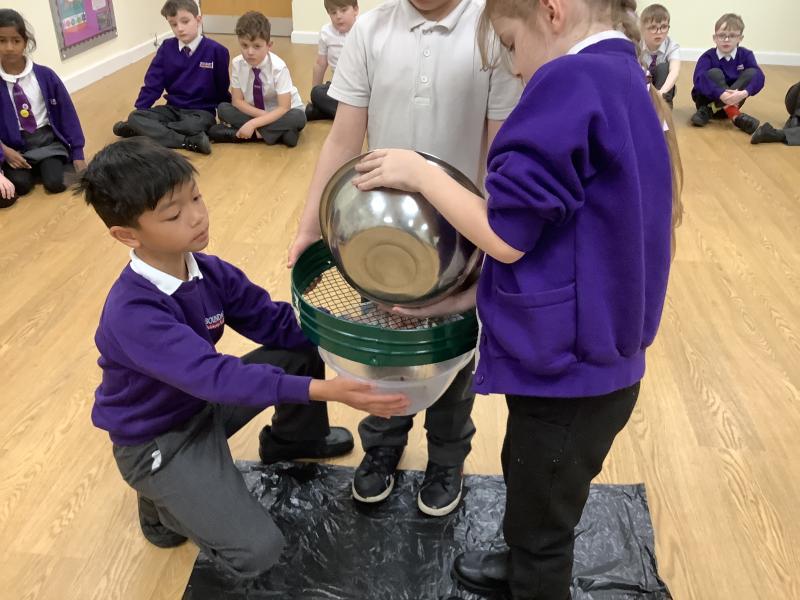
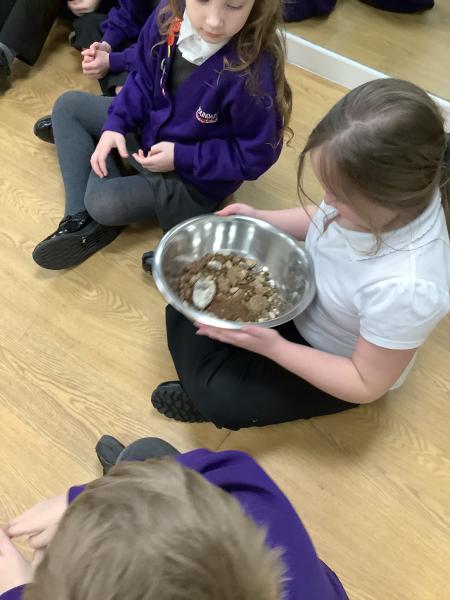
Year 3 Scientists Explore the Layers of Soil.
Date: 26th Feb 2026 @ 9:14am
Date: 26th Feb 2026 @ 9:10am
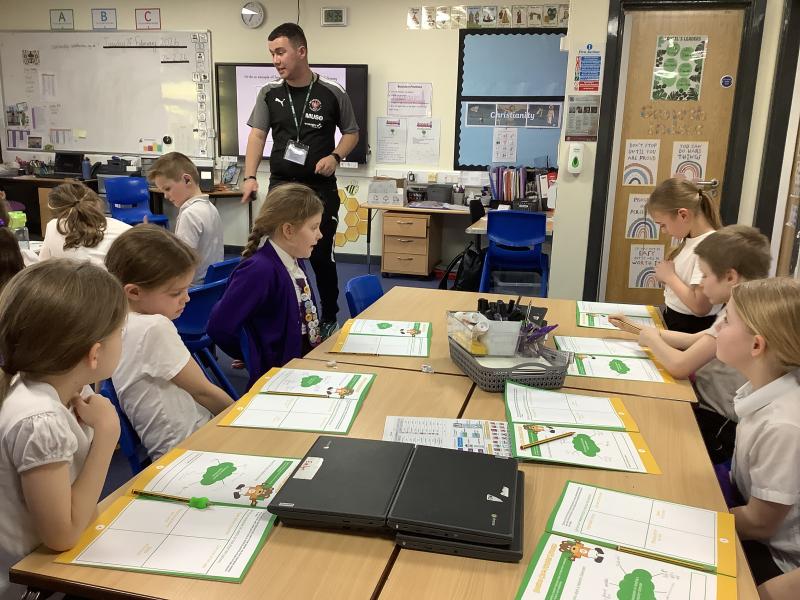
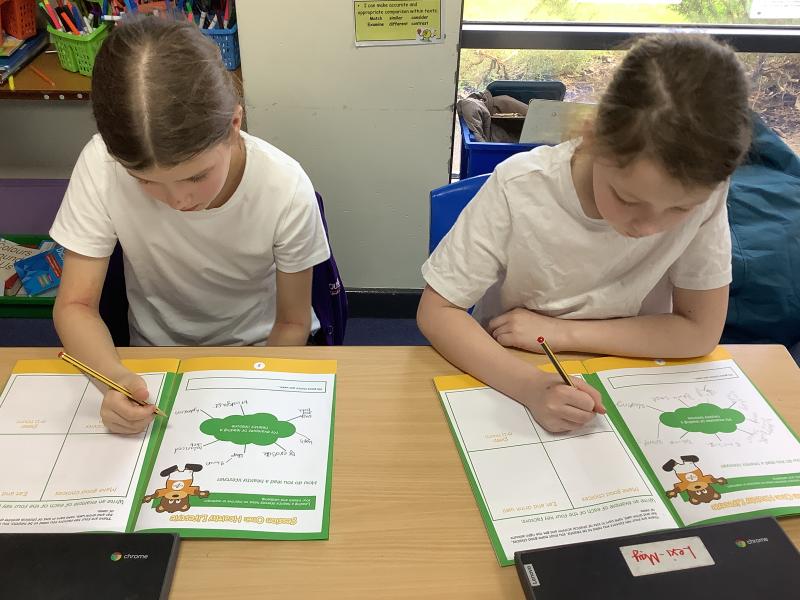
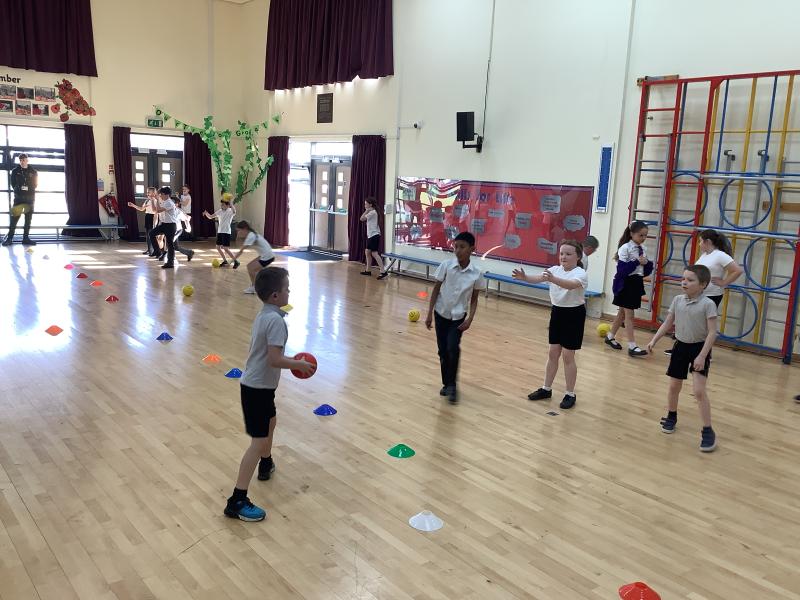
Today we started the Fit2Go programme with Blackpool FC. Over the next few weeks we will be learning about the importance of a healthy lifestyle and learning some new fun sports and games. In the classroom, we had a lesson all about healthy lifestyles and the coaches explained all of the exciting things we will be doing over the course of the programme. Then we looked at how we can keep our bodies and minds healthy. We were physically activite as well, taking part in an intense dodgeball session.
Date: 25th Feb 2026 @ 8:55pm
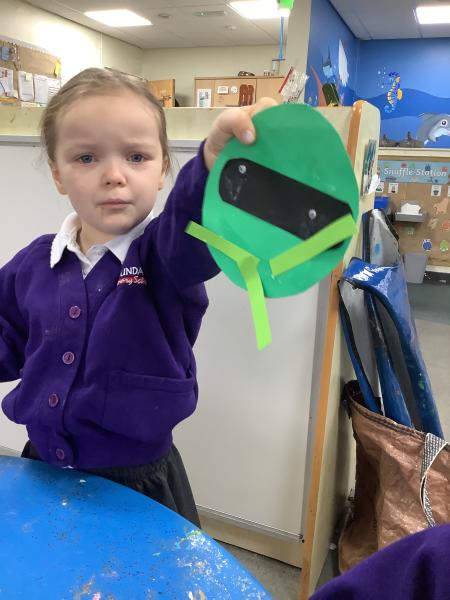
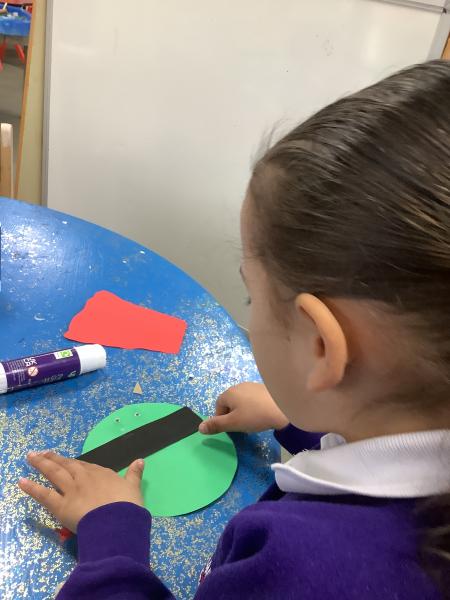
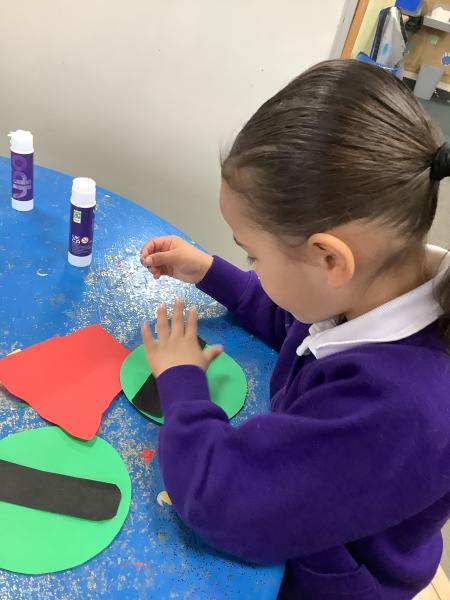
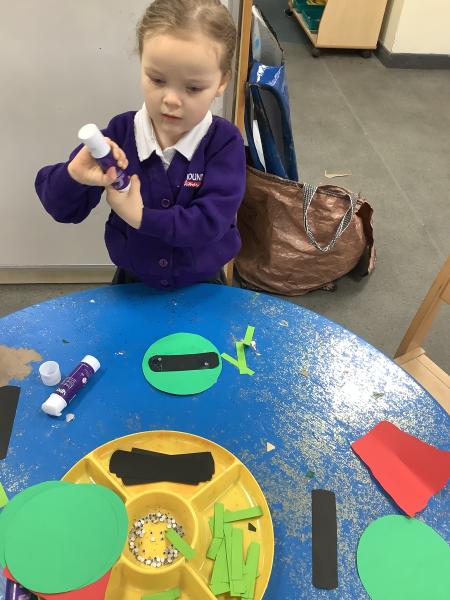
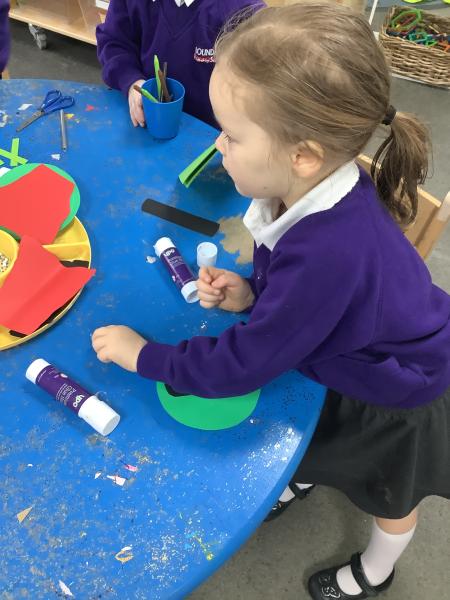
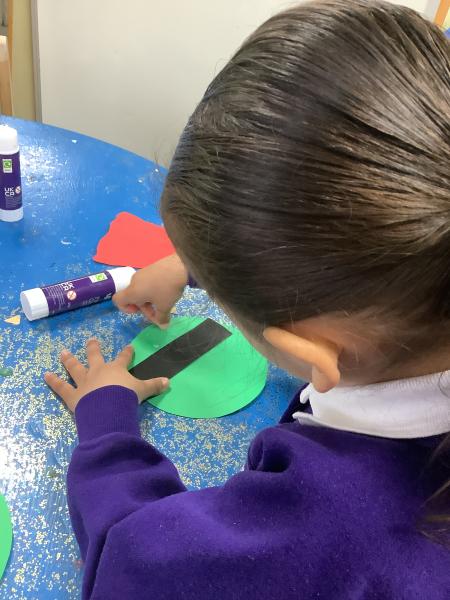
We have been reading "Supertato" by Sue Hendra and decided we should make some Evil Peas! The children had to select the correct pieces and attach them together to make their Evil Pea! Let's hoe we don't get too many escapeas around Nursery!
Date: 25th Feb 2026 @ 8:48pm
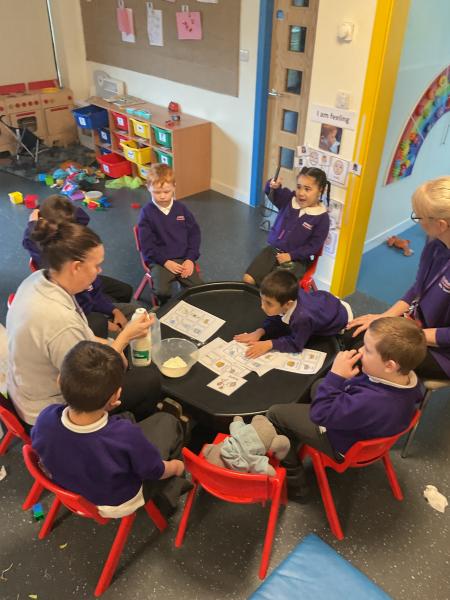
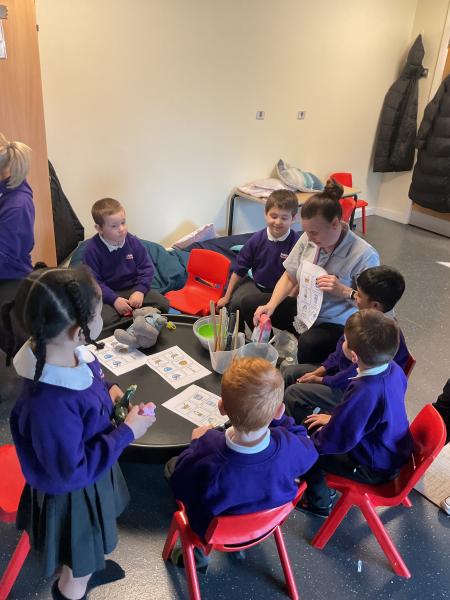
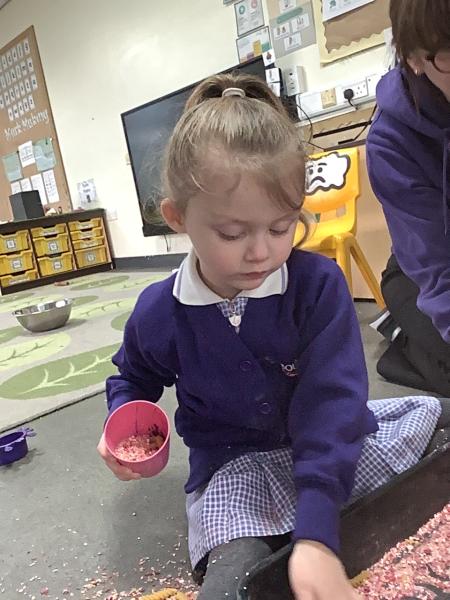
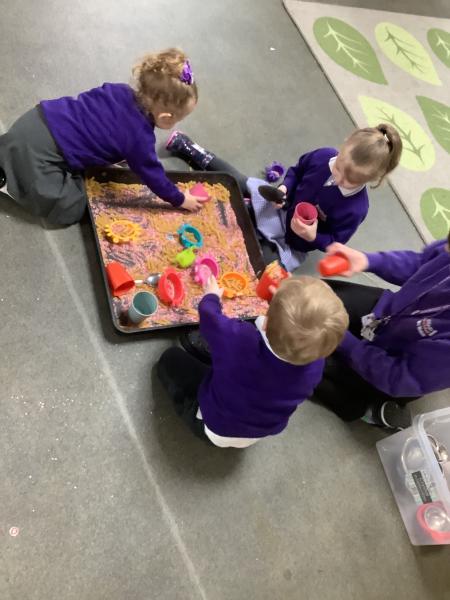
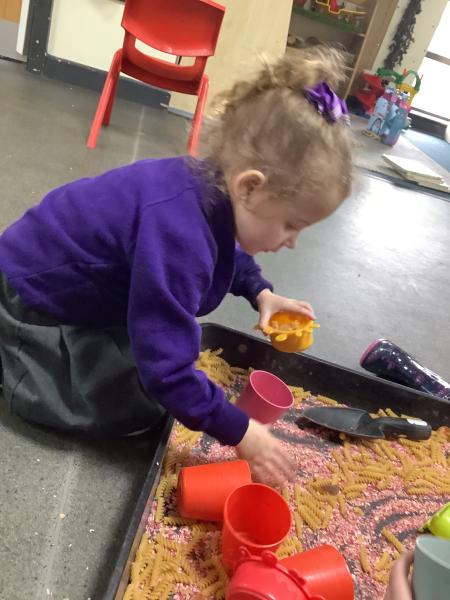
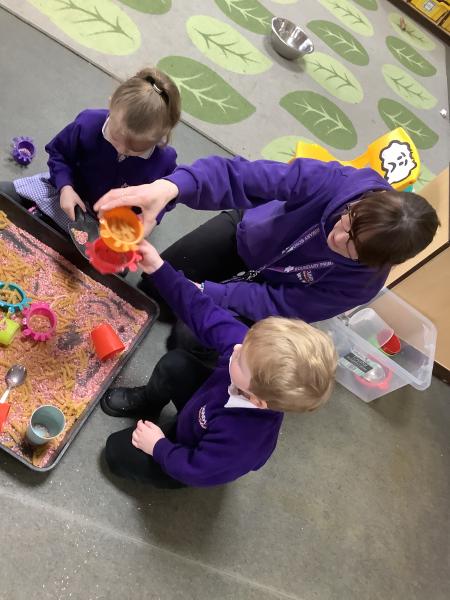
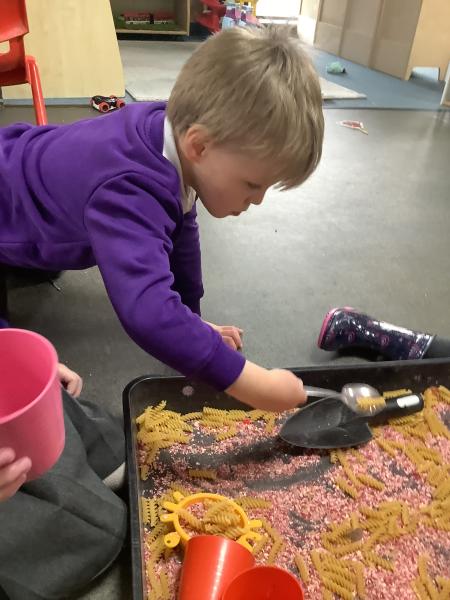
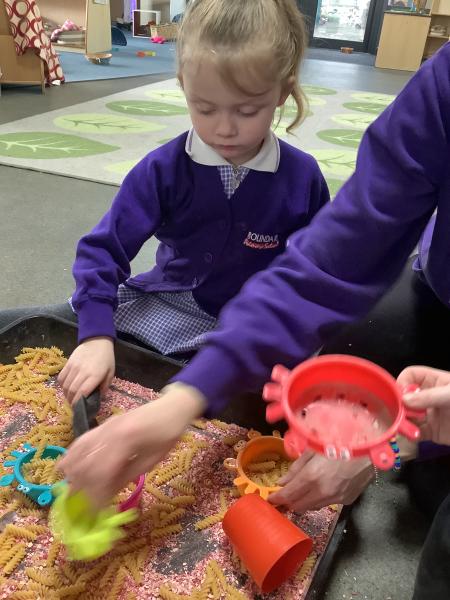
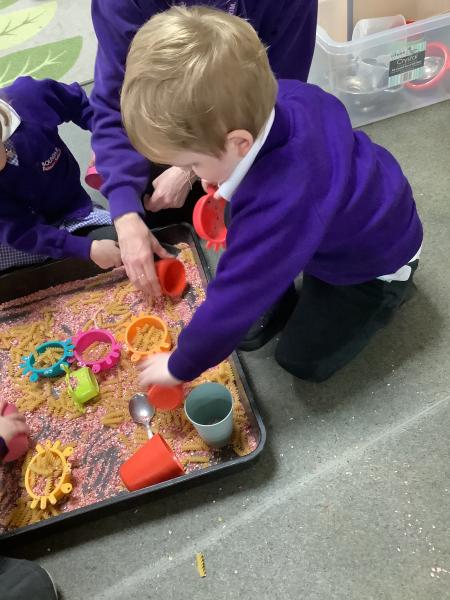
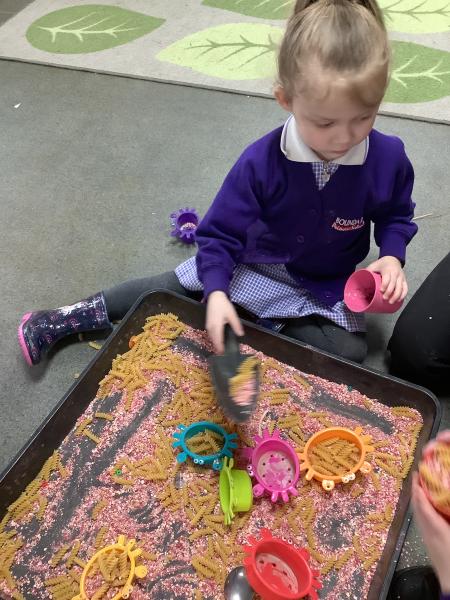
Some of our nursery children have been joining in with a Shared Experience. This is a simple but powerful way to help children learn. It involves taking part in activities together and talking about what you are doing as you do it. Instead of asking lots of questions or giving instructions, you join in with the children's play and share the moment with them. Learning through shared experiences can feel less pressured and more enjoyable. The most important thing is simply being present, following the child's lead, and enjoying the moment together. Small, everyday experiences can make a big difference.
Date: 25th Feb 2026 @ 5:23pm
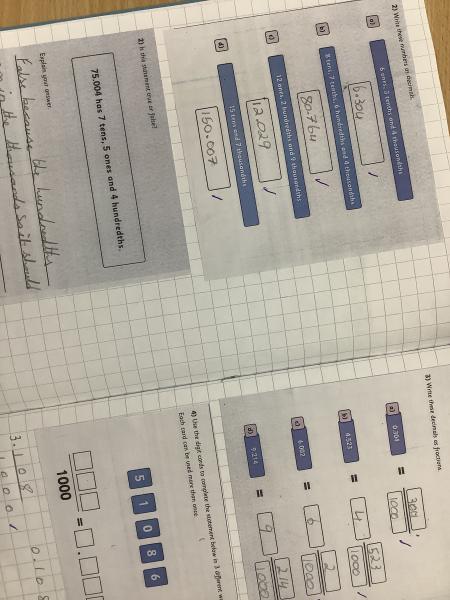
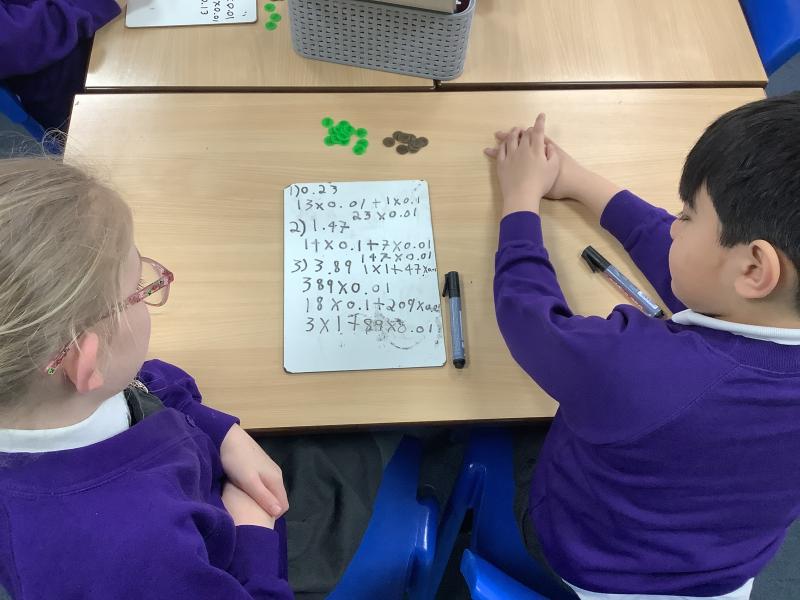
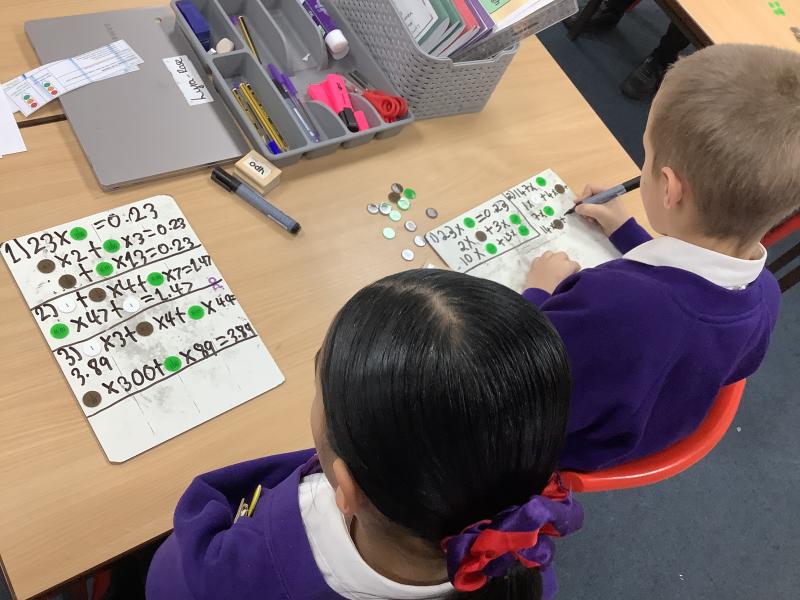
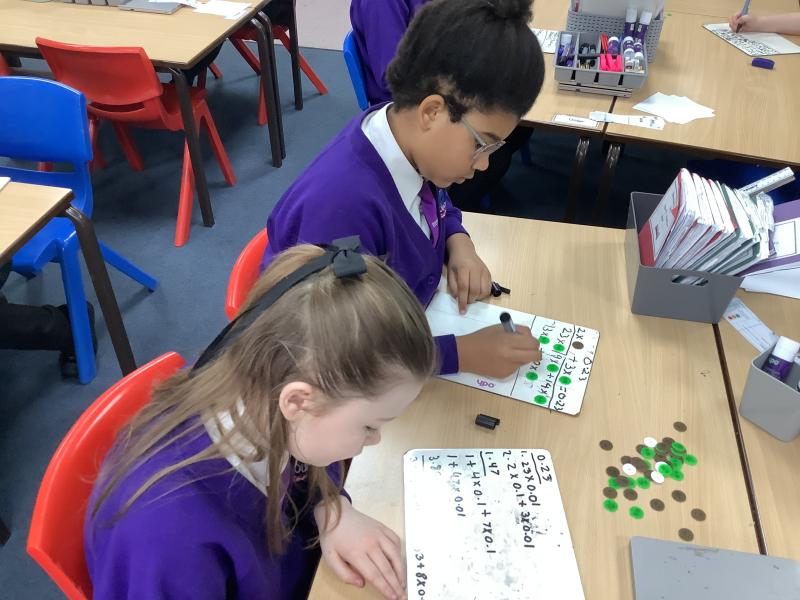
This week, Year 5 have been developing their understanding of thousandths, exploring how they can be represented as both decimals and fractions.
The children practised reading and writing numbers such as 0.001, 0.245 and 3.678. They also linked these decimals to their equivalent fractions with a denominator of 1,000, deepening their understanding of place value.
Date: 25th Feb 2026 @ 5:21pm
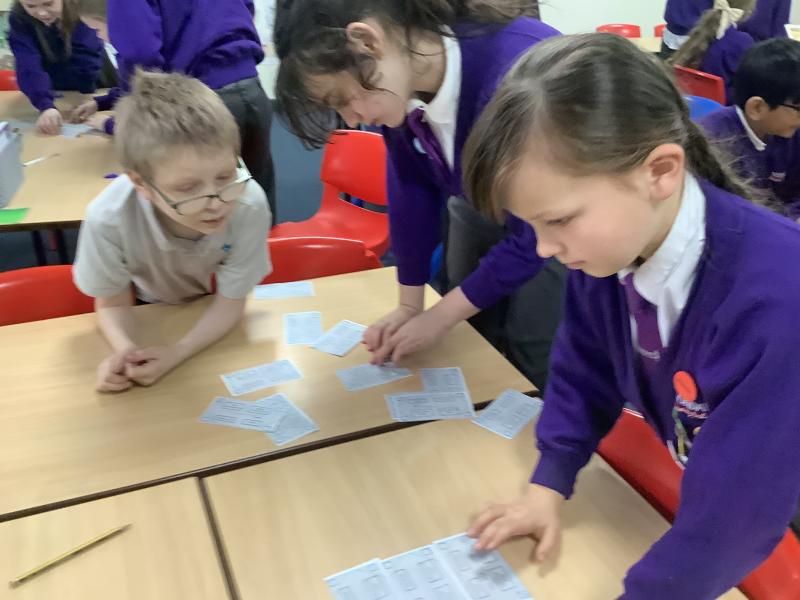
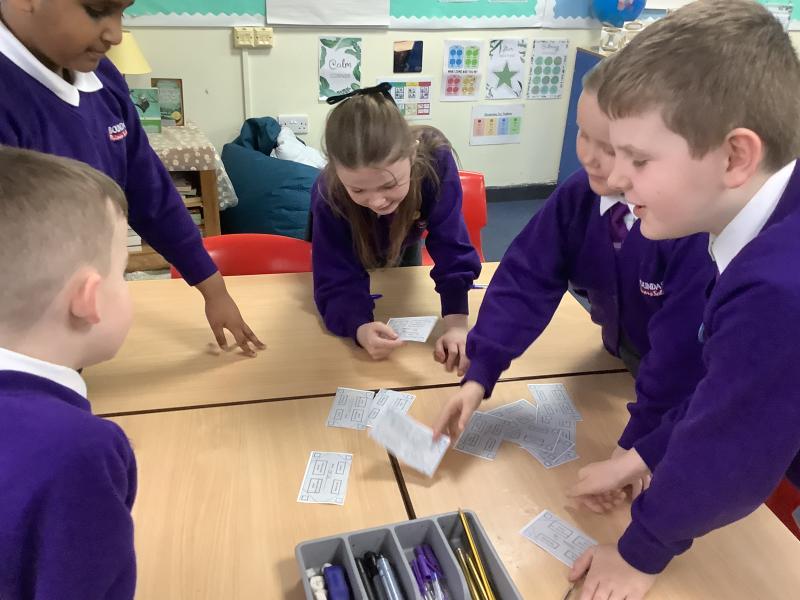
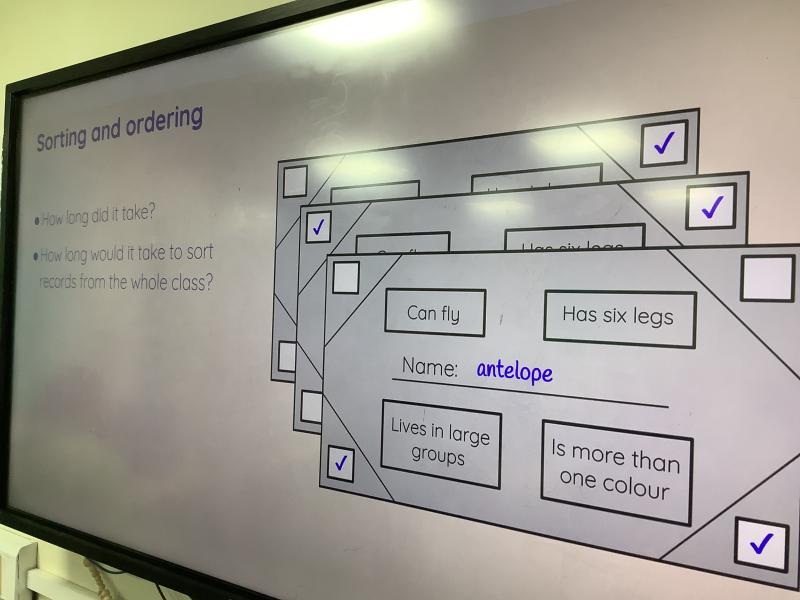
Today in Year 5, we explored the concept of databases and discussed what they are used for. We learned that a database is an organised collection of information that can be sorted and searched in different ways.
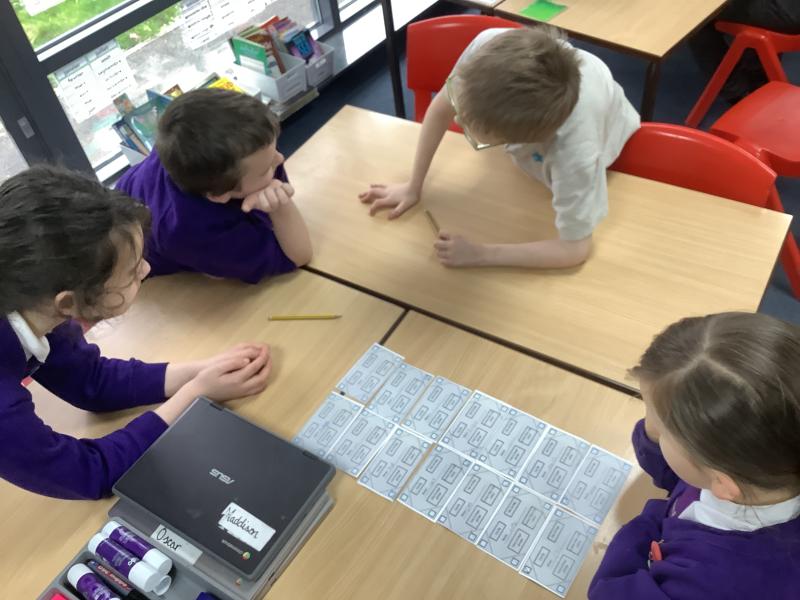
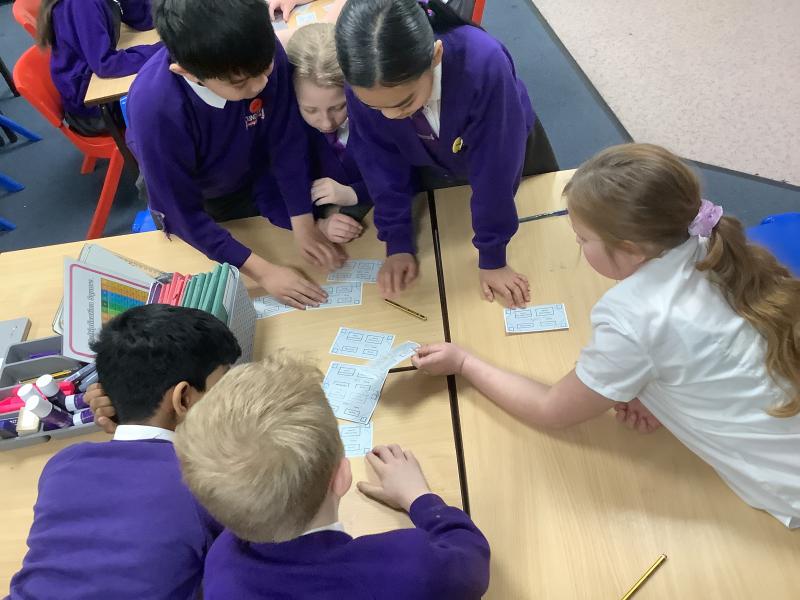
To help us understand this, the children worked collaboratively in small groups to create their own paper databases. Each group chose a range of animals and recorded key features, such as habitat, diet, number of legs, and whether the animal was a mammal, reptile, bird, or amphibian.
Once their information was collected, the children practised organising their databases in different ways. For example, they arranged the animals in alphabetical order and then reordered them by specific features.
Date: 24th Feb 2026 @ 6:19pm
Date: 24th Feb 2026 @ 6:15pm
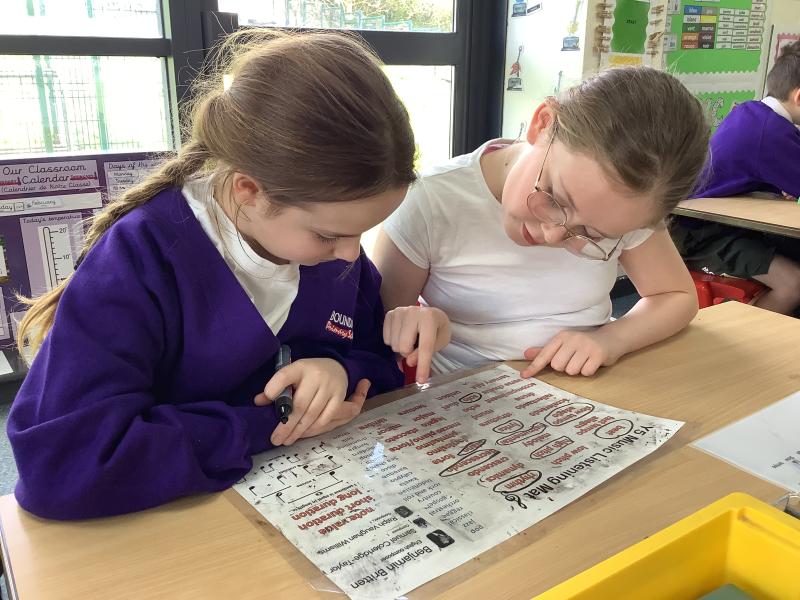
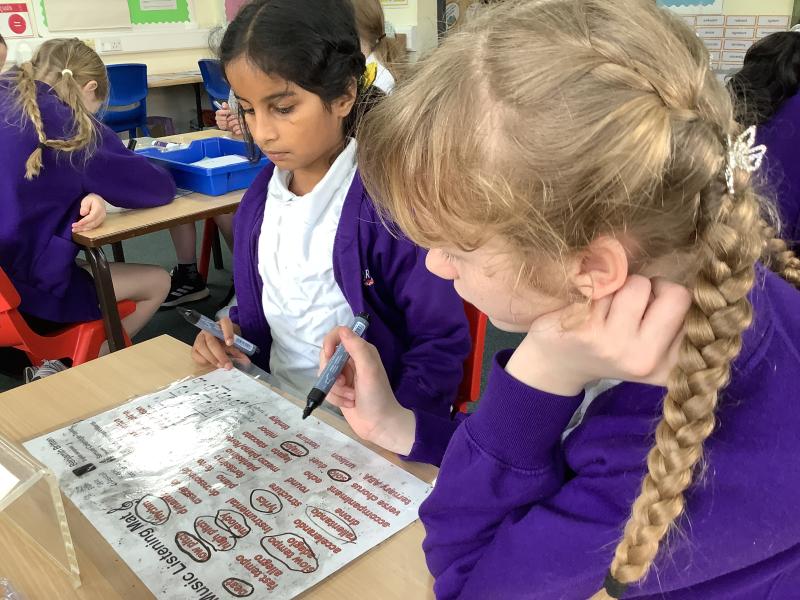
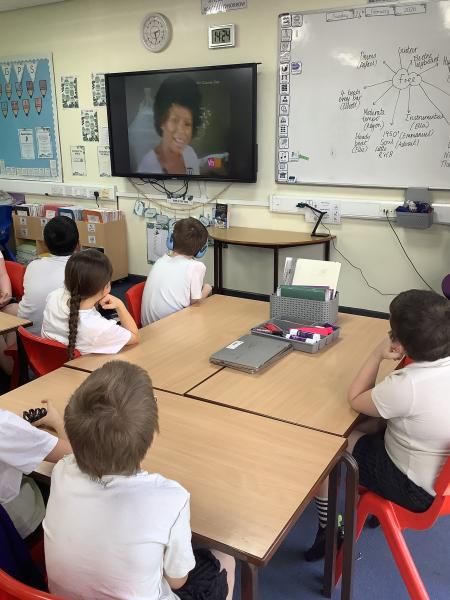
Today in music, we revisited our listening skills using the Listening Mats. We recapped how toidentify musical elements and used them to appraise the song “Free.” The class focused ondescribing what they could hear, including instruments, dynamics, tempo, and mood.
We then continued learning to sing “All Over Again.” After practising the melody and developingconfidence in performance, we revisited the meanings of improvisation and composition. Thechildren discussed how improvisation involves creating music spontaneously, while composition isabout planning and writing musical ideas.
Finally, we performed the song 'All Over Again" - discussing its themes of the resilience anddetermination to overcome a bad day or feelings of frustrations, accepting that tomorrow is a newchance for a fresh start and to start... ALL OVER AGAIN!
Date: 24th Feb 2026 @ 2:57pm
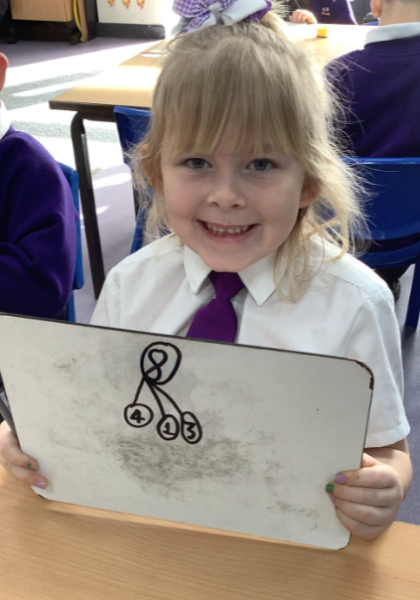
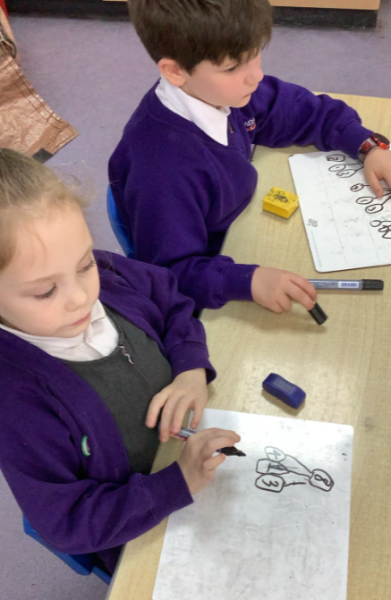
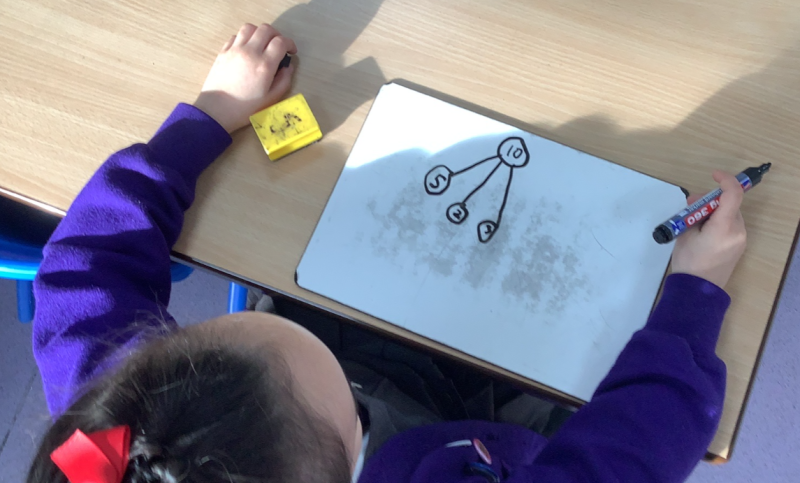
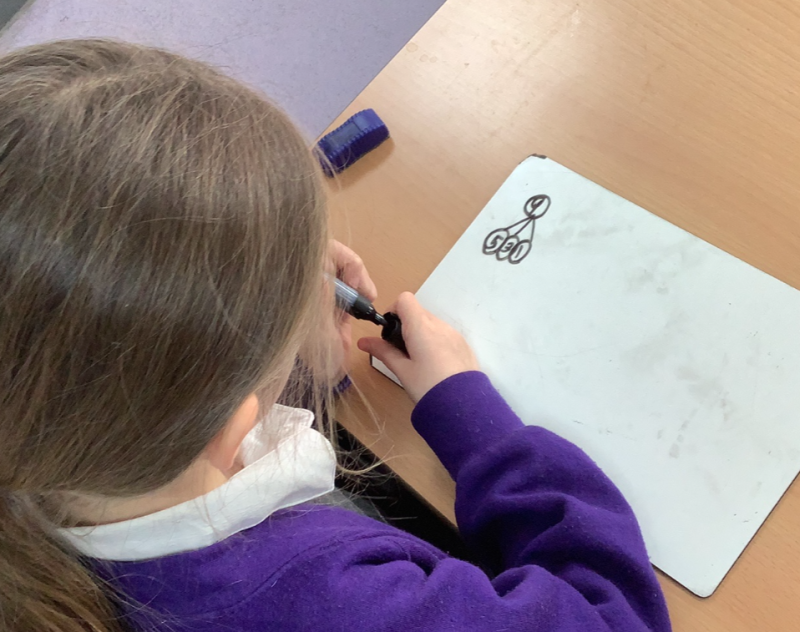
In this lesson we looked at using number facts to help us solve problems. We looked at using number bonds to 10, 5 and a bit and doubles to help us solve problems. We then completed part-whole models using these facts.
Date: 24th Feb 2026 @ 12:14pm
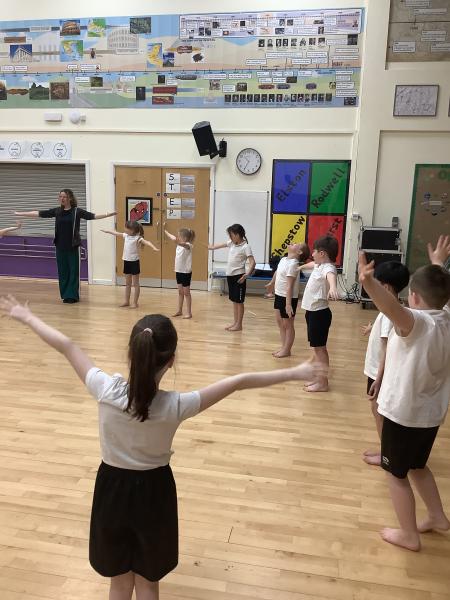
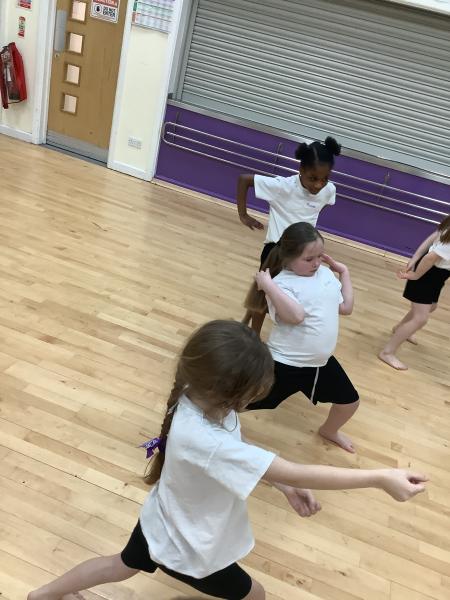
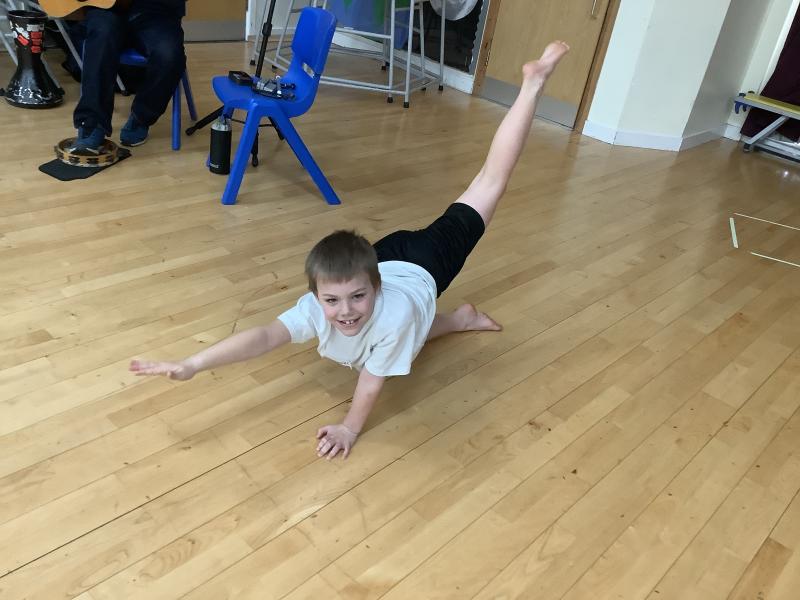
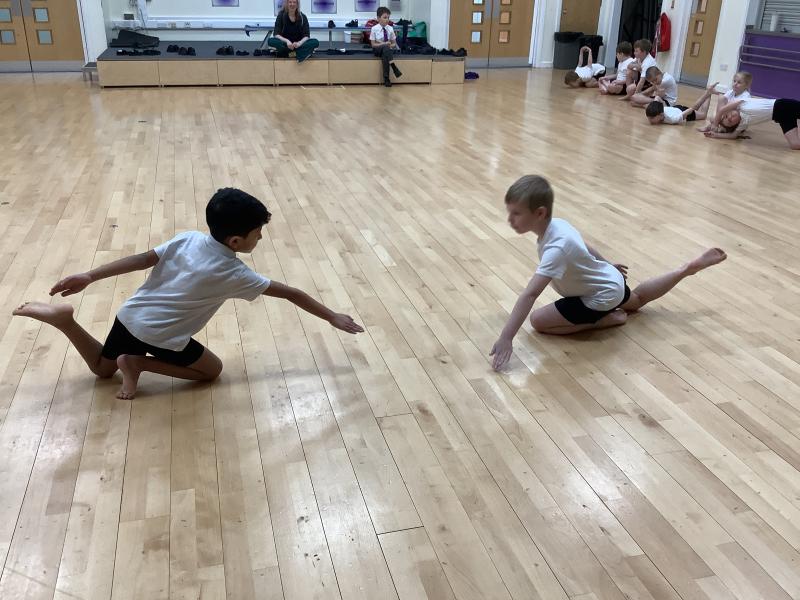
Eco- Boundary's Carbon Footprint
Date: 24th Feb 2026 @ 11:47am
Jarek Radon was our special guest. He spoke about our carbon footprint at Boundary and how we are trying to reduce it the best we can. Most of it is caused by fuel (heating and electricity). We must remember to switch off lights, screens, water and taps.
Another way to reduce our carbon footprint is to reduce our rubbish by recycling it. We will carry out a bin audit and check that everyone in school is putting the rubbish in the correct bin. Brown- cardboard and paper. Small grey box for food. All other rubbish in the general rubbish bin in the classroom. Mrs Farley gave us a tick sheet to help us and we will meet again this half term to discuss it.
Mr Radon would like us to carry out regular litter picks. This will be arranged shortly by Mrs Farley.
We are also awaiting delivery of saplings from The Woodland Trust. this will help reduce our carbon footprint too.

Date: 24th Feb 2026 @ 10:44am
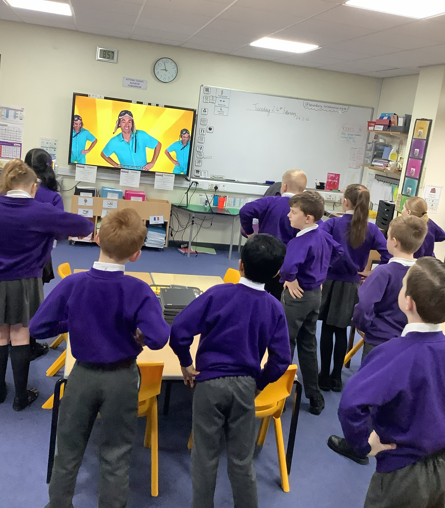
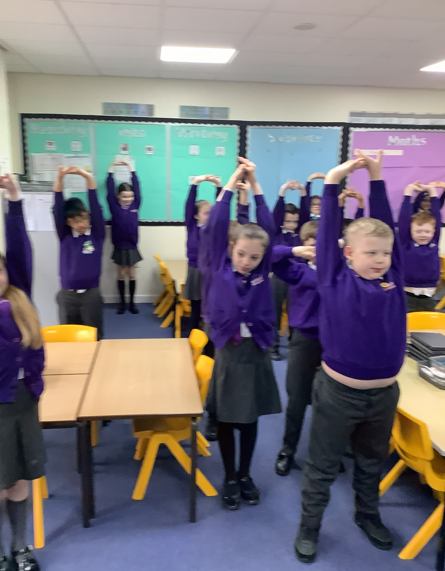
It's the start of a new half term, so we have got a new sensory circuit getting us ready for our day. We are doing a Danny Go wake up and shake up dance for our alerting stage, then we are ordering pictures in a sequence for the ordering stage, then for the calming stage we are stretching out.
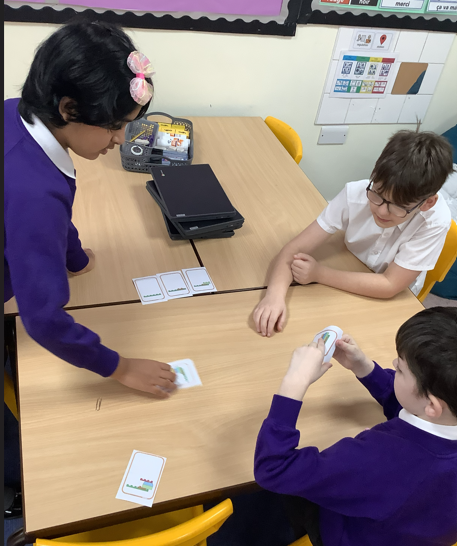
Year 6 - Letters of persuasion
Date: 23rd Feb 2026 @ 4:38pm
Year 6 Begin Their Persuasive Writing Journey!
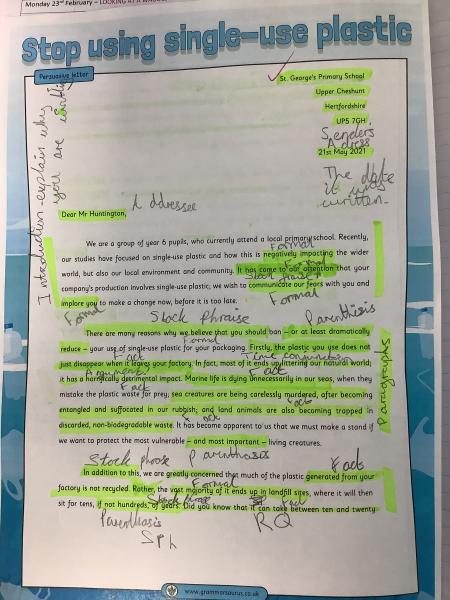
This week, Year 6 have embarked on an exciting new writing adventure: letters of persuasion! Our mission is to learn how to write confidently and convincingly—just like real campaigners, activists, and opinion leaders.
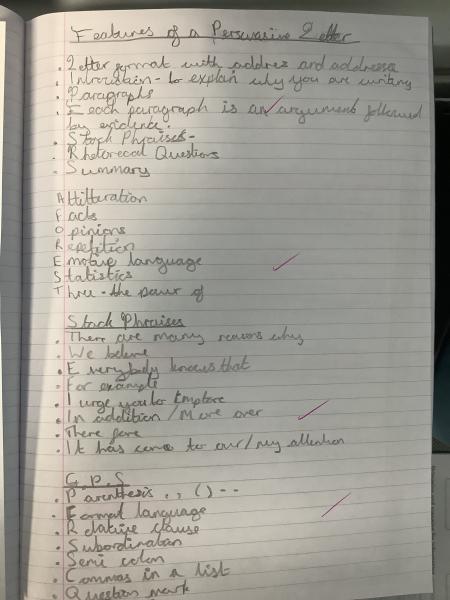
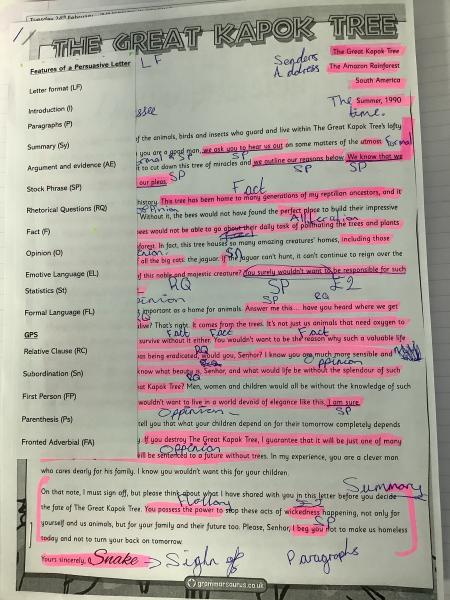
To kick things off, we explored a WAGOLL (What A Good One Looks Like). By reading it carefully, we pulled out all the key features that make persuasive letters so powerful. We spotted things like:
- Strong opening statements
- Clear arguments backed up with evidence
- Emotive language to make the reader care
- Rhetorical questions that make you stop and think
- Powerful conclusions that leave a lasting impression
Once we understood what makes a persuasive letter successful, we moved on to reading a range of other examples. This helped us build a toolkit of useful stock phrases, such as:
- “Surely you agree that…”
- “It is essential that…”
- “Have you ever considered…?”
- “Without immediate action…”
We also learned how important it is to use the right register—that means choosing words and tone that suit the audience. Whether we’re writing to a headteacher, a local councillor, or even a famous figure, we now know how to sound polite, confident, and persuasive.
Year 6 are already showing fantastic promise, and we can’t wait to see the brilliant letters they produce next. Watch this space for updates on our writing journey!
Date: 23rd Feb 2026 @ 4:37pm
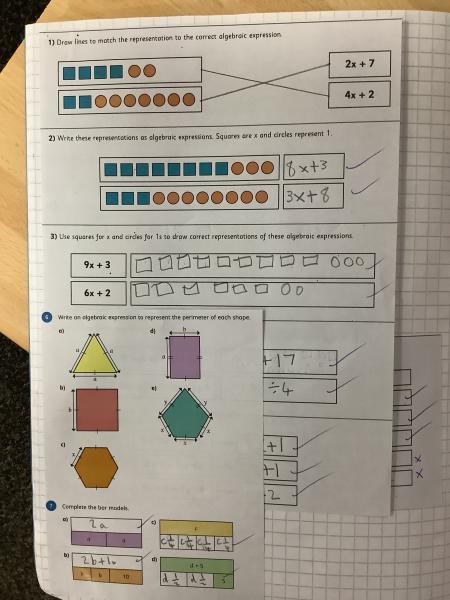
Our Amazing Algebra Adventures!
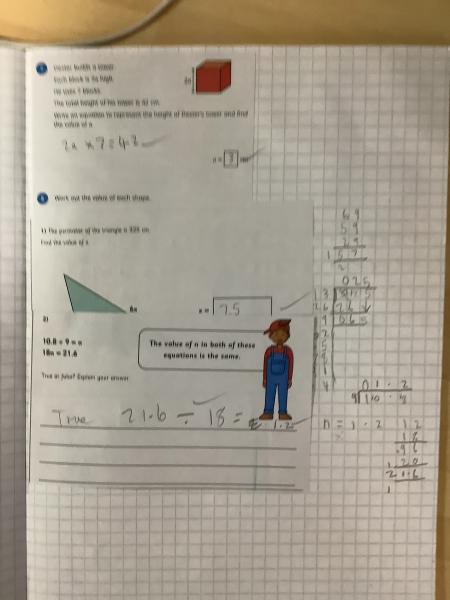
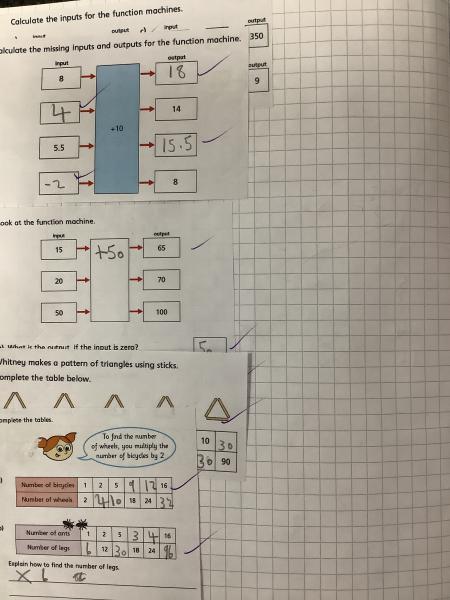
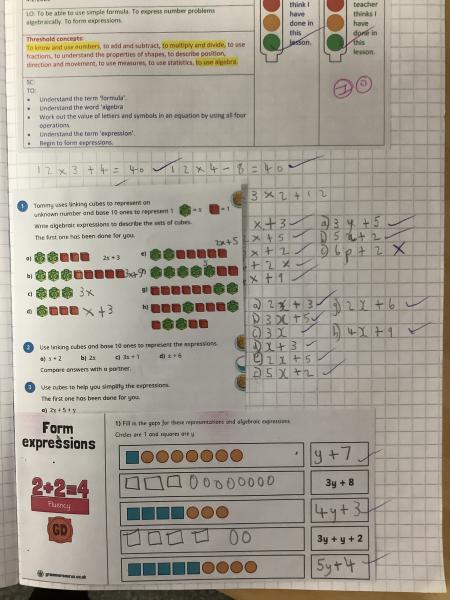
This term in Year 6, we’ve been diving into the exciting world of algebra—and guess what? It’s not as mysterious as it first sounds! Algebra is all about using letters and symbols to represent numbers, and it helps us solve problems in clever new ways.
Forming Expressions
We started by learning how to build algebraic expressions. An expression is like a mini‑maths sentence.
For example:
- Instead of writing “3 × a number,” we can write 3n.
- Instead of saying “a number plus 5,” we write n + 5.
We found out that letters like n, x, or b can stand for any number—and that’s what makes algebra so powerful!
Substituting Values
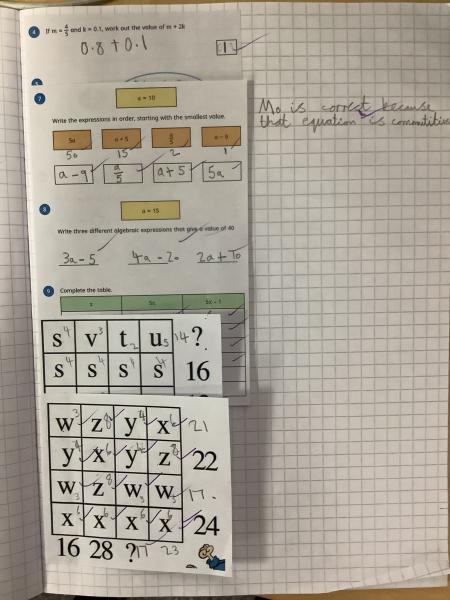
Next, we practised substitution, which is just a fancy way of saying “swap the letter for a number.”
For example, if n = 4, then:
- 3n = 3 × 4 = 12
- n + 5 = 4 + 5 = 9
We enjoyed trying different values to see how the expression changed.
Finding the Value of Letters and Symbols
Finally, we learned how to work out the value of a letter when we’re given a formula or equation.
For example:
-
If n + 7 = 15, we can work out what n must be.
We simply think: “What number plus 7 makes 15?”
The answer is n = 8! -
If 5m = 20, then m must be 4, because 5 × 4 = 20.
We’ve discovered that solving equations feels a lot like solving puzzles—and we’re becoming fantastic algebra detectives!