: Blog items

Year 1- Storytelling week

Date: 2nd Feb 2026 @ 4:47pm

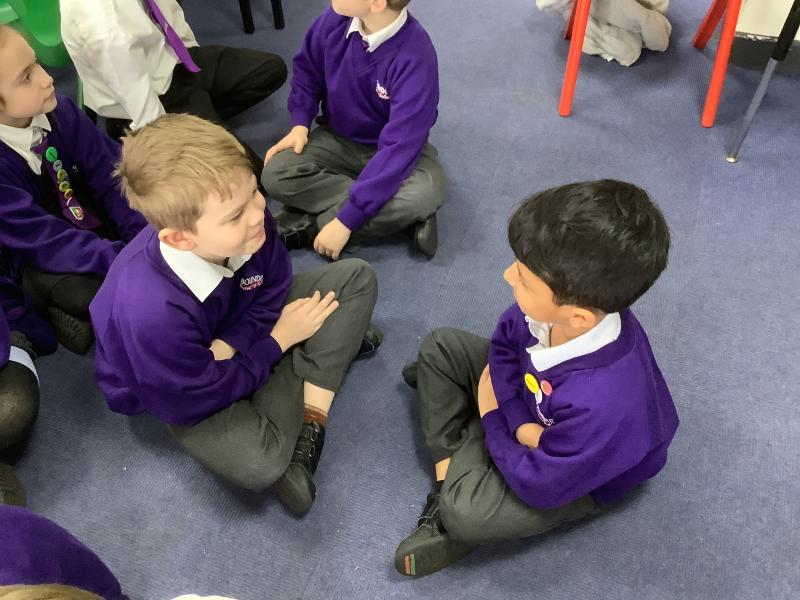
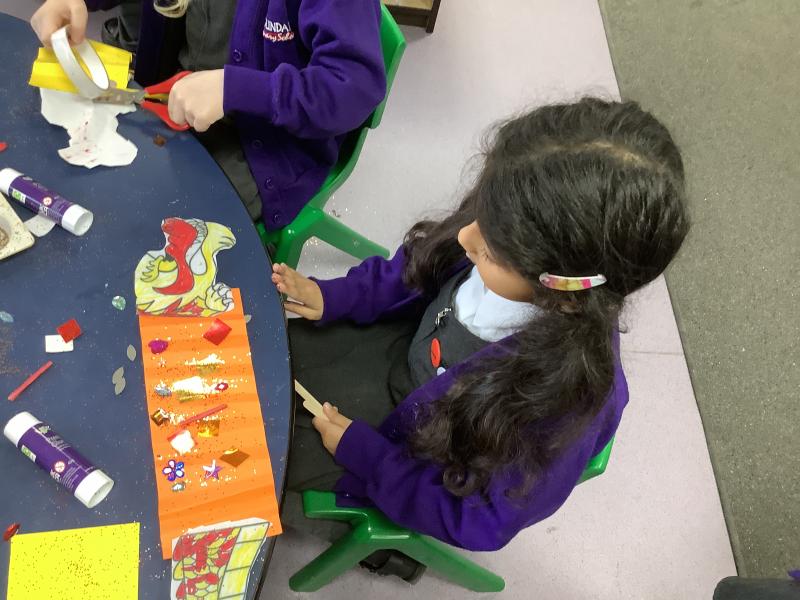
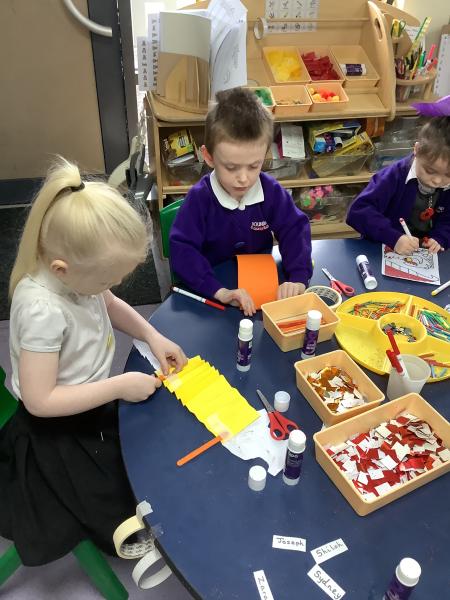
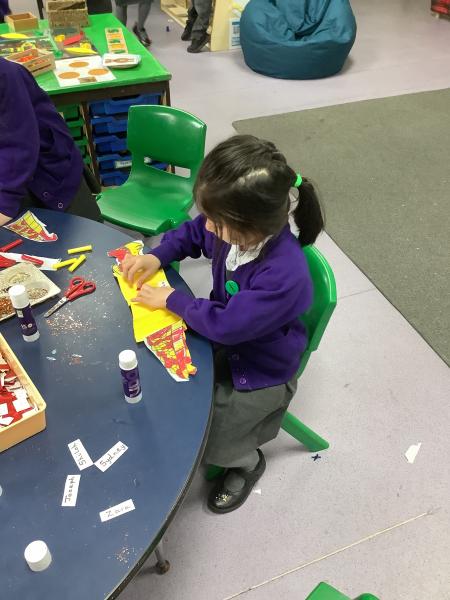
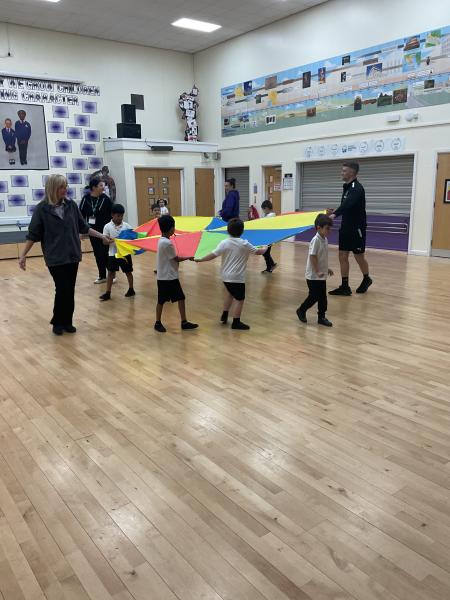
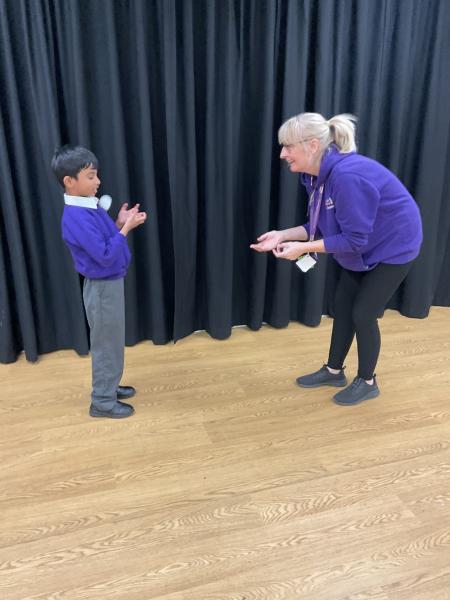
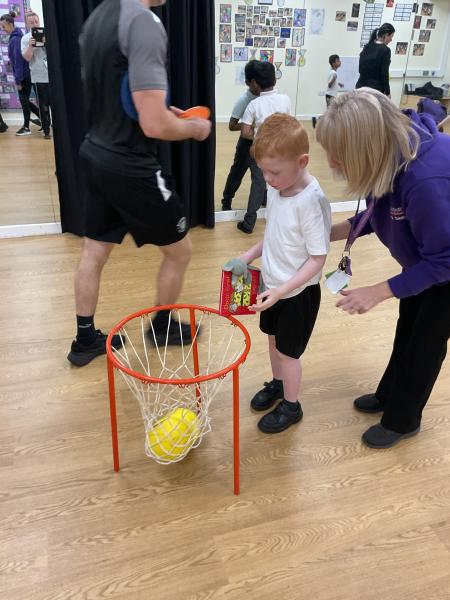
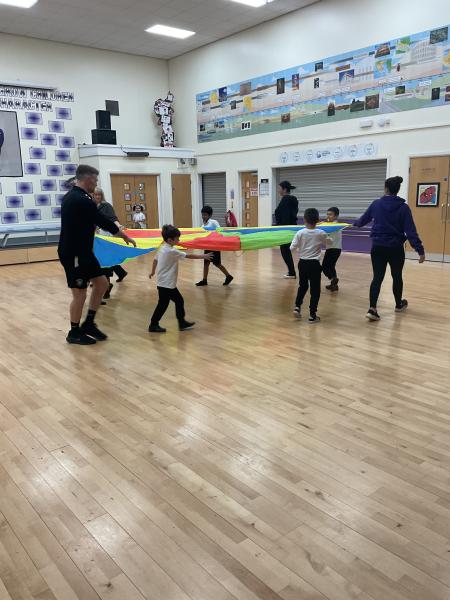
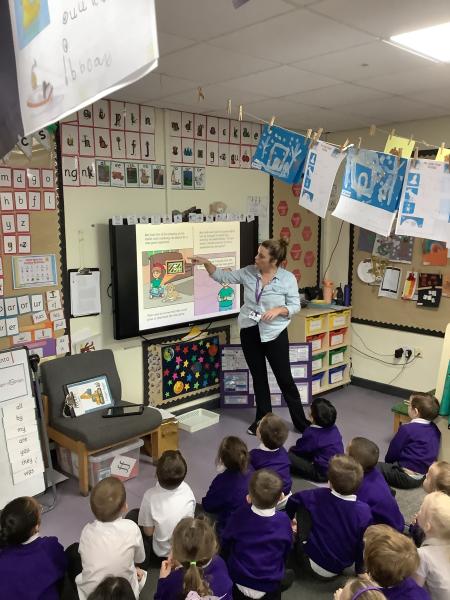
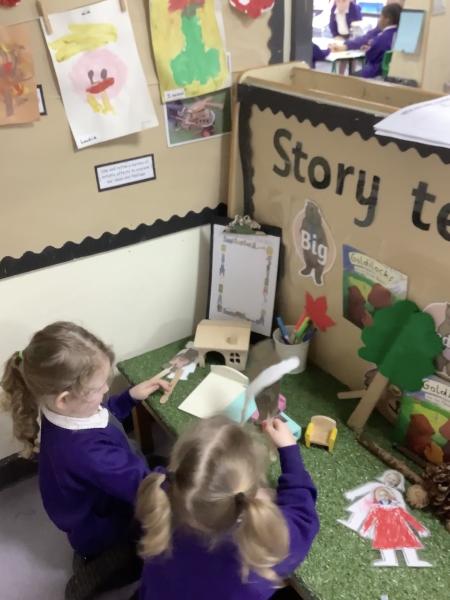
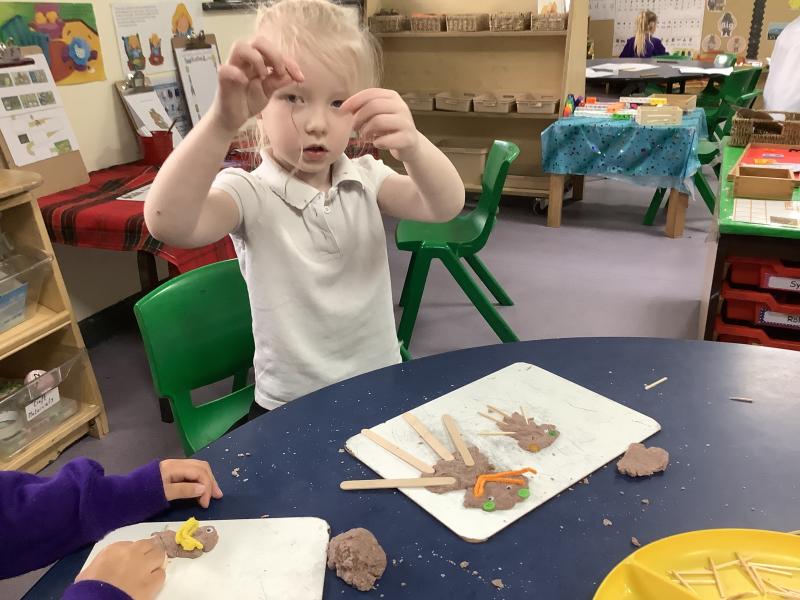
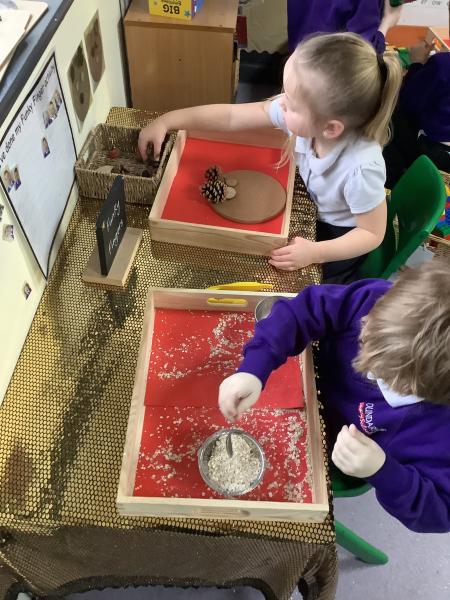
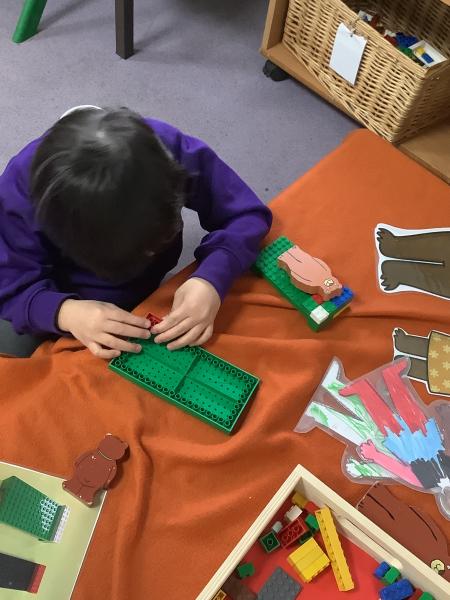
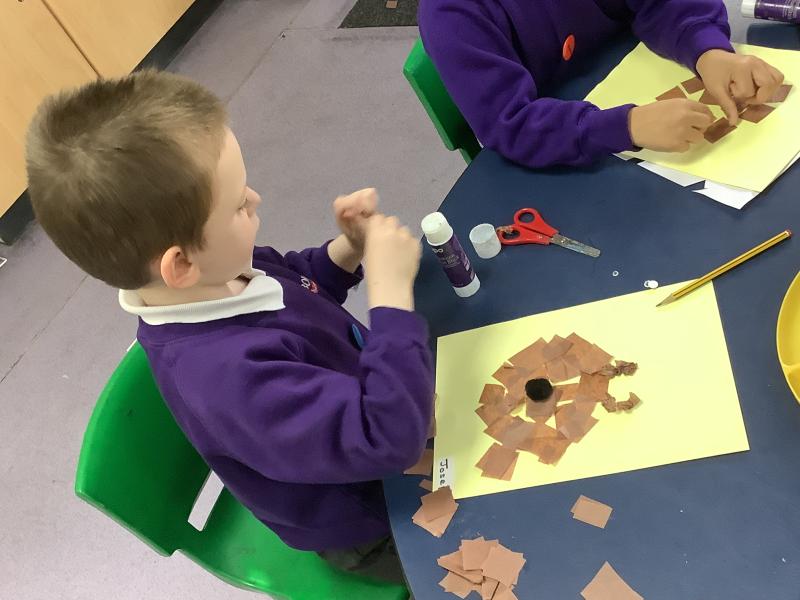
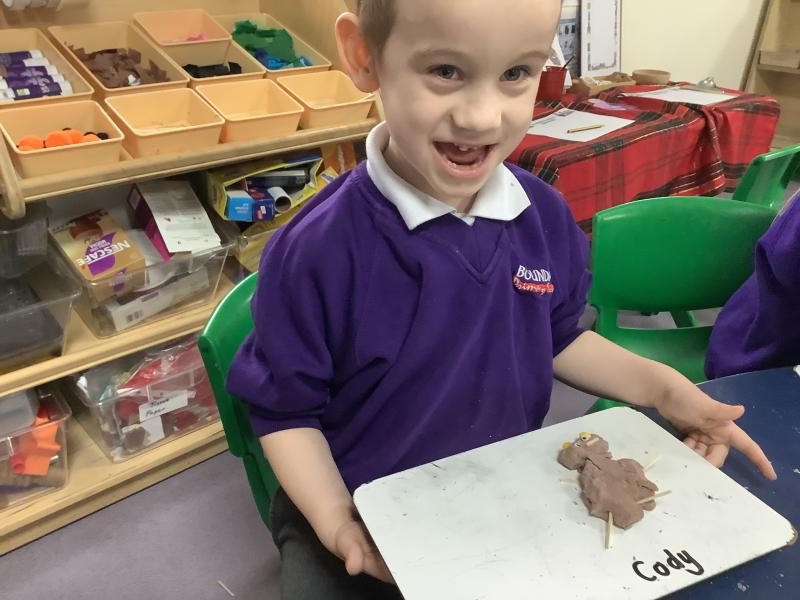
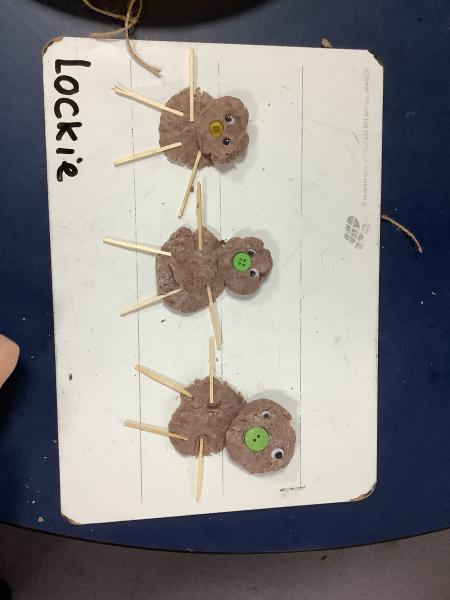
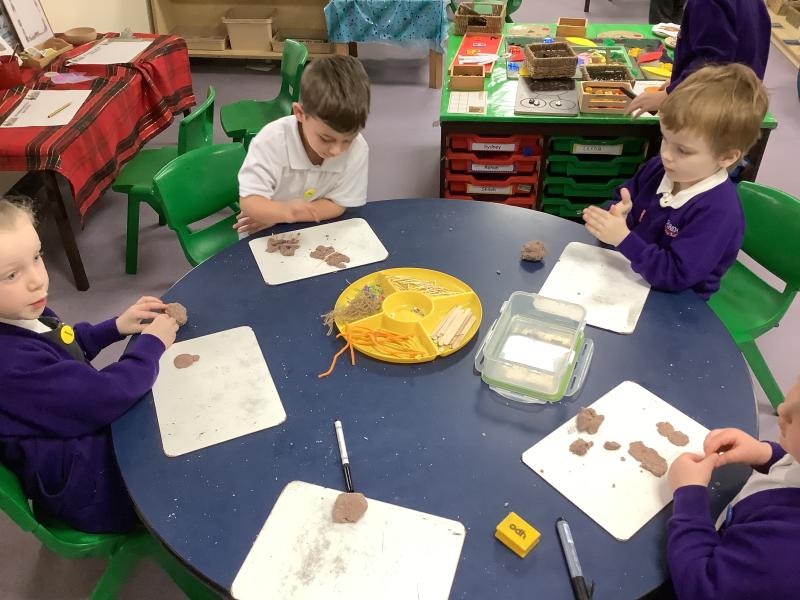
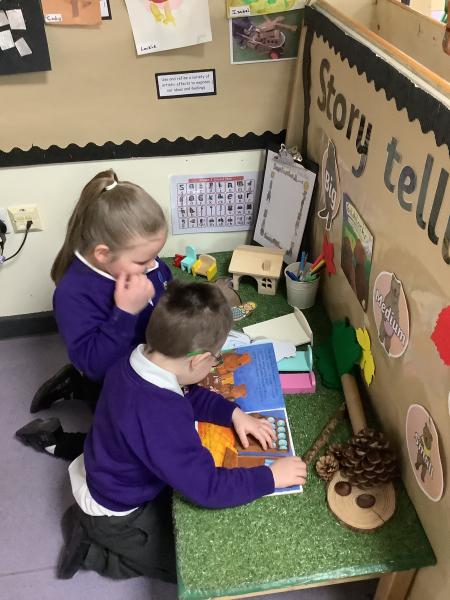
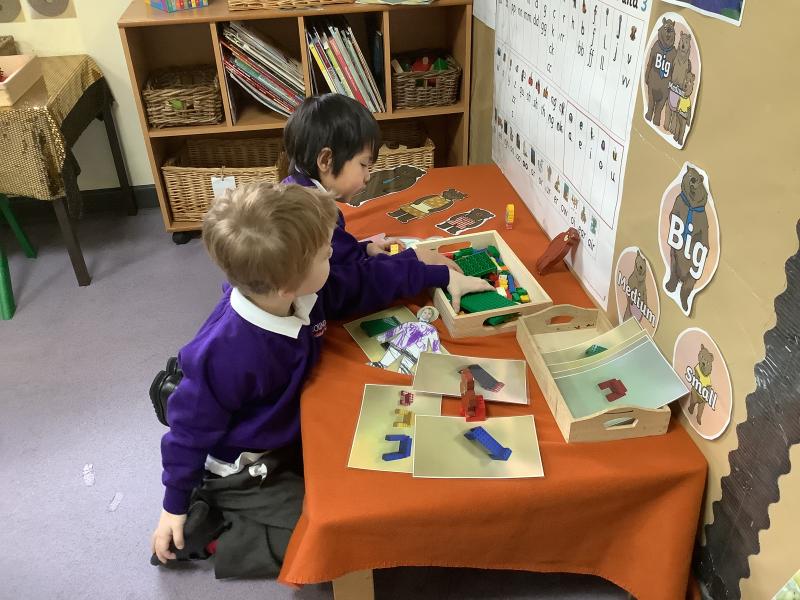
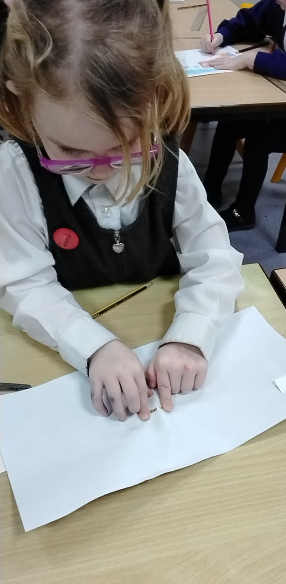
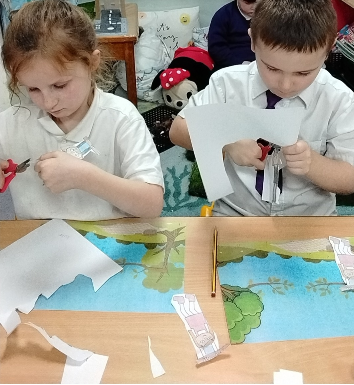
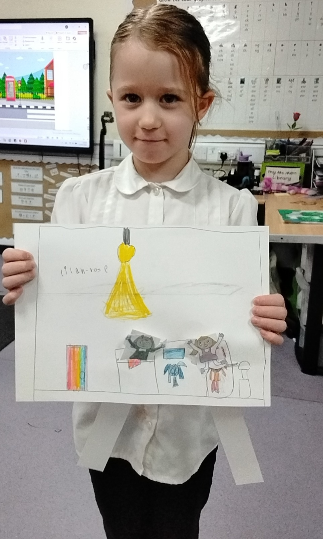
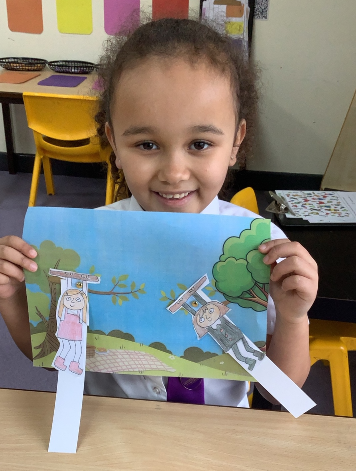
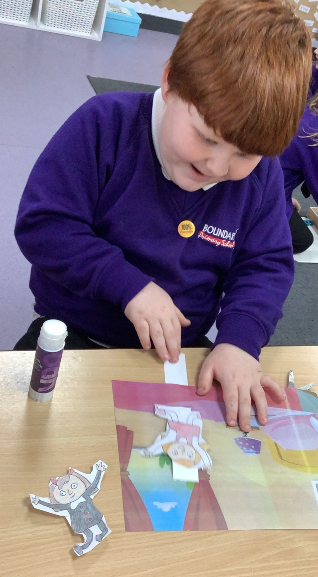
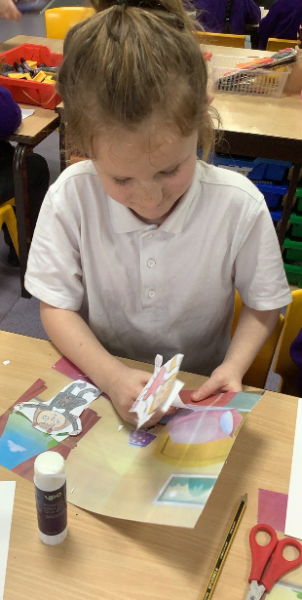
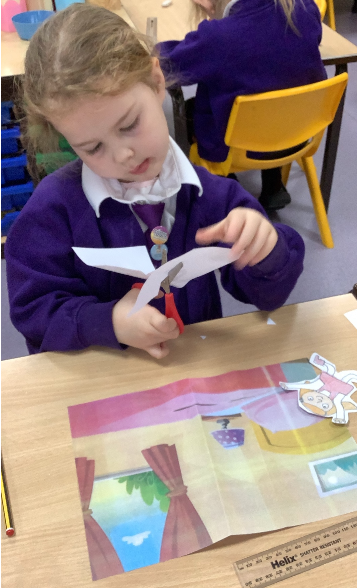
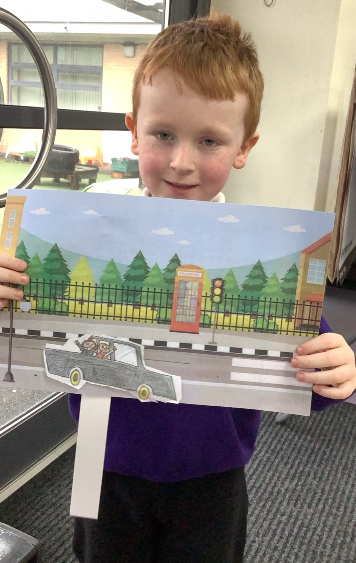
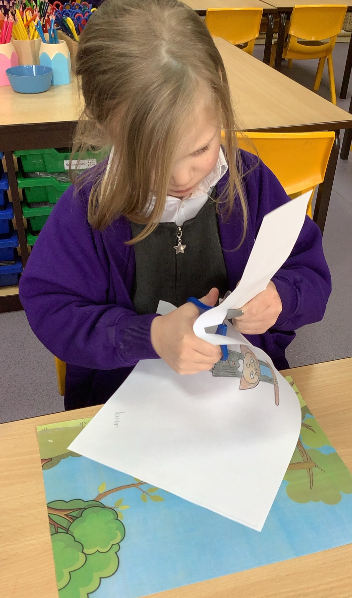
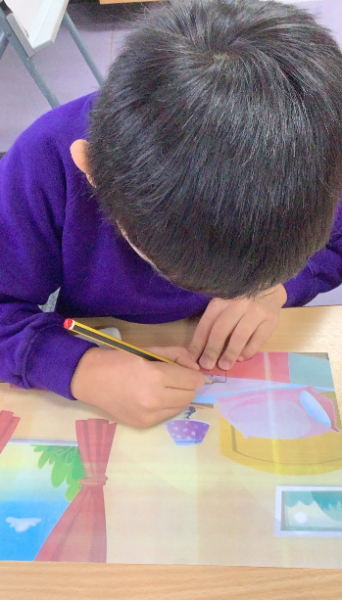
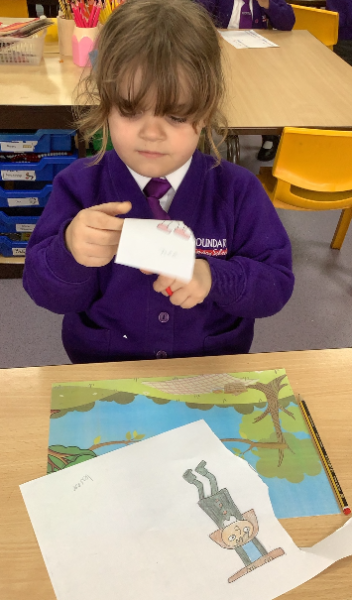
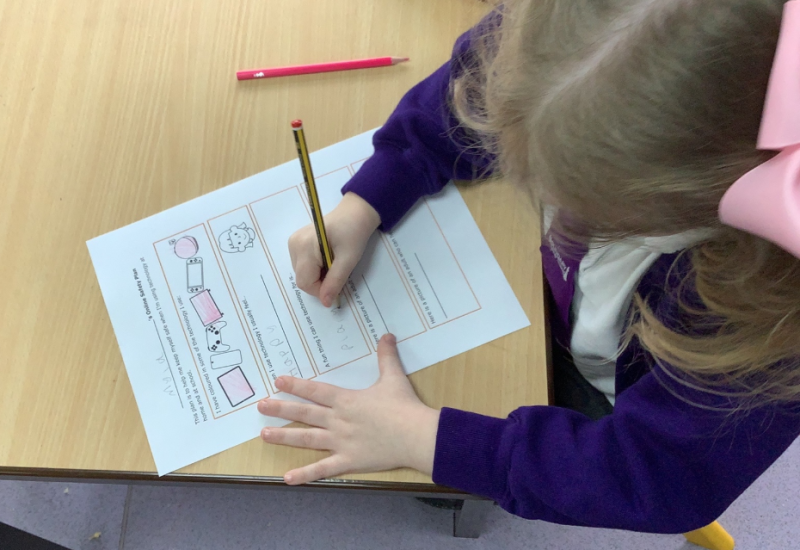
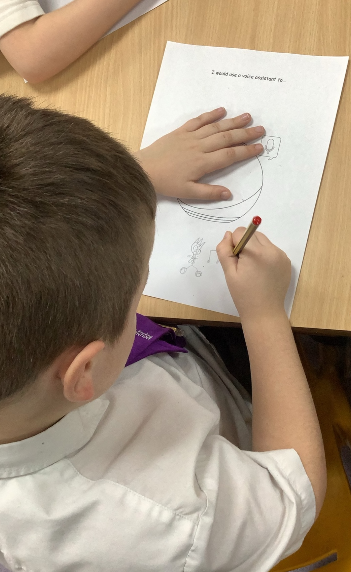
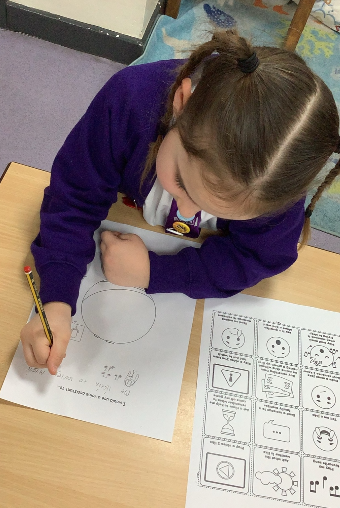
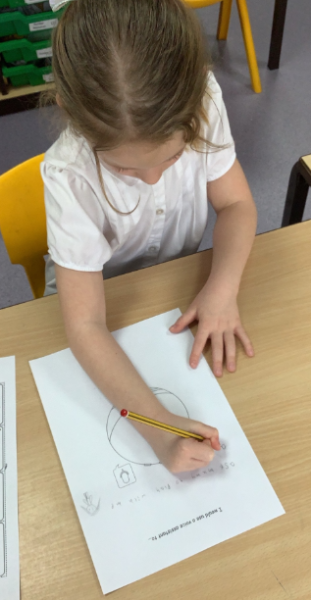
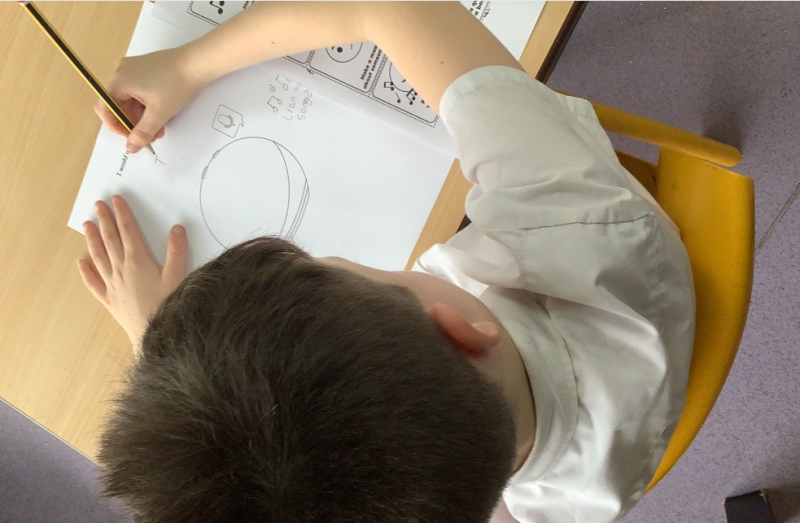
This week, we celebrated storytelling week with a visit from Dan Worsley. We had a special story-telling assembly where Dan told us a story using props to help him and showing his excellent imagination. In the classroom, we have enjoyed using props in the story-telling area to create our own stories as well as creating our own front covers and creative characters for our stories. 

Year 1- The Girl with Two Dads

Date: 2nd Feb 2026 @ 4:42pm

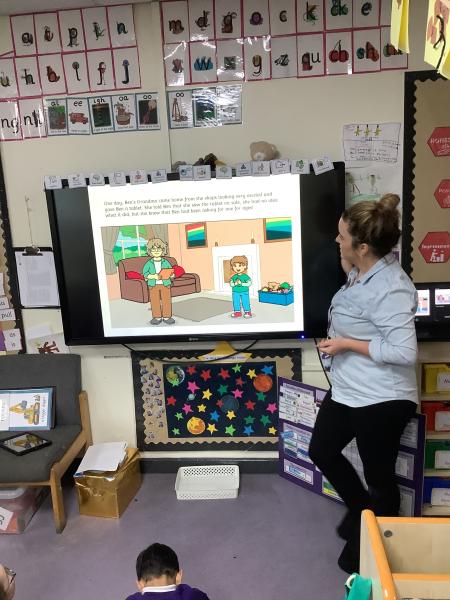
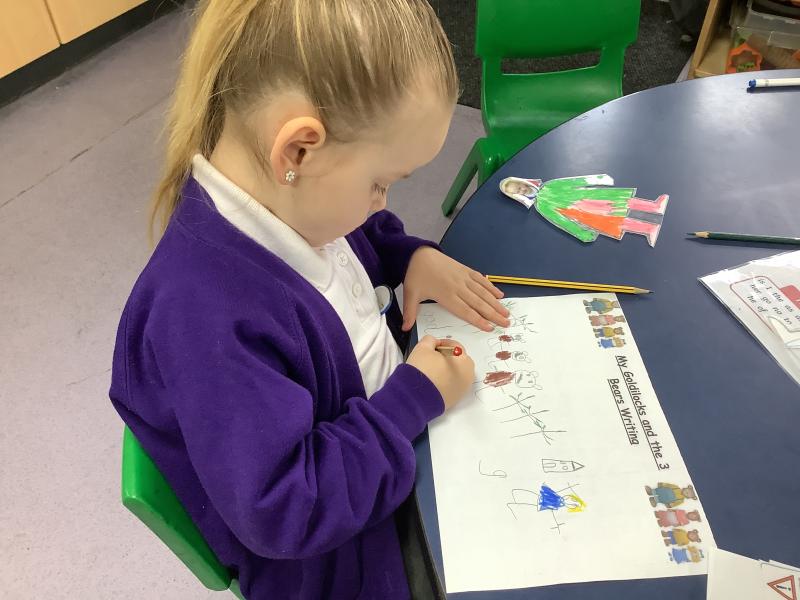
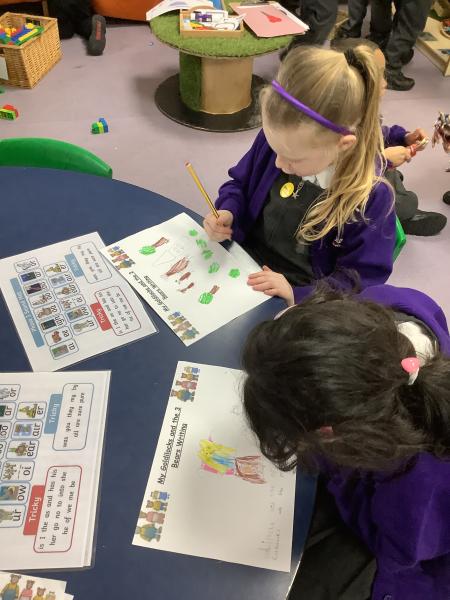
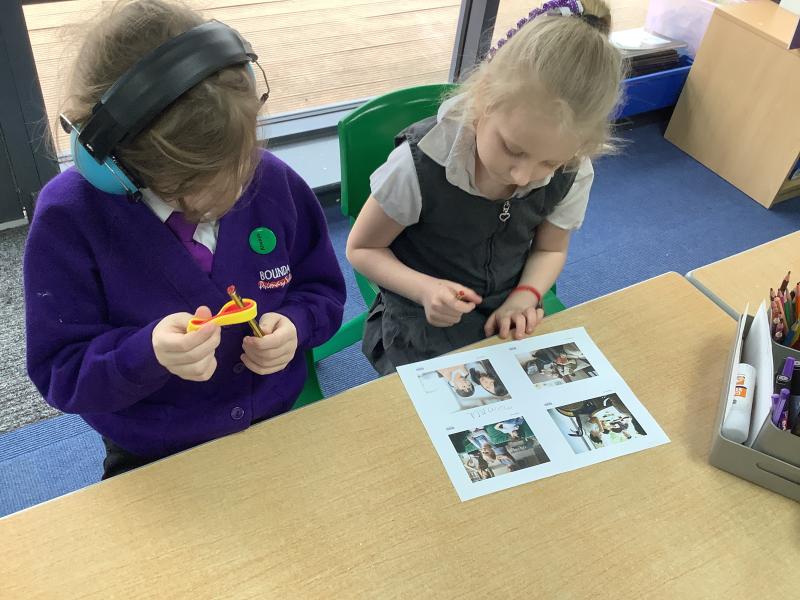
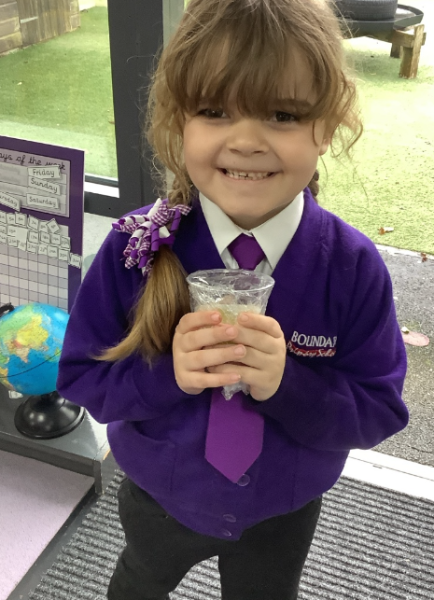
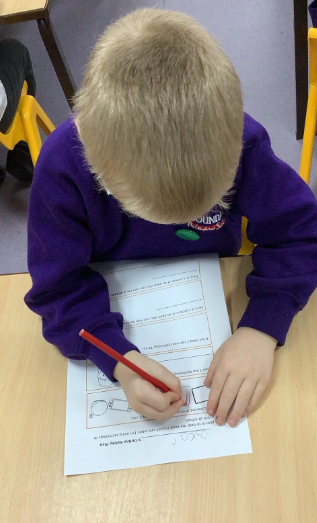
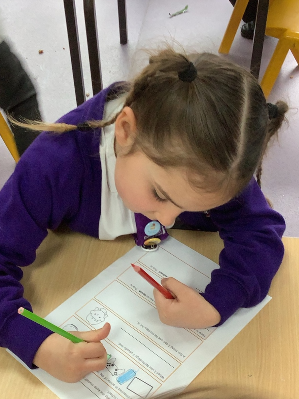
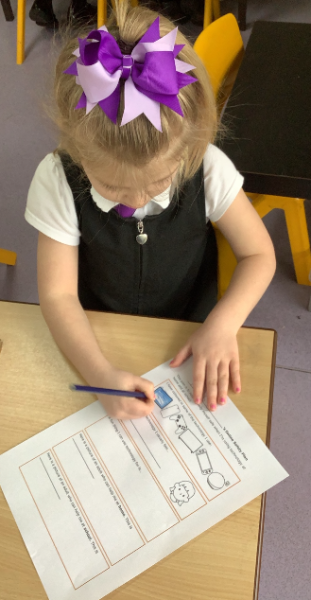
Today, we began our writing journey based on the book 'The girl with two dads'. After we had read and discussed the story, we retold the story focusing on applying our learning so far to use time conjunctions, finger spaces, capital letters and full stops. 

Year 1- RSE Week

Date: 2nd Feb 2026 @ 4:40pm

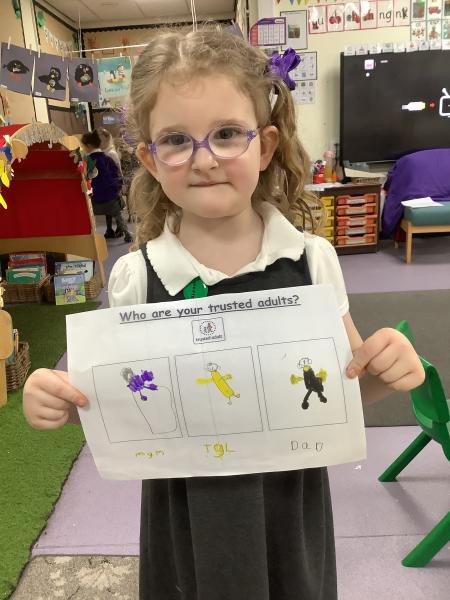
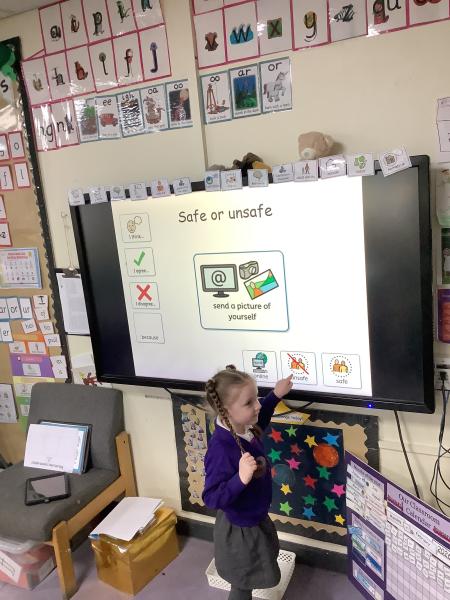
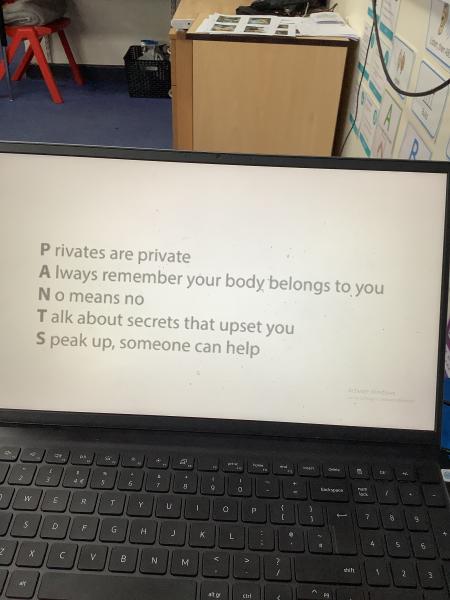
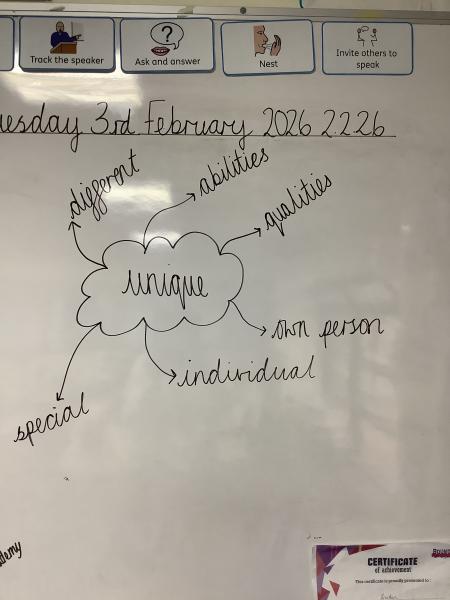
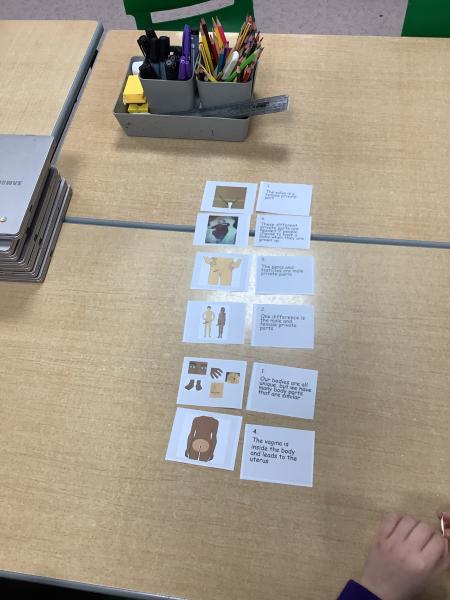
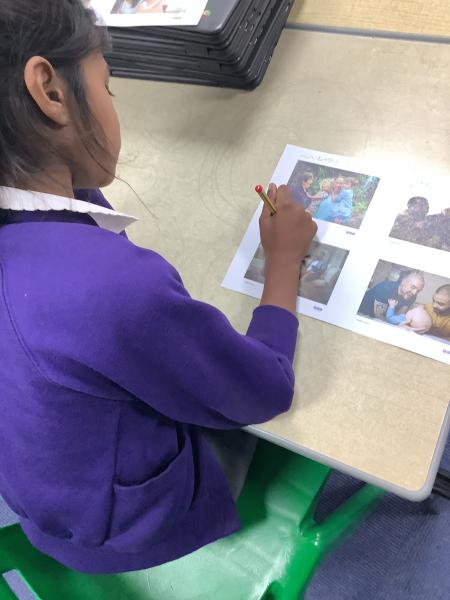
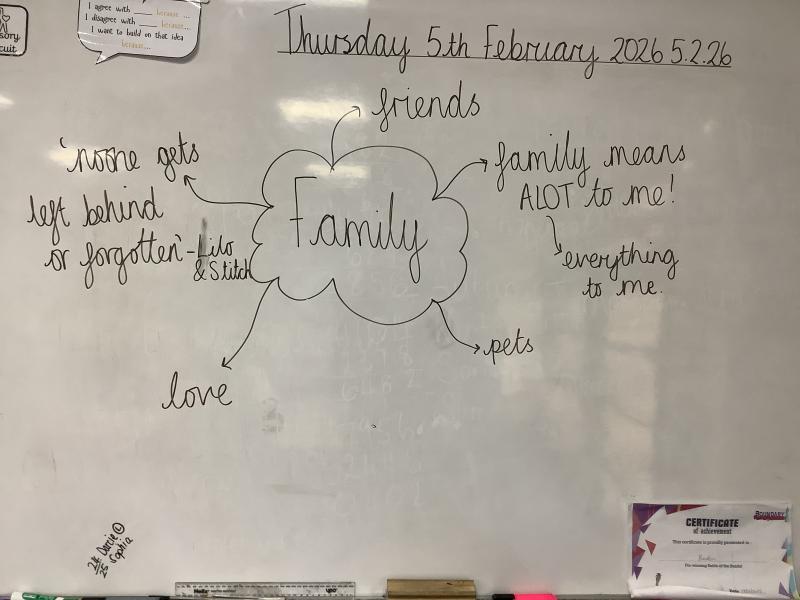
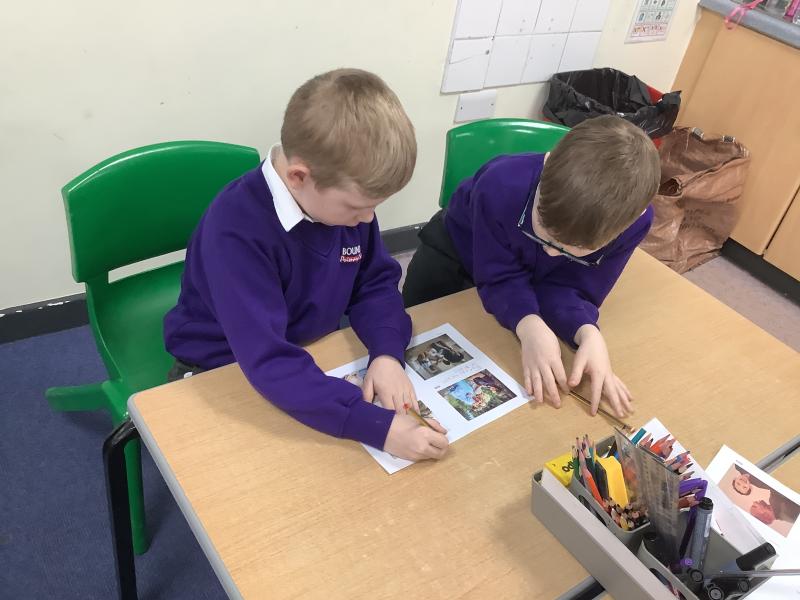
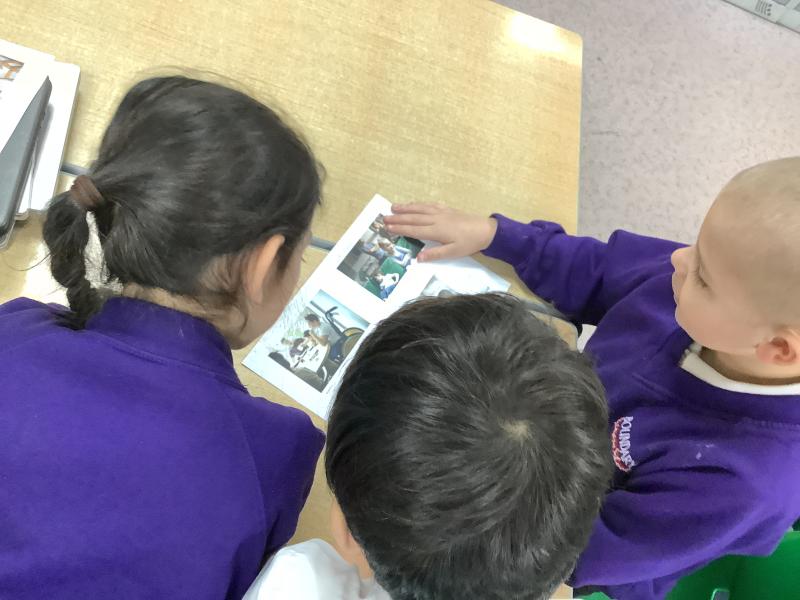
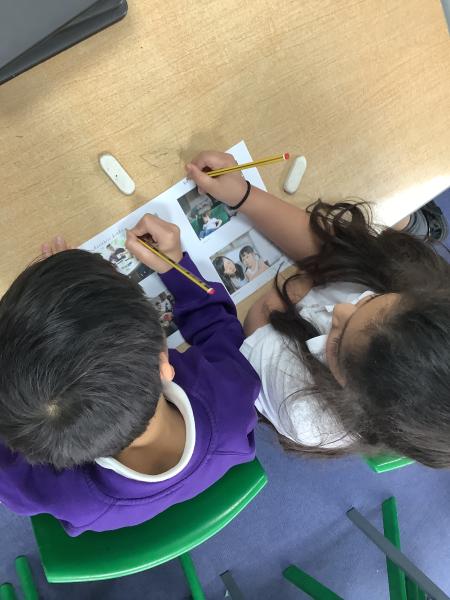
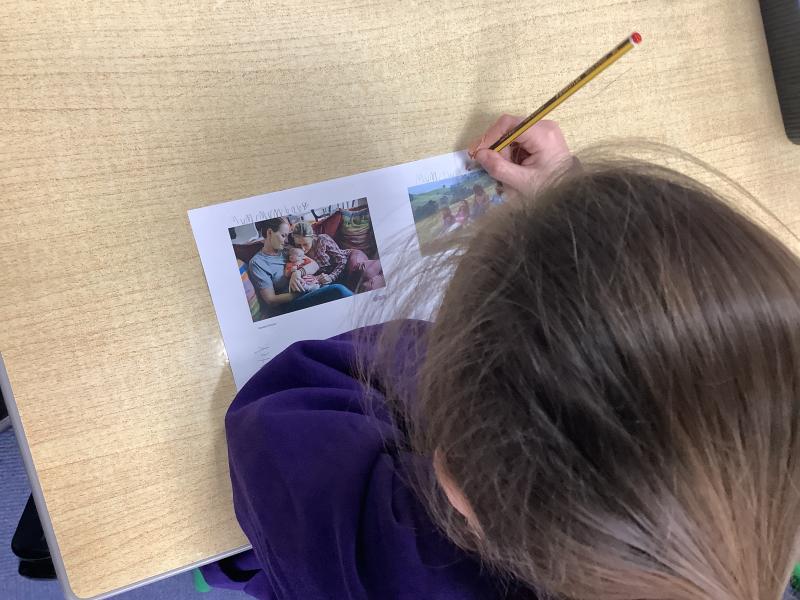
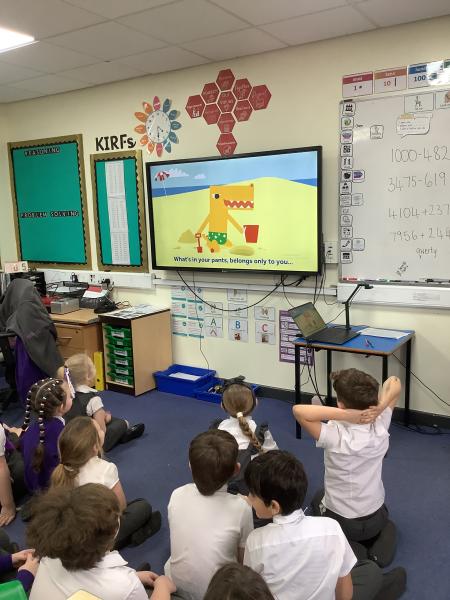
This week, we have completed our RSE learning. We explored ways in which we are different to each other, how we have changed and become more independent since we were a baby, looked at different family types and learnt the Scientific names for private parts. All our learning was through a story of a child named Jai who had a baby brother and made friends with a new child at School even though they were very different. 

Year 6 - RSE Week

Date: 2nd Feb 2026 @ 1:29pm

RSE Week at School!

This week has been RSE Week (Relationships and Sex Education), and Year 6 have been learning about some really important topics that help us understand ourselves, our bodies, and how we communicate with others. Here’s a look at what we’ve covered in class.


🗣️ Communication in Relationships

We explored what good communication looks like in all types of relationships—whether that’s with friends, family members, or people in our school community.
We talked about:

  • Listening carefully to others
  • Speaking honestly and kindly
  • Respecting other people’s feelings
  • How misunderstandings happen, and how to fix them
  • Why healthy relationships make us feel safe, valued, and supported

Good communication helps everyone work together and get along.


💻 Communication Online

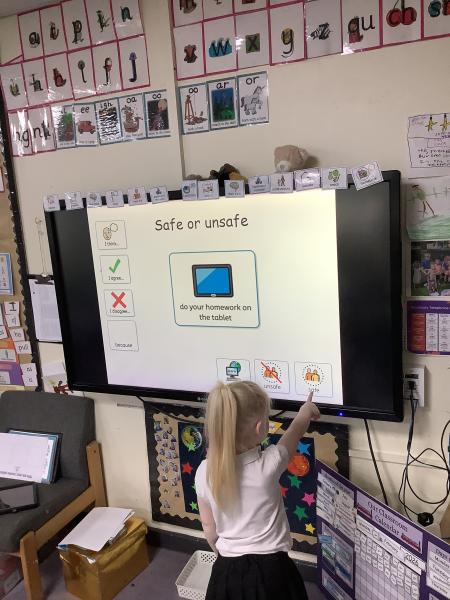
Talking to people online can feel different from talking in real life. We discussed:

  • How to stay safe online
  • Why we shouldn’t share personal information
  • What respectful messages look like
  • How to spot something that doesn’t feel right
  • Who to talk to if we’re unsure or uncomfortable

We also learned that it’s okay to step away from online conversations and that being kind matters just as much online as it does in person.


🧬 Puberty

We learned that puberty is a natural stage of growing up that everyone goes through—just at different times. During puberty, the body begins to change to become physically mature. Some of the things we covered include:

  • Changes in height and body shape
  • Hair growth
  • Skin changes
  • Emotional changes
  • The importance of hygiene
  • Why everyone’s journey through puberty is unique

The main message: puberty is normal, and it’s okay to ask questions about it.


👶 From Conception to Birth

Finally, we learned about how a baby develops. This included:

  • How a fertilised egg grows into an embryo
  • How the embryo becomes a developing baby (a foetus)
  • What happens inside the womb over nine months
  • How the baby gets nutrients and oxygen
  • How amazing the human body is at creating and protecting new life

We approached this in a scientific way, focusing on biology and the incredible stages of human development.


🌟 A Great Week of Learning

RSE Week helped us understand more about ourselves, the people around us, and how to build healthy, respectful relationships. We learned how to communicate clearly, stay safe online, look after our bodies, and appreciate the amazing science of human growth.

Year 6 have handled these topics maturely and thoughtfully—well done everyone!

Year 6 - Story-telling webinar

Date: 2nd Feb 2026 @ 1:28pm

Year 6 Celebrate National Storytelling Week with Alim Kamara

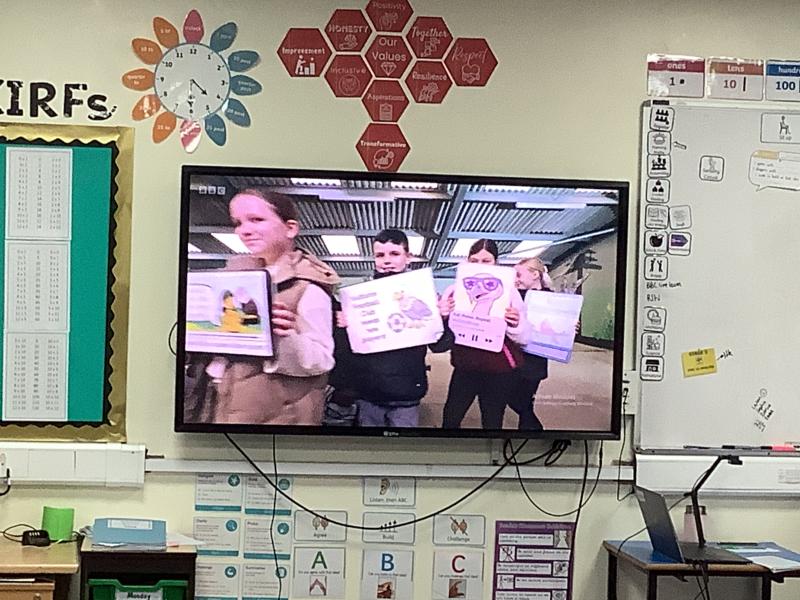
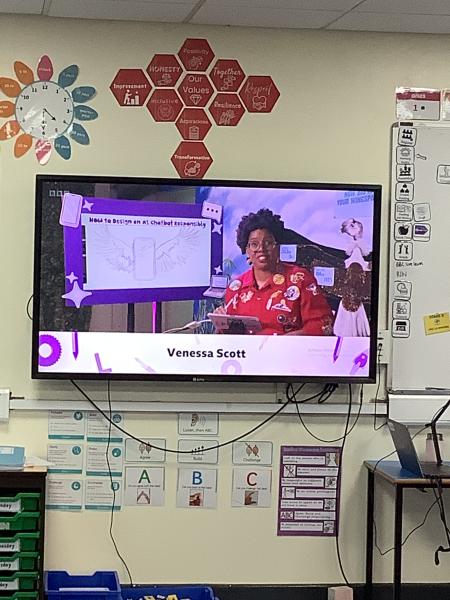
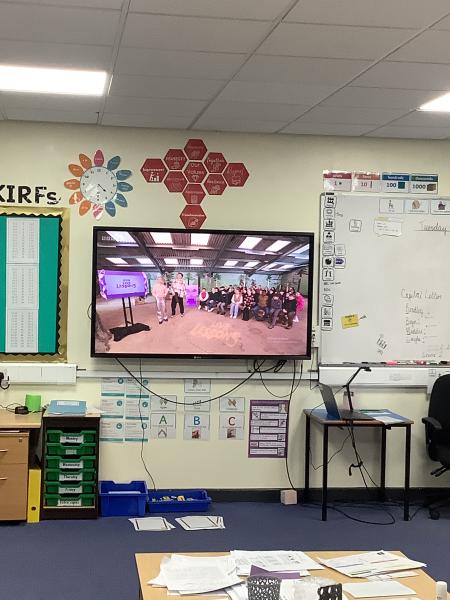
As part of National Storytelling Week 2026, our Year 6 pupils enjoyed an inspiring online workshop led by storyteller and rapper Alim Kamara. The session, delivered live via Zoom, was a vibrant celebration of music, rhythm and the power of storytelling.

The workshop formed part of the National Literacy Trust’s nationwide events for Key Stage 2, designed to help children explore how stories can be told through sound, lyrics and performance. During the interactive session, pupils learned how storytelling and rap can come together to create powerful narratives. They were guided through the process of shaping their own lyrics and experimenting with rhythm—discovering firsthand how words can come alive through music.

Throughout the 45‑minute session, Alim Kamara captivated the children with his energy, enthusiasm and creative approach. Year 5 particularly enjoyed collaborating on a class rap, using ideas shared during the workshop to craft imaginative verses that told a story with both meaning and momentum.

The event formed part of this year’s national theme, “Soundtrack Your Story”, celebrating how music can enhance storytelling and ignite children’s love for reading and writing. Supported by the National Literacy Trust and the National Year of Reading 2026, the workshop provided a rich opportunity for pupils to develop their confidence, creativity and enjoyment of literacy.

We thoroughly embraced the experience, and we are excited to continue building on their enthusiasm in our upcoming storytelling and creative writing projects.

Parent Forum 29th January 2026

Date: 30th Jan 2026 @ 3:25pm

Picture1.png

Parent Forum Meeting Minutes

Thursday 29th January 2026

Agenda

  • Communication – Home/School
  • Easter Disco
  • Summer Fair
  • Any Other Business (AOB)

Welcome

HM opened the meeting, welcoming and thanking everyone for attending.

  1. Communication – Home/School

HM opened the meeting, welcoming and thanking everyone for attending.

HM explained that the school is hoping to up the payments for Breakfast Club and Afterschool Club, with the aim of moving all payments onto one app. This should make the process easier and more convenient for parents and carers.

HM then asked for feedback on whether the current methods of communication are effective. HM explained that the school is trying to reduce the number of paper letters sent home, as this is better for the environment and letters do not always reach parents.

The school now communicates through a range of channels, including email, the school app, Facebook, phone calls, and Arbor. Parents and carers are also able to contact the school office directly if they need further information.

One parent commented that while they understand the issue of multiple letters coming home—especially for families with more than one child—they find it helpful to have visual reminders, such as dates displayed on the fridge, to check daily. The parent suggested sending one generic letter at the beginning of each half term that includes key dates and information.

HM agreed that this was a good idea and said it could be implemented. Parents and carers would then be required to book and pay for activities through Arbor for their child to attend.

This system should also make Parent/Carer–Teacher meetings easier to manage. For these meetings, each class teacher is given a day out of class, allowing parents and carers to choose from a range of appointment times for a one-to-one meeting. Parents will also be asked to complete a questionnaire. This is an annual event that takes place every February.

  1. Easter Disco & Summer Fair

HM handed over to JR to discuss upcoming fundraising events.

JR explained that all fundraising events benefit all children at Boundary Primary School. Funds raised contribute towards events such as the farm visit, the pantomime, and help subsidise school trips.

Easter Disco

Time: 3:30pm – 4:30pm

  • EYFS/KS1: Monday 30th March 2026
  • Years 3 & 4: Tuesday 31st March 2026
  • Years 5 & 6: Wednesday 1st April 2026
  • EYFS/KS1 children will receive a drink and a biscuit included
  • KS2 children will receive a drink included, with a tuck shop available for snacks
  • Each class will have a Pass the Parcel game
    • Main prize: Easter egg
    • Each layer: Haribo
  • JR asked if the PTFA would be willing to help wrap the Pass the Parcel prizes

Summer Fair

Date: Wednesday 8th July 2026
Time: 3:45pm – 5:00pm

Following a review of previous events, it was agreed that gardening stalls will be dropped.

Stalls to include:

  • Soak the Teacher
  • Sand Art
  • Face Painting
  • Hook-a-Duck
  • Beat the Goalie
  • Tombola
  • Toy/Book Stall
  • Jewellery Stall
  • Knitted Items for Sale
  • Uniform Swap Shop
  • Guess the Weight of the Cake
  • Name the Teddy
  • Cupcake Sales
  • Café (hot food and drinks)
  • Sweets
  • Soft Drinks
  • Crisps
  • Ice Creams

Raffle tickets will also be on sale, with prizes kindly donated by local businesses.

  1. Any Other Business

LPPA – Leading in Parent Partnership Award

SB discussed the LPPA award and the importance of parental engagement. The school is applying for this award for the fourth time, with each award lasting three years.

A letter explaining the award will be sent to parents/carers.

The LPPA supports the following long-term benefits:

  • Improved pupil attendance, punctuality, behaviour, and progress
  • Increased parent/carer participation and involvement
  • Enhanced parental support for children’s learning
  • Improved home–school communication

Parents who have attended family learning sessions shared positive feedback, highlighting the benefits of learning alongside their child, understanding current teaching methods, and engaging in fun educational activities.

The next whole-school and community assessment will take place on Monday 16th March 2026.

Next Meeting

The date of the next Parent Forum meeting is to be confirmed.

Acorns - Fine motor skills

Date: 30th Jan 2026 @ 11:38am

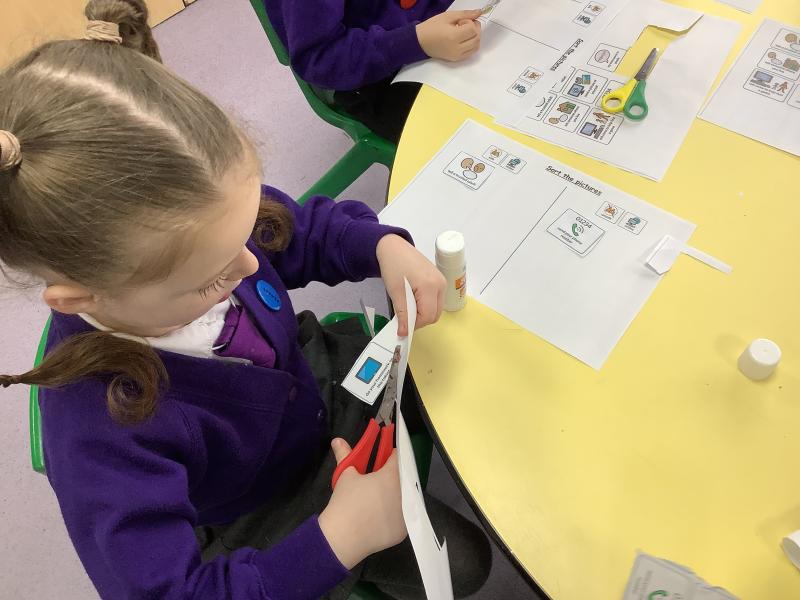
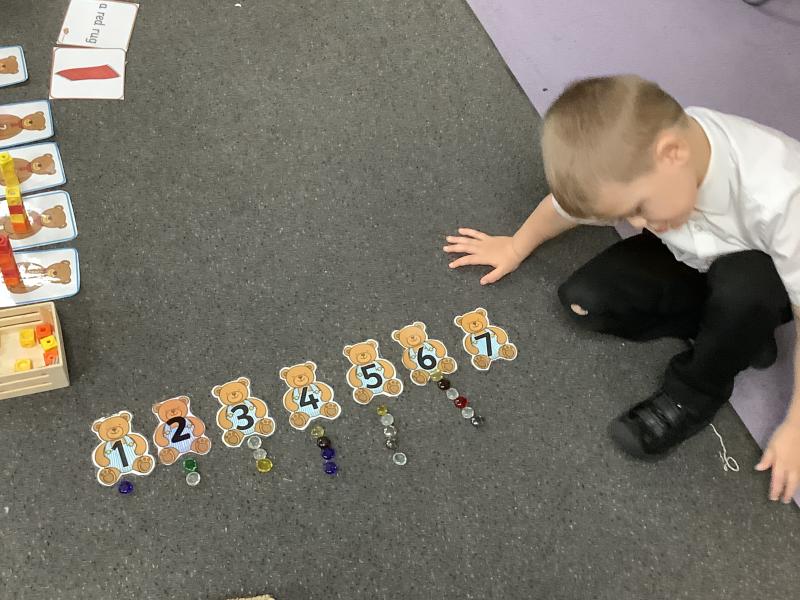
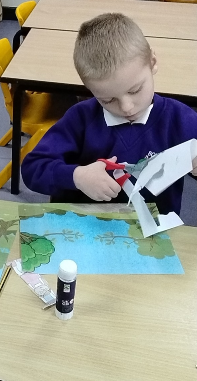
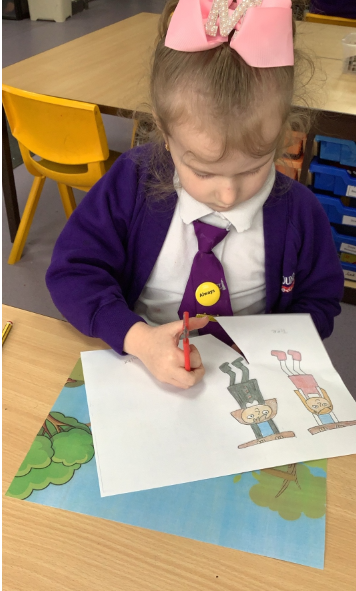
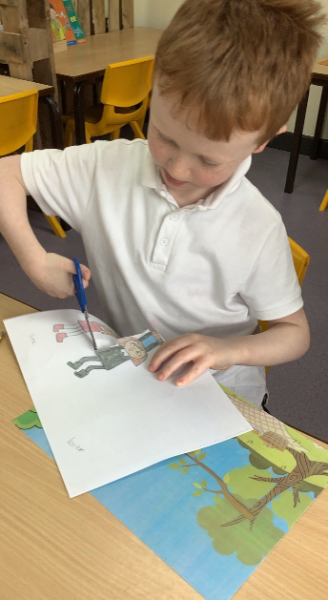
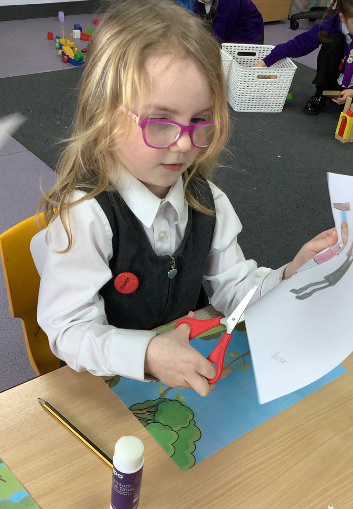
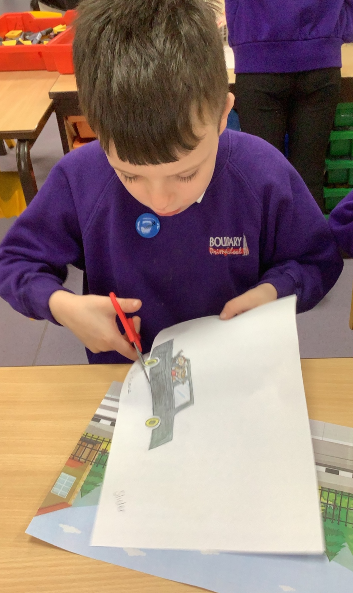
Acorns engage in a veiety of activities to develop our fine motor skills in preparation for writing and other activities. This week we have been putting those skills to use, practicing cutting with scissors and developing control over our movements. We had fun exploring a variety of materials to cut and developing our choice making too. 

Reception Phase 3 Phonics

Date: 30th Jan 2026 @ 11:11am

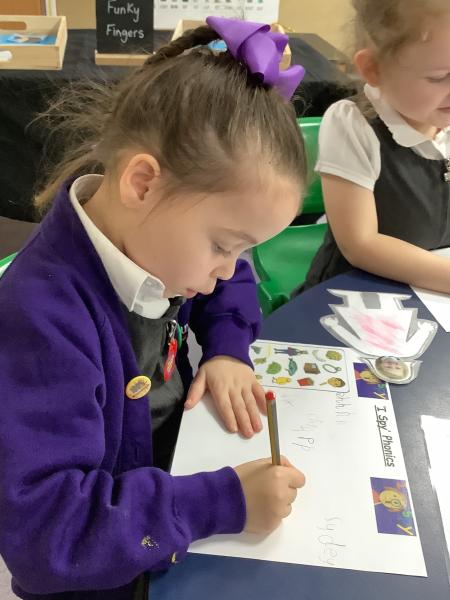
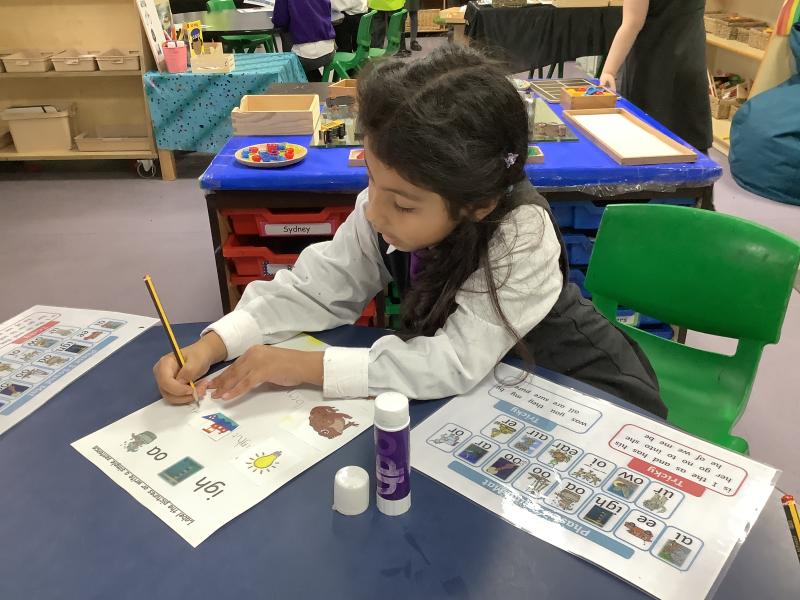
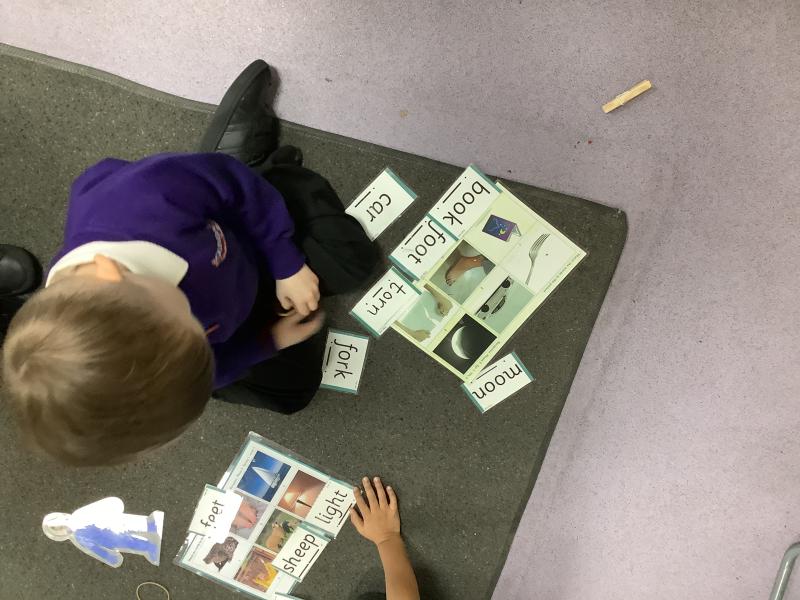
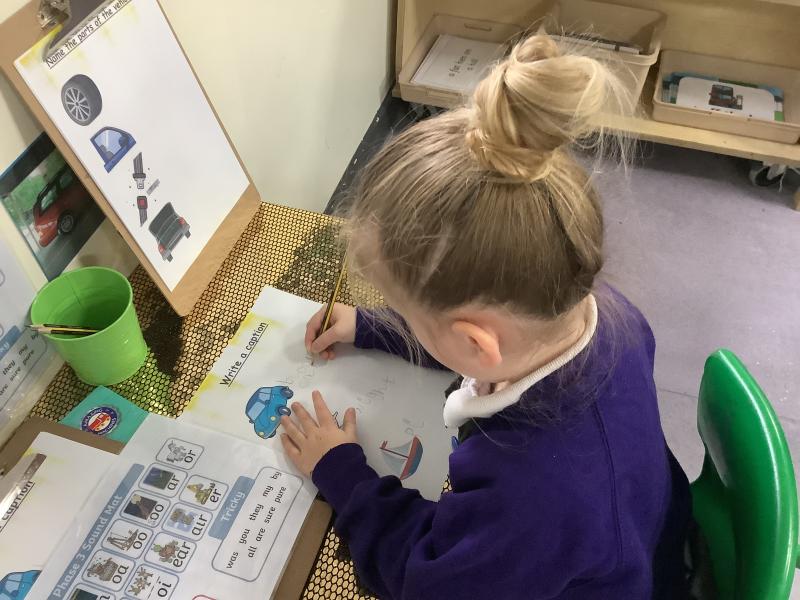
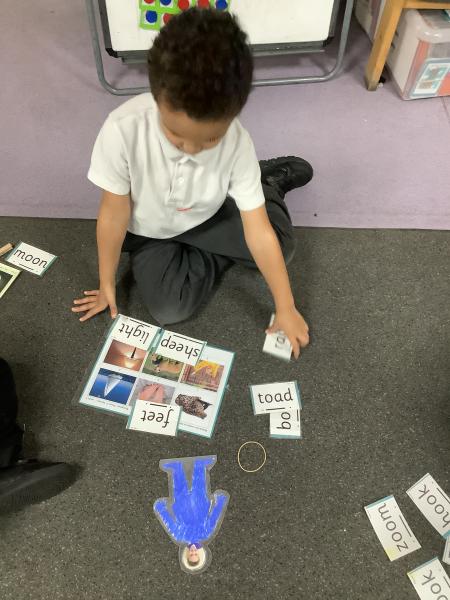
Since returning from Christmas the children in Reception have been learning their new phase 3 sounds in thir daily phonics lesson.  To help the children apply their learning they have had several opportunities during continuous provision practice reading and writing words containing the phase 3 sounds.   Have a lok at our learning.

Acorns - Maths

Date: 30th Jan 2026 @ 10:36am

 We love exploring maths in a variety of ways in Acorns. This week we have had spaces themed activities alongside our space story. We are developed a variety of skills from matching shapes, shadows to images and developing our counting skills. We have also been developing our number formation and mark making skills. Some of us have even been counting backwards from 10 to blast off!

Reception- Junk Model Vehicles

Date: 30th Jan 2026 @ 10:25am

This half term we have been learning about transport and the different types we use to travel to different places.

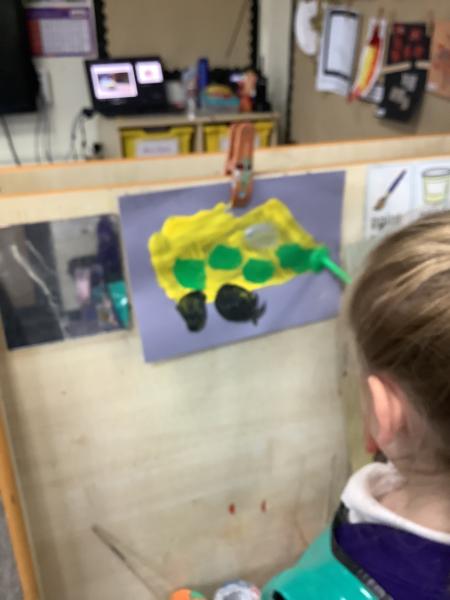
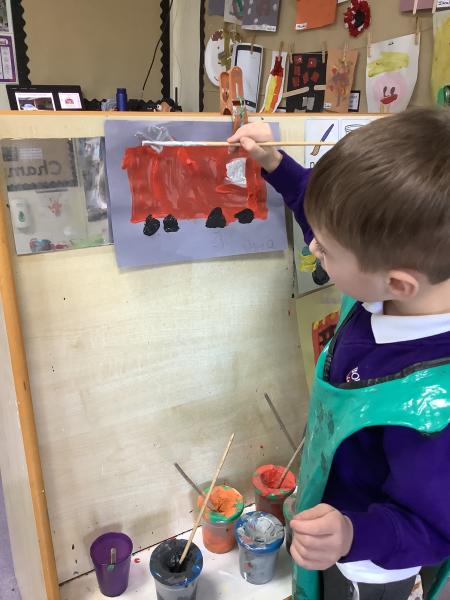
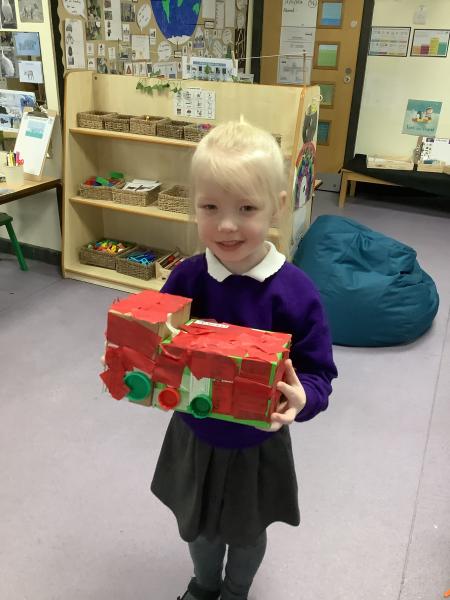
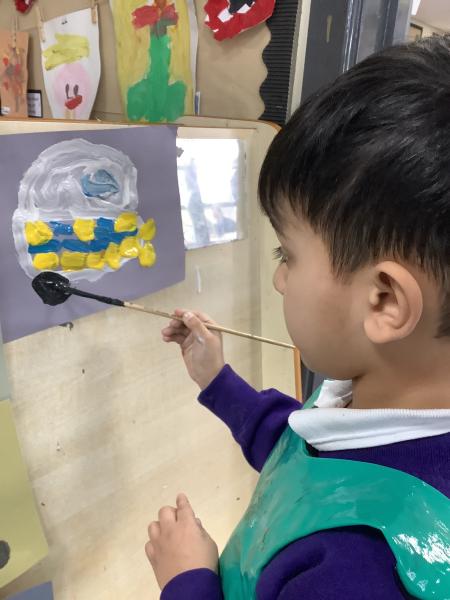
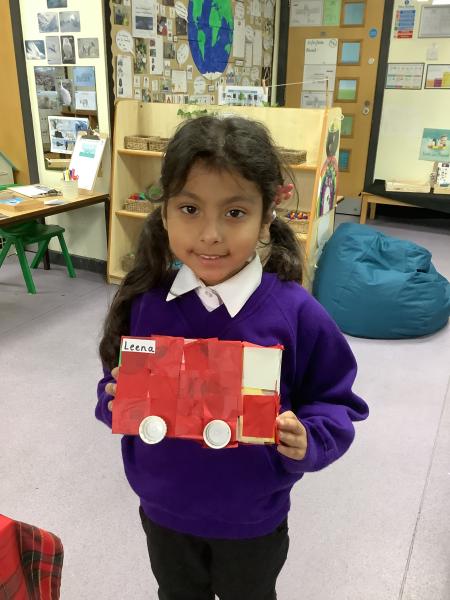
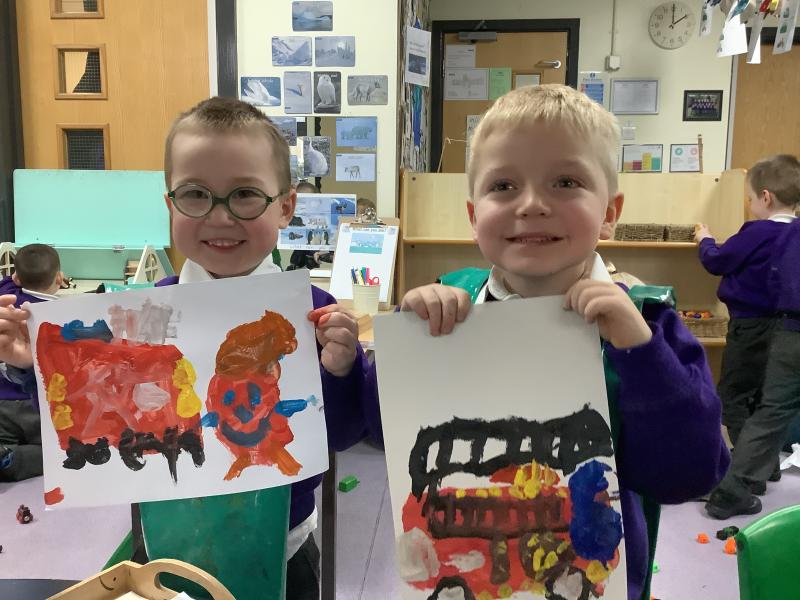
This week we made our own junk model vehicles, thinking about what they look like. We collaged the colour of a vehicle and made sure we fixed the boxes togther with glue or tape and attached windows, doors, wheels, headlights and windscreen wipers on them.

Take a look at what we did!

Nursery and Pirate Pete's Frozen Treasure

Date: 29th Jan 2026 @ 8:35pm

It has been a week of finding treasure this week. The children came in on Wednesday to discover that Pirate Pam has stolen Pirate Pete's treasure and frozen it! The children worked together to try and free the treaure from the ice and discussed how we needed to melt the ice to get the treasure out. They used warm water, syringes and brushes to try and melt the ice.We even tried little spades to chip away at the ice. You will be pleased to know that we got all of Pirate Pete's treasure back for him! 

Nursery Hunt for Treasure

Date: 29th Jan 2026 @ 8:23pm

It was all systems go in nursery this week as we went on the hunt for treasure! Not just any treasure though, it had to be magnetic! The chidlren loved exploring using the magnets and learnt all about magnetic and non-magnetic materials. They hovered the magnets over the sand and waited for them to attract the treasure. 

Year 2- What is Ragtime music?

Date: 29th Jan 2026 @ 1:10pm

In this lesson we focussed on looking at the musical style of Ragtime. We explore key features of this type of music, we looked at key artists, what instruments were played at this time and what musics it inspired. The children wrote down all the facts they gathered.

Year 2 - Using an atlas to explore the world !

Date: 29th Jan 2026 @ 1:03pm

In this lesson we looked at recapping our knowledge of the world’s continents and oceans. The children had to use an atlas to put a jigsaw of the world together and they labelled the continents and oceans. We then went on to answer key questions about size of oceans and where different countries were located.

Year 3 Maths

Date: 29th Jan 2026 @ 9:12am

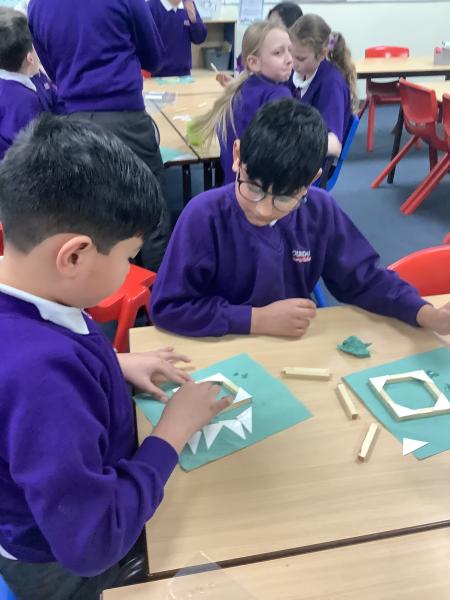
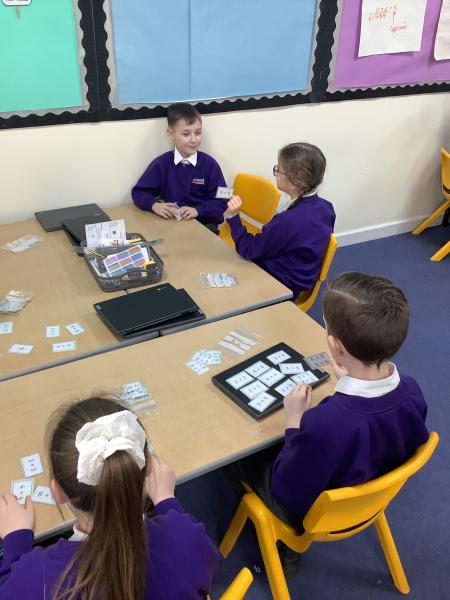
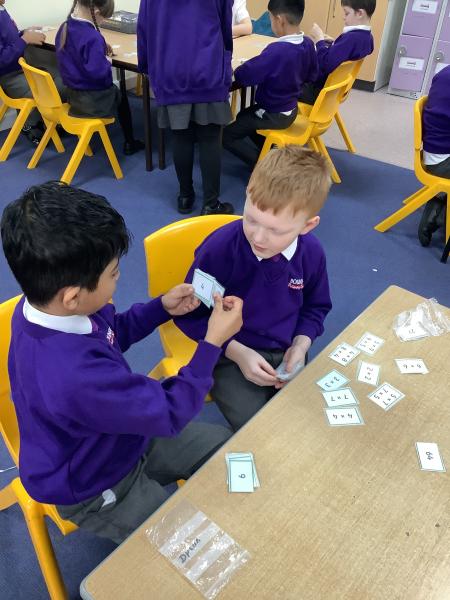
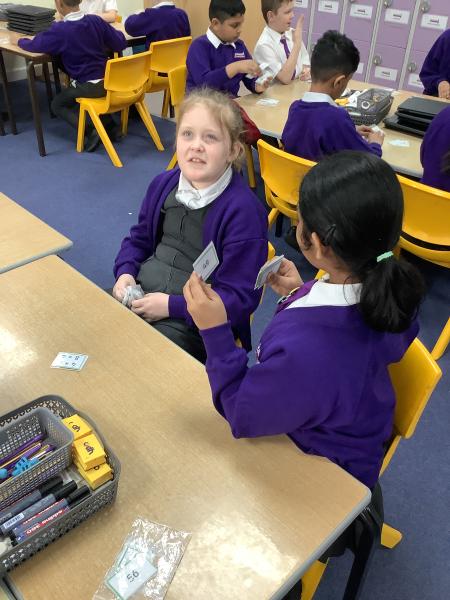
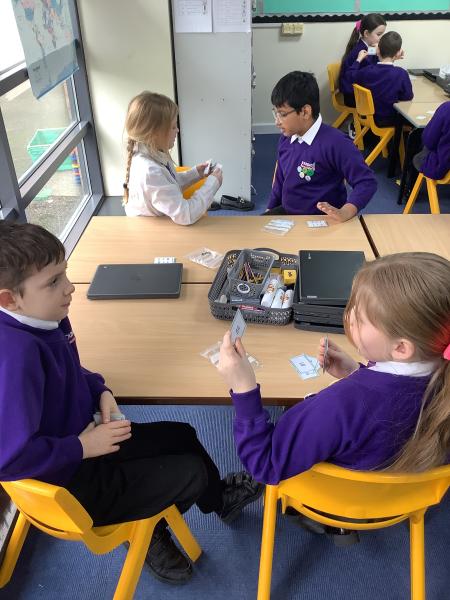
This week in Year 3, we’ve taken another big step forward in our maths journey as we explored division in depth. The children have shown fantastic perseverance and curiosity as they tackled calculations involving two-digit numbers divided by one-digit numbers, using a wide range of practical equipment to help them understand what division really means.

🔍 Using Manipulatives to Make Division Meaningful

To ensure everyone had a secure, hands-on understanding, we used a variety of manipulatives, including:

  • Base 10
  • Place value counters
  • Lollypop sticks

These resources helped the children see how a number can be shared into equal groups. They physically moved, grouped and partitioned numbers, giving them a much clearer picture of the division process.

✏️ Partitioning and Exchanging

One of our biggest focuses this week was understanding what happens when numbers don’t divide neatly. The children learned how to:

  • Partition a two‑digit number into tens and ones
  • Exchange a ten for ten ones when a remainder appears in the tens column
  • Continue dividing using the ones
  • Work out whether the result is a whole number or whether a remainder is needed

Lots of lightbulb moments this week!

Year 4 - Appraising Reading

Date: 29th Jan 2026 @ 9:07am

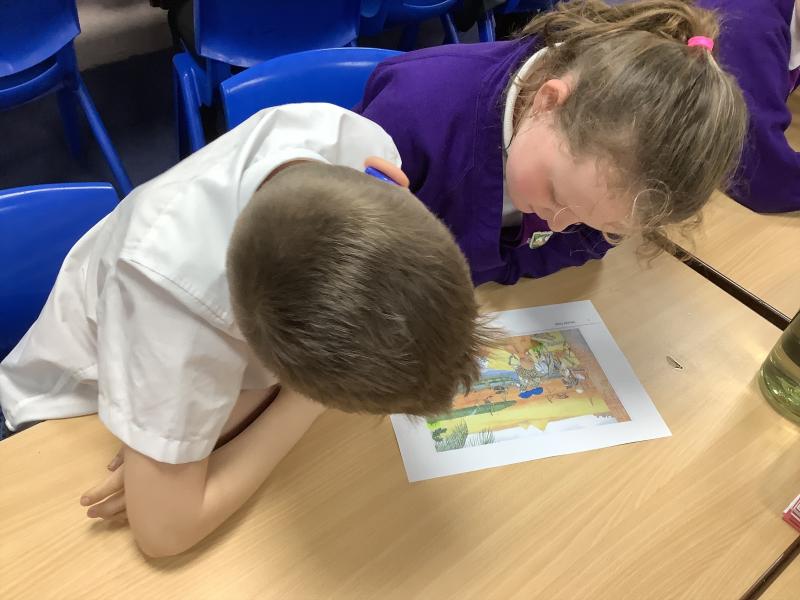
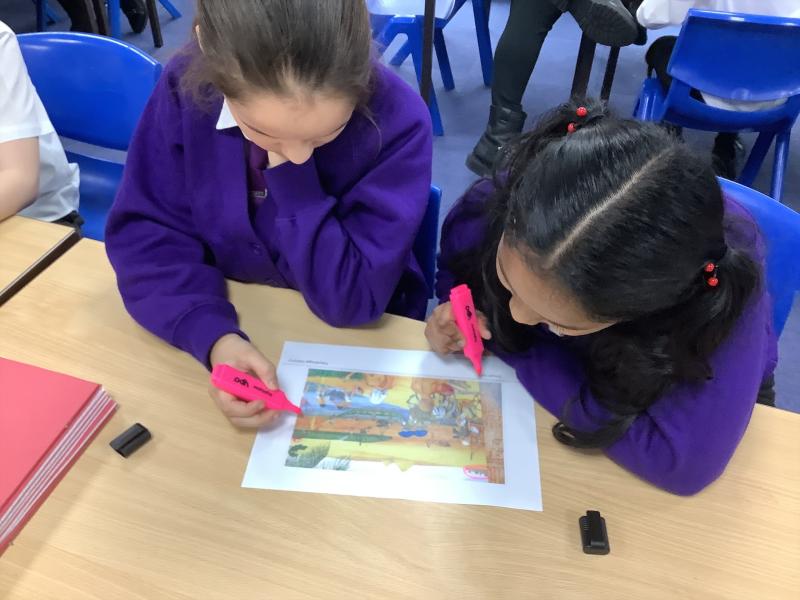
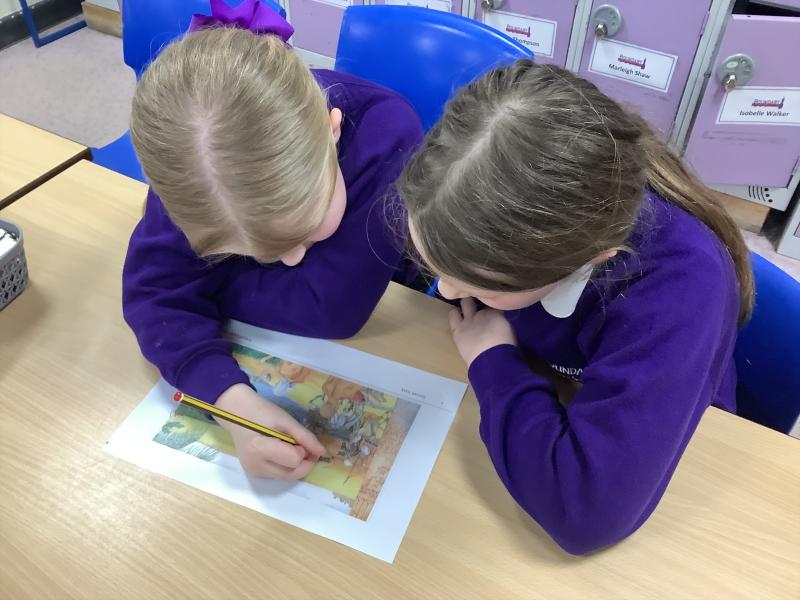
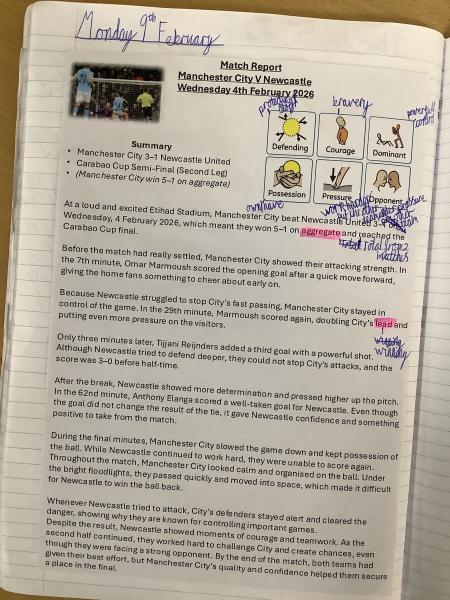
This week in Year 4, we focused on becoming confident, expressive readers through our guided reading lesson. We began by listening to the text read aloud as an expert model, helping the children hear how pauses and emphasis can bring a story to life.

Working in pairs, trios, or small groups, the children then selected a section of the text to explore more deeply. They marked their chosen passage with slashes to show where natural pauses should occur and highlighted key words that deserved extra emphasis. This helped them think carefully about how an author’s language should sound when spoken aloud.

After practising together, each group performed their section for the whole class. The children listened attentively to one another, offering thoughtful feedback and celebrating what each group did well.

Year 3 - French

Date: 29th Jan 2026 @ 9:01am

This week in Year 3 French, we continued our exciting journey into the world of language learning with a focus on animalsles animaux. The children loved diving into new vocabulary and discovering some surprising rules about how French works!

Last half term, we worked hard on developing our French phonics skills, and this week the children put that knowledge to excellent use. We revisited key sounds and practised saying animal names, paying close attention to pronunciation.

From stretching out vowel sounds to noticing the silent final letters that French is famous for, the class showed real confidence in reading and speaking aloud. It was wonderful to see their enthusiasm as they recognised familiar phonemes and applied them independently.

One of the most exciting moments this week was when the children realised that in French, the determiner (equivalent to 'a' in English) changes depending on whether the noun is masculine or feminine.
This sparked lots of discussion and curiosity—why do nouns have genders? How can we remember which is which? The children loved spotting patterns, and they’re already starting to apply this knowledge more confidently in their spoken and written work.

Year 5 - Science

Date: 29th Jan 2026 @ 8:55am

Today, Year 5 focused on understanding how the eye works, exploring the different parts of the eye, the blind spot, and how eyesight can change over time. The children learned about key structures such as the pupil, iris, lens and optic nerve, and discussed how each part plays an important role in helping us see. They were fascinated to discover the existence of the blind spot and what it reveals about how the brain processes visual information. Some pupils also took part in a practical experiment, completing an eye test from different distances to observe how clarity of vision can vary. 

Year 3 - Geography Climate Zones

Date: 29th Jan 2026 @ 8:01am

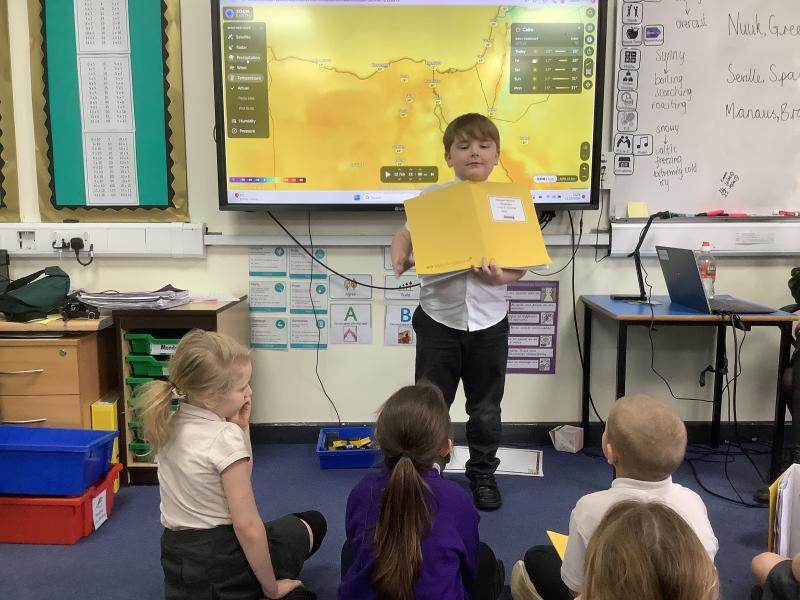
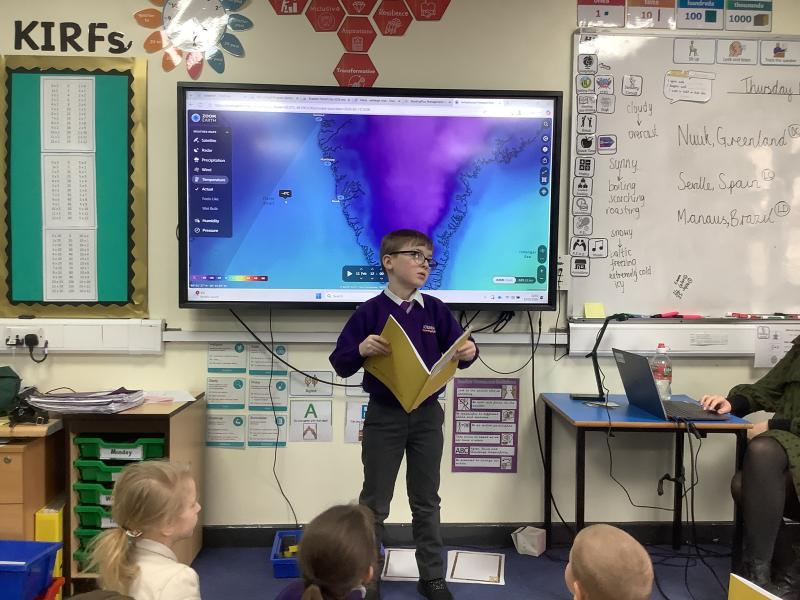
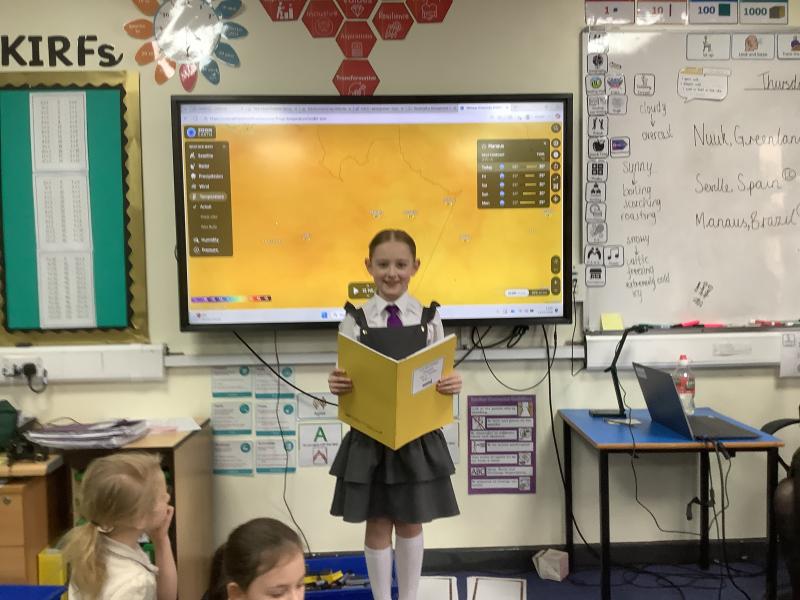
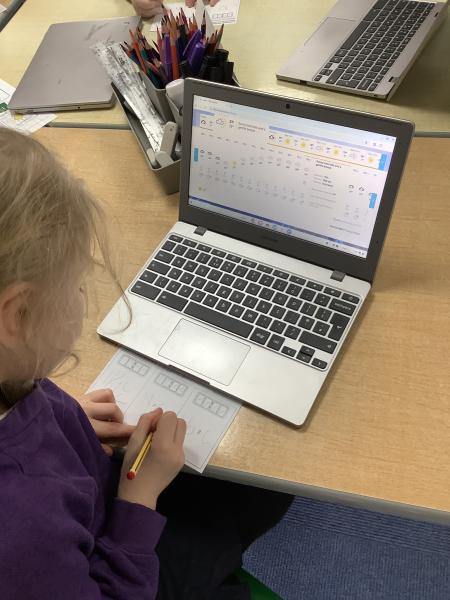
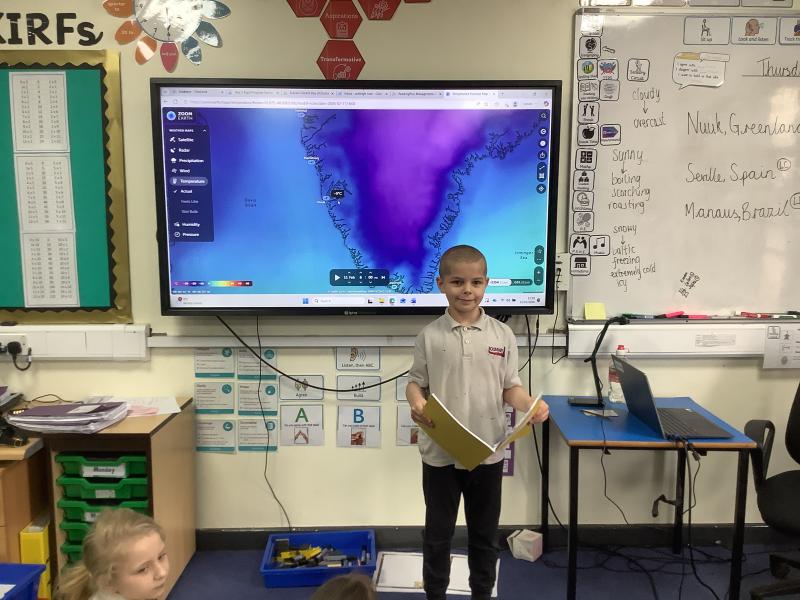
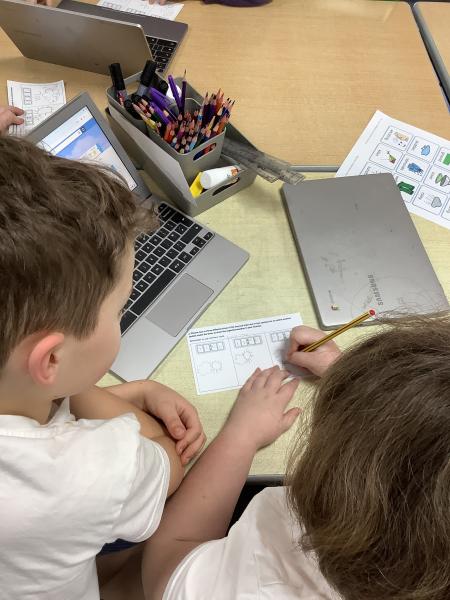
This week, Year 3 have been learning all about climate zones and how temperature and precipitation vary across the globe. To help us understand these differences, we located Manaus (Brazil), Nuuk (Greenland), London (United Kingdom), Seville (Spain) and Cairo (Egypt) on a world map. The children enjoyed spotting which places were close to the equator and which were nearer the poles.

We discovered that Manaus, in northern Brazil, has a hot, tropical climate with high temperatures and lots of rainfall. In contrast, Nuuk, in Greenland, is extremely cold with very low temperatures throughout the year. London has a mild and changeable climate, while Seville, in southern Spain, is warm and sunny with very hot summers. Finally, Cairo, in Egypt, has a desert climate, meaning it is very hot and receives very little rain.

Year 3 loved comparing these places and spotting global weather patterns. 🌦️🌍

Year 3 - Julian is a Mermaid

Date: 29th Jan 2026 @ 7:57am

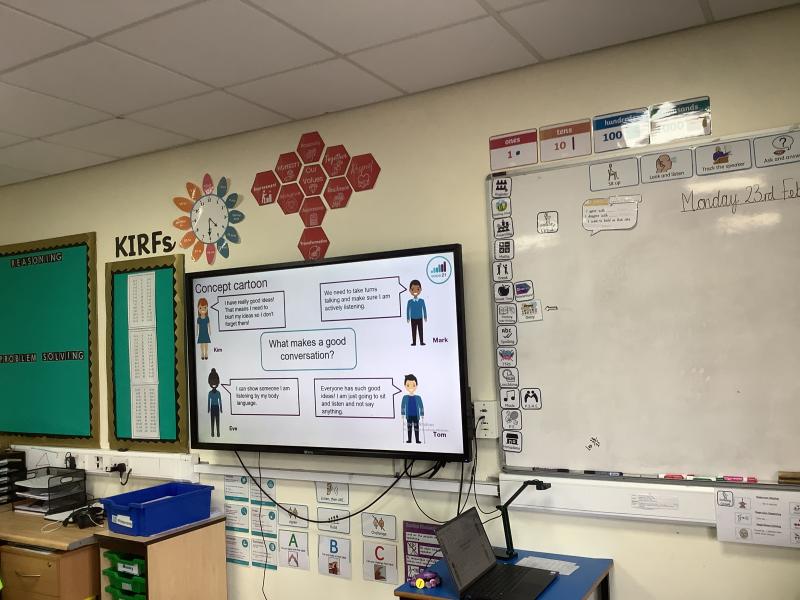
This week, the children explored the story Julian Is a Mermaid, focusing on the message behind the text and its link to managing and challenging stereotypes. They discussed common stereotypes, such as the idea that girls can’t play football, and shared their own views and experiences. The lesson also developed Oracy skills, with a focus on probing, challenging, agreeing with, and building on others’ ideas. The children made links between these discussion skills and dialogue between characters in a playscript. They also discussed the importance of asking questions and using body language to show active listening and respect for others’ opinions.

Year 1 Managing our emotions

Date: 29th Jan 2026 @ 7:40am

This week our focus was Self control and how to manage our emotions. In assembly and in class, we discussed the different things that irritate us and how this can build up into anger that might make us want to explore. We talked about how to recognise that feeling and the different ways we can help ourselves to ensure we don't explode as this might get us into trouble. In our PSHE lesson, we practiced techniques we can use when we feel angry. 

Year 1 Looking after the Environment

Date: 29th Jan 2026 @ 7:36am

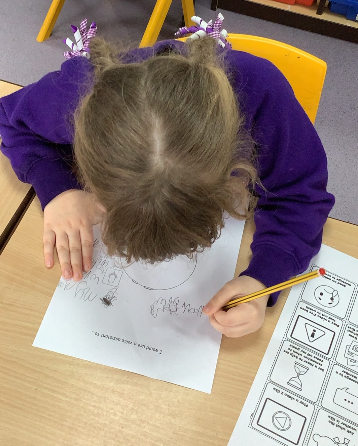
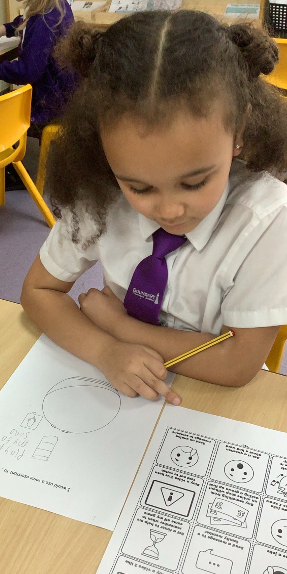
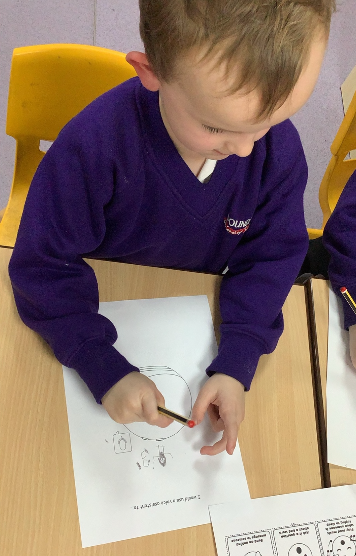
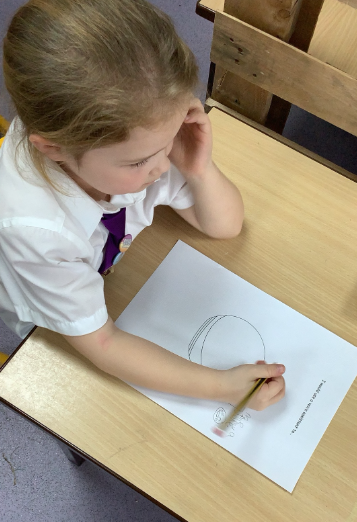
This half term, our focus is Islam. We have learnt that Muslims believe in taking care of the environment. Throughout the half term, we have explored who is responsible for taking care of the environment and ways in which we can help take care of the environment. Today, we drew ideas to show how we take care of the world around us. This follows on from Mr Galloway visiting us to talk about his role as a 'caretaker' and the jobs he has to do to take care of our School. 

Year 1 Character Descriptions

Date: 29th Jan 2026 @ 7:32am

This week, we have been continuing with our book The Smartest Giant. Over the last couple of days we focused on using adjectives to describe some of the characters from the story. Then, we wrote our own sentences to describe the character we had chosen. 

Year 1 Adding by counting on

Date: 29th Jan 2026 @ 7:26am

This week, we began our addition and subtraction unit within 20. We recapped that addition means to get more of something. We all completed the first, then, now task to think about counting on from any given number within 20 when adding a certain amount. 

Year 6 - Science

Date: 27th Jan 2026 @ 1:41pm

Year 6 Science Blog – Our Fair Test on Hand Cleaning Products!

This week in Science, Year 6 have been busy carrying out a fair test to investigate a very interesting question:

Which hand-cleaning product works the best?

To test this, we used slices of bread and different hand-cleaning methods. After applying a different cleaning product to our hands—such as soap, hand sanitiser, wipes, or even no cleaning at all—we each pressed our hand onto a slice of fresh bread. Over the next week, we’ll observe how much mould grows on each piece and compare the results.


How We Made It a Fair Test

We learned that a fair test means only changing one thing at a time, while keeping everything else the same. Here are some examples of what we controlled:

  • Same type of bread: We all used slices from the same loaf so the bread’s freshness and ingredients wouldn't affect the results.
  • Same size handprint: We used one full handprint on each slice to keep the amount of contact equal.
  • Same storage conditions: All slices are being kept in sealed bags in the same place so they grow mould under the same temperature and light conditions.
  • Same time of contact: Each person pressed their hand on the bread for the same amount of time.
  • Only one variable changed: The only thing different about each slice is the cleaning method used.

We talked about how these factors help make the experiment fair, so our results will be more reliable.


Our Predictions

Before starting, we made our own predictions about which bread would grow the least mould.

Some of our ideas included:

  • Bread touched after using soap and warm water might grow the least mould because soap removes dirt, oils, and most bacteria.
  • Bread touched after using hand sanitiser might also stay cleaner because sanitiser kills many germs quickly.
  • The bread touched with no cleaning at all would probably grow the most mould, because more germs would transfer from our hands to the bread.
  • Wipes might work, but some of us thought they may not be as effective as washing with soap.

We also explained why we thought these things would happen, linking back to what we’ve learned about microbes and how they spread.


What’s Next?

Over the next few weeks, we’ll be checking our bread samples to see how the mould grows. We’ll record our observations and compare the results to our predictions.

Stay tuned—our findings might surprise you!

Contact Us

Boundary Primary School

Dinmore Ave, Blackpool FY3 7RW

School Office

01253 287250:
admin@boundary.seteducation.org.uk

If you require a paper copy of any information on our website, please contact the school office and we can provide this, free of charge.

Proud to be part of the Synergy Trust

STAFF LOGIN
PARENT LOGIN