: Blog items
Date: 29th Jan 2026 @ 9:01am
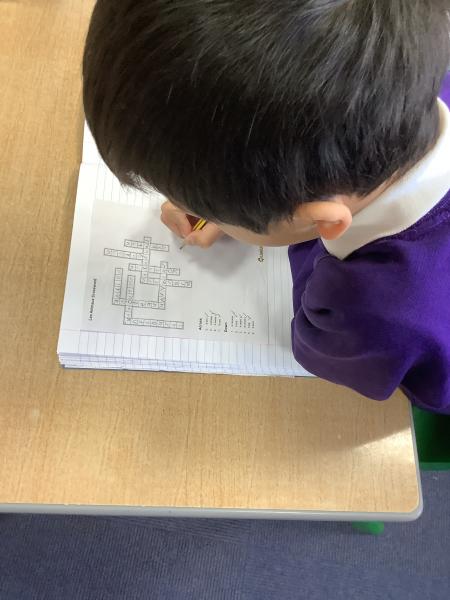
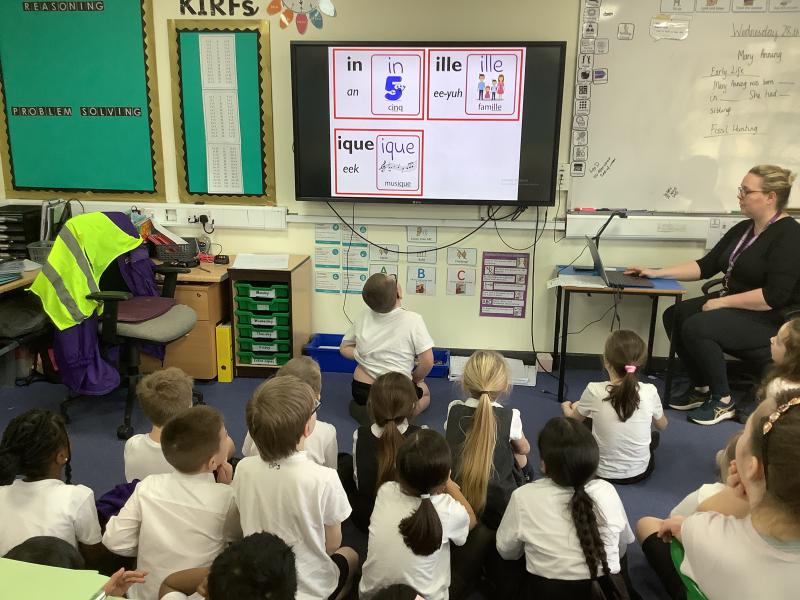
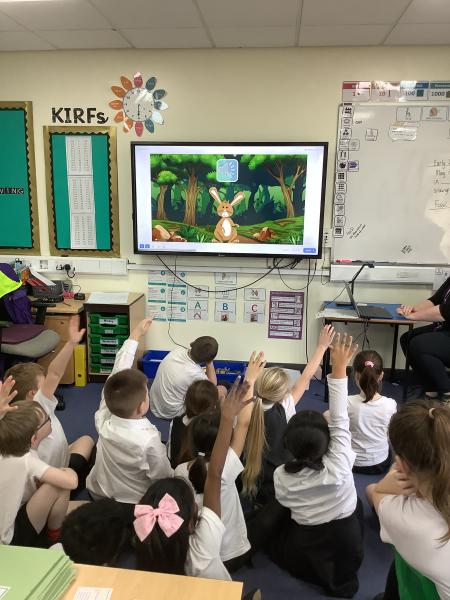
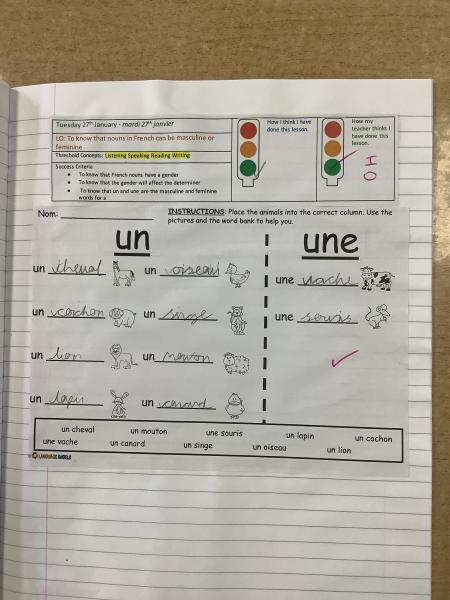
Last half term, we worked hard on developing our French phonics skills, and this week the children put that knowledge to excellent use. We revisited key sounds and practised saying animal names, paying close attention to pronunciation.
From stretching out vowel sounds to noticing the silent final letters that French is famous for, the class showed real confidence in reading and speaking aloud. It was wonderful to see their enthusiasm as they recognised familiar phonemes and applied them independently.
Date: 29th Jan 2026 @ 8:55am
Year 3 - Geography Climate Zones
Date: 29th Jan 2026 @ 8:01am
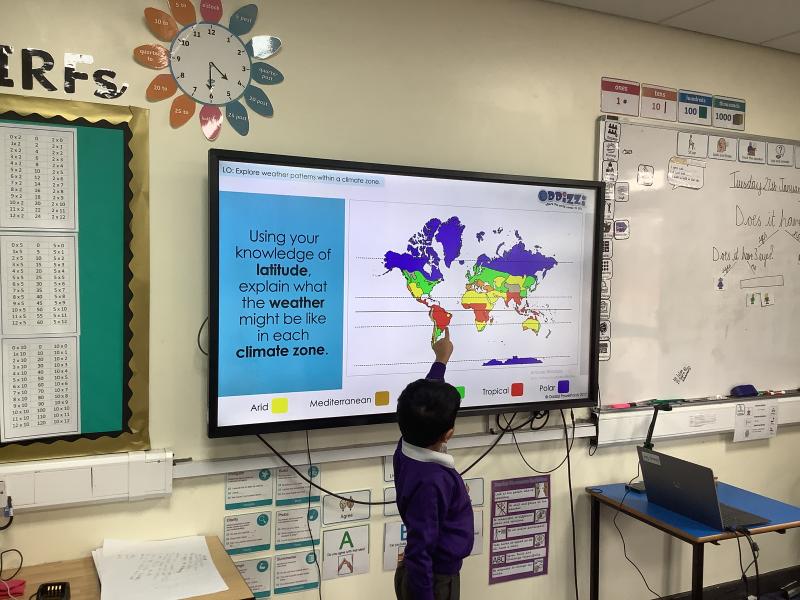
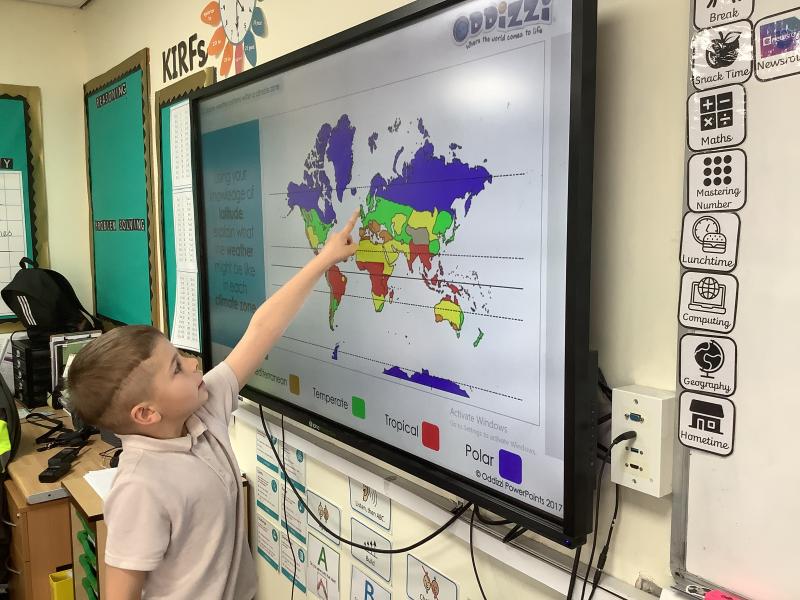
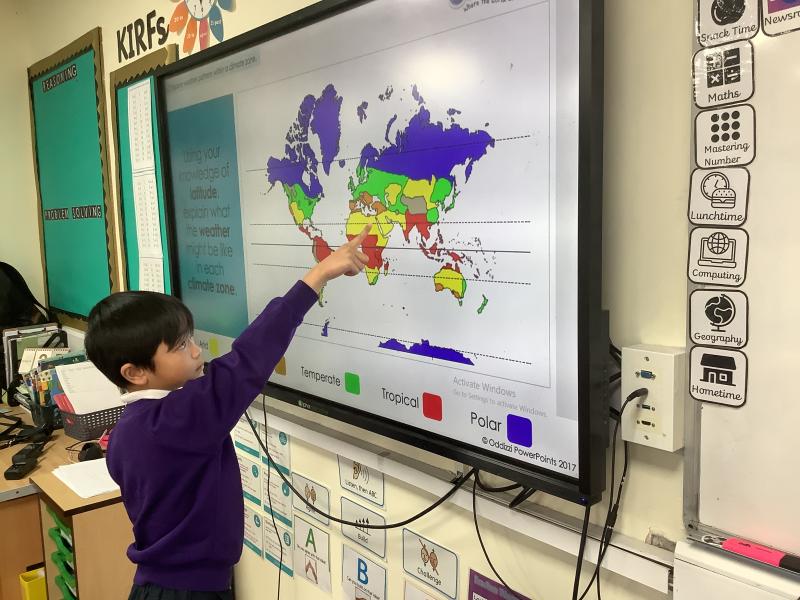
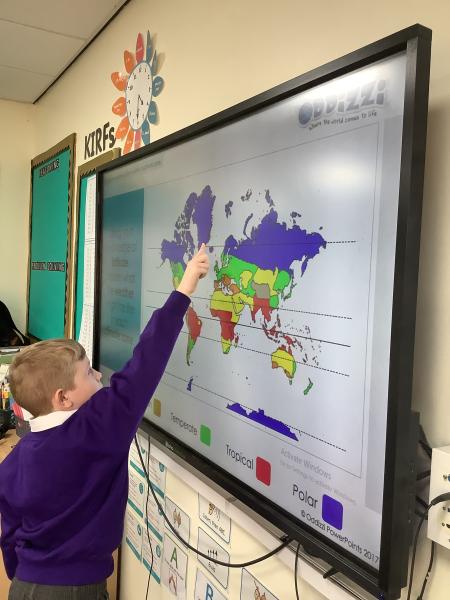
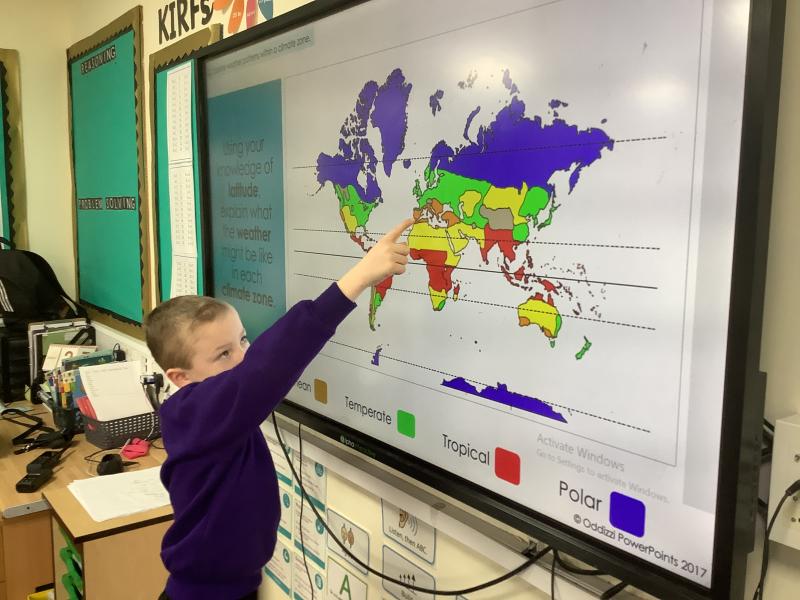
This week, Year 3 have been learning all about climate zones and how temperature and precipitation vary across the globe. To help us understand these differences, we located Manaus (Brazil), Nuuk (Greenland), London (United Kingdom), Seville (Spain) and Cairo (Egypt) on a world map. The children enjoyed spotting which places were close to the equator and which were nearer the poles.
We discovered that Manaus, in northern Brazil, has a hot, tropical climate with high temperatures and lots of rainfall. In contrast, Nuuk, in Greenland, is extremely cold with very low temperatures throughout the year. London has a mild and changeable climate, while Seville, in southern Spain, is warm and sunny with very hot summers. Finally, Cairo, in Egypt, has a desert climate, meaning it is very hot and receives very little rain.
Year 3 loved comparing these places and spotting global weather patterns. 🌦️🌍
Date: 29th Jan 2026 @ 7:57am
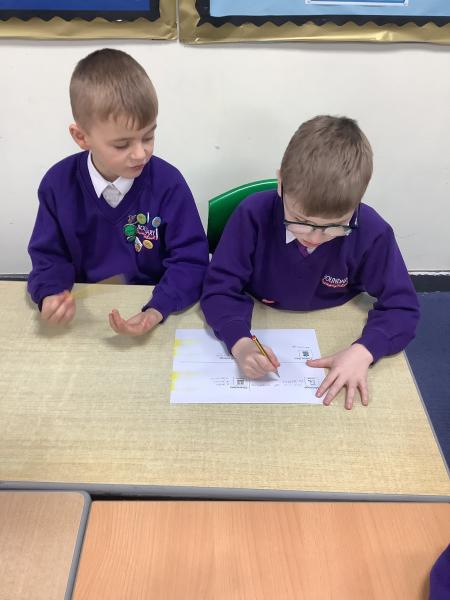
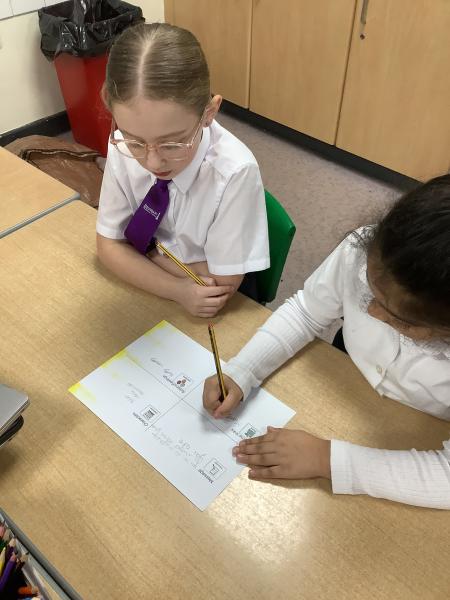
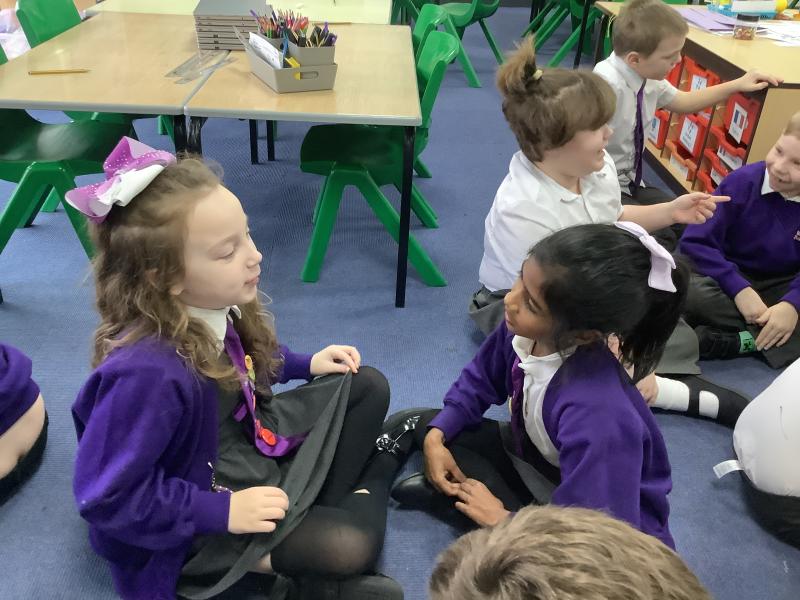
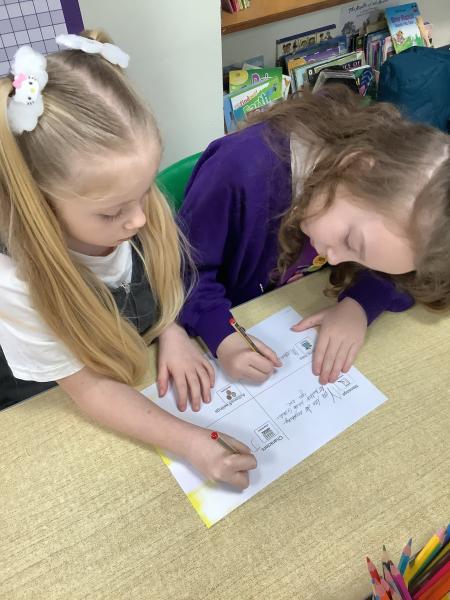
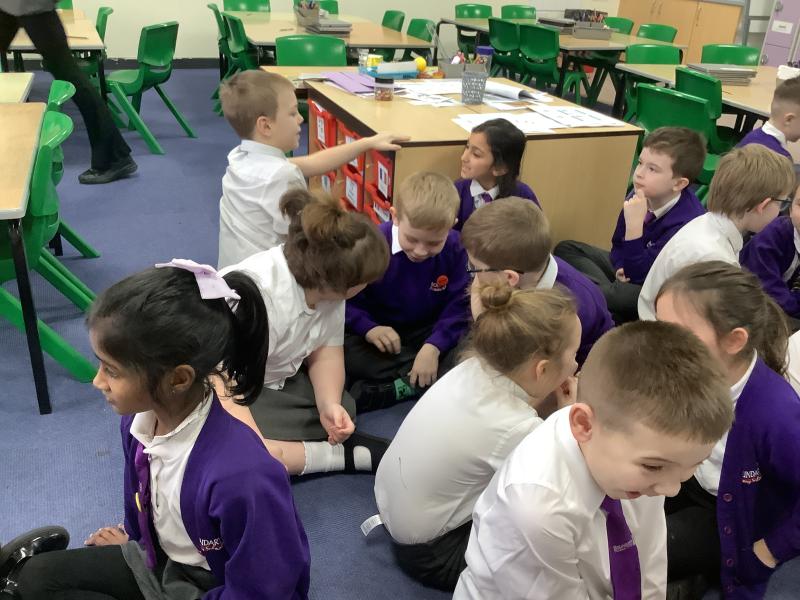
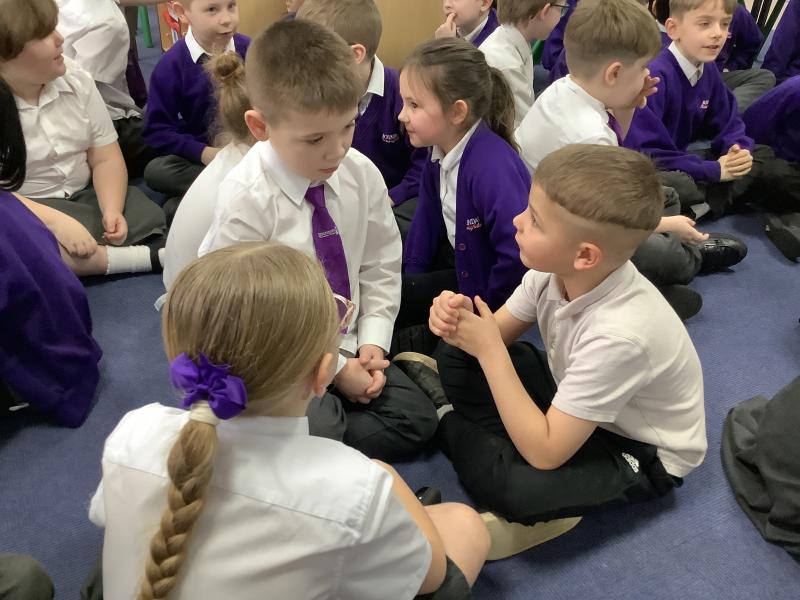
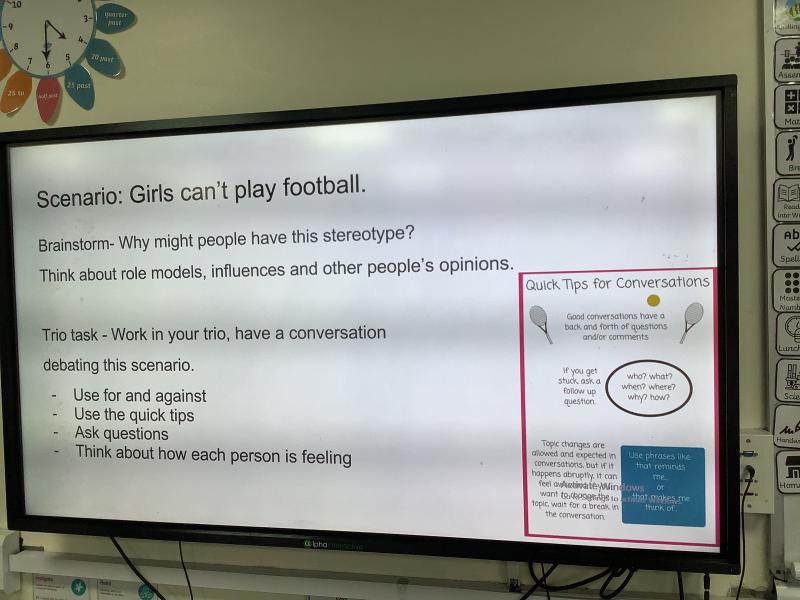
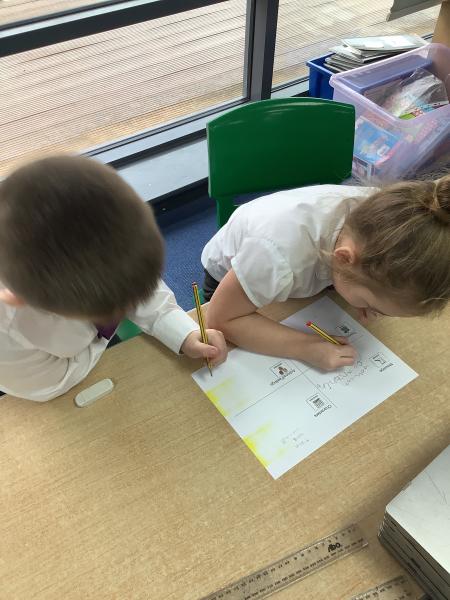
This week, the children explored the story Julian Is a Mermaid, focusing on the message behind the text and its link to managing and challenging stereotypes. They discussed common stereotypes, such as the idea that girls can’t play football, and shared their own views and experiences. The lesson also developed Oracy skills, with a focus on probing, challenging, agreeing with, and building on others’ ideas. The children made links between these discussion skills and dialogue between characters in a playscript. They also discussed the importance of asking questions and using body language to show active listening and respect for others’ opinions.
Date: 29th Jan 2026 @ 7:40am
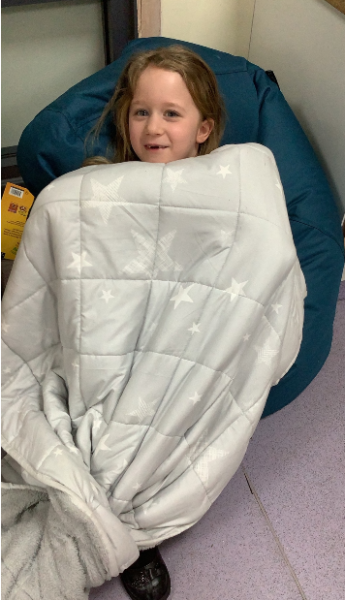
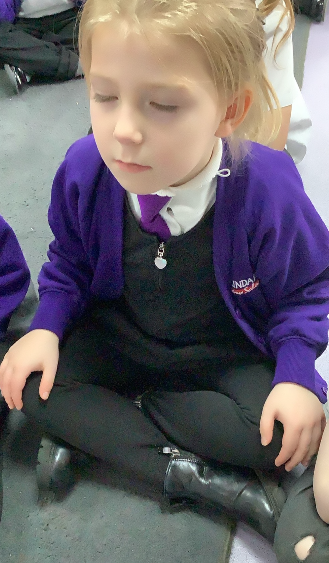
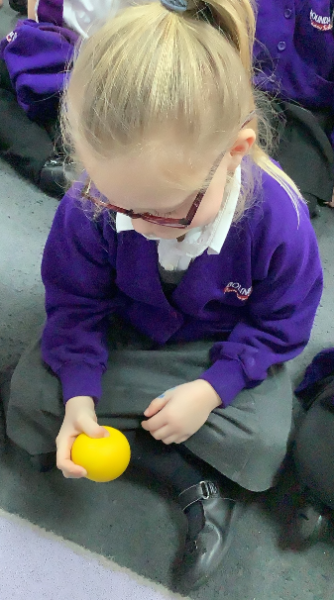
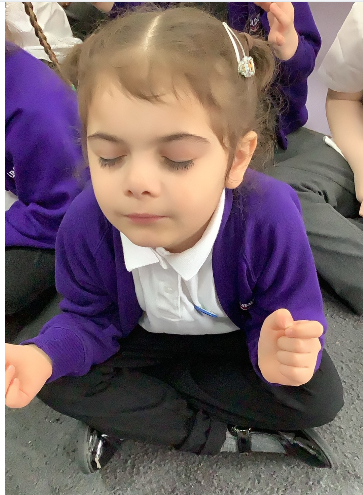
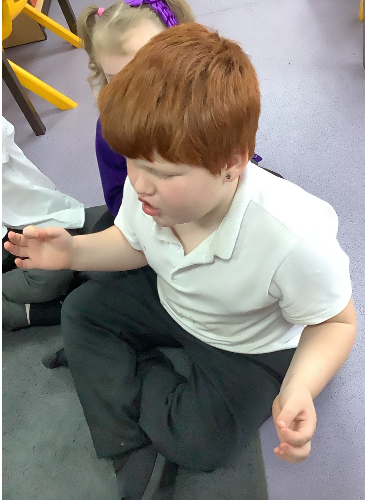
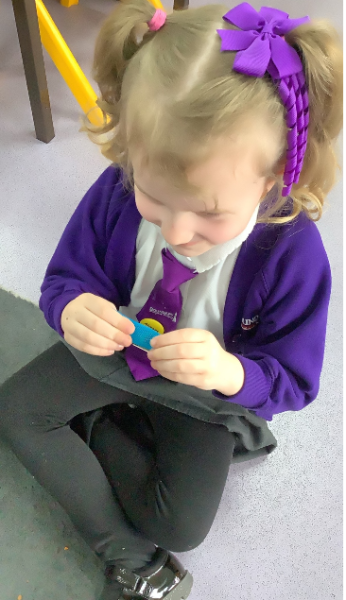
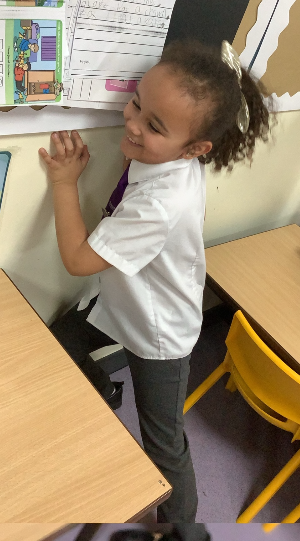
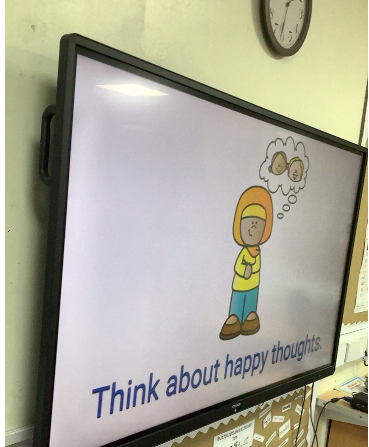
This week our focus was Self control and how to manage our emotions. In assembly and in class, we discussed the different things that irritate us and how this can build up into anger that might make us want to explore. We talked about how to recognise that feeling and the different ways we can help ourselves to ensure we don't explode as this might get us into trouble. In our PSHE lesson, we practiced techniques we can use when we feel angry.
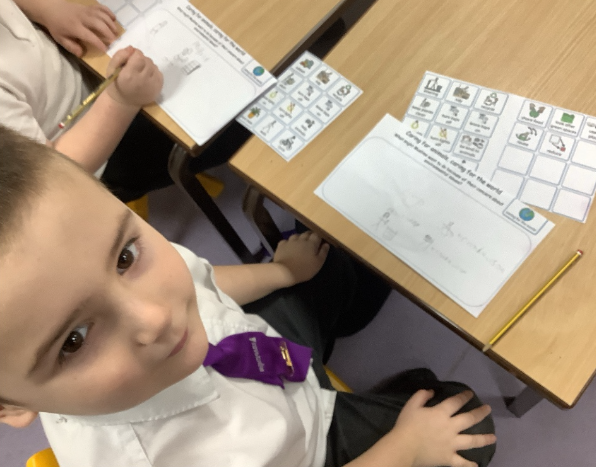
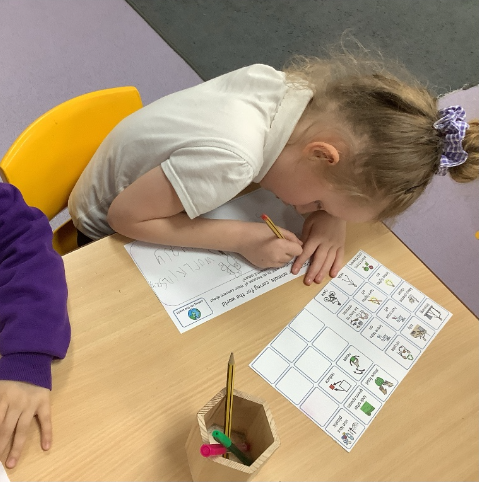
Year 1 Looking after the Environment
Date: 29th Jan 2026 @ 7:36am
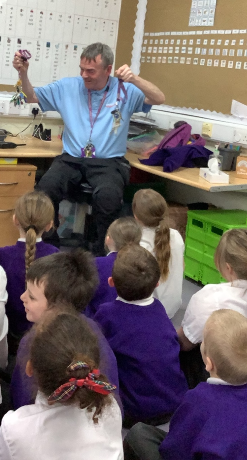
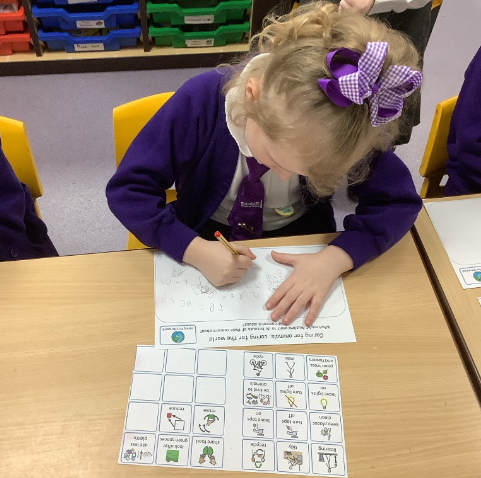
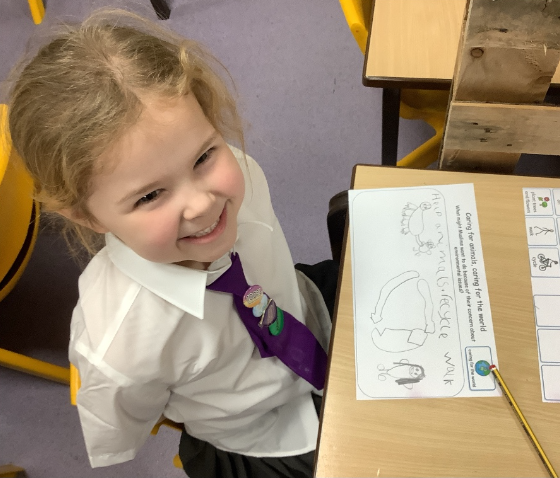
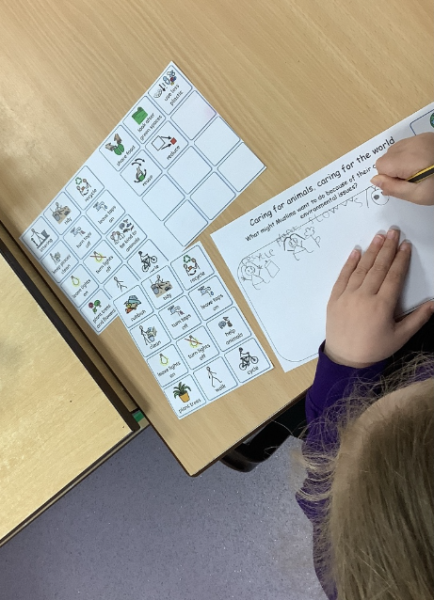
This half term, our focus is Islam. We have learnt that Muslims believe in taking care of the environment. Throughout the half term, we have explored who is responsible for taking care of the environment and ways in which we can help take care of the environment. Today, we drew ideas to show how we take care of the world around us. This follows on from Mr Galloway visiting us to talk about his role as a 'caretaker' and the jobs he has to do to take care of our School.
Date: 29th Jan 2026 @ 7:32am
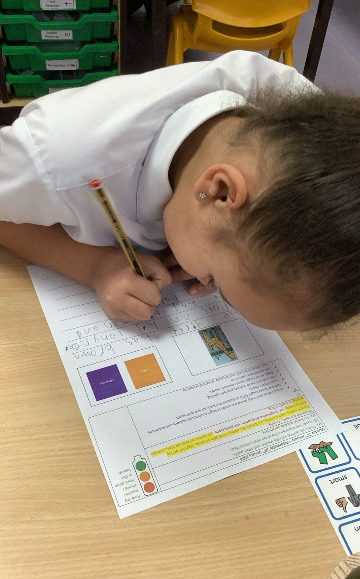
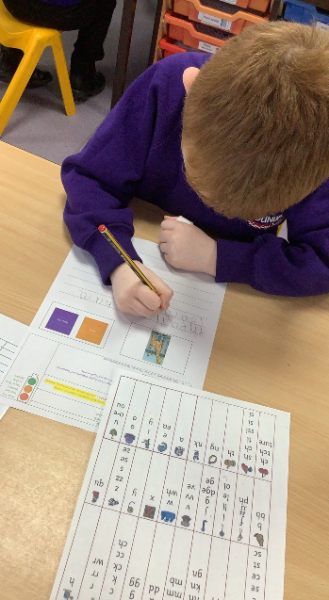
This week, we have been continuing with our book The Smartest Giant. Over the last couple of days we focused on using adjectives to describe some of the characters from the story. Then, we wrote our own sentences to describe the character we had chosen.
Date: 29th Jan 2026 @ 7:26am
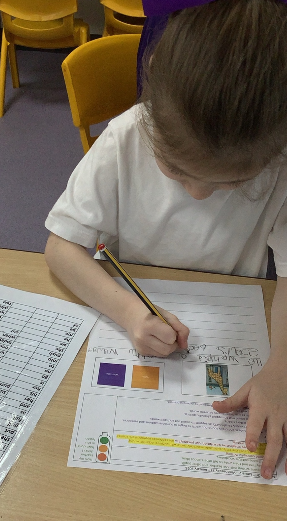
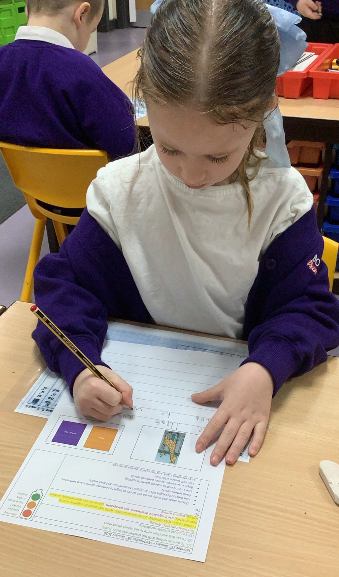
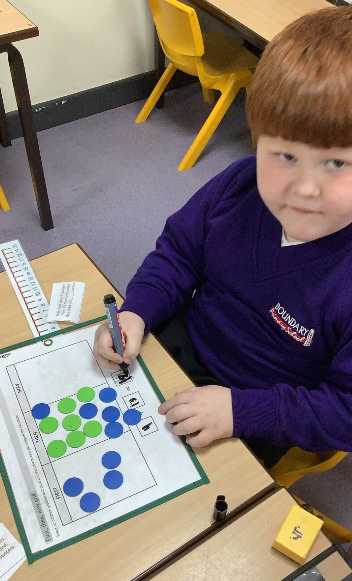
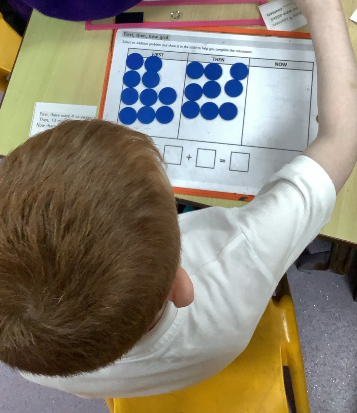
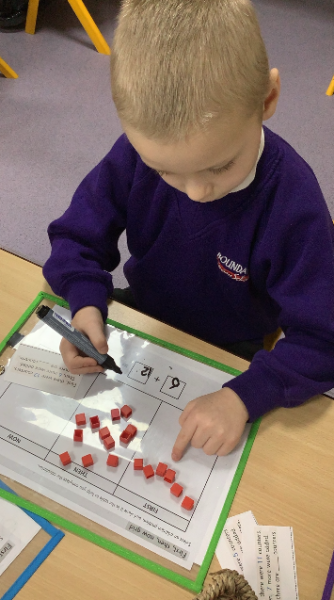
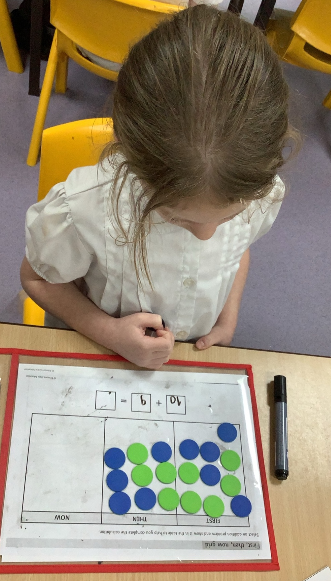
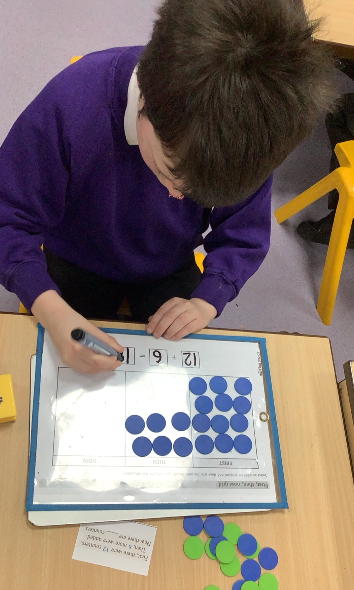
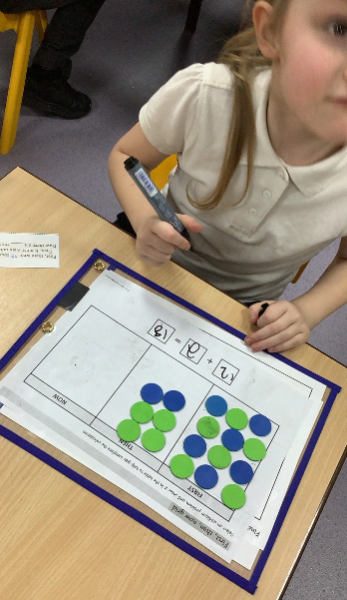
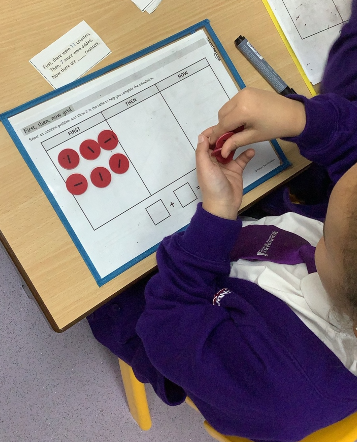
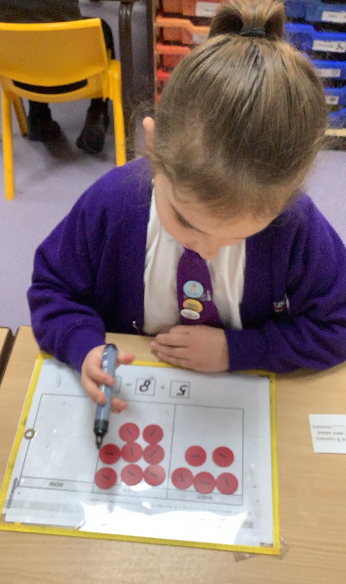
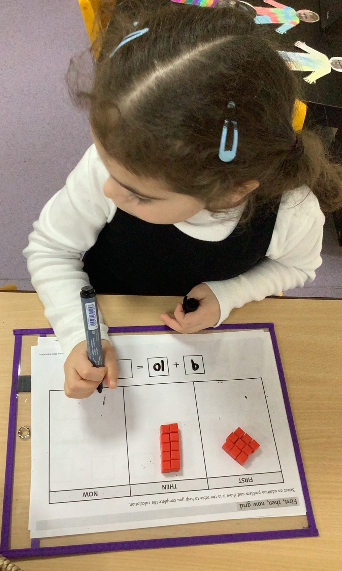
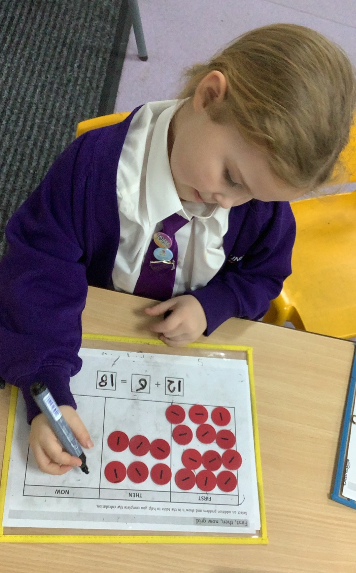
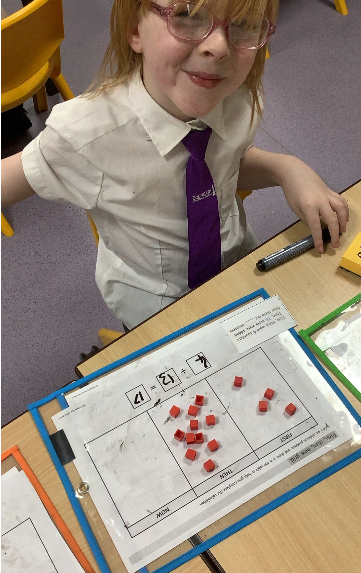
This week, we began our addition and subtraction unit within 20. We recapped that addition means to get more of something. We all completed the first, then, now task to think about counting on from any given number within 20 when adding a certain amount.
Date: 27th Jan 2026 @ 1:41pm
Year 6 Science Blog – Our Fair Test on Hand Cleaning Products!
This week in Science, Year 6 have been busy carrying out a fair test to investigate a very interesting question:
Which hand-cleaning product works the best?
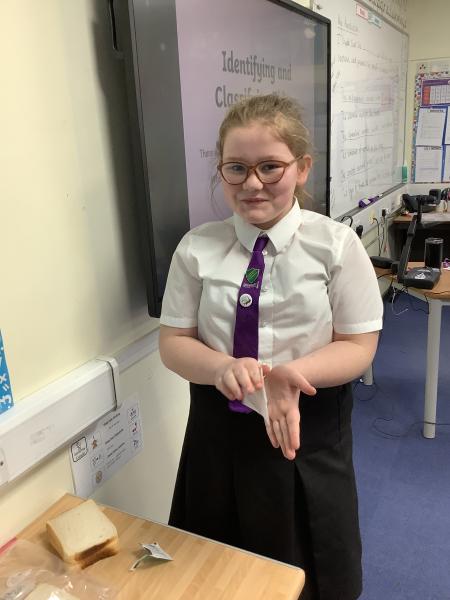
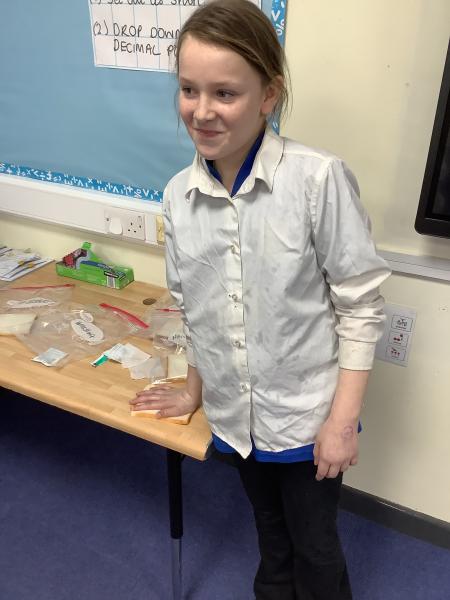
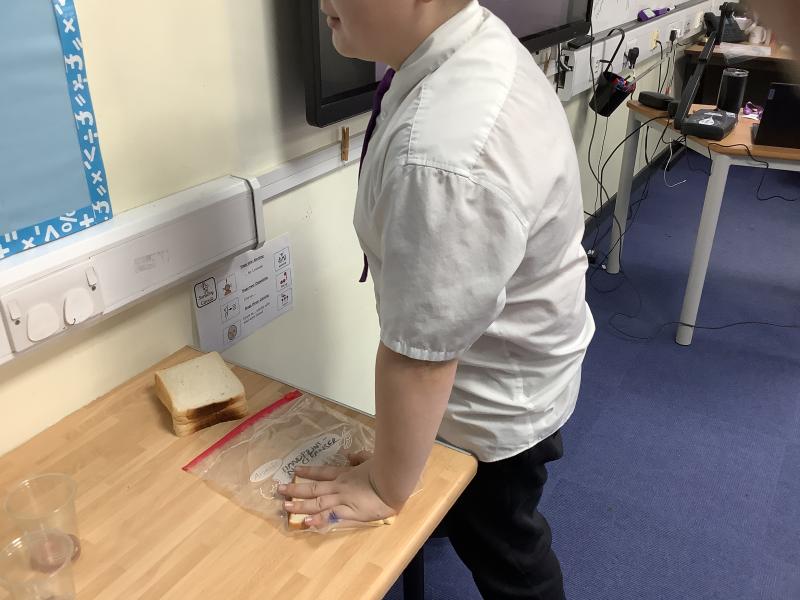
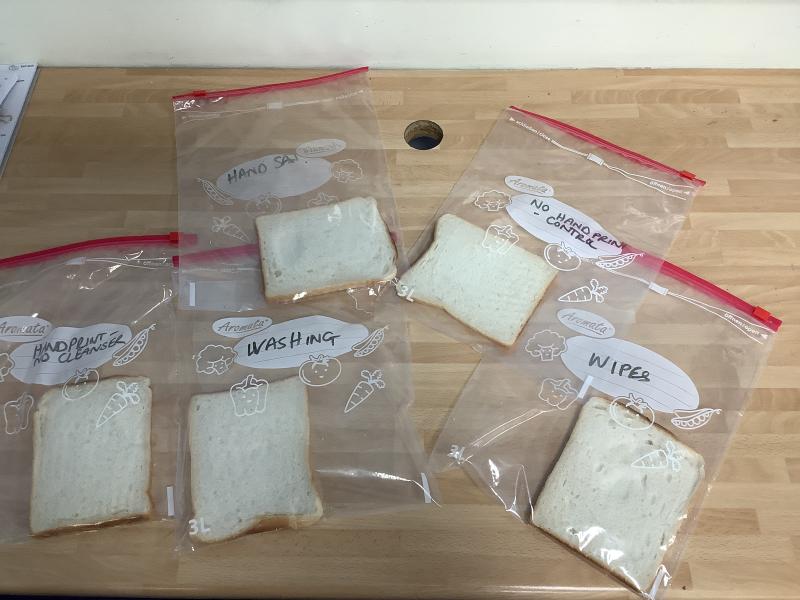
To test this, we used slices of bread and different hand-cleaning methods. After applying a different cleaning product to our hands—such as soap, hand sanitiser, wipes, or even no cleaning at all—we each pressed our hand onto a slice of fresh bread. Over the next week, we’ll observe how much mould grows on each piece and compare the results.
How We Made It a Fair Test
We learned that a fair test means only changing one thing at a time, while keeping everything else the same. Here are some examples of what we controlled:
- Same type of bread: We all used slices from the same loaf so the bread’s freshness and ingredients wouldn't affect the results.
- Same size handprint: We used one full handprint on each slice to keep the amount of contact equal.
- Same storage conditions: All slices are being kept in sealed bags in the same place so they grow mould under the same temperature and light conditions.
- Same time of contact: Each person pressed their hand on the bread for the same amount of time.
- Only one variable changed: The only thing different about each slice is the cleaning method used.
We talked about how these factors help make the experiment fair, so our results will be more reliable.
Our Predictions
Before starting, we made our own predictions about which bread would grow the least mould.
Some of our ideas included:
- Bread touched after using soap and warm water might grow the least mould because soap removes dirt, oils, and most bacteria.
- Bread touched after using hand sanitiser might also stay cleaner because sanitiser kills many germs quickly.
- The bread touched with no cleaning at all would probably grow the most mould, because more germs would transfer from our hands to the bread.
- Wipes might work, but some of us thought they may not be as effective as washing with soap.
We also explained why we thought these things would happen, linking back to what we’ve learned about microbes and how they spread.
What’s Next?
Over the next few weeks, we’ll be checking our bread samples to see how the mould grows. We’ll record our observations and compare the results to our predictions.
Stay tuned—our findings might surprise you!
Date: 27th Jan 2026 @ 1:38pm
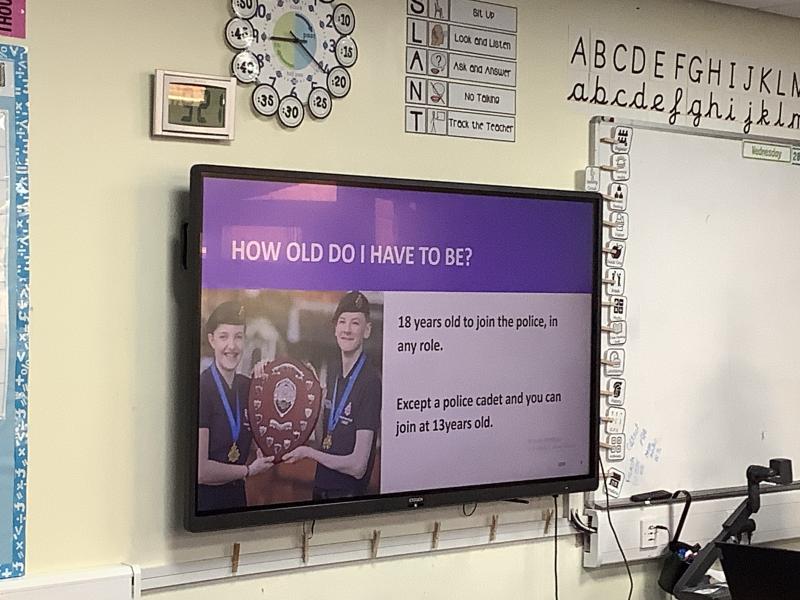
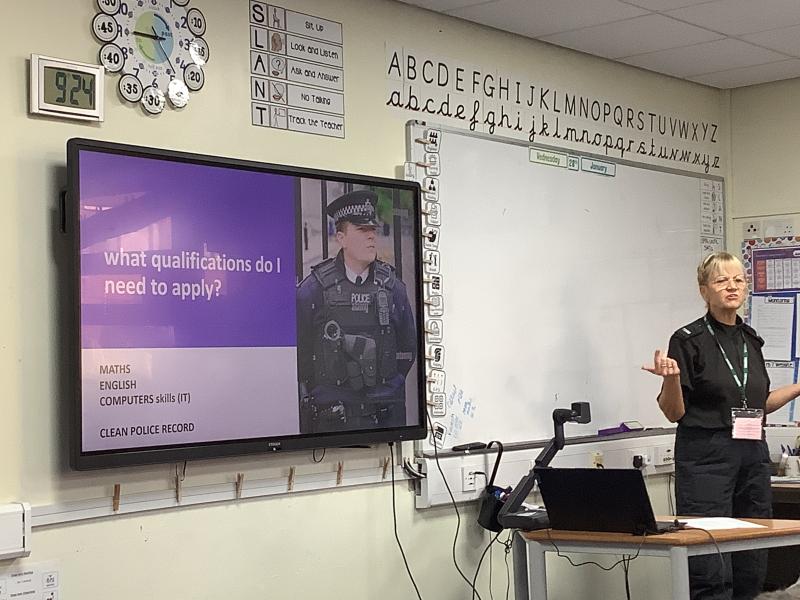
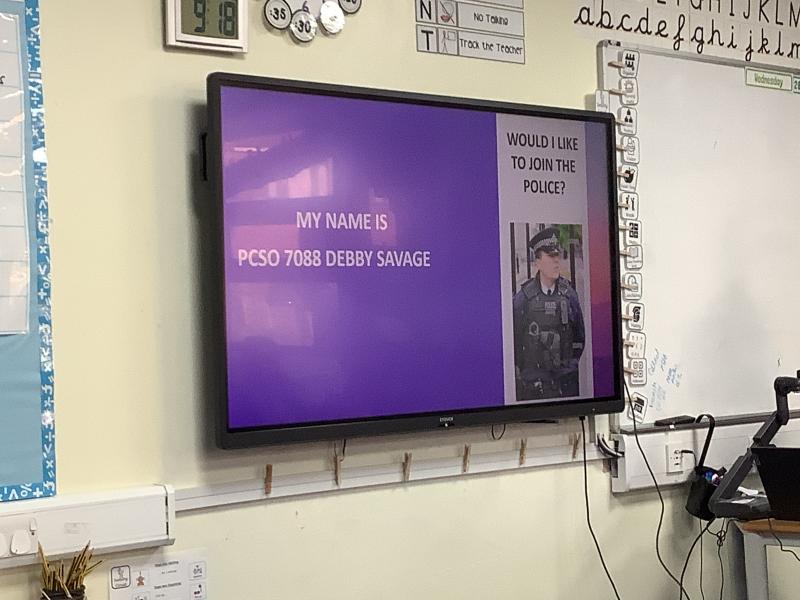
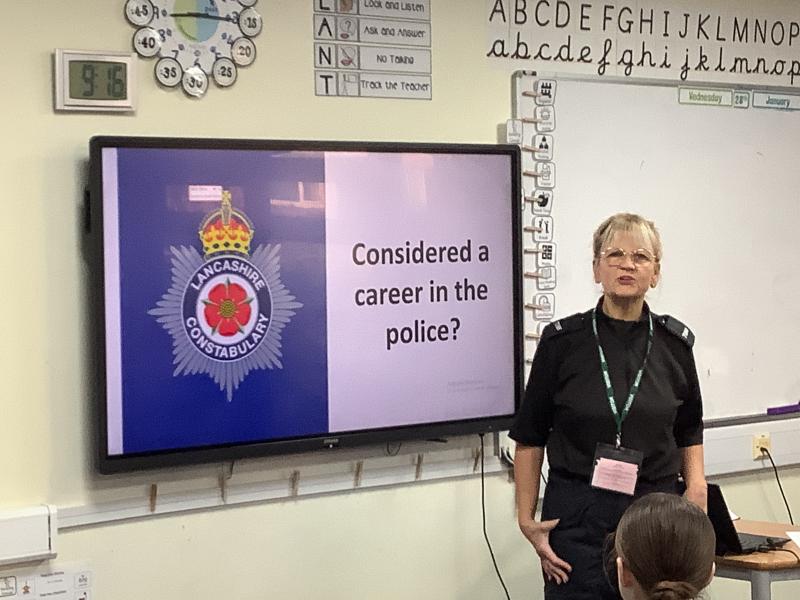
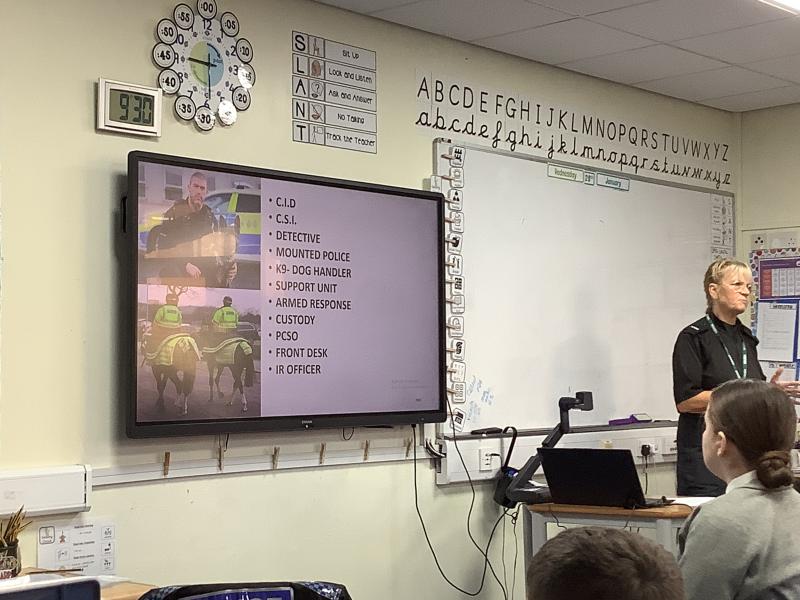
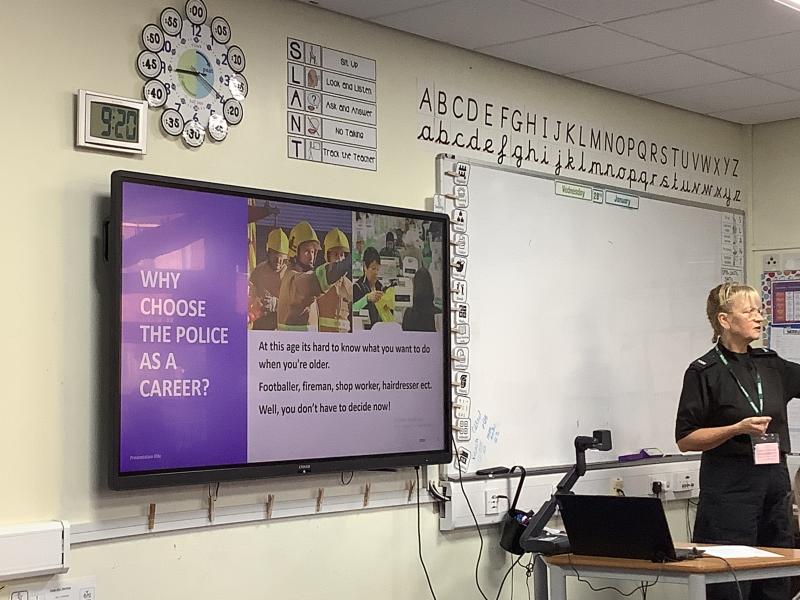
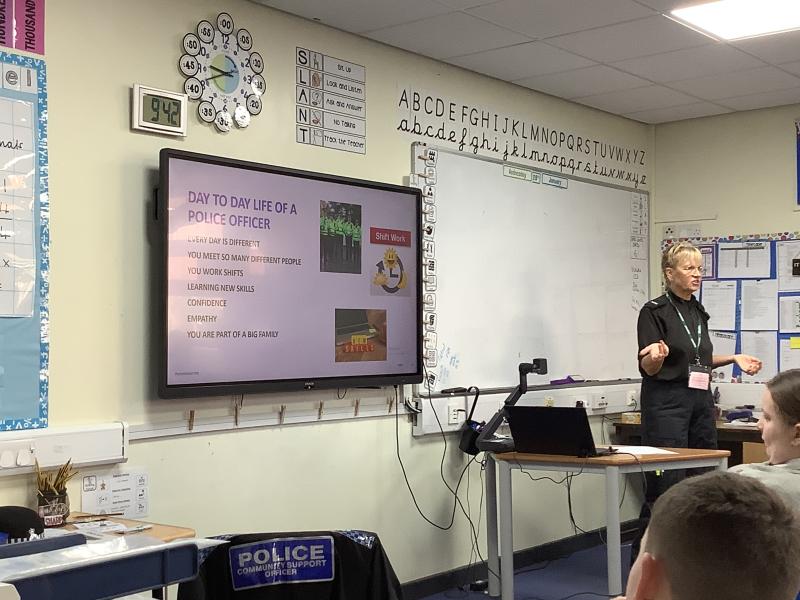
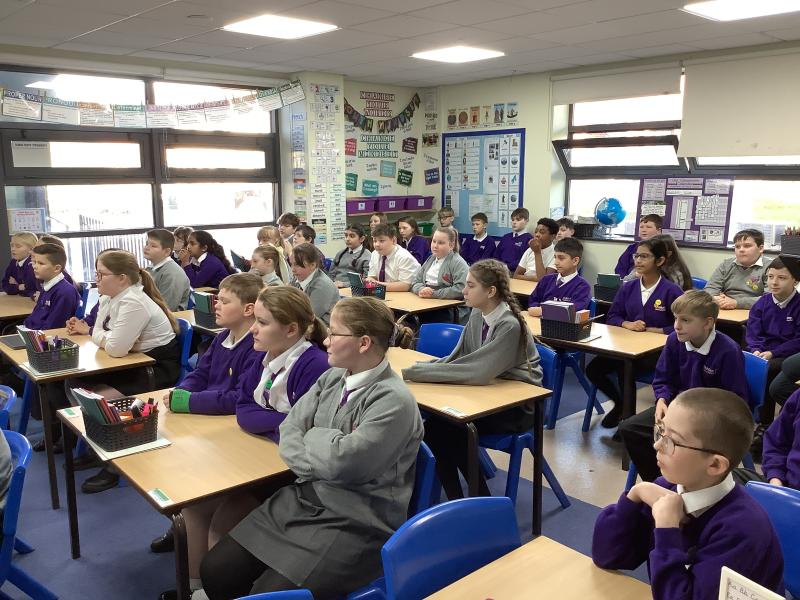
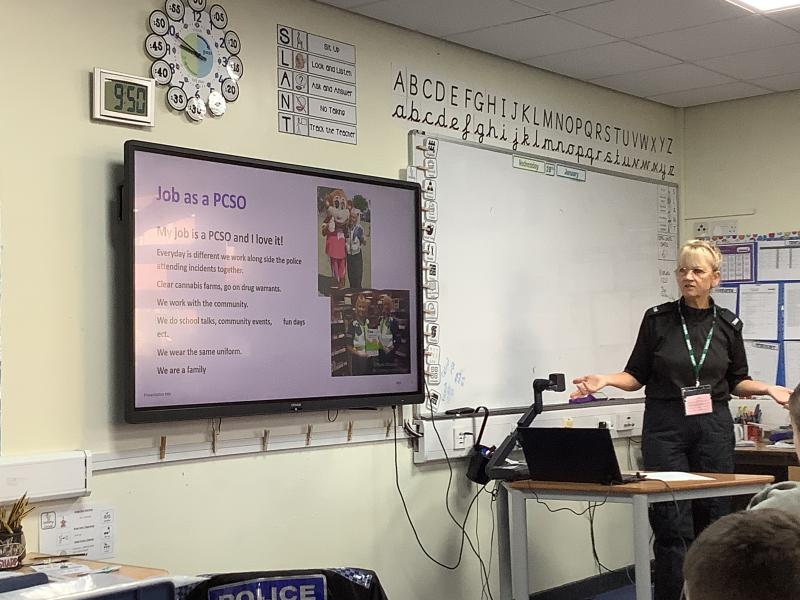
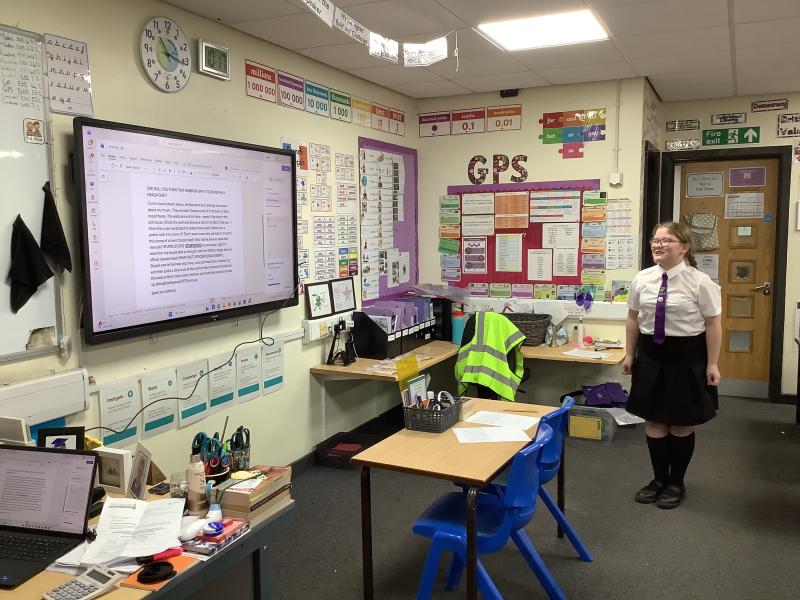
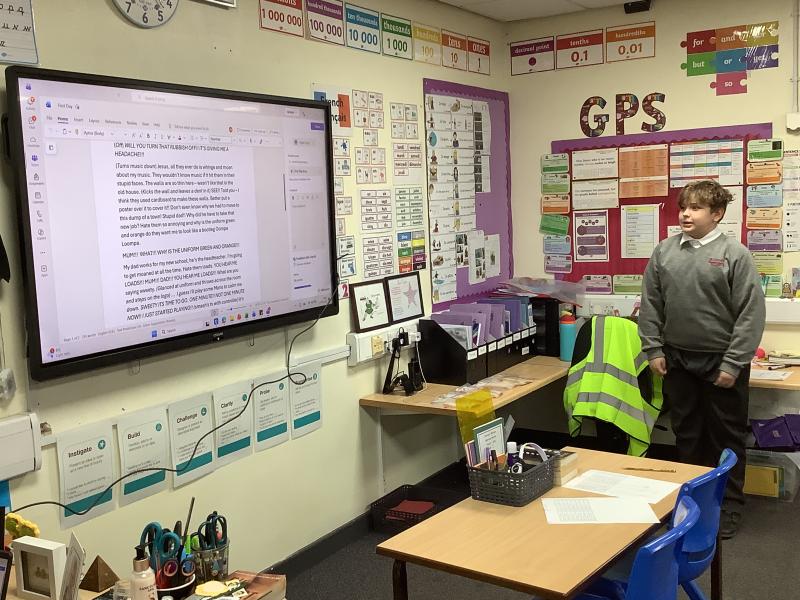
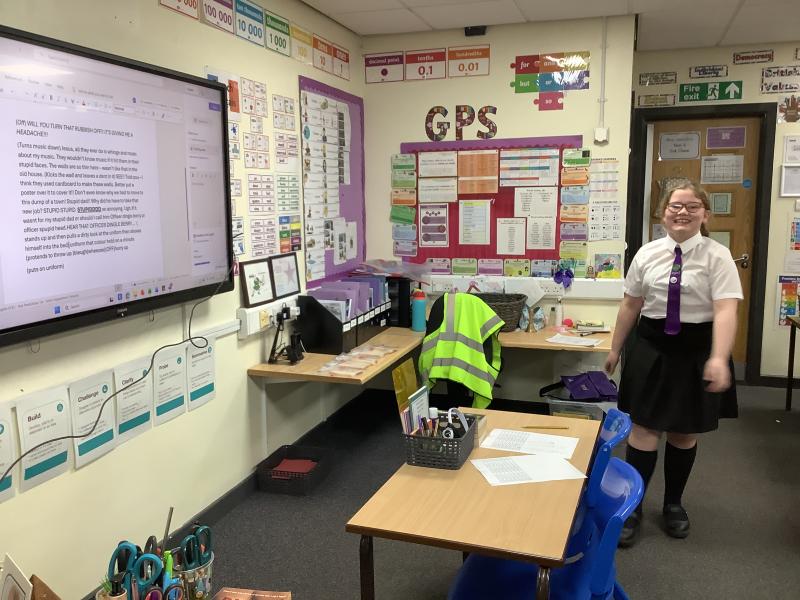
Year 6 - Careers in the police
Date: 27th Jan 2026 @ 1:36pm
Date: 27th Jan 2026 @ 1:31pm
Date: 27th Jan 2026 @ 11:35am
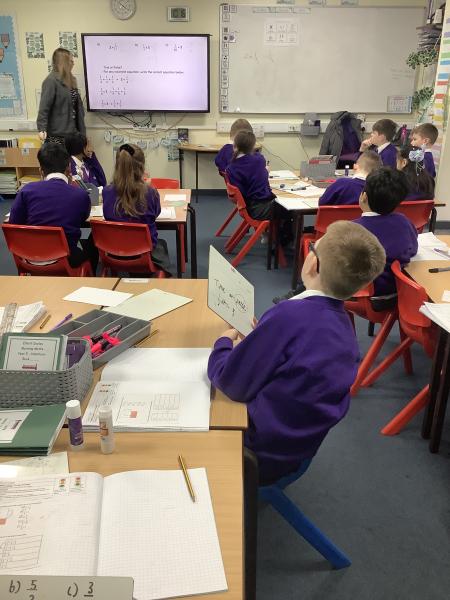
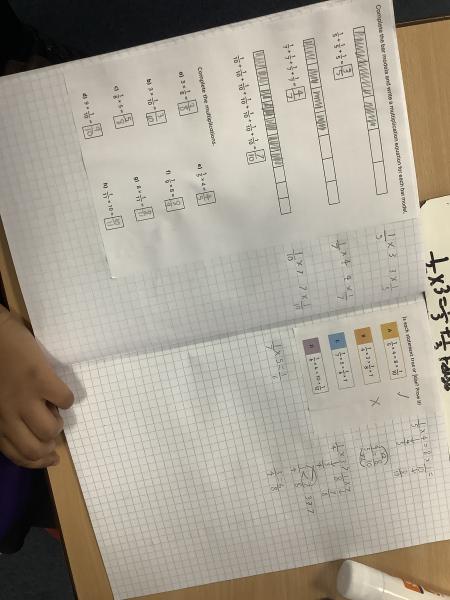
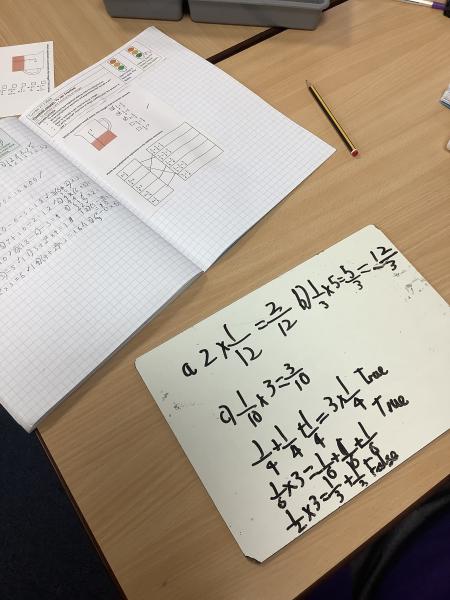
Today, Year 5 revisited the concept of a unit fraction and what it represents as an equal part of a whole. We recapped that multiplication can be understood as repeated addition. Building on this, the children explored how to multiply an integer by a unit fraction. They first modelled this using repeated addition to support their understanding, before moving on to a more efficient method. Throughout the lesson, we discussed the steps involved and focused on explaining why the method works, helping to deepen conceptual understanding.
Date: 26th Jan 2026 @ 2:26pm
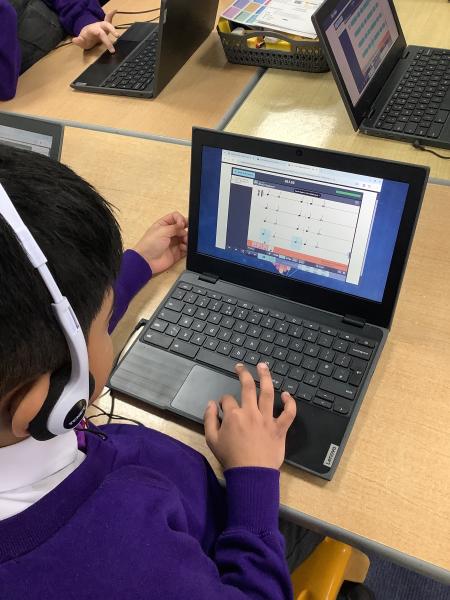
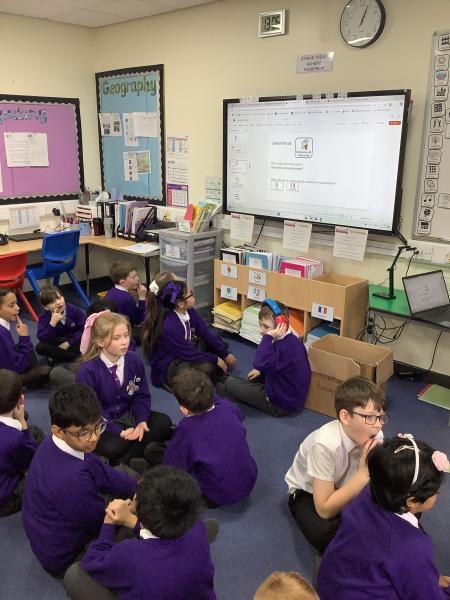
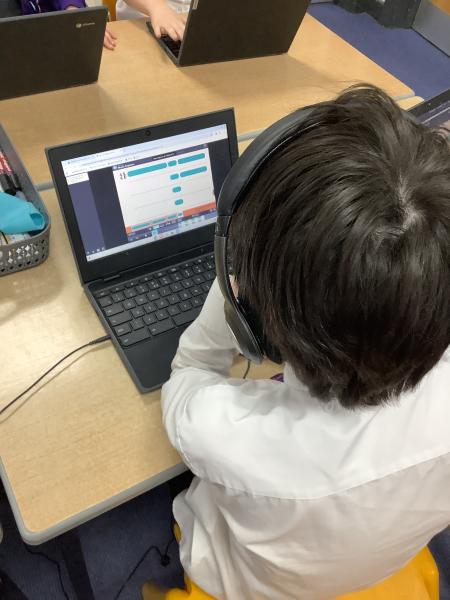
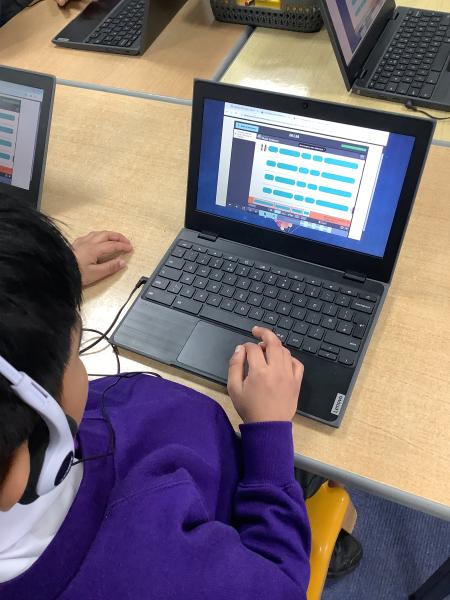
To start this week's lesson, we recapped what musical notation is and clapped the beat to the section of the song we were going to compose a piece of music for. We focused on ostinato (a pattern that repeats). We logged into Charanga (YUMU) and used the composition page of 'Bringing us together' to improvise our own section of the song using an ostinato. We discussed which notes gave us 1, 2, 3 or 4 beats.

Date: 26th Jan 2026 @ 12:23pm
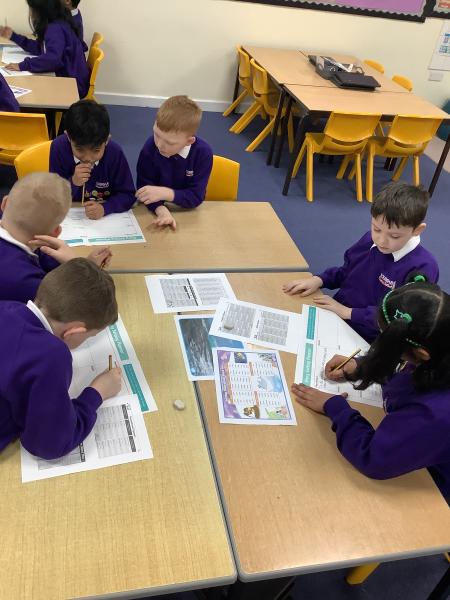
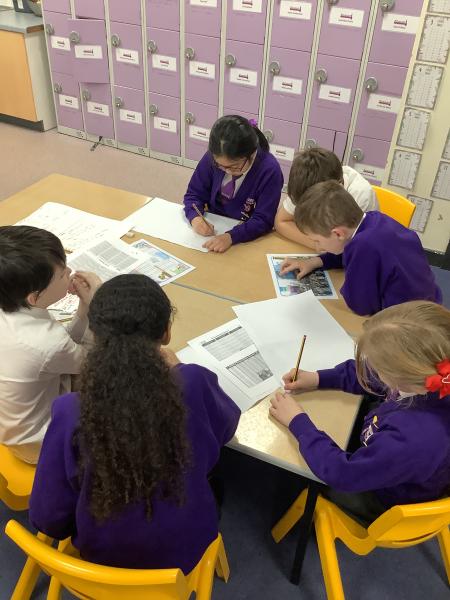
This week, we completed our class shared writes. Our genre is a setting description. We used our knowledge of the features of a setting description to write parts of a description then piece them together. We included similes, personification, a variety of sentence openers and powerful vocabulary.
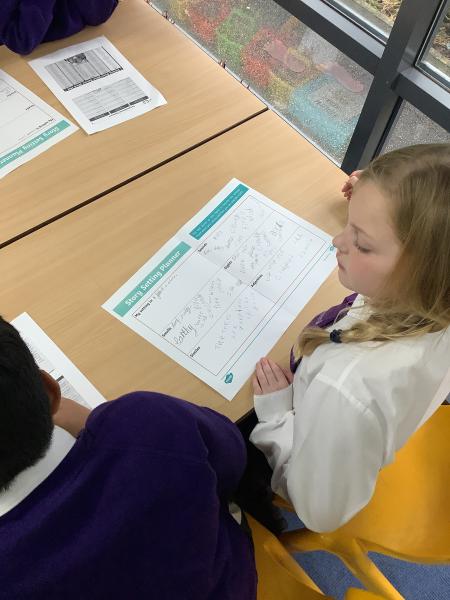
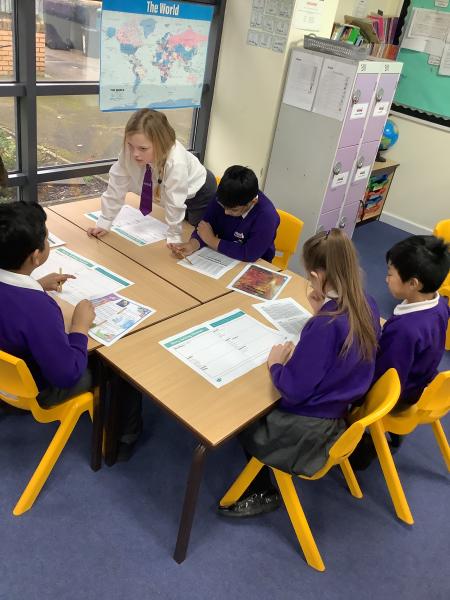
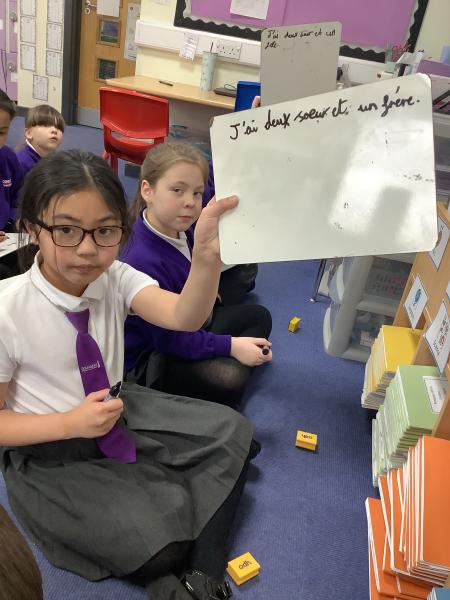
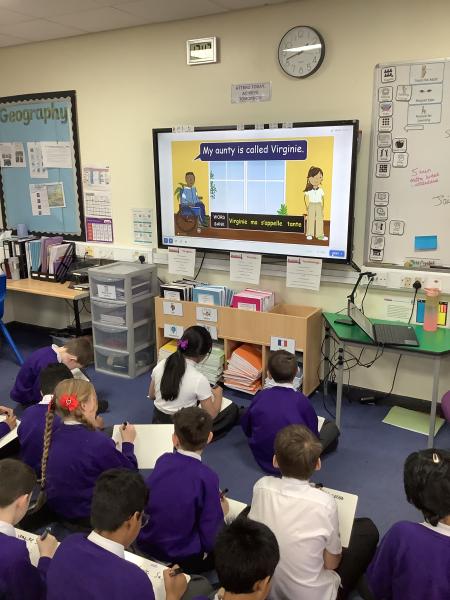
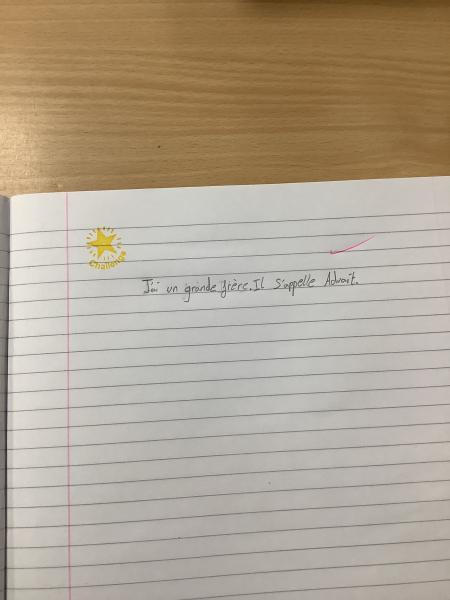
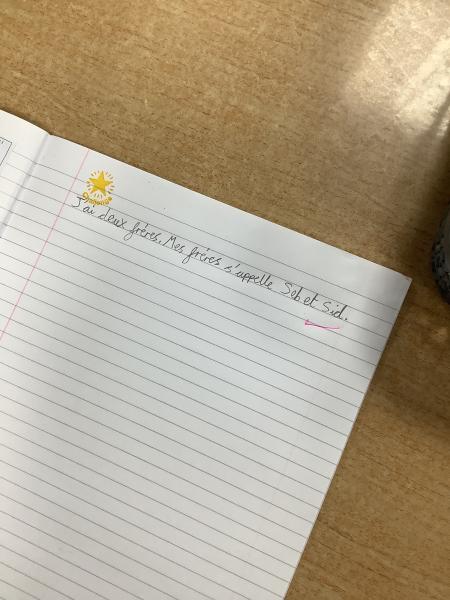
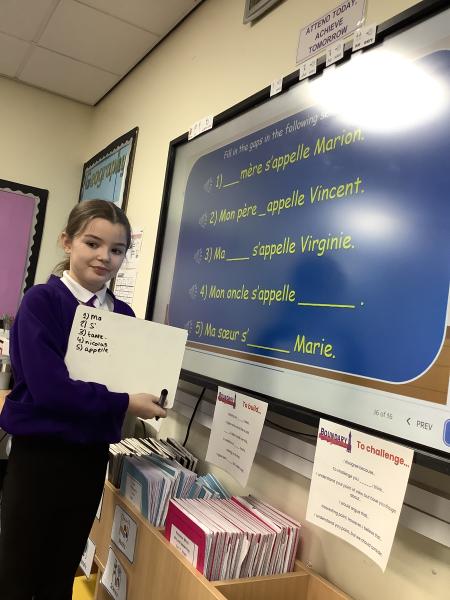
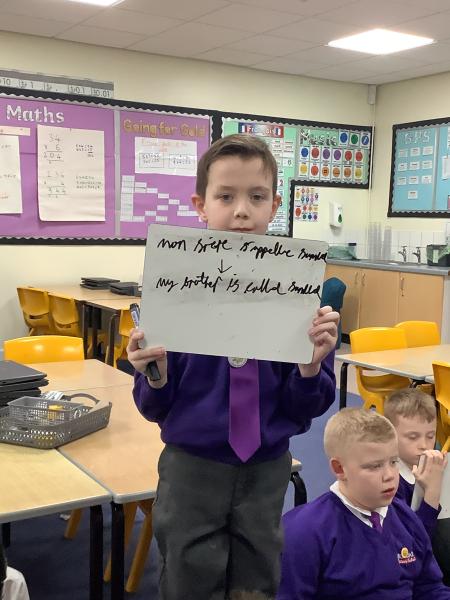
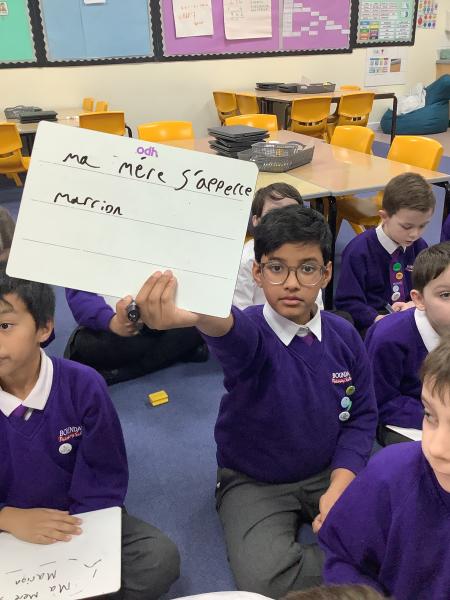
Year 4 - Introduce family members
Date: 26th Jan 2026 @ 12:19pm
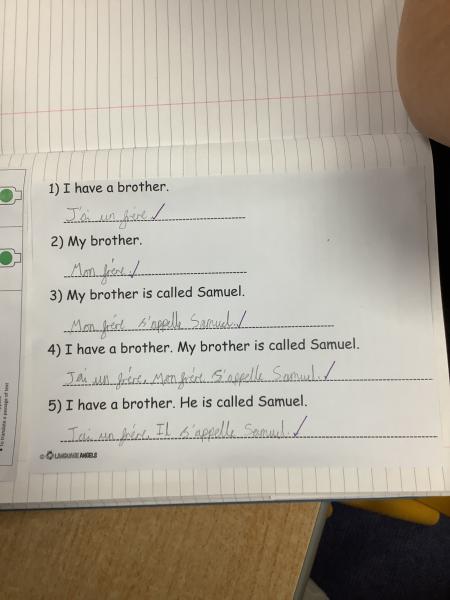
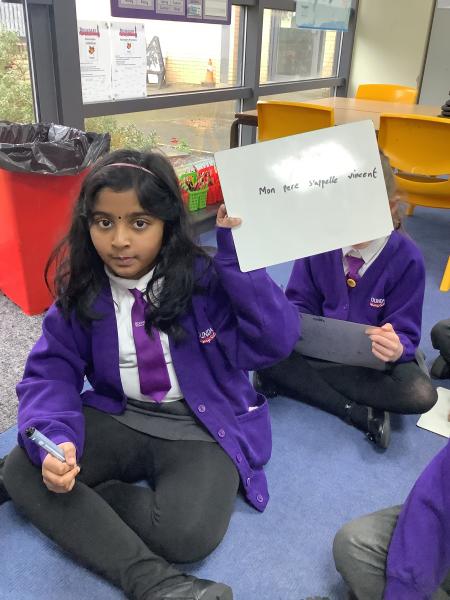
This week, we learnt to introduce our family members. We had to write these in French and use good intonation and pronunciation.
We need to use J'ai for I have.. to introduce our family members.
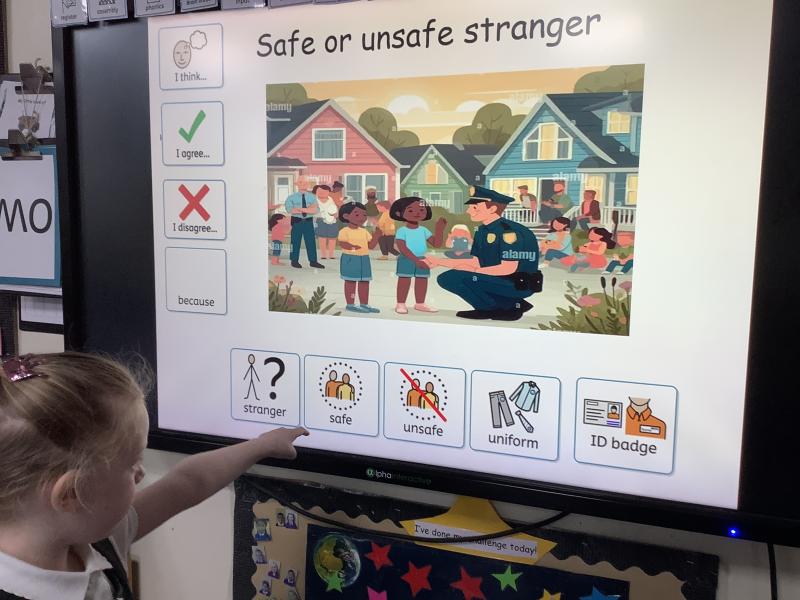
Reception safe and unsafe strangers
Date: 26th Jan 2026 @ 11:55am
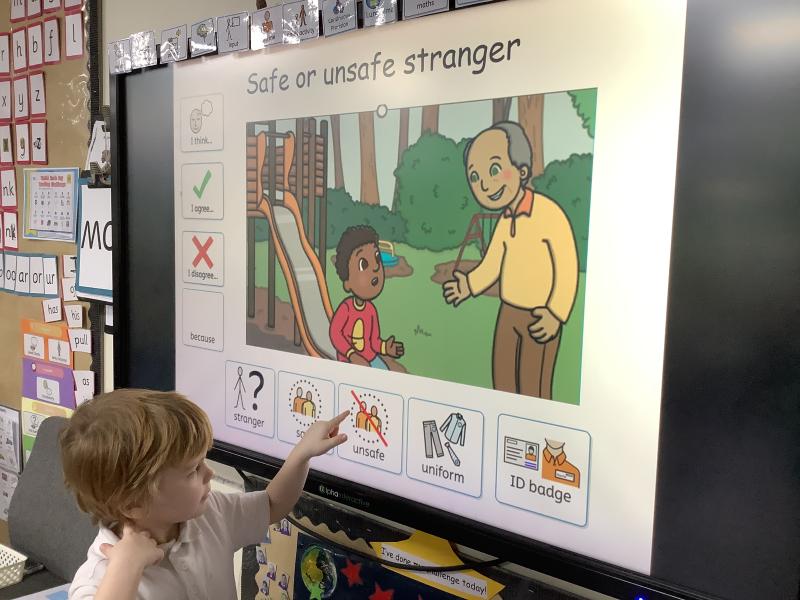
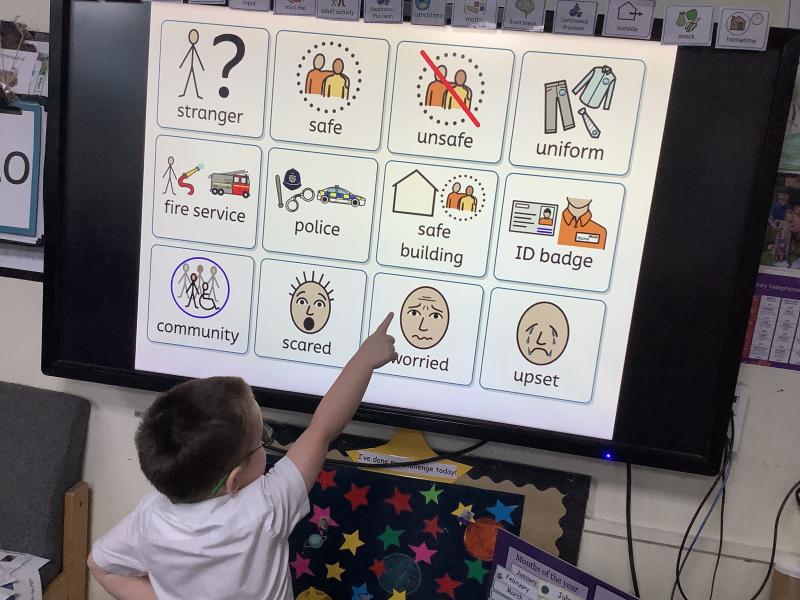
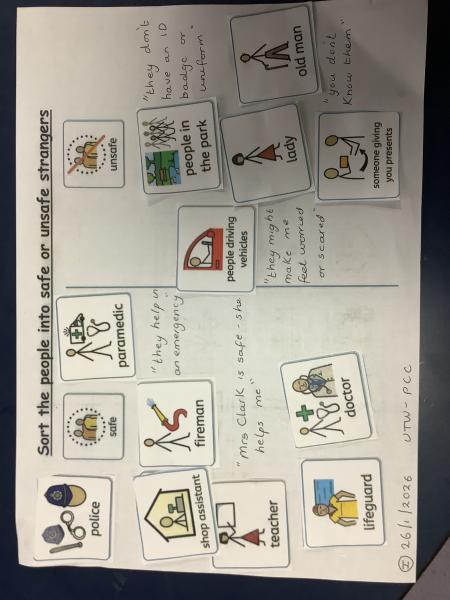
In Reception we have been talking about keeping ourselves safe in the community. We discussed what a stranger was and what do if anyone makes us feel worried or scared.
"A stranger is someone you don't know" Lockie
"If a stranger talks to you you can tell your mum" Theo
"Don't talk to strangers at the park" Shiloh.
We went on to discuss how some strangers are safer than others and how we could identify this. We talked about how people like the police and doctors wear a uniform so we can identify them in the community. We talked about how safer strangers have an ID badge so we know who they are and where they work.
"Mrs Clark has an ID badge- she is safe" Reggie
"You know it's a police man because he has a uniform" Ava
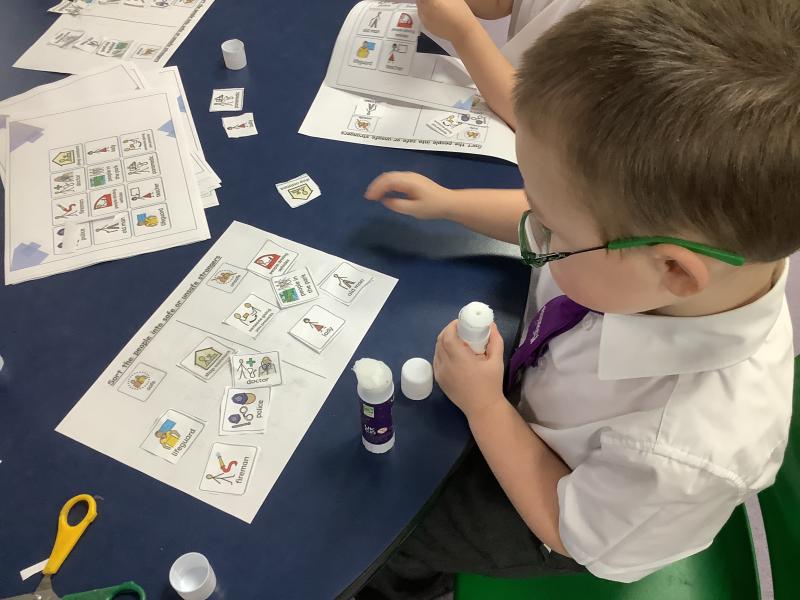
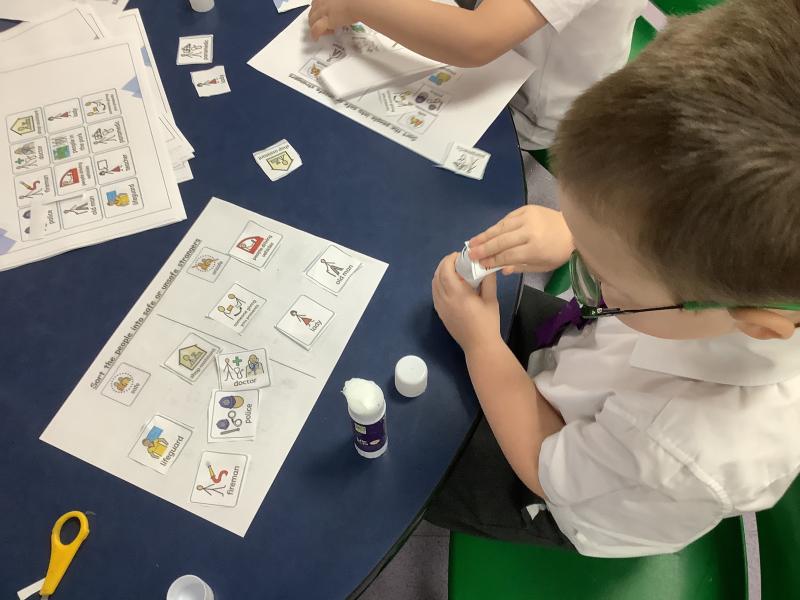
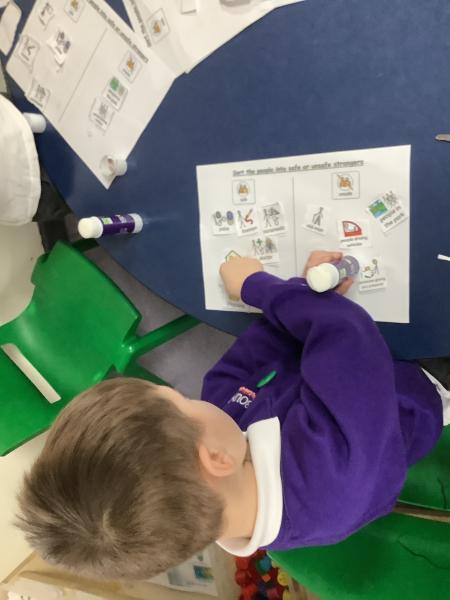
We looked at some different scernios and identified if they were a safe or unsafe strange. We then discuss what we should do if any of these things happened. The children then worked indenpendently to sort the people into a safe or unsafe catergory.
Keep it Calm and Under Control Week
Date: 23rd Jan 2026 @ 1:04pm
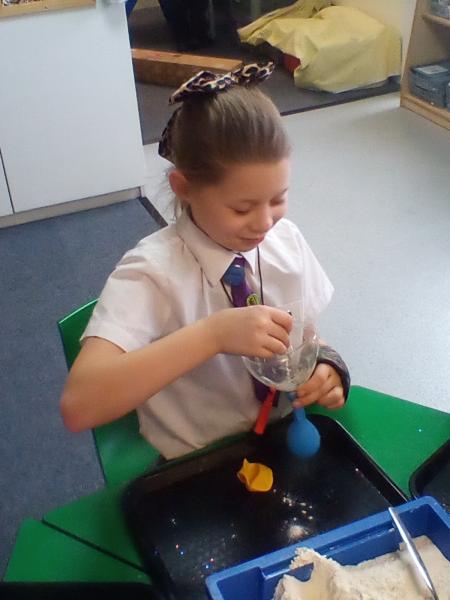
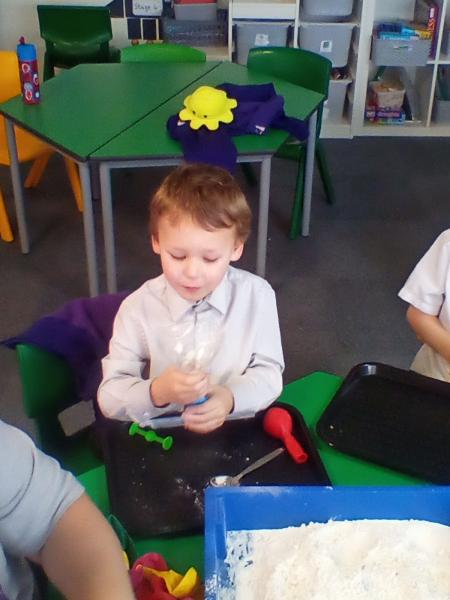
In Redwoods we have spent our afternoons thinking about two key words 'calm' and 'control'. Together we have thought about the ways we can regulate and tell others how we feel. We watched 'Dojo Videos' about a characters moods and emotions. Dojo didn't know what a mood was or how he could control it. Over the week we learnt about how he talked to his friends and adults about how he was feeling.Working together we have created things to help us calm down such as sensory bottles, squashy stress balloons and sensory slime. We are looking foreward to using these in our classroom and using slime for our new 'Slime Time' sessions.
Date: 23rd Jan 2026 @ 12:26pm
In Year 5, the children began practicing a variety of yoga poses, focusing on developing balance, flexibility, and control. They explored how different poses connect and learned to transition smoothly between them. Building on this, the children started to create their own short yoga flows, sequencing poses in a way that felt logical and enjoyable. This activity encouraged creativity, concentration, and self-expression, while also promoting mindfulness and an awareness of their bodies.
Date: 23rd Jan 2026 @ 12:24pm
This week in Year 5, we have been focusing on writing formal emails of complaint. The children have learned how to express dissatisfaction appropriately, using the correct tone and language for a formal setting. They have explored the key features of a complaint, such as being clear, polite, and persuasive, and have discussed how to structure their emails effectively. To reinforce their learning, the students read extracts of the complaints aloud, paying careful attention to maintaining a formal and serious tone. Following this, they completed comprehension questions to deepen their understanding of the text.
Date: 23rd Jan 2026 @ 11:56am
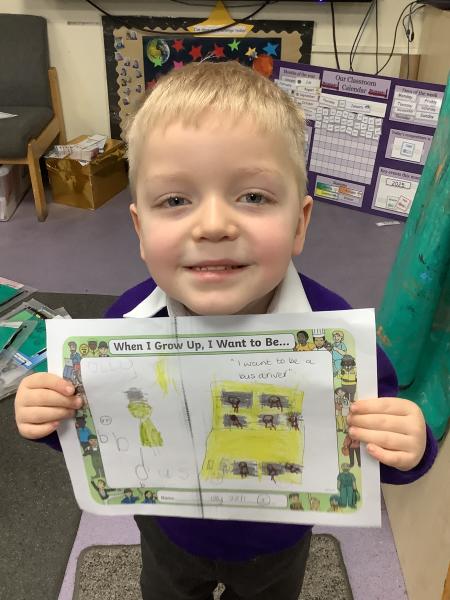
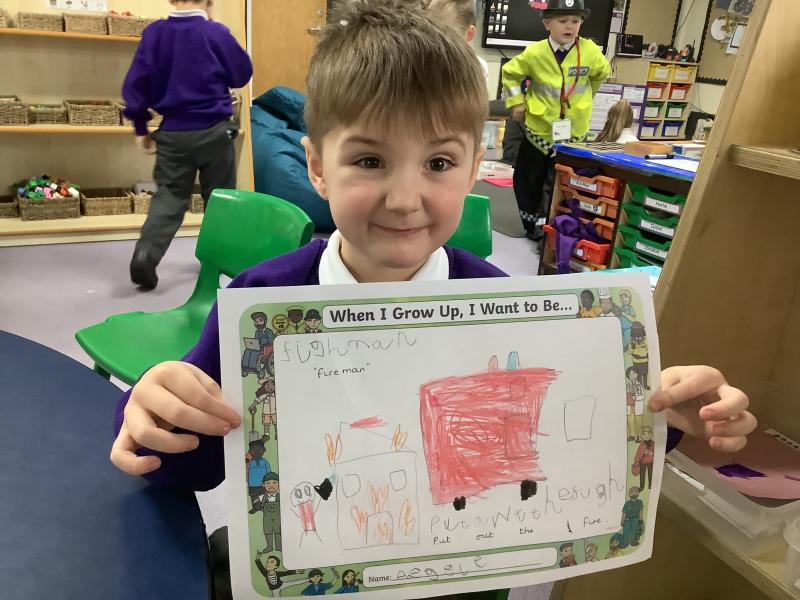
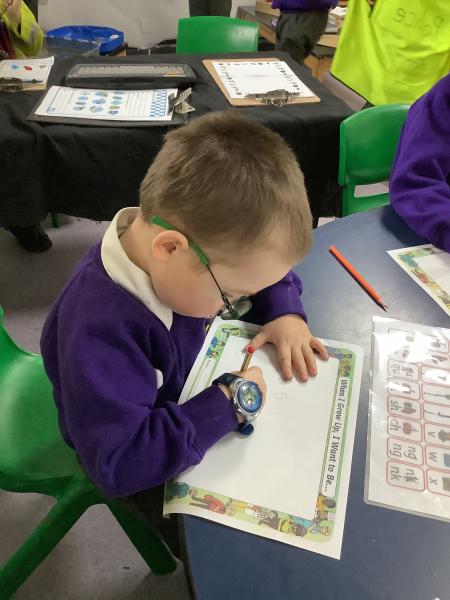
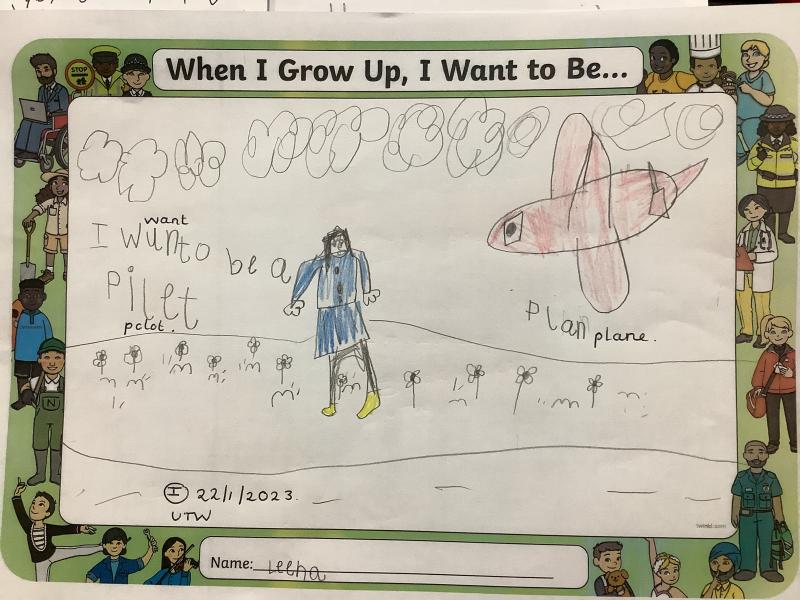
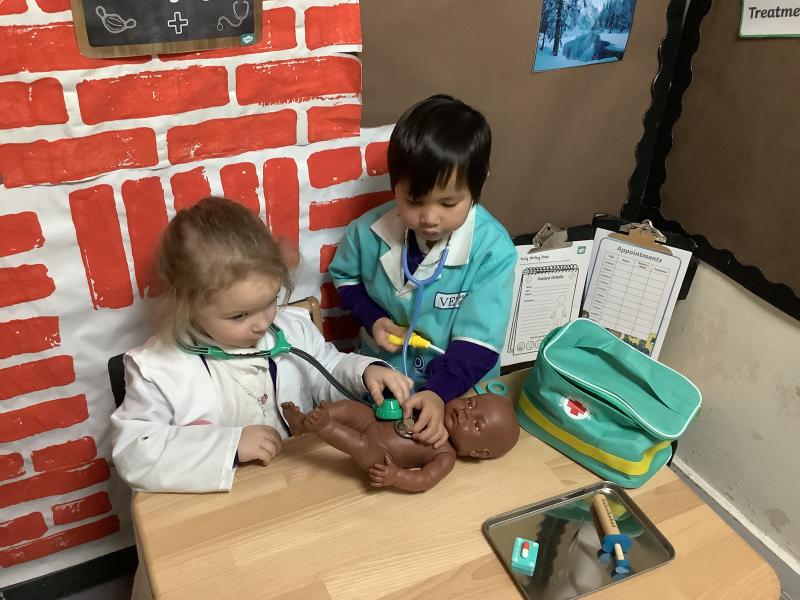
In Reception we have been learning about a range of different jobs in our community. We have been talking about what these jobs entail and why they are important. As part of our oracy session we talked about what we wanted to be when we grow iup. The children had to think of an occupation and say why they wanted to do that using the word because. During provision time the children drew they own pictures and labeled them.
"I want to be a bus drive" Olly
"I want to be a nurse like mummy" Ava
"I want to be a police officier becaue I want to arrest people who aren't following the rules properly" Noah.
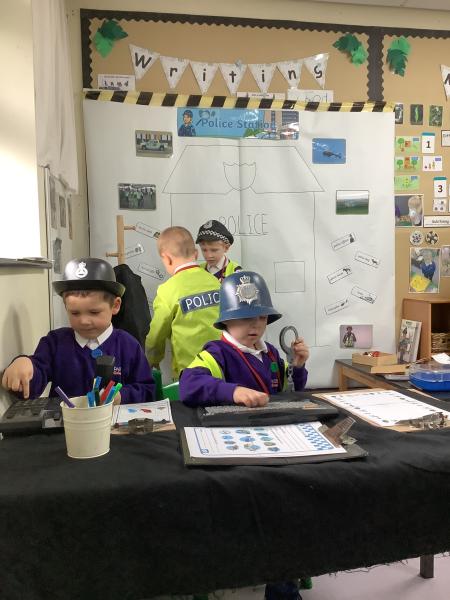
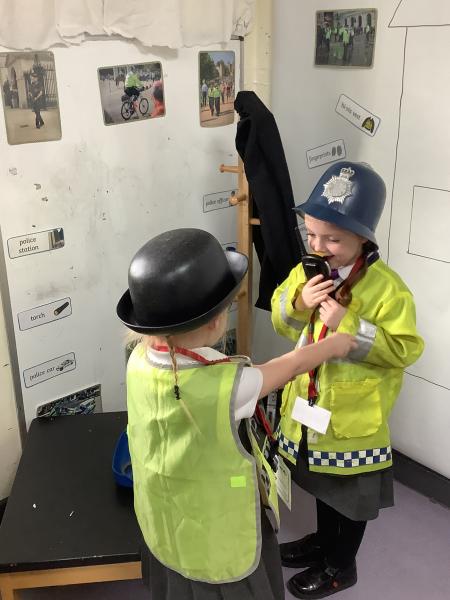
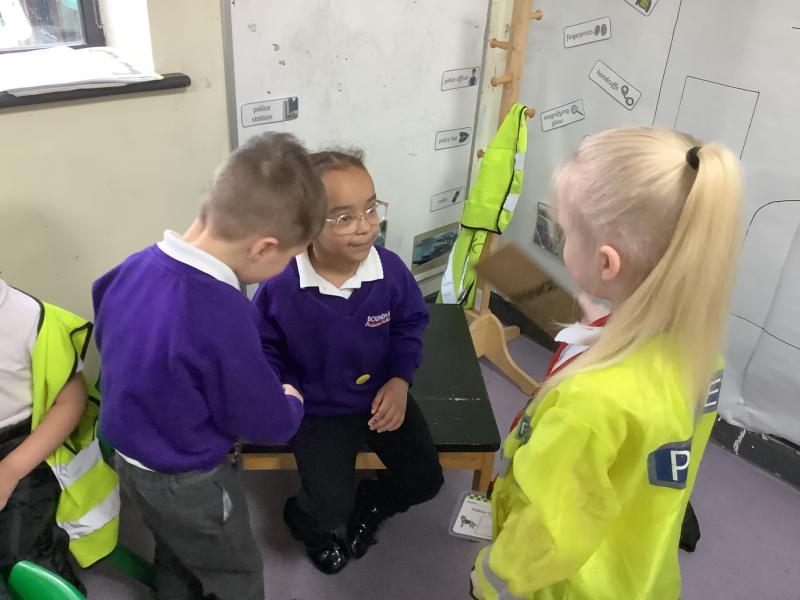
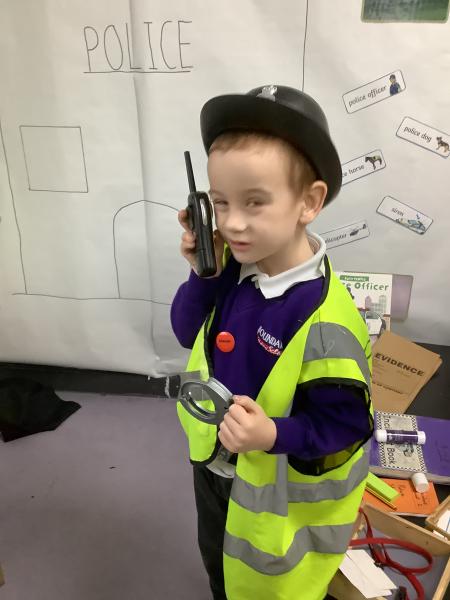
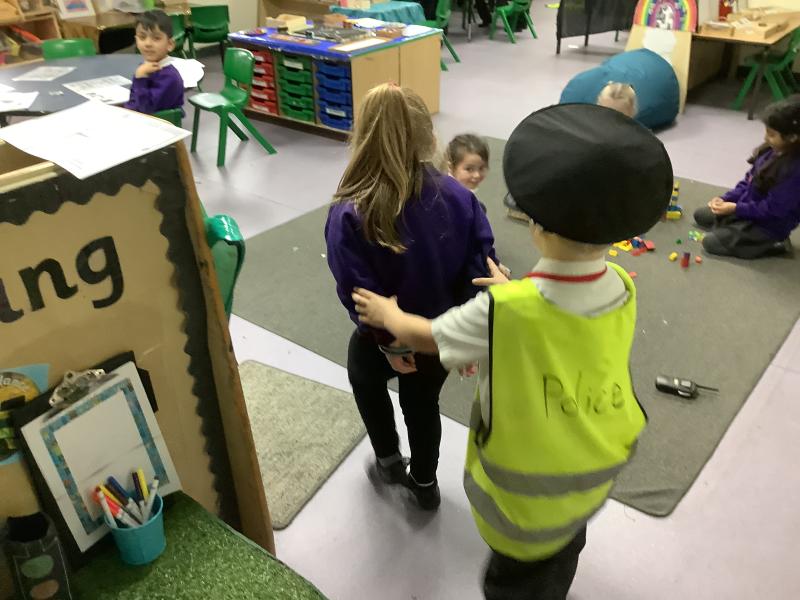
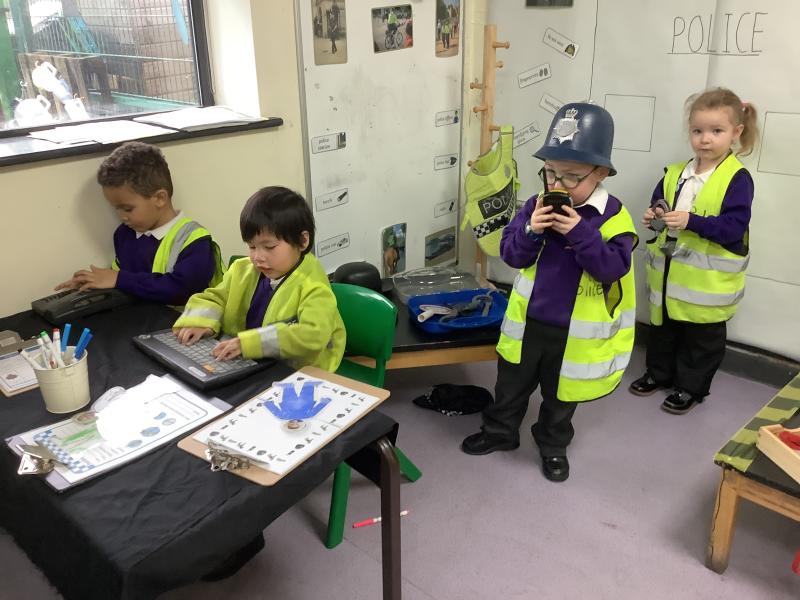
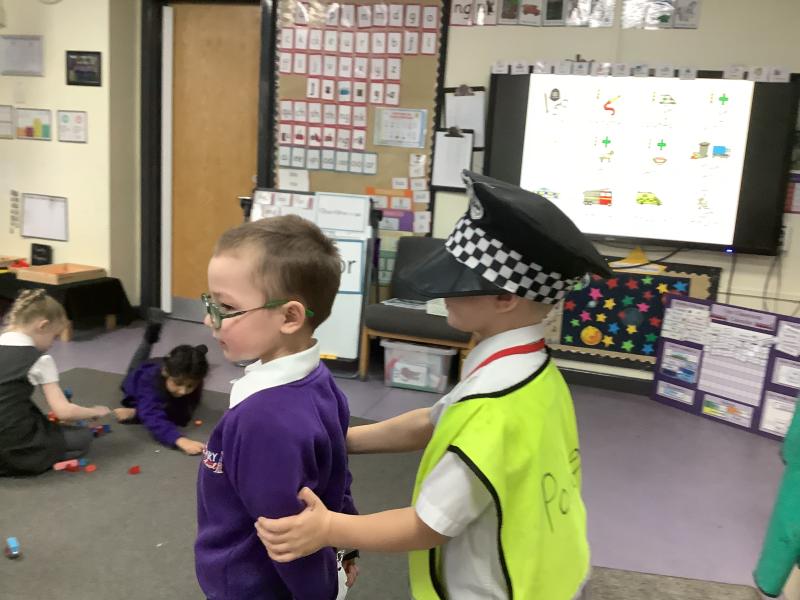
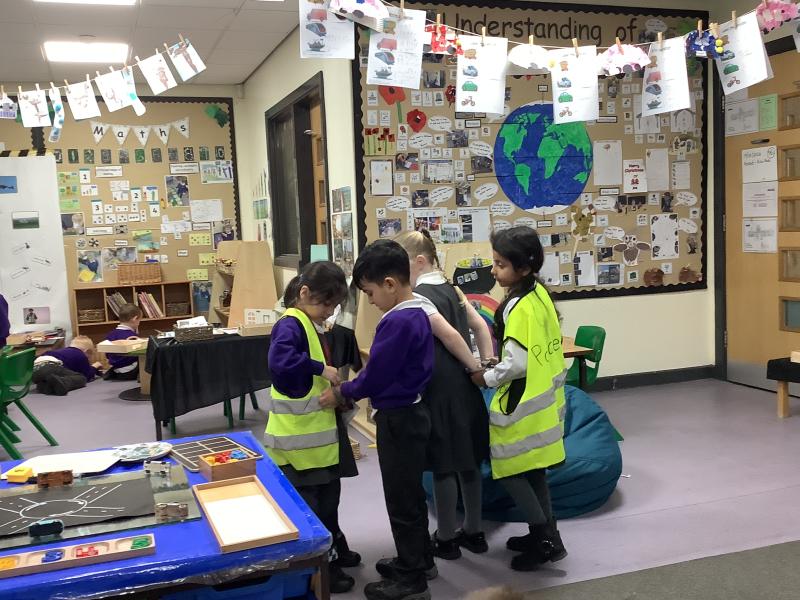
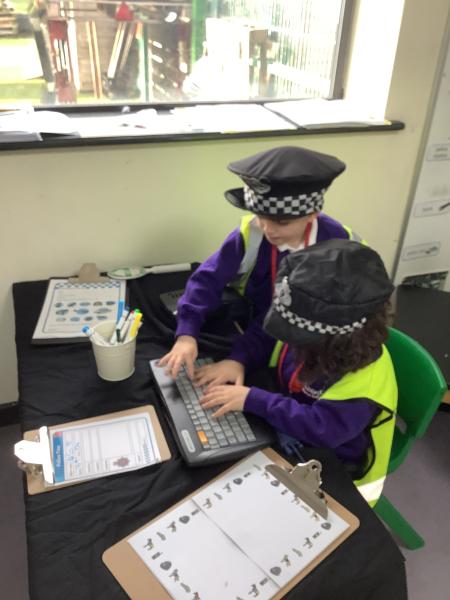
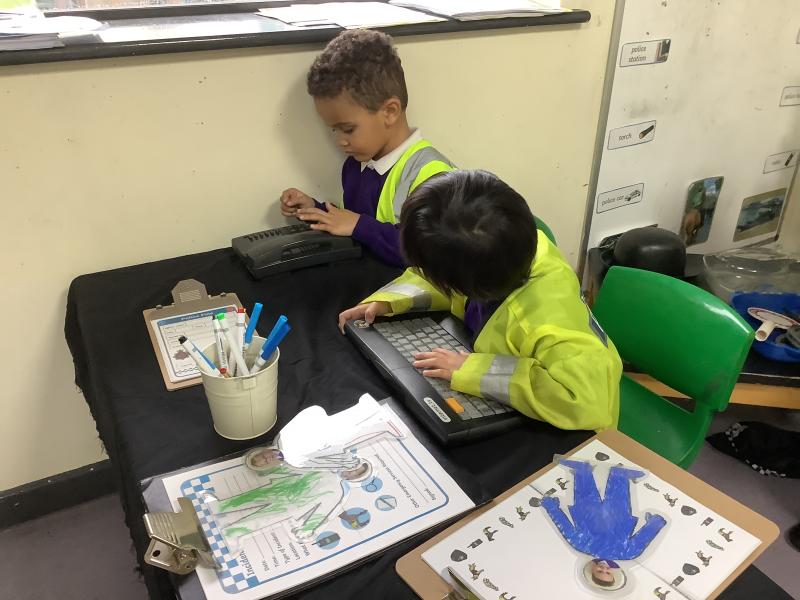
Reception Role Play in the police station
Date: 23rd Jan 2026 @ 11:52am
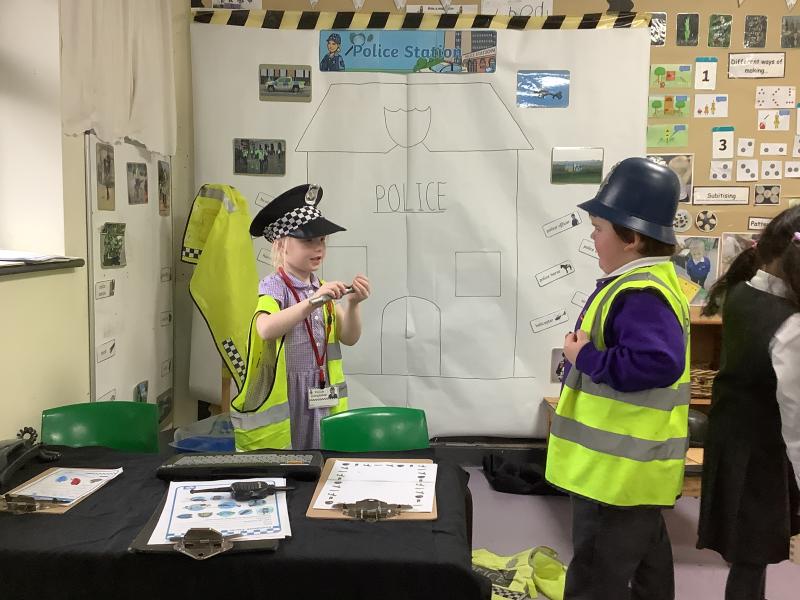
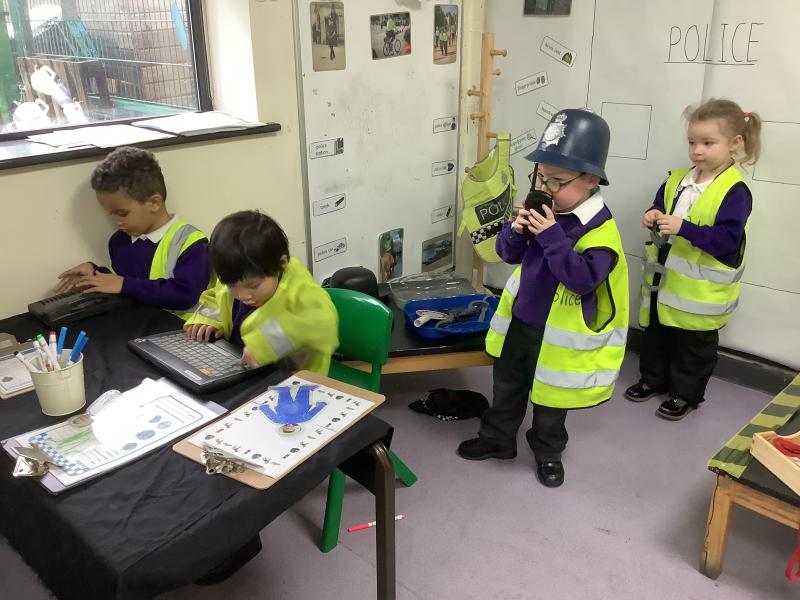
As part of our learning about people help us the children have enjoyed roleplaying in our classroom police station. They have been learning about the job of a police officier and how they help keep our community safe. The children enjoyed dressing up in the costumes, arresting criminals and writing up incidents at the police stations. The children have been using their imagination to create their own stories and narrative and used their oracy skills to speak correctly using the correct vocabularly.
Date: 23rd Jan 2026 @ 10:49am
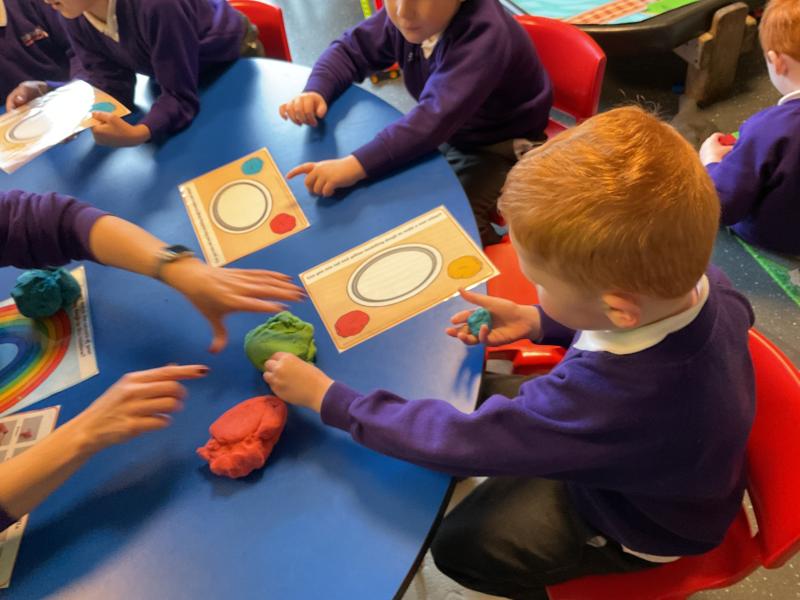
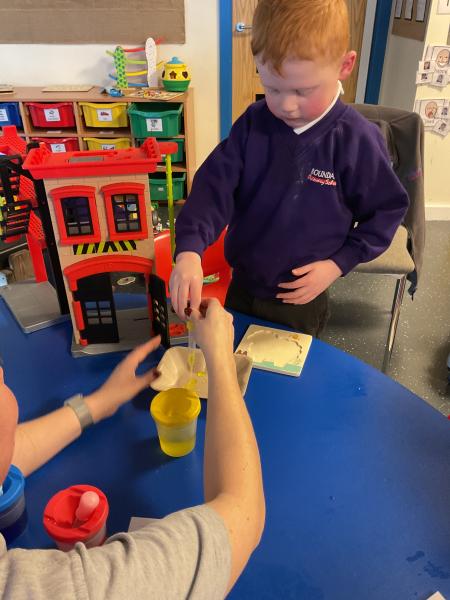
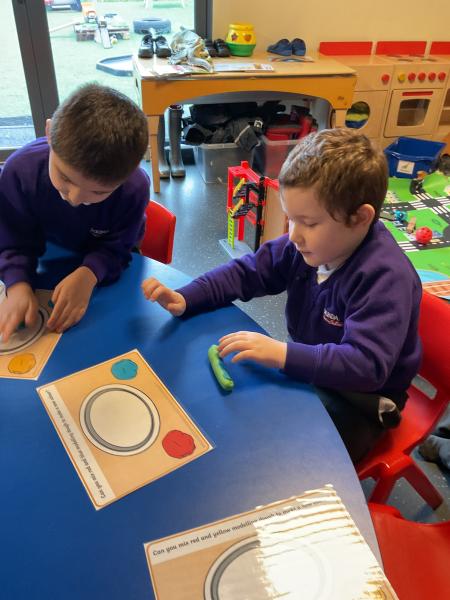
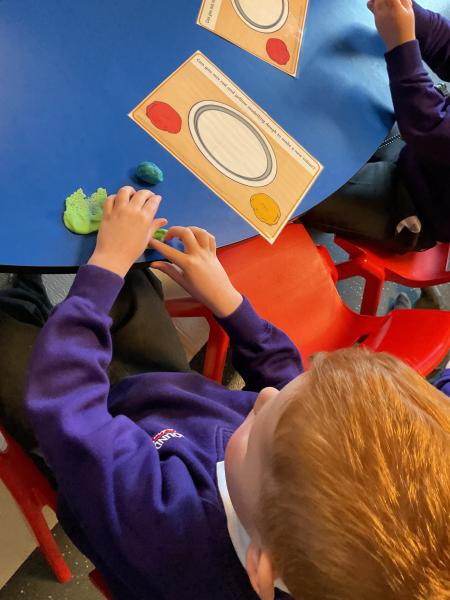
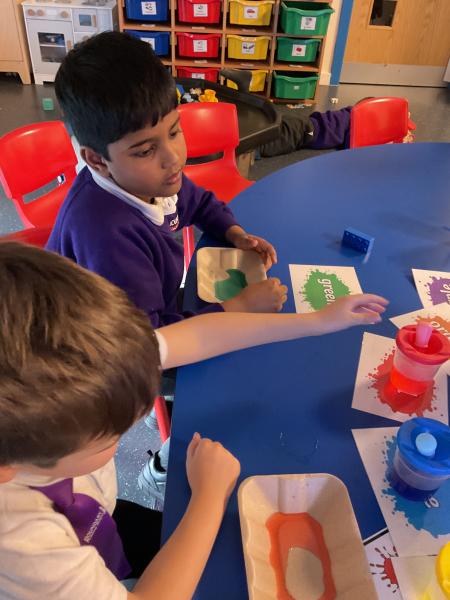
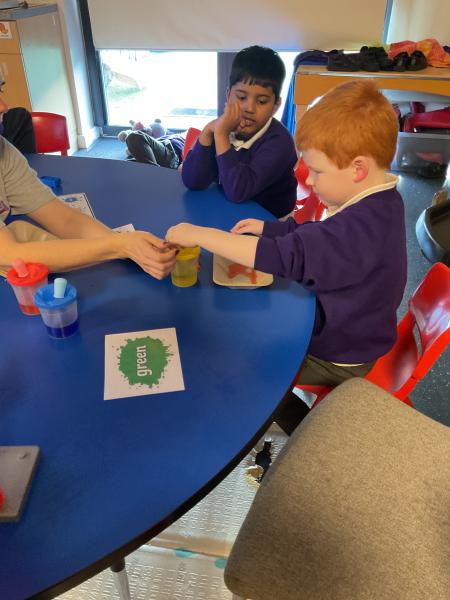
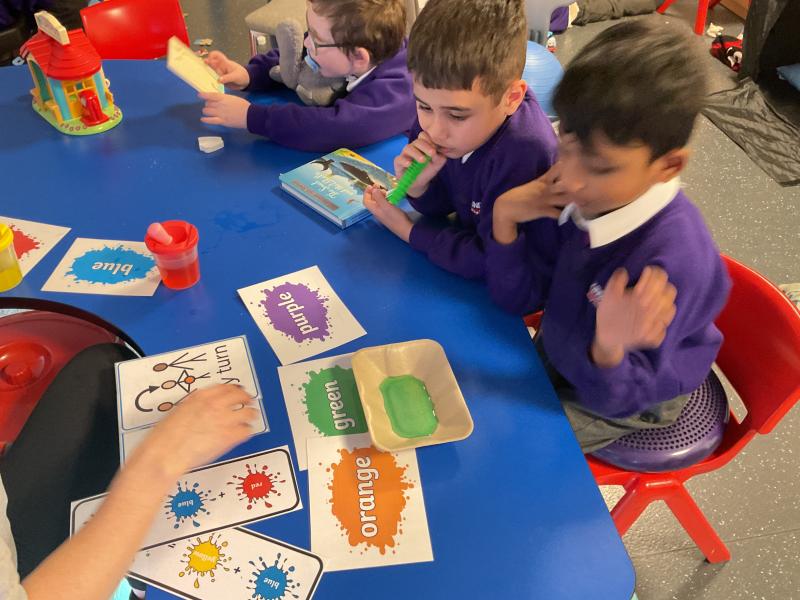
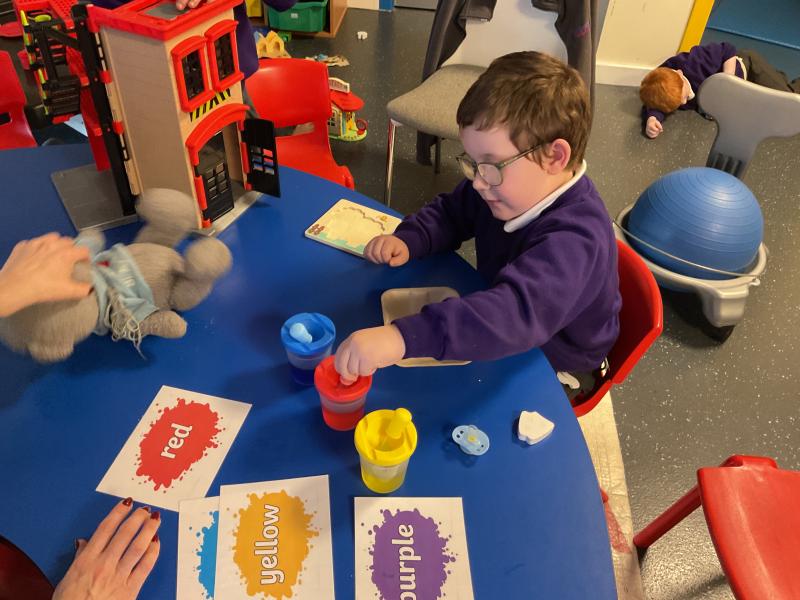
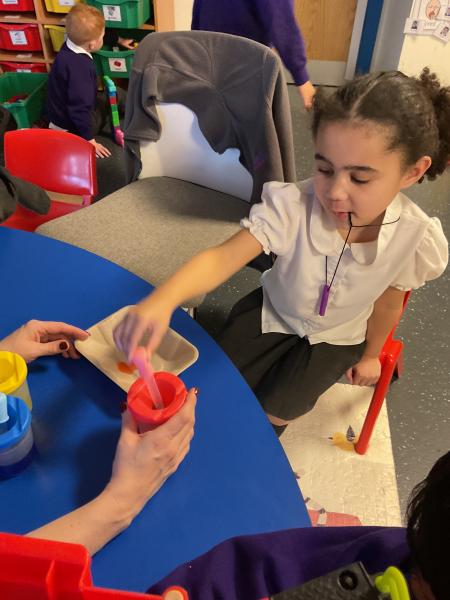
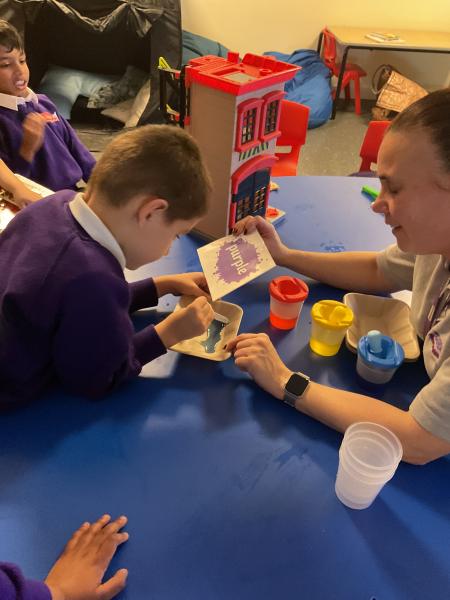
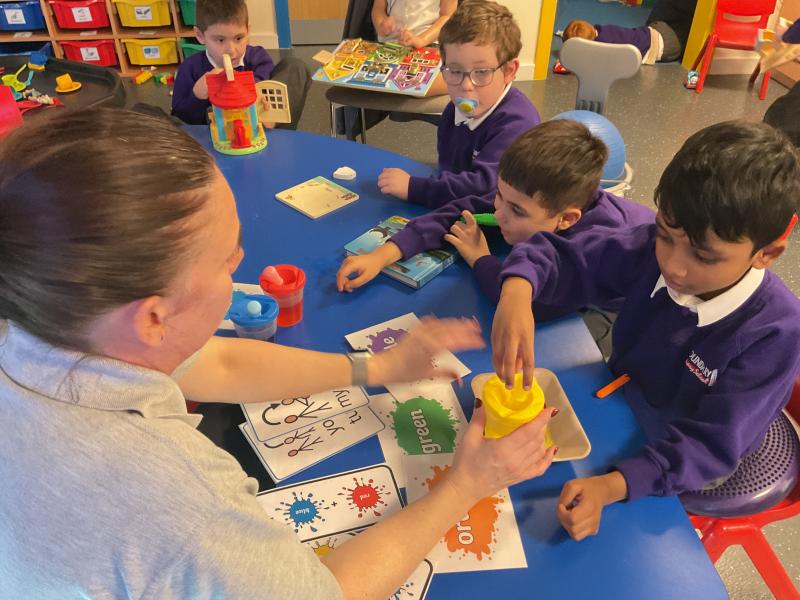
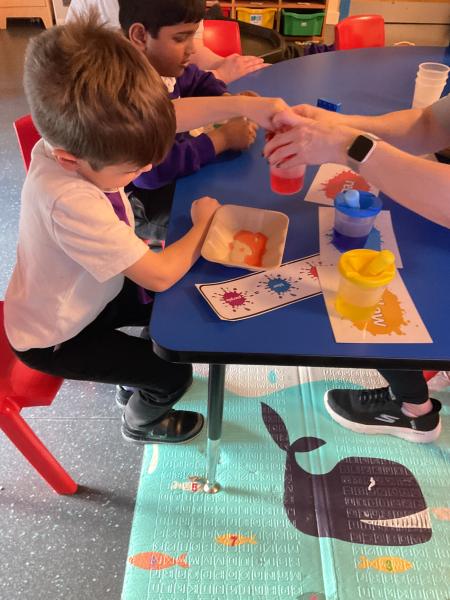
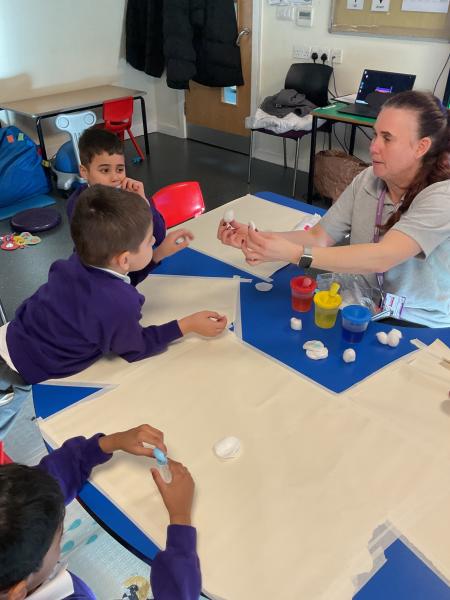
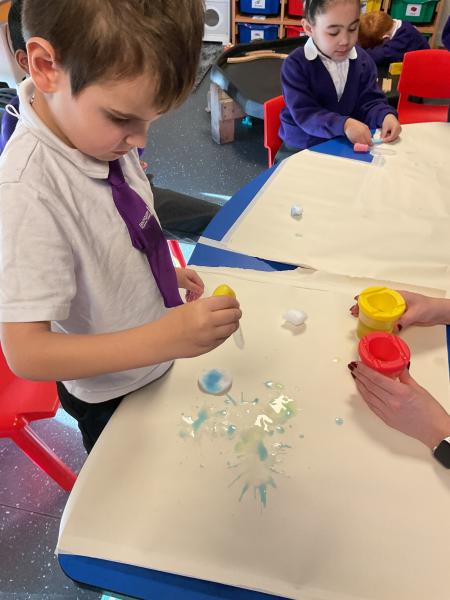
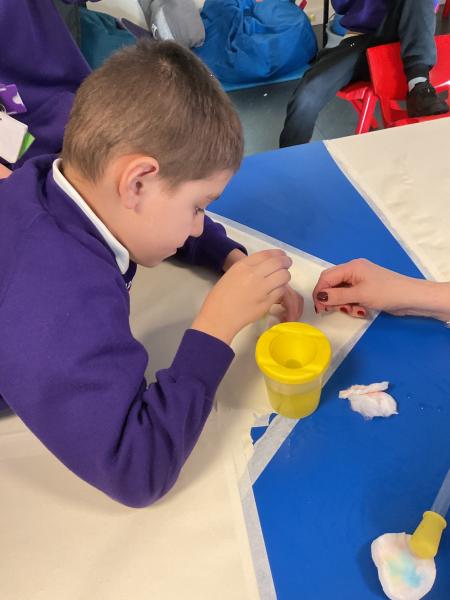
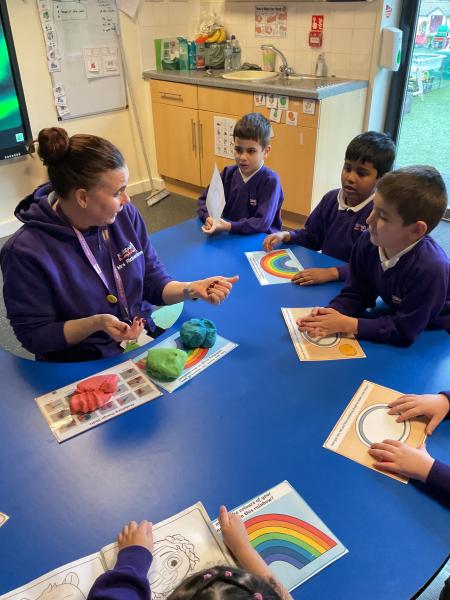
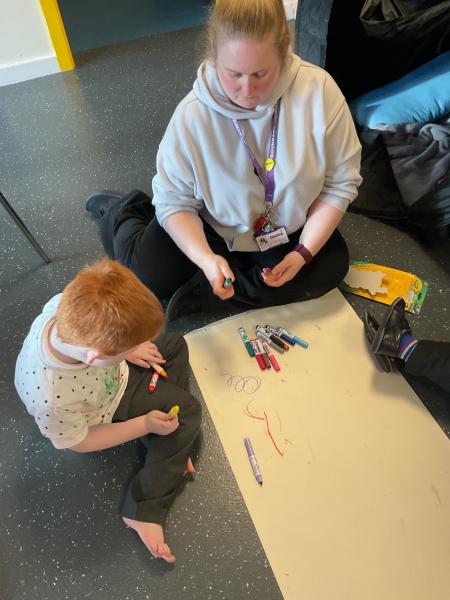
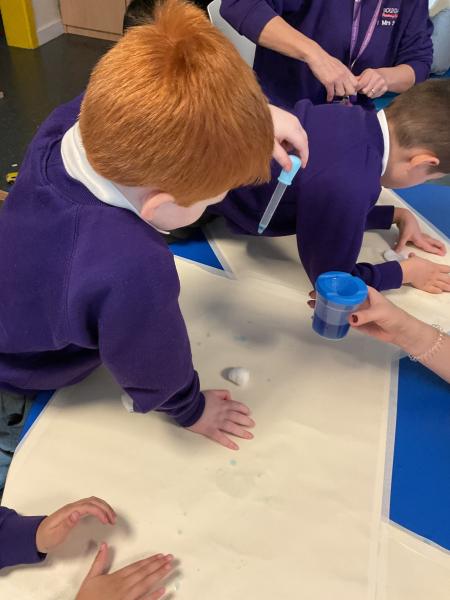
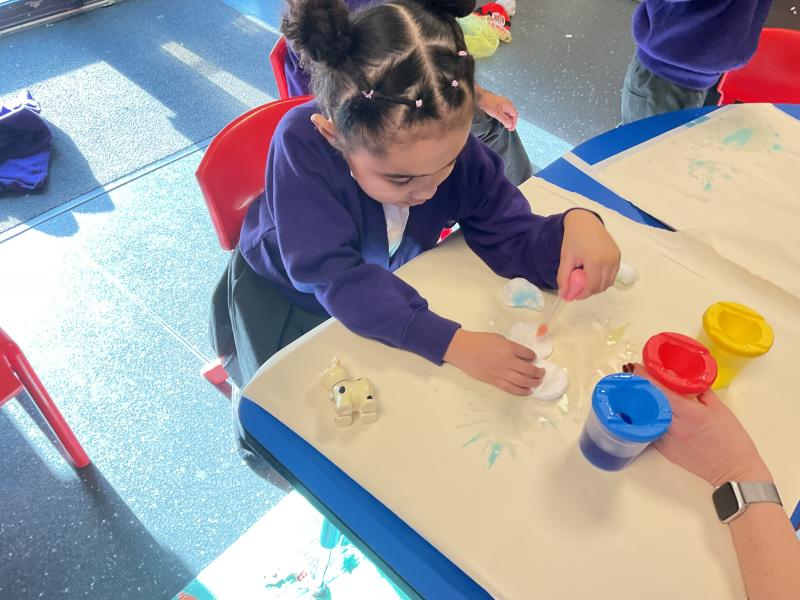
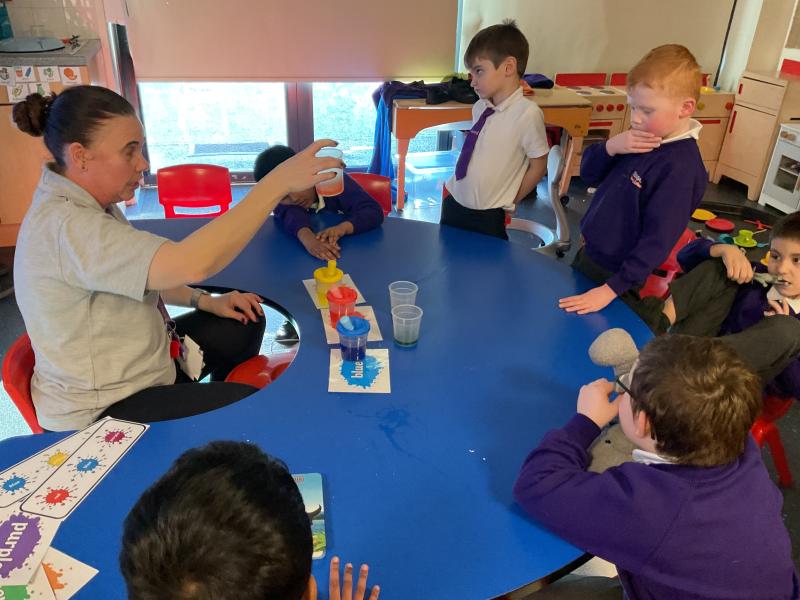
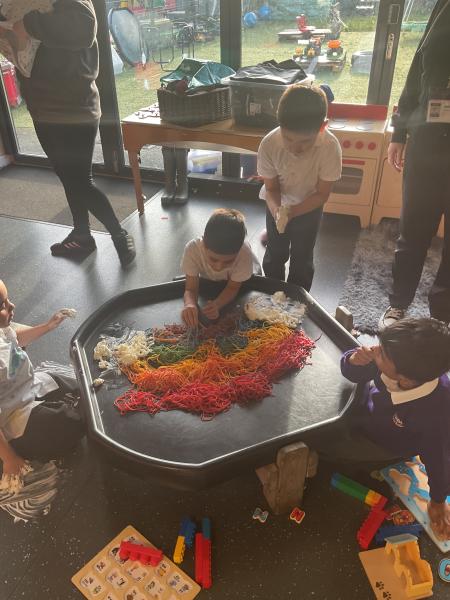
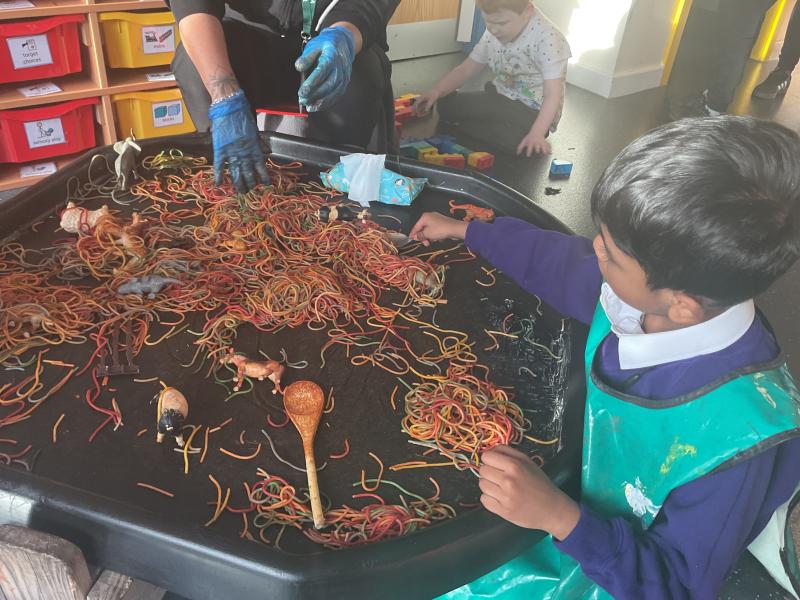
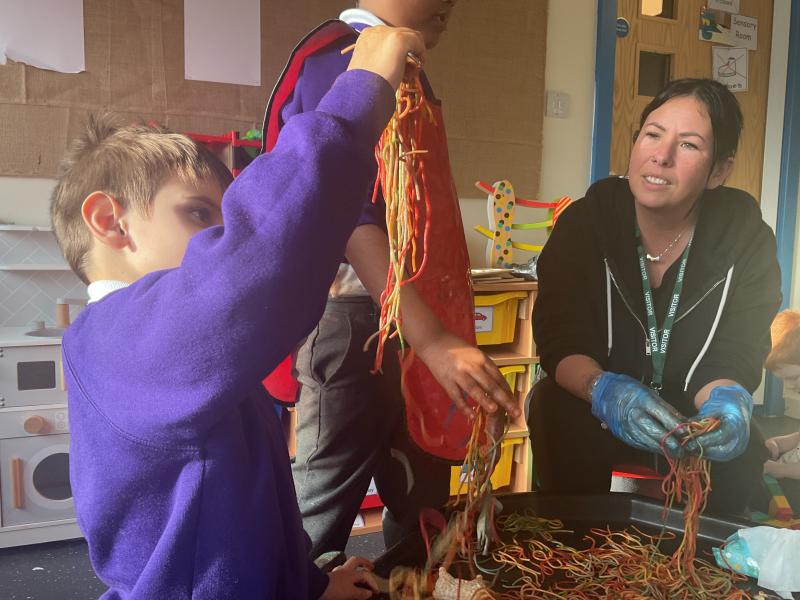
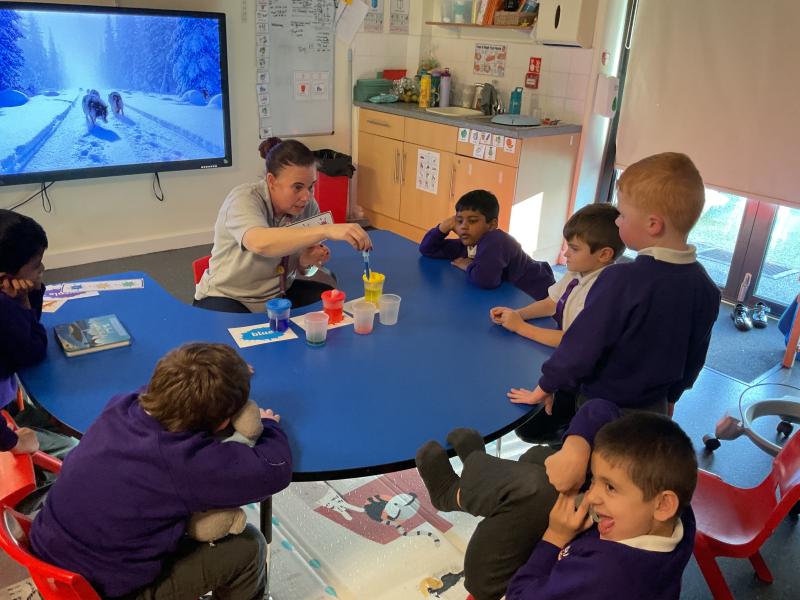
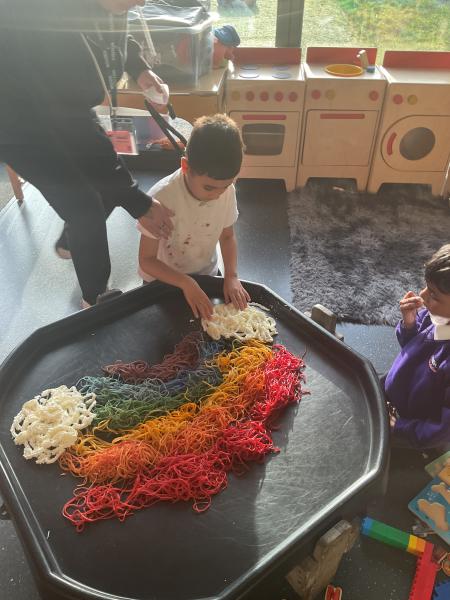
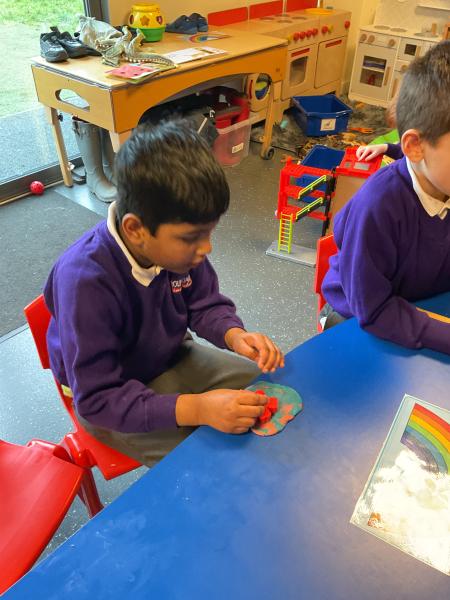
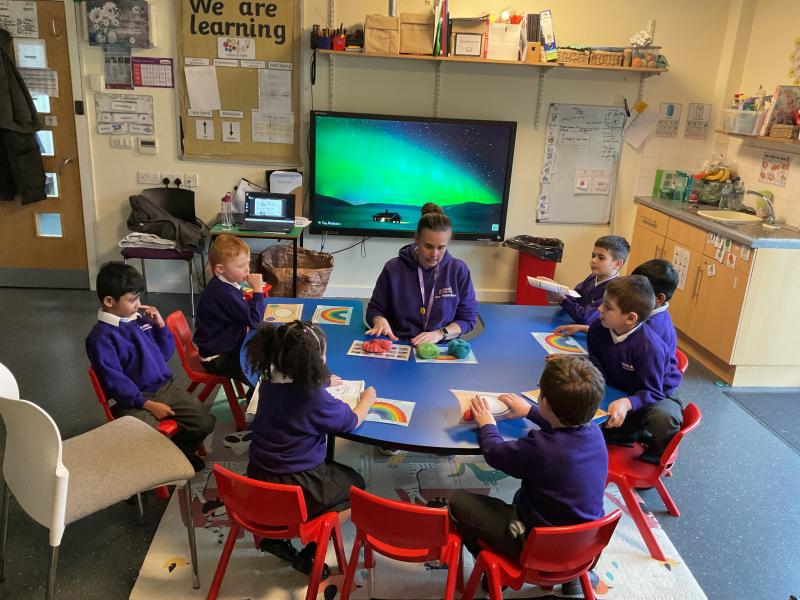
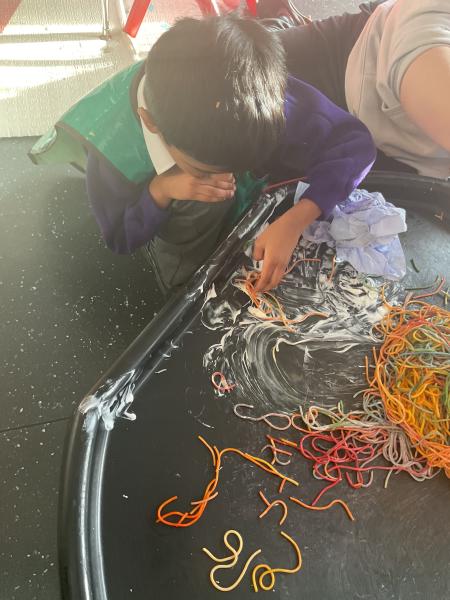
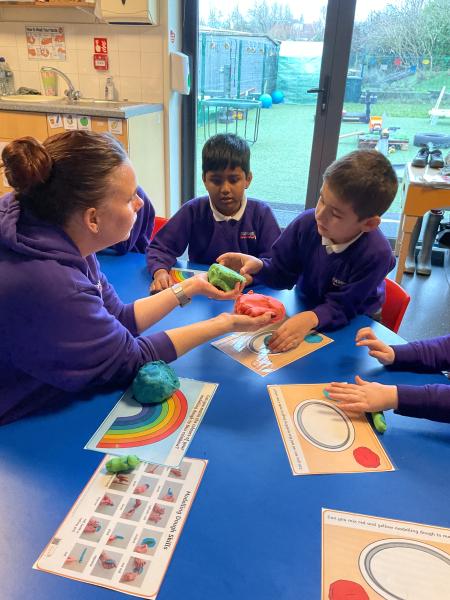
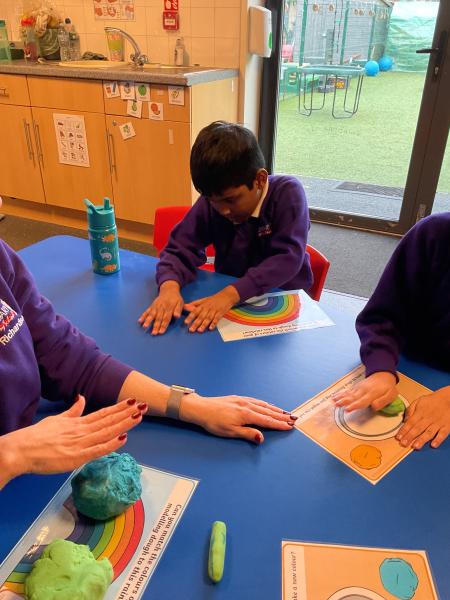
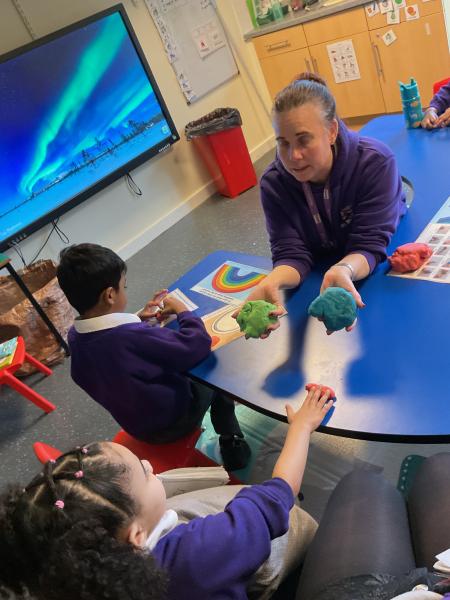
This term we have been having lots of fun exploring colours and mixing colours during expressive arts. We loved using lots of different mediums to explore mixing colours, including paint, play dough and coloured water. We have been developing our curiosity and anticipation as we wait for the colours to change.
Date: 23rd Jan 2026 @ 7:50am
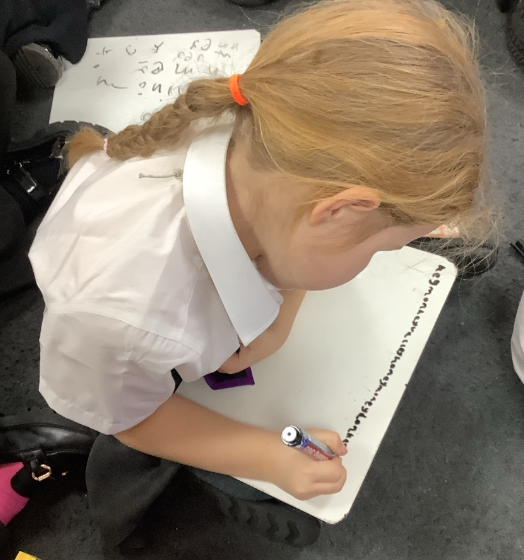
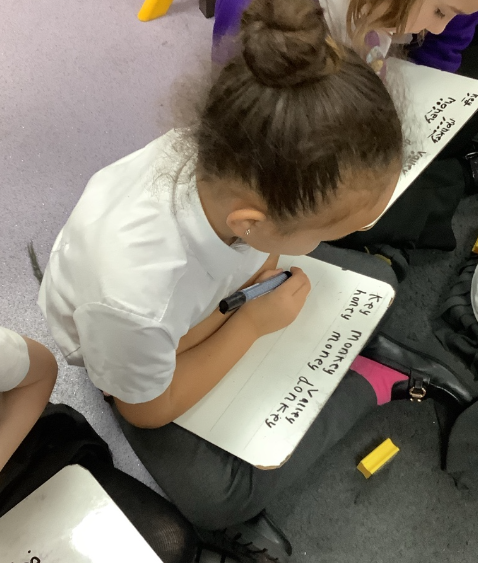
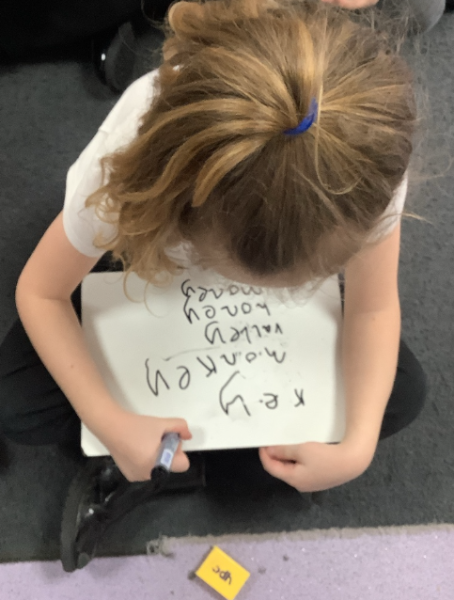
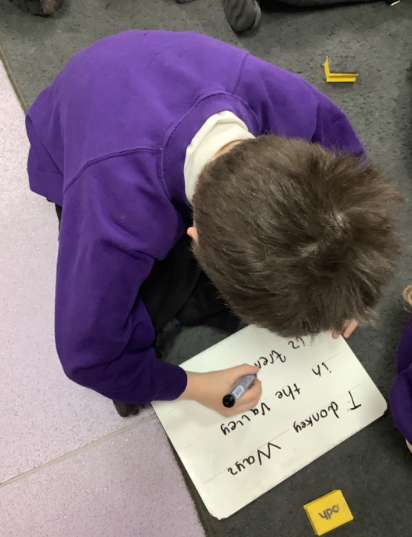
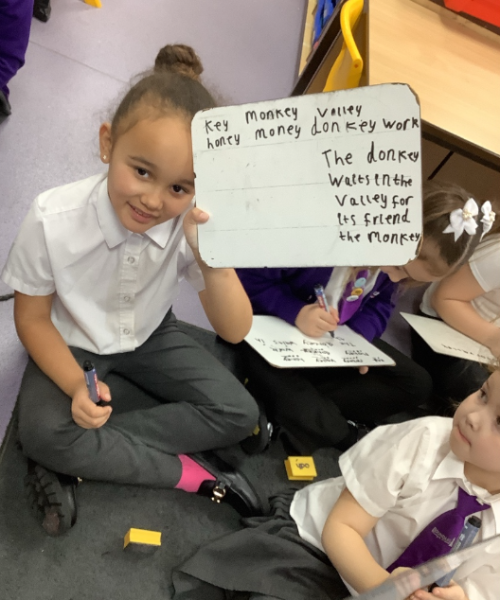
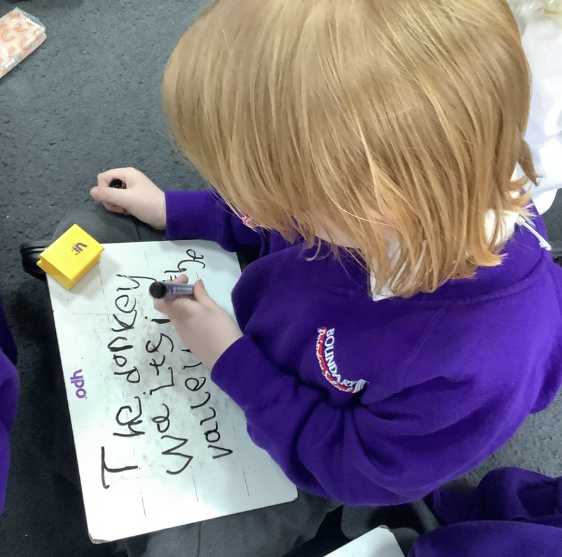
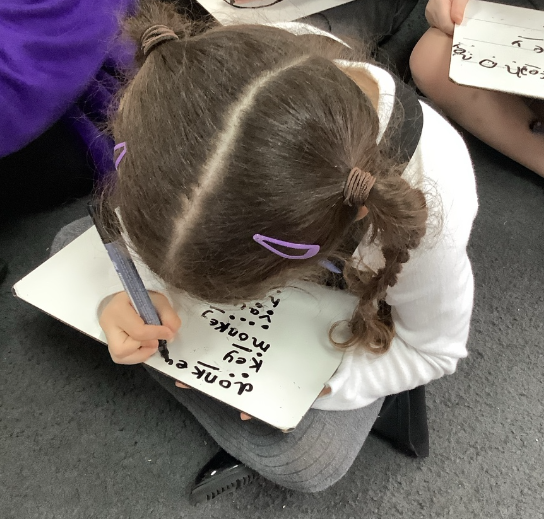
This half term in Phonics, we have been focusing on alternative sounds for graphemes already taught. Yesterday, we were looking at alternative for 'ee' being 'ey'. We discussed how the 'ey' would typically come at the end of the word and the 'ee' and 'ea' would usually be in the middle to help us differentiate when spelling. We practised reading lots of words with the diagraph in before attemtping to applying our new knowledge to writing.
Date: 22nd Jan 2026 @ 8:52pm
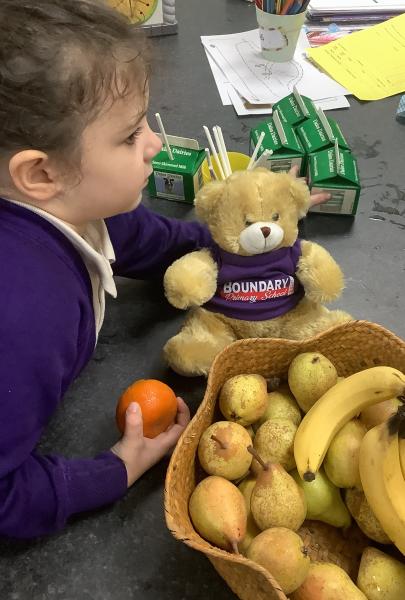
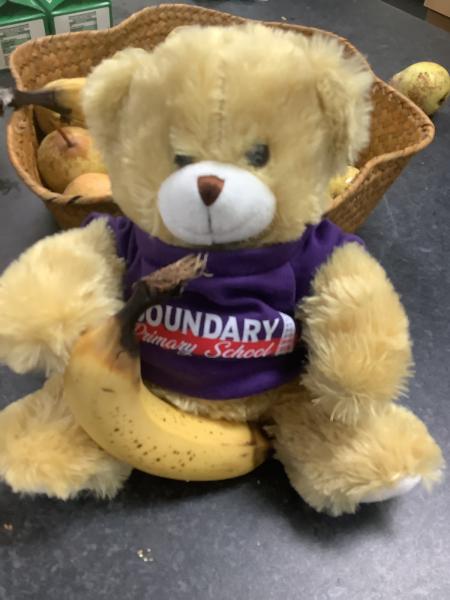
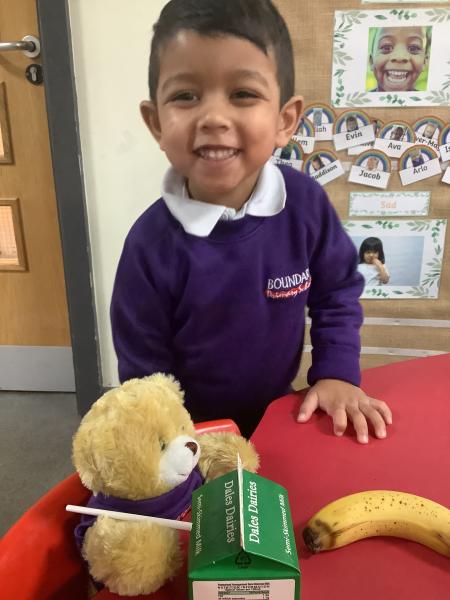
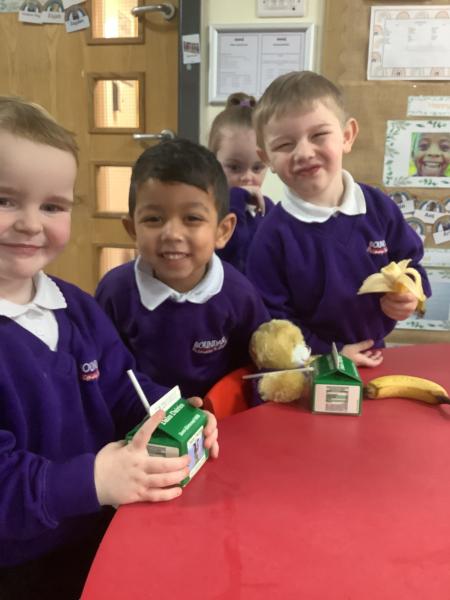
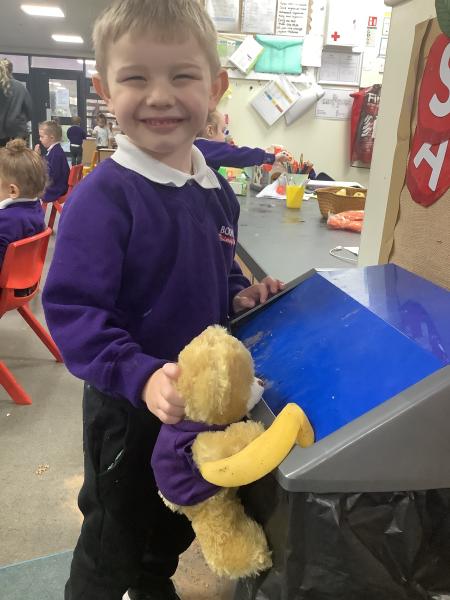
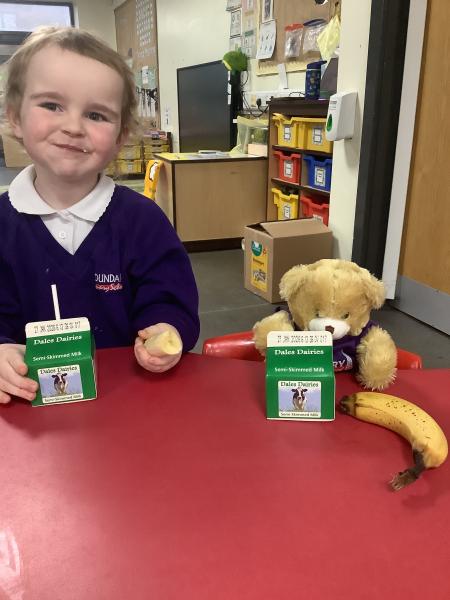
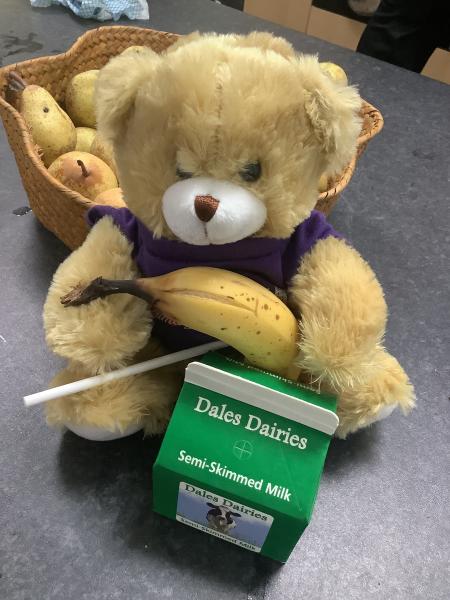
This week, the preschoolers have been busy helping Teddy get ready for school. Through caring for Teddy, the children have been practising making their own choices and developing independence in everyday routines.
At mealtimes, the children supported Teddy to do things for himself. They helped him peel his fruit, carefully put a straw into his milk, and showed him where to place his rubbish when he was finished. These small but meaningful moments encouraged Teddy to try, persevere, and feel confident in his abilities.
By helping Teddy, the children demonstrated kindness, responsibility, and growing independence.